Okay, sit down, because I need to talk about this and I need somebody to be as annoyed as I am. It’s never one big thing. It’s four dollars here, twenty percent there, an extra unpaid hour on a Sunday night, and it adds up to a number nobody’s ever calculated because it’s spread across a lifetime in tiny slices. These woman tax posts are that number, finally itemized by people who noticed. Some of them found workarounds. Those women are my heroes. Let’s get into it.

The bar for men is practically a tripping hazard in hell.

Big Lamination strikes again.

Shrinkflation, but make it high fashion.


Elsa is an absolute financial icon for this.




The Woman tax
Read More
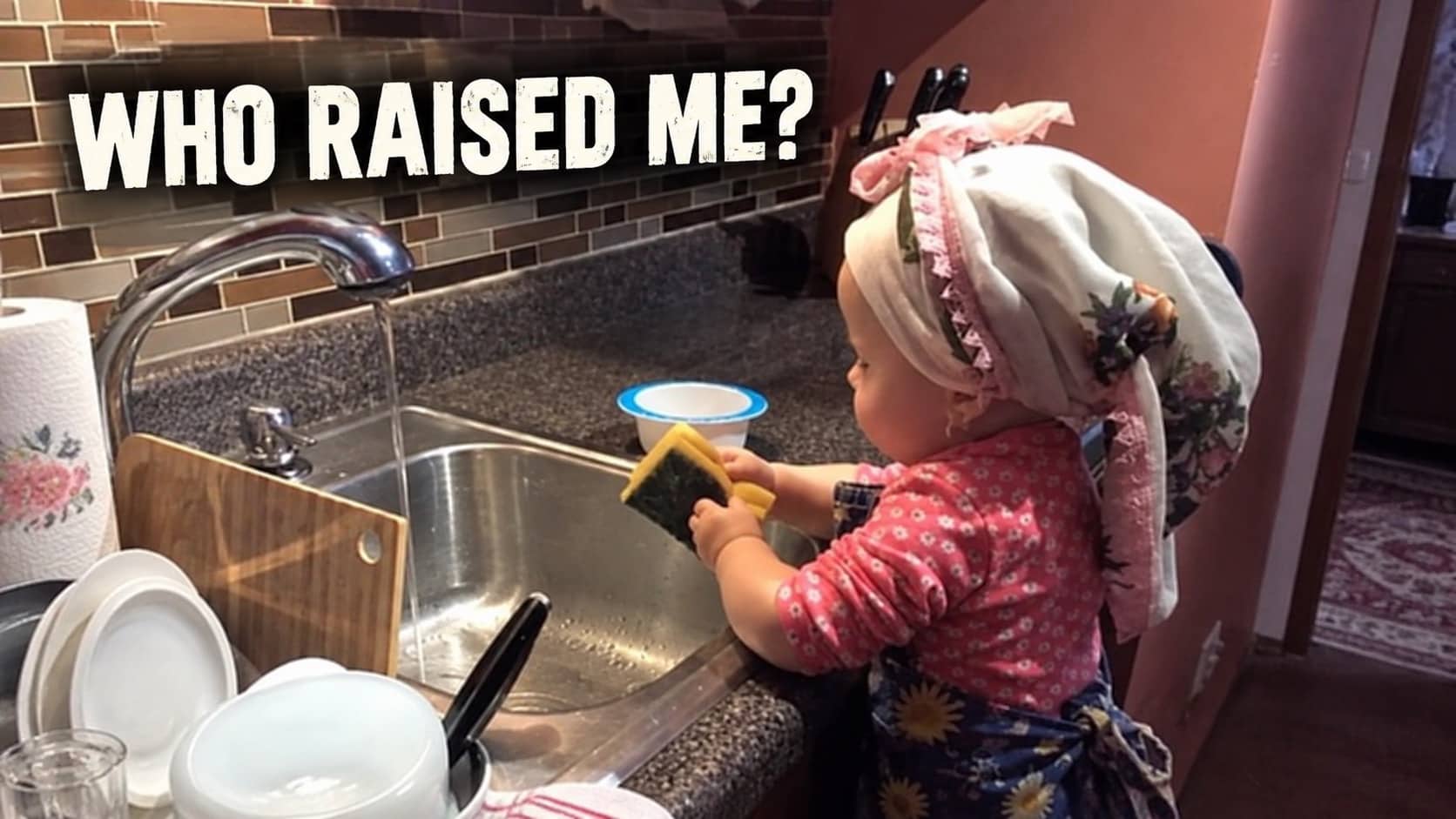
The unpaid labor stuff hit me the hardest, honestly, because it’s not even a price tag, it’s expectation. There are posts from teachers describing how female educators are expected to produce fully decorated, Pinterest-perfect classrooms out of their own pockets, laminating things at two in the morning, while a male colleague gets a standing ovation for hanging one poster. That’s not a supply budget issue. That’s an unwritten job requirement with a private funding model, and the bar for one group is somewhere near the ceiling while the bar for the other is a mild tripping hazard on the floor.
Then the retail markups, which are the ones you can actually measure, and once you see them you can’t unsee them. Clothing charged at a premium while containing objectively less fabric, thinner material, and pockets that exist only decoratively, if at all. Deodorant priced higher while containing fewer active ingredients, meaning you pay more to sweat more, which is a business model of remarkable confidence. And dry cleaners charging significantly more to launder a woman’s cotton button-down than an identical man’s shirt, as though the geometry requires a specialist. It’s a cotton shirt. It is not a Fabergé egg. The pressing machine does not know.
And then the pink premium itself, which is the most absurd category because the product doesn’t change at all. Somebody documented a twenty percent upcharge on birthday cake frosting purely for being pink, the exact same cake, the exact same sugar, one different dye. The cashier was reportedly as confused as everyone else. But the entries I genuinely love are the workarounds, because they’re petty and effective and deeply satisfying. The person who bought the blue cake for a princess party and saved the money. The woman who buys men’s shirts and has them tailored, laundering them at a fraction of the price for years. That’s not just saving money. That’s beating a system at its own game with a receipt, and I want their newsletter.
The reason this stuff persists is that each individual instance is too small to fight. Nobody’s going to make a scene over four dollars of frosting. You’d look unhinged arguing with a dry cleaner over a shirt. So you pay it, every time, in tiny amounts, and the tiny amounts are the entire strategy, because a cost you’d never dispute is a cost you’ll pay forever. The genius of it is the size. That’s why itemizing it publicly matters, and that’s exactly what these posts are doing.
And the reason I’m ultimately cheerful about all this is the workaround crowd. Every one of these threads is full of people trading intelligence, buy the men’s version, check the blue one, get it tailored, and that information travels faster than any policy change ever will. Nobody’s waiting for the deodorant industry to develop a conscience. They’re just quietly rerouting around it and telling their friends. That’s not complaining. That’s a distribution network, and it’s working. Buy the blue cake. Tell somebody else.
The markup is small. The total is not. Buy the men’s deodorant.
If you’re now recalculating everything in your cart, our consumer content is your research folder, with pricing archives, shopping hack threads, and system-beating compilations passed along like contraband. Compare the aisles. Share what you find. That’s the whole strategy.
Read Memes
Get Paid


Katie Rodriguez is a seasoned writer with eight years dedicated to meme commentary, viral internet events, and digital storytelling. Formerly a senior meme analyst at Bored Panda and an occasional guest contributor at Vice's Motherboard, Kat specializes in meme culture’s intersection with social media phenomena—covering trends like Milk Crate Challenge, Area 51 Raid, and Baby Yoda. She’s known for her witty writing style and deep understanding of why certain memes resonate across generations, making her a valuable voice on Thunder Dungeon.