Here’s what I love about this format, and I mean genuinely love: those five words do absolutely nothing. “A man walks into a bar.” No information. No character. No stakes. And yet the second you hear them, your brain sits up and gets ready, because it knows something’s coming. These a man walks into a bar jokes are the oldest working machine in comedy, and every one of them still runs. Pull up a stool. I’ve got a few.

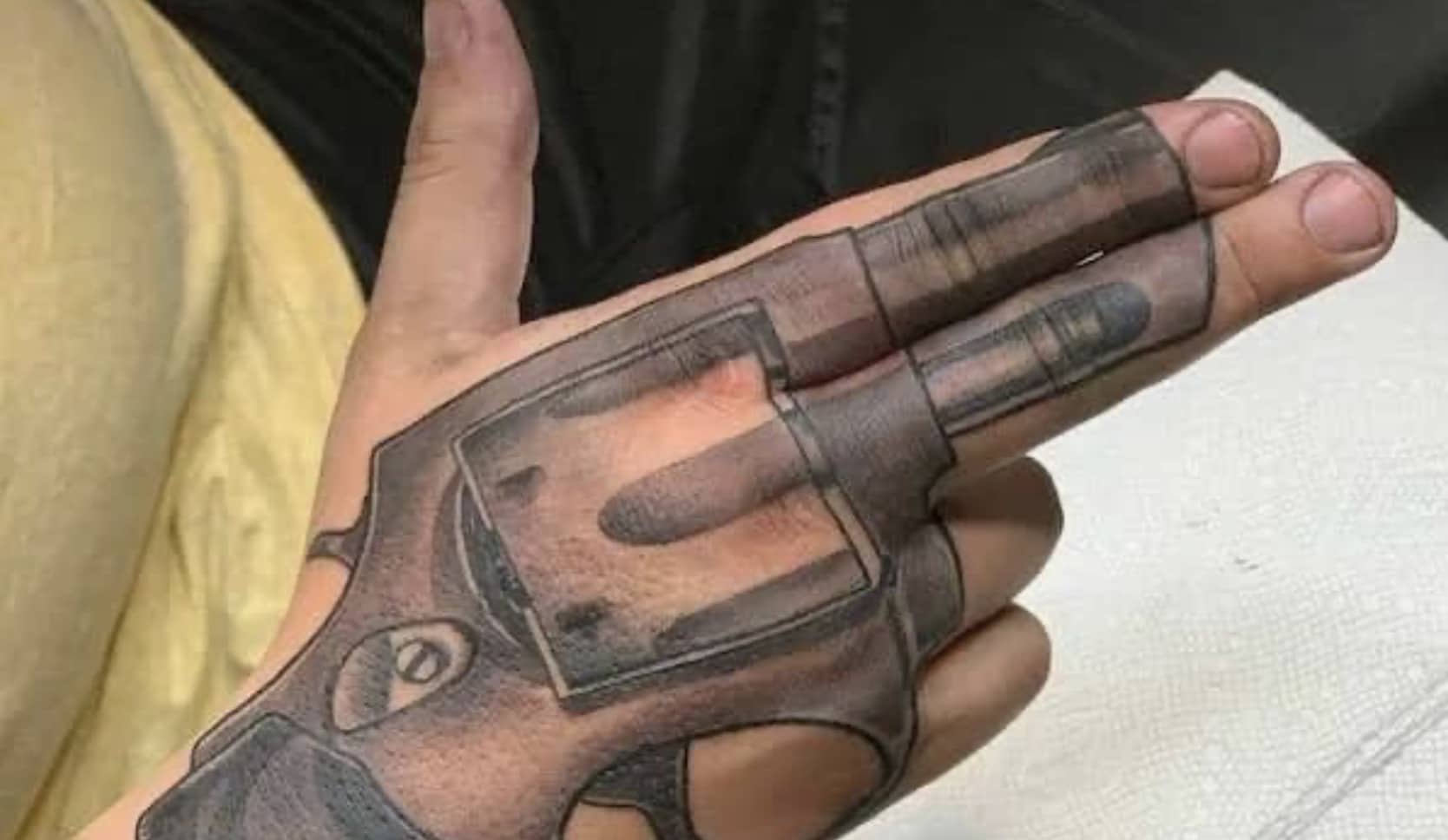
A classic dad joke served rare.
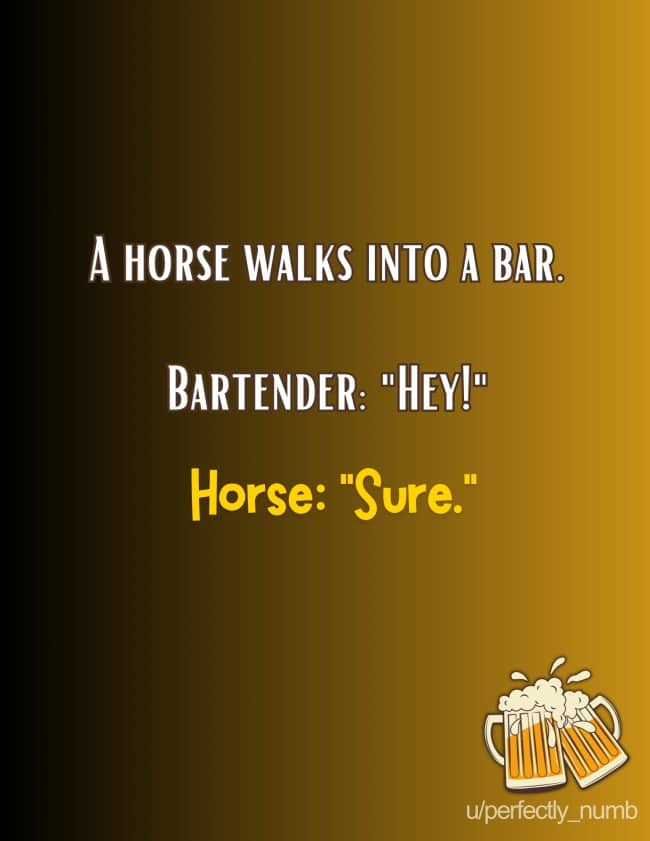
Short, sweet, and strictly for the equine crowd.

Read the room, cowboy.


Boo-zy humor.




A man walks into a bar jokes
Read More
The literal-interpretation crowd is where this format gets gloriously stupid, and I mean that as the highest compliment. The whole setup relies on you assuming “walks into a bar” means entering an establishment, so the moment a joke takes it literally and involves an actual collision with furniture, you’ve been had by a five-word phrase. That’s a joke built entirely out of your own assumption. You did the work! You brought the assumption in yourself and the punchline just pointed at it. There’s something almost beautiful about a gag that operates by ambushing your reading comprehension.
Then there’s the animal and supernatural crowd, which is the format’s most reliable engine. A horse walks in, a giraffe walks in, a ghost walks in, and the bartender always has a line ready, because this bartender has apparently been fielding surreal patrons for two hundred years and remains completely unbothered. That’s my favorite recurring character in comedy, honestly: the eternal bartender, deadpan, unimpressed, ready with a pun about spirits. He’s seen everything. He’ll see more. He has never once been surprised, and I find that genuinely reassuring.
And then the technicality jokes, the ones where somebody finds the loophole, and these are the closest the format gets to actual philosophy. Someone promised not to drink and drinks through a straw, and technically, TECHNICALLY, the promise stands. Someone in a religious order orders whiskey in a teacup and gets caught by a bartender who has clearly run this play before. What I love is that these jokes reward the person who bends the rule instead of punishing them, which is a moral position, delivered in three sentences, in a bar. That’s more ethics than most sitcoms manage in a season.
Here’s what I think keeps this format alive when every other joke structure has gone out of style: it’s portable. You don’t need a stage, a setup, a screen, or context. You can deliver one at a wedding, a funeral reception, a hardware store, to a stranger, in five seconds, and everyone knows the rhythm without being taught. That’s not a joke format. That’s a folk technology, passed down without instruction, functioning perfectly on equipment from centuries ago.
And the groan is part of the design, which took me years to appreciate. When somebody hears a pun and sighs out loud, that’s not rejection. That’s the highest compliment the format accepts, because the sigh means it landed, the wordplay connected, and they wished they’d seen it coming and didn’t. Nobody sighs at a joke that failed. They just stare. So collect a few of these. Deploy them badly. Enjoy the sigh. It’s applause with a different accent.
The man walked in. The bartender was ready. Somebody groaned. Perfect.
If you need a few more for the next family gathering, our joke content is fully stocked, with one-liner archives, pun threads, and classic setup compilations organized by how loudly people will sigh. Take three. Deliver them confidently. Accept the groans as payment.
Read Memes
Get Paid


Jake Parker, known around the web as "Jay," is a digital writer with over 10 years of experience covering internet humor, meme trends, and viral content. Before joining Thunder Dungeon, Jay was the lead editor at MemeWire, where he helped curate memes that broke the internet, including coverage on trends like Distracted Boyfriend, Kombucha Girl, and Bernie Sanders’ Mittens. A self-proclaimed "professional procrastinator," Jay spends his downtime scrolling Reddit and Twitter to stay ahead of what's about to break the internet next.