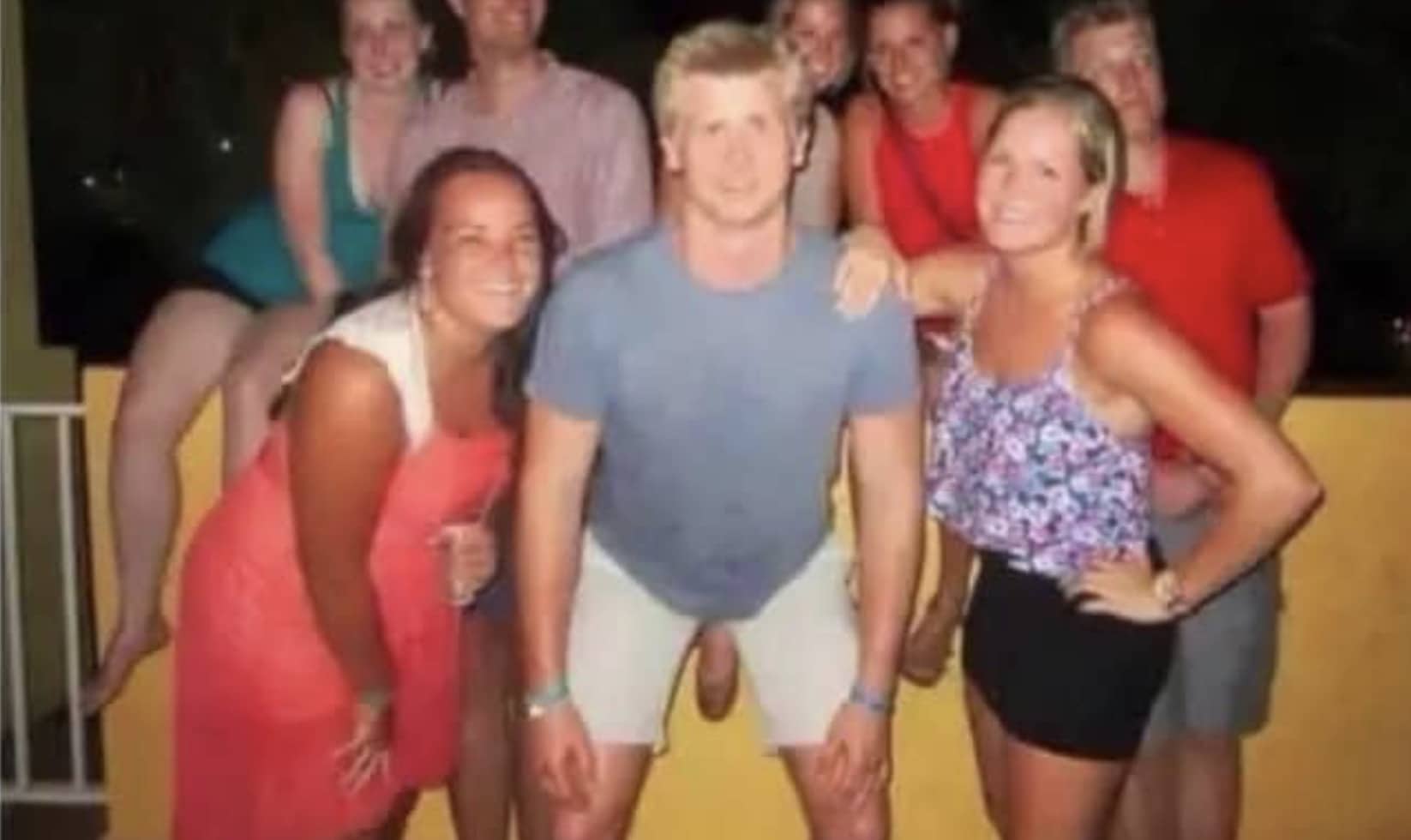
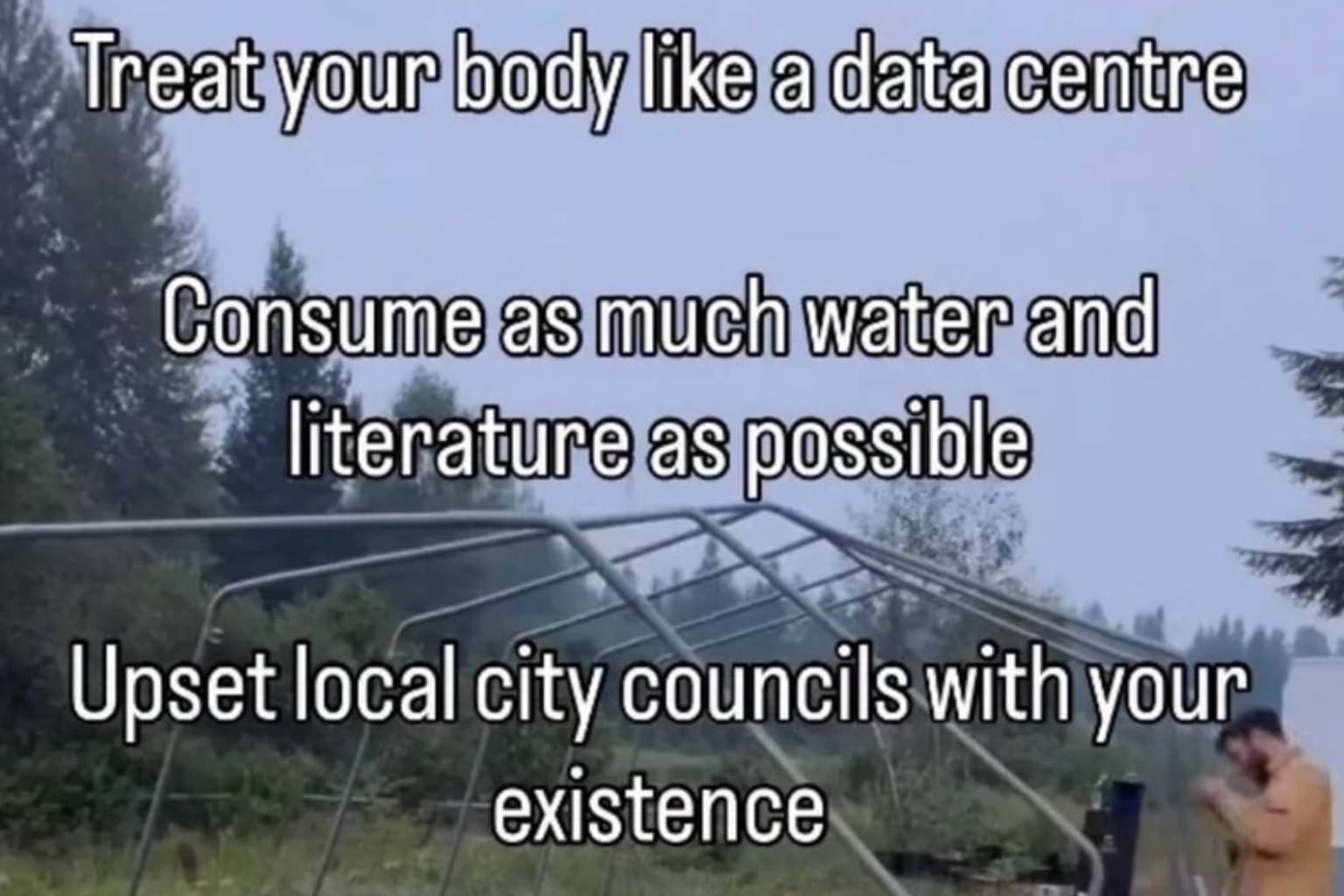
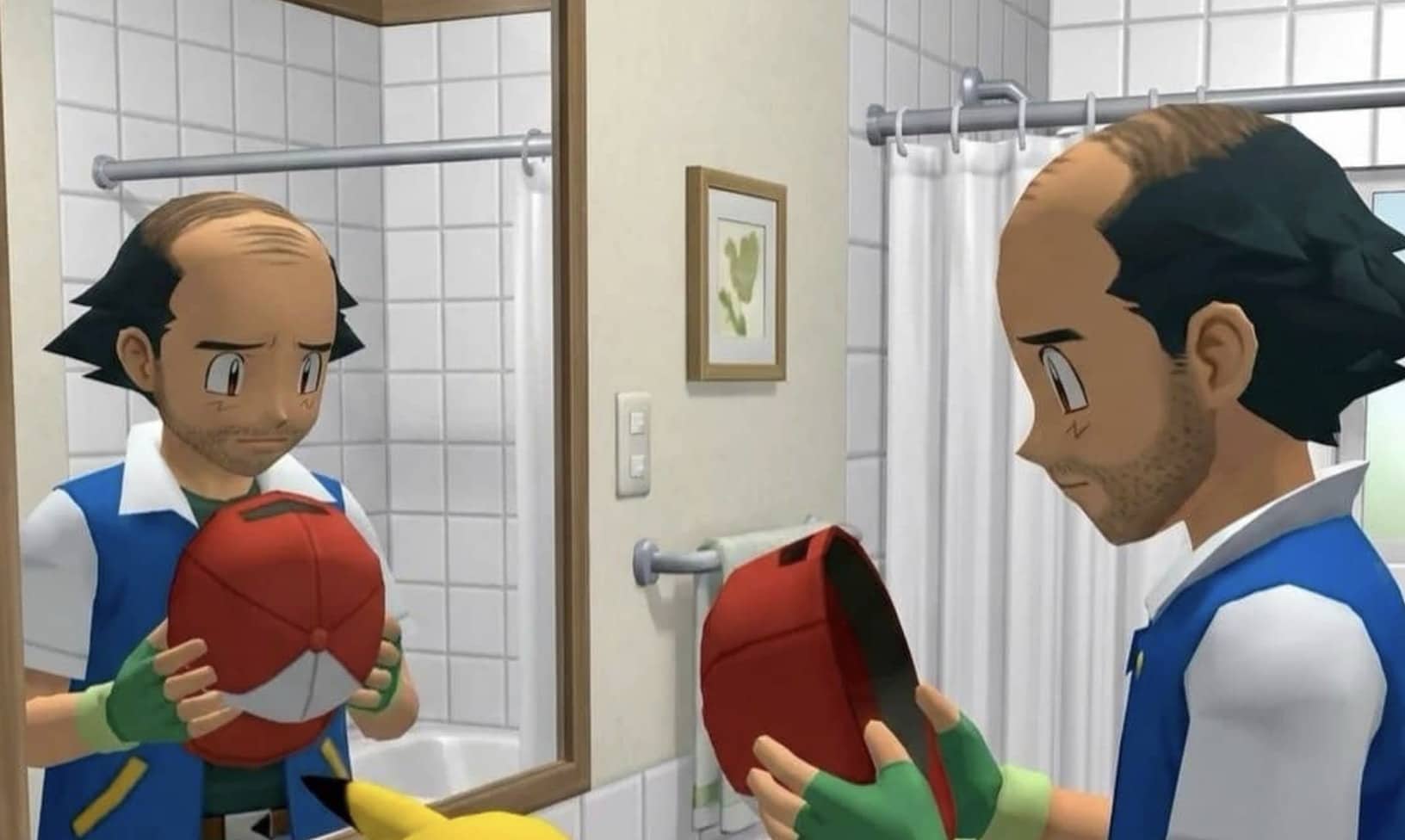
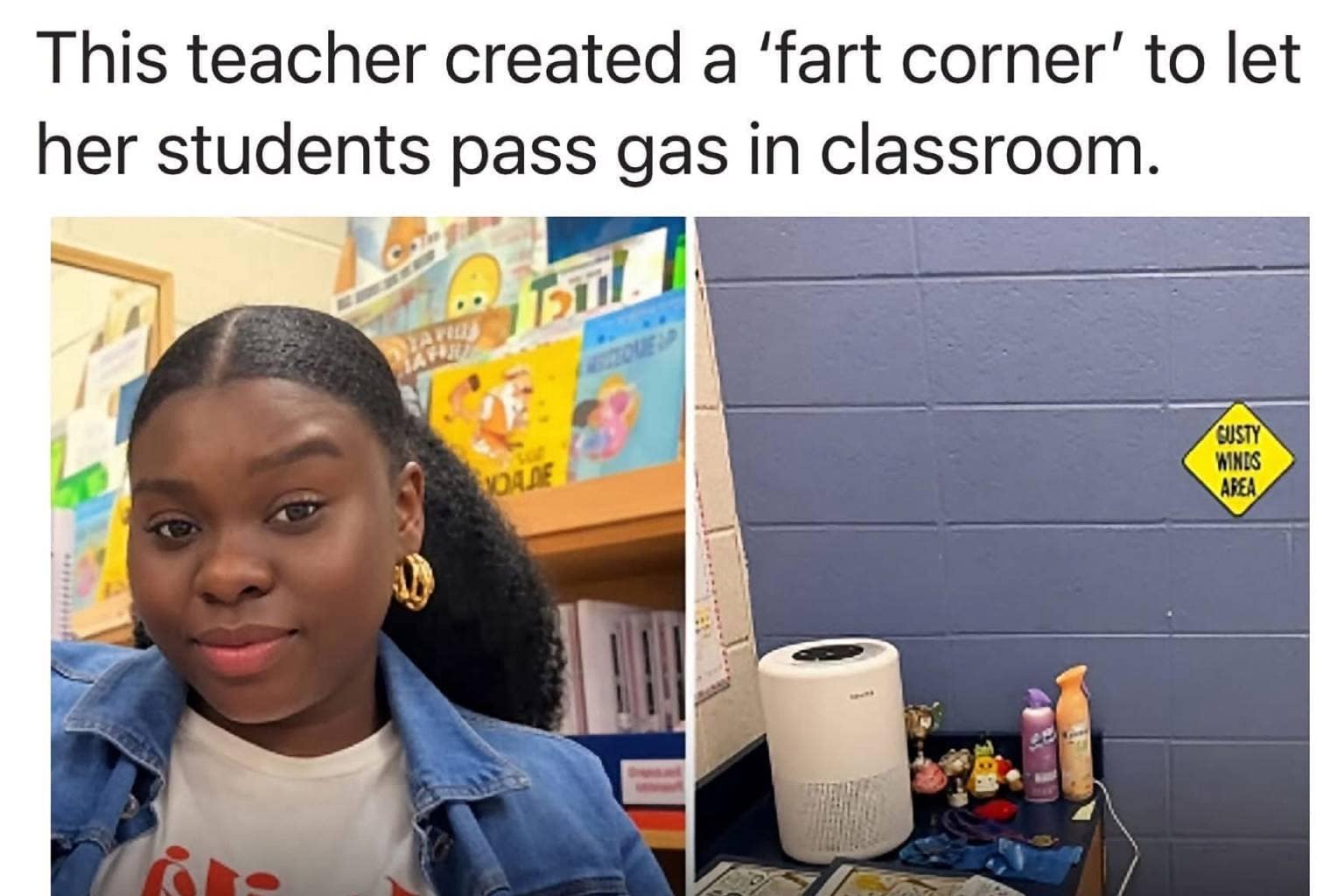
There is a particular kind of internet edit that requires you to have loved something first, and these banned kids books are the purest example. Somebody took the exact cover art from your reading rug era, matched the font perfectly, and then replaced the title with something that would end a career. It’s vandalism performed with genuine craftsmanship. My inner seven-year-old is upset. My outer adult has bookmarked all of them. Story time begins.

Just two bros sharing a canoe, a mortgage, and a life.

Santa's face says it all.

Case closed, call the landscaper





Banned kids books
Read More
The subverted classics wing does the most damage because the artwork is untouched. That’s the trick. The bears still look wholesome. The bear in the raincoat is still adorable, only now he’s clearly stumbling out of a pub, and the marmalade sandwiches have stopped working for him. Arthur is still at his little desk, still writing, only the assignment has changed dramatically and Francine should be notified. Nothing about the illustration says anything is wrong, which is precisely why your brain short-circuits. The characters’ faces are exactly as you remember. The context has been fully evicted.
Then there’s the retro-parody division, which pulls a different lever entirely, because these covers weaponize the sincerity of vintage children’s publishing. Old book design had this earnest instructional energy, cheerful kids, primary colors, a title that told you exactly what you’d learn, and these edits keep all of that and swap in advice that would violate several statutes. There’s one presenting stranger danger as an enthusiastic recommendation, complete with a smiling anthropomorphic vehicle who is unambiguously up to something. There’s a family series title that trades a gentle life lesson for a legally binding court order and a tent. The format promises “here’s how the world works, children.” The content is a felony. Perfect execution.
And the accidental-innuendo tier deserves its own award because half of it barely required editing at all. Some of these titles are the kind of thing that genuinely got printed in the seventies and eighties, in real books, by real publishers, before anyone thought to read them aloud slowly. Retro publishing had no proofreader for double meanings, so an entire generation of covers exist that would not survive one modern marketing meeting. The parody artists know this, so they hover right at the line, making you squint and ask “wait, is this real?” And the answer, disturbingly often, is “close enough.” Somebody put zero titles through a focus group. Multiple somebodies. For decades.
Here’s why this genre works better than almost any other parody format: children’s books were the first design language any of us learned. You know that font. You know that layout, that little series banner in the corner, that specific glossy cover finish. It’s installed in your brain below the level of thought, so when the words get swapped, the mismatch hits somewhere primal. That’s not a joke landing. That’s a childhood memory being gently mugged, and you’re laughing while it happens.
And I’ll defend the whole practice, because the affection is obvious in every pixel. Nobody nails a series font that precisely without loving the original. These artists sat down with the source material, studied the design, matched the typography, and applied all that care to a joke about a bear’s drinking problem. That’s devotion wearing a disguise. The books on the shelf remain safe and wholesome. These live on the internet, where they belong, corrupting only the adults who were already corrupted. Return them to the shelf. Do not read them at story hour.
The cover is untouched. The title is illegal. Shelve accordingly.
If your childhood nostalgia now feels appropriately unsafe, our parody content houses the full collection, with fake cover archives, nostalgic edit threads, and childhood-ruining compilations catalogued by decade. Browse at your own risk. Do not order these. They do not exist. Mostly.
Read Memes
Get Paid


Katie Rodriguez is a seasoned writer with eight years dedicated to meme commentary, viral internet events, and digital storytelling. Formerly a senior meme analyst at Bored Panda and an occasional guest contributor at Vice's Motherboard, Kat specializes in meme culture’s intersection with social media phenomena—covering trends like Milk Crate Challenge, Area 51 Raid, and Baby Yoda. She’s known for her witty writing style and deep understanding of why certain memes resonate across generations, making her a valuable voice on Thunder Dungeon.