
Every year, some optimistic teacher tells a room of students they can research “whatever topic they want,” and every year, that sentence detonates. These funny science fair projects are the fallout: trifold boards on topics I cannot fully repeat, hypotheses tested on unwitting family members, and at least one data set collected via two broken arms. I’m reviewing these with the exhausted authority of a school principal who has seen too much, because tonally, that is exactly what I’ve become. Gymnasium doors are open. Brace yourselves.
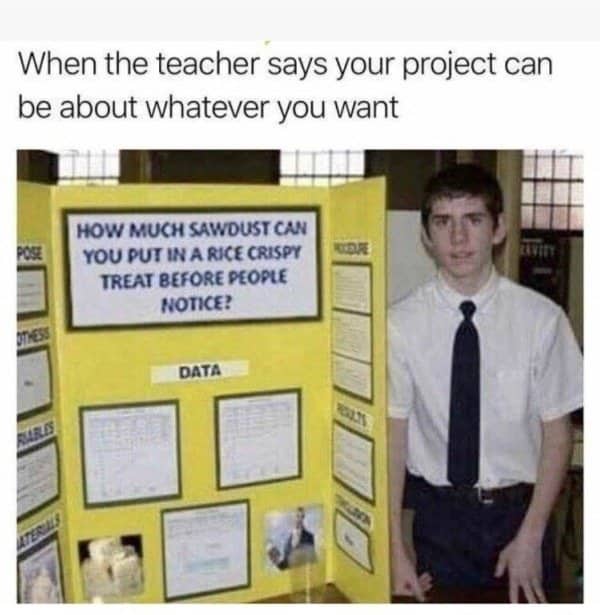
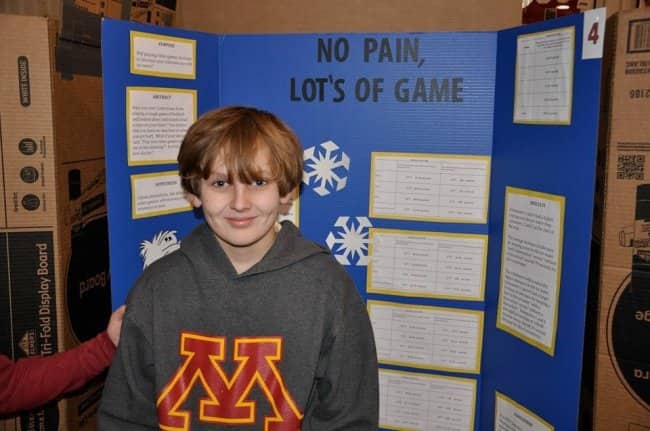
"Data" consists of three graphs proving people will eat anything with enough marshmallow.
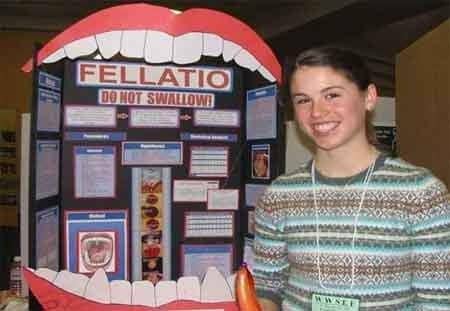
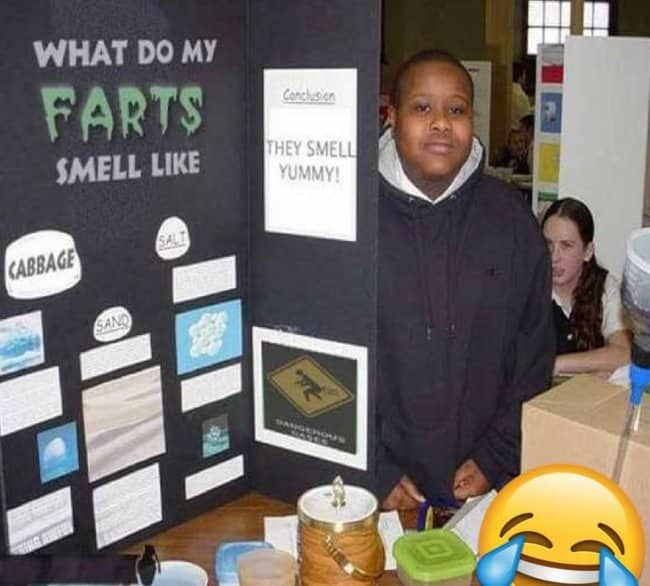
"DO NOT SWALLOW!" written in bold red letters as a scientific hypothesis.
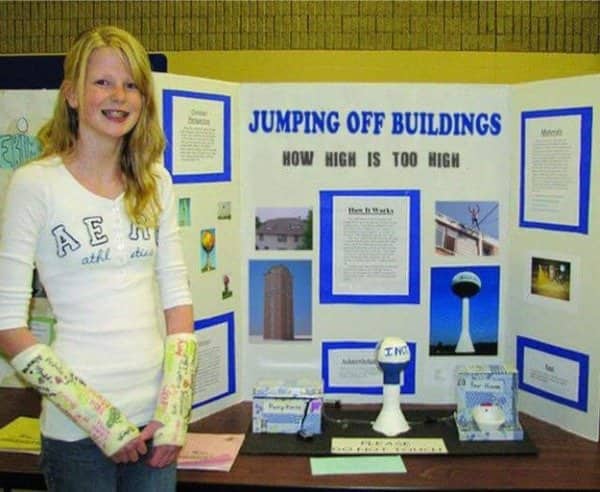
Peer-reviewed empirical data written directly on her wrist casts.
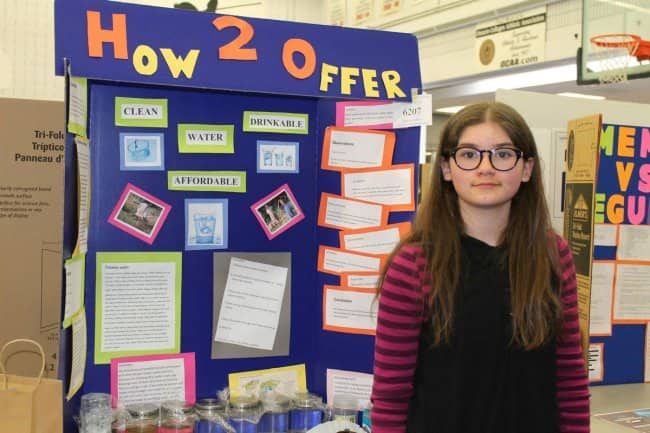
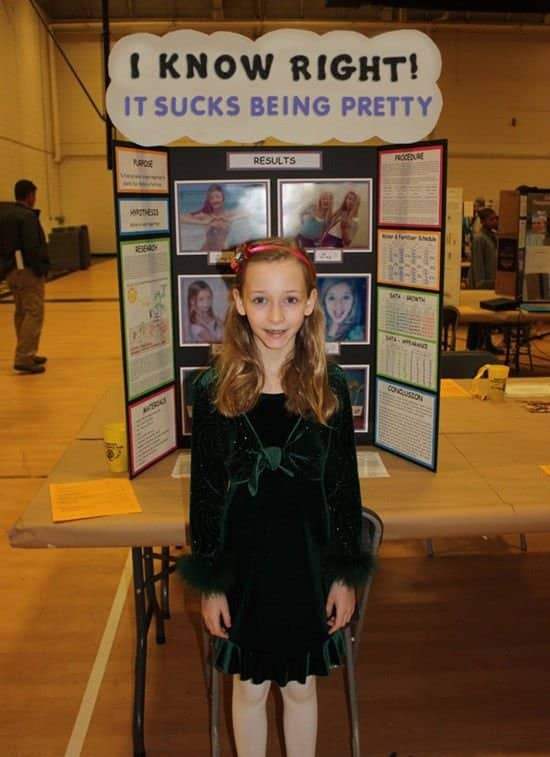
She looks like she was forced to present this at gunpoint.
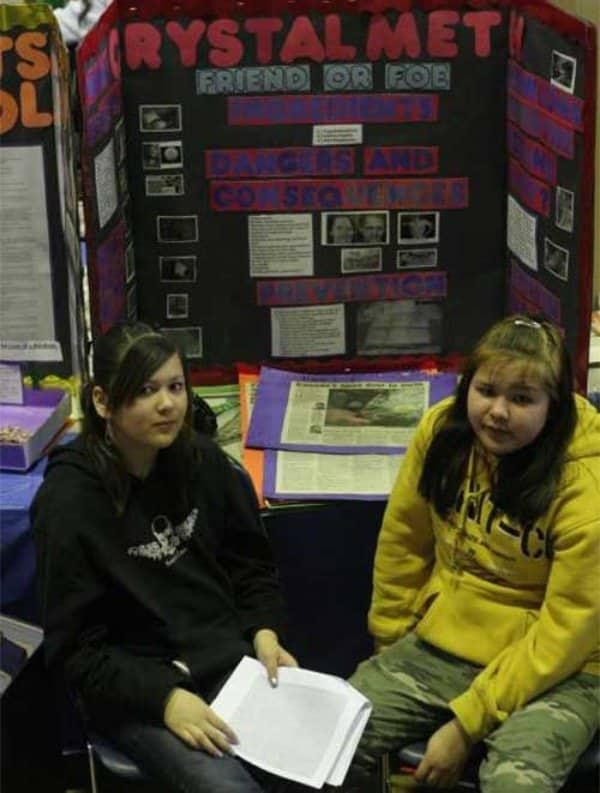
The energy of two kids who got assigned the worst topic in the class.



Funny science fair projects
Read More
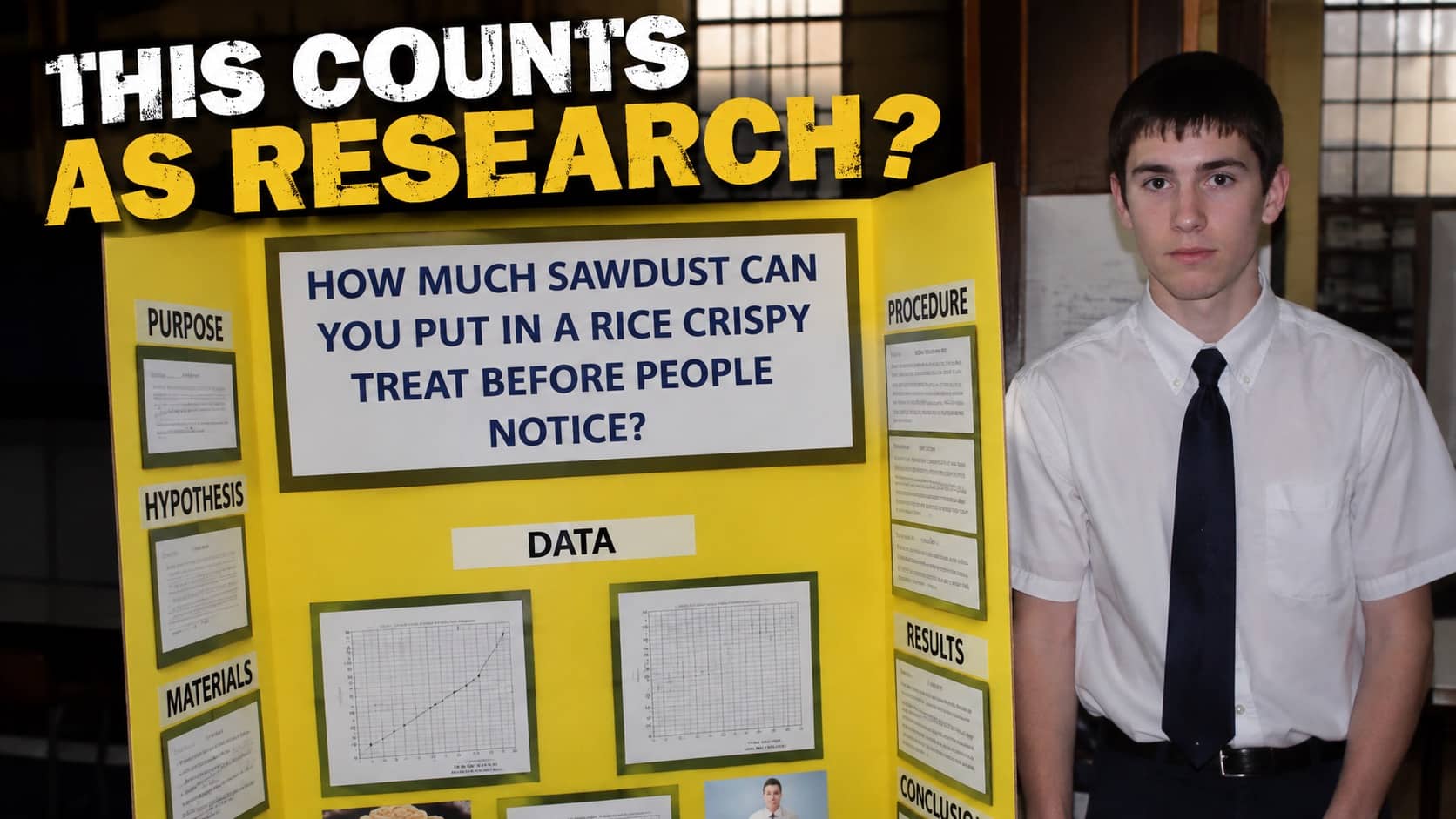
Let’s begin with the students who suffered for their data, because say what you will, their commitment to the scientific method is unimpeachable. One girl investigated how high is too high to jump from a building and presented her findings with both arms in casts, which means she ran the experiment personally and wrote the results directly on the evidence. That’s peer review you can sign. Another kid quietly added sawdust to rice crispy treats and fed them to people, then graphed the outcome, proving conclusively that humans will eat anything with enough marshmallow, a finding that is scientifically sound and legally concerning. These children didn’t cut corners. They cut safety protocols, which is different, and somehow more impressive.
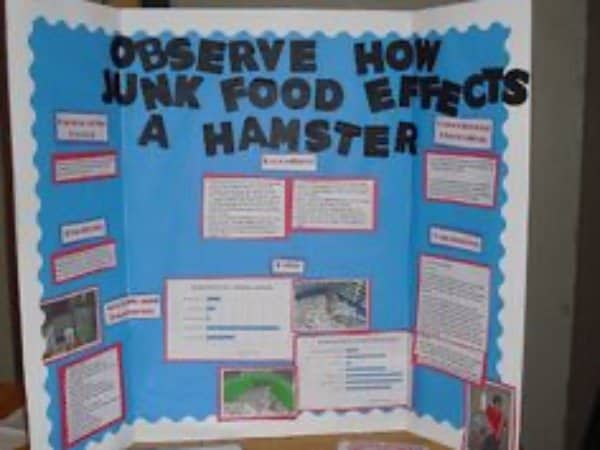
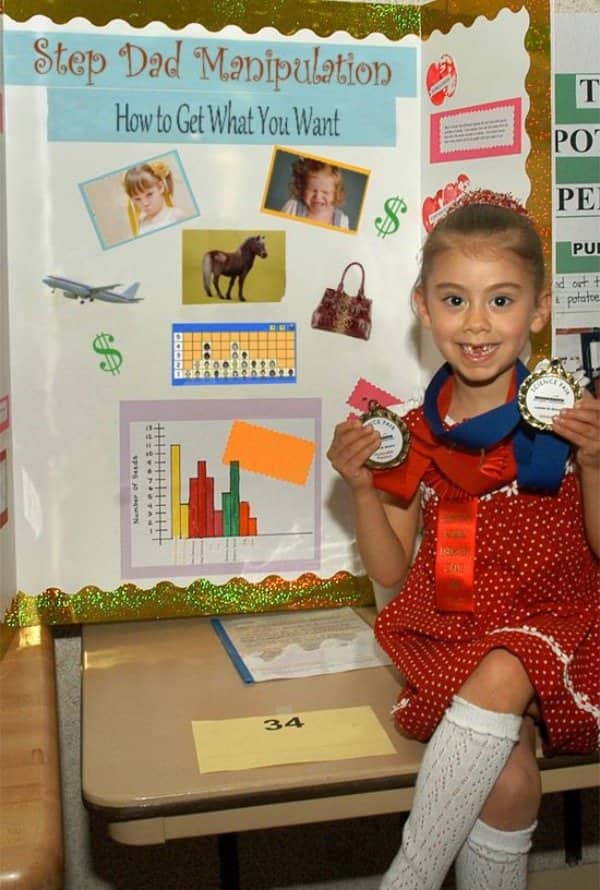
Then there’s the psychological warfare wing, and I want to talk about the girl who won actual medals for a project titled Step Dad Manipulation. She mapped her tactics with a bar graph. There’s a pony picture involved. The step-dad, I can only assume, never stood a chance against formatted research, and the judges looked at this documented campaign against a family member and handed her hardware. Alongside her sits the hamster junk food study, where the control group got carrots and the test group got Cheetos and, presumably, its best week ever, and the kid translated “I fed my pet garbage” into a formal hypothesis with a straight face. These students understand something profound: the scientific method will legitimize almost anything. Almost.
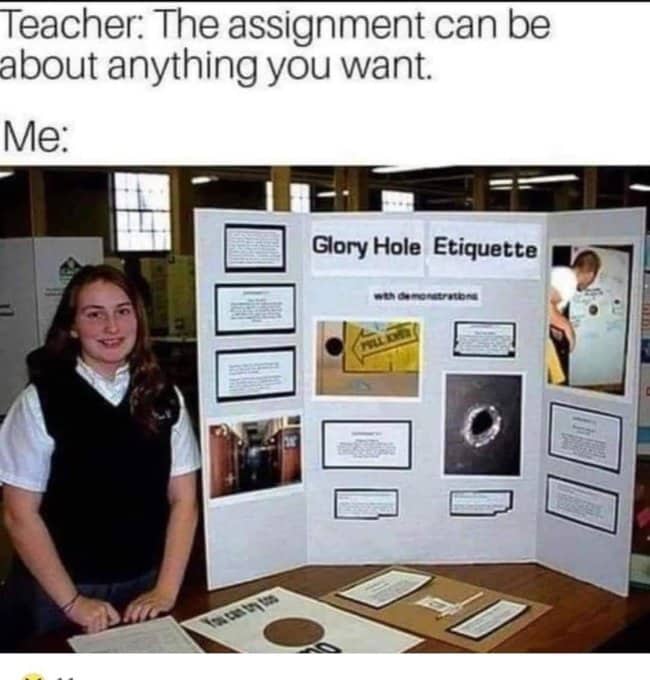
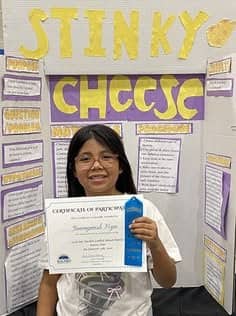
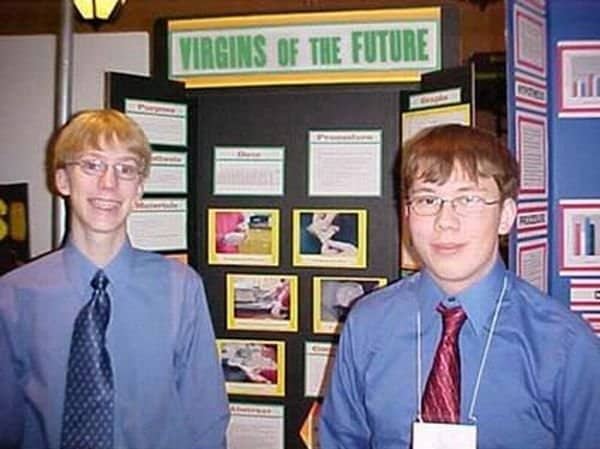
Which brings us to the boards that required emergency parent conferences, and I will be handling these with the professional distance of a man updating his resume. There are projects in this gallery covering adult topics that should never appear on a trifold in a school gymnasium, complete with bold red warnings and, in one horrifying case, the phrase “with demonstrations,” and my only question is the same question everyone asks: who approved this. Who read the proposal. Who signed the form. The stinky cheese project, by comparison, is a palate cleanser, a literal biohazard in the gym that won first place, I suspect, purely so the judges could make her pack it up faster. And the two girls sitting sullenly beneath their assigned crystal meth board, radiating the energy of kids who lost a topic lottery, have my complete sympathy. Friend or foe, girls. We all know. Just get through the afternoon.
Here’s what I’ve concluded after this review, and it pains me: every one of these projects is technically better science than the volcano. The volcano teaches nothing, everyone knows the outcome, there’s no hypothesis at risk. These kids asked real questions, gathered real data, and accepted real consequences, occasionally orthopedic ones. The scientific spirit is alive in that gymnasium. It’s just completely unsupervised, which, as it turns out, is the spirit’s natural state.
And beneath my professional despair, I’ll admit to something dangerously close to respect. The girl with the casts learned more about gravity than any textbook could teach. The sawdust kid ran a blind taste study most universities would envy. The manipulation researcher will either run a company or be studied by one. These are not bad students. These are excellent scientists with catastrophic topic selection, and the difference between the two is exactly one signature on one permission form. Which brings me back to my original question. Who. Signed. The forms.
The graphs are real. The casts are signed. See me after the fair. All of you.
If you also want to know who keeps approving these, our school chaos content has the whole investigation, with student project archives, classroom disaster threads, and academic mayhem compilations filed and waiting. The volcano era is over. The permission forms are under review. Nothing will change.
Read Memes
Get Paid


Alex Thompson has been chronicling internet culture and meme phenomena for nearly seven years. Starting at CollegeHumor and later becoming lead meme editor at Mashable, Alex has covered everything from vintage internet memes like Rickrolling to recent viral events such as Corn Kid and Grimace Shake. With a keen eye for what connects and entertains digital audiences, Alex writes with humor, relatability, and deep knowledge of online culture. At Thunder Dungeon, Alex is the go-to source for meme analysis, viral breakdowns, and internet nostalgia.