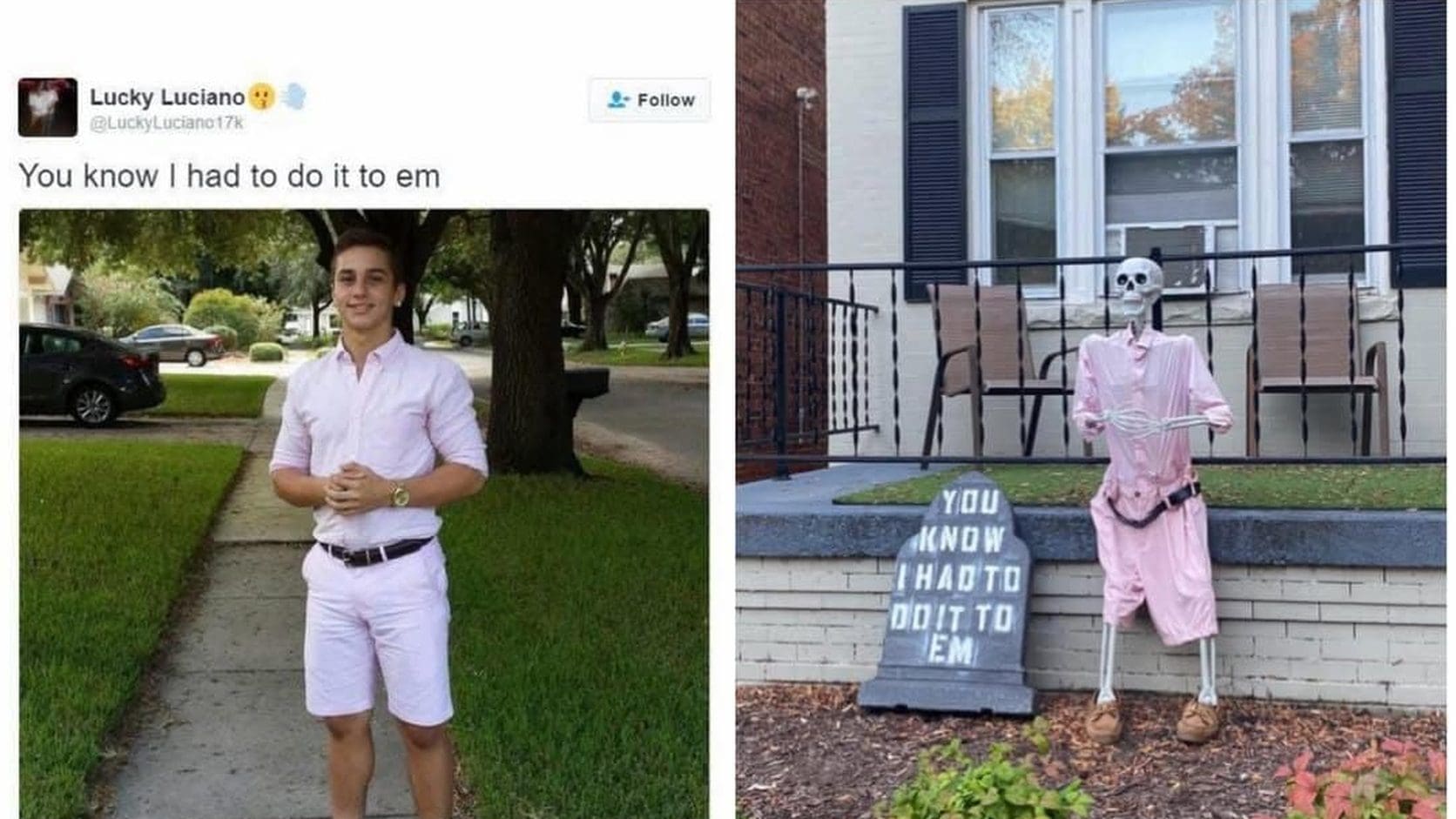
I sat on a bench last week that had clearly been designed by someone who hates sitting. It was tilted, it was cold, and it had a metal bar in the middle, like the bench itself was trying to break up with me. That is hostile architecture, and I love the name because it is the only honest thing about it. The city calls it a leaning rail or a comfort perch, and you have to admire the nerve. Have a look at what your tax dollars built so that nobody could rest.
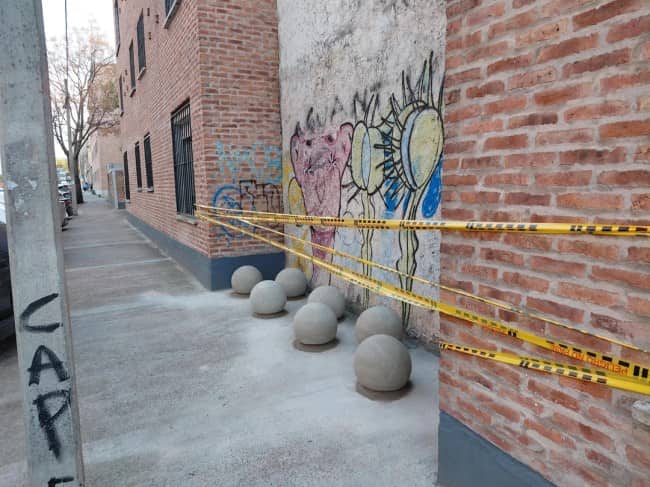
A ball pit nobody is allowed to enjoy.
Save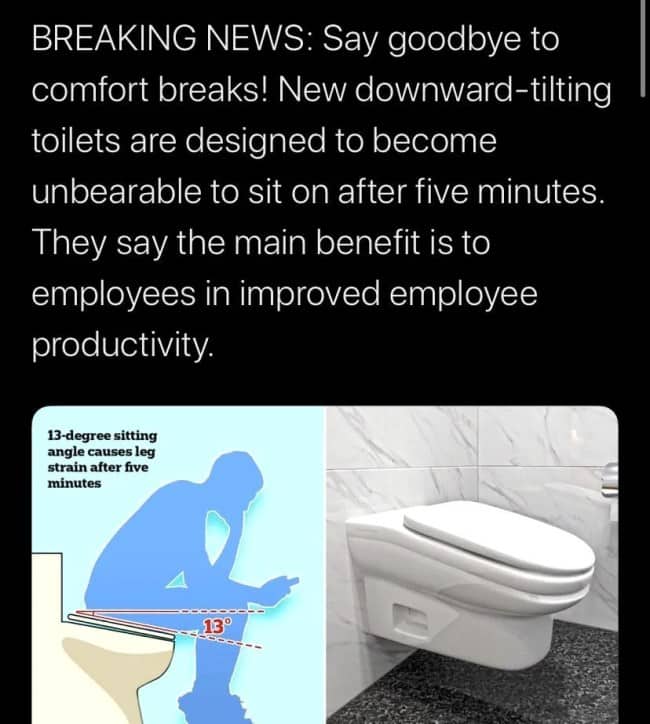
Thirteen degrees of managerial trust.
Save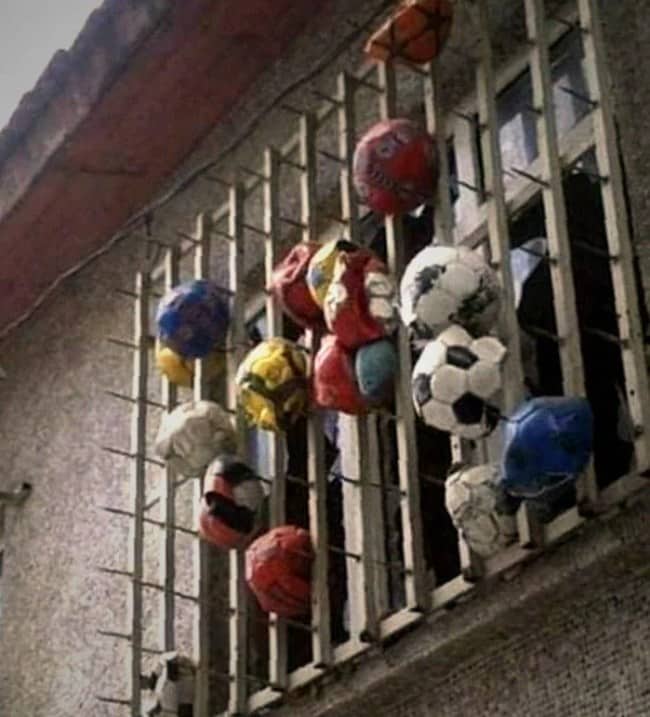
A memorial wall for recess.
Save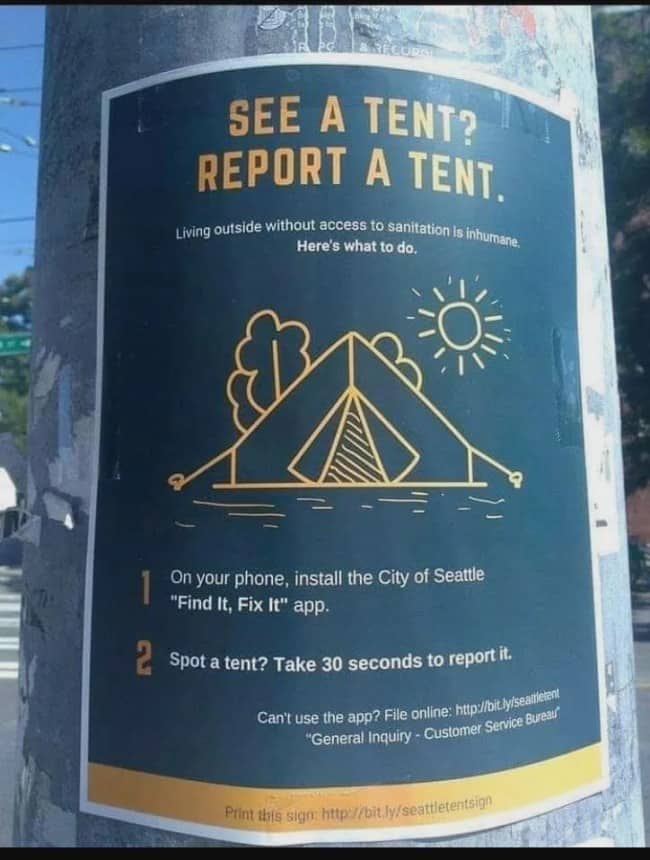
An app for everything except the actual problem.
Save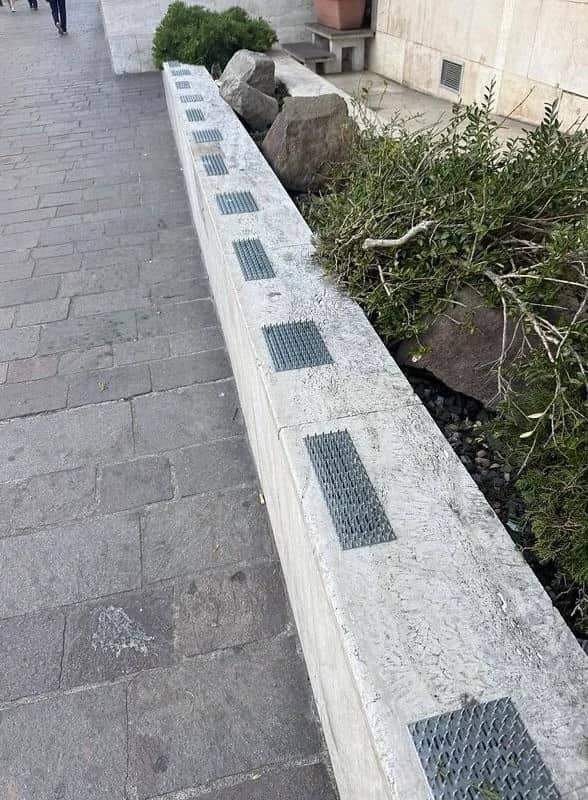
A perfectly good ledge, ruined on purpose.
Save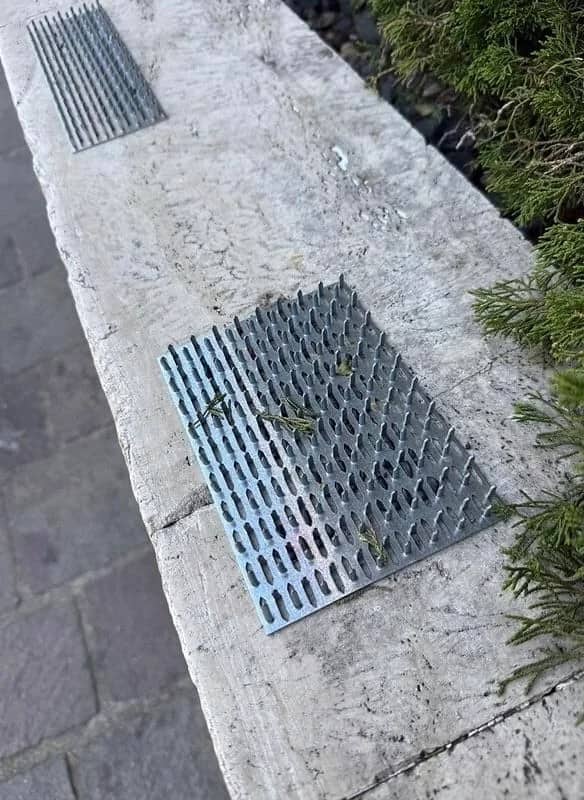
A cheese grater for the public.
Save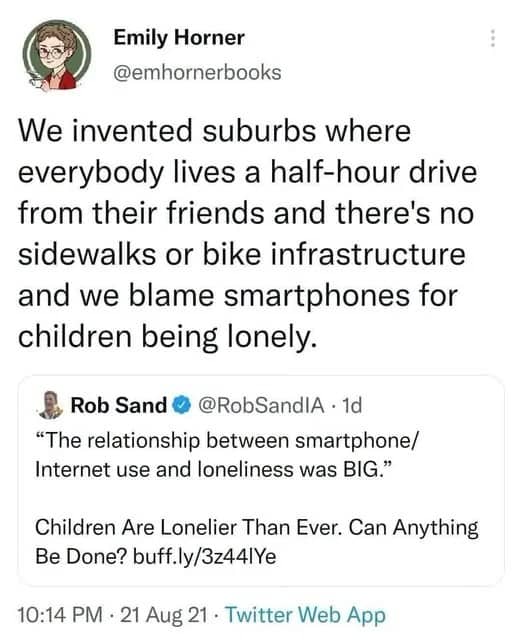
The phone is the only thing in that neighborhood you can walk to.
Save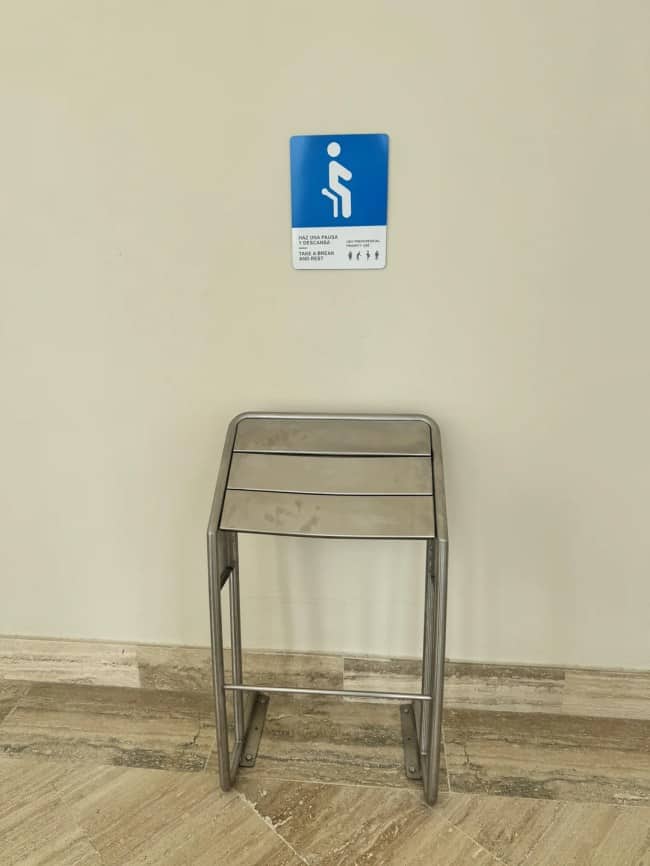
Take a break, but make it a wall sit.
Save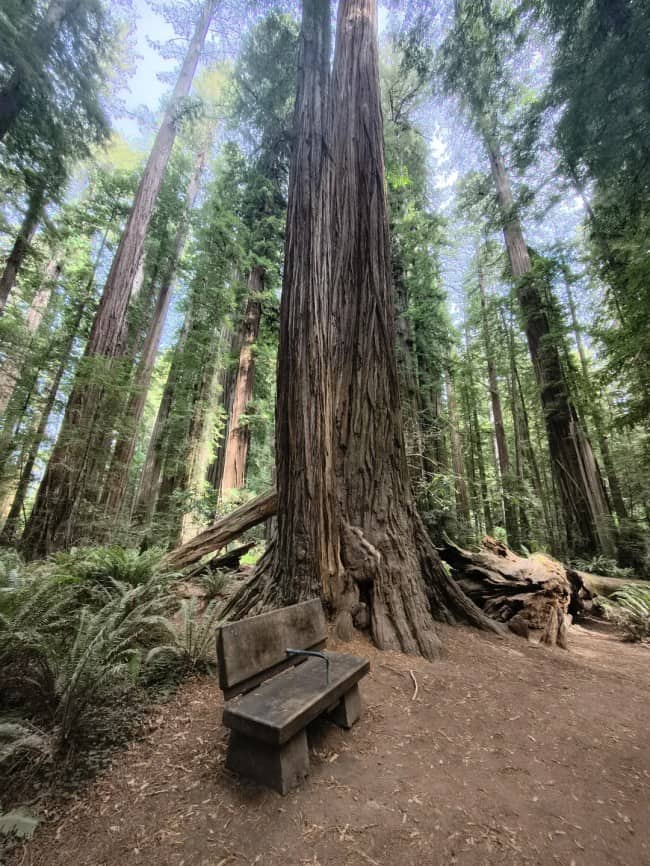
Who was the forest worried about?
Save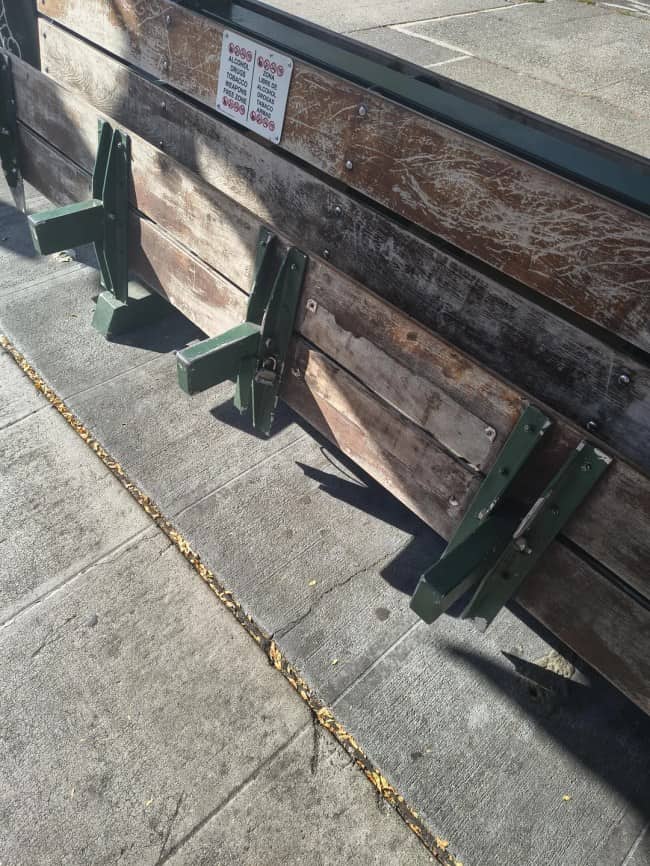
Seating by appointment only.
Save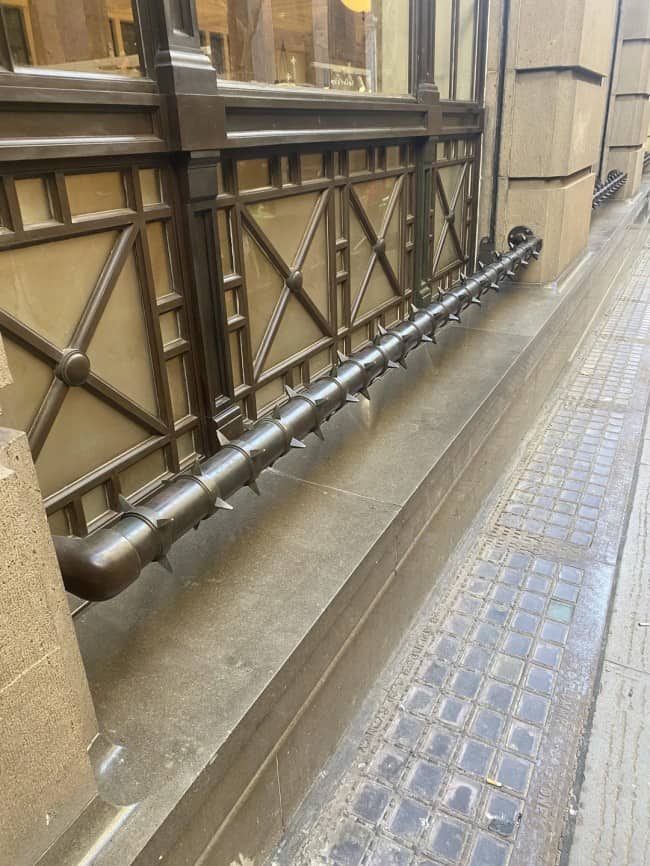
Medieval, but with a maintenance budget.
Save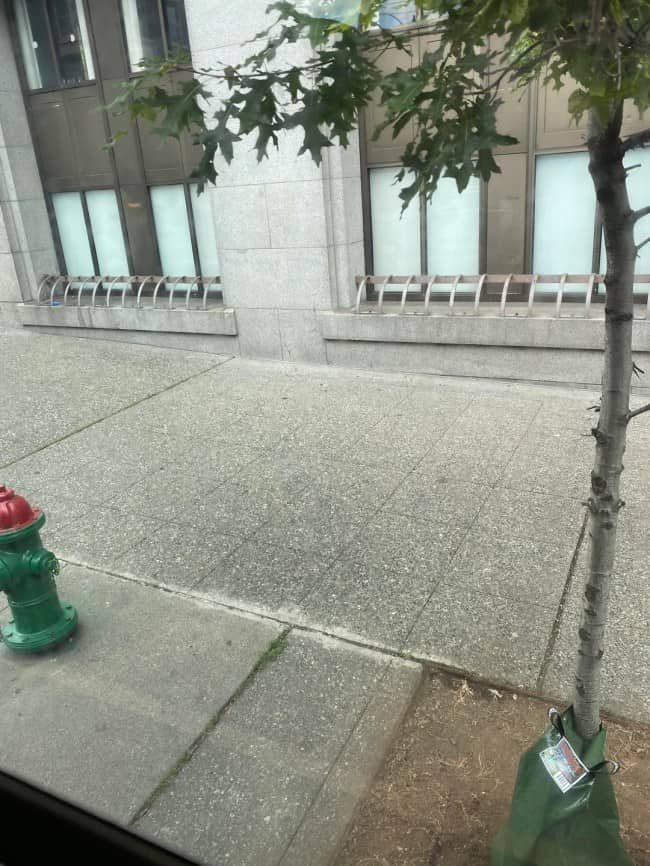
Ribs for a ledge that never hurt anybody.
Save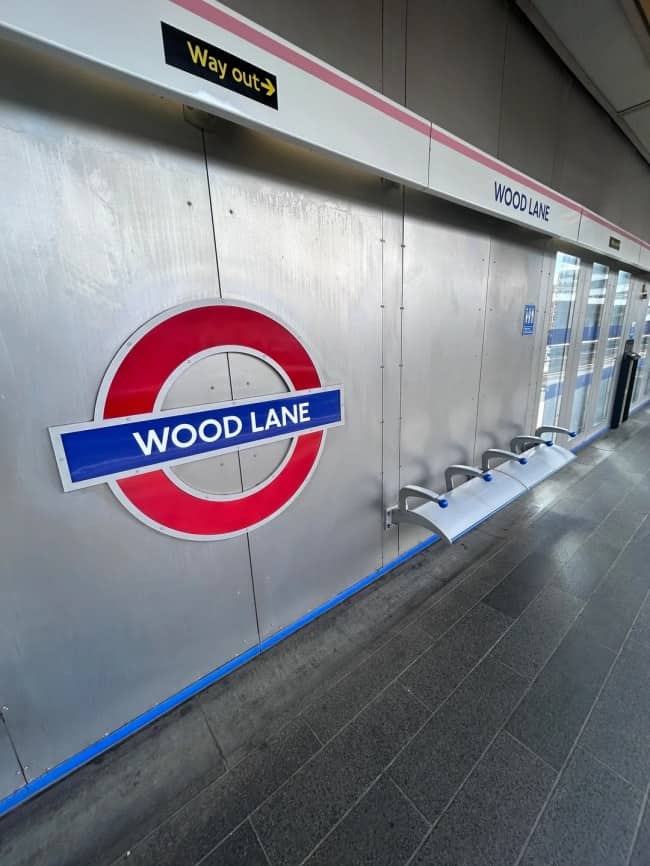
Technically a seat. Legally a suggestion.
Save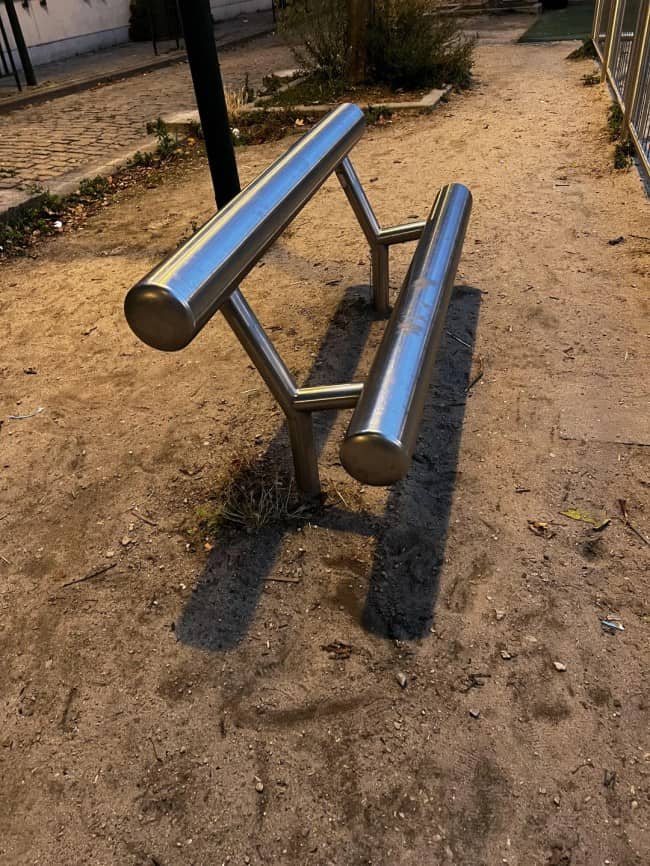
A bench as described to someone over the phone.
Save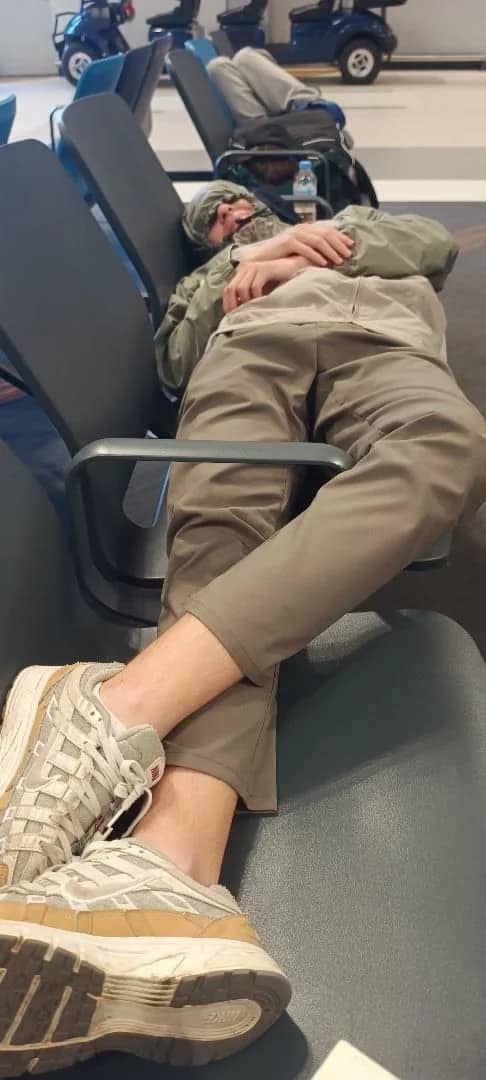
Human ingenuity, one. Armrests, zero.
Save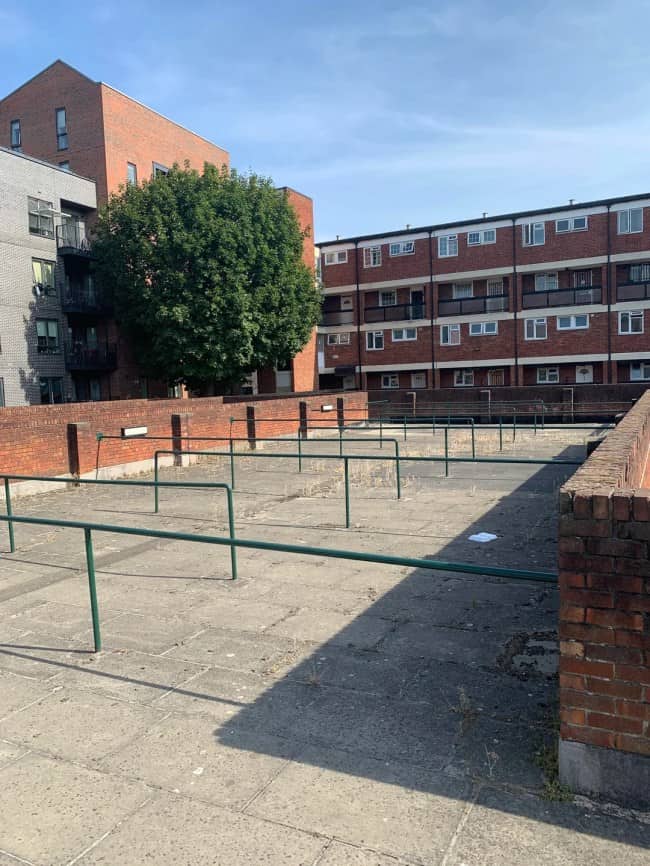
A maze with no cheese.
Save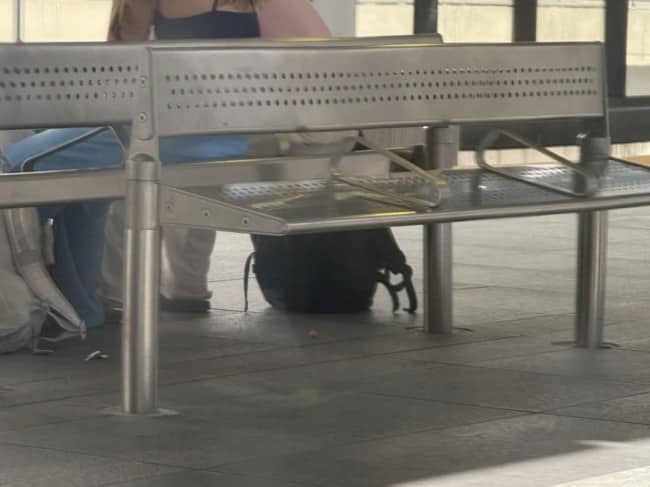
Assigned seating for the bus you missed.
Save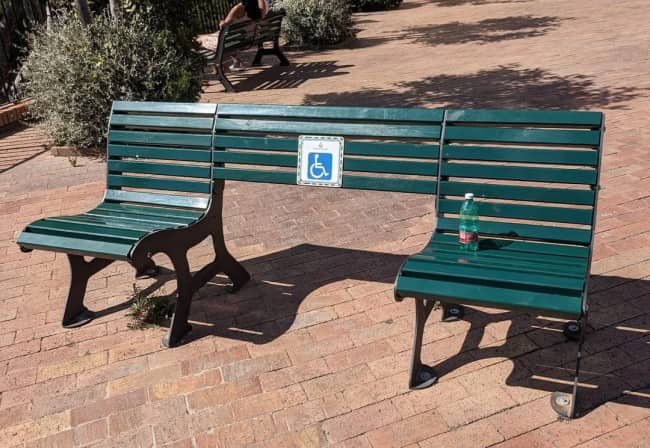
Plot twist: this one is actually kind.
Save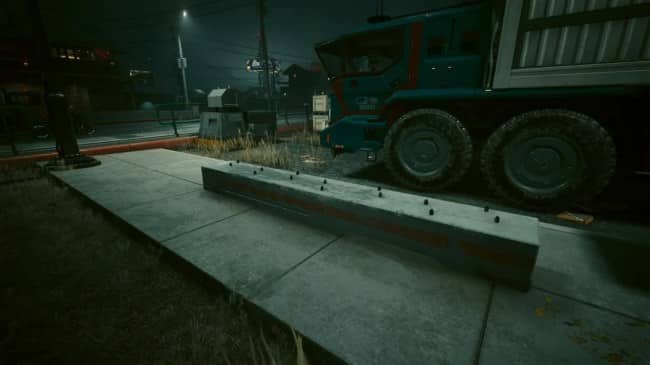
Even the dystopian video game thought it was a bit much.
Save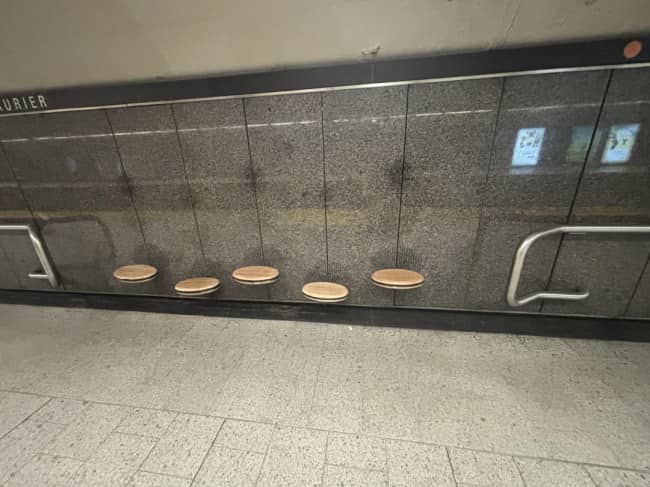
Coasters for people.
Save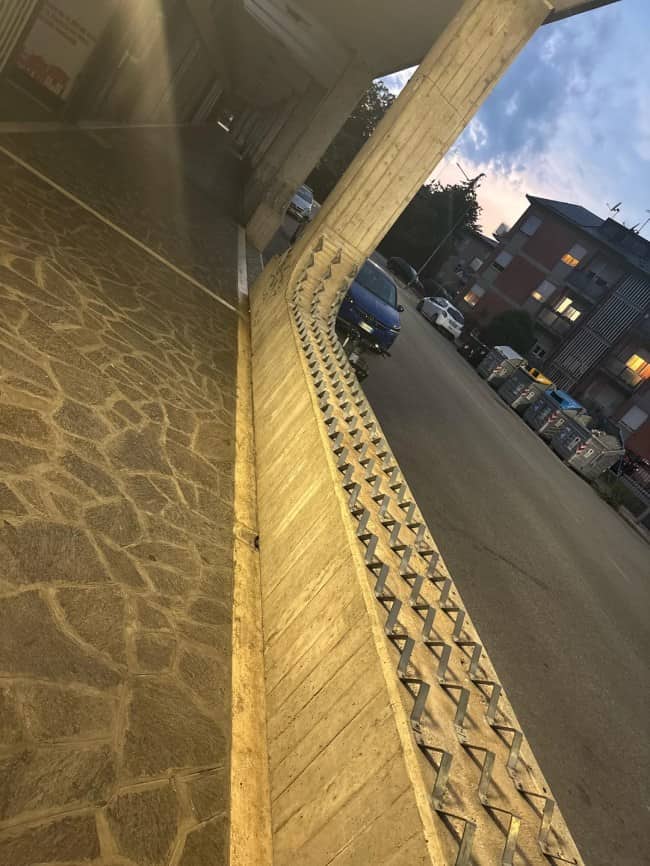
The ledge was already slanted. This is just spite.
Save





Hostile architecture
Read More
What gets me is the spikes. Somebody looked at a window ledge, a flat piece of stone doing nothing to anyone, and thought, that needs teeth. Everybody outside the planning office calls this anti homeless architecture, because that is who it is aimed at. But a spike cannot check your bank balance. It also gets the old man catching his breath, the kid tying a shoe, and me, a person who simply gets tired.
Then there are the uncomfortable benches, which are my favorite kind of lie. A bench has one job, and these have been carefully engineered not to do it. I leaned on one of those slanted perches for ten minutes once and slid off so slowly that nobody noticed, including me. They put an armrest in the middle of a seat in the woods, and I would love to know who the forest was worried about.
The part that turns urban design fails into something darker is the money. A tilted seat costs more than a flat one, and a locked bench costs more than an open one. So we are not saving anything. We are paying extra, on purpose, for a worse city, and then acting surprised that nobody hangs around downtown anymore. I pay my taxes, mostly on time, and I would like one flat bench back.
Here is the trick they are playing. You cannot design away a person, you can only design away the place where that person was sitting. So the person moves forty feet, the city gets to say the problem is solved, and the rest of us inherit a town where there is nowhere to wait for a friend. It is the most expensive way anyone has ever found to accomplish nothing.
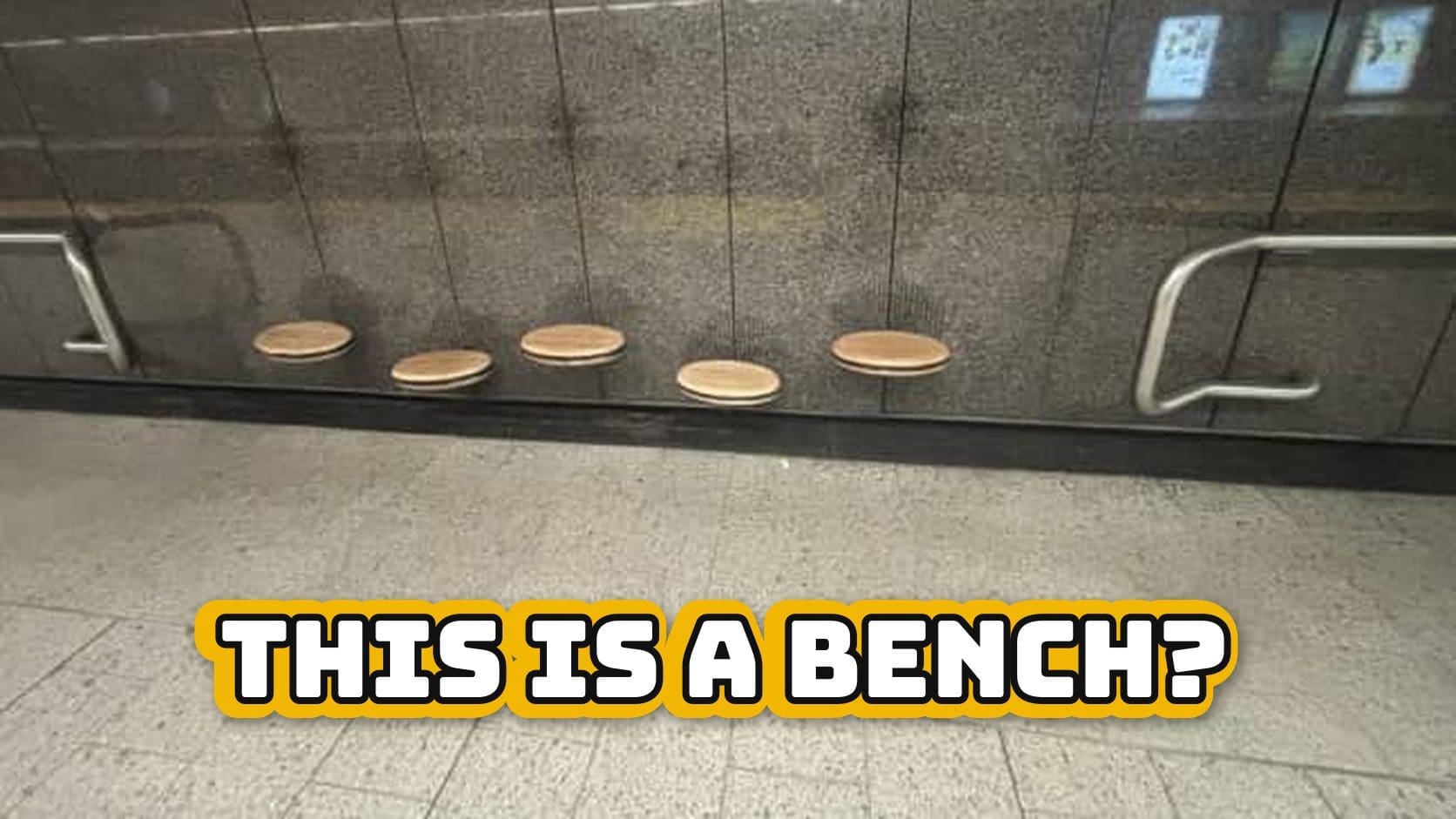
And I think people share these photos because they feel it in their own legs. You do not need a degree to know when a place does not want you there. I have stood in a train station for forty minutes, holding two bags, staring at a row of little wooden discs on a wall and wondering what I did. A good city lets you sit down without asking why. That is really all a bench is: a public way of saying stay a minute, you are allowed to be here.
The ledge has teeth. The bench has rules. Sit anyway.
If you are now angry at a sidewalk, we can help with that. The urban hellscapes collection has plenty more places built by people who have never walked anywhere, and the design fails are a gentler kind of bad, more ugly than cruel. We also keep a deep pile of architecture fails and some truly baffling bathroom designs. Read them sitting down, on something flat. You have earned a chair.

Read Memes.
Get Paid.
The only newsletter that pays you to read it.
A daily meme recap, and every week one subscriber gets paid.
How it worksWho needs to see this?
Send it to the friend who’ll laugh the hardest, or post it for everyone.