
I have an inbox. You have an inbox. Neither of us has ever been happy about it. Somewhere along the way, work correspondence became its own psychological genre, complete with passive-aggressive classics, apology spirals, and the specific dread of a message you’ve ignored for eleven days. These funny work emails are the support group. The coffee is cold, the meeting could have been a note, and I have never felt so seen. Reply all with me.
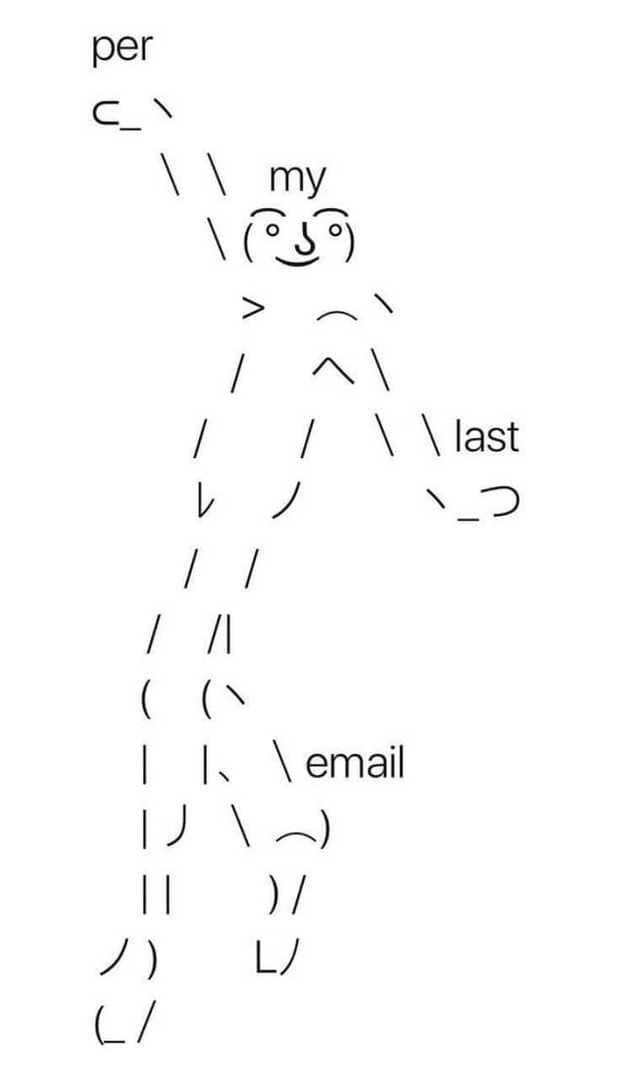
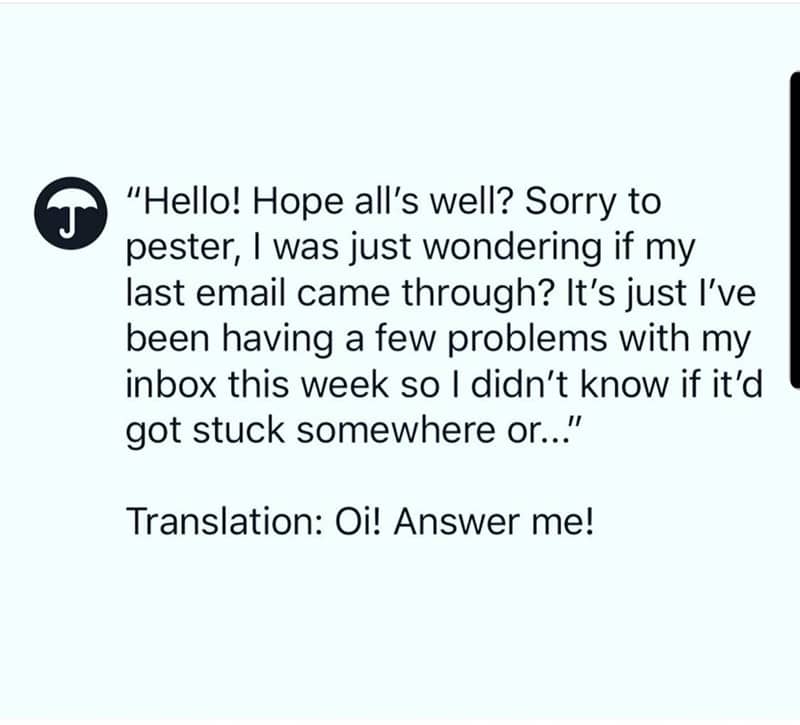
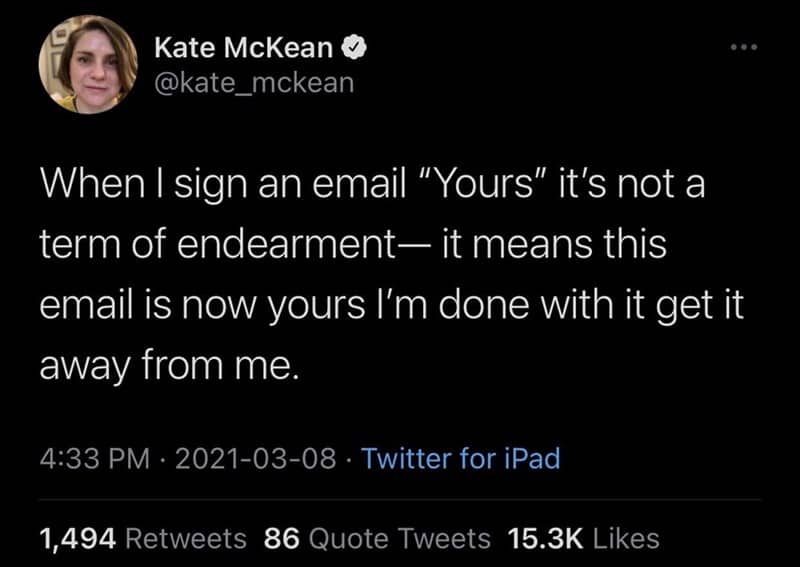
The ultimate passive-aggressive email move transformed into pure art.
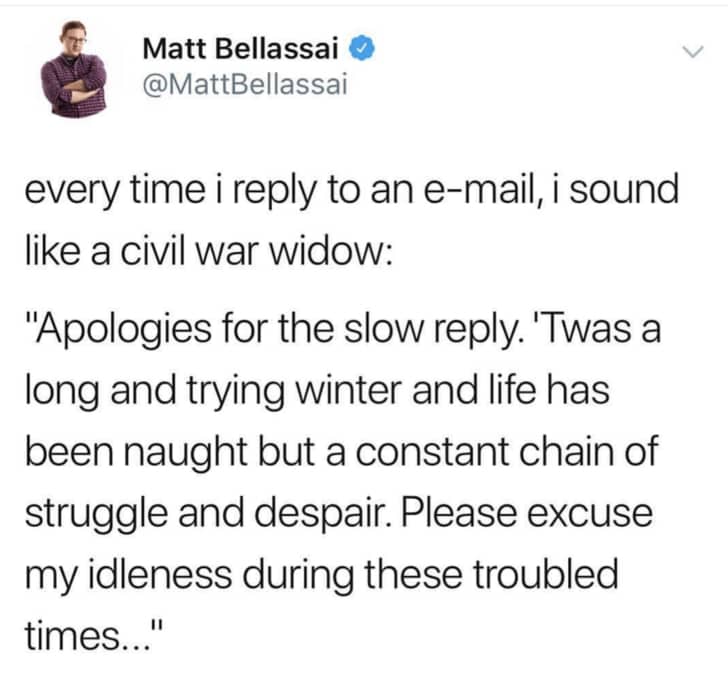
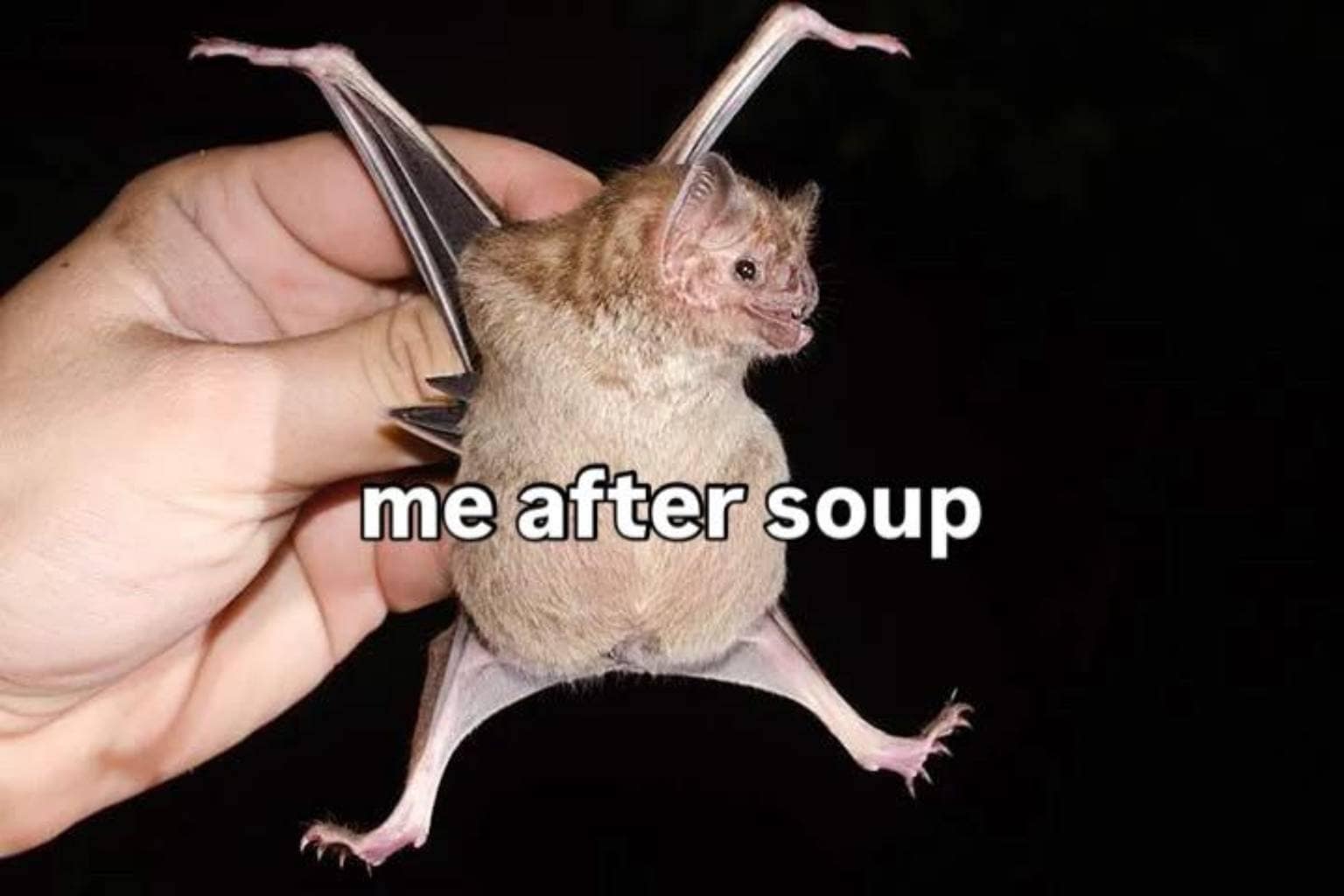
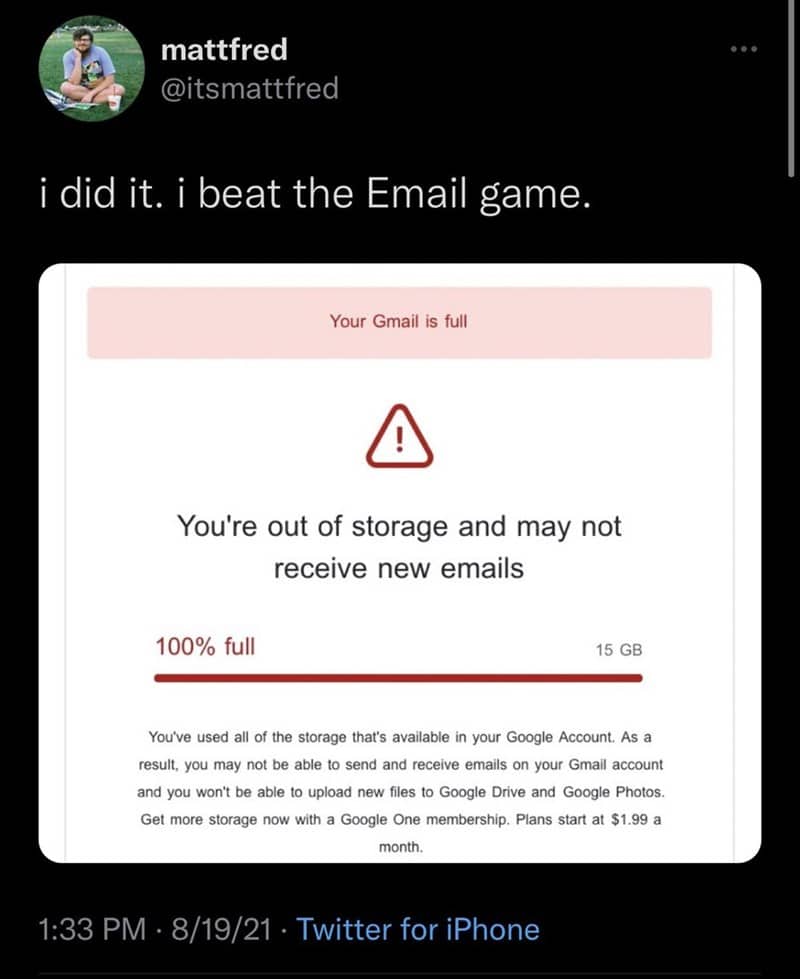
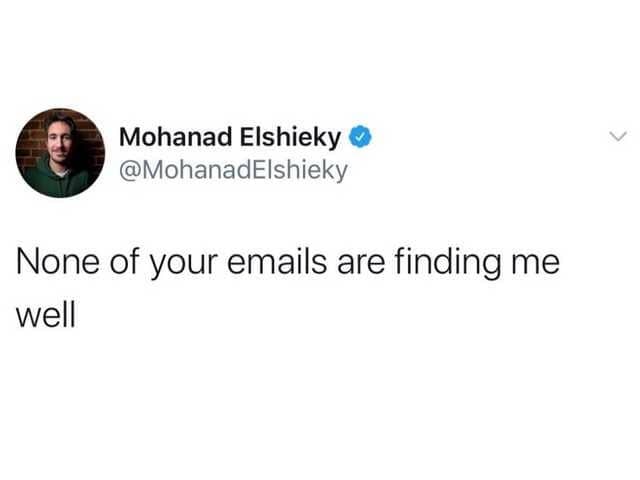
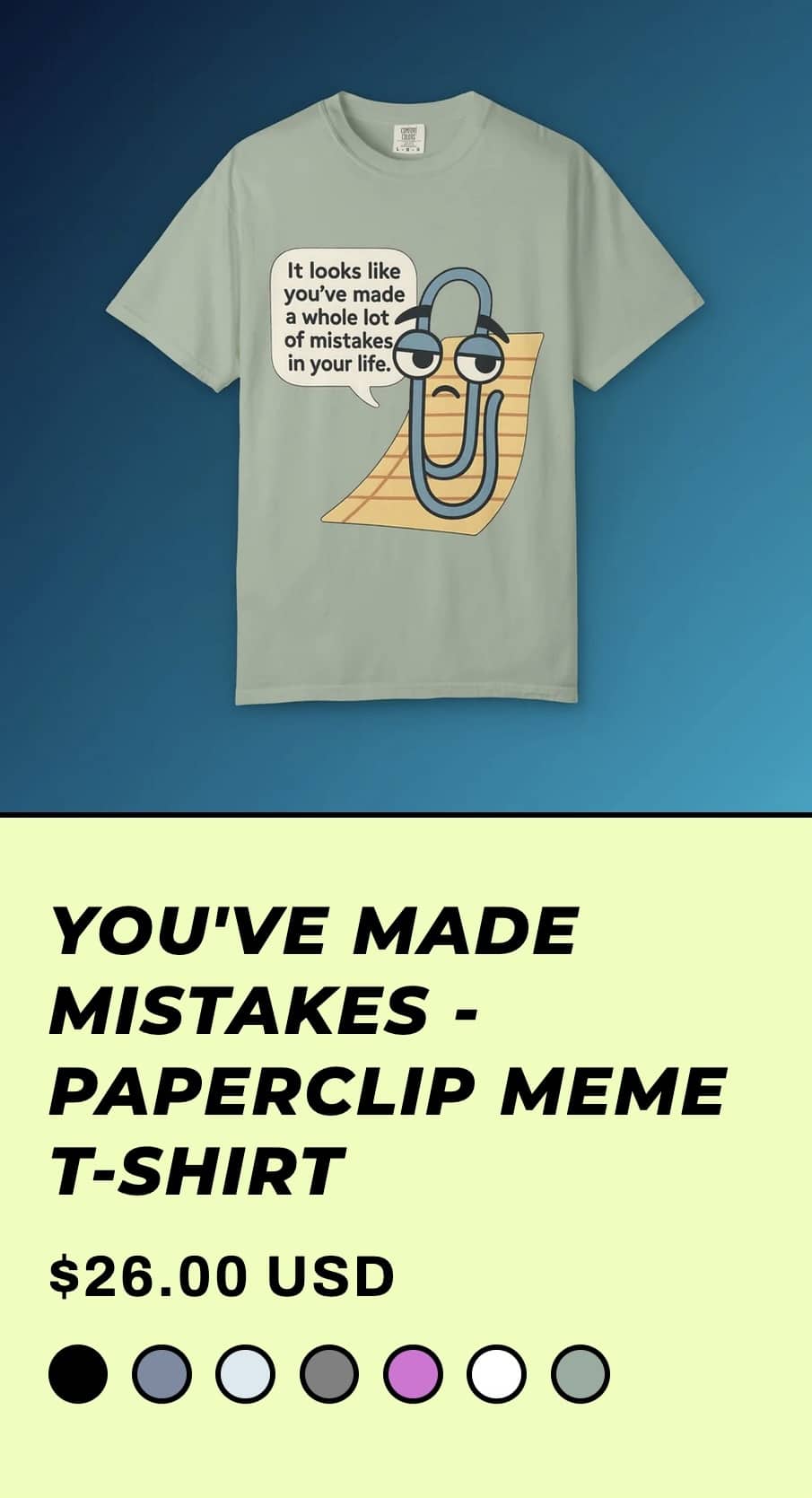
My inbox really is a dark, cold winter.
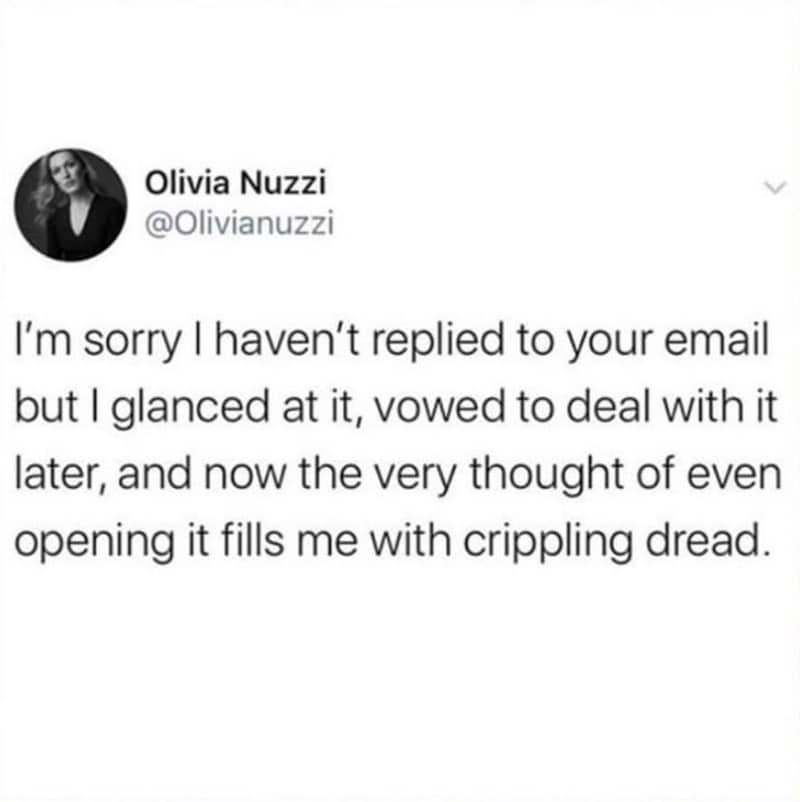
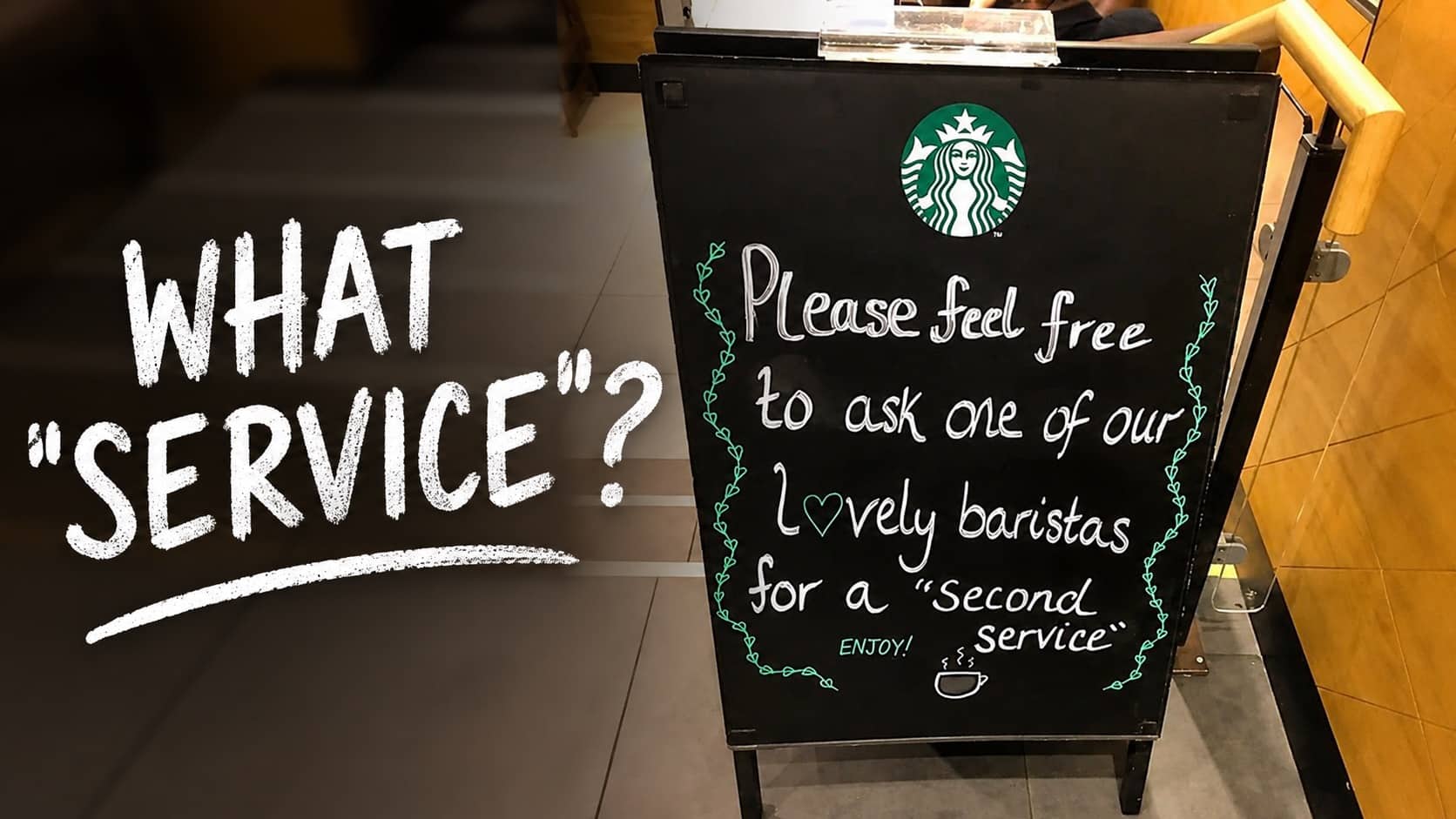
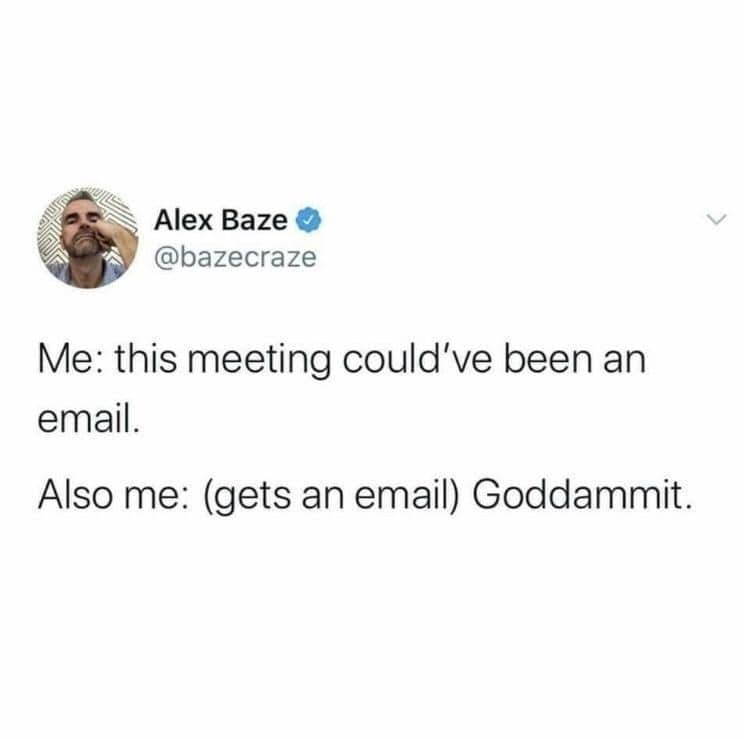
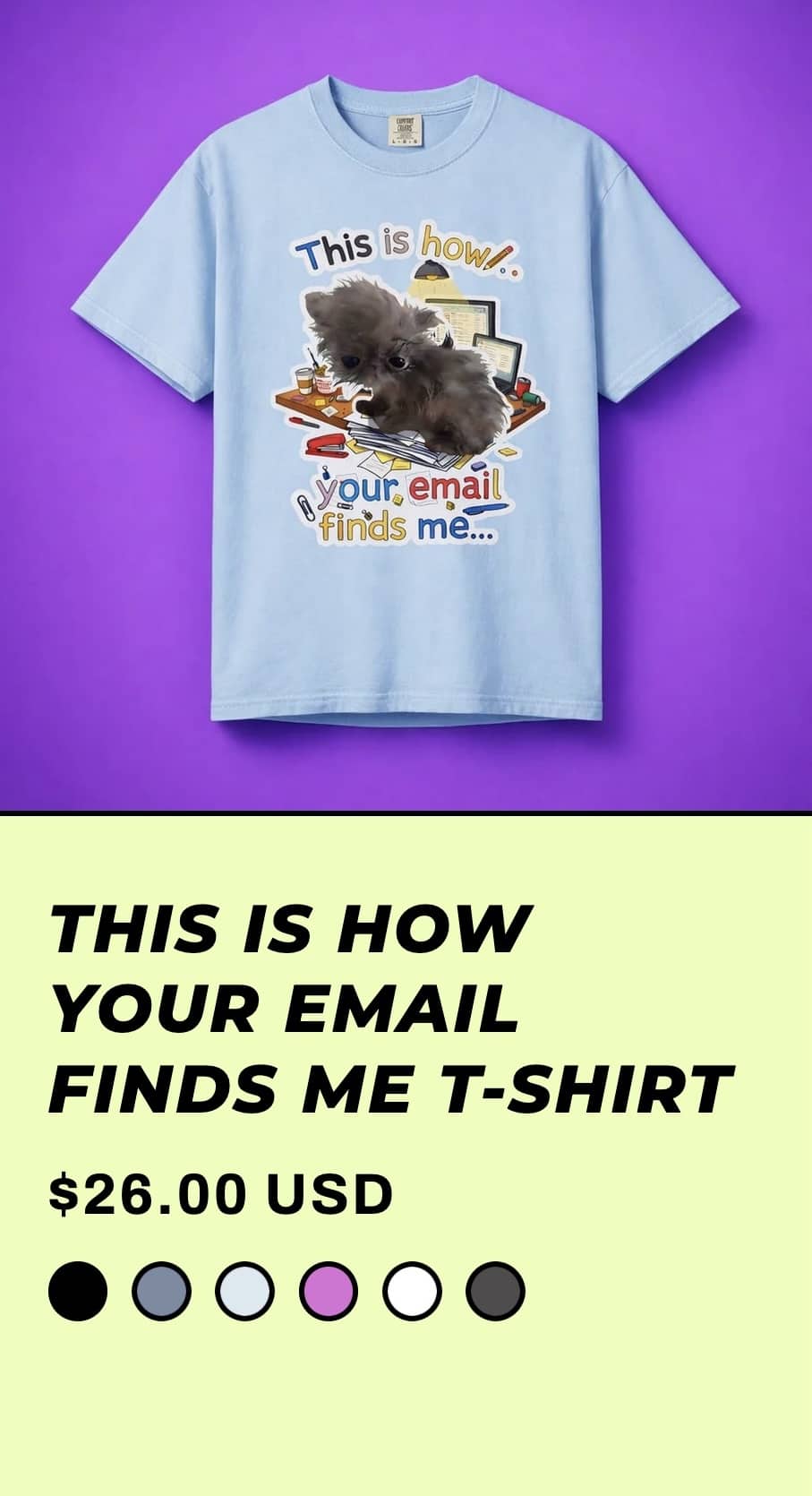
The classic "I'll do this in five minutes" trap.
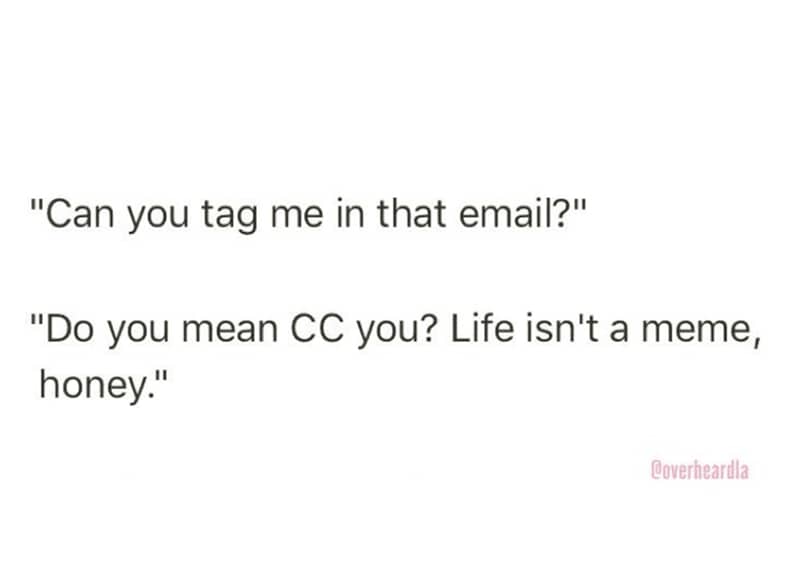
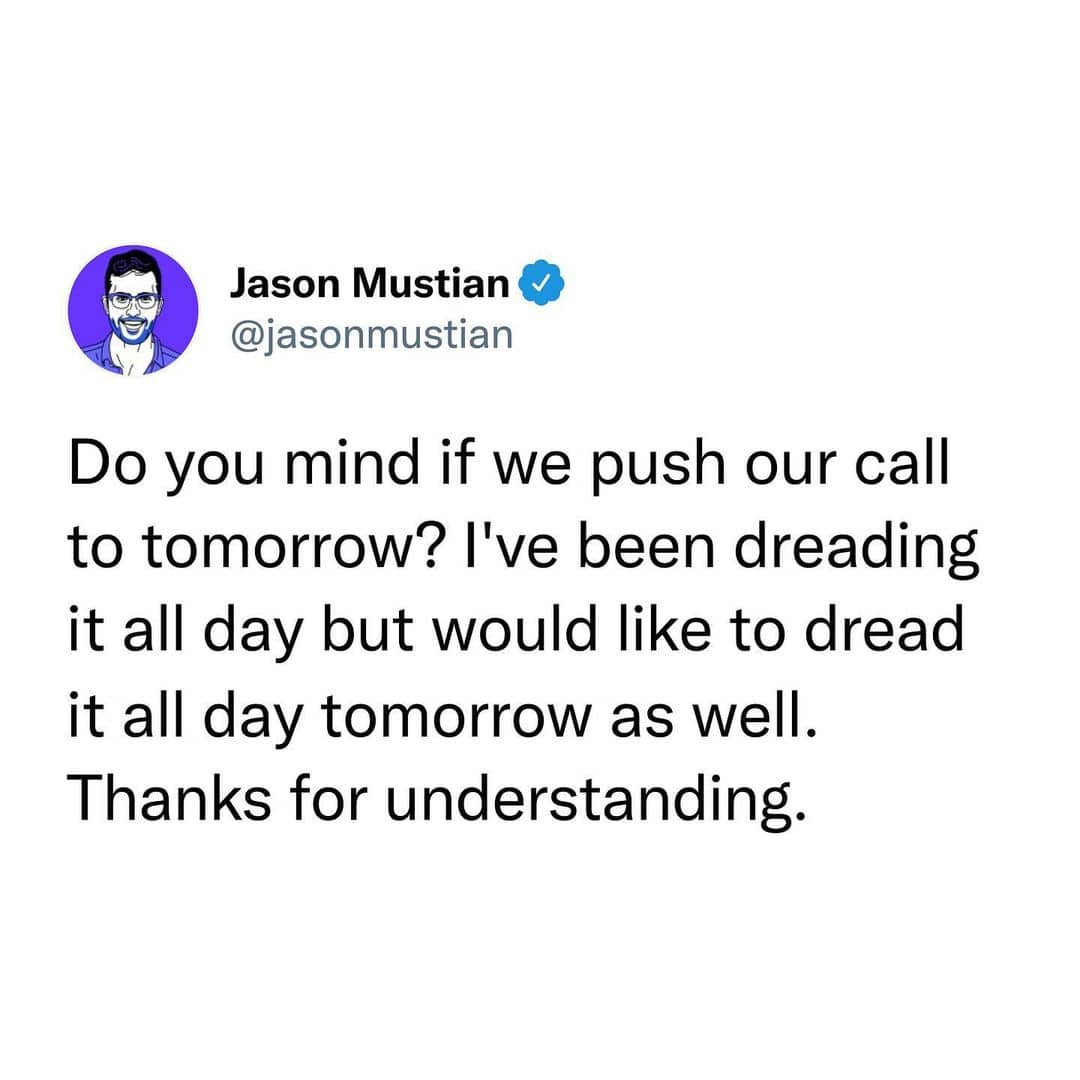
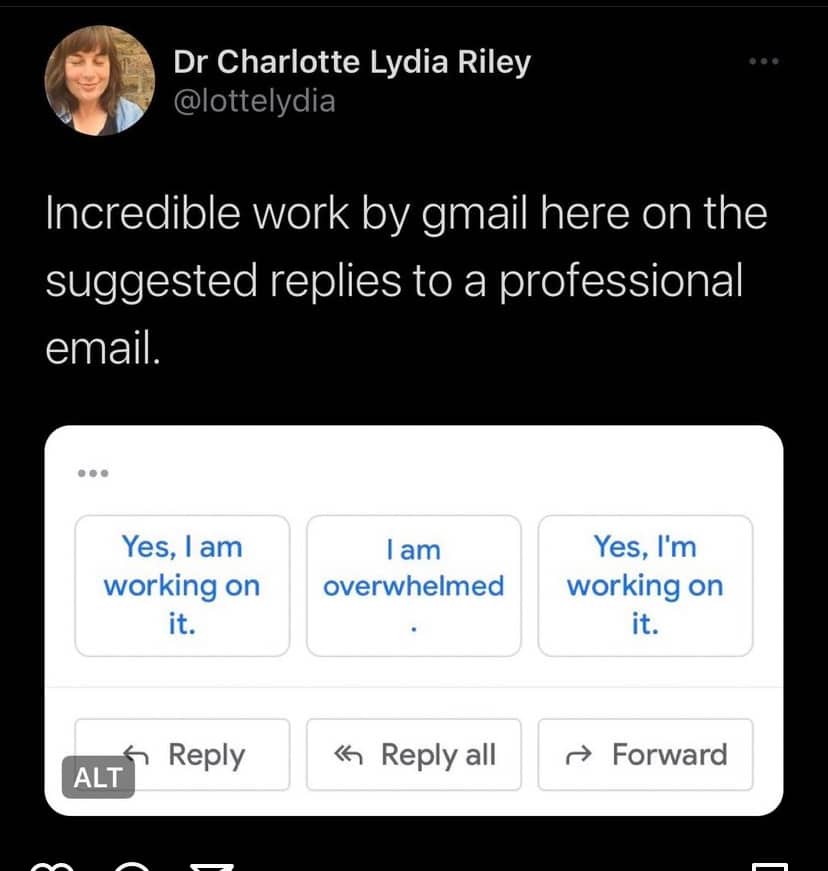
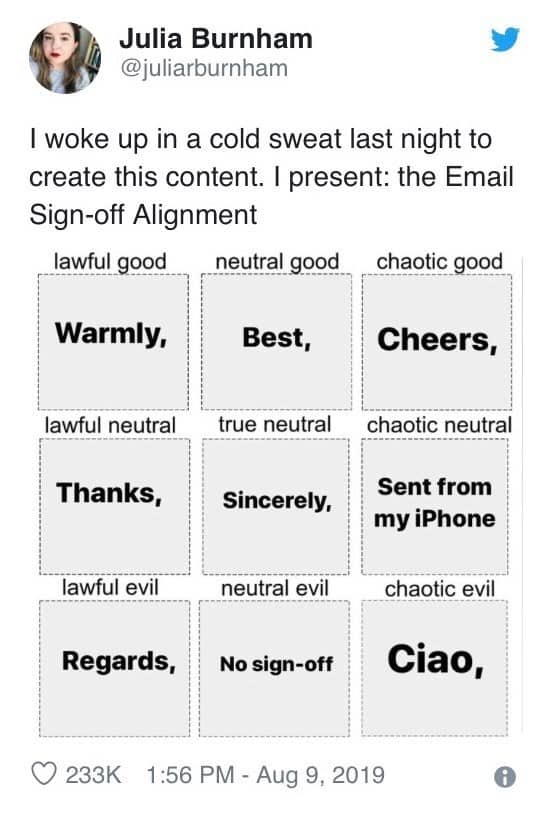
Finally, an AI option that speaks my absolute truth.
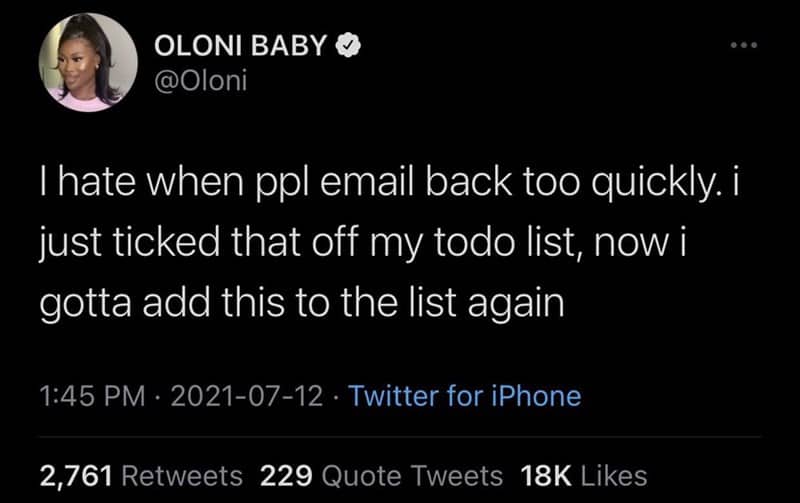
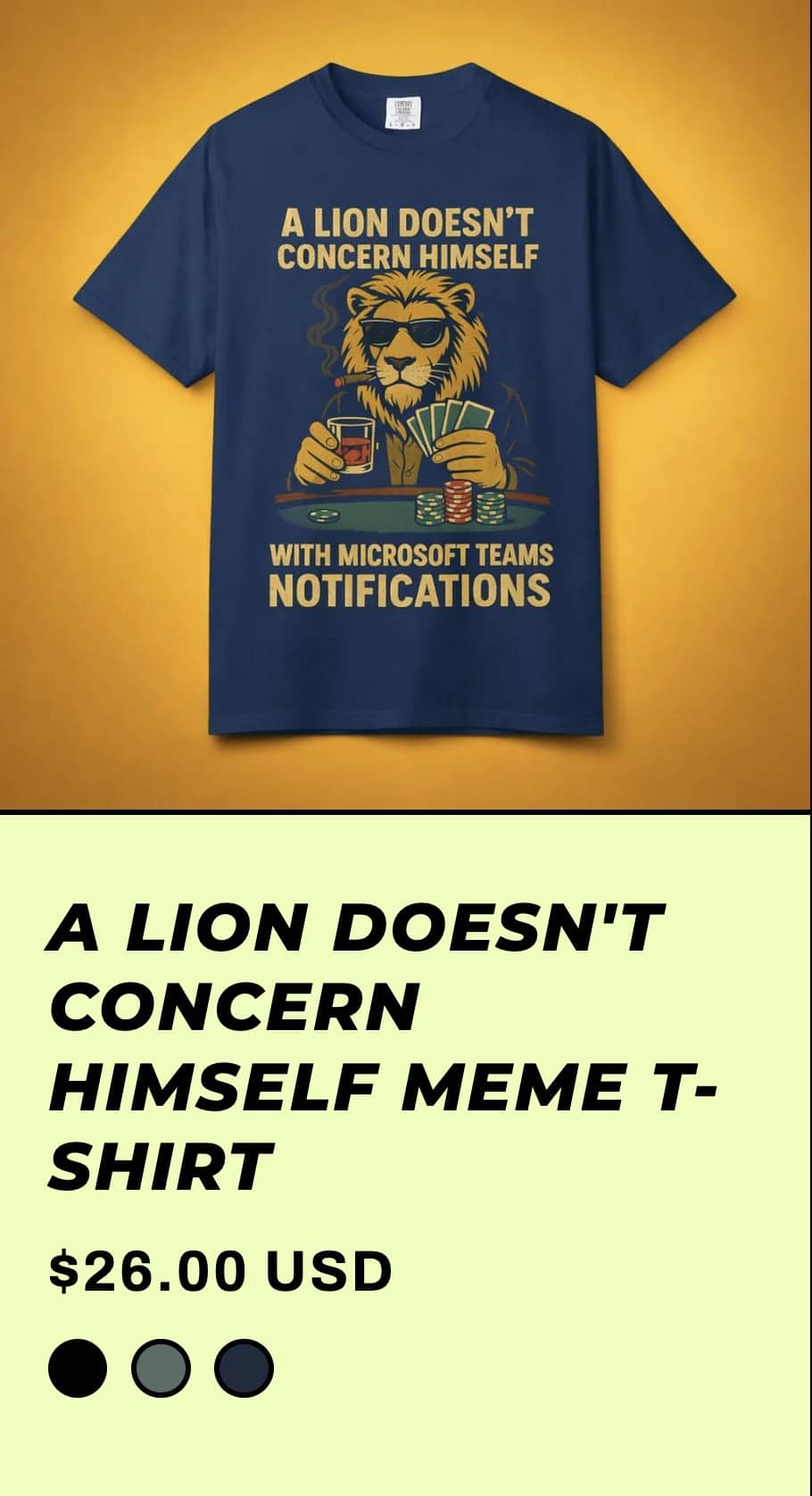
Instant replies should be illegal on Fridays.



Funny work email
Read More
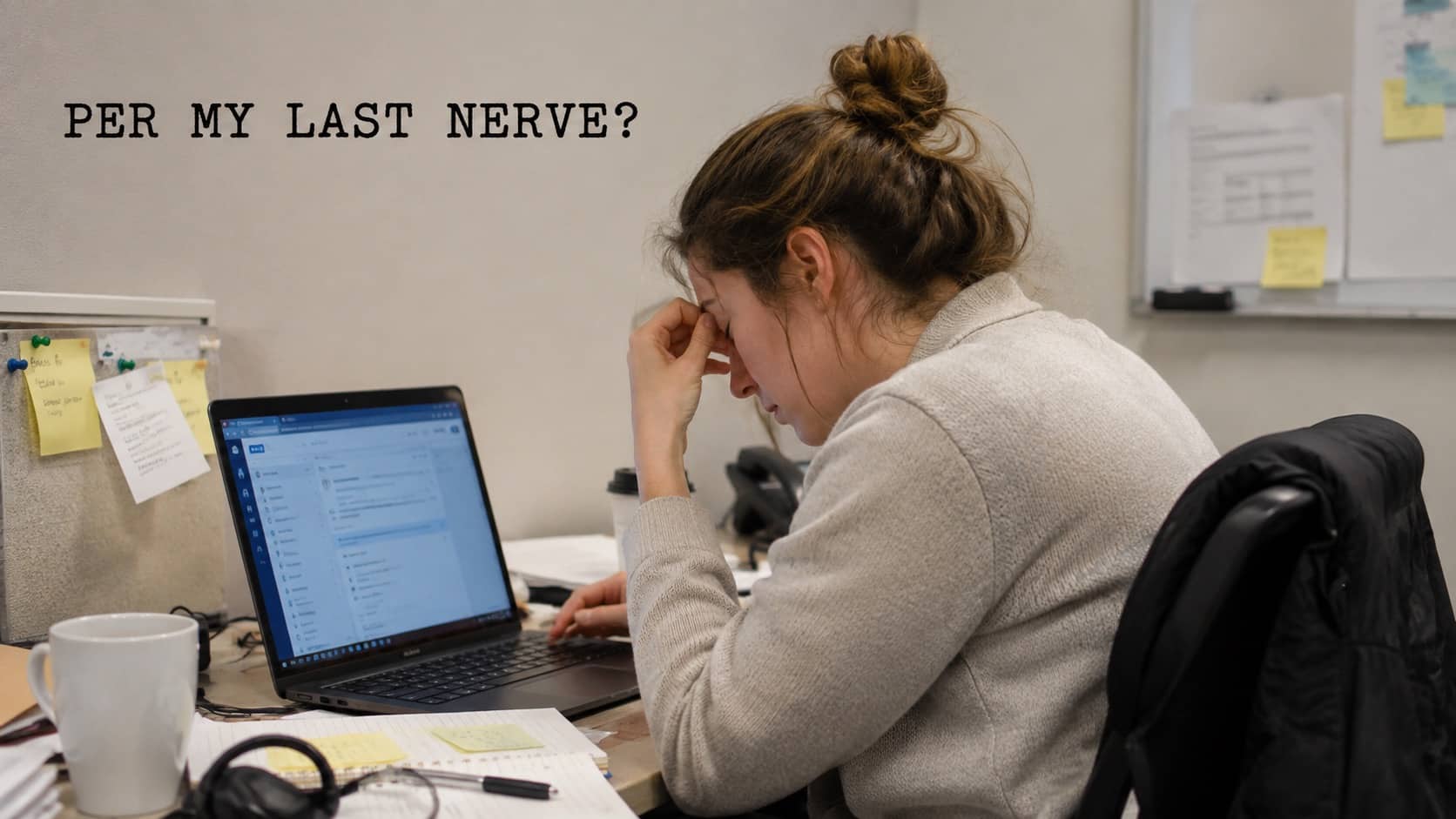
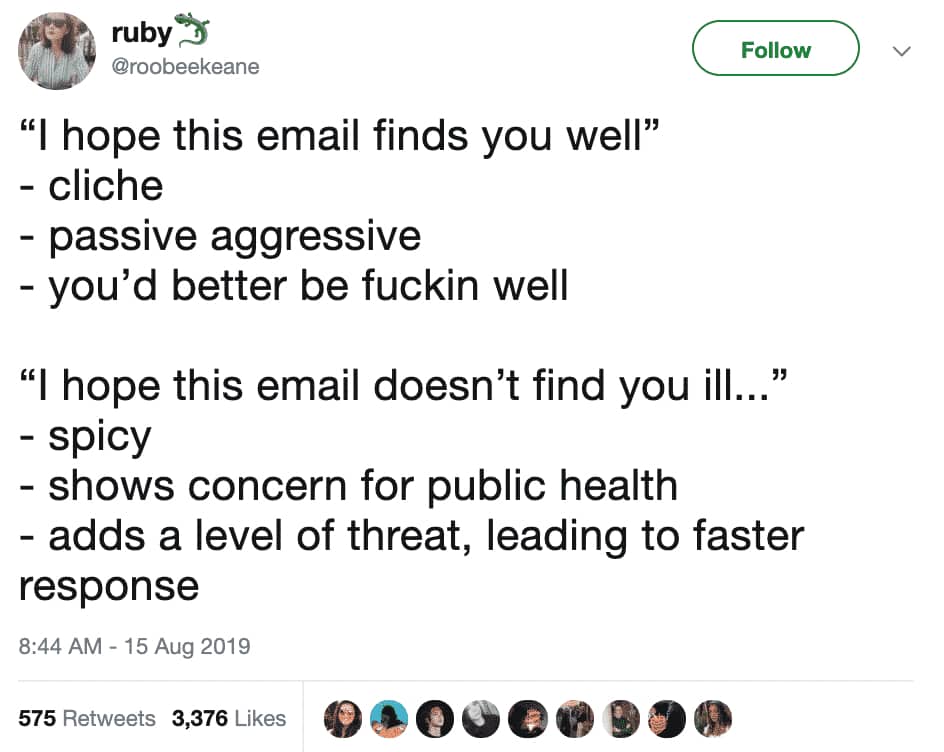
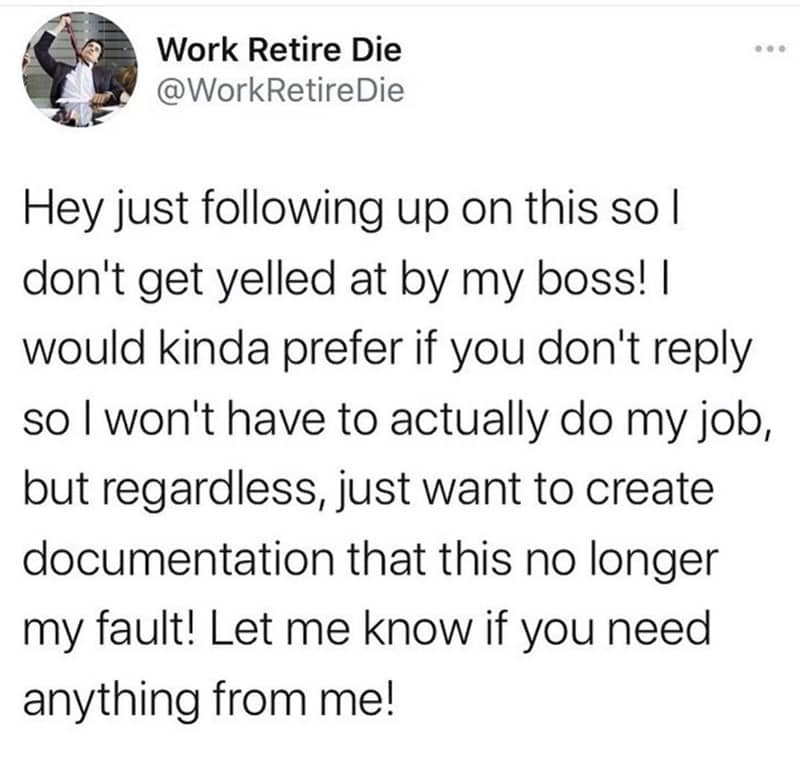
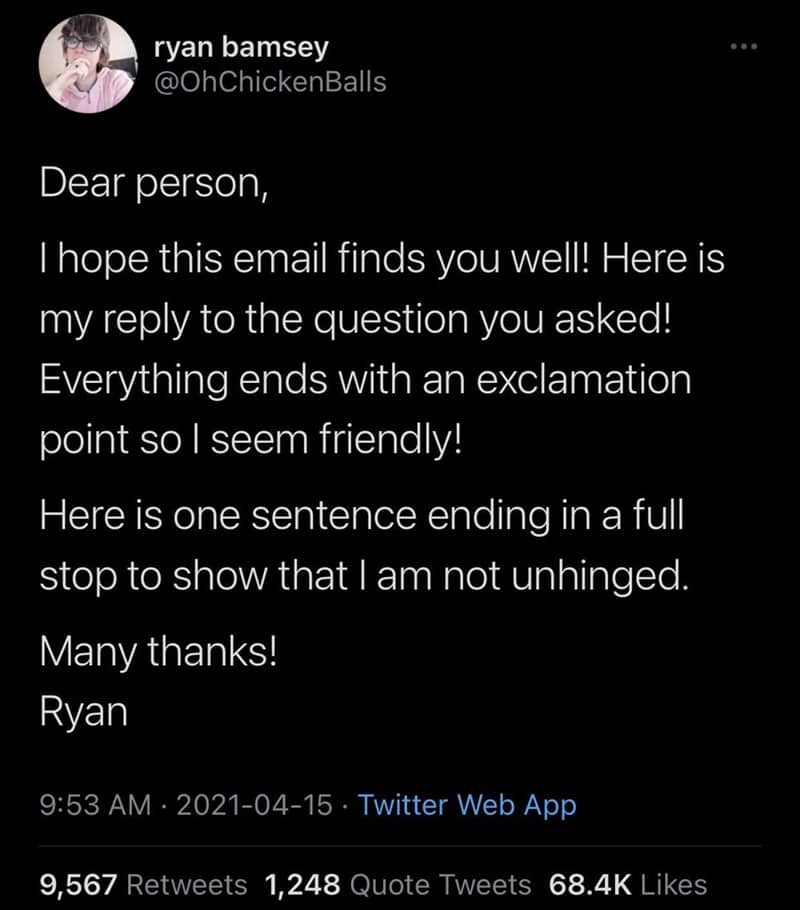
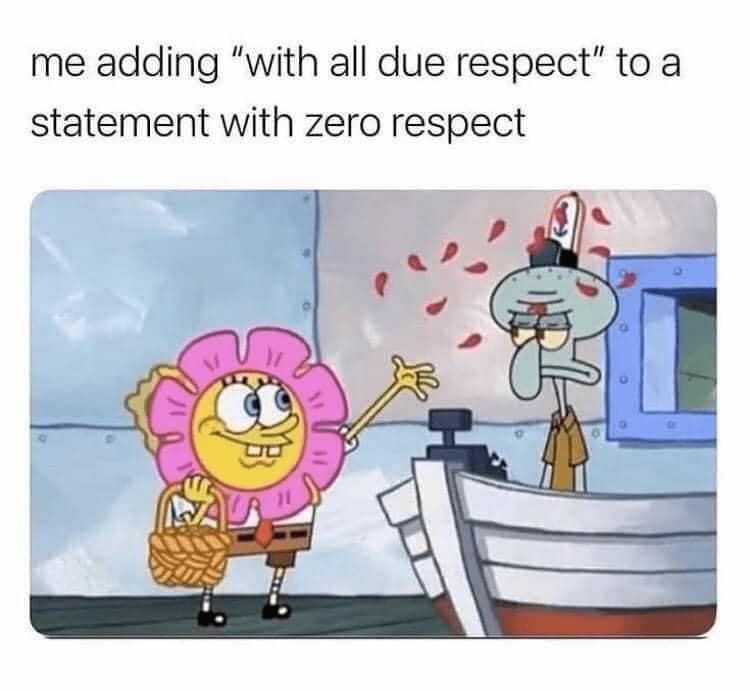
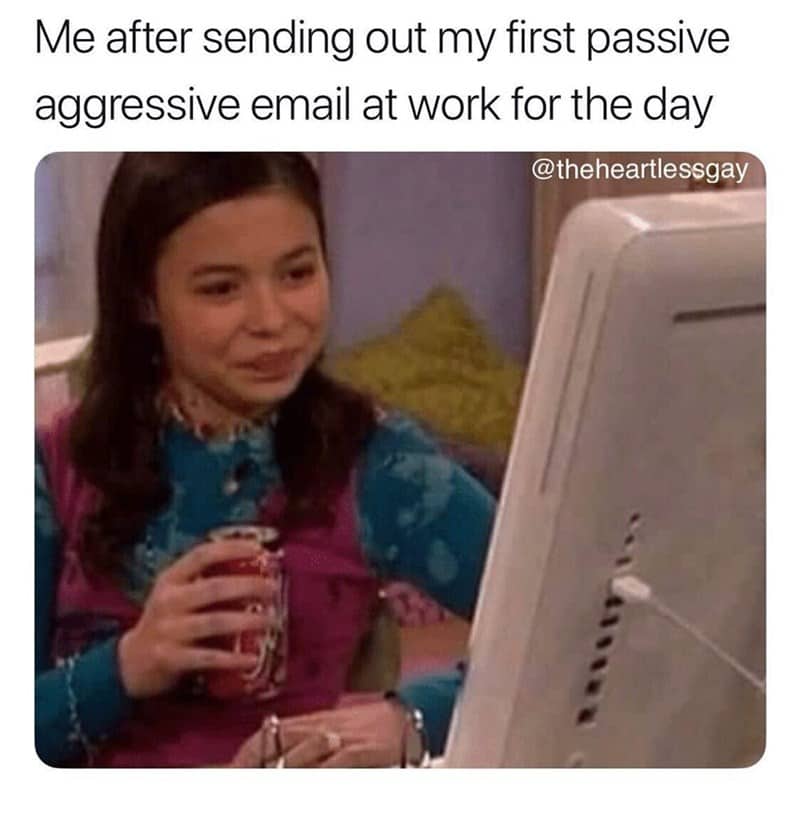
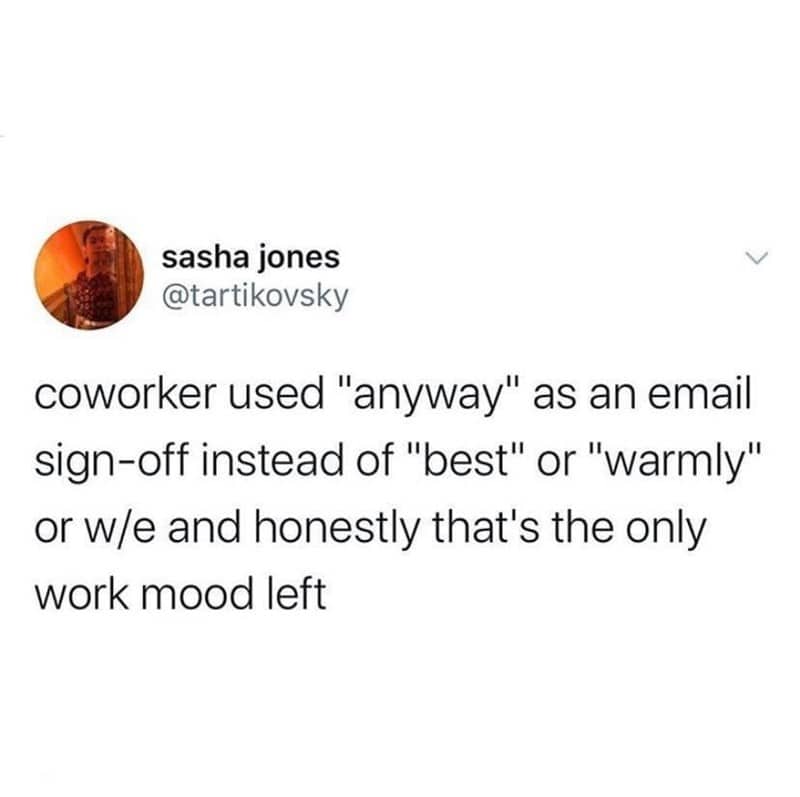
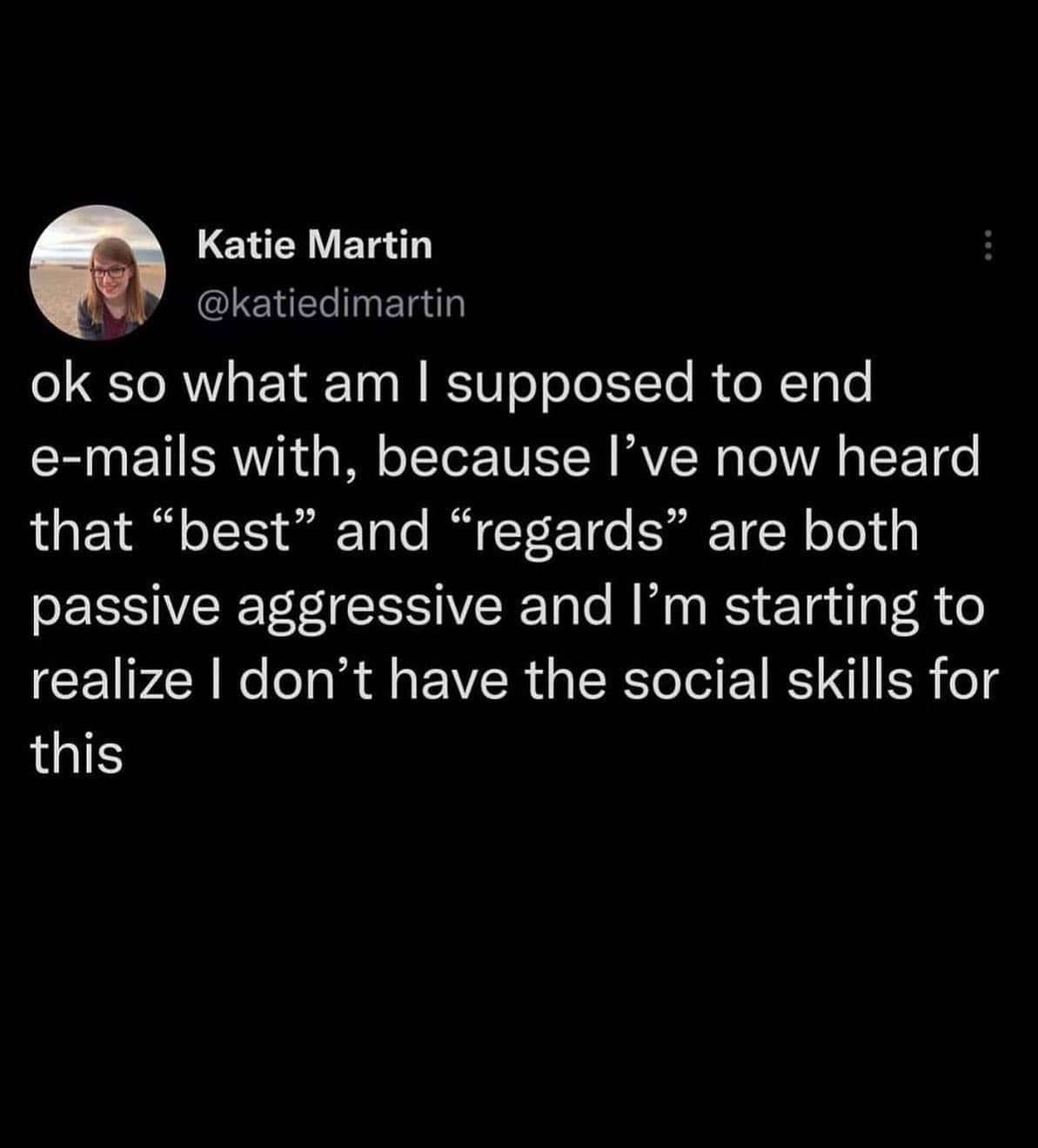
Let’s start with “per my last email,” the four politest words in the English language that mean something completely unprintable. Someone rendered the phrase as triumphant ASCII art, a stick figure leaning back in victory, and I felt that in my chest, because that’s exactly the posture. Everyone who has ever typed those words knows the little surge of power. You’re not being rude. You’re citing sources. It’s academic, really. The greeting analysis lands the same way, because “I hope this email finds you well” has needed alternatives for years, and the aggressive variants finally acknowledge what the sender was actually feeling, which was not hope, and not wellness.
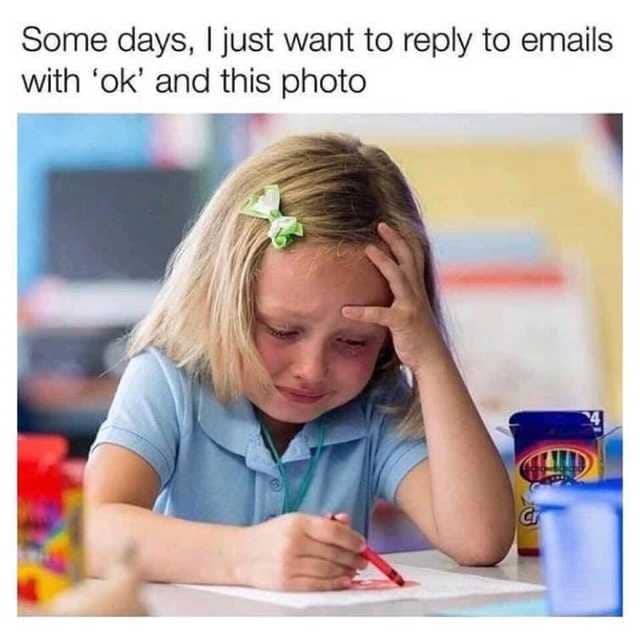
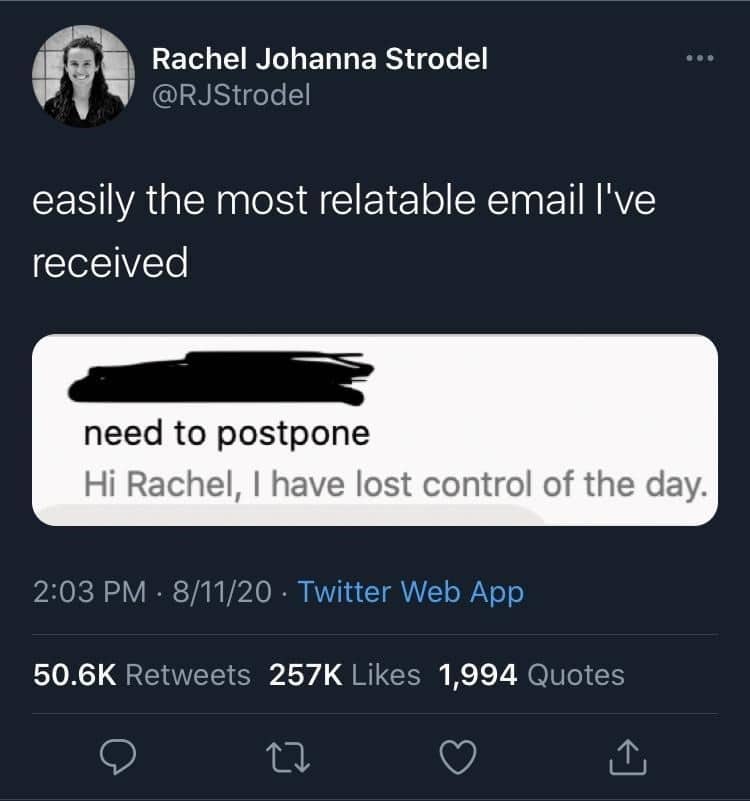
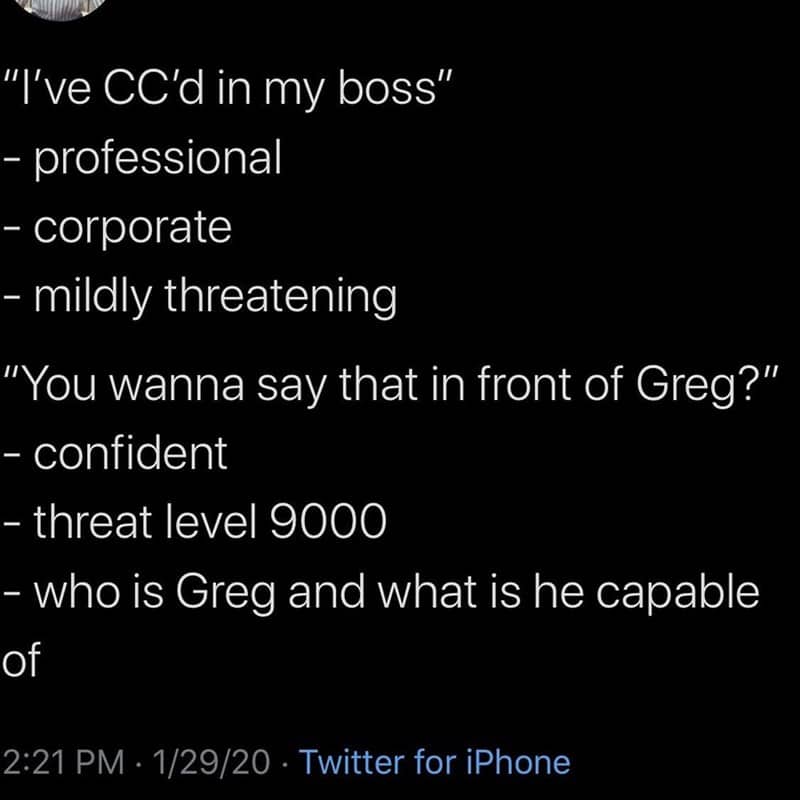
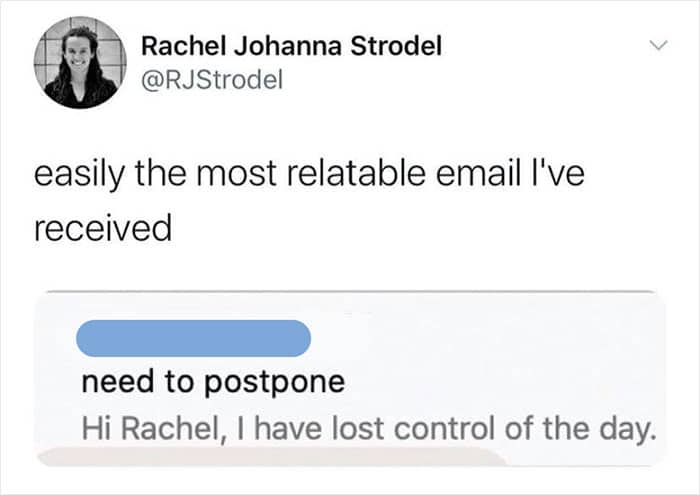
Then there’s the dread economy, which I could lecture on for an hour. You receive an email. You decide to answer it in five minutes. Those five minutes become eleven days, and now the email has transformed from a simple question into a haunted object you cannot open without a full-body cringe. I’ve done this. I’m doing it right now with two messages I can feel radiating from another tab. One post suggested moving a call to tomorrow specifically to dread it across two business days instead of one, and I laughed, and then I realized I’ve done that too, and then I stopped laughing.
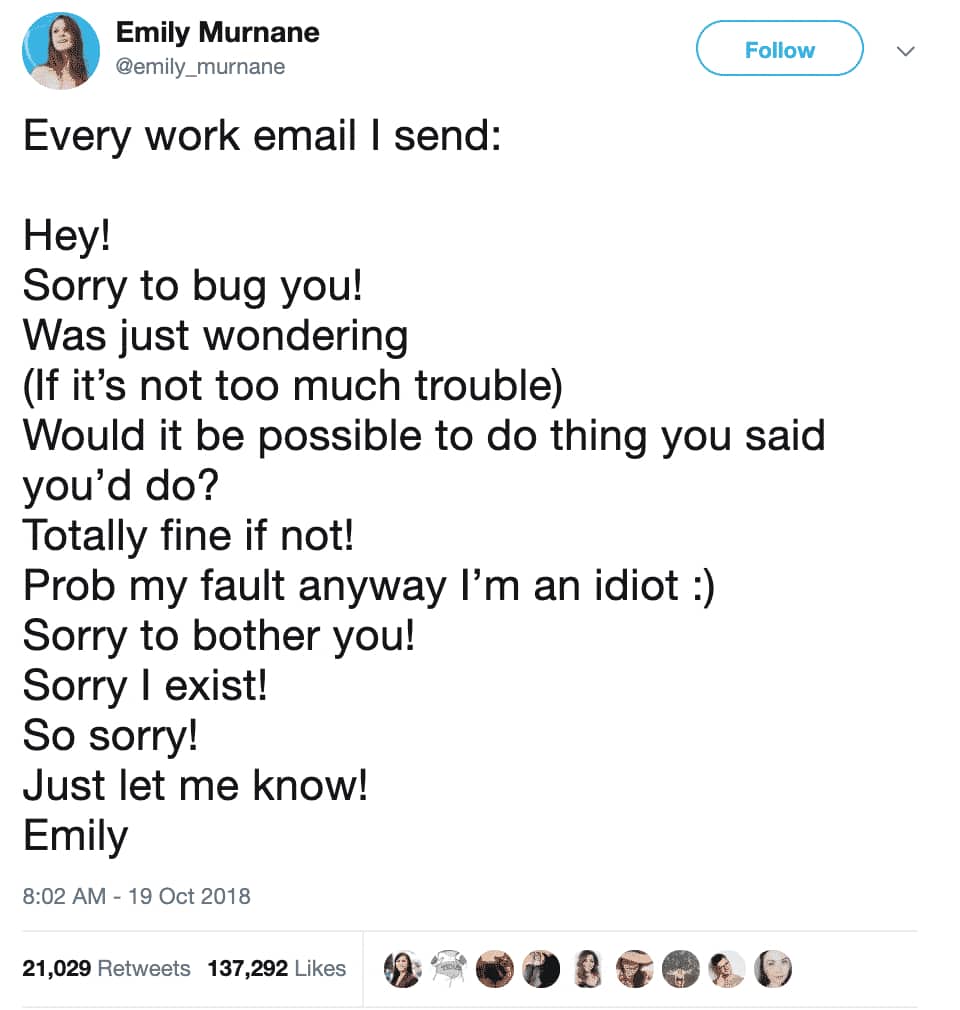
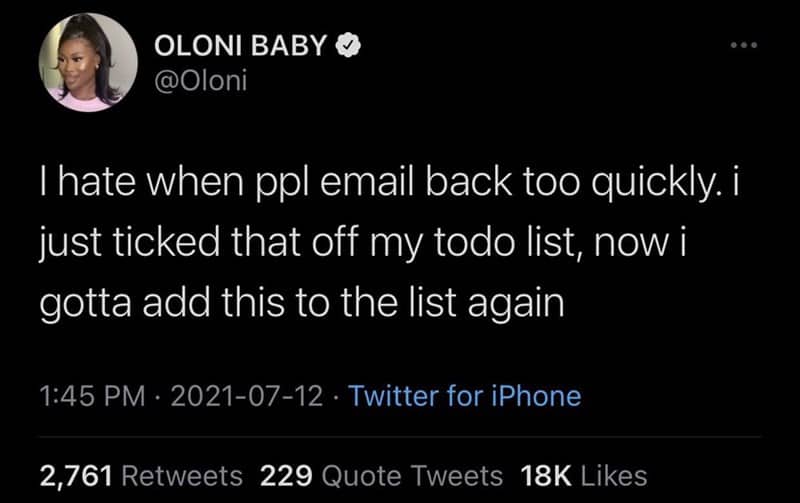
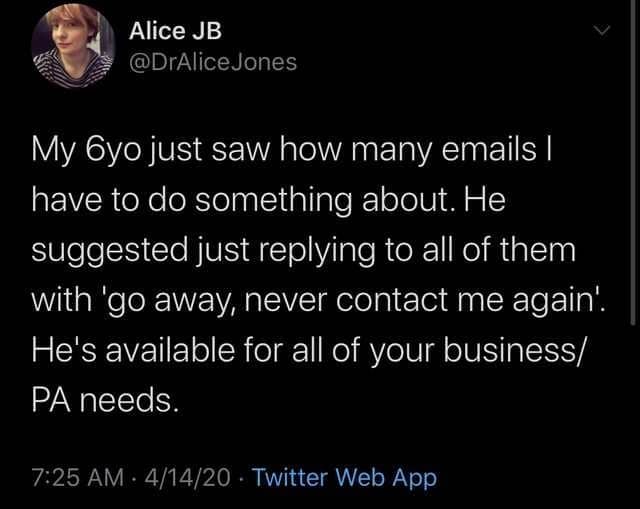
And the over-apologizing material should be studied by scientists. There are people, and I may be people, who cannot ask a simple work question without first apologizing for the interruption, the timing, the question itself, and, implicitly, their own existence. Meanwhile the auto-reply suggestions have evolved to the point where the machine offered “I am overwhelmed” as a one-click response, and I’ve never felt more accurately profiled by software. Even the algorithm knows. Even the algorithm is tired. The fast responders deserve a mention here too, the monsters who reply instantly and reopen a task you just triumphantly crossed off. There should be a law. There will never be a law. The ping-pong continues.
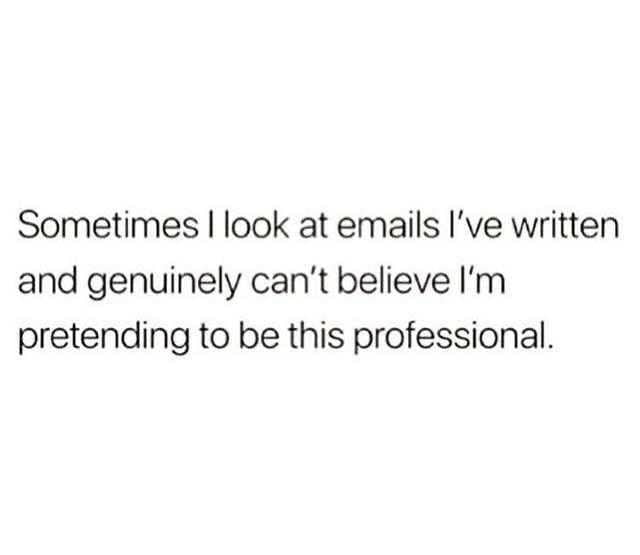
Here’s what I’ve figured out about why this genre hits so hard: work email is the one place where everyone performs calm and nobody feels it. The message says “just circling back,” the sender is vibrating with rage. The message says “no worries if not,” the sender has seventeen worries if not. These memes just print the subtitles we’ve all been reading anyway, and there’s enormous relief in seeing the subtitles confirmed. It was never just you. It was never just any of us.
And weirdly, I think this material makes people slightly better coworkers. Once you’ve laughed at the over-apology spiral, you catch yourself mid-spiral and delete one “sorry.” Once you’ve seen the dread cycle mapped out, you answer the scary email a day earlier, just to escape the meme. The genre is a mirror, and the mirror has notes. Small notes. But I took one, and I only apologized twice in my last email, which for me is basically a promotion.
The inbox is full. The dread is shared. Per my last email, we’re all fine.
If you also have a message radiating dread from another tab right now, our workplace content is your break room, and we’ve got office humor archives, email etiquette threads, and corporate survival compilations for anyone who has ever drafted “no worries if not” while experiencing worries. Answer the email. Then come back.
Read Memes
Get Paid


Laura Bennett has spent eight years immersed in internet culture, specializing in deep dives into meme origins, evolving meme trends, and digital subcultures. As a contributor for several prominent online platforms, including BuzzFeed’s meme division and Know Your Meme, she’s written extensively about viral moments from Crying Jordan to Woman Yelling at a Cat. Laura believes memes aren't just internet jokes—they're modern-day folklore. She brings that passion to Thunder Dungeon by keeping readers connected to what's culturally significant, hilarious, and timelessly viral.