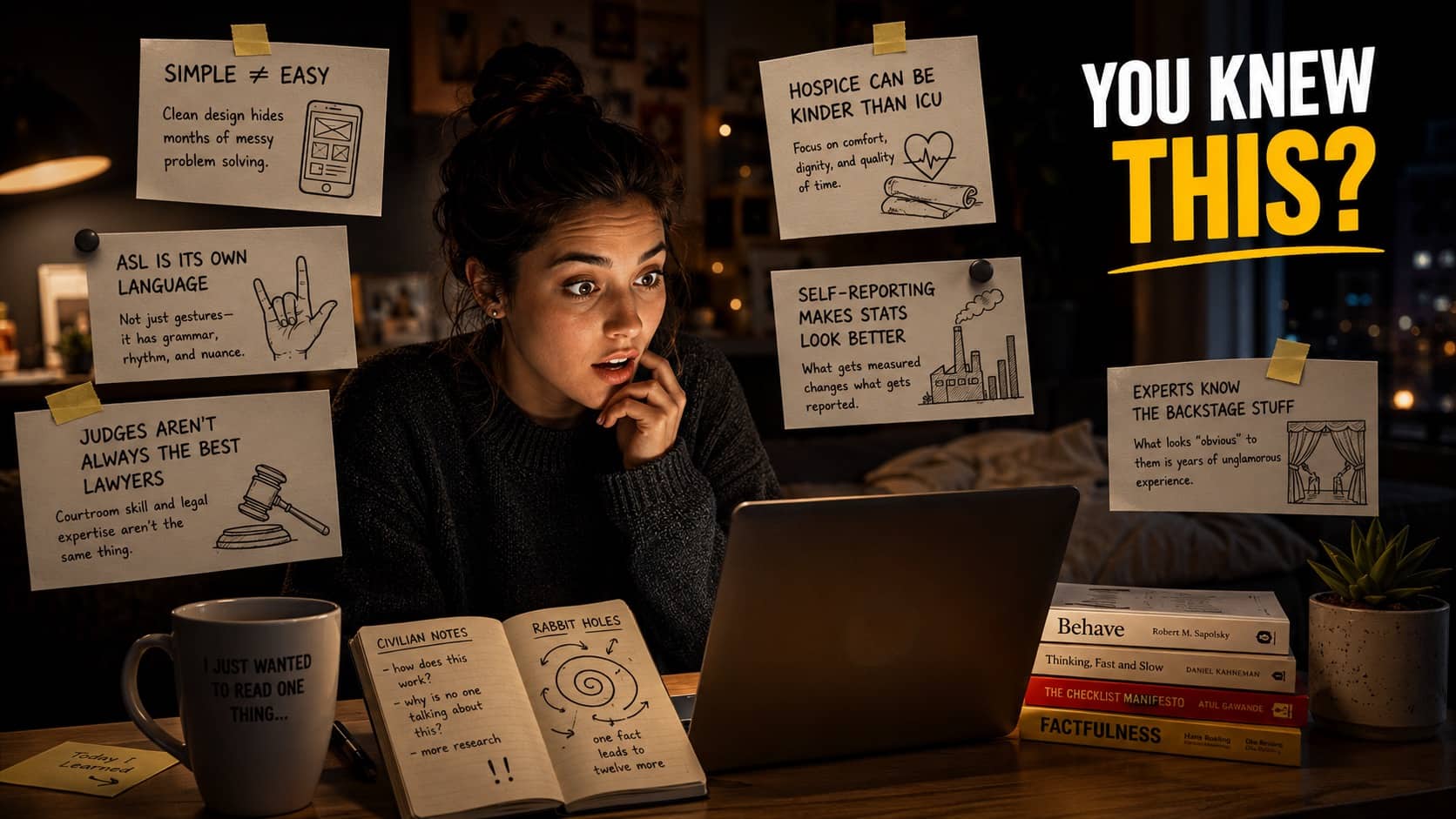

Every so often somebody on Reddit asks professionals to share the things their industry knows that the general public completely misunderstands, and the resulting threads are some of the most quietly devastating reading currently available online. These things obvious to professionals are the small ongoing project of insiders telling the rest of us, with no marketing budget and no editorial filter, what we have been getting wrong for years. Brace yourself.
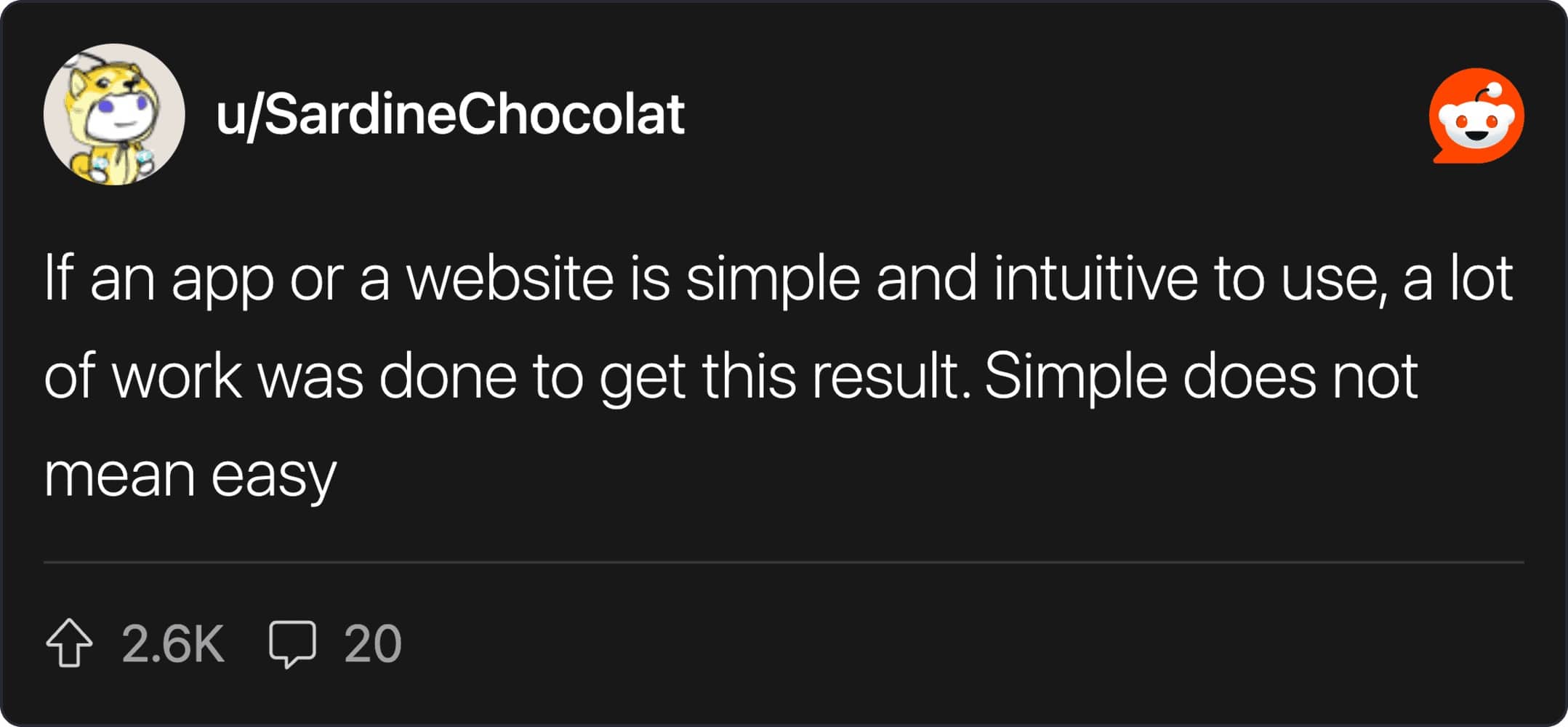
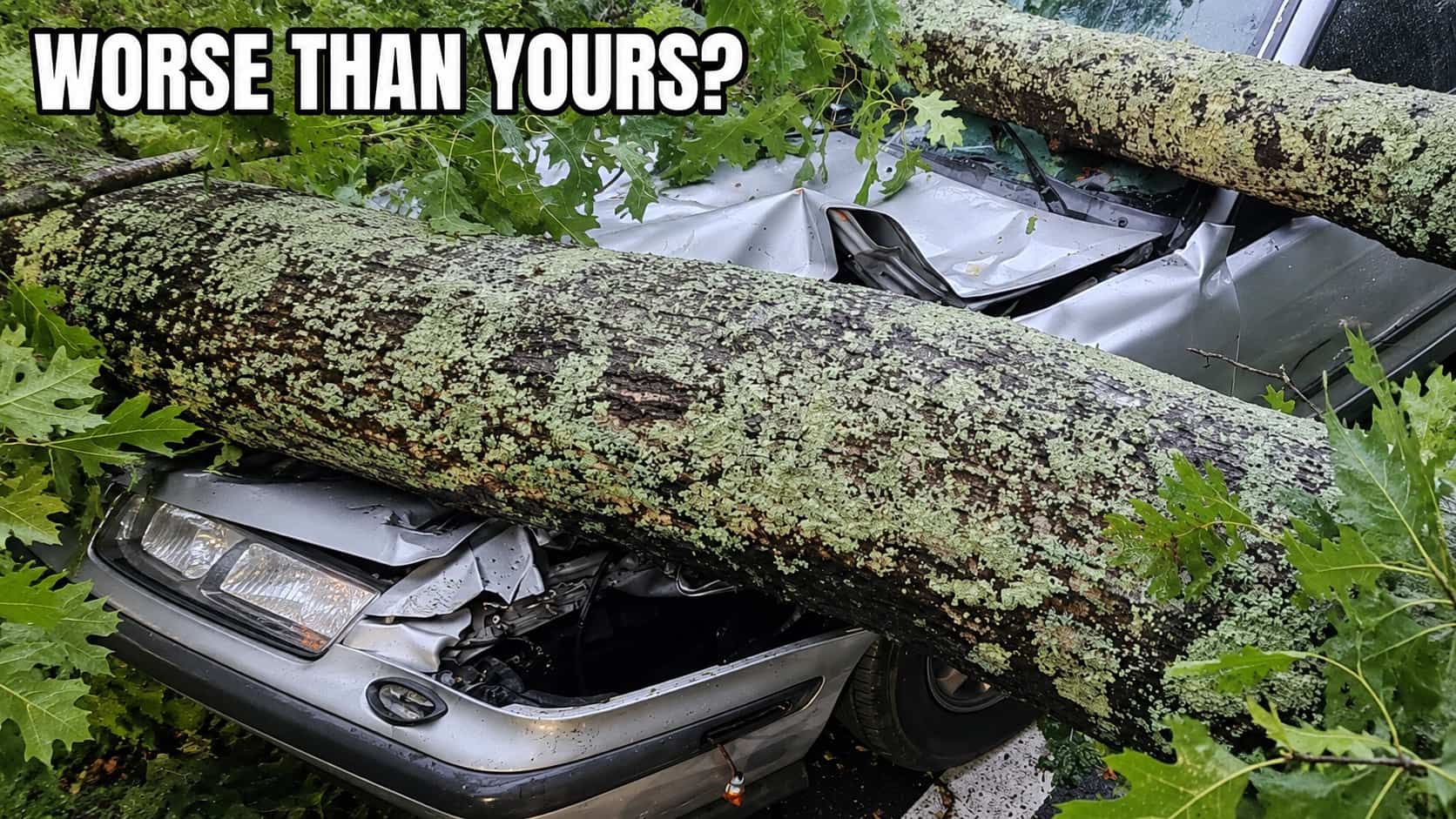
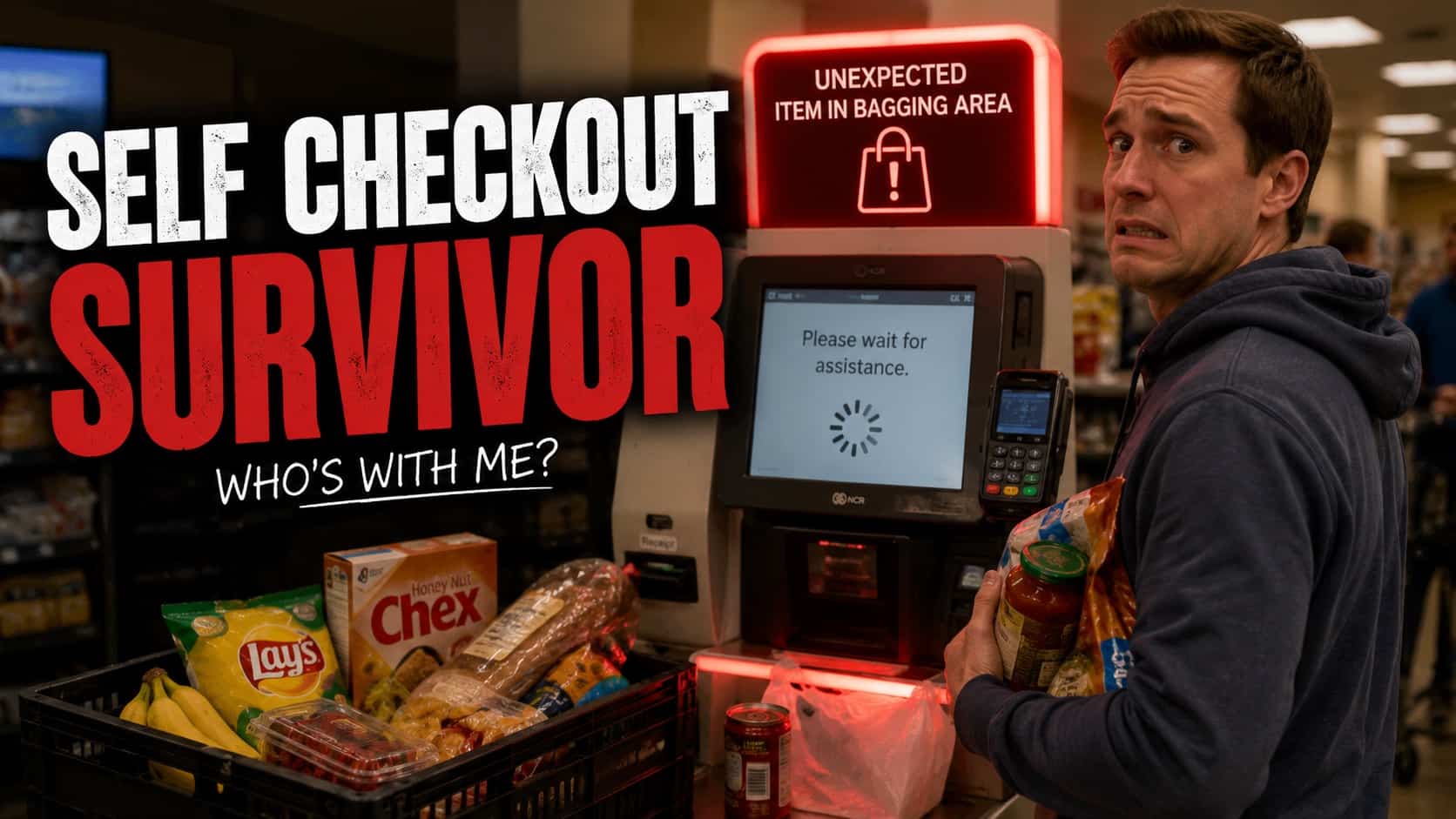
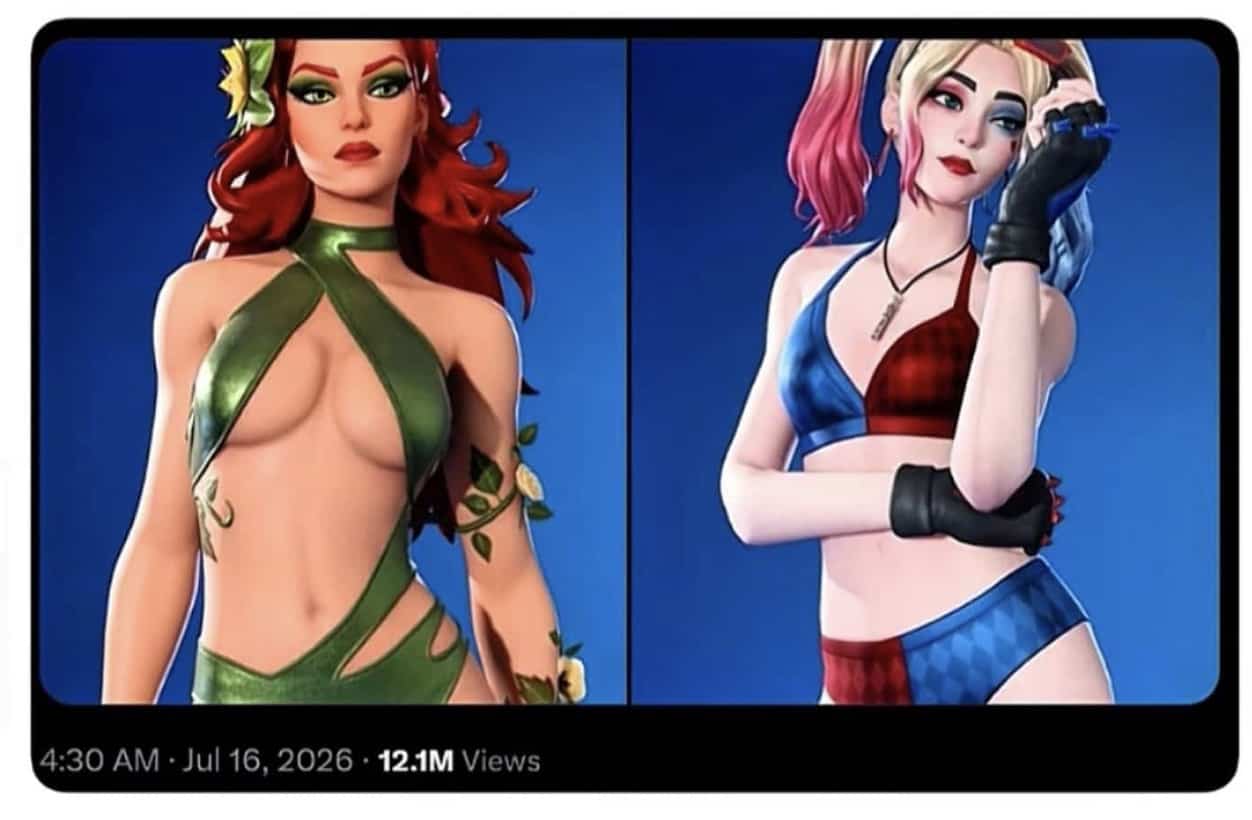
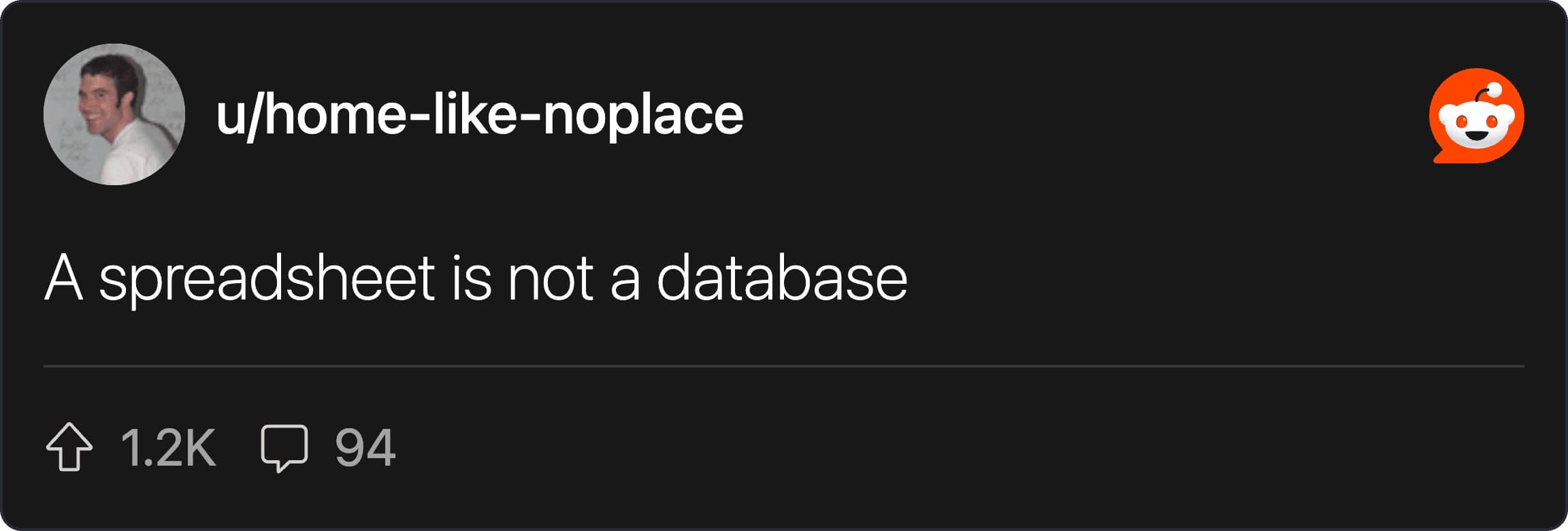
The ultimate UX design paradox.
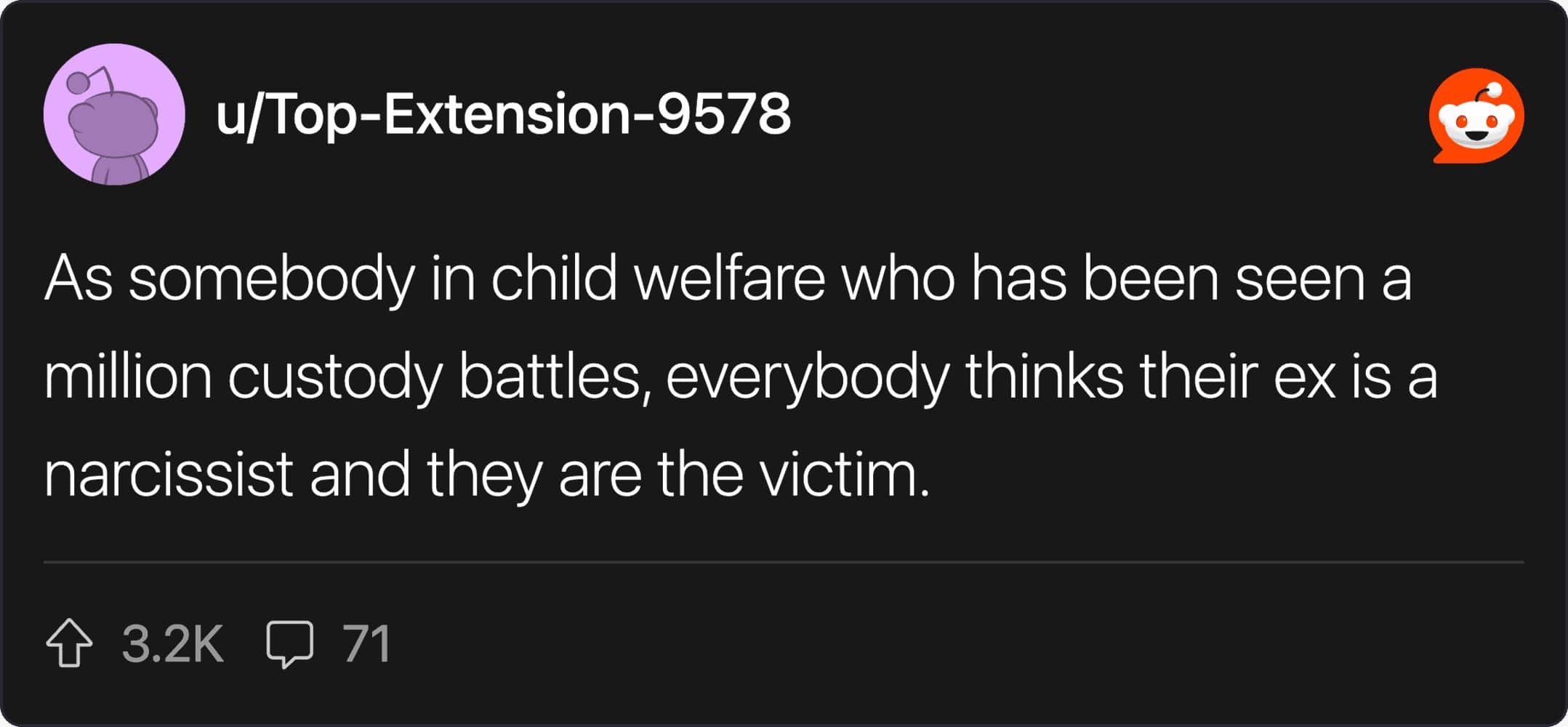
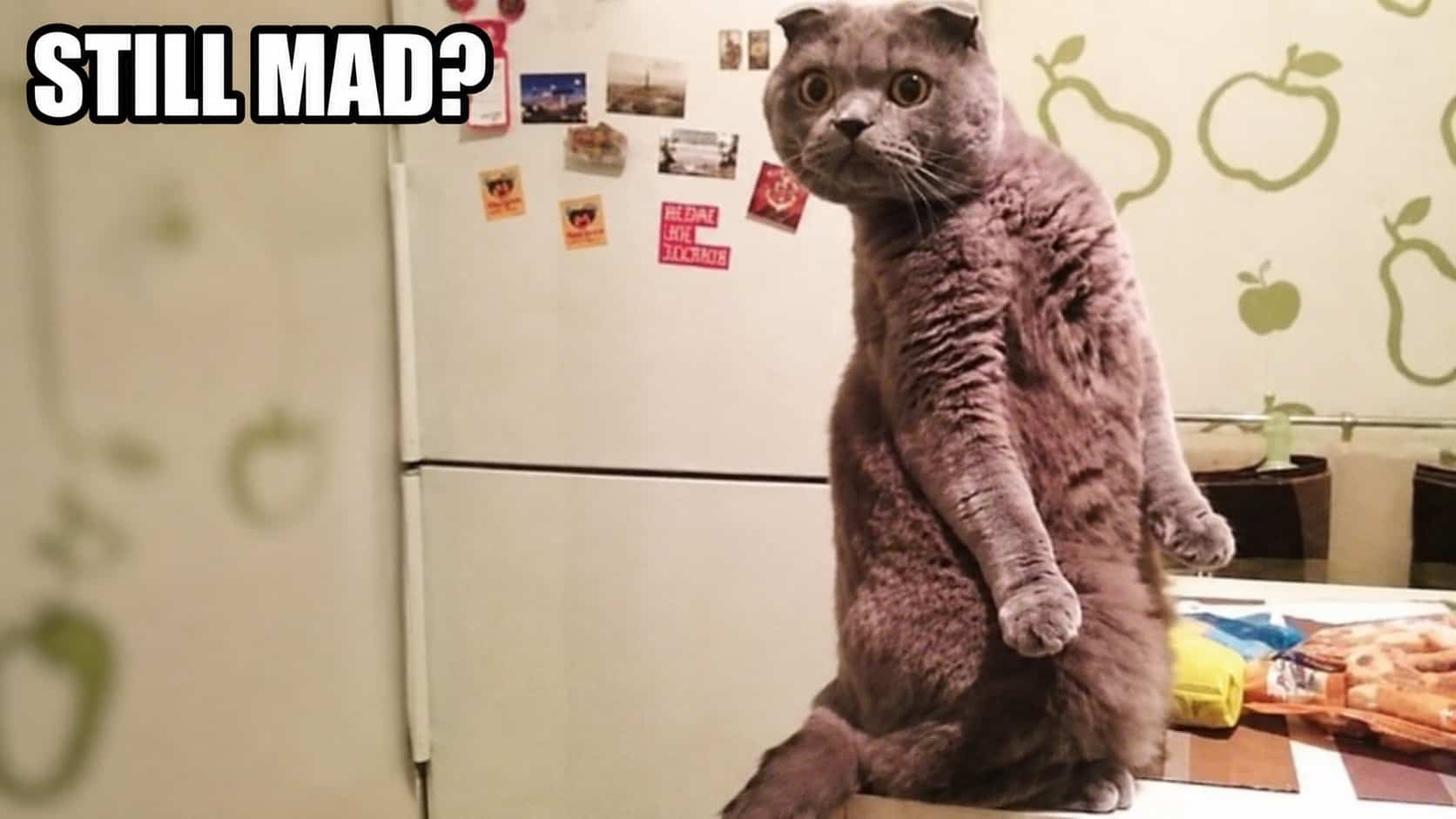
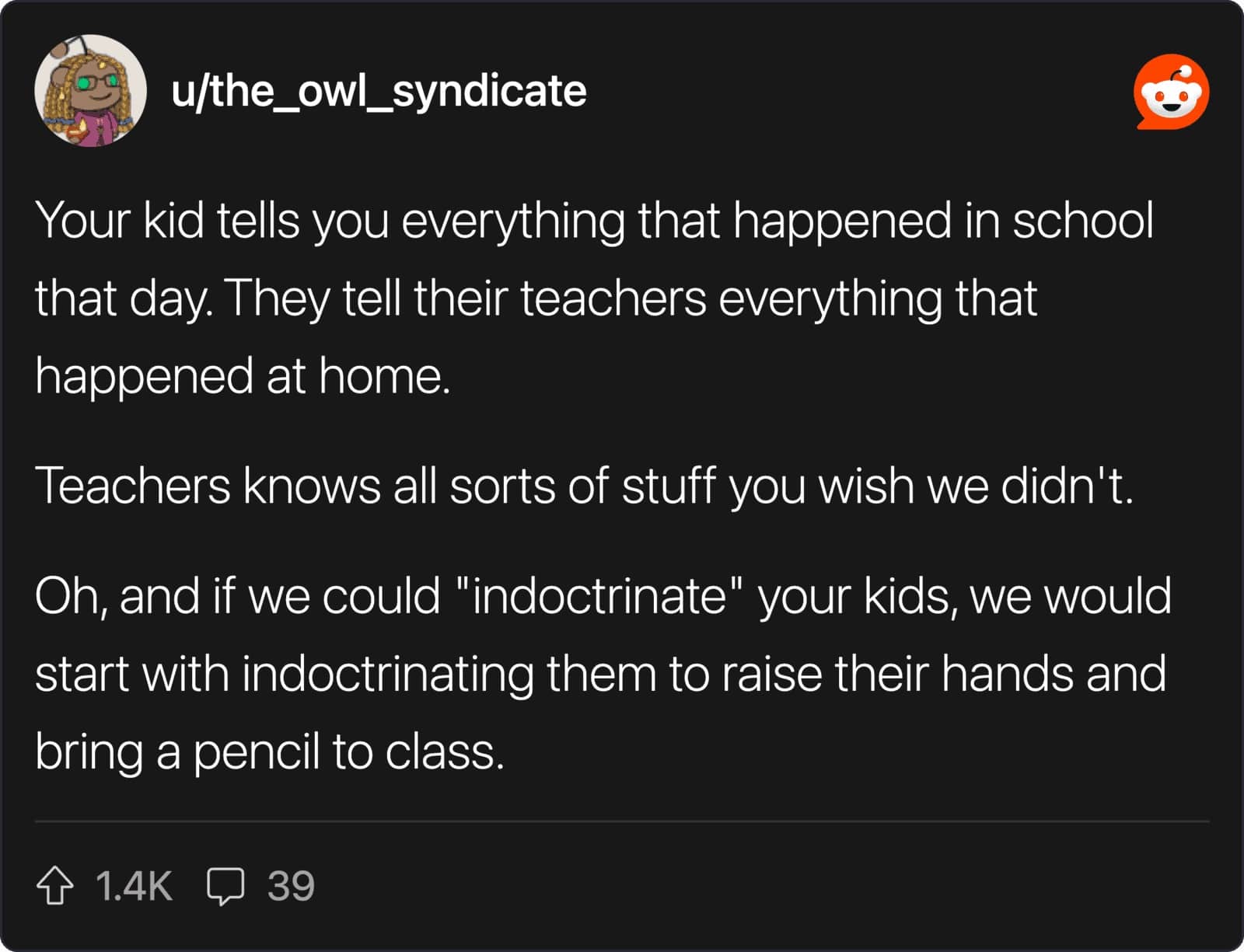
Family court: where everyone magically becomes a certified psychologist.
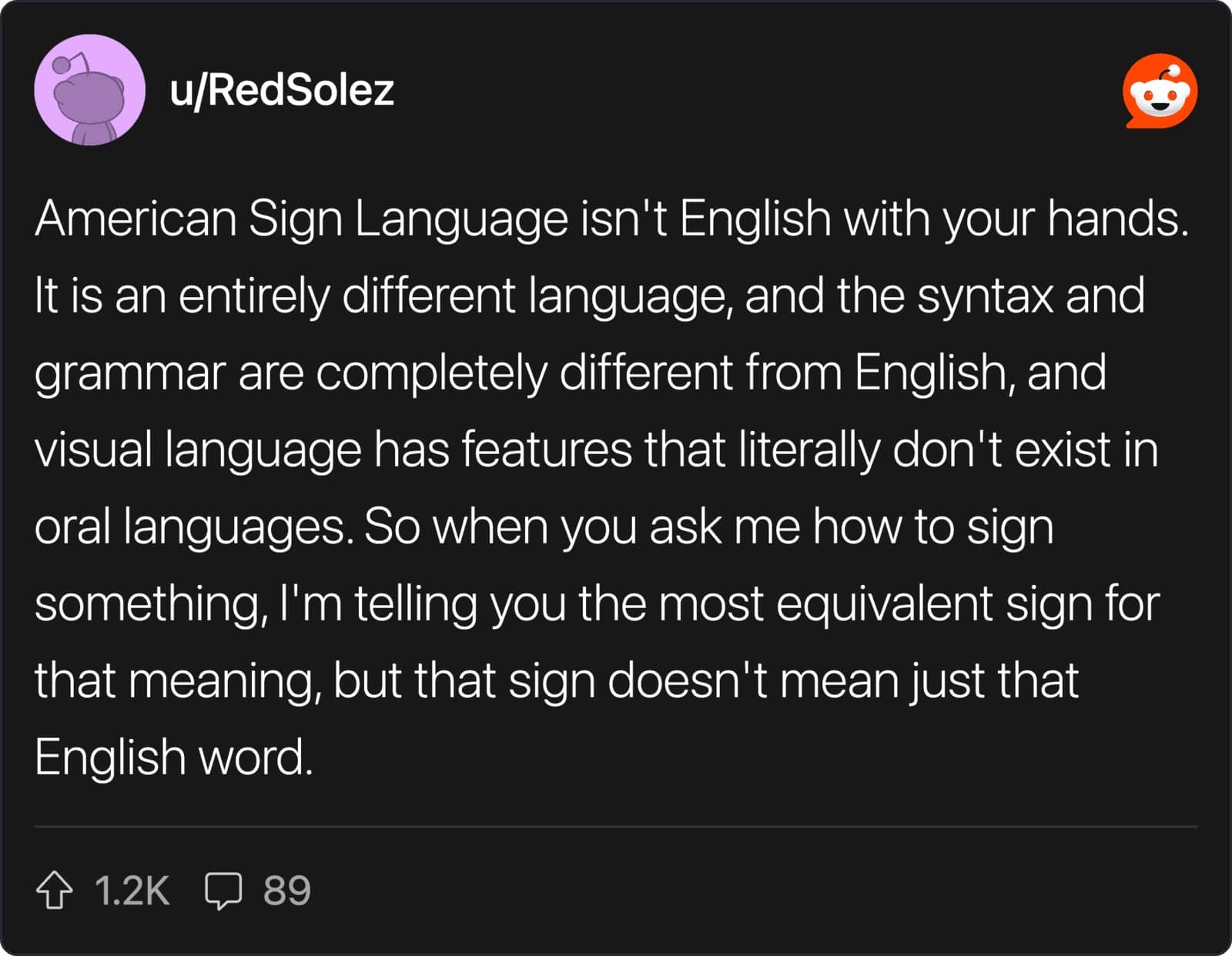
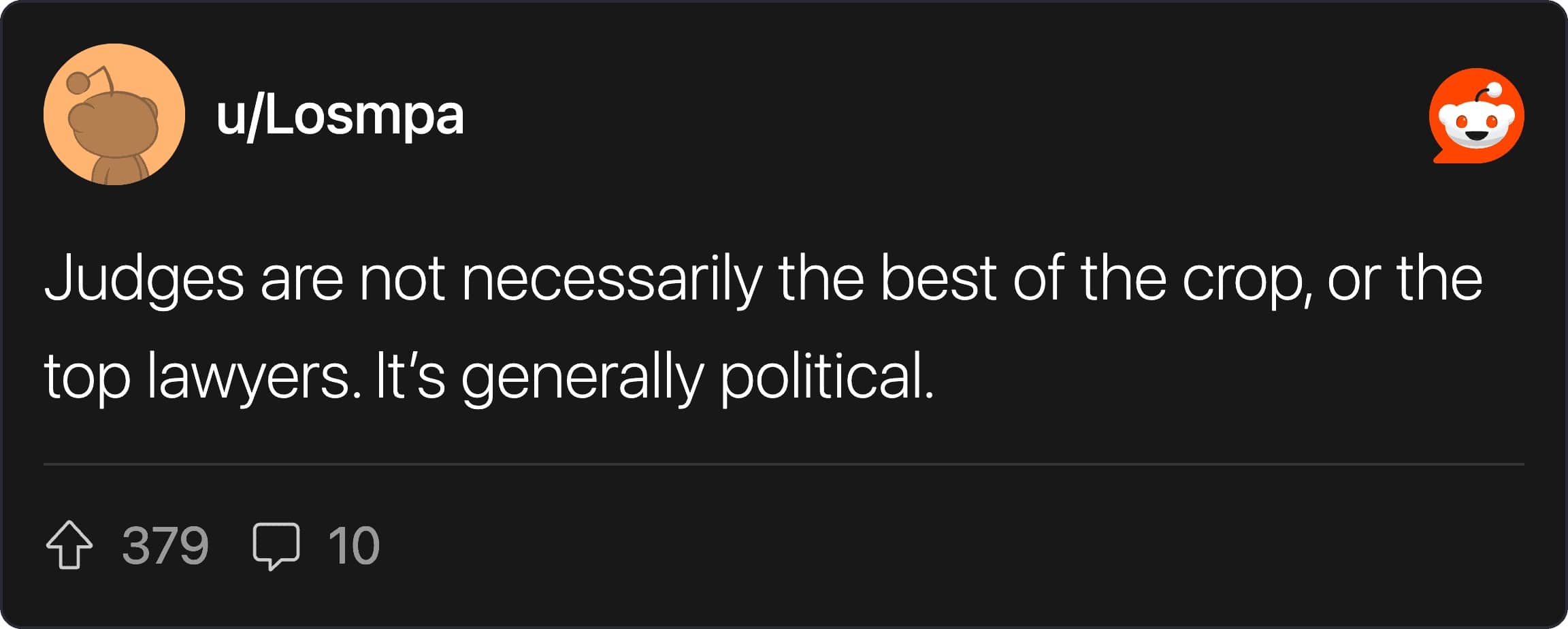
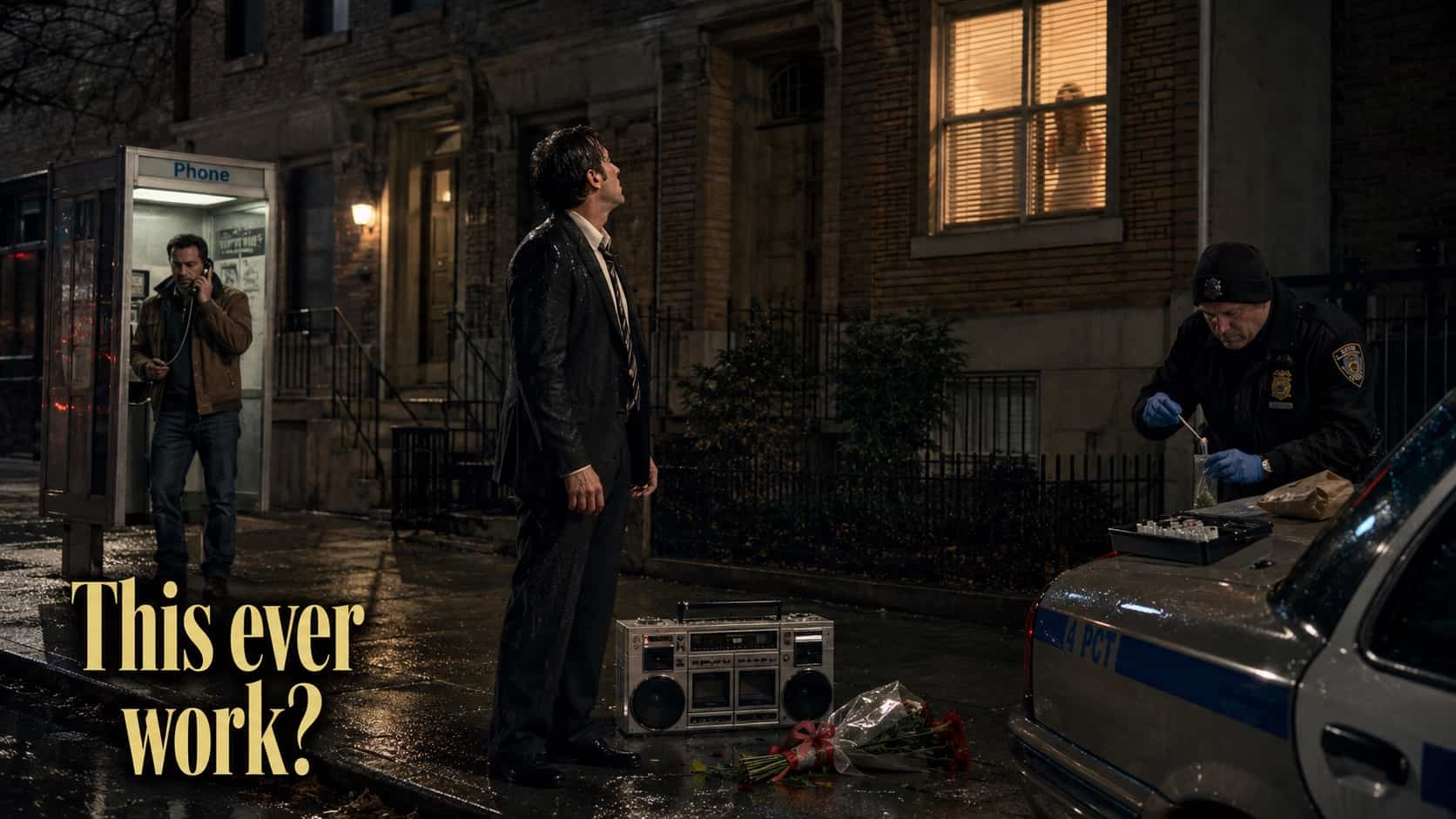
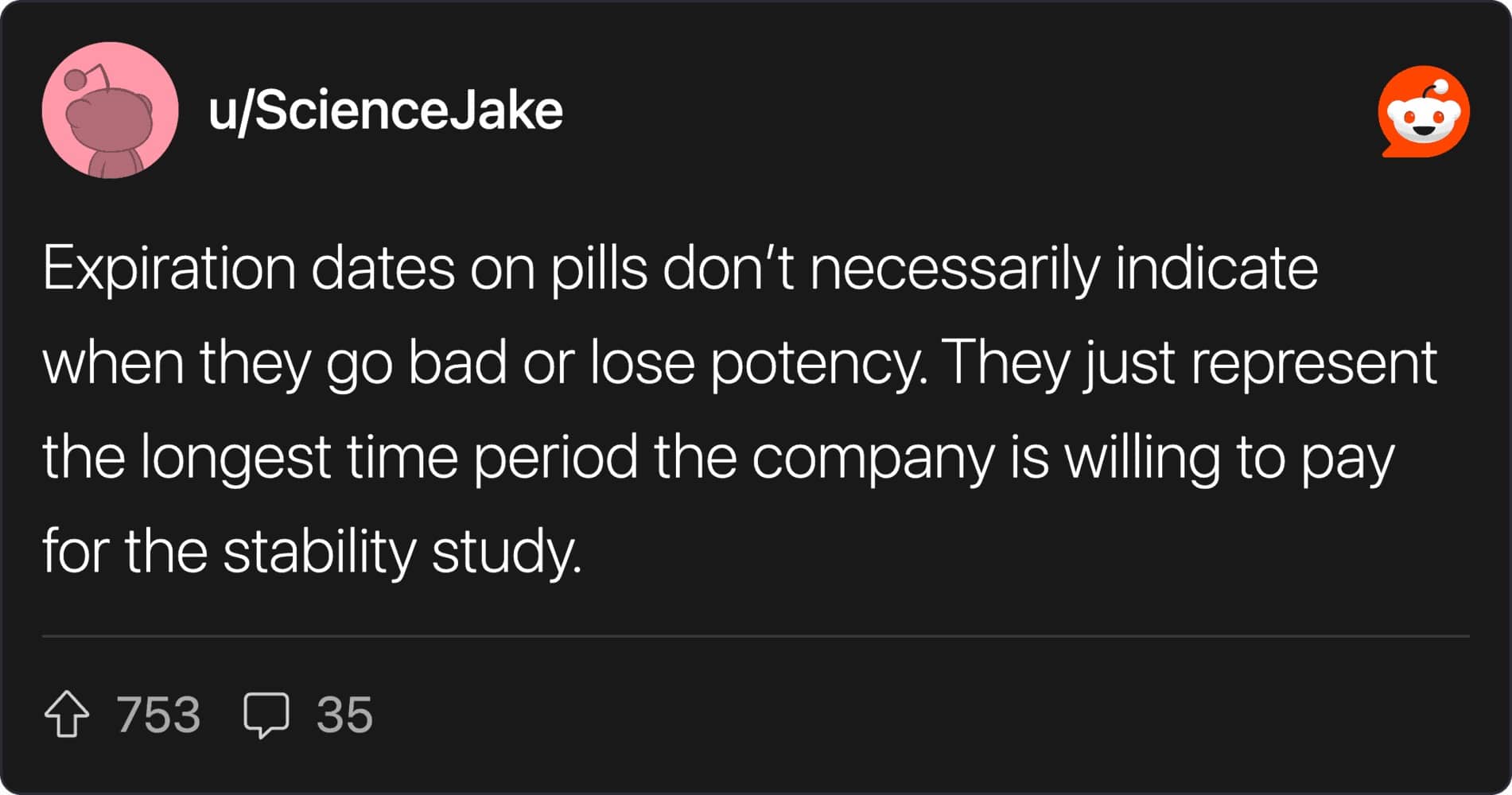
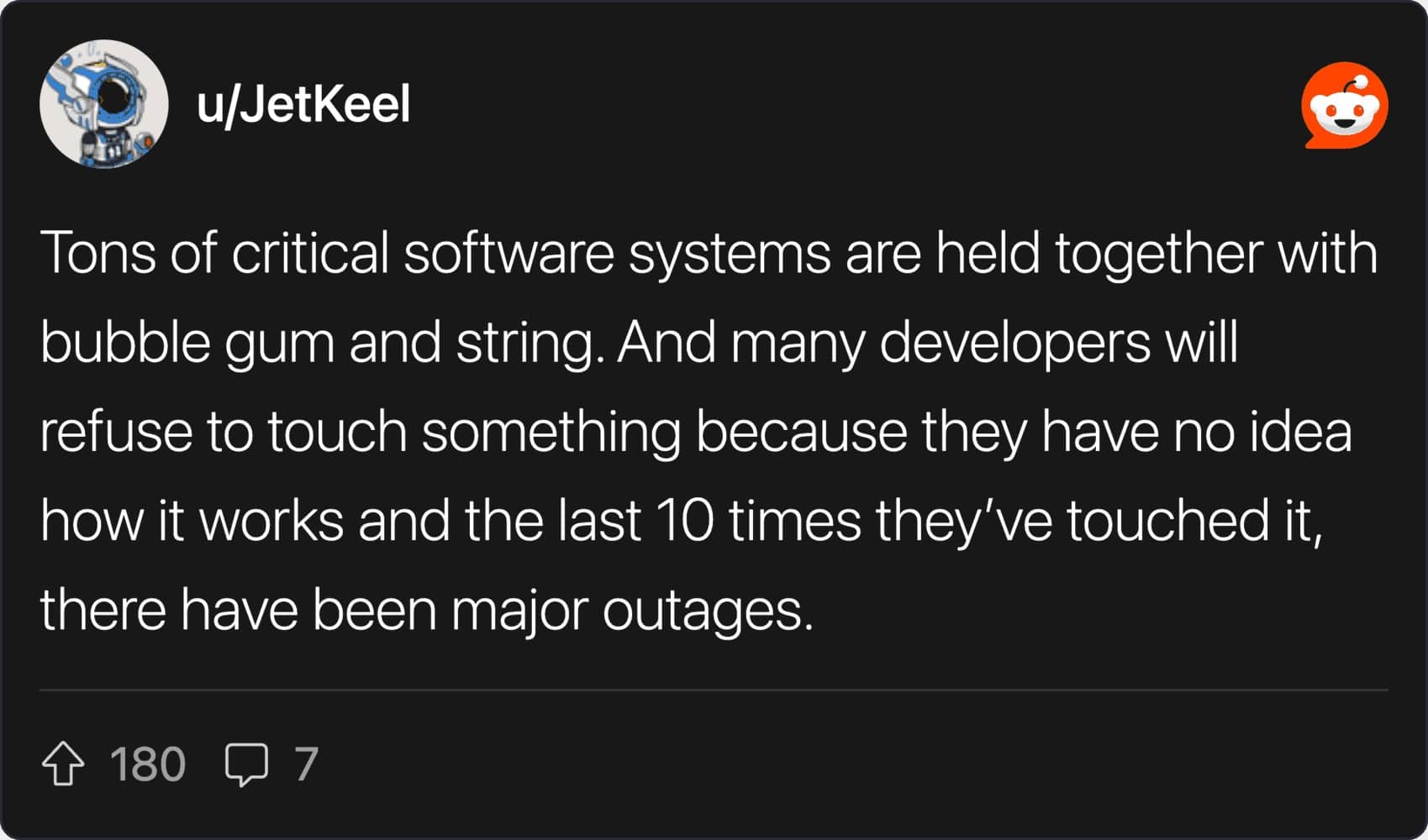
Knowing the law is cool, but knowing the governor is better.
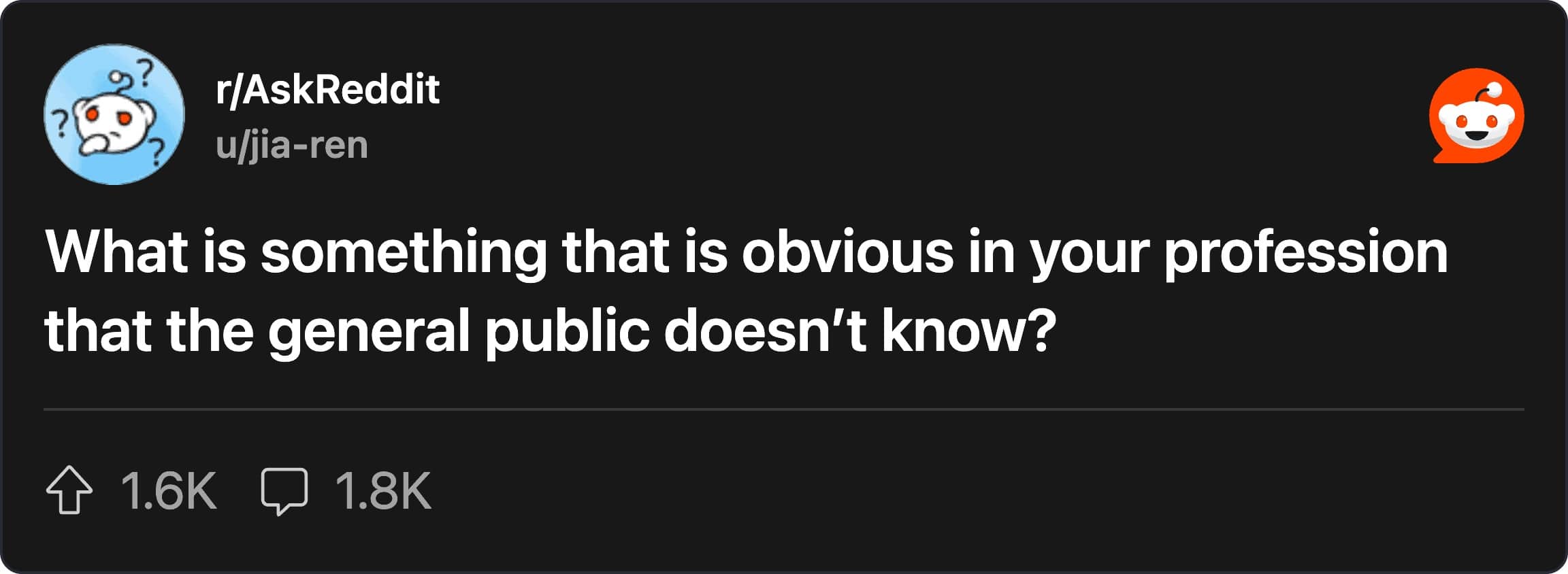
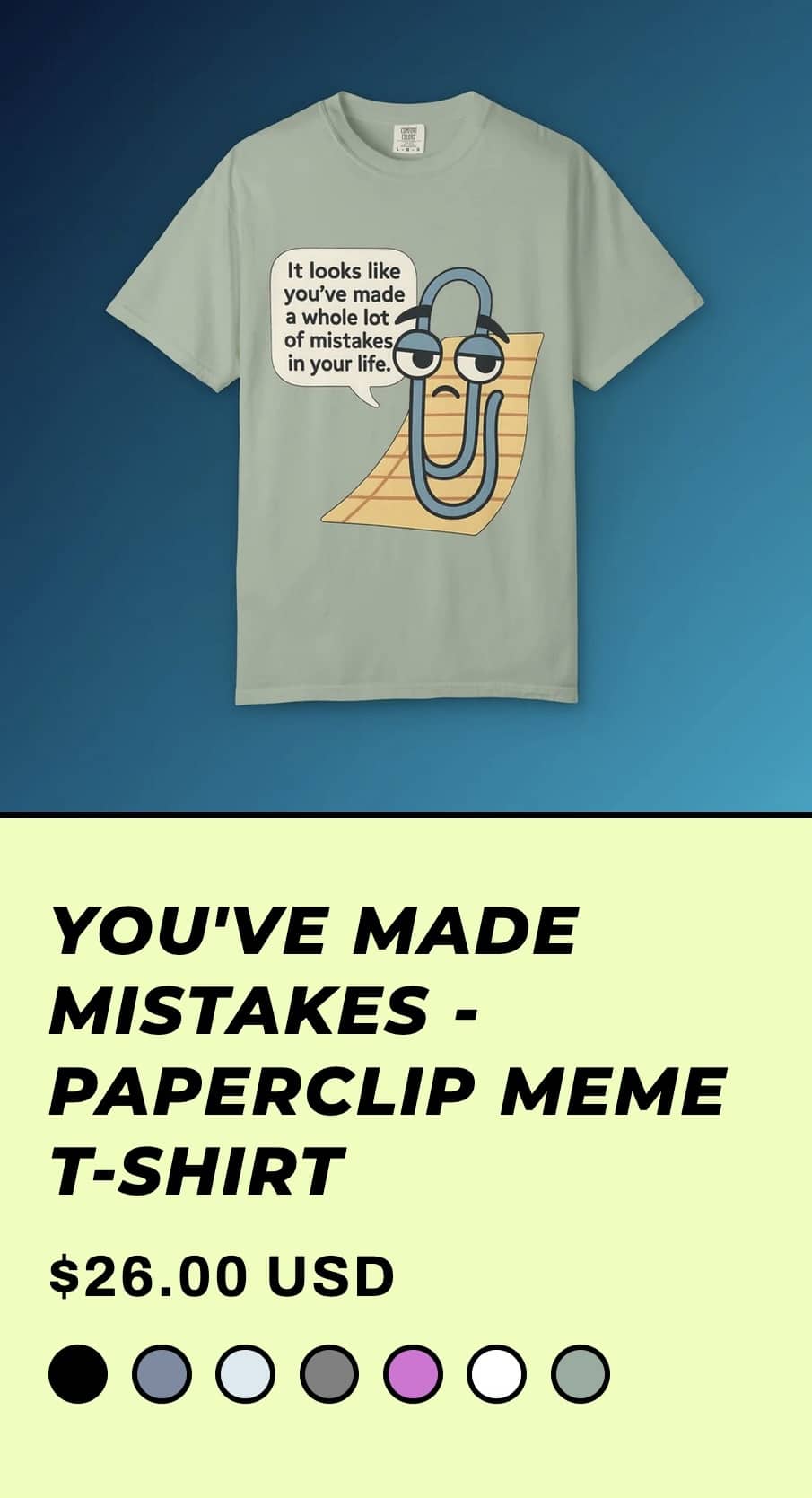
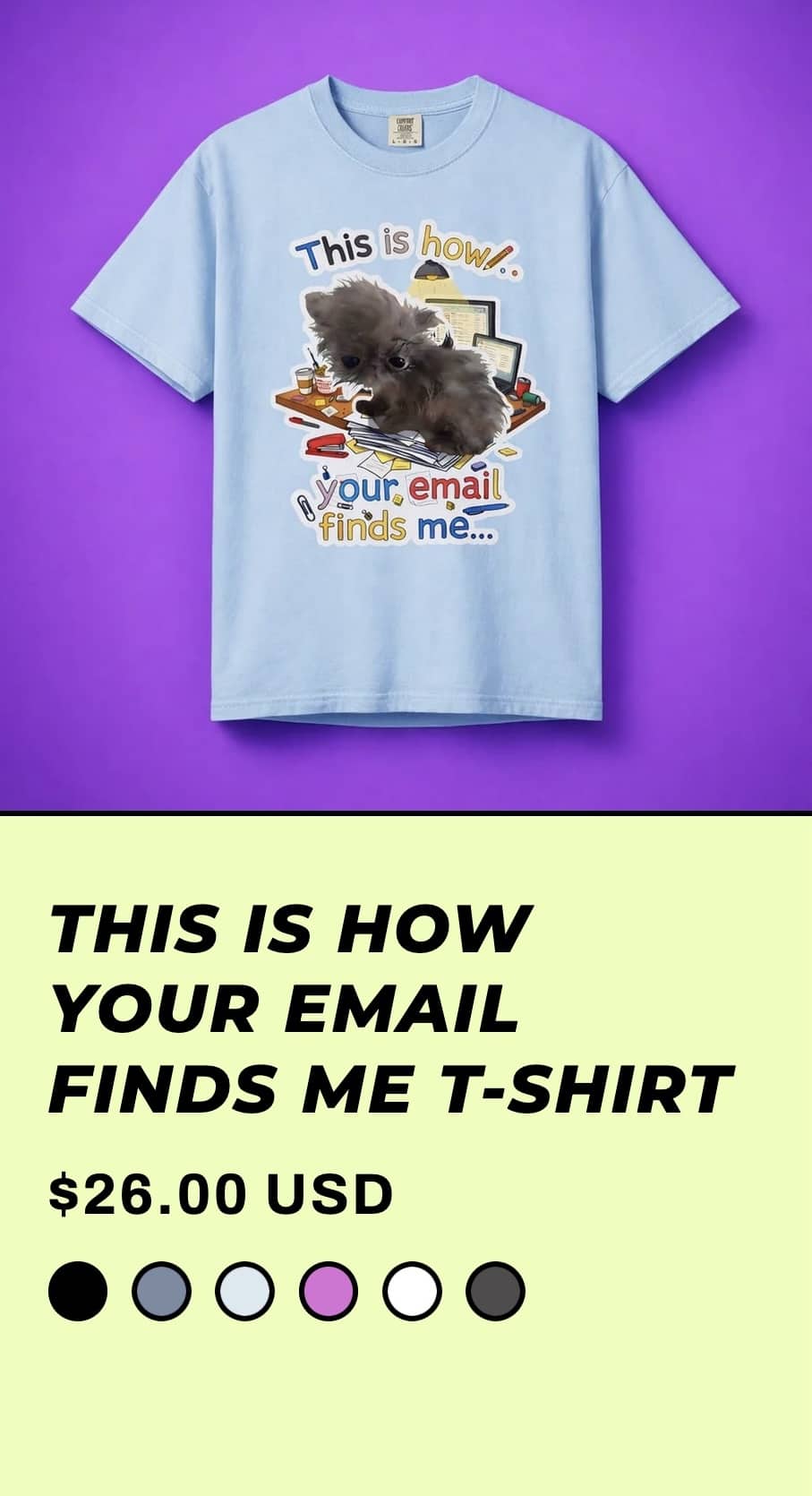
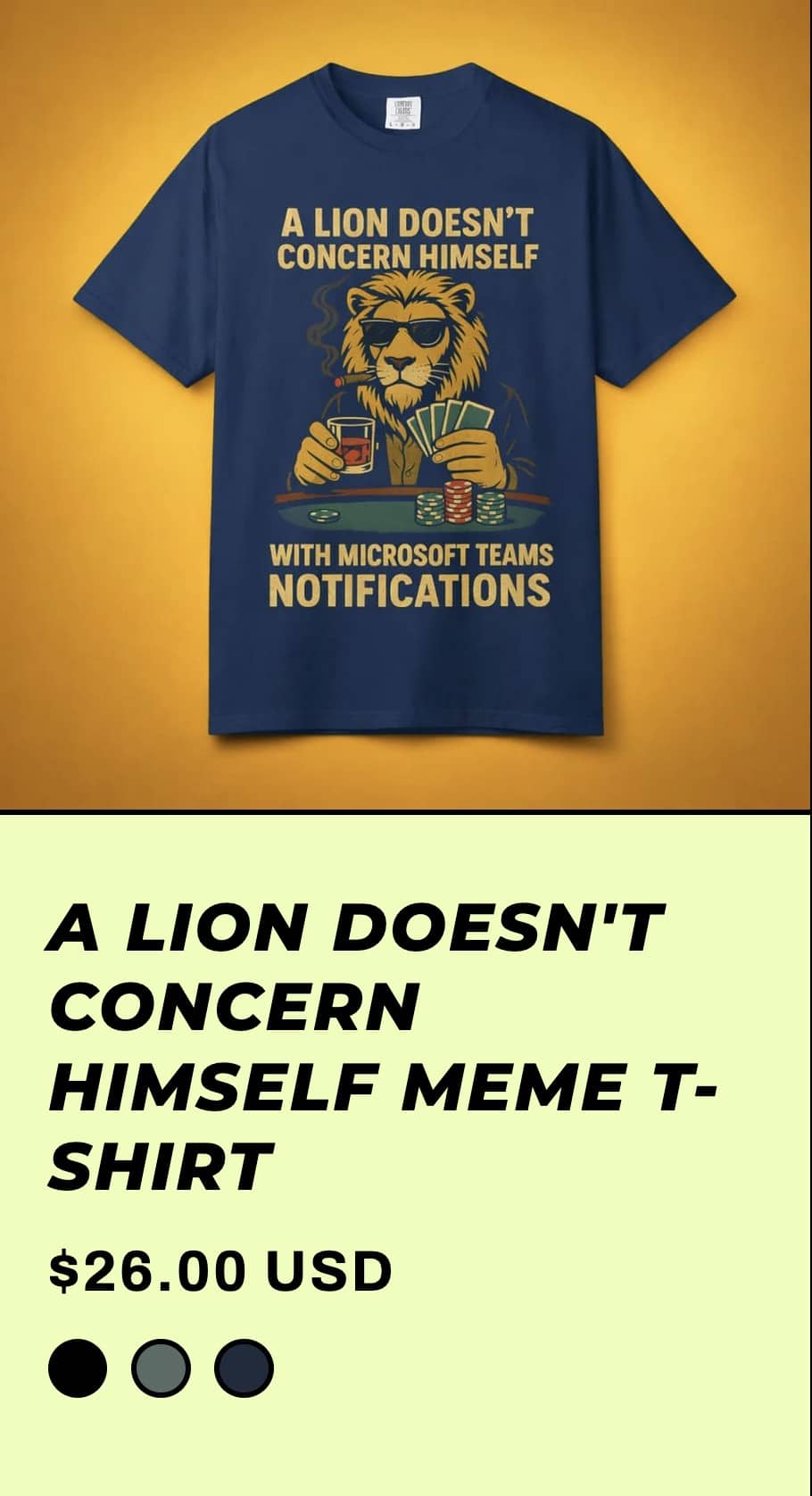
Obvious to professionals
Read More
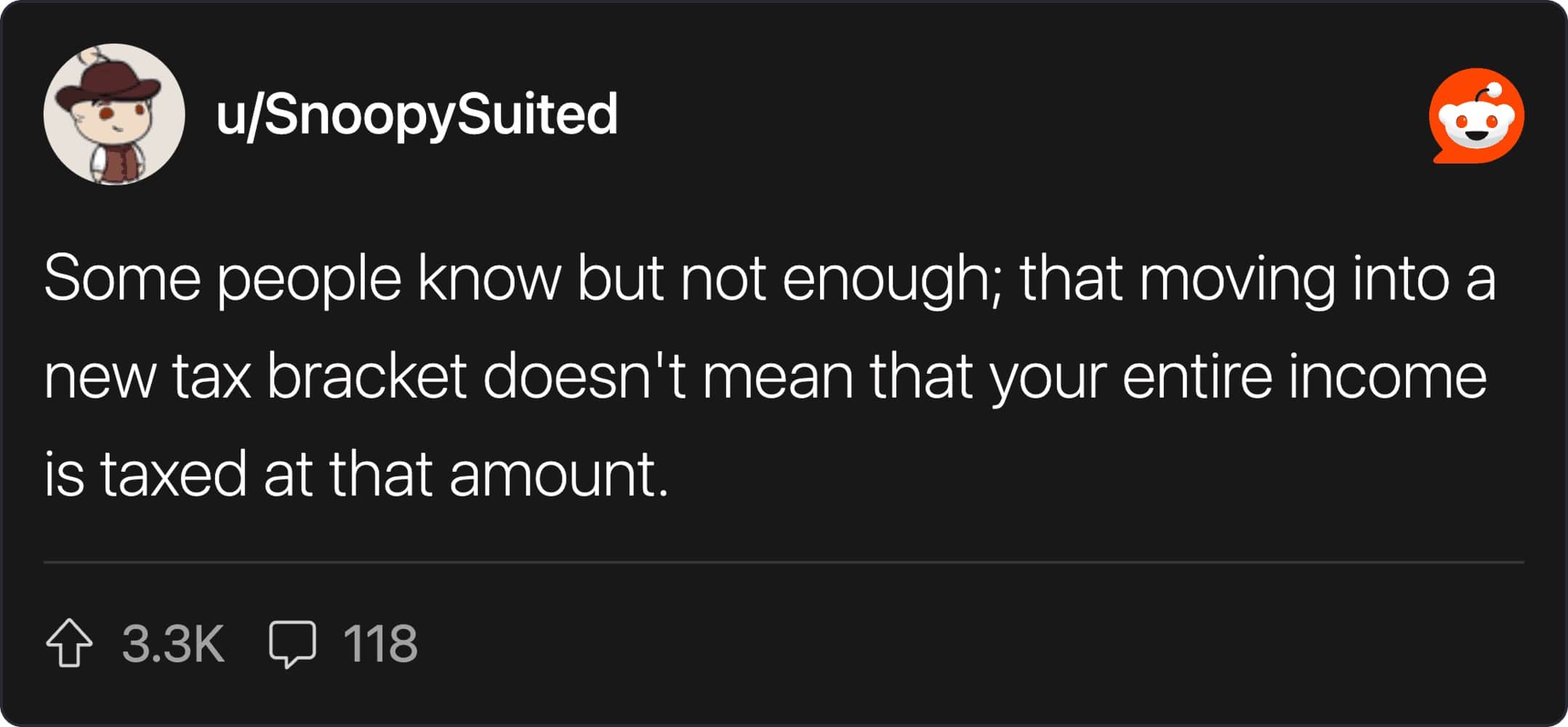
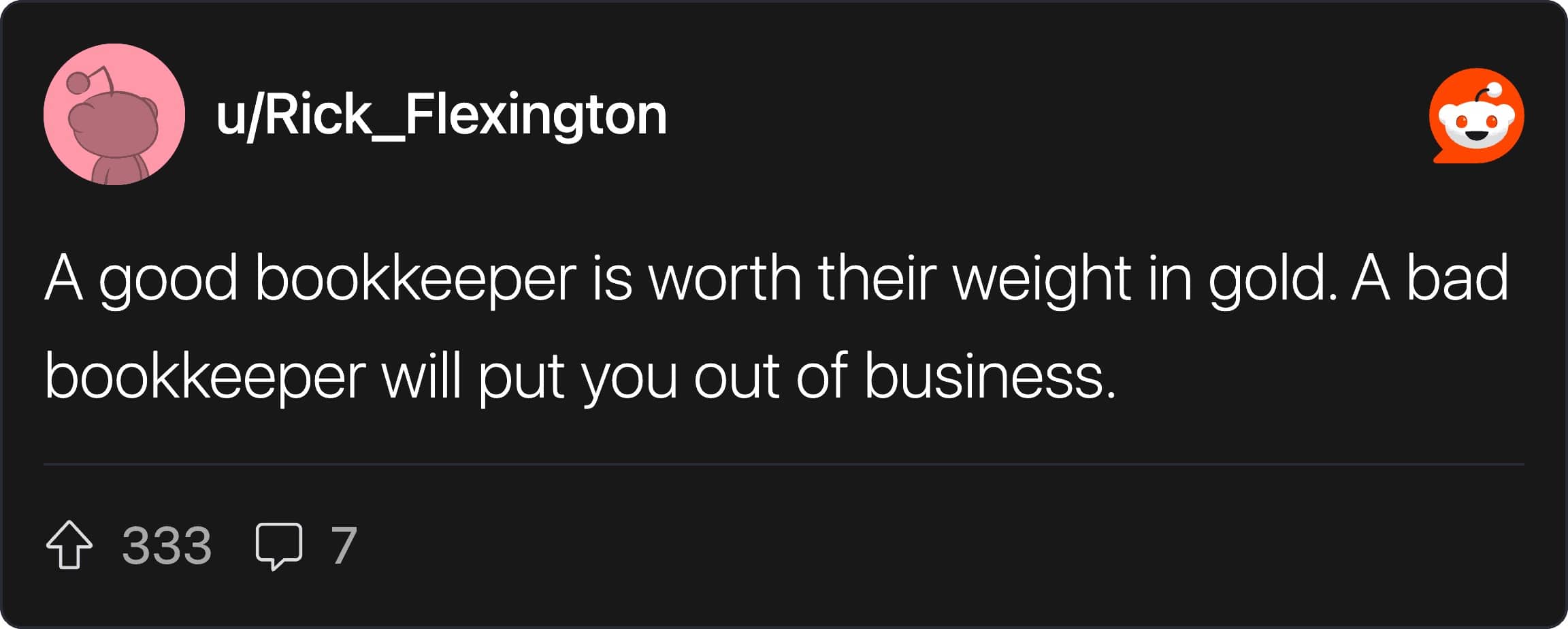
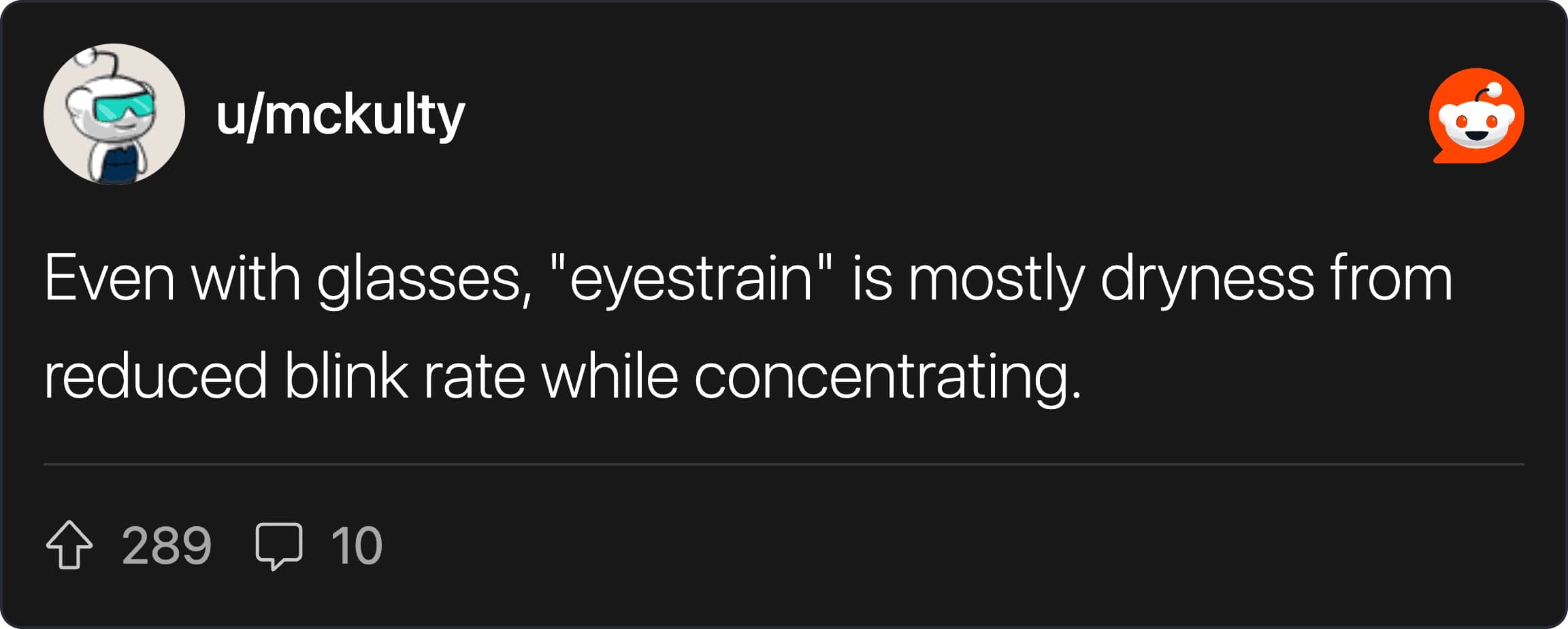
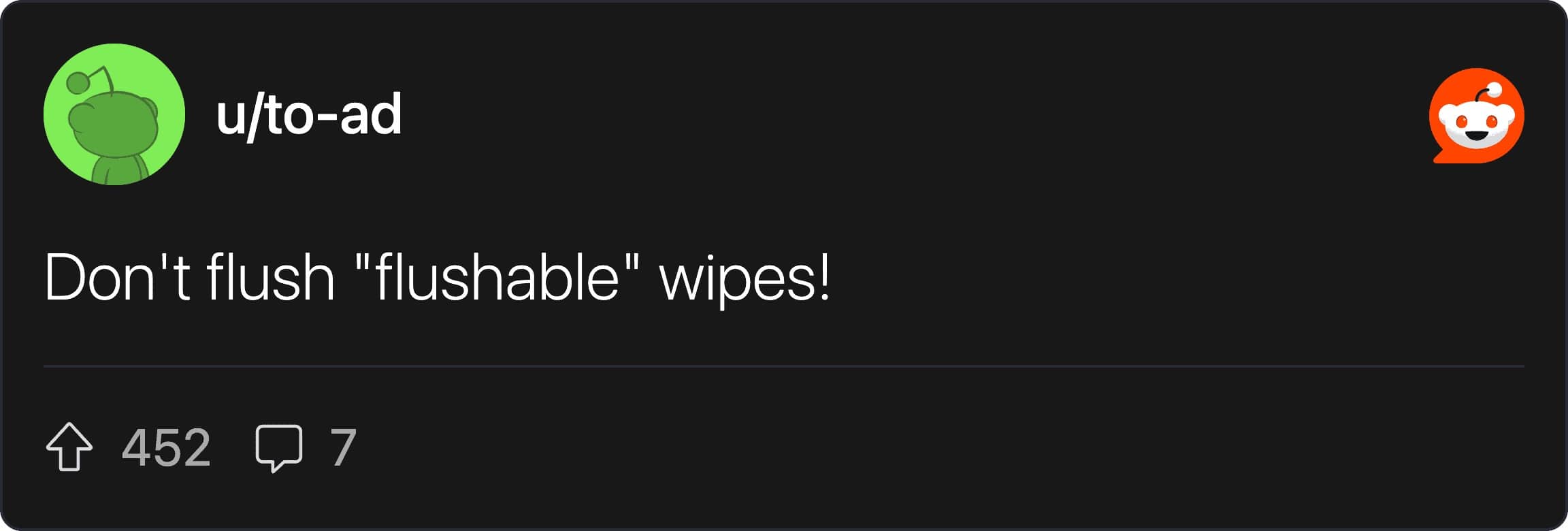
OK so here is what makes these threads particularly powerful. Most of us are operating, in most areas of our lives, on the basis of assumptions we picked up second-hand from people who also did not really know what they were talking about. The expert insider memes that emerge from these Reddit conversations are essentially the moments when somebody with actual expertise interrupts the broader cultural conversation to point out that, no, the thing everybody is saying about tax brackets is wrong, and has been wrong for decades, and the wrongness is costing people money every single year.
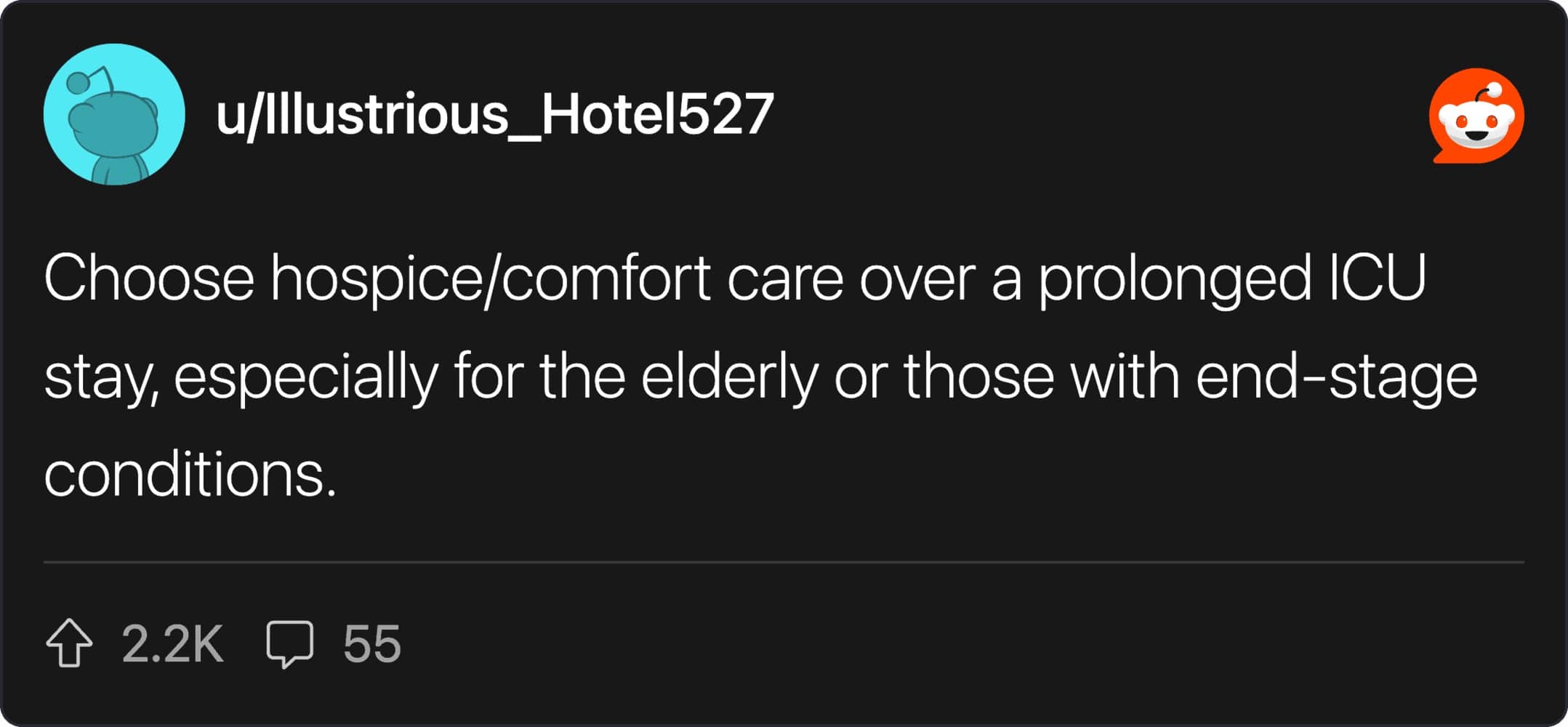
The legal and medical content in these threads is particularly humbling. Every family court case looks unique to the people inside it. Every ICU situation feels personal. The professional truth bombs that surface in these comment sections are the testimony of people who have seen the same patterns repeat across hundreds of cases, and the patterns turn out to be much more universal, and much more predictable, than the families involved could ever have realized. The threads are not, mostly, mocking the people inside the situations. They are quietly informing future participants about what is actually about to happen.
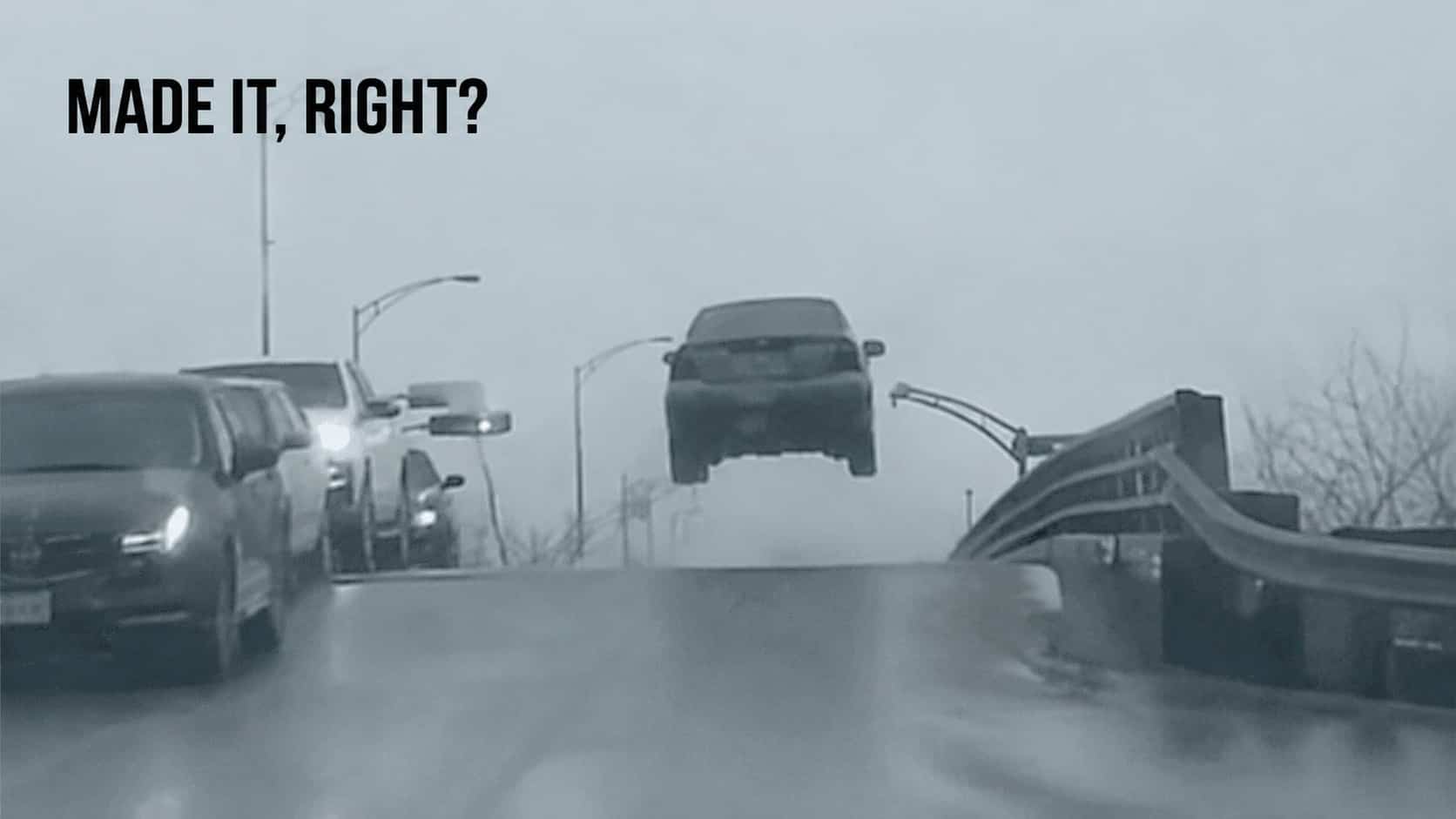
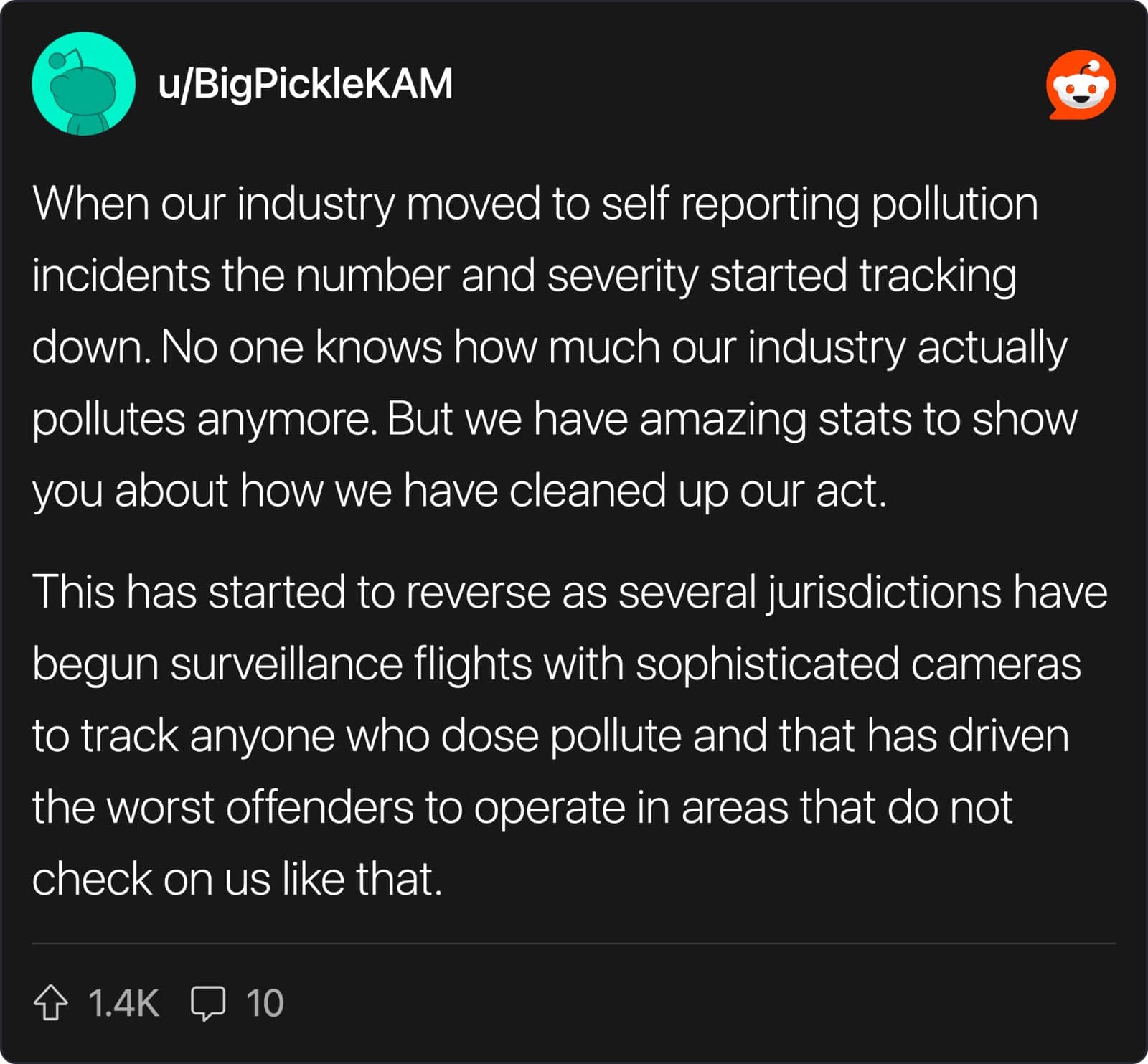
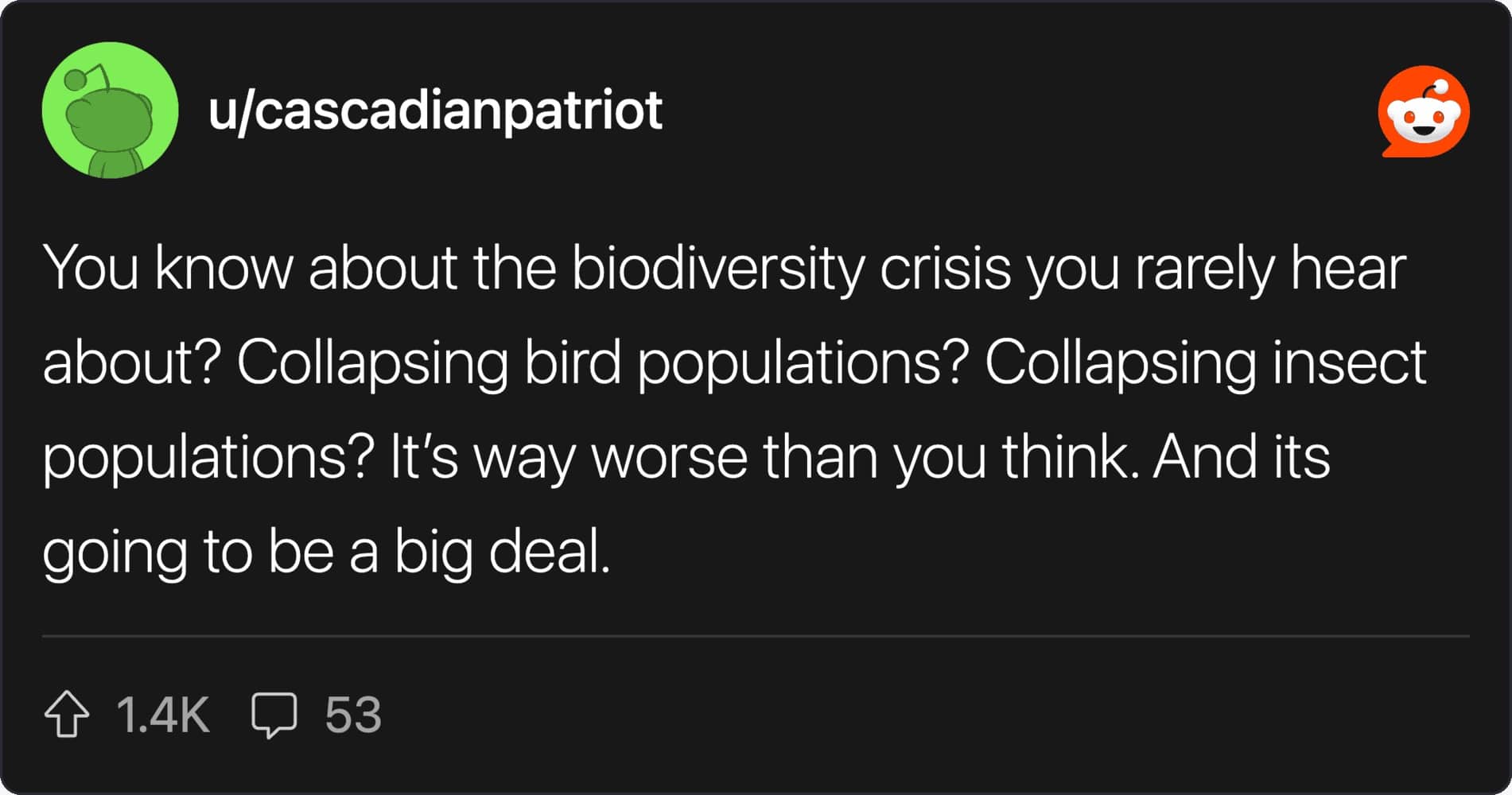
The environmental data content is its own particular flavor of horror. Somebody who works in industrial pollution monitoring shows up, drops three paragraphs about how the self-reporting systems actually work, and the rest of us realize the regulatory framework is mostly a polite fiction held together by trust we should not have extended. The insider knowledge memes in this lane are the closest thing to investigative journalism that Reddit produces, and the journalism tends to be considerably more direct than the major outlets are willing to be in print.
The larger thing happening in these professional threads is that the gap between expert knowledge and public understanding has, somewhere over the past two decades, become wider than it has ever been. There is more information available than at any point in history. There is also more nonsense available than at any point in history, and the average person now has to navigate an enormous volume of confidently delivered wrong information just to get to the things that are actually true.
The professional insight content that surfaces in these threads is essentially the audience finding shortcuts through that mess. Somebody with thirty years of experience shows up and, in two paragraphs, corrects a common misconception that the audience would have spent a decade learning the hard way. The shortcut is the gift. The funny insider knowledge that travels the furthest is the kind that delivers a real correction with enough wit attached to make the correction memorable, and the memorable corrections are, statistically, the ones that actually change behavior.
The expertise was always there. The internet finally found a way to connect it to the people who needed it. The connection is, in many cases, the entire point of this whole thing.
If the insider truth bombs were your kind of fun, our deep-knowledge content is right where you’d want to land next, and we’ve got plenty of professional wisdom archives, industry-secret threads, and AMA recap compilations for anyone who likes their education delivered by anonymous experts at 1 a.m. Save the comments.
Read Memes
Get Paid


Laura Bennett has spent eight years immersed in internet culture, specializing in deep dives into meme origins, evolving meme trends, and digital subcultures. As a contributor for several prominent online platforms, including BuzzFeed’s meme division and Know Your Meme, she’s written extensively about viral moments from Crying Jordan to Woman Yelling at a Cat. Laura believes memes aren't just internet jokes—they're modern-day folklore. She brings that passion to Thunder Dungeon by keeping readers connected to what's culturally significant, hilarious, and timelessly viral.