
Fine dining sells an experience, a philosophy, a journey, and the internet has noticed that it frequently also sells a very small amount of food arranged vertically on a very large plate. These Michelin star food memes are the noticing, formalized, the running audit of pretentious menu language, architectural plating, and portion sizes measured in teaspoons. The foam is seasonal. The markup is eternal. Pull up a chair, the bread costs extra.
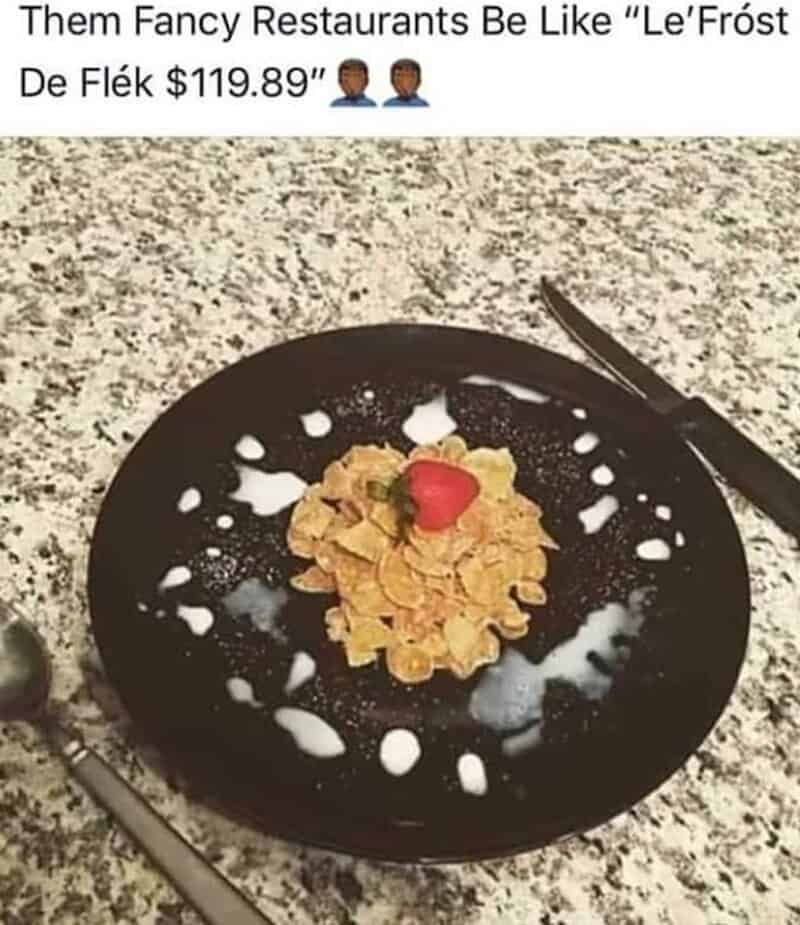
"Sir, your dish will be $120. Would you like to add a $30 spoonful of milk?"
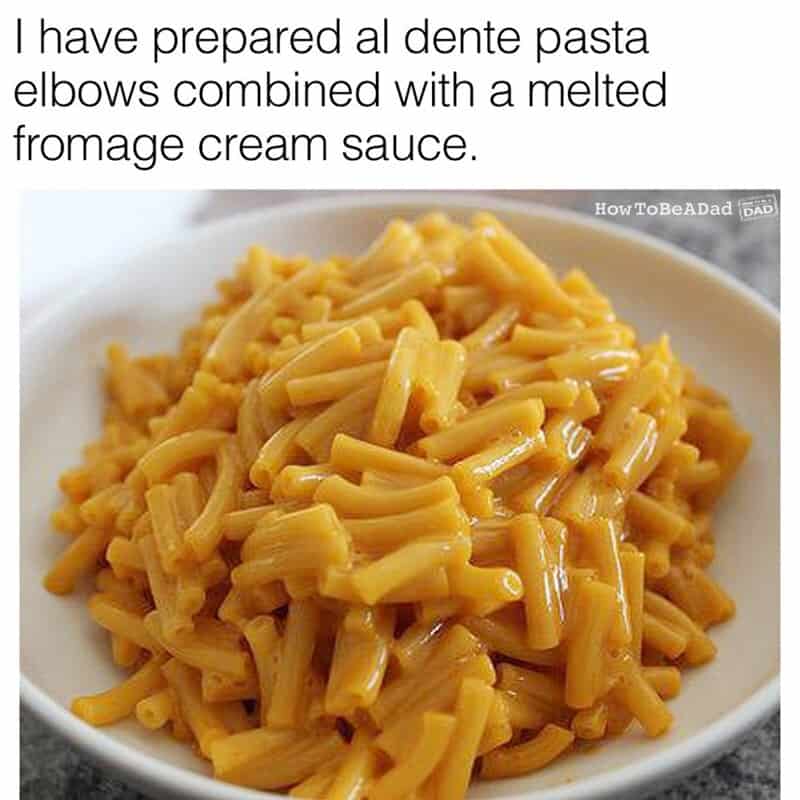
$28 on DoorDash.

If you like Beana Coladas… and getting caught in the rain…

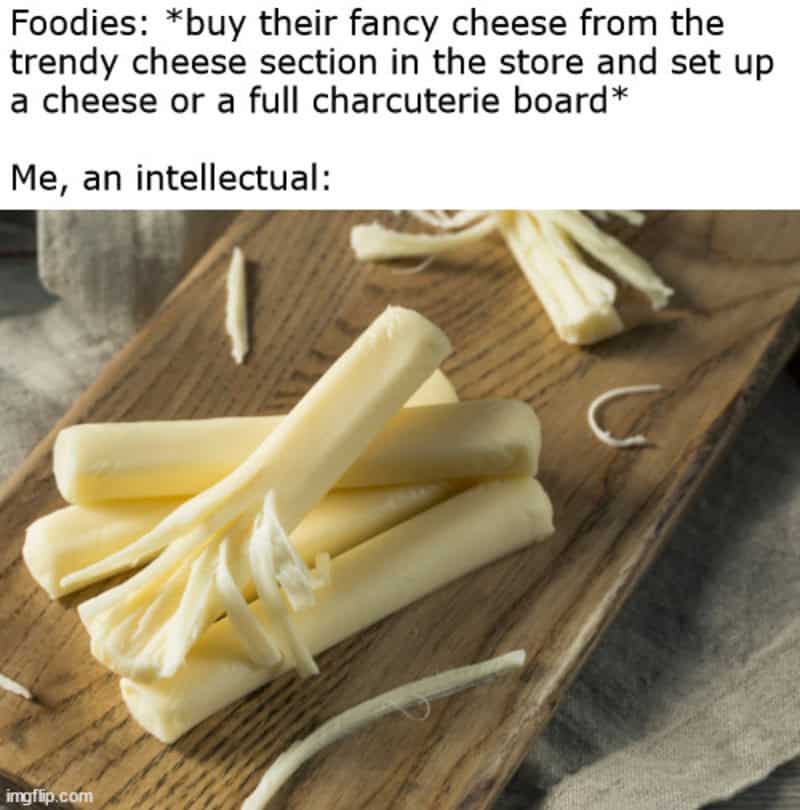
Charcuterie for people who spend their entire paycheck on monthly rent.
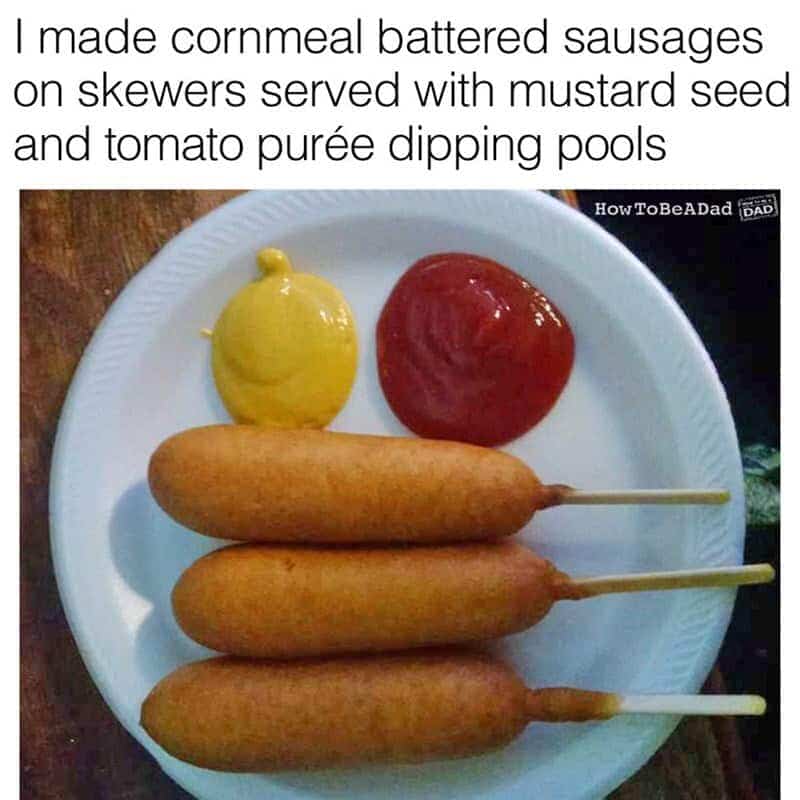
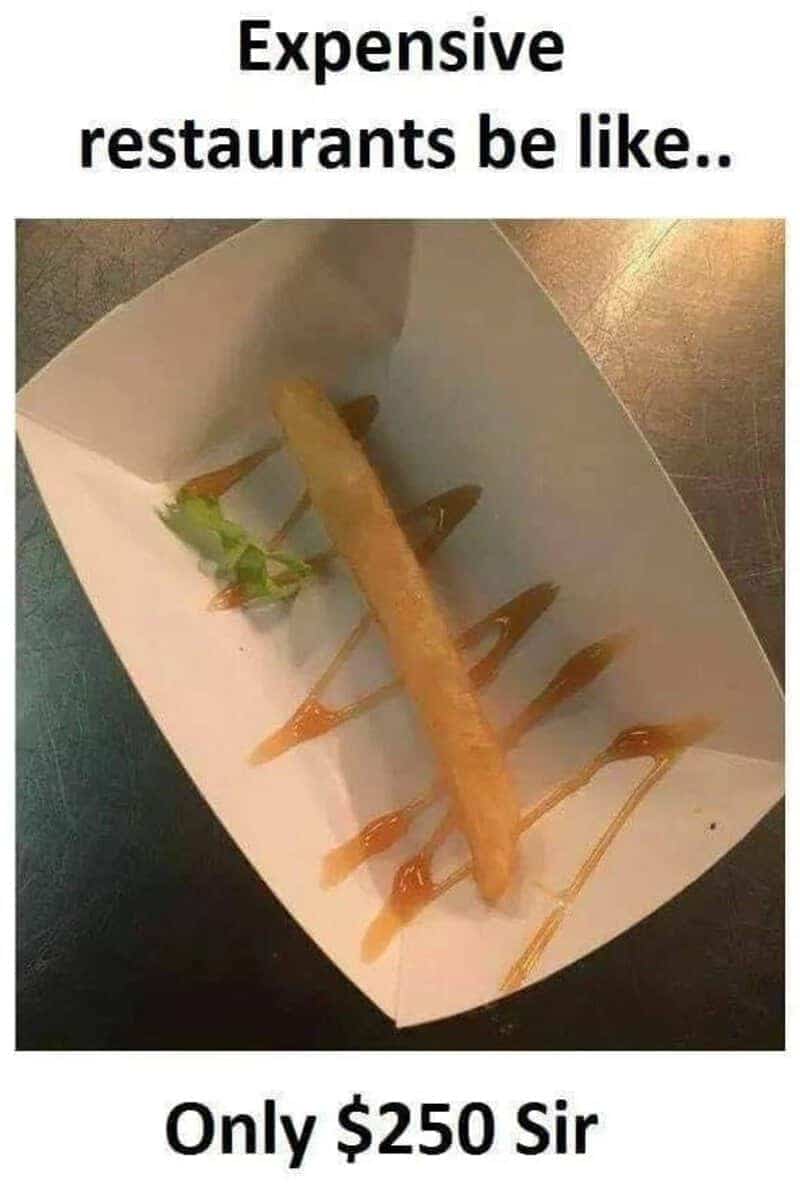
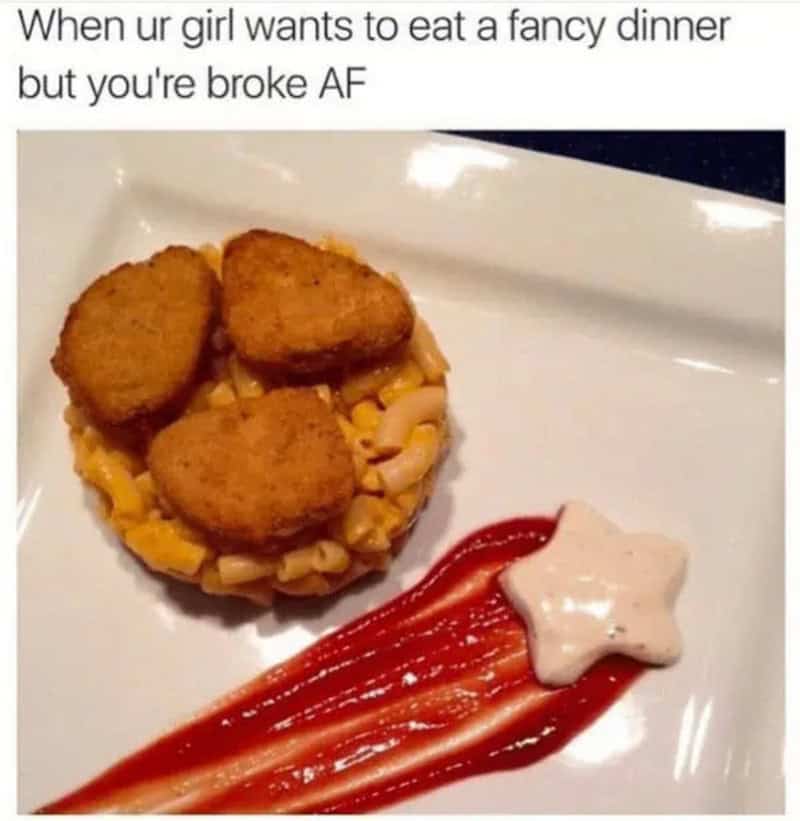
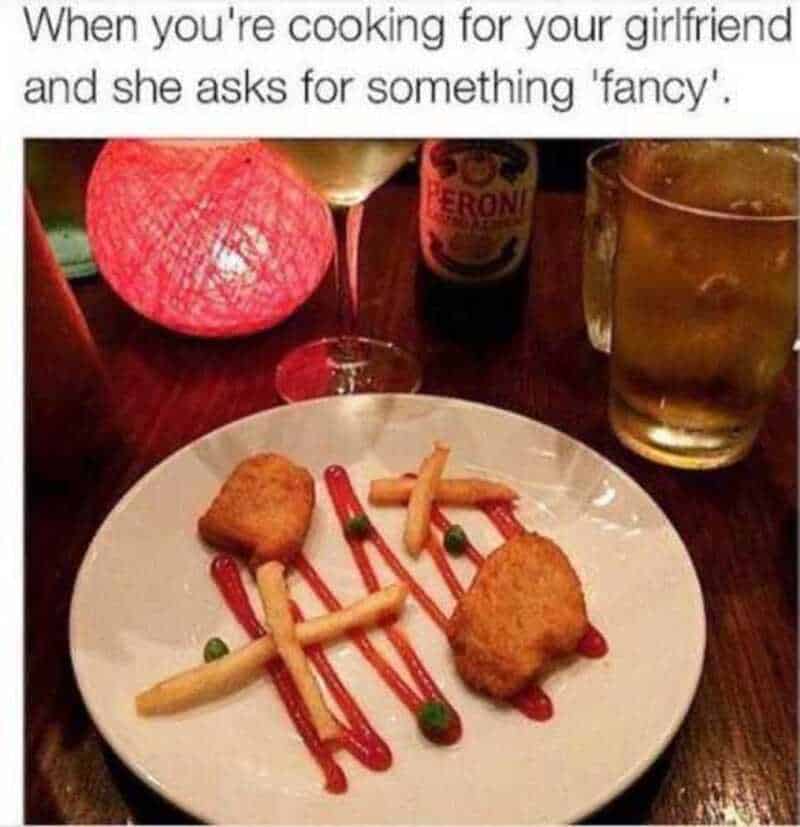
Michelin star food memes
Read More
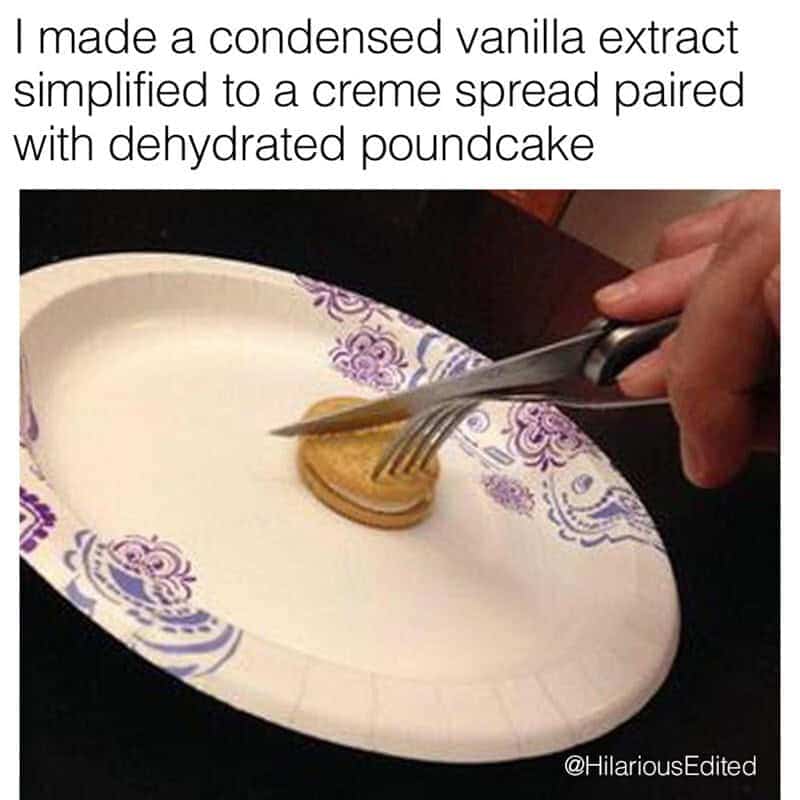
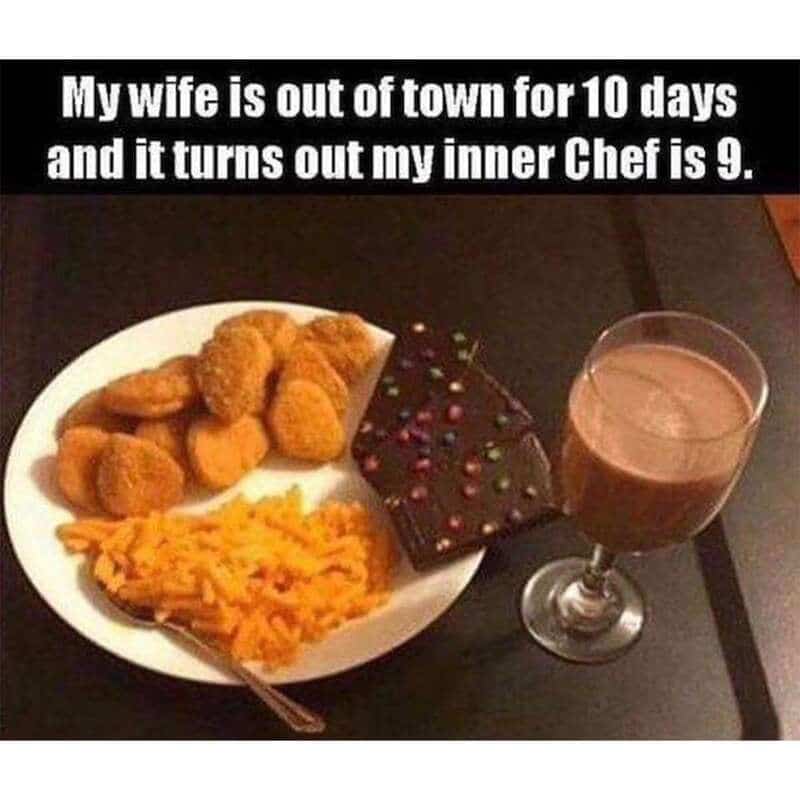
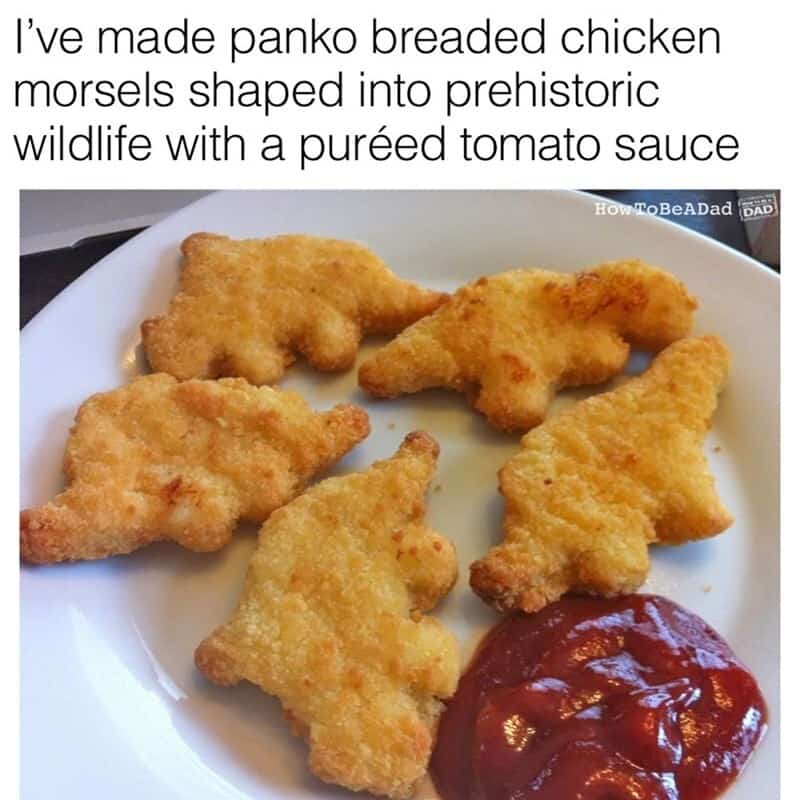
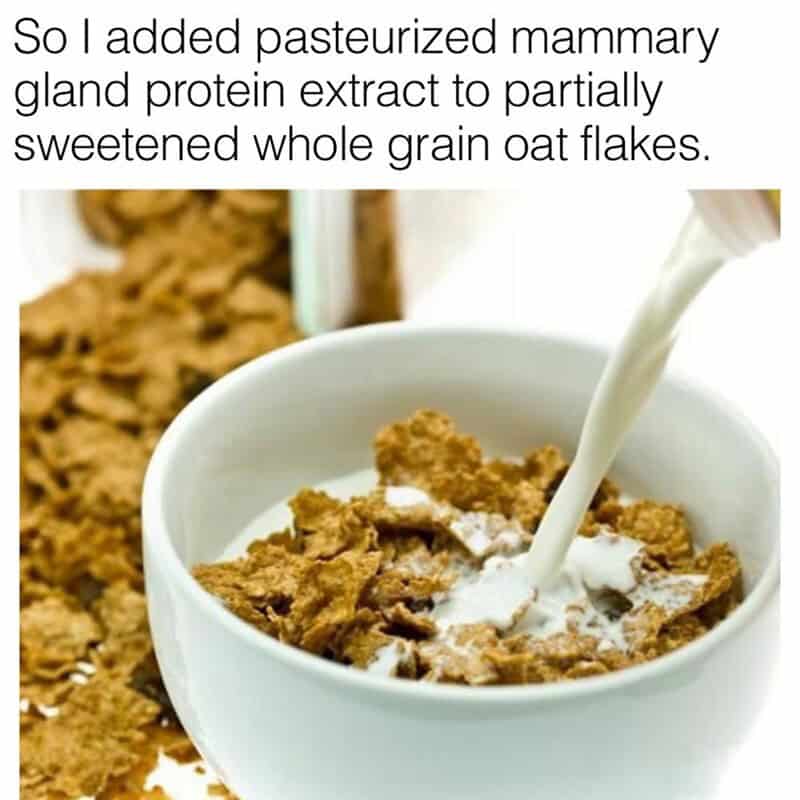
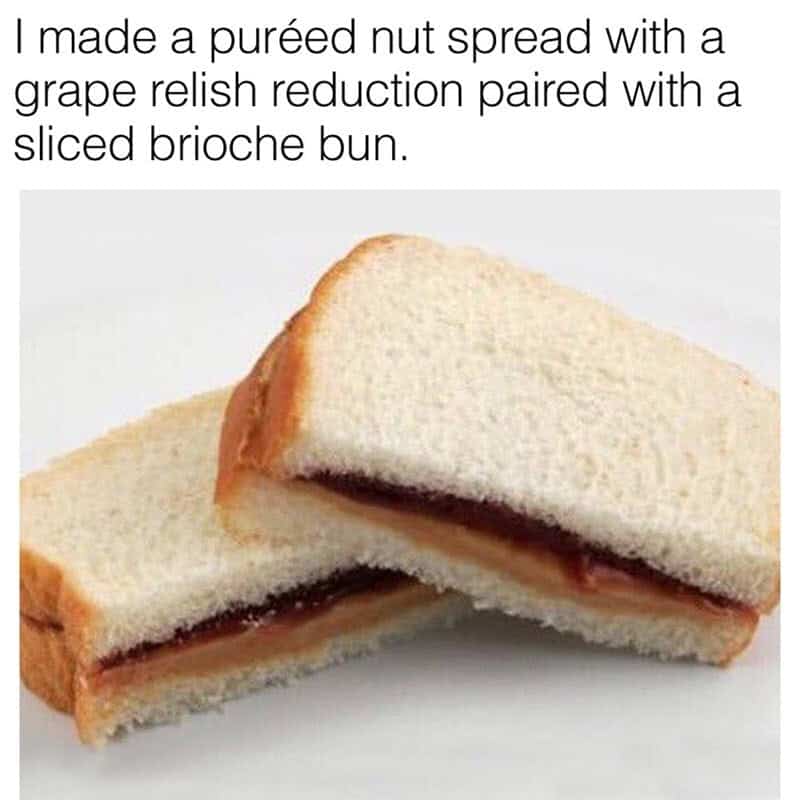
The menu-translation genre is the intellectual core of this whole category, the demonstration that language alone can multiply a price tag. Take a household staple, rename its components in French, mention a preparation technique, and the same item that costs pocket change in a box now commands a tasting-menu premium. The memes run this trick in both directions, elevating childhood snacks into haute cuisine descriptions and revealing how thin the line actually is. The line, it turns out, is entirely vocabulary. The food never changed. The syllable count did.
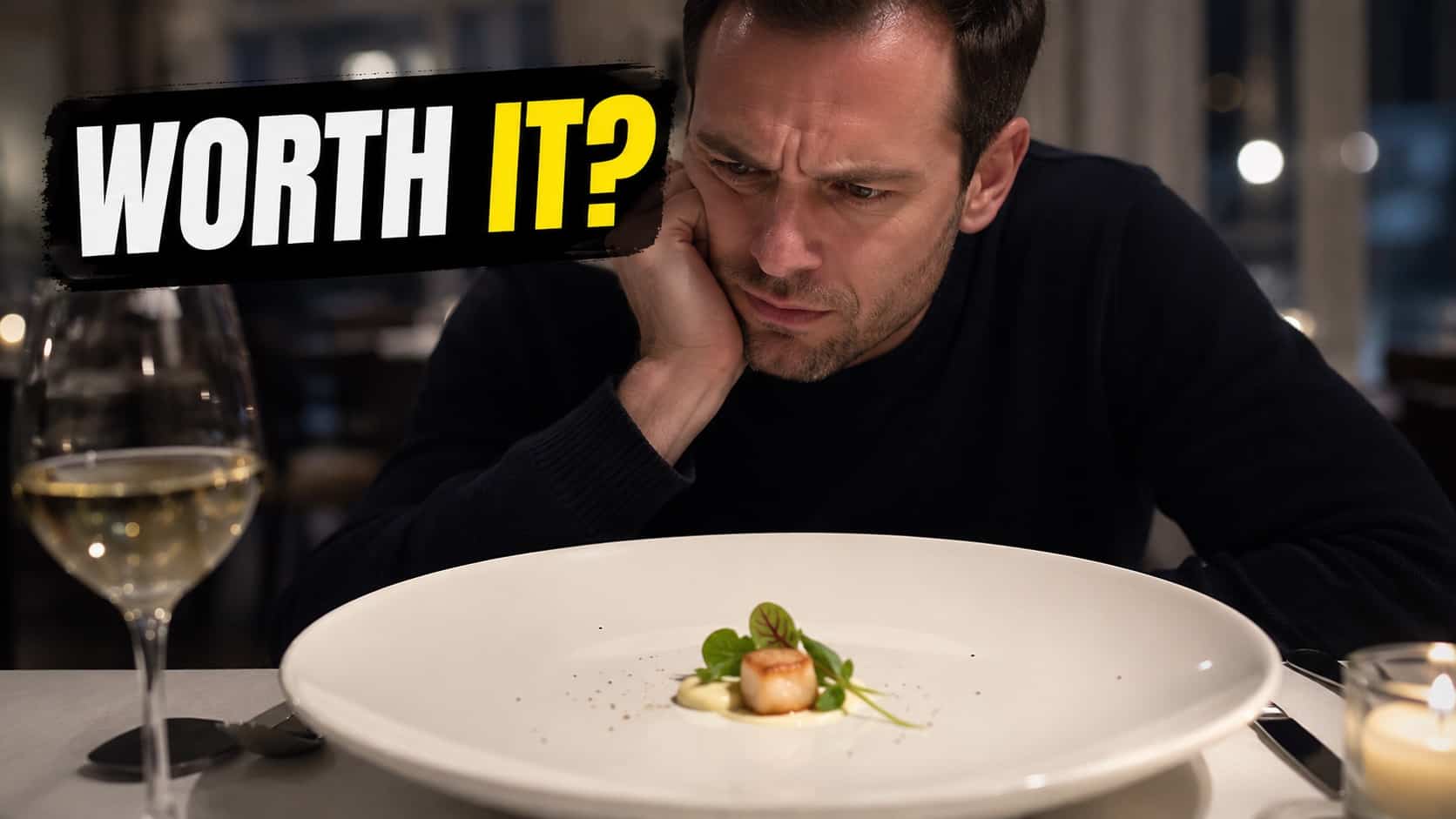
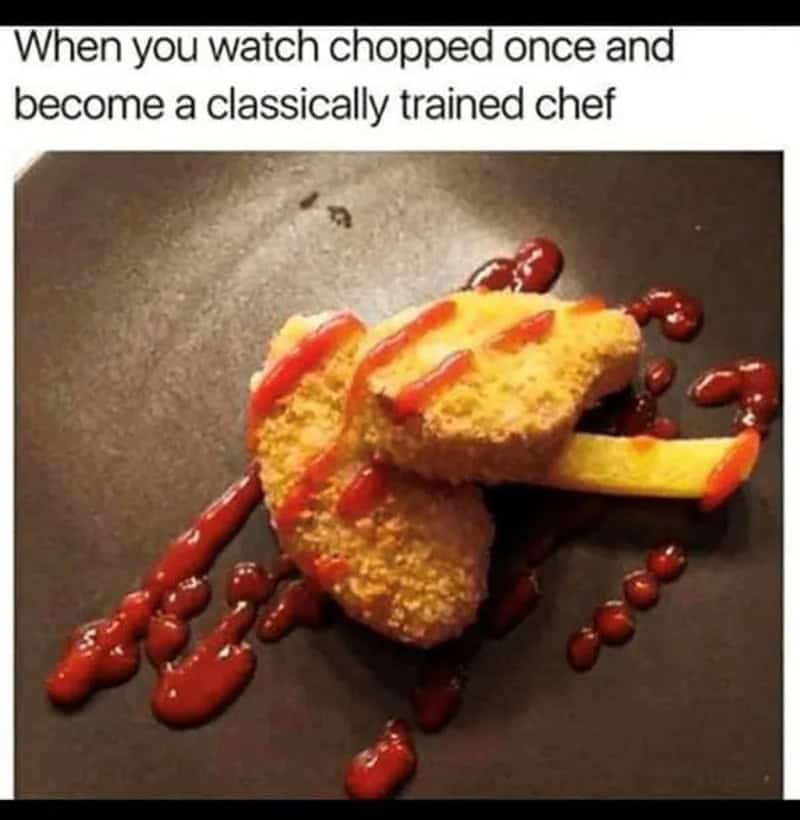
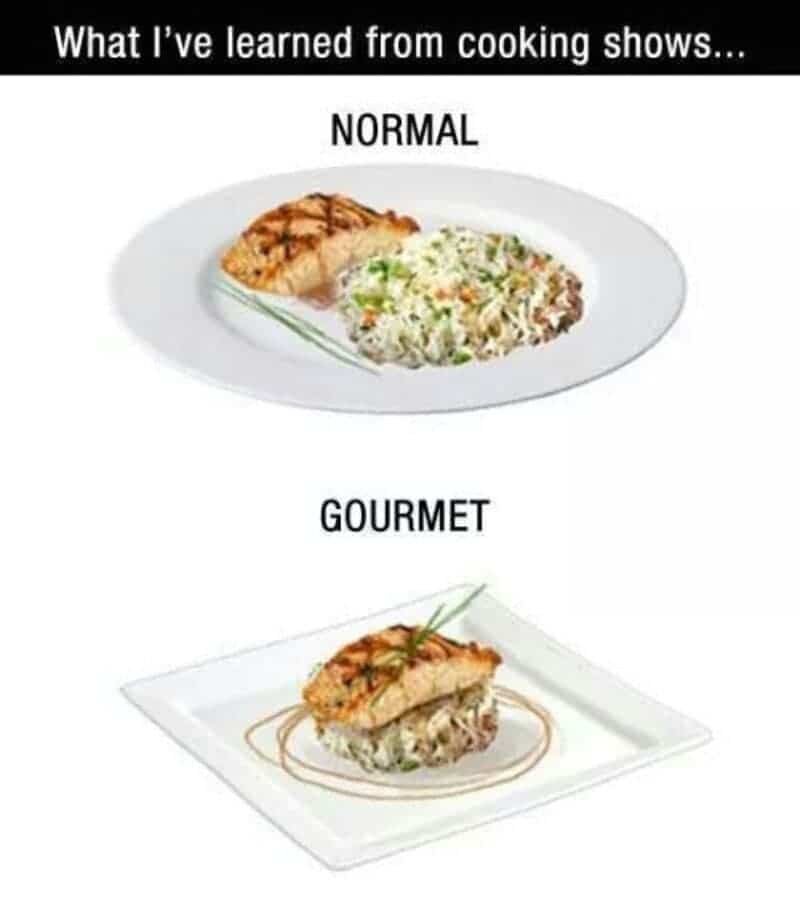
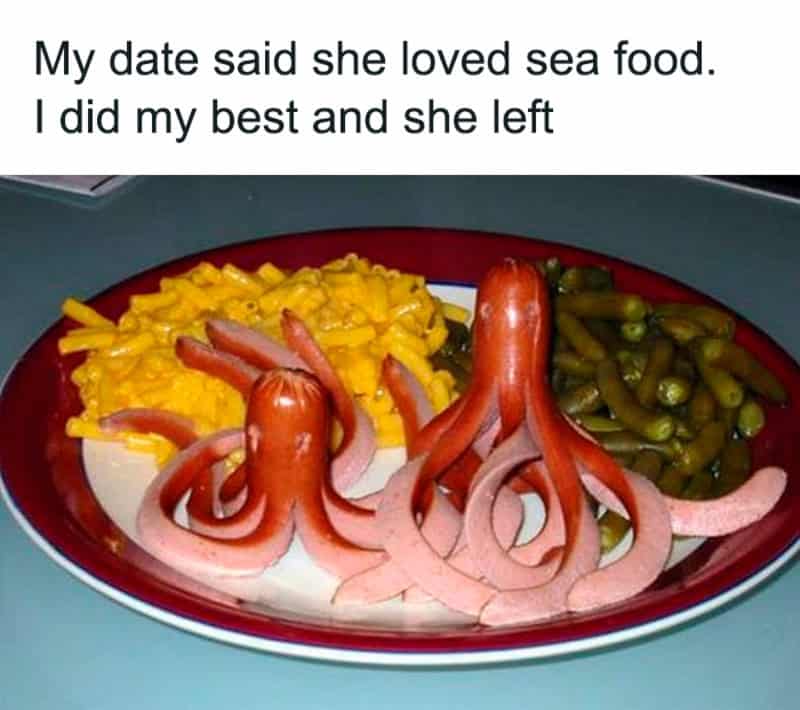
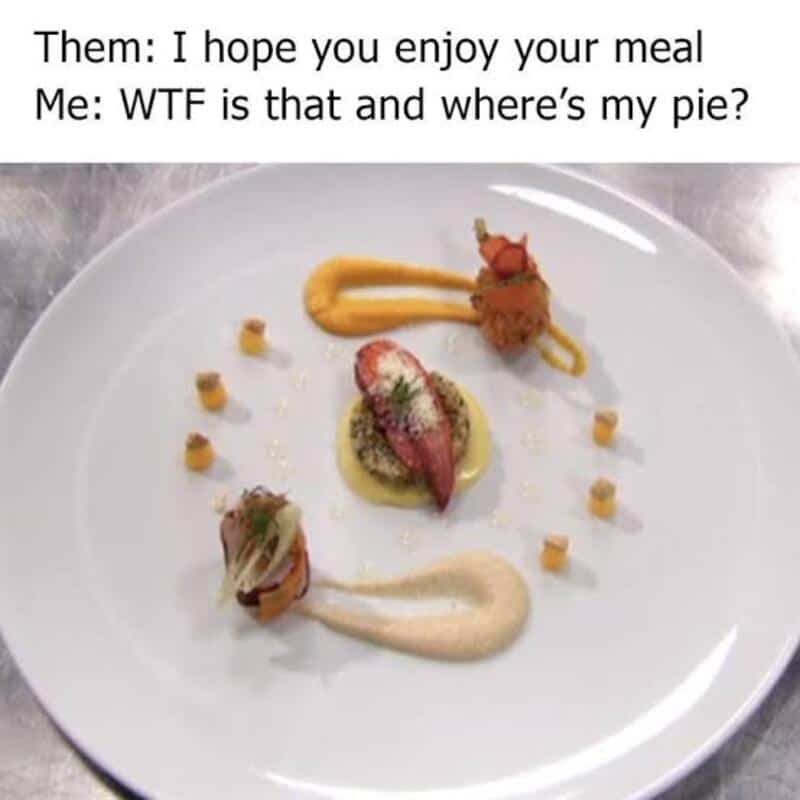
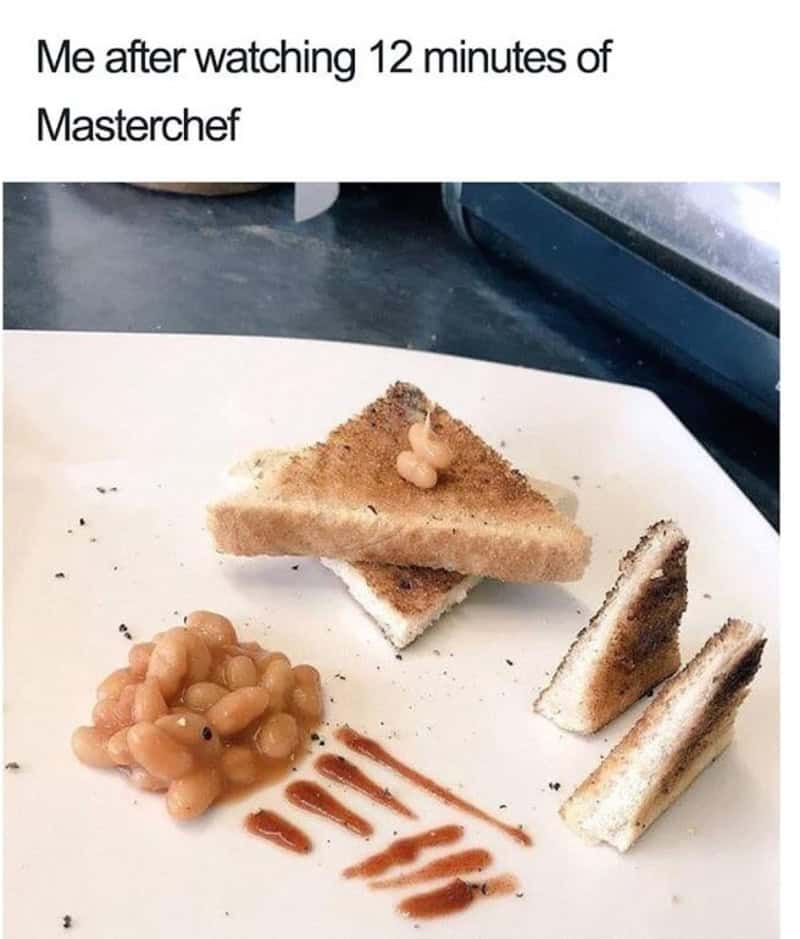
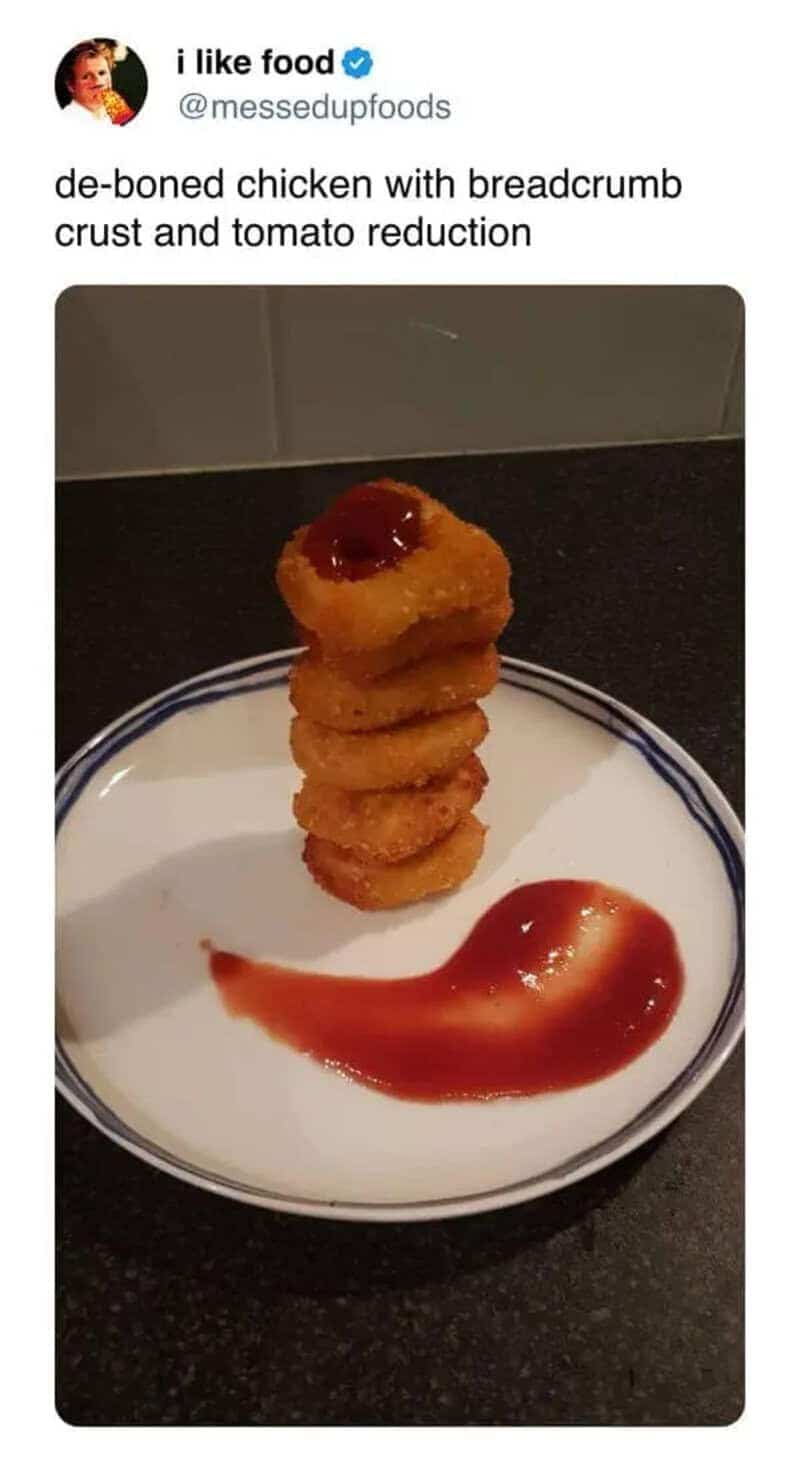
Then there’s the plating-architecture audit, the loving mockery of the visual tricks that transform ingredients into installations. The vertical stack that adds prestige by defying gravity. The strategic sauce smear that reads as artistry and functions as a surcharge. The single item centered on a plate large enough to serve a family, the emptiness itself part of the presentation. The memes recreate these techniques with junk food and paper plates, and the recreations are devastating precisely because they work. The smear is the smear. The plate doesn’t know what’s on it.
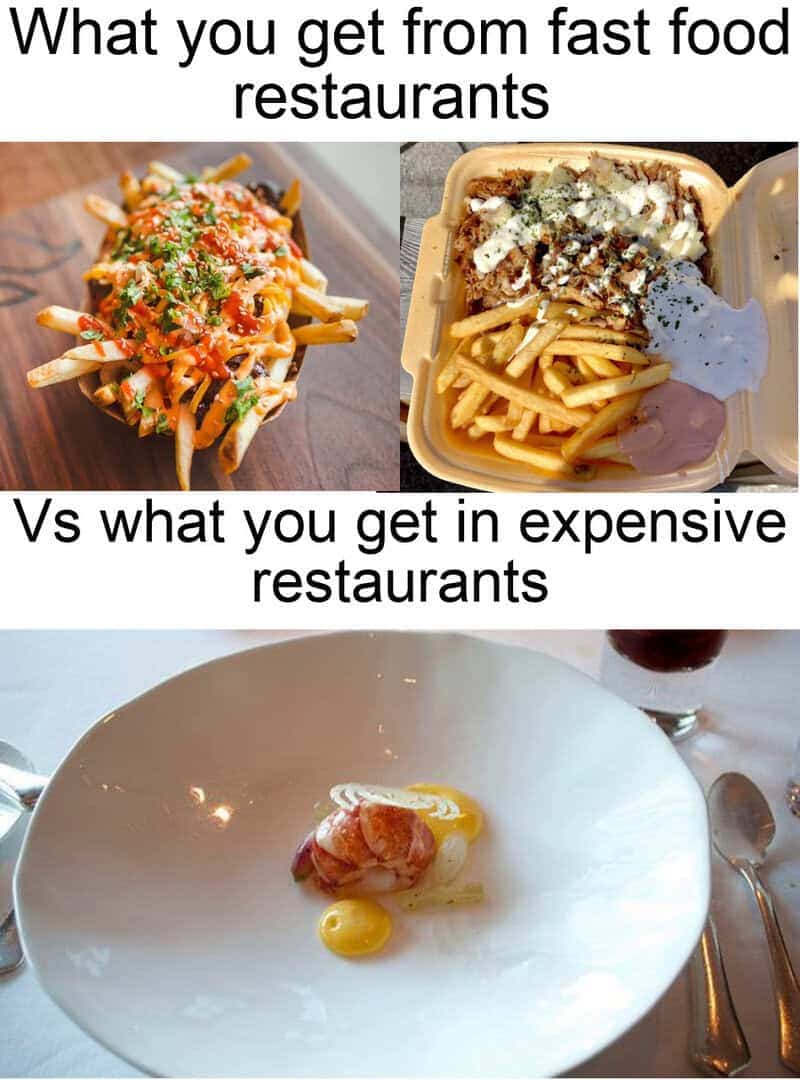
And the portion-reality wing lands the finishing blow, the documentation of the fine-dining paradox where spending more delivers less, physically, measurably less. The three-figure tasting menu followed immediately by a drive-thru stop, a sequence so common it’s practically part of the experience now. There’s no bitterness in these jokes, really, just arithmetic, the honest math of leaving a temple of gastronomy hungrier than you arrived and paying for the privilege. The chef sent his regards. The regards were not filling.
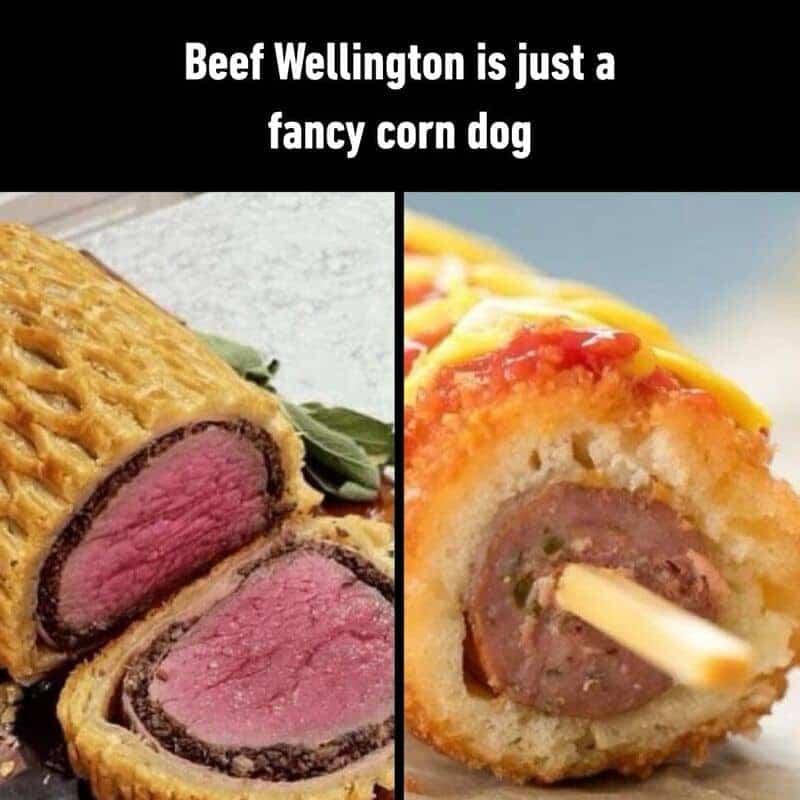
What this genre actually interrogates is the price of a story, because that’s what fine dining sells, and the memes know it. Nobody pays those prices for calories. They pay for narrative, ceremony, the performance of refinement, and the memes simply ask, out loud, whether the story is worth the markup when the underlying item is structurally identical to a corn dog. Sometimes the answer is yes. The asking is still healthy.
And the affection underneath the roasting is real, because you can only parody plating this precisely if you’ve studied it, and half these jokes are made by people who genuinely love food in all its forms. The genre isn’t anti-restaurant, it’s anti-pretension, defending the honor of string cheese and boxed pasta against a hierarchy that was always more about vocabulary than flavor. The taste buds never respected the price tag. The memes are just siding with the taste buds.
The stack is tall. The portion is not. Hit the drive-thru with pride.
If the culinary class warfare was your kind of fun, our food content is right where you’d want to land next, and we’ve got plenty of fancy plating parody archives, restaurant reality threads, and food snob roast compilations for anyone who has ever paid for negative space and left hungry. Pinkies up.
Read Memes
Get Paid


Jake Parker, known around the web as "Jay," is a digital writer with over 10 years of experience covering internet humor, meme trends, and viral content. Before joining Thunder Dungeon, Jay was the lead editor at MemeWire, where he helped curate memes that broke the internet, including coverage on trends like Distracted Boyfriend, Kombucha Girl, and Bernie Sanders’ Mittens. A self-proclaimed "professional procrastinator," Jay spends his downtime scrolling Reddit and Twitter to stay ahead of what's about to break the internet next.