
Hollywood has been quietly lying to us our entire lives, not about the big stuff, about the small stuff, the everyday mechanics of phone calls and injuries and breakfast, and the accumulated damage to our expectations is real. These movie lies are the full indictment, the cinematic shortcuts and conveniences we absorbed as children and had to unlearn as adults, painfully, one disappointing reality at a time. The scripts lied. The rent in Paris is proof. Let’s go through the charges.
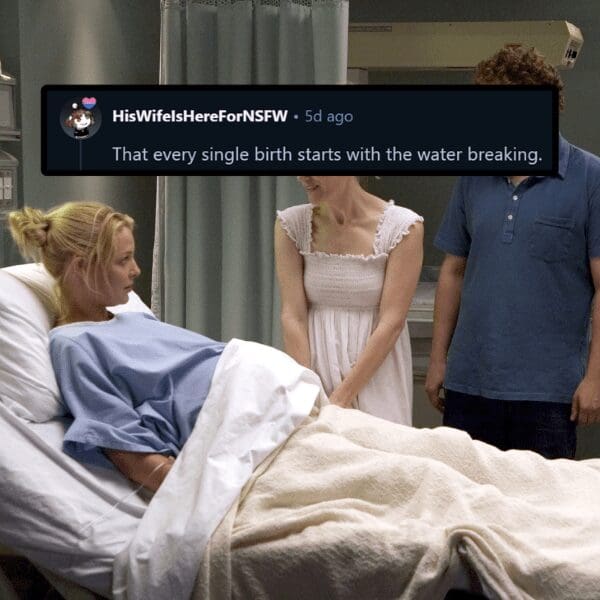
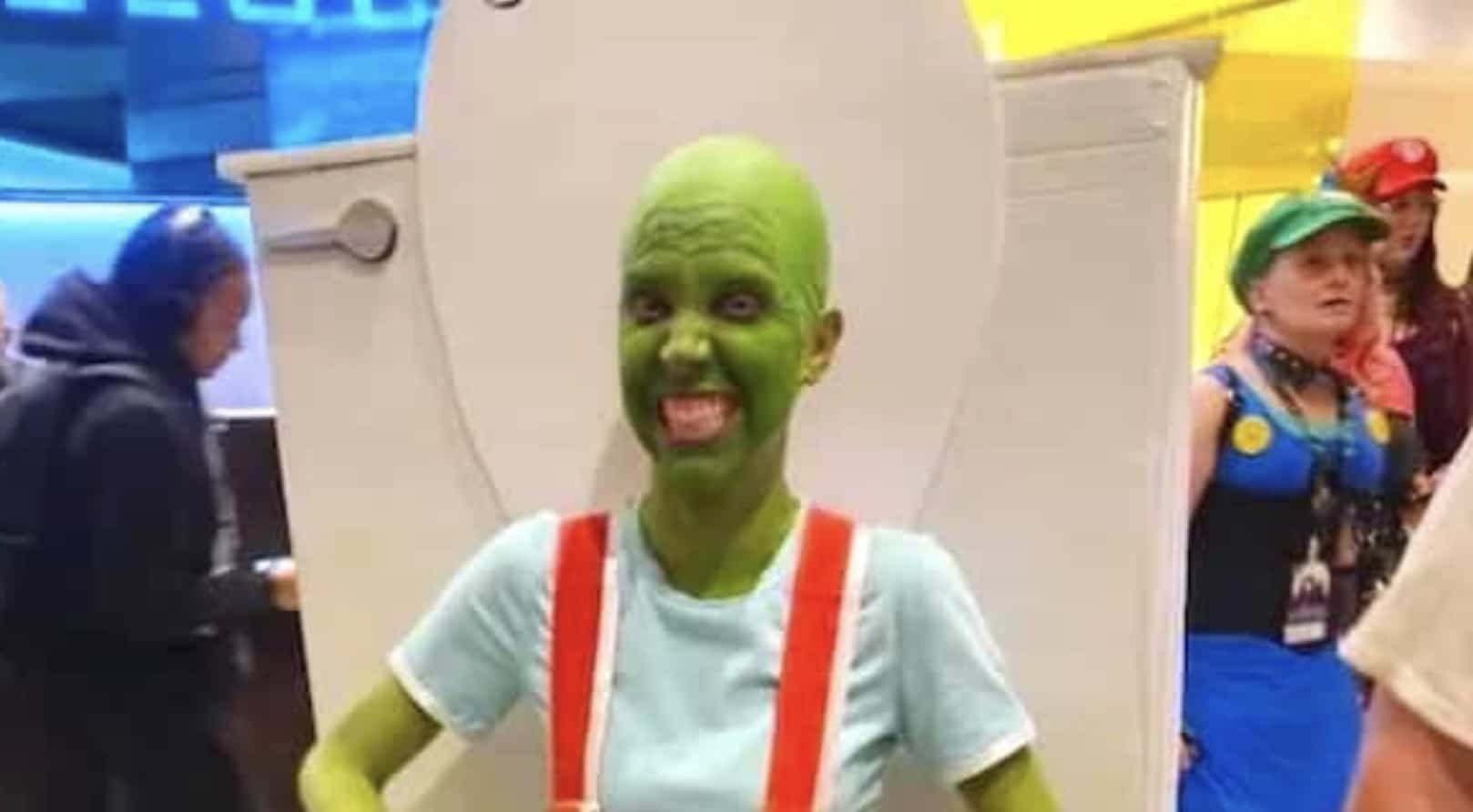
Hollywood made us think every birth begins like a burst pipe in an apartment building
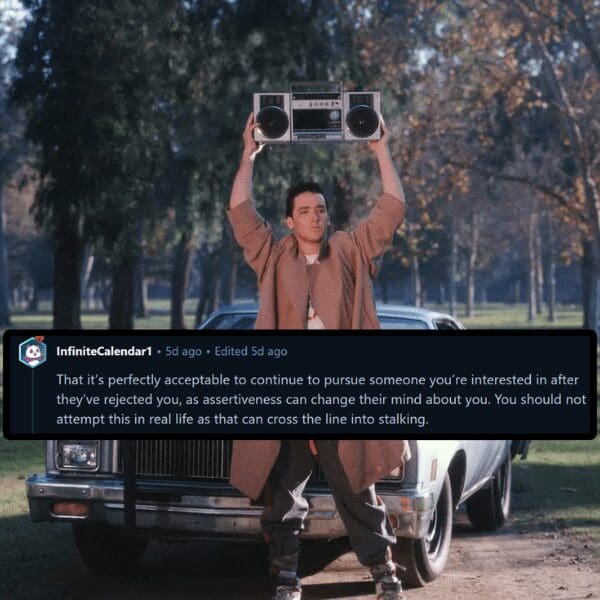
Restraining order unlocked.
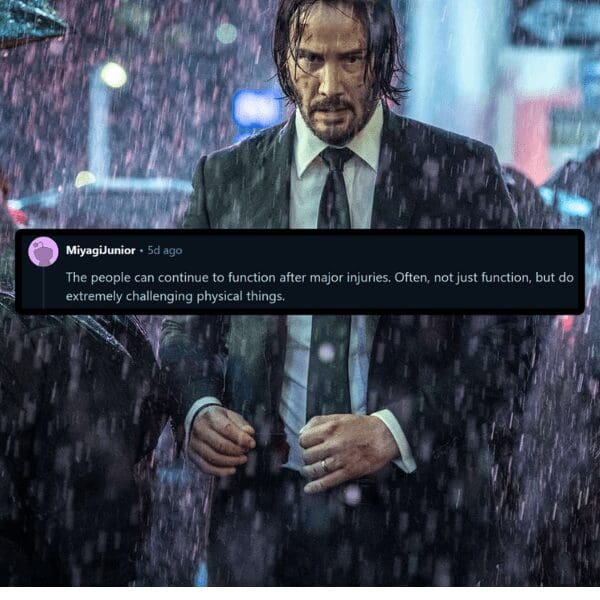
Me after stubbing my pinky toe: incapacitated for 3 business days. John Wick after falling off a parking garage: mild inconvenience.
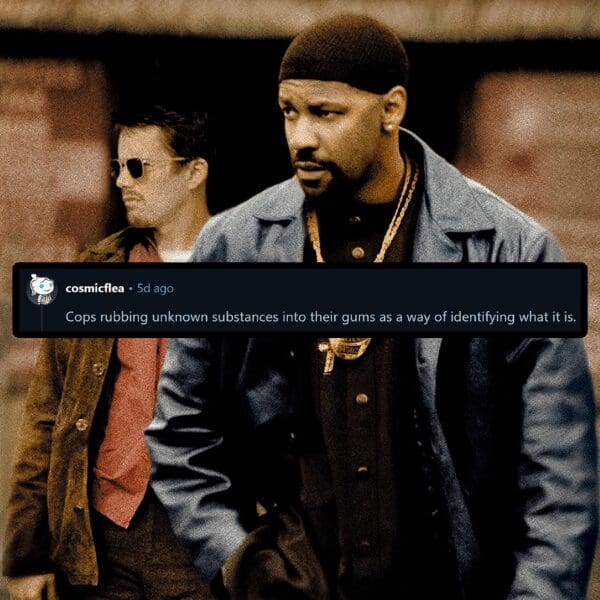
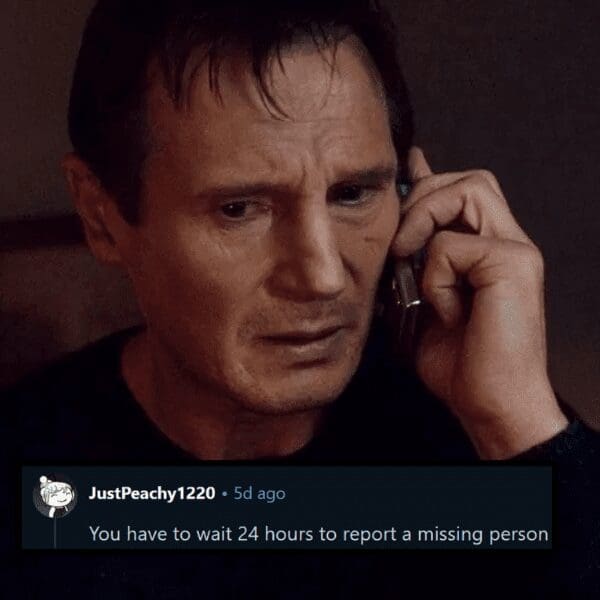
The most persistent law myth ever propagated by crime writers.
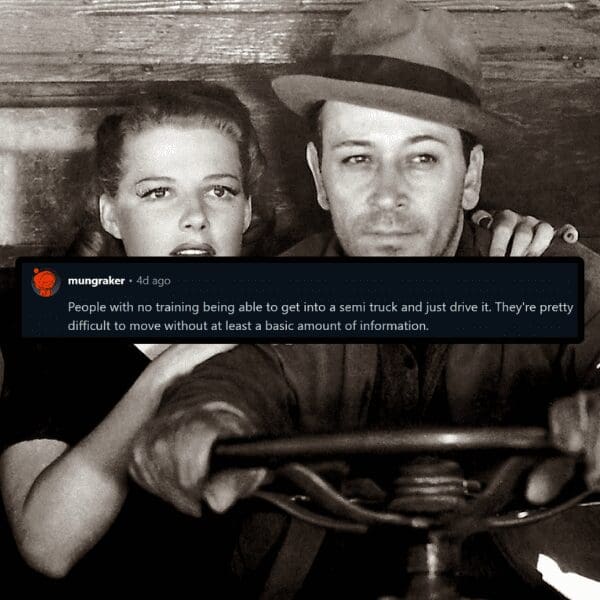
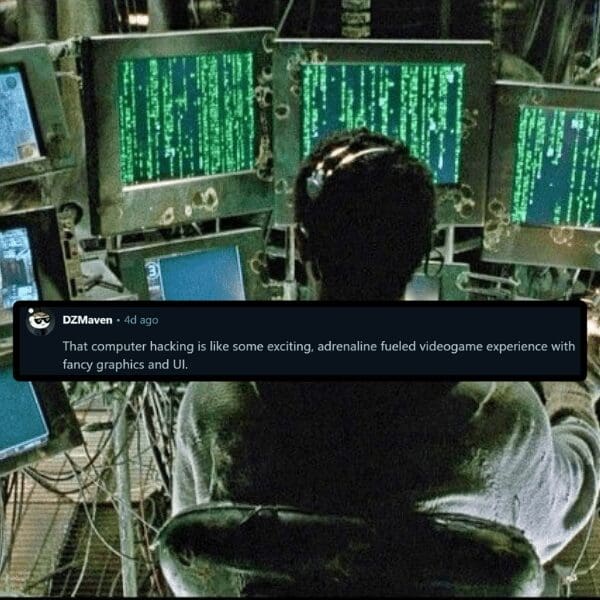
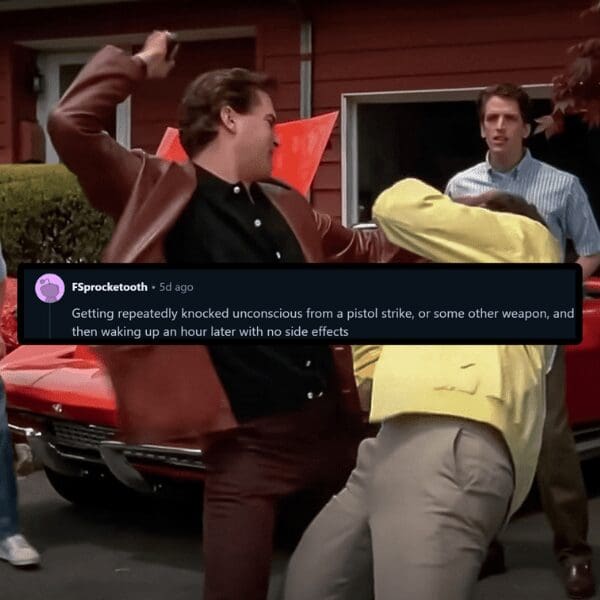
Movie lies
Read More
The action-hero anatomy lies are the most physically damaging category, the decades of cinema insisting the human body is a self-repairing machine. Characters absorb falls, fractures, and internal chaos, then continue their choreography, while the actual audience pulls a muscle reaching for a remote and files for three days of recovery. The lie isn’t just unrealistic, it’s insulting, because we all quietly measured ourselves against it at some point, and the measurement did not go well.
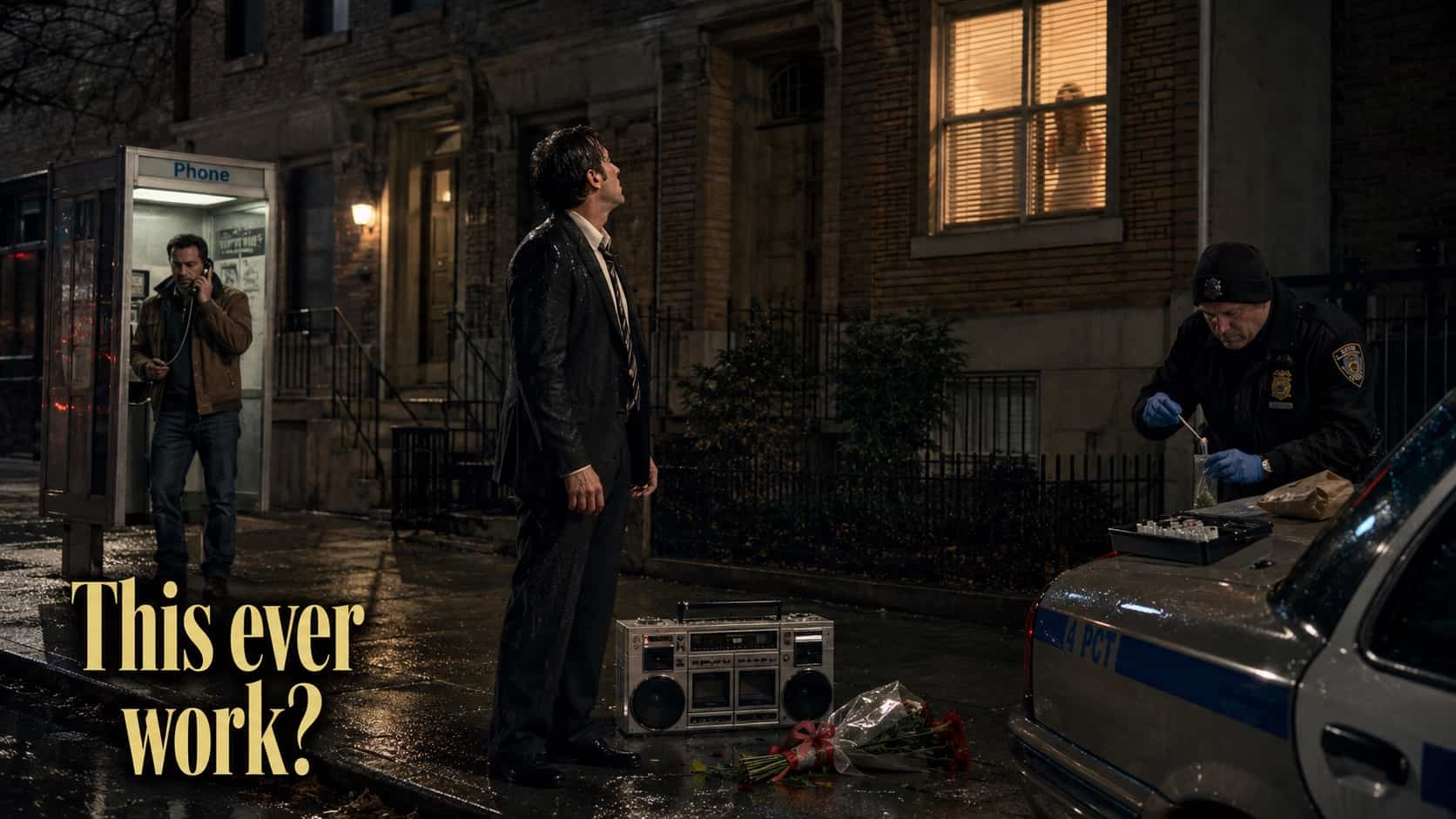
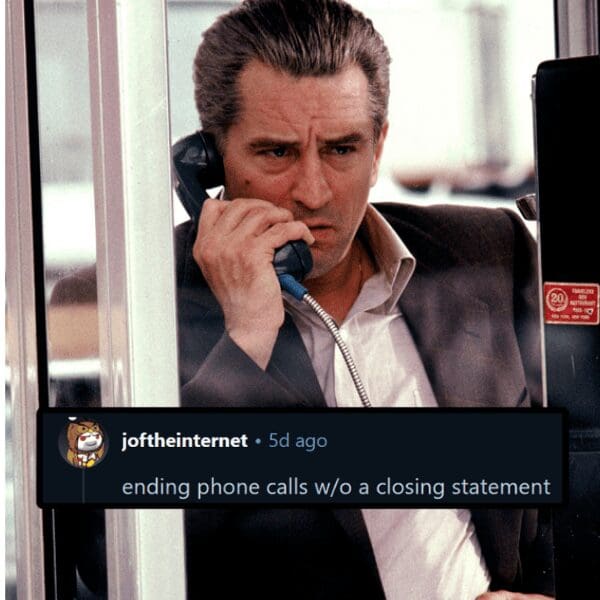
Then there’s the social-behavior fiction, the interpersonal conduct movies normalized that reality would prosecute. The romantic pursuit tactics that are, legally speaking, stalking with a soundtrack. The phone calls ended mid-sentence without farewell, a level of conversational violence no real person could survive socially. Cinema taught generations that persistence is romance and abruptness is cool, and generations had to discover, in the field, that both lessons come with consequences and occasionally paperwork.
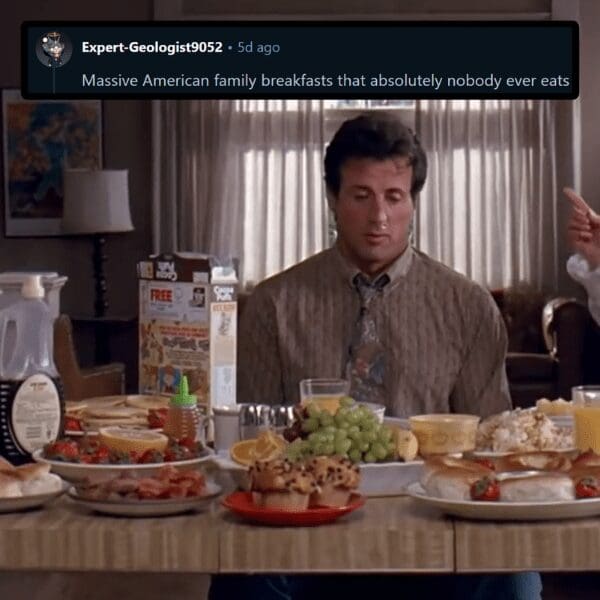
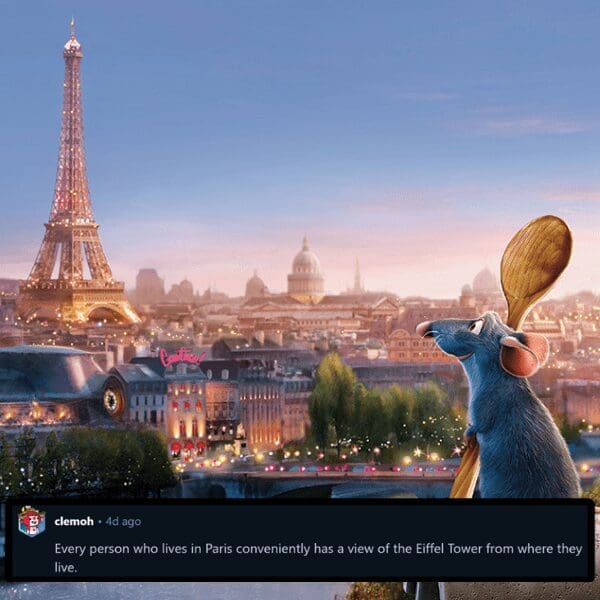
And the lifestyle-logistics lies round out the case, the background details that warped our sense of how the world works. The lavish breakfast spreads prepared daily and abandoned after one symbolic bite of toast, an entire genre of wasted fictional labor. The real estate geography where every foreign apartment faces a landmark. The professional procedures, from evidence handling to missing-person protocols, invented wholesale by writers and absorbed as fact by everyone watching. We didn’t just watch these movies. We accidentally studied them, and the curriculum was fiction.
What this genre really documents is the strange education nobody consented to, because movies were most of our first exposure to adult life, and movies were lying the whole time. The tropes weren’t malicious, they were just efficient, shortcuts serving the story at the expense of the audience’s future expectations. The story got told. The audience grew up thinking labor and injuries and romance worked completely differently, and the refund window has closed.
And the collective calling-out is the healing, honestly. Every one of these observations lands because thousands of people had the identical realization alone and thought it was just them. It wasn’t just you. Nobody’s water breaks like a burst pipe. Nobody hacks anything in four seconds. The lies were universal, so the recovery gets to be universal too, one shared complaint at a time, which is cheaper than therapy and nearly as effective.
The tropes were lies. The rent is real. Say goodbye before hanging up.
If the cinematic accountability was your kind of fun, our movie content is right where you’d want to land next, and we’ve got plenty of trope roast archives, Hollywood logic threads, and film reality-check compilations for anyone still recovering from what the movies promised about adult life. Trust nothing scripted.
Read Memes
Get Paid


Katie Rodriguez is a seasoned writer with eight years dedicated to meme commentary, viral internet events, and digital storytelling. Formerly a senior meme analyst at Bored Panda and an occasional guest contributor at Vice's Motherboard, Kat specializes in meme culture’s intersection with social media phenomena—covering trends like Milk Crate Challenge, Area 51 Raid, and Baby Yoda. She’s known for her witty writing style and deep understanding of why certain memes resonate across generations, making her a valuable voice on Thunder Dungeon.