
The modern office generates two products, the actual work and the commentary about the work, and only one of those products is any good. These work tweets are the commentary, the collective field notes of a workforce surviving on cold coffee, muted microphones, and the shared understanding that most of this could have been an email. The badge is scanned. The soul is elsewhere. Let’s compare notes.
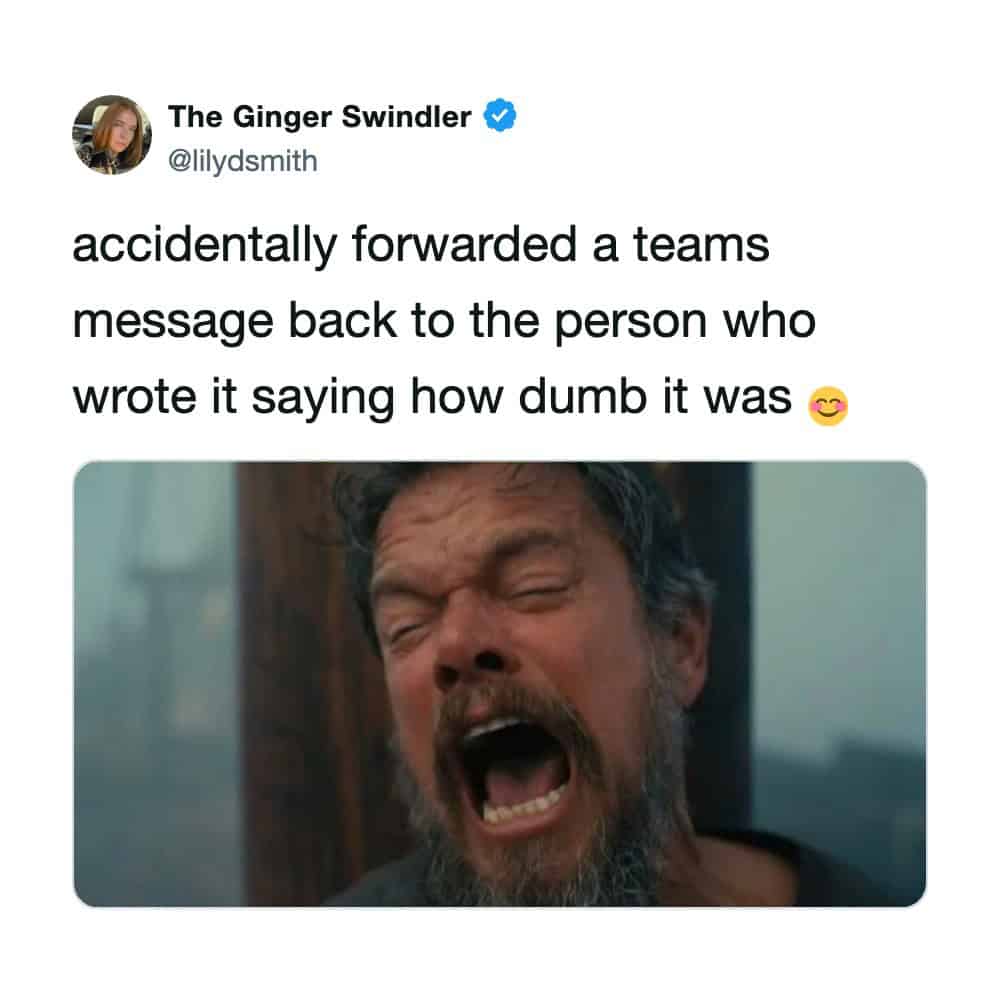
Time to fake your own death and relocate to Patagonia.
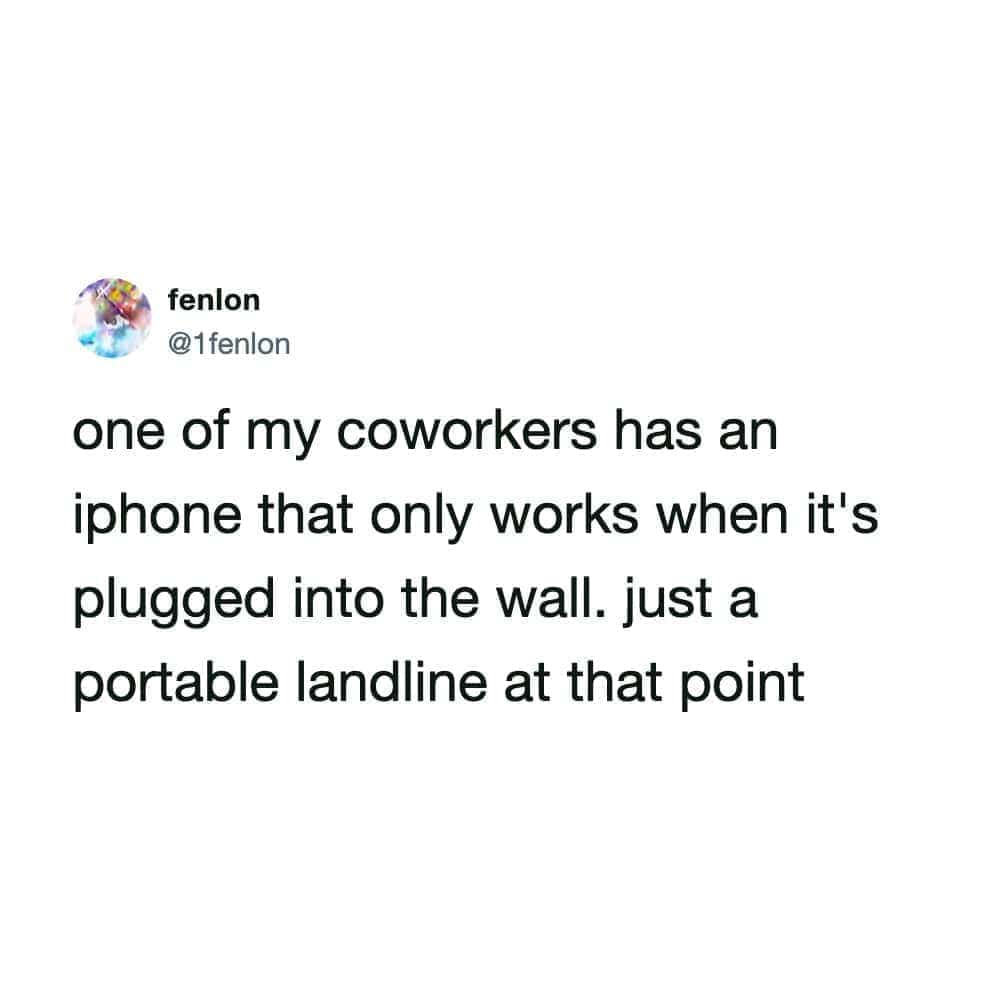
Modern problems require 1990s solutions.
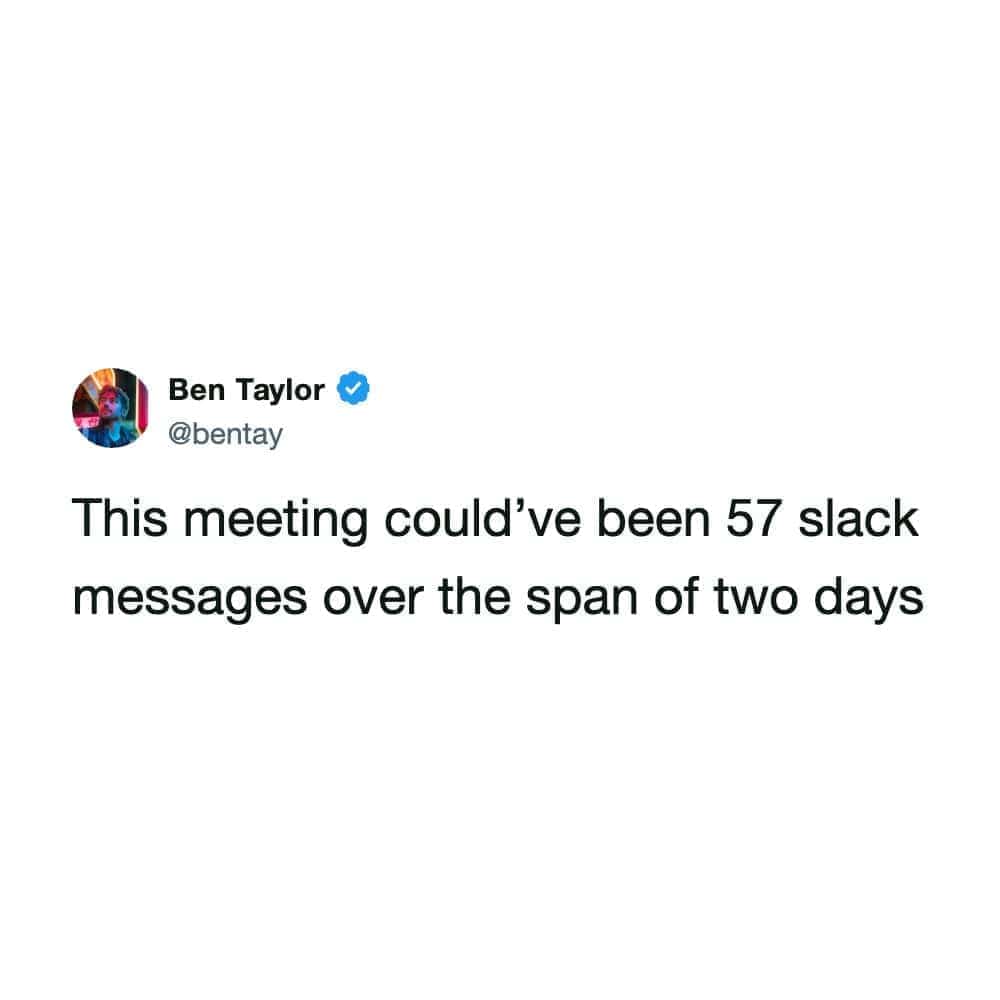
"Let's hop on a quick sync" is corporate for "I refuse to type."
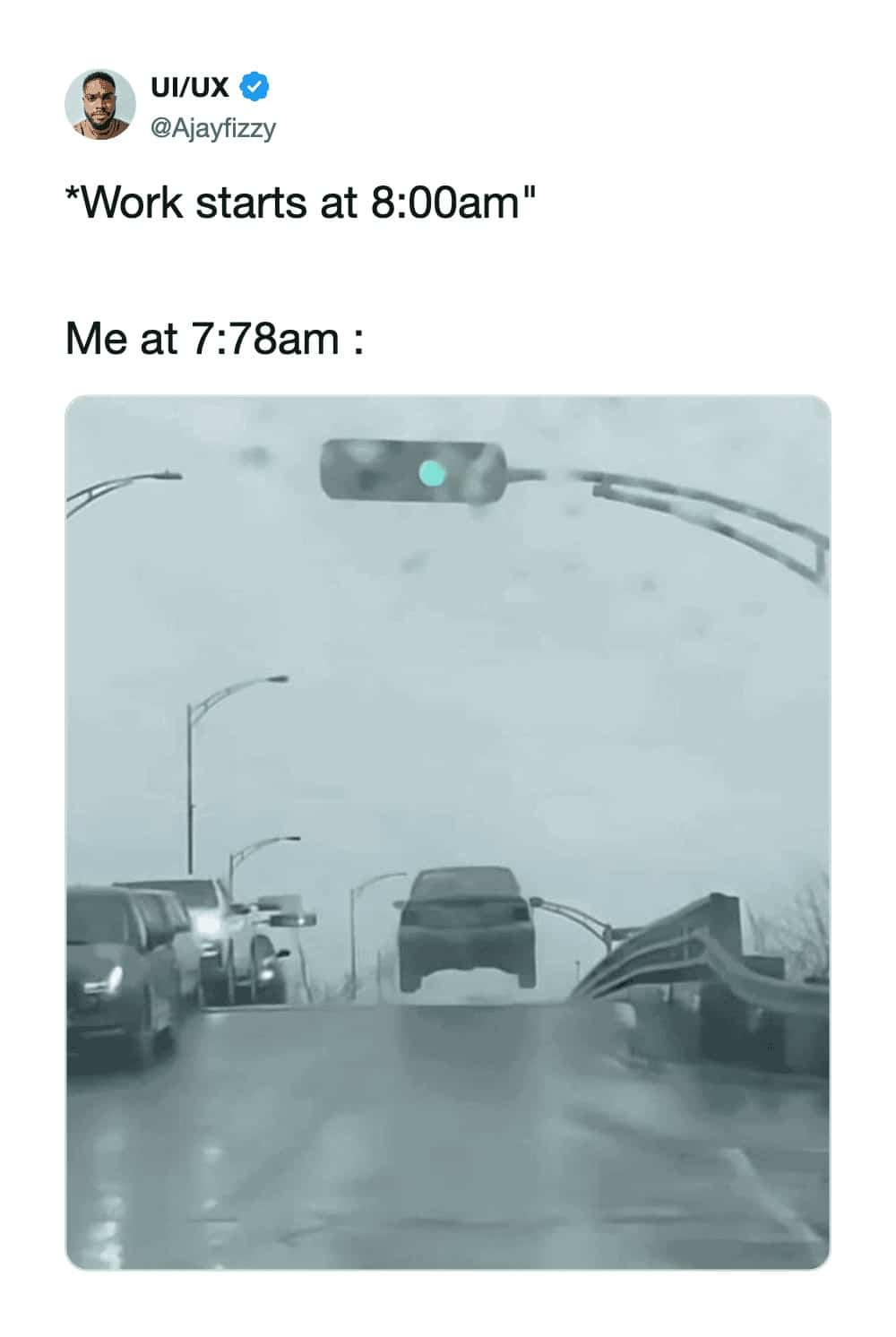
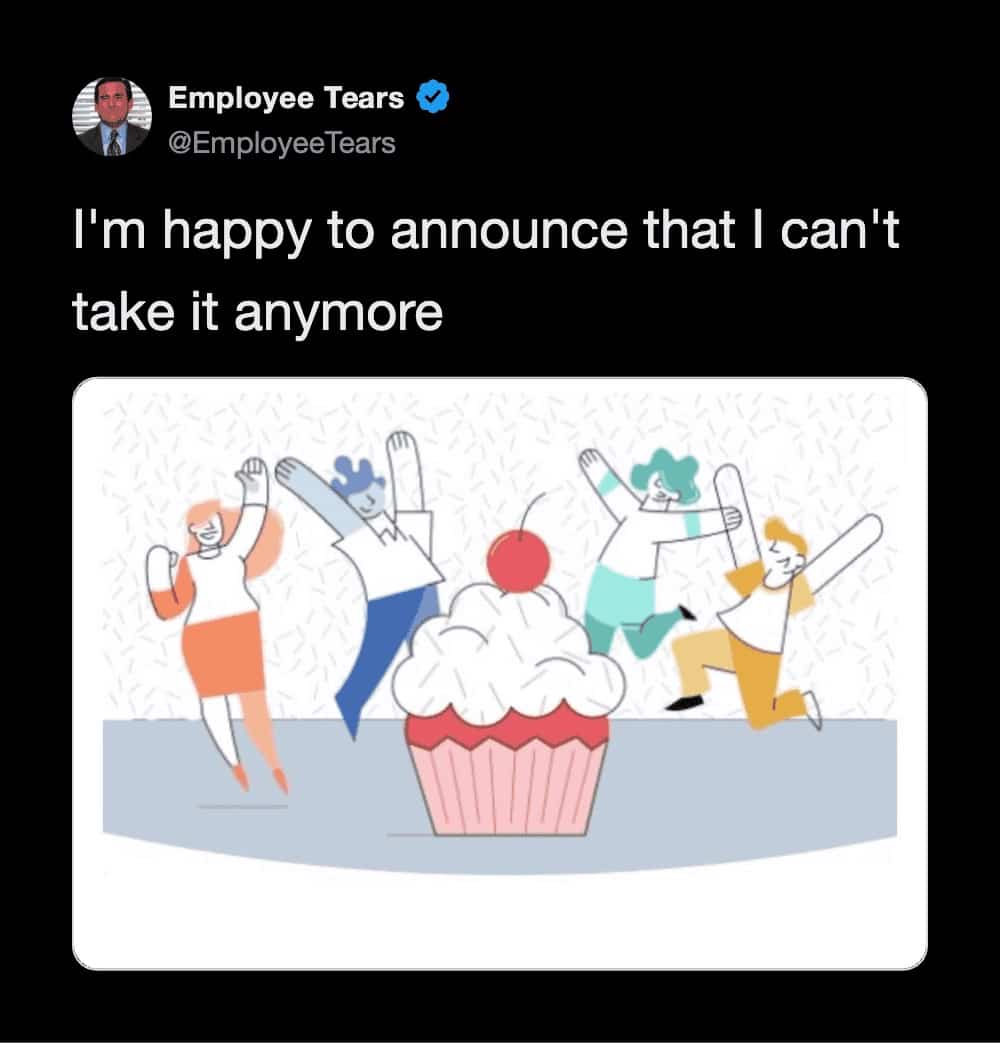
Social battery: -14%.
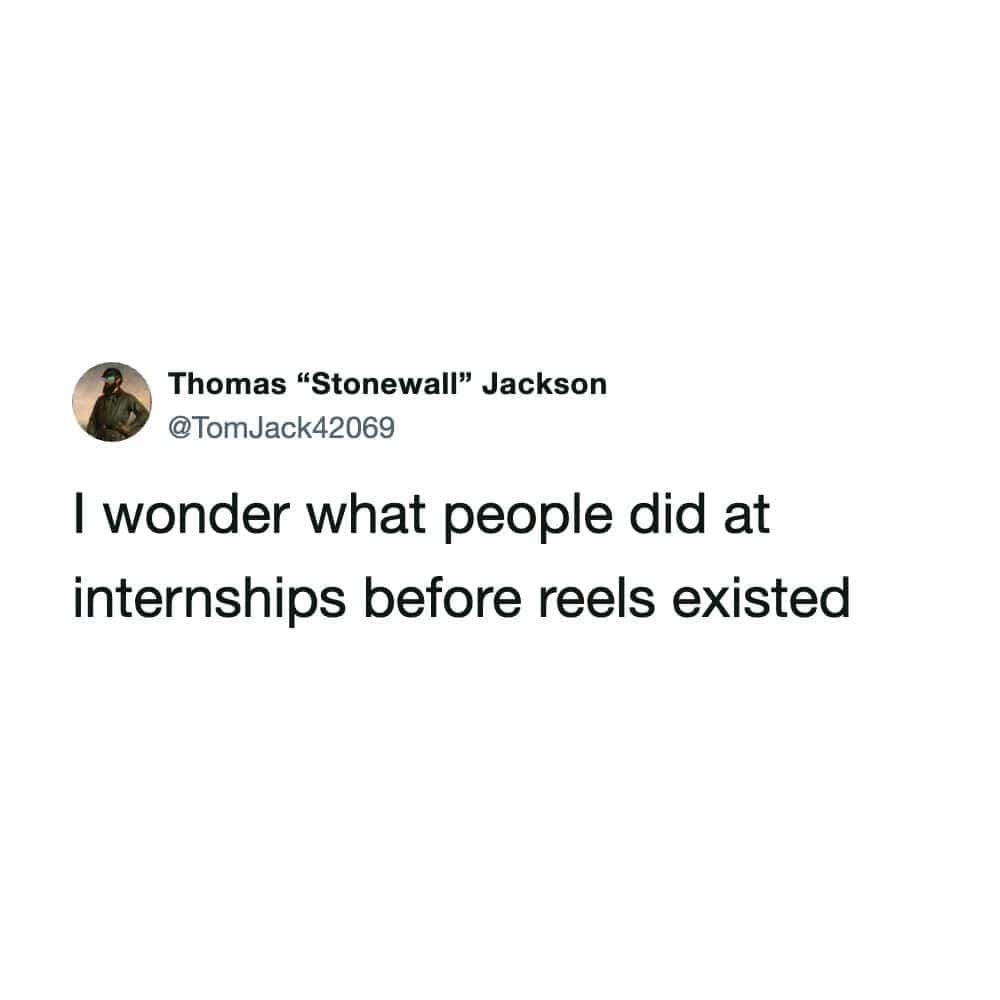
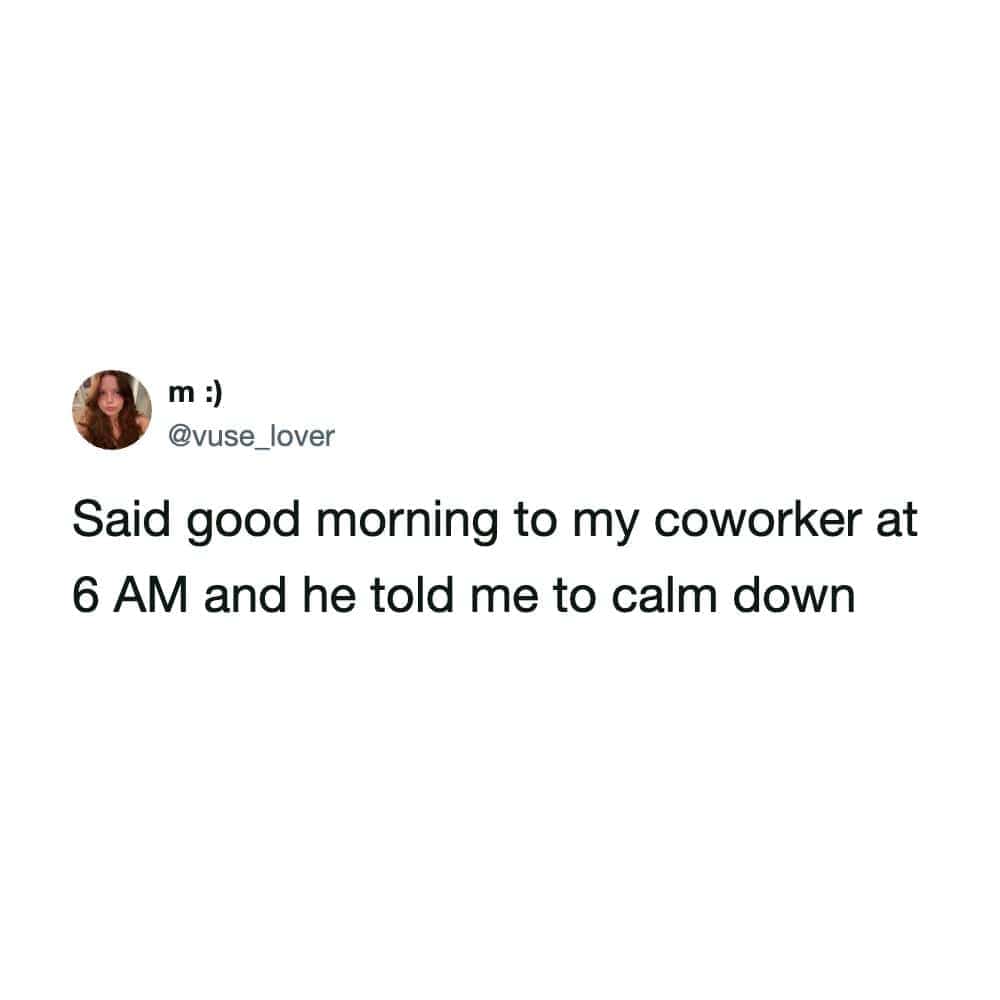
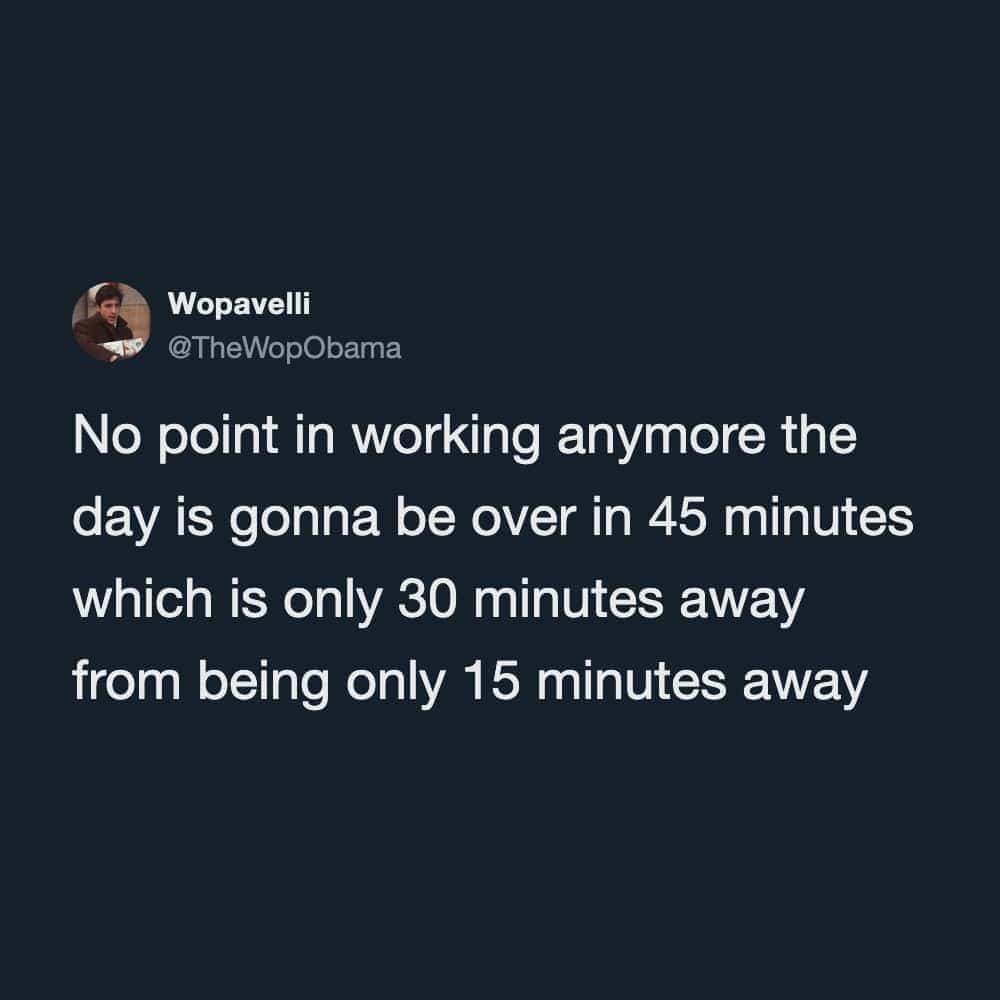
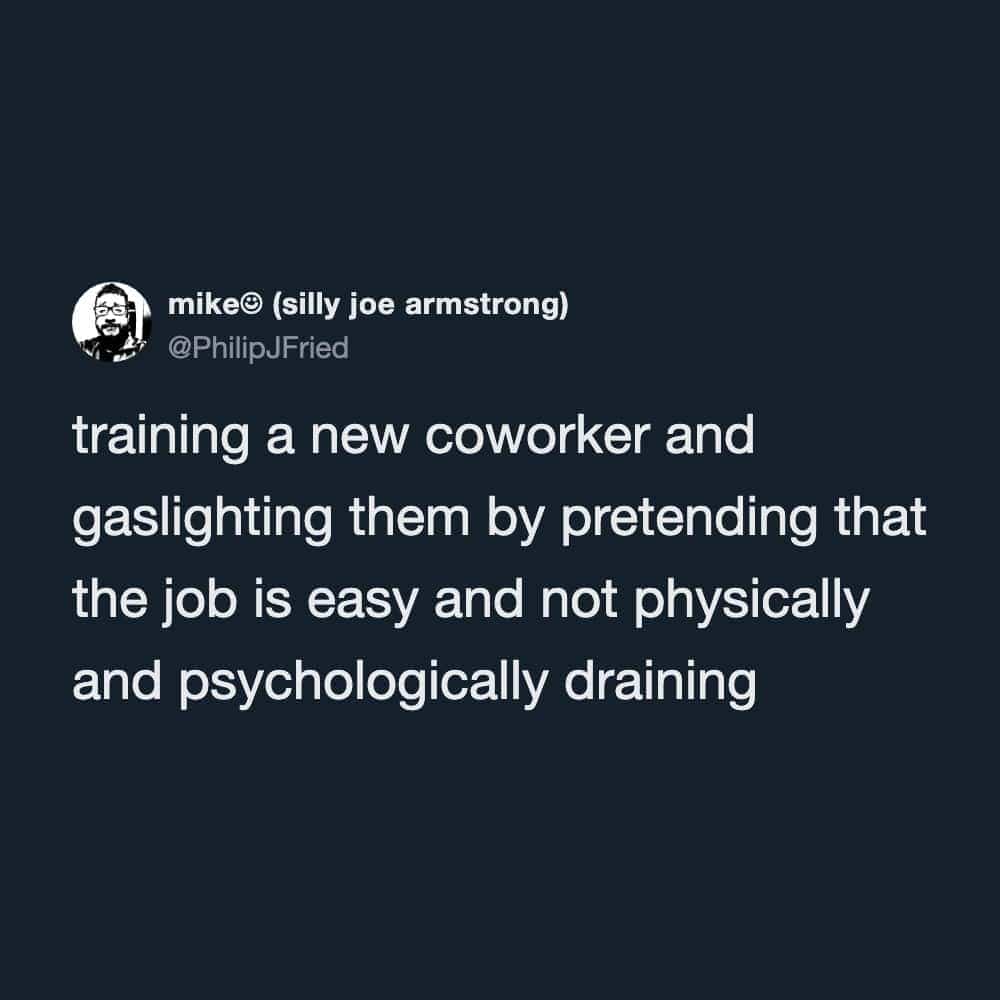
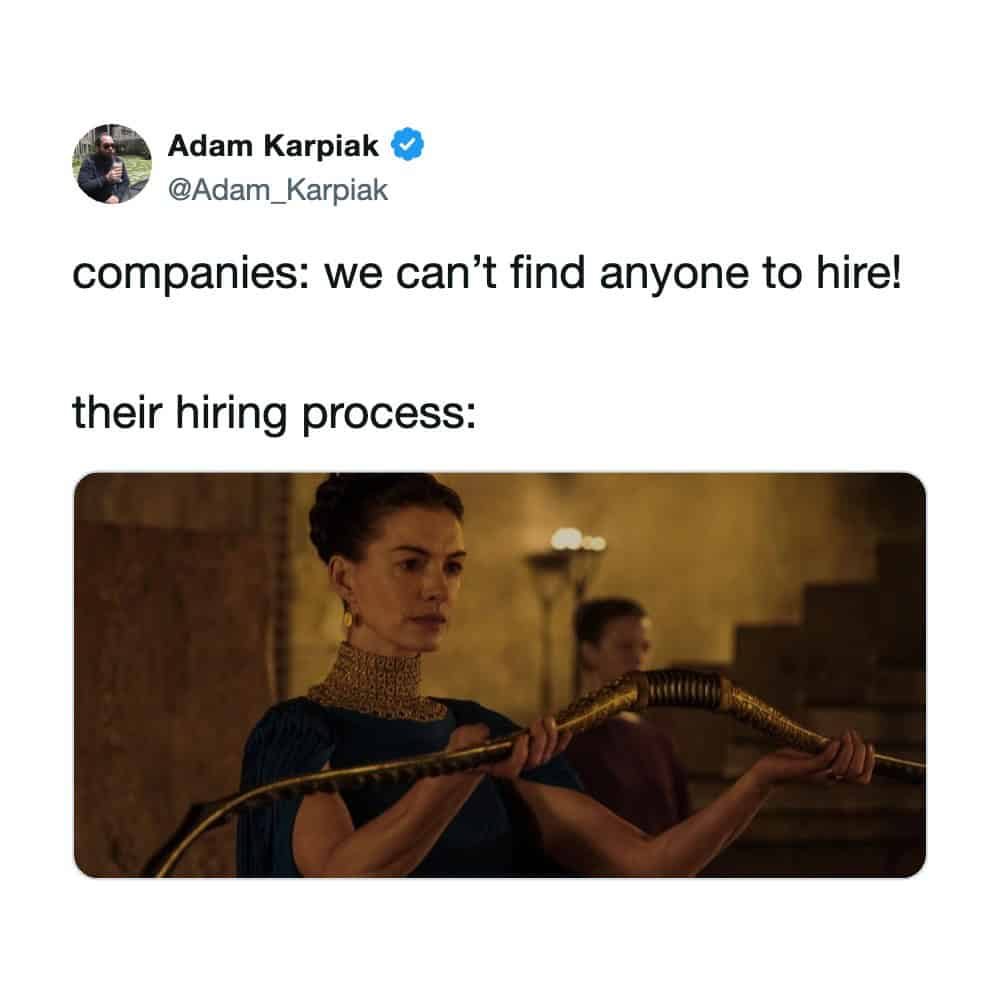
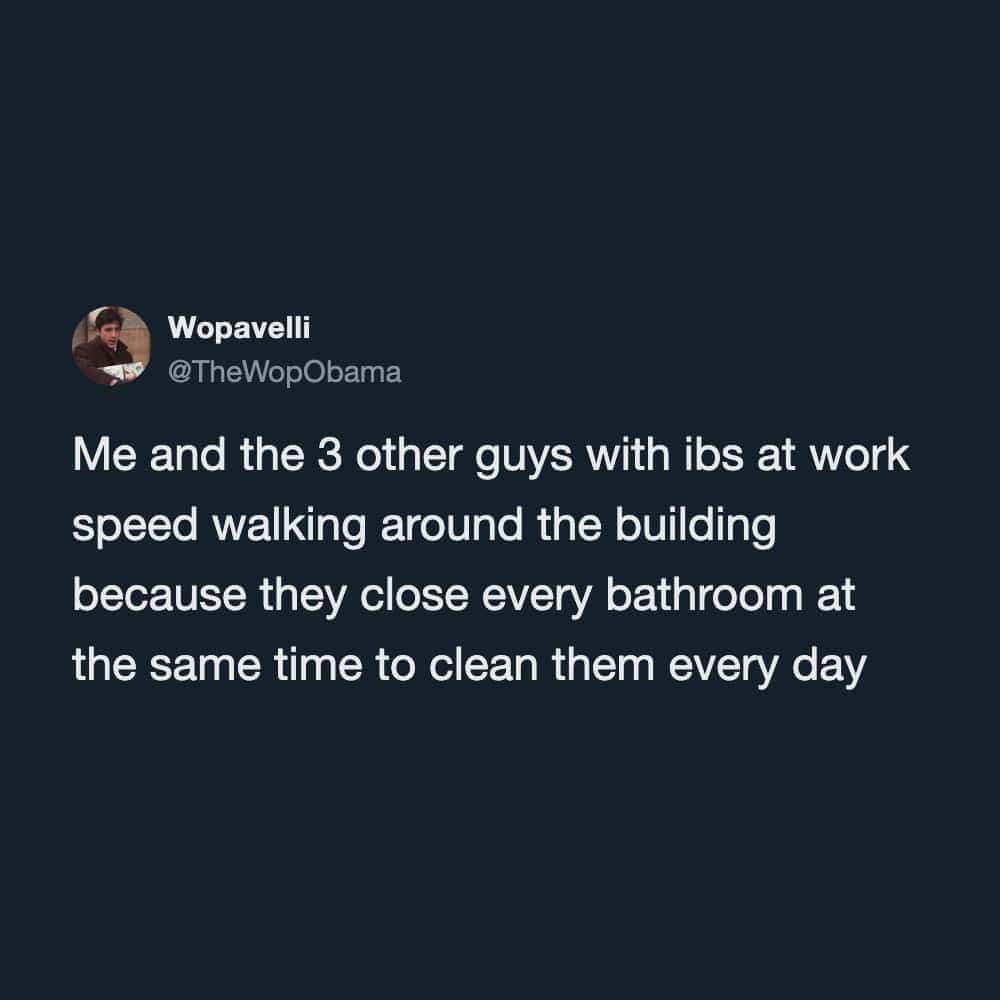
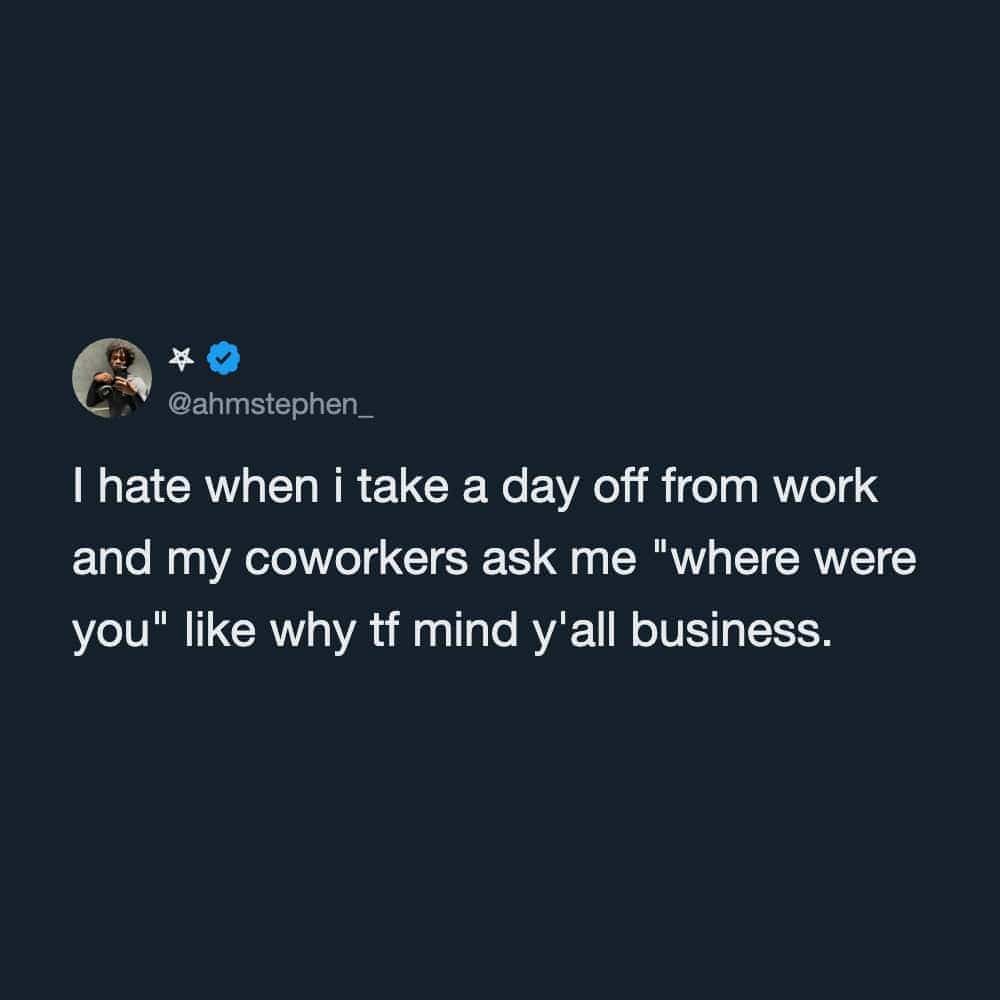
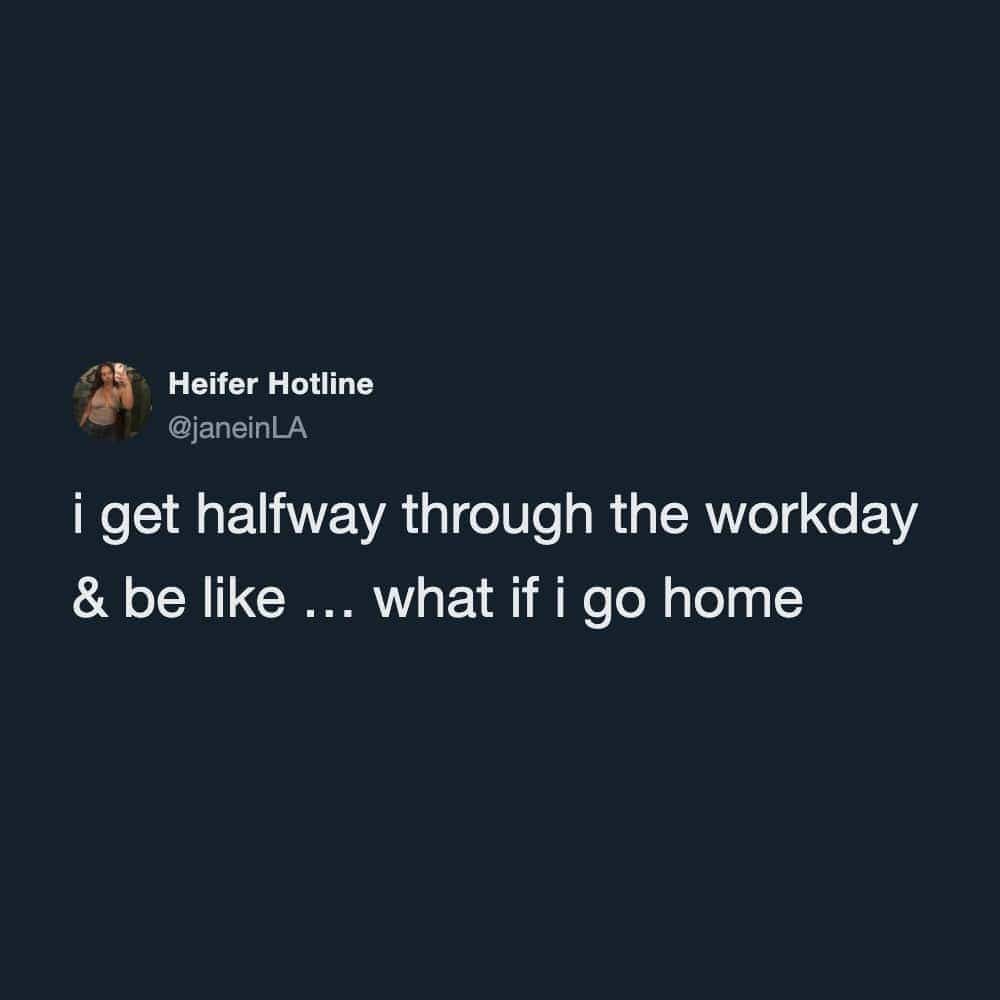
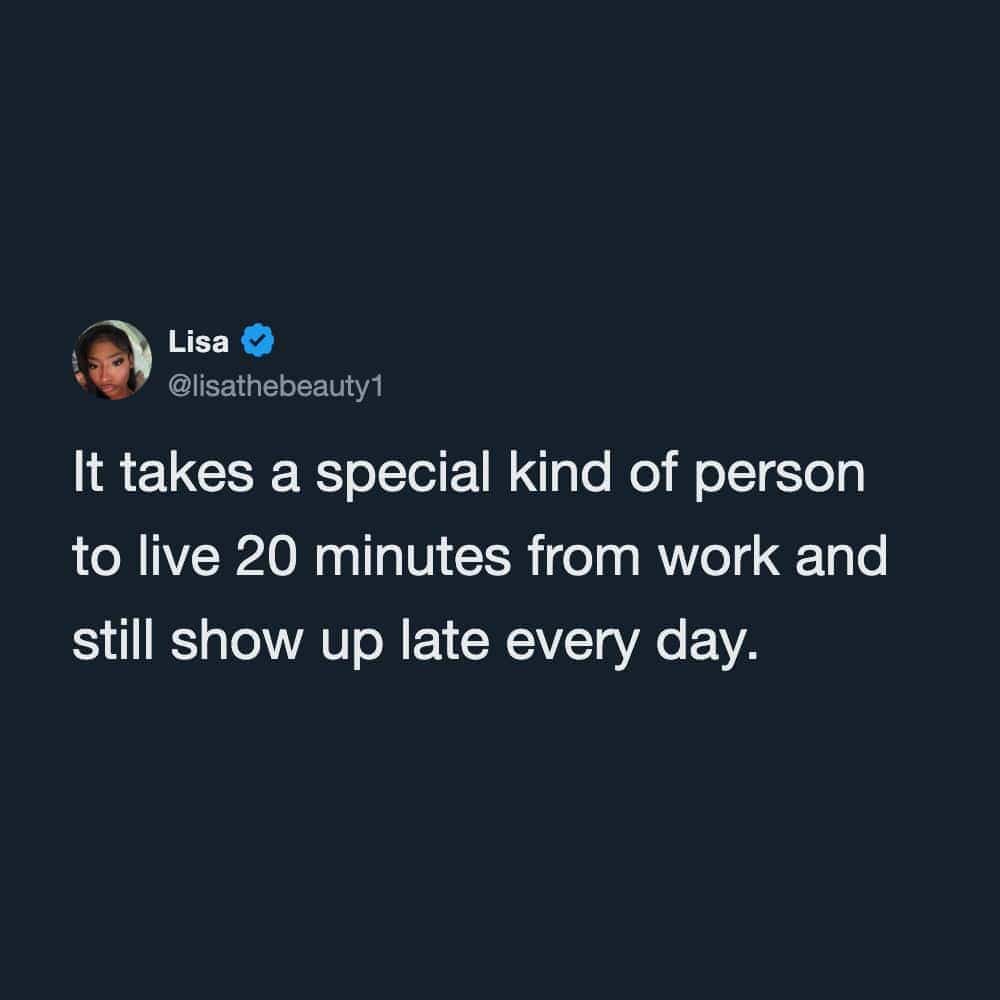
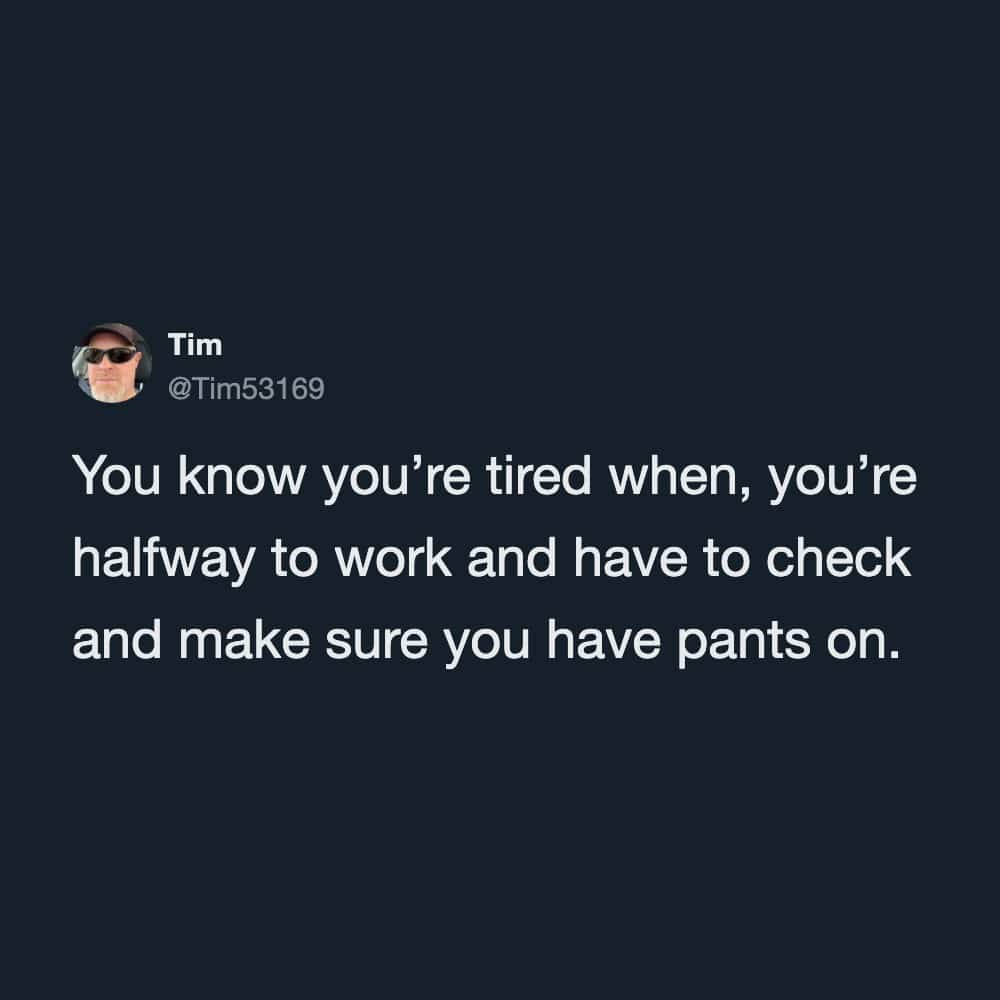
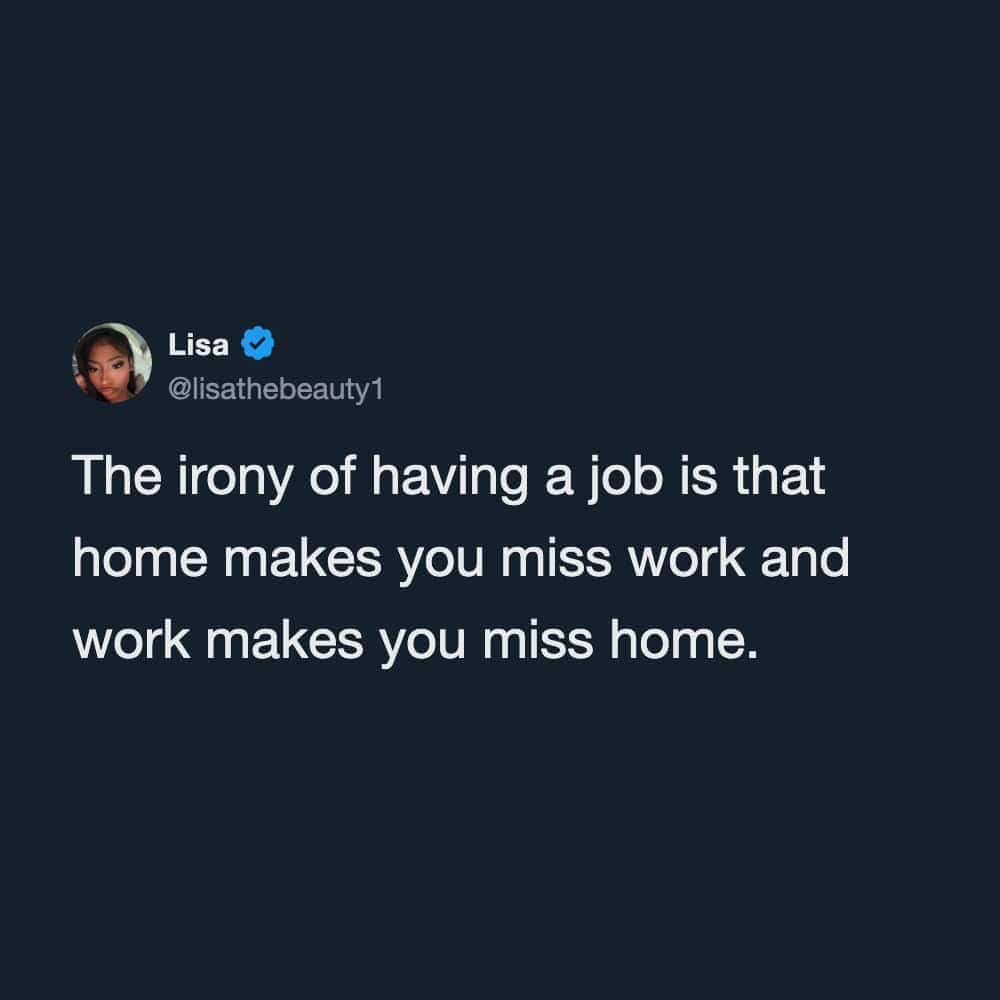
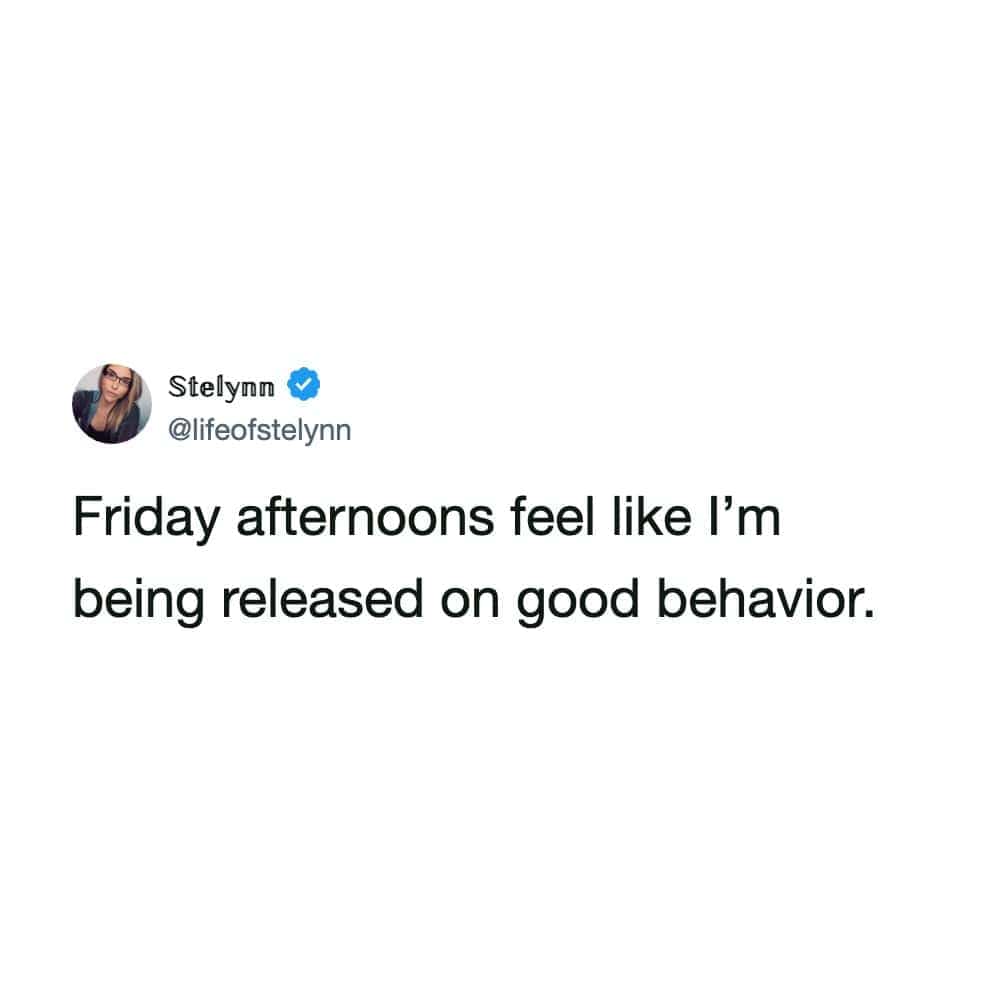
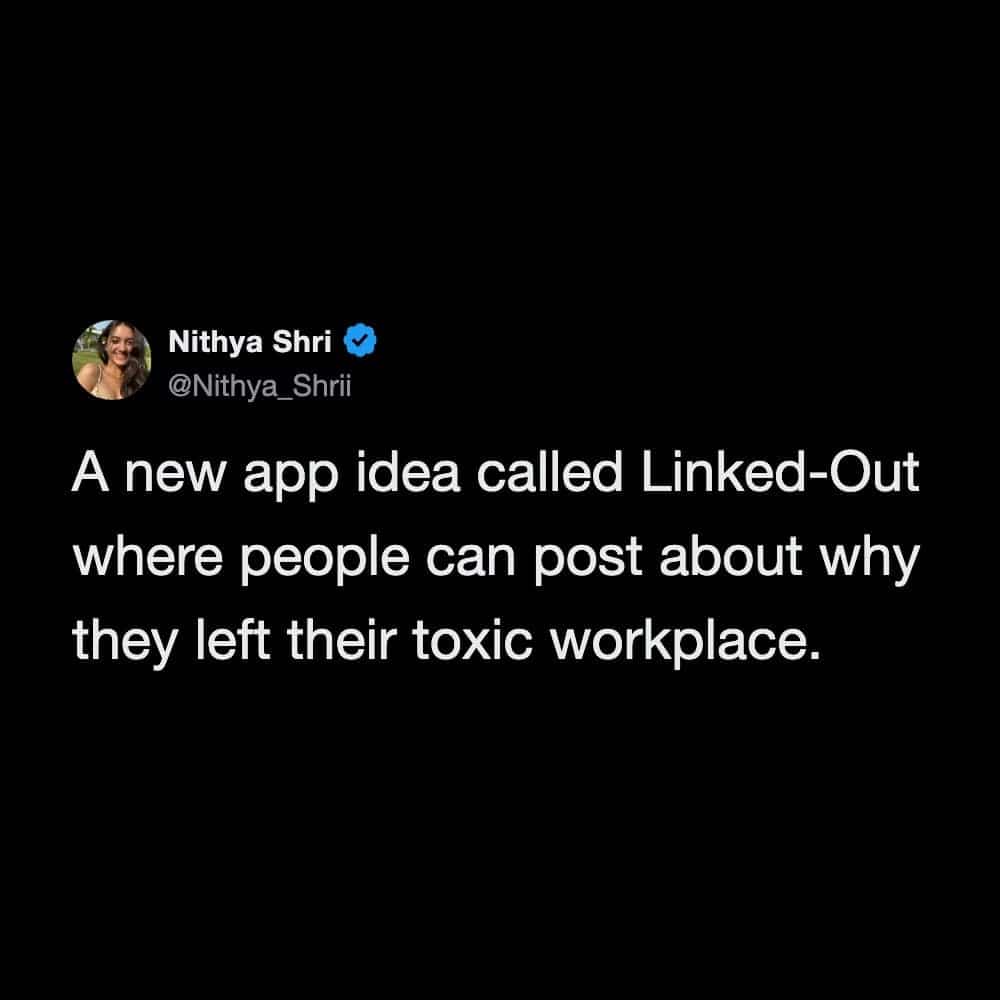
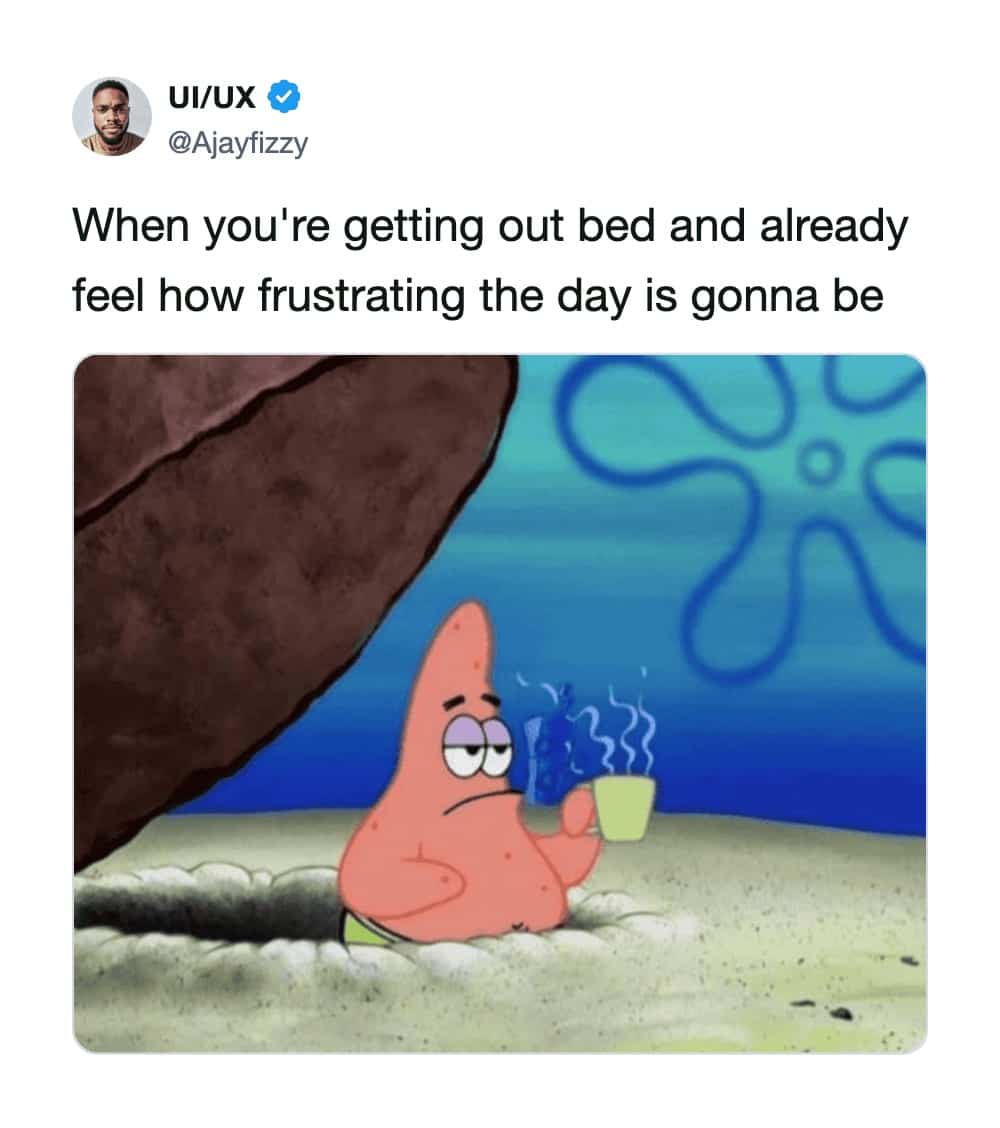
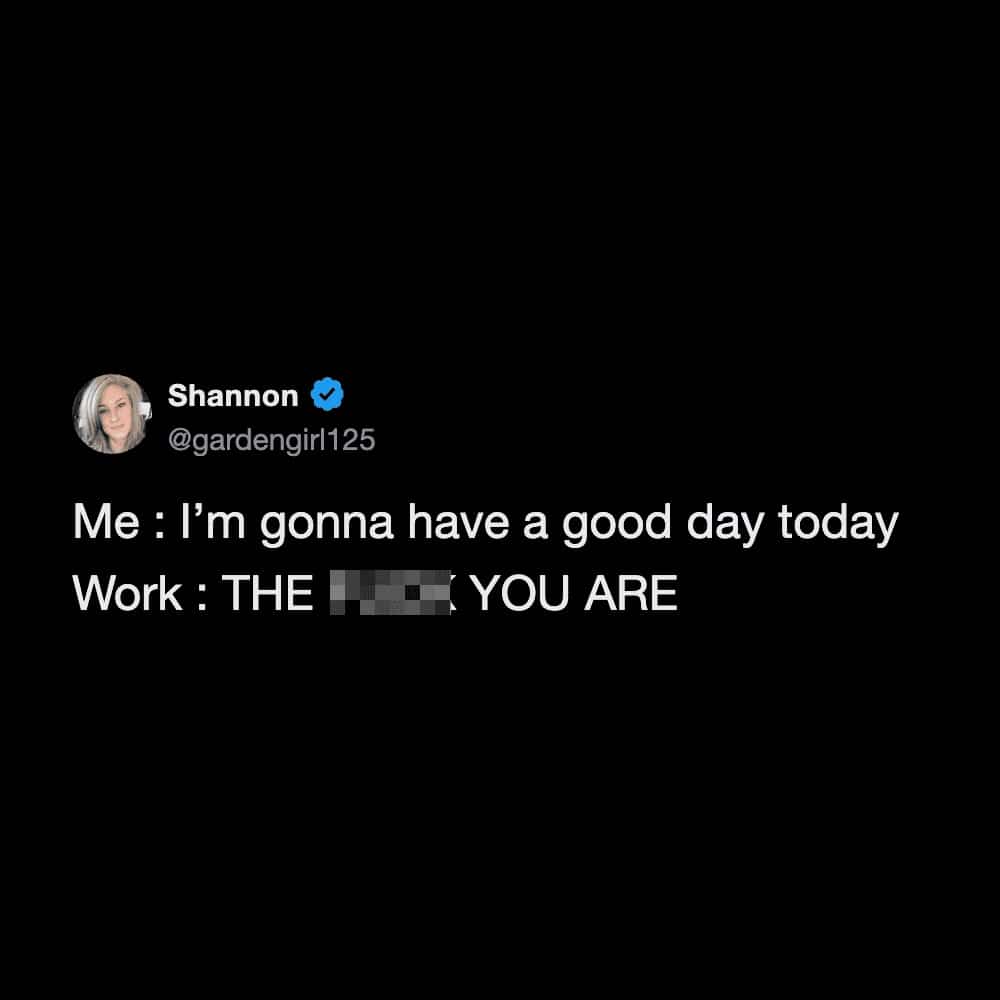
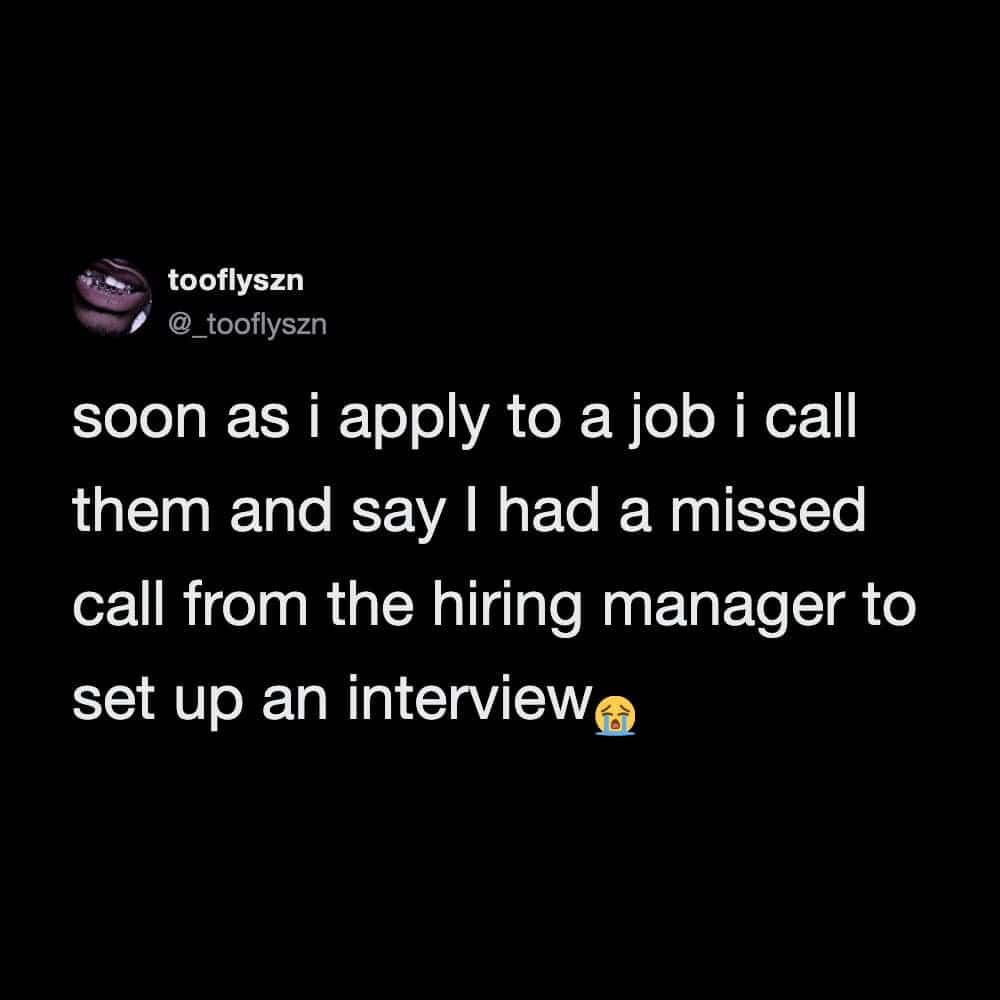
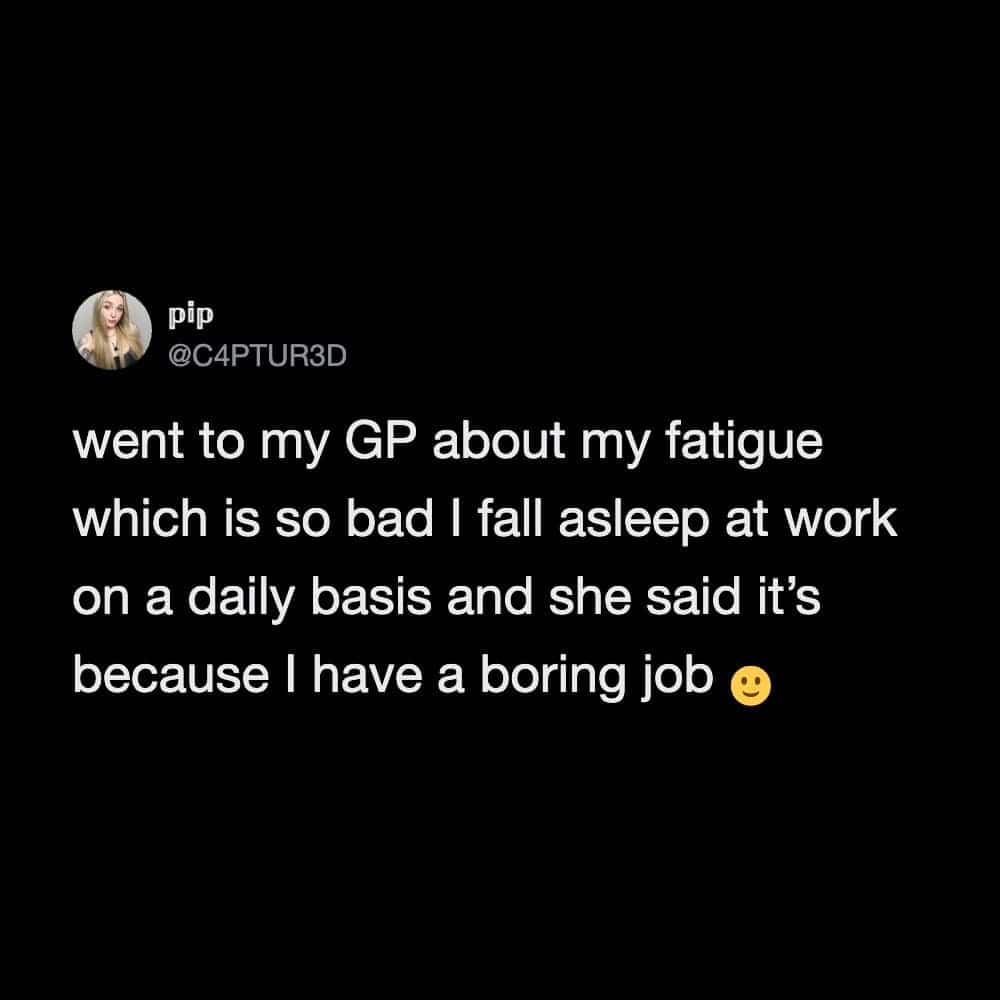
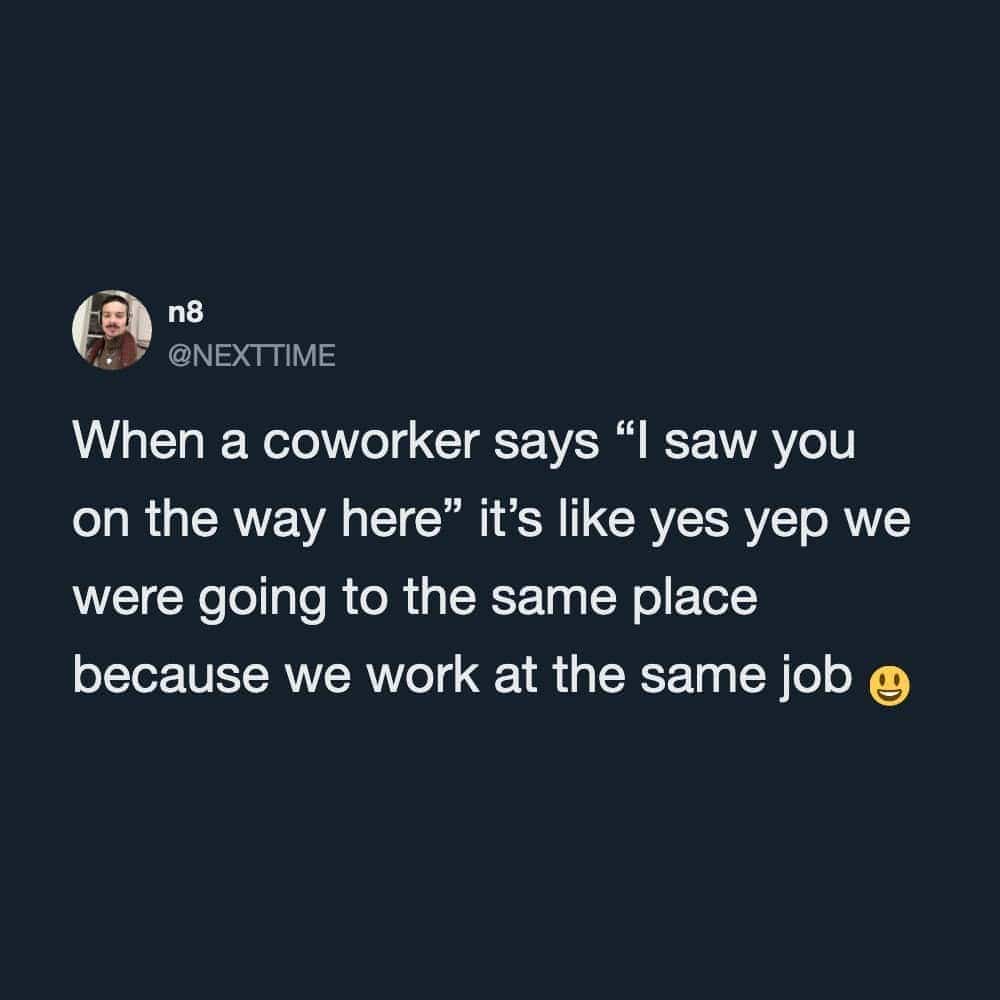
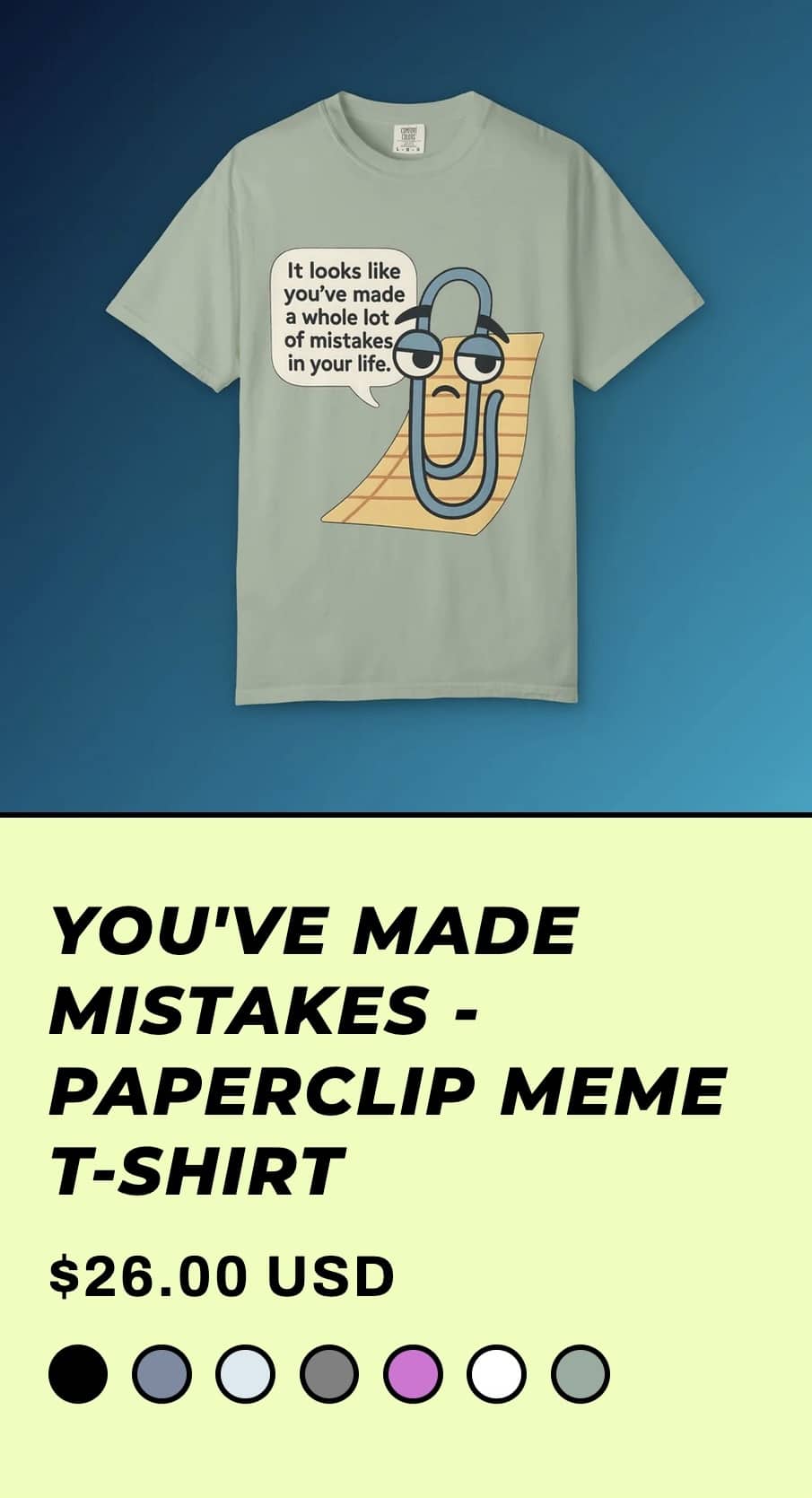
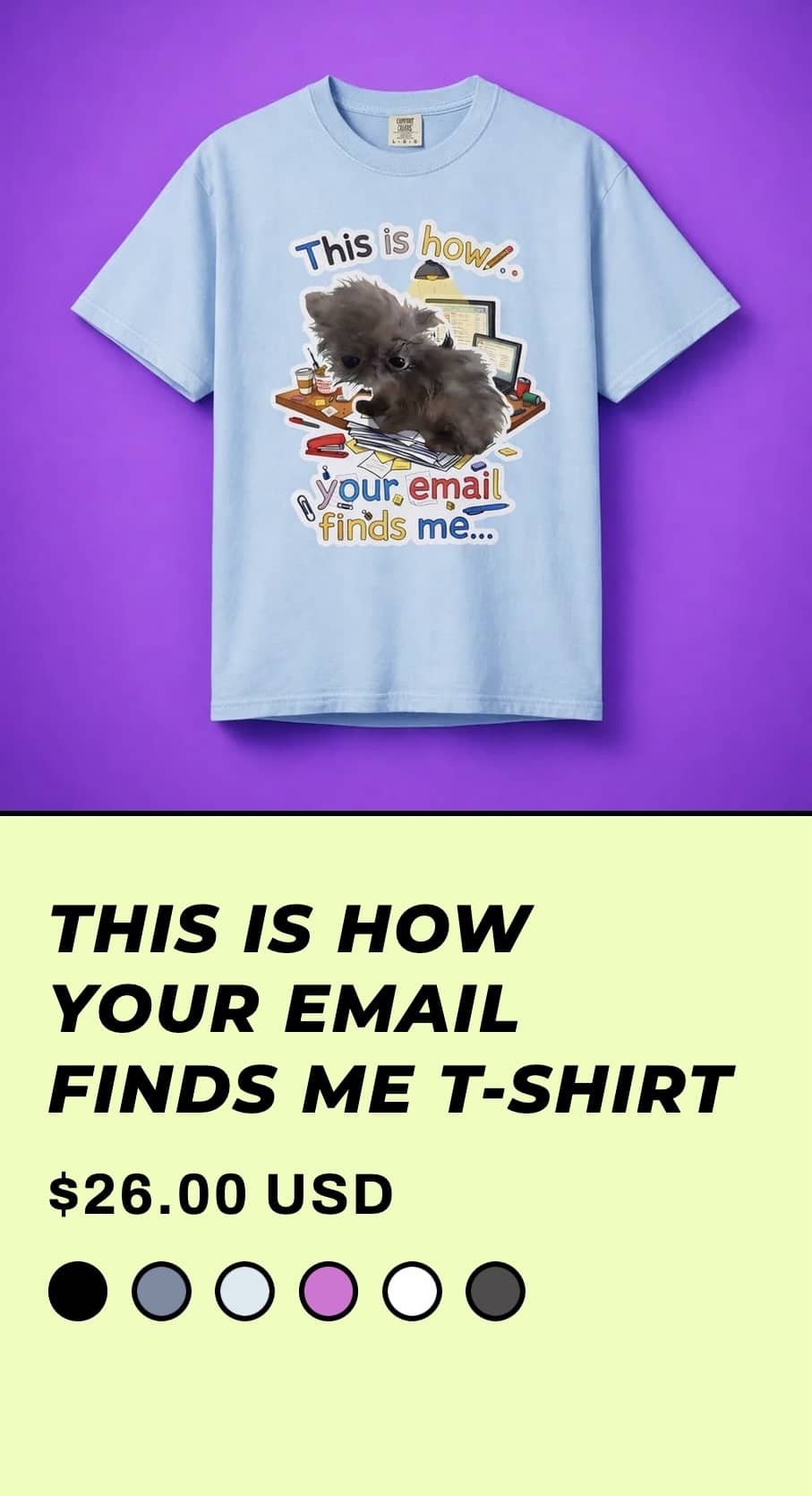
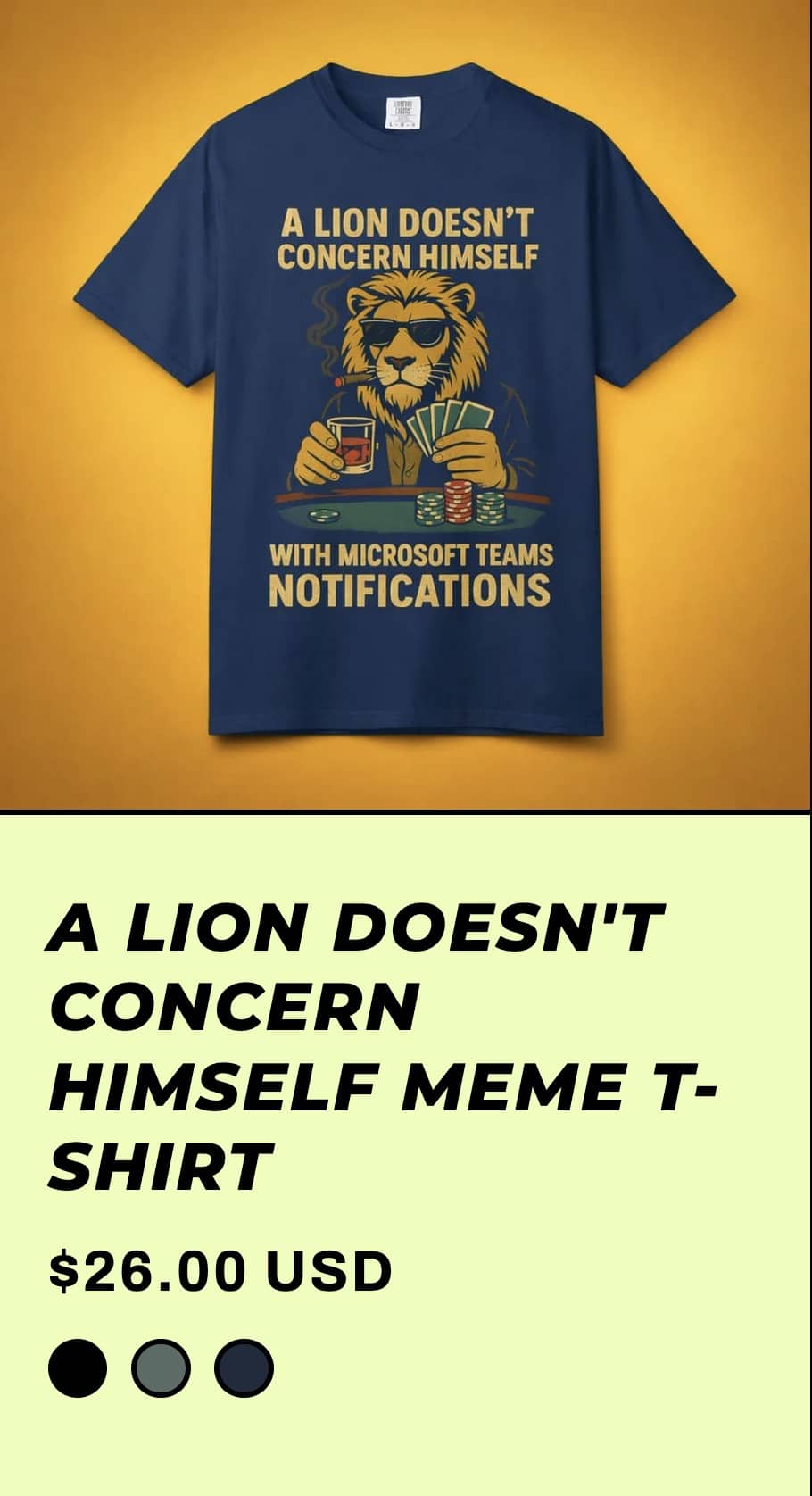
Work tweets
Read More
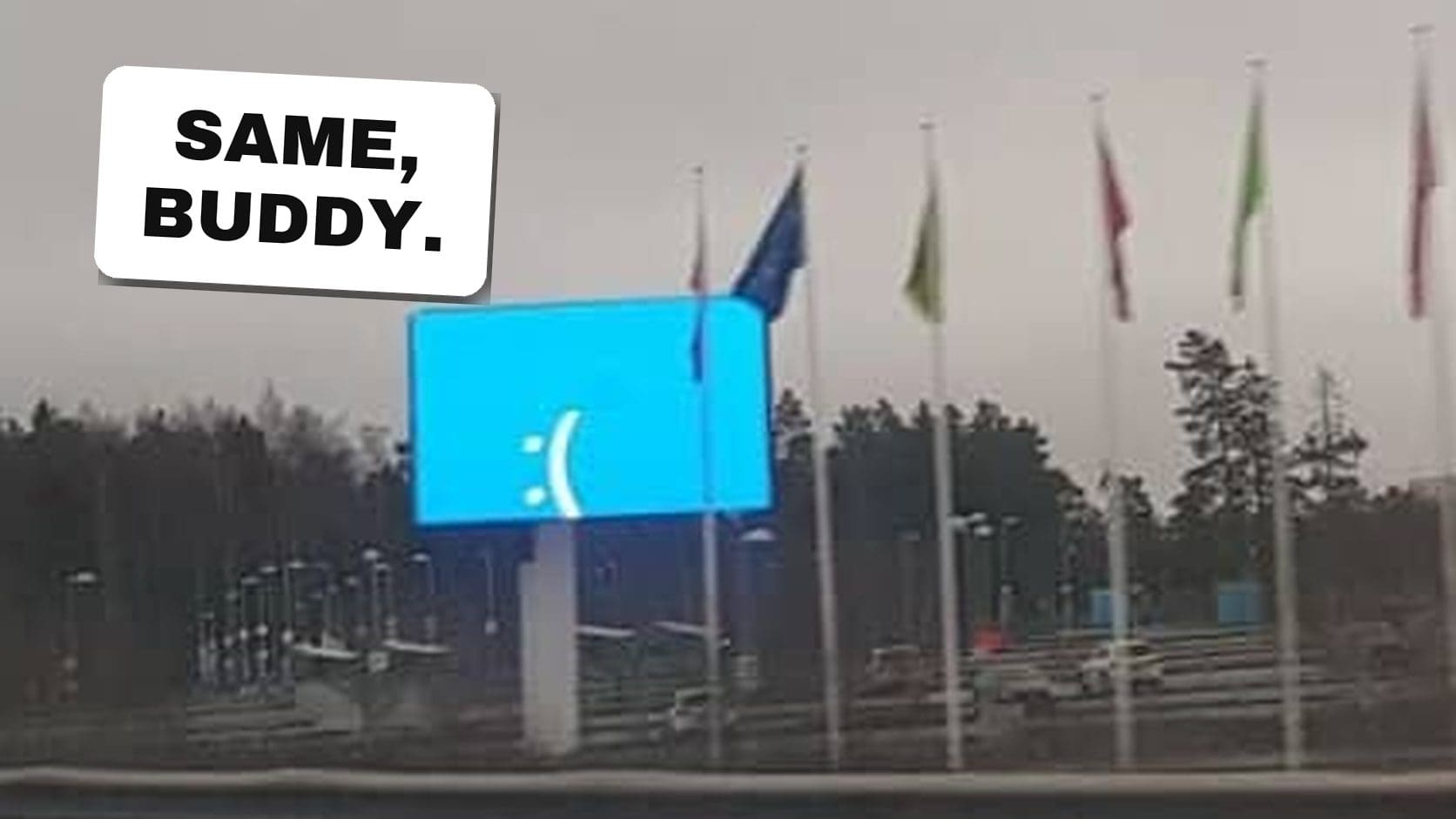
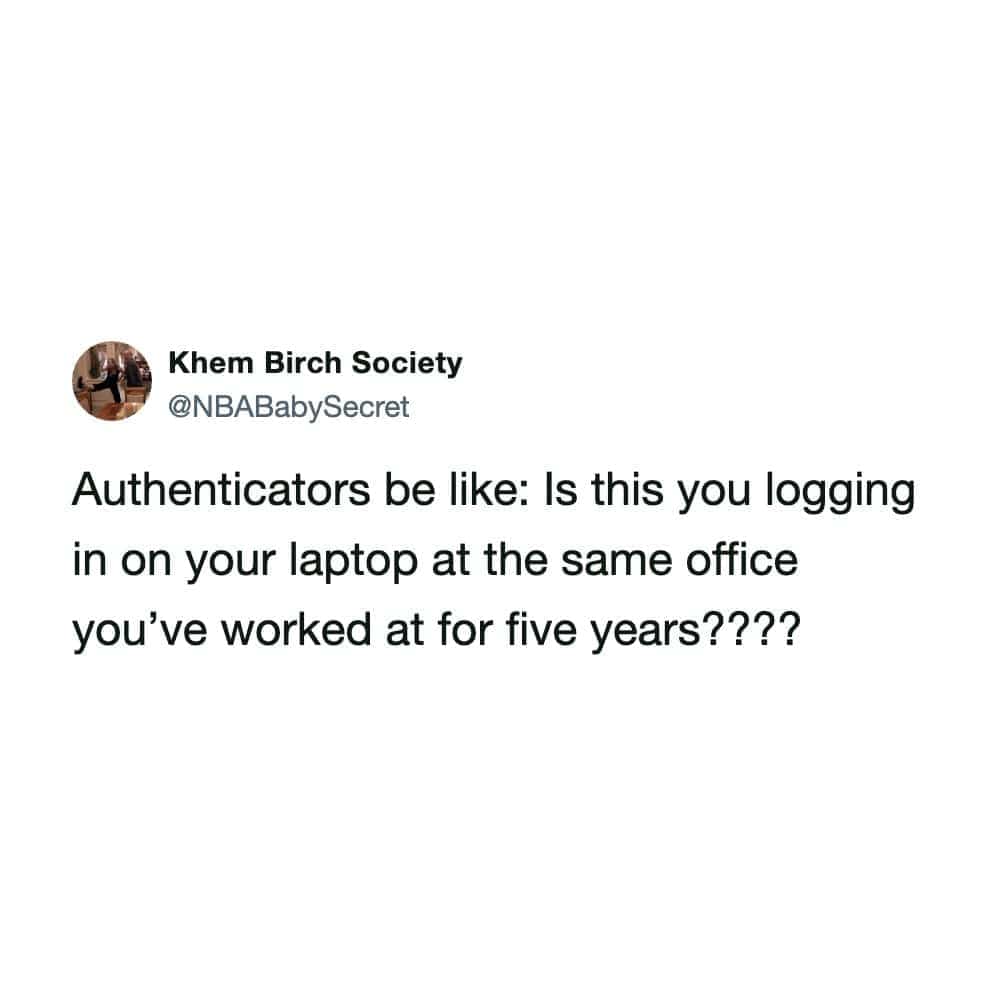
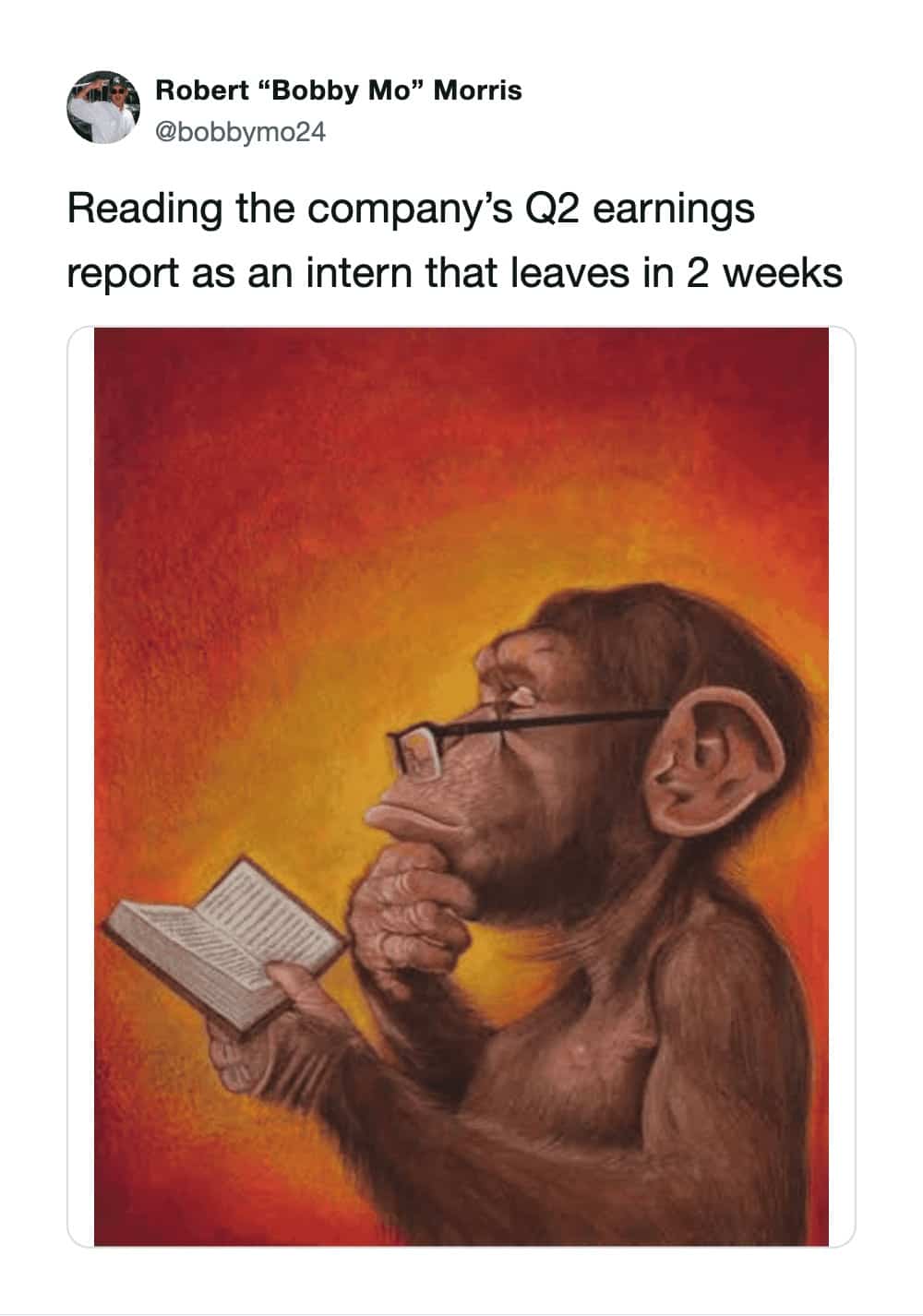
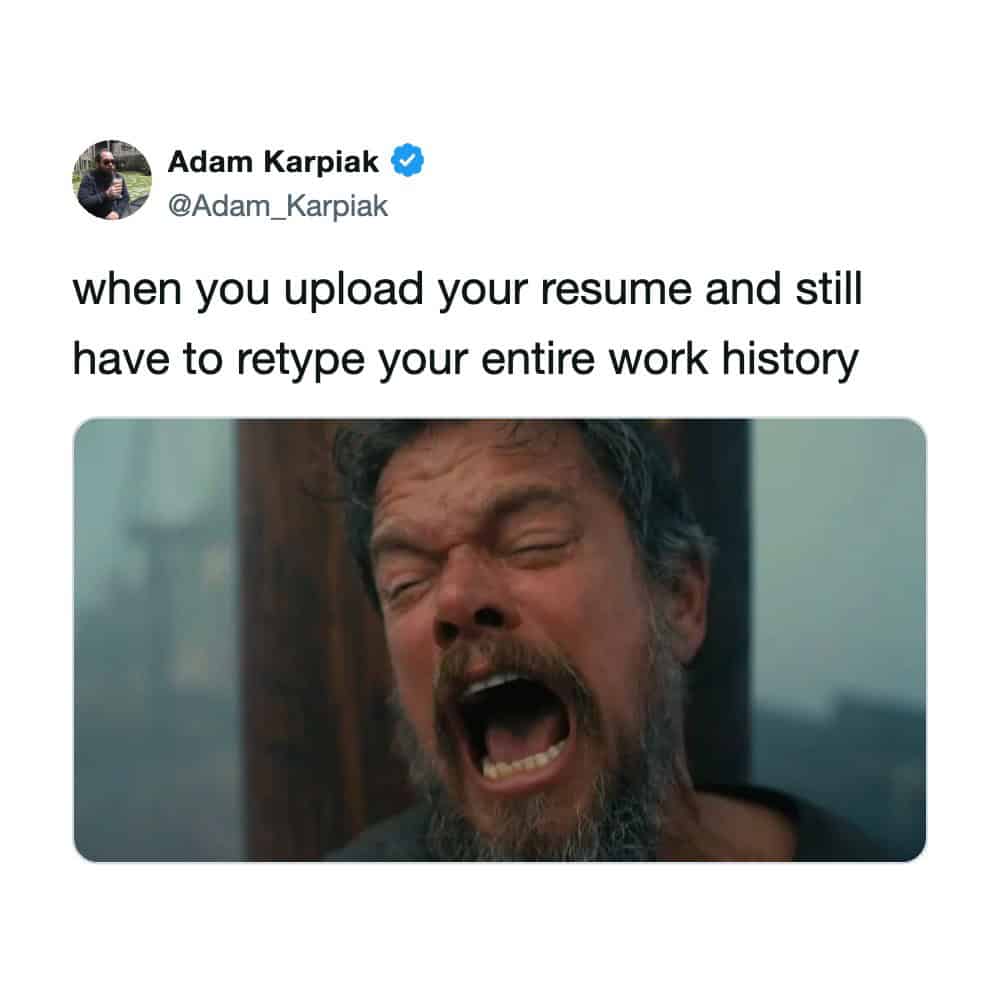
The technology-humiliation genre is the backbone of modern office humor, because the tools meant to enable work have become its primary obstacle. The authentication systems treating a person in the same chair since 2019 like an active security threat. The messaging platforms engineering new categories of career-ending mistakes, forwarding the complaint directly to its subject with one wrong click. Every workplace runs on software that is simultaneously mandatory and adversarial, and the tweets documenting this are less comedy than testimony. The spreadsheet is open. The heist verification is complete. The work may now, briefly, begin.
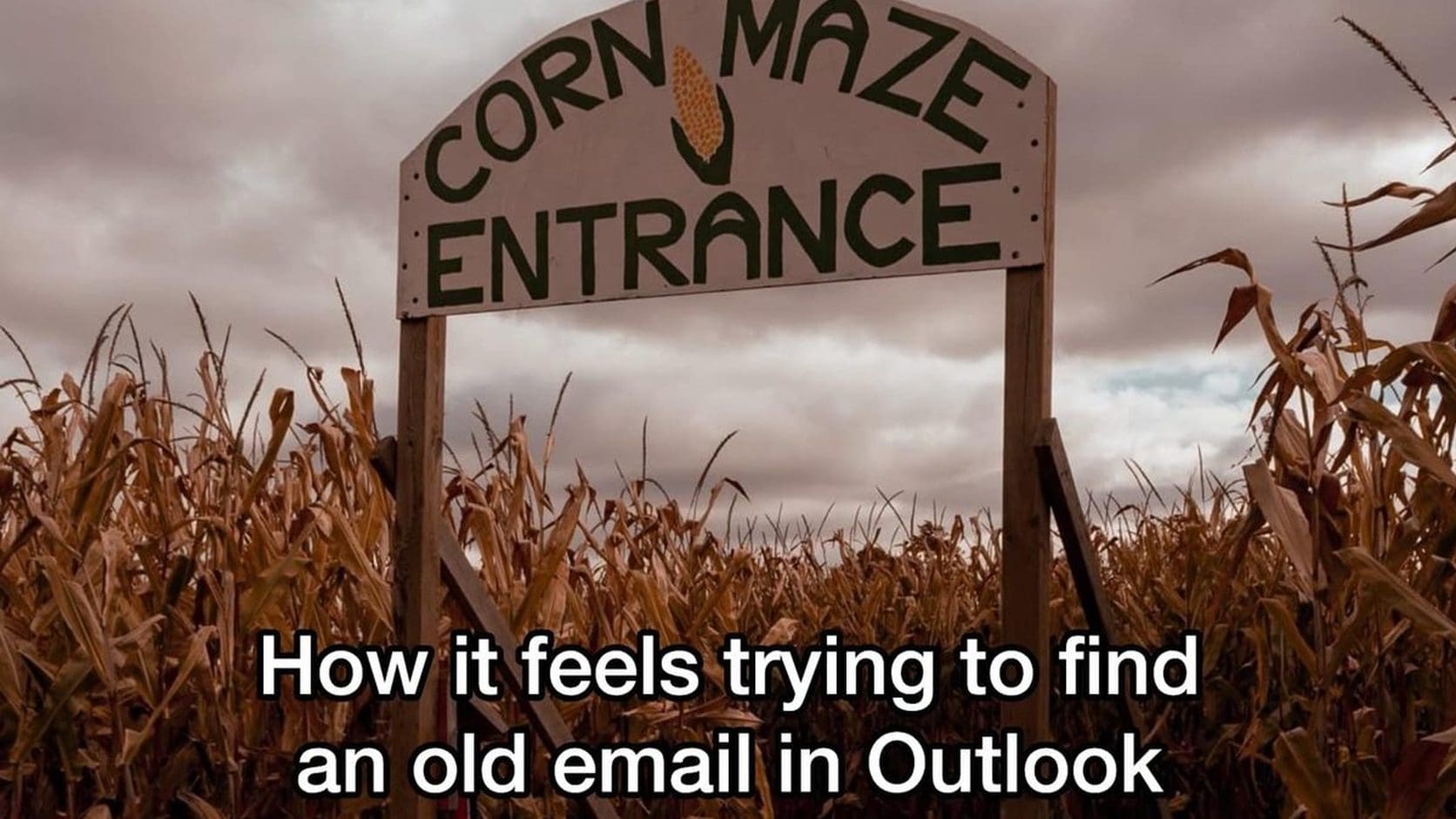
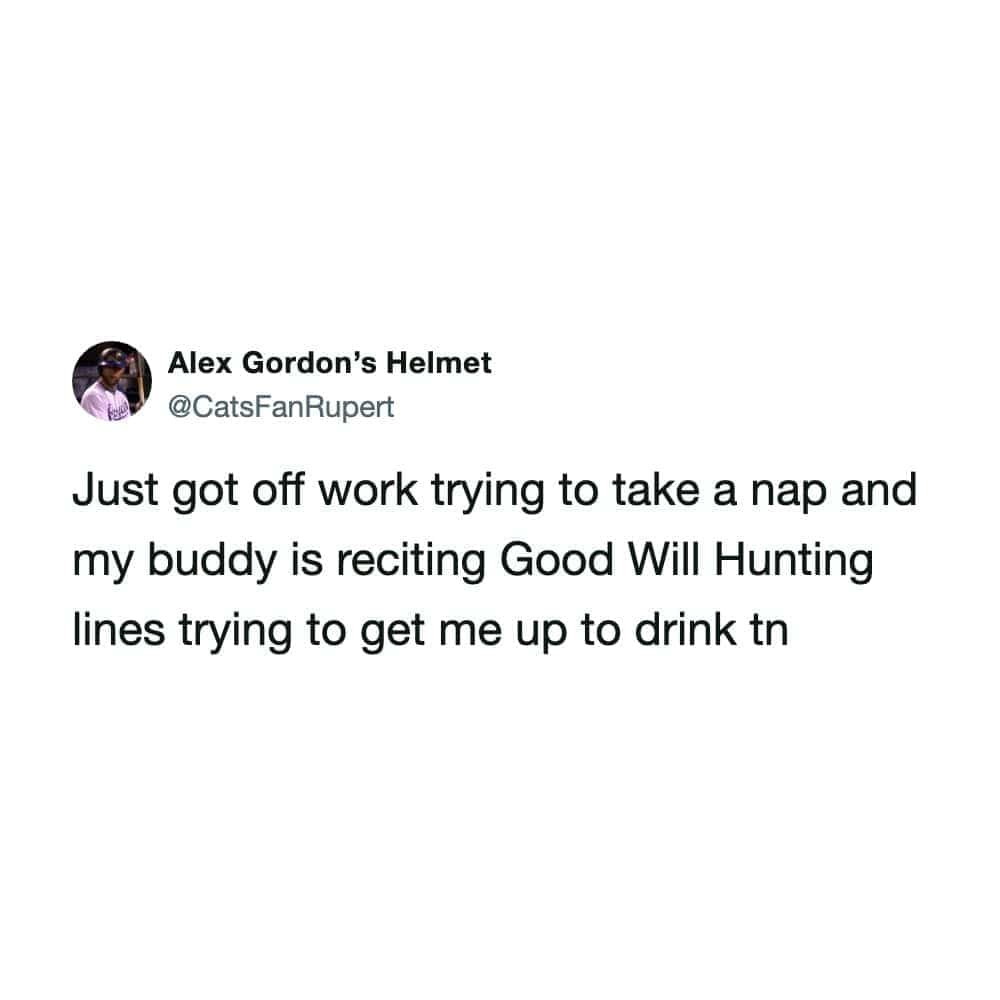
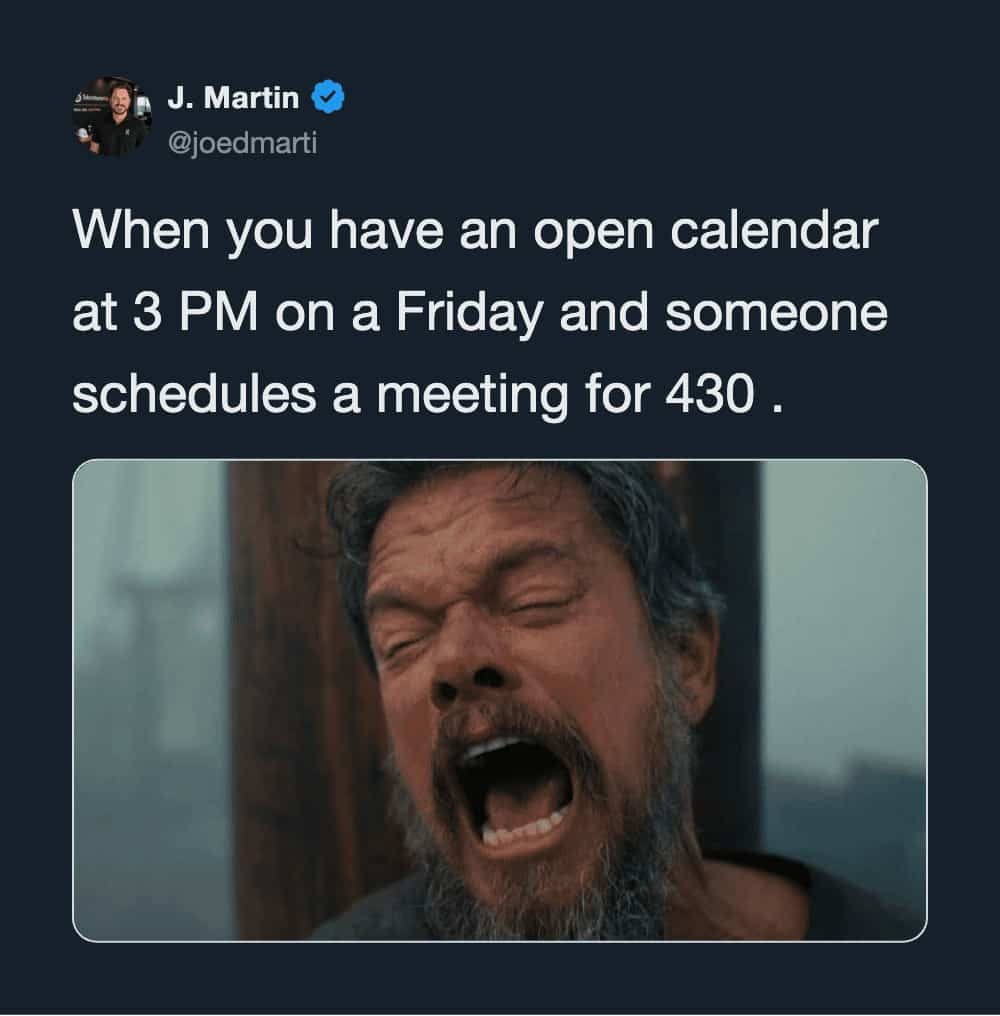
Then there’s the meeting-industrial complex, the eternal grievance that refuses to die because the meetings refuse to die. The syncs that should have been messages. The messages that should have been one person reading the document. The whole choreography of corporate communication exists to distribute responsibility for information nobody wants to simply absorb, and the tweets have been pointing this out for years to universal agreement and zero structural change. The agreement is total. The calendar remains full. That contradiction is the genre’s renewable fuel.
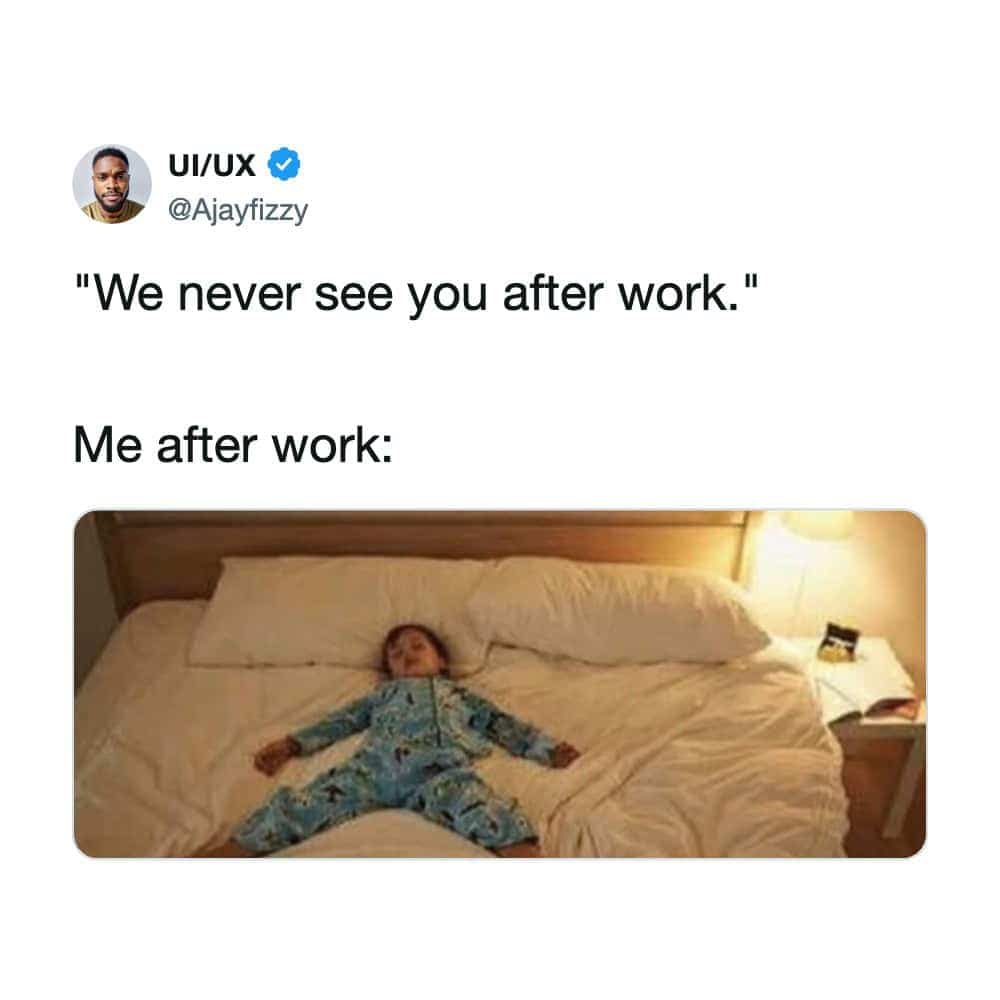
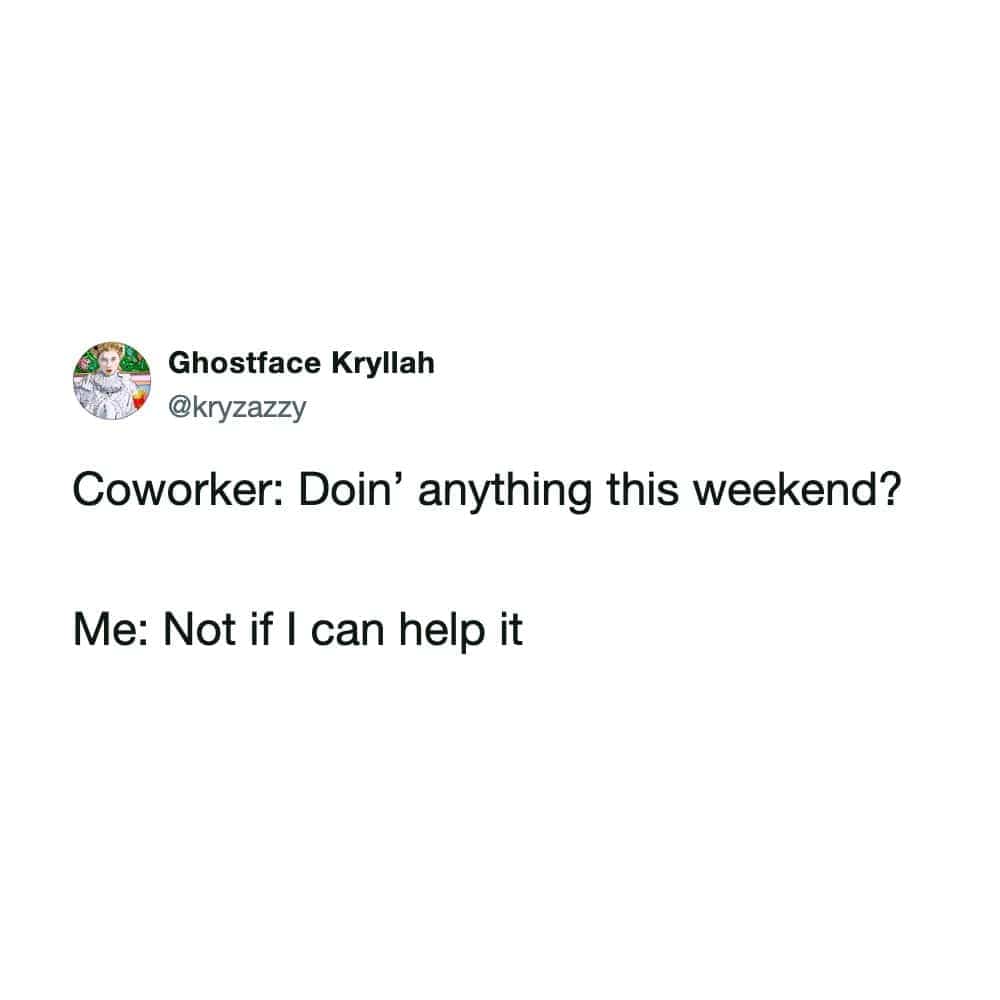
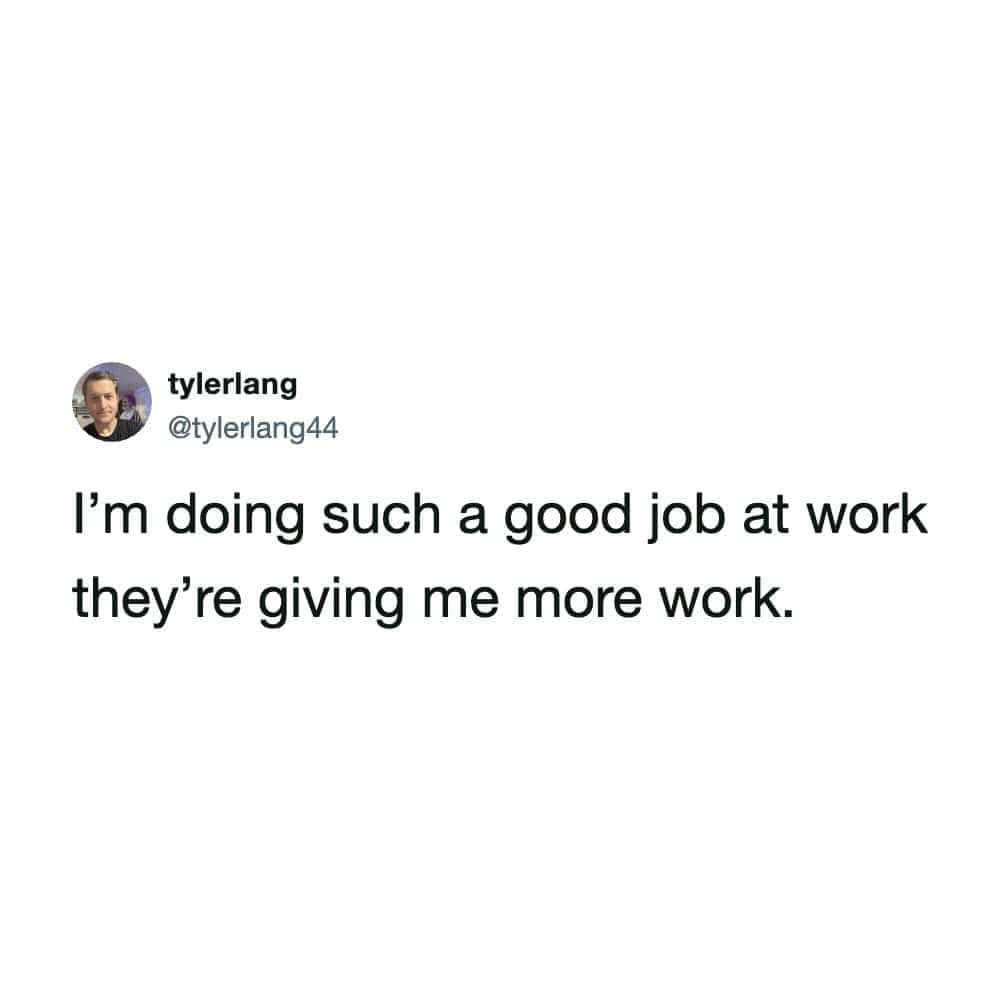
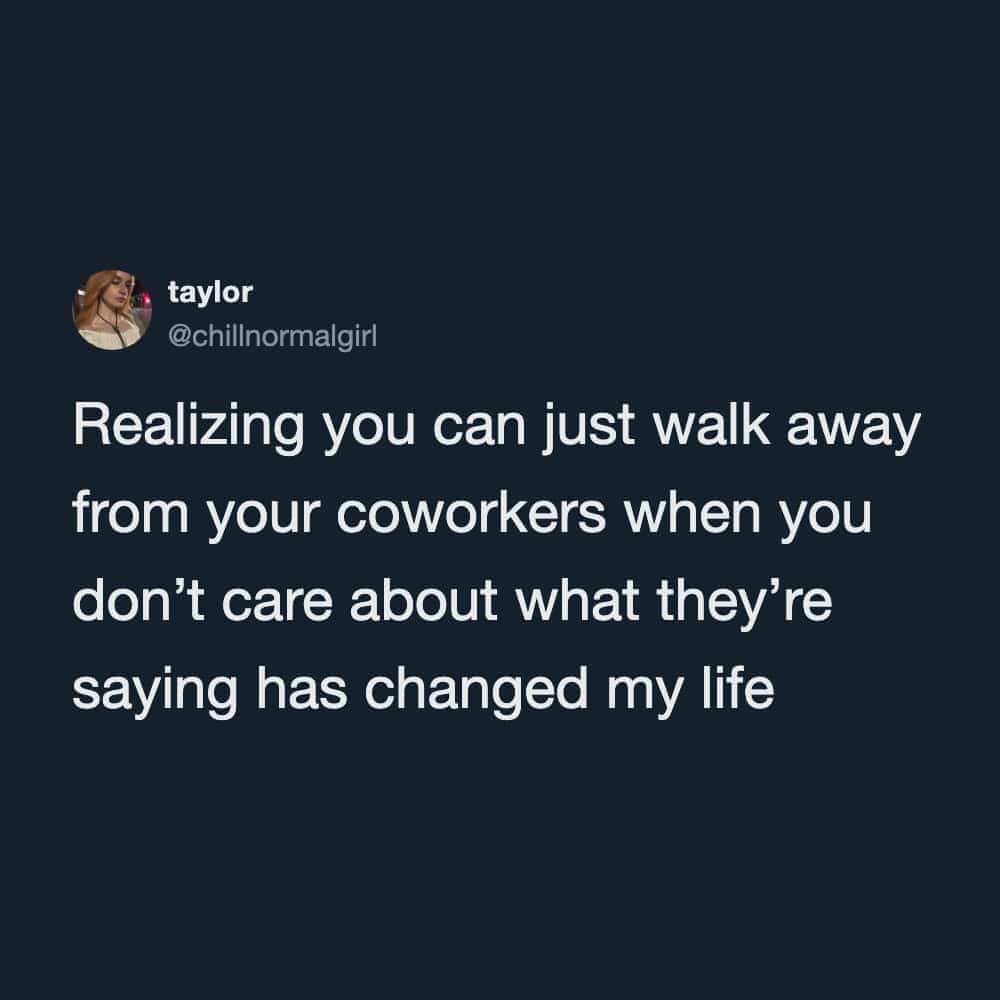
And the boundary-defense wing captures the after-hours battle, the sacred protection of the sliver of life the job doesn’t own. The post-shift collapse with a social battery in the negatives. The weekend plans classified against coworker inquiry. The hard-won wisdom that competence is punished with additional workload, making strategic mediocrity a legitimate survival skill. These tweets aren’t lazy, they’re rational, the honest math of people who calculated what the job returns for extra effort and adjusted their output to match. The cap is forty hours. The cap is legally binding, emotionally.
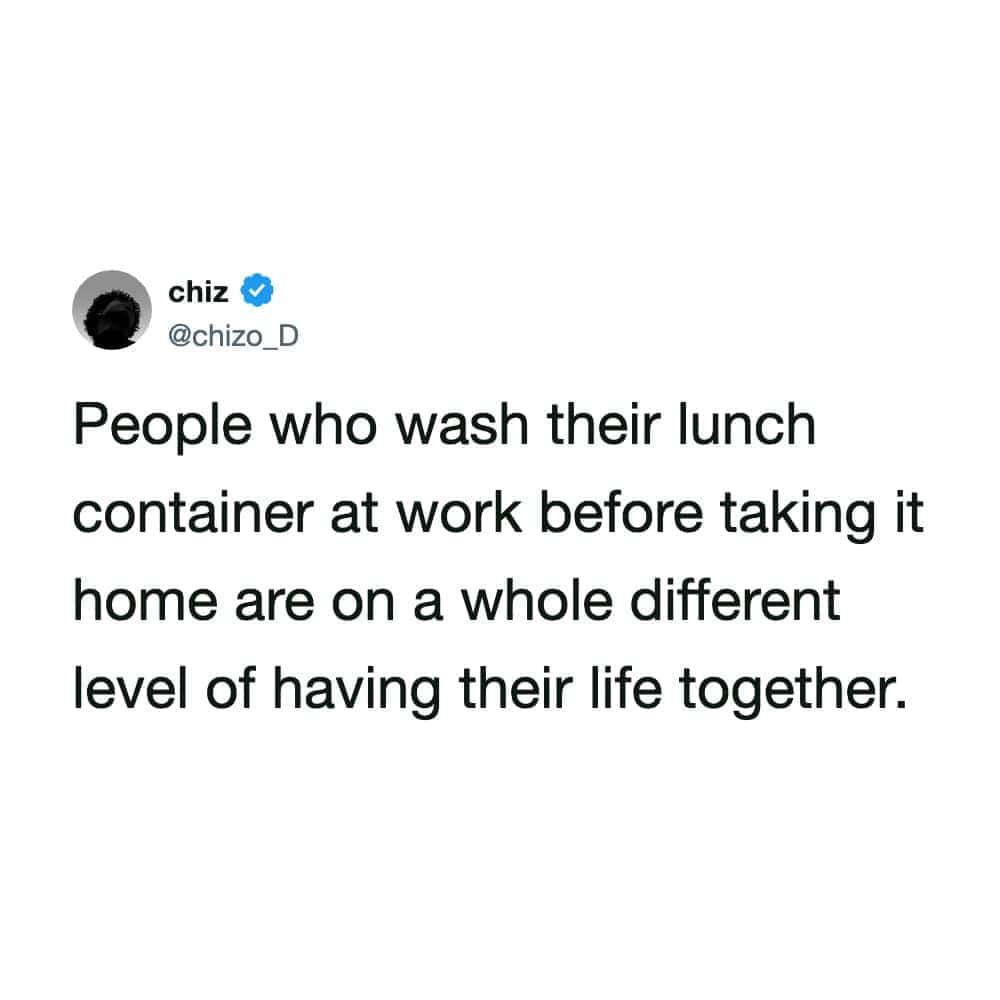
What this genre actually provides is the staff room that remote and hybrid work demolished, the informal space where workers once calibrated their sanity against each other’s. The complaints were always the culture. Now the complaints are distributed, searchable, and better written, and a worker anywhere can confirm within seconds that the meeting madness and authentication paranoia are universal, not personal. That confirmation is worth more than most benefits packages.
And there’s a quiet labor solidarity running under all of it, because these tweets are collective bargaining conducted through jokes. Every viral complaint about unnecessary meetings is a data point management technically has access to. Nothing changes, obviously. But the record exists, timestamped and retweeted, a full archive of what the workforce actually thinks, published daily under the boss’s nose. The revolution isn’t coming. The commentary, however, is thriving, and it’s on company time.
The badge is in. The brain is out. See everyone at the sync.
If the corporate commiseration was your kind of fun, our workplace content is right where you’d want to land next, and we’ve got plenty of office humor archives, meeting complaint threads, and nine-to-five survival compilations for anyone currently reading this on mute during a call that should have been an email. You’re on camera, by the way.
Read Memes
Get Paid


Katie Rodriguez is a seasoned writer with eight years dedicated to meme commentary, viral internet events, and digital storytelling. Formerly a senior meme analyst at Bored Panda and an occasional guest contributor at Vice's Motherboard, Kat specializes in meme culture’s intersection with social media phenomena—covering trends like Milk Crate Challenge, Area 51 Raid, and Baby Yoda. She’s known for her witty writing style and deep understanding of why certain memes resonate across generations, making her a valuable voice on Thunder Dungeon.