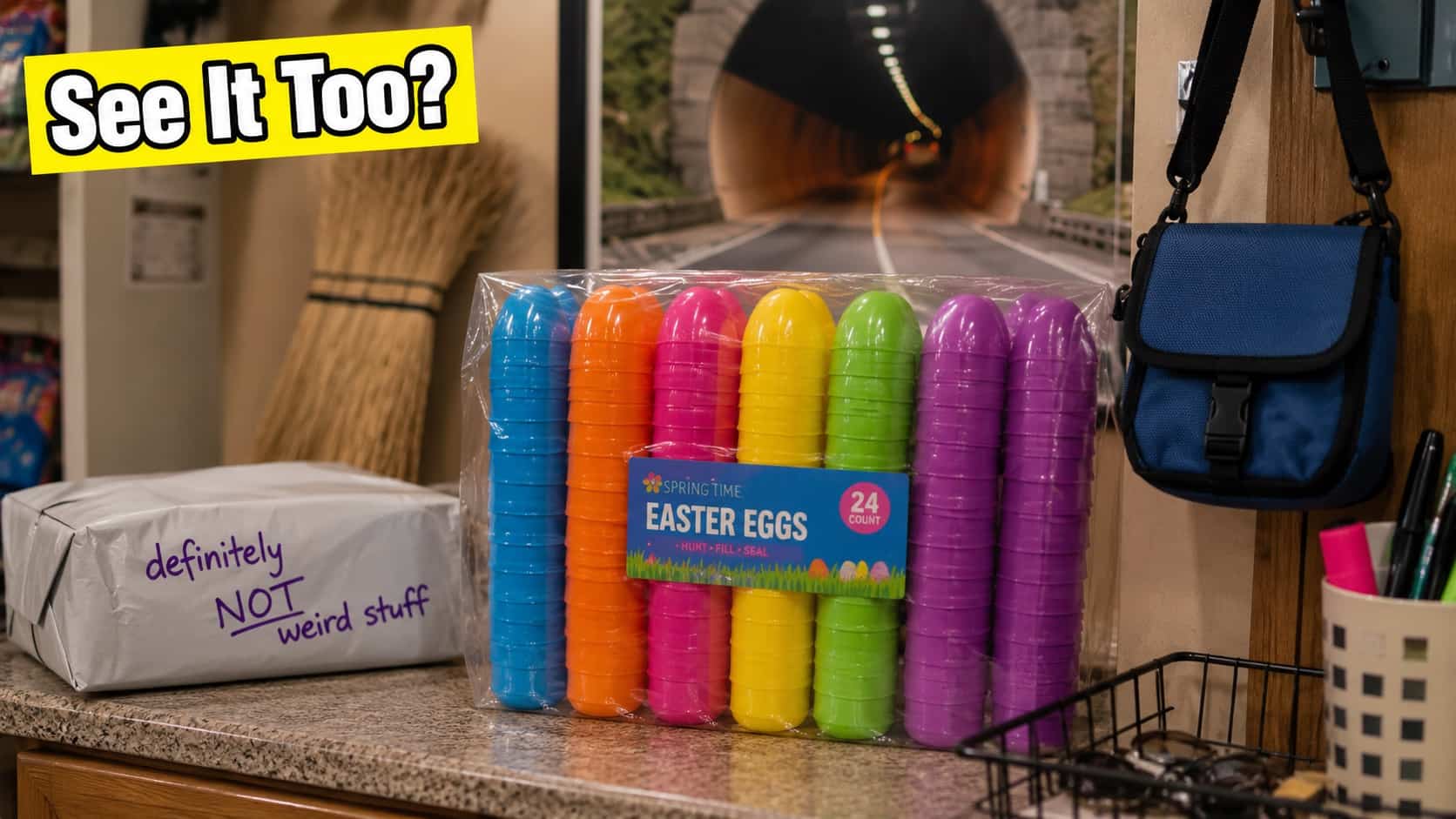

There is a specific moment that happens when a viewer looks at a photograph of a perfectly mundane object and their brain, against their will, immediately decides the object is doing something completely different. These innocent images that look inappropriate are the small ongoing internet project where that exact moment of misperception gets documented in real time, and the brain, statistically, is undefeated. The photographs are safe. The viewer is not.
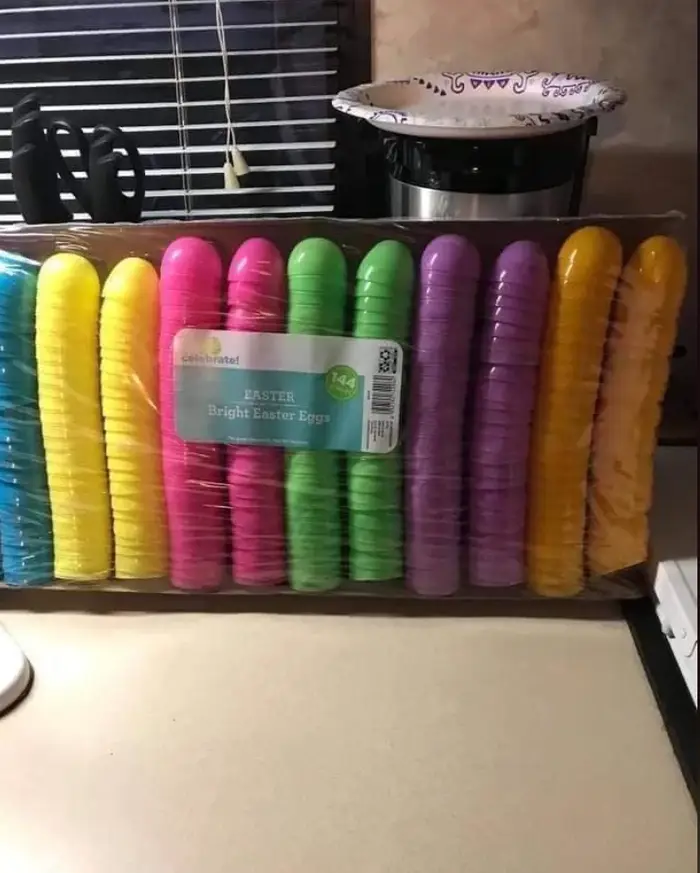
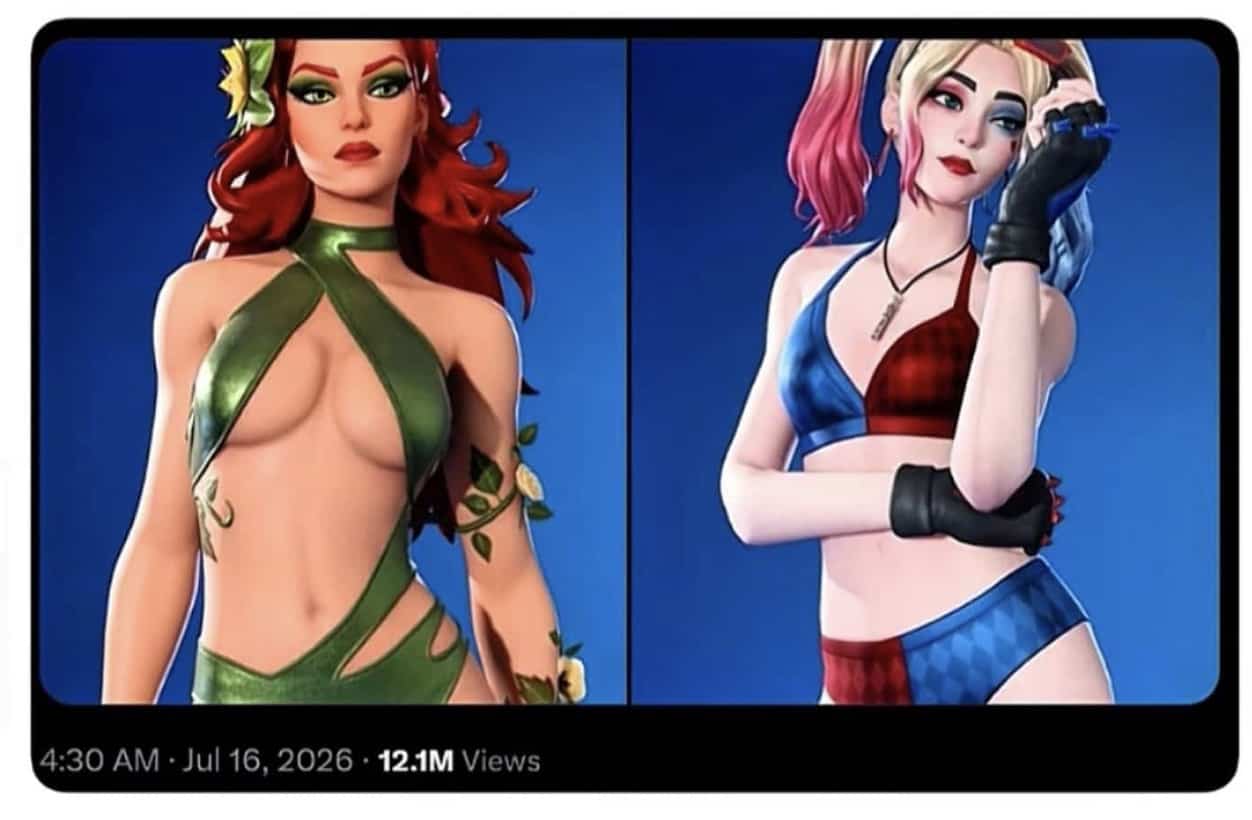
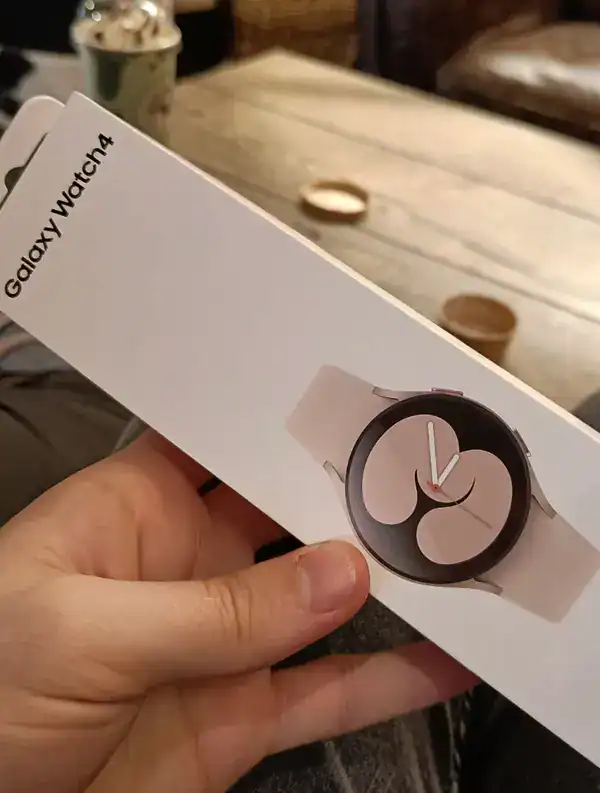
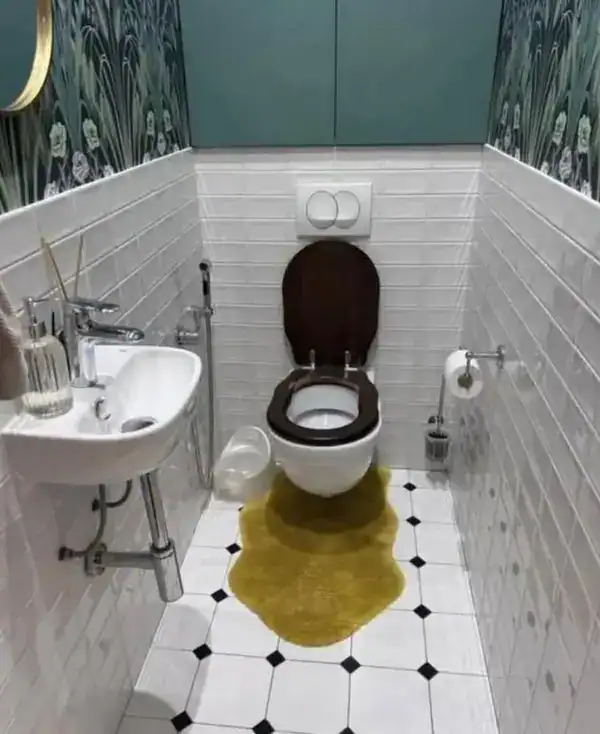
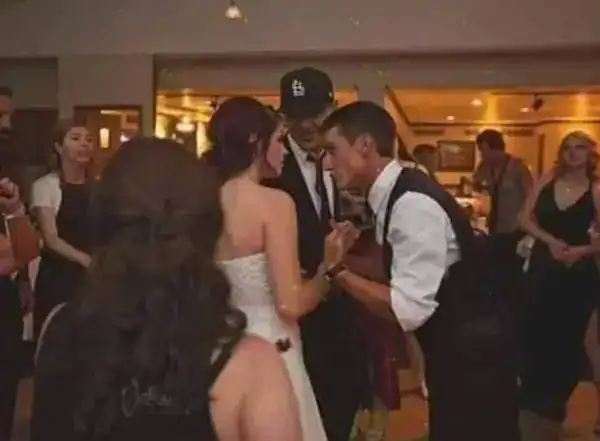
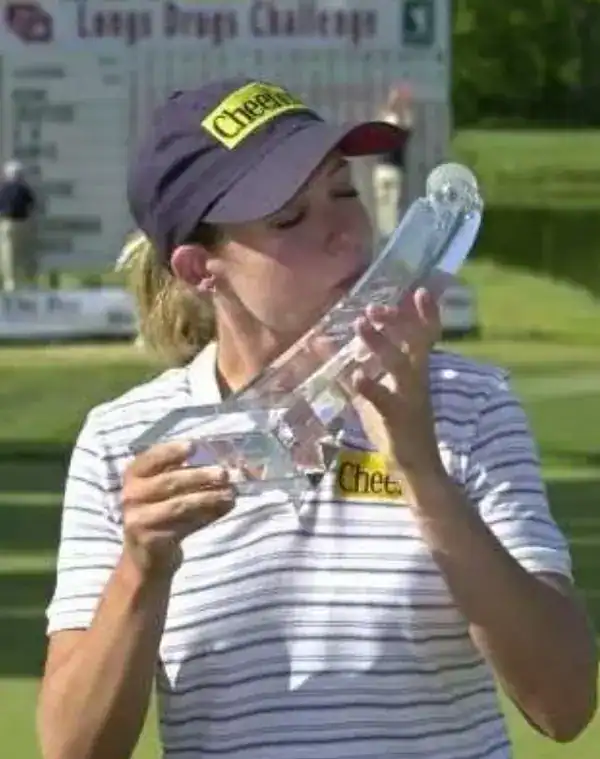
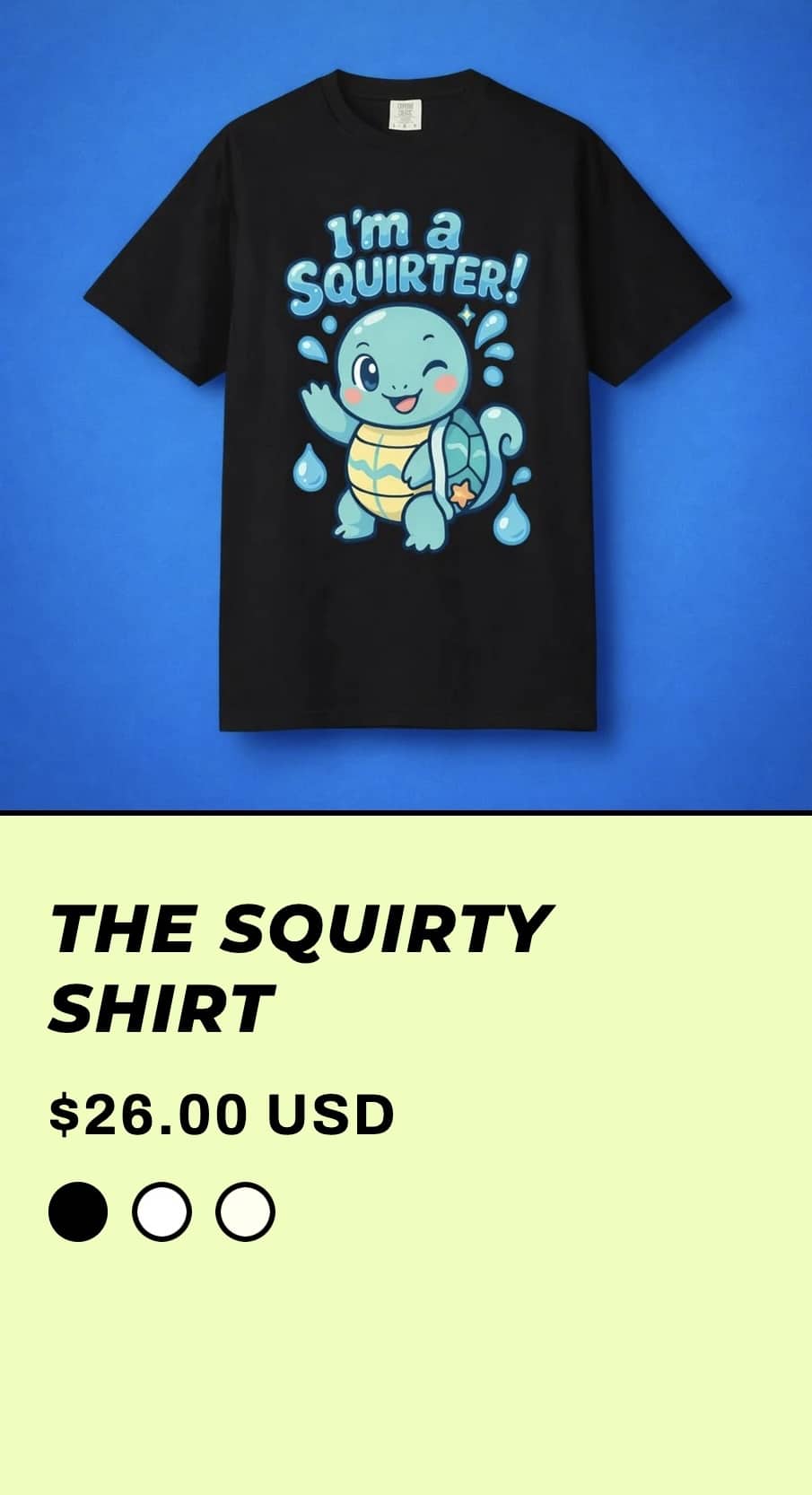
Just a wholesome, family-friendly holiday basket filler. Move along.
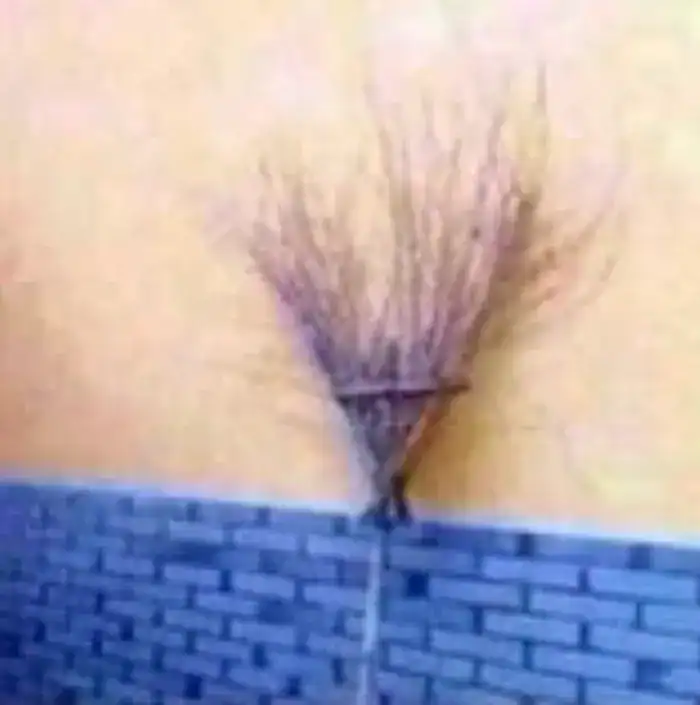
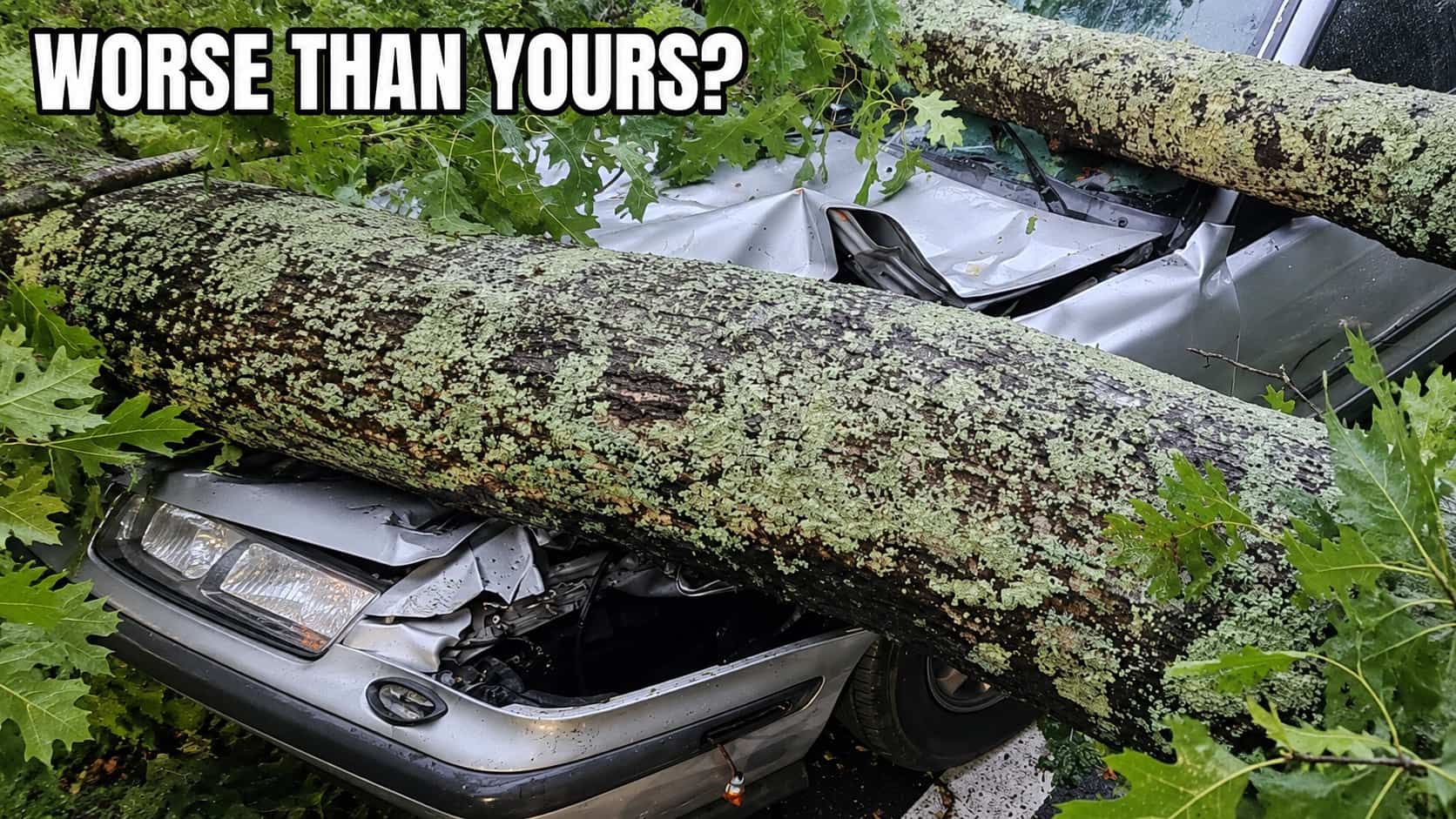
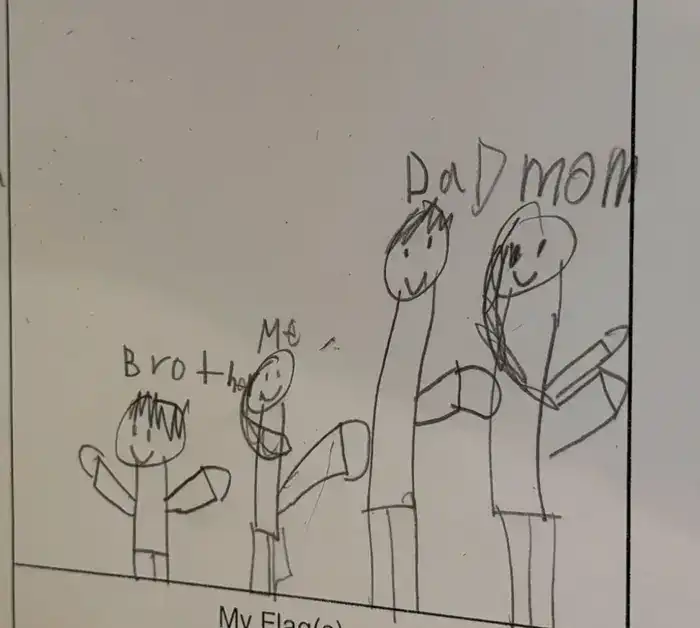
Cleaning supplies have never looked so scandalous.
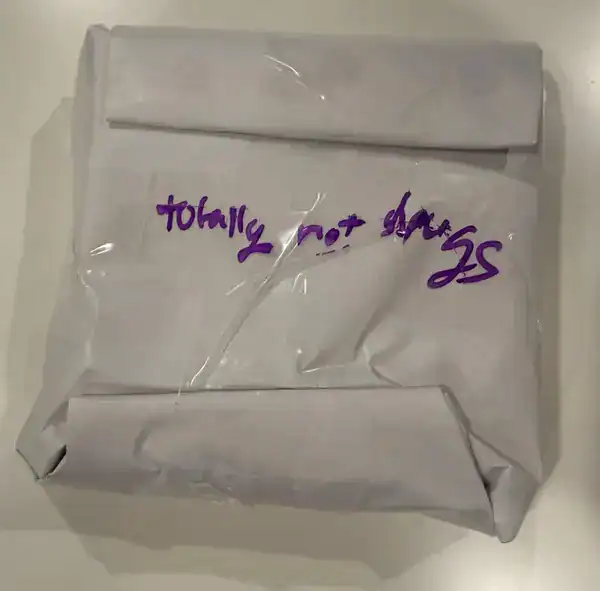
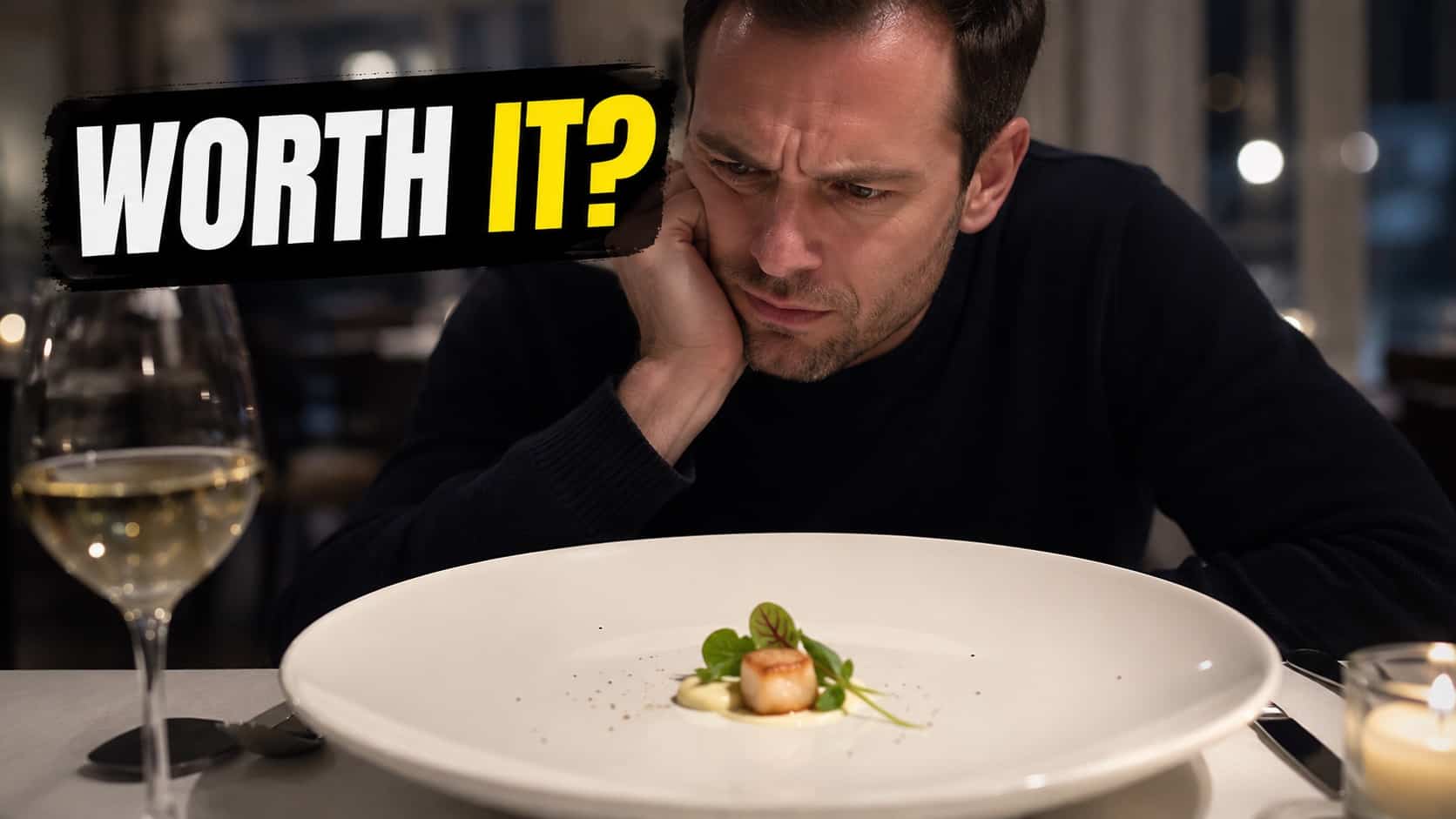
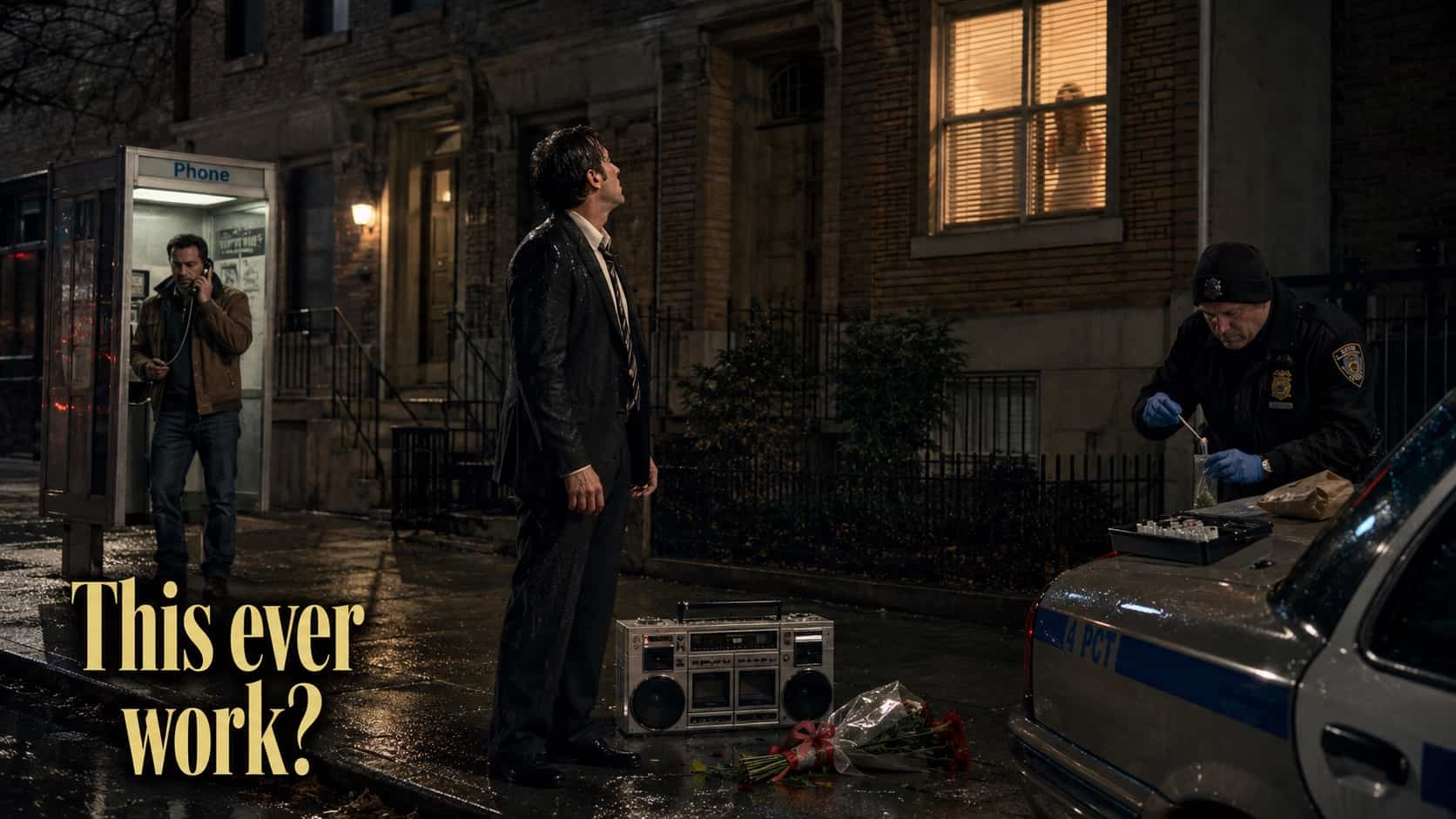
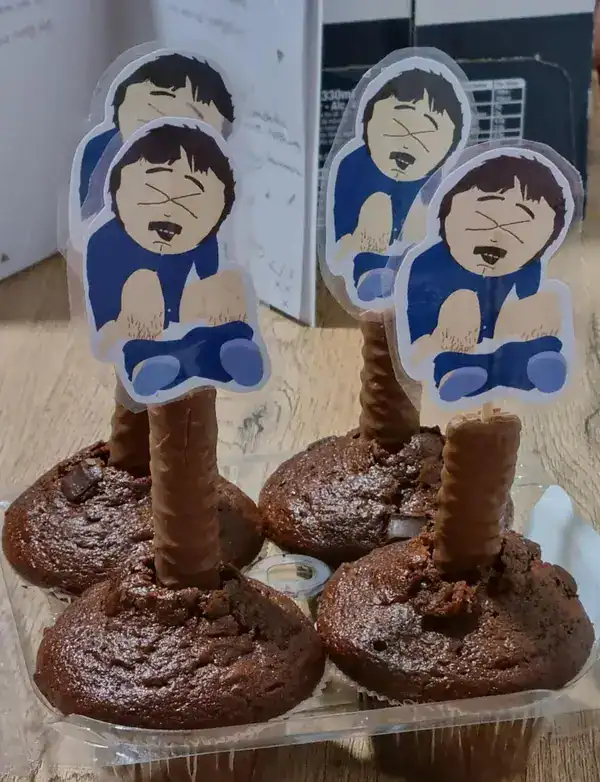
This is exactly what someone carrying a brick of premium white chocolate would write.
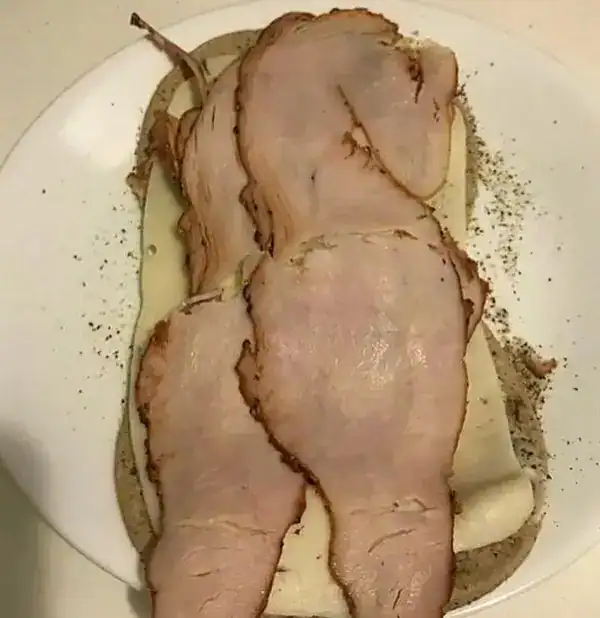
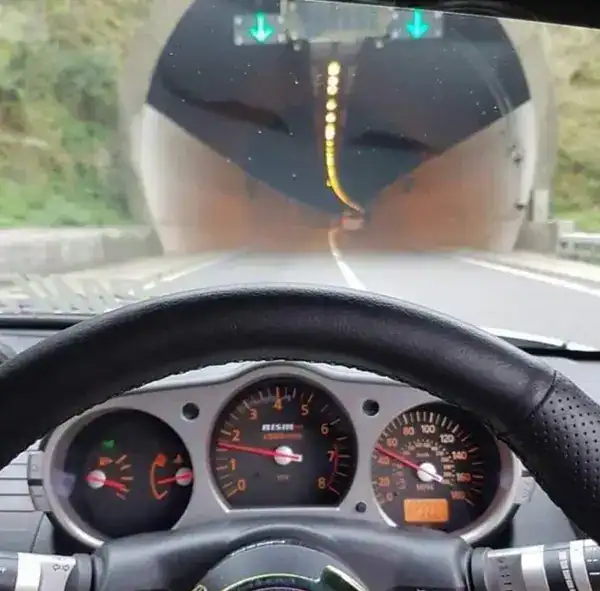
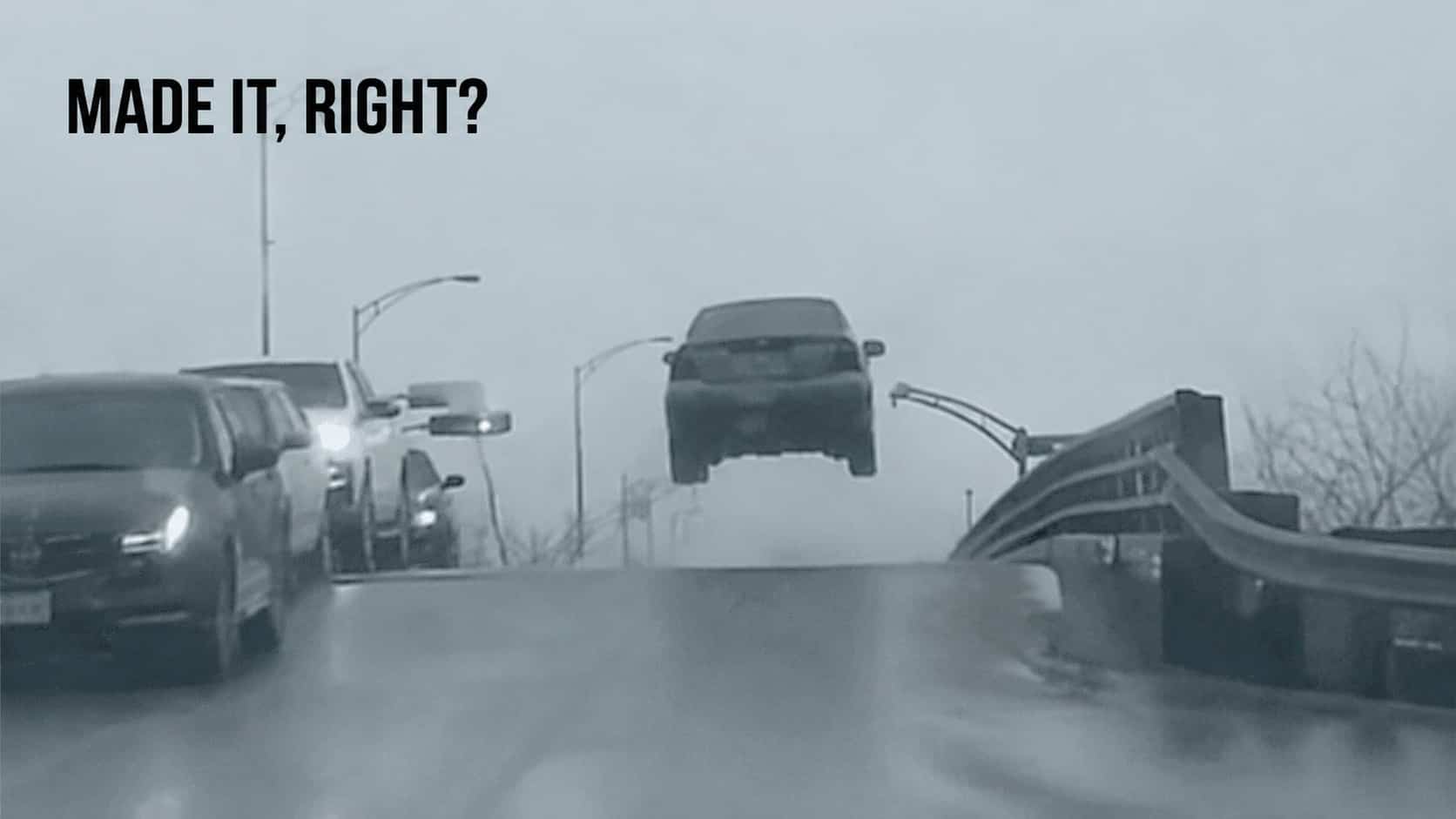
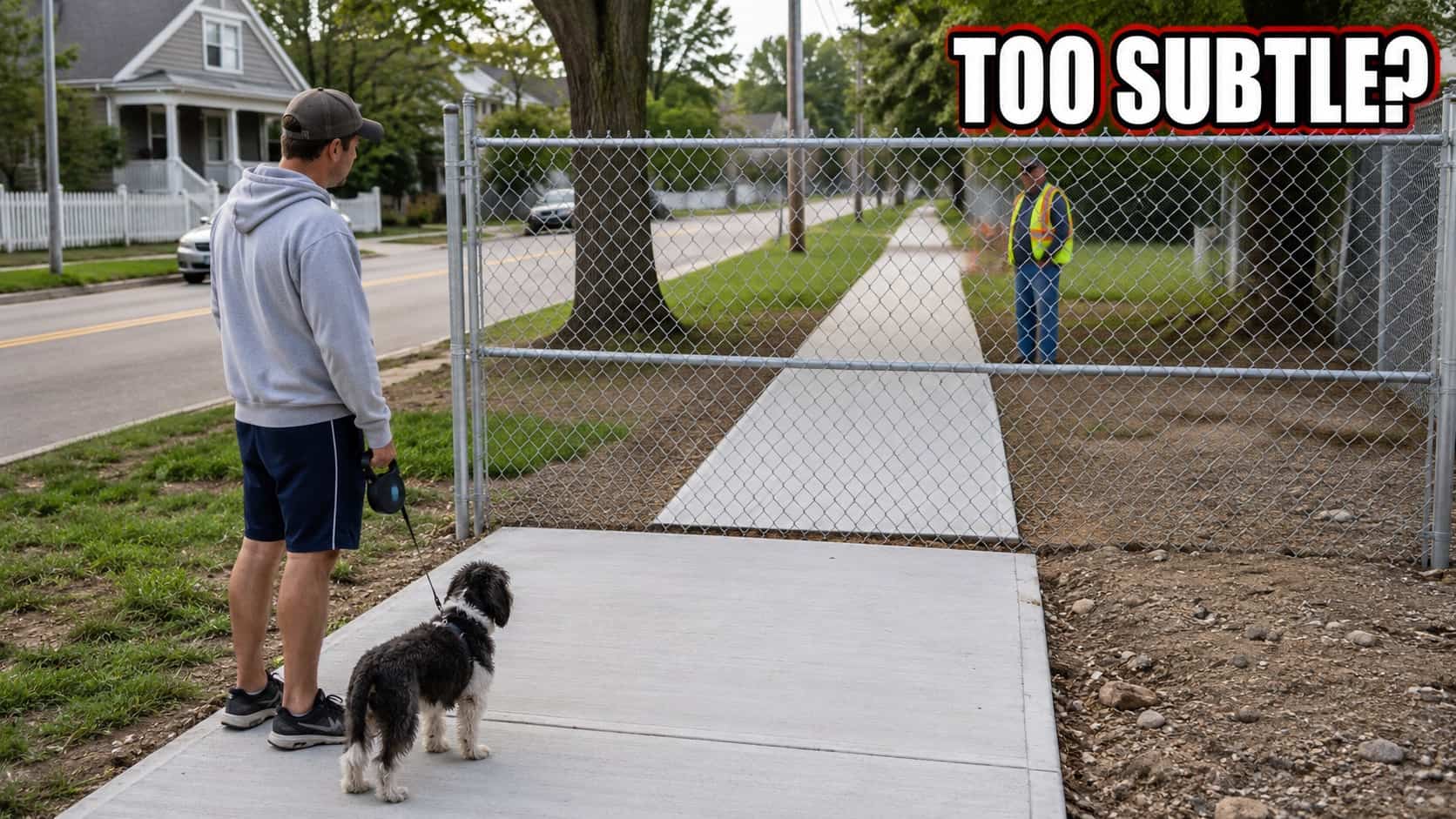
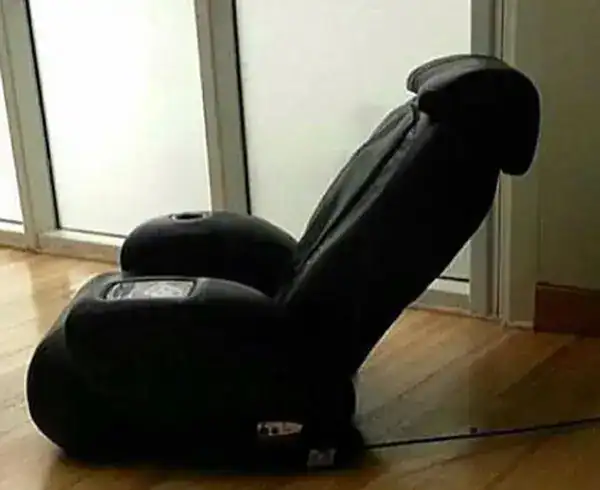
Civil engineering at its most provocative.
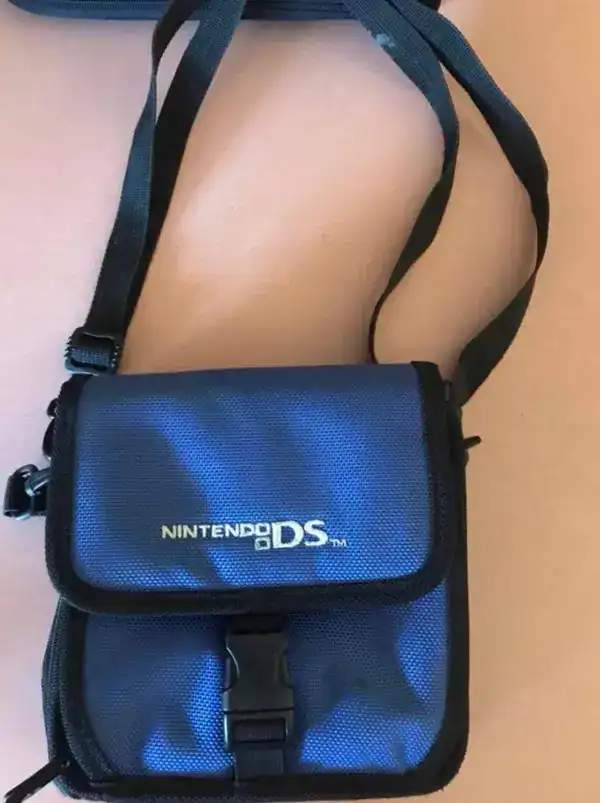
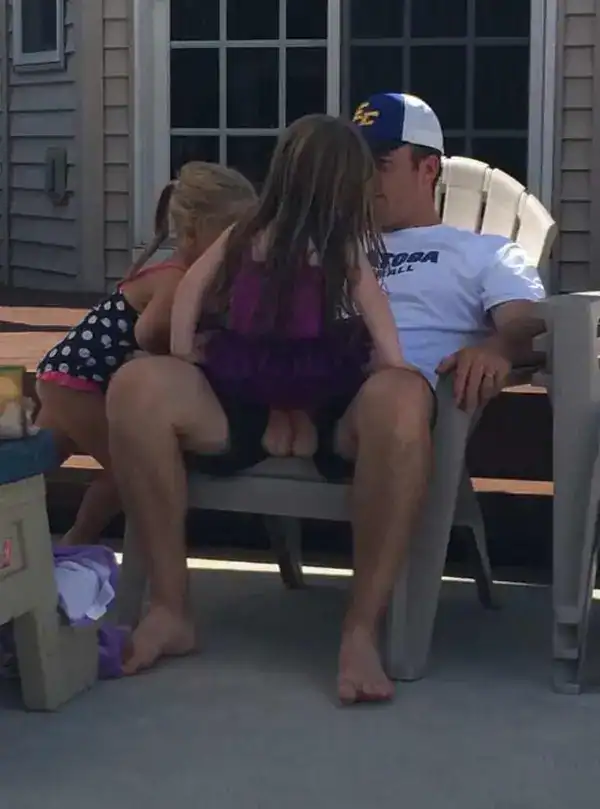



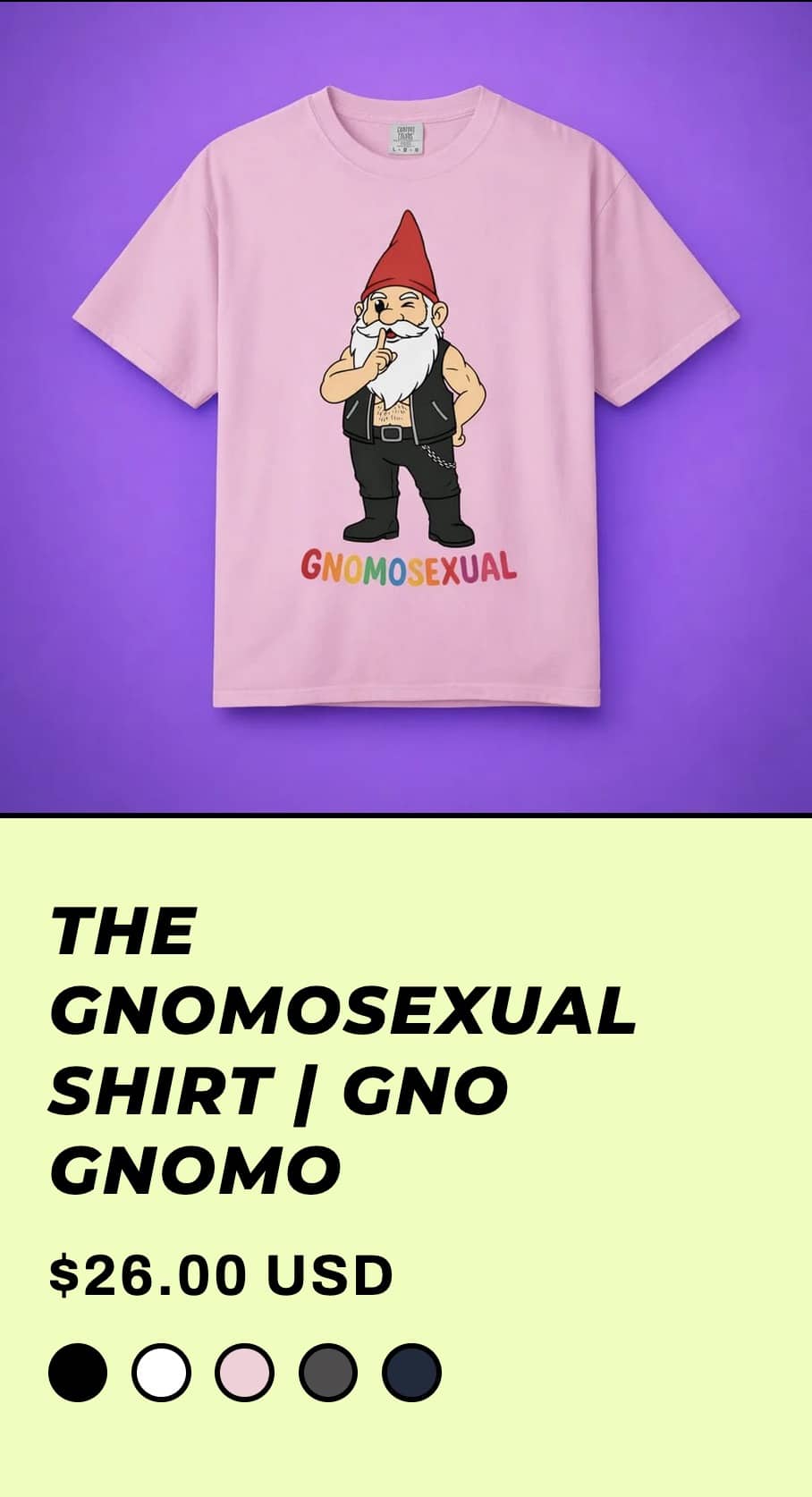
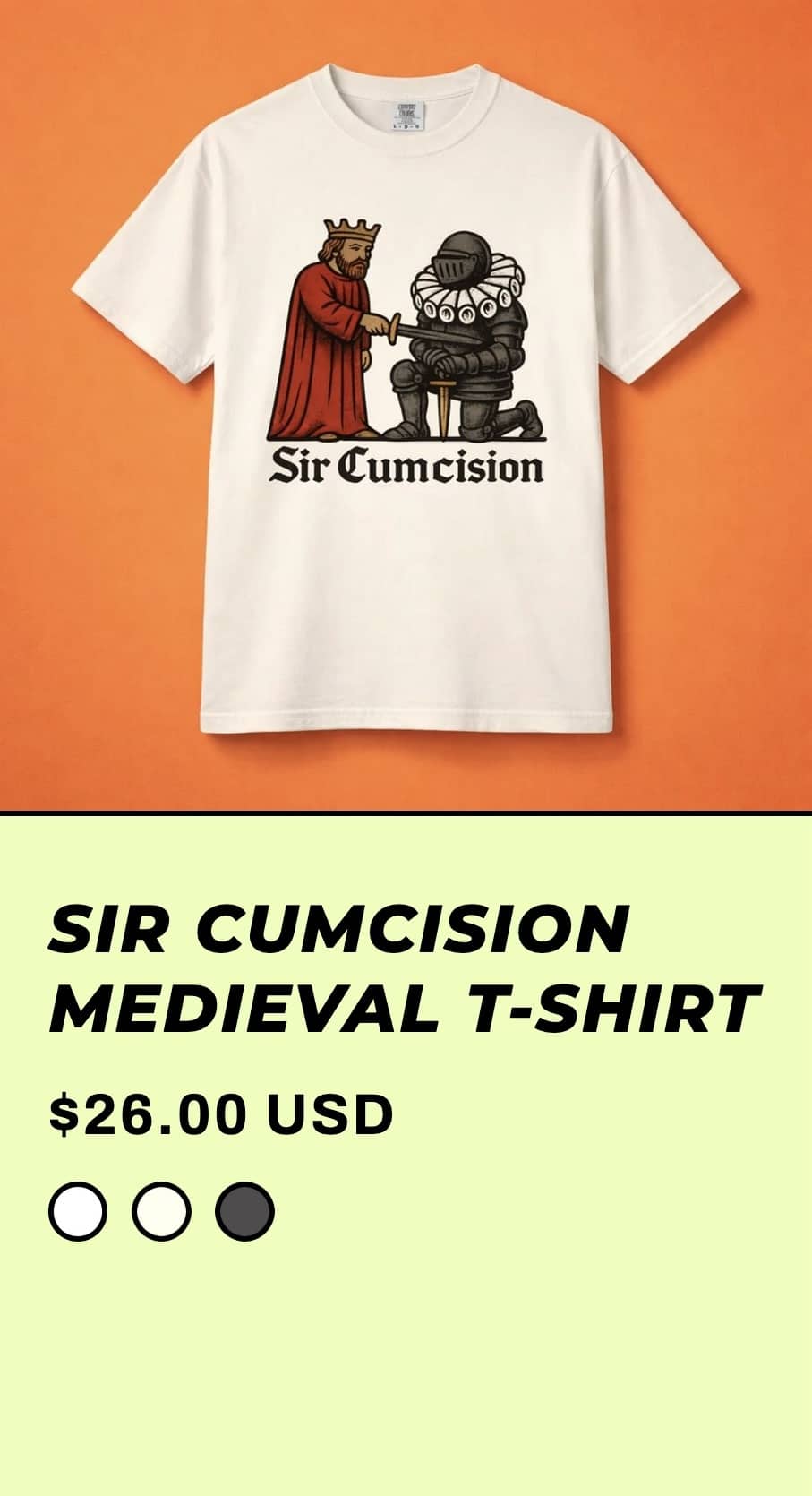
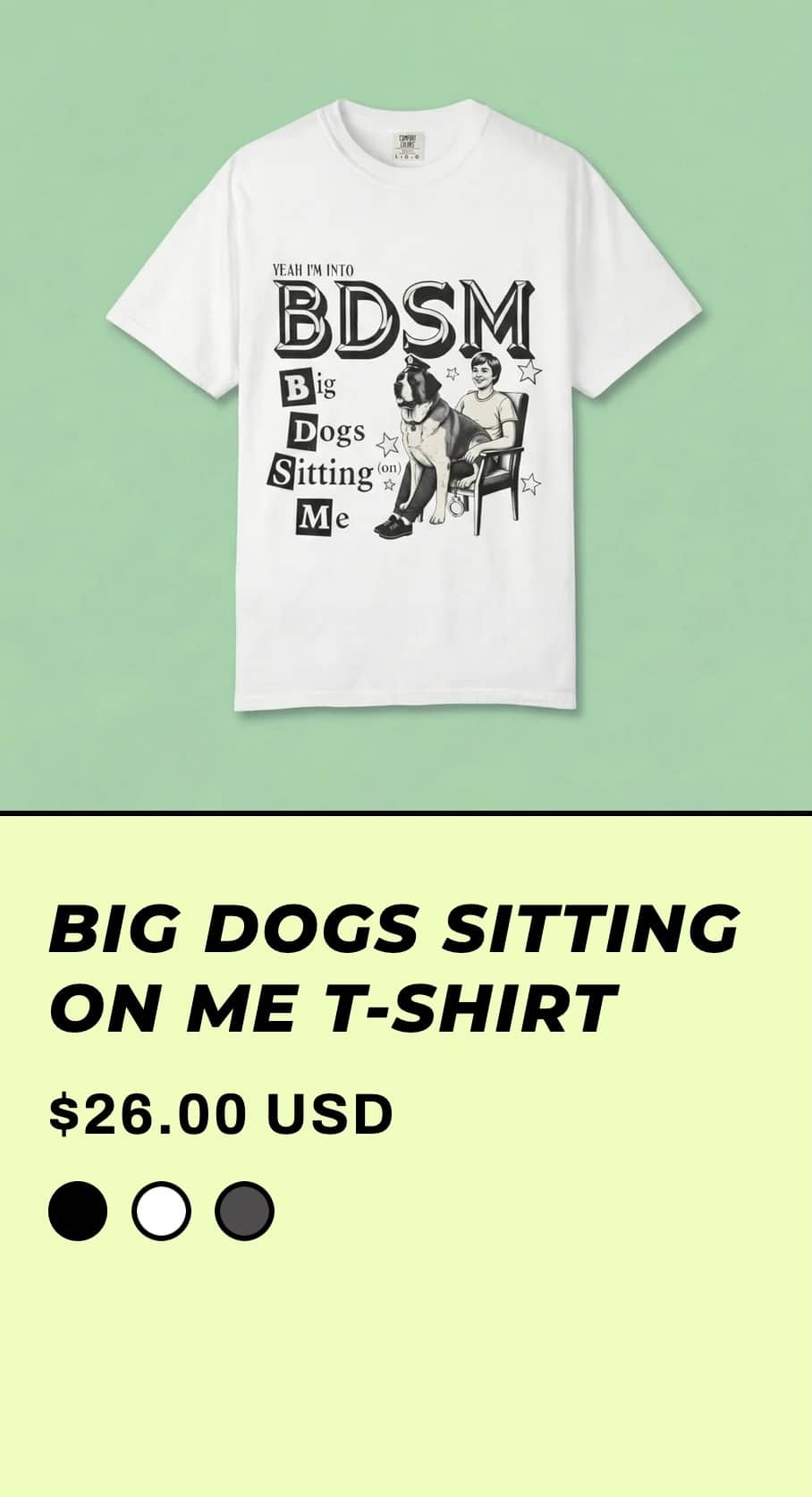
Innocent images that look inappropriate
Read More
The innocent-images-that-look-wrong genre is one of the most consistently entertaining corners of internet humor, because the joke is happening entirely inside the viewer’s head rather than inside the image. The photographs are, by definition, perfectly safe. The brain is the problem. The funny optical illusions filling galleries like this are essentially documentation of the very specific human tendency to find suggestive shapes in completely mundane objects, and the tendency, once activated, is extremely hard to turn off.
What makes the form particularly satisfying is the universality of the misreading. Nobody is being especially crude when this happens. Everybody is having the same brief, identical mental glitch, and the glitch produces a moment of communal recognition that crosses every demographic line. The pareidolia memes in this gallery work because the underlying objects are entirely innocent, the photography is incidental, and the suggestive reading is one hundred percent a viewer-side problem that every viewer shares with everybody else viewing.
There is also a smaller, slightly different subgenre involving designs and structures where, in retrospect, the designers really should have caught the issue before the product shipped. There were committee meetings. Multiple adults reviewed the final version. Nobody flagged it. The image illusion humor that emerges from these cases is essentially the documentation of how design review processes, at scale, sometimes produce results that the original team would have died to prevent if anybody had pointed it out at the proof stage.
The broader thing this whole genre captures, beyond the easy second-take comedy, is how much of human perception is actually contributed by the viewer rather than the subject. We tend to assume that we see what is in front of us. The pareidolia genre is essentially a small ongoing reminder that we see what our brains have decided to assemble, and the assembly is, very often, weirder than the source material would suggest.
There is also a small affection running through how this content gets shared. Nobody posting these images is trying to be crude. The surprise is the entire content. The visual misdirection humor in these galleries works because the shareability is rooted in the universal human experience of looking at something benign and being, for a moment, briefly confused.
The objects are ordinary. The photographs are ordinary. The brain, however, is a free agent, and the agent has been making suspicious decisions for the entire history of human visual perception. The genre simply gives us a place to compare notes about it together.
If the brain games hit the right way, our optical illusion content is right where you’d want to land next, and we’ve got plenty of pareidolia archives, weird photography compilations, and accidental-design fail content for anyone whose brain enjoys a small workout. Look twice next time.
Read Memes
Get Paid


Michael Hartley, or just "Mike," is an editor and seasoned meme historian whose articles have traced the evolution of meme humor from early Impact-font classics to today’s TikTok sensations. With nearly a decade spent as senior editor at ViralHype and as a regular contributor to Cheezburger, Mike has dissected the rise of meme legends such as Bad Luck Brian, Success Kid, and Doge. When he's not hunting down meme gold for Thunder Dungeon, Mike teaches workshops on meme marketing and the psychology behind shareable content.