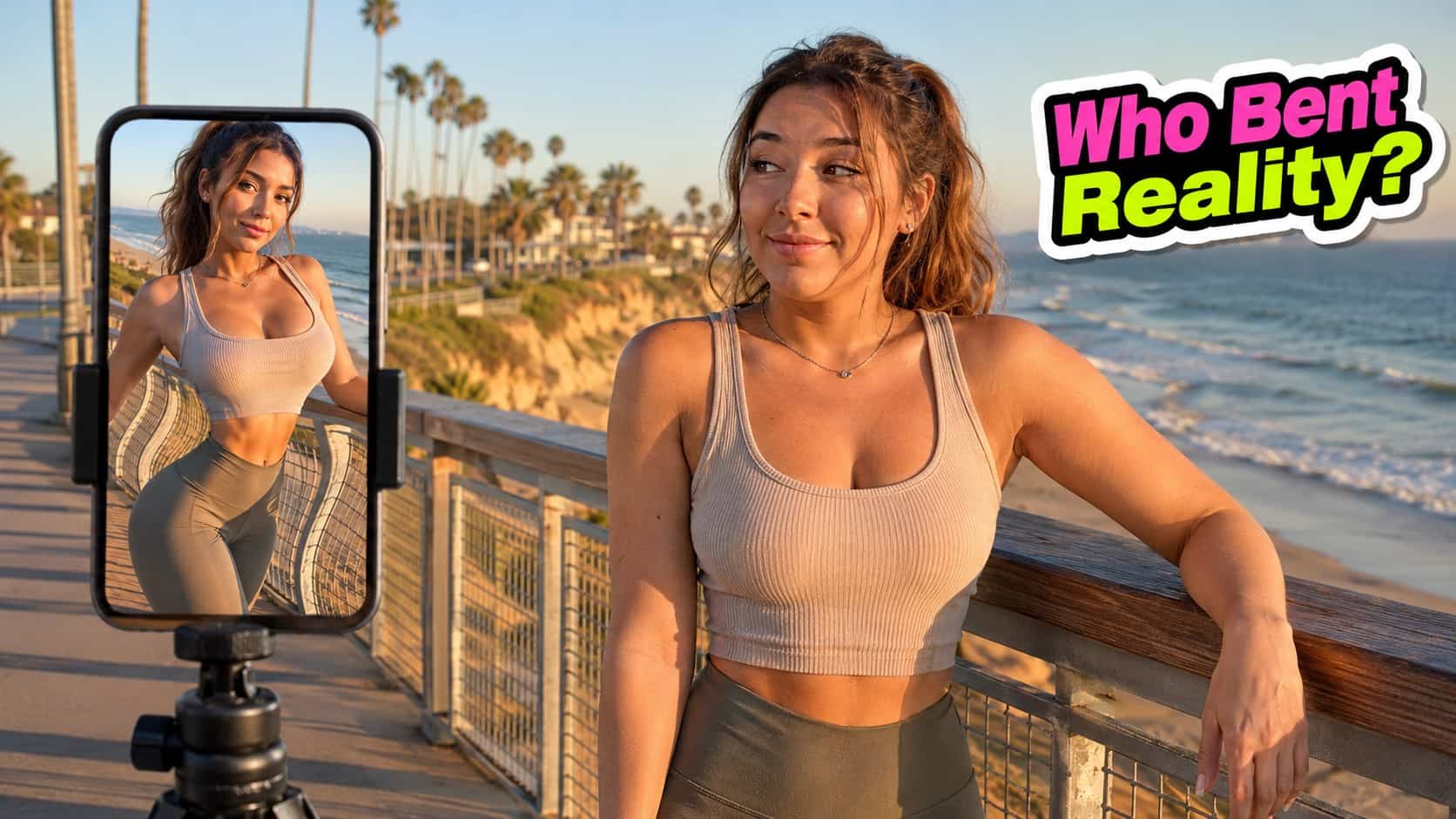

A woman in a desert appears to have legs the length of two normal humans stacked on top of each other, and the camel behind her has been bent into a small comma shape because the editing tool simply could not preserve both her waistline and the laws of physics at the same time. These instagram vs reality comparisons are the visual receipts of an entire ecosystem of digital body adjustment, and the receipts are getting wild. Pixar moms are being created in real time. Jawlines have been sharpened to weapon-grade. Buckle in.
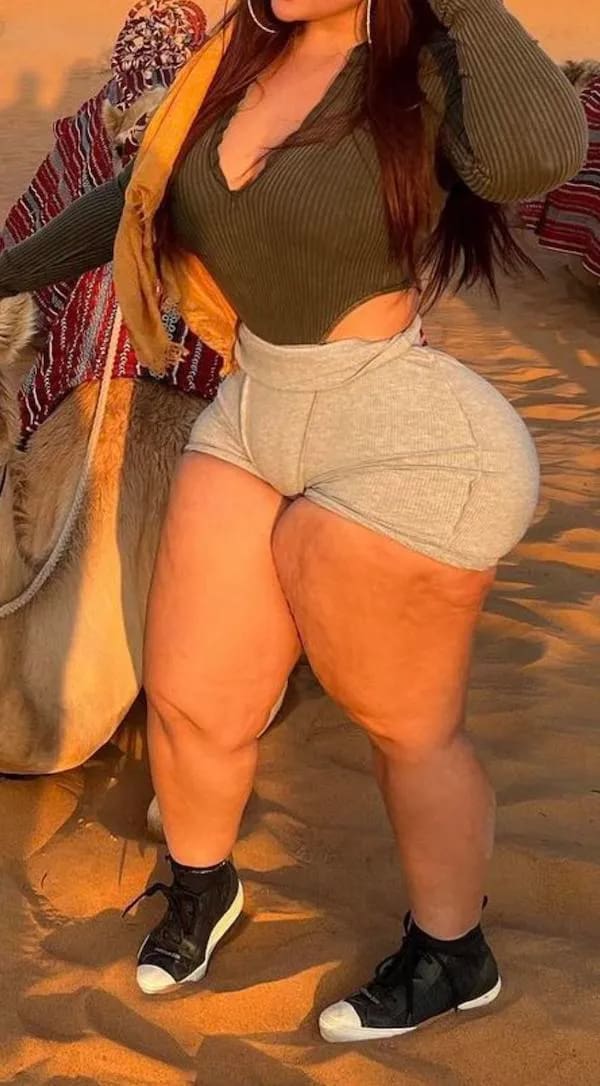
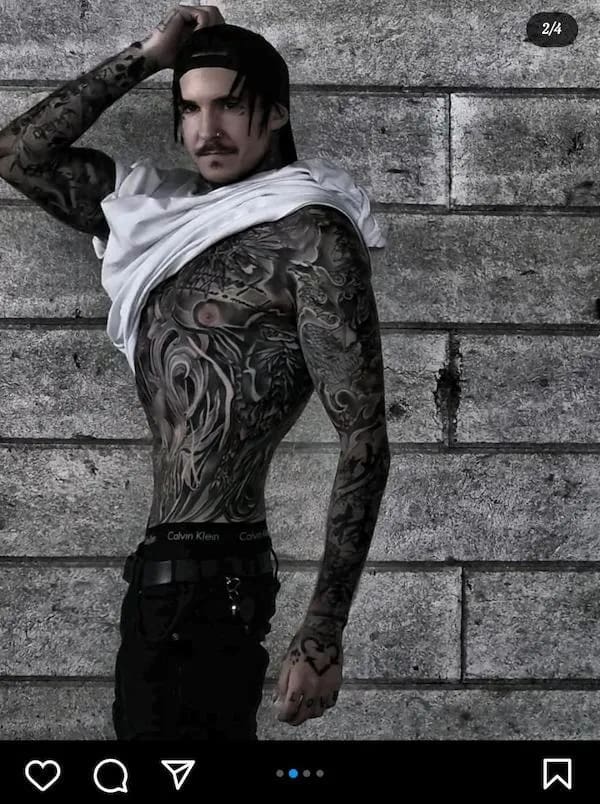
Built like a Pixar mom.
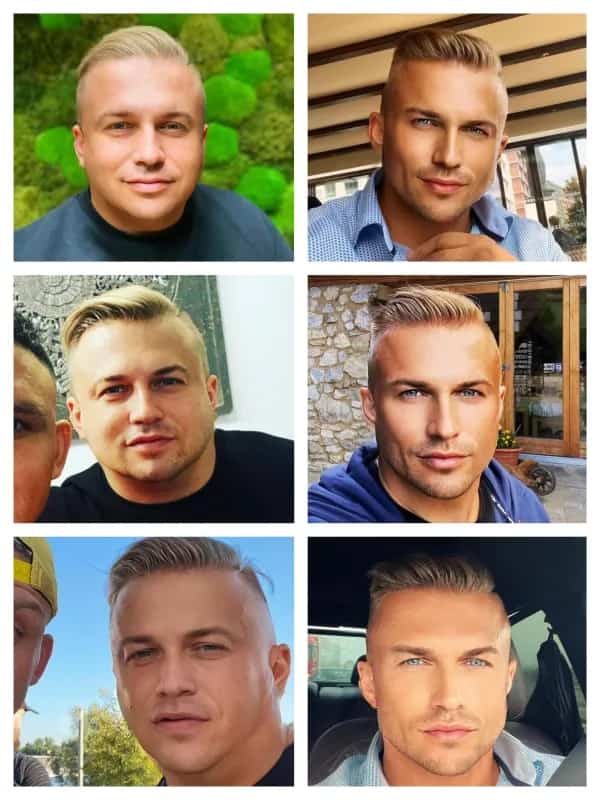
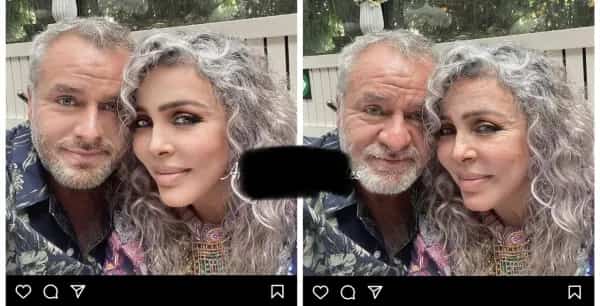
That jawline is sharp enough to open a tuna can.
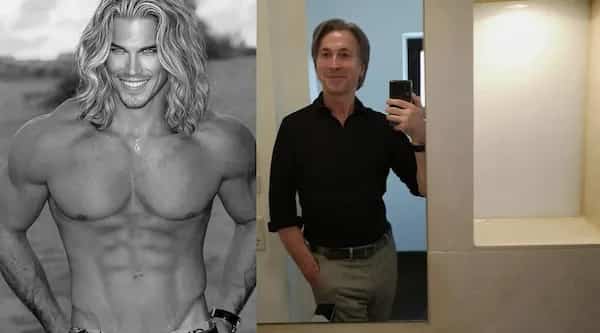
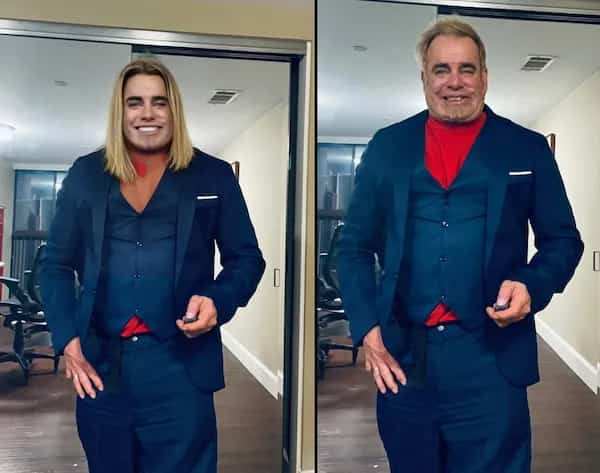
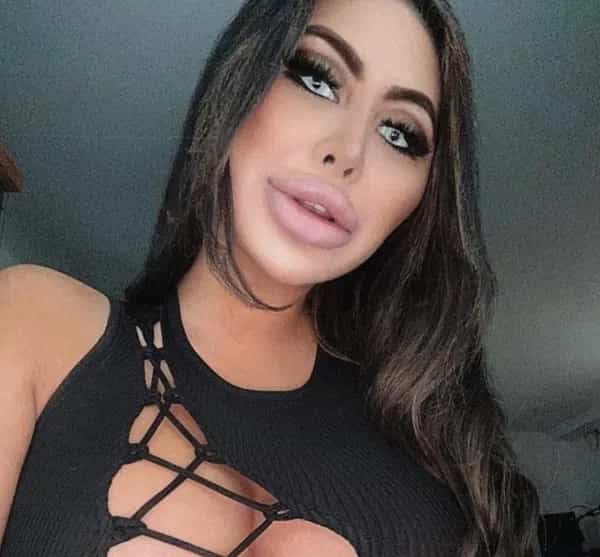
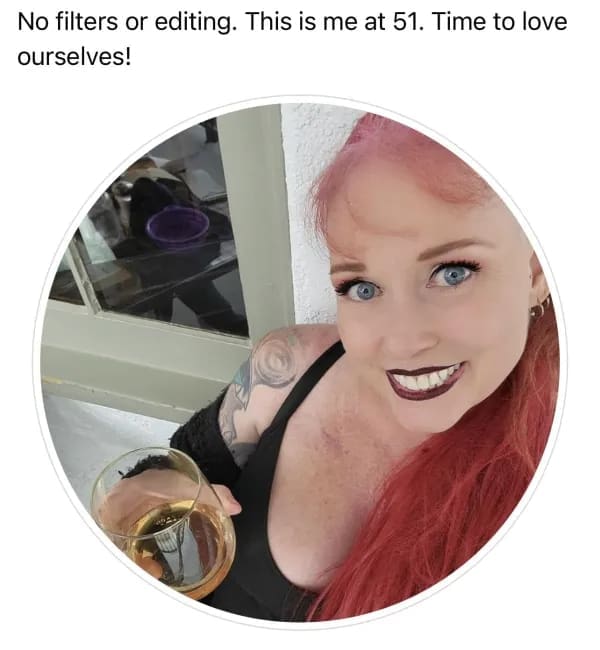
Just a reminder that lighting, angles, and 10,000 hours of CGI go a long way.
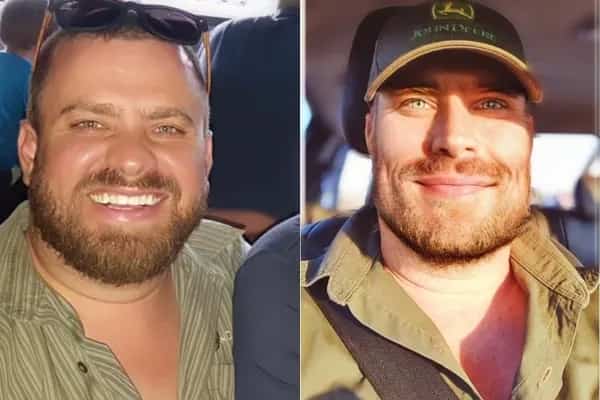
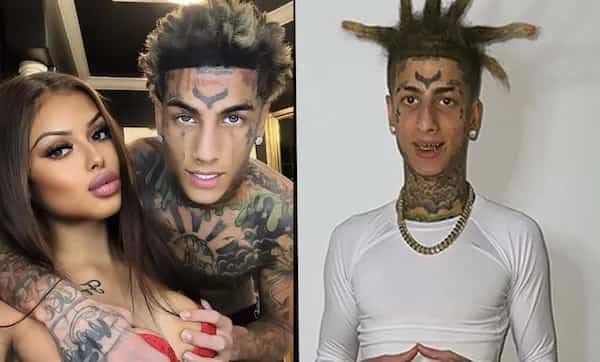
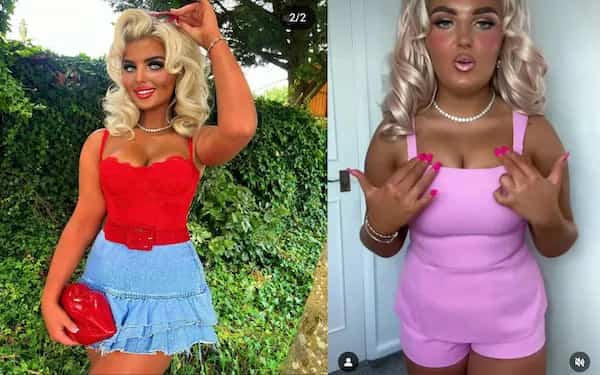
Island Boy vs. Mainland Reality.

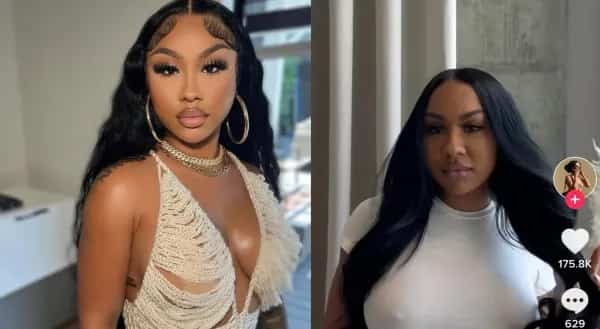
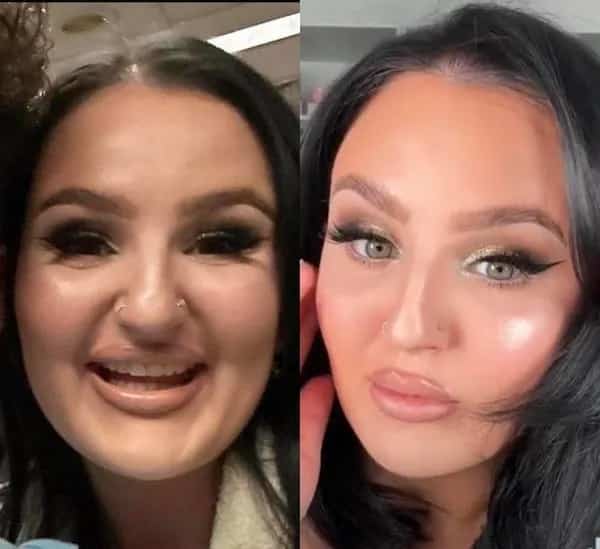
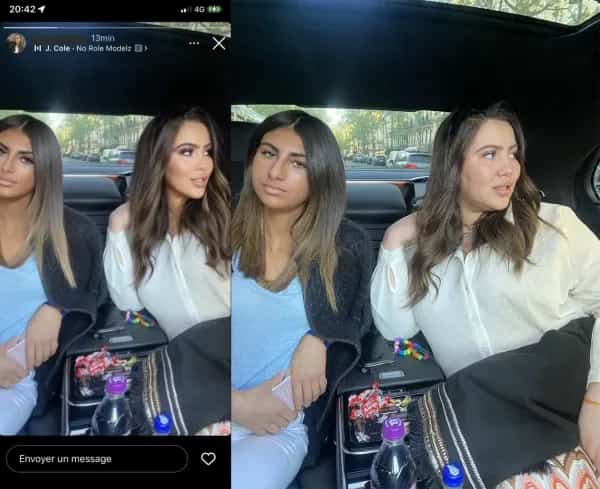
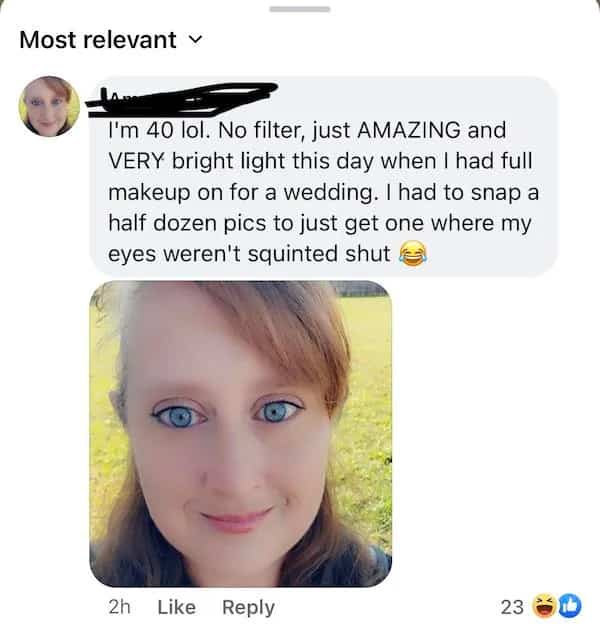
The lighting is doing the lord's work here.


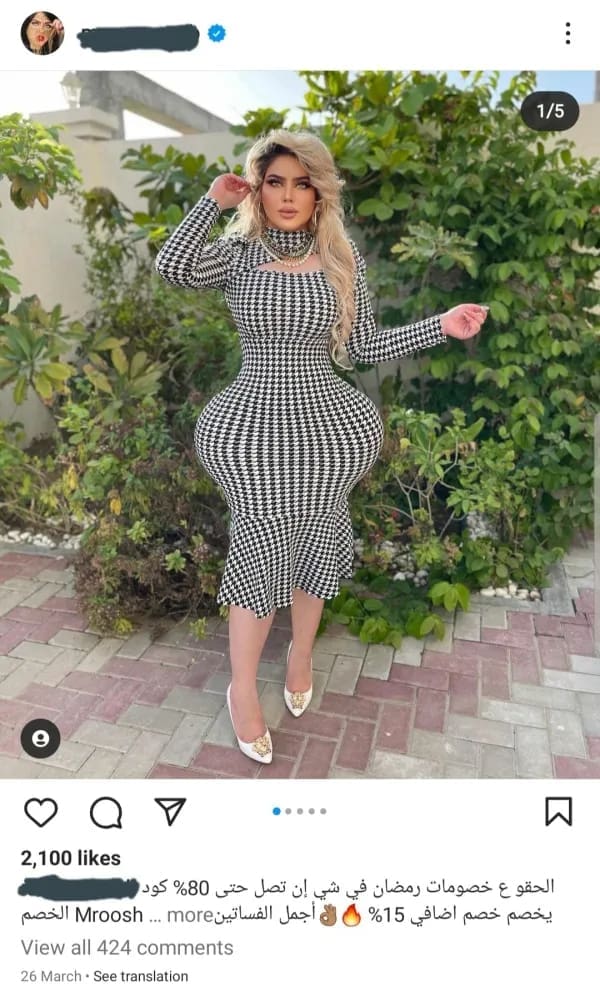
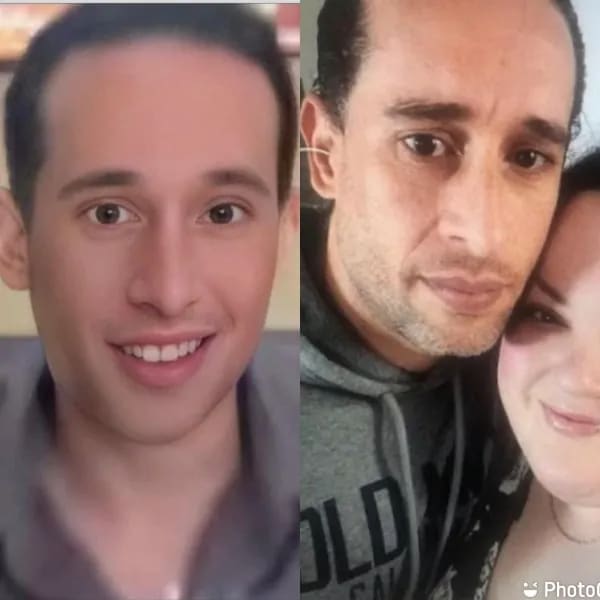
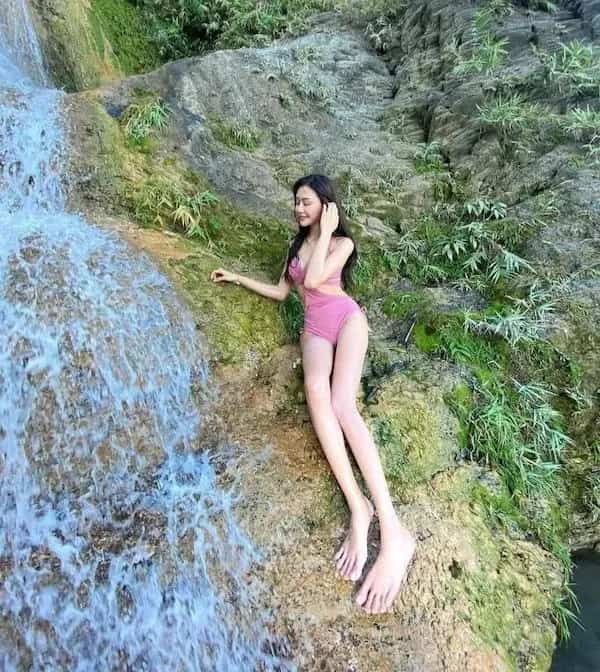

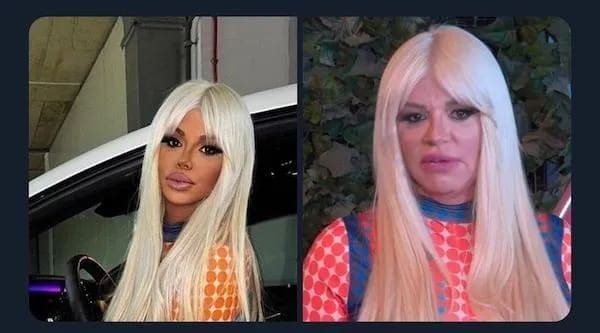

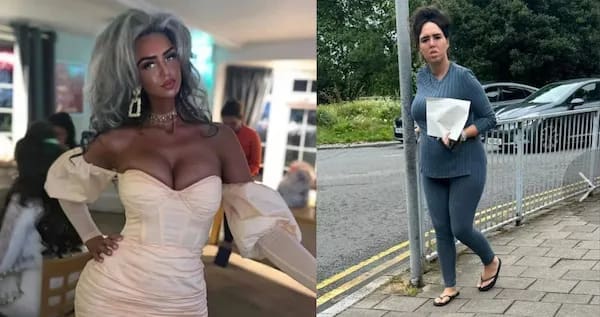
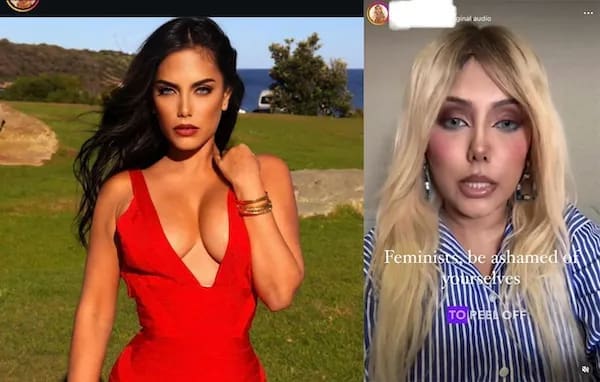

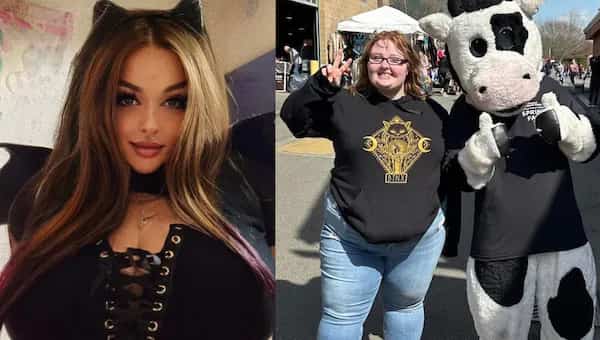
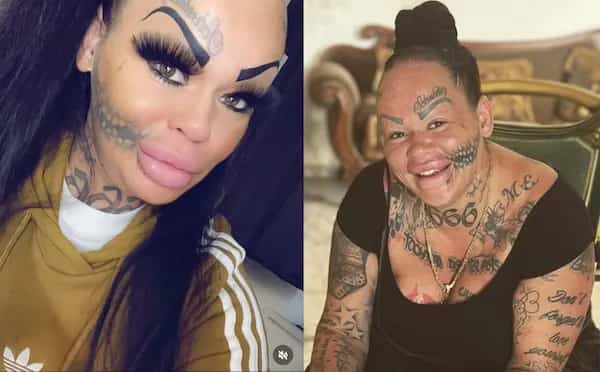
Instagram vs reality
Read More
The warped background is the silent narrator of every photo edit, and once you know to look for it, you will see it everywhere. A door frame that bends inward. A piece of furniture that tilts at an unnatural angle. A horizon line that wobbles where the waist used to be. The filtered photos vs real photos category in this gallery is essentially a tutorial in spotting these tells, and the camel in the desert photo is the masterclass. The animal has been physically deformed by Liquify. The animal did not consent. The animal cannot file a complaint.
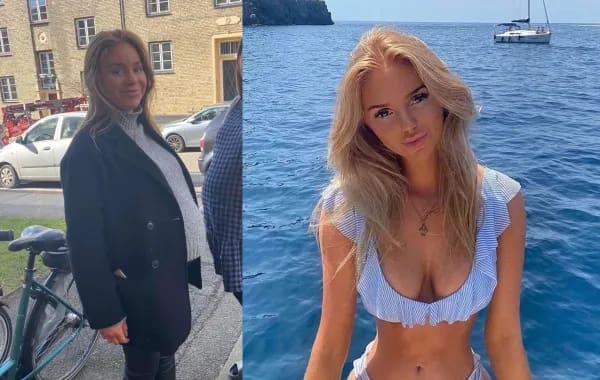
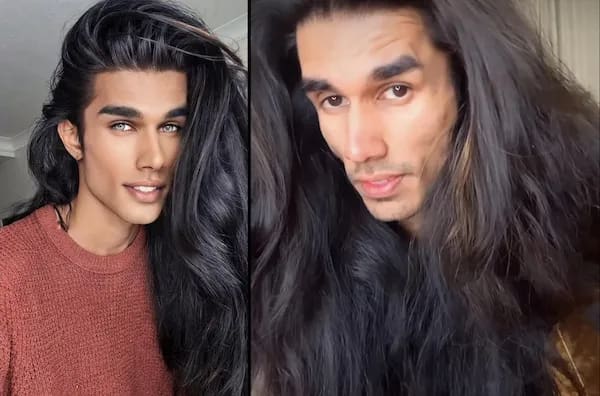
The face filter category is doing something genuinely concerning. Side-by-sides of the same person across just a few clicks of a beauty app, and the eye color has changed, the cheekbones have appeared, the bone structure has been reorganized into a more marketable arrangement. The Instagram vs reality fails in this gallery are not subtle improvements. They’re full anatomical reconstructions delivered through a phone screen, and most of the audience will never see the unfiltered version.
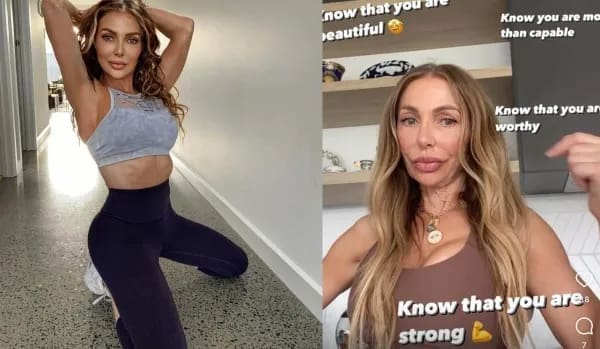
The fitness influencer category deserves its own moment, because that’s where the gap between the curated and the candid is widest. A perfectly posed gym photo with strategic lighting and a strong angle, paired with a candid screenshot from the same person’s Instagram story where the lighting is normal and the pose is natural and the body proportions are, frankly, also normal. These social media filter fails are not exposing fraud, exactly. They’re just exposing how much of what we see online is a curated performance, and how rarely we see the same human in unmediated form.
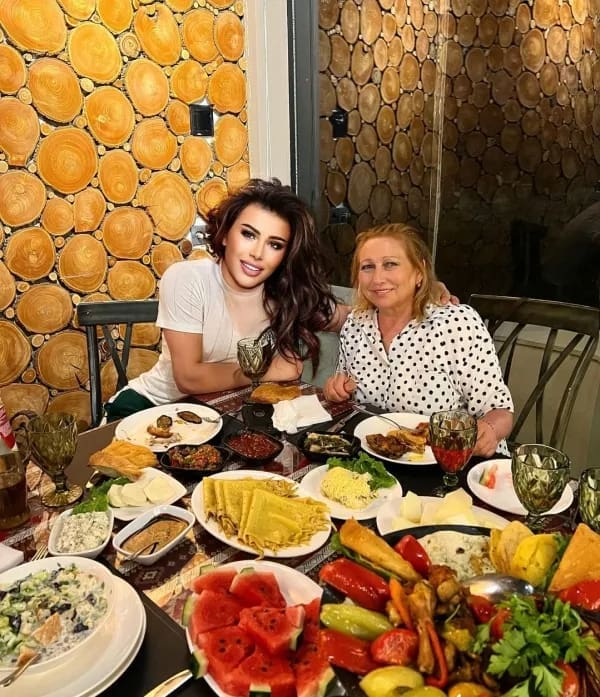
And the dinner table photo where one person forgot to apply a filter to her mom. The mom looks like an actual human at a dinner. The daughter looks like a Sims character who just rendered into the room. The face vs filter contrast lives in our collective brains forever. Mom was real. Daughter was not. Dinner was awkward.
What this whole gallery is really documenting, beyond the easy laughs at warped camels, is the increasingly fluid relationship between how we look and how we choose to be seen online. There is no version of this conversation that doesn’t get a little heavy if you sit with it. Filters started as a fun overlay, became a beauty standard, became a social pressure, and have now become a default expectation in many corners of the internet. The “raw” photo is now the unusual one. The edited photo is the baseline. That’s a quiet shift that happened while most of us were still treating filters as a joke.
There’s also something worth noticing about how unevenly this affects different people. Public figures, influencers, and people whose work is partially their image are operating in an environment where filtered photos are essentially the job, and the audience has, mostly, agreed not to dwell on it. The casual user, on the other hand, is getting filtered for fun, comparing themselves to the public-figure baseline, and quietly internalizing standards that were never going to be reachable without the same software. The gallery is funny because the warped backgrounds are funny. The implications of the gallery are slightly less funny.
What rescues the whole genre is that the comparisons themselves are inherently honest. Every “Instagram vs reality” photo is a small act of pulling back the curtain, and every viewer who absorbs them gets a little better at recognizing edits in the wild. The collective awareness is rising. The Liquify tool is becoming visible. Our eyes are training themselves. That’s a small win in a media environment that mostly is not winning, and the gallery deserves credit for it even while we laugh at the camel.
If the photo-edit forensics was your kind of fun, broader social media reality compilations live in this exact territory, photo editing fail galleries cover similar ground, and general internet authenticity content is where this conversation keeps growing. Look for the warped door frame. It’s always there.
Read Memes
Get Paid


Priya Coleman is a viral content specialist and meme analyst with over six years in digital publishing. Her past roles include viral content editor for PopSugar's humor vertical and meme correspondent for HuffPost’s comedy section. Priya specializes in spotting trending meme moments just before they peak—like the chaotic delight of the Ever Given’s Suez Canal mishap or the existential comedy of This is Fine. She brings her sharp wit and instinctive knack for viral content to Thunder Dungeon, always keeping the community a step ahead of the latest meme craze.