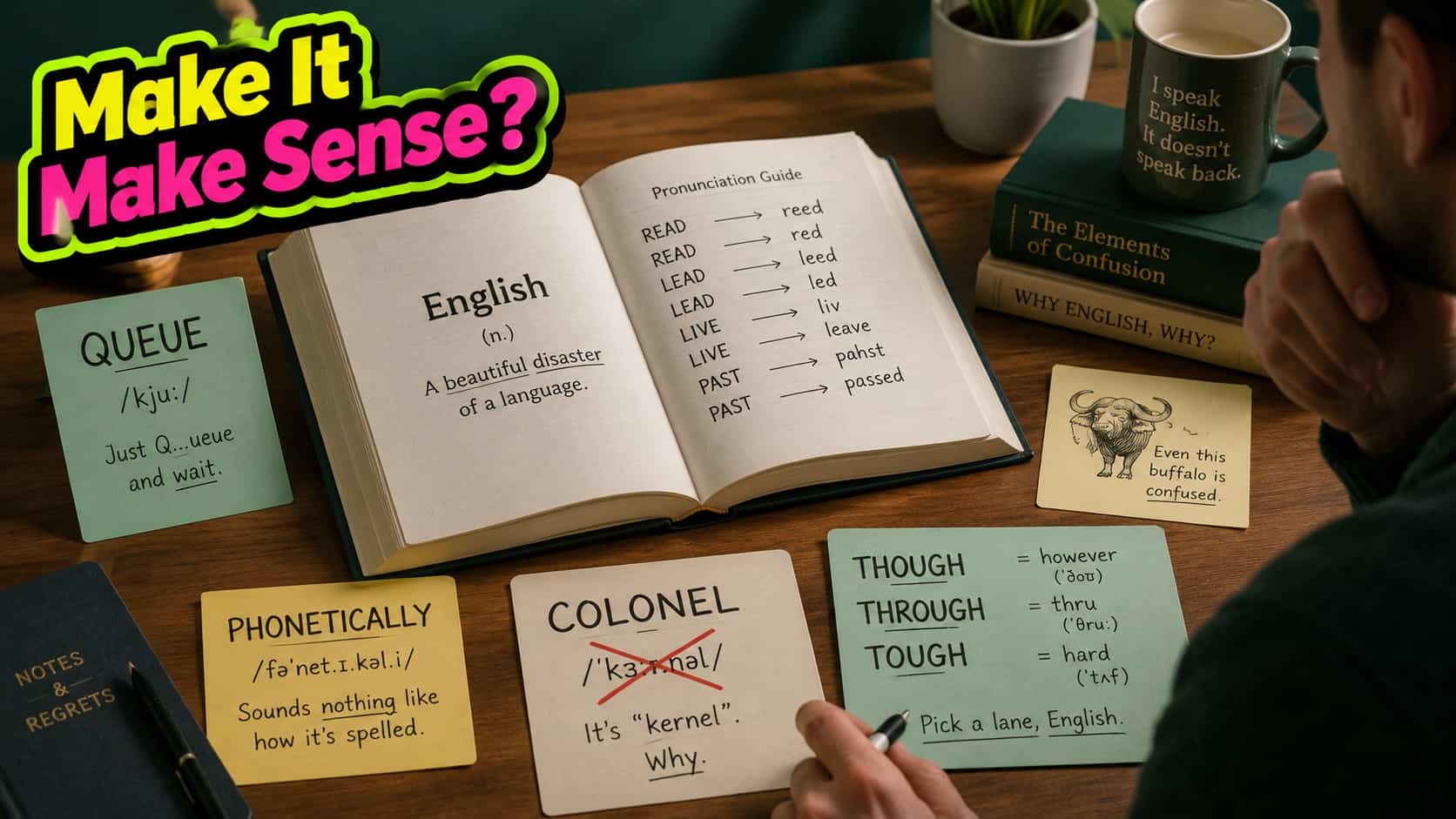

The word “queue” has four silent letters. Four. The Q is doing all of the work. The U-E-U-E is just standing there in a line, performing the very thing the word describes, while contributing absolutely nothing to the pronunciation. These posts about how English is weird are essentially documentation of a language that was assembled by committee, the committee never reconciled its decisions, and now the rest of us have to live in the resulting chaos. The buffalo sentence is in here. The phonetically problem is in here. Strap in, linguistically.
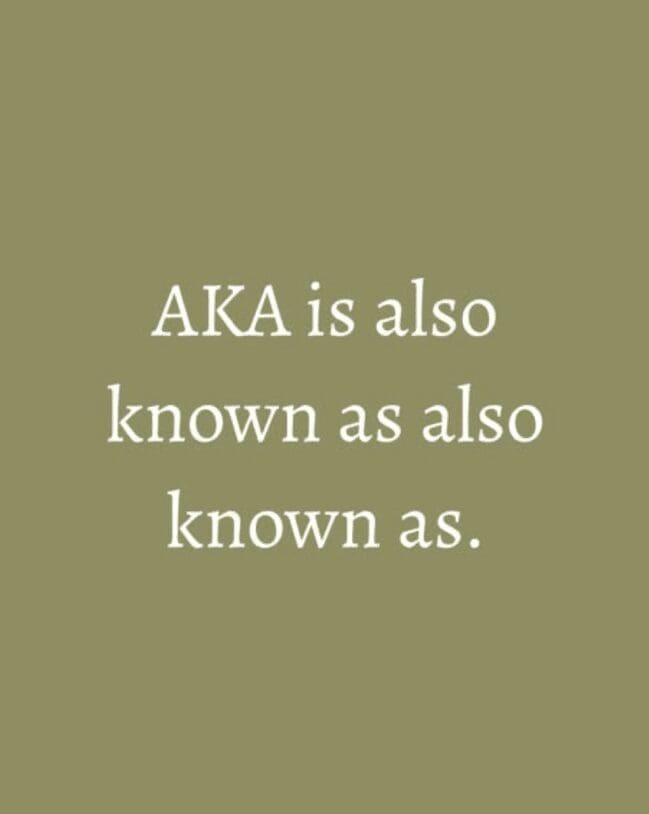
I am also known as confused.
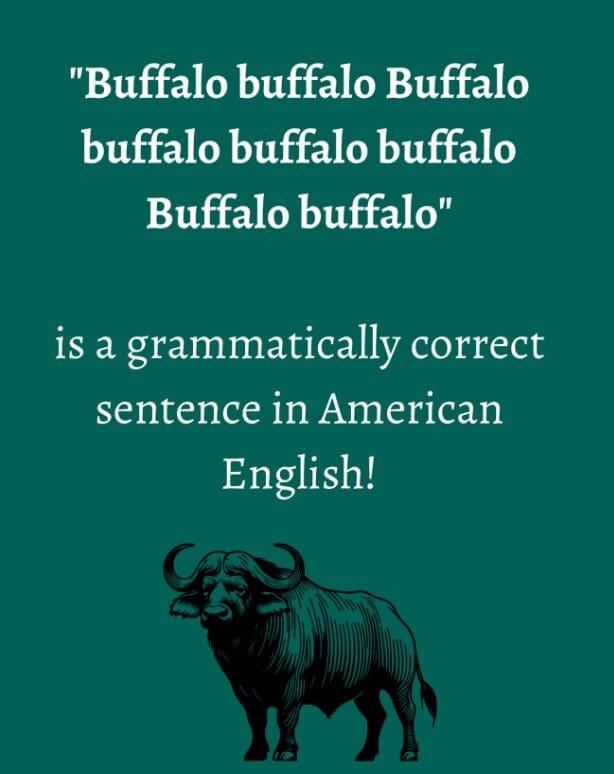
My brain just buffaloed itself.
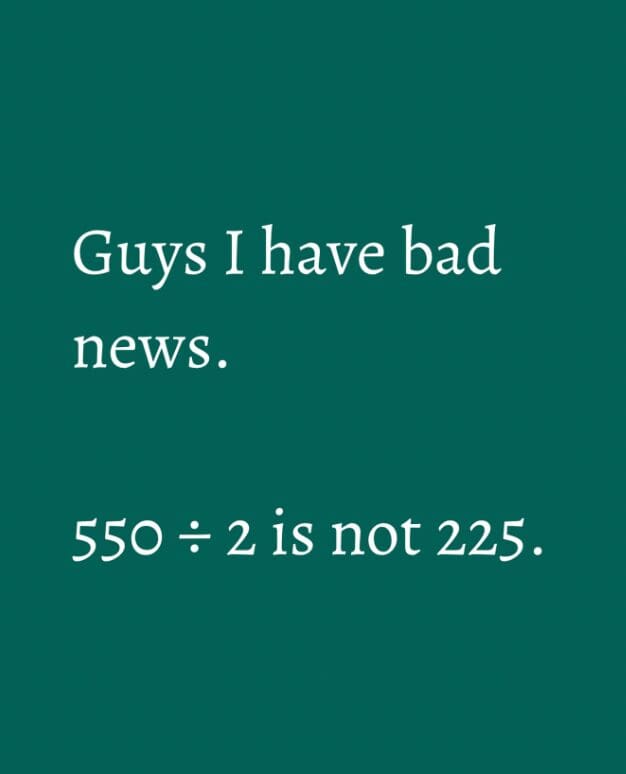
Why does 275 feel so much "wronger" than 225?
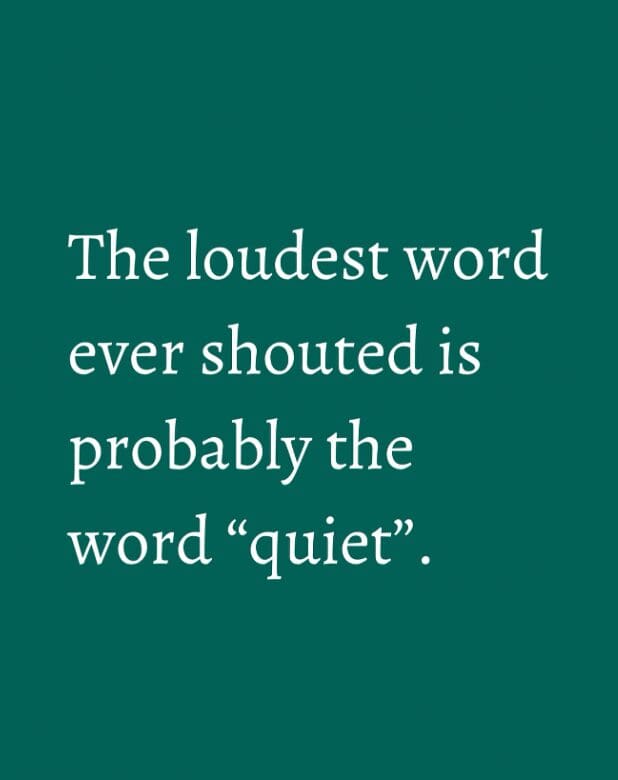
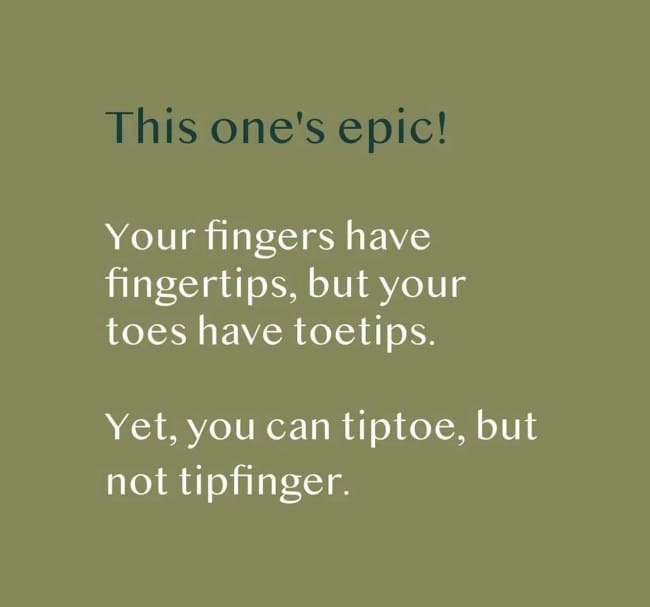
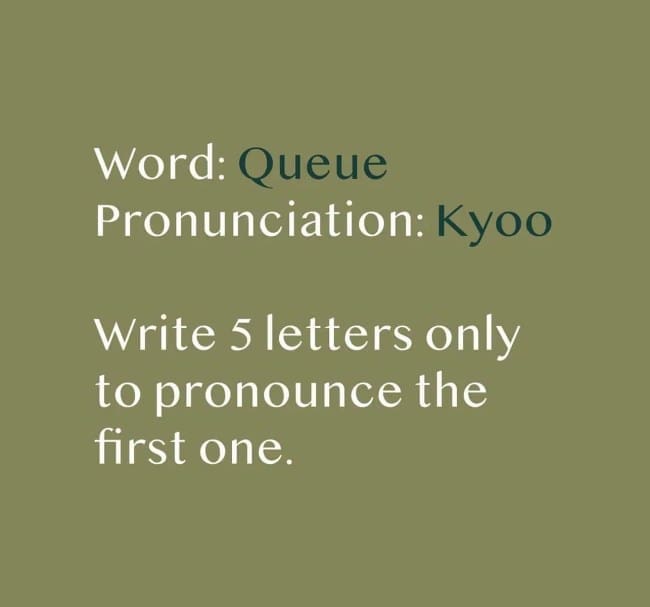
Most efficient letter: Q. Least efficient: the rest of the word.
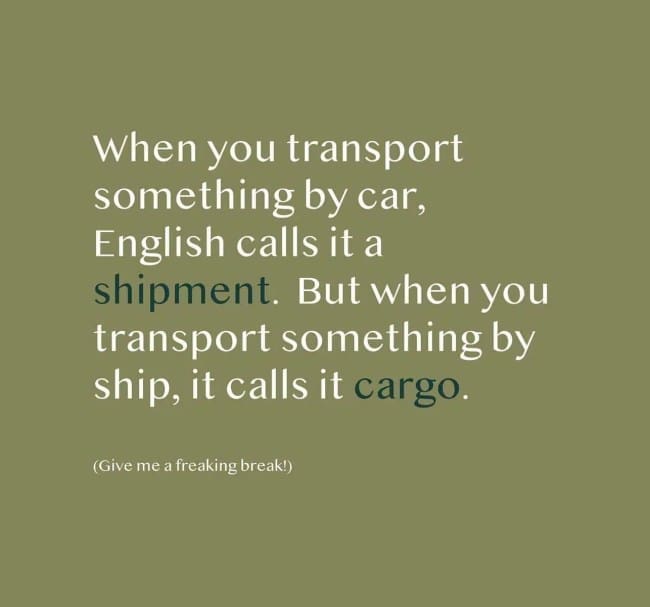
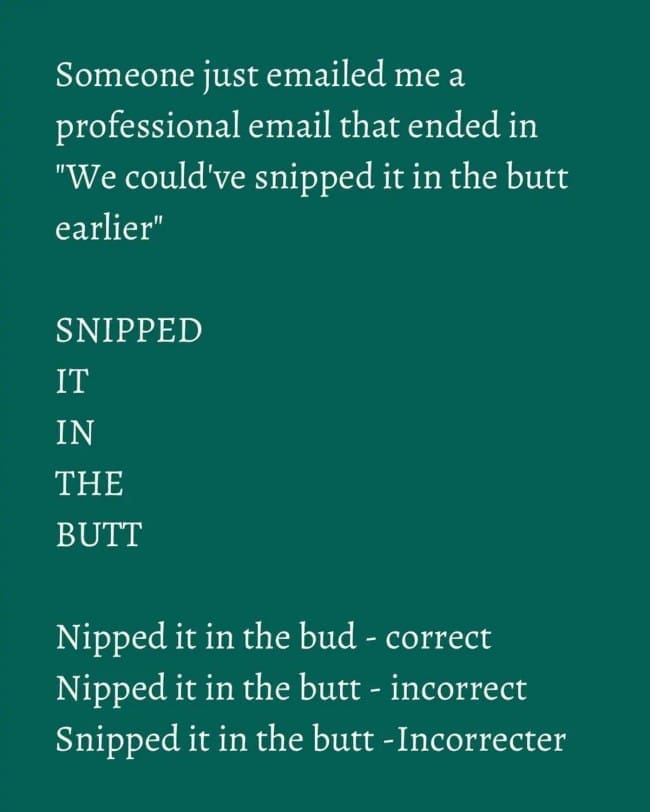
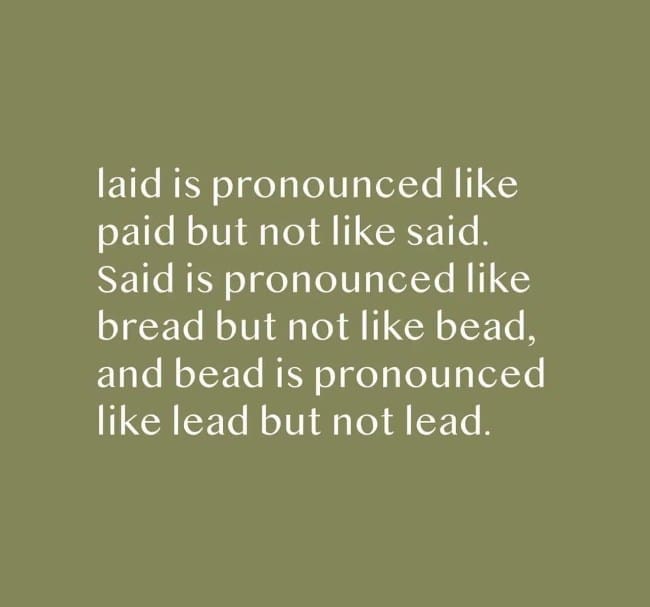
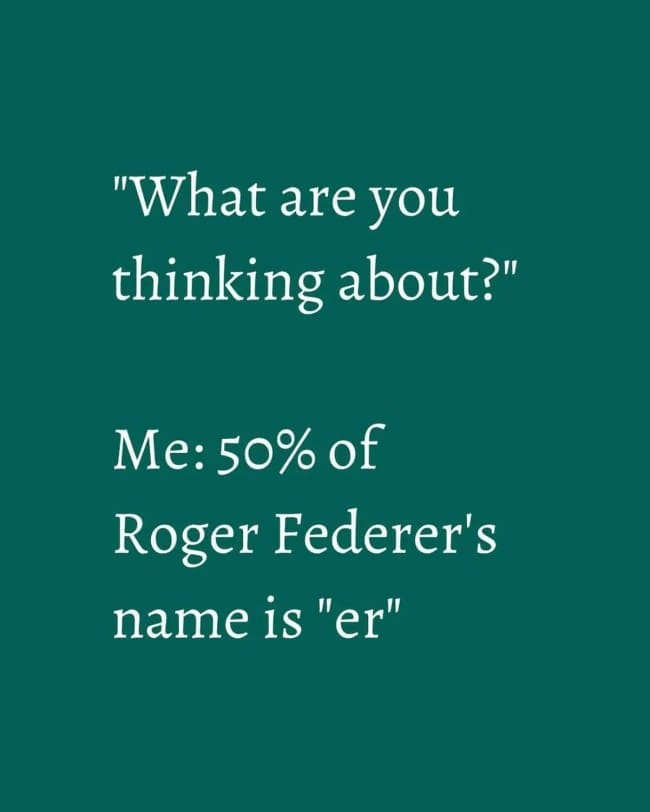
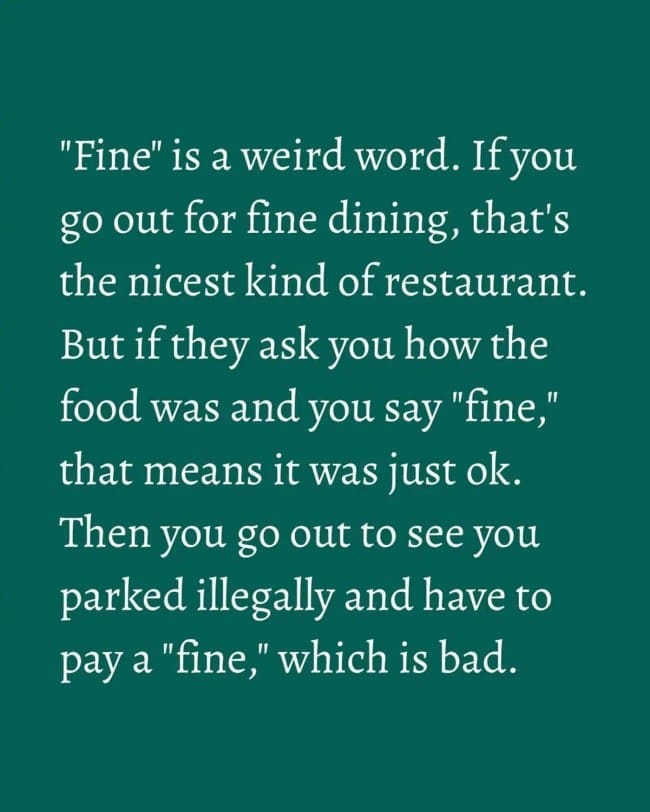
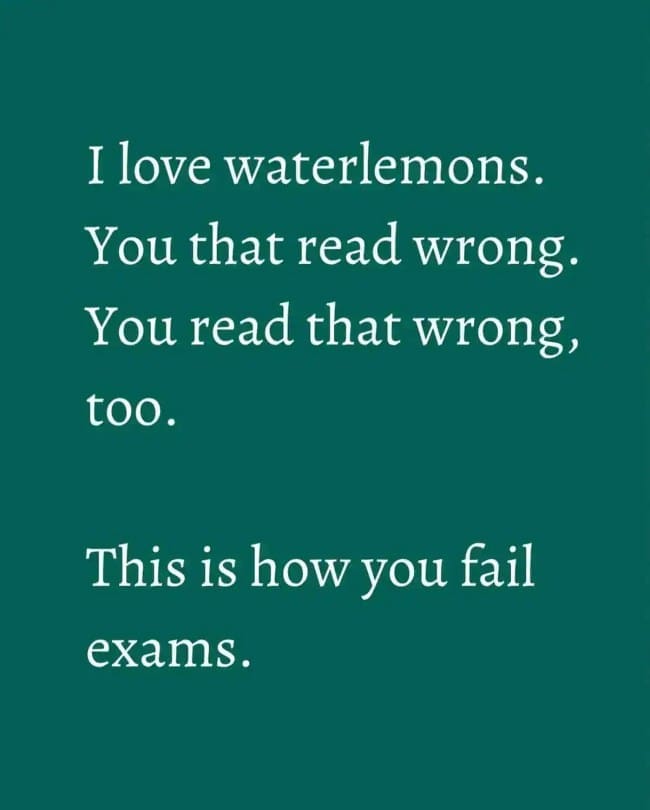
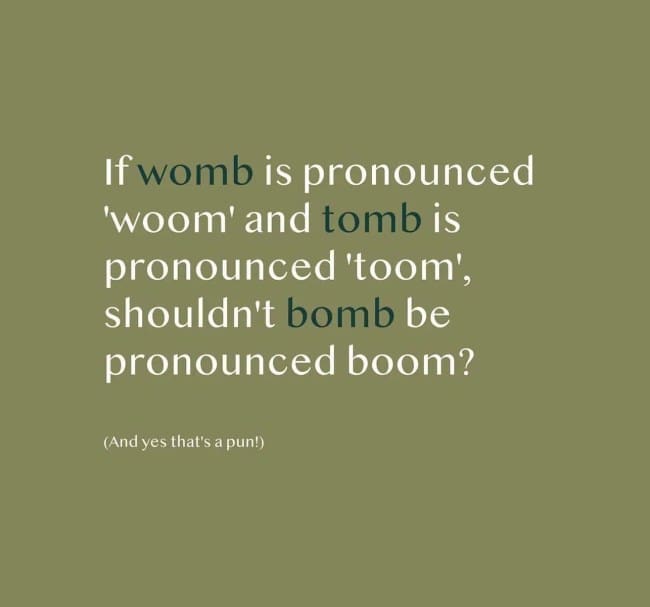
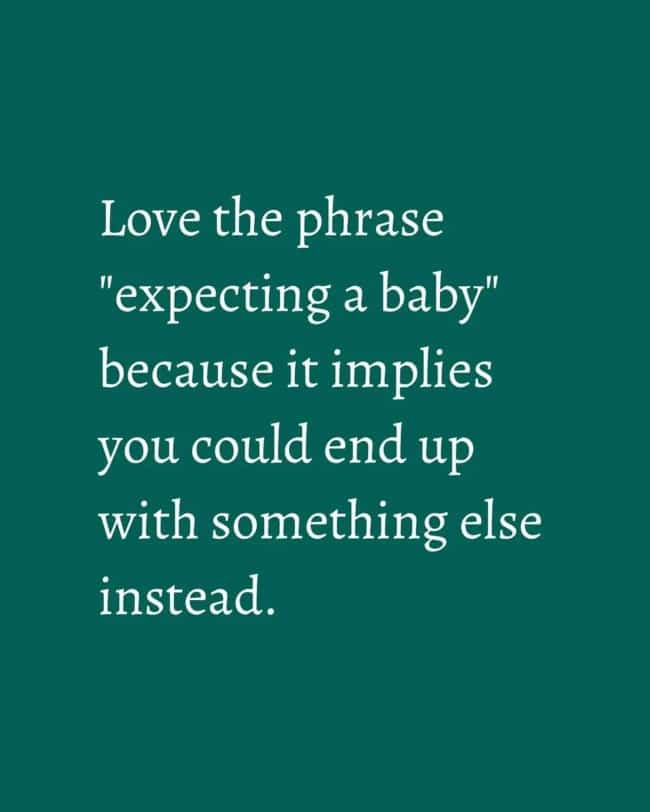
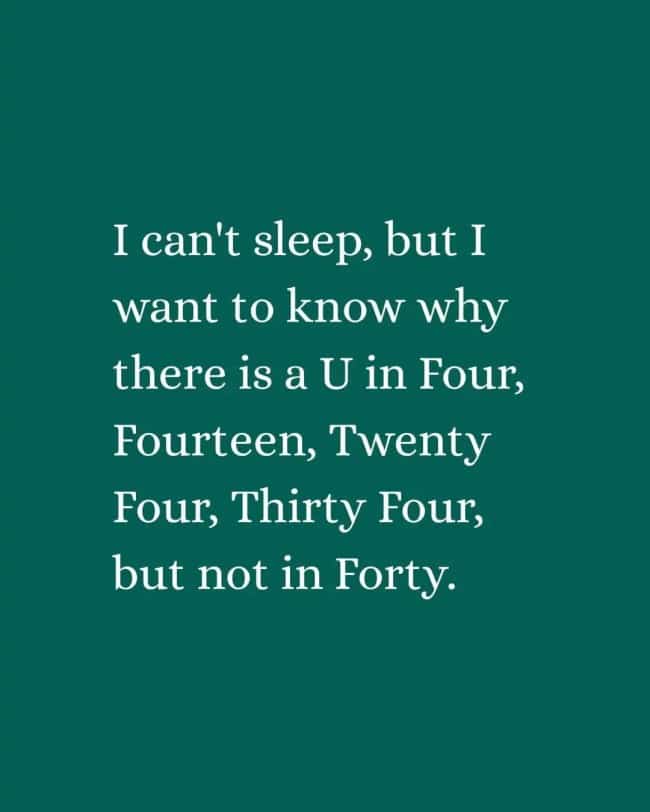

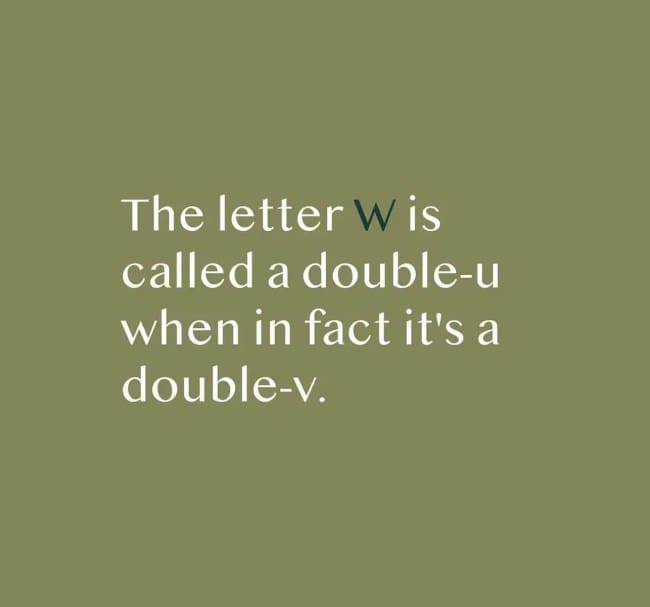
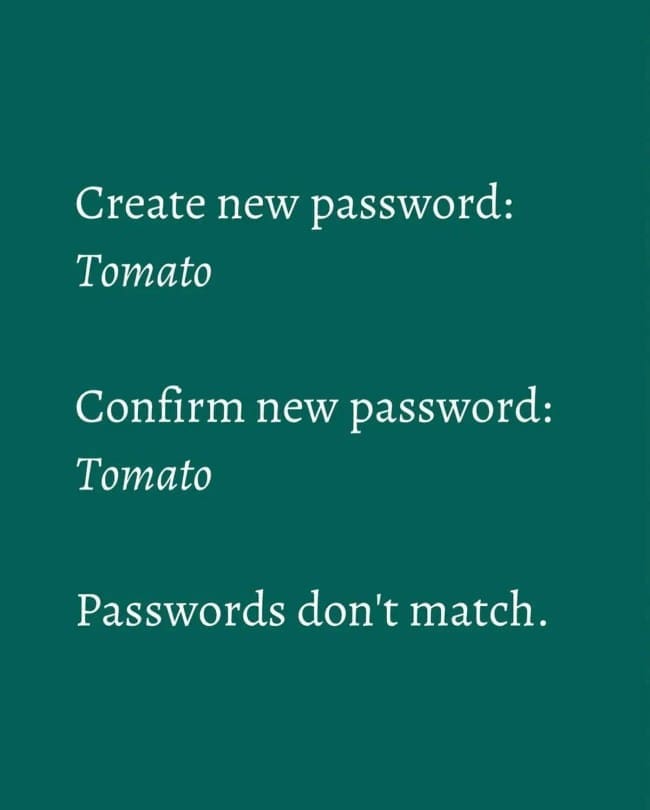
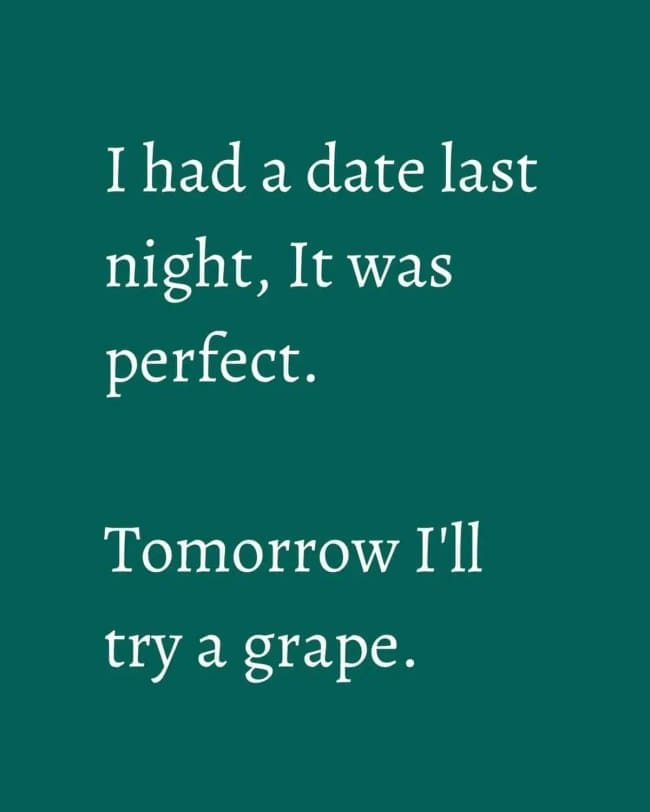






English is weird
Read More
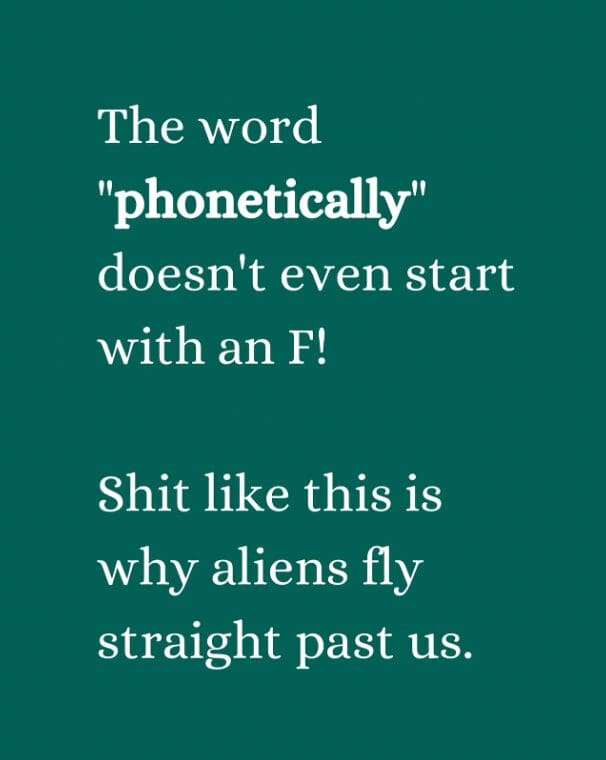
The “phonetically does not start with F” complaint deserves to be entered into the legal record. The word that means “according to the sound” is itself spelled in a way that defies its own pronunciation, which is the kind of structural irony you would expect from a language with no central planning authority. The English language quirks in this gallery are essentially documentation of a system that has been patched, modified, borrowed from, and grafted onto for so long that it no longer has internal consistency. We’re all just speaking the cumulative result.
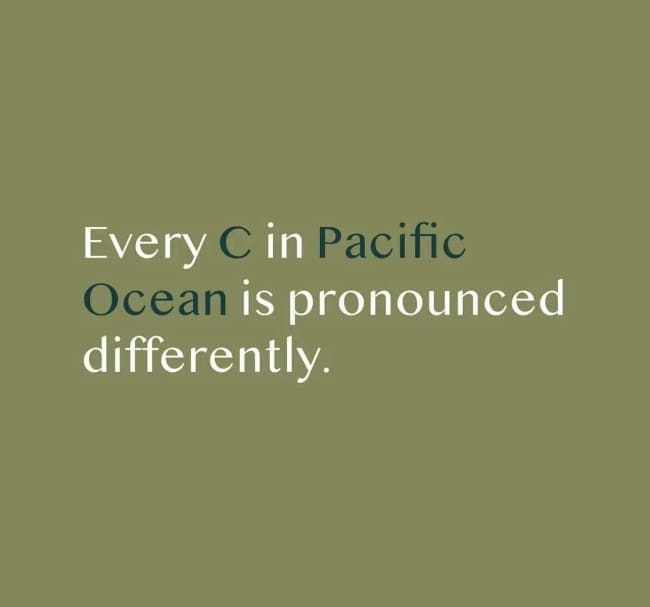
The Pacific Ocean C-pronunciation observation is going to live in my head forever. Three Cs in two words, three different pronunciations: S, K, and SH. That should not be legal. That should be flagged by some kind of regulatory body. The funny English language posts in this gallery thrive because they keep finding small examples of the language quietly betraying its own rules, and the betrayal is always elegant, always inconvenient, and always something that nobody told us as kids.
The buffalo sentence is the boss-level absurdity of English grammar. “Buffalo buffalo Buffalo buffalo buffalo buffalo Buffalo buffalo.” That’s a real sentence. That’s grammatically correct. It uses three different meanings of the word “buffalo,” and somehow it parses if you stare at it long enough. These weird English language facts are not bugs. They’re features. The language is, structurally, operating in a way that allows for sentences this absurd, and English speakers accept this without comment because we’ve simply normalized it.
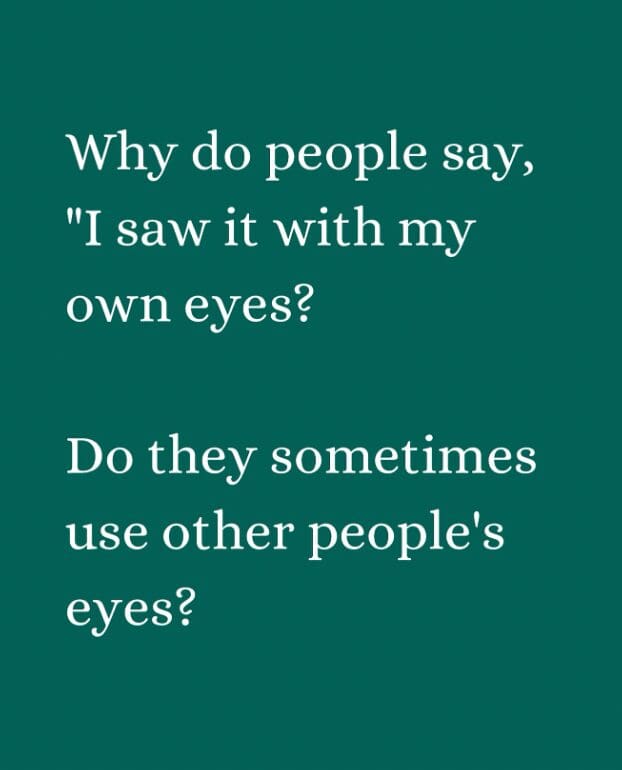
And the redundancy in “I saw it with my own eyes.” Whose eyes were you going to use, Karen. Did you borrow somebody’s eyes for the weekend. The English language oddities surface in these small phrases that we say all the time without noticing the extra information packed in for no reason. We do this constantly. We say “free gift,” as if there were paid gifts. We say “cash money,” as if there were a non-cash version. The language is full of these little redundant flourishes and nobody knows why.
What this whole gallery is really capturing, when you sit back from the spelling rage, is the strange historical reality that English is essentially a language built from the wreckage of other languages, glued together over a thousand-plus years, with no editorial committee to clean up the results. We borrowed from French. We borrowed from Latin. We borrowed from Old Norse, German, Greek, Arabic, Sanskrit, and several Celtic languages, and we never bothered to standardize the spellings or the pronunciations. The result is the language we now speak, which is, by any reasonable measure, a structural disaster that somehow functions.
There’s a kind of charm to this if you squint, and the gallery seems aware of it. We could have, at any point in the last few centuries, attempted a major reform. France did this with their Académie française. Spain did it with their Real Academia. English speakers, as a species, simply shrugged and kept going, which is why “queue” still has four silent letters and “phonetically” still mocks its own definition. The language is too distributed, too messy, too widely spoken across too many dialects to ever truly fix. We’re stuck. The stuckness is, in its own weird way, kind of funny.
The other thing this gallery does is gently acknowledge that learning English as a second language is genuinely a heroic undertaking. People who learn this language as adults are doing something extraordinary, because the rules are, in fact, mostly just exceptions wearing a trench coat. Native speakers internalize all the weirdness because we grew up inside it, but step outside the language for a moment and the absurdity becomes clear. The buffalo sentence is not a joke. It’s an artifact. The artifact is the language. The language is, at its heart, not okay.
If the linguistic chaos was satisfying, broader language fact galleries cover this exact territory, English etymology content keeps the absurdity flowing, and general grammar humor lives in this same exasperated zone. Try not to spell anything for the rest of the day.
Read Memes
Get Paid


Alex Thompson has been chronicling internet culture and meme phenomena for nearly seven years. Starting at CollegeHumor and later becoming lead meme editor at Mashable, Alex has covered everything from vintage internet memes like Rickrolling to recent viral events such as Corn Kid and Grimace Shake. With a keen eye for what connects and entertains digital audiences, Alex writes with humor, relatability, and deep knowledge of online culture. At Thunder Dungeon, Alex is the go-to source for meme analysis, viral breakdowns, and internet nostalgia.