
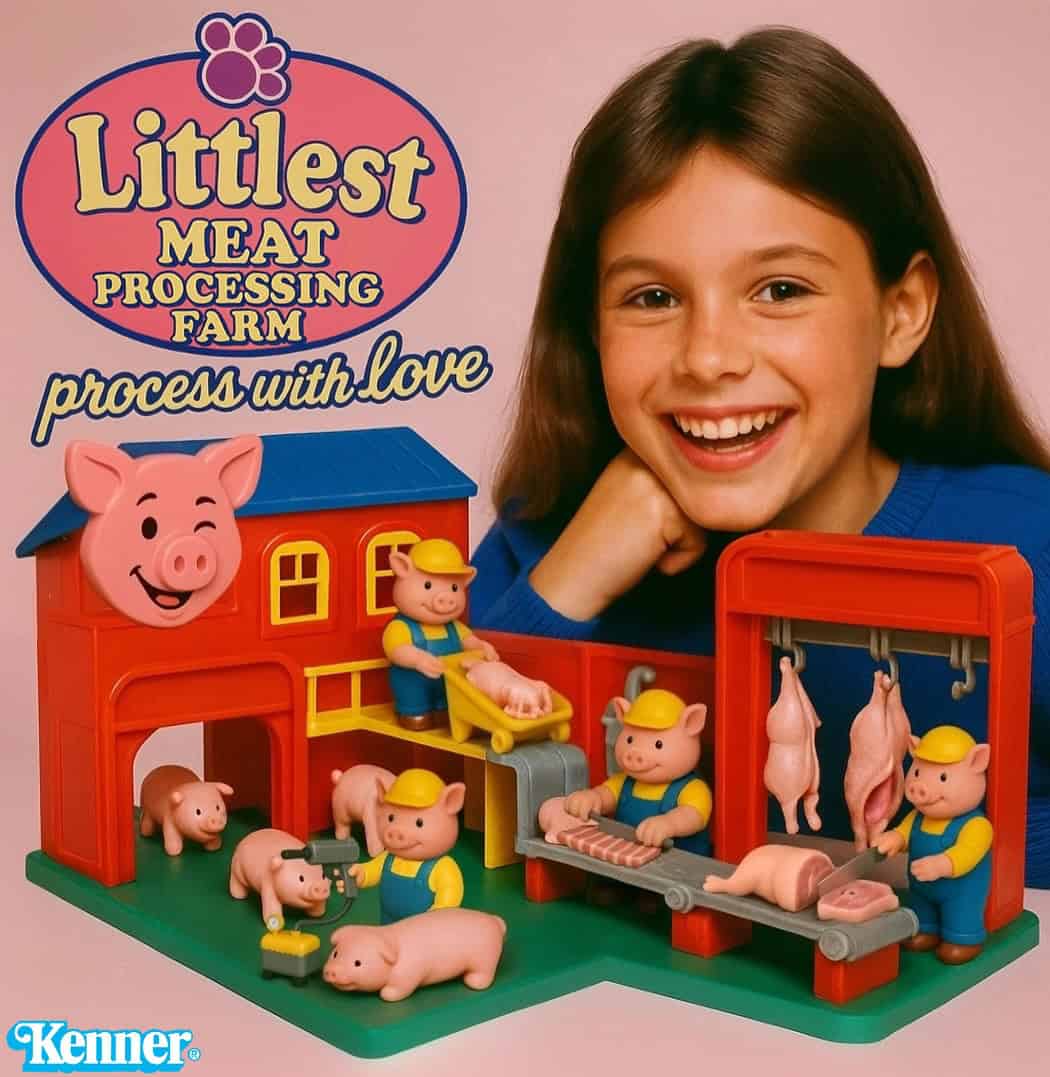
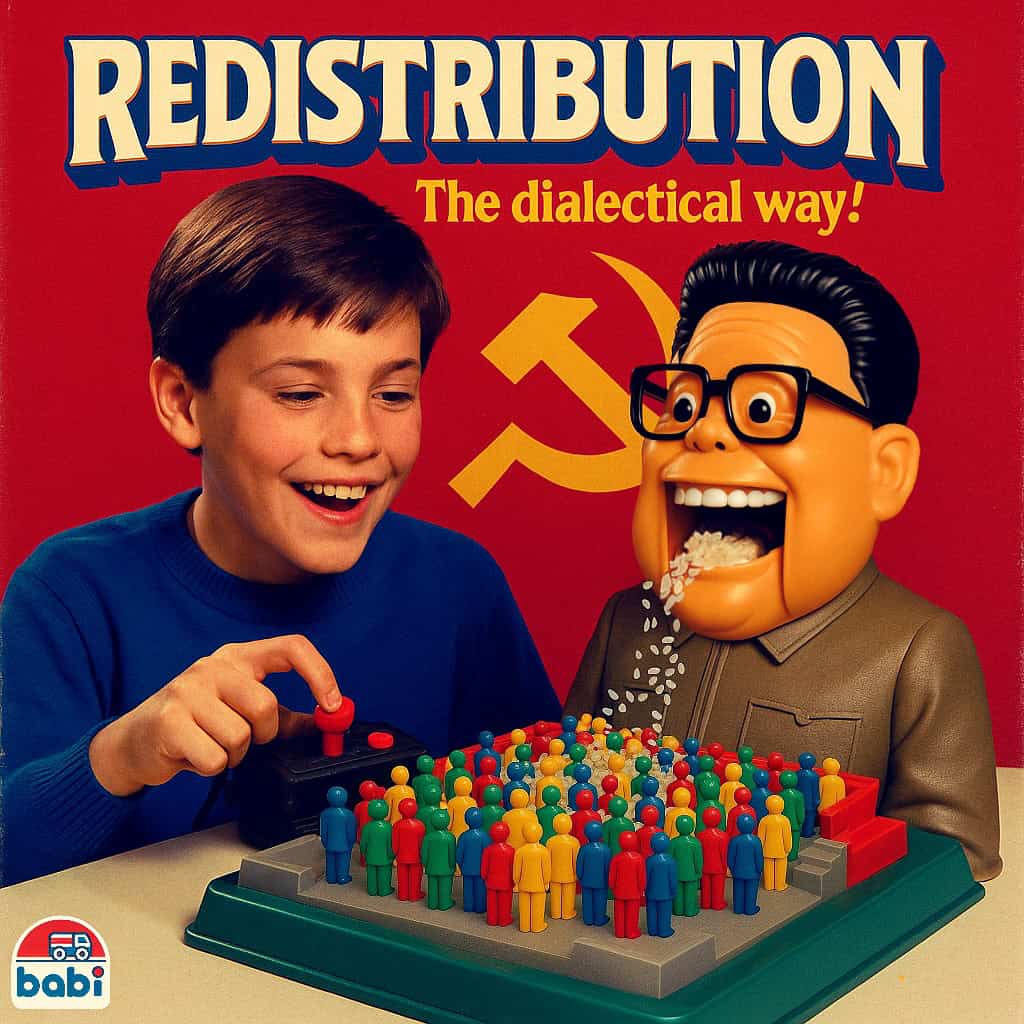
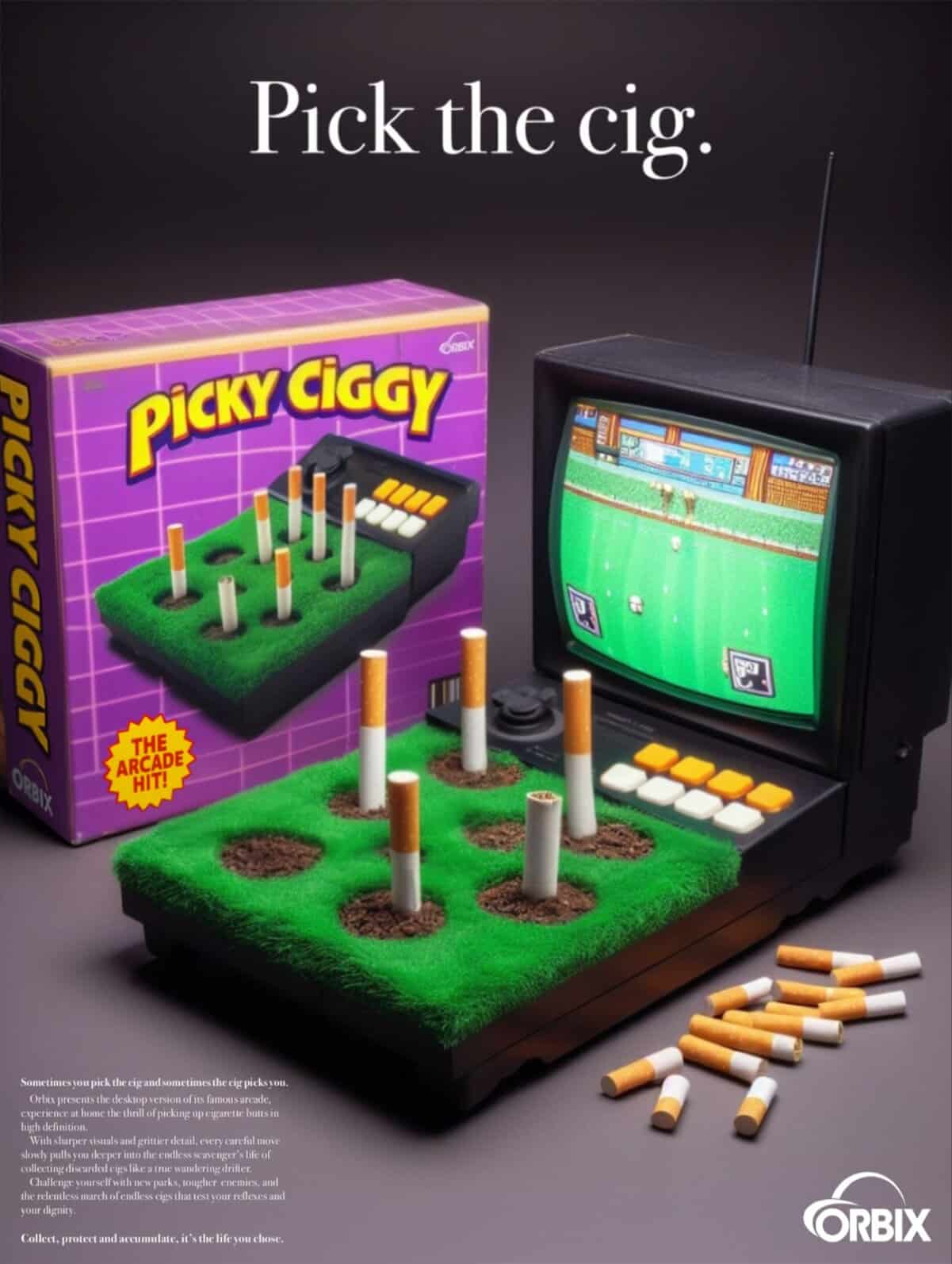
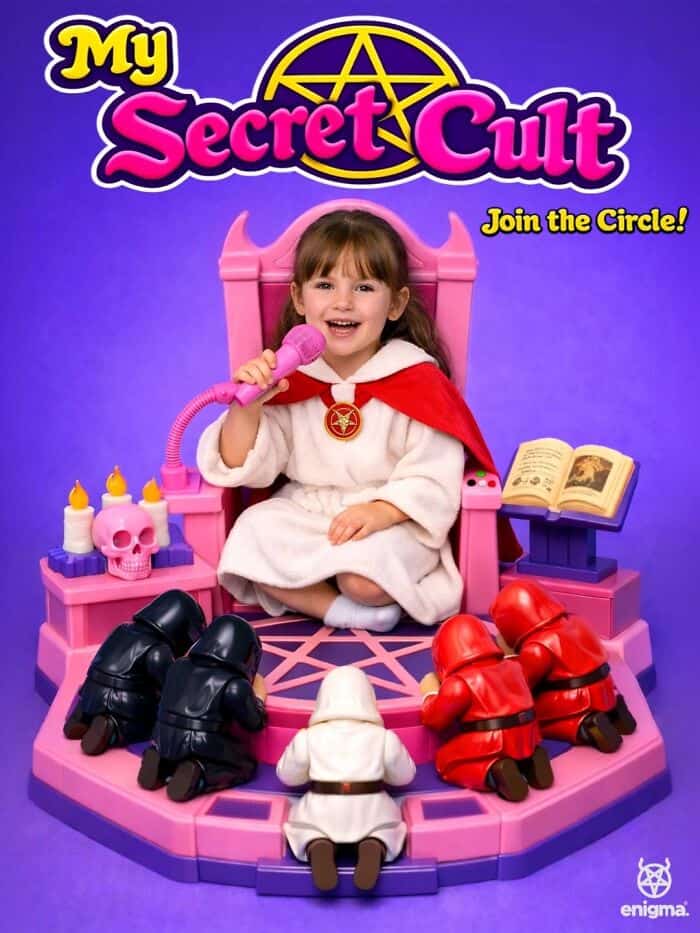
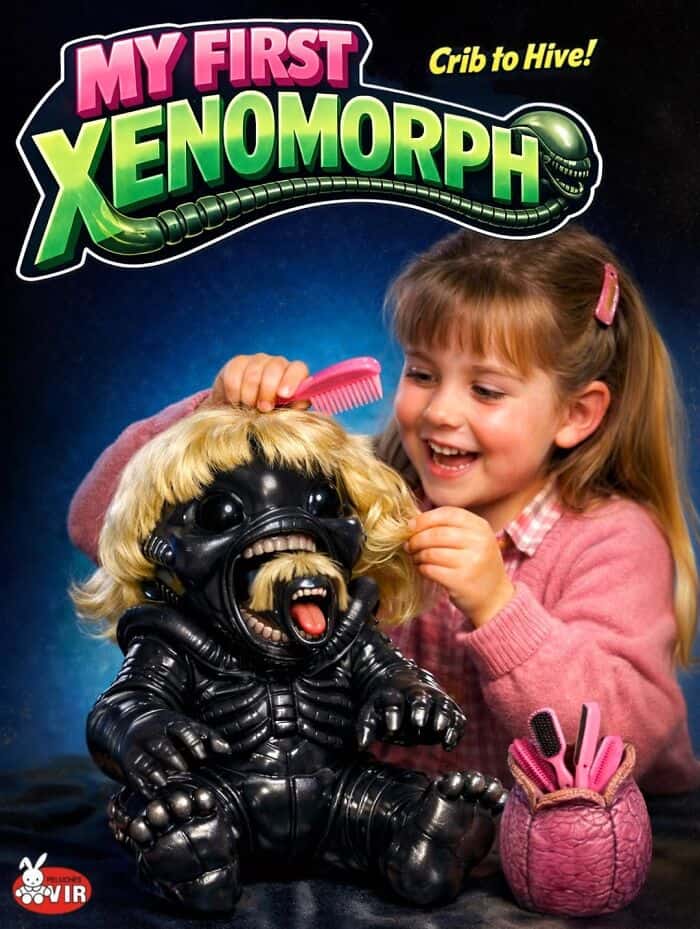
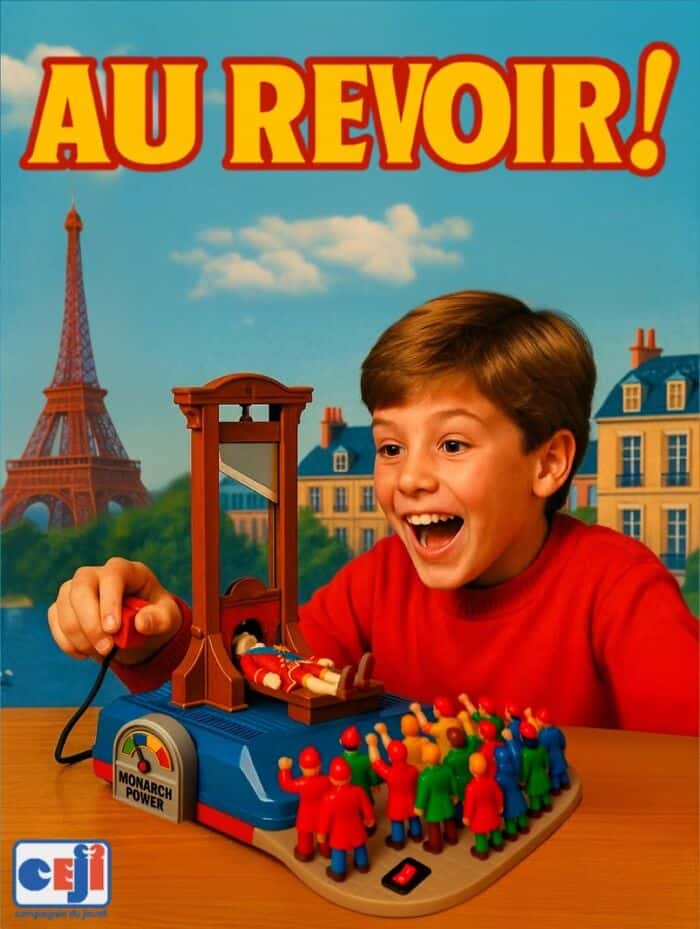
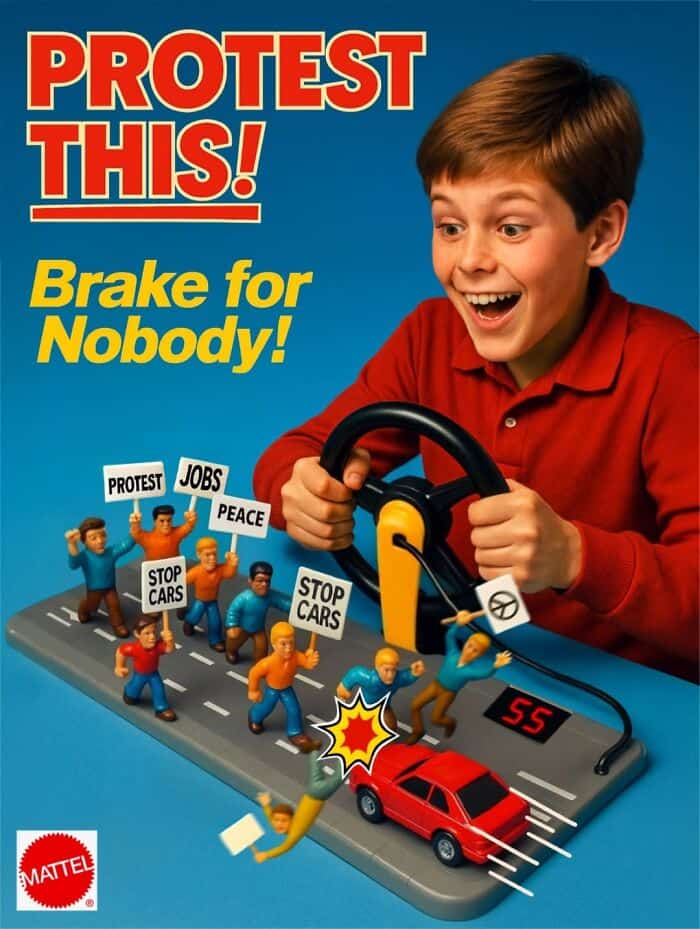
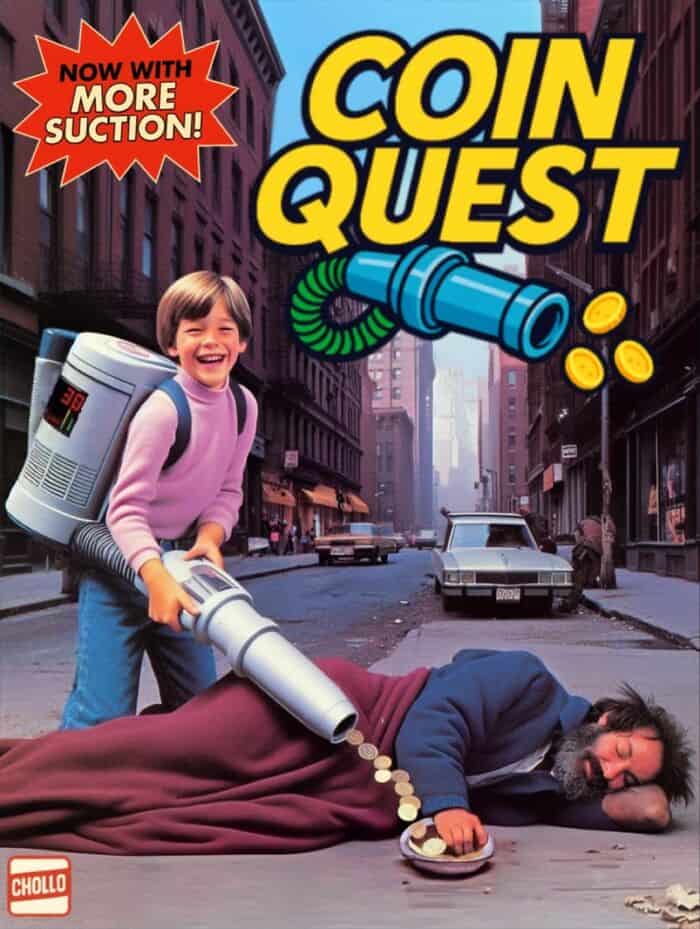
There is a specific creative energy that produces parody toy packaging, and it is not a casual energy. It requires someone to look at a cinematic tragedy, a moral philosophy framework, or a contested moment in recent American political history and ask: what would this look like in a Kenner box? What does the Trolley Problem look like with TOMY branding? What does Sophie’s Choice look like when the sequel is called “Beach Blitz” and comes with a Choice-Matic 5000 accessory? These are not questions that arise by accident. They arise in people who grew up memorizing the ingredient lists on cereal boxes and spent their formative years in a retail environment where the packaging was half the product. The forbidden children’s toys of this gallery are, at their core, a tribute to the era when the toy aisle was a complete sensory universe — and a very committed argument that some IP should stay out of it.
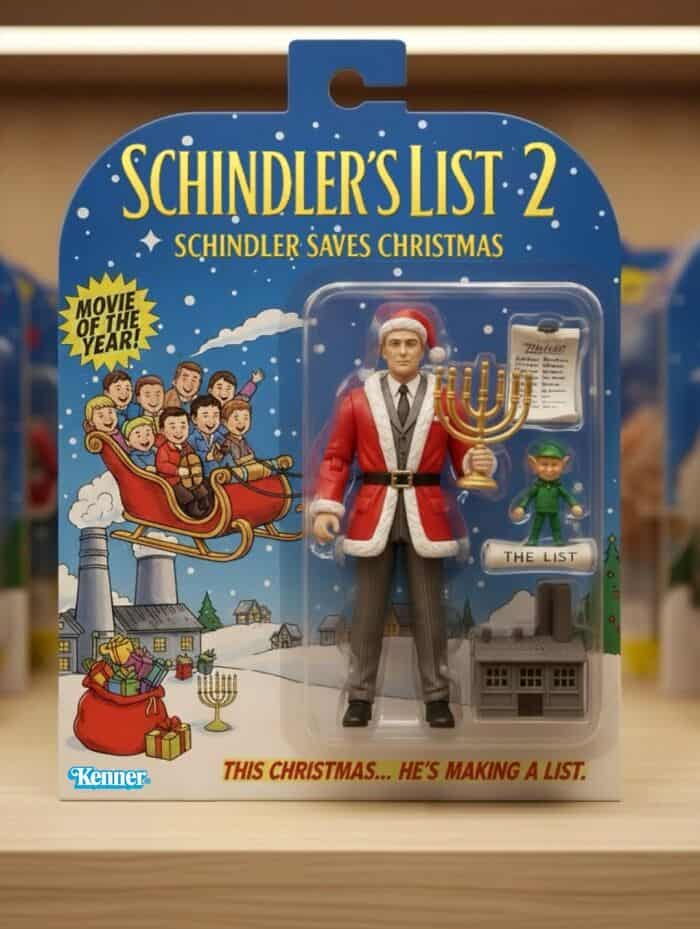
He's making a list, checking it twice, and this time the stakes are considerably higher.
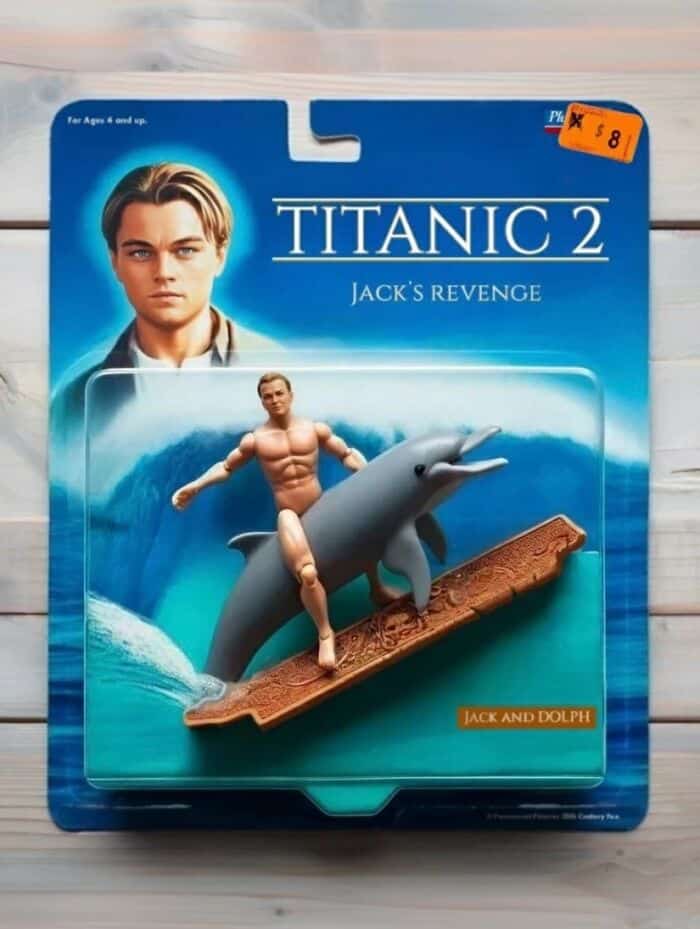
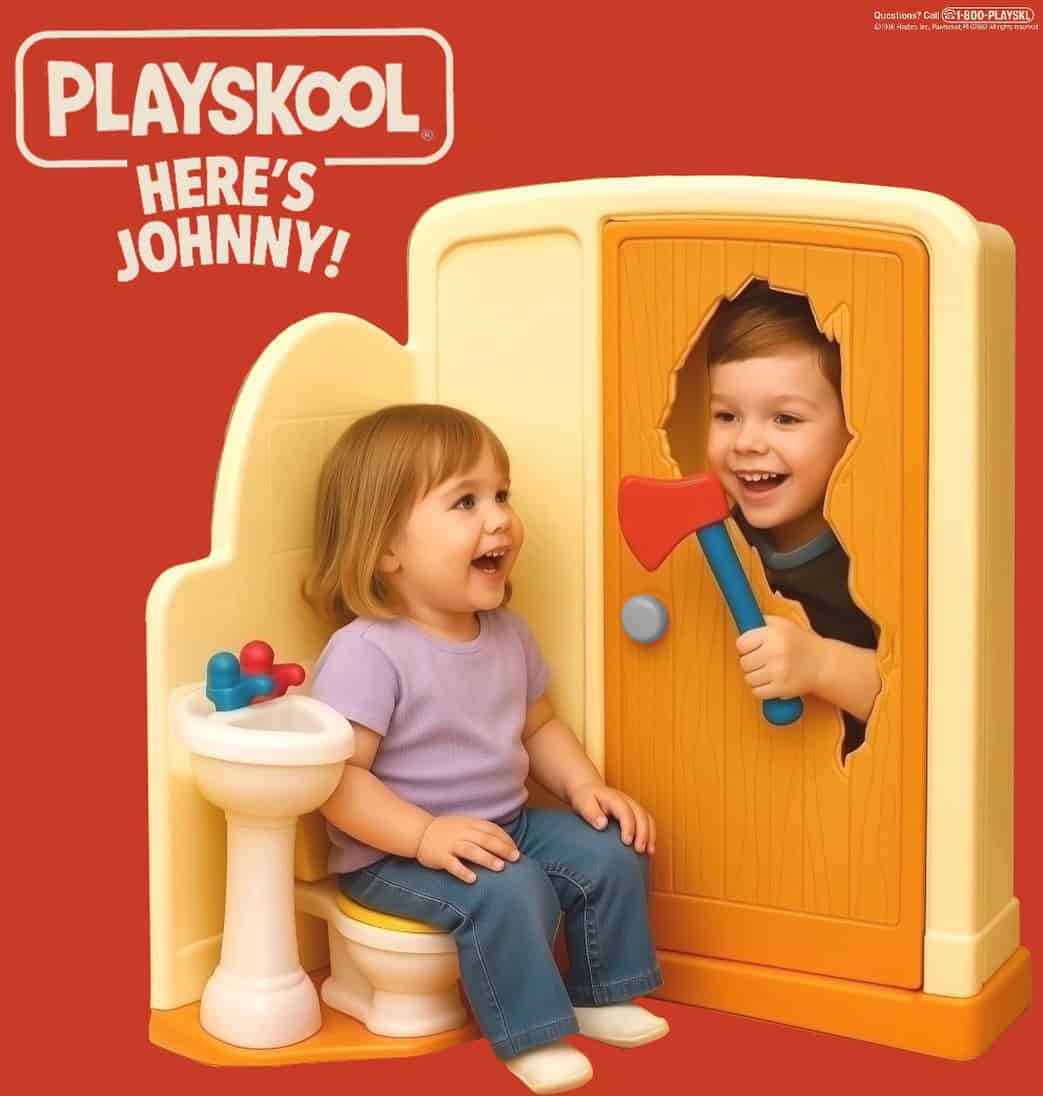
Finally, a potty training toy with real consequences for interruptions.
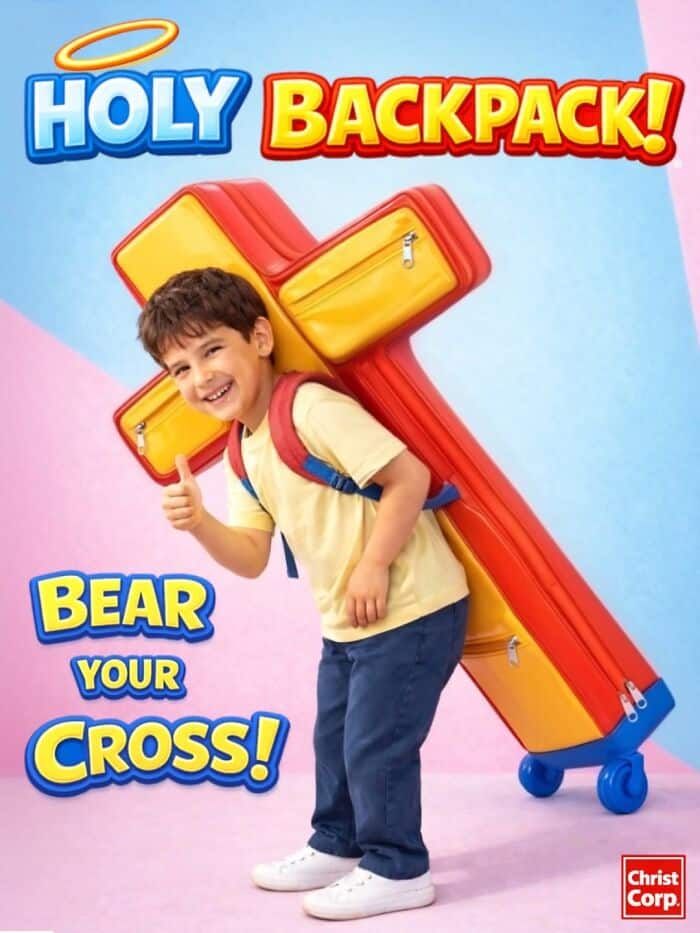
Ergonomically unsound. Spiritually unambiguous.
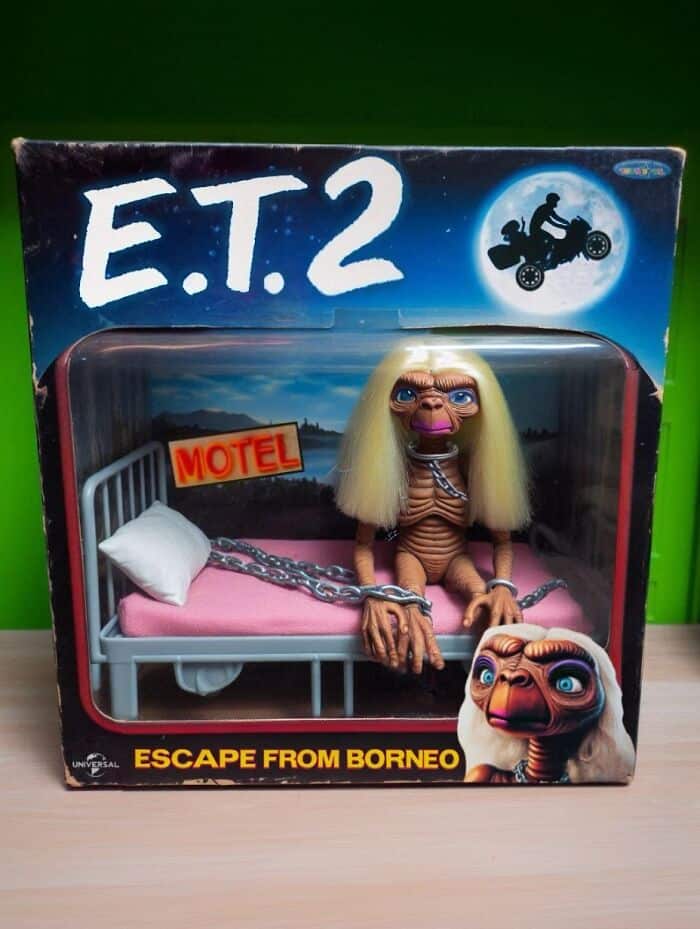
E.T. did not phone home. E.T. has been through some things.
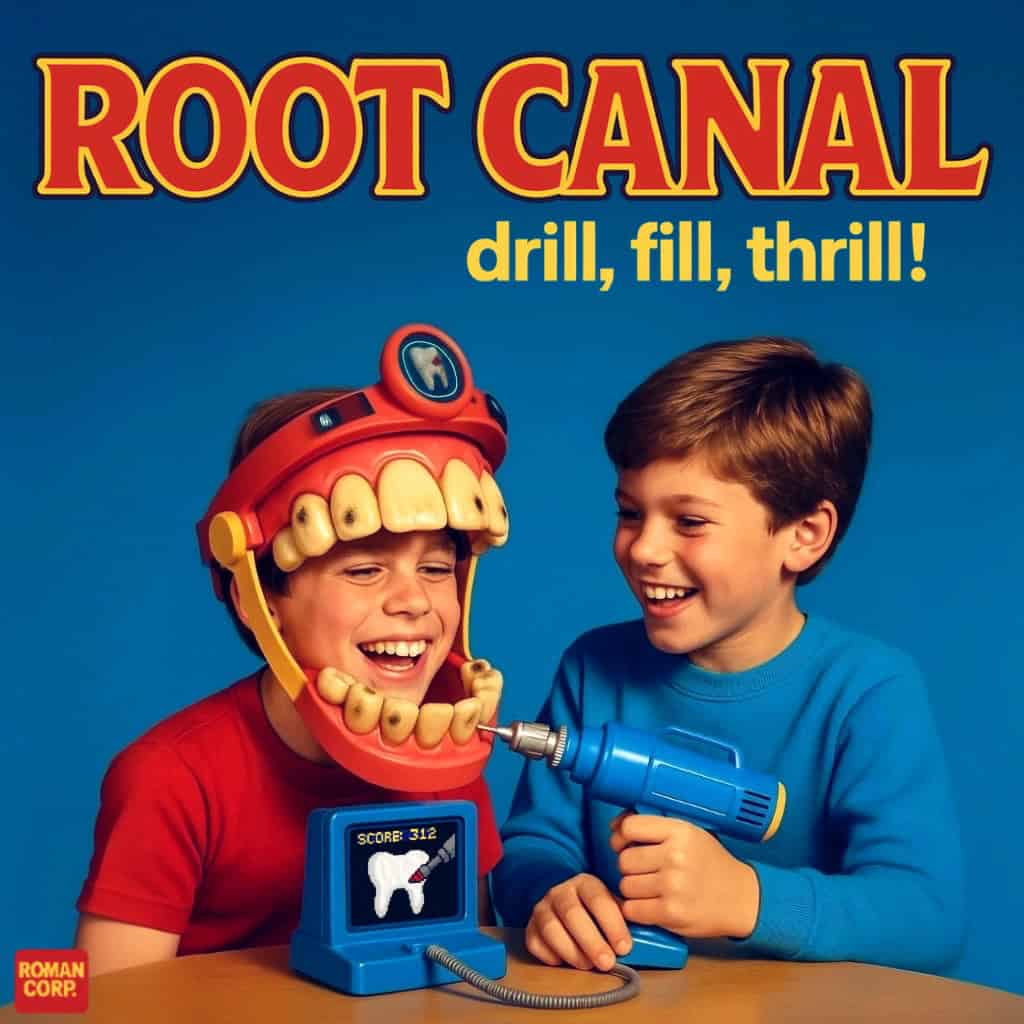
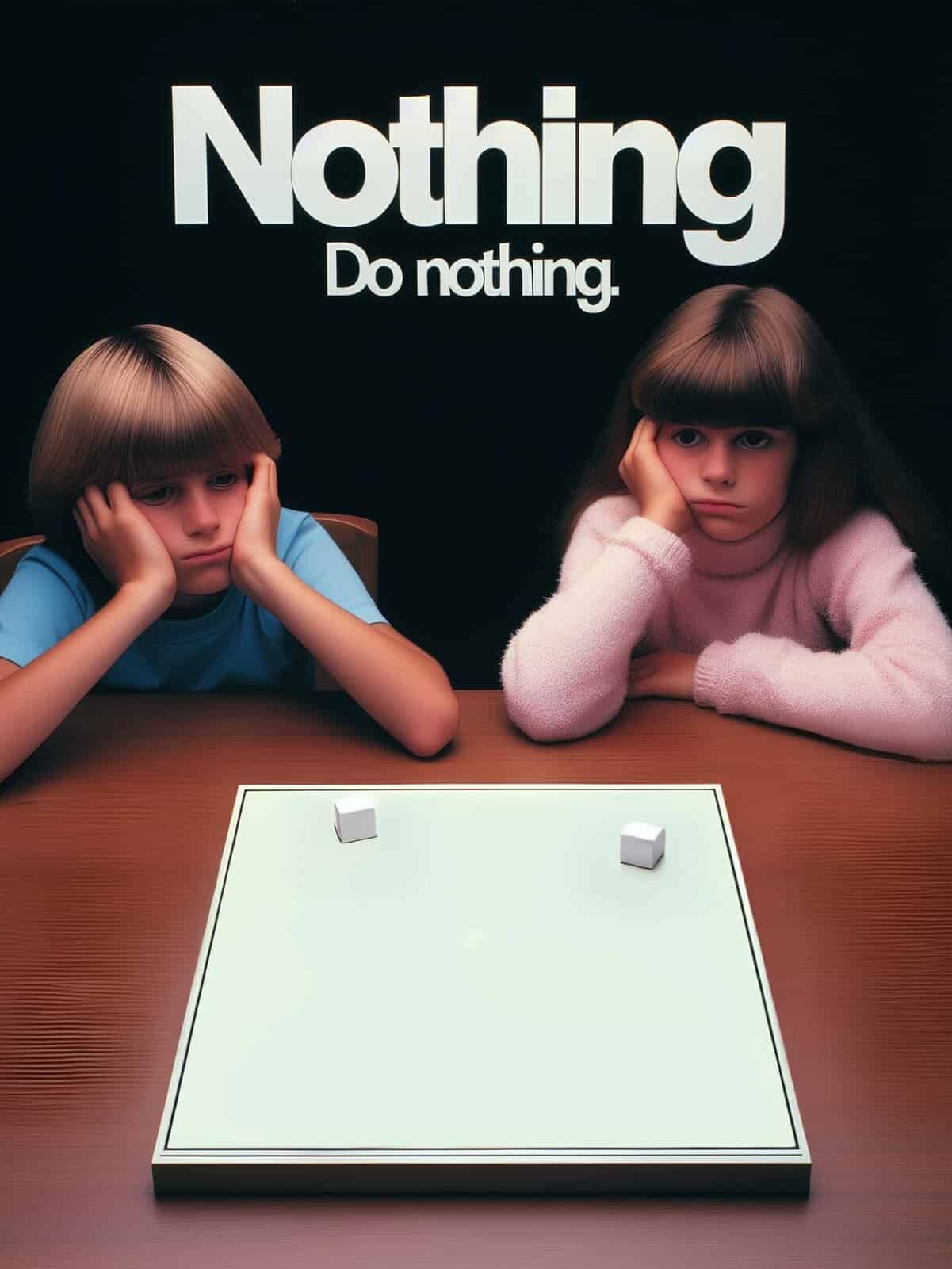
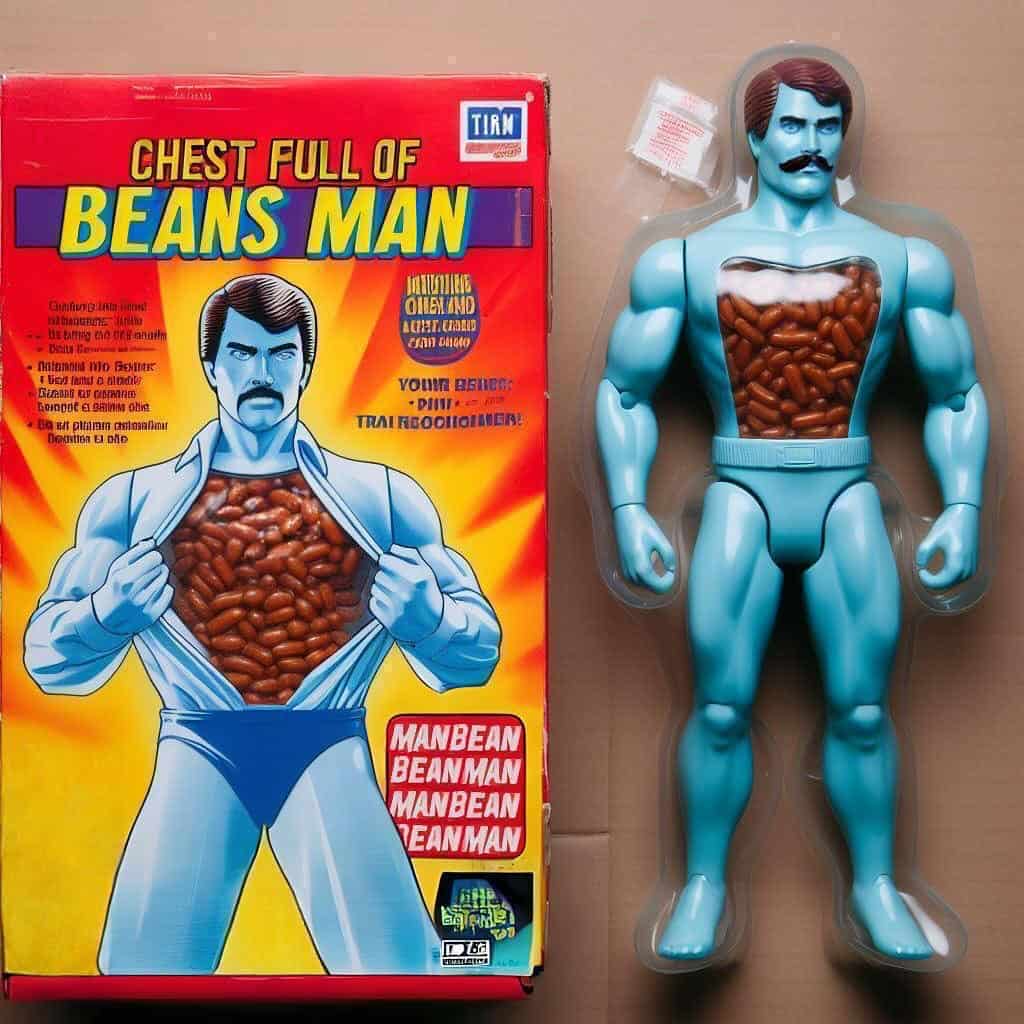
His origin story is a mystery. His diet is not.
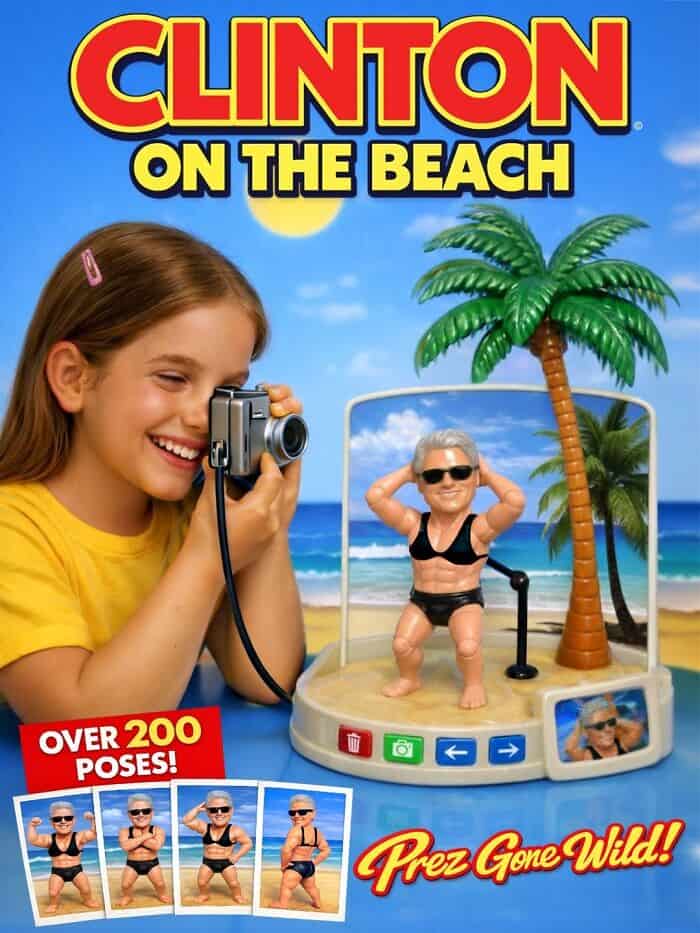
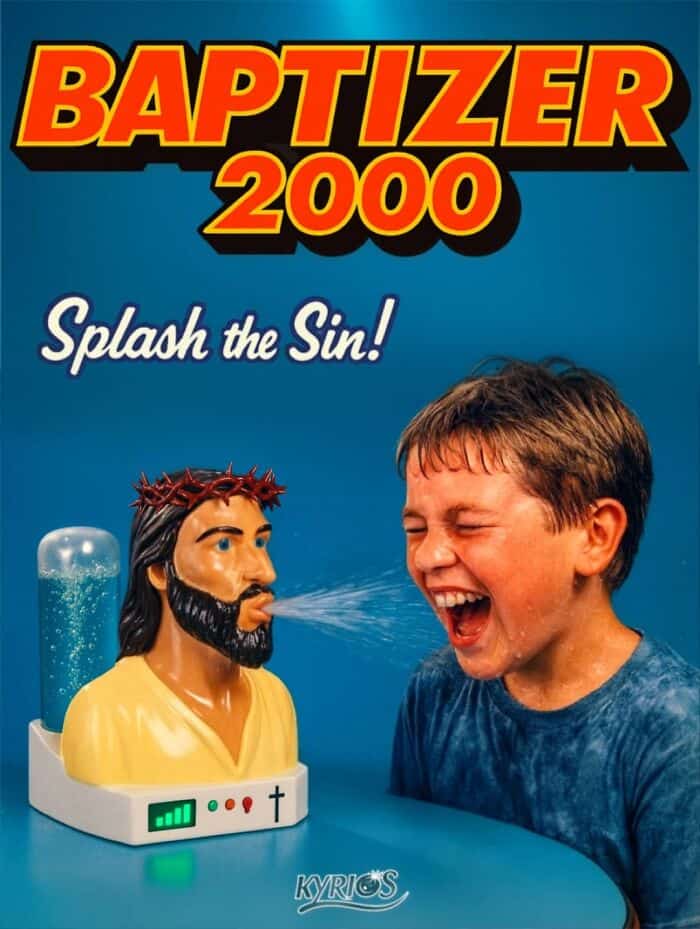
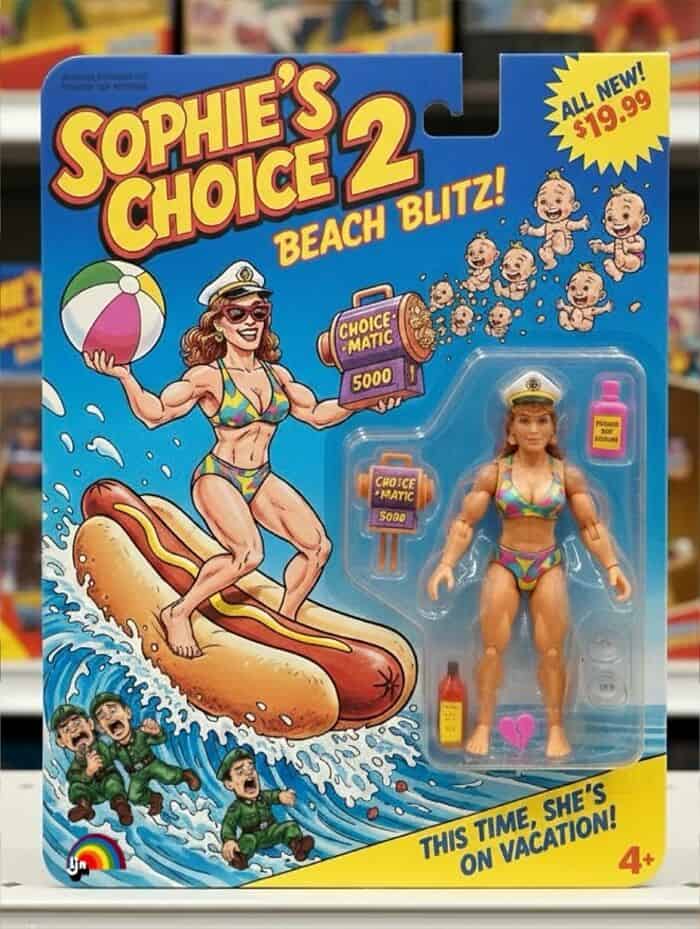
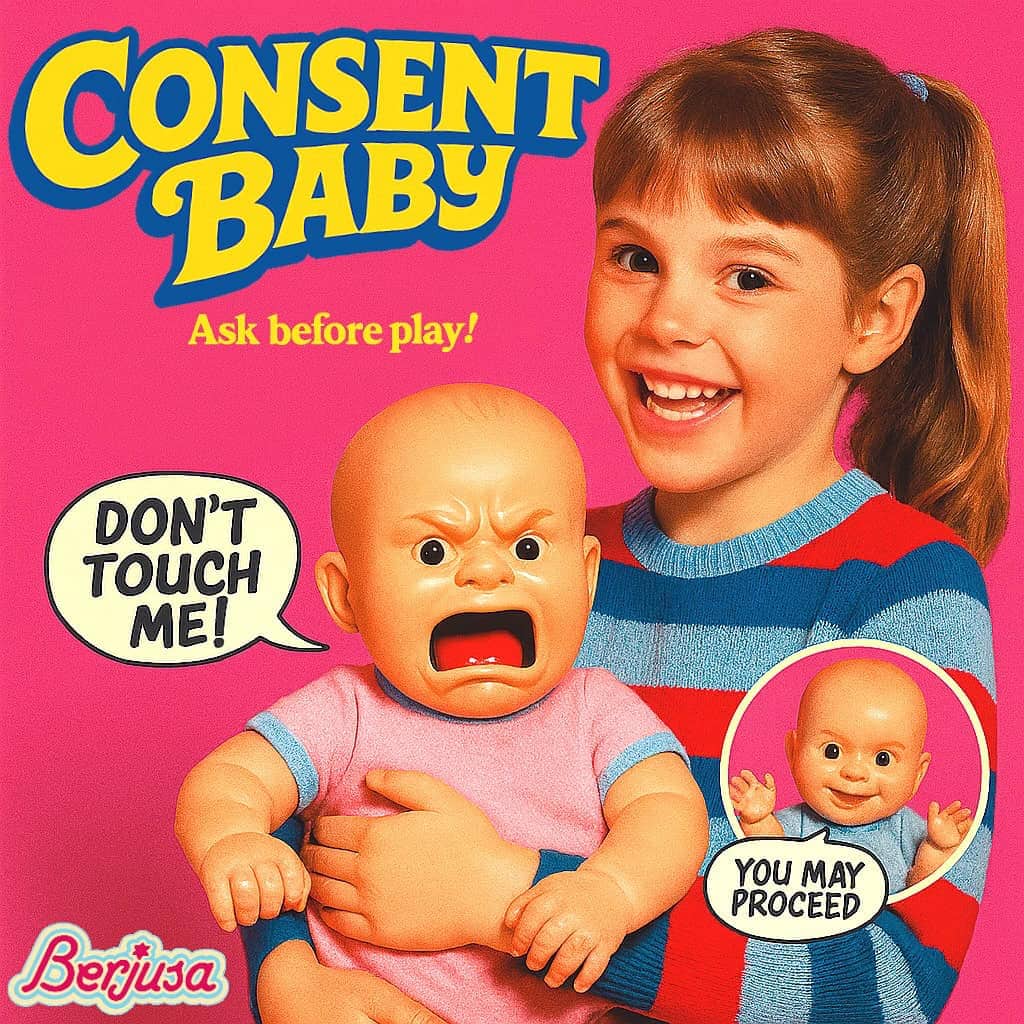
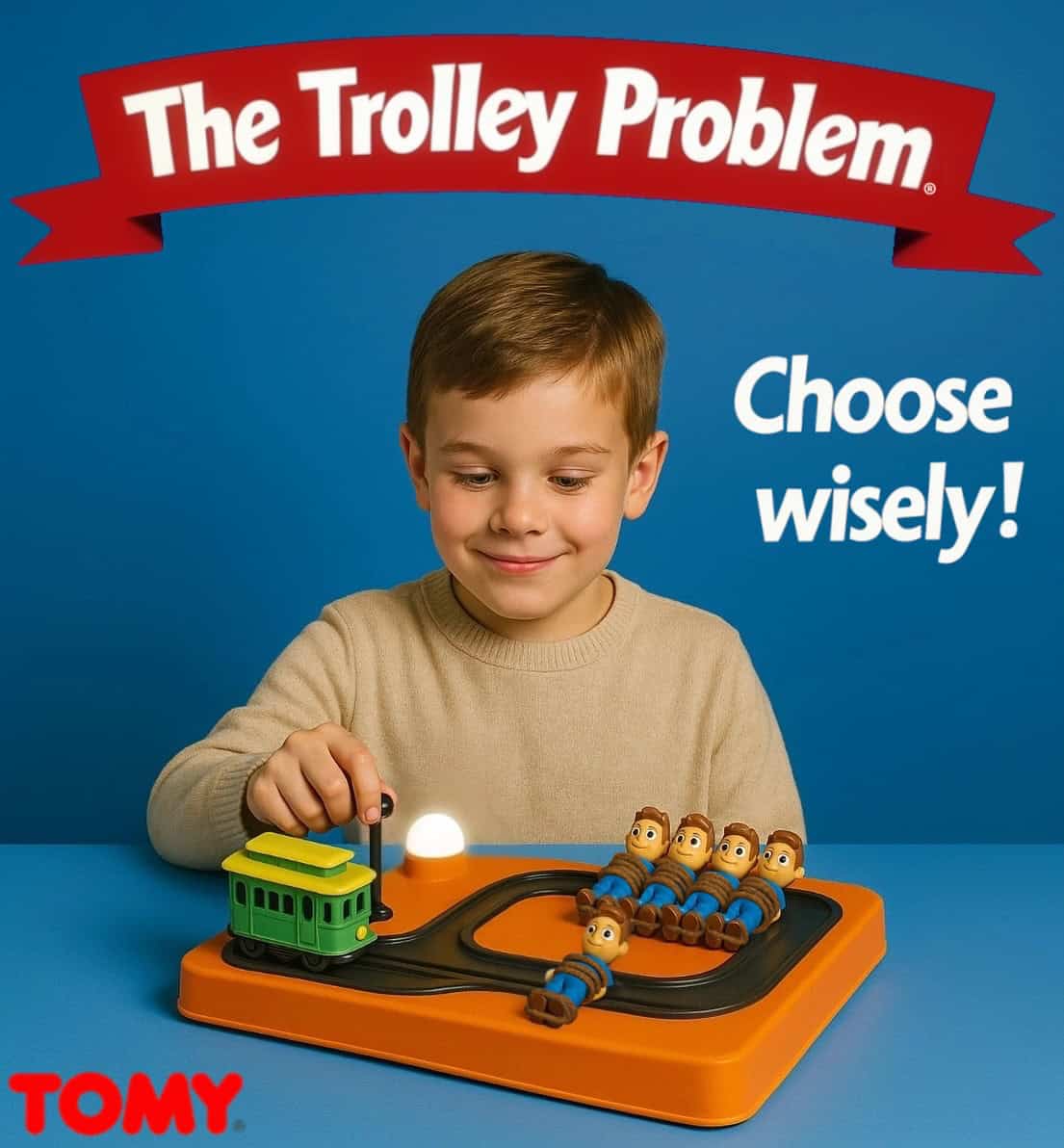
Ages 4 and up. Philosophy degree not included but strongly recommended.
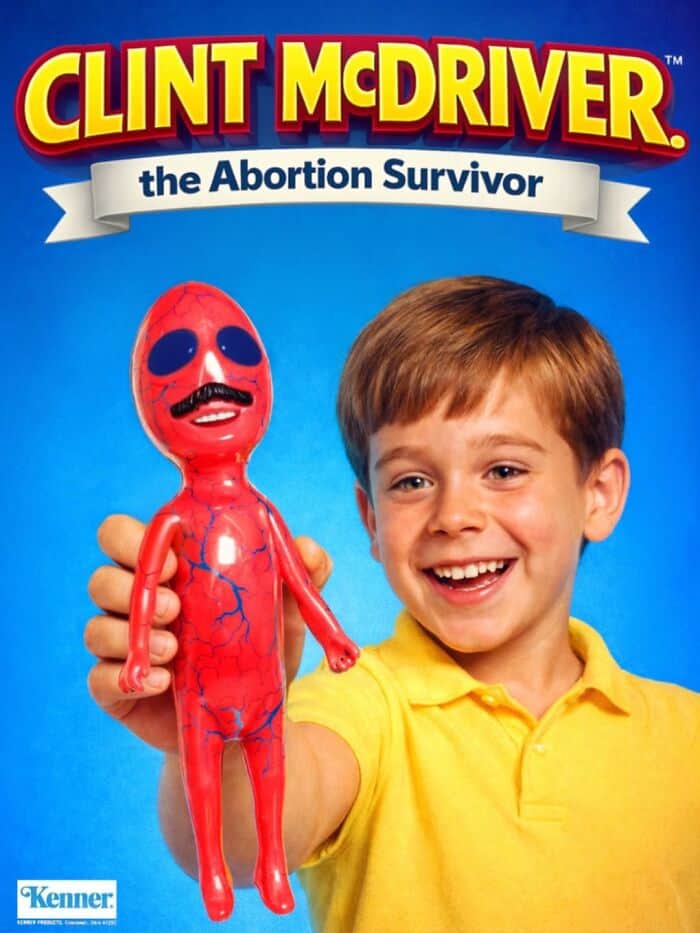
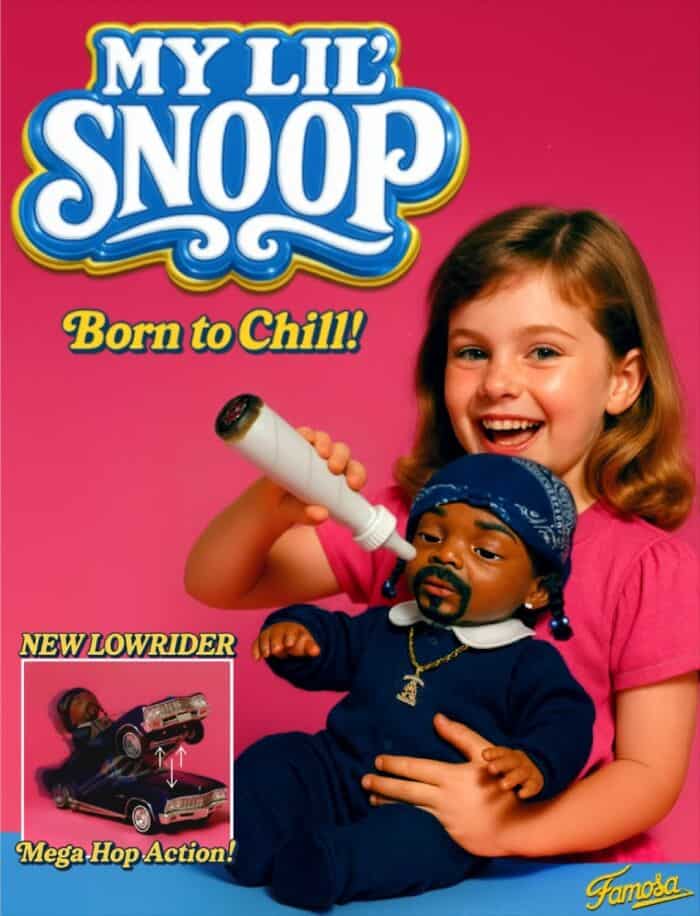
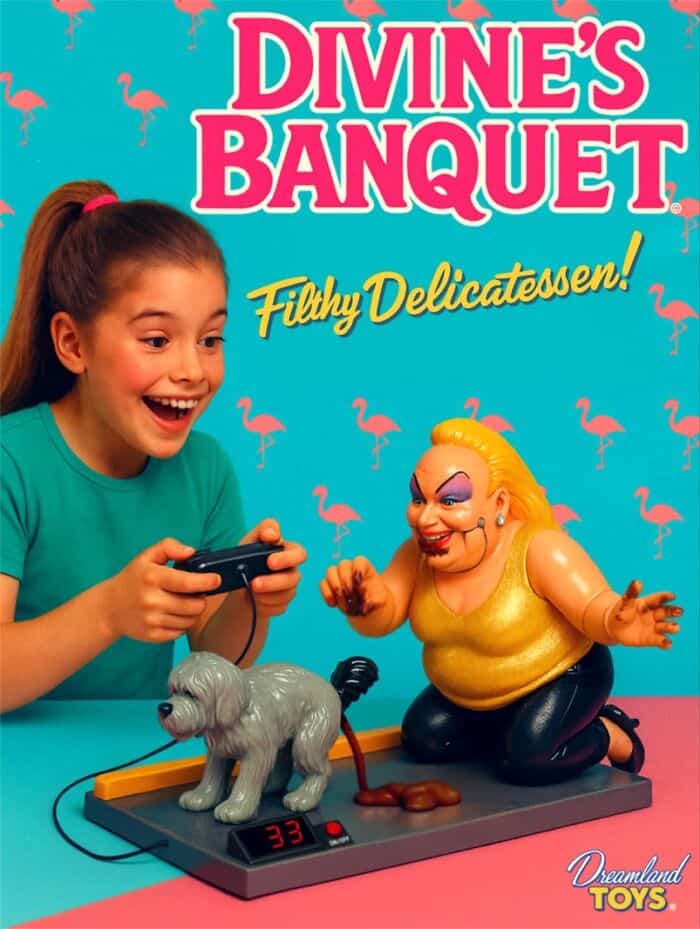
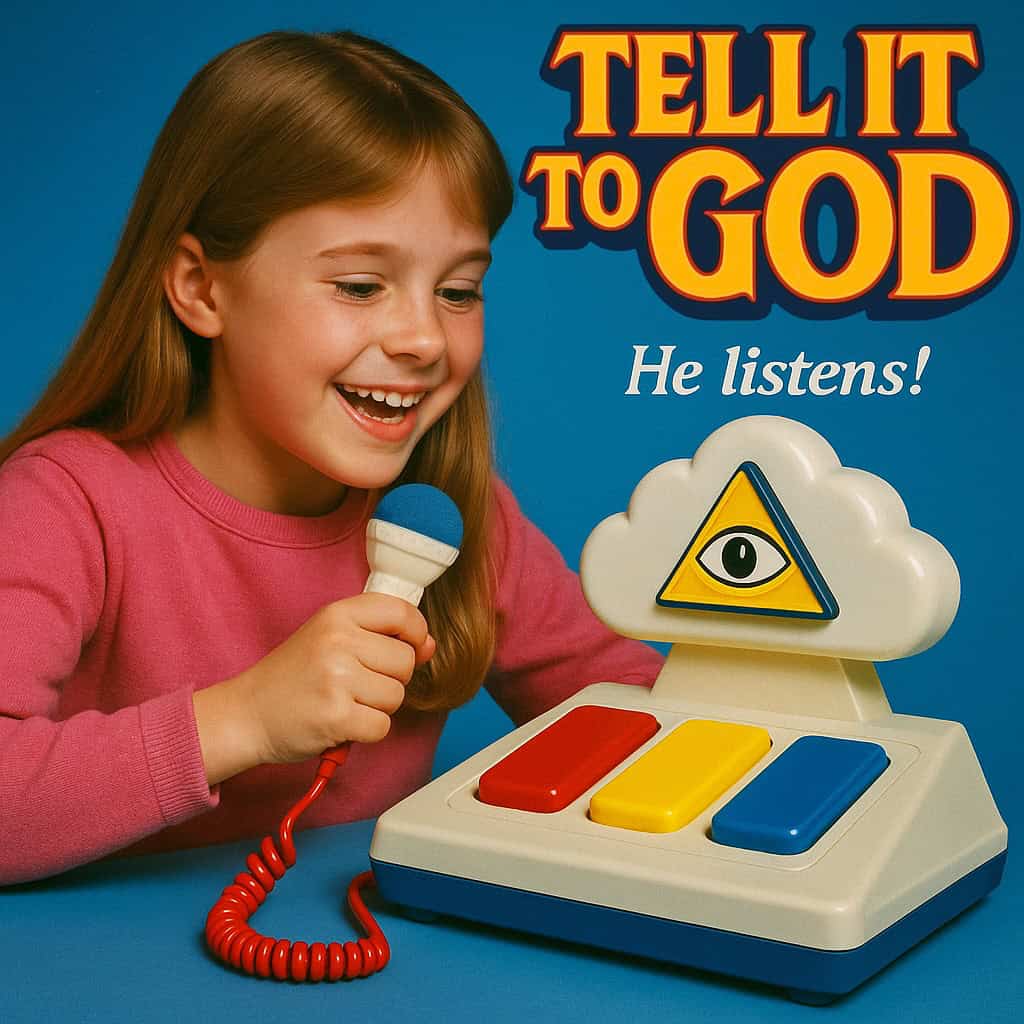
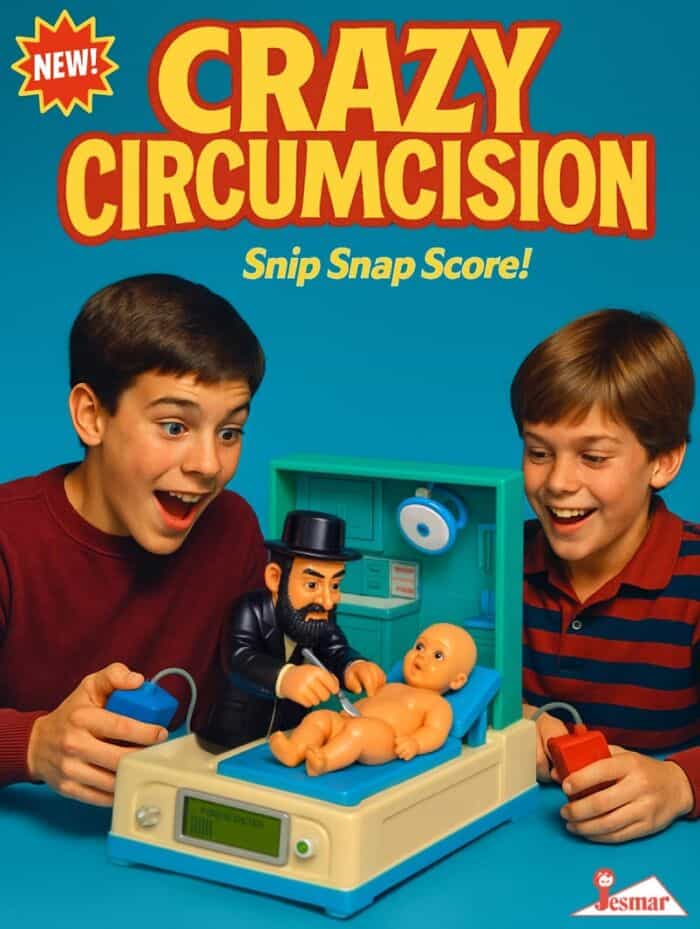
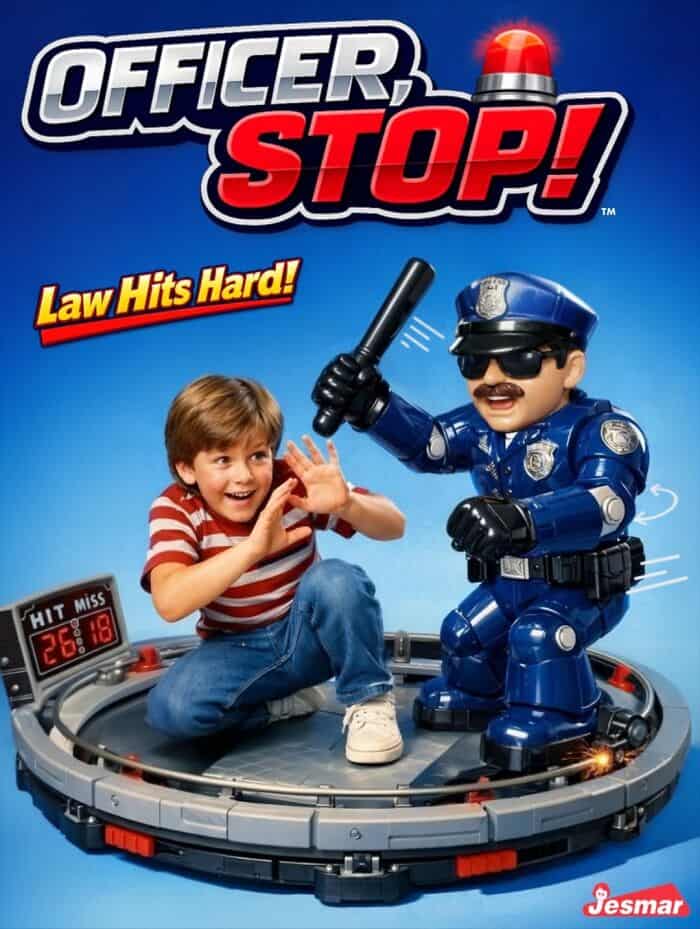
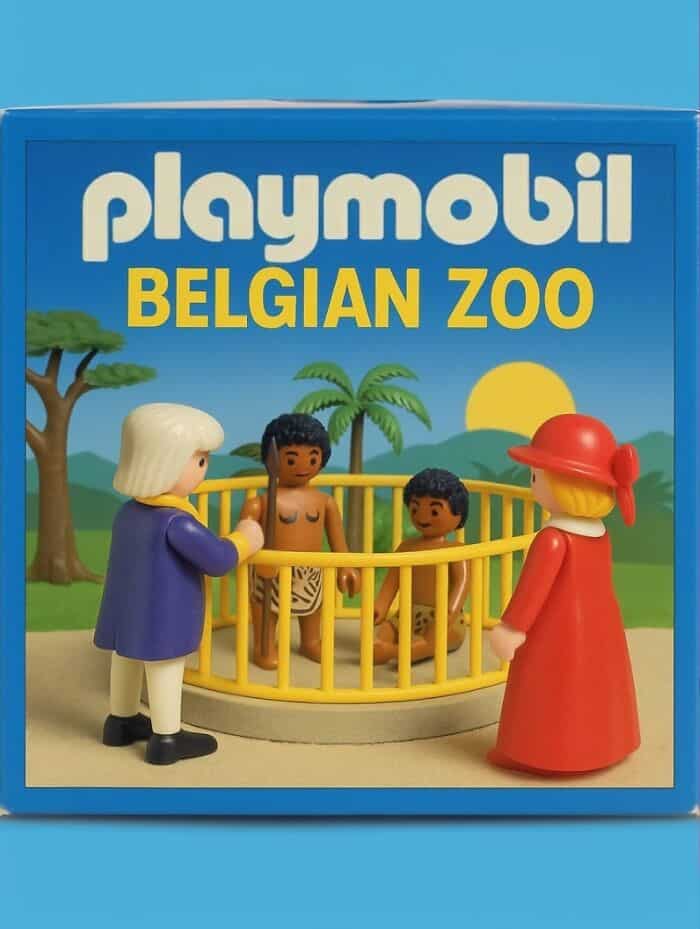
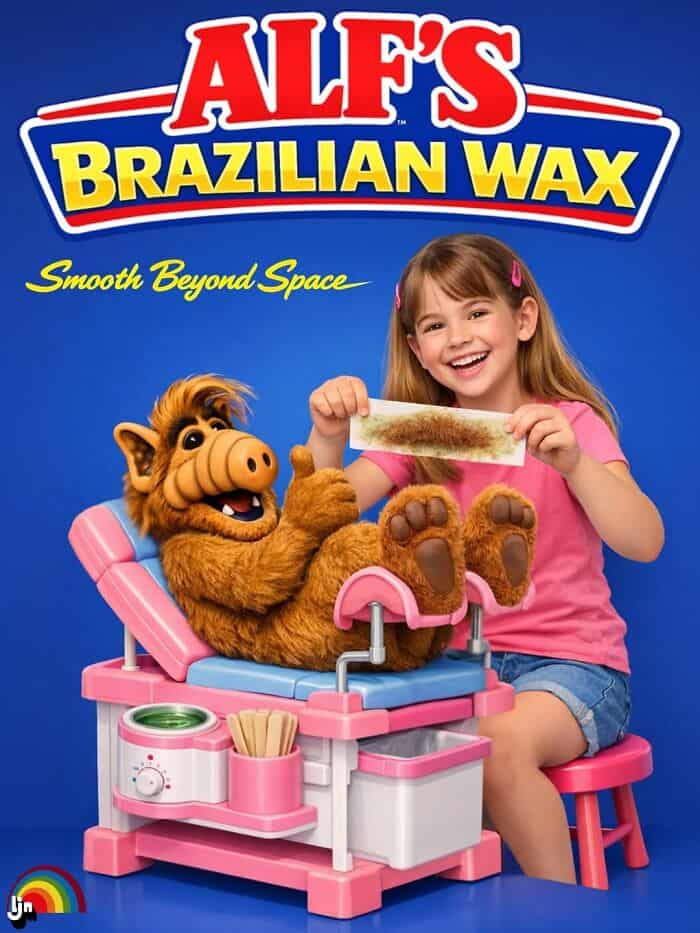
Forbidden children’s toys
Read More
The parody toy format works as comedy because it exploits a fundamental cultural mismatch: the cheerful, primary-color confidence of children’s retail applied to content that children categorically cannot process. The fonts are right. The box art is right. The age recommendation is completely wrong. Funny fake toys in this register are not just jokes about the subject matter. They are jokes about the packaging itself — about the specific visual grammar of childhood consumerism that every adult in the audience has stored so completely that a single glimpse of a Kenner logo on a Holocaust-themed box creates a cognitive collision that resolves as laughter because there is nowhere else for it to go. The format is the punchline. The content is just the angle.
What sits underneath all of these is a fairly sophisticated observation about how culture processes difficult things — and the answer, consistently, is through humor, through play, and through the specific irreverence of taking something serious and putting it in a plastic blister pack with a UPC code. The Trolley Problem has been debated in philosophy classrooms for decades. It has never been more immediately legible than it is as a TOMY children’s game with figures tied to tracks and a lever you can actually pull. The Consent Baby doll, with its speech bubble and its refusal, is arguably doing more for the concept of bodily autonomy than any PSA ever managed, and it costs $12.99 and comes in pink. The fake toy box is not diminishing these subjects. It is finding the most efficient delivery system available and having the audacity to use it.
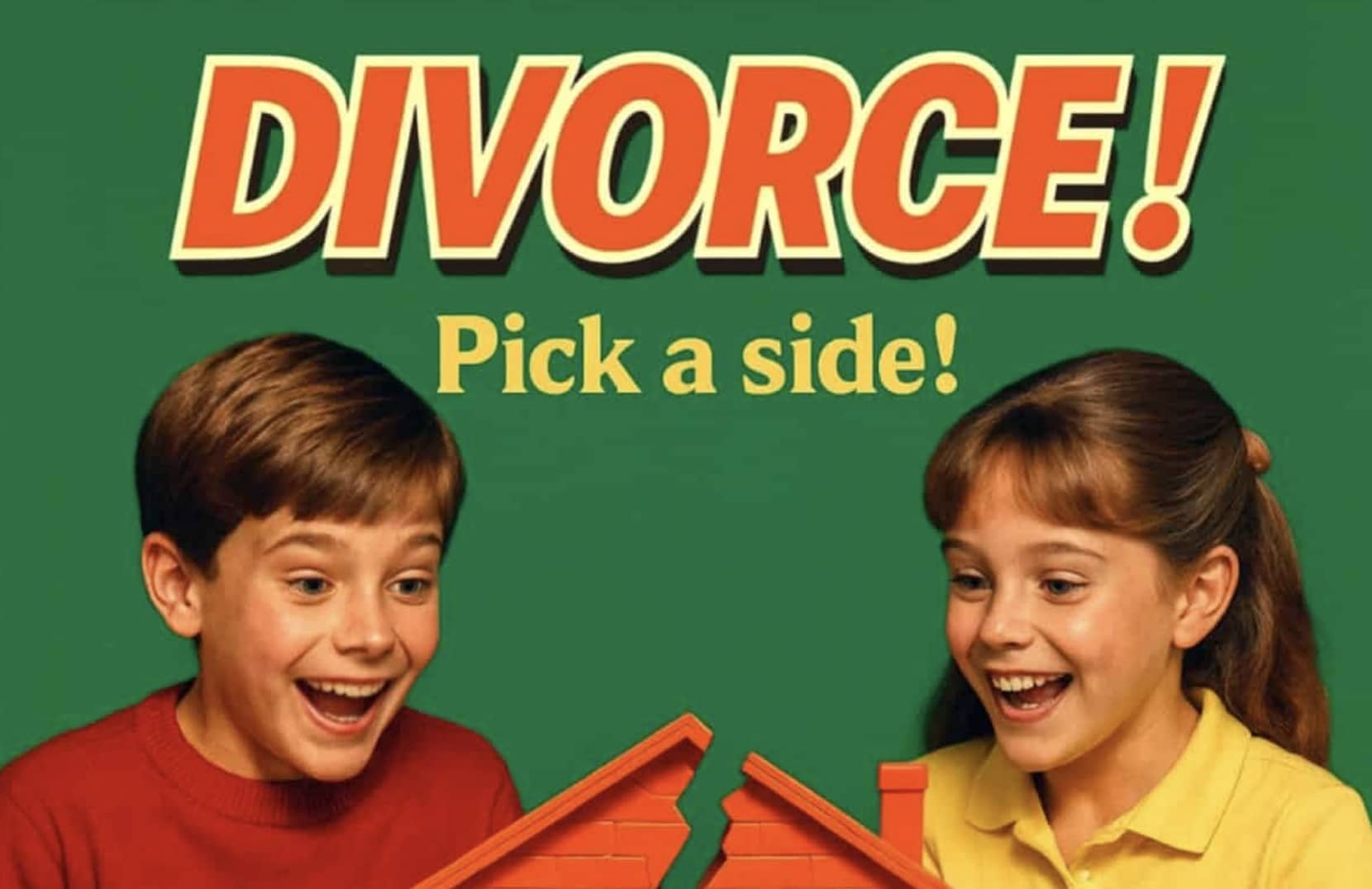
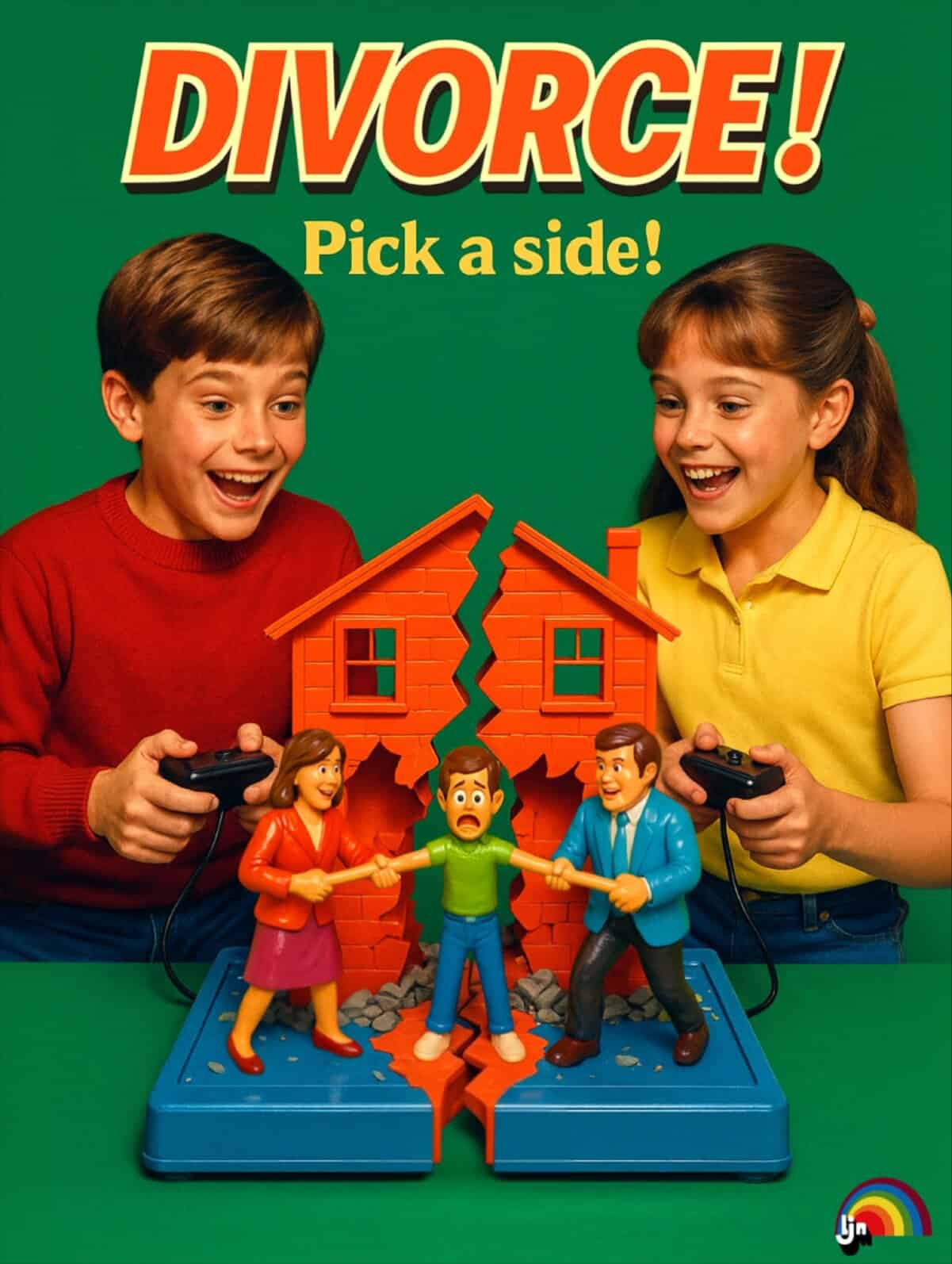
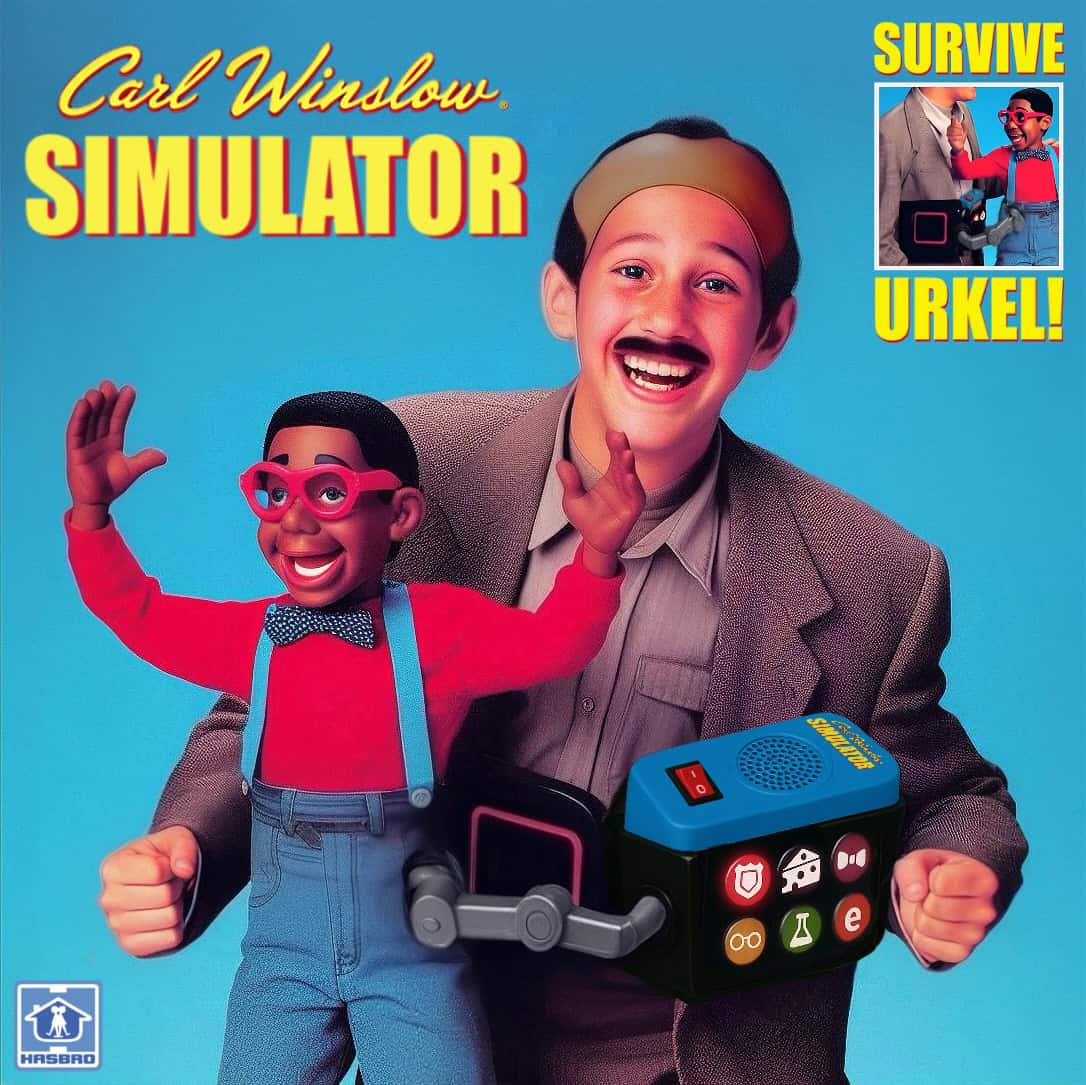
The real achievement of the best entries in this gallery is that they make you laugh and then make you think about why you laughed, which is a two-step process that most humor never bothers with. The Divorce board game is funny because of the box art. It is funnier because it is accurate. It is funniest because it is the kind of thing that would never be made but, given the divorce rate and the board game industrial complex, probably could be, and somebody somewhere in a focus group would have notes. The Carl Winslow Simulator is funny because it exists. It is funnier because the Urkel puppet controller is right there. It is funniest because everyone who grew up watching that show knows exactly what the simulator would feel like to play, and the difficulty curve would be severe.
If this gallery has unlocked a creative appreciation for the parody toy format, weird knockoff toys and bootleg products are a rich companion category where the legal clearance situation is equally ambiguous and the box art is even more committed. Dark humor memes broadly belong right beside it for the wider category of humor that uses the wrong container for the right observation. And for anyone drawn specifically to the philosophy game entries, intellectual humor memes are a companion space where the Trolley Problem has been deployed across every available format and the figures on the track have never once gotten off safely.
Read Memes
Get Paid


Michael Hartley, or just "Mike," is an editor and seasoned meme historian whose articles have traced the evolution of meme humor from early Impact-font classics to today’s TikTok sensations. With nearly a decade spent as senior editor at ViralHype and as a regular contributor to Cheezburger, Mike has dissected the rise of meme legends such as Bad Luck Brian, Success Kid, and Doge. When he's not hunting down meme gold for Thunder Dungeon, Mike teaches workshops on meme marketing and the psychology behind shareable content.