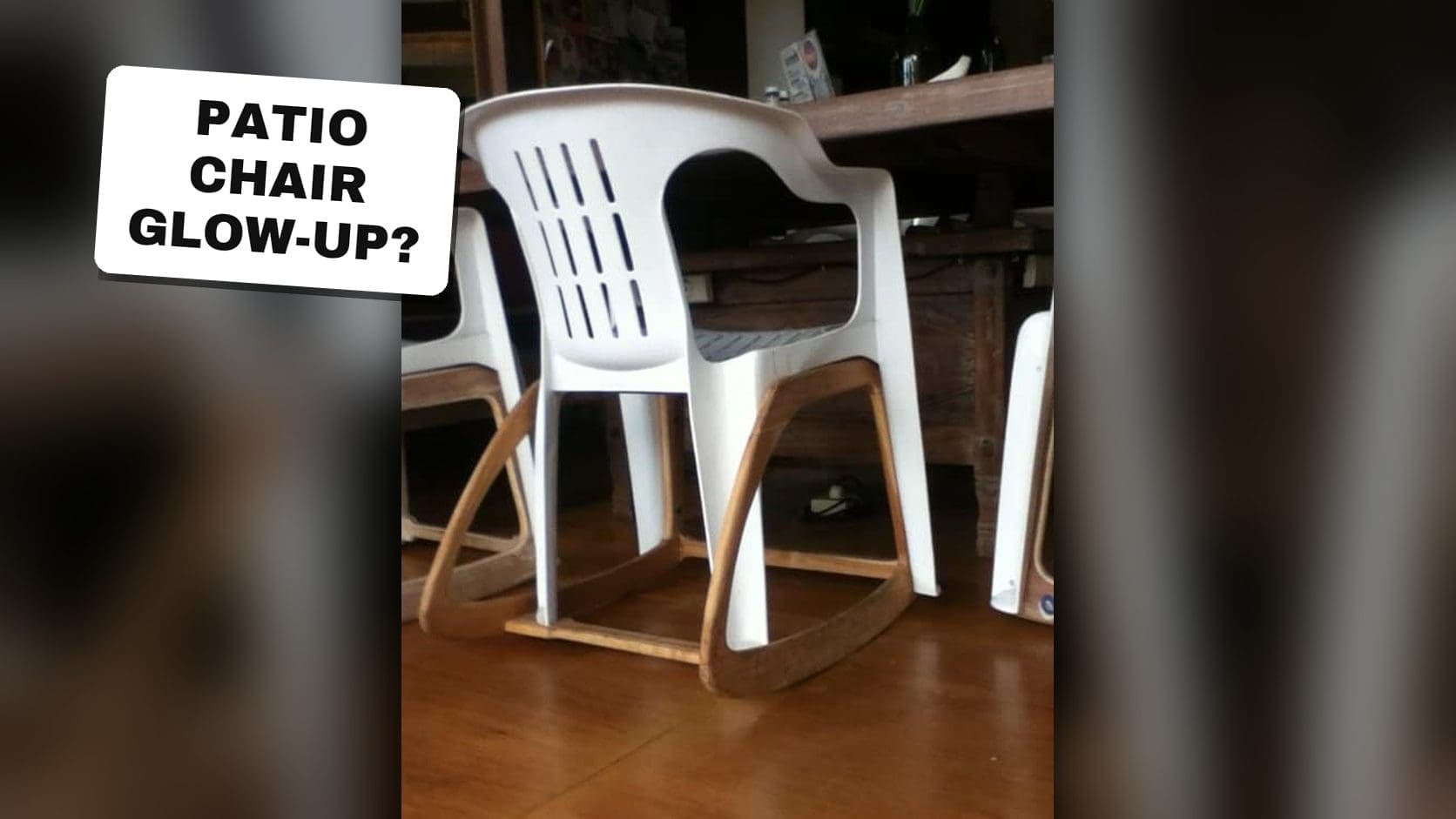

There is a school of repair philosophy that regards professional handymen as an admission of defeat and hardware stores as optional, and its output is magnificent. This slavic engineering is that philosophy in practice, the fixes and modifications assembled from whatever the yard, kitchen, and grandmother could provide. The parts are wrong. The solutions are right. The warranty is a shrug. Study the masters.

The doctor said six weeks in a cast; gopnik culture said make it stylish.

Why re-upholster when you can just drop a doily over the crime scene?

Dual-pane glass for maximum aerodynamic inefficiency.


Flush with the wall, zero space spared.


Auto zone was closed, but the kitchen sink was wide open.








Slavic engineering
Read More
The automotive wing is where the philosophy achieves its boldest expression, the vehicle modifications that treat a car as a suggestion rather than a finished product. The residential house window installed as a functioning sunroof, offering dual-pane insulation and catastrophic aerodynamics in one elegant package. The sedan converted to a pickup through carpentry and conviction, luxury up front, pallets in the back. The windshield wiper upgraded with a kitchen sponge, delivering a scrub quality no factory blade has ever attempted at highway speed. Every one of these solves the actual problem. The other problems it creates are considered future projects.
Then there’s the household-space-management school, the domestic installations that answer questions no architect would entertain. The washing machine embedded flush into a bathroom wall, structural implications pending. The second washing machine shelved directly above a toilet, converting every bathroom visit into an exercise in faith. The entire house exterior wrapped in hand-knitted lace, because the grandmother in question finished the tea cozy and simply saw no reason to stop. These aren’t compromises, exactly. They’re declarations that the space will serve the household, not the other way around, and the space, wisely, complies.
And the utilitarian-repurposing category is the intellectual core of the whole tradition, the recognition that every object contains additional careers its manufacturer never imagined. The potato masher earning its place in plumbing history as a showerhead bracket, outperforming a professional installation at roughly one percent of the cost. The doily deployed over sofa damage, resolving a cat’s crime through decorative diplomacy. The pig roast transported by synchronized cyclists, logistics and rotisserie merged into a single operation. The underlying principle never varies. The correct tool is whichever tool is present, and the present tool always rises to the occasion.
What this tradition actually represents is a completely different relationship with problems, one where the gap between broken and fixed is measured in ingenuity rather than currency. The professional repair economy runs on the assumption that people can’t or won’t solve things themselves. These photos are a standing rebuttal, a whole culture demonstrating that with enough resourcefulness, the assumption collapses, along with, occasionally, the shelf above the toilet.
And there’s a real dignity under the comedy, because every one of these fixes represents someone refusing to be defeated by circumstance. The budget didn’t allow the proper part, so the proper part was invented. The store was closed, so the kitchen opened. Laughing at the sponge wiper is fair, but the sponge wiper works, the windshield is clean, and the driver kept moving, which is more than can be said for anyone still waiting on a repair appointment. If it works, it isn’t stupid. The doctrine holds.
The masher is load-bearing. The lace is structural. Respect the craft.
If the improvised brilliance was your kind of fun, our DIY content is right where you’d want to land next, and we’ve got plenty of budget fix archives, questionable repair threads, and resourceful solution compilations for anyone whose own home contains at least one kitchen utensil doing a job it never trained for. Never call the handyman.
Read Memes
Get Paid


Jake Parker, known around the web as "Jay," is a digital writer with over 10 years of experience covering internet humor, meme trends, and viral content. Before joining Thunder Dungeon, Jay was the lead editor at MemeWire, where he helped curate memes that broke the internet, including coverage on trends like Distracted Boyfriend, Kombucha Girl, and Bernie Sanders’ Mittens. A self-proclaimed "professional procrastinator," Jay spends his downtime scrolling Reddit and Twitter to stay ahead of what's about to break the internet next.