

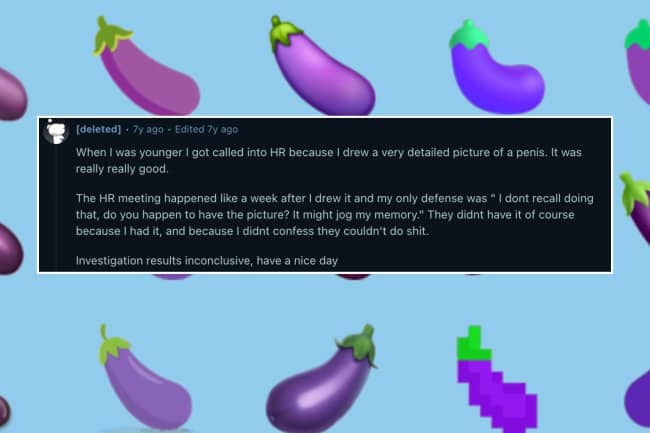
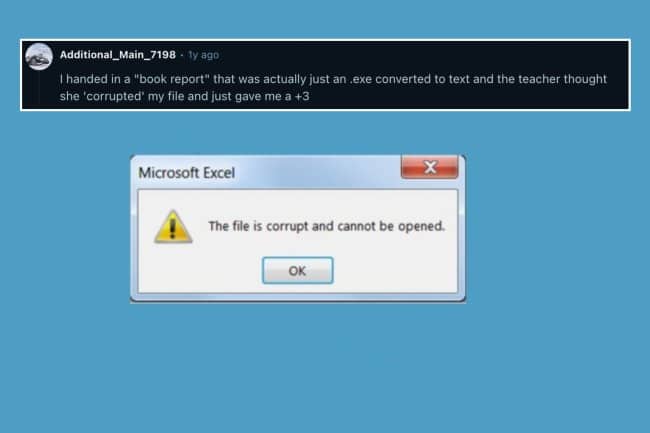
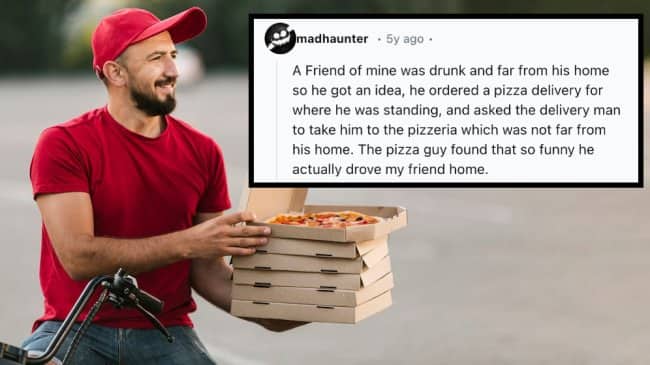
Somebody on Reddit recently confessed that they had successfully evaded a Human Resources investigation by demanding video evidence they knew did not exist, and the confession is, on close examination, a piece of practical genius. These dumb ideas that actually worked are the small ongoing record of people who solved real problems with strategies that should not have worked, and the fact that they worked is what makes them worth documenting at all. The solutions are bad. The outcomes are good.
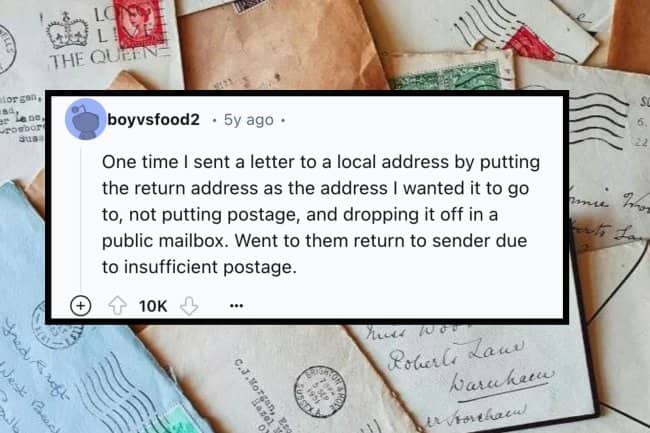
Outsmarting the federal government with one simple trick.
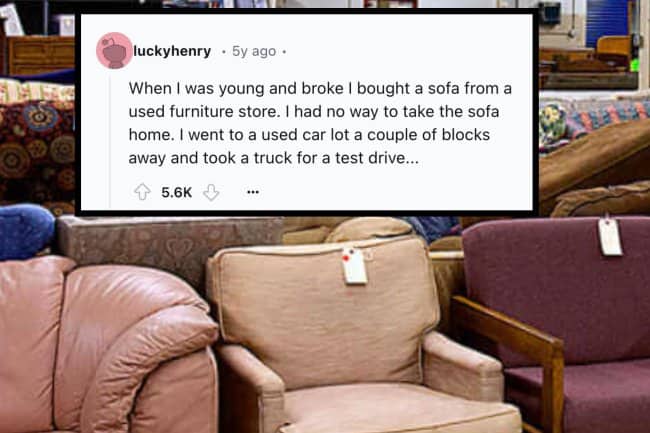
Renting a U-Haul is for people who lack imagination.
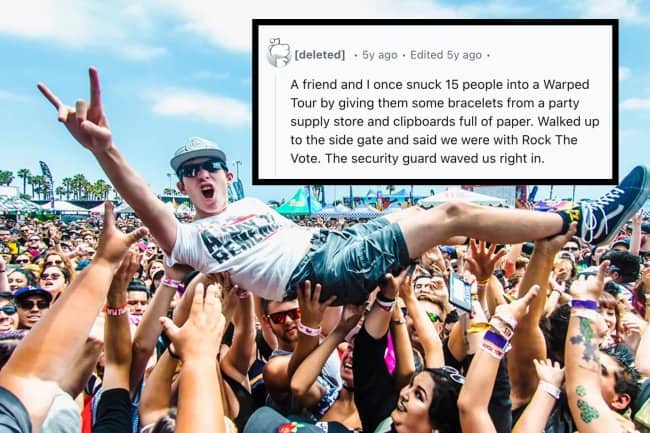
If you carry a clipboard with enough confidence, you can walk into a vault.
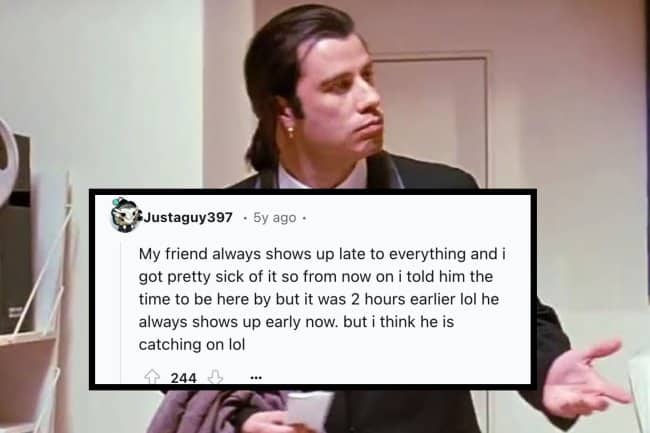
Psychological warfare, but make it punctual.
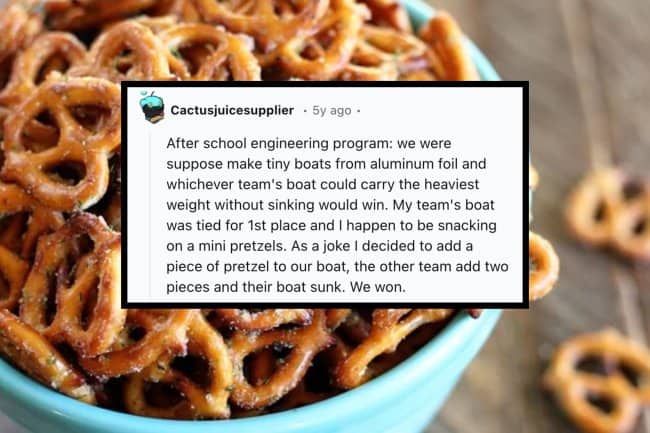
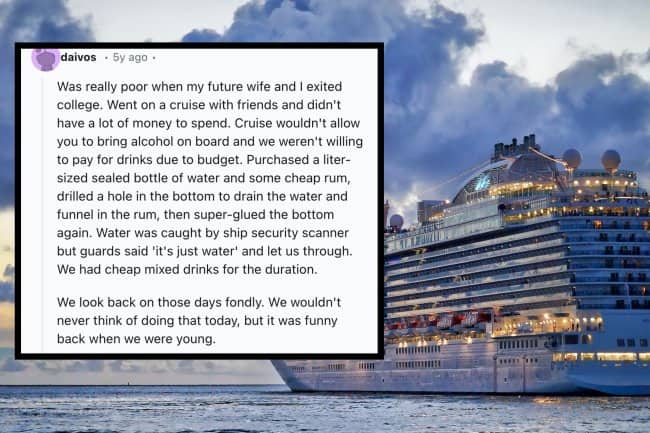
A lot of engineering went into this hangover
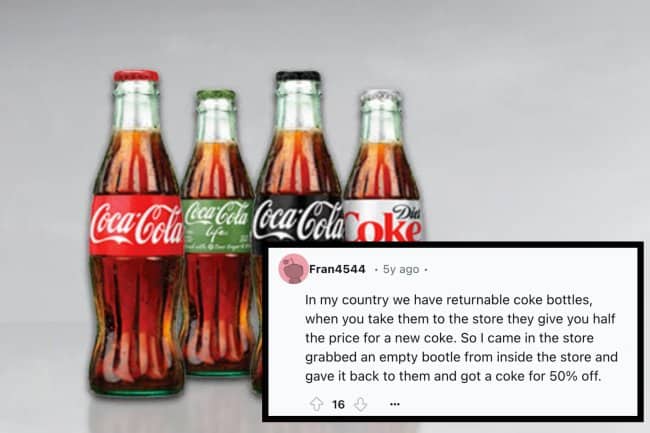
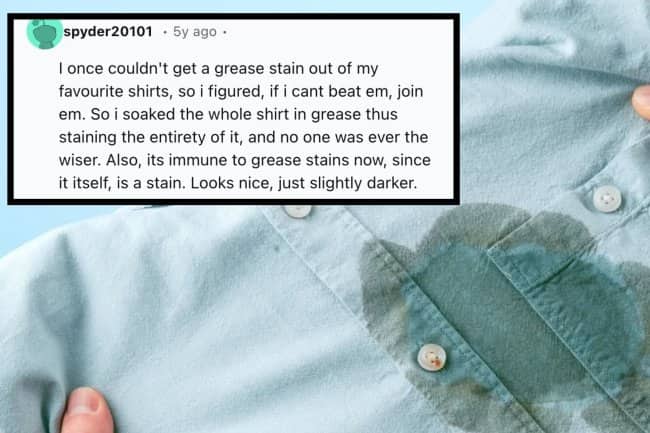
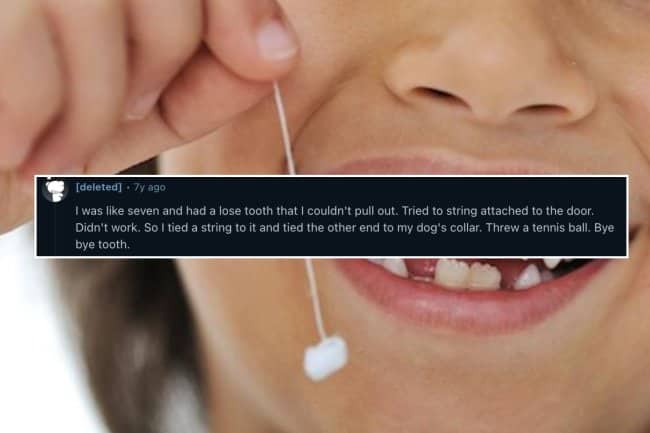
Dental care on a budget.




Dumb ideas that actually worked
Read More
Here is the thing nobody admits about adulthood. Most of the time, the official method for accomplishing something is significantly more complicated than the actual method for accomplishing the same thing. The official method requires forms. The actual method requires confidence and a clipboard. The funny life hacks circulating online are essentially the documented evidence of this gap, where somebody discovered the gap exists, walked through it, and lived to post about the experience later.
The concert content specifically deserves its own moment. There is something about the people who, in the early 2000s, sneaked friends into events using fake credentials and pure attitude, that captures a kind of broke-college-student ingenuity that the current generation seems to have lost partial access to. The clever shortcut memes from that era are not, mostly, about saving money. They are about the small thrill of figuring out that the security system was a fiction held together by trust, and the trust could be exploited by anybody willing to commit to the bit.
The cargo-related entries have their own particular flavor of audacity. Somebody, somewhere, looked at a test-drive dealership truck and realized that the dealership had no mechanism for confirming what the test drive was actually being used for, and the realization opened up an entire new category of free moving service. The genius life hacks in this lane are essentially small acts of consumer reverse engineering, where the customer figured out that the official offering was, structurally, more generous than the company intended.
The larger thing all this captures is that systems, on close inspection, are mostly fictions. The mail system runs on trust. The dealership runs on trust. The concert security runs on trust. The HR department runs on trust. The dumb life hack stories that travel the furthest are the ones where somebody noticed that the trust was the entire load-bearing structure of the system, and that the trust could be redistributed in slightly creative ways without anybody actually noticing.
The funny shortcut memes that get the most traction tend to involve a specific kind of audacity that the audience recognizes. Nobody is reading this stuff for the practical applications. The audience is reading it for the small thrill of watching somebody solve a problem with an approach that would never have occurred to a more responsible person, and the solving is, statistically, the entire point of the content.
The system has cracks. The cracks have been documented. The documentation is, somehow, the most useful adult education currently available online.
If the questionable problem-solving was your kind of fun, our life hack content is right where you’d want to land next, and we’ve got plenty of consumer-loophole archives, free-stuff threads, and clever-cheap-solution compilations for anyone who reads instructions and immediately considers the workaround. Take notes carefully.
Read Memes
Get Paid


Laura Bennett has spent eight years immersed in internet culture, specializing in deep dives into meme origins, evolving meme trends, and digital subcultures. As a contributor for several prominent online platforms, including BuzzFeed’s meme division and Know Your Meme, she’s written extensively about viral moments from Crying Jordan to Woman Yelling at a Cat. Laura believes memes aren't just internet jokes—they're modern-day folklore. She brings that passion to Thunder Dungeon by keeping readers connected to what's culturally significant, hilarious, and timelessly viral.