
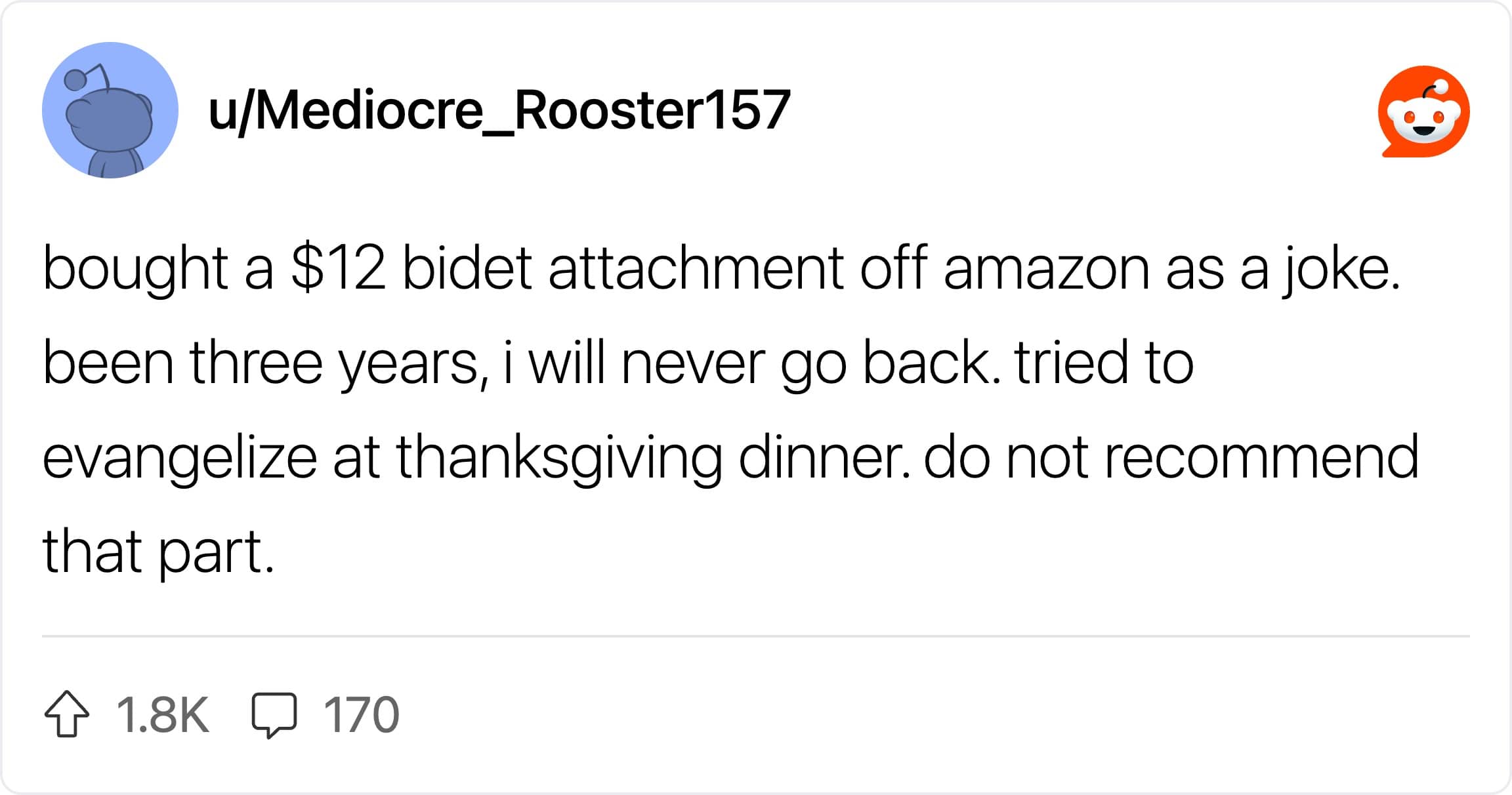
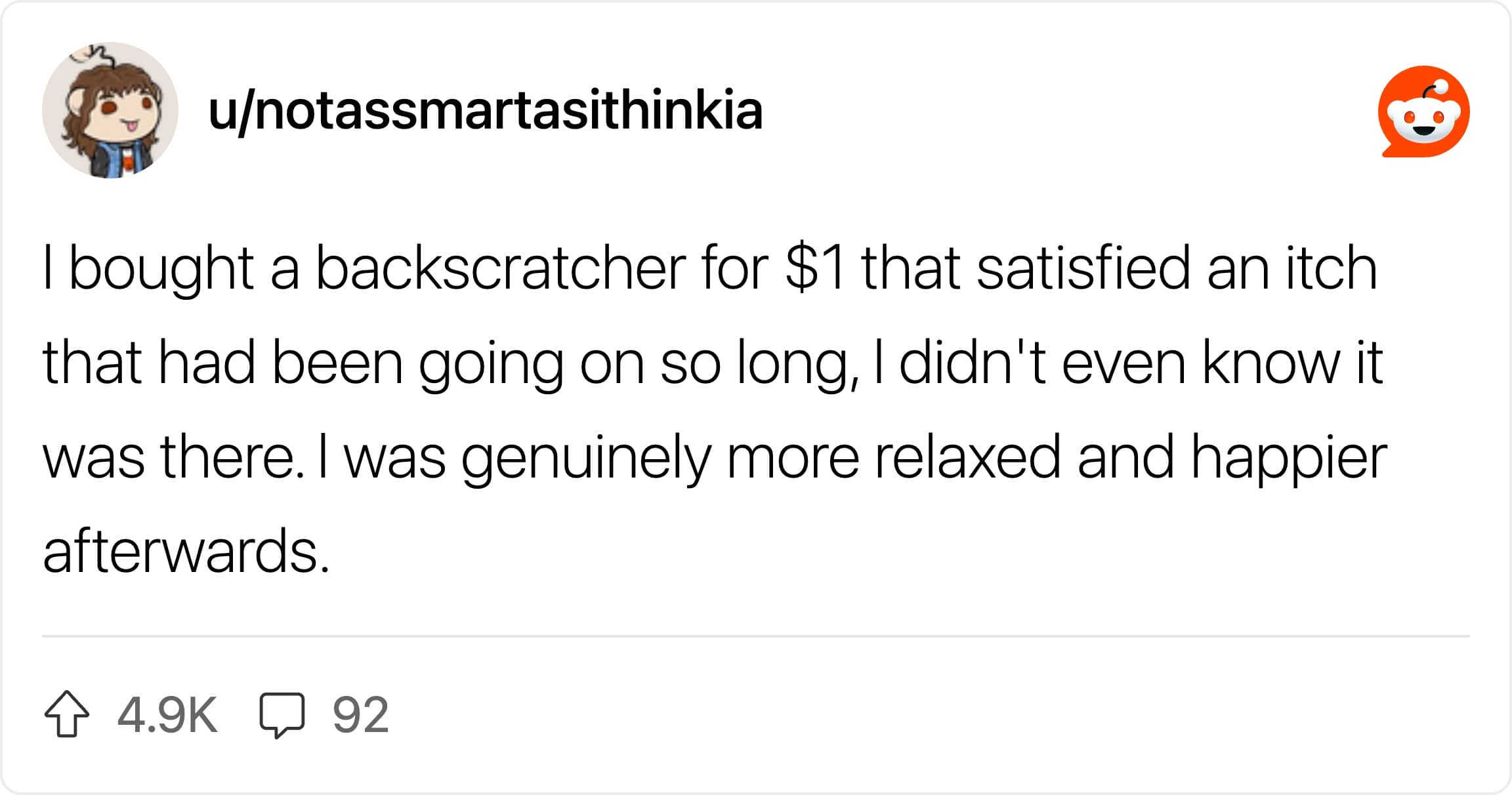
Somebody on the internet recently testified that a one-dollar backscratcher had measurably improved their quality of life, and the testimony has been quietly resonating with everybody who has ever solved a major life problem with a minor purchase. These best purchases are the small ongoing communal celebration of the very specific genre of object that costs almost nothing and changes almost everything, and the genre is, statistically, more reliable than any expensive lifestyle upgrade currently being marketed.
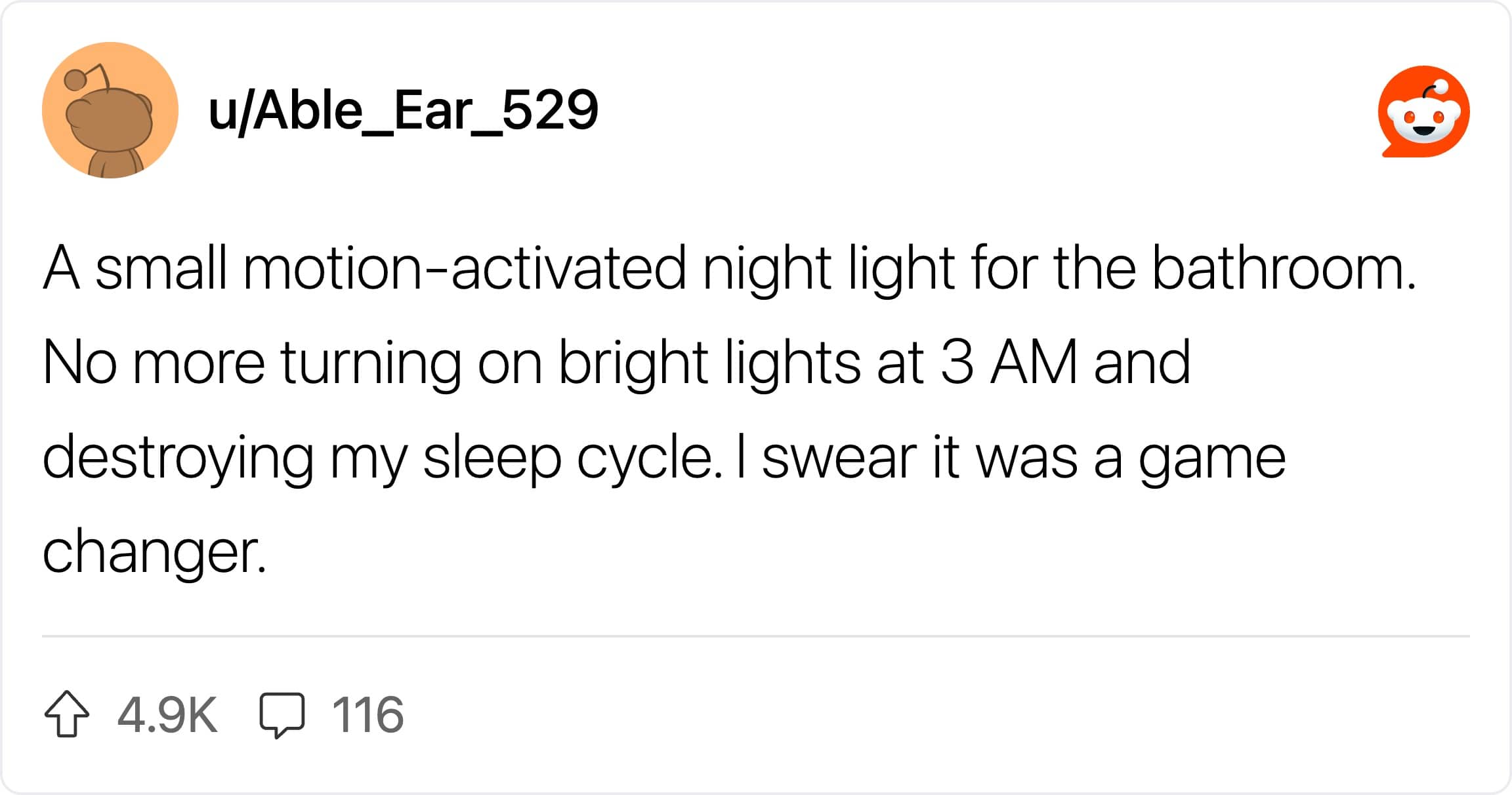
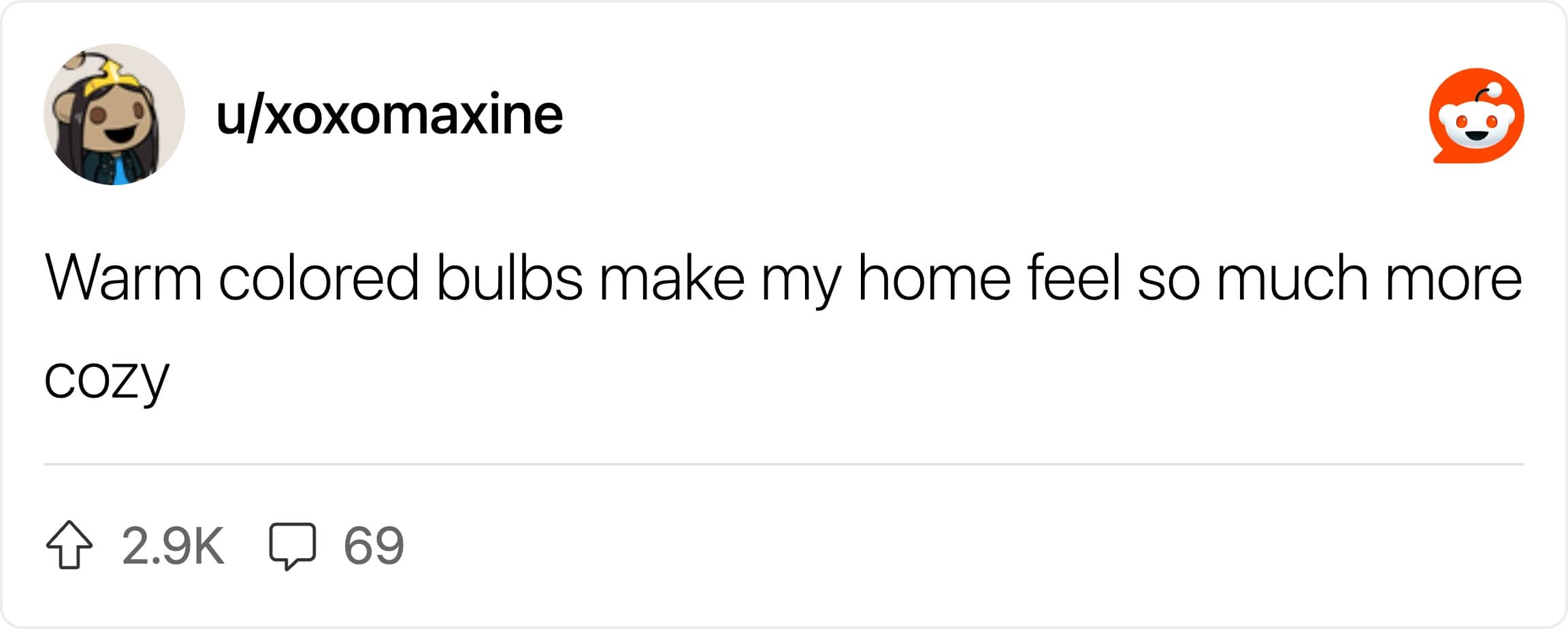
Because hitting your eyeballs with 500 lumens at 3:00 AM is basically a declaration of war against sleep.
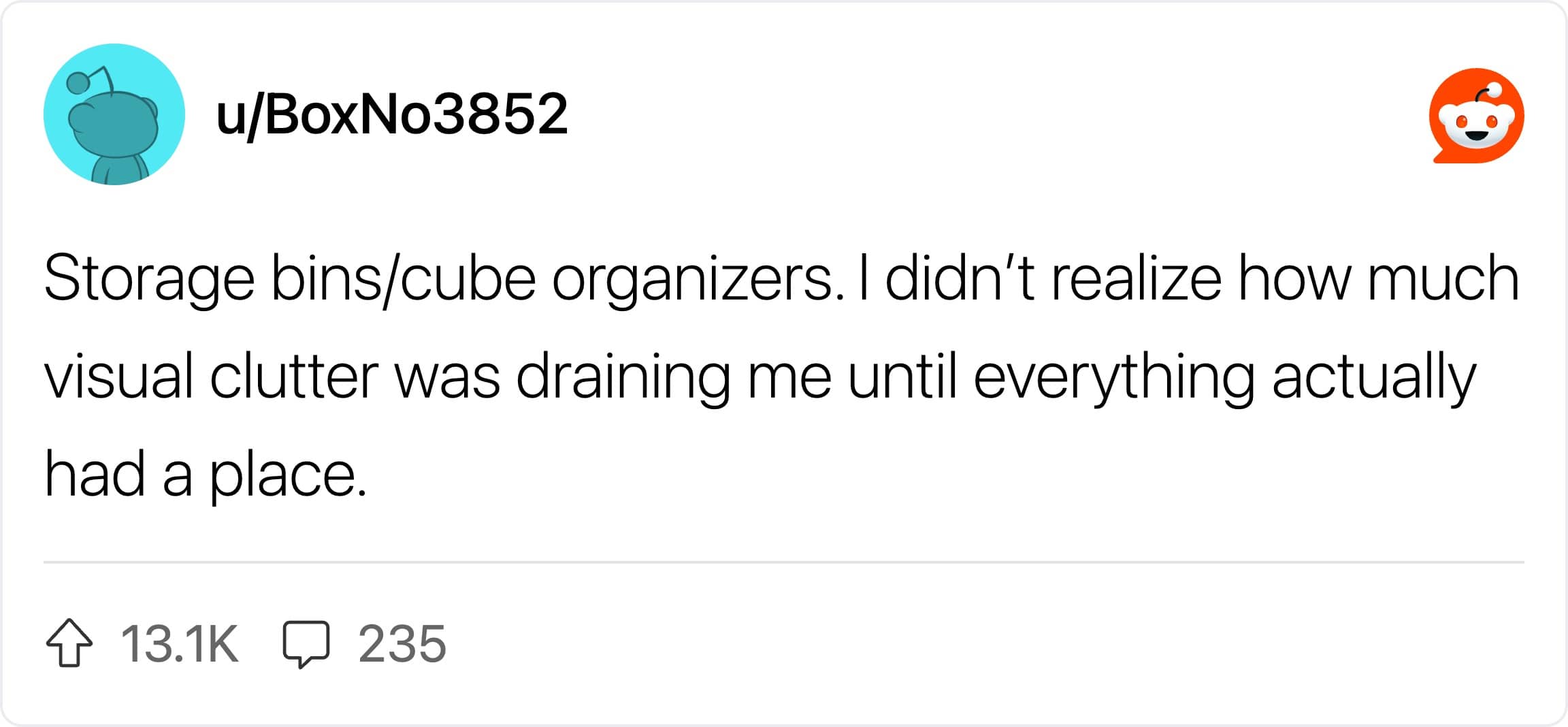
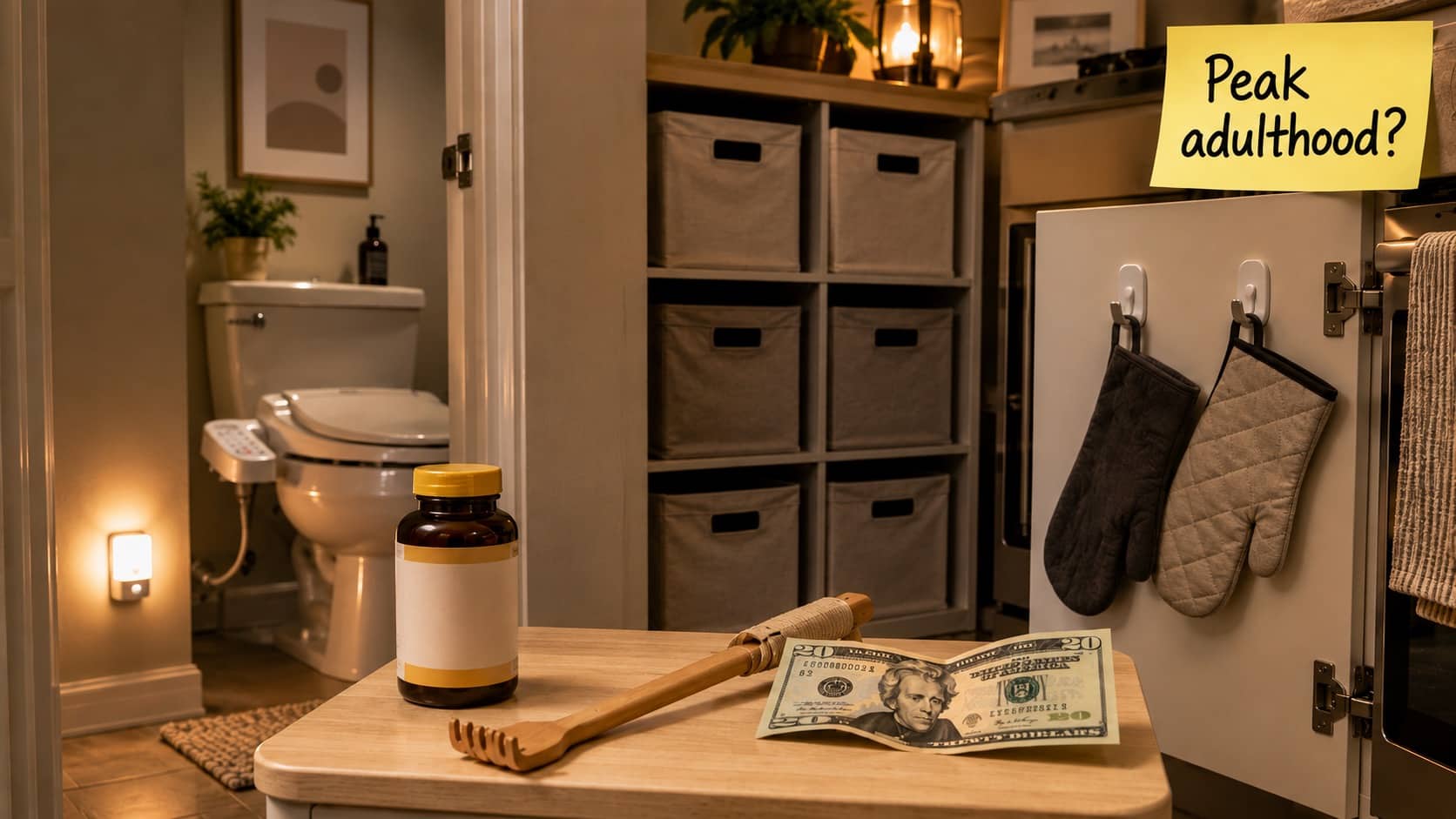
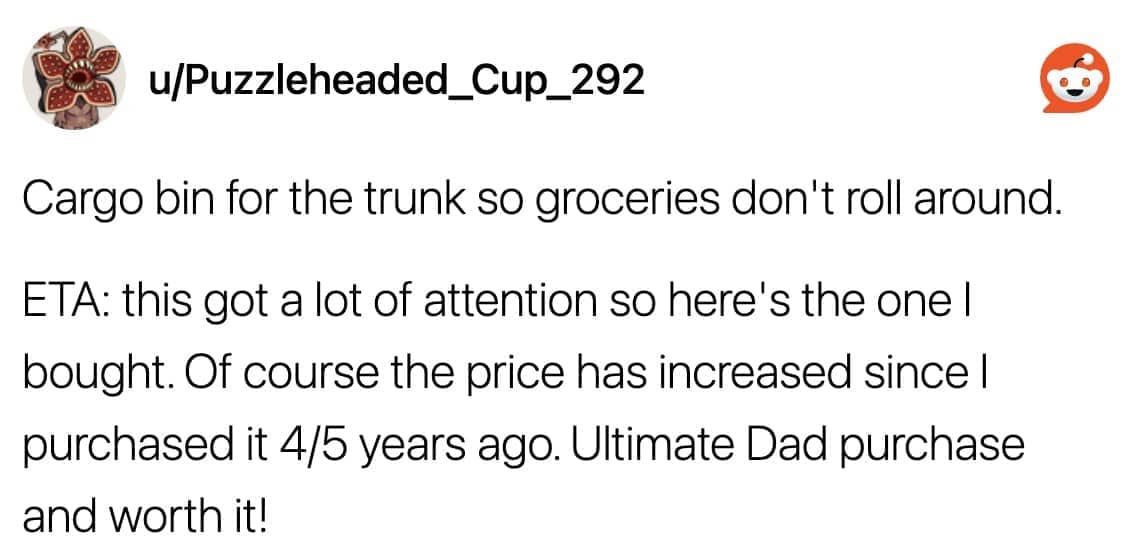
Buying boxes to put your other boxes in is peak adulthood.
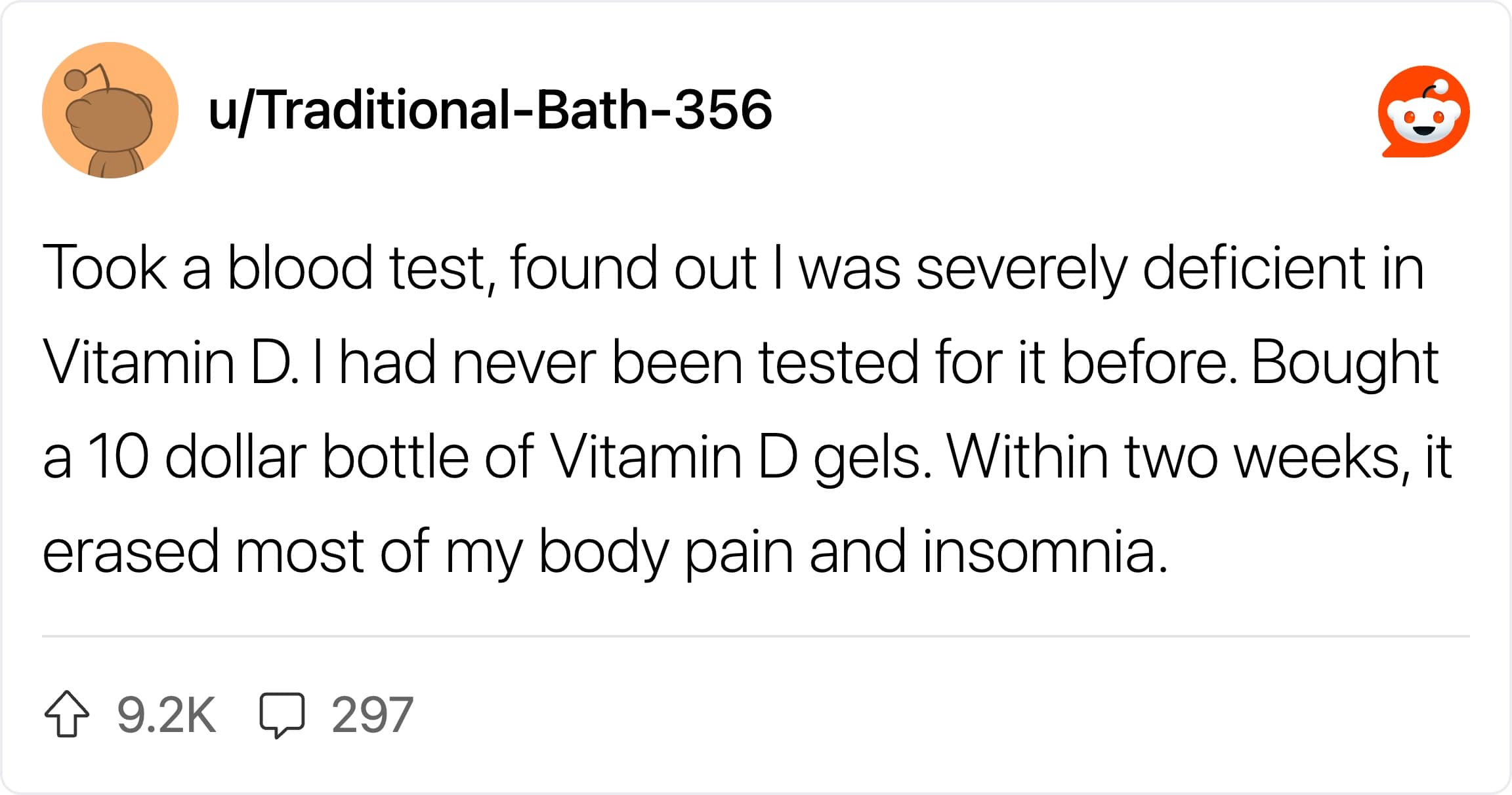
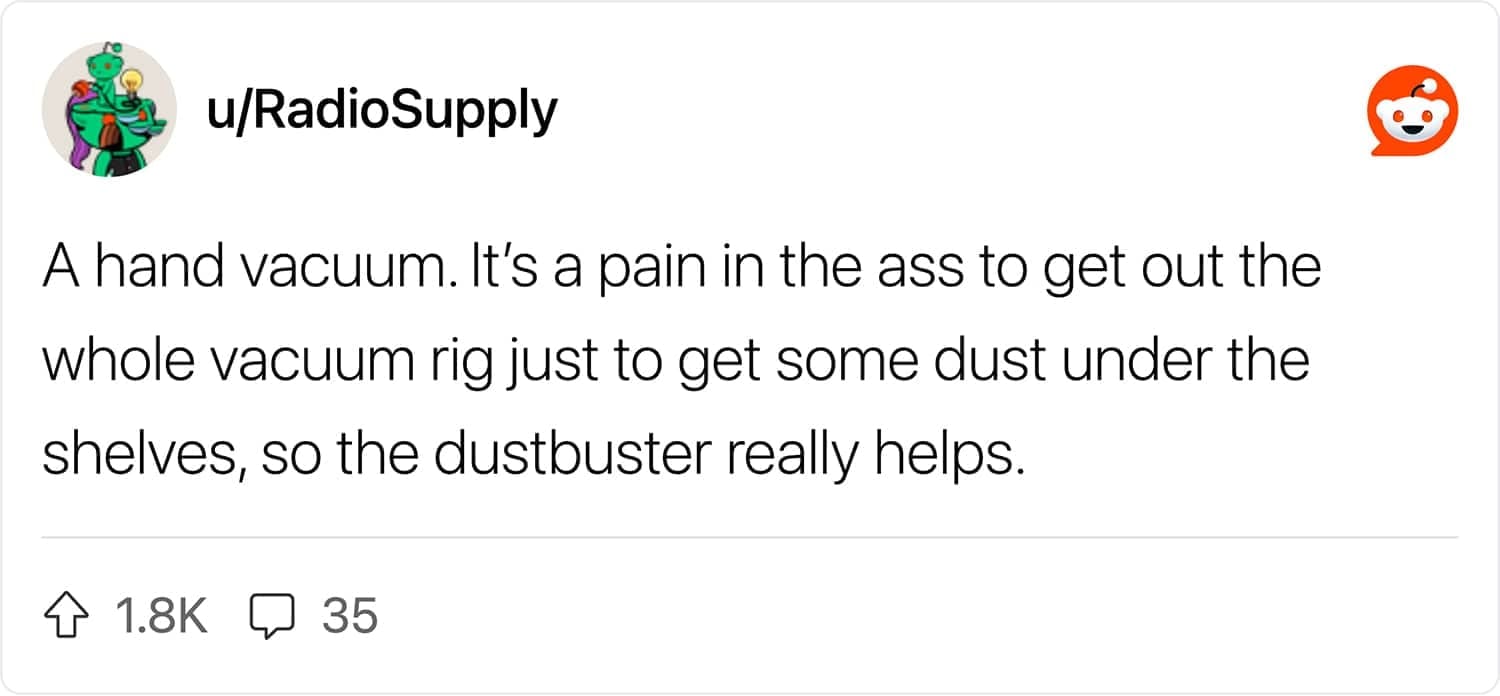
he cheapest medical upgrade you will ever buy in your entire life.
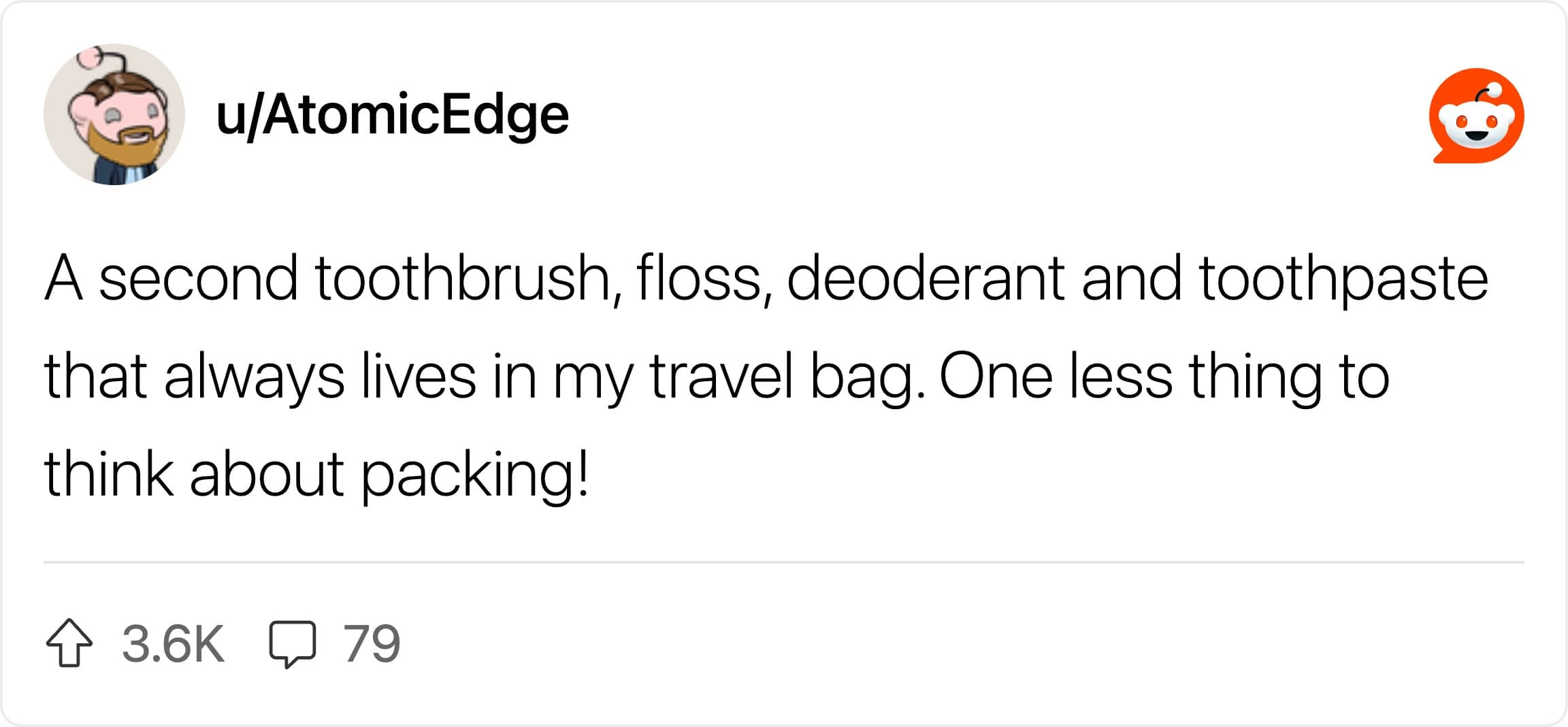
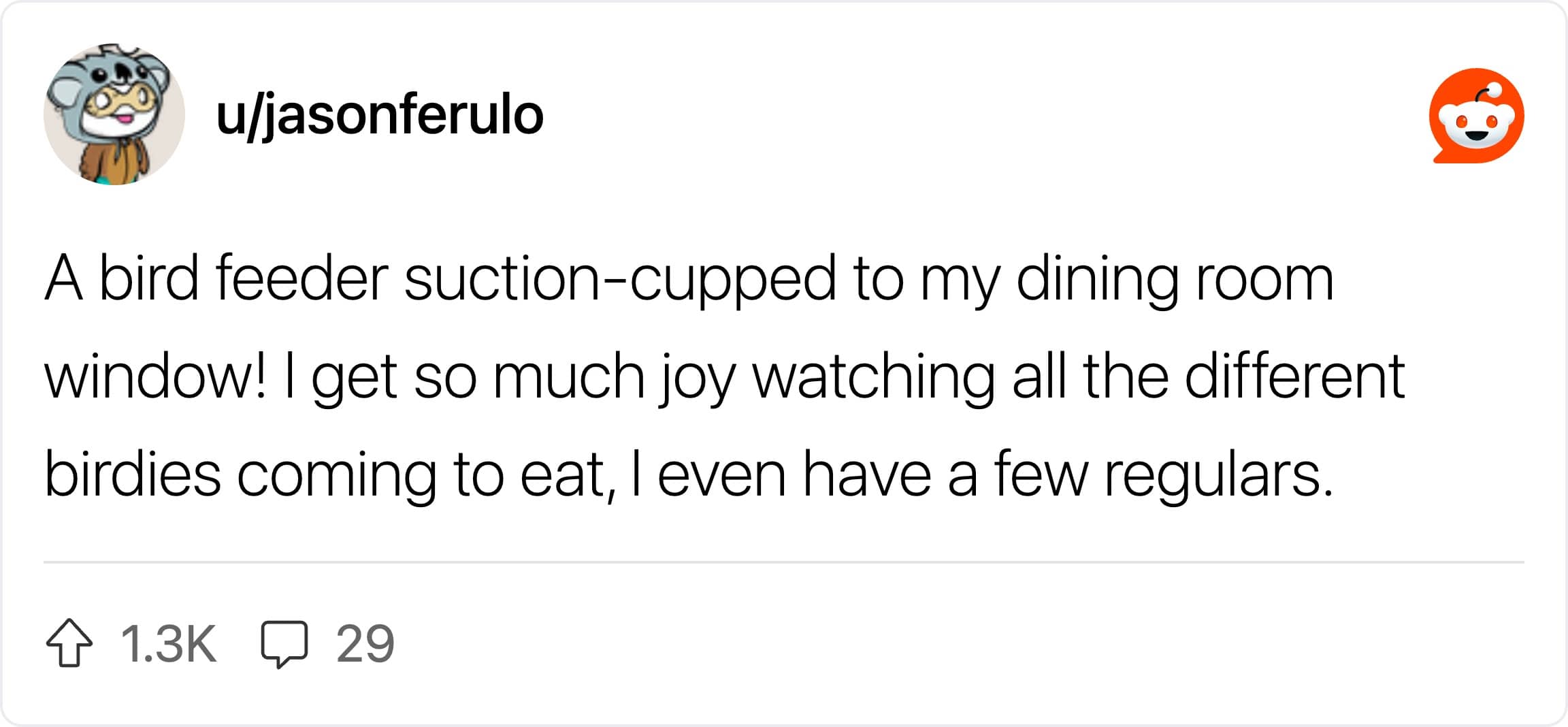
Pack once, stay ready, never suffer the airport pharmacy markup again.
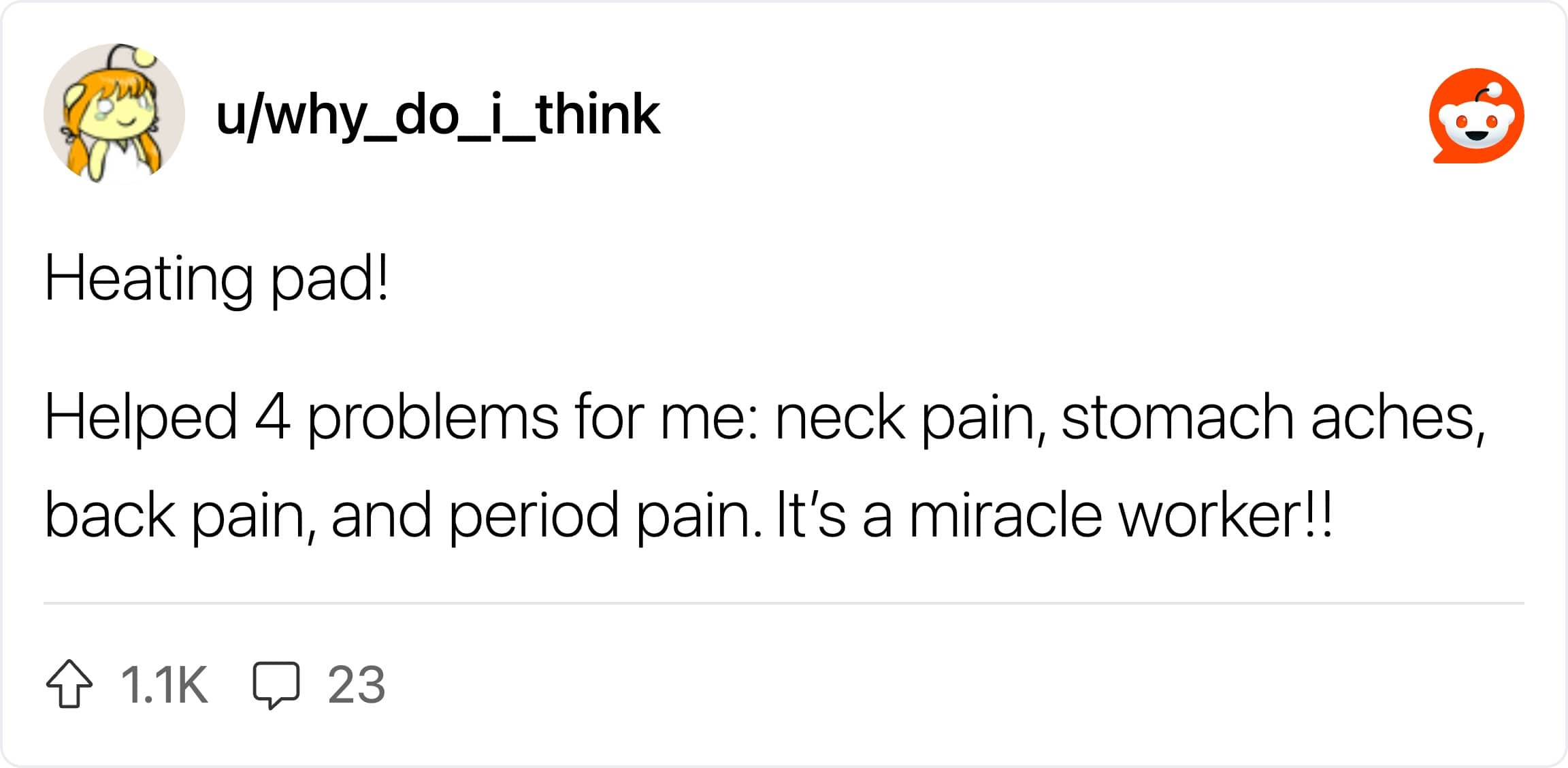
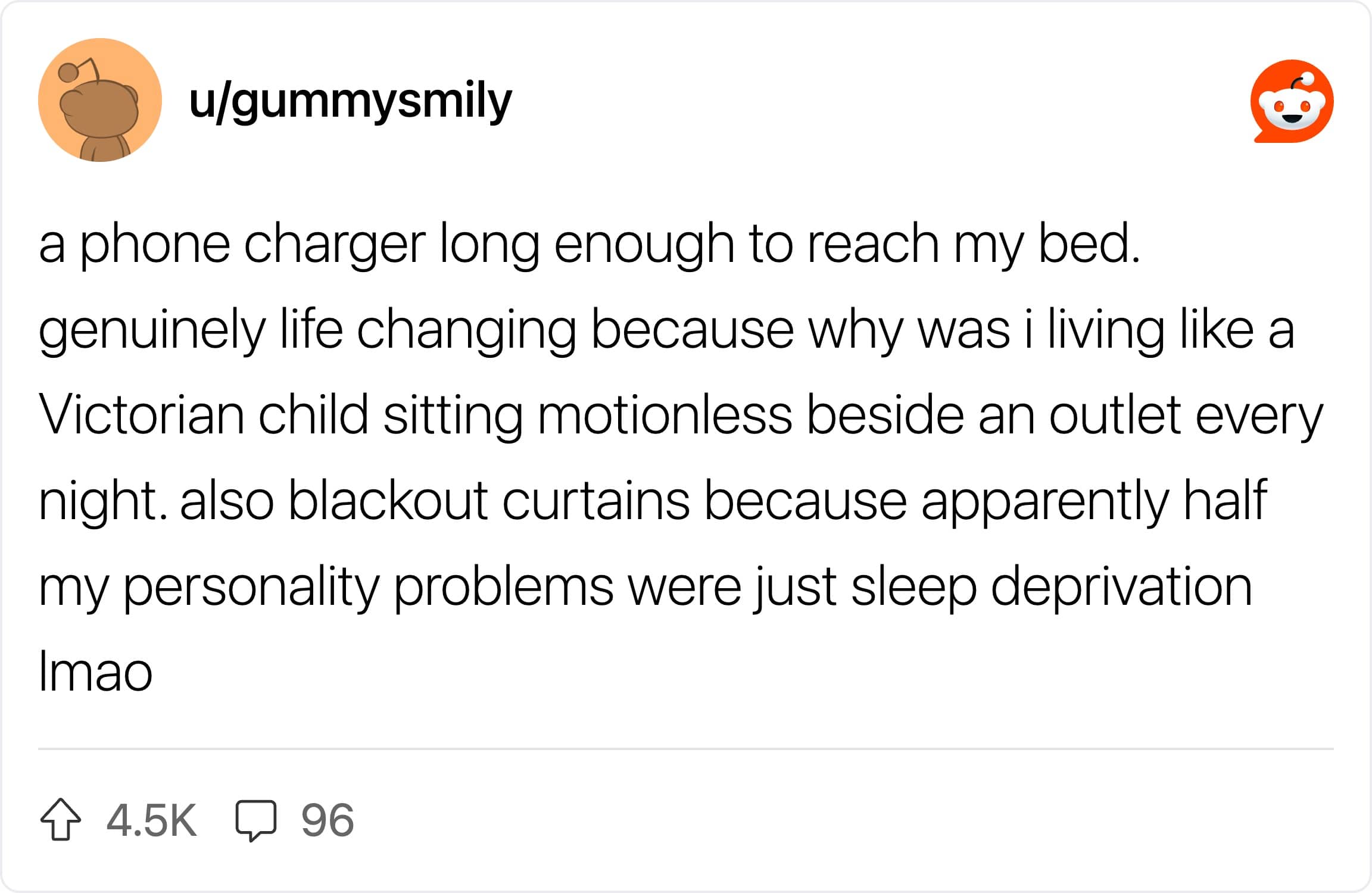
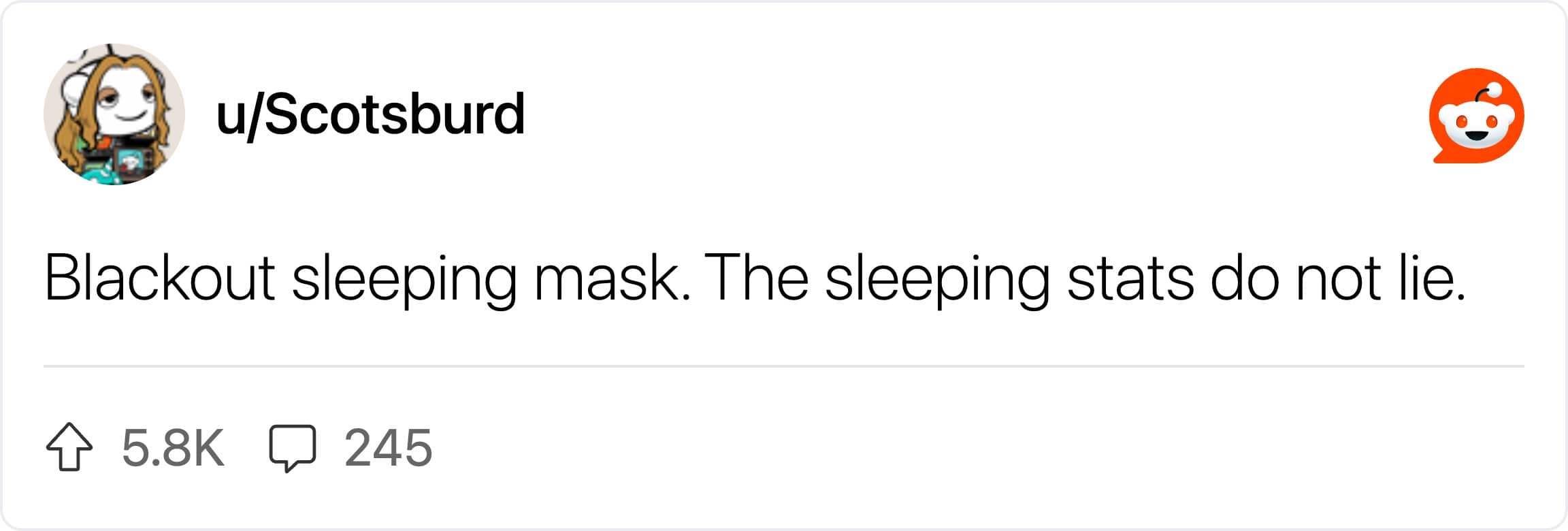
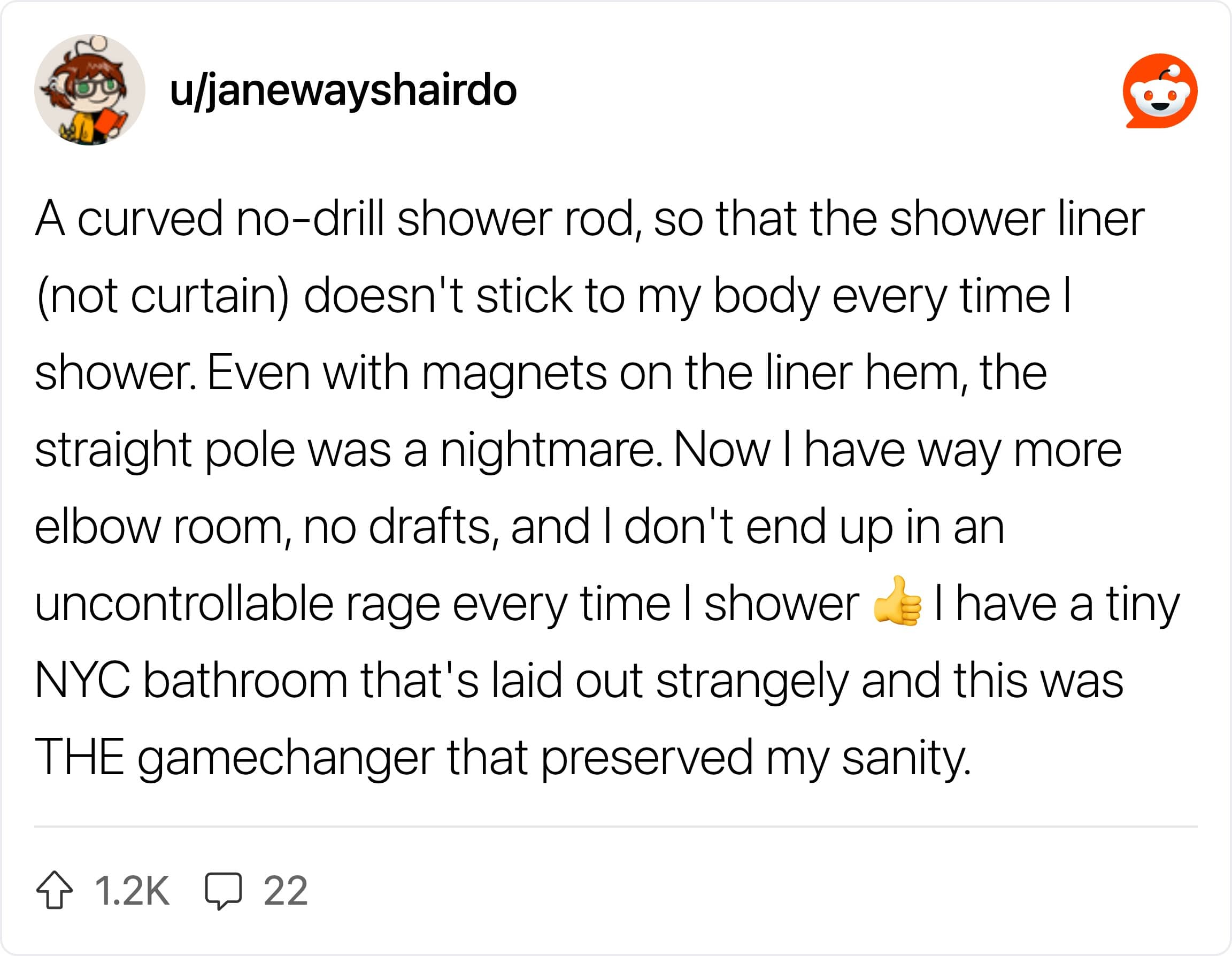
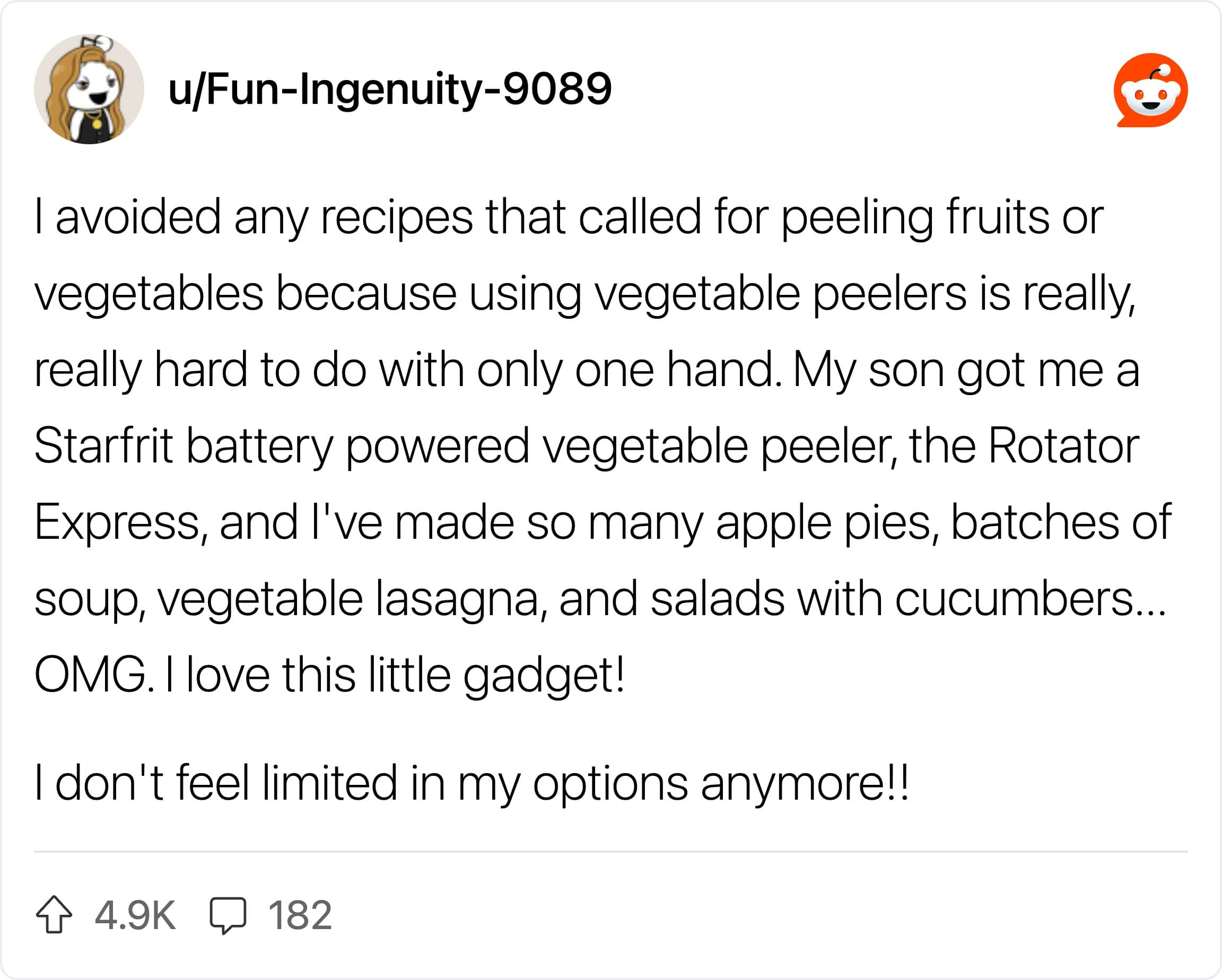
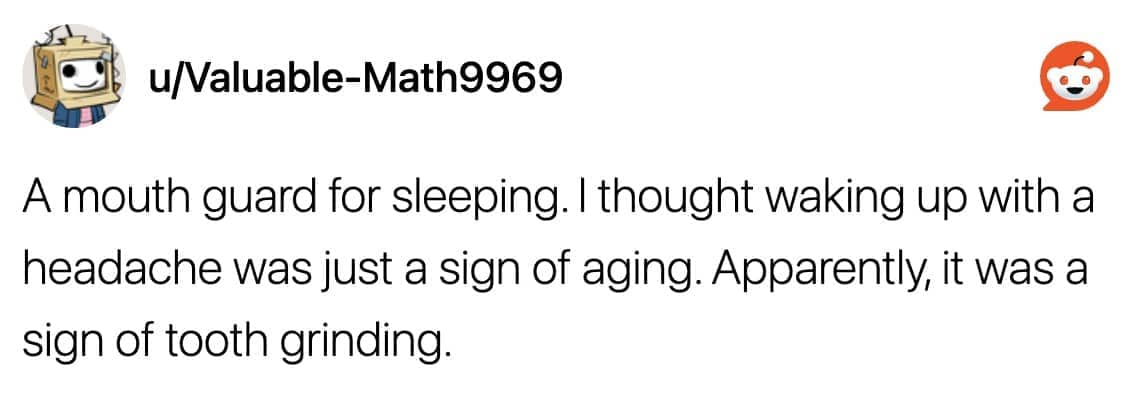
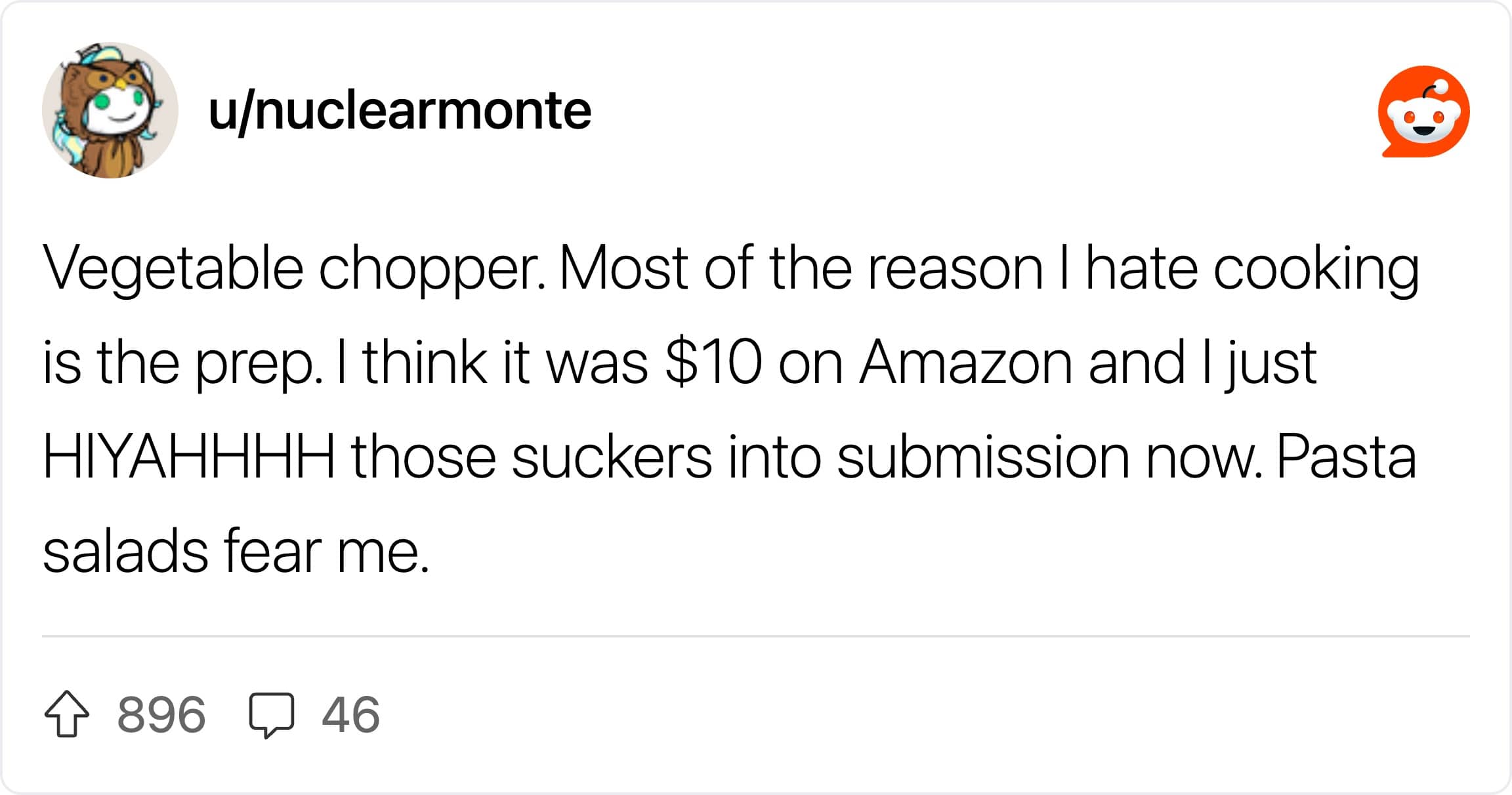
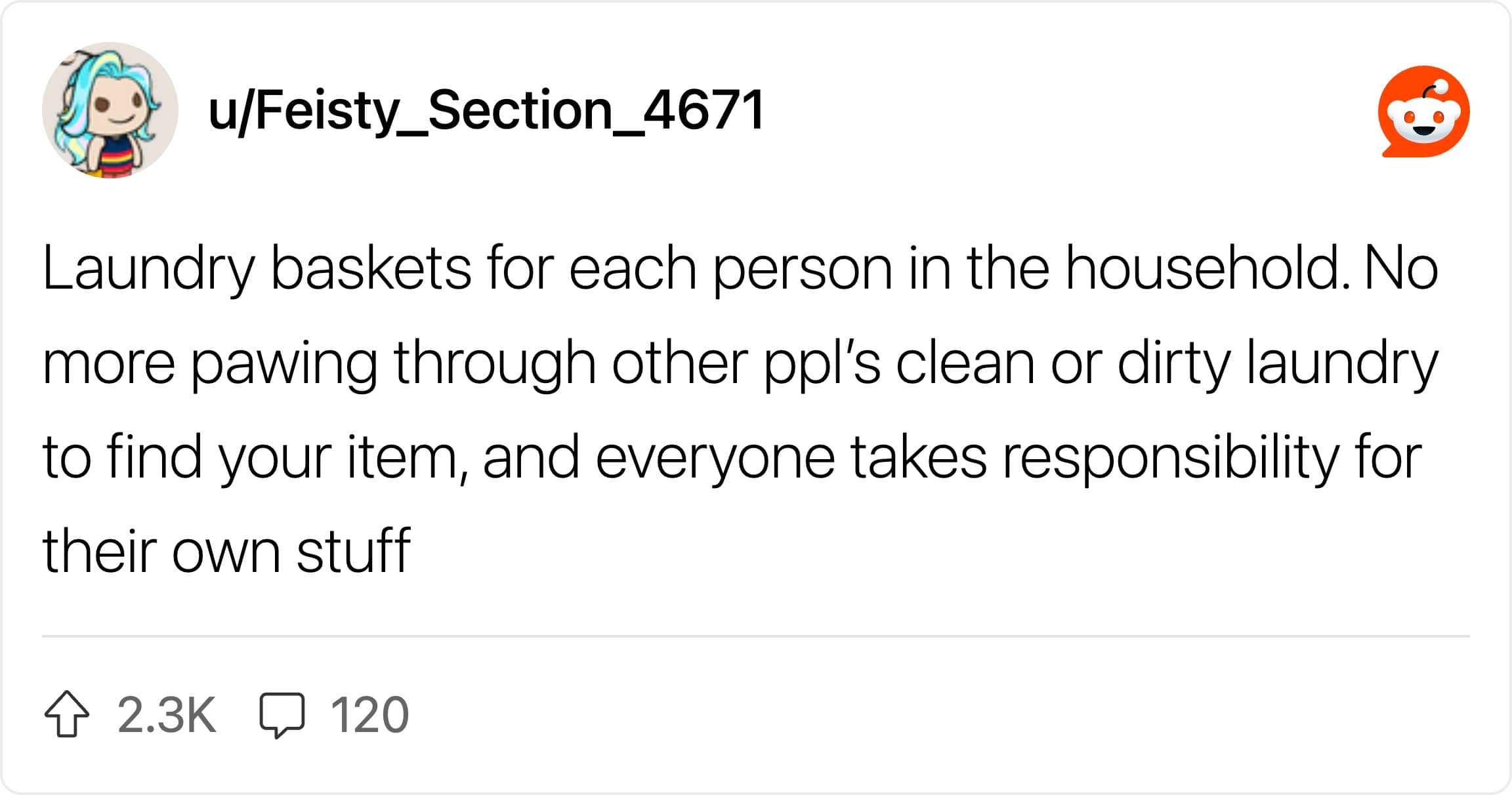
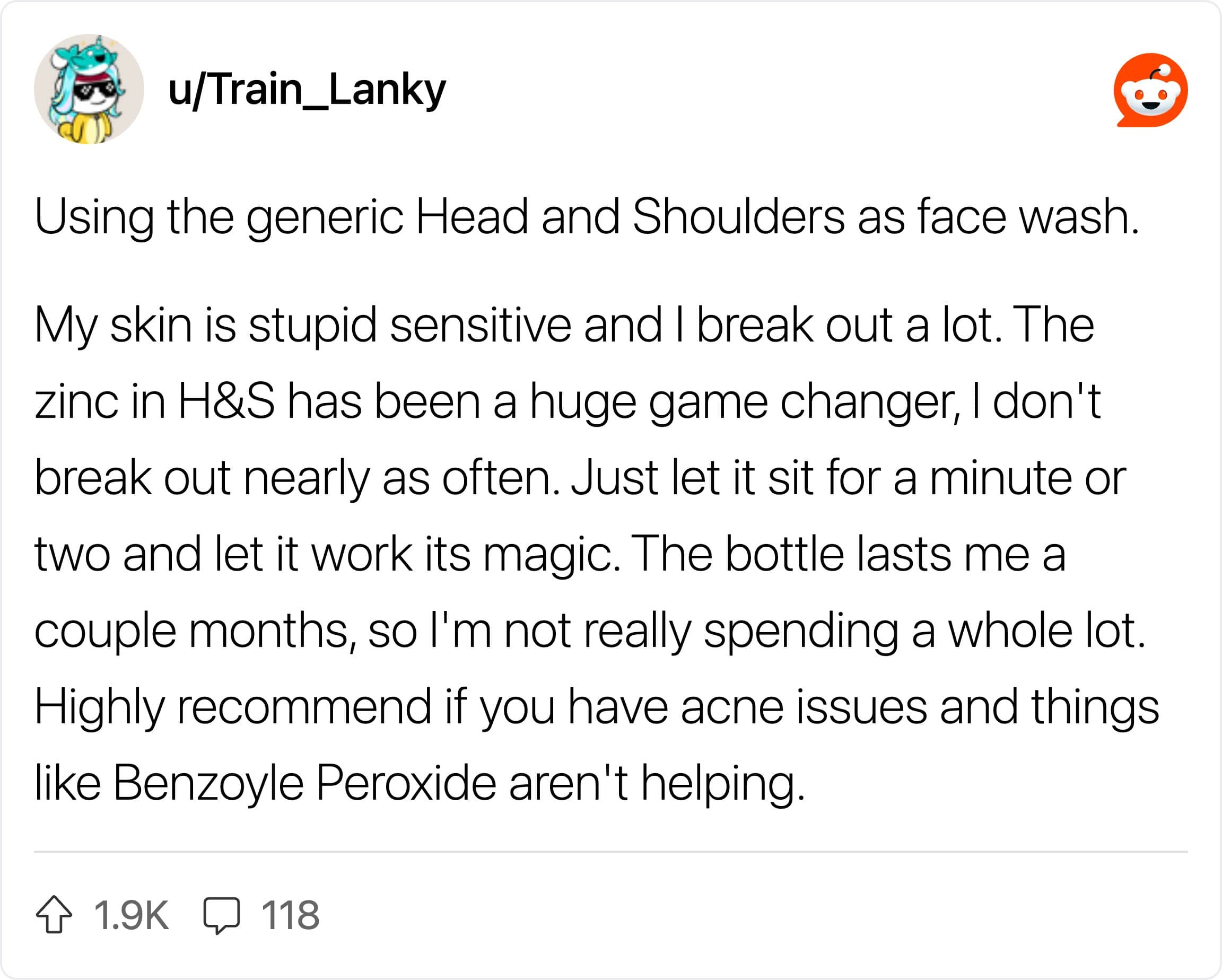
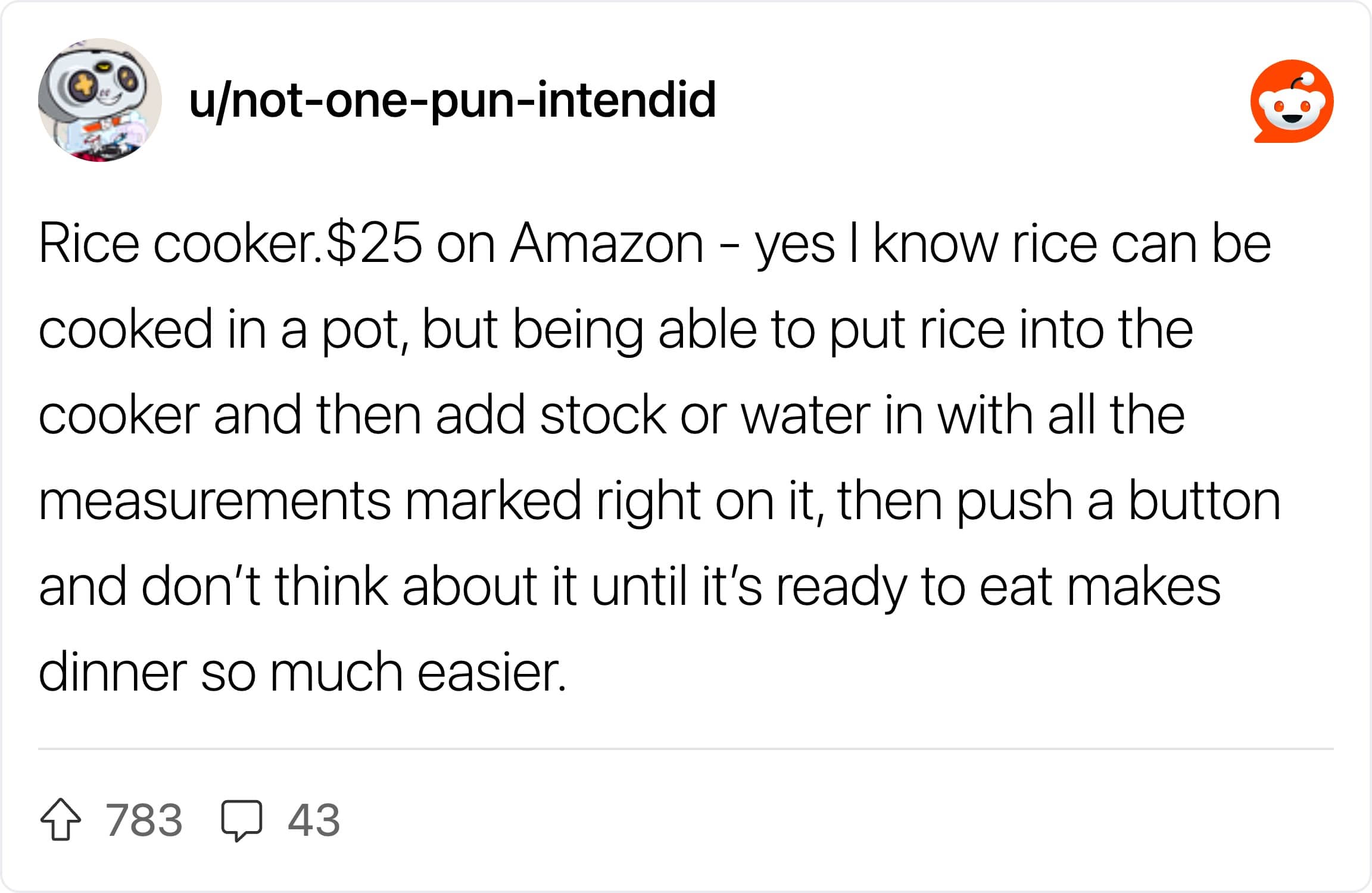
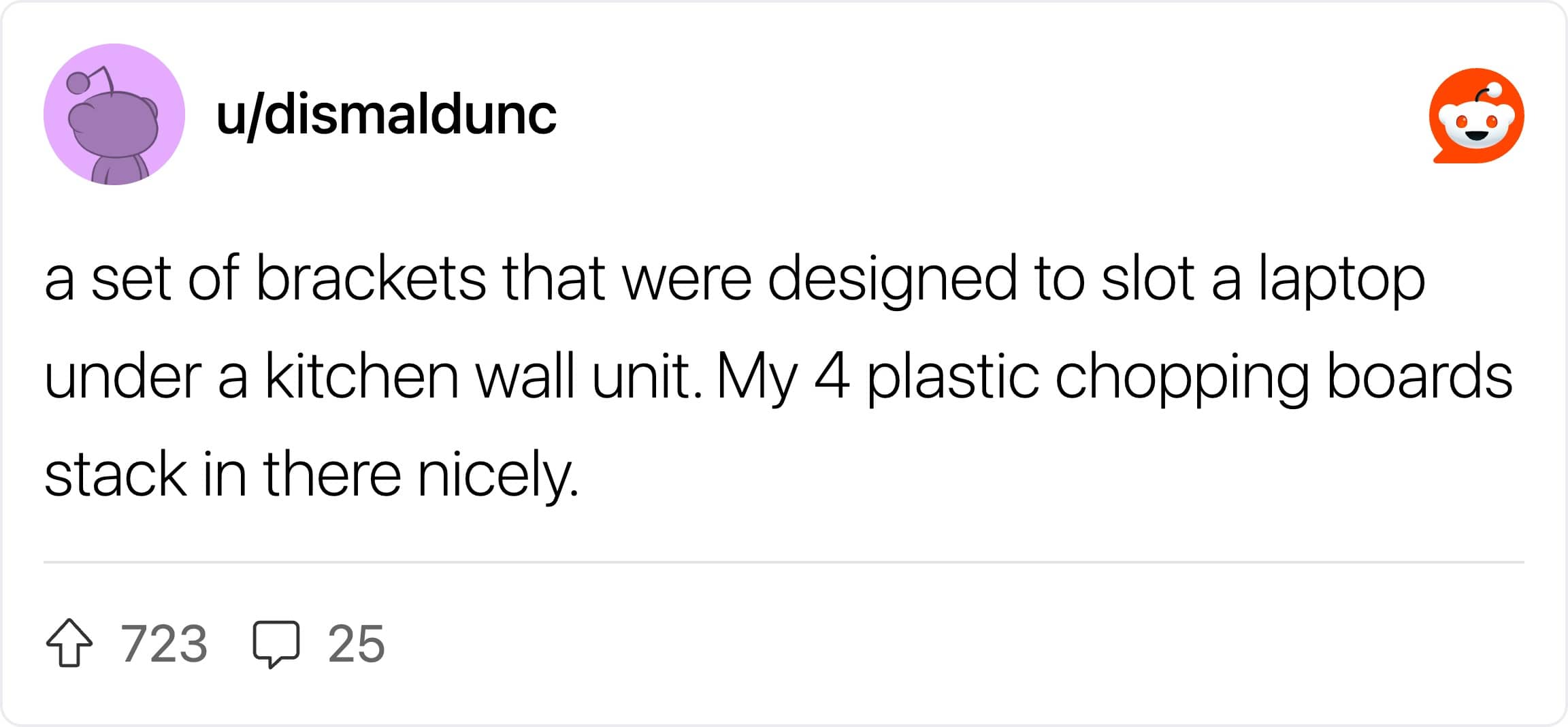
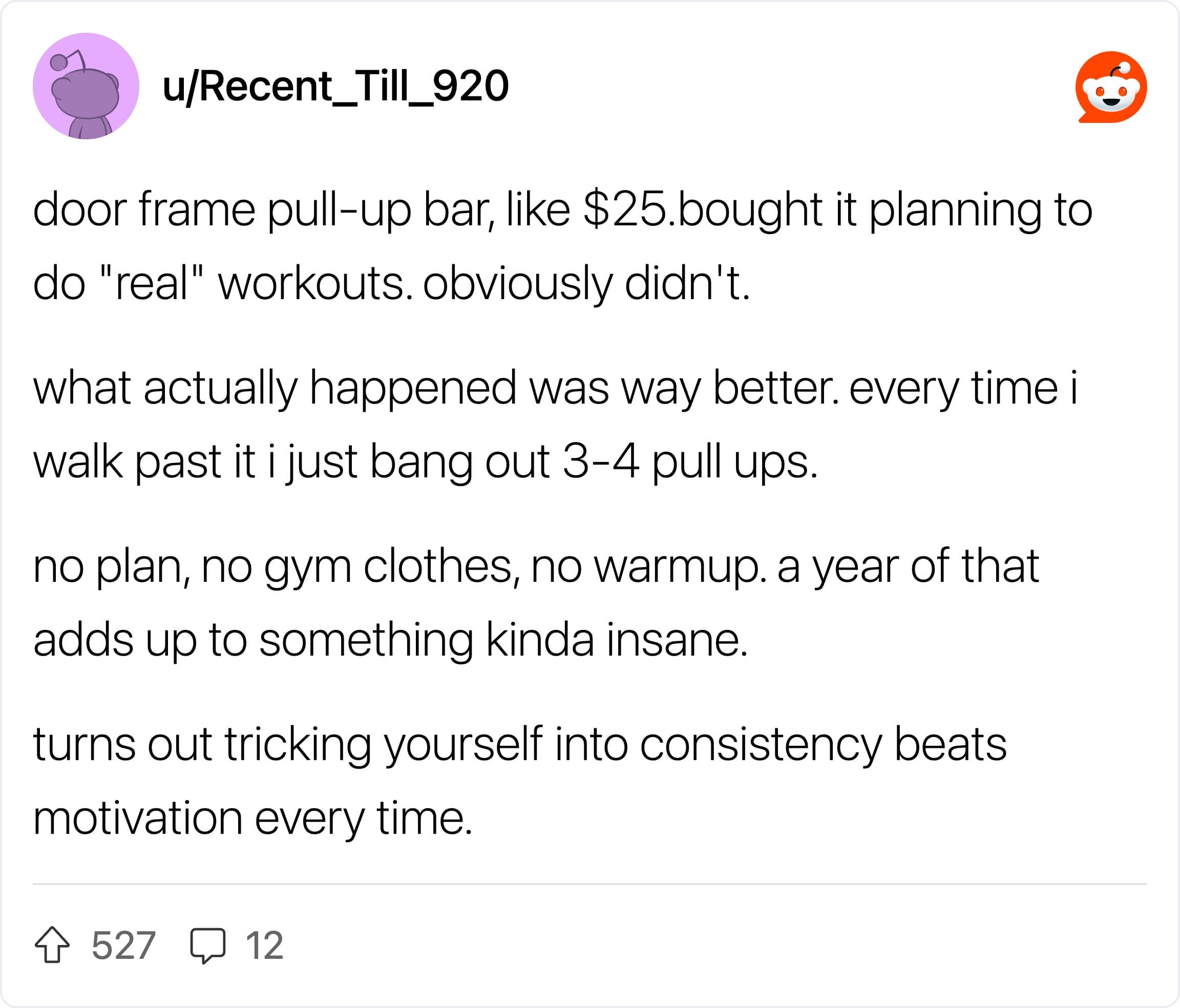
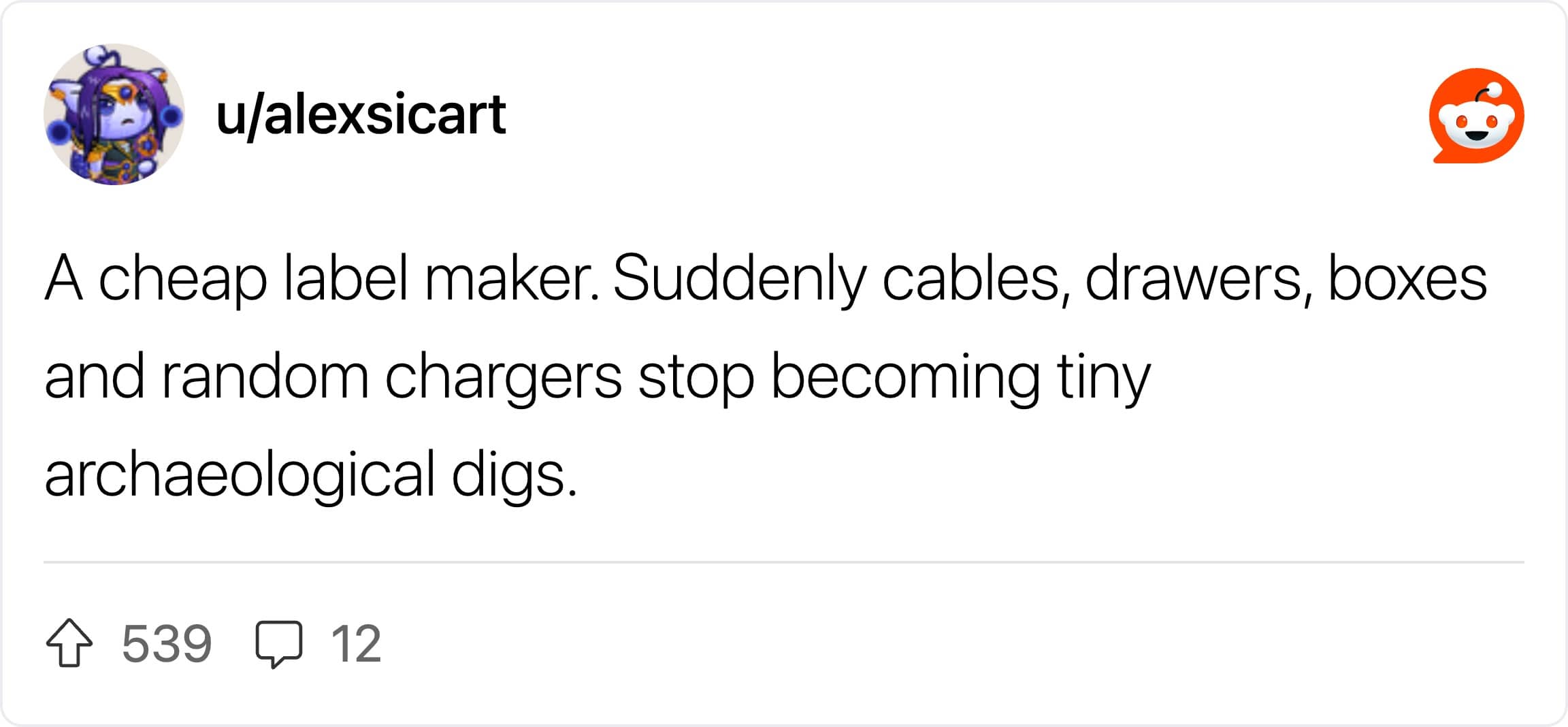
Best purchases
Read More
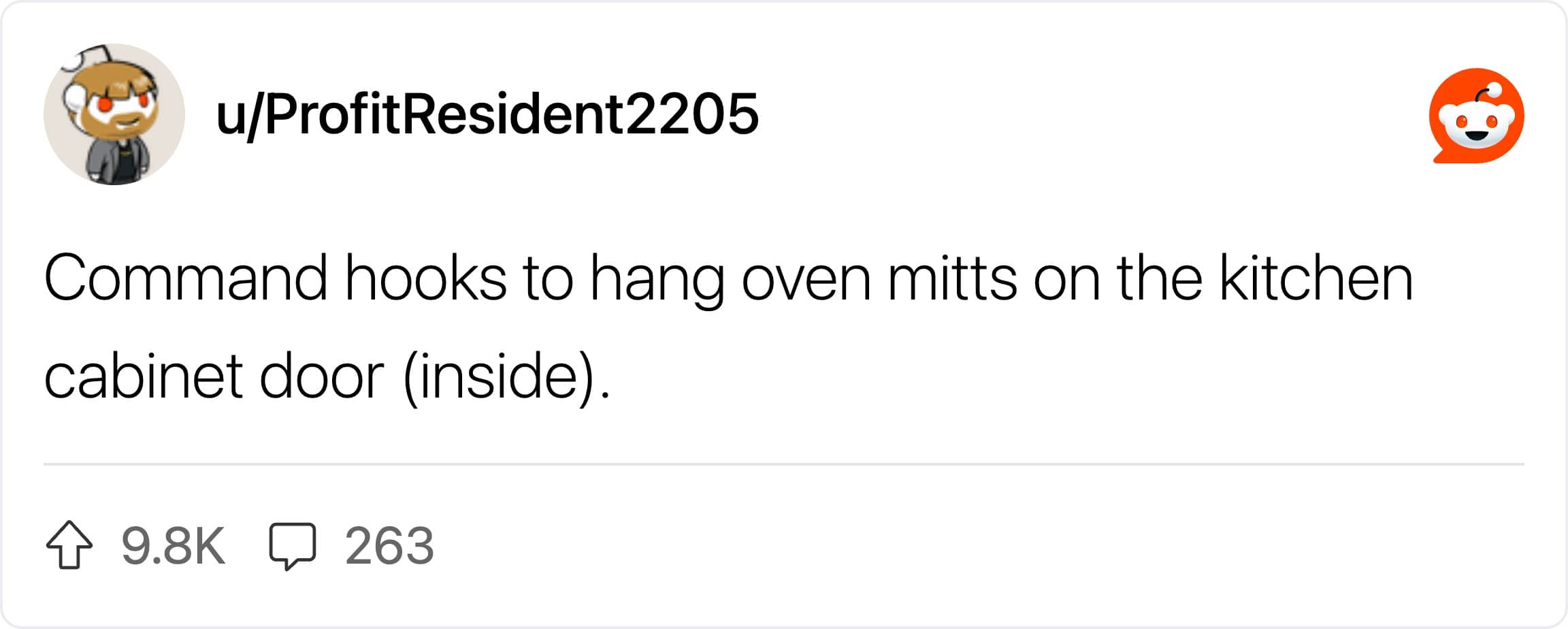
The under-twenty-dollar life improvement genre exists because most of the actual problems in adult daily life are small problems, and small problems, by their nature, do not require expensive solutions. The chronic light hitting your eyes at three in the morning. The cabinet door wasting available storage space. The phone charger that is six inches shorter than it needs to be. The cheap upgrade memes filling galleries like this are essentially the documented evidence that the gap between a frustrating life and a less frustrating life is, on average, about eleven dollars and a small amount of pattern recognition.
What makes the genre particularly satisfying is the way the testimonials follow a recognizable arc. The person was operating with the small inconvenience for years, often without consciously naming it as a problem. Somebody on Reddit mentioned a solution. The person rolled their eyes, ordered the item anyway, received it in two business days, and then experienced a quiet revelation about how unnecessary the previous suffering had been. The life-changing purchases in this gallery follow this exact pattern, and the pattern is, in its own way, a small portrait of how adult life actually improves.
There is also a strong recurring subgenre involving items related to sleep, because sleep is the area where the gap between cheap solutions and expensive solutions is most embarrassingly large. Most sleep problems, on examination, turn out to be environmental rather than personal, and most environmental sleep problems are solvable for the cost of a single takeout meal. The relatable life hacks in this category are essentially the documented results of people figuring this out, one curtain rod at a time.
The broader thing this whole genre captures, beyond the easy “you have to buy this” energy, is the very specific way contemporary adults have started learning from each other in public. Older generations had the household tips passed down through family. Magazines used to publish them. Daytime television used to demonstrate them. The peer-to-peer testimonials circulating online now are essentially a replacement for that older infrastructure, where the people teaching are not, mostly, professionals. They are just adults who figured something out and decided to share it with whoever else might be having the same problem.
There is also a small intimacy in how the testimonials are usually written. The poster admits to the previous suffering. The poster names the small embarrassing problem. The poster celebrates the small embarrassing solution. The adulting humor that emerges from this style is somehow more useful than any traditional advice column, because the poster has, by definition, been in the exact situation the reader is in, and the solution is, by definition, something that worked for an actual person rather than something that sounds good in theory.
The problem was small. The solution was cheap. The improvement, somehow, was not.
If the tiny upgrades had you nodding, our life hack content is right where you’d want to land next, and we’ve got plenty of cheap-solution archives, household tip threads, and adulting humor compilations for anyone whose cart is currently sitting at fourteen dollars for items they did not know they needed. Check out before you change your mind.
Read Memes
Get Paid


Priya Coleman is a viral content specialist and meme analyst with over six years in digital publishing. Her past roles include viral content editor for PopSugar's humor vertical and meme correspondent for HuffPost’s comedy section. Priya specializes in spotting trending meme moments just before they peak—like the chaotic delight of the Ever Given’s Suez Canal mishap or the existential comedy of This is Fine. She brings her sharp wit and instinctive knack for viral content to Thunder Dungeon, always keeping the community a step ahead of the latest meme craze.