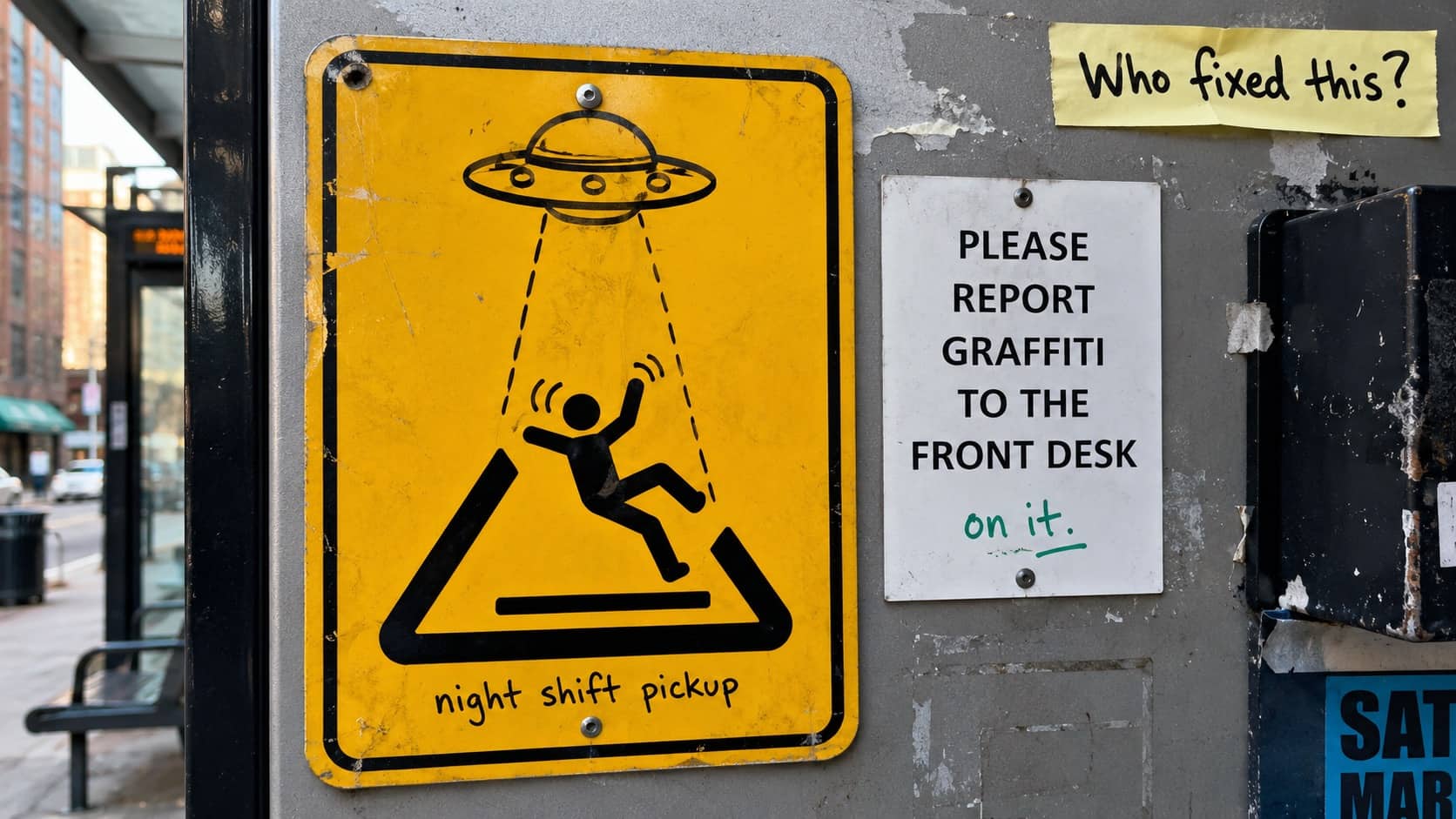

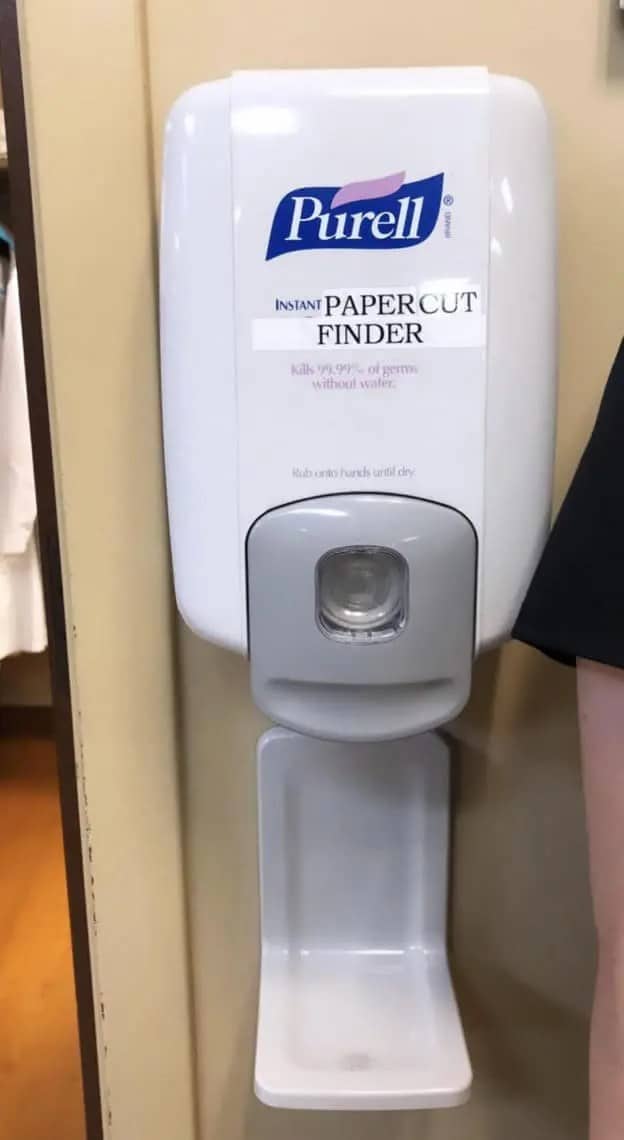
There is a hand sanitizer dispenser somewhere in the world that has been labeled, by an anonymous comedian, as an instant papercut finder, and the labeling is doing more honest work than the original product description. These funny graffiti additions are the small ongoing public service performed by uncredited civilians operating in the medium of permanent marker and bumper-sticker-sized paper cutouts, and the public, statistically, is better off for it. The signs are official. The annotations are not. The annotations are funnier.
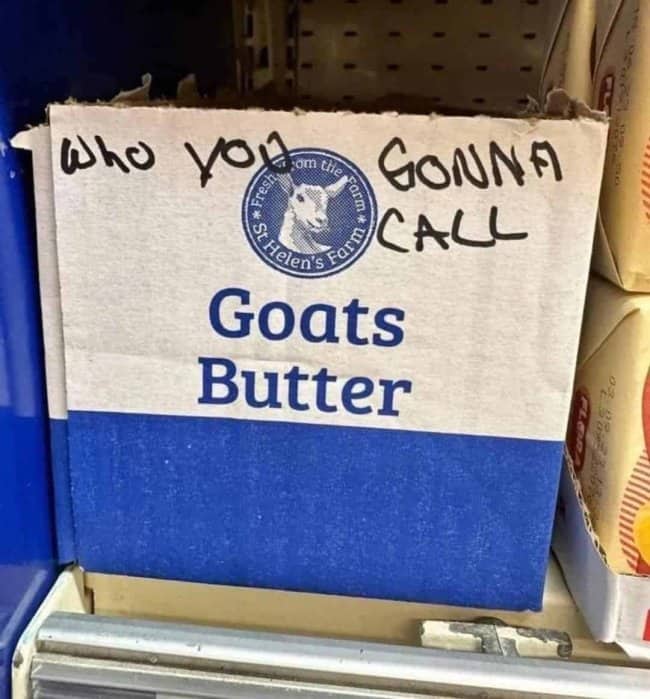
I ain't afraid of no goats.
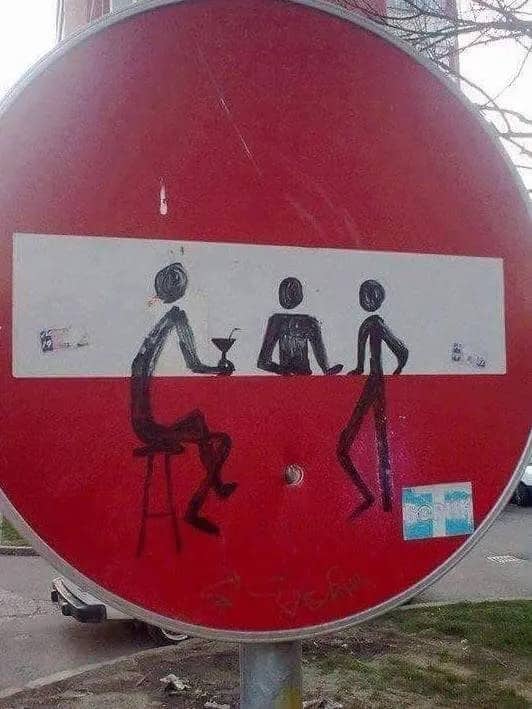
"Give me something strong, bartender, I just drove the wrong way down a one-way street."
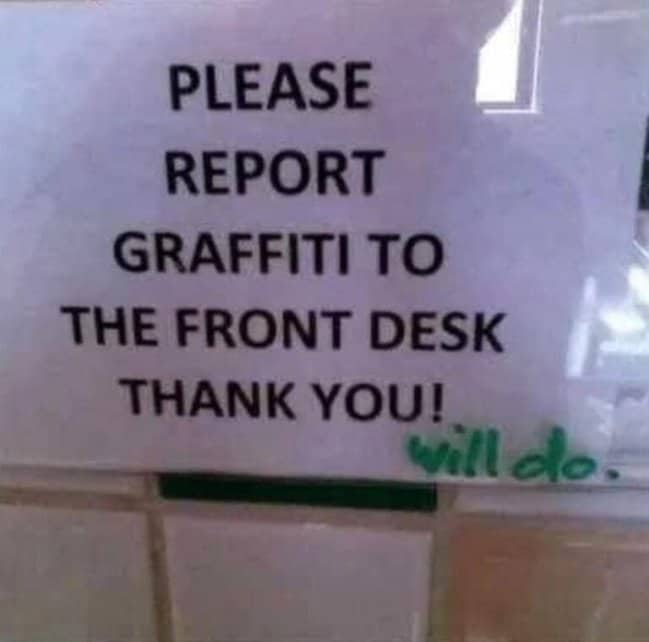
Malicious compliance at its absolute finest.
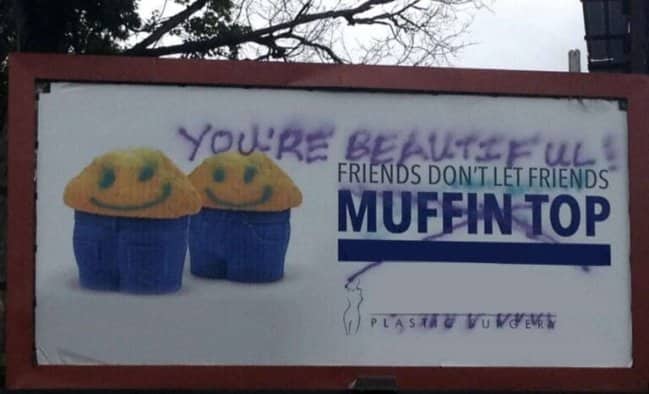
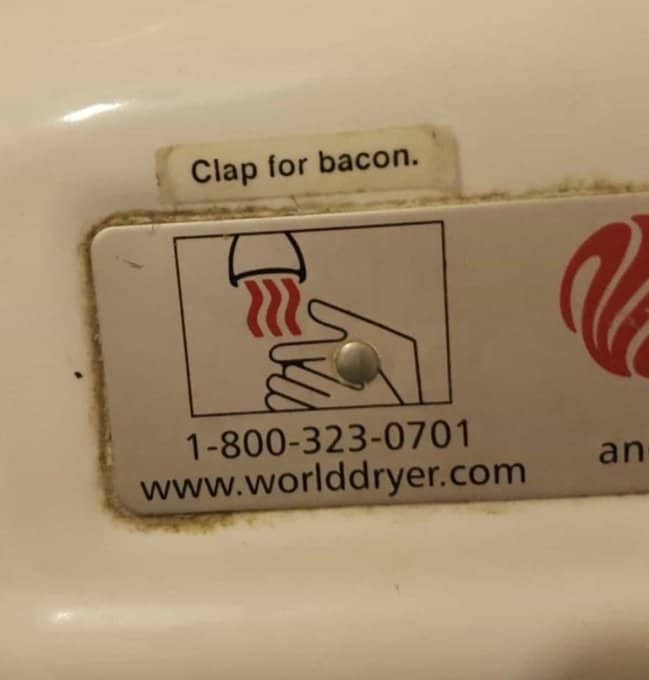
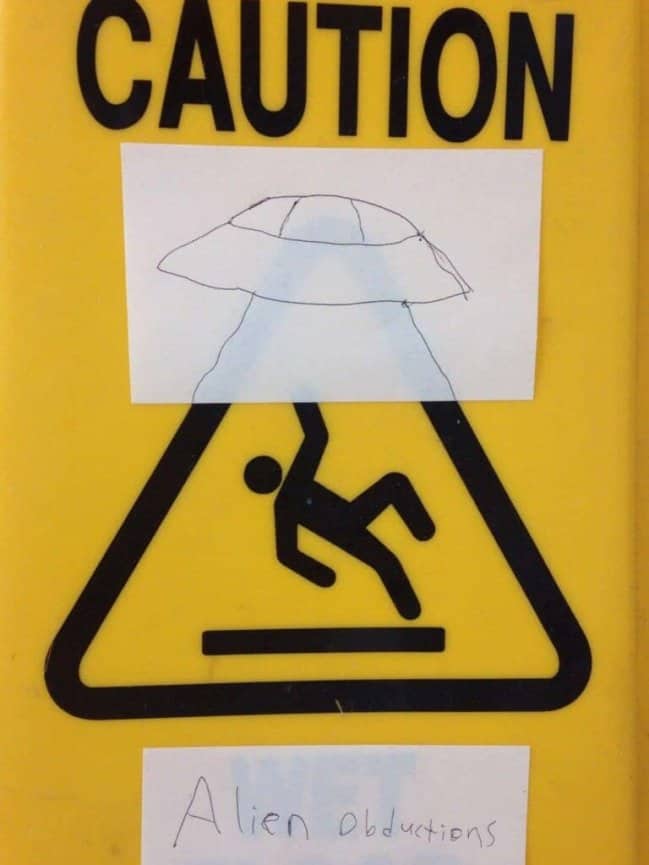
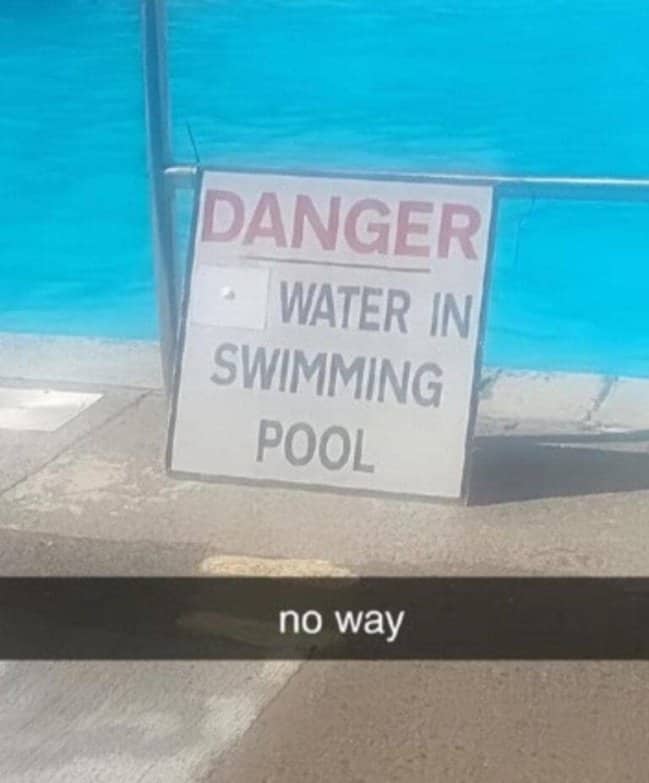
Big if true.
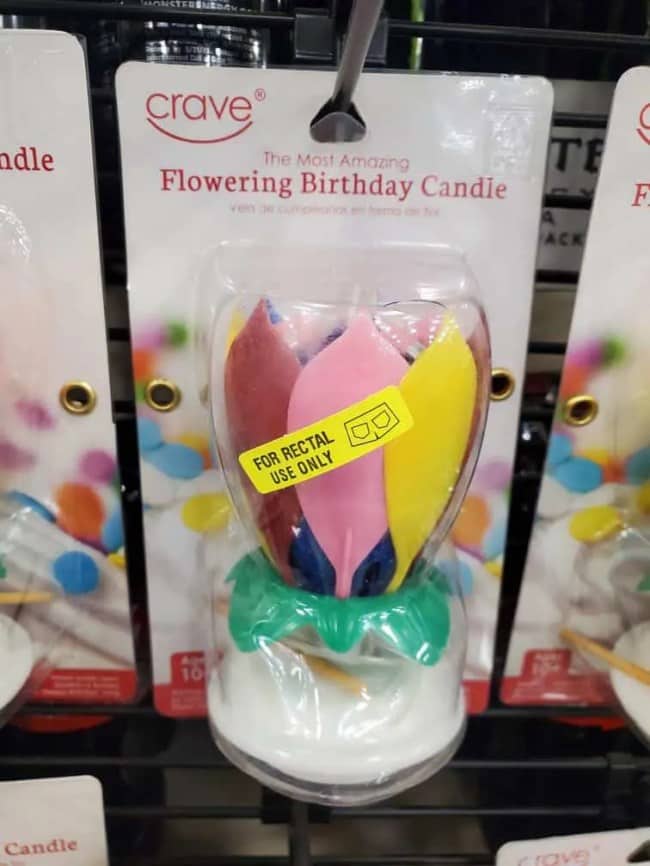
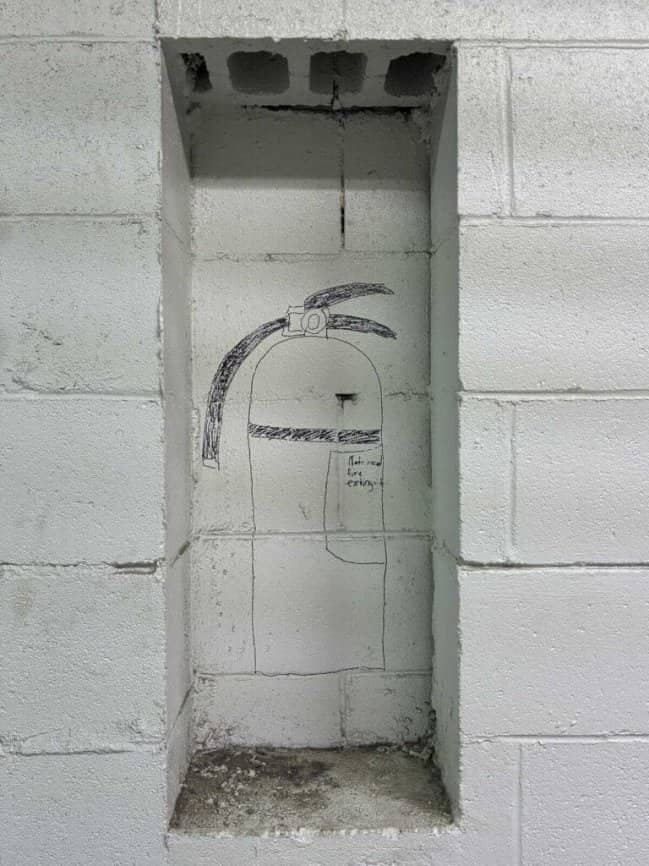
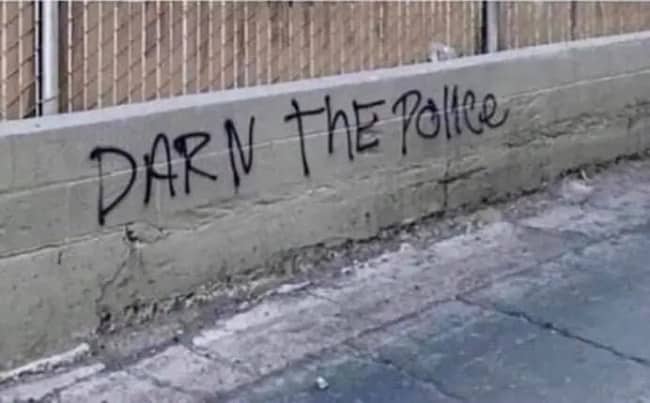
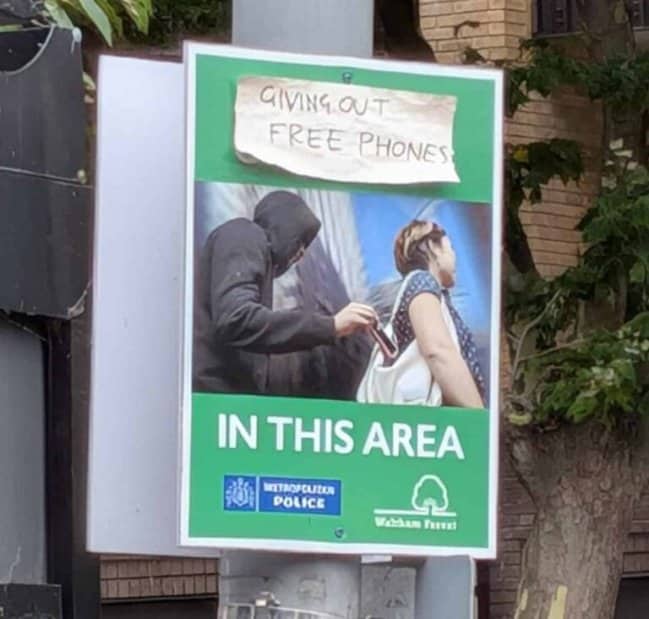
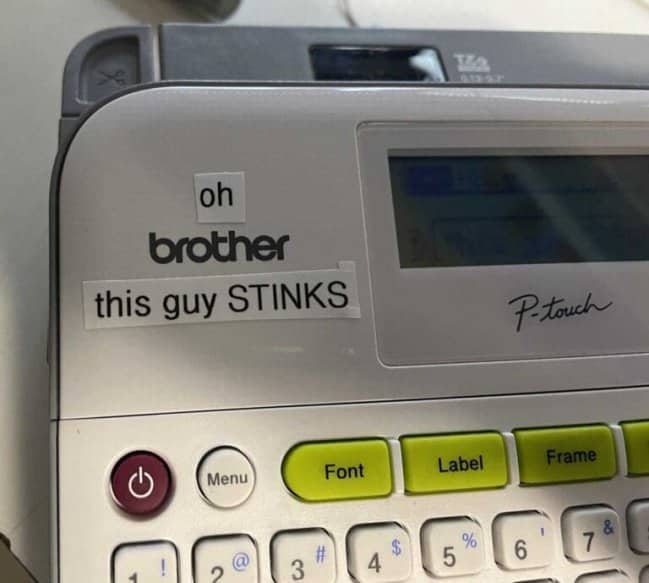
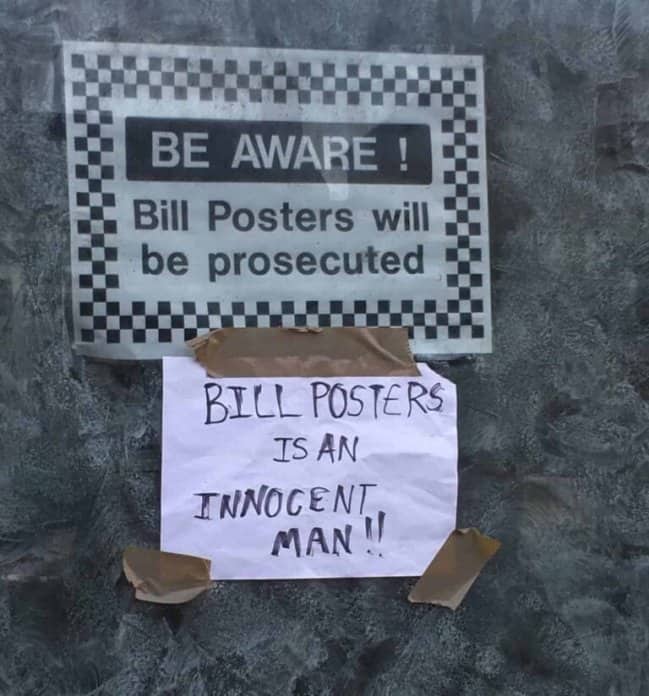
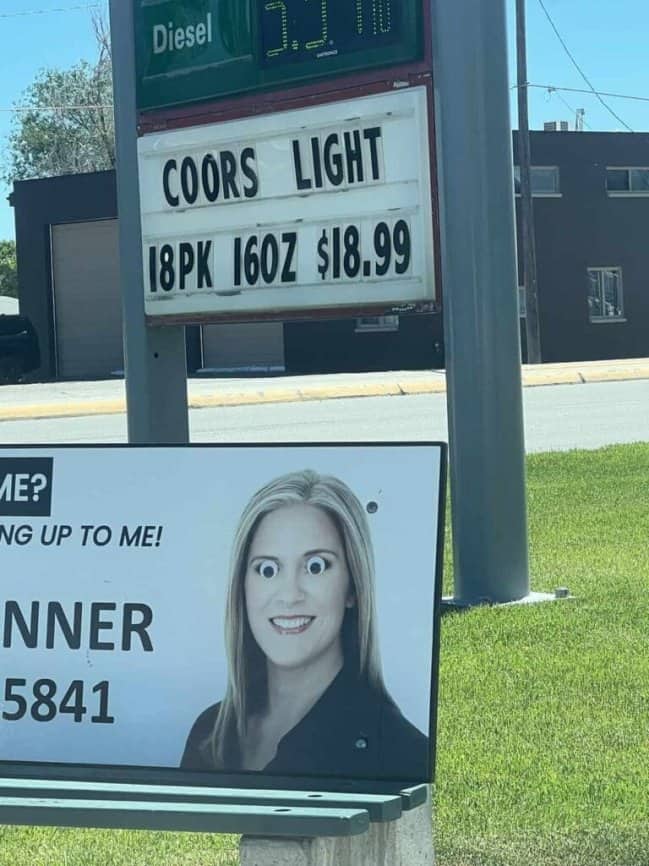
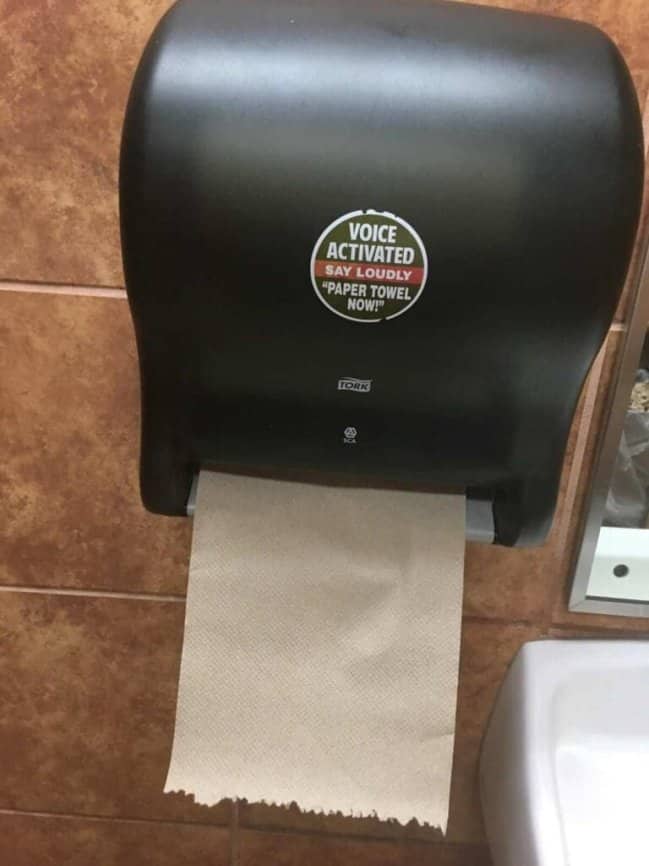
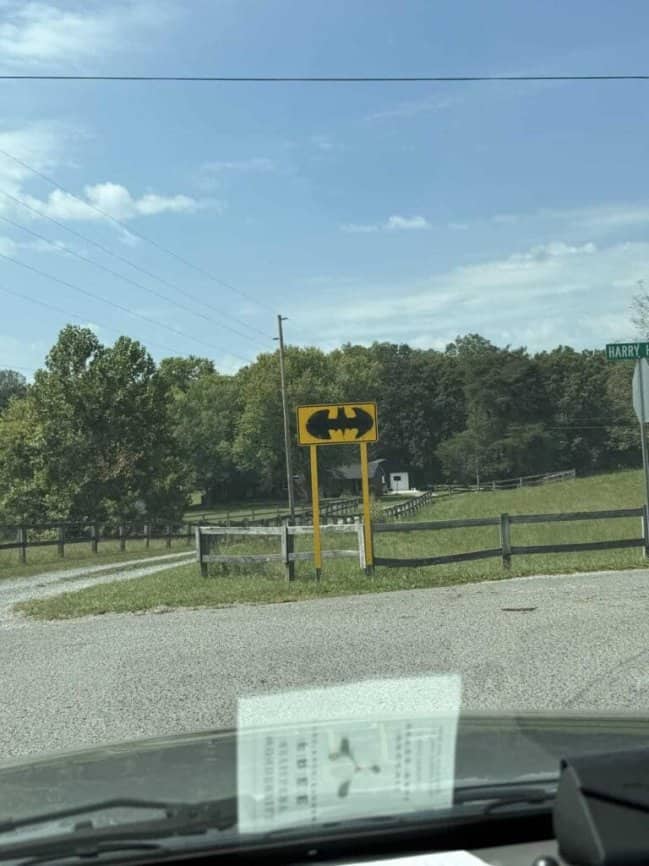
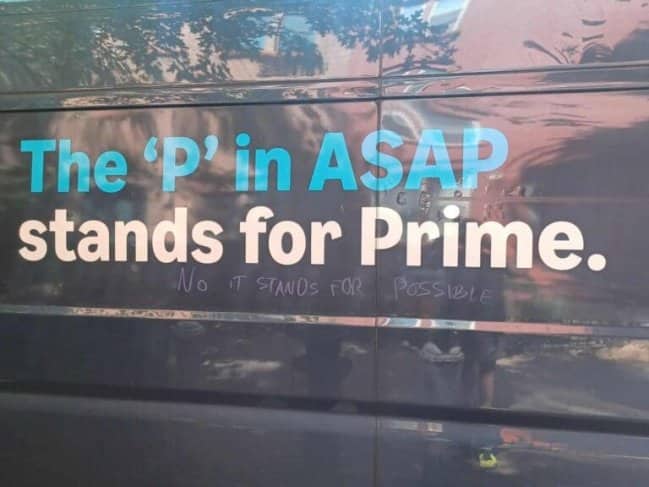
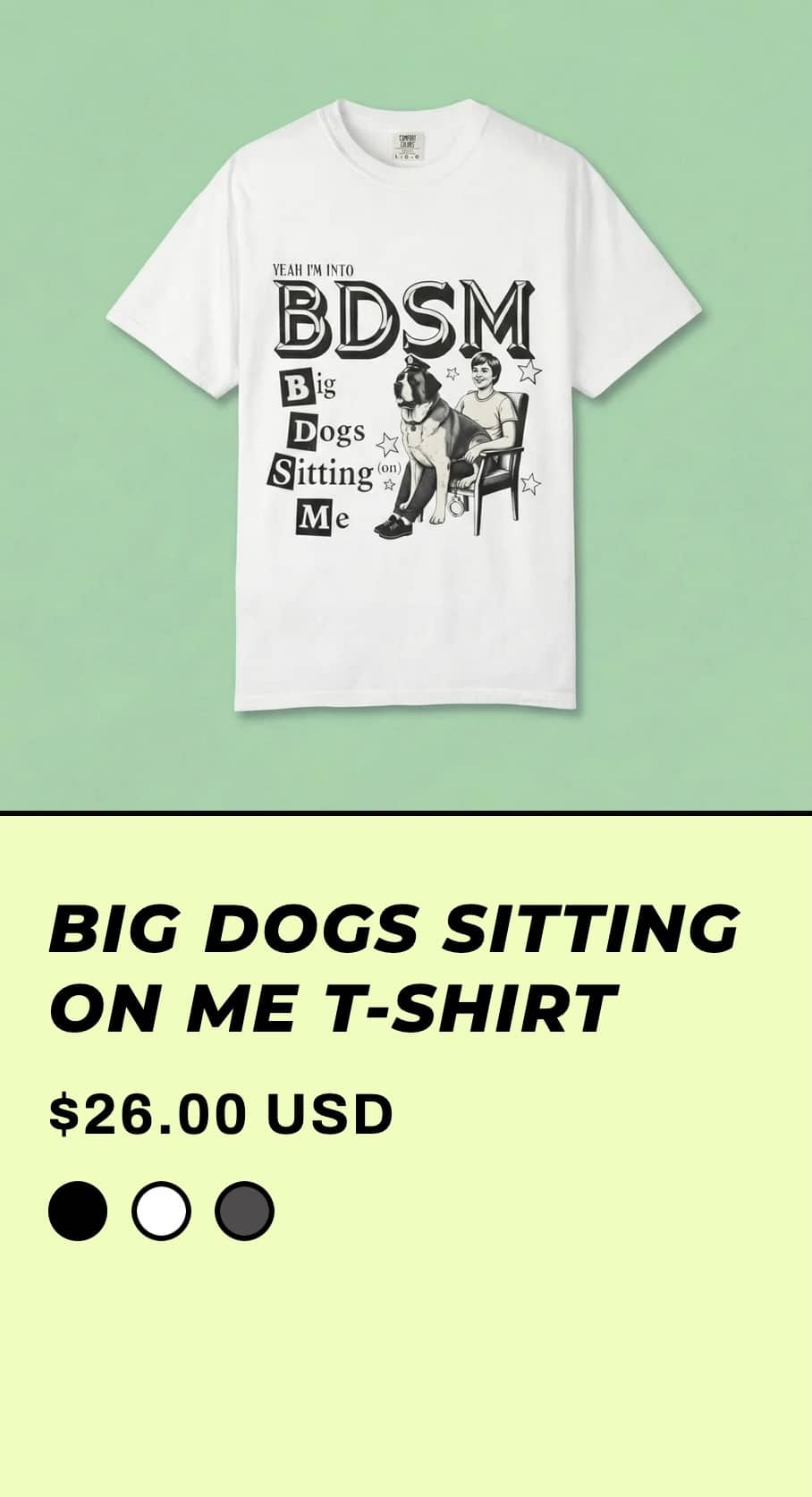

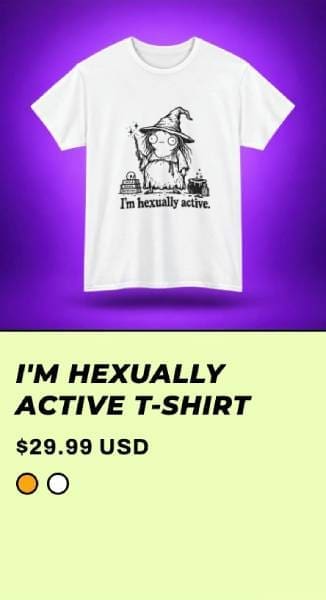


Funny graffiti
Read More
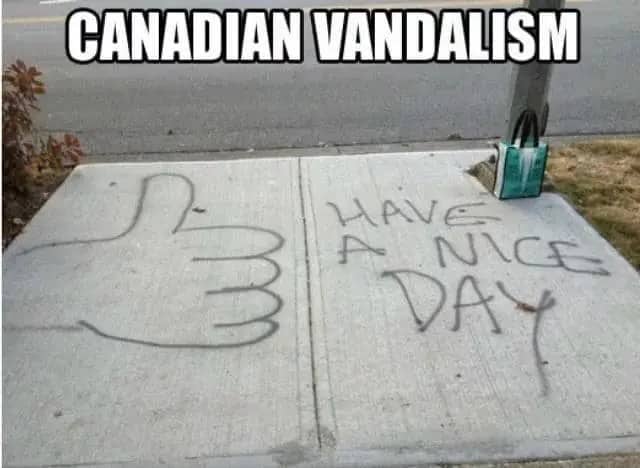
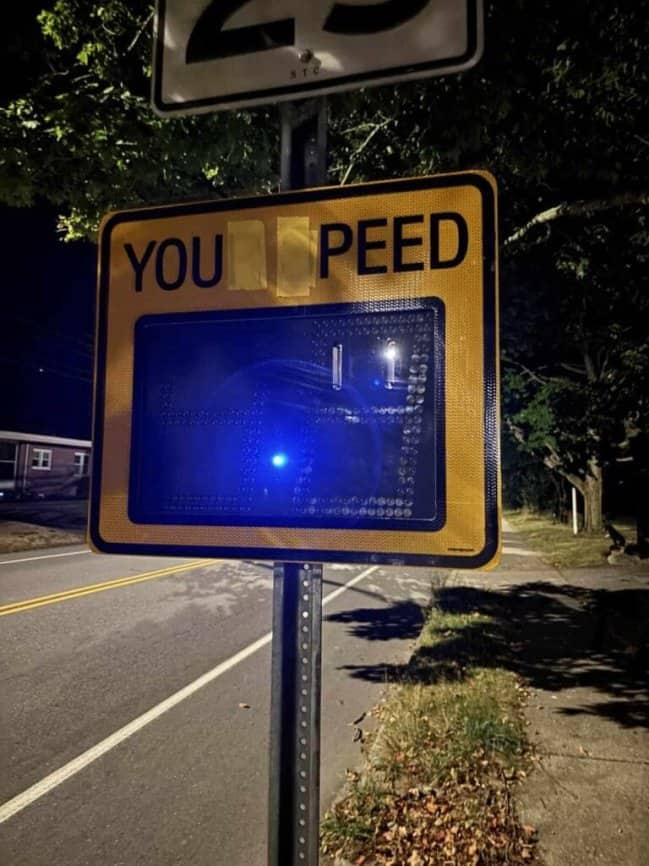
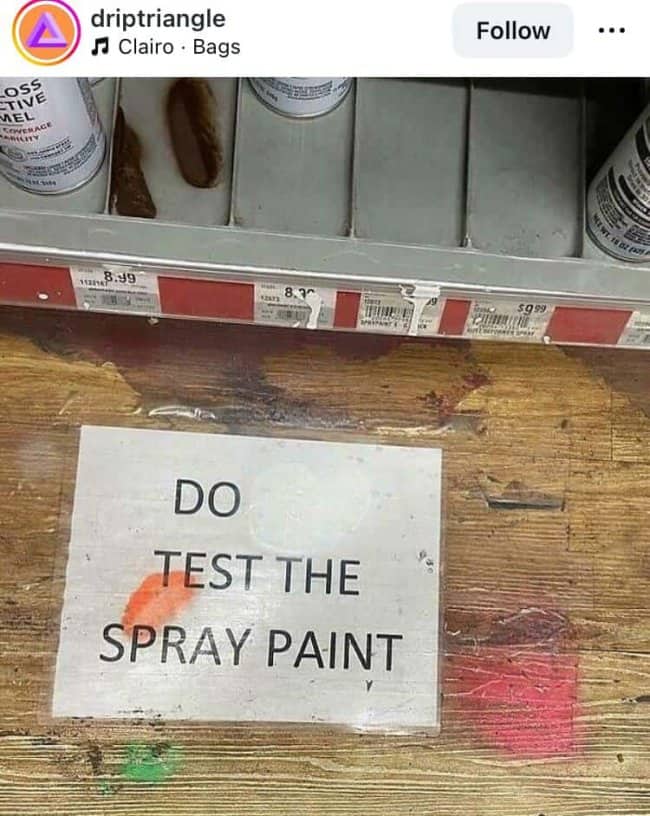
The funny graffiti genre exists because public signage is, by its nature, an absurd genre of writing. The signs are usually trying to communicate something obvious. The wet floor is wet. The pool contains water. The do-not-enter sign indicates that you should not enter. The hilarious street graffiti filling galleries like this is essentially the public’s running editorial commentary on the unintentional absurdity of municipal communication, and the commentary is, in many cases, sharper than any professional copywriter would have dared to produce.
What makes the genre particularly satisfying is how often the additions reveal something about the original sign that nobody had previously noticed. A standard warning sign is just a warning sign until somebody, with a small piece of paper, adds the context that turns it into a tiny narrative. The clever street art that emerges from this category is doing the work of a visual joke editor, where the original material is being elevated rather than defaced, and the elevation is what makes the genre keep producing material year after year.
There is also a strong recurring subgenre involving the modification of corporate or advertising content into something more honest. The weight loss billboard. The plastic surgery ad. The funny vandalism memes in this category are not, mostly, anti-corporate in the angry sense. They are anti-corporate in the editorial sense, where somebody has decided that the original message was insufficient and has, with very limited tools, made it better.
The broader thing this whole genre captures, beyond the immediate visual humor, is the way certain anonymous citizens have decided to function as small unpaid editors of the public realm. Most people walk past public signage without engaging with it. A small fraction of people walk past public signage and decide that the signage could be improved, and a smaller fraction still take the time to actually improve it. The street art memes that travel the furthest are the work of this last category, and the work is, in its own way, a form of civic participation that nobody asked for and everybody benefits from.
There is also a small affection embedded in how this content gets shared. The graffiti is not being celebrated for being destructive. It is being celebrated for being clever. The audience is recognizing that somebody, somewhere, took the time to leave a small joke for a stranger to find, and the leaving of the joke is doing the quiet social work of reminding everybody else that the people sharing public space with them are not, mostly, the people they see in news cycles.
The signs are still there. The jokes are still there. The pedestrians, occasionally, are slightly happier than they would have been otherwise.
If the public-space comedy hit the right way, our street humor content is right where you’d want to land next, and we’ve got plenty of clever vandalism archives, weird sign collections, and accidental comedy compilations for anyone who likes their humor delivered by anonymous strangers with markers. Keep your eyes open.
Read Memes
Get Paid


Laura Bennett has spent eight years immersed in internet culture, specializing in deep dives into meme origins, evolving meme trends, and digital subcultures. As a contributor for several prominent online platforms, including BuzzFeed’s meme division and Know Your Meme, she’s written extensively about viral moments from Crying Jordan to Woman Yelling at a Cat. Laura believes memes aren't just internet jokes—they're modern-day folklore. She brings that passion to Thunder Dungeon by keeping readers connected to what's culturally significant, hilarious, and timelessly viral.