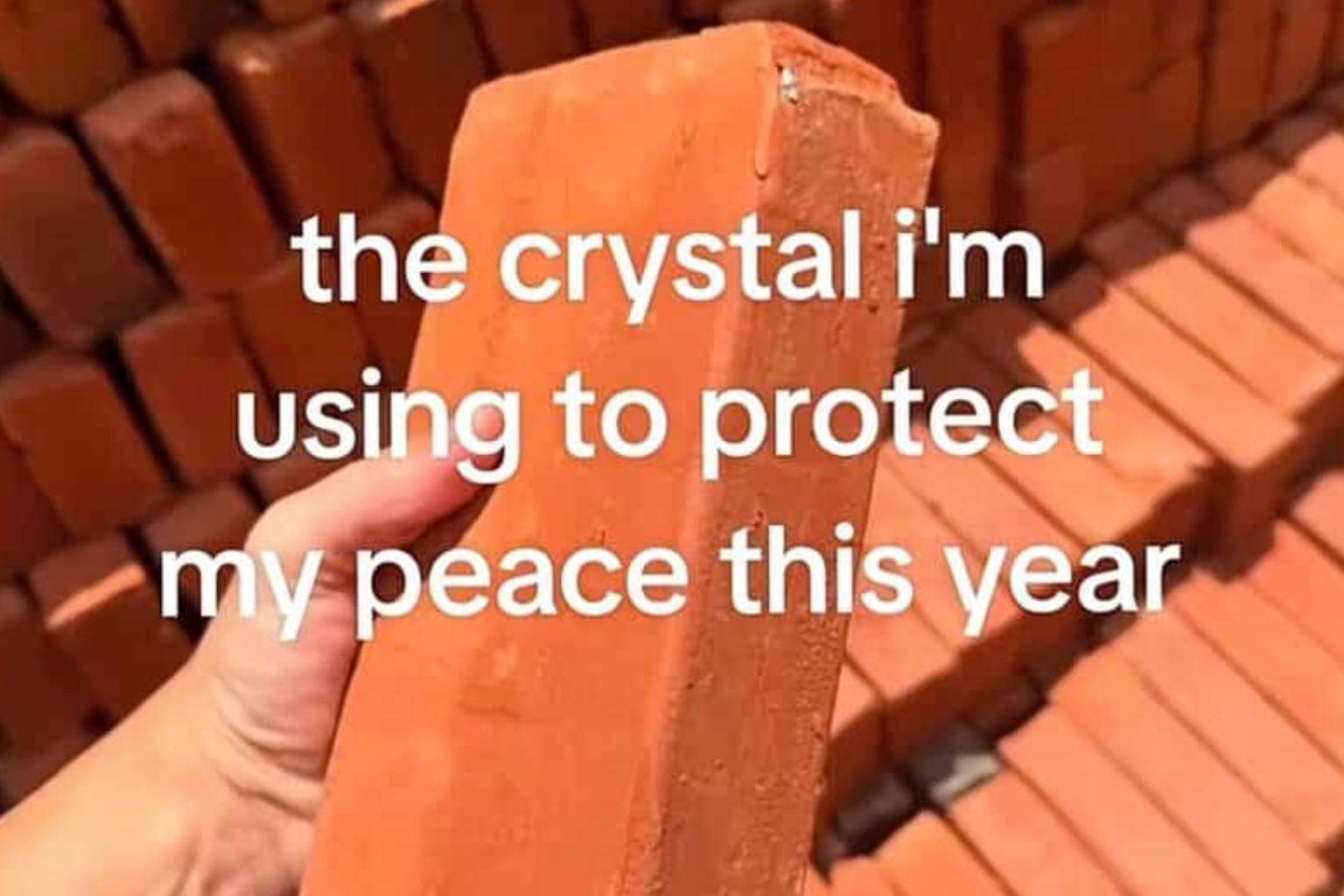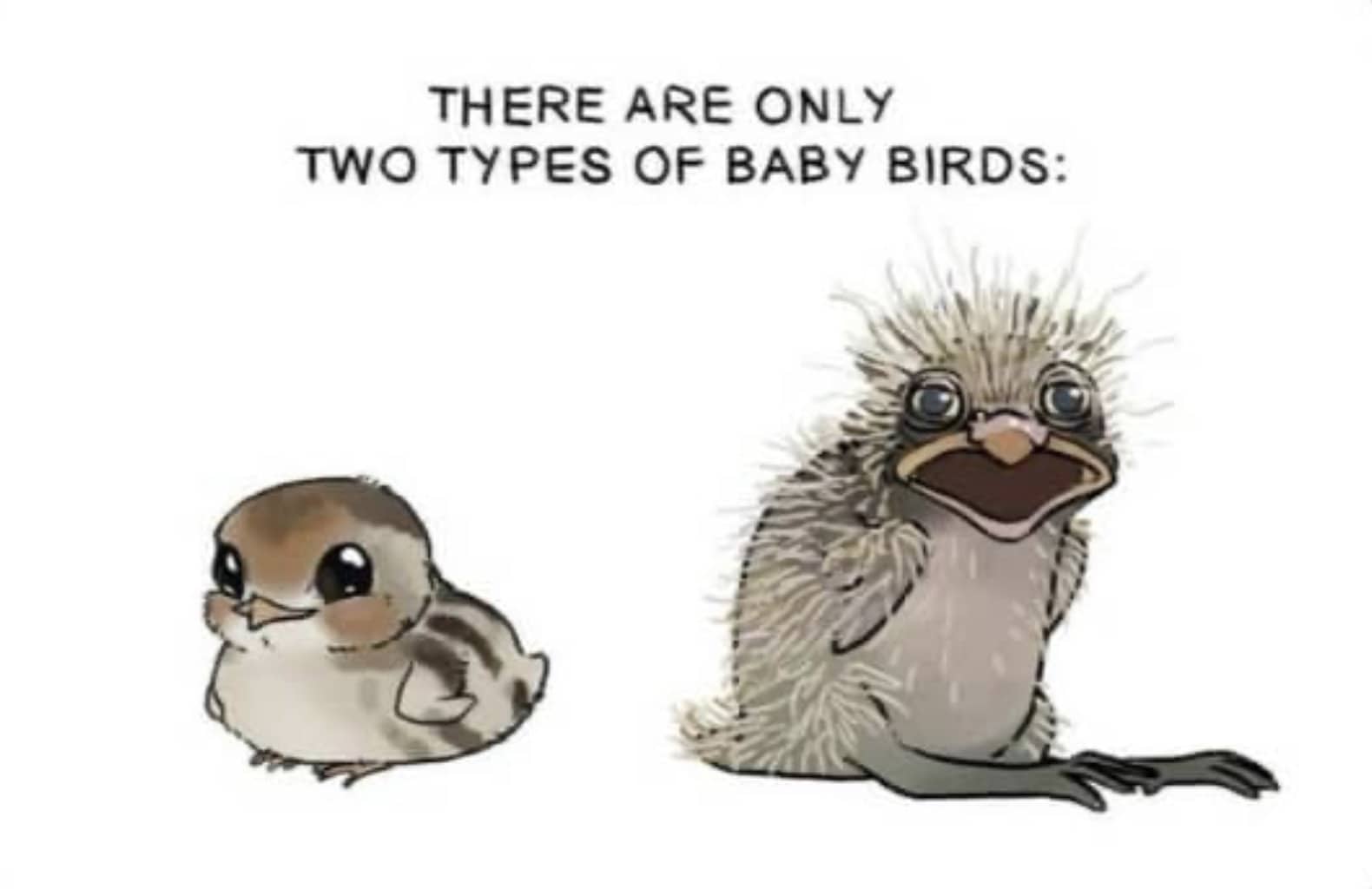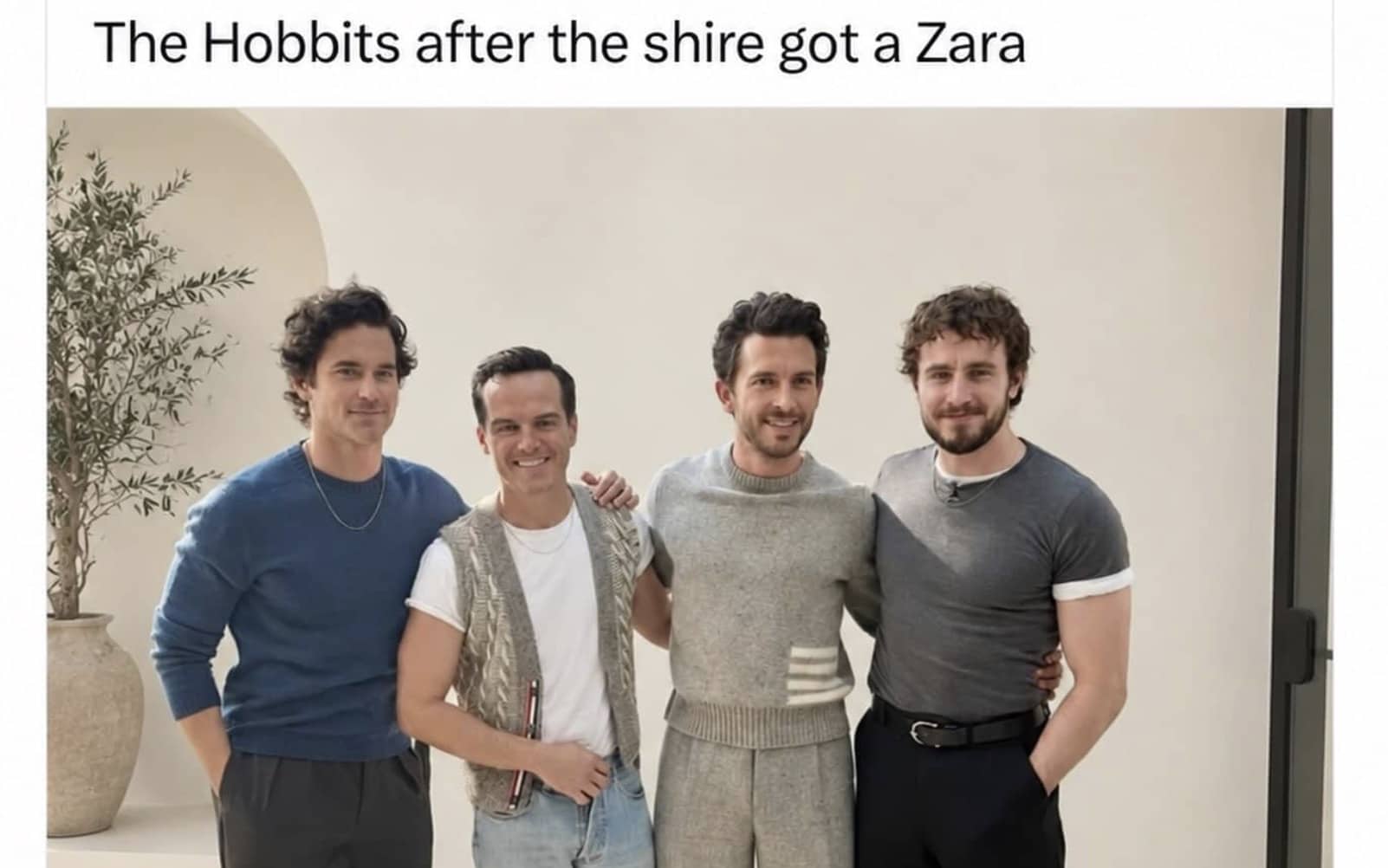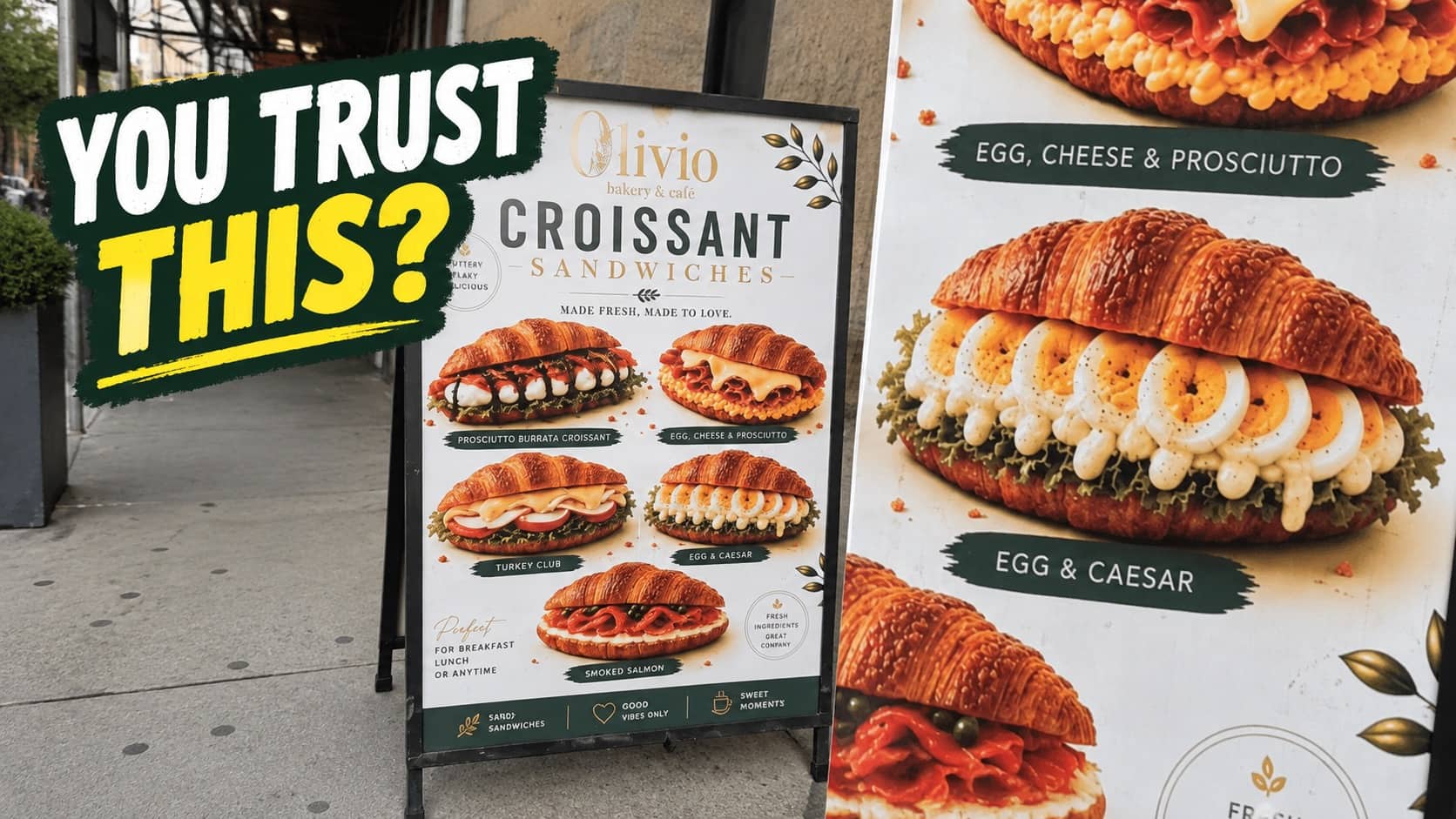

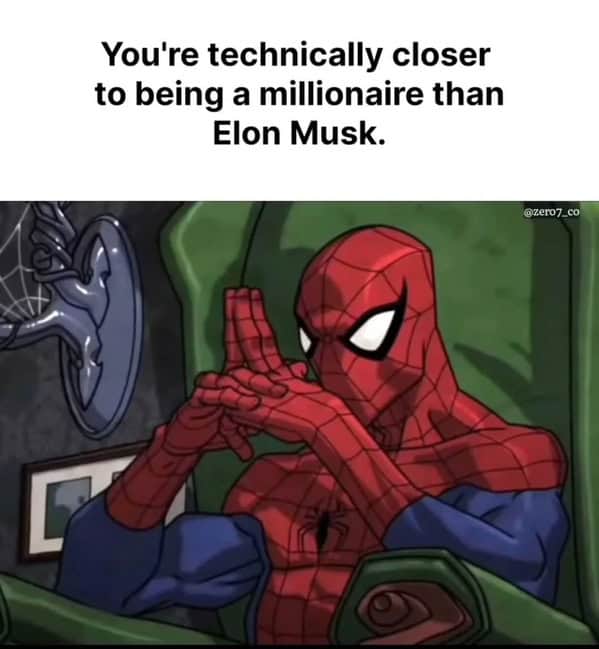
A perfectly polite tweet went around pointing out that, mathematically, you are closer to being a millionaire than Elon Musk is, because the gap between zero and a million is smaller than the gap between a million and a hundred and fifty billion. The math is correct. The conclusion is correct. The feeling, when you finish reading it, is not what was promised. These technically true memes are operating in a special territory where the words are accurate and the implications are deeply suspicious, and the genre has perfected the form.
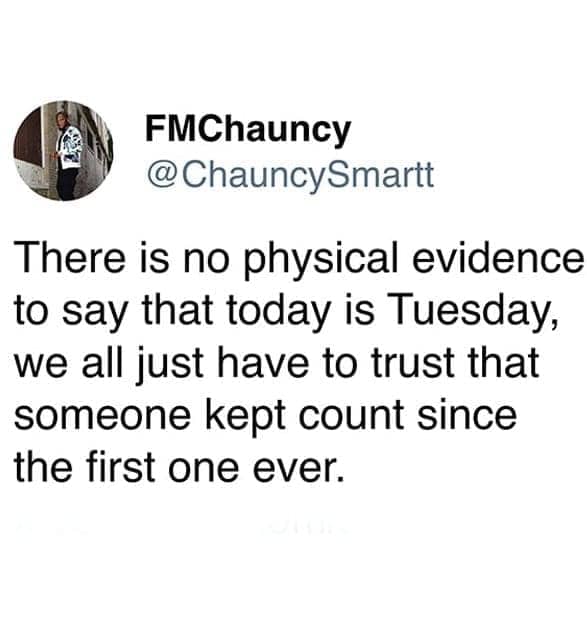
Time is a social construct, but my boss's 9 AM meeting is unfortunately very physical.
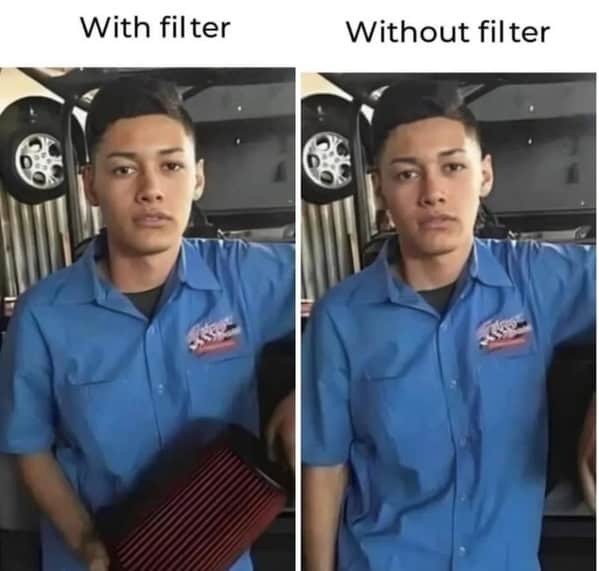
The "No Filter" filter is getting way too realistic these days.
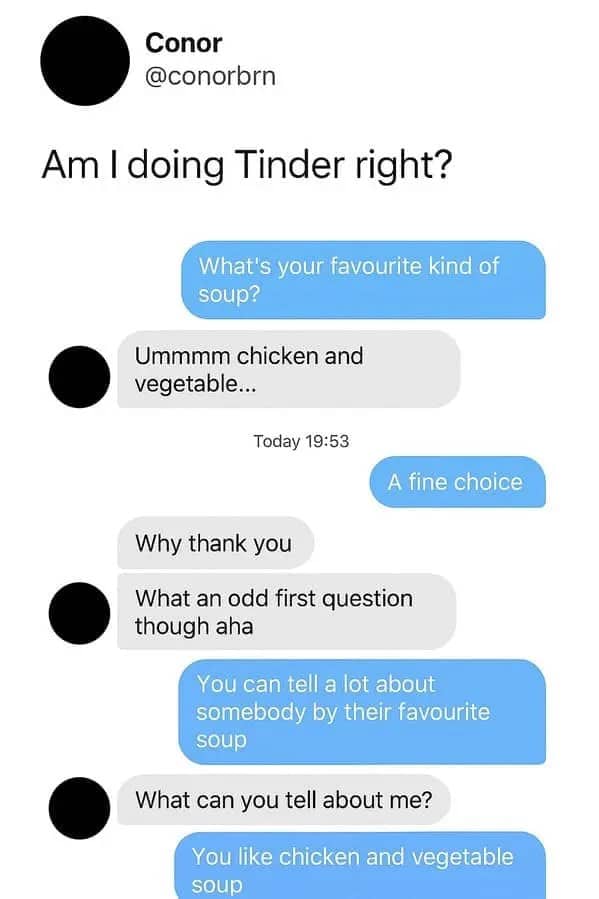
My superpower is stating the obvious with 100% confidence.


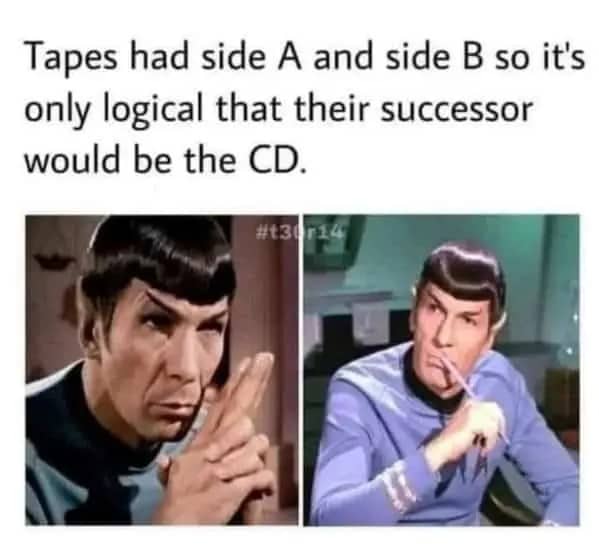
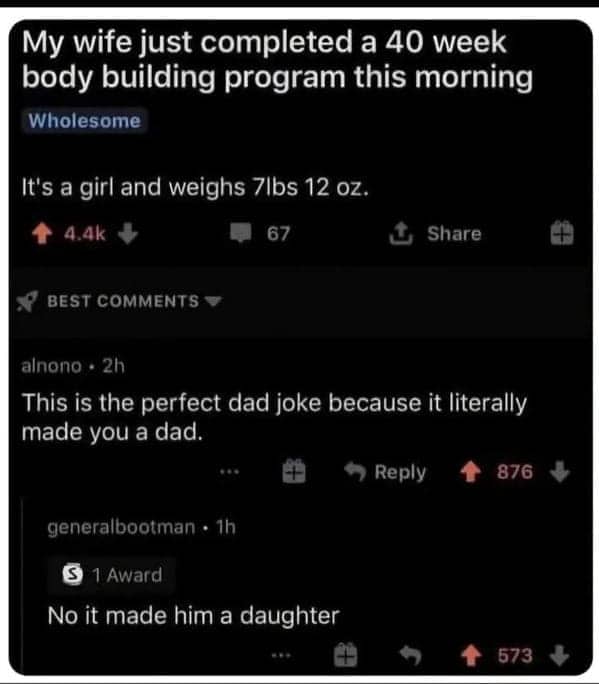
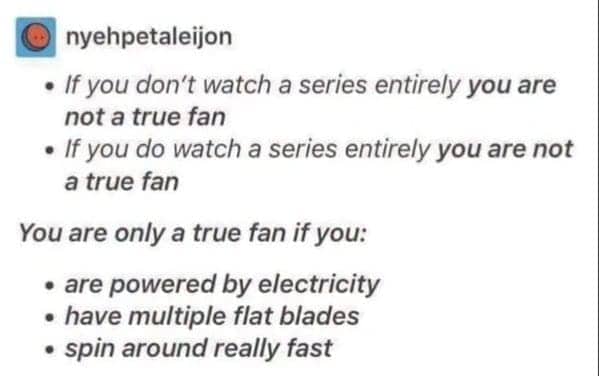
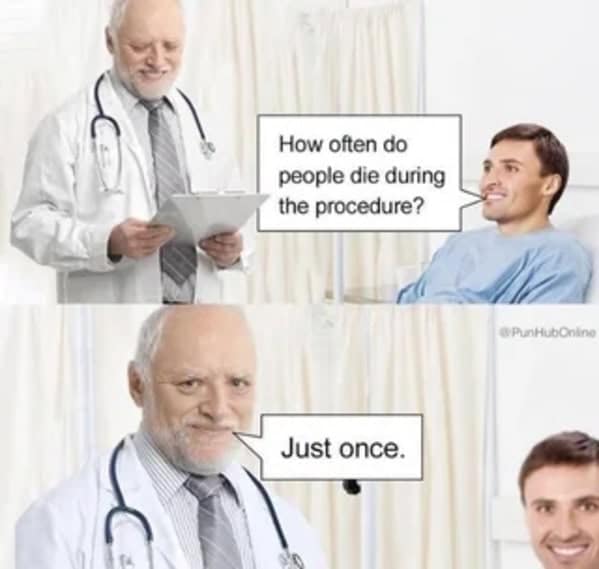
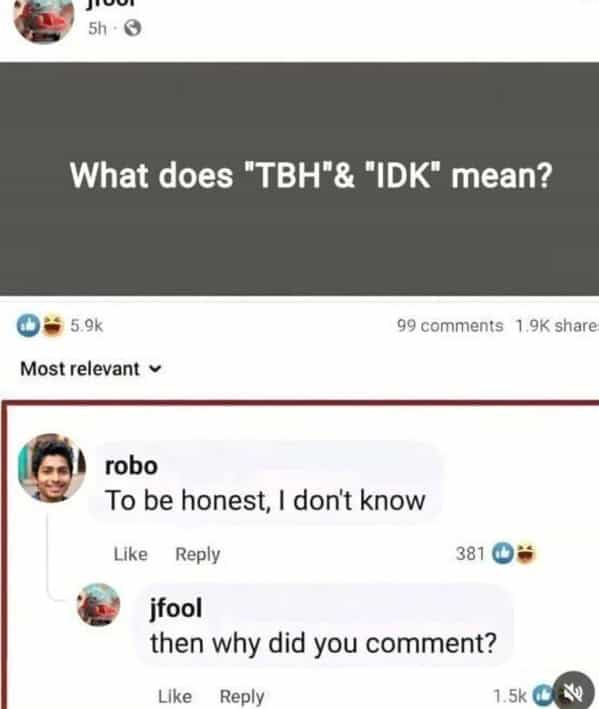
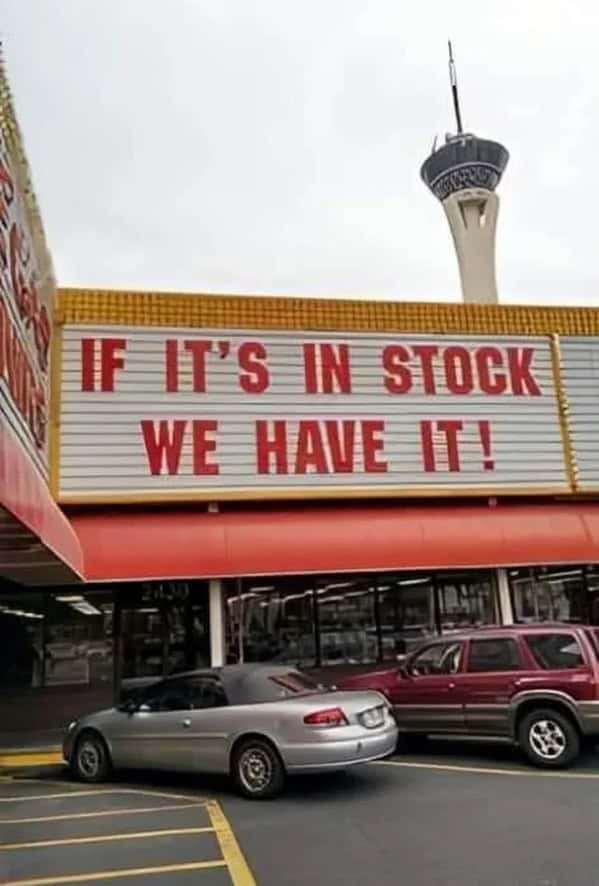
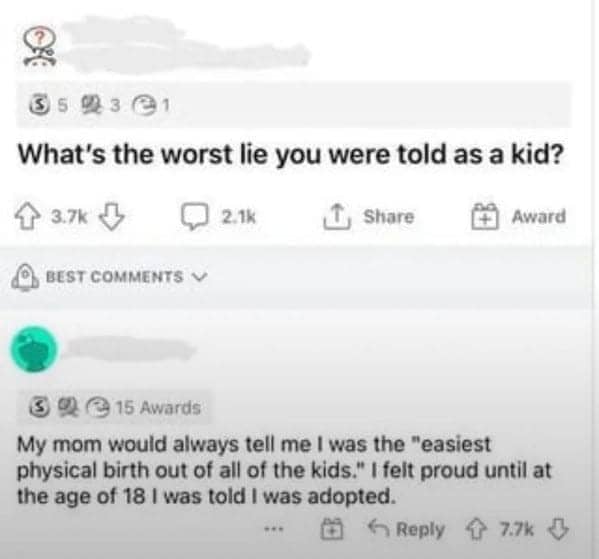
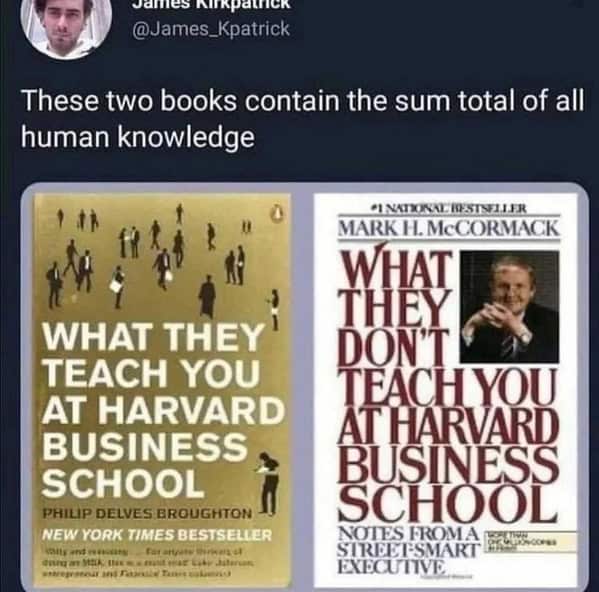
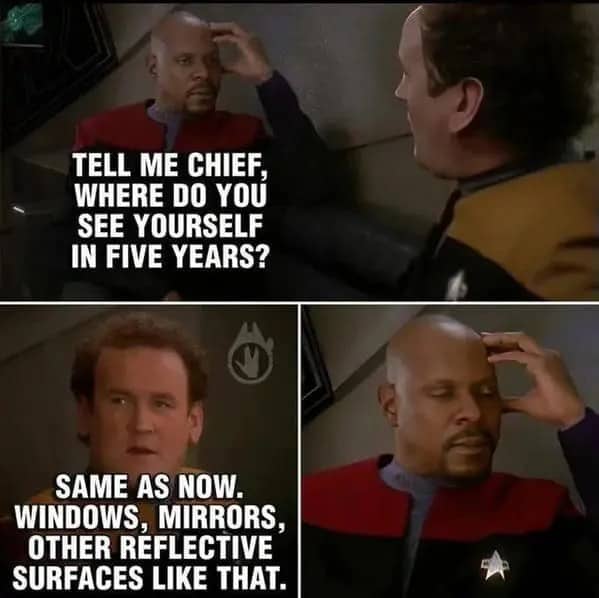
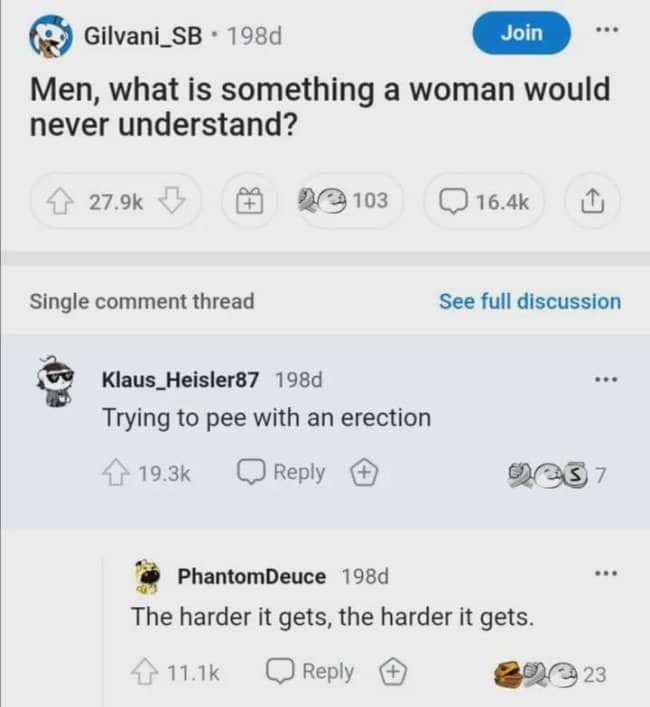
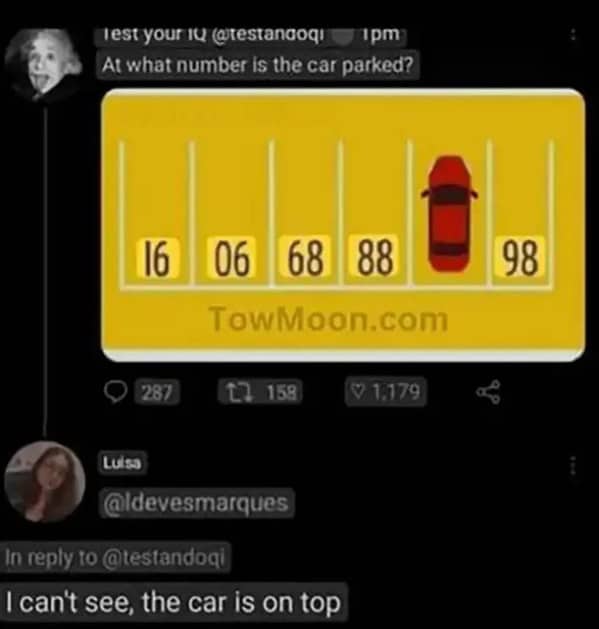
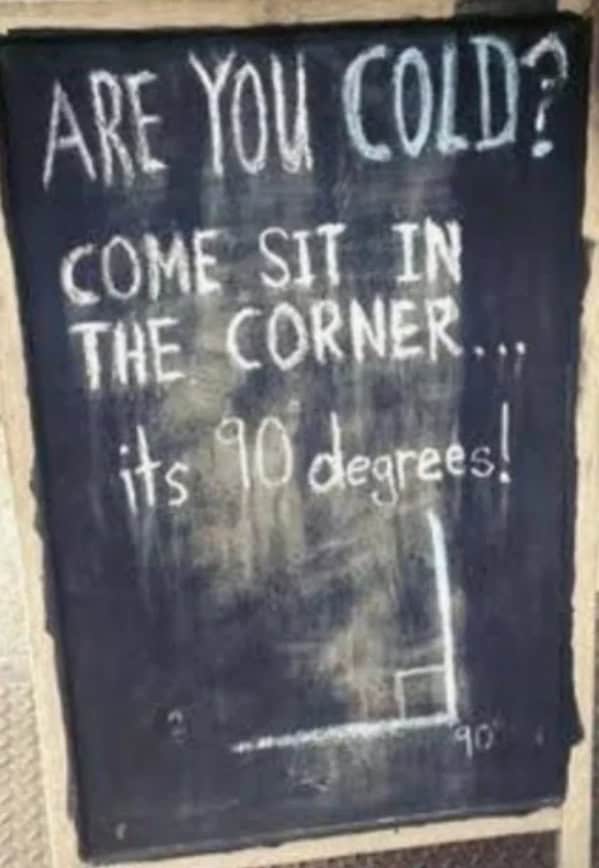
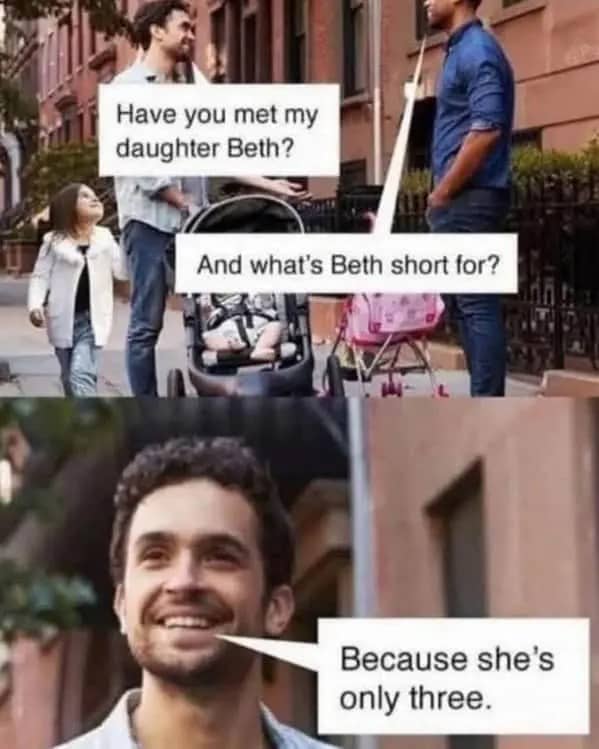
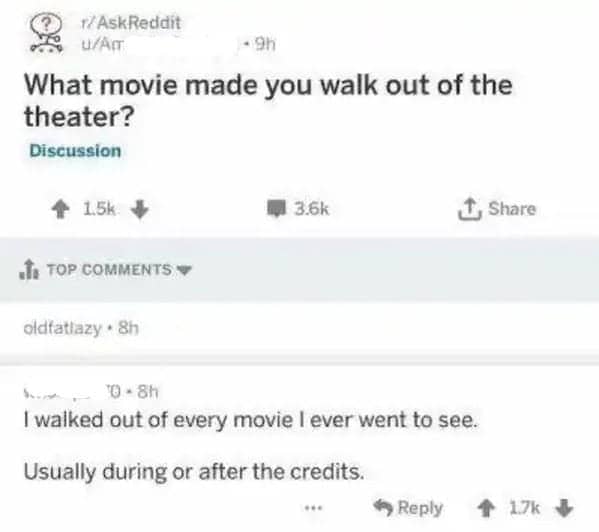
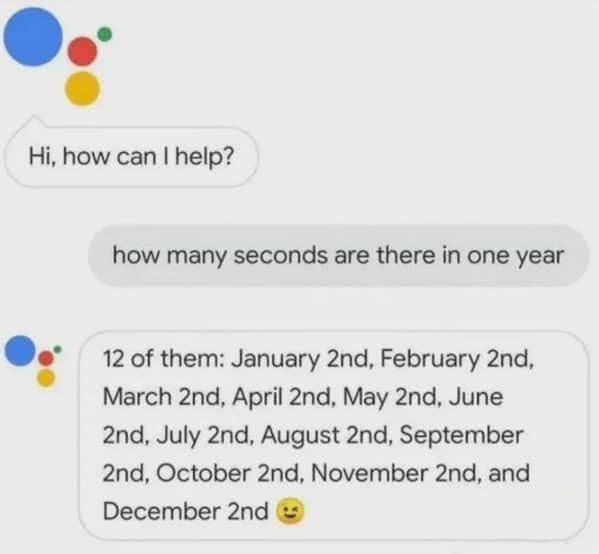



Technically true memes
Read More
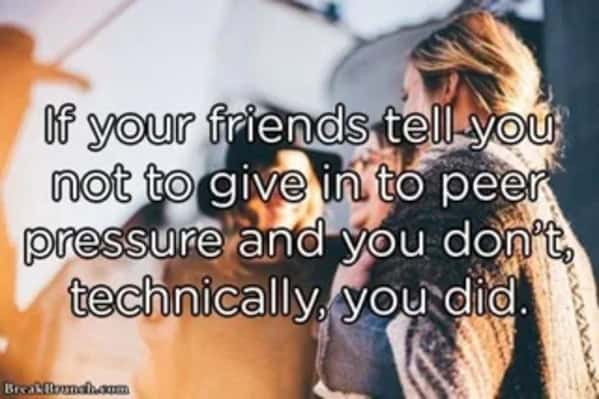
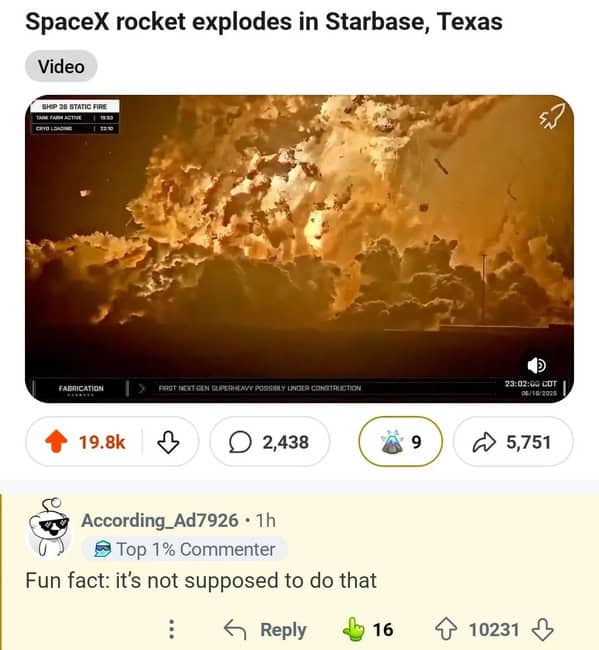
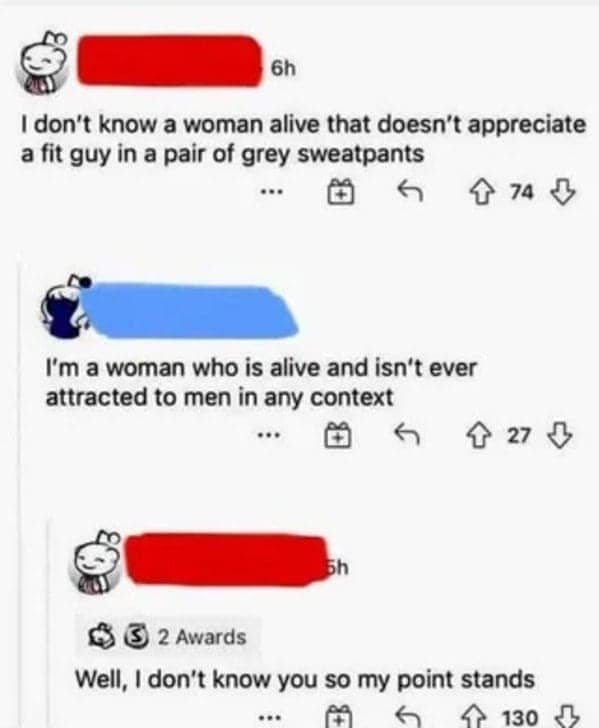
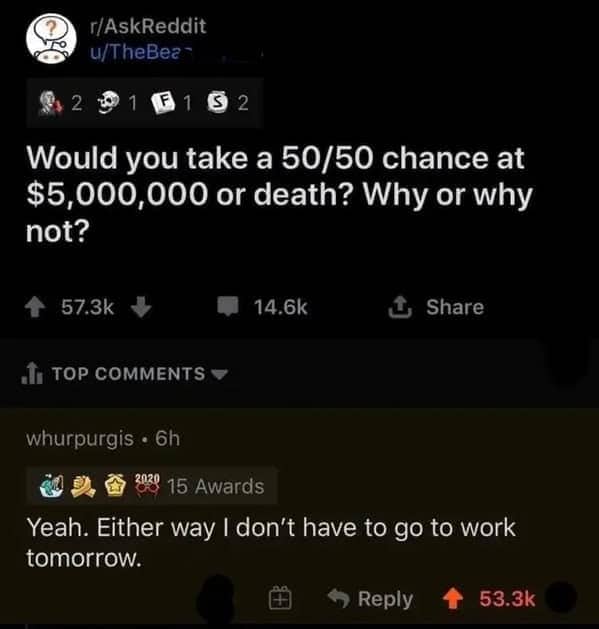
There’s a very specific comedic format that has emerged online over the past few years, where the punchline is “this is, when you check, factually correct, and also wrong.” A pilot of a TV show should land. The pilot of Lost did not, technically, land. Therefore the pilot of Lost was a bad pilot. The funny logic memes that drive this format do not rely on absurdity or exaggeration. They rely on something more unsettling, which is the way regular language has a lot of loose joints that, when pulled at, reveal that we’ve been getting away with imprecision for years.
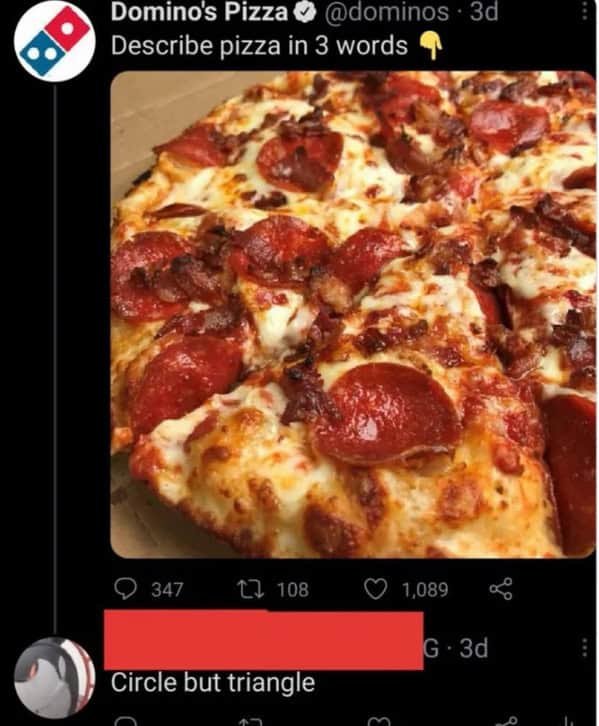
The internet has, almost without meaning to, become extremely good at pulling at these joints. Pizza is described as a circle that’s cut into triangles, which has been true forever, and yet the contradiction has been quietly hiding in plain sight. The week is structured around days that, when examined, have no physical existence and rely entirely on a shared cultural count that nobody can verify. The technically correct jokes in this gallery thrive because once you notice these small fractures in everyday language, you cannot un-notice them.
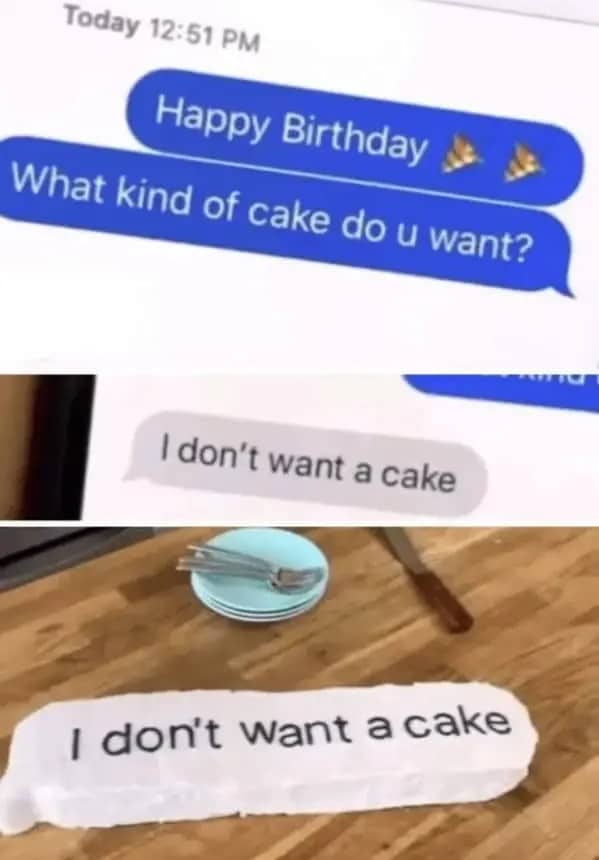
The genre also rewards the specific personality type of the person who reads a sentence carefully and then takes the most literal possible interpretation. Most communication runs on shared assumptions. Most jokes in this category violate those assumptions on purpose. Somebody asks for no cake. The cake arrives shaped like a text bubble that says “no cake.” The clever wordplay memes filling this space are functioning as a small celebration of language being weaponized exactly as written, and the recipients have only themselves to blame.
What’s quietly delightful is how often the punchline is just a slightly different framing of something everybody knew. The funny shower thoughts and technically true memes overlap heavily here, because both rely on noticing the obvious. The genres have become almost indistinguishable, which suggests they’re both feeding from the same well, which is the well of “things we accepted without thinking about, that turn out to be, on closer inspection, slightly insane.”
The bigger thing happening with the technically-true meme genre is that it’s training a generation of readers to look at language with a slightly more skeptical eye. That sounds heavy, but it’s actually fun. Every meme is essentially a small puzzle where the answer is hiding in the wording, and once your brain learns to spot the loose joints, you start finding them everywhere. Advertising language. Political language. The fine print on the bottom of a contract. The internet has, through pure comedic accident, taught a large population to read more carefully than the previous generation did.
There’s also a small philosophical point buried in all of this, which is that most of what we treat as solid in everyday life is actually held together by social agreement rather than physical fact. Tuesday is real because we say it is. Pizza is a circle because we agree to ignore the slices. Being broke and being Elon Musk are mathematically adjacent if you squint at the right axis. The witty observation memes that work in this category are essentially small wedges, prying open the gap between what we say and what we actually mean.
What’s almost touching is that the genre is not malicious about any of this. Nobody is trying to dismantle reality. The pedantic-but-loving observations in this collection are just delighted with the fact that language is, structurally, weirder than it seems. The pleasure is in the noticing. The pleasure is shared. We are all standing in a circle, pointing at the same slightly broken sentence, laughing at how long it took us to spot the problem. That’s a healthy way to spend an afternoon, frankly.
If the pedantic delight was your kind of fun, broader weird Twitter compilations live in this exact territory, technicality humor galleries cover similar ground, and general “wait, that’s actually true” content keeps the supply flowing. Read everything more carefully. Everything.
Read Memes
Get Paid


Katie Rodriguez is a seasoned writer with eight years dedicated to meme commentary, viral internet events, and digital storytelling. Formerly a senior meme analyst at Bored Panda and an occasional guest contributor at Vice's Motherboard, Kat specializes in meme culture’s intersection with social media phenomena—covering trends like Milk Crate Challenge, Area 51 Raid, and Baby Yoda. She’s known for her witty writing style and deep understanding of why certain memes resonate across generations, making her a valuable voice on Thunder Dungeon.