

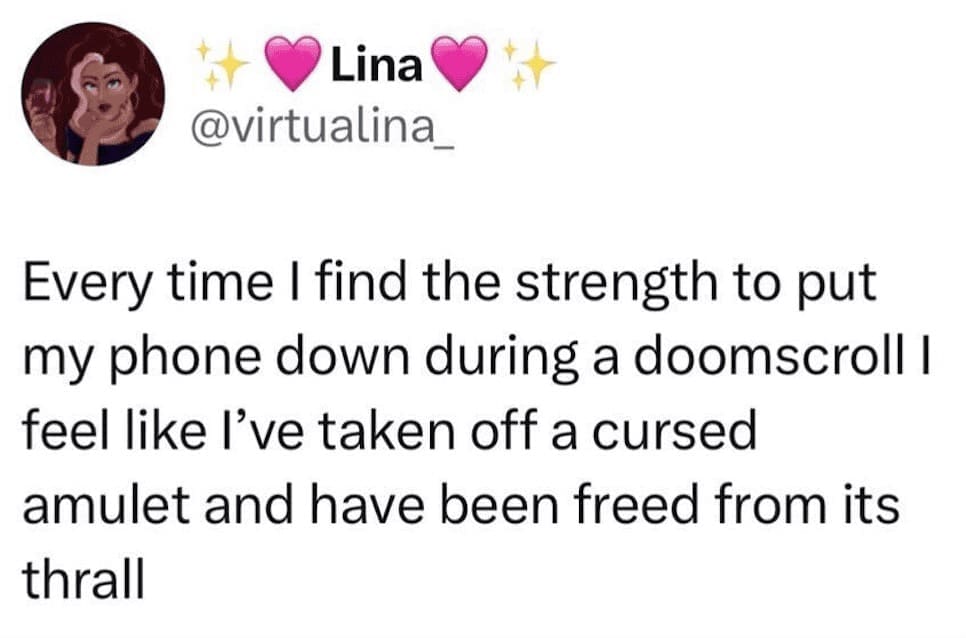
It’s 1:47 a.m., the eye strain is real, and a tweet just compared putting your phone down after doomscrolling to removing a cursed amulet from around your neck. The metaphor is correct. The metaphor is also describing exactly what is happening to me right now. These doomscrolling memes are the small communal acknowledgment that we are, all of us, trapped in a feedback loop with our devices, and the loop is winning. The “doomwalk” alternative has been proposed. The vintage transparent corded phone is being romanticized. Strap in for the spiral.

"Just one hit of the Explore page, man. I promise I’m quitting tomorrow."
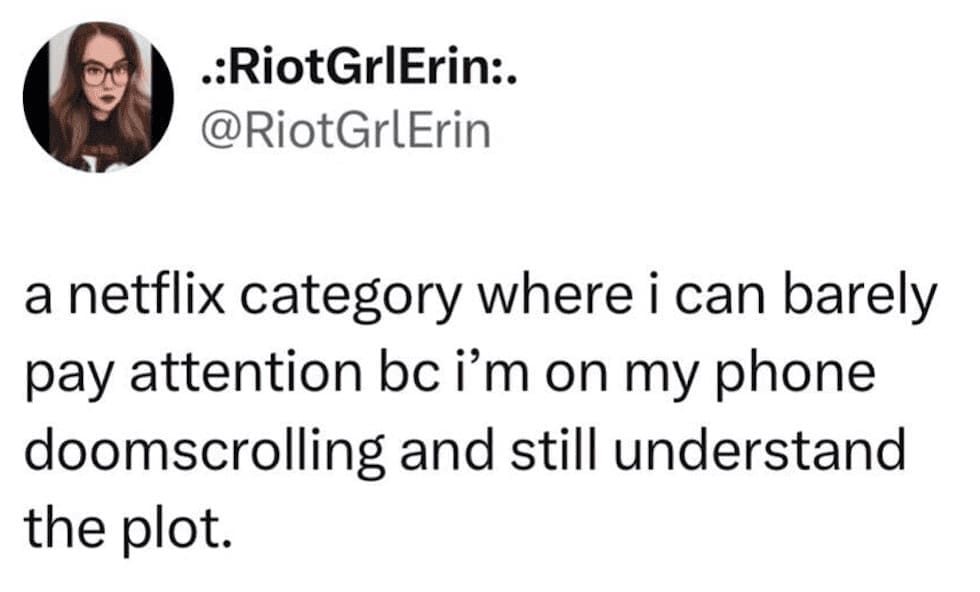
Plot summary: People talk, things happen, I checked my notifications 47 times.
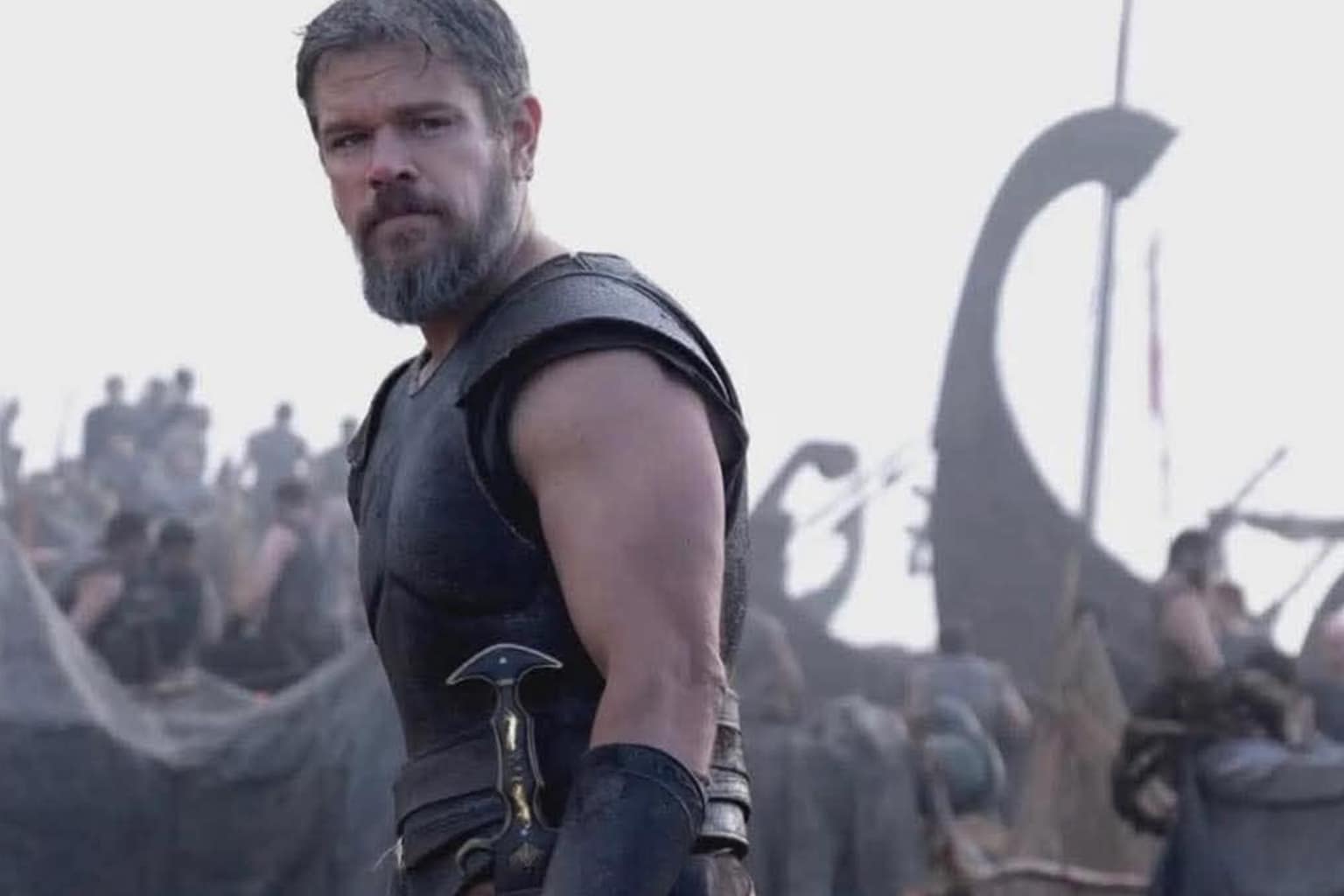
rodo had the Ring; I have an infinite feed of bad news and skincare ads.
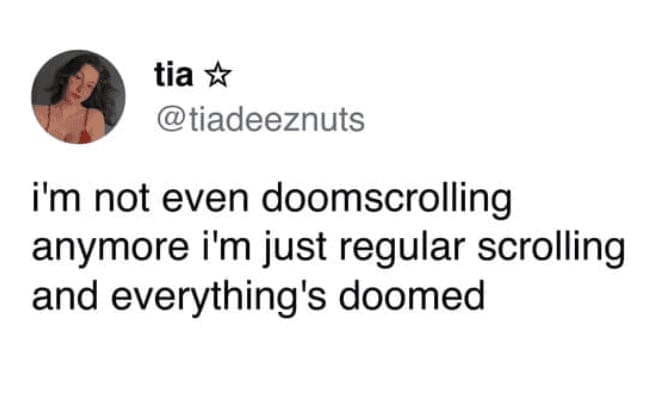

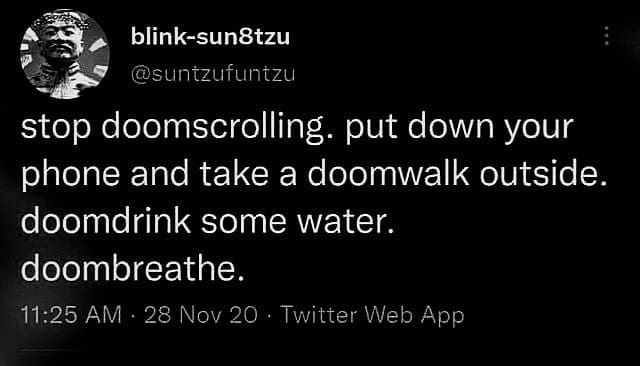
Aggressive self-care is the only way forward. Doom-breathe with me.
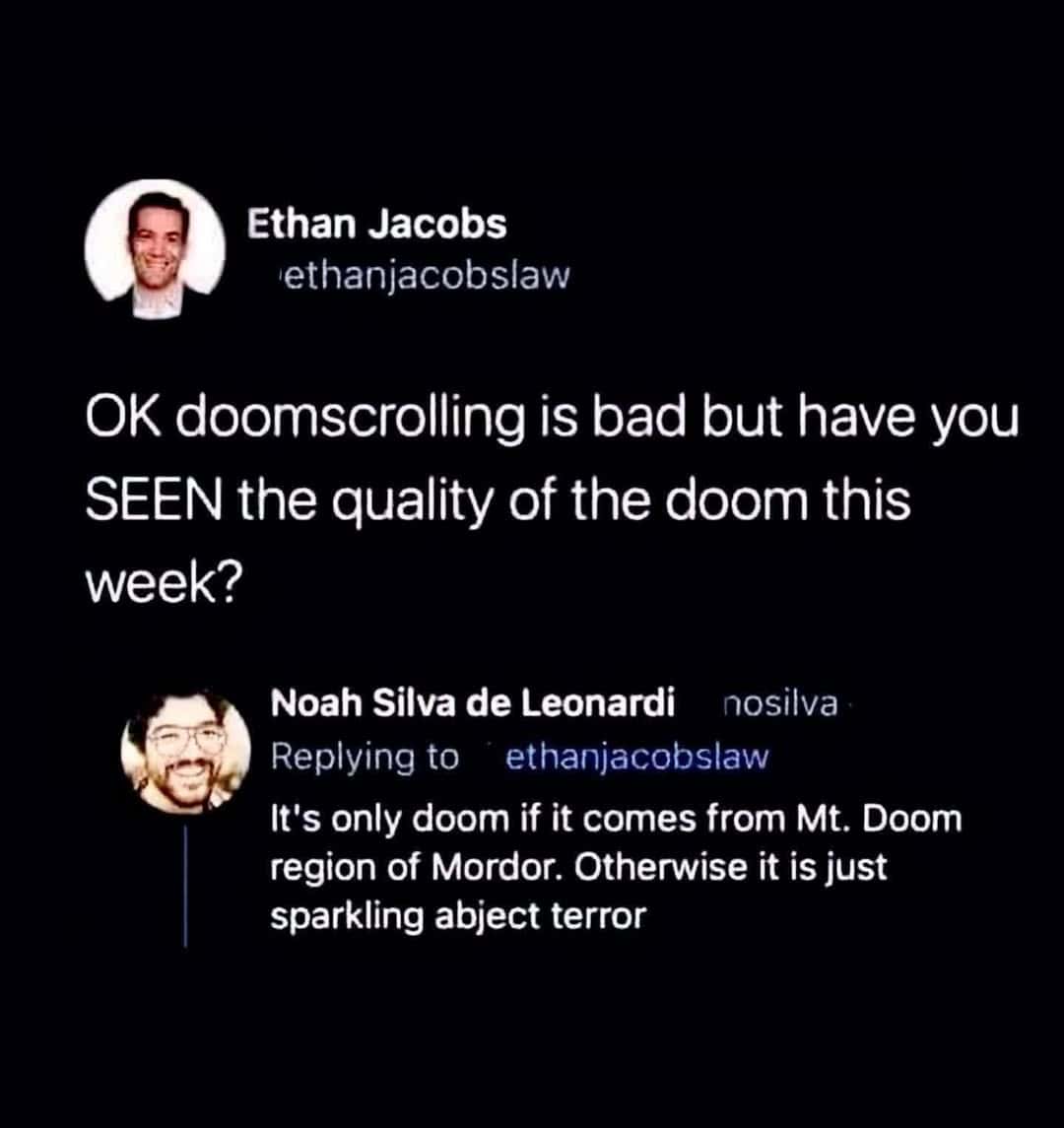
If it’s from my local news, it’s just sparkling anxiety.
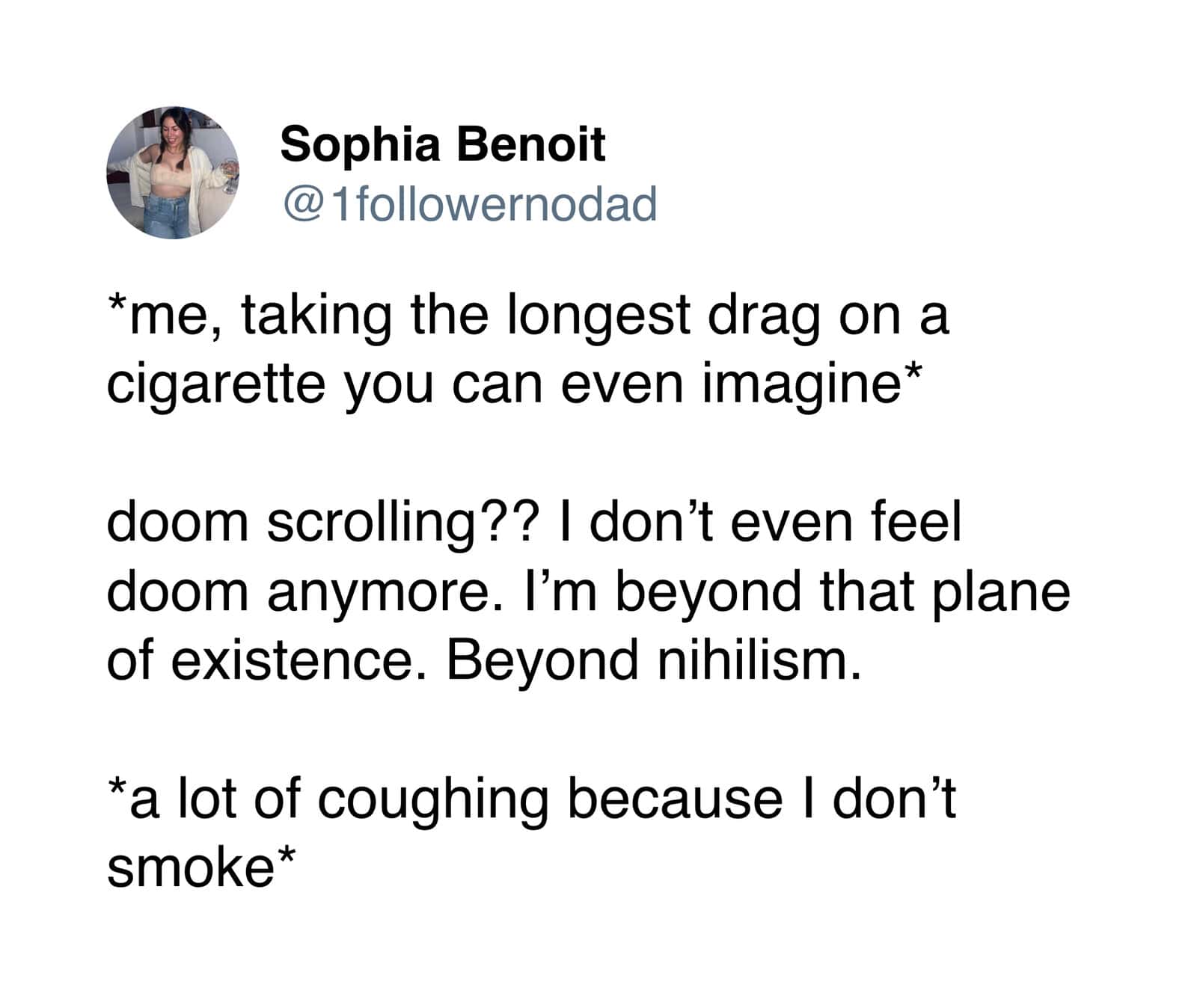
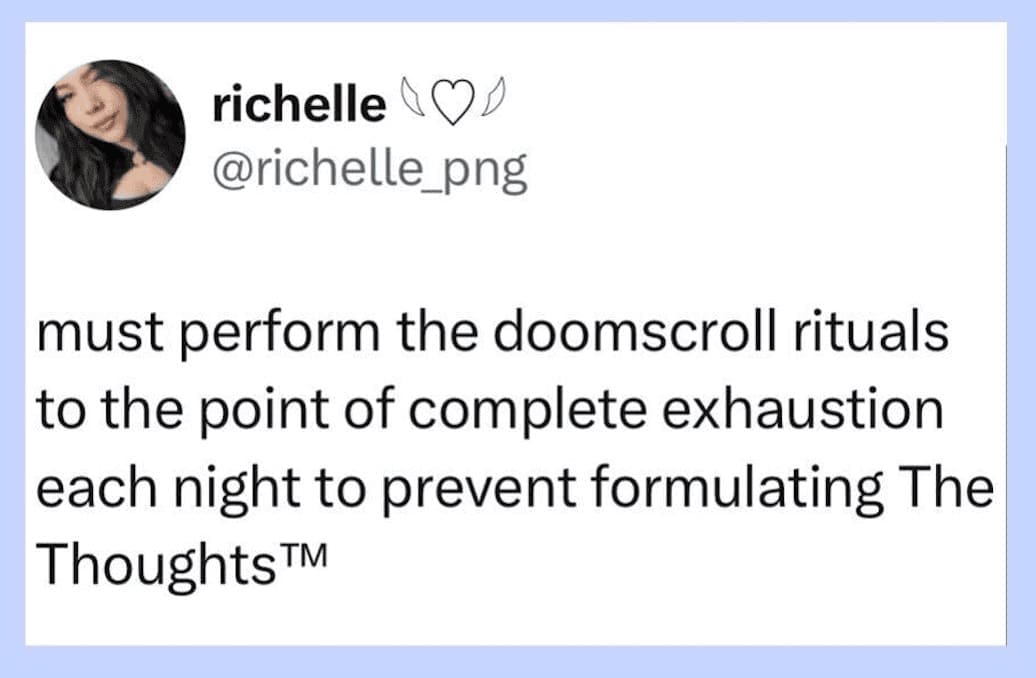
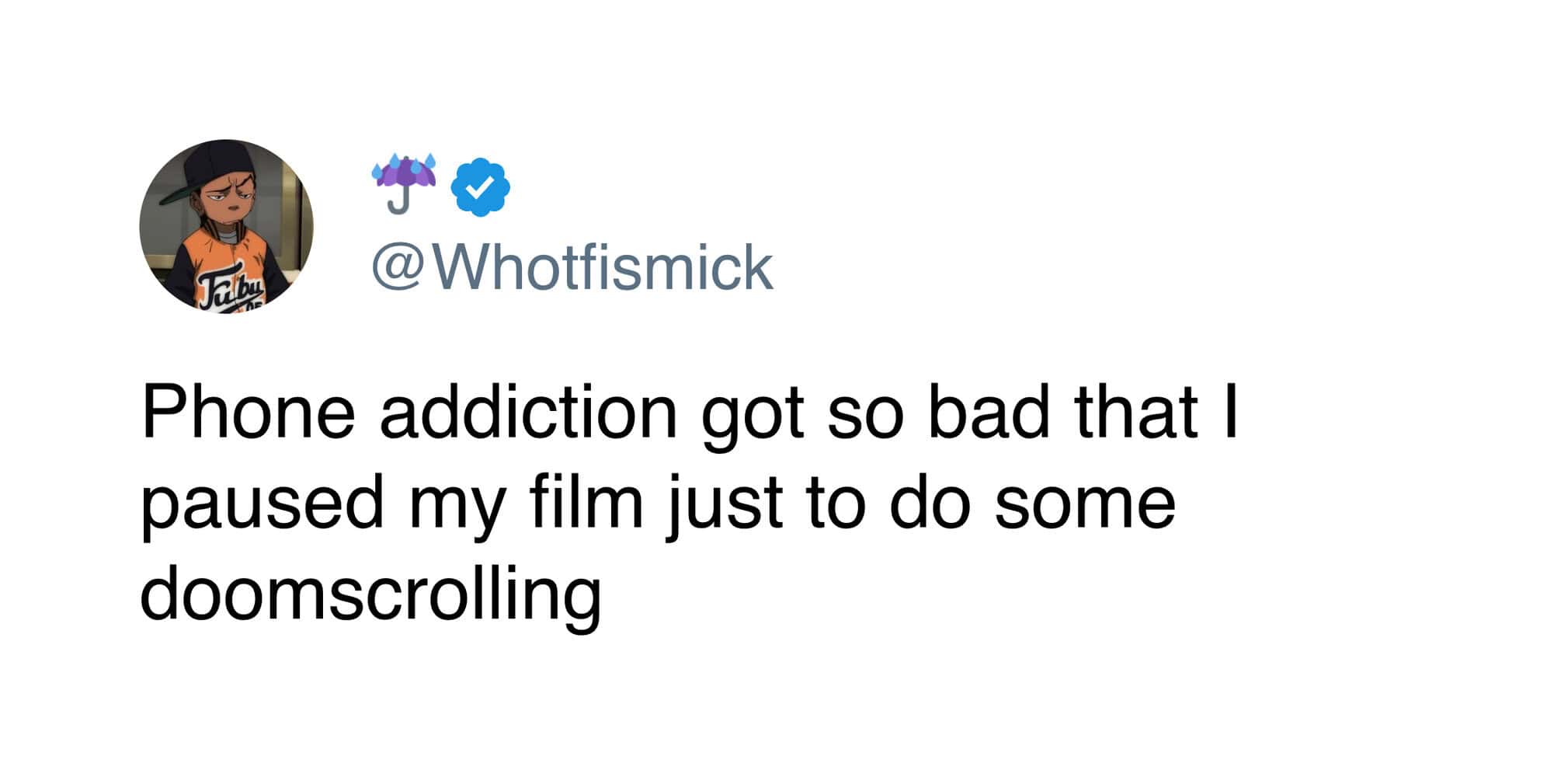
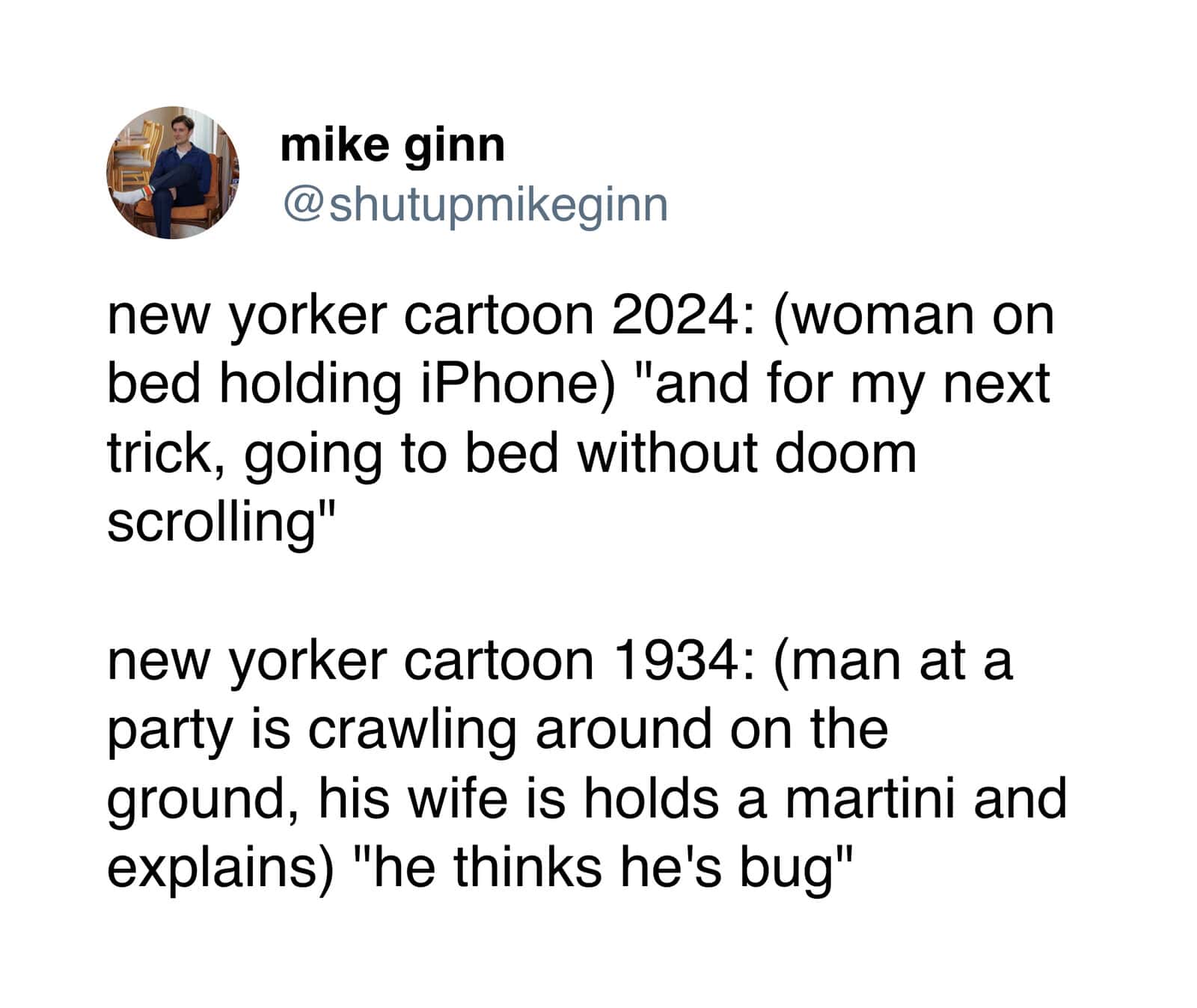
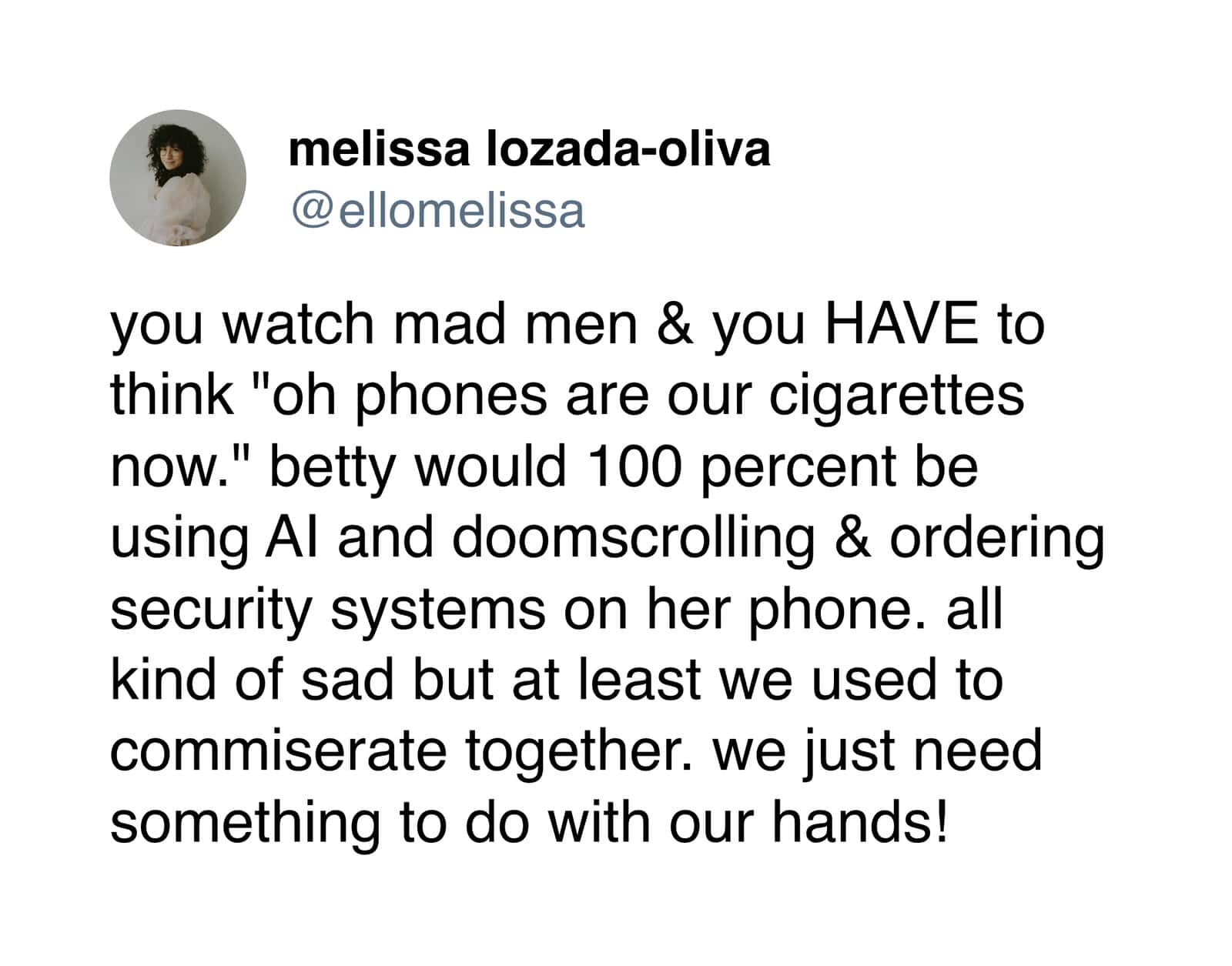
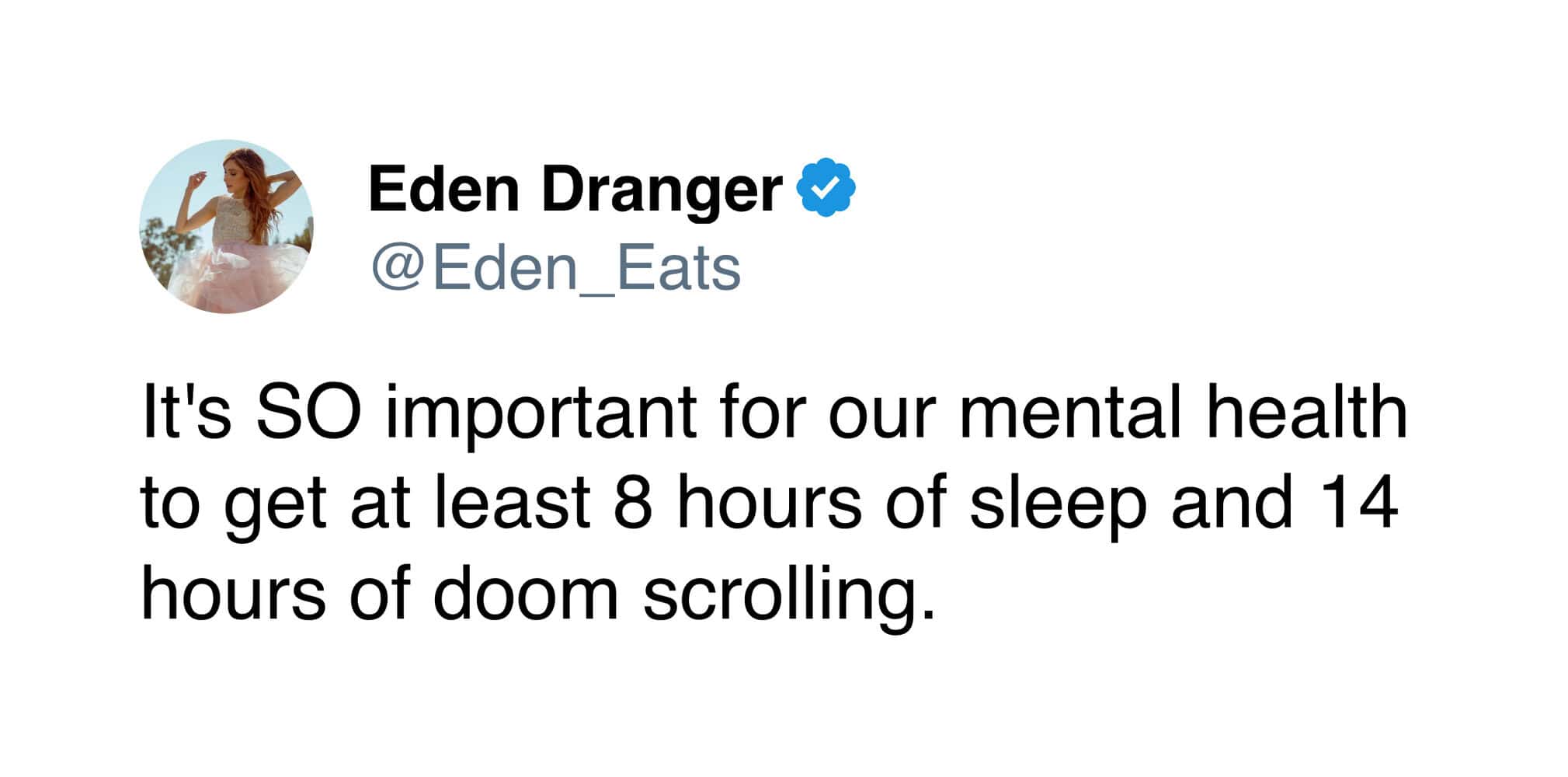
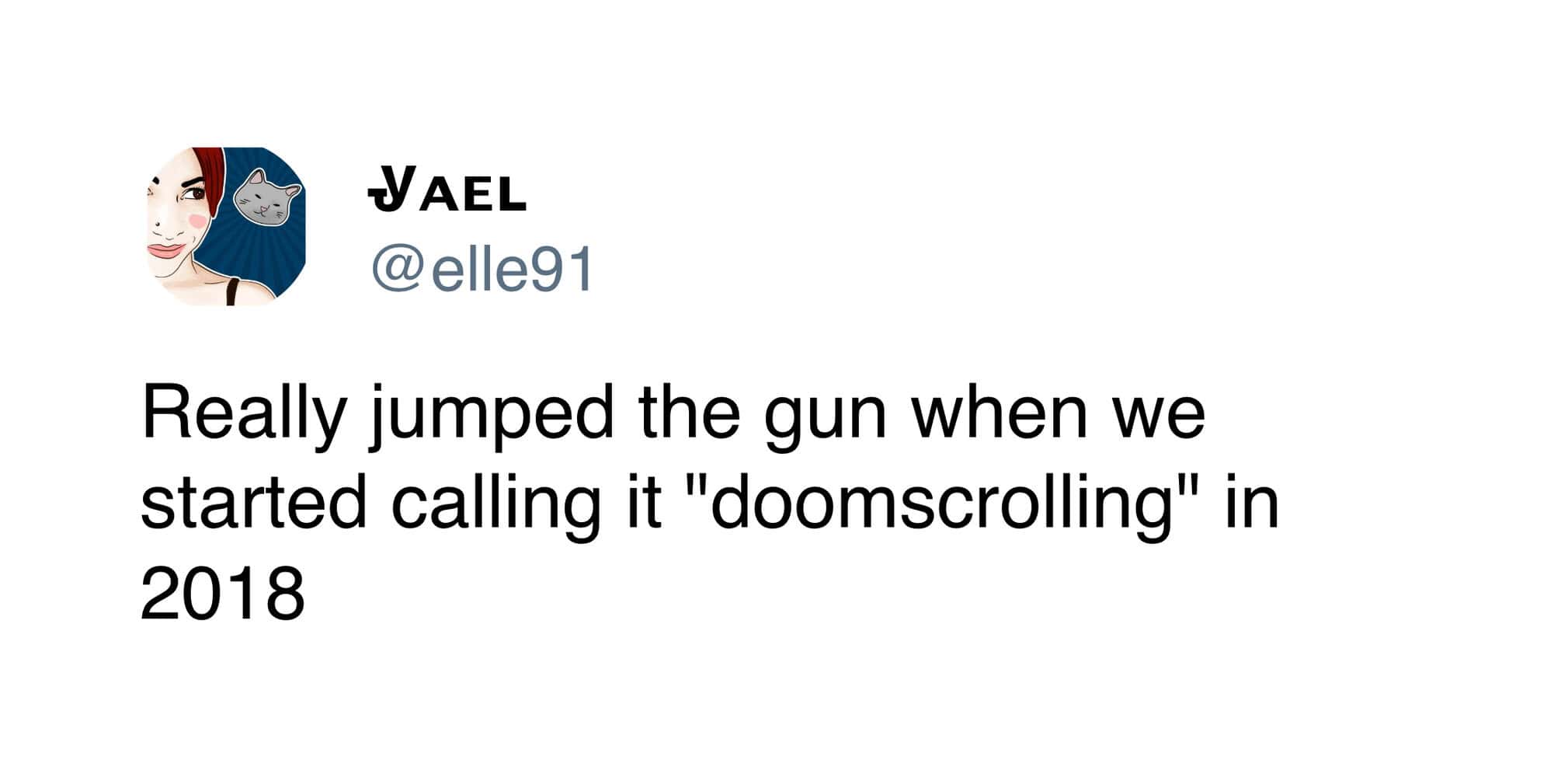
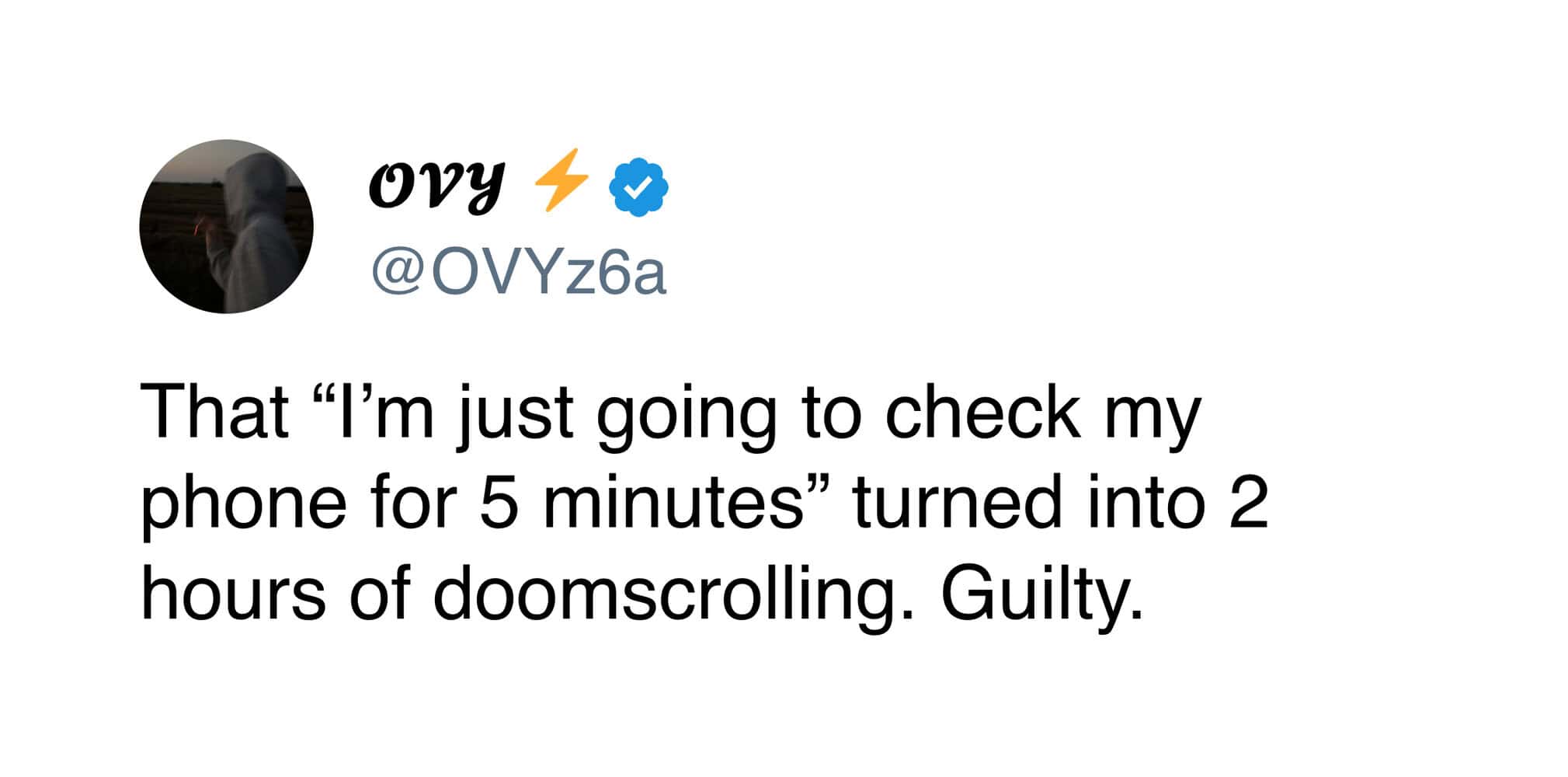
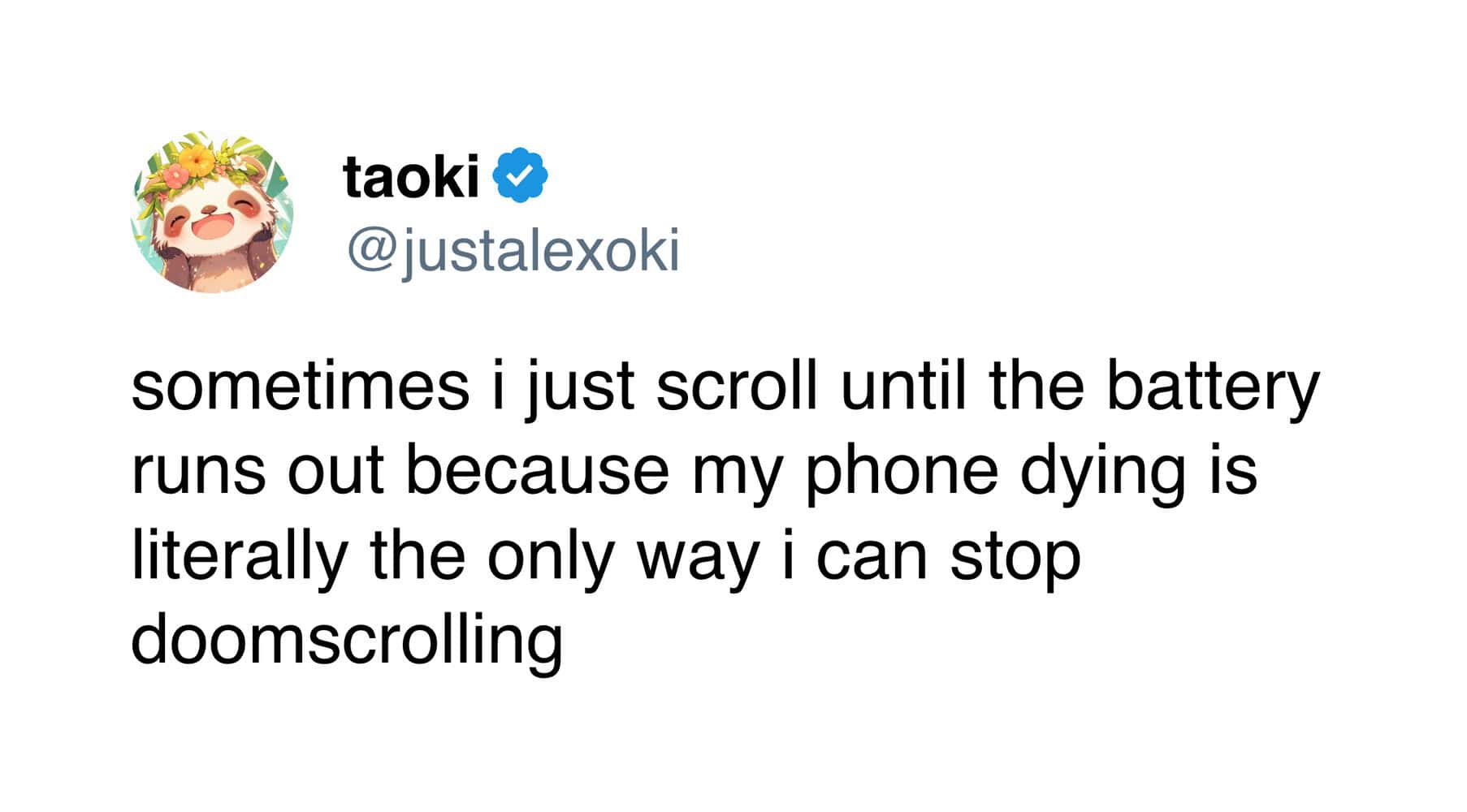
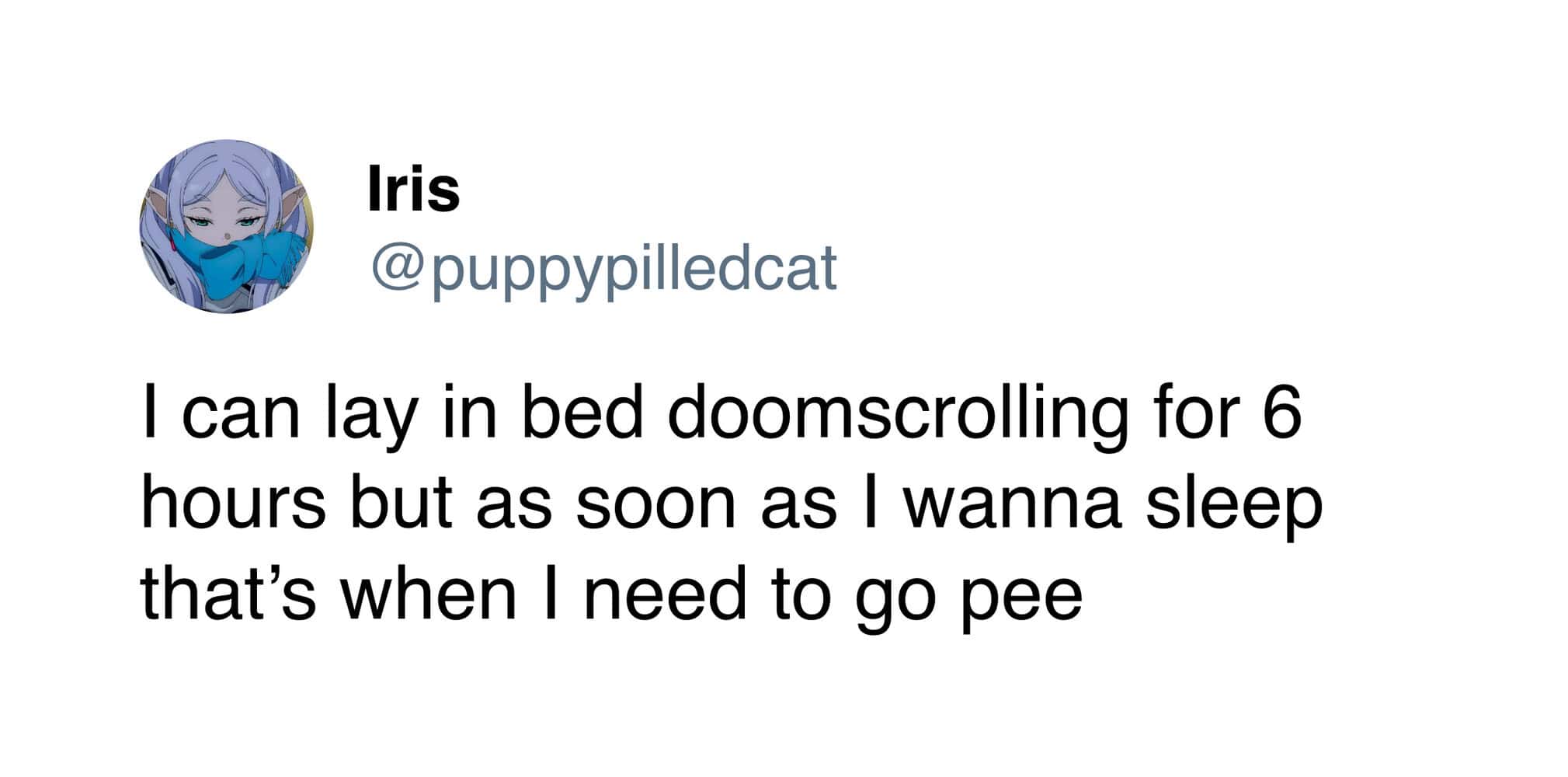

Doomscrolling memes
Read More
The “bum a scroll” tweet is the most accurate description of modern social media addiction ever written. Somebody deleted their Instagram app, found themselves twitchy and irritable, and asked a friend if they could borrow their phone for a moment of vicarious scrolling, the way you would ask to bum a cigarette. The metaphor is structurally identical. The addiction is structurally identical. These social media addiction memes have correctly identified that the platforms are operating with the same engagement loops as nicotine, and the withdrawal is real.
The “cursed amulet” metaphor for the smartphone is essentially correct. You pick it up for one thing. You put it down three hours later, dazed, confused about what year it is, and slightly horrified at the inside of your own head. The internet addiction memes in this gallery understand the experience because the people writing them are also having the experience. The empathy is built in. Nobody is lecturing anybody. We’re all in the cave together. The cave just has Wi-Fi.
The “doom only counts if it comes from the Mt. Doom region of Mordor” joke is a small piece of comedic perfection. The internet has produced a category of content called “doomscrolling,” the joke pivots on whether the doom is properly sourced from its region of origin, and the resulting bit is somehow both extremely literary and extremely current. The funny burnout memes and tired internet user content in this gallery thrive when they take the language we use about our own behavior and rotate it just slightly enough to expose how absurd it sounds.
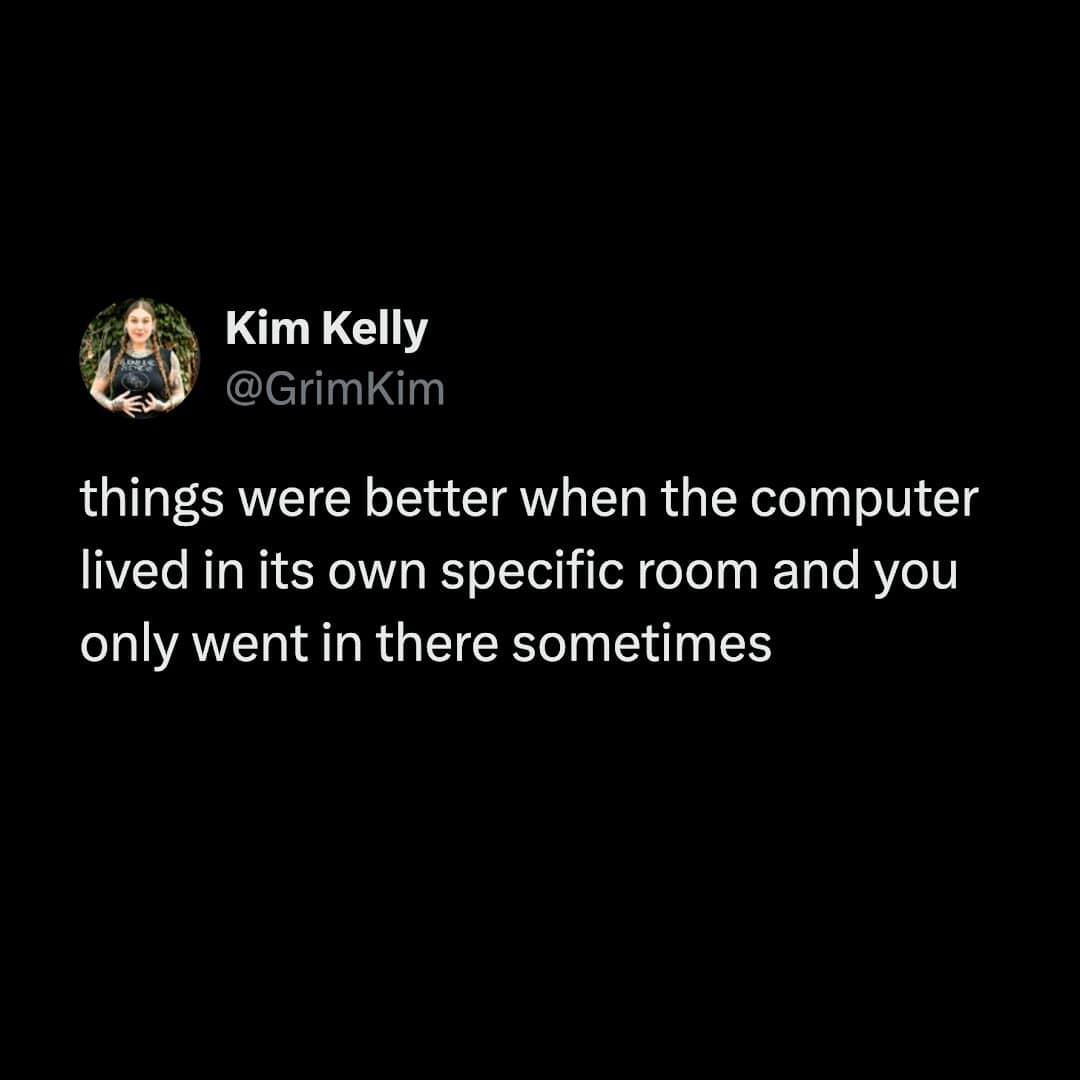
And the “I miss when the computer lived in its own room” tweet. There used to be a single computer in a single room of the house, you went to it on purpose, you used it for a specific task, and then you left. Now the computer lives in our pockets, follows us everywhere, and has integrated with every part of our lives. The genie is out. The bottle is on a charger.
What this whole gallery is really documenting, beneath the jokes, is a generational acknowledgment that we have collectively traded something we did not fully appreciate for something we did not anticipate. The “old” internet was patient. You had to go to it. It had limits. The new internet is the opposite of all of those things. It is right next to you. It is on you. It is in you, in a sense, because it has shaped how you think, what you worry about, what you do with your downtime. The doomscrolling genre is, in its own way, the species processing this trade-off out loud.
There’s also a tenderness in how the genre tends to operate. Nobody in these tweets is judging the audience. The writers are also doomscrolling. The platforms hosting the tweets are the same platforms enabling the behavior. The whole genre exists in this strange recursive loop where the medium is the message, the message is “stop using the medium,” and the audience nods, hits like, and keeps scrolling. It’s a uniquely modern form of communal sadness, and the gallows humor is what makes it tolerable. Without the jokes, this would just be despair. With the jokes, it’s at least funny despair.
The other thing this gallery captures, quietly, is the small acts of resistance that people are starting to organize around. The “doomwalk.” The “doomdrink.” The deleted apps. The transparent corded phone fantasy. None of these are going to fix the structural problem, which is that our entire information environment has been engineered to keep us scrolling. But they are, collectively, the first signs that the species is starting to push back, even if only individually, even if only for an hour at a time. The amulet can come off. Briefly. The amulet usually goes back on. But the impulse is there, and that’s not nothing.
If the spiral was relatable in a slightly painful way, broader internet burnout content lives in this exact zone, anti-social-media humor is doing similar work in adjacent corners, and general tech-criticism threads are where the bigger conversation keeps unfolding. Maybe go outside. Maybe.
Read Memes
Get Paid


Jake Parker, known around the web as "Jay," is a digital writer with over 10 years of experience covering internet humor, meme trends, and viral content. Before joining Thunder Dungeon, Jay was the lead editor at MemeWire, where he helped curate memes that broke the internet, including coverage on trends like Distracted Boyfriend, Kombucha Girl, and Bernie Sanders’ Mittens. A self-proclaimed "professional procrastinator," Jay spends his downtime scrolling Reddit and Twitter to stay ahead of what's about to break the internet next.