

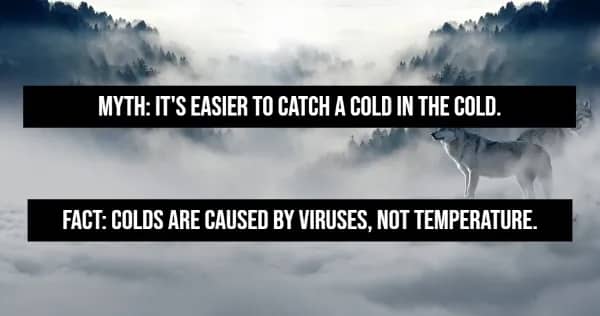
There is a specific category of knowledge that most people carry through their entire lives without ever questioning it, because it arrived early, sounded plausible, and was confirmed by everyone around them. Common misconceptions thrive not because people are careless but because the wrong version of a fact tends to be more interesting than the correct one. Napoleon being short is a better story than Napoleon being average. Piranhas stripping a cow to bone in thirty seconds is a better story than piranhas being timid fish with no documented human fatalities. This gallery is the correct version of thirteen things that the better story got to first. Myths vs facts, delivered without judgment, with full acknowledgment that most of these land like a small personal betrayal.



Myths vs facts
Read More
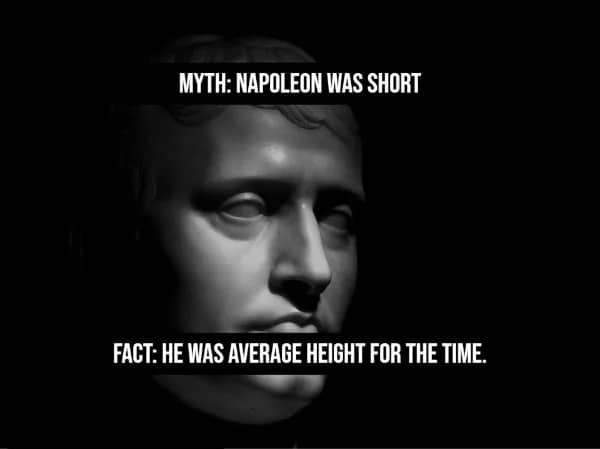
Myth-busting facts earn their virality through a specific mechanism: they locate something the reader already believes with confidence, correct it cleanly, and leave a moment of very satisfying recalibration in their wake. The Napoleon entry is the gallery’s most socially consequential correction, because Napoleon’s alleged shortness has been operating as a character flaw in the public imagination for two centuries. He was approximately five feet six or seven inches, which was solidly average for a French soldier of his era. The legend has been traced to a combination of British wartime propaganda and a unit conversion error between French and English inches. He was not short. He was, however, fighting a propaganda war on multiple fronts, and the height front did not go well.
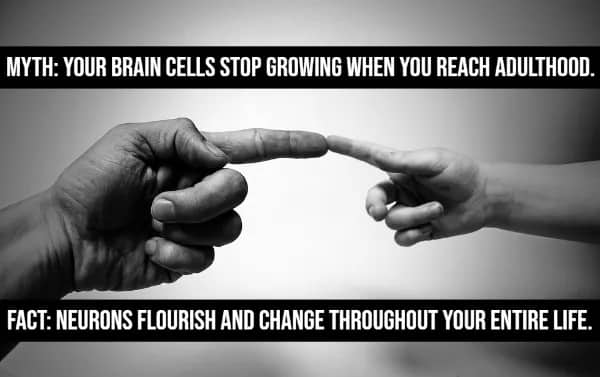
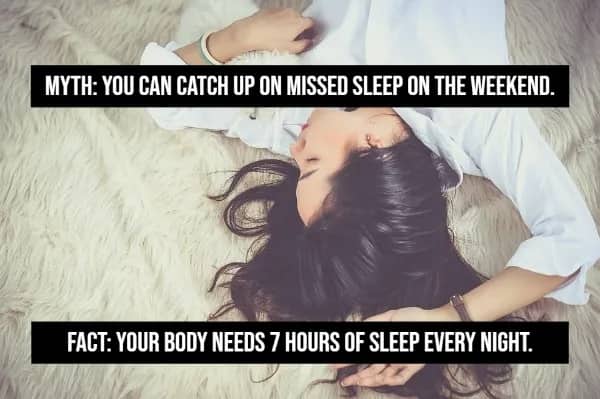
Debunked myths in the science category tend to produce the most immediate reaction because they involve things people are actively using as practical guidance. The sleep entry is a particular standout, because “you need eight hours” has been repeated as settled doctrine in wellness content for decades, and the actual figure, closer to seven, is a meaningful revision for anyone who has spent years mildly anxious about falling short. The brain cells myth, corrected by the reality of adult neurogenesis, is the one that gets people most in the comments, because the idea that the brain continues generating new neurons well into adulthood is both more hopeful and more interesting than the version that was taught. Science giveth.
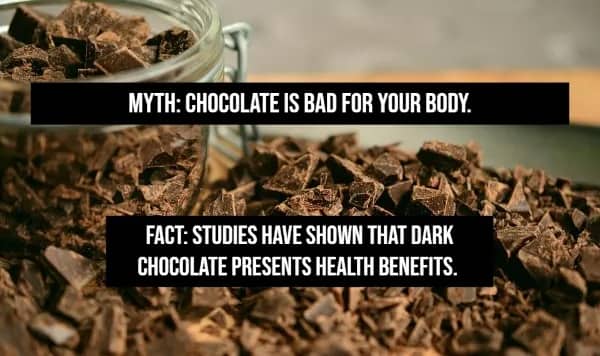
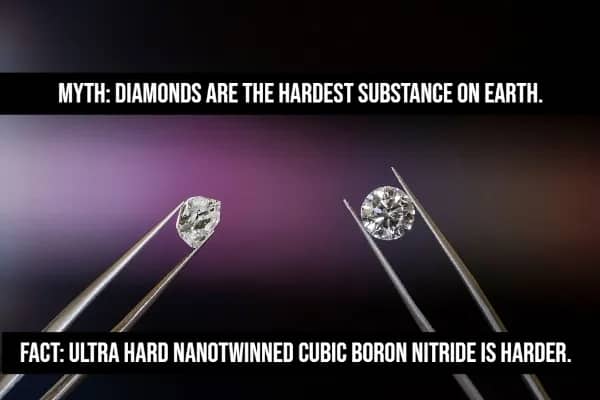
The diamond entry is the gallery’s most reliable conversation starter, because diamonds have an extremely strong PR operation underpinning their cultural status, and the existence of cubic boron nitride, which outperforms diamond in hardness under specific conditions, is the kind of fact that makes a person look at their jewelry differently for a moment before deciding that emotional value is its own category. Science taketh, but not completely. The dark chocolate correction is the one people are most enthusiastic about accepting, which is understandable, and the actual health benefit evidence, flavonoids and antioxidant activity in moderation, is real enough to justify the enthusiasm without requiring anyone to pretend a chocolate bar is a vegetable.
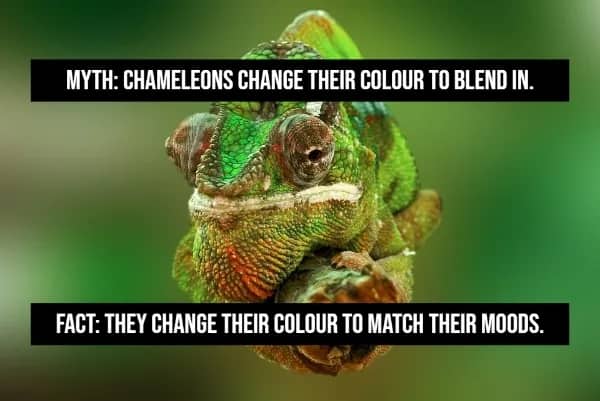
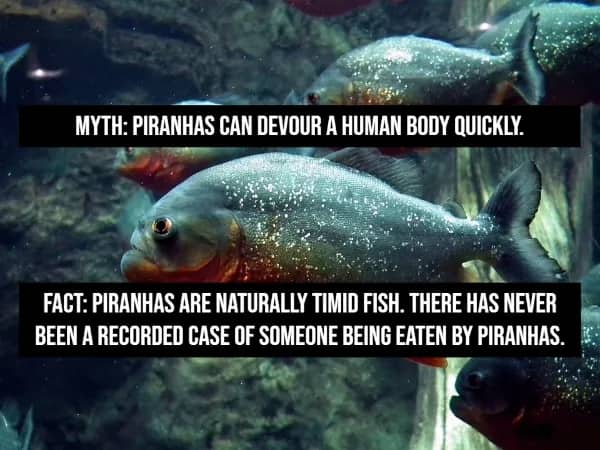
The piranha rehabilitation is the gallery’s most satisfying wildlife correction, because the image of piranhas as frenzied, indiscriminate predators is so deeply embedded in popular culture that the reality, timid fish that typically scatter when confronted with a large animal and have no verified human fatality on record, reads almost like satire. They are scavengers and opportunists operating in ecosystem roles that do not require them to be cinematic villains. The chameleon correction is quieter but equally useful: color change in chameleons is primarily a communication mechanism related to mood, temperature regulation, and social signaling, not camouflage. The camouflage interpretation was projected onto them by observers who noticed that they sometimes match their environment, without asking whether the matching was intentional or incidental.
The hat and hair loss correction is the one most likely to prompt someone to forward this gallery to a specific family member without additional comment.
If this gallery has sent you to a search bar to verify any of these corrections, interesting facts and did-you-know content is the natural next destination, covering the full inventory of things that turn out to be different from what everyone agreed on. Science myths debunked belongs right beside it for the longer explanations behind the corrections. And for anyone who wants the full intellectual satisfaction of a well-sourced reversal, common misconceptions as a category is an endlessly populated and very well-documented space that rewards the curious reader at every level of prior knowledge.
Read Memes
Get Paid


Laura Bennett has spent eight years immersed in internet culture, specializing in deep dives into meme origins, evolving meme trends, and digital subcultures. As a contributor for several prominent online platforms, including BuzzFeed’s meme division and Know Your Meme, she’s written extensively about viral moments from Crying Jordan to Woman Yelling at a Cat. Laura believes memes aren't just internet jokes—they're modern-day folklore. She brings that passion to Thunder Dungeon by keeping readers connected to what's culturally significant, hilarious, and timelessly viral.