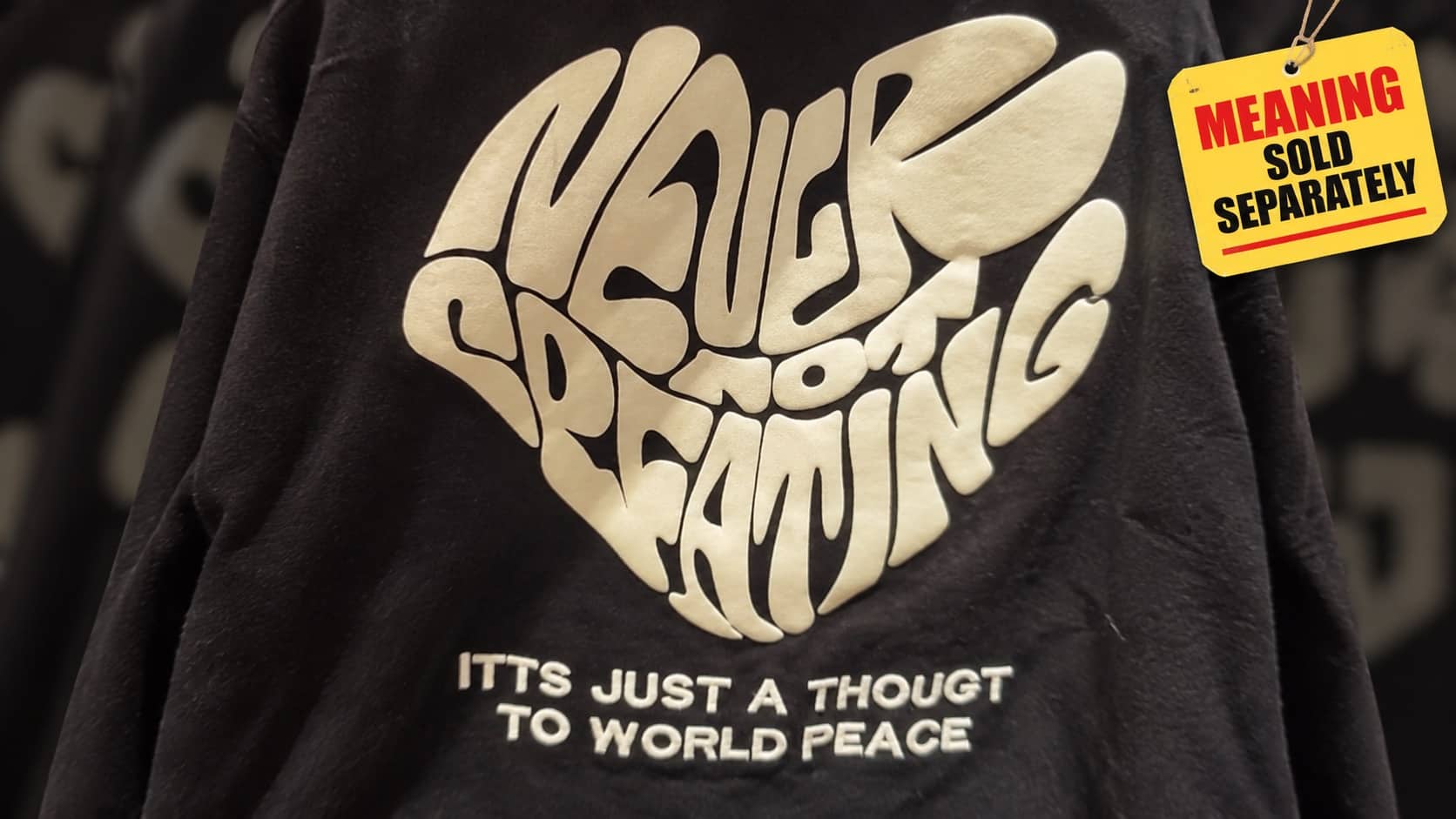

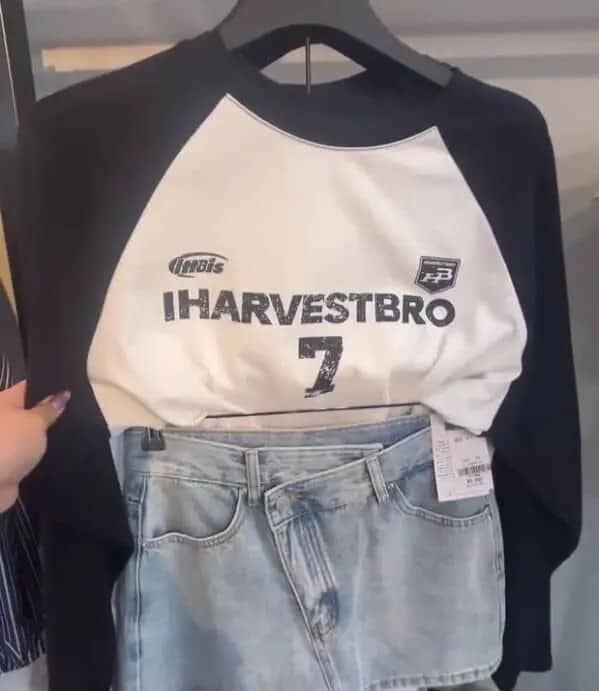
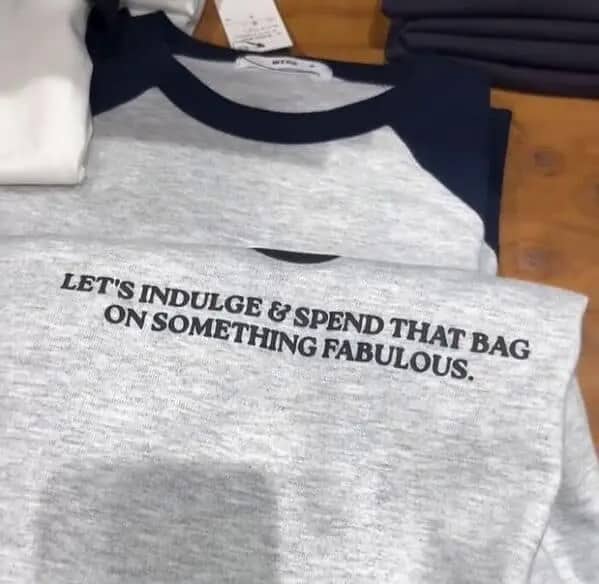
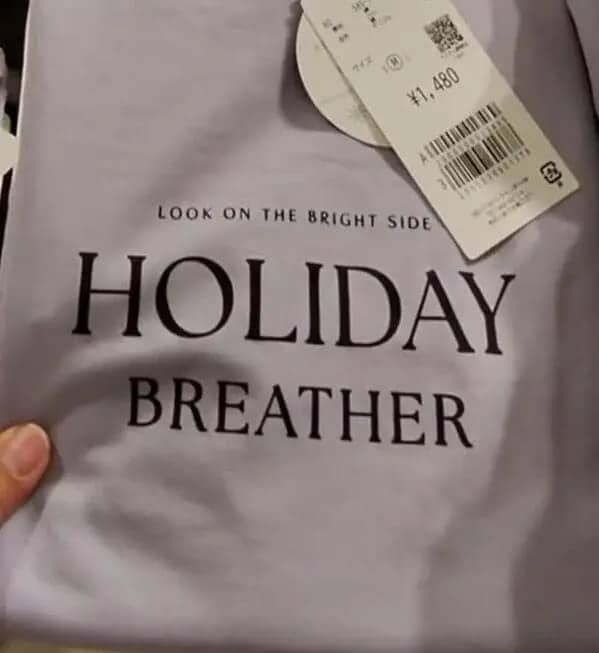
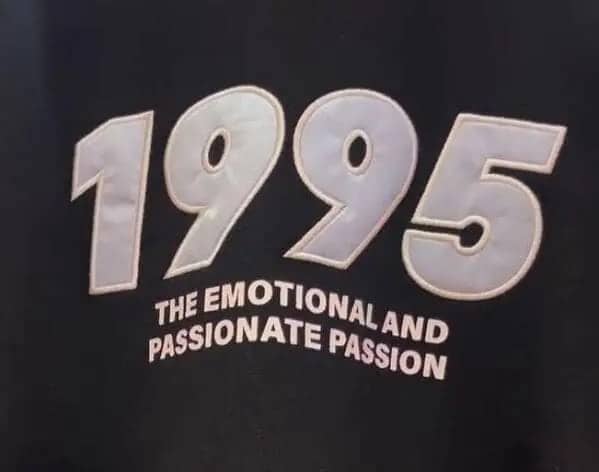
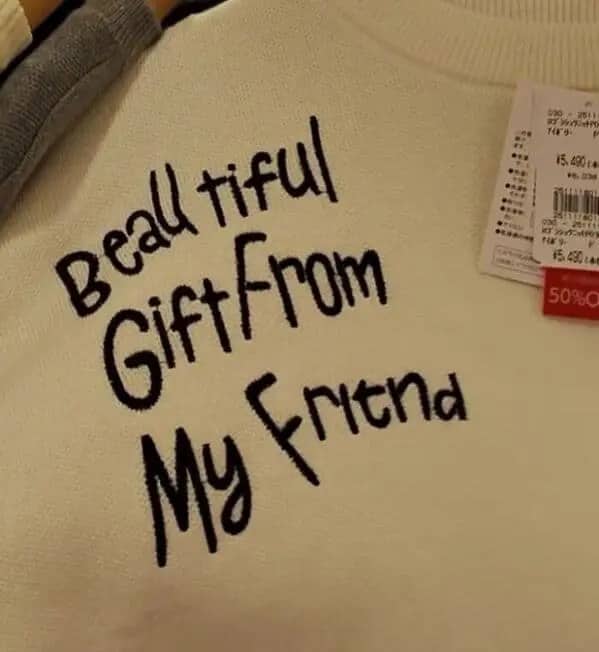
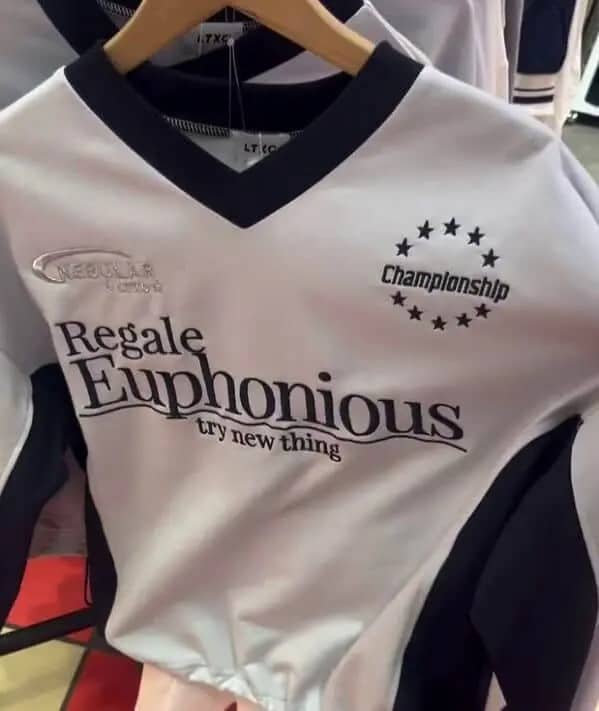
I need to walk through the process here, because the process is the joke. Somebody wrote the text. Somebody ran it through a translation tool. Somebody set it into a design. Somebody approved the sample. And then a factory produced ten thousand units of a garment that says something nobody on earth intended. These poorly translated shirts are the output of that chain, and honestly? Some of them are profound by accident. Let’s examine the merchandise.
Caption 3:
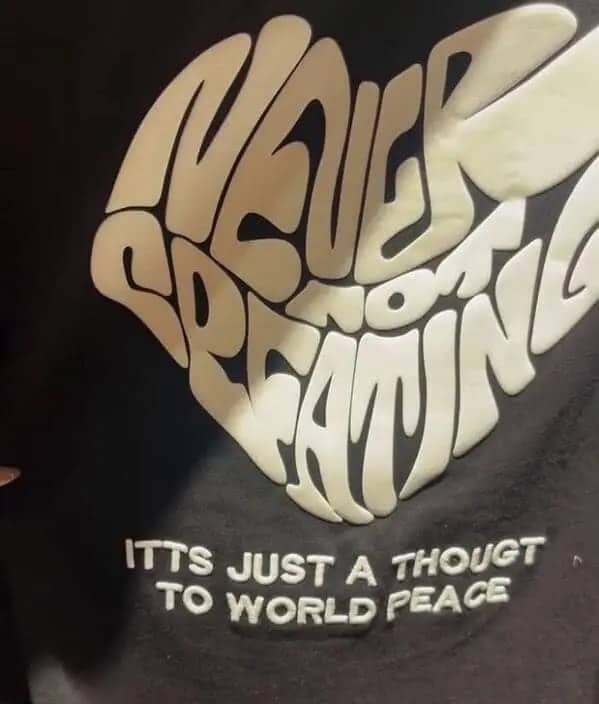
Screaming for peace is an interesting negotiation strategy.
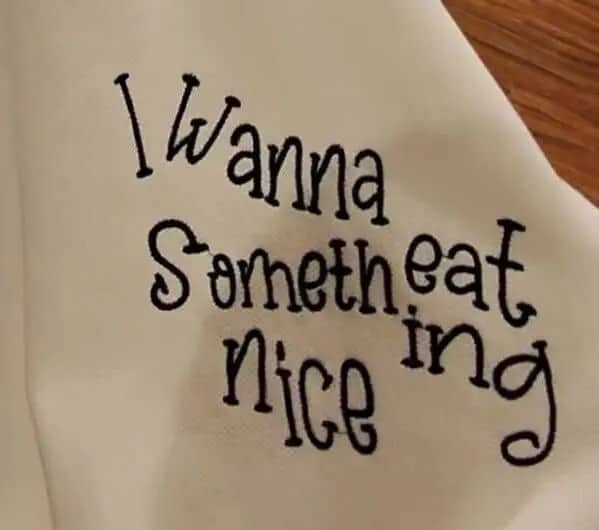
Me trying to order Uber Eats at 2 AM after a long night out.
YUUUUP.
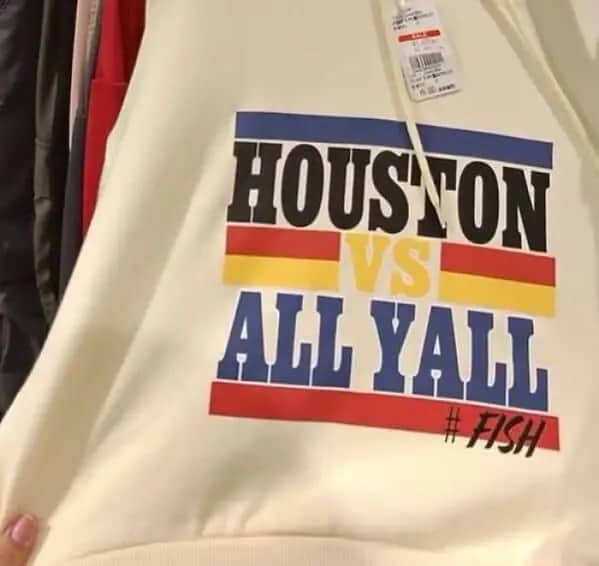
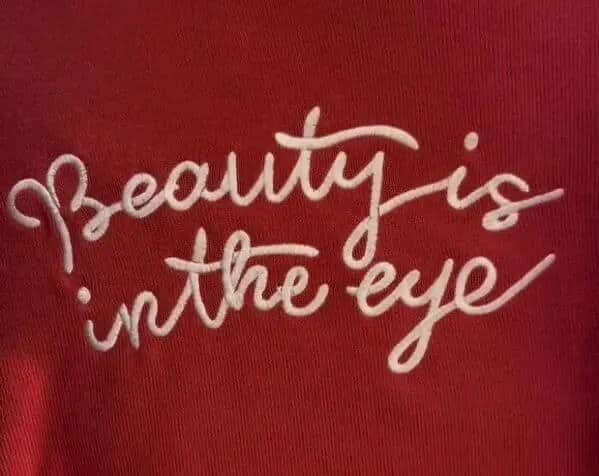
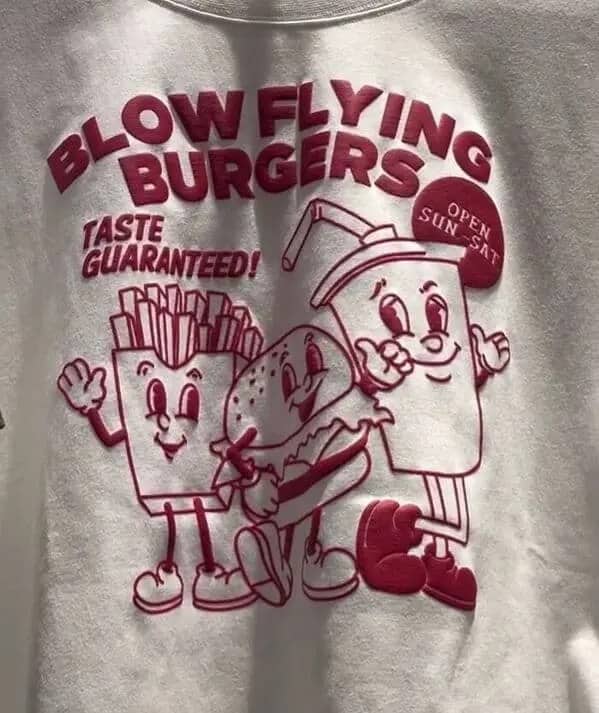



Poorly translated shirts
Read More
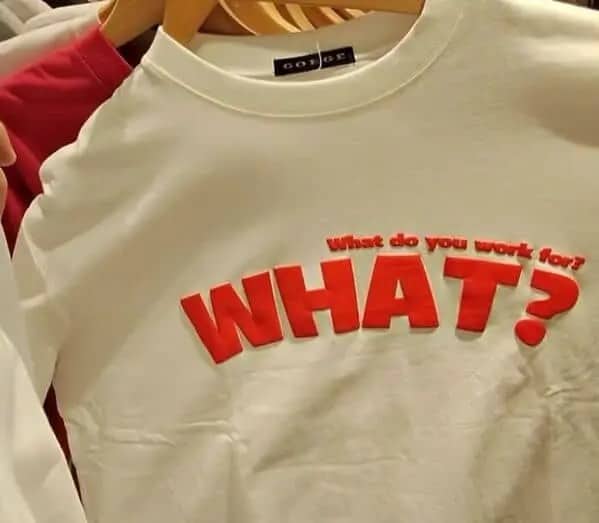
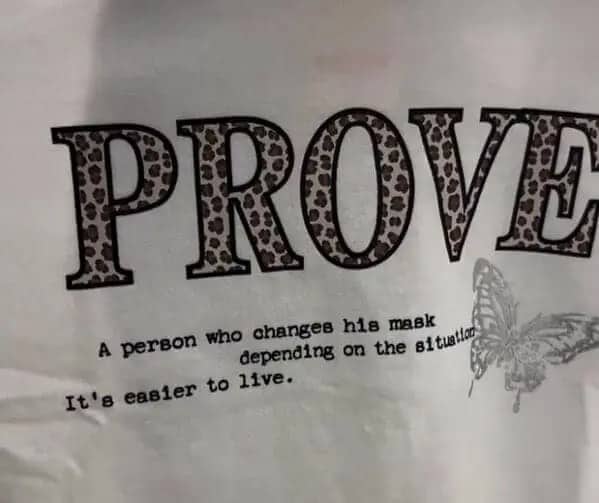
The existential wing is where these garments accidentally became philosophy. There’s a sweatshirt asking the wearer what they work for, in large raised lettering, which is a question nobody wants posed to them at the bus stop at 7 a.m. There’s a hoodie announcing the wearer is never not screaming about world peace, which is either a contradiction or the most accurate description of modern advocacy available. And there’s one carrying a heavy quote about wearing a mask, rendered in leopard print, which pairs Renaissance political philosophy with fast fashion in a way I find genuinely upsetting and completely wonderful.
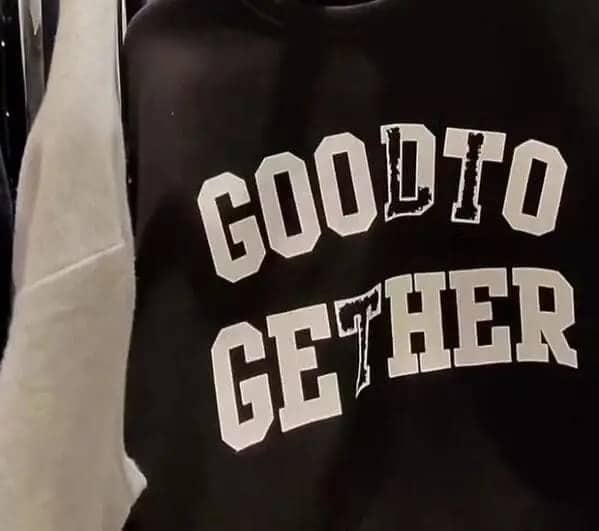
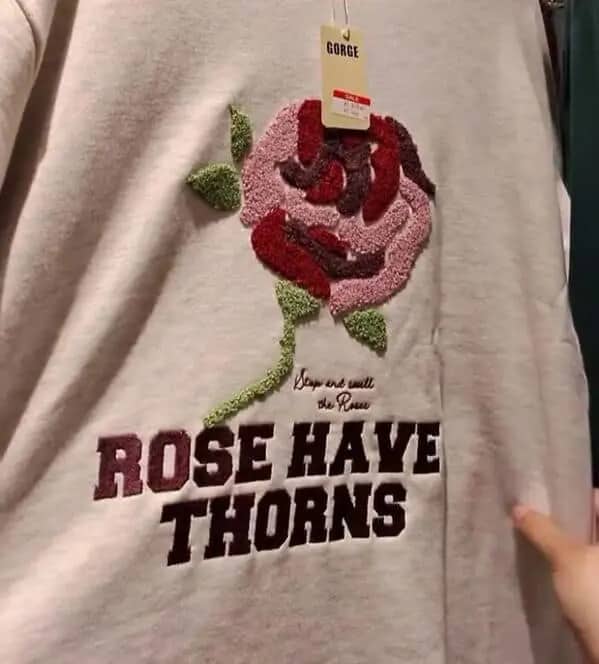
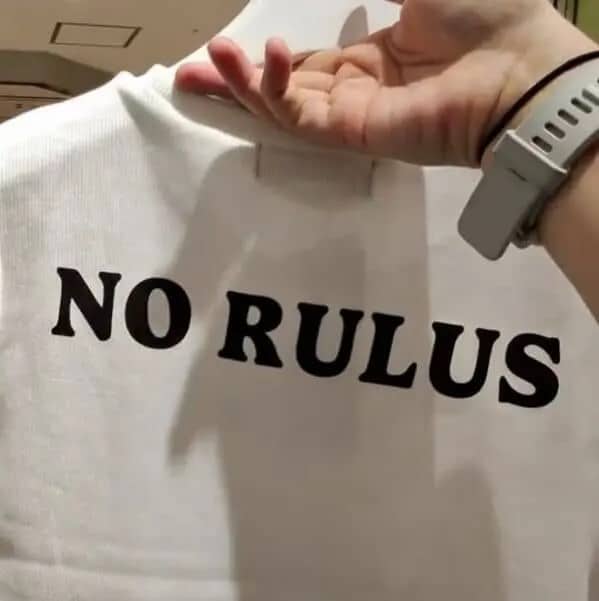
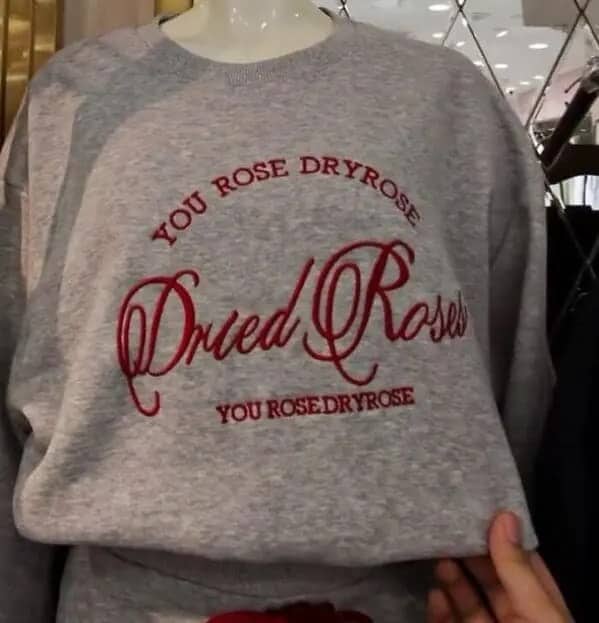
Then the spelling casualties, which are the purest form of this genre. There’s a varsity sweatshirt where a single word has been split in half by a rogue space, changing nothing about the meaning and everything about the credibility. There’s a skate-adjacent shirt declaring there are no rules, except the word rules has been misspelled, which I’d argue is thematically correct and possibly intentional. And there’s a rose sweatshirt with a grammatical error that turns a poetic line into something a plant would say about itself. Deeply poetic. Structurally chaotic. Nobody checked.
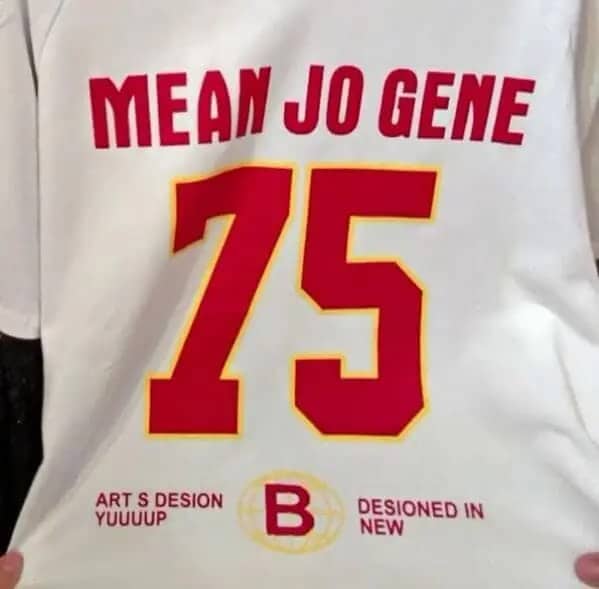
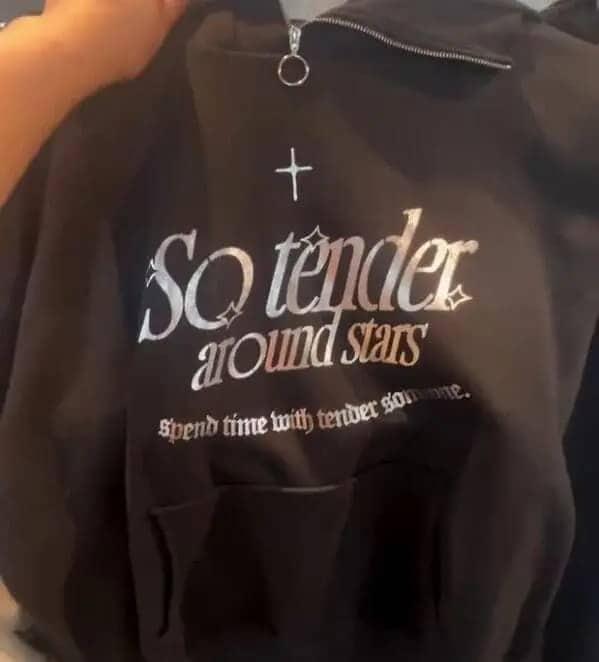
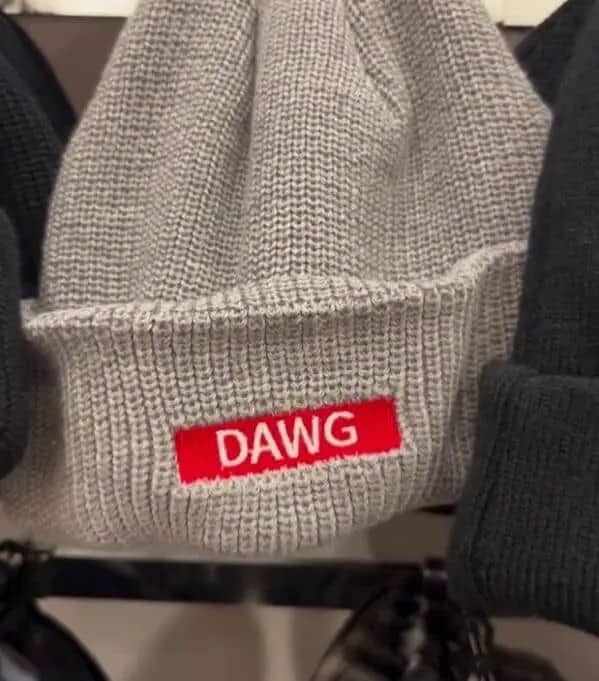
And the pure gibberish tier is where the translation tool simply stopped trying. There’s a sports jersey featuring words that are almost certainly meant to be a place name and a slogan, arriving instead as a sequence of sounds. There’s a quarter-zip with a phrase about spending tender time near stars, which reads like a fortune cookie written by a very early chatbot having a gentle breakdown. And there’s a beanie with a single word in a red box, which is minimal, confident, undeniable, and honestly the most successful item in the entire collection. Sometimes one word is all the branding you need.
Here’s what genuinely delights me: these shirts are more interesting than the ones that got it right. A correctly translated slogan tee says something forgettable in clear English and disappears into a drawer. A shirt that accidentally asks you what you work for is a conversation, an existential ambush, and a story you’ll tell at parties. The error created the value. Nobody in that factory intended to produce art and the machine did it anyway.
And I’ve come around to thinking these deserve more respect than the designer versions. Somebody pays a great deal for a plain shirt with a small logo, signaling wealth and nothing else. Somebody else pays four dollars for a garment that poses an unanswerable question about labor in raised lettering. One of those is a purchase. The other is a whole philosophy worn in public. I know which one I’m buying. The spelling is a bonus feature.
The translation failed. The philosophy arrived. Buy the weird one.
If you now want a shirt that says something nobody intended, our fashion fail content has the rack, with translation blunder archives, apparel disaster threads, and bootleg design compilations sized generously. Read the shirt before purchasing. Or don’t. That’s the appeal.
Read Memes
Get Paid


Katie Rodriguez is a seasoned writer with eight years dedicated to meme commentary, viral internet events, and digital storytelling. Formerly a senior meme analyst at Bored Panda and an occasional guest contributor at Vice's Motherboard, Kat specializes in meme culture’s intersection with social media phenomena—covering trends like Milk Crate Challenge, Area 51 Raid, and Baby Yoda. She’s known for her witty writing style and deep understanding of why certain memes resonate across generations, making her a valuable voice on Thunder Dungeon.