
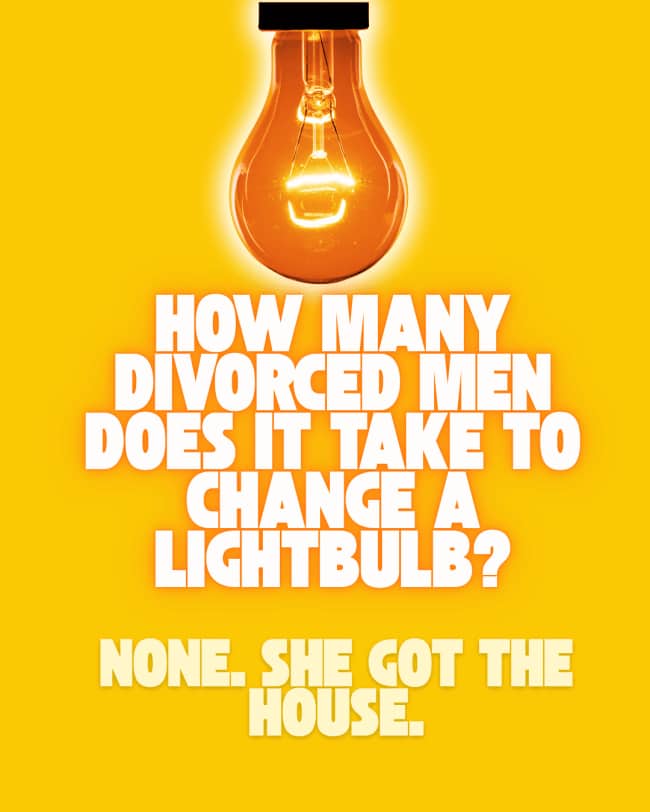
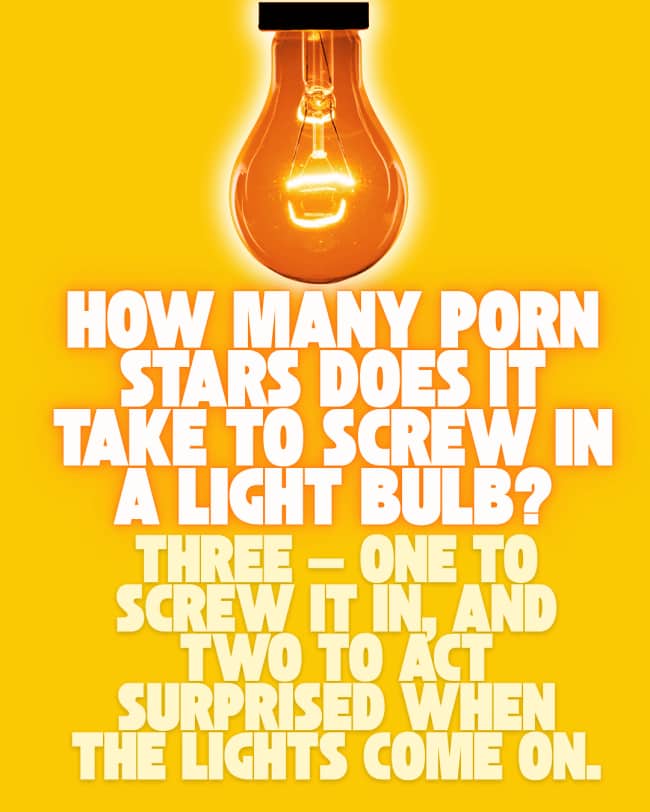
OK so here is the thing about the classic lightbulb joke. It is, structurally, one of the oldest comedic formats in the English language, and somehow, against every cultural prediction, the format has refused to die. These screw in a lightbulb jokes are the small ongoing archive of a comedy structure that has, over decades, survived every cultural shift the internet has produced, and the survival is, frankly, a small testament to the durability of simple comedic architecture. The setup is the same. The punchlines keep evolving. Settle in.
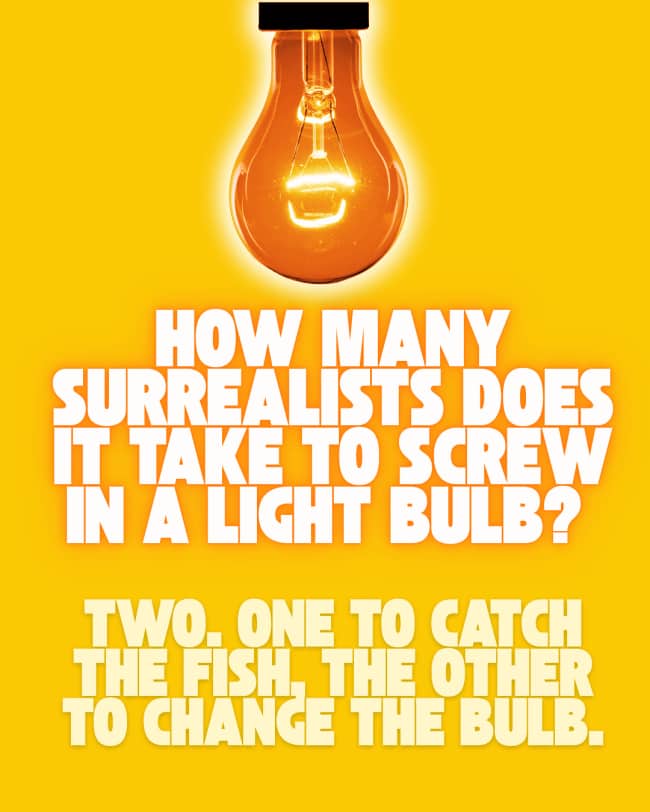
This joke only makes sense if the fish is wearing a top hat.
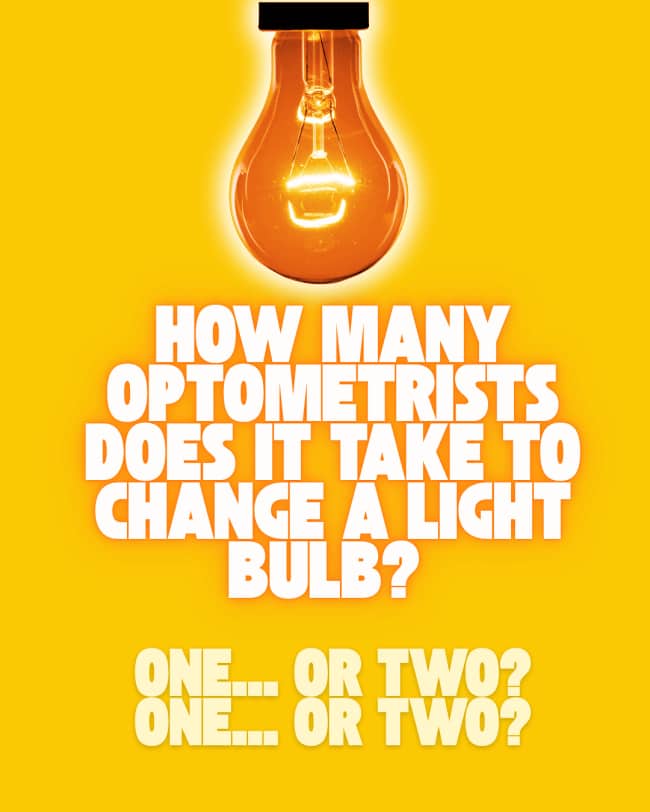
I feel like I'm getting an eye exam just reading this image.
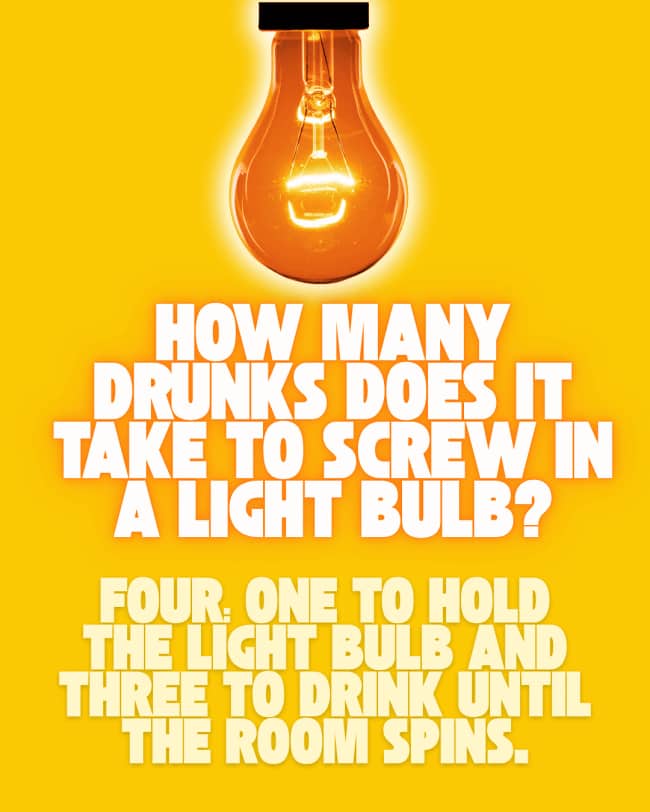
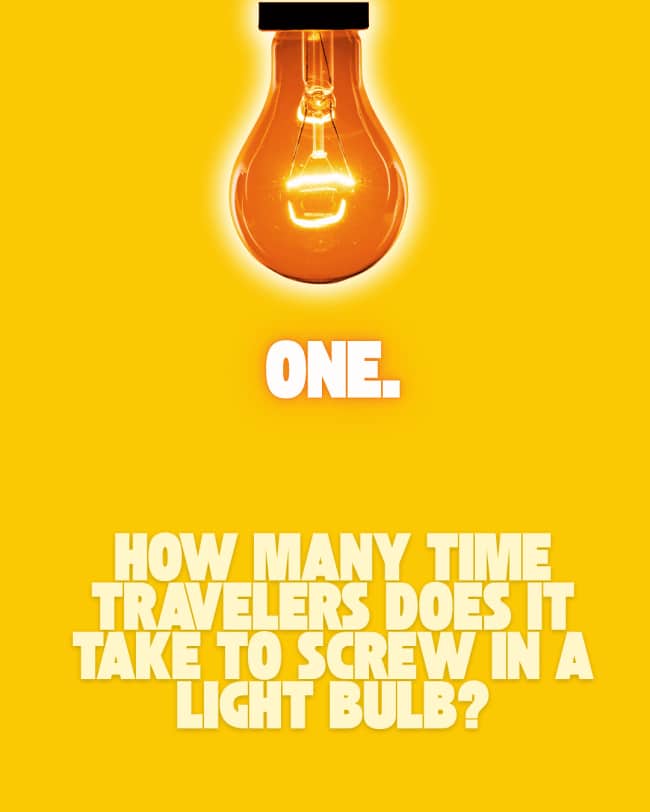
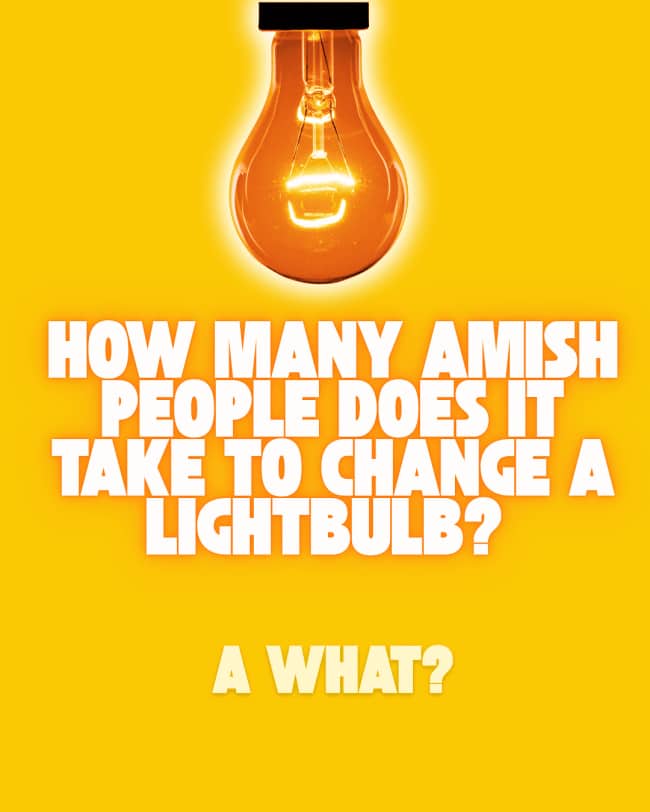


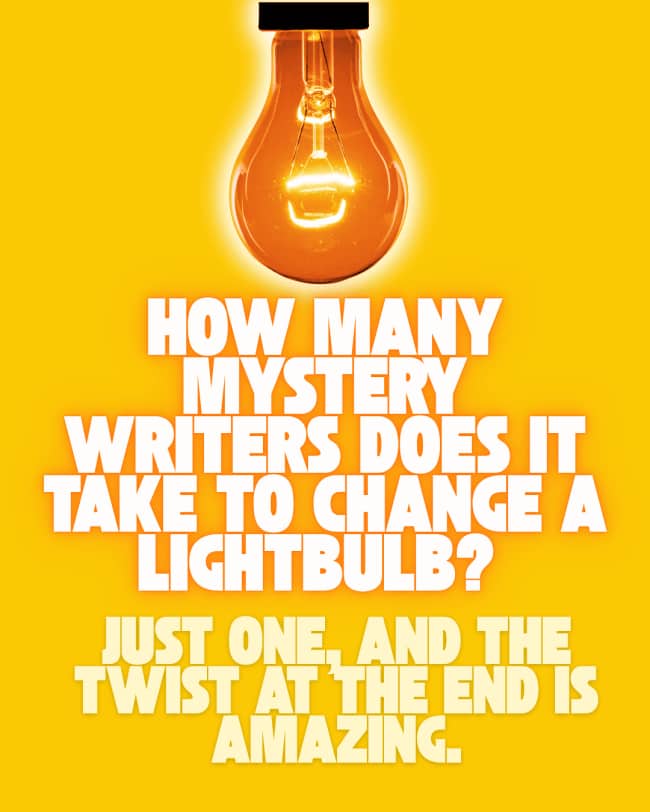
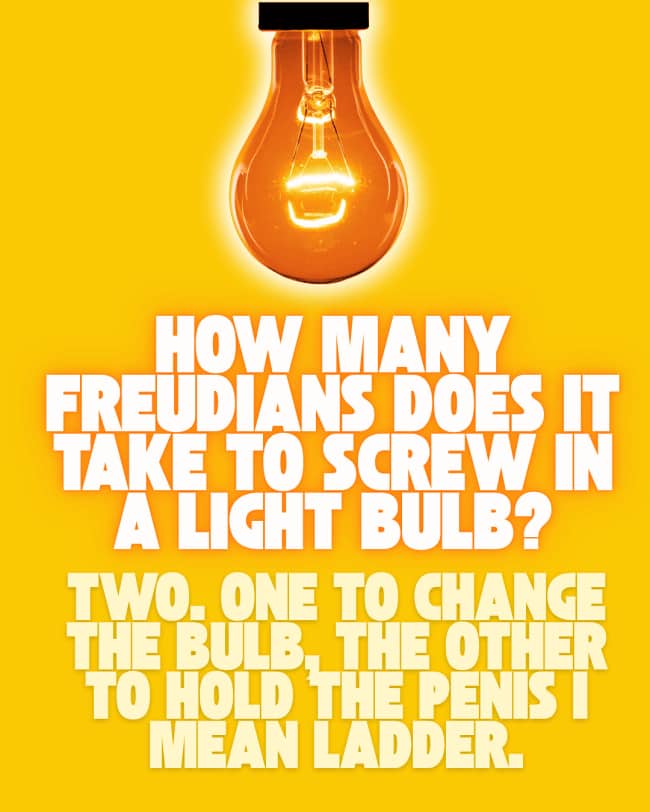

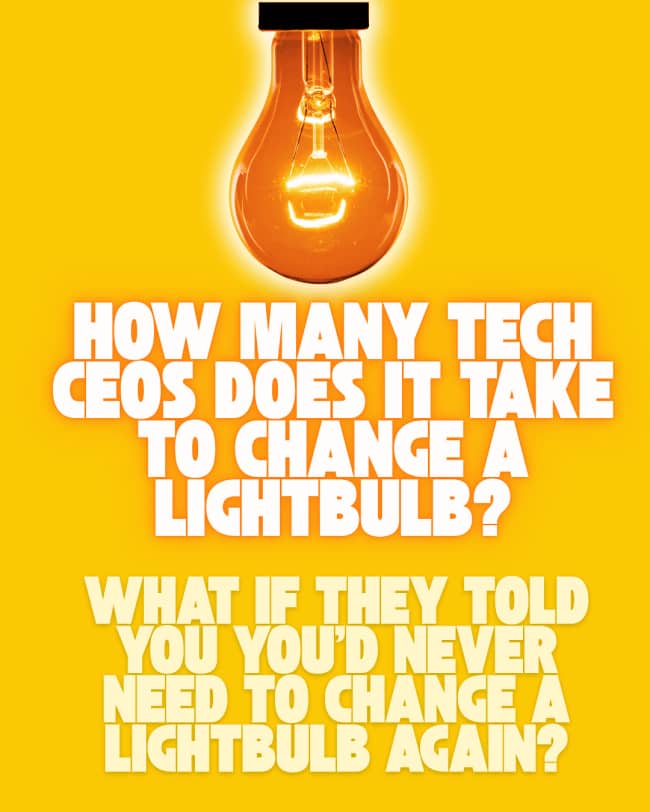
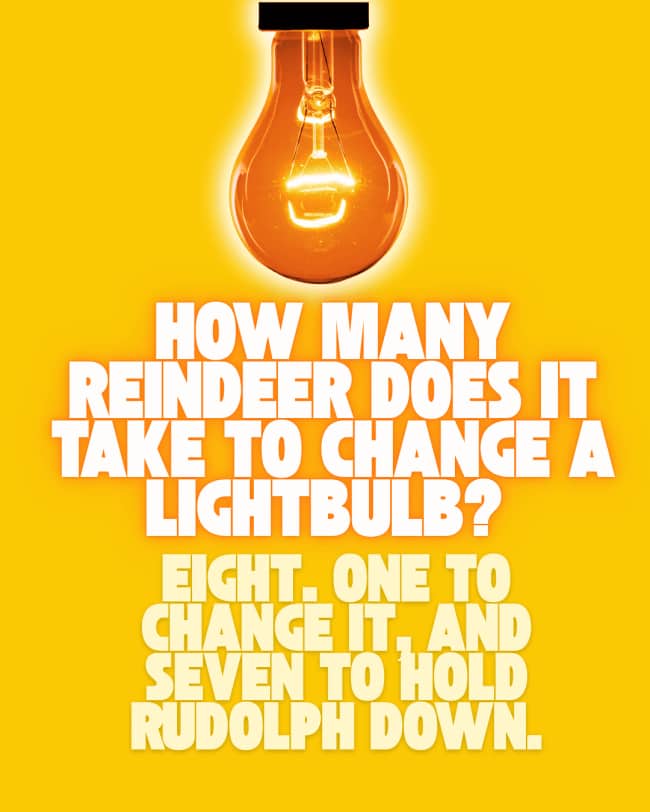






Screw in a lightbulb jokes
Read More
Look, the actual reason this format has survived as long as it has is that the basic question is, structurally, perfect. How many people of a specific type does it take to perform a simple mechanical task. The setup gives the audience a category. The punchline gives the audience a small piece of cultural observation about that exact category. The classic lightbulb jokes circulating online are essentially the documented output of this formula running across decades, where each generation of comedians has plugged a different cultural category into the same machine and produced a new joke.
The professional category content specifically is where this stuff has aged the best. There is a particular flavor of joke that involves a profession whose actual work is, in some way, structurally absurd, and the lightbulb format provides an efficient way to expose the absurdity in a single sentence. The funny lightbulb jokes in this lane are not, mostly, mean. They are gentle, and the gentleness is part of why they have survived as long as they have.
The structural play content has its own particular flavor of cleverness. The time-travel jokes that deliver the punchline before the setup. The jokes that depend on the audience knowing a piece of cultural shorthand to land. The lightbulb joke memes in this category are essentially documenting the fact that this old format can still, occasionally, do something genuinely new when somebody is willing to bend the structure rather than just plug in the next category.
The bigger thing happening across all this lightbulb content is that the format has, somehow, survived several decades of cultural change without becoming obsolete, and the survival is, on close examination, a small testament to how well-designed the original structure actually was. The screw in a lightbulb jokes that travel the furthest are essentially the documented evidence that comedy formats with this much structural integrity are, statistically, rare, and the rarity is part of what makes the format worth preserving even as the surrounding cultural references continue to evolve.
The funny classic comedy content that endures is the kind that respects the audience’s intelligence enough to land the punchline without an explanation. The audience knows the format. The audience knows the rhythm. The audience just wants a single fresh punchline plugged into a structure they already trust, and the trust is what makes the joke land on contact.
The bulb is burnt out. The question is the same. The punchline keeps finding new targets. The internet has, somehow, become the place where the oldest comedy format keeps producing fresh material.
If the classic joke architecture was your kind of fun, our traditional comedy content is right where you’d want to land next, and we’ve got plenty of pun archives, dad joke threads, and one liner compilations for anyone whose sense of humor has held steady since approximately the mid 1980s. Flip the switch.
Read Memes
Get Paid


Jake Parker, known around the web as "Jay," is a digital writer with over 10 years of experience covering internet humor, meme trends, and viral content. Before joining Thunder Dungeon, Jay was the lead editor at MemeWire, where he helped curate memes that broke the internet, including coverage on trends like Distracted Boyfriend, Kombucha Girl, and Bernie Sanders’ Mittens. A self-proclaimed "professional procrastinator," Jay spends his downtime scrolling Reddit and Twitter to stay ahead of what's about to break the internet next.