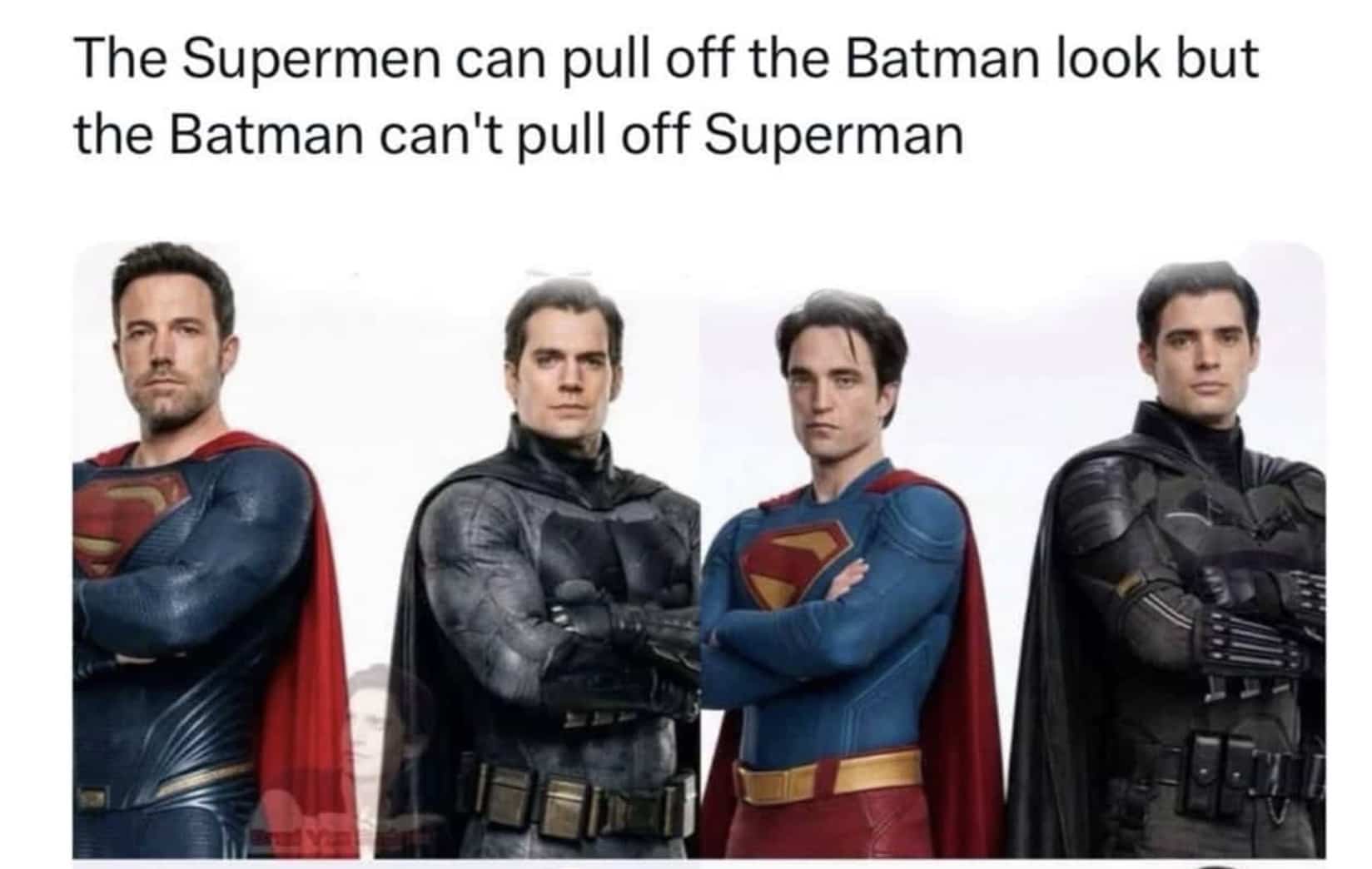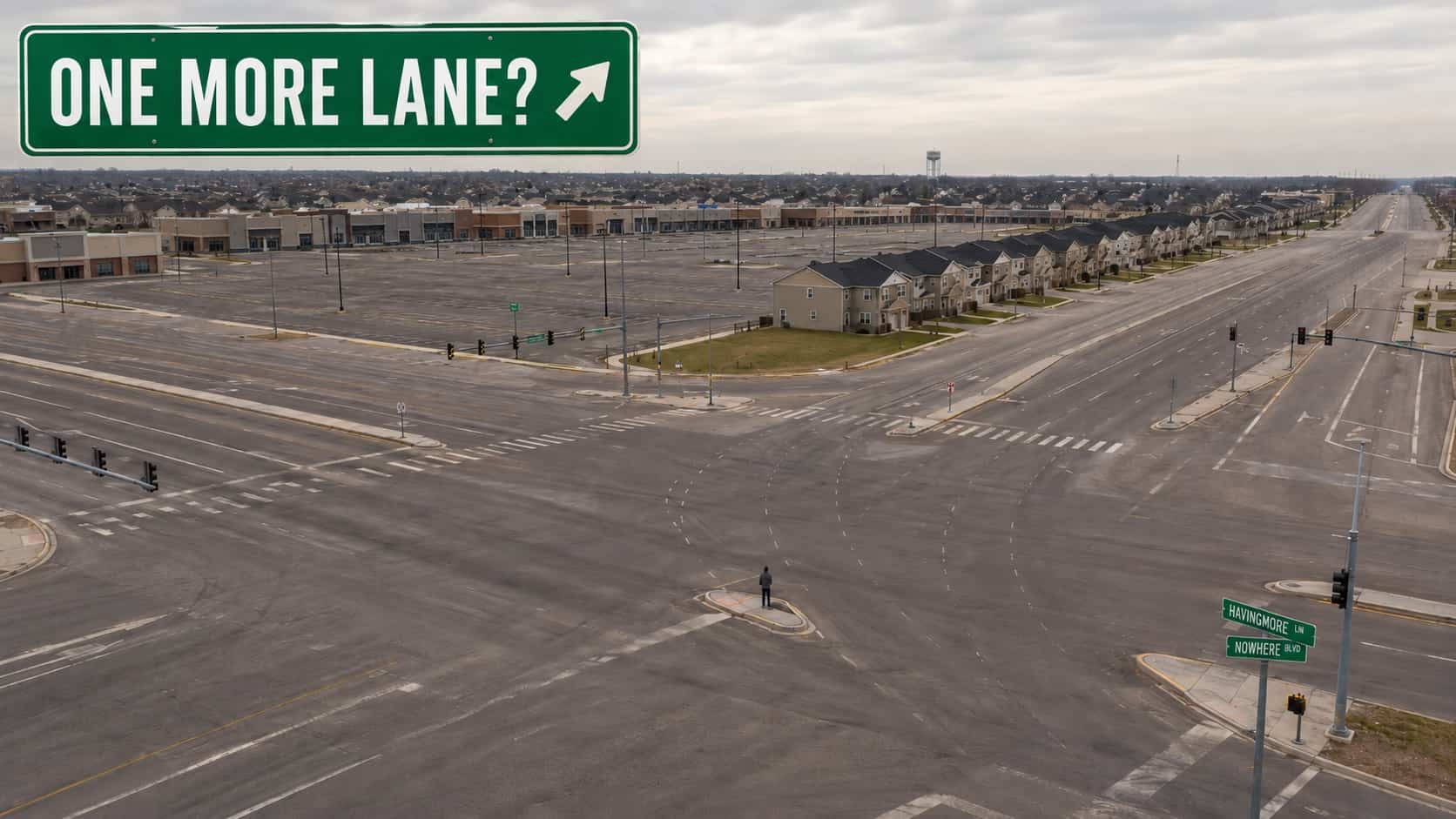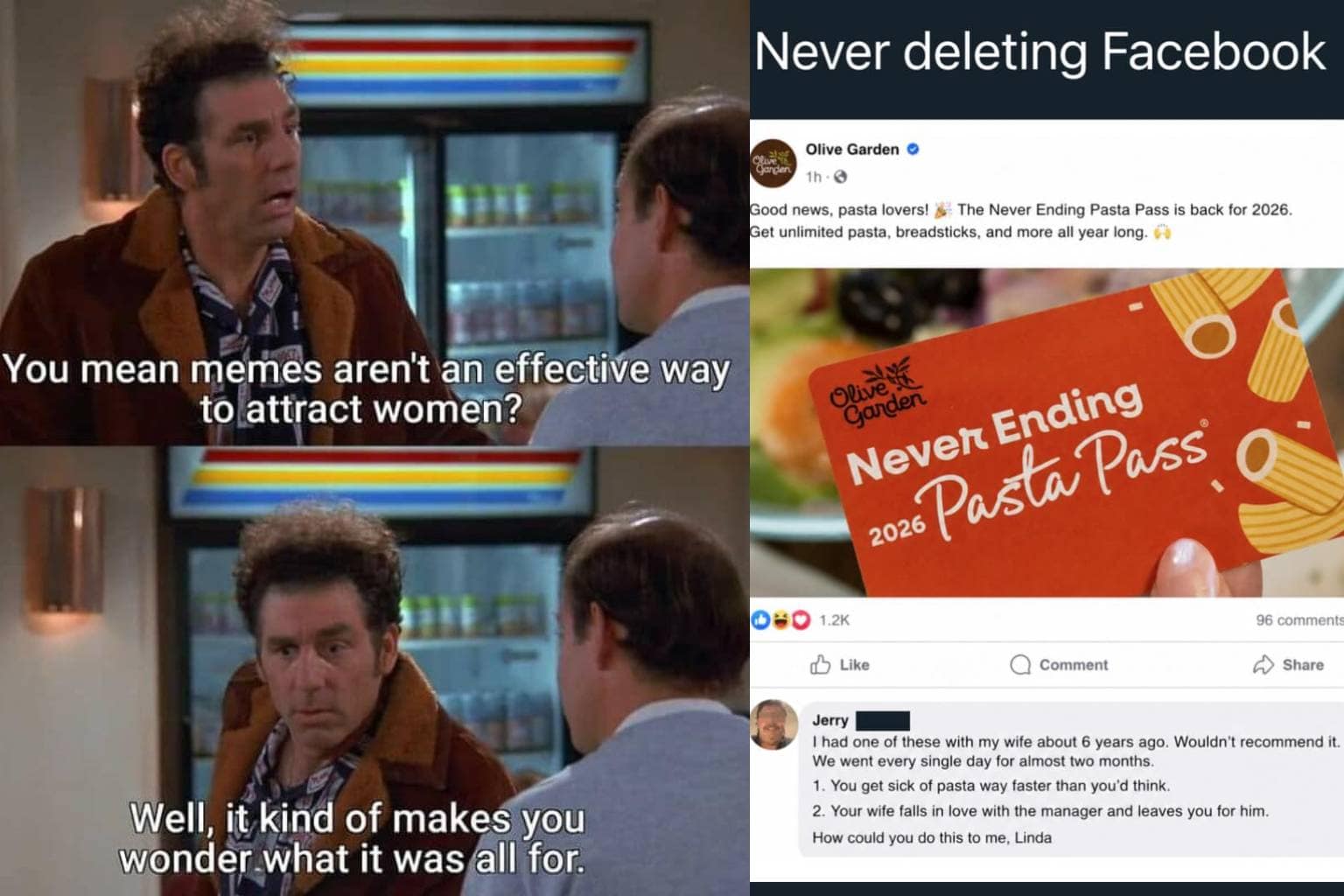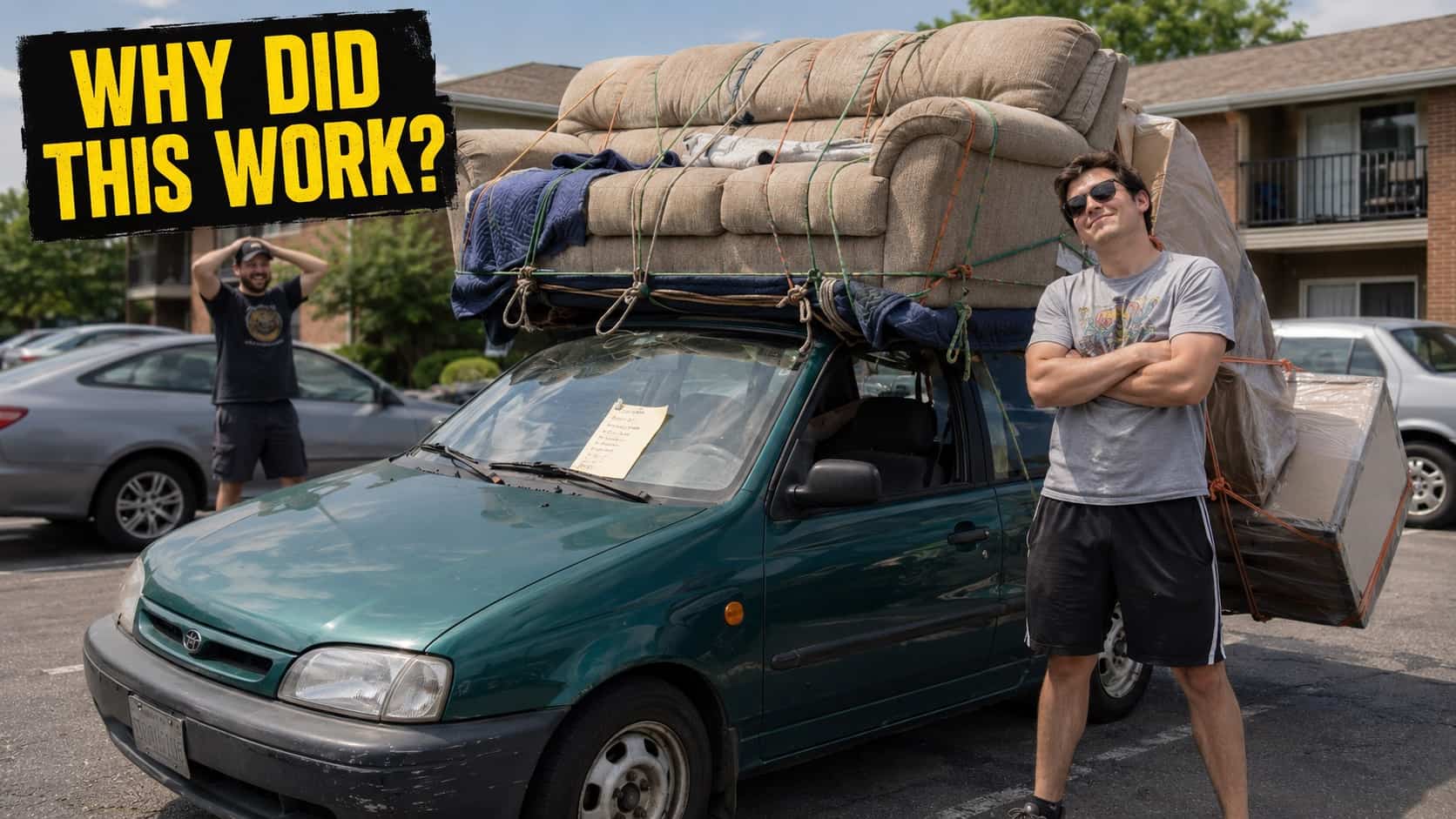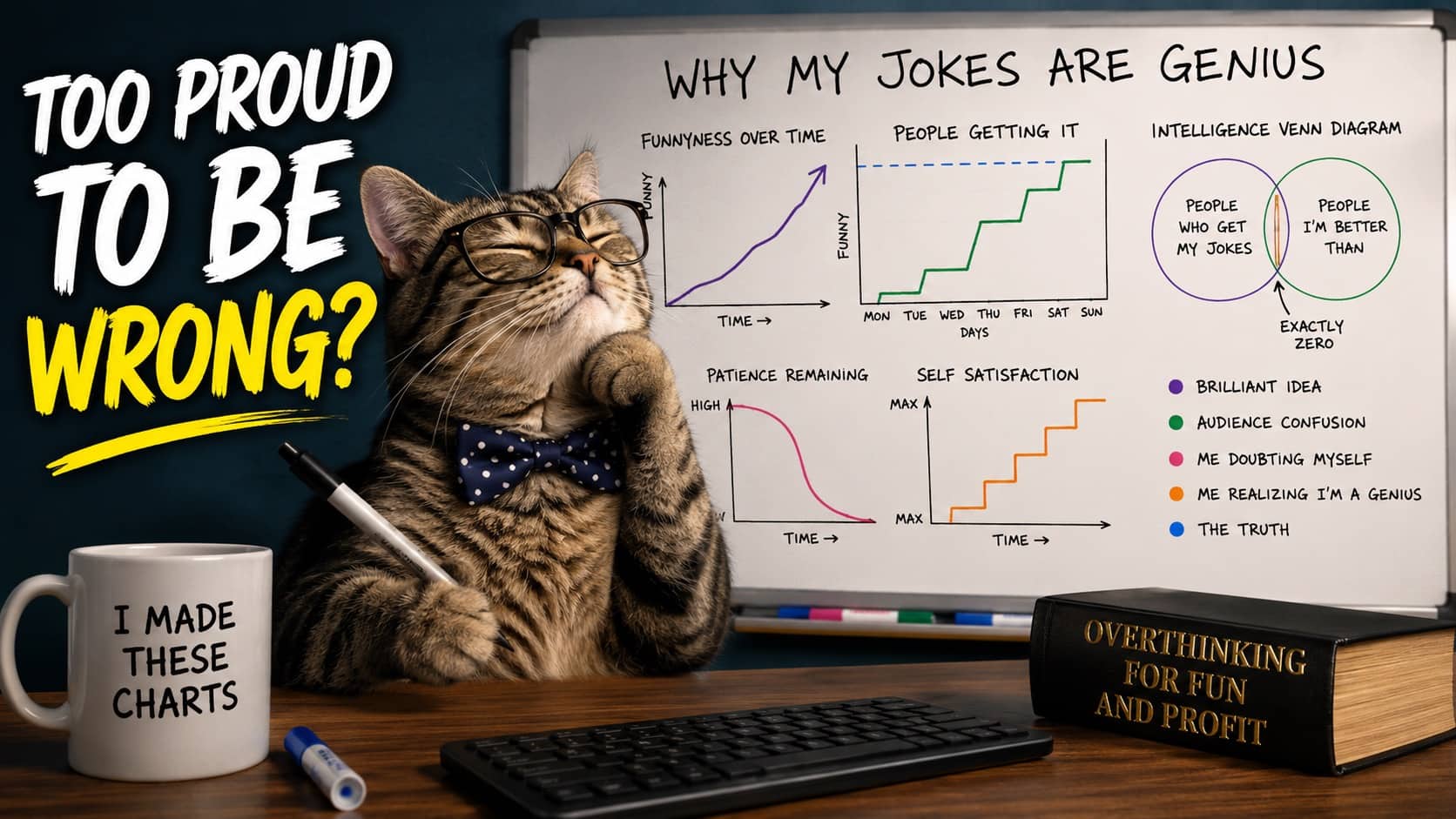

Here is the thing about clever wordplay on the internet in 2026. The vast majority of the content competing for your attention is, structurally, designed to require zero cognitive effort, and the tiny minority of content that requires you to think for a half-second before laughing is, by comparison, an absolute oasis of intellectual respect. These clever jokes are the small ongoing record of that minority, posted by people who still believe the audience can manage a single layer of complexity. The setup is patient. The payoff is earned. Pay attention.
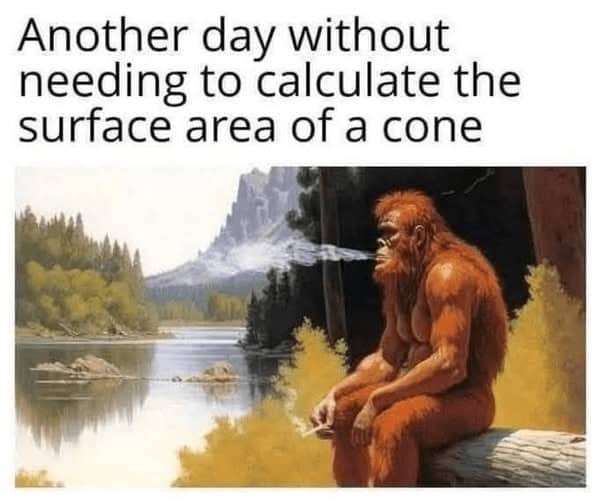
Take that, high school geometry.
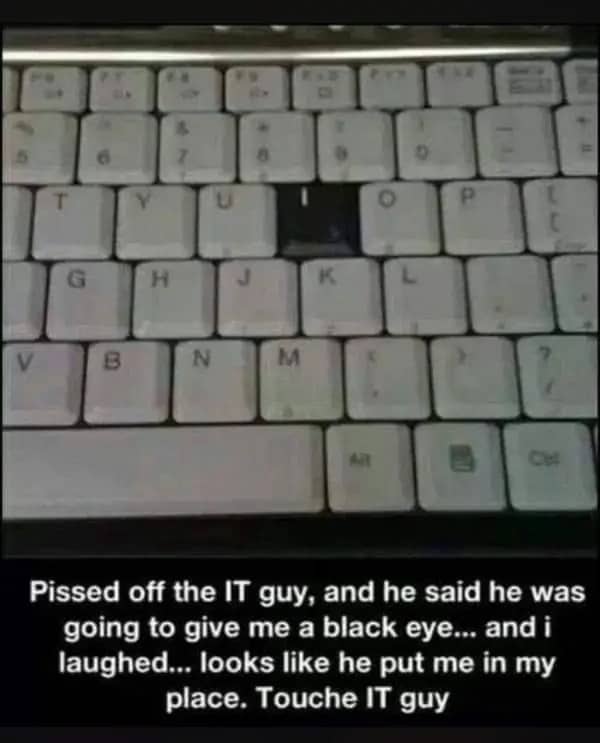
Honestly, I can't even file a complaint with HR because the level of technical commitment here is just too impressive.
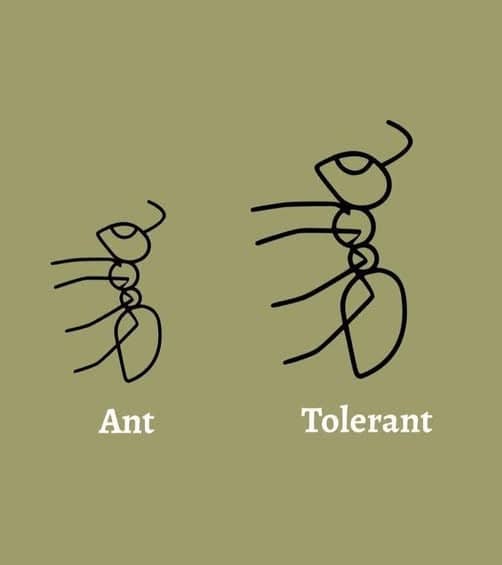
High-IQ insect humor.

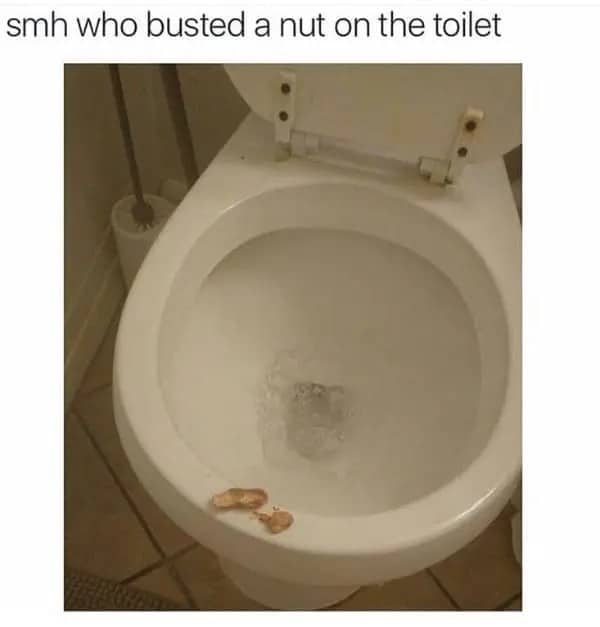
The internet has completely ruined my ability to look at snack foods left in a public bathroom.


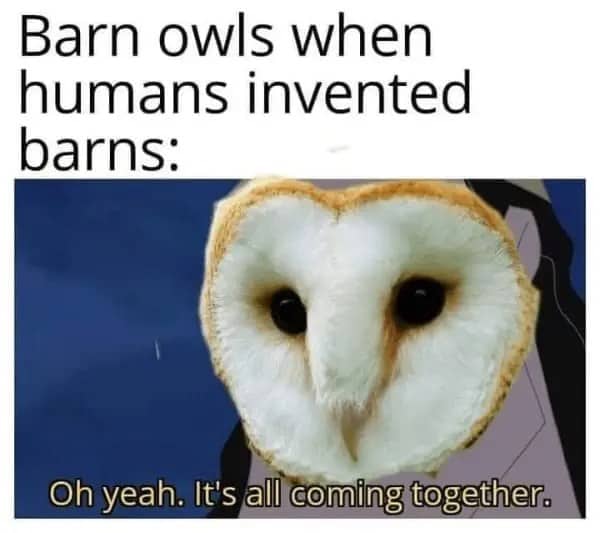
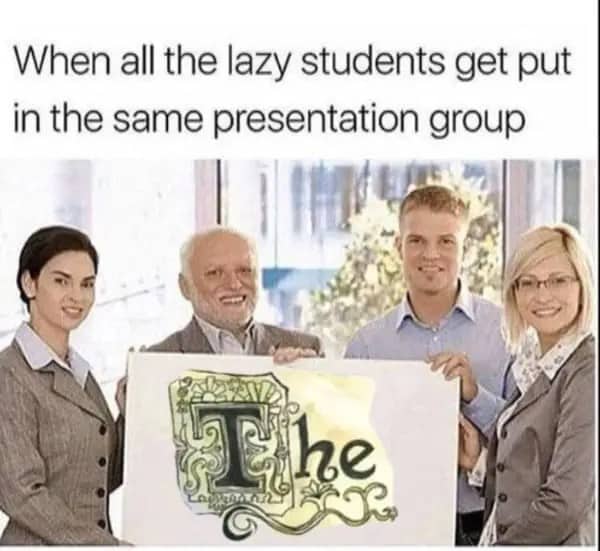


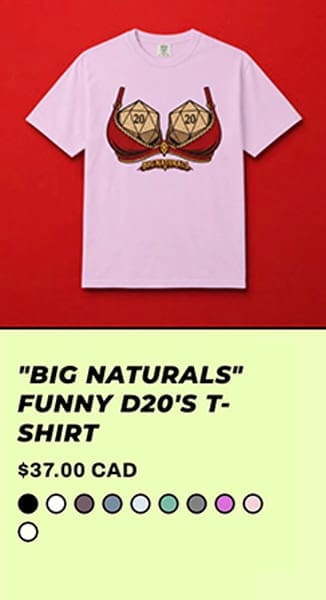
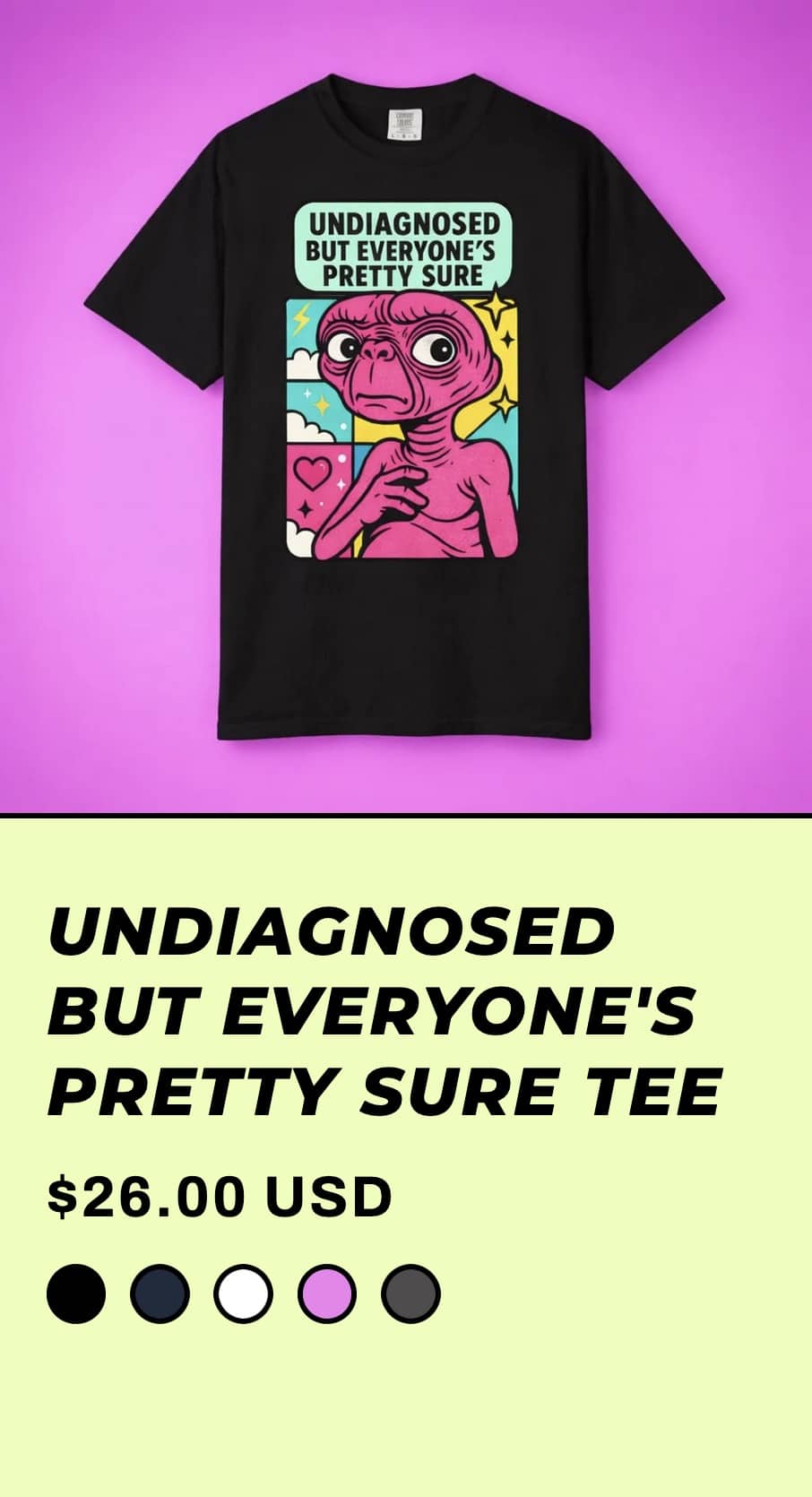
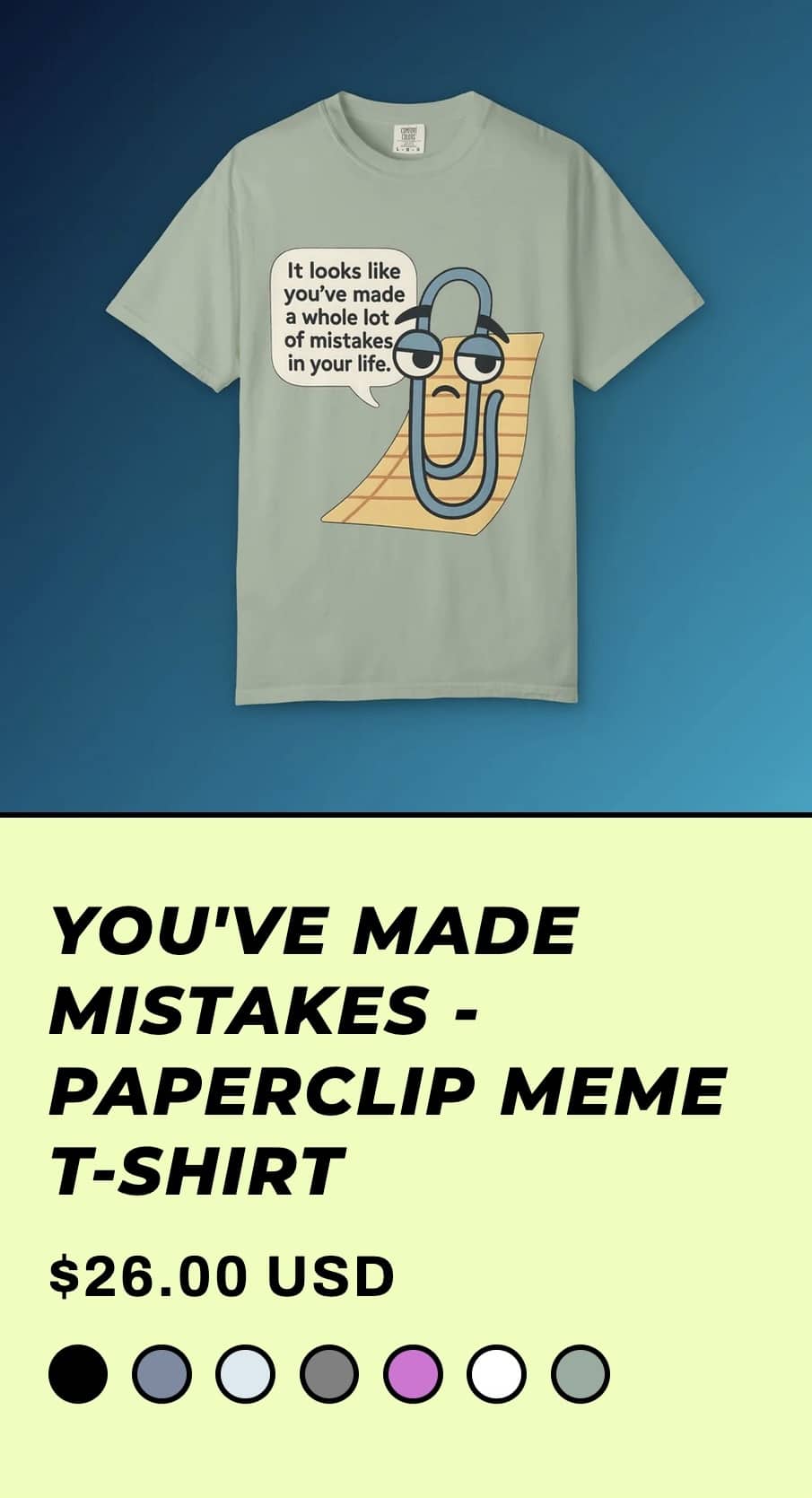
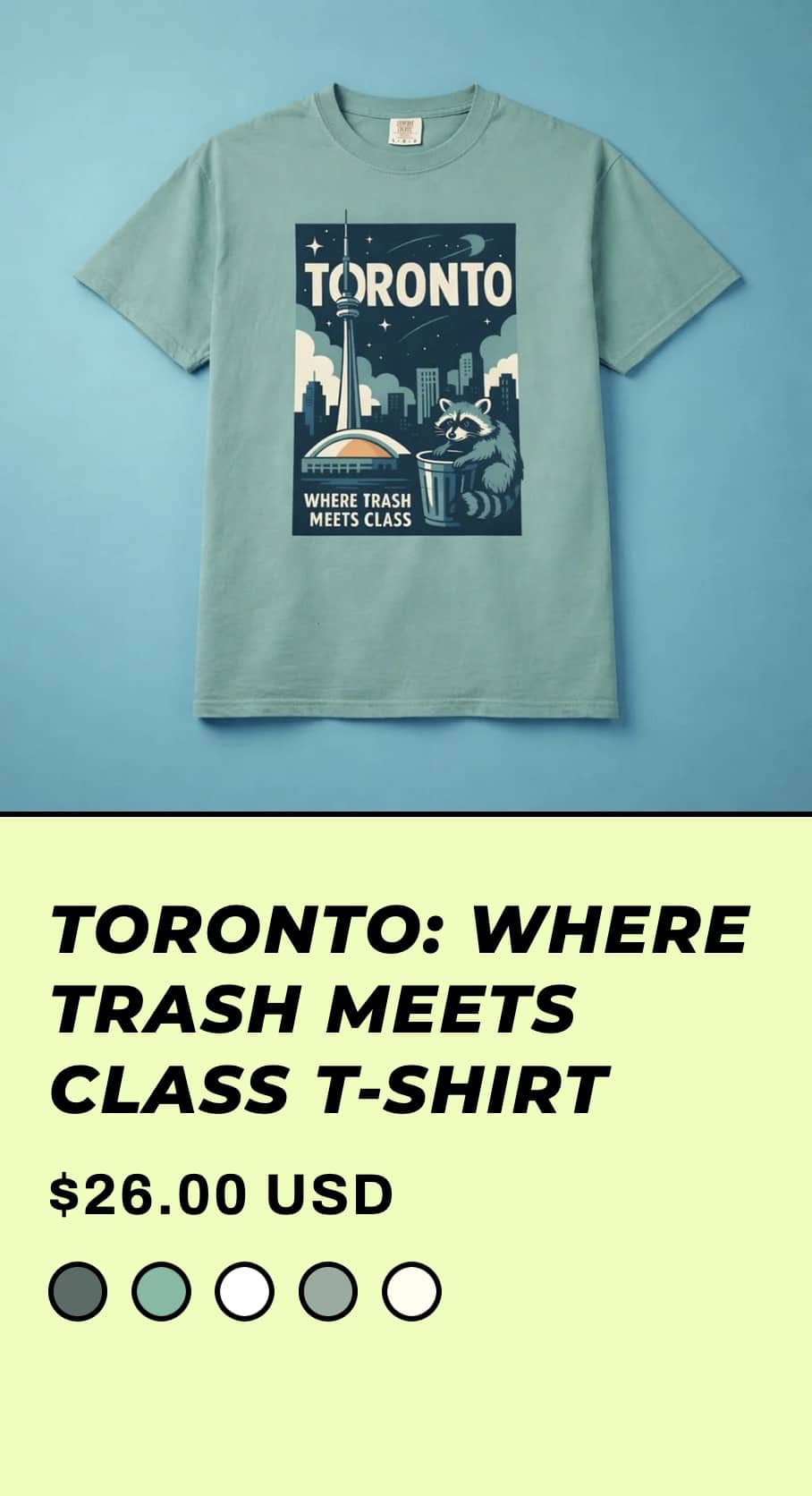
Clever jokes
Read More
Look, the actual reason this lane of content works as well as it does is that it operates on a quietly hopeful assumption about the audience, which is that the audience can hold a complete thought in mind long enough to recognize the second meaning when it arrives. The smart puns circulating online are essentially the documented evidence of writers refusing to underestimate the readership, and the refusal produces a kind of comedic satisfaction that the more obvious alternatives cannot quite replicate.
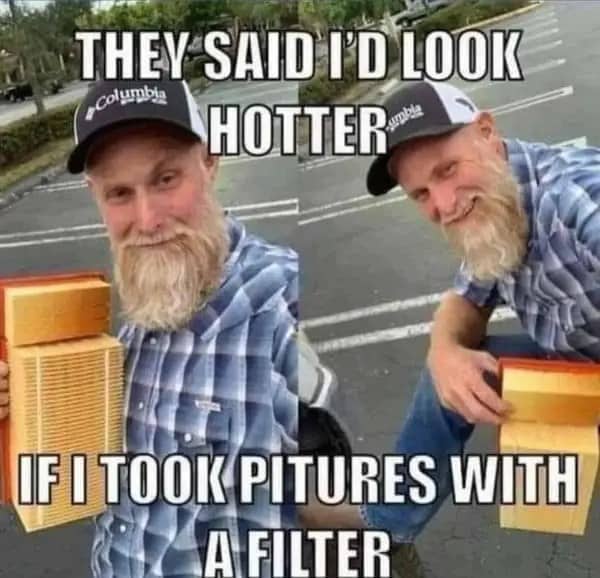
The literal interpretation content specifically is where this stuff lands with the most precision. There is a particular flavor of joke that involves taking a common phrase, executing it with absolute physical accuracy, and trusting the audience to make the connection without explicit guidance. The witty wordplay memes in this lane are essentially documenting writers and photographers who have decided that the explanation is, structurally, the death of the joke, and the audience that finds the content tends to feel briefly clever for completing the connection on its own.
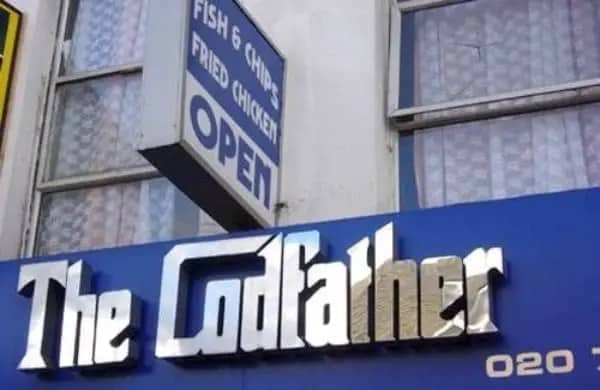
The corporate signage content has its own particular flavor of intellectual respect. The Codfather. The Morgan Freeman billboard. The neighborhood business that has, somehow, committed to a pun severe enough to require permanent infrastructure. The intellectual humor memes in this category are essentially documenting business owners who have, against every marketing instinct, chosen the joke over the brand recognition, and the choice is, frankly, the most respectable thing happening in local advertising right now.
The bigger thing happening across all this clever content is that the modern internet has, over time, become a place where complex jokes are increasingly rare, and the rarity itself has become part of the appeal for the audience that still wants to be slightly challenged by what it reads. The clever jokes that travel the furthest are essentially the documented evidence that there are still writers out there willing to construct a complete setup and trust the audience to deliver the payoff, and the trust is, frankly, the most generous thing happening in online comedy right now.
The smart humor content that endures is the kind that rewards close reading rather than passive scrolling. The audience is not, mostly, skimming this material. The audience is reading it twice, catching the second meaning, and feeling briefly smart for the catching. The feeling is the reward. The reward is, against every algorithmic expectation, what makes the audience share the joke with somebody whose intelligence they actually respect.
The setup is patient. The payoff is delayed. The internet has, somehow, become the last place where slow-burning wit can still find an audience.
If the second-meaning recognition was your kind of fun, our wordplay content is right where you’d want to land next, and we’ve got plenty of pun archives, dad joke threads, and clever punchline compilations for anyone whose group chat appreciates a joke that takes a beat to land. Read every sign twice.
Read Memes
Get Paid


Alex Thompson has been chronicling internet culture and meme phenomena for nearly seven years. Starting at CollegeHumor and later becoming lead meme editor at Mashable, Alex has covered everything from vintage internet memes like Rickrolling to recent viral events such as Corn Kid and Grimace Shake. With a keen eye for what connects and entertains digital audiences, Alex writes with humor, relatability, and deep knowledge of online culture. At Thunder Dungeon, Alex is the go-to source for meme analysis, viral breakdowns, and internet nostalgia.