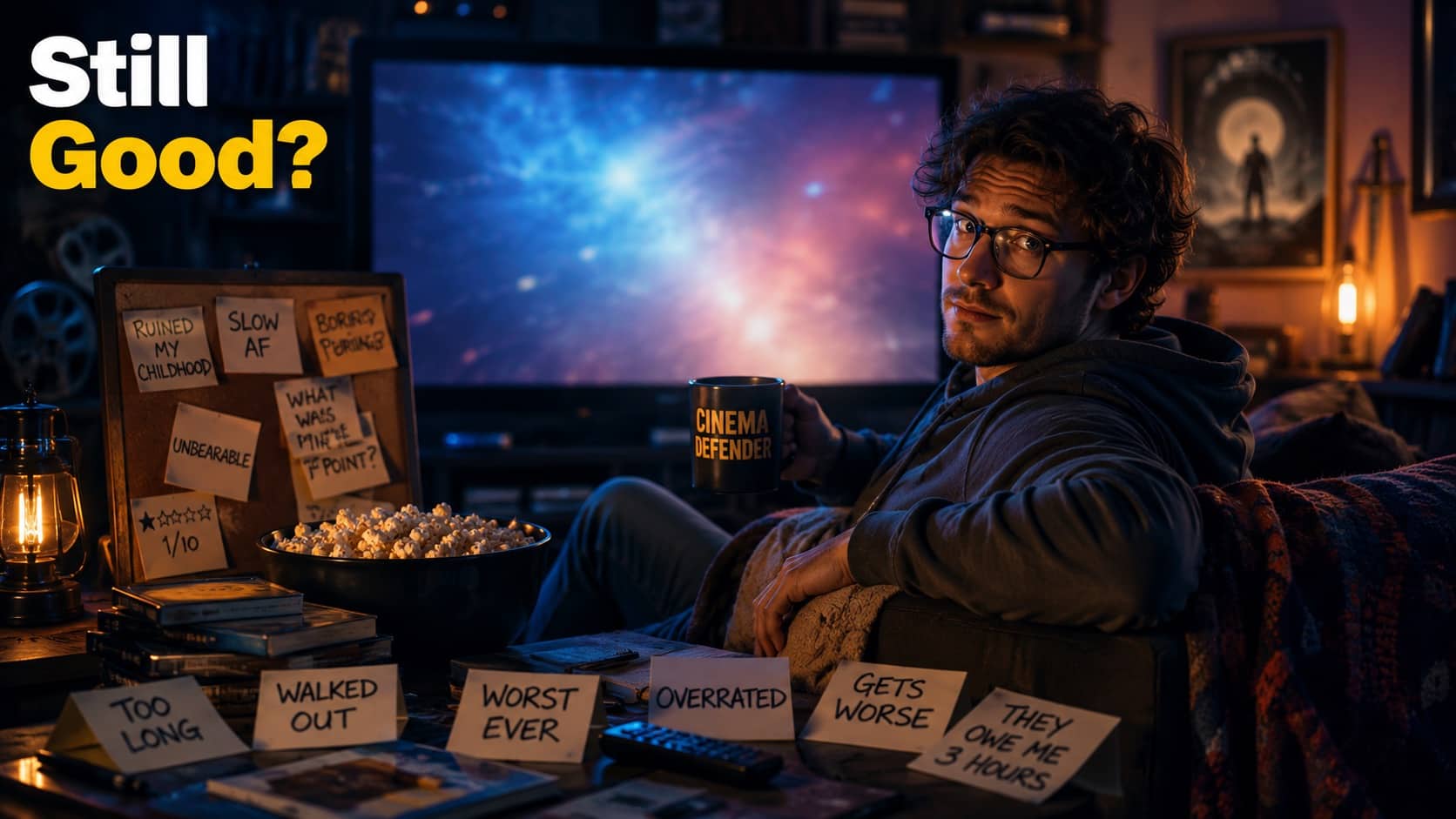

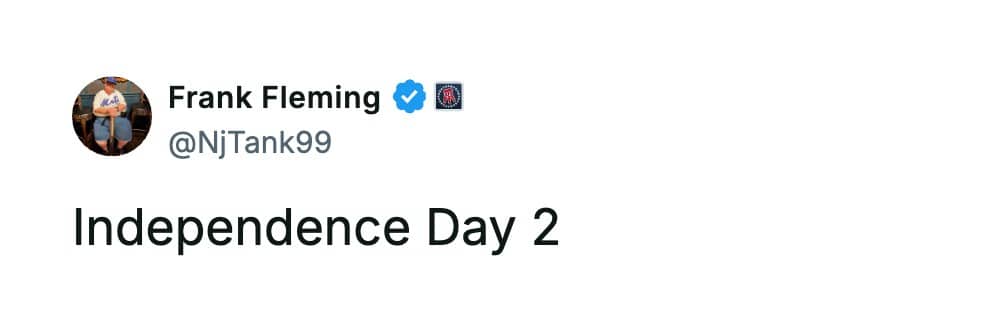
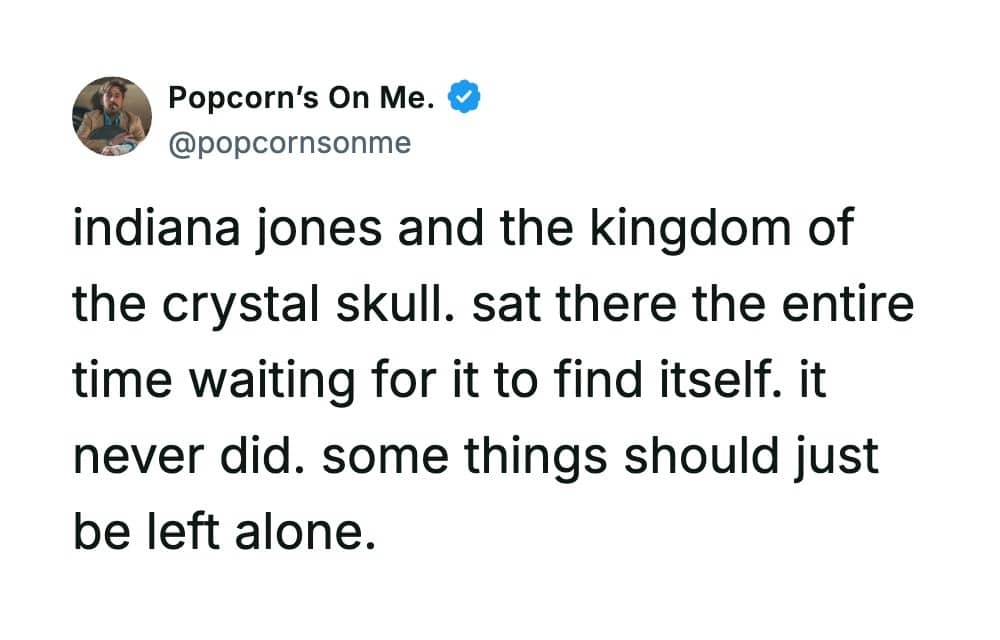
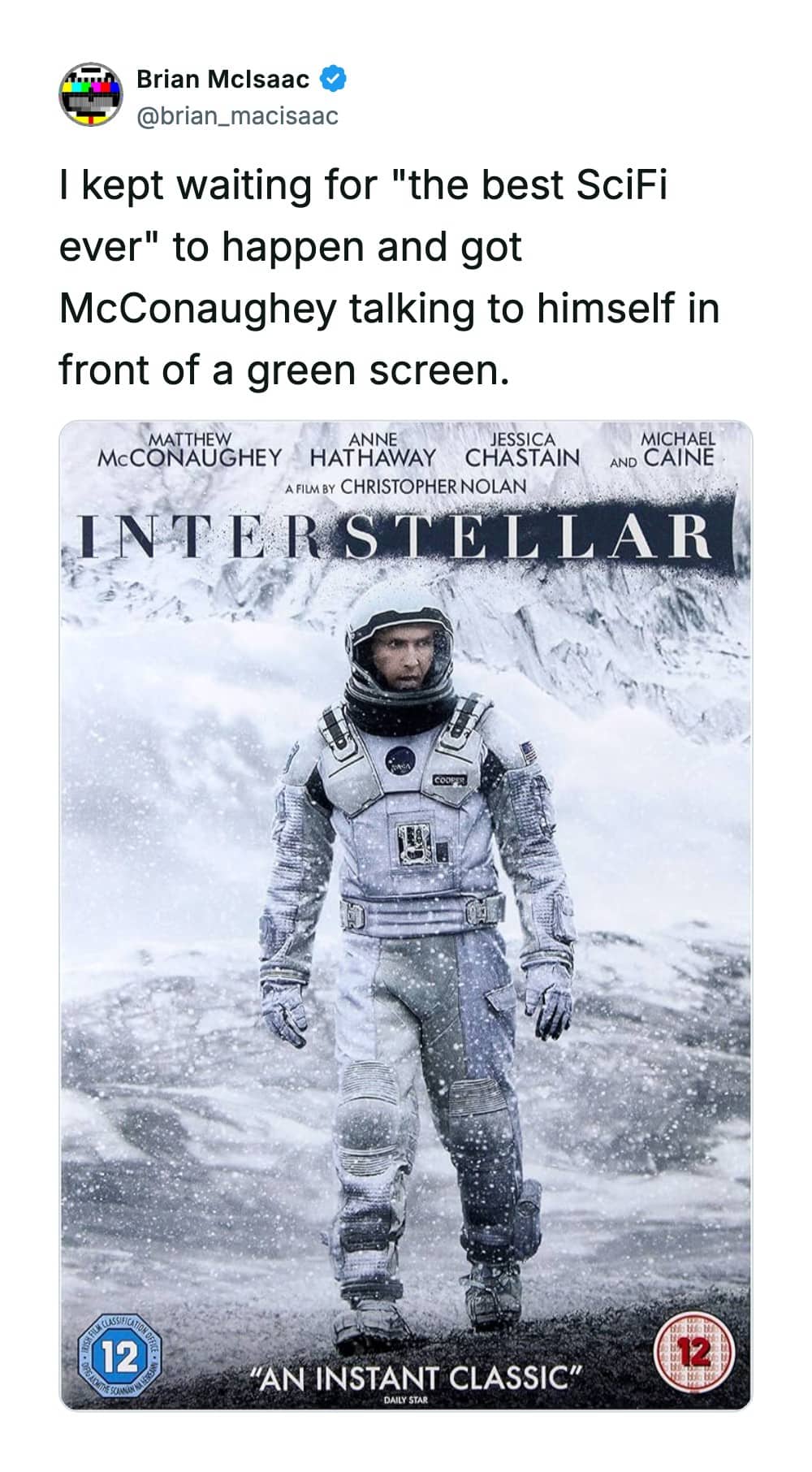
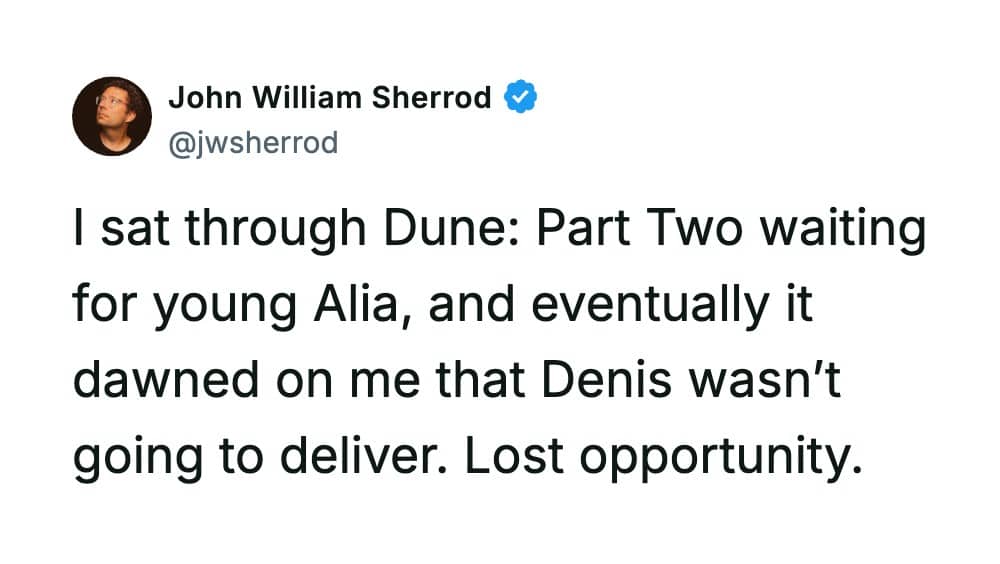
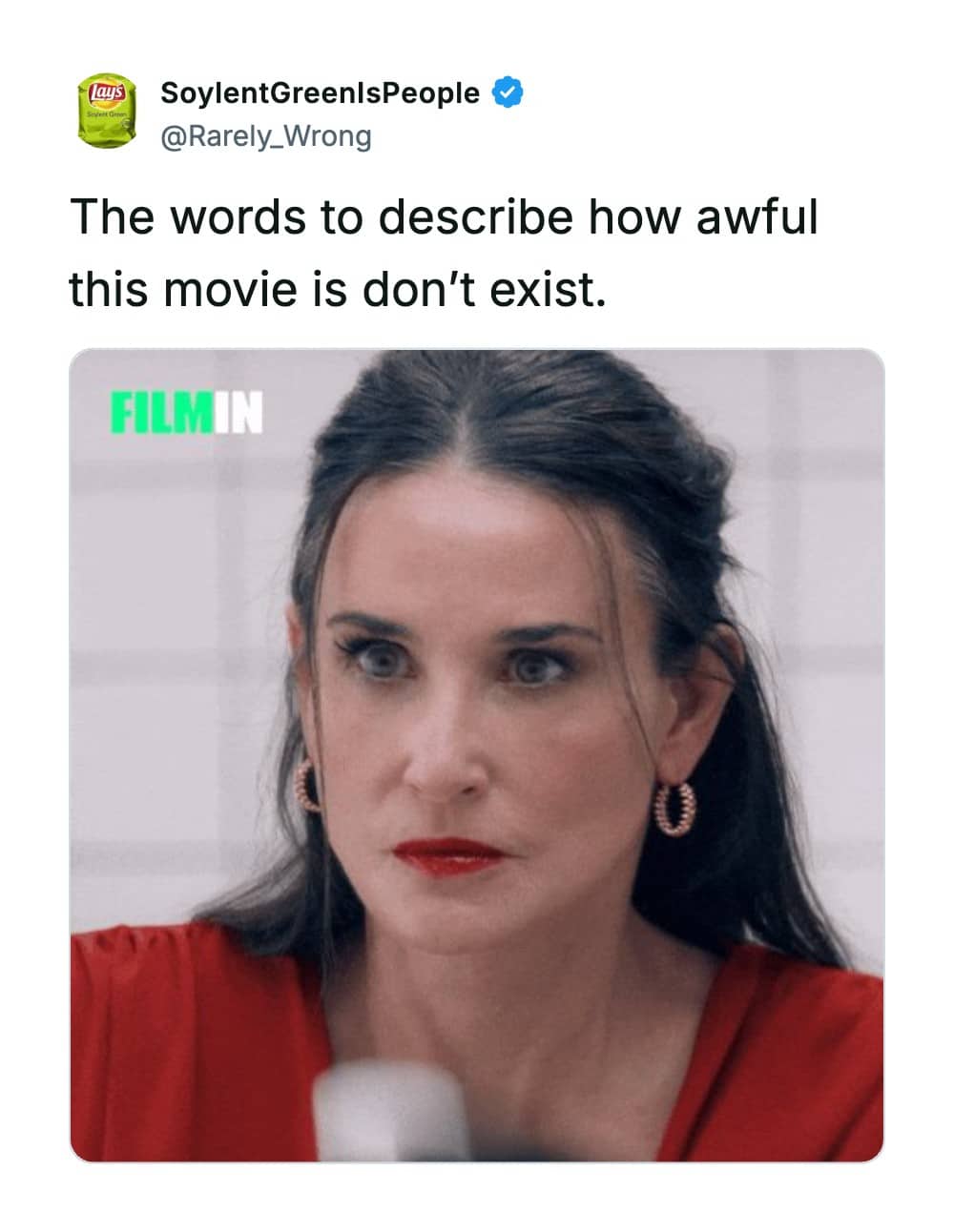
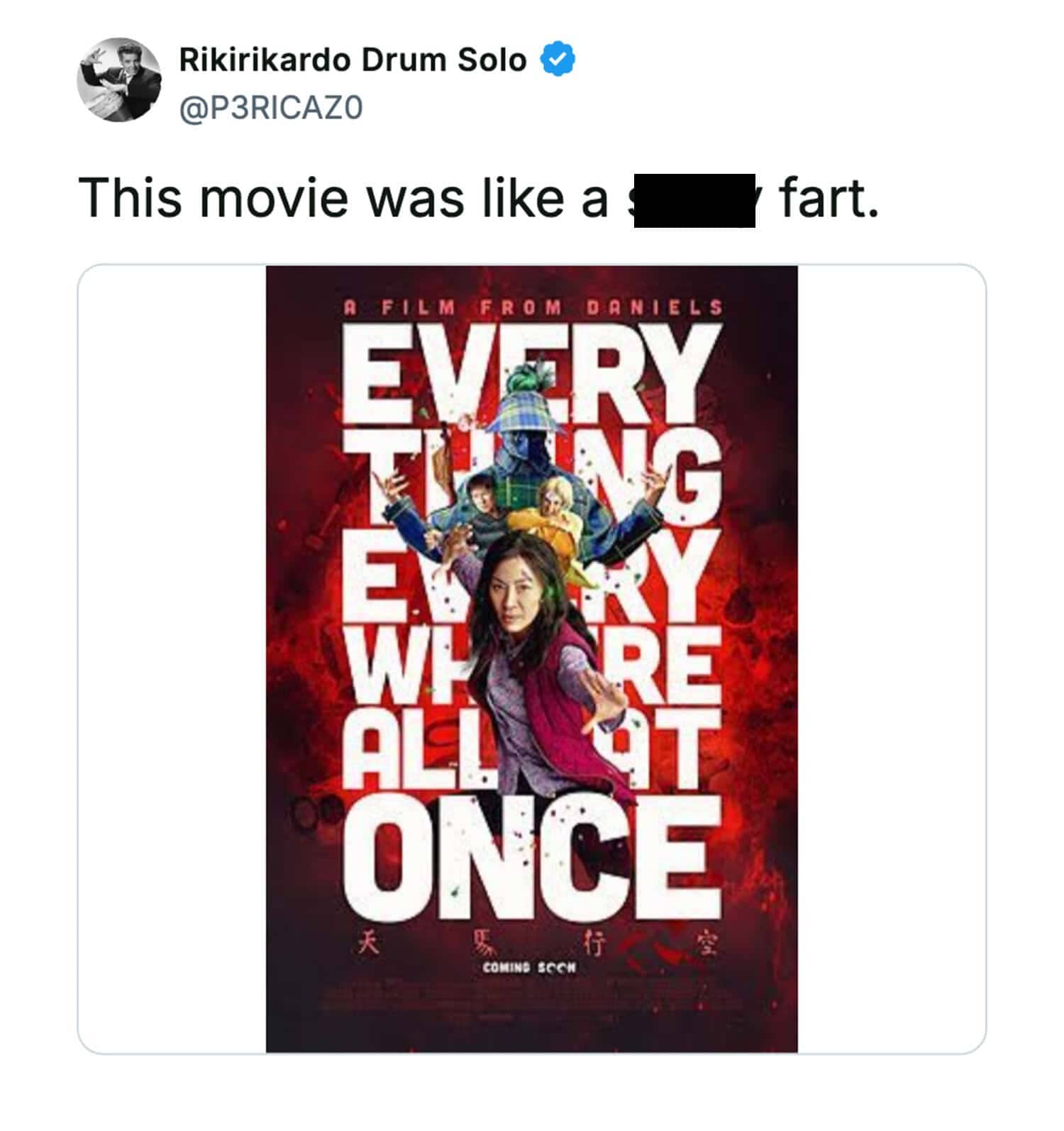
Look, every time a critically acclaimed film comes out, somebody on the internet gives it one star and the rest of us discover that the one-star review is, somehow, more entertaining than the film itself. These worst movies posts are the small ongoing project of self-appointed civilian critics doing battle with the cinematic establishment, and the battle is, against every elite expectation, being won by the civilians. Three hours of prestige drama. Zero stars. Demand a refund immediately.
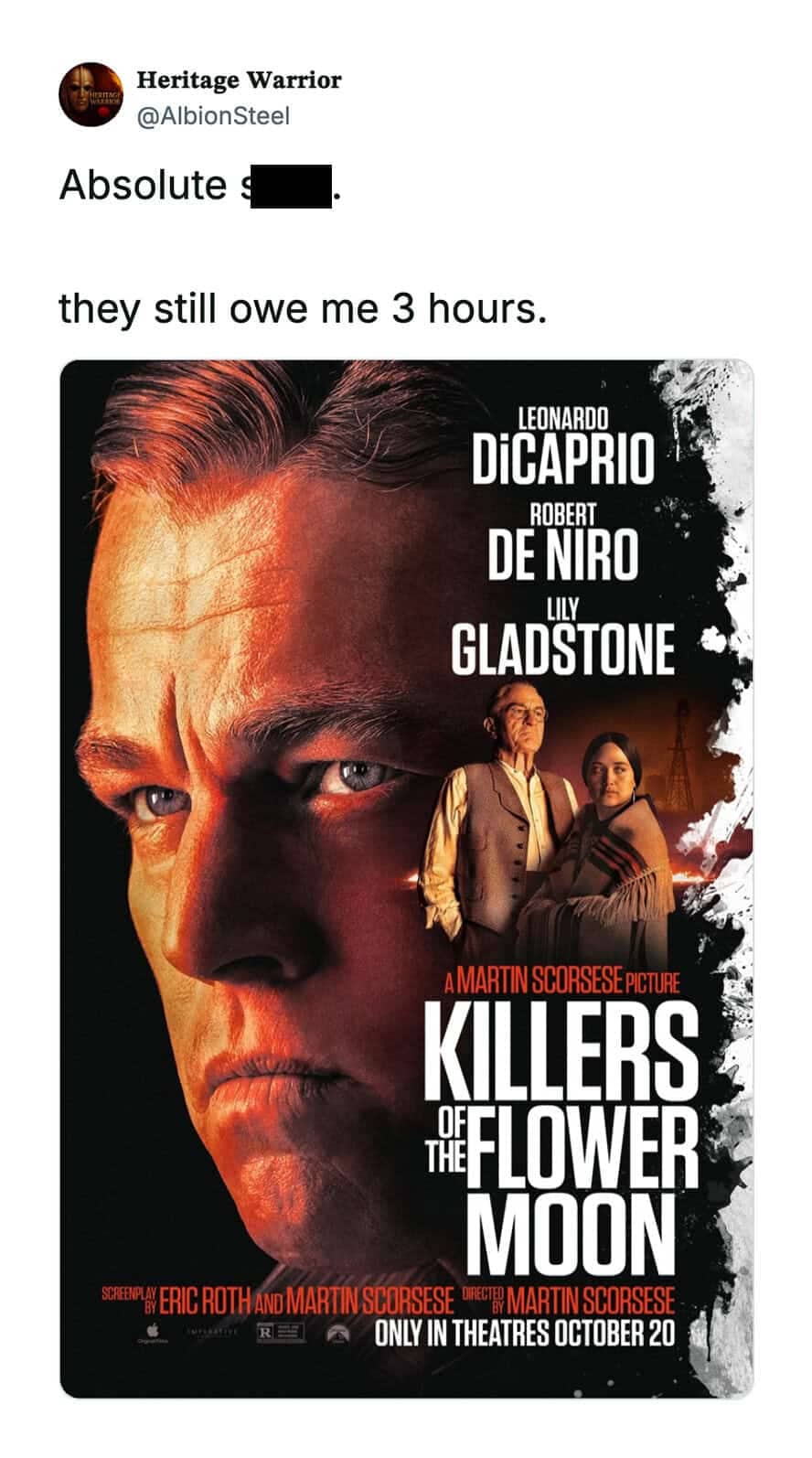

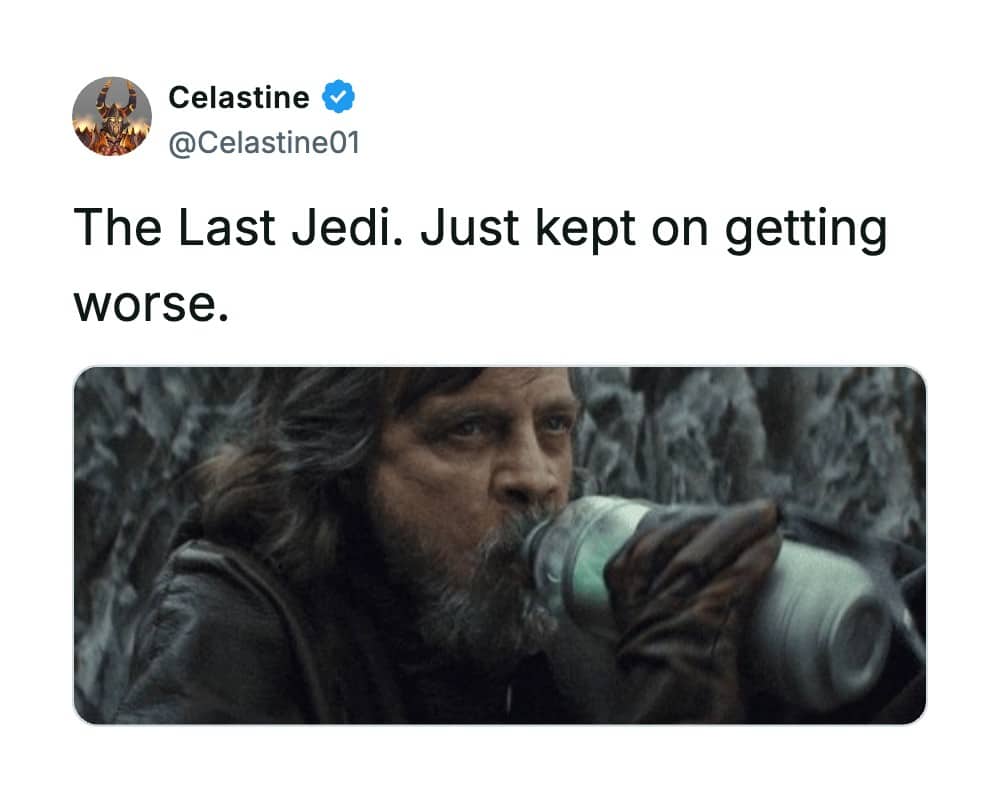
: "Just kept on getting worse"—the exact moment your childhood hero becomes a cosmic dairy farmer.
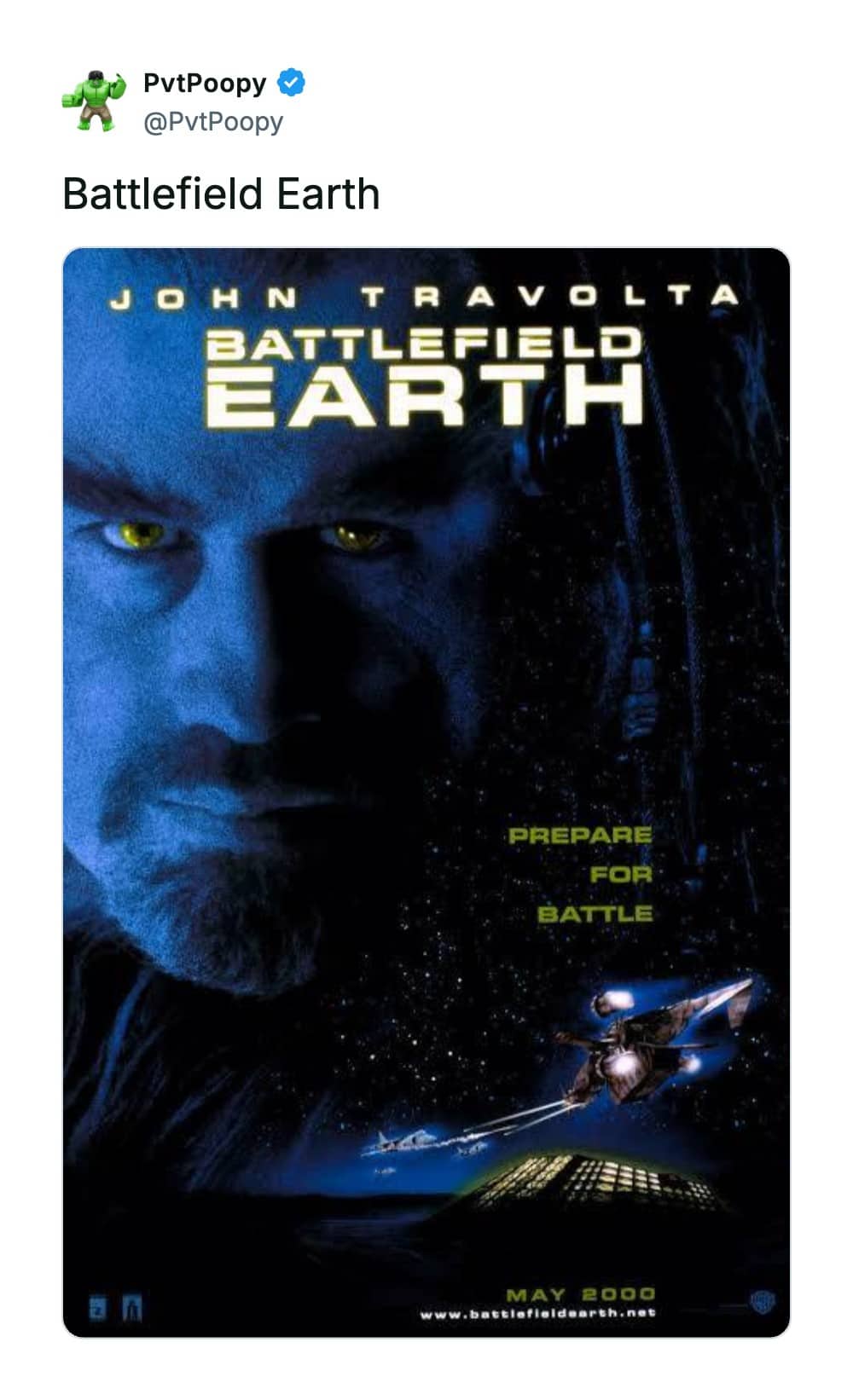
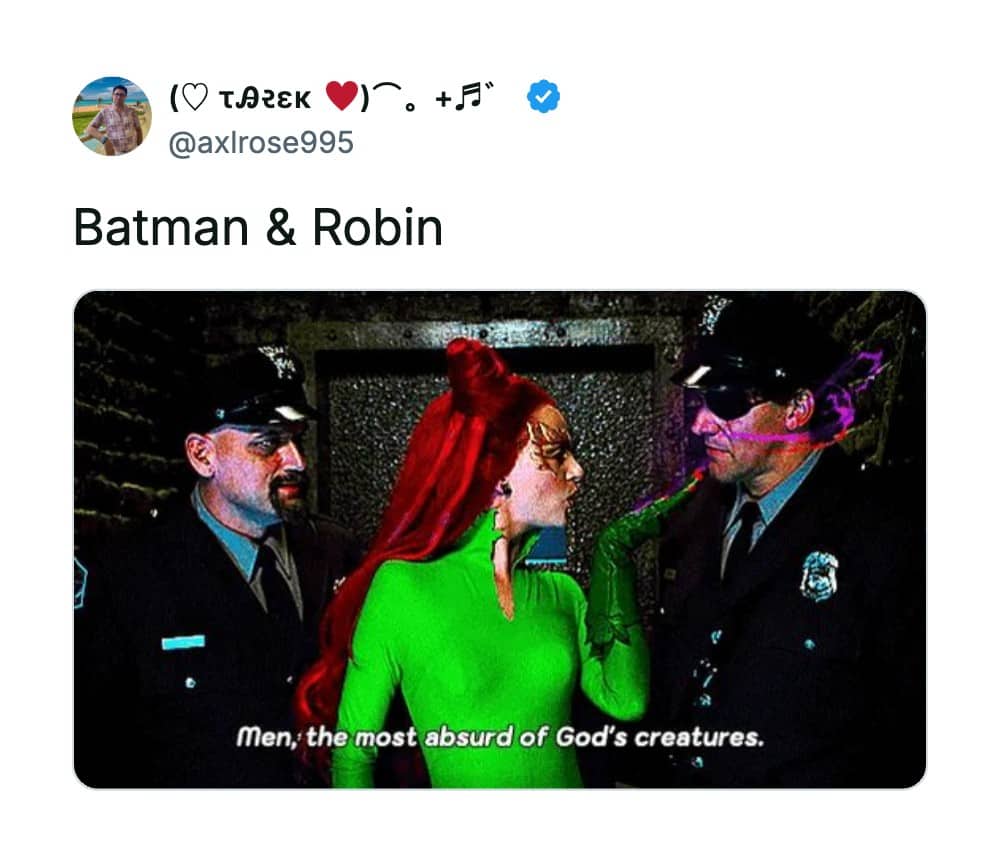
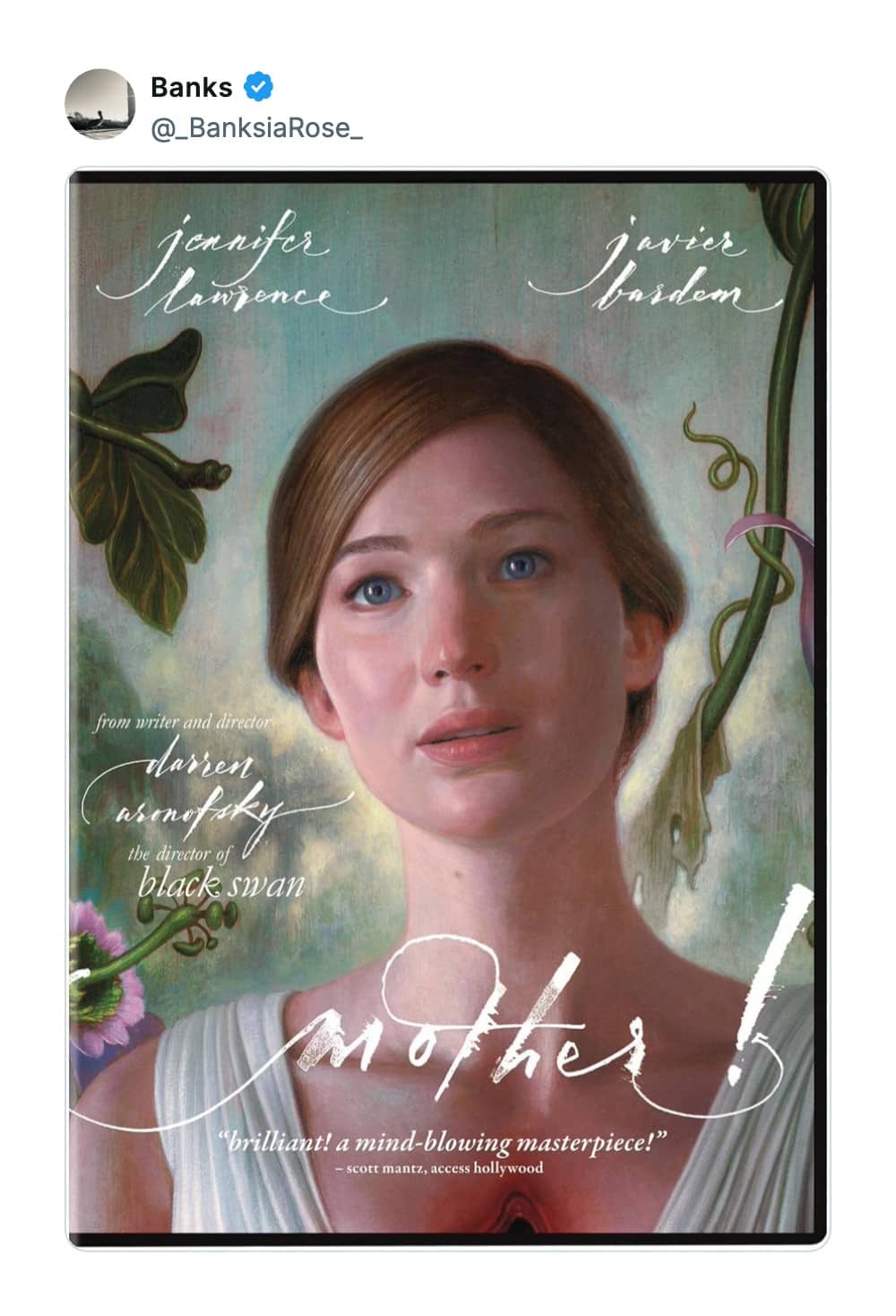
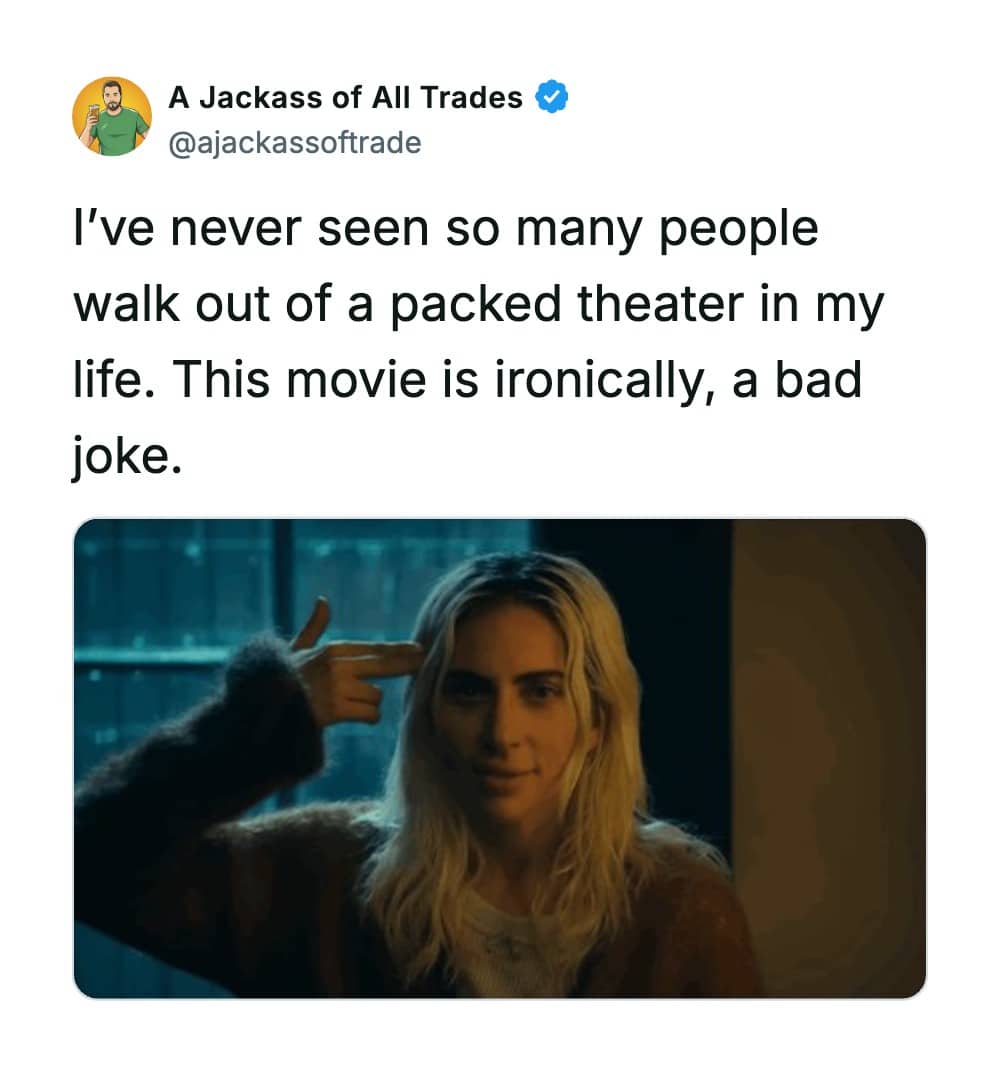
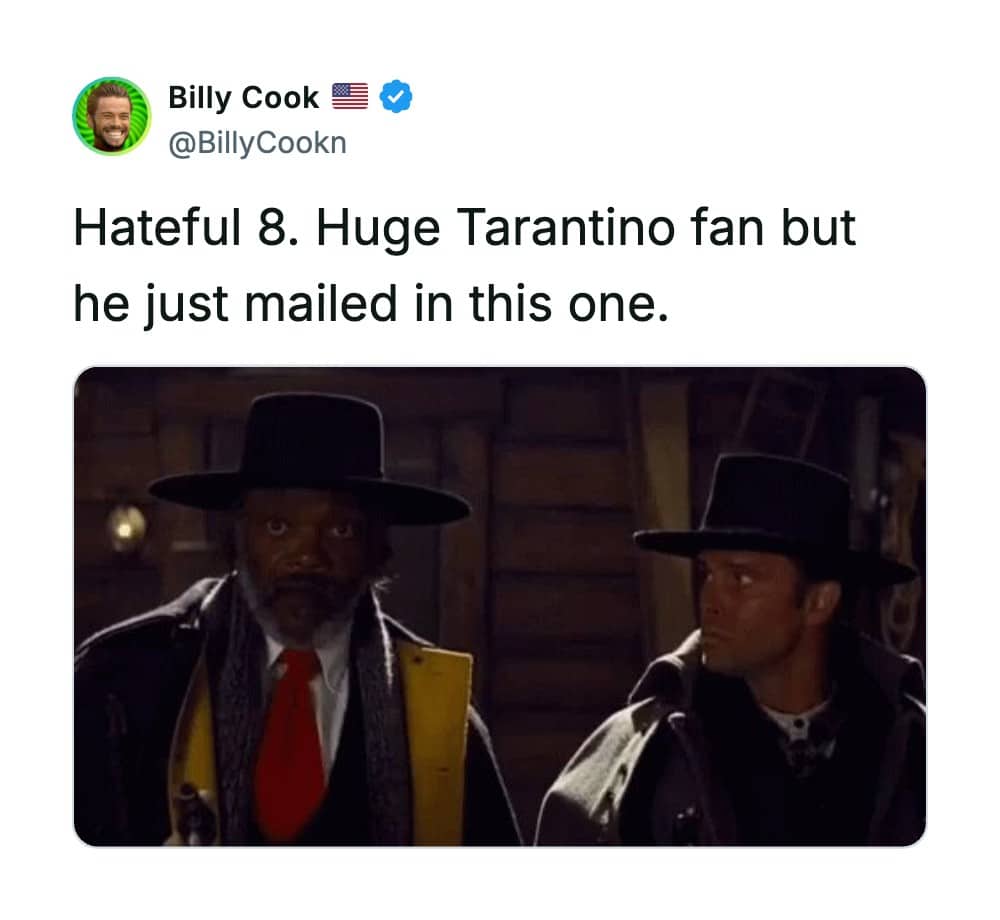
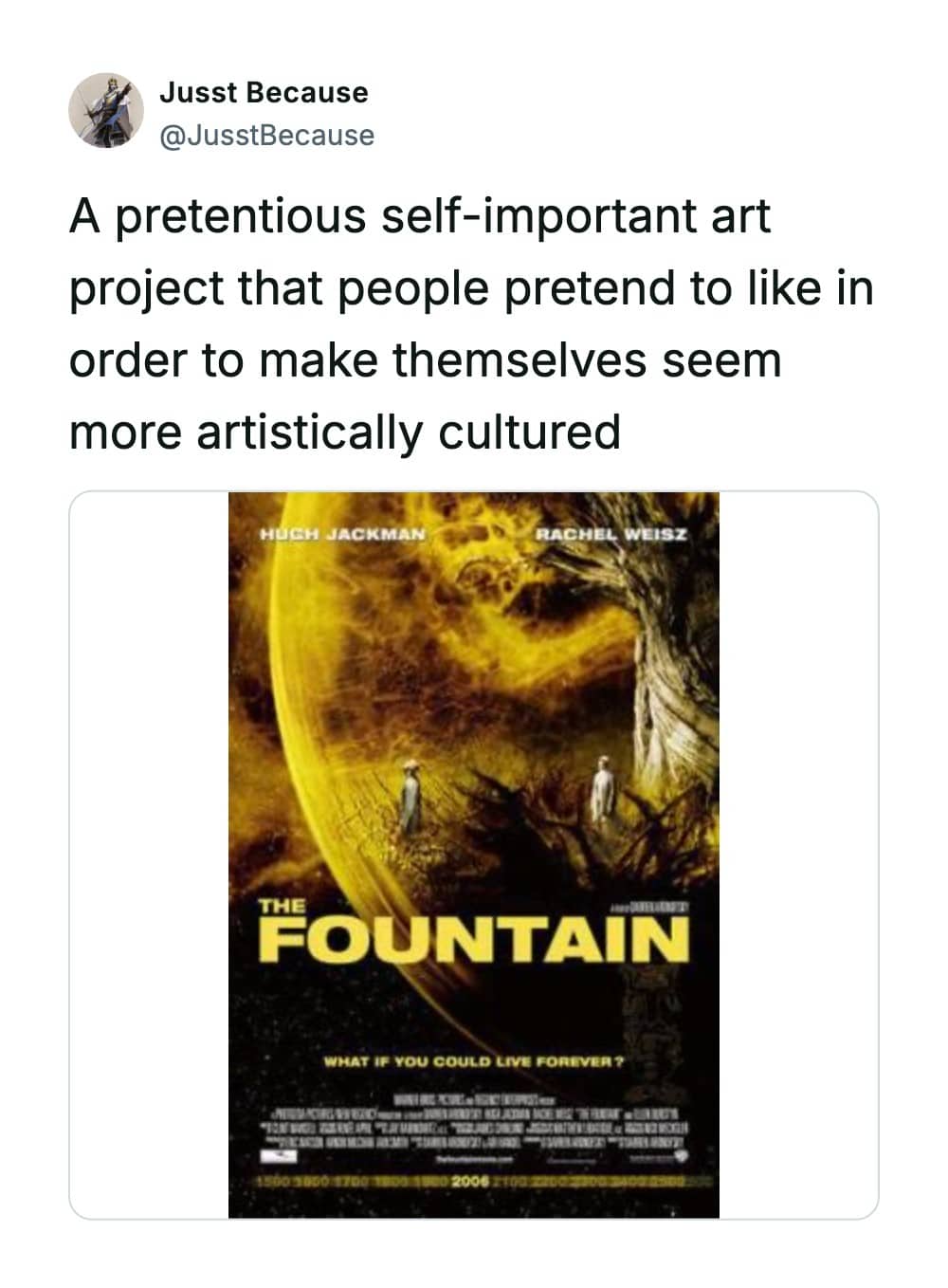
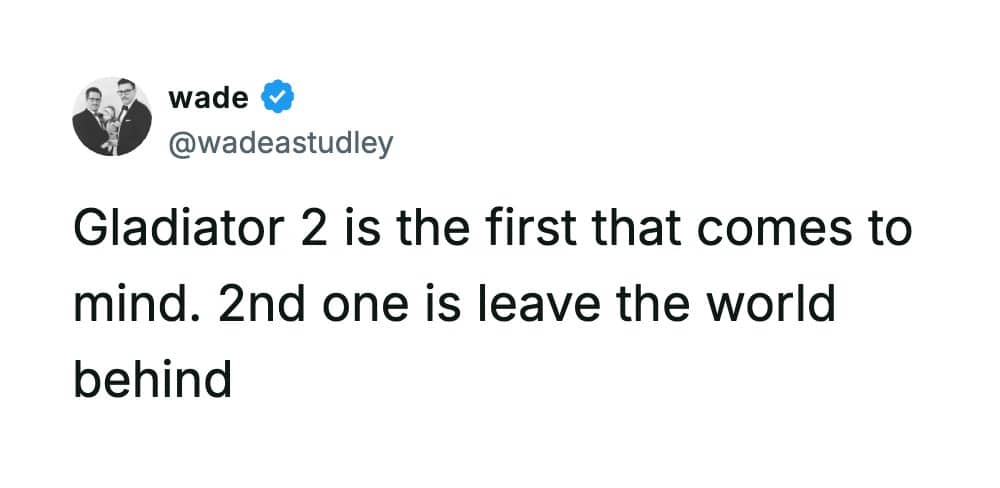
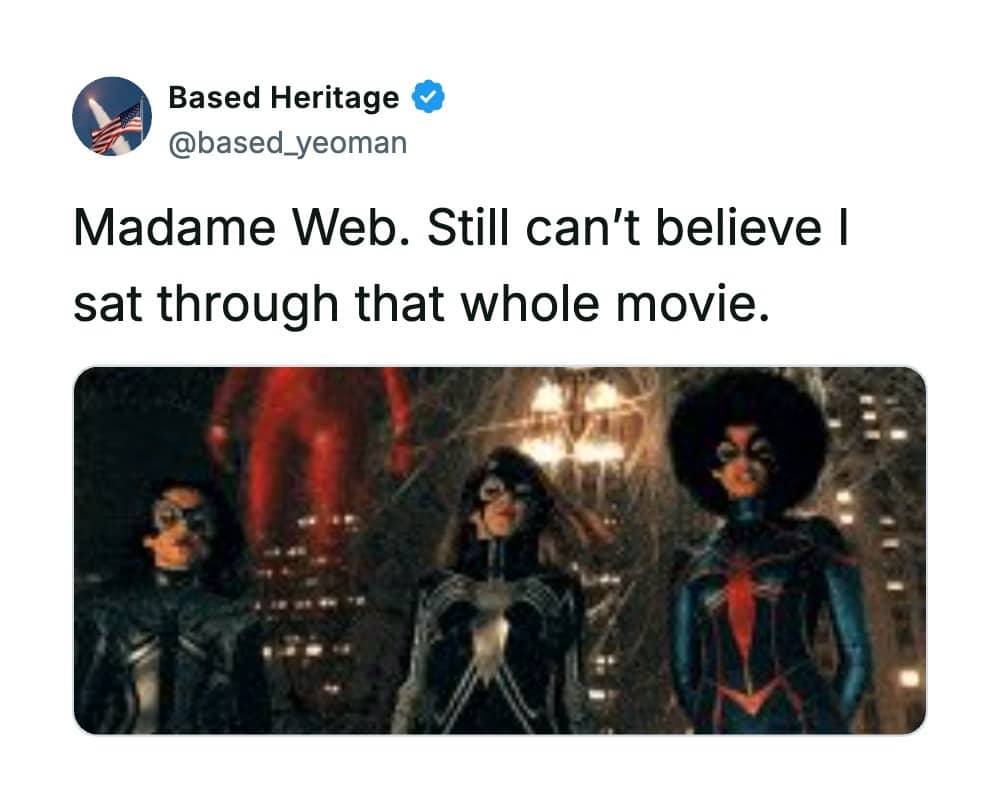
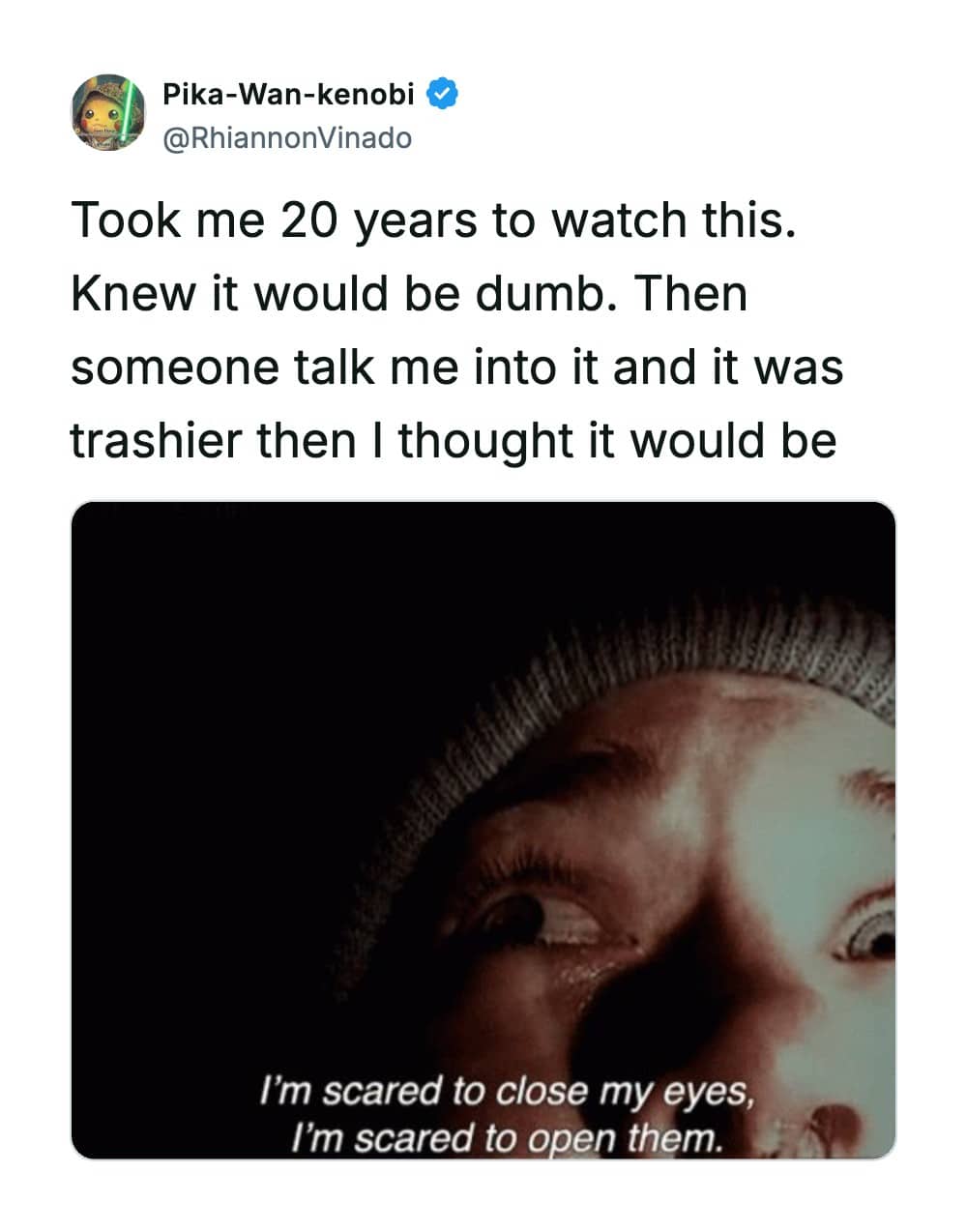
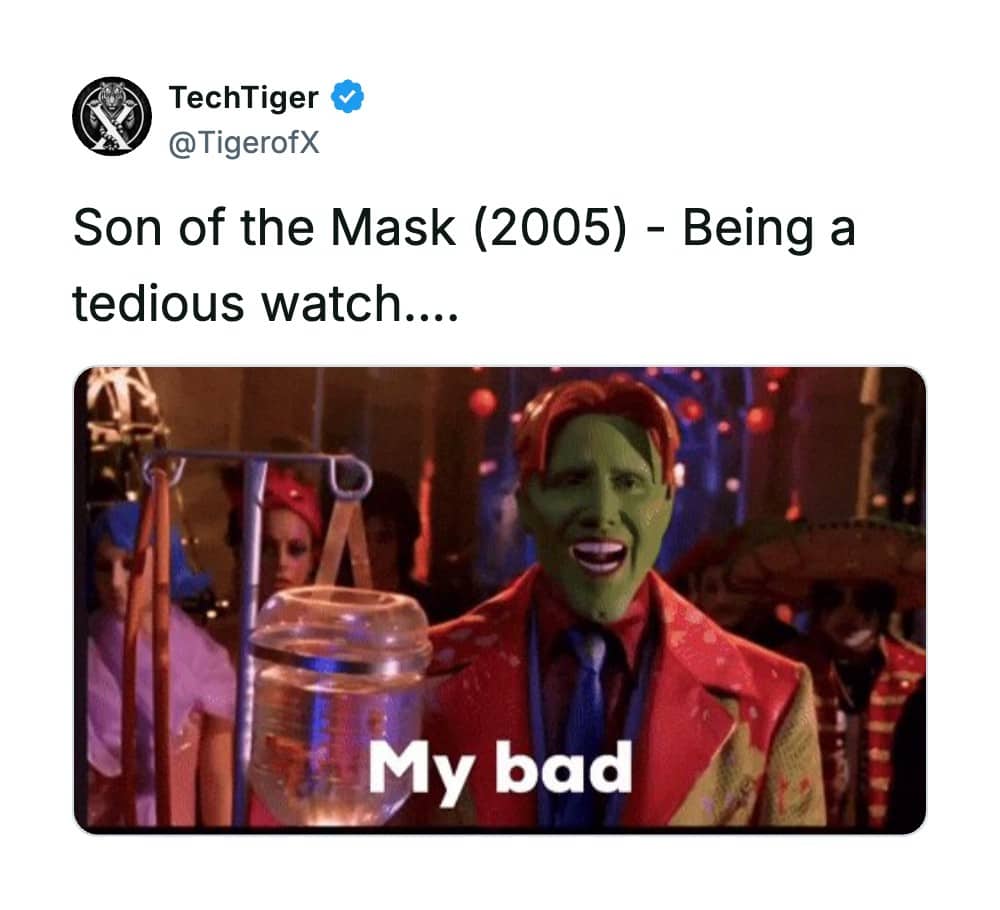



Worst movies
Read More
Honestly, the reason this stuff is so satisfying is that the professional film criticism apparatus has, somewhere along the way, become deeply detached from how most people actually experience movies. The professionals are watching for craft. The audience is watching to be entertained, on a couch, after work, with a finite tolerance for runtime and pretension. The bad movie reviews circulating online are essentially the documented gap between these two perspectives, where the audience has decided that craft is fine but it cannot, by itself, justify three hours of sitting still on a Sunday afternoon.
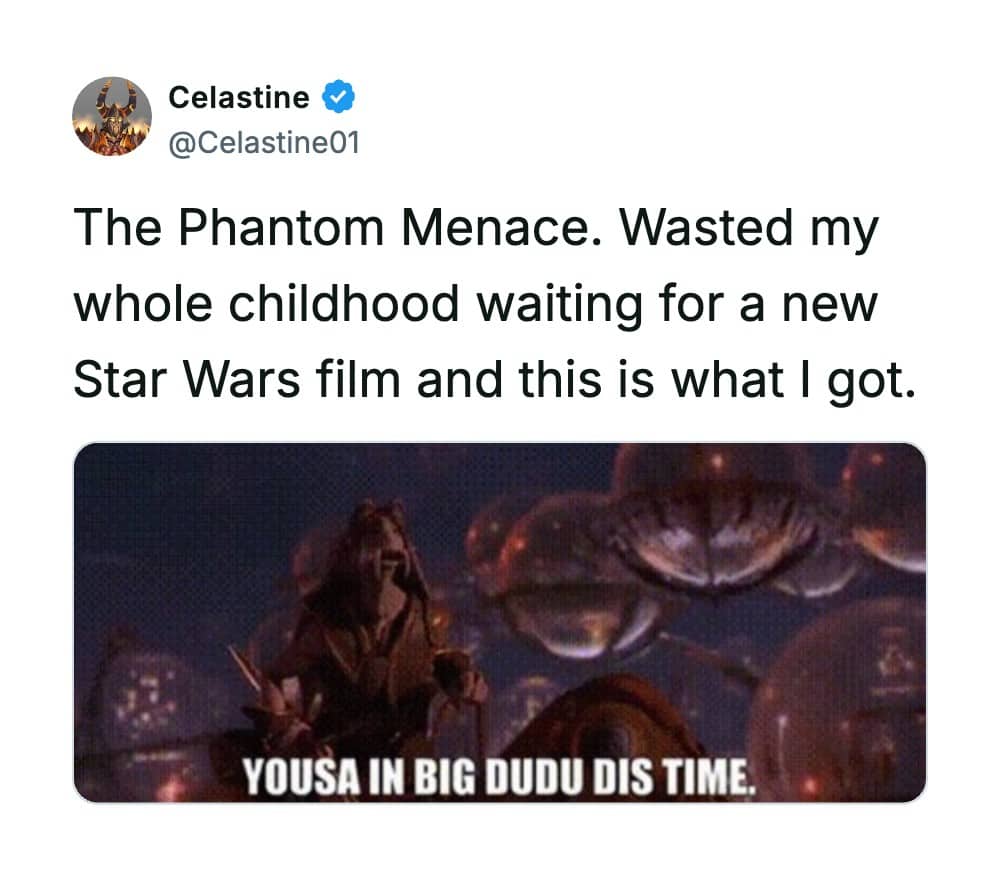
The Star Wars content specifically is where this all peaks. Nothing in the history of film criticism has produced more committed civilian theory than the post-prequel Star Wars discourse, and the funny movie reviews that come out of this material are operating at a level of franchise literacy that no professional critic could fake. The fan inside the criticism knows the lore. The fan inside the criticism has opinions about the lore. The fan inside the criticism is willing to publicly humiliate a multibillion-dollar franchise over a single creative decision involving a Gungan.
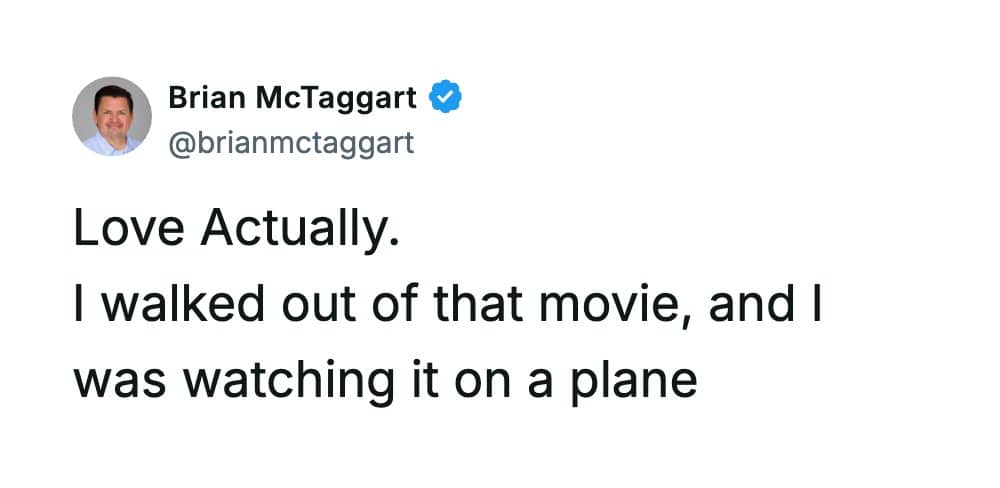
The runtime content is its own particular subcategory of grievance. There is a very specific generation of internet user who has decided that any film over two hours and twenty minutes is, structurally, an act of disrespect against the audience, and the hilarious bad reviews from this lane are essentially the documented evidence of that disrespect being noticed and aggressively returned. The critics gave it the Palme d’Or. The internet has decided it is too long. Both can be true.
The larger thing happening in all of this is that film criticism has, over the past decade, completely democratized. The old gatekeepers used to decide which films were worth taking seriously. The new arrangement is that everybody decides for themselves, the takes are mostly funnier than the credentialed version, and the audience for actual film criticism has fragmented into a thousand small communities arguing about whether the period piece had appropriate manicures for the historical era.
The cringe movie takes that go viral are not, mostly, about getting the movie right. They are about the entertainment value of watching somebody be confidently wrong on the internet. The audience knows the take is questionable. The audience does not care. The audience is reading for the wrong-on-purpose performance, which is, in many cases, more enjoyable than the right-on-purpose criticism the professionals are still producing for shrinking magazines.
The film stays great. The reviews stay terrible. Both are now, somehow, essential to the modern viewing experience.
If the cinematic civilian theory was your kind of fun, our pop culture takes are right where you’d want to land next, and we’ve got plenty of bad-review archives, fan-discourse compilations, and franchise-feud threads for anyone who reads Letterboxd after the credits roll. Sort by funny.
Read Memes
Get Paid


Jake Parker, known around the web as "Jay," is a digital writer with over 10 years of experience covering internet humor, meme trends, and viral content. Before joining Thunder Dungeon, Jay was the lead editor at MemeWire, where he helped curate memes that broke the internet, including coverage on trends like Distracted Boyfriend, Kombucha Girl, and Bernie Sanders’ Mittens. A self-proclaimed "professional procrastinator," Jay spends his downtime scrolling Reddit and Twitter to stay ahead of what's about to break the internet next.