
There is a story circulating online about somebody who, in a moment of distraction at a veterinarian’s office, stepped onto a scale clearly intended for a medium-sized dog and waited for the result, and the veterinary technician, mercifully, said nothing. These funny awkward moments are the small ongoing internet project of strangers admitting in public to the brief social collapses they have experienced, and the admissions are, frankly, a form of communal medicine. We are not alone. We are, in fact, mostly the same.
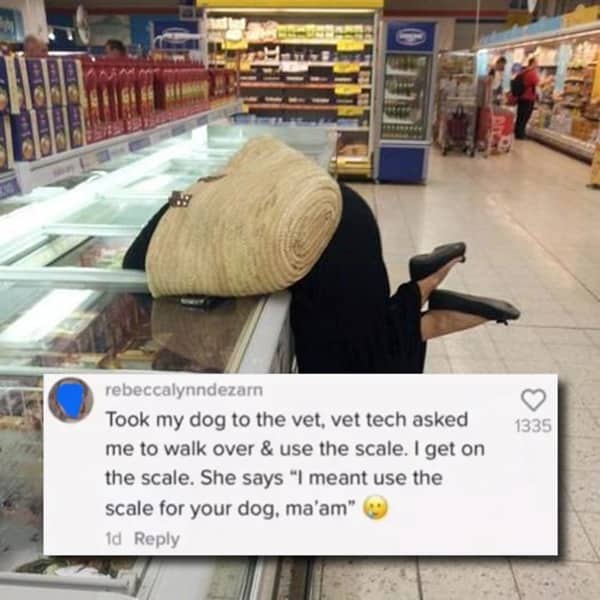
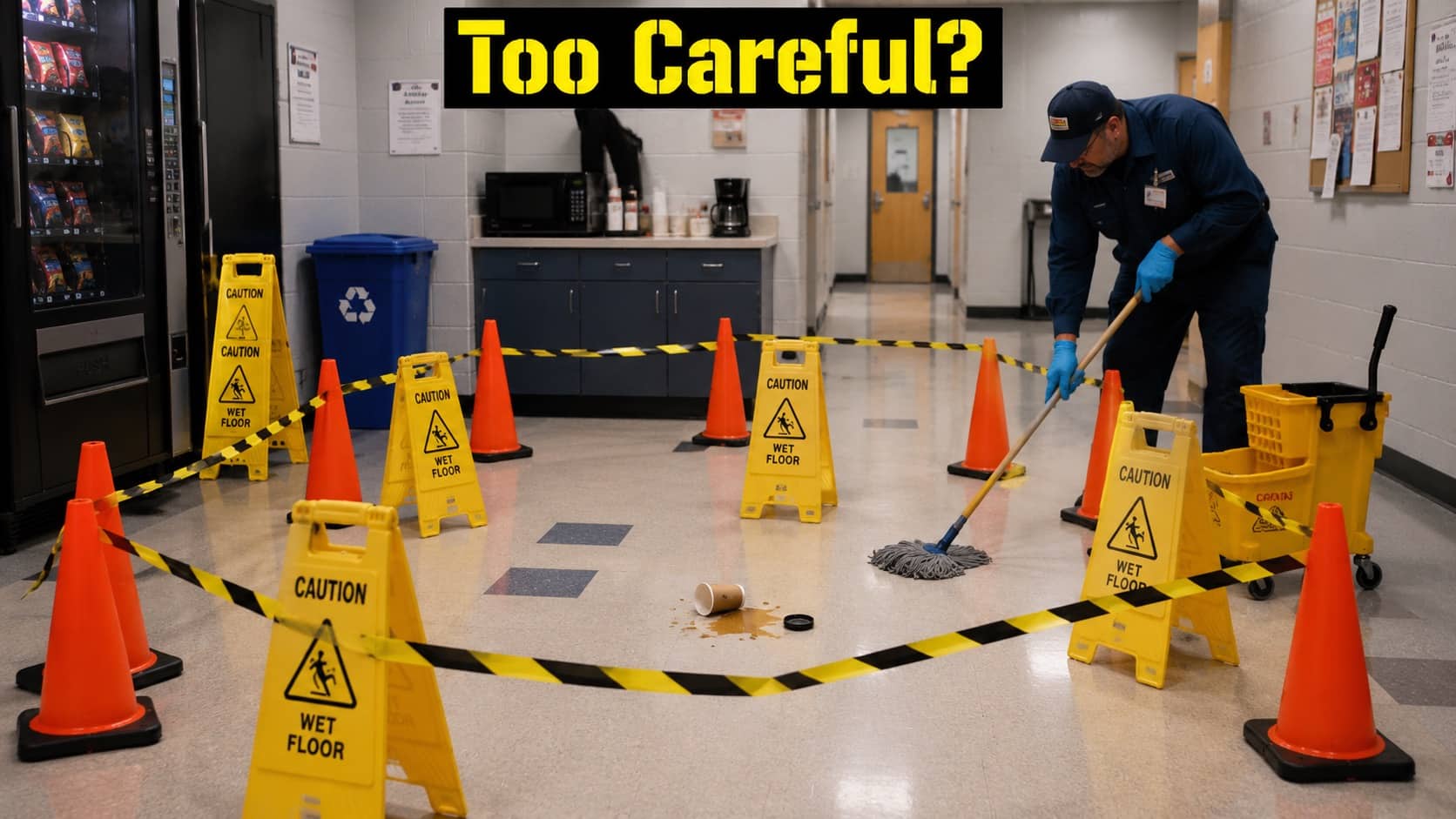
At that point, you just have to fully commit and let them check your ears for mites too.
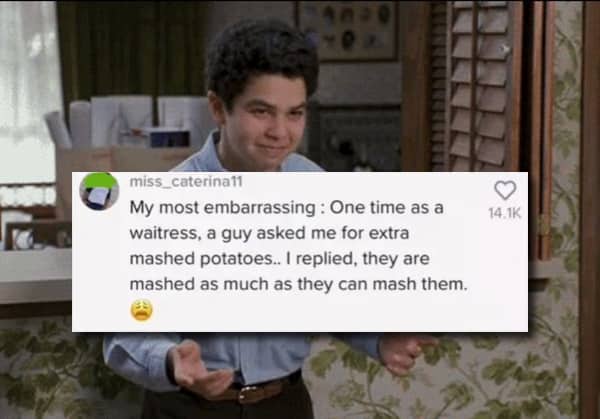
he took "extra mashed" to a deeply literal, physical level.
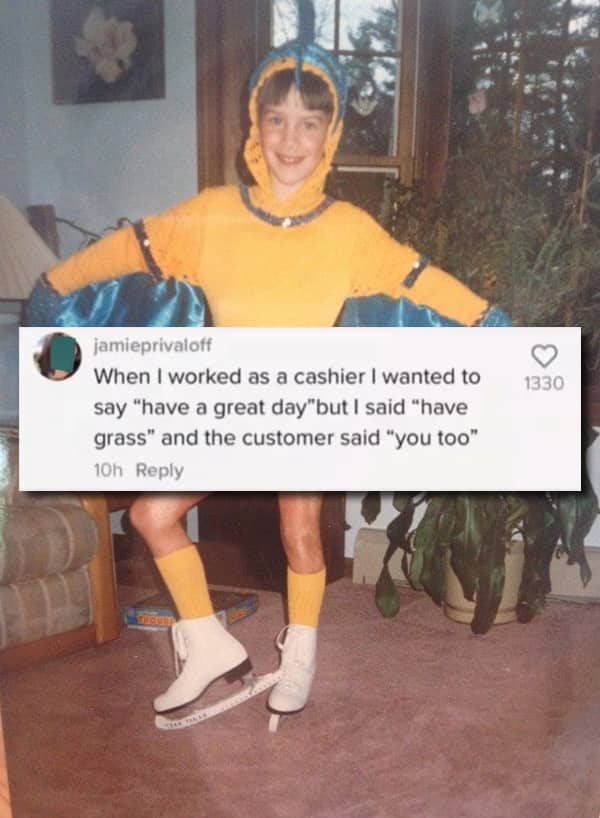
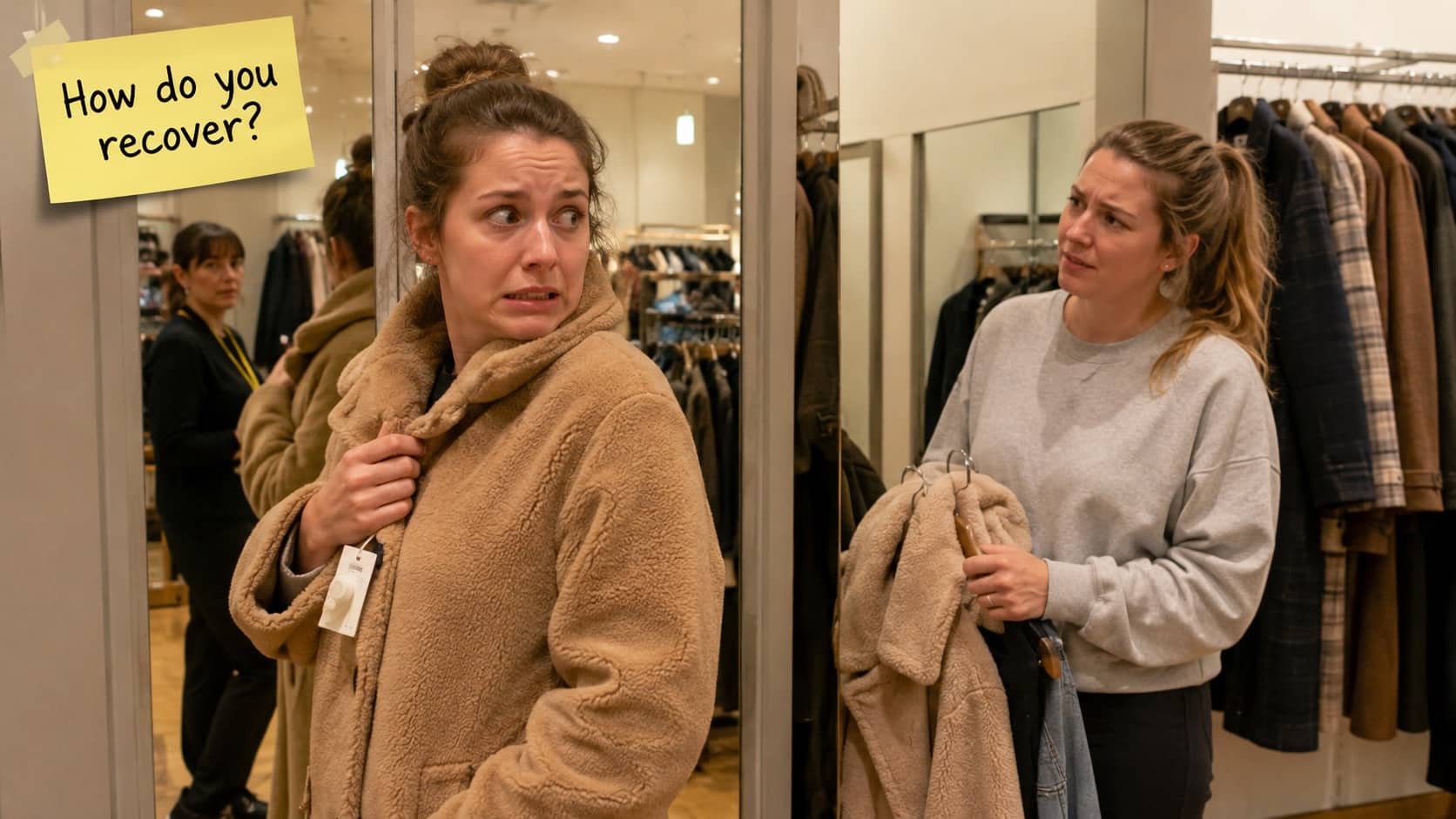
Retail worker autopilot is a hell of a drug.
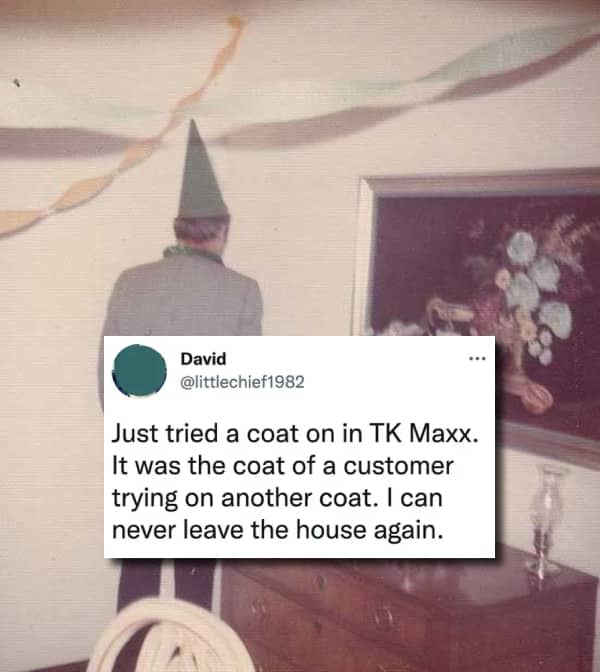
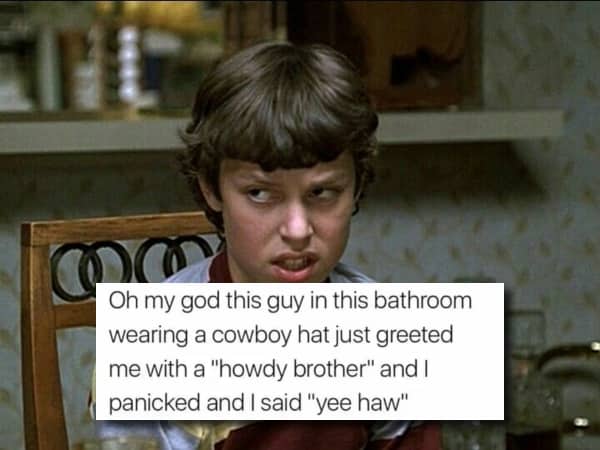
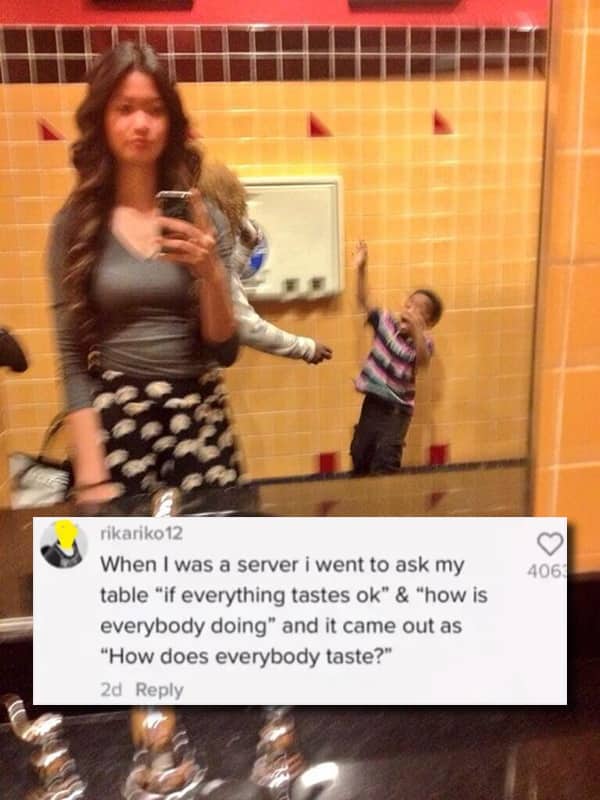

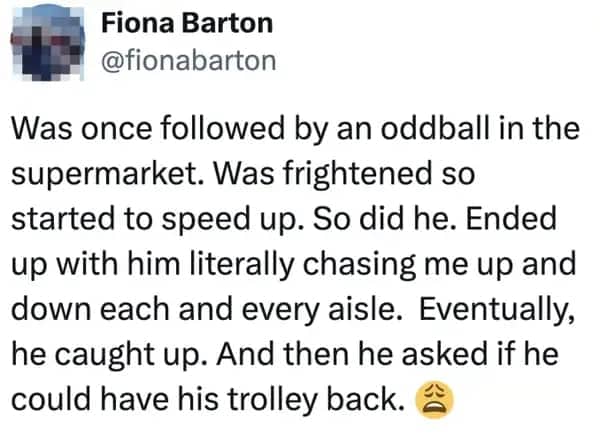
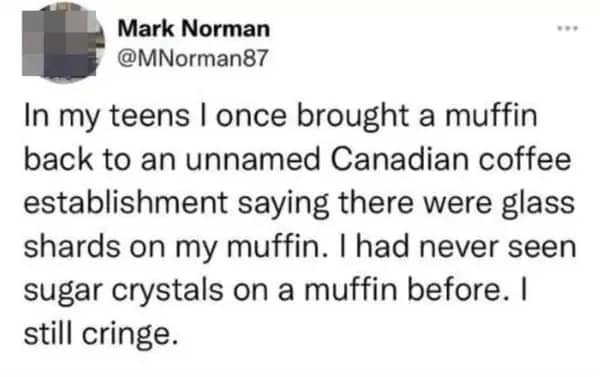
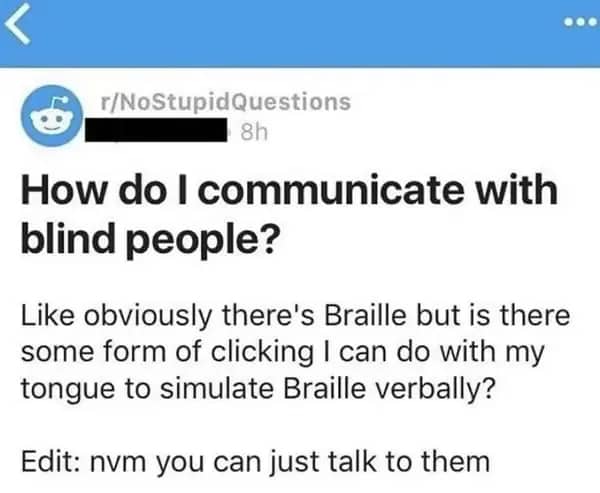
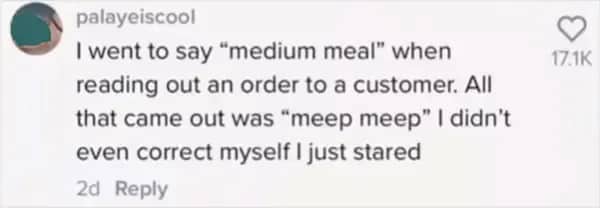
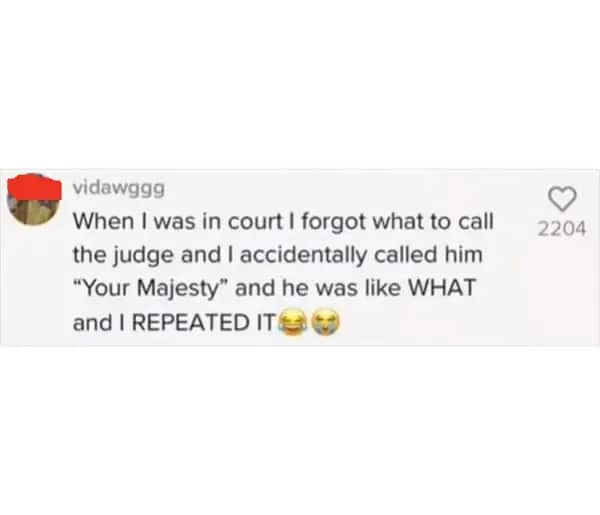
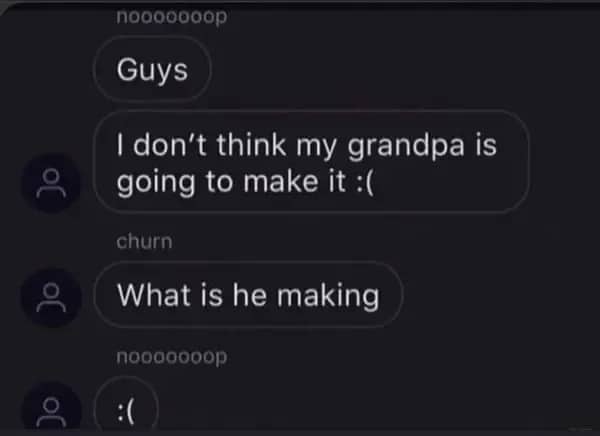
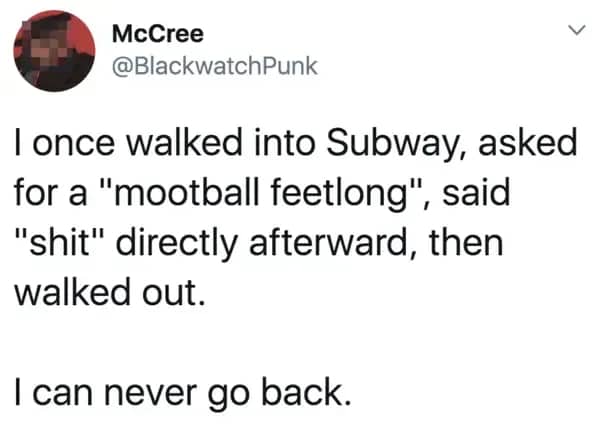
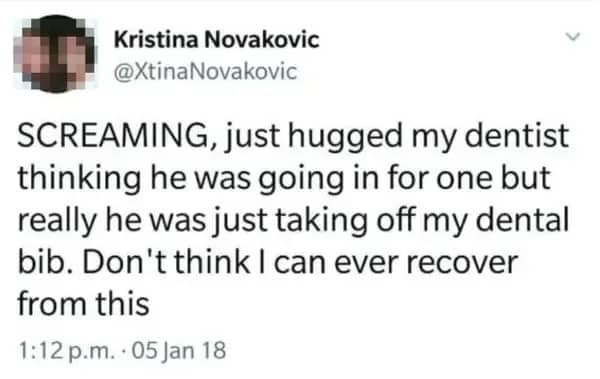
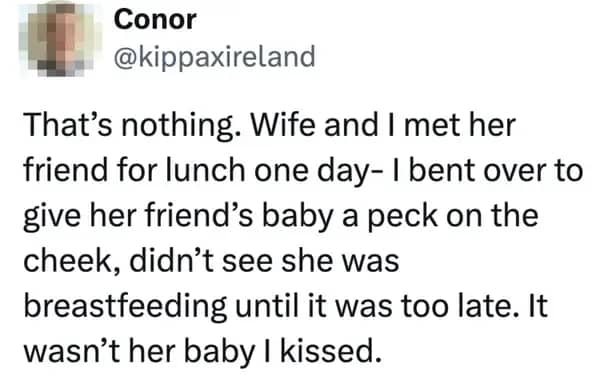

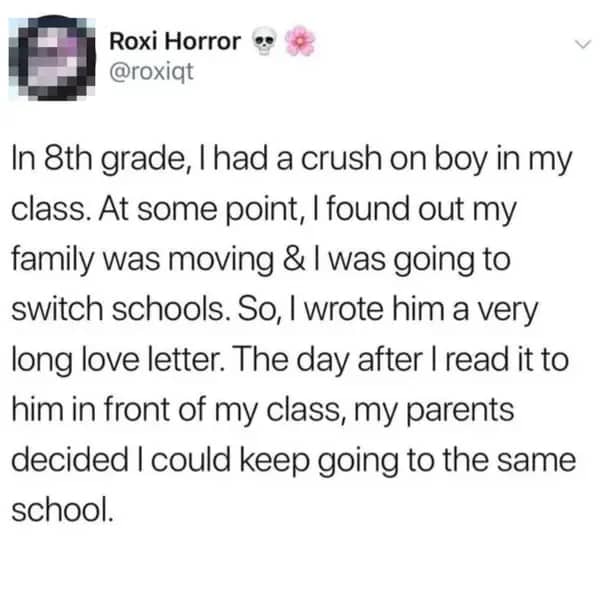
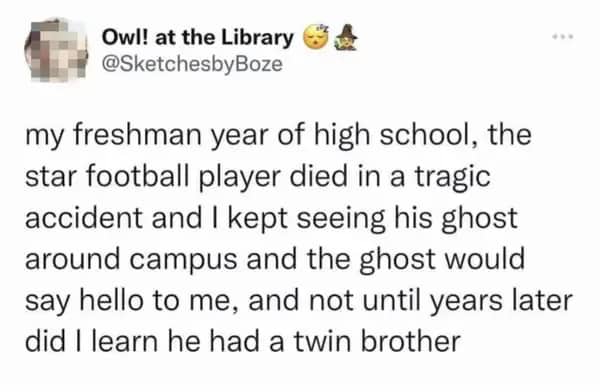
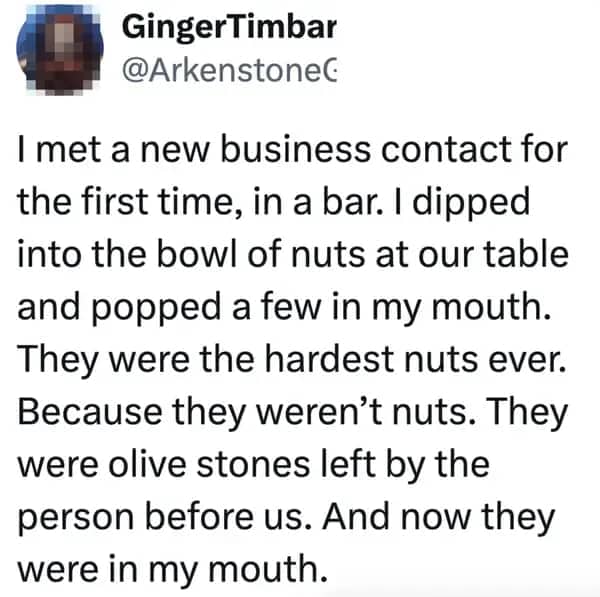
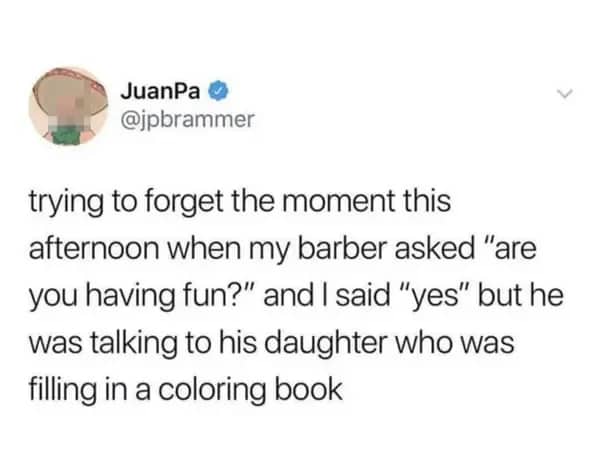
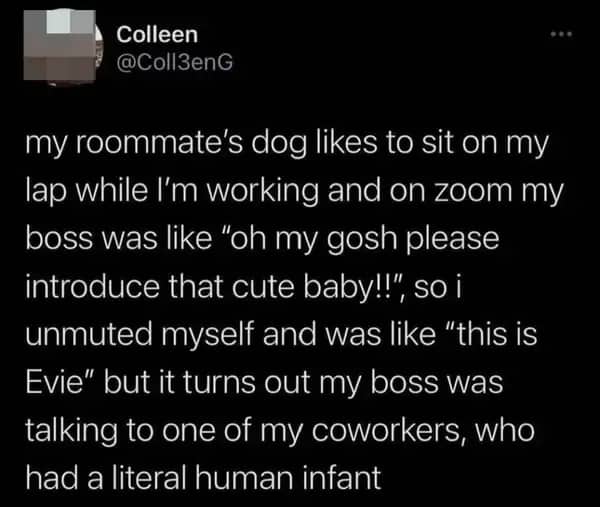
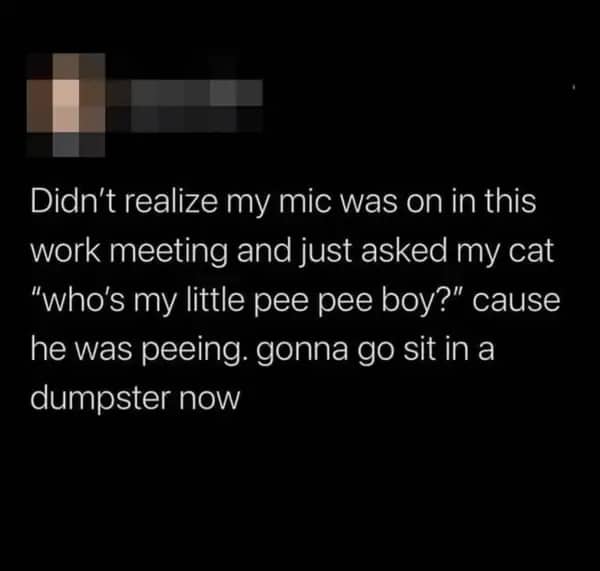
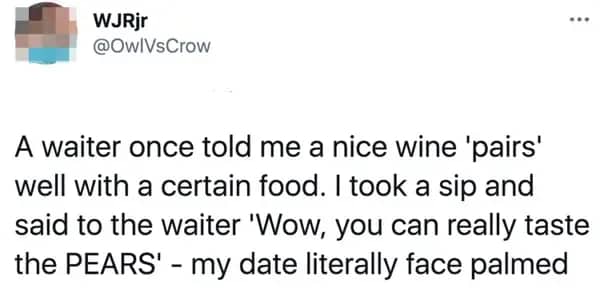

Funny awkward moments
Read More
The funny awkward moments genre exists because the human brain is, statistically, going to glitch in public at least once a year for everybody who participates in modern society. The glitch is not a personal failing. It is a normal byproduct of trying to operate a complex social organism while also thinking about other things, and the cringe stories filling galleries like this are essentially the documentation of what happens when the autopilot briefly takes over and produces a result the manual operator would never have authorized.
What makes the genre particularly satisfying is its democratic nature. Nobody is exempt. The most articulate person you know has, at some point, said “you too” to a movie theater worker who told them to enjoy the film. The most socially fluent person you know has, at some point, waved back at somebody who was not, in fact, waving at them. The relatable awkward stories in this gallery operate on this exact principle, where the audience is not, mostly, laughing at the writer. The audience is recognizing themselves, and the recognition is the reason the genre keeps producing material indefinitely.
There is also a strong recurring subgenre of awkward stories involving service-industry workers whose autopilot produced something genuinely unhinged. The cashier accidentally telling the customer something baffling. The server asking an inadvertent question that no professional should ever ask. The hilarious cringe moments in this category are essentially the documented evidence that anybody who deals with strangers for hours at a time is one slow afternoon away from saying something they will think about for the next twenty years.
The broader thing this whole genre captures, beyond the immediate cringe, is the way the internet has created a public space where people can finally admit to the small private failures they would never have shared in earlier eras. Awkward moments used to live, mostly, inside the person who experienced them. The story would, at best, get told to a friend or a therapist. The internet has changed this. The story can now be posted, validated, and joined by a thousand other people sharing similar experiences, and the experience of being alone with the embarrassment has, in many ways, been retired.
There is also a small psychological function happening in this content that deserves acknowledgment. Reading other people’s awkward moments is, statistically, calming. The brain registers that the experience is common rather than unique, the embarrassment is normal rather than disqualifying, and the small social glitches everybody carries around quietly are, in fact, the universal human experience the genre claims they are.
We have all, mostly, been there. The genre simply gives us the chance to say so out loud. The saying is, in its own small way, the entire point.
If the cringe hit a nerve, our embarrassing story content is right where you’d want to land next, and we’ve got plenty of public-mishap archives, service-industry confessions, and second-hand embarrassment compilations for anyone whose own awkward moments need company. Welcome to the club.
Read Memes
Get Paid


Katie Rodriguez is a seasoned writer with eight years dedicated to meme commentary, viral internet events, and digital storytelling. Formerly a senior meme analyst at Bored Panda and an occasional guest contributor at Vice's Motherboard, Kat specializes in meme culture’s intersection with social media phenomena—covering trends like Milk Crate Challenge, Area 51 Raid, and Baby Yoda. She’s known for her witty writing style and deep understanding of why certain memes resonate across generations, making her a valuable voice on Thunder Dungeon.