
OK so here is the thing about advertising in 2026. Every brand has access to more design tools, more review layers, and more automated quality control than at any previous point in history, and somehow the ads are getting more chaotic, not less. These bad ads are the small ongoing archive of that exact paradox, posted by alert observers who noticed the disaster before the marketing team did. The tools were available. The review was skipped. The fail is, now, permanent and public.

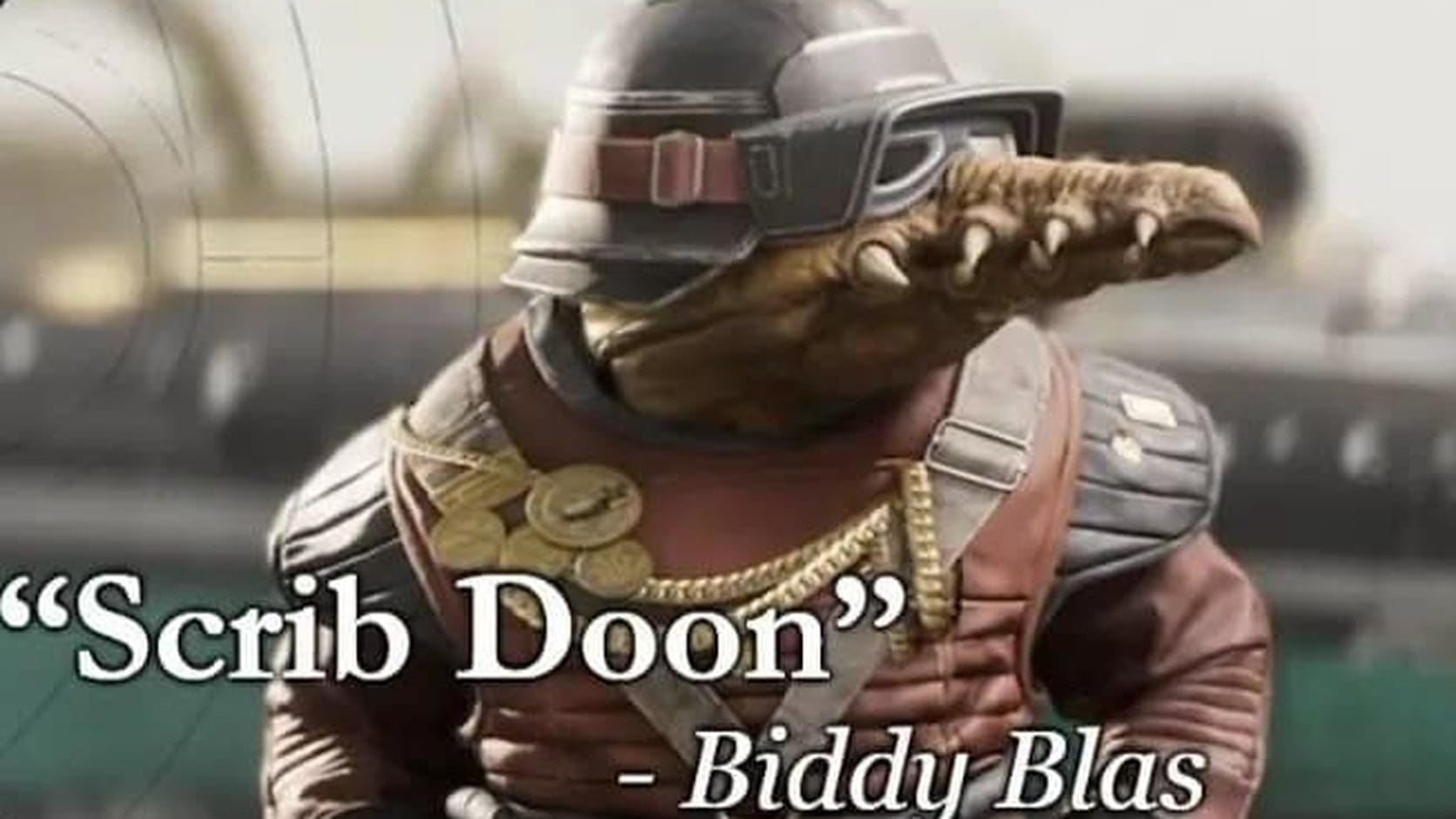
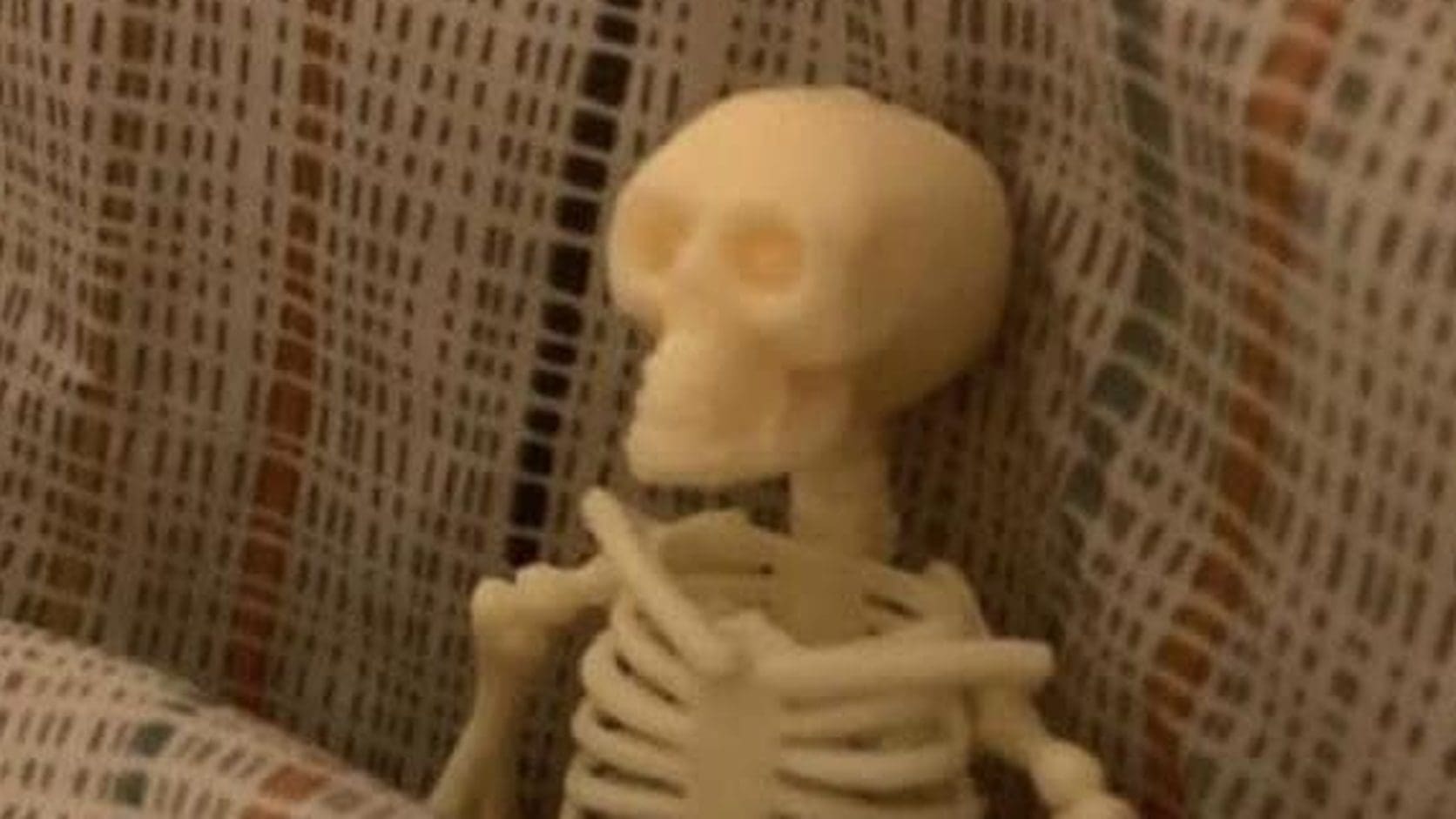
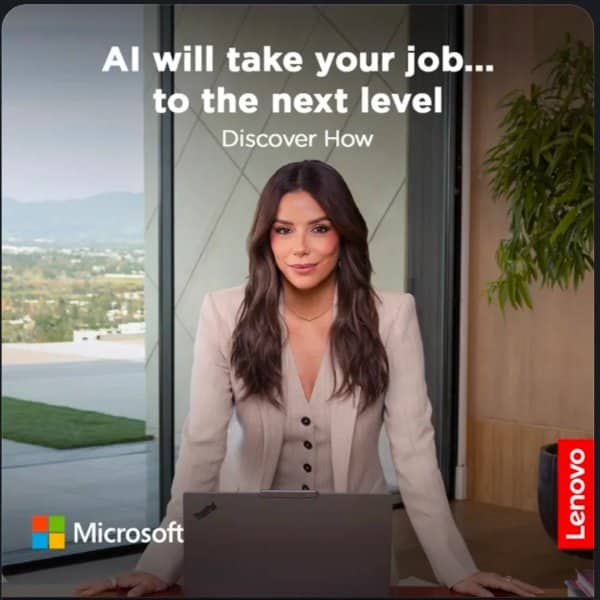
: I tried this platform and instead of Cameron Diaz's mansion, I got a studio apartment in Ohio that smelled like old soup.
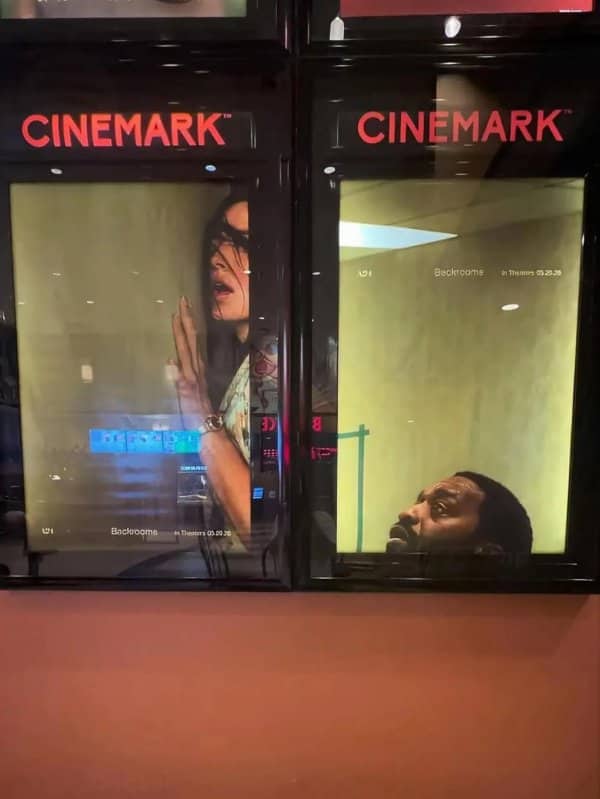
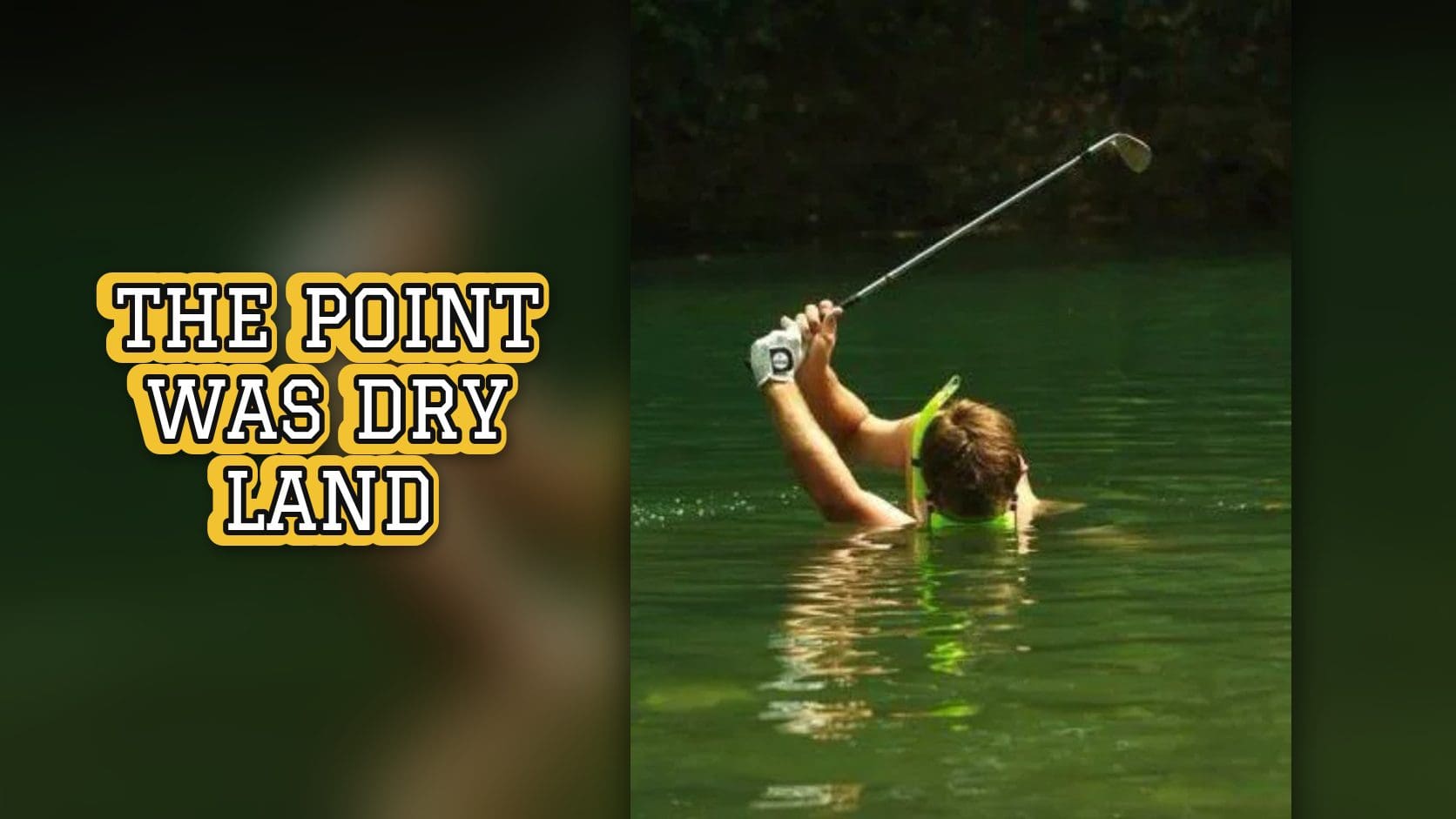
Graphic design is my passion, movie theater edition.

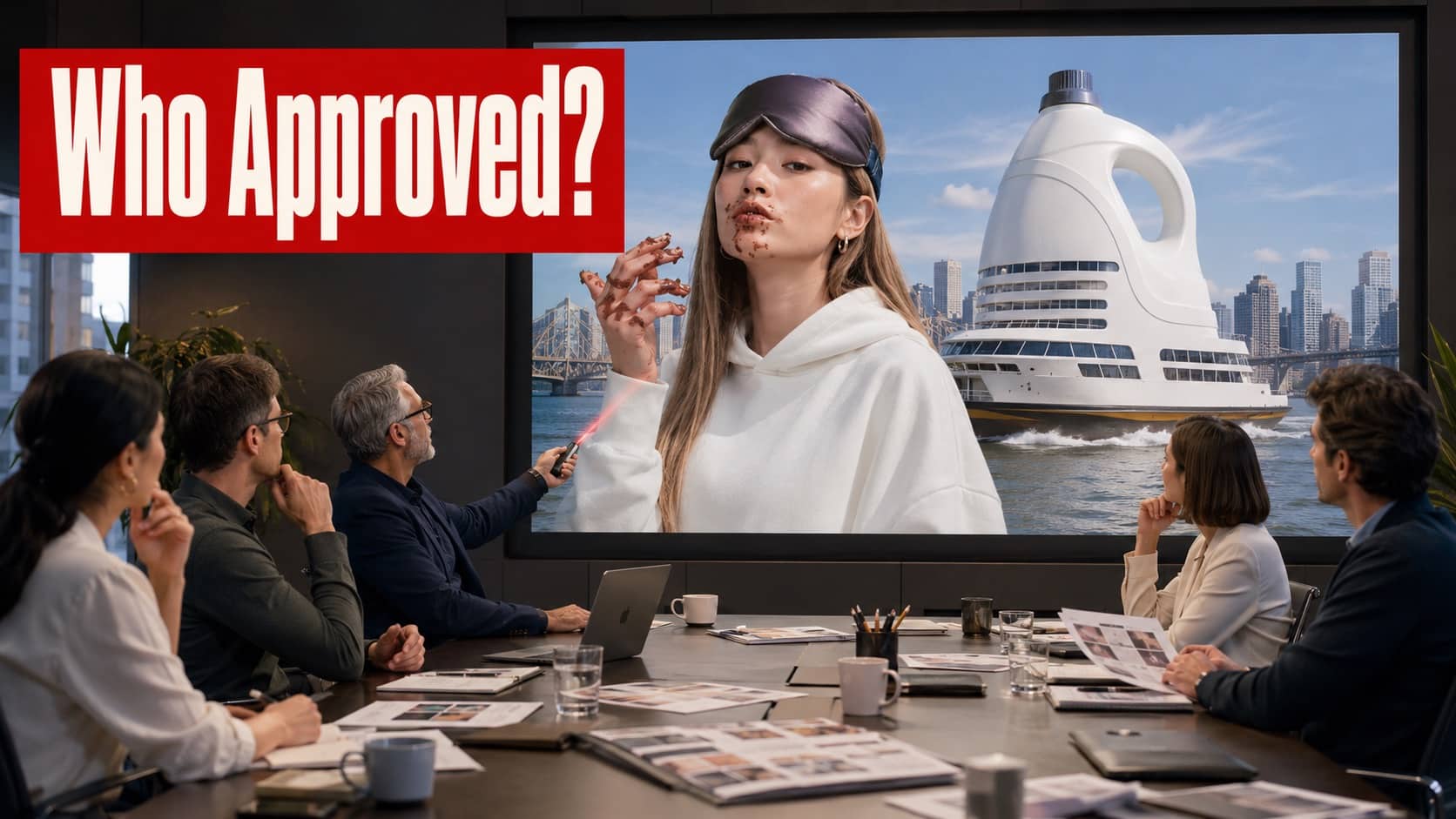
Nothing sells high-end loungewear quite like looking like a prime suspect at a Hershey factory.
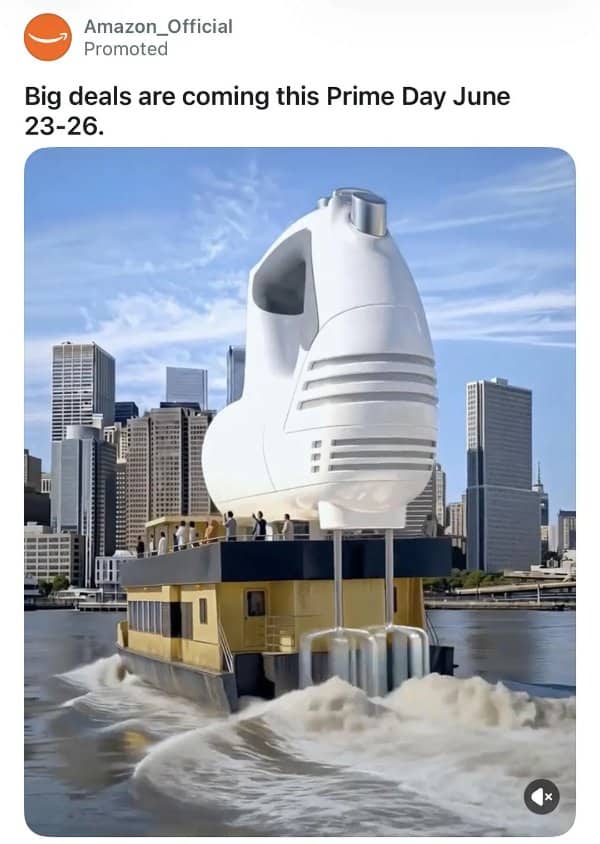


The absolute worst ad placement in internet history.



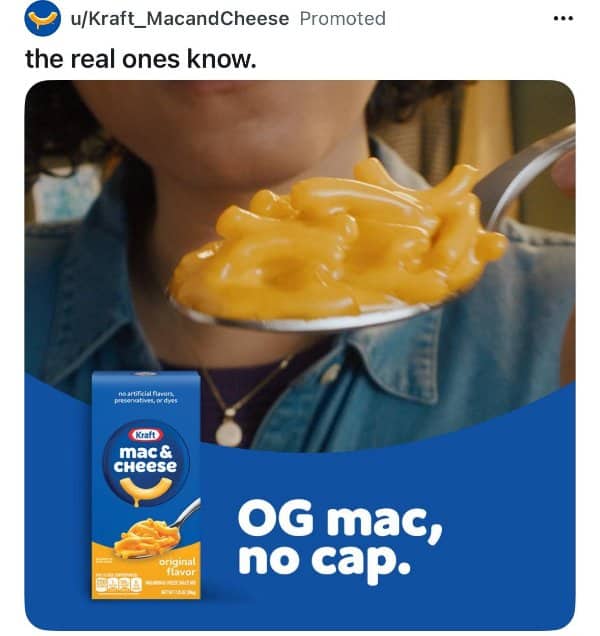
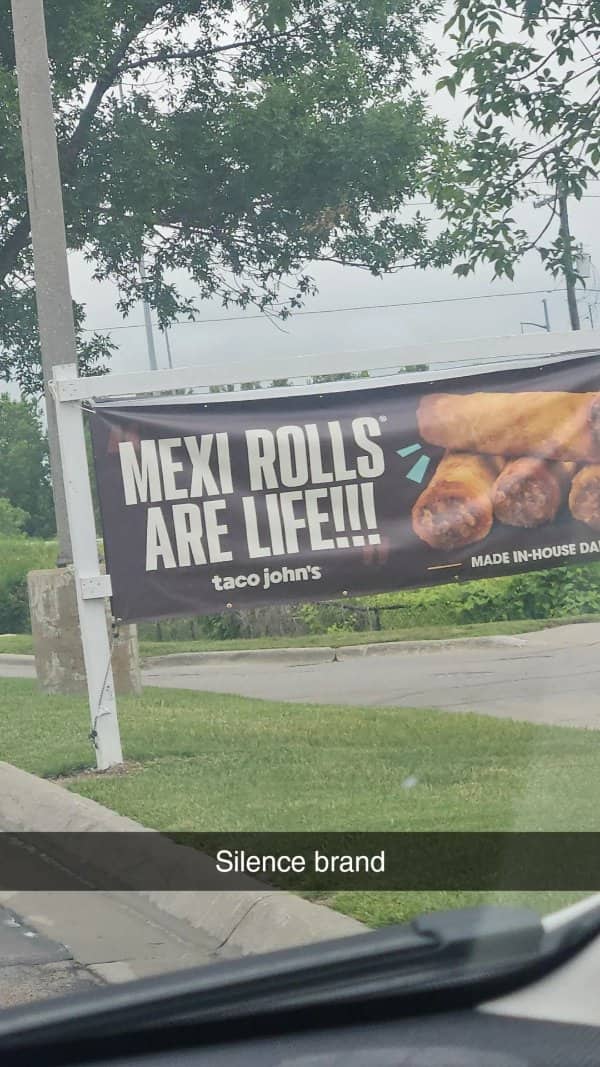
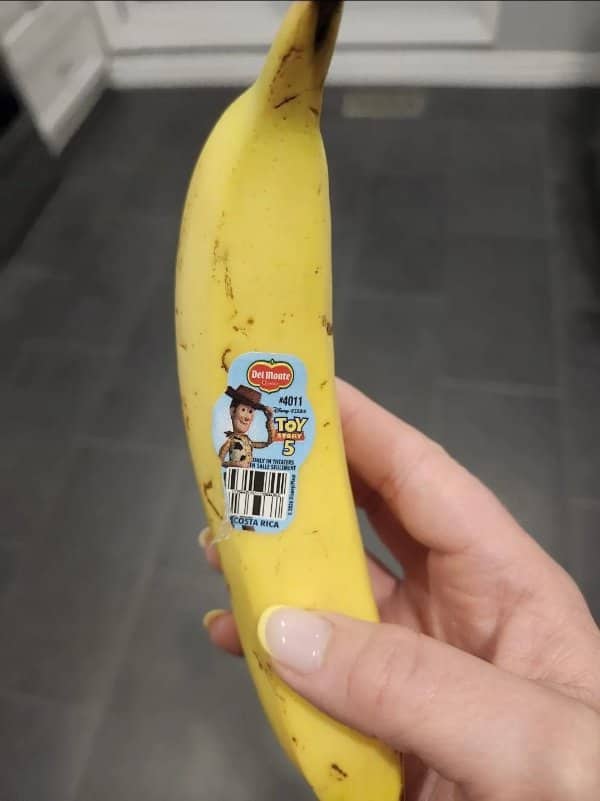

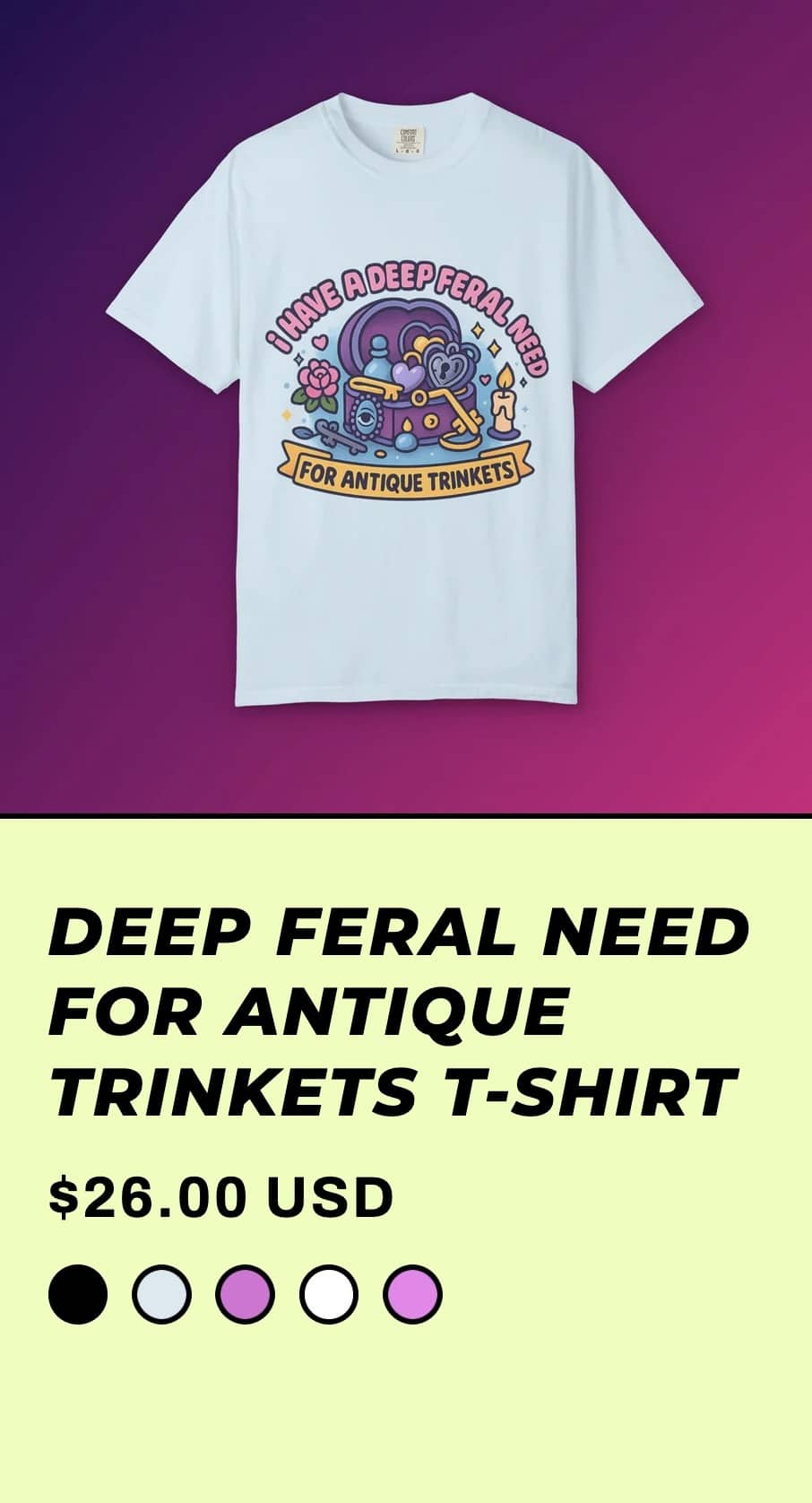
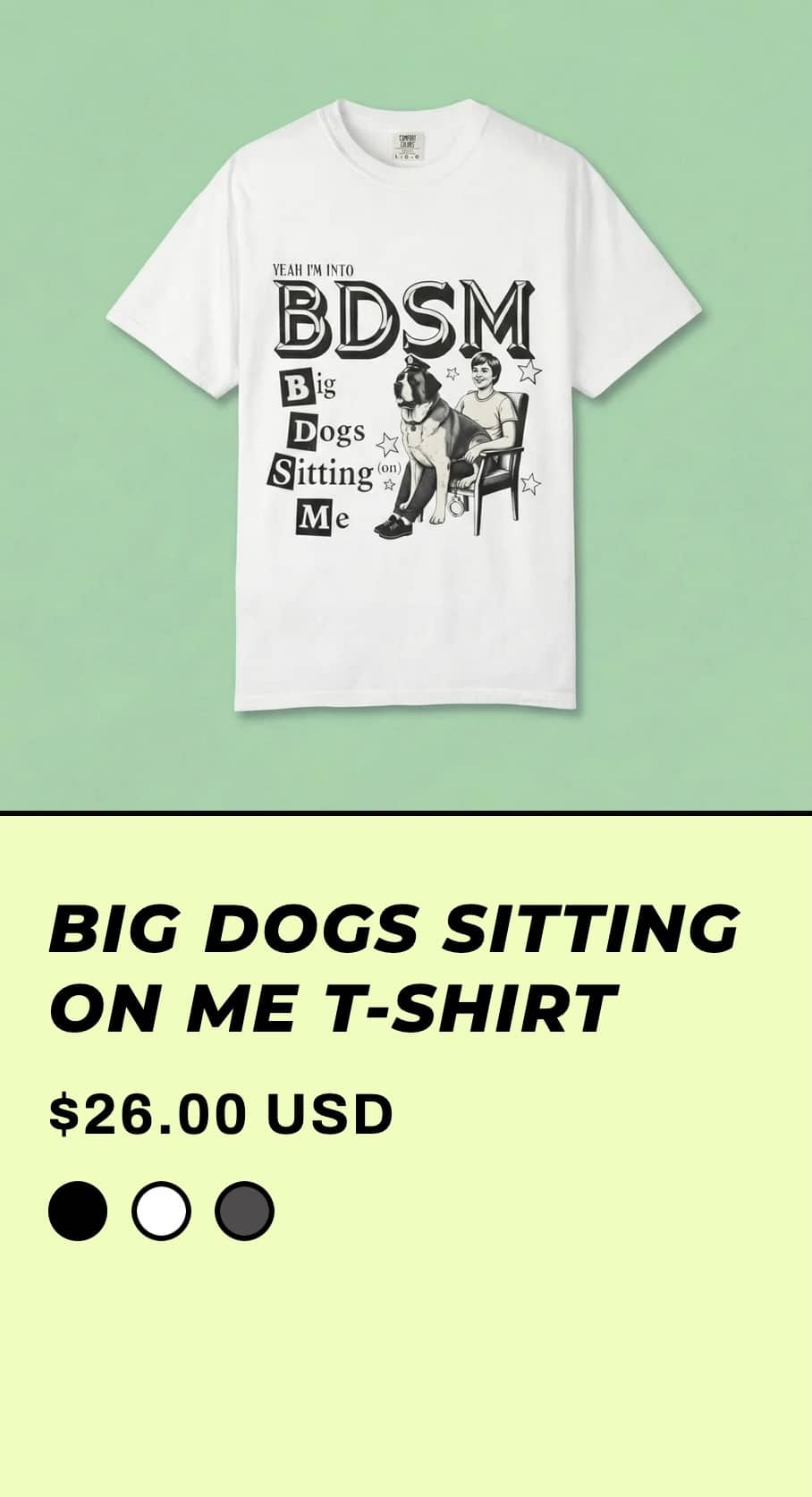

Bad ads
Read More
Look, the actual reason this lane of content keeps producing material is that the modern advertising process involves so many automated steps that the human review stage has, in many cases, quietly disappeared, and the disappearance produces a steady stream of disasters that nobody caught before publication. The marketing fails circulating online are essentially the documented evidence of this exact gap, where an ad that any human reviewer would have flagged in a half-second made it all the way to the public because, somewhere in the pipeline, no human reviewer was actually looking.
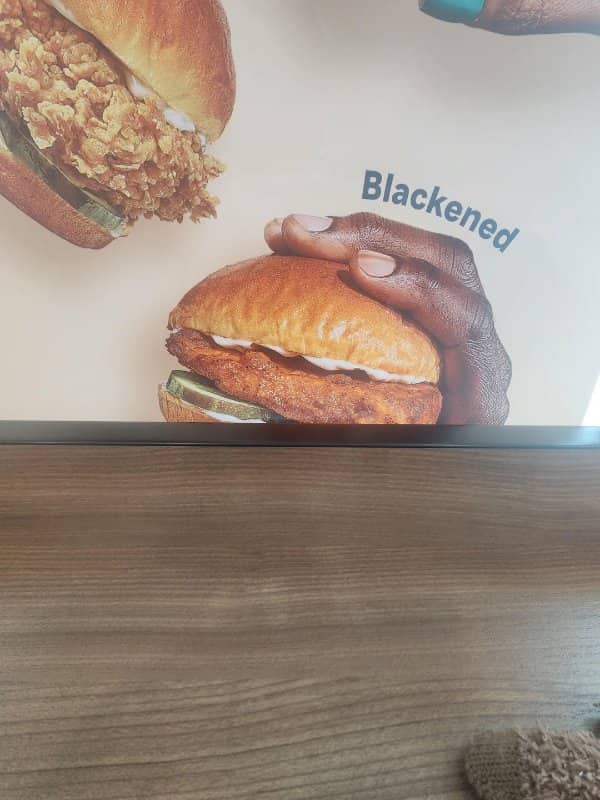
The layout content specifically is where this stuff gets genuinely cringeworthy. There is a particular flavor of advertising fail that involves a design that looks perfectly fine on a flat screen but falls completely apart the moment it enters physical reality, where a model is standing in the wrong place or two posters have been hung slightly out of alignment. The hilarious ad fails in this lane are essentially documenting the gap between the digital design environment and the physical world, and the gap is, frankly, where most of the comedy lives.
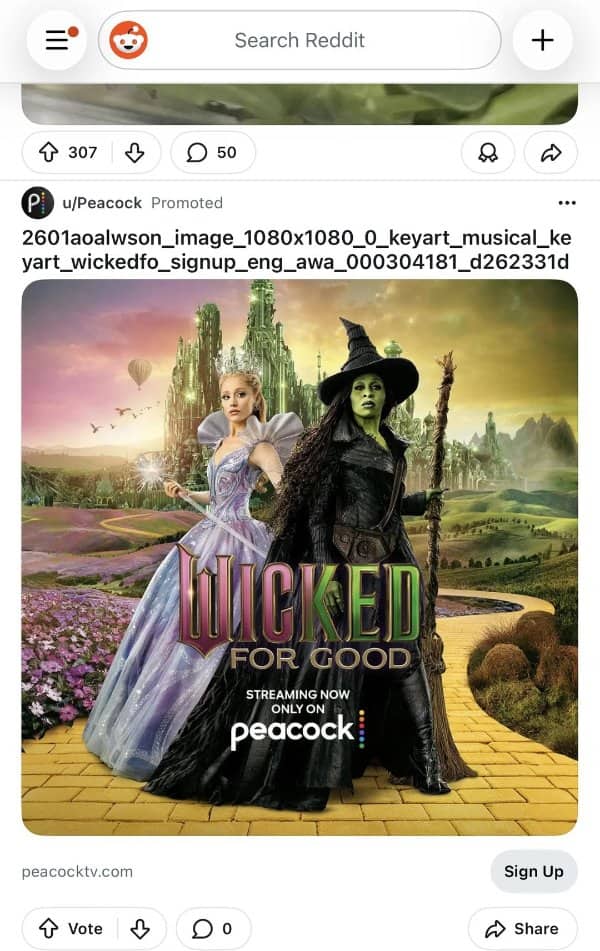
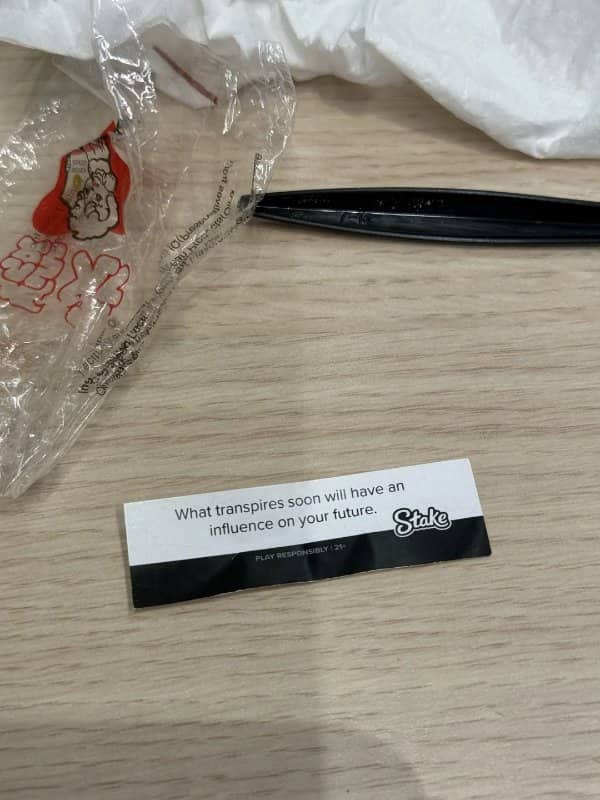
The algorithmic content has its own particular flavor of dark comedy. The automated ad placement that positioned a deeply inappropriate message next to a completely unrelated article. The AI-generated image that produced something genuinely unsettling. The terrible advertisement in this category is essentially documenting moments when the automation ran ahead of any human judgment, and the resulting disasters are, frankly, more entertaining than anything the marketing team could have produced intentionally.
The bigger thing happening across all this content is that the advertising industry has, over the past several years, automated so much of its production pipeline that the human checkpoints have, in many cases, been quietly eliminated, and the elimination produces a steady stream of public failures that the industry would, mostly, prefer to forget. The bad ads that travel the furthest are essentially the documented evidence of this exact shift, where a mistake that a single human reviewer would have caught in 1995 now reaches the public because there is, increasingly, no single human reviewer left in the process.
The funny advertising content that endures tends to involve this exact accountability gap, where the audience has decided that being entertained by corporate failures is, in many cases, more satisfying than being persuaded by polished campaigns. The audience is not, mostly, mocking individual workers. The audience is mocking a process that has, on close examination, mostly stopped checking its own work, and the process, frankly, deserves it.
The tools were there. The review was skipped. The fail is online. The internet has, somehow, become the last quality control department the industry has left.
If the corporate disasters were your kind of fun, our marketing fail content is right where you’d want to land next, and we’ve got plenty of brand blunder archives, design fail threads, and advertising disaster compilations for anyone whose feed appreciates a polished campaign collapsing in real time. Print the receipts.
Read Memes
Get Paid


Jake Parker, known around the web as "Jay," is a digital writer with over 10 years of experience covering internet humor, meme trends, and viral content. Before joining Thunder Dungeon, Jay was the lead editor at MemeWire, where he helped curate memes that broke the internet, including coverage on trends like Distracted Boyfriend, Kombucha Girl, and Bernie Sanders’ Mittens. A self-proclaimed "professional procrastinator," Jay spends his downtime scrolling Reddit and Twitter to stay ahead of what's about to break the internet next.