
A meme has just compared the daily experience of being looked over by every potential romantic interest to the texture of being a hot dog on the ground that nobody’s hungry enough to pick up. The metaphor is beautiful. The metaphor is also, sadly, accurate. These self deprecating memes are the small communal acknowledgment that life is mostly humbling, and the internet has built an entire economy around making that humbling experience funny enough to share. The 3 a.m. brain dumps are in here. The “I’m fine” mask is in here. Let’s get into it.

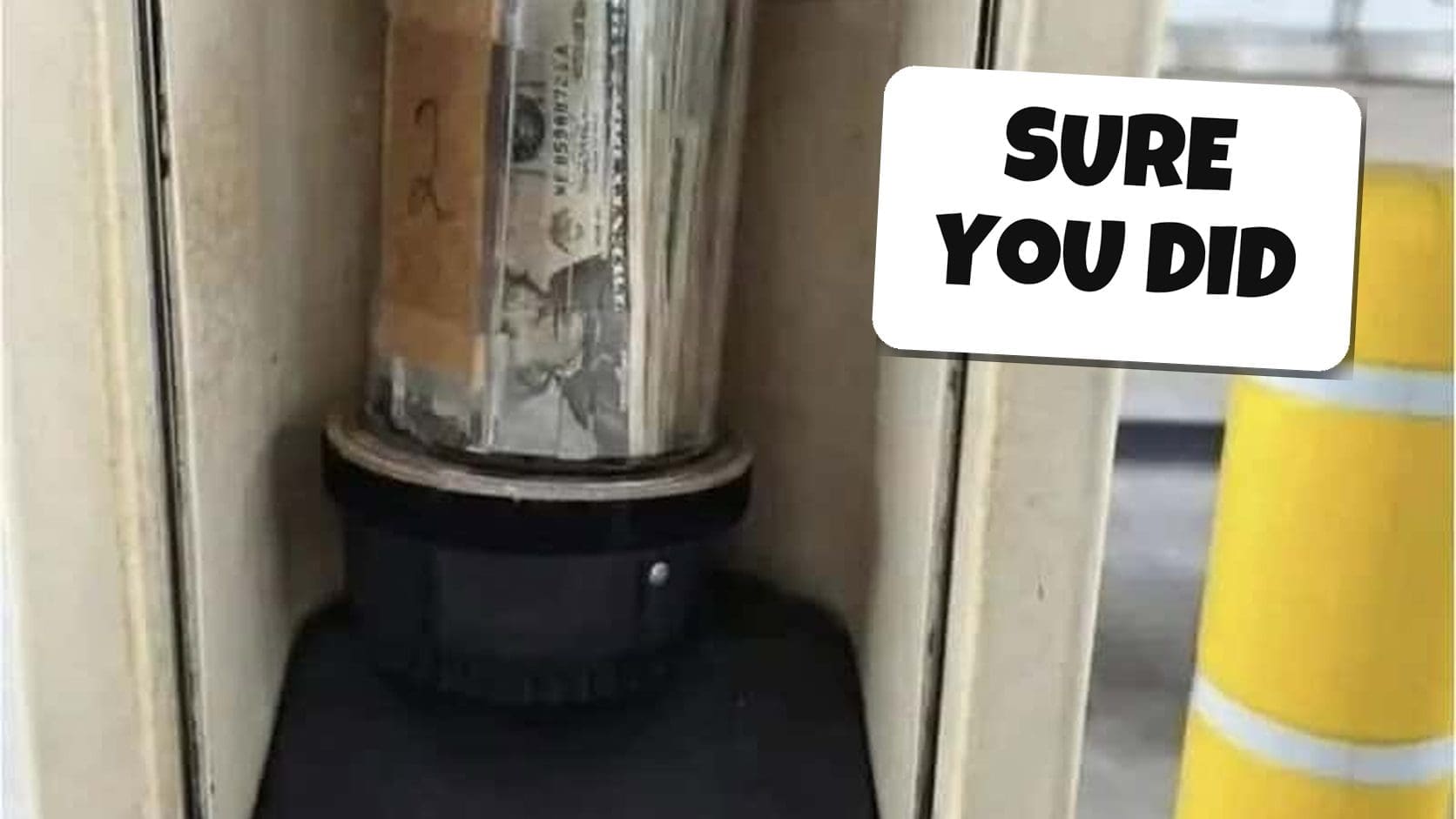
I’m not saying I’m a catch, I’m saying I’m technically edible in a survival situation.
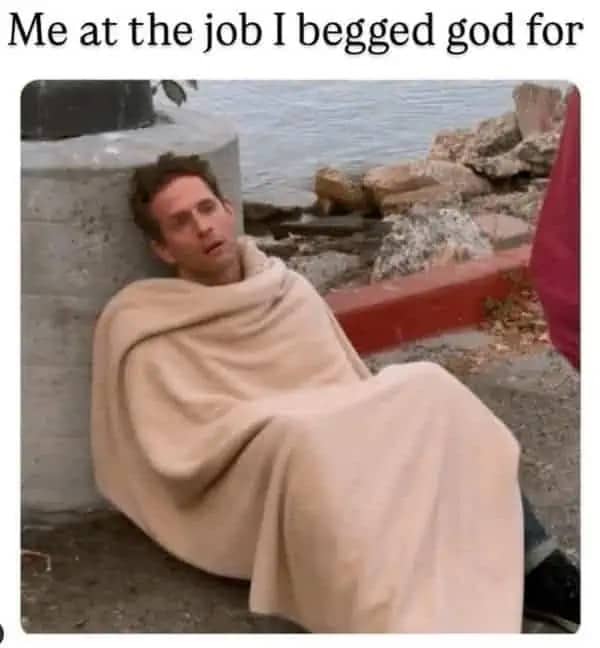
The "dream job" is starting to feel a lot like a recurring nightmare.
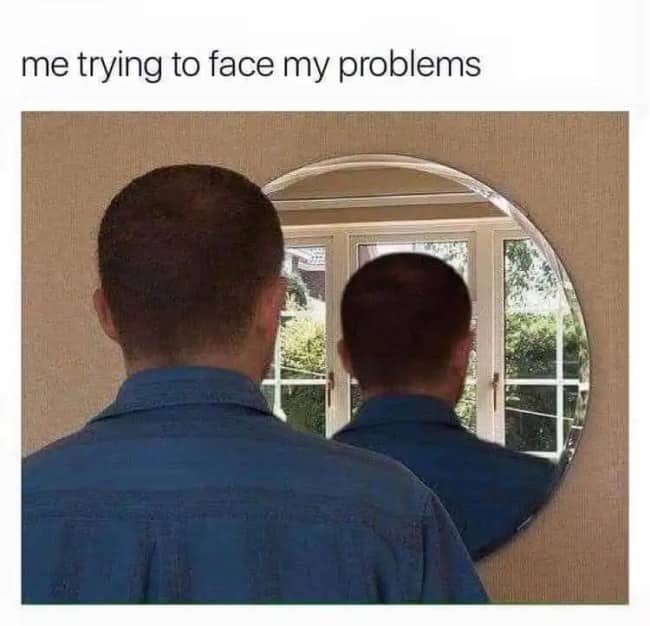
If I can't see my responsibilities, they can't see me. That’s science.
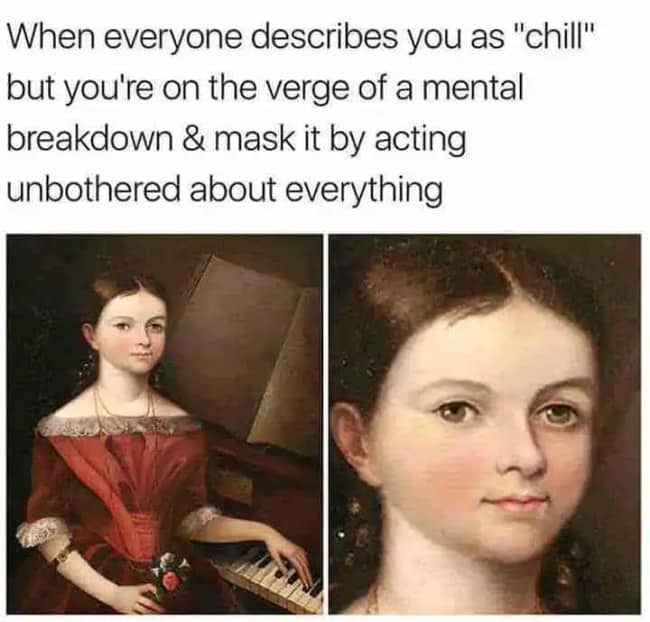
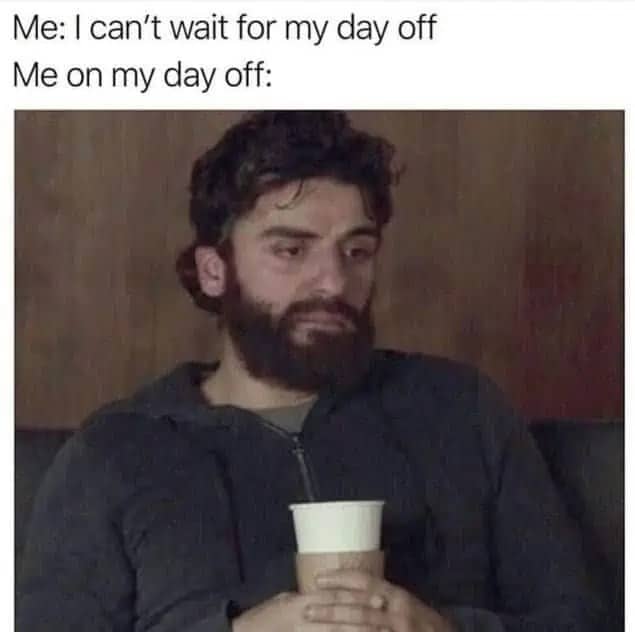
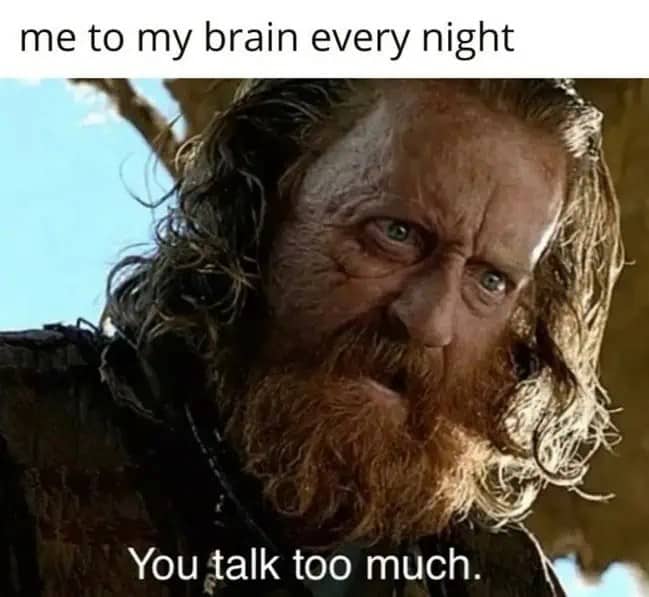
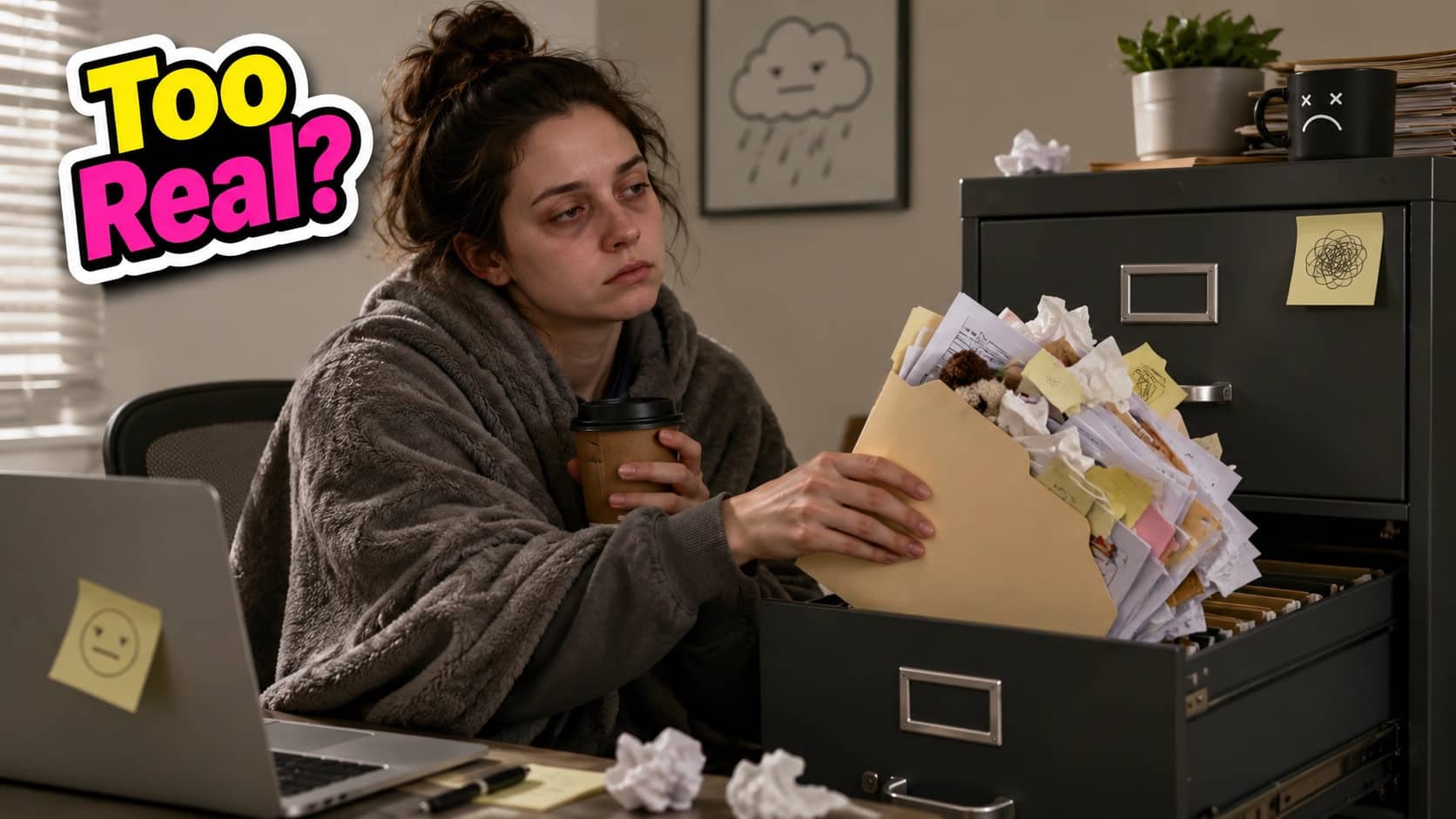
Me at 3:00 AM: "Remember that time you said 'you too' to the waiter in 2012?"
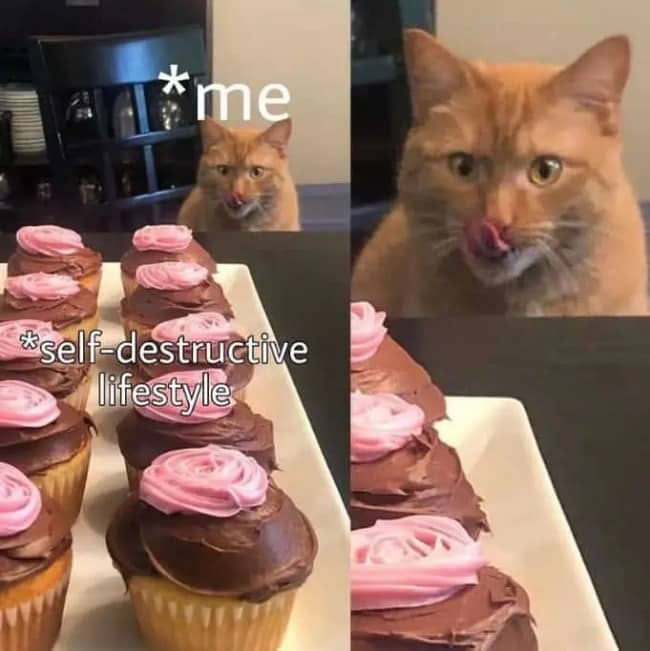
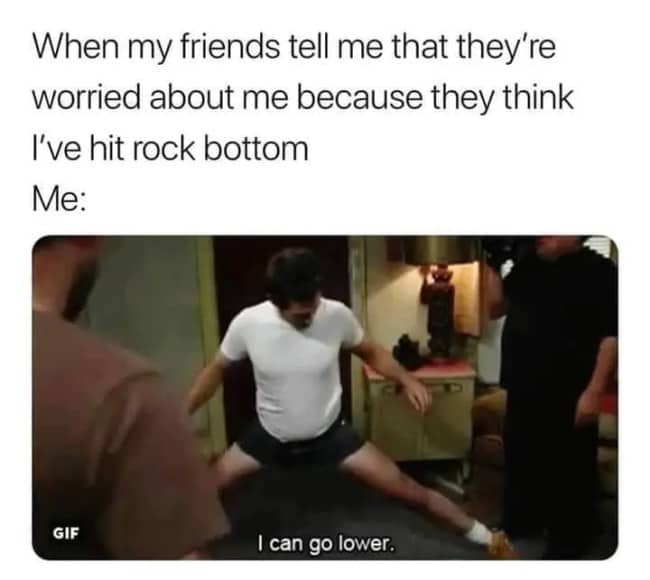


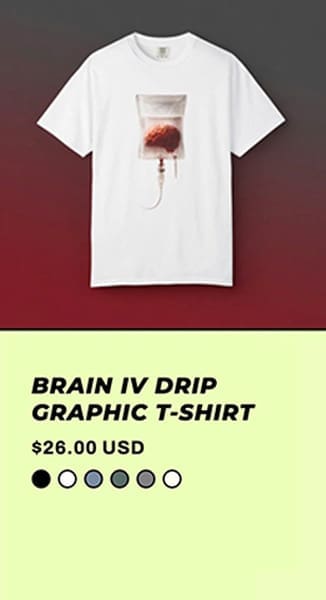

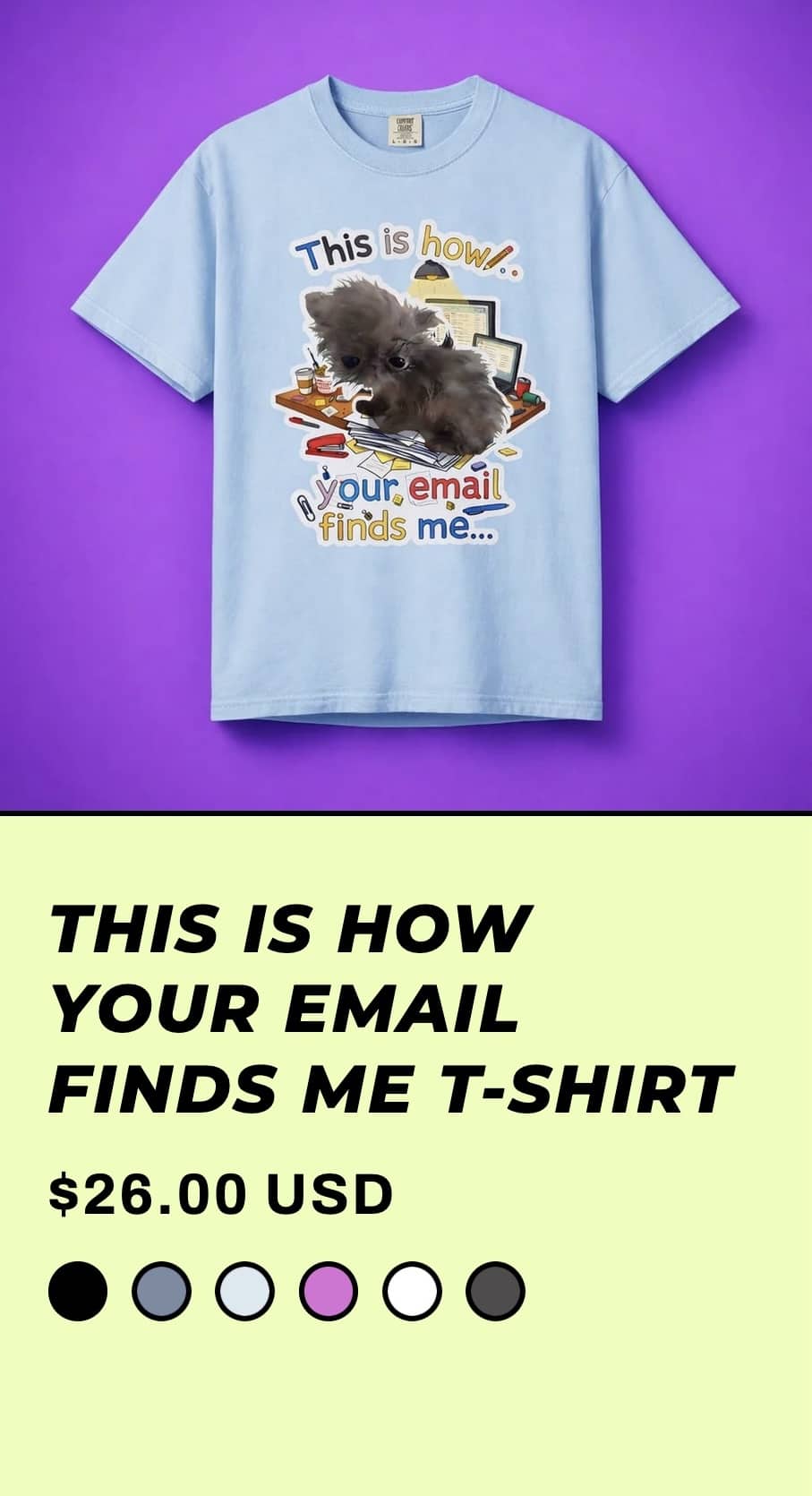


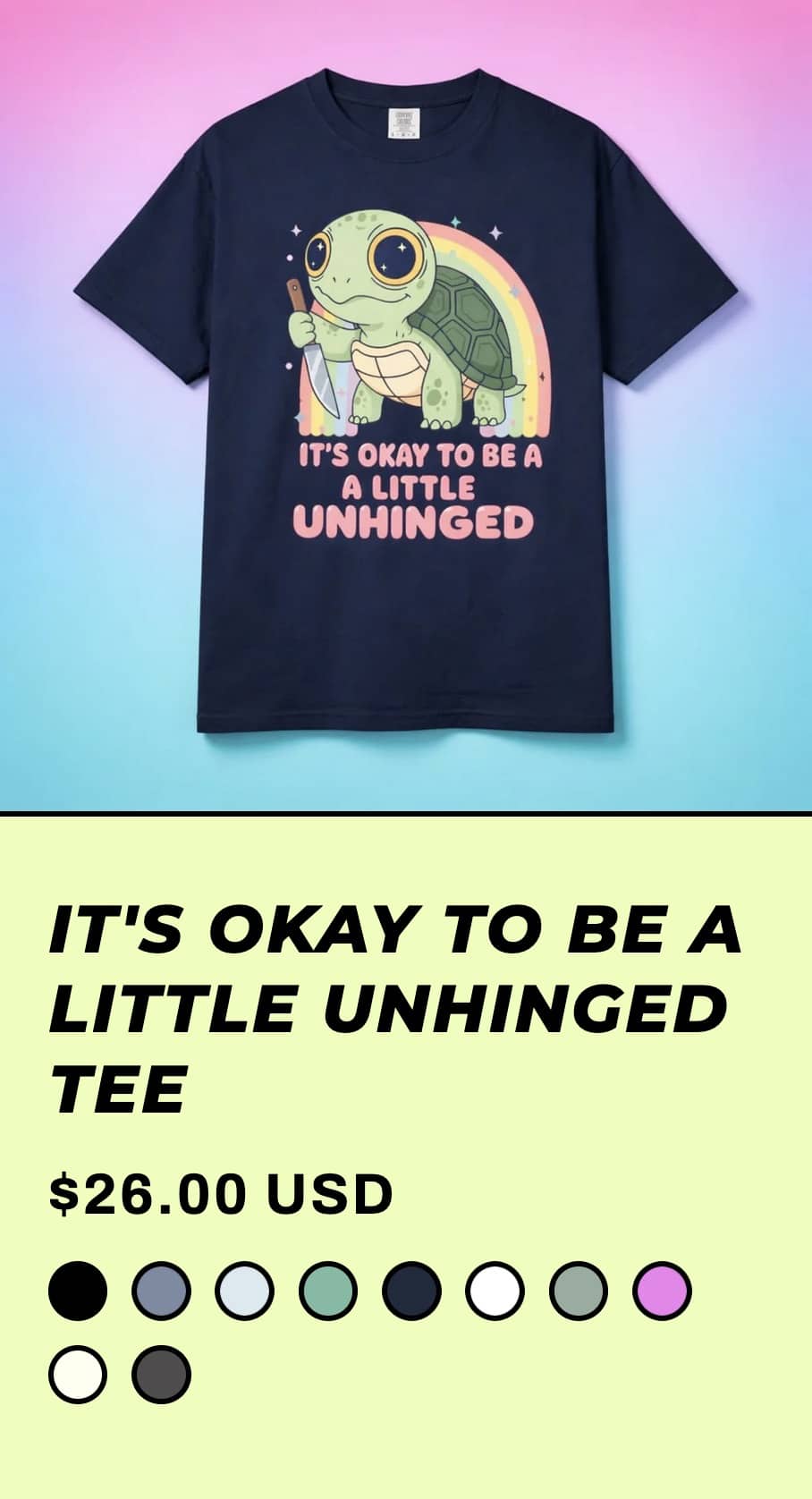
Self deprecating memes
Read More
The self-deprecating meme economy exists because the alternative is genuinely bleak. Most adults are tired, slightly broke, mildly anxious about the next decade, and at least one bad night’s sleep away from being unable to function. That’s a lot of weight to carry around silently, and historically, people have either carried it silently or gone to therapy. The funny relatable memes that flood timelines now are essentially a third option, where the weight gets carried out loud, in public, with jokes attached, and the audience nods because the audience is also carrying the same weight.
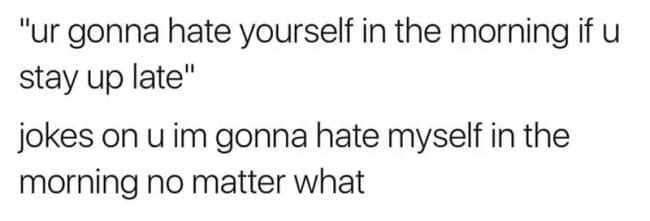
What’s interesting about the genre is how unified it is across demographics. The 3 a.m. brain dumps land for everybody. The “begged for this job and now I want to un-beg” energy is universal. The “I will hate myself in the morning regardless of whether I sleep” insight is the kind of thing that gets the same response from a 22-year-old in Brooklyn and a 38-year-old in Sacramento. The dark humor memes that work the best are the ones that name a specific feeling everybody has been quietly carrying around without realizing it was nameable.
There’s also a structural element to why this stuff goes viral so reliably. The format is honest, but only barely. The jokes never tip into actual sadness, because actual sadness is hard to share. They live in the territory of “I am being humbled by my life and I am, simultaneously, making it into content,” and that calibration is harder than it looks. The relatable humor memes filling this gallery are the result of careful tonal balance, even when they’re written in five minutes at 2 a.m. on a Tuesday.
The other thing this genre does is offer a kind of low-stakes solidarity. Nobody in the comments is solving anybody’s problems. Nobody is offering advice. The whole exchange is a shared “yes, same, same, same,” and the same-ness is, weirdly, the medicine. We’re not getting better, exactly. We’re just getting clearer that we’re not getting better alone, and somehow that’s enough to keep going.
What this whole genre is really doing, beneath the gentle suffering, is reframing the cultural relationship with admitting that things are hard. There was a time, not that long ago, when admitting you were tired, anxious, or stuck was considered a kind of personal failure to be hidden. The self deprecating memes have, slowly, replaced that with a public language where the admission is the entire point. People are not just allowed to be openly struggling. They’re, on some level, expected to be, and the openness is presented as a sign of being self-aware rather than weak.
This is, on balance, healthier than the previous arrangement. The fact that an entire generation can swap “I want to scream but my brand is sarcasm” energy and have everybody laugh in recognition is, structurally, a public mental-health gain. The memes are not therapy. The memes are not a substitute for therapy. The memes are just the first thing a lot of people see in the morning, and the first thing they see in the morning is now an acknowledgment that the day is hard, and that acknowledgment makes the day slightly easier.
There’s also a small generational thing happening that’s worth naming. The people writing this stuff grew up online, watched the previous generation suffer in silence, watched the wellness industrial complex try to repackage suffering as a product, and decided to opt out of both. The funny relatable memes are essentially a third path, where the suffering is acknowledged, monetized only lightly, and shared widely. We are all the meme. We are all in the meme. The meme is, in its small way, holding us together.
If the gentle suffering hit the right spot, broader relatable adulting memes live in this exact wheelhouse, dark humor compilations cover similar territory, and general “I am unwell but funny about it” content keeps the supply flowing. Bring a blanket. Stay as long as you need.
Read Memes
Get Paid


Alex Thompson has been chronicling internet culture and meme phenomena for nearly seven years. Starting at CollegeHumor and later becoming lead meme editor at Mashable, Alex has covered everything from vintage internet memes like Rickrolling to recent viral events such as Corn Kid and Grimace Shake. With a keen eye for what connects and entertains digital audiences, Alex writes with humor, relatability, and deep knowledge of online culture. At Thunder Dungeon, Alex is the go-to source for meme analysis, viral breakdowns, and internet nostalgia.