
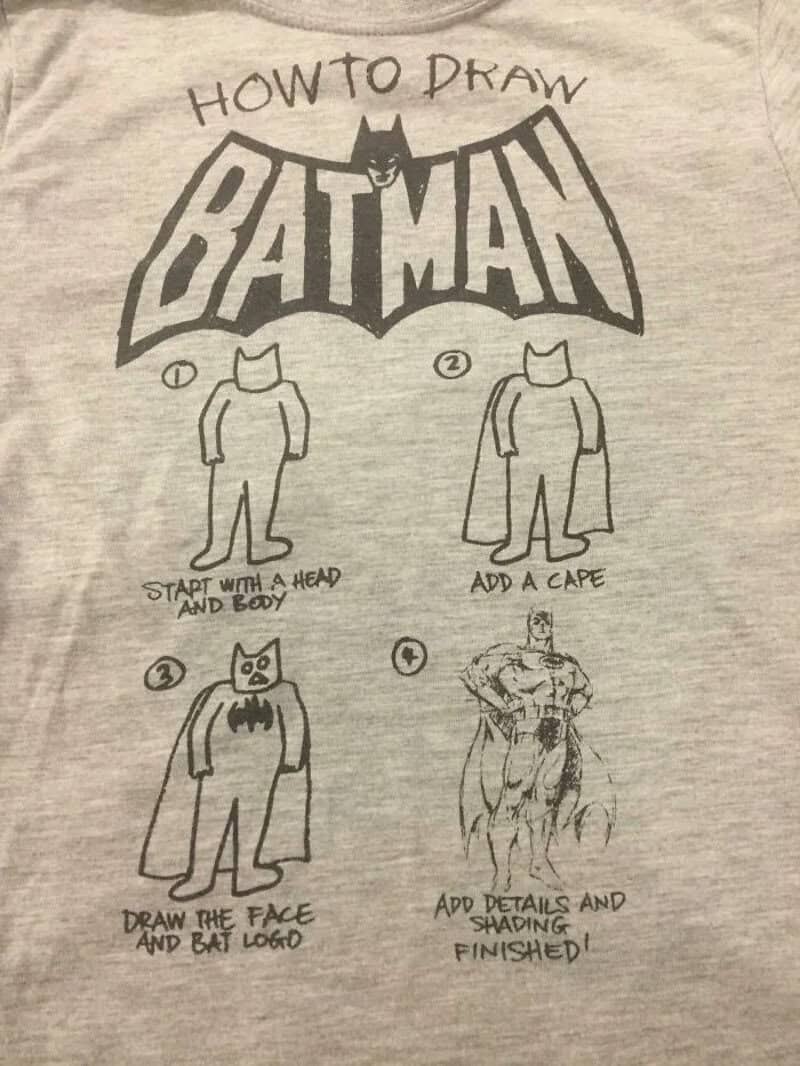
I have followed a tutorial. I have arrived at step four and discovered that step four is not a step, it’s a completed masterpiece, and steps one through three were a circle and two lines. These unhelpful instructions are that betrayal, collected. Somewhere a person who already knew how to do the thing wrote a guide for people who don’t, and skipped everything that mattered. I’ve got the failed result right here. Let’s figure out where it went wrong.
Finally, a drawing tutorial that speaks my language.
Easy as pie!
Just magic it into existence.

Rise and grind!
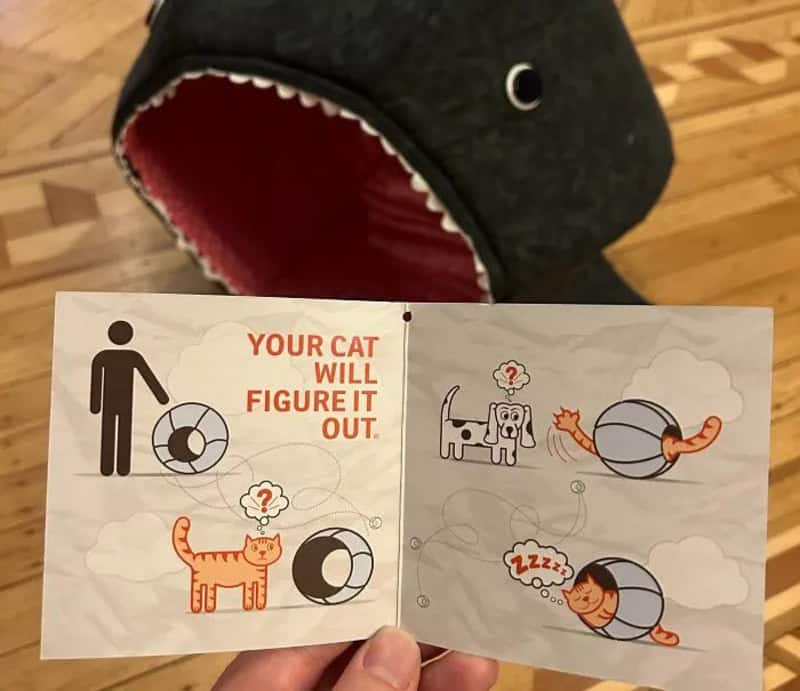
User manual? Nah, figure it out yourself, fluffer.
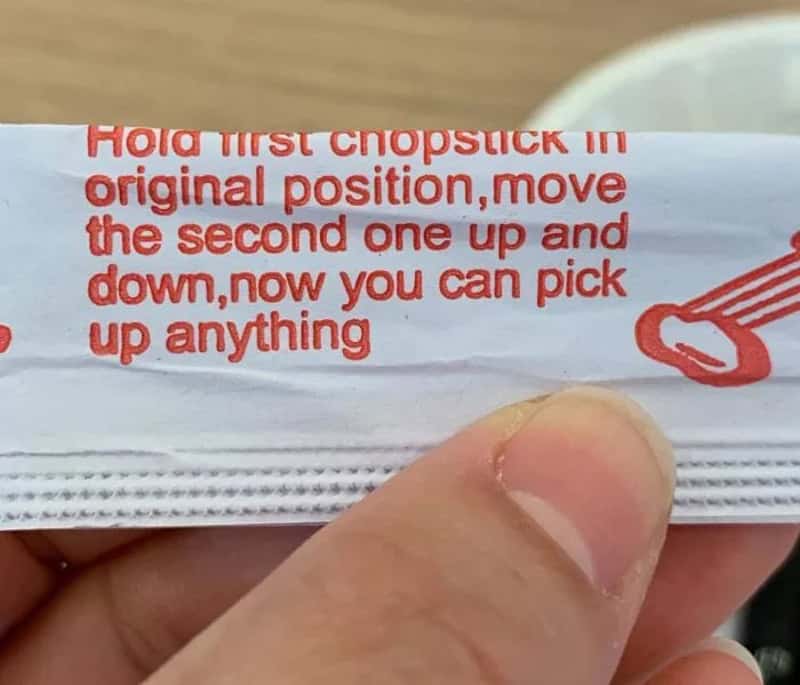
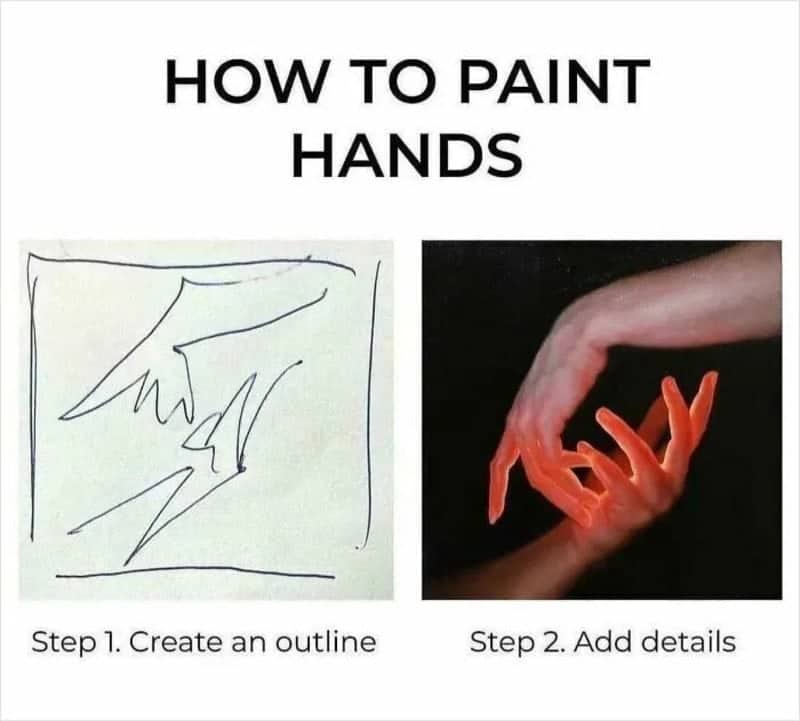
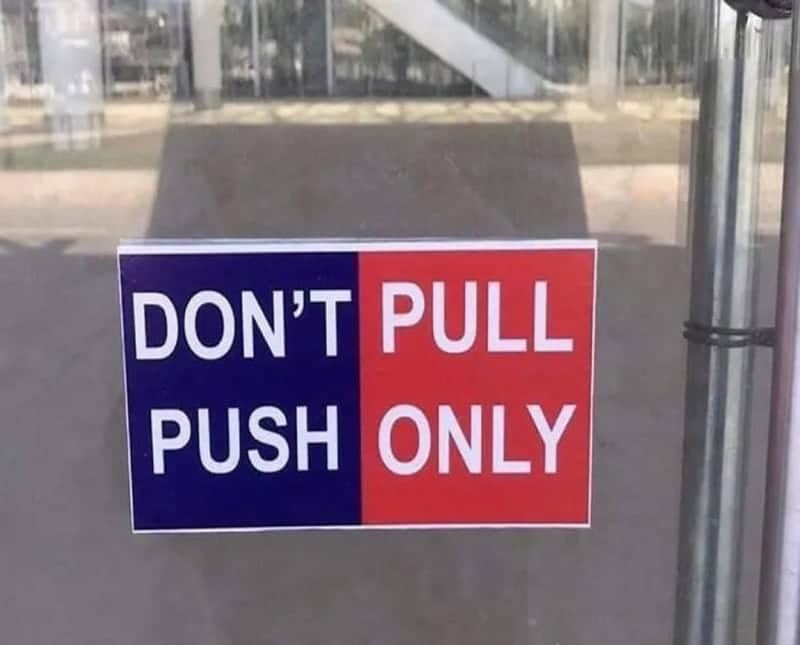


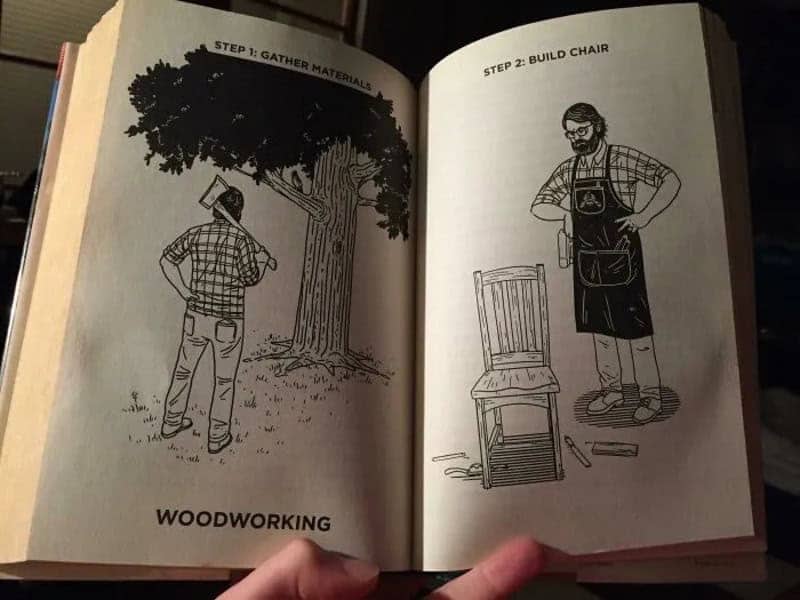
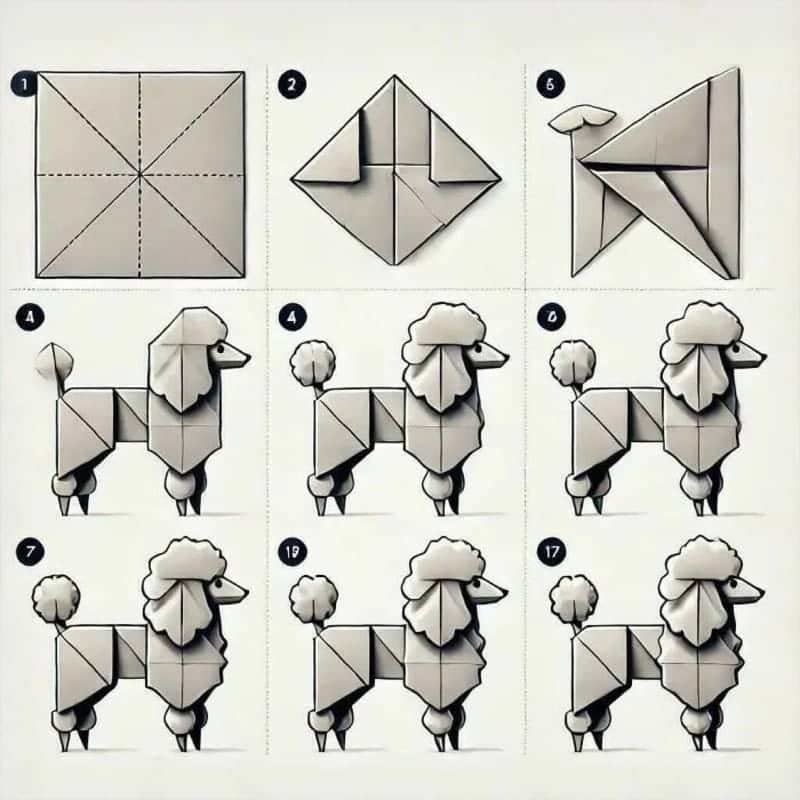
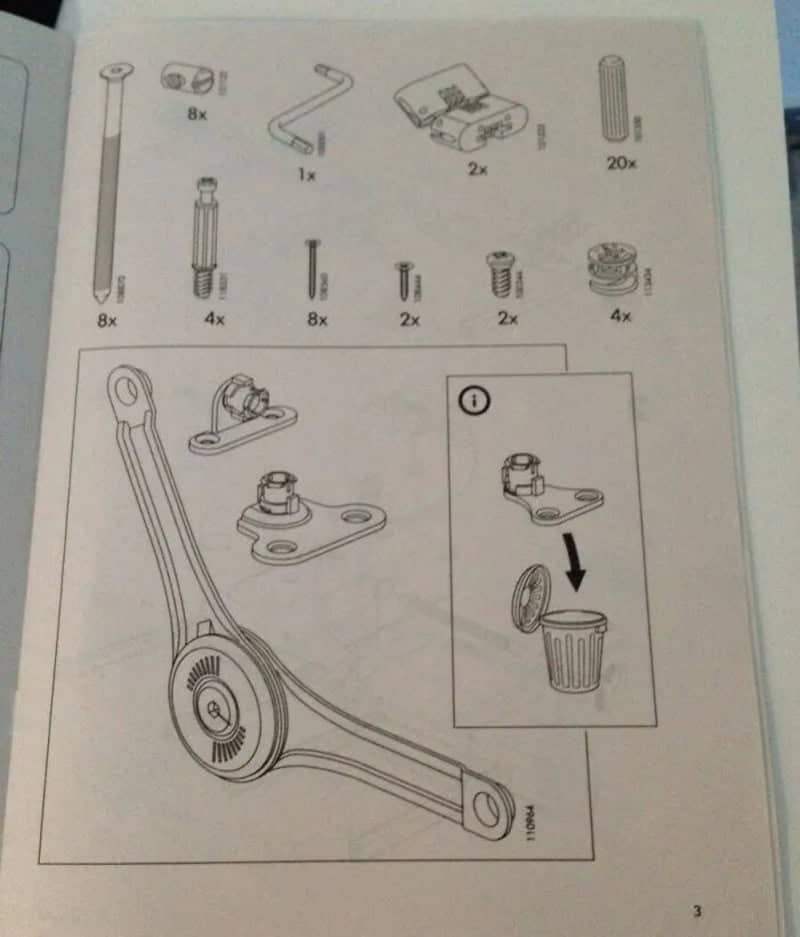

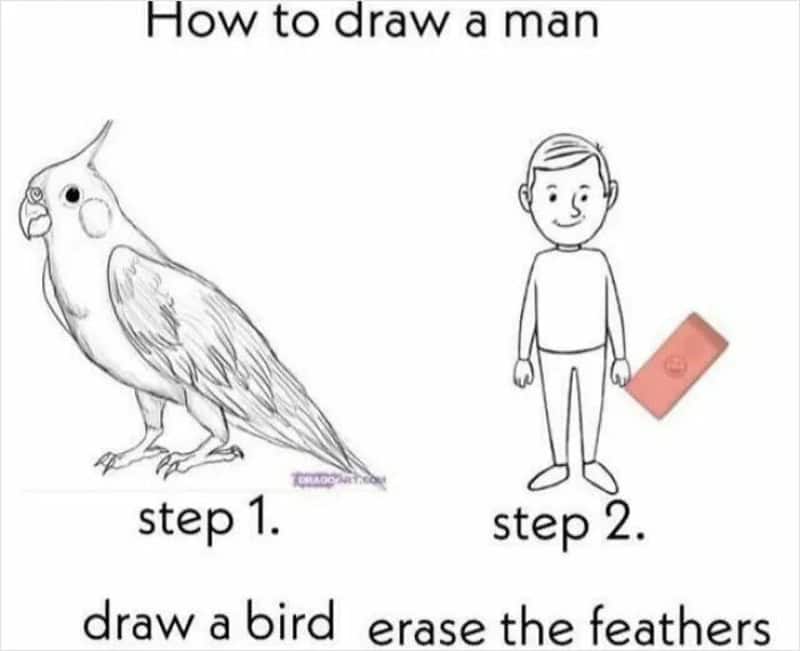
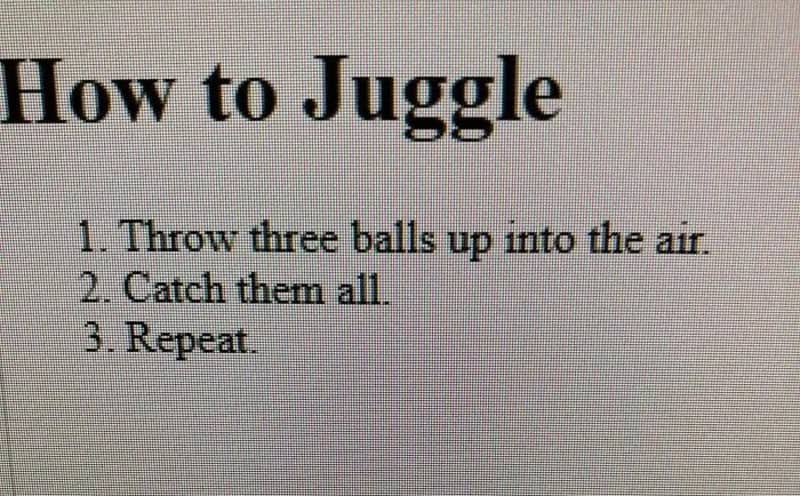
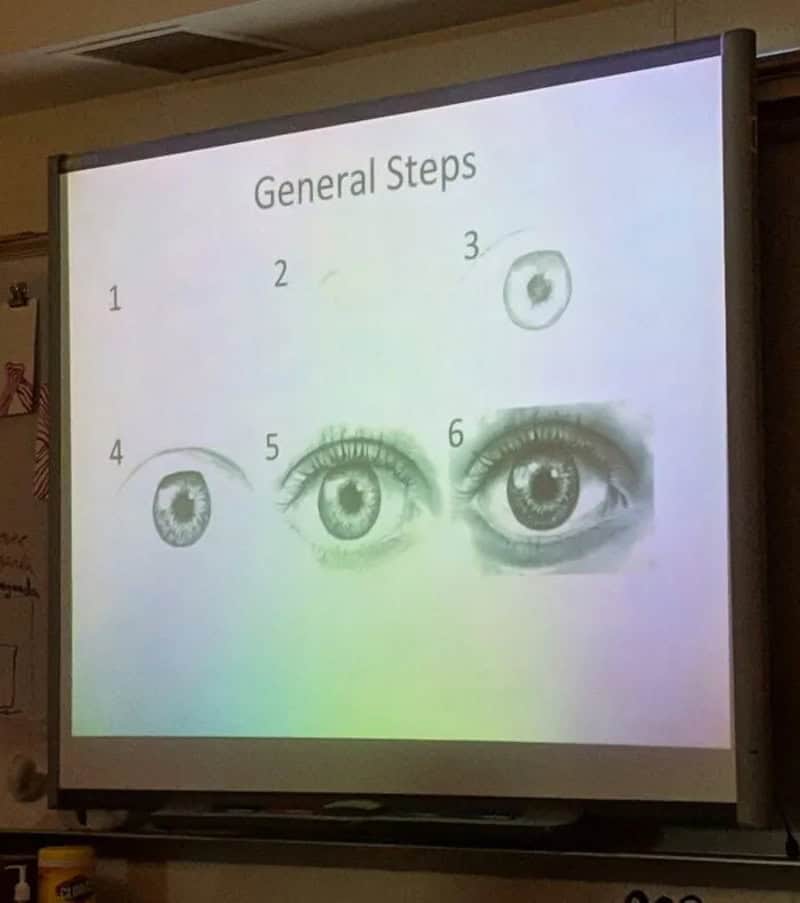
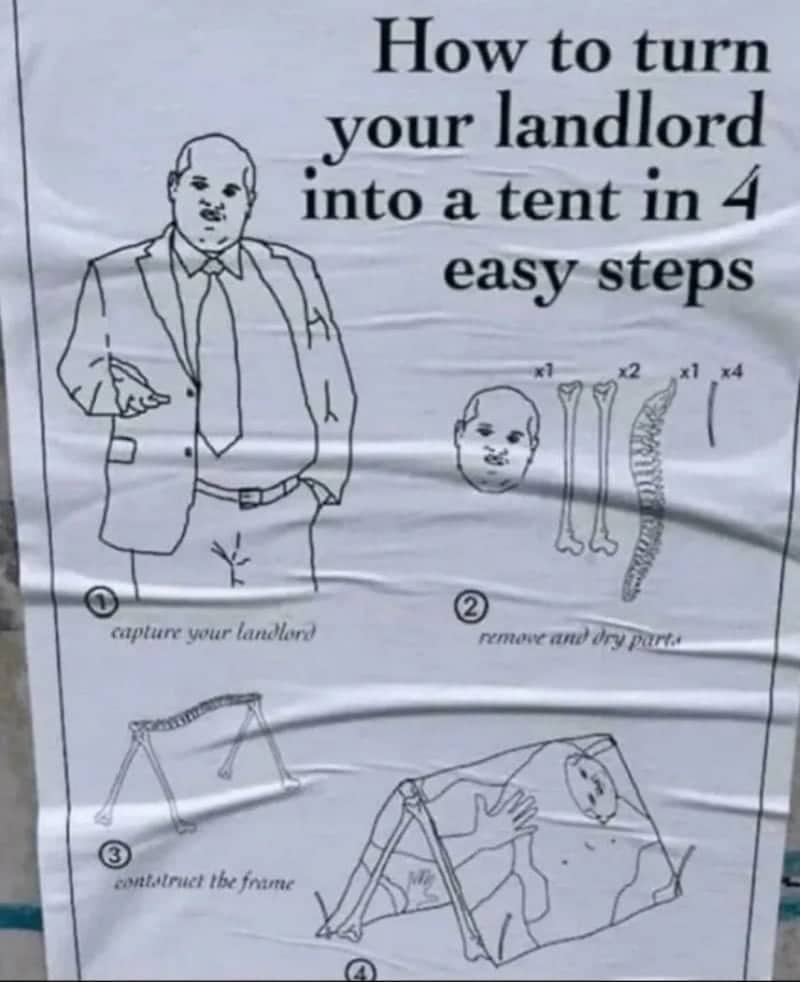
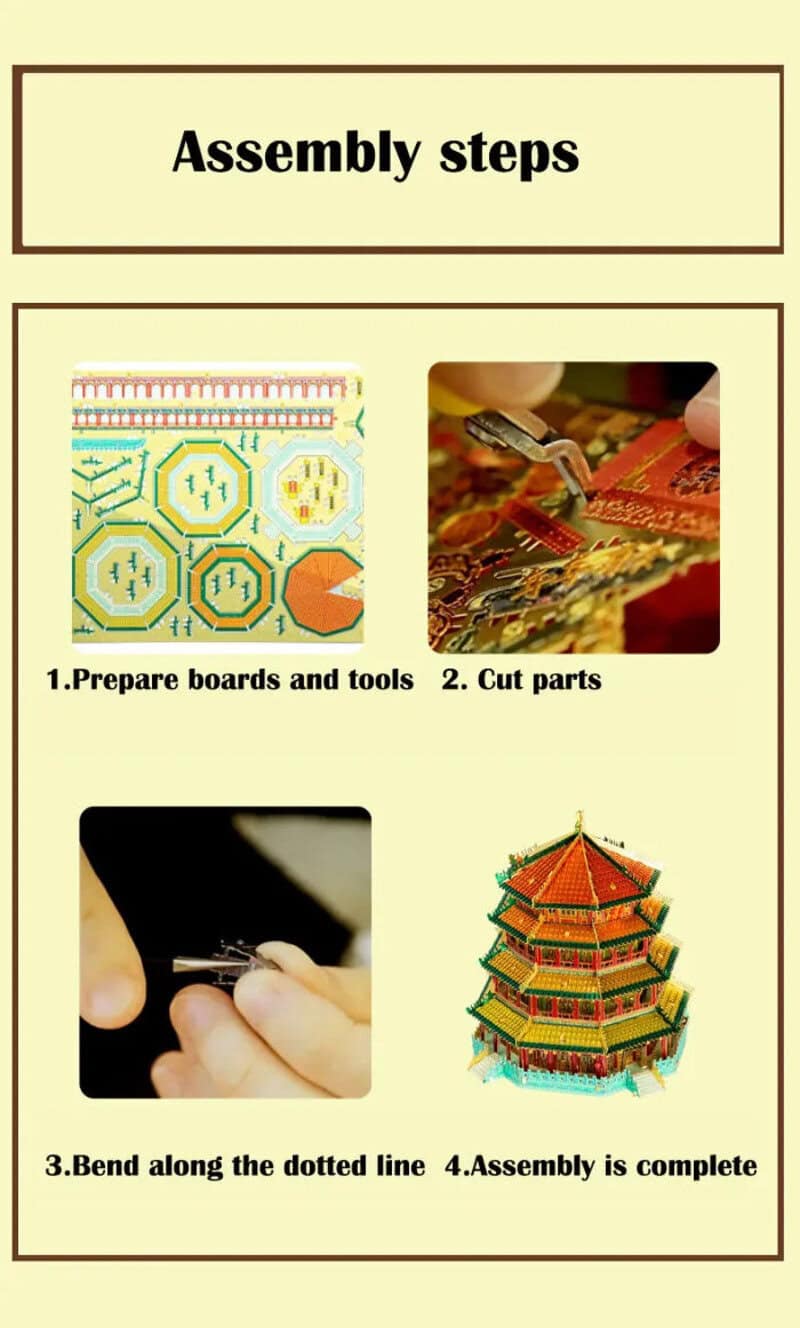
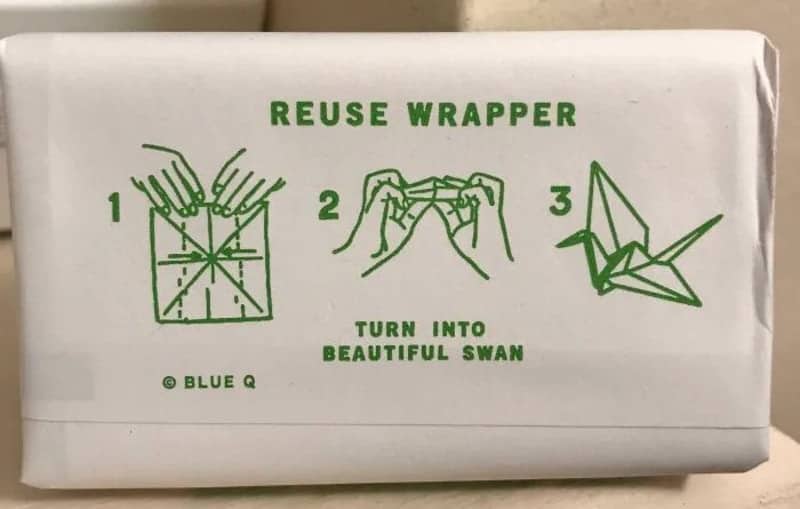

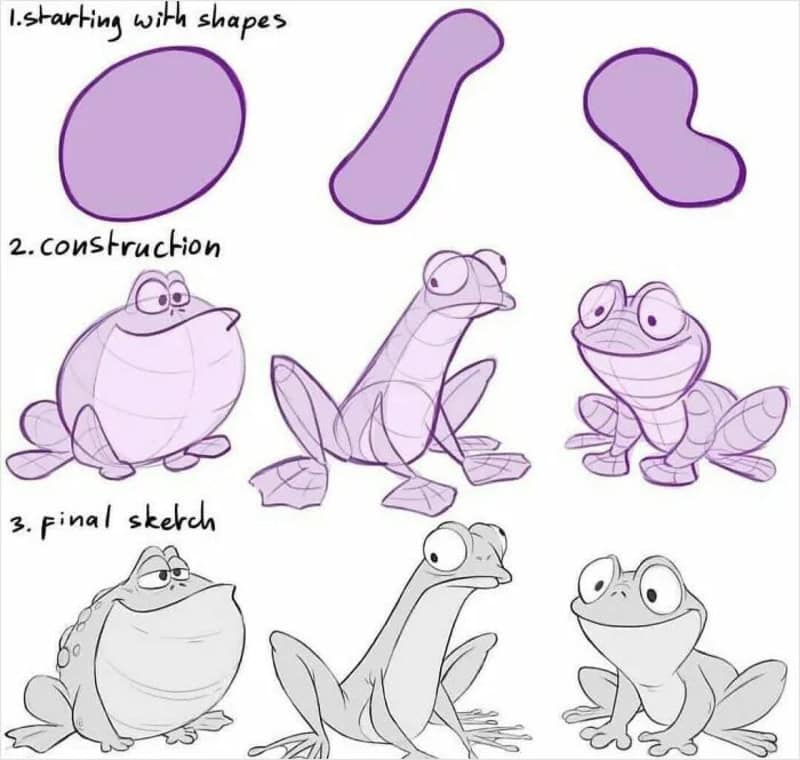
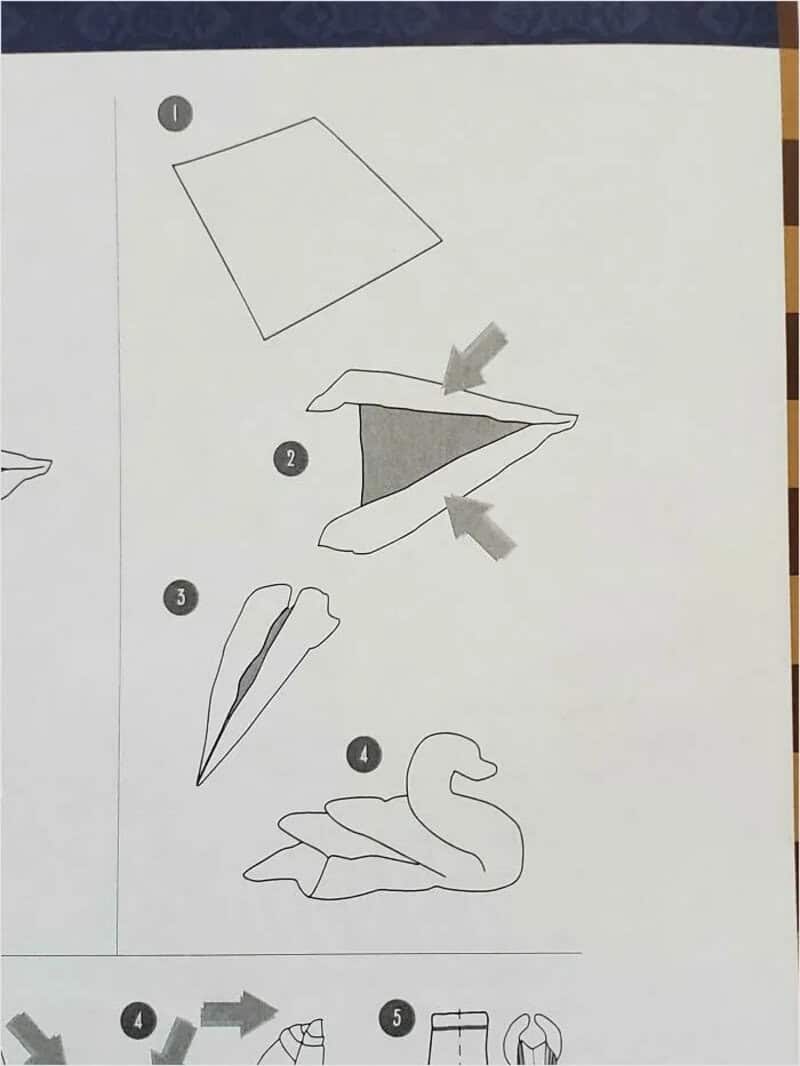
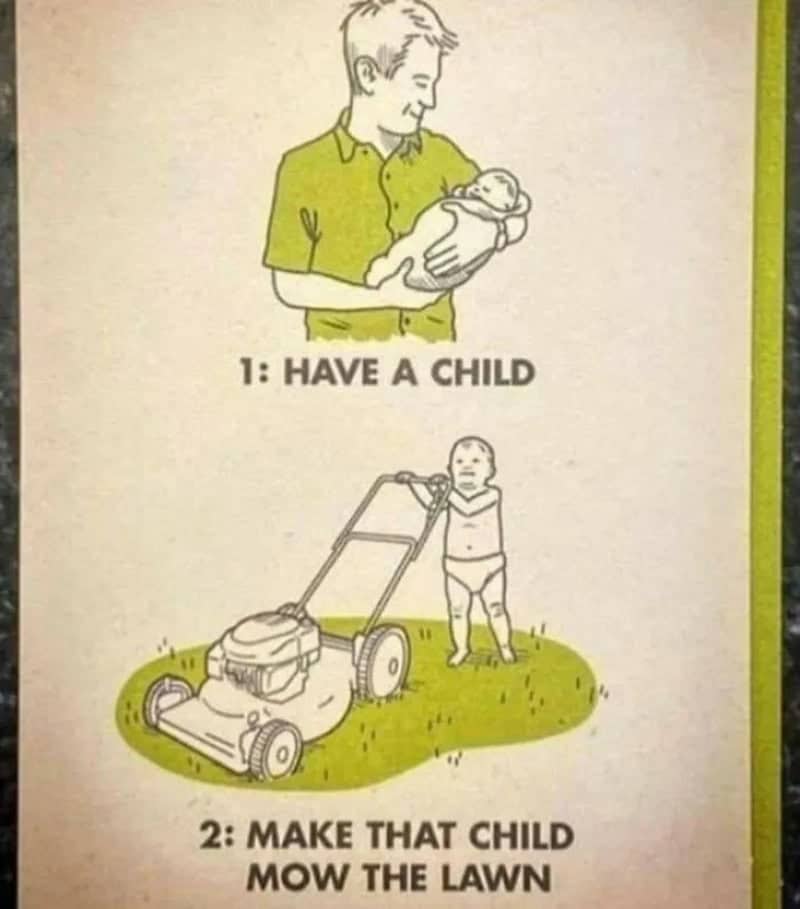





Unhelpful instructions
Read More
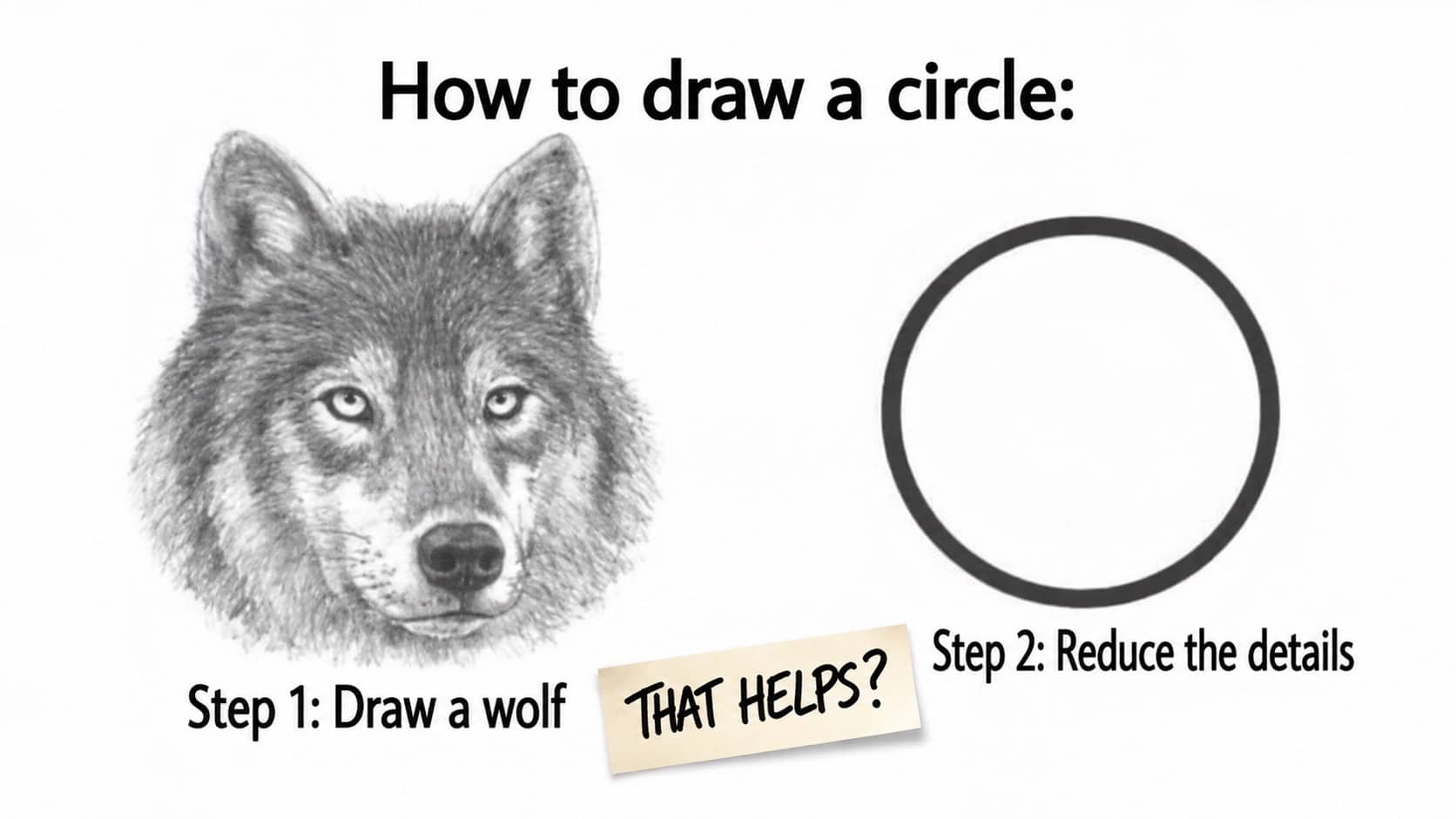
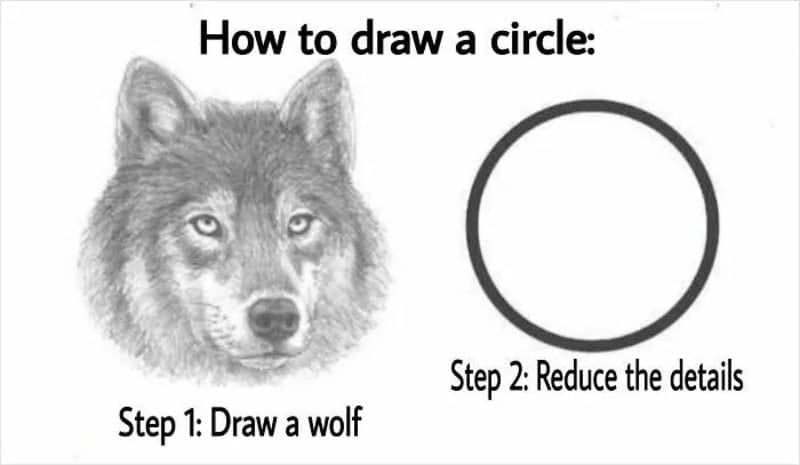
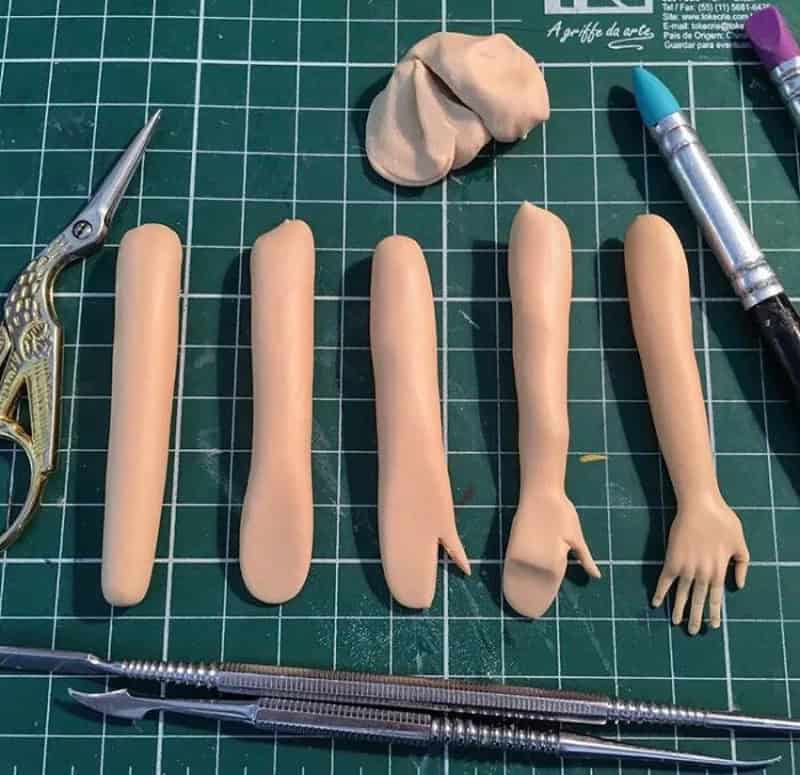
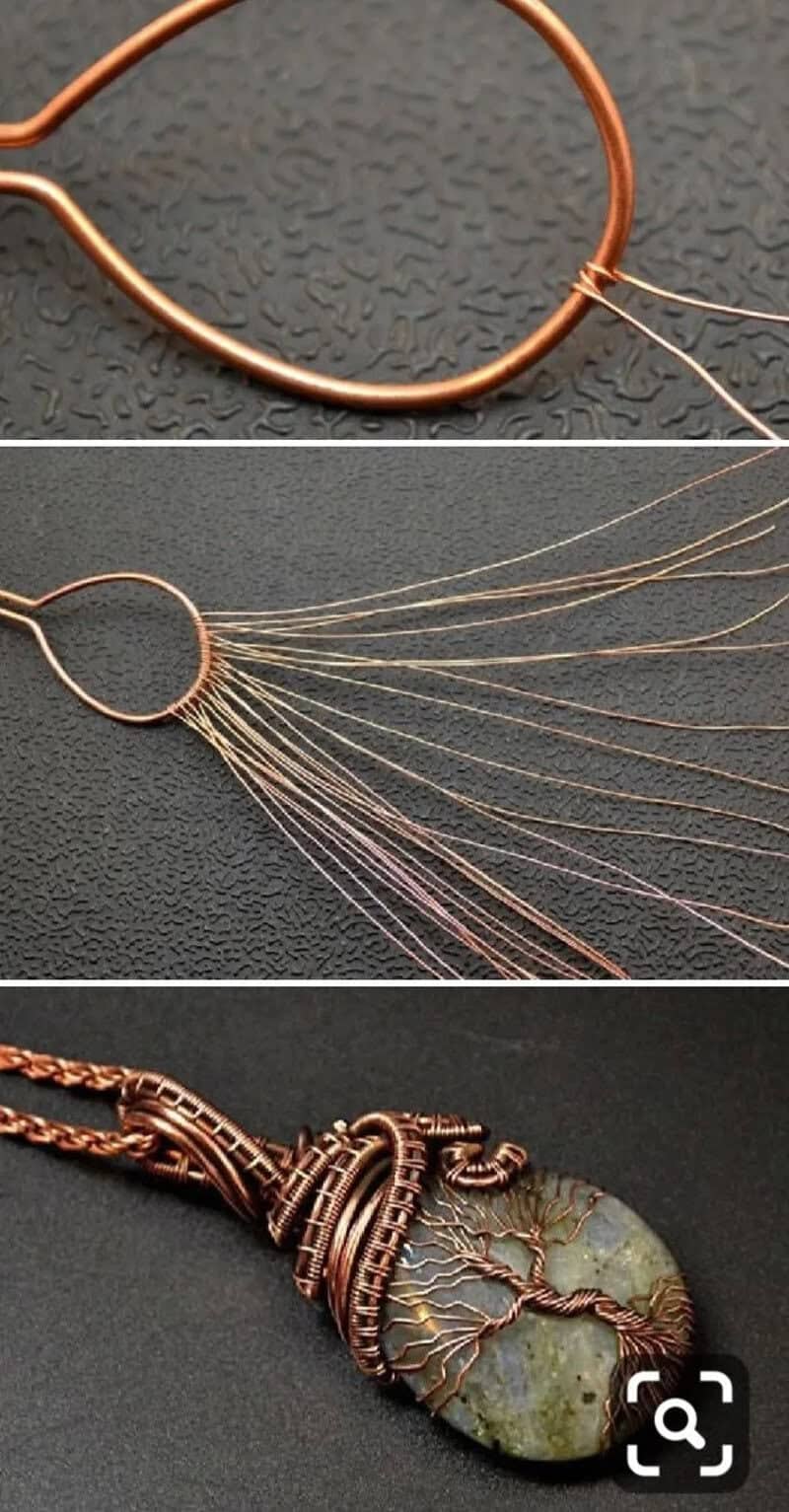
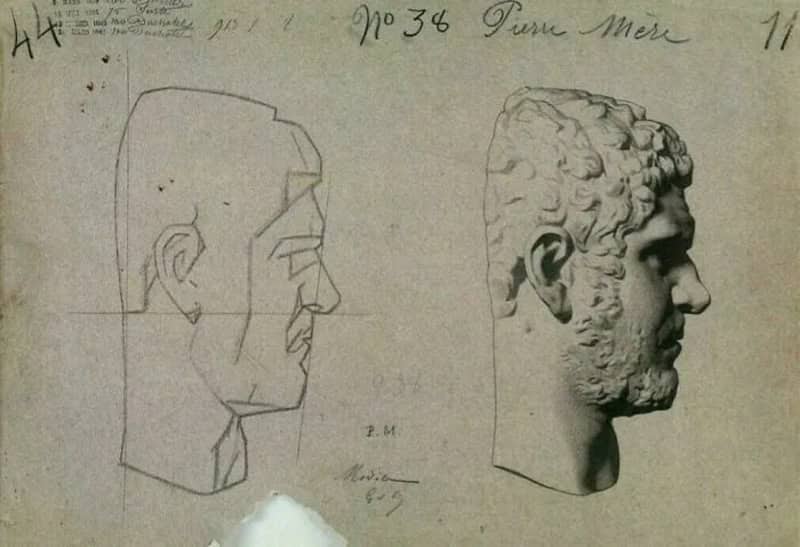
The art tutorial wing is the purest offender, and it’s an old tradition at this point. There’s a drawing guide that progresses from a rough scribble directly to a fully rendered, expertly shaded hand, with nothing in between except the implication that you should simply add details. There’s a clay sculpting sequence where step four is a cylinder and step five is an anatomically accurate human hand, and the transition between them apparently involves either ten years of practice or magic. My personal favorite is the circle tutorial that instructs you to draw a detailed wolf first and then remove the details until only a circle remains, which is technically correct and represents an enormous waste of everyone’s afternoon.
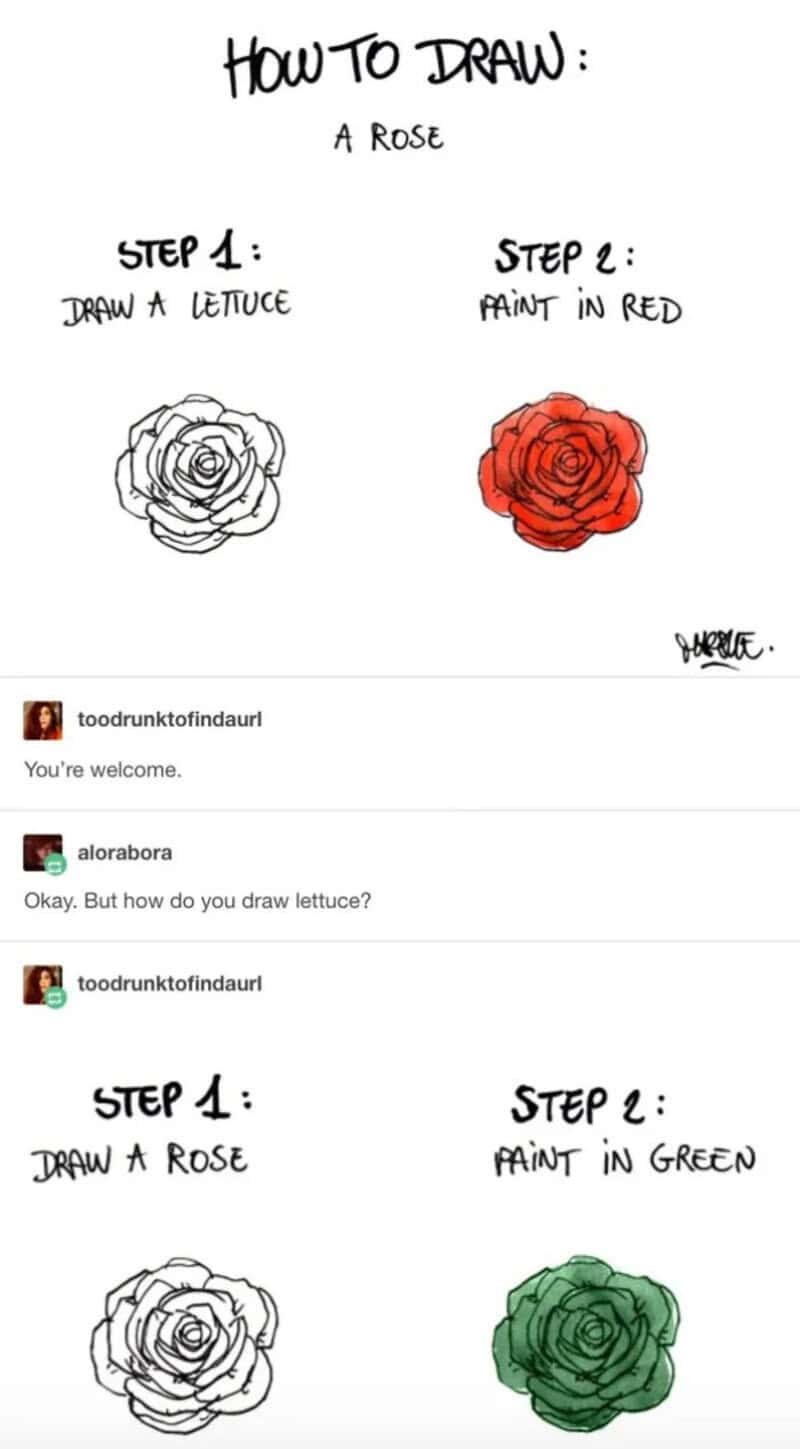
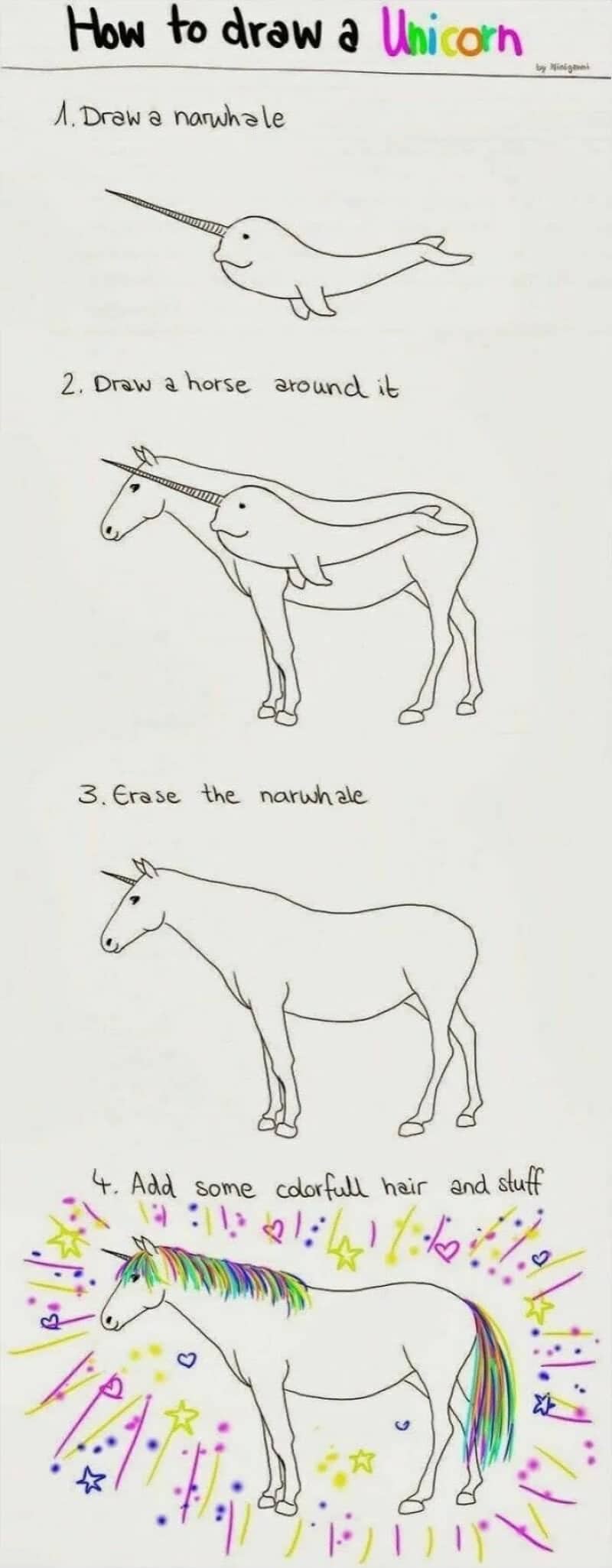
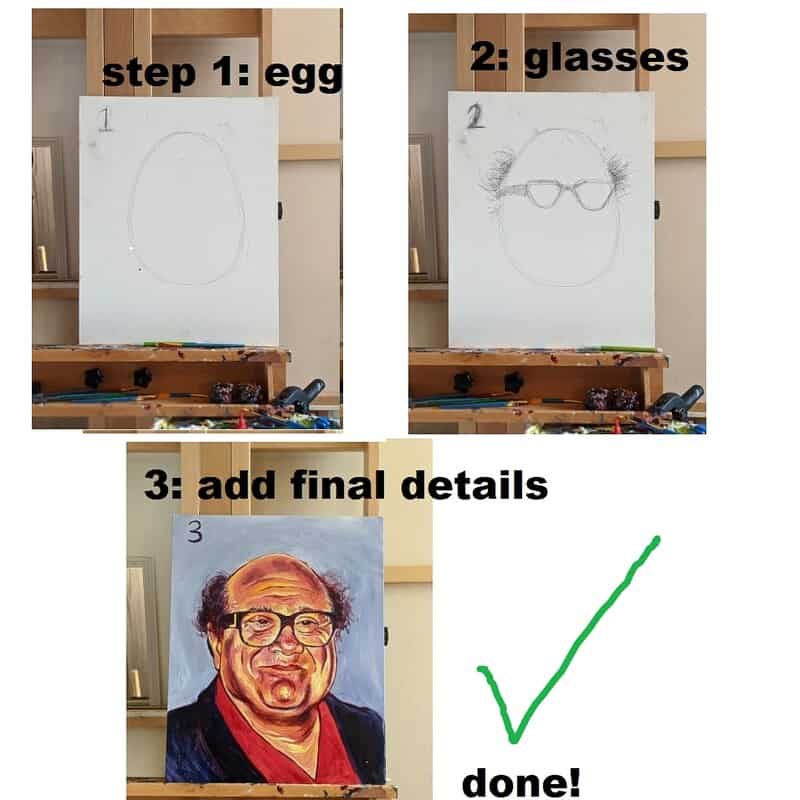
Then the shortcut logic, where the tutorials cheerfully suggest borrowing from something else. There’s a guide to drawing a rose that essentially recommends drawing lettuce and coloring it red, which is either lazy or genius and I genuinely cannot decide. There’s a unicorn guide that uses a narwhal as a base, meaning marine life is providing structural support for magical creatures. And there’s a painting sequence that starts with an egg shape and arrives, three steps later, at a fully realized portrait of a specific well-known actor, which I can only assume skipped the entire instructional portion. Seems simple enough. It is not.
And then the real-world instruction failures, where the stakes involve physical objects. There’s a cat bed manual that essentially gives up and states the cat will figure it out, which is both honest and correct and I respect the manufacturer for it. There’s a chopstick wrapper with instructions so oversimplified that following them precisely results in food on your lap. And there’s a door sign with split coloring that manages to communicate both push and pull simultaneously, trapping any overthinker in the doorway for twenty minutes while they decode it. That sign has ruined more afternoons than any tutorial.
Here’s the actual problem with all of these, and it has a name: the curse of knowledge. Once you can do a thing, you genuinely cannot remember what it was like to not be able to do it. The steps you skip aren’t laziness, they’re invisible to you, because they stopped being steps years ago and became instinct. Every bad tutorial was written by somebody competent who forgot what confusion felt like.
Which is why the genuinely great teachers are so rare and so valuable. Anybody can perform the skill. Almost nobody can accurately remember the ladder they climbed and describe each rung. So if you’ve ever had a teacher who broke something down properly, who explained the part between step three and step four, go thank them, because that’s an unusual ability and they almost certainly don’t know they have it. Meanwhile, the cat manual was right. The cat did figure it out.
The steps were skipped. The result is unrecognizable. Thank a good teacher.
If your own failed project is sitting nearby in judgment, our fail content has company, with tutorial disaster archives, instruction blunder threads, and DIY collapse compilations documented without guidance. Read them. Attempt nothing. Or attempt everything. Nobody’s helping either way.
Read Memes
Get Paid


Priya Coleman is a viral content specialist and meme analyst with over six years in digital publishing. Her past roles include viral content editor for PopSugar's humor vertical and meme correspondent for HuffPost’s comedy section. Priya specializes in spotting trending meme moments just before they peak—like the chaotic delight of the Ever Given’s Suez Canal mishap or the existential comedy of This is Fine. She brings her sharp wit and instinctive knack for viral content to Thunder Dungeon, always keeping the community a step ahead of the latest meme craze.