

Here’s my favorite thing about adulthood: everybody’s improvising and nobody admits it. There’s no manual, no tutorial level, just a series of situations you’re expected to handle correctly on the first attempt. These cheat codes for life are what people have figured out through trial and error, and the frustrating part is how many of them genuinely work. Small tricks. Minimal effort. Real results. I’ve tested several. Let’s go.
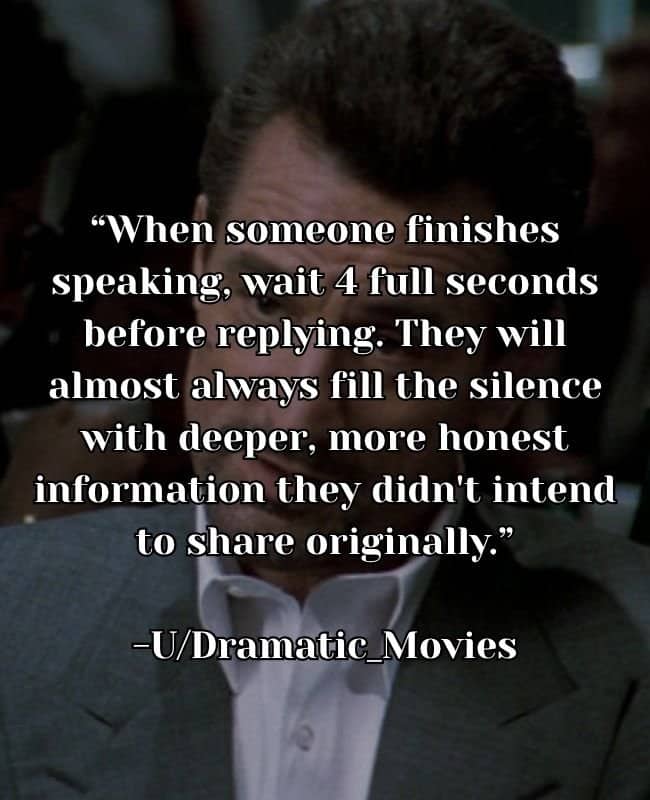
Four full seconds of weaponized silence will make anyone spill their deepest, darkest secrets.

Moving at a glacial pace is actually a strategic career move, folks.
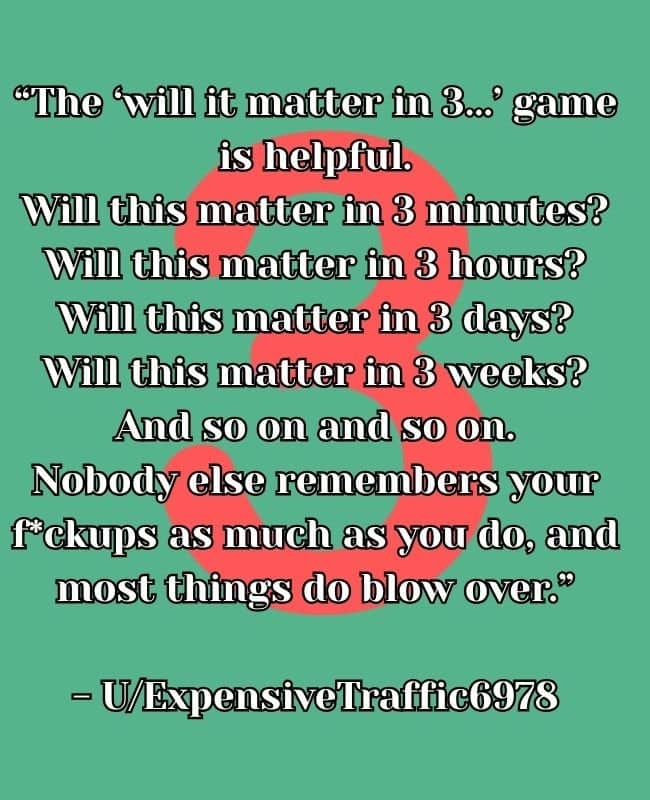
The 'Rule of 3s' for surviving daily embarrassments.
"No" is a complete sentence, a boundary, and a lifestyle choice.

Tactical kindness: building the ultimate support network.






Cheat codes for life
Read More
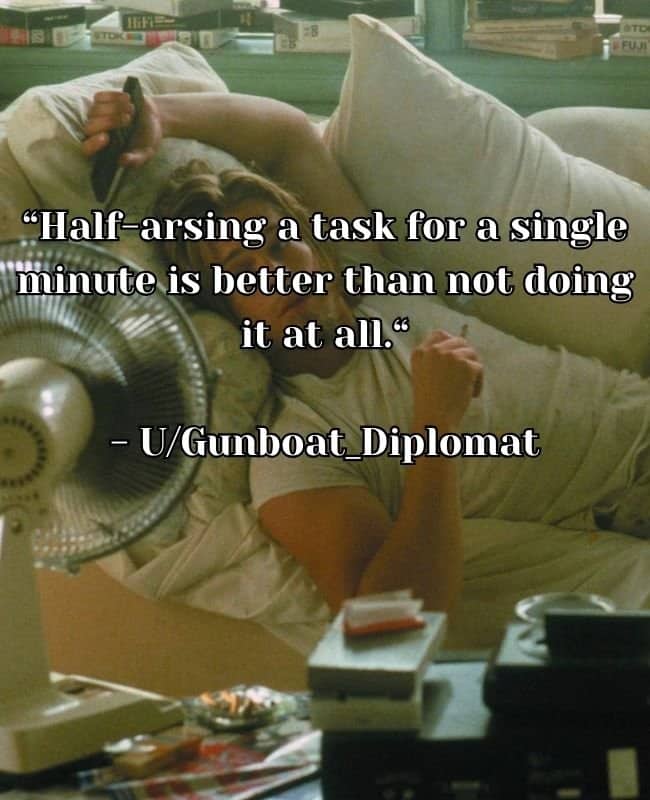
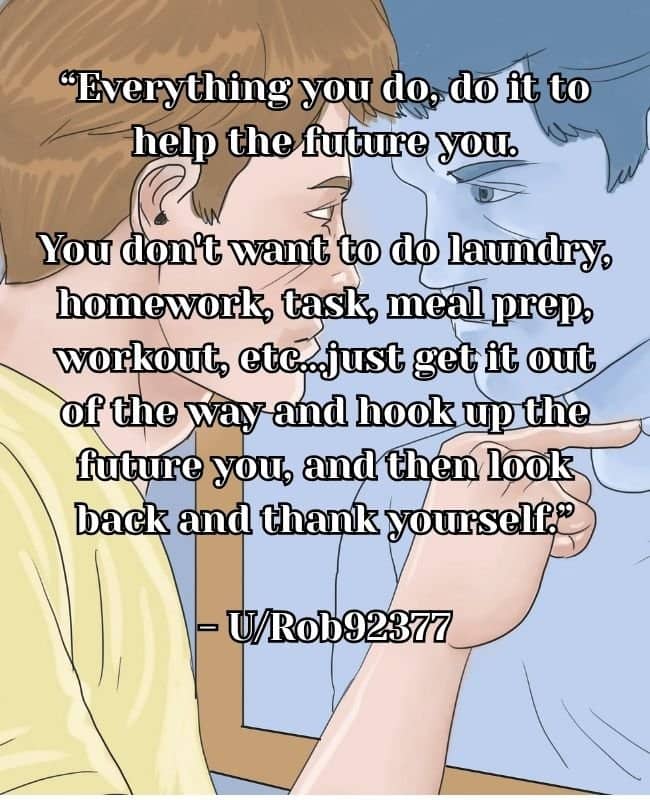
The productivity tricks are the ones I’ve actually adopted, reluctantly. There’s the ten-minute timer method, where you commit to just ten minutes of a dreaded task and stop, and the trick is that starting was always the entire problem and you’ll usually keep going. There’s the defense of half-effort, the argument that doing something badly for sixty seconds beats not doing it at all, which sounds like laziness and is actually a lifeline for anyone stuck in the all-or-nothing trap. Neither of these is about discipline. They’re about lowering the entry fee until your brain stops guarding the door, and it works, and it’s slightly humiliating how well.
Then the social navigation material, which is where the real gains are. There’s the four-second pause before responding, a small silence that reliably causes the other person to keep talking and fill it, which is either a negotiation technique or mild psychological warfare depending on who you ask. There’s the advice to say no without the elaborate ten-minute explanation, because “no” is a complete sentence and the excuse speech was never required, just habitual. And there’s the strategic kindness principle, being genuinely good to the maintenance staff and the food service workers, which is correct morally and also happens to produce the best support network any person can have. Be nice because it’s right. Enjoy the extra fries as a bonus.
And the perspective shifts, which are the ones that quietly do the most work. There’s the rule about asking whether a thing will matter in three weeks, which almost never resolves the 3 a.m. cringe attack but does correctly identify that nobody else is replaying your awkward moment. There’s the slow-is-steady principle, permission to move at a sustainable pace rather than burning out spectacularly. And there’s the luck mindset, the idea that believing you’re lucky actually changes what you notice and attempt, which sounds like nonsense and holds up better than it should. Delusion is free. Occasionally it pays out.
Here’s what all of these share: not one of them requires you to become a different person. Every bit of standard advice demands discipline, consistency, a whole personality upgrade you’re supposed to install by Monday. These just work around the person you already are. Can’t start the task? Ten minutes. Can’t say no? Stop explaining. Can’t stop cringing? Nobody remembers but you. That’s not self-improvement. That’s accommodation, and accommodation actually gets used.
And the thirty-minute movement one deserves a mention, because it’s the least clever and the most consistently true thing in the collection. Moving your body for half an hour does something to the brain that no amount of reframing achieves, and everybody knows this, and everybody, including me, avoids it anyway. So do one of these today. Pick the easiest one. The bar is genuinely on the floor and that’s entirely the point.
The trick is small. The brain is fooled. Try one. Just one, today.
If you want more shortcuts through adulthood, our advice content is stocked, with practical tip archives, mindset threads, and daily hack compilations sized for low effort. Start a ten-minute timer. See what happens. Report back in eleven minutes.
Read Memes
Get Paid


Laura Bennett has spent eight years immersed in internet culture, specializing in deep dives into meme origins, evolving meme trends, and digital subcultures. As a contributor for several prominent online platforms, including BuzzFeed’s meme division and Know Your Meme, she’s written extensively about viral moments from Crying Jordan to Woman Yelling at a Cat. Laura believes memes aren't just internet jokes—they're modern-day folklore. She brings that passion to Thunder Dungeon by keeping readers connected to what's culturally significant, hilarious, and timelessly viral.