
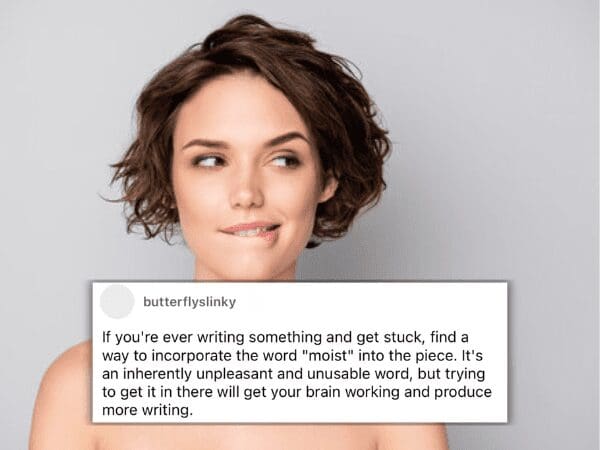
A meme is going around suggesting that you can fix your posture by pretending to shoot lasers from your nipples, and the strange part is that it works. Stand up. Aim. Notice the spine straighten. These bad advice gems are sitting in a strange territory between practical and unhinged, where every tip is either a small life hack or a personality disorder, and the internet has decided not to clarify which. The plunger pre-purchase wisdom is in here. The “moist” trick for writer’s block is in here. We’re getting unusual results.
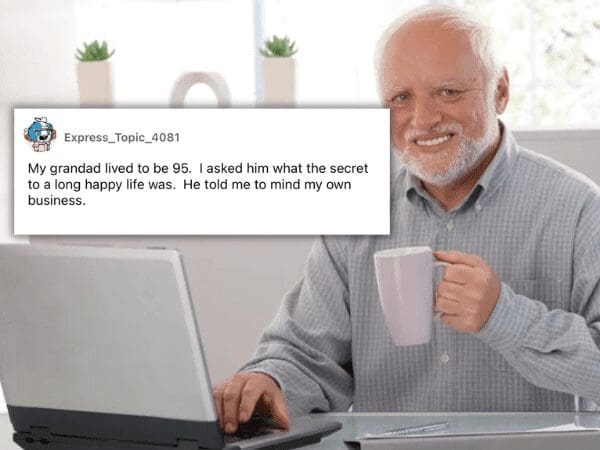
95 years of peace and quiet sounds like a dream.
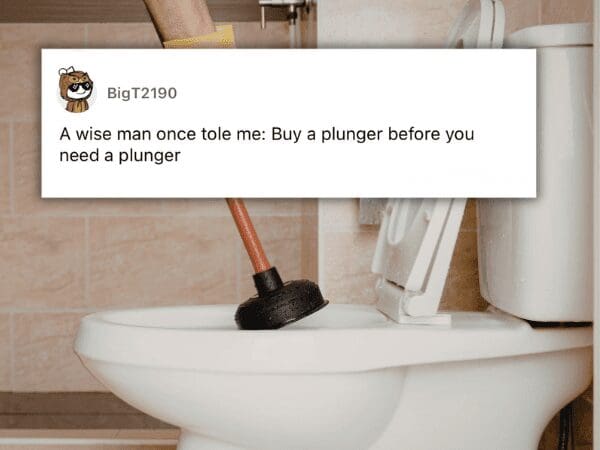
Nothing humbles you faster than a rising water line and no plunger.
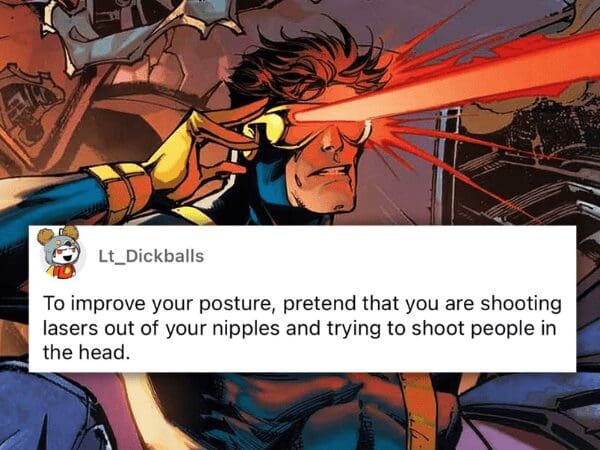
If you see me standing weirdly straight, mind your head.

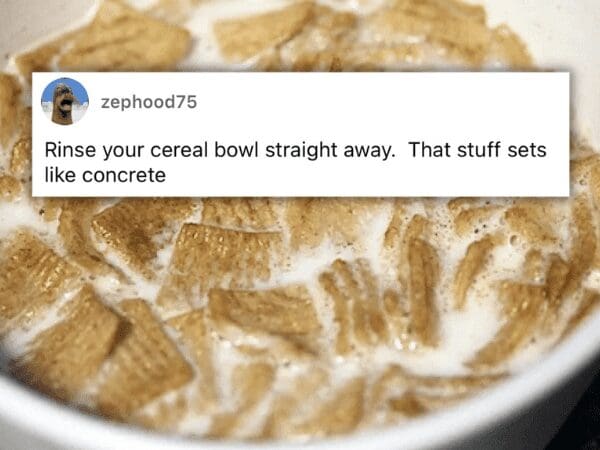
Cereal milk: the strongest adhesive known to man.




Bad advice
Read More
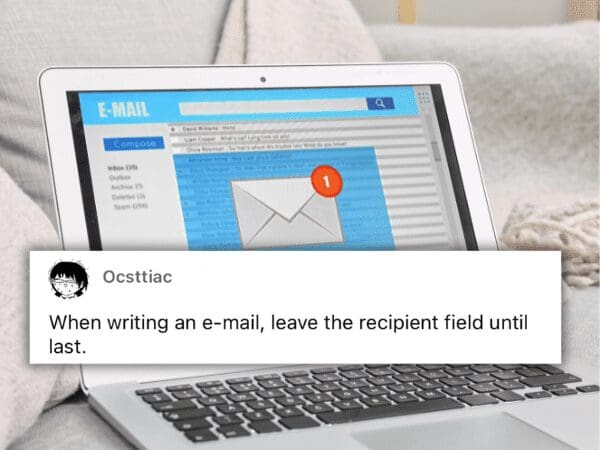
The internet has slowly built a parallel curriculum of life advice that operates entirely outside the official wellness economy. There are no certifications. There are no consultants. There are no monthly subscriptions. There are just memes, posted by strangers, suggesting that you carry a high-visibility vest in your car or write the email recipient field last, and the suggestions are landing more effectively than most of what comes out of legitimate self-help publishing. Something has shifted, and the shift is mostly a vibe correction.
What makes the funny life advice in this gallery work is that none of it pretends to be authoritative. The tips arrive with cartoon visuals and casual punchlines. The presenter is, in most cases, anonymous. There is no funnel. There is no upsell. You are being told something useful by somebody who has no financial stake in whether you absorb it, and that absence of ulterior motive is a genuine novelty in a content economy that’s mostly trying to sell you something.
The other thing is that the unconventional advice in this gallery tends to address problems that the formal wellness industry doesn’t really cover. Nobody at the spa is going to tell you to leave your email recipient field for last. No life coach is suggesting you use the word “moist” to break writer’s block. The internet, in its weird informal way, has identified hundreds of small daily friction points that the official advice ecosystem doesn’t bother with, and the meme format is essentially how this hyper-specific wisdom gets distributed.
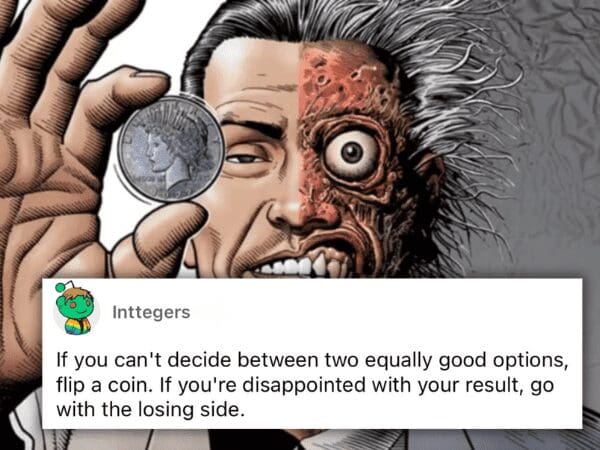
There’s also a deep current of practical cynicism running through these tips. The high-vis vest trick assumes that nobody questions a worker. The plunger pre-purchase assumes that adulthood is mostly damage control. The coin flip technique assumes that you already know what you want and just need permission to pick it. These life hacks tips are not optimistic. They are, structurally, the wisdom of people who have been through the situation already, and they’re sharing it so the rest of us can skip a step.
The thing about advice in 2026 is that the official sources have mostly burned through their credibility. Books, podcasts, courses, and influencers have spent so much time selling improvement that the entire genre now reads as suspicious by default. A meme has zero credibility cost. Nobody is asking you to subscribe. The information arrives, gets considered, gets tried or rejected, and the whole transaction is over in under thirty seconds. That’s a much healthier relationship with advice than the alternative, and the broader culture seems to be quietly noticing.
There’s also the matter of how the advice gets shared. Most of these tips are not viral by accident. They go viral because somebody, somewhere, tried the trick, was surprised that it worked, and decided to share it with their followers. The chain repeats. The advice spreads. The system functions on a kind of peer-reviewed weirdness, and it turns out that crowdsourced trial-and-error is a remarkably effective way to surface the things that actually help.
What this gallery captures, beneath the obvious comedy of the visuals, is the small ongoing rebellion against the idea that real wisdom requires a credentialed source. The funny advice memes do not need a degree behind them. They just need to work. The vest works. The plunger works. The straight posture, somehow, works. The internet has produced its own underground reference manual for navigating daily life, and the reference manual is, against all odds, better than most of the alternatives. We will keep stealing from it. The vest is in the trunk.
If the unconventional wisdom hit the spot, broader life hack memes live in this exact wheelhouse, weird advice compilations cover similar territory, and general “tips you should not be reading” galleries are where the related content keeps arriving. Try one. Mind your business. Stand up straight.
Read Memes
Get Paid


Michael Hartley, or just "Mike," is an editor and seasoned meme historian whose articles have traced the evolution of meme humor from early Impact-font classics to today’s TikTok sensations. With nearly a decade spent as senior editor at ViralHype and as a regular contributor to Cheezburger, Mike has dissected the rise of meme legends such as Bad Luck Brian, Success Kid, and Doge. When he's not hunting down meme gold for Thunder Dungeon, Mike teaches workshops on meme marketing and the psychology behind shareable content.