
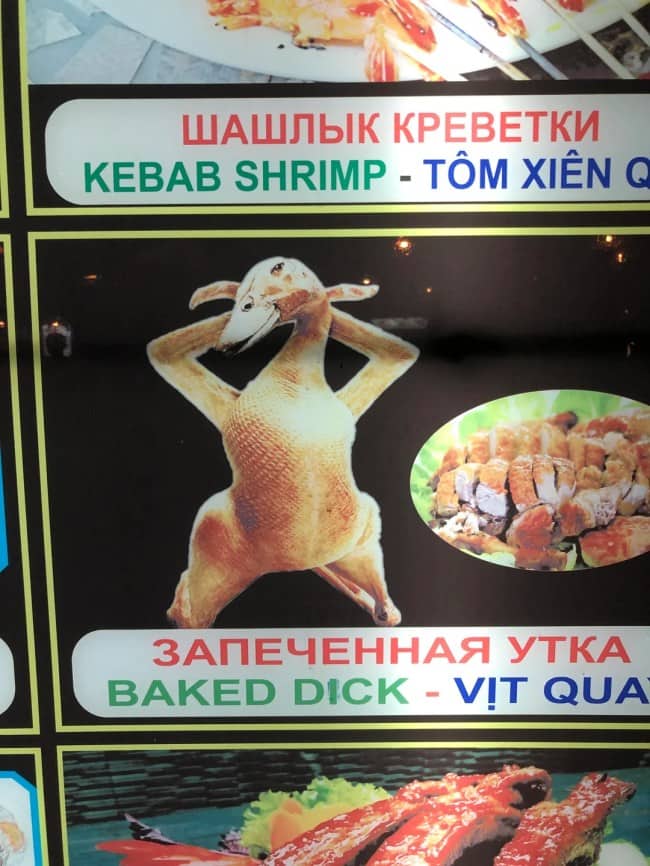
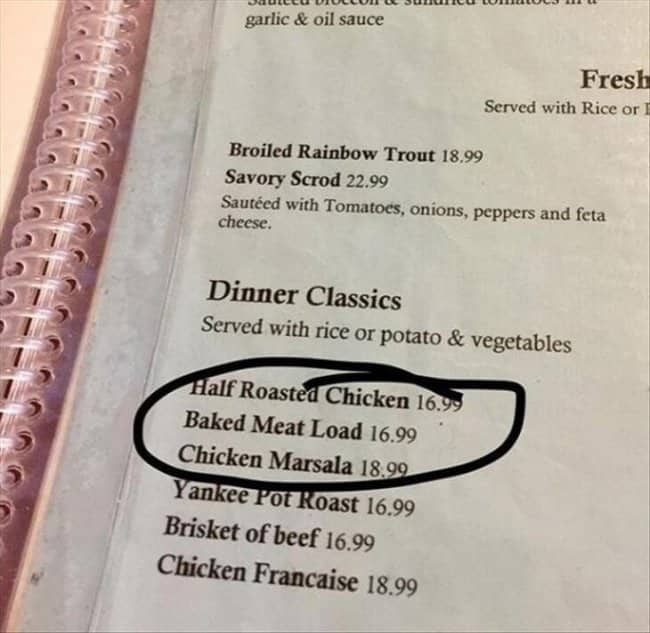
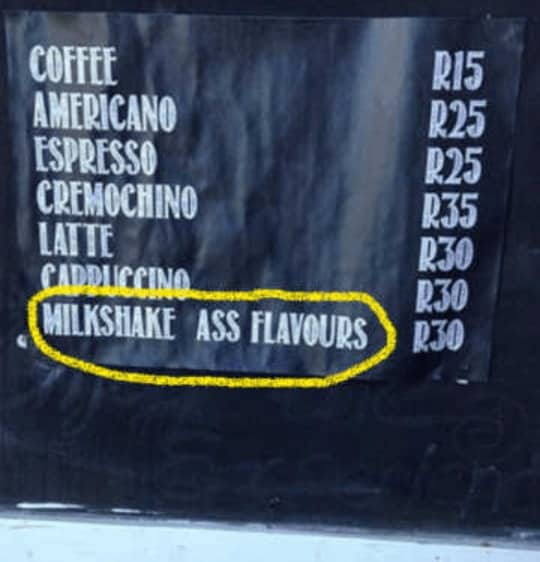
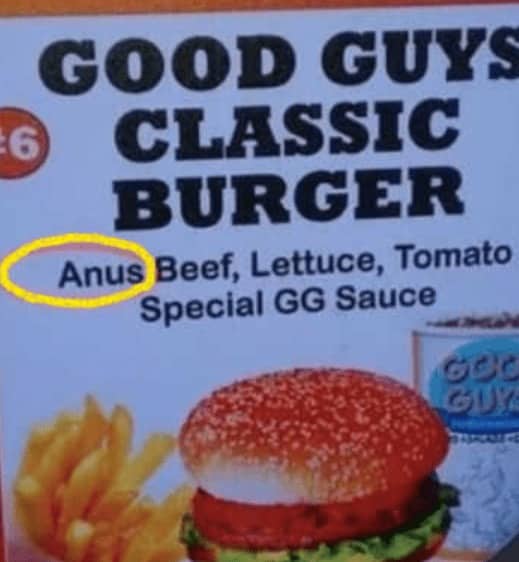
The thing about a menu is that it goes through multiple people. Somebody writes it, somebody designs it, somebody prints it, and somebody hangs it on a wall where hundreds of customers will read it daily. These menu typos survived that entire gauntlet completely untouched. One letter off, sometimes two, and suddenly the lunch special is describing something nobody wants. I’d like to order, but first I have questions about the appetizers. Several questions.
Inclusive.
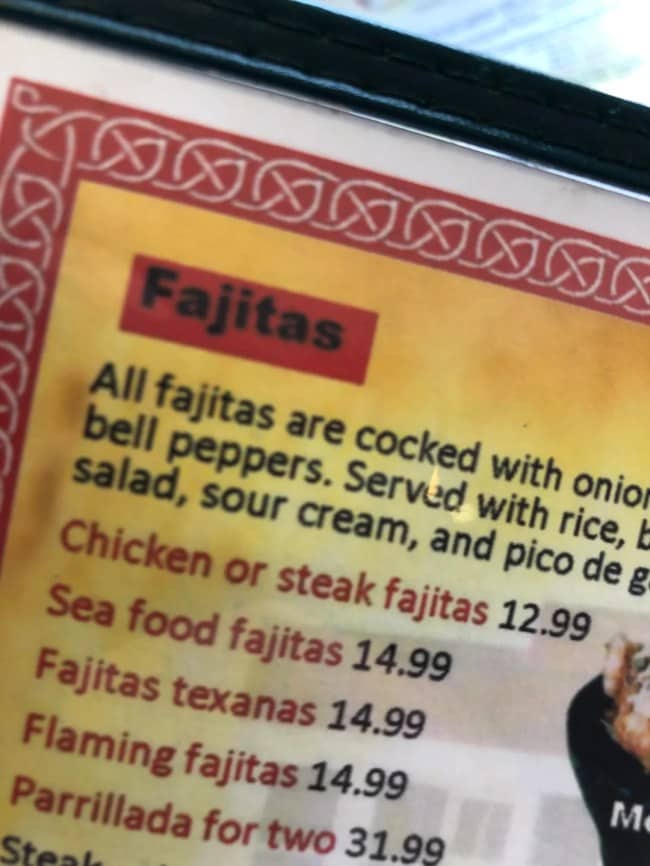
That's one way to tenderize the meat.
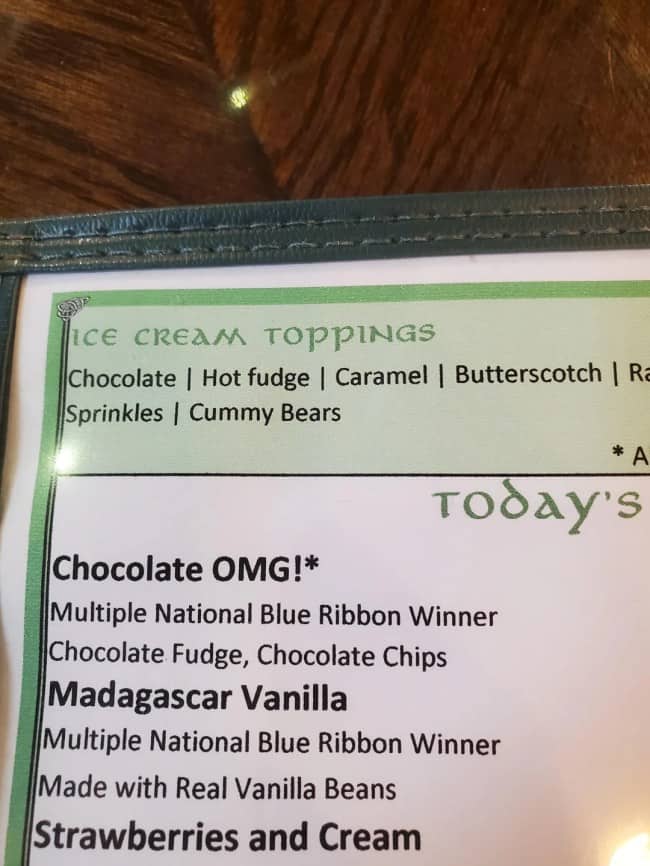
One letter off from a massive health code inspection.
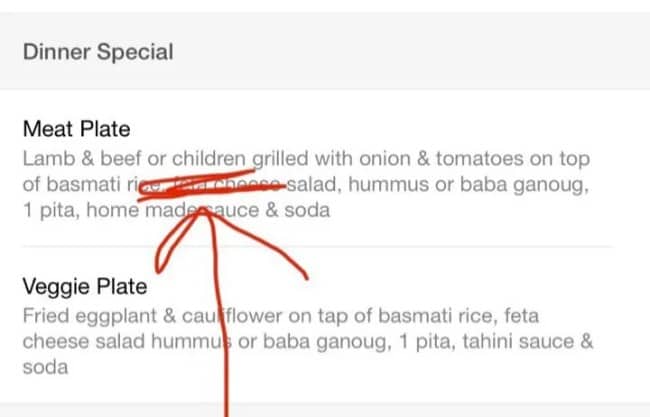
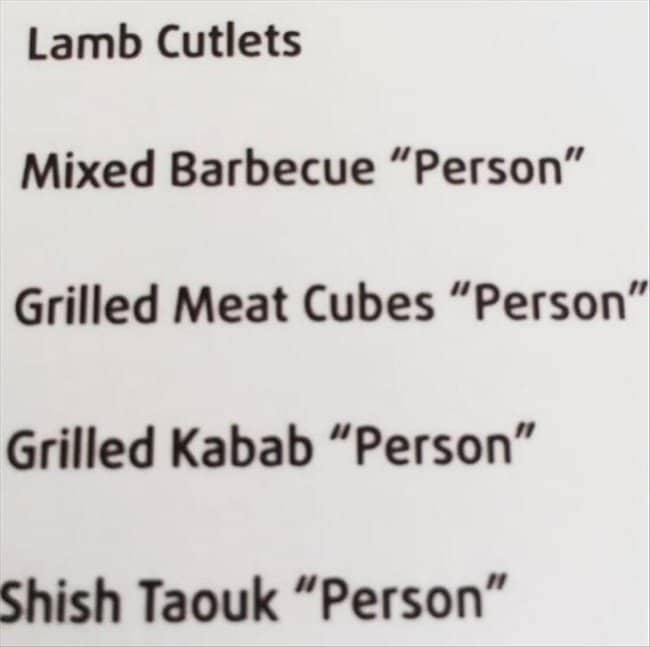

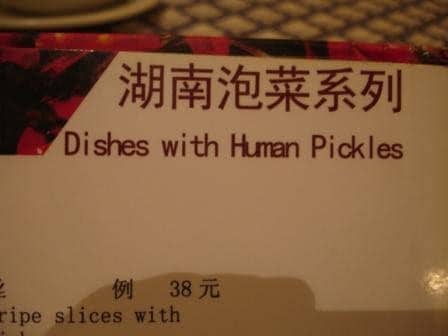
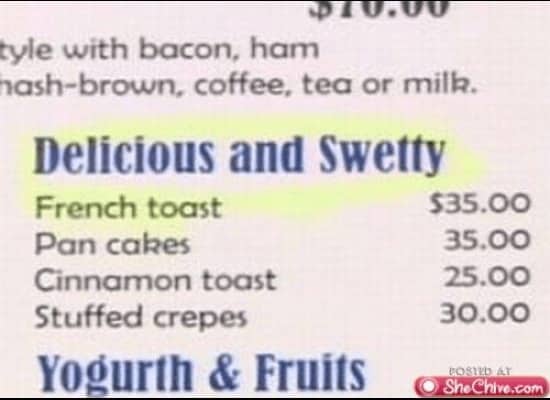
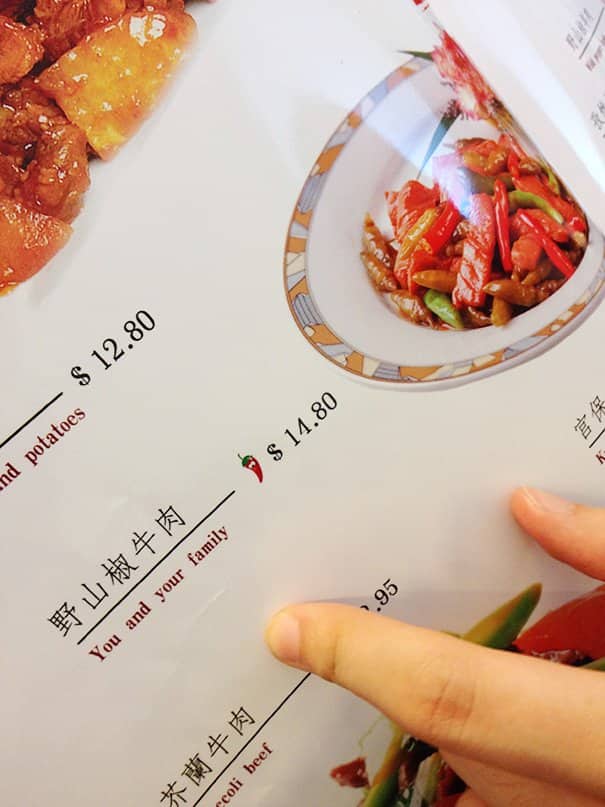


Menu typos
Read More
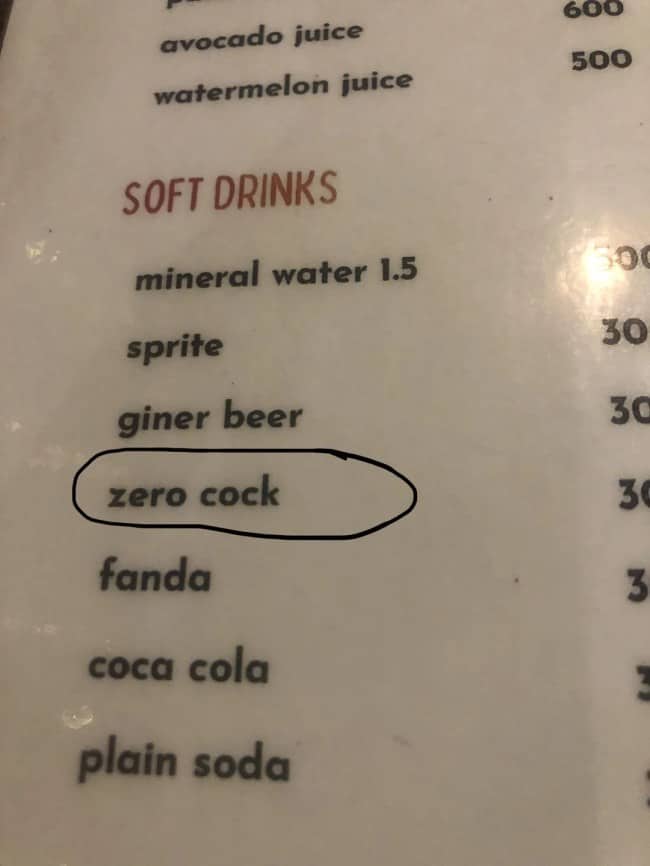
The single-letter disasters are the ones that do the most damage with the least effort. There’s a dessert topping listed on an ice cream menu that is exactly one consonant away from its intended spelling and lands somewhere a health inspector would need to be notified about. There’s a soft drink option on a laminated beverage list where the spellcheck clearly resigned mid-shift, and the result is circled in the photo because somebody in that restaurant noticed and, crucially, did nothing about it. These aren’t complex errors. They’re the smallest possible mistakes producing the largest possible reaction, which is the entire economics of a typo.
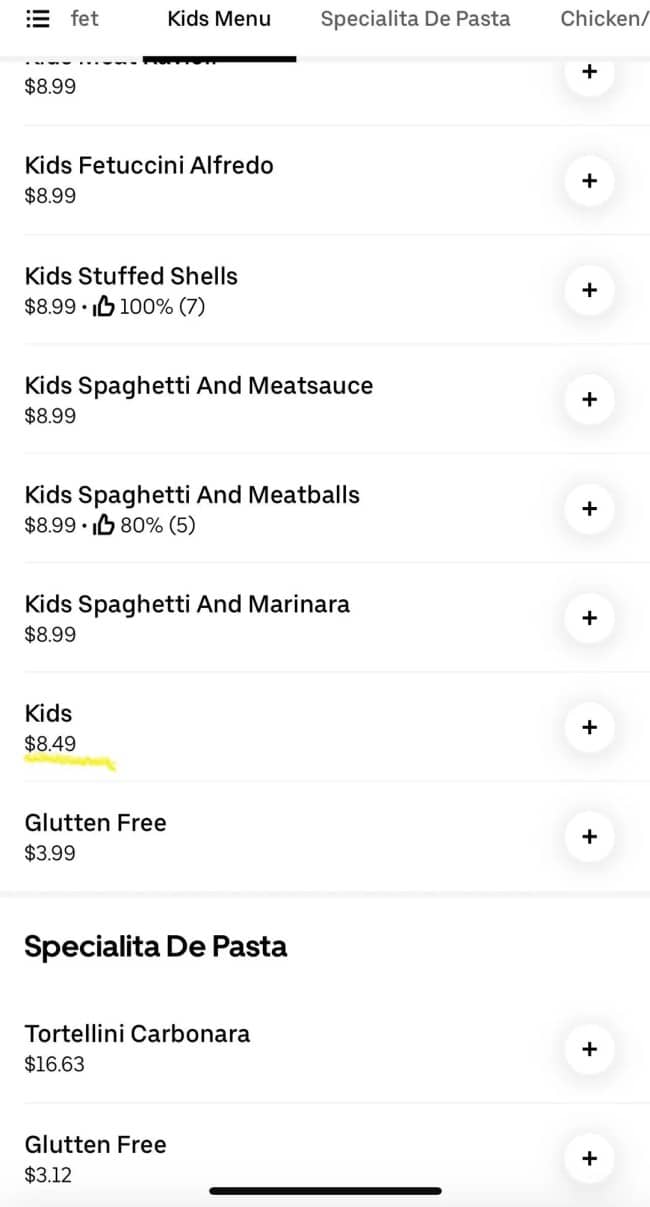
Then the unsettling protein section, where the errors accidentally suggest the kitchen is serving something it should not be. There’s a dinner special that appears to offer grilled children alongside the lamb and beef, a listing I choose to believe is a pluralization error and not a business model. There’s a translated menu describing meat cubes served “per person,” with the quotation marks doing an enormous amount of alarming work, because quotation marks never make anything less suspicious. And there’s an online ordering page where the kids menu is listed at a price point that reads as though the children themselves are available for under nine dollars, which, in this economy, is honestly competitive.
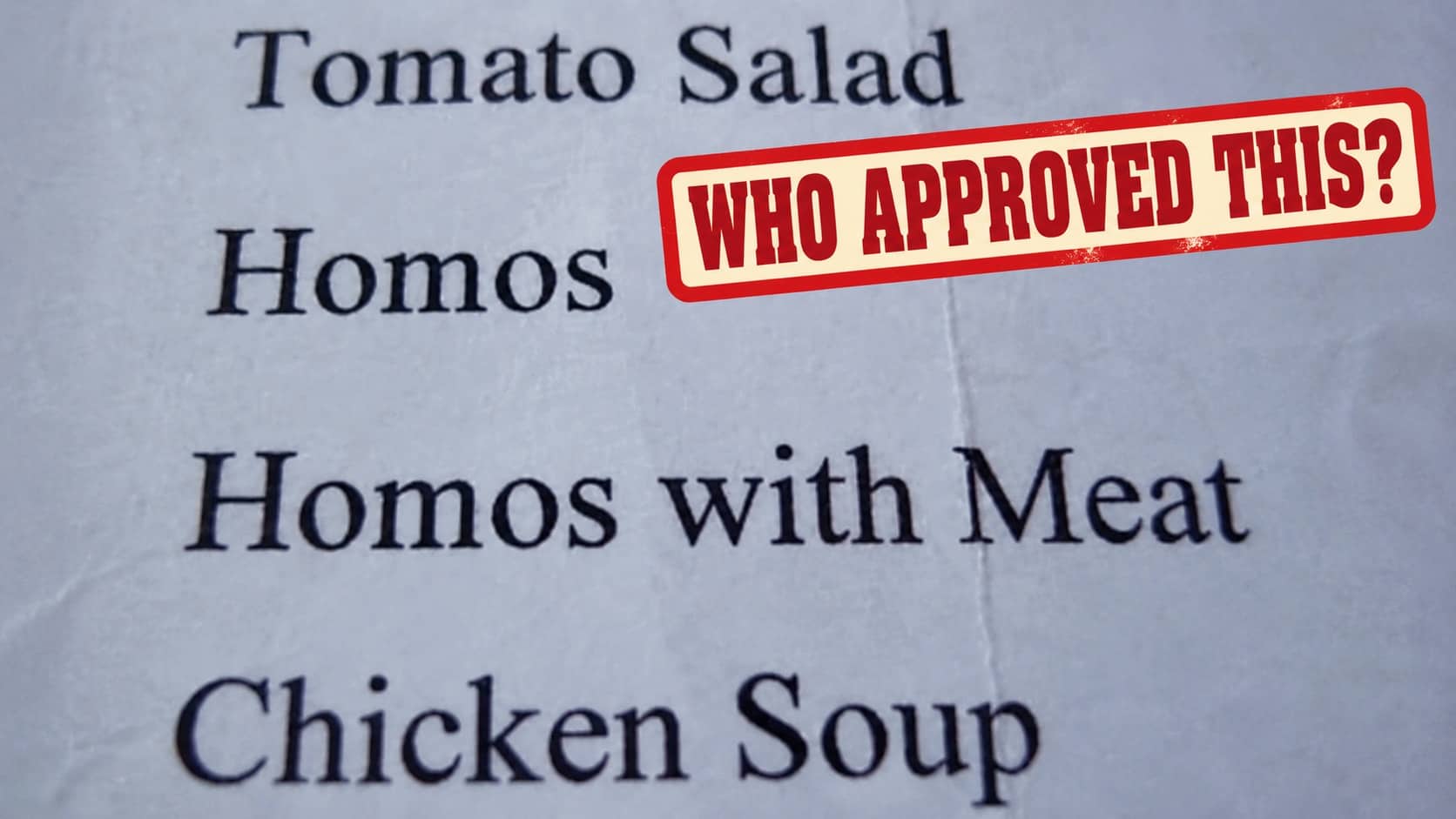
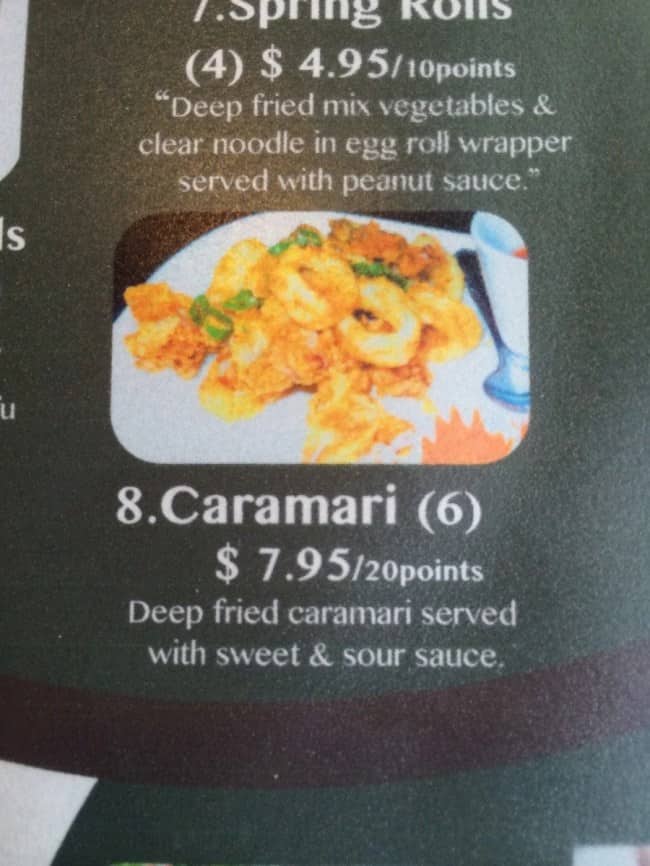
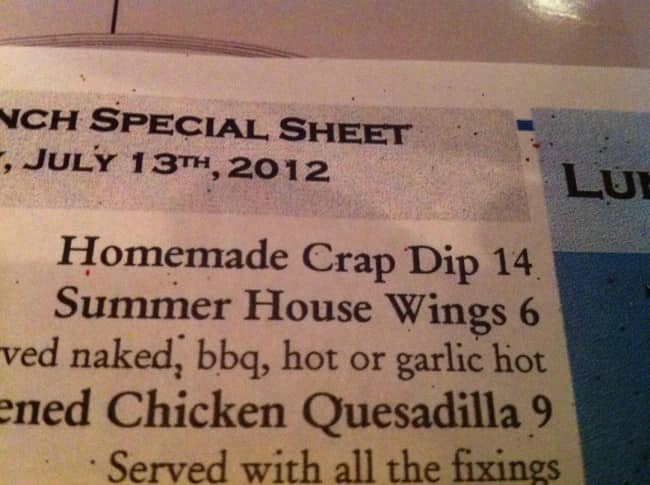
And the accidental-editorial wing, where the typo tells the truth. There’s a lunch special offering a homemade dip whose name got mangled into an honest review of itself, priced at fourteen dollars, and I respect the transparency more than the pricing. There’s a squid dish whose spelling drifted toward something that sounds like a luxury sedan. And there’s a bowl listing an ingredient that reads as flirtation rather than seasoning, which means the chef is now propositioning the customer through the ingredient list. Was it intentional? No. Is it now the most memorable item on the menu? Absolutely. Every restaurant in this gallery has accidental branding they’ll never be able to escape.
Here’s what I find genuinely interesting: the typo that spreads is never a random mistake, it’s always the one that accidentally produces a real word. Spellcheck catches nonsense instantly and waves through anything that technically exists, which means the errors that survive to print are specifically the ones capable of meaning something else entirely. The system isn’t failing randomly. It’s failing in the funniest possible direction, every single time, by design.
And I want to be fair to these restaurants, because the food is probably great. A kitchen that makes an excellent dish is not necessarily staffed by copyeditors, and I’d rather have one perfect plate and a misspelled sign than the reverse. But please, somebody, read it out loud before printing. Just once. Out loud, slowly, to a second human being. That’s the whole quality control process and it costs nothing and it would have prevented every single item in this gallery.
The letter was missing. The sign was laminated. Read it out loud first.
If you want more proofreading disasters, our fail content has the full menu, with sign typo archives, spelling error threads, and printed-blunder compilations served without correction. Read every sign carefully from now on. You’ll never stop noticing.
Read Memes
Get Paid


Alex Thompson has been chronicling internet culture and meme phenomena for nearly seven years. Starting at CollegeHumor and later becoming lead meme editor at Mashable, Alex has covered everything from vintage internet memes like Rickrolling to recent viral events such as Corn Kid and Grimace Shake. With a keen eye for what connects and entertains digital audiences, Alex writes with humor, relatability, and deep knowledge of online culture. At Thunder Dungeon, Alex is the go-to source for meme analysis, viral breakdowns, and internet nostalgia.