
I want to be clear that I’m not a grammar snob. I’m something worse: a person who notices. And once you notice what a stray pair of quotation marks does to a sign, you cannot stop noticing, and every errand becomes a thriller. These misused quotation marks transform innocent notices into threats, promises into scams, and vacation ads into warnings. Two little lines. That’s all it takes. Read everything today very, very carefully.
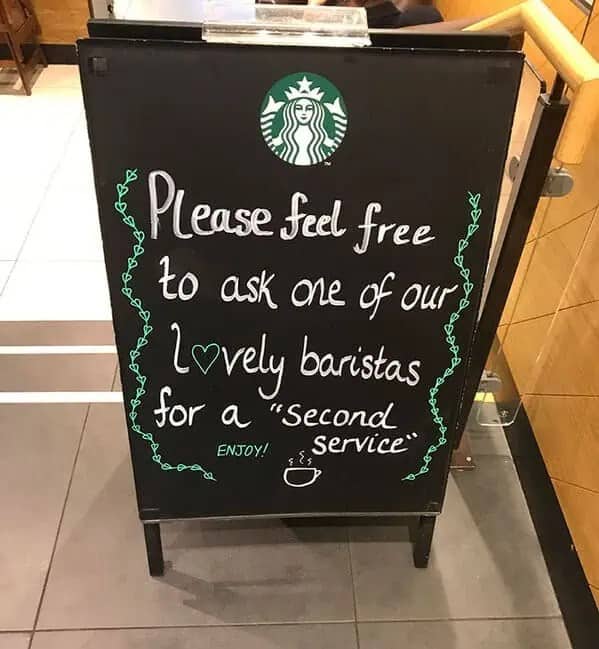
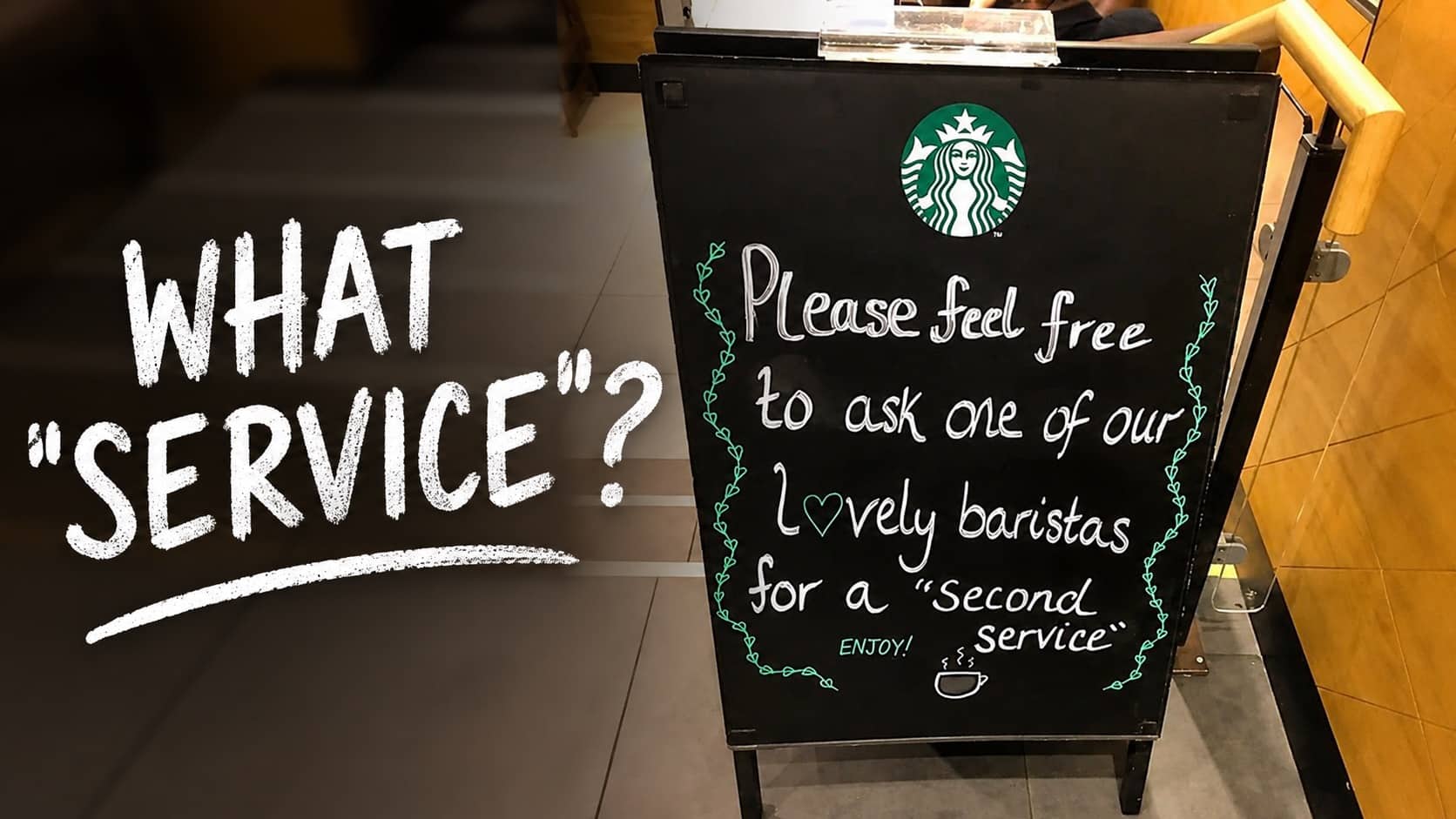
I'm scared to ask.
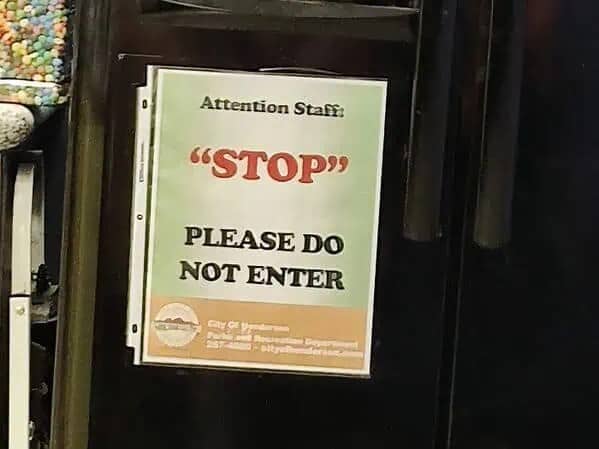
So… "stop" means keep walking, right?
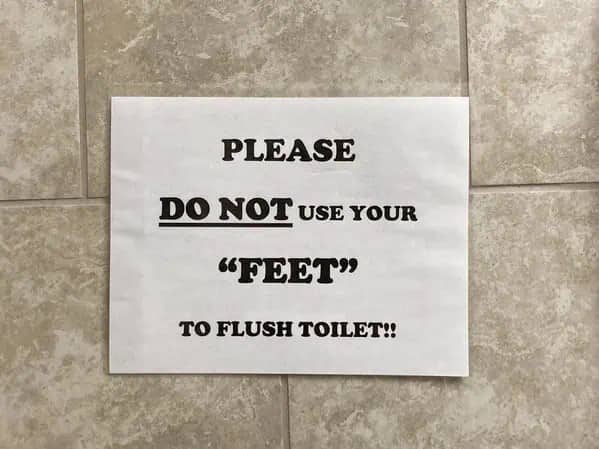
So hands are okay, but "feet" are strictly off-limits.
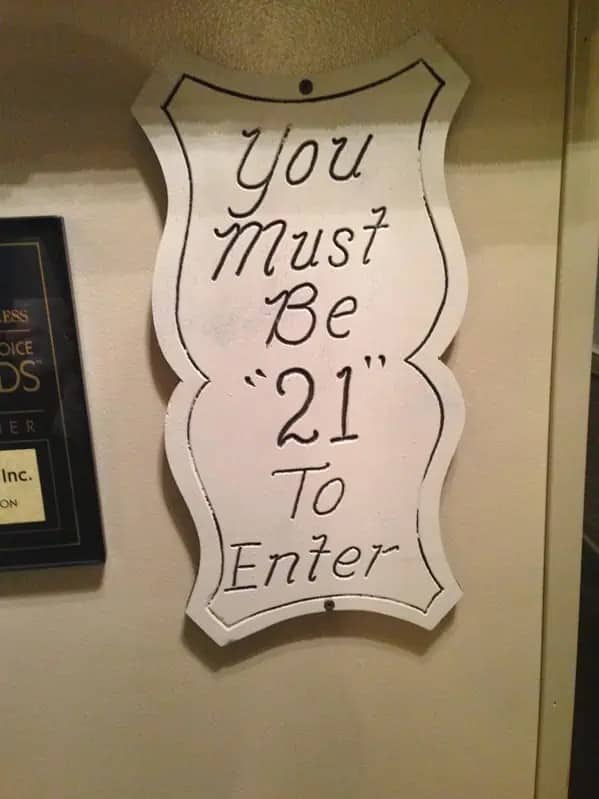
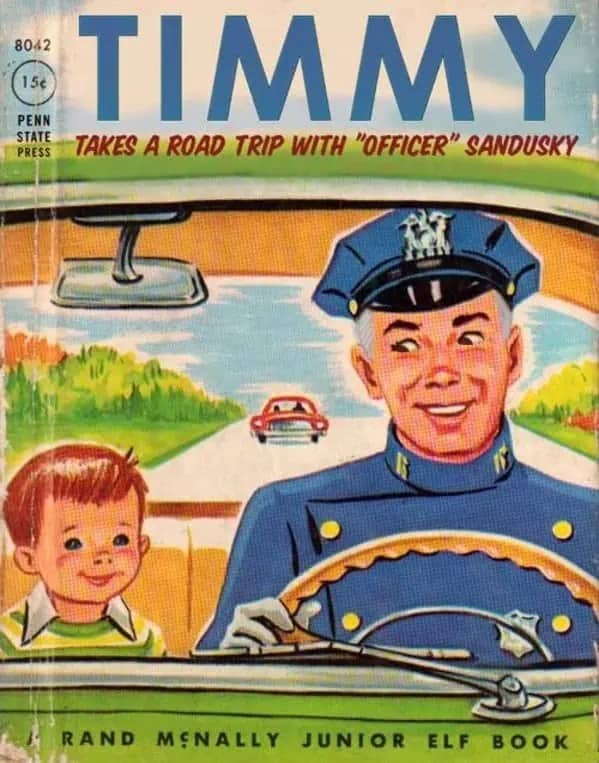
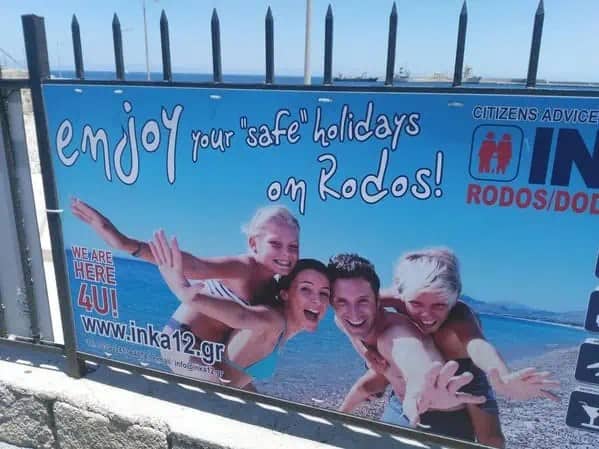
Nothing says relaxing vacation like a heavily implied threat.
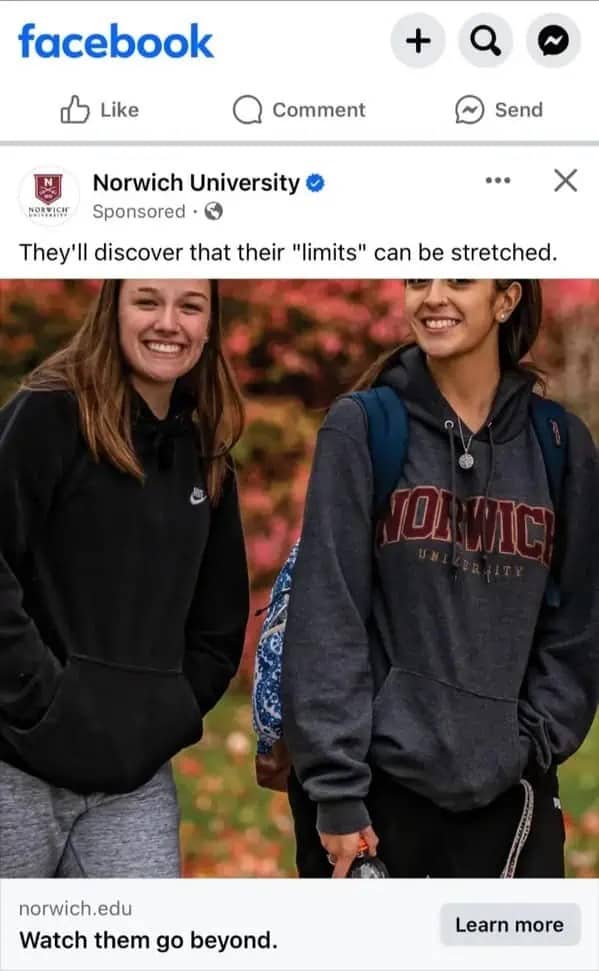
Unintentionally terrifying campus advertisement.
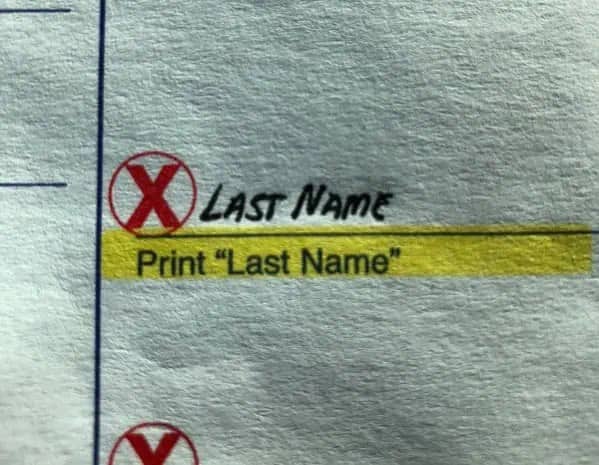
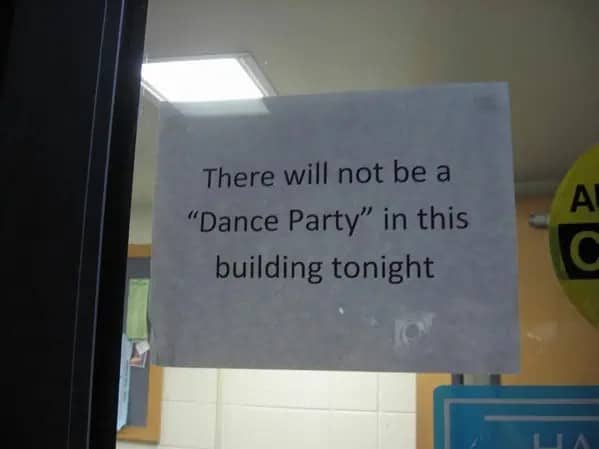
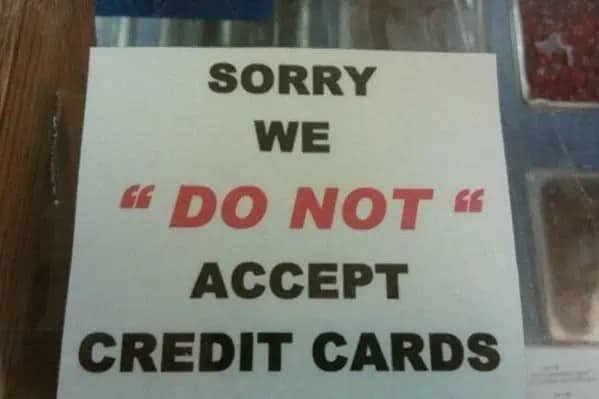
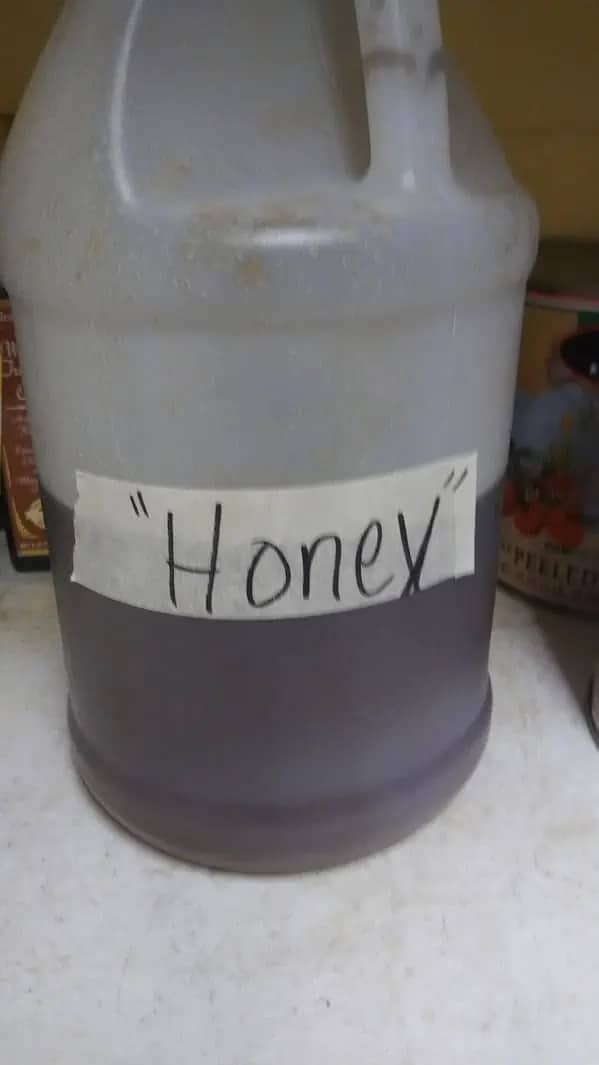
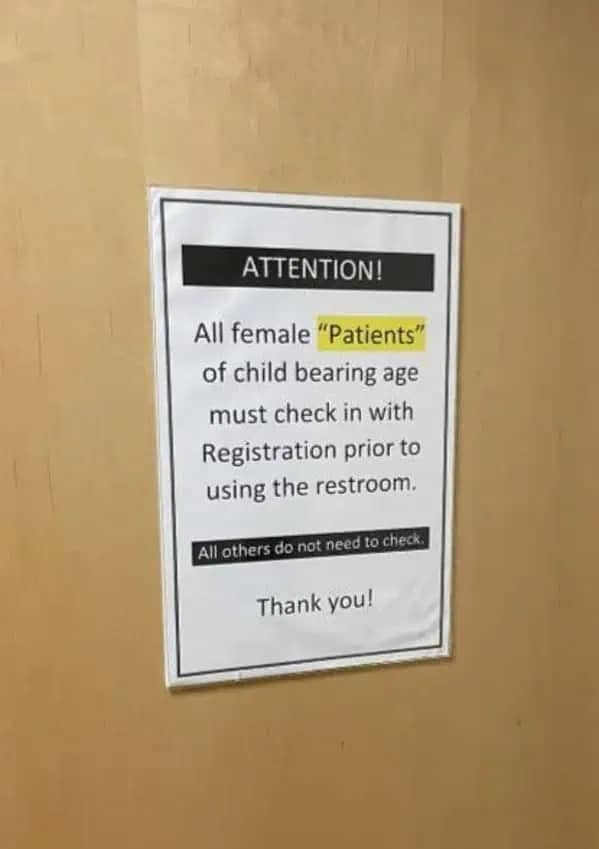
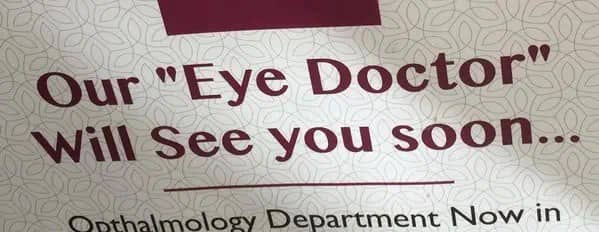
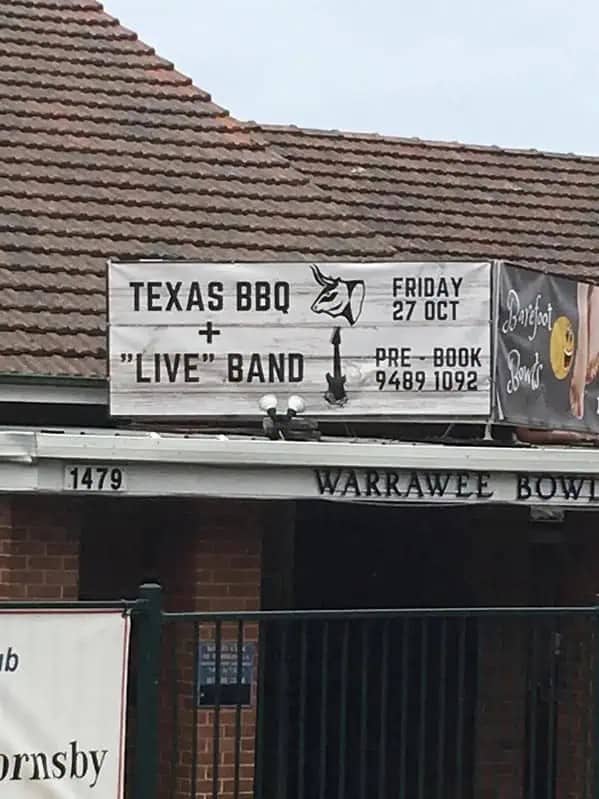
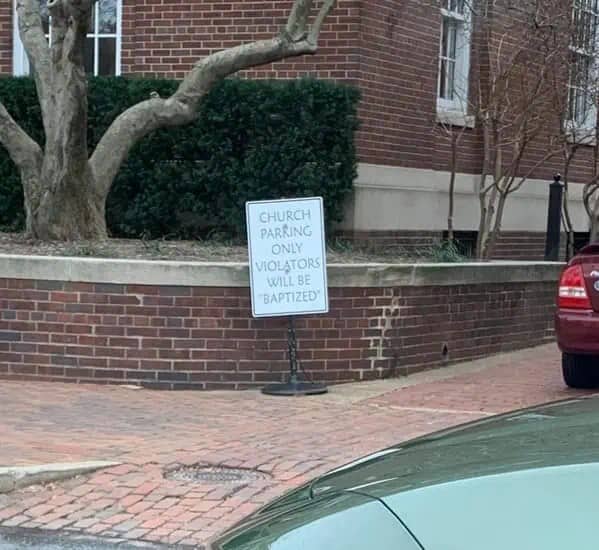
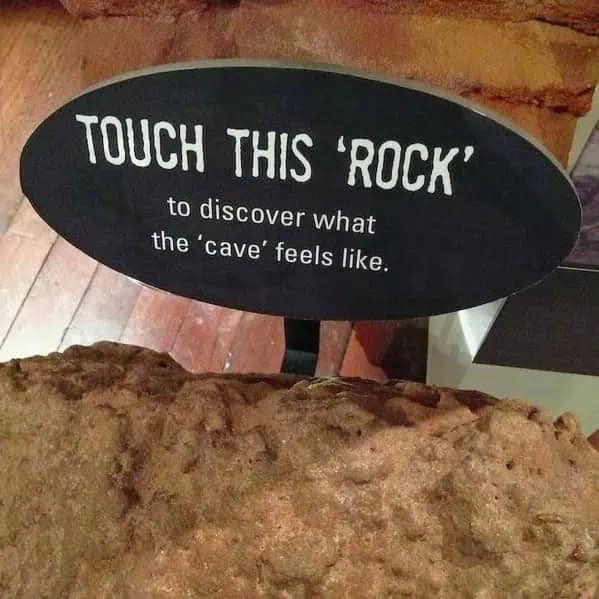
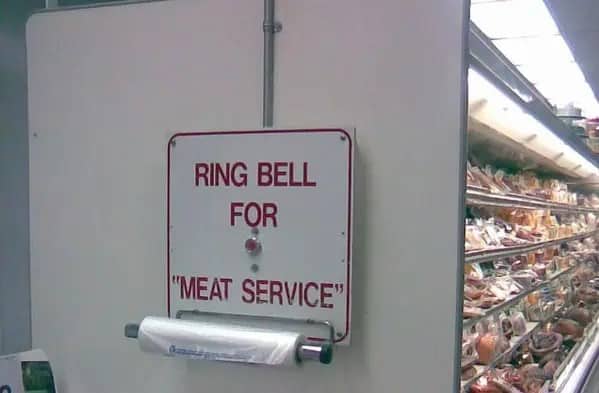
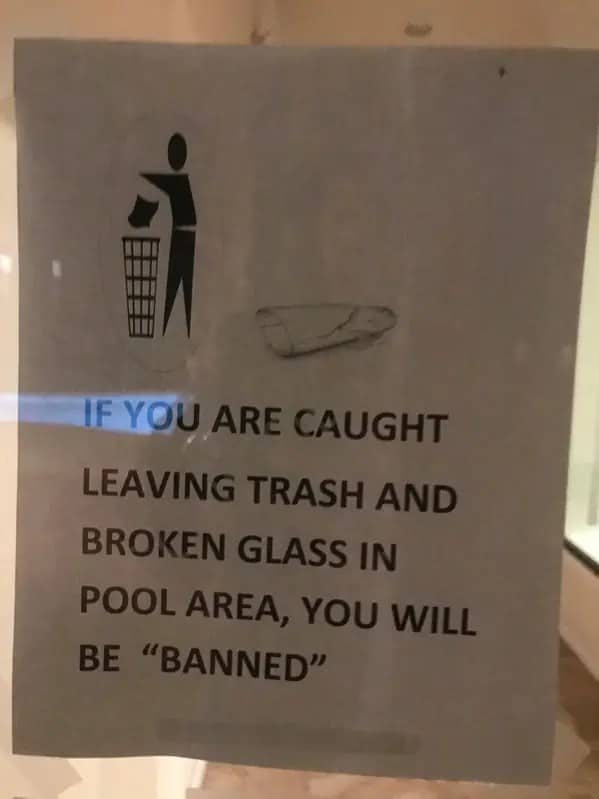
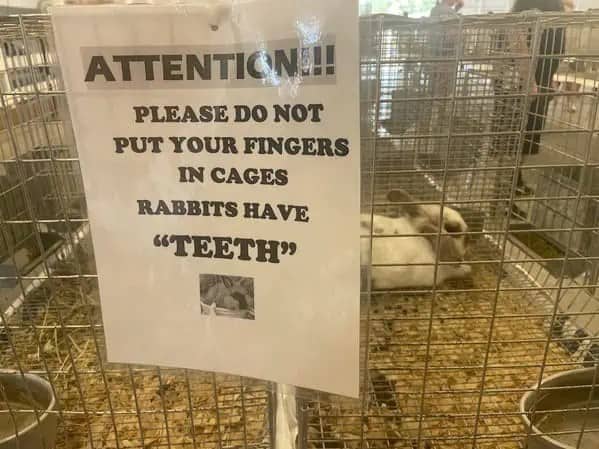
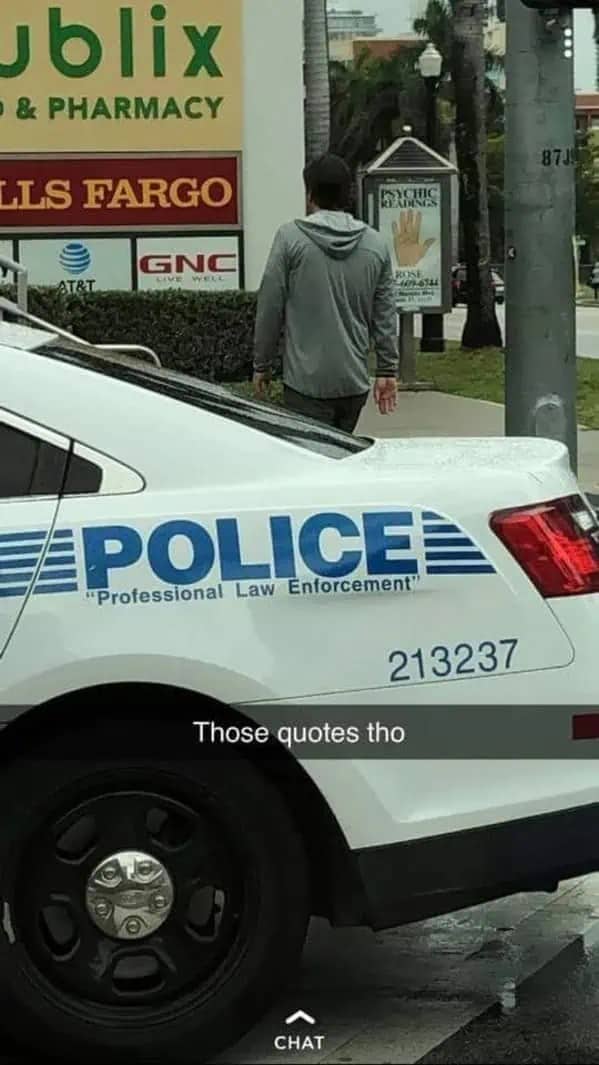
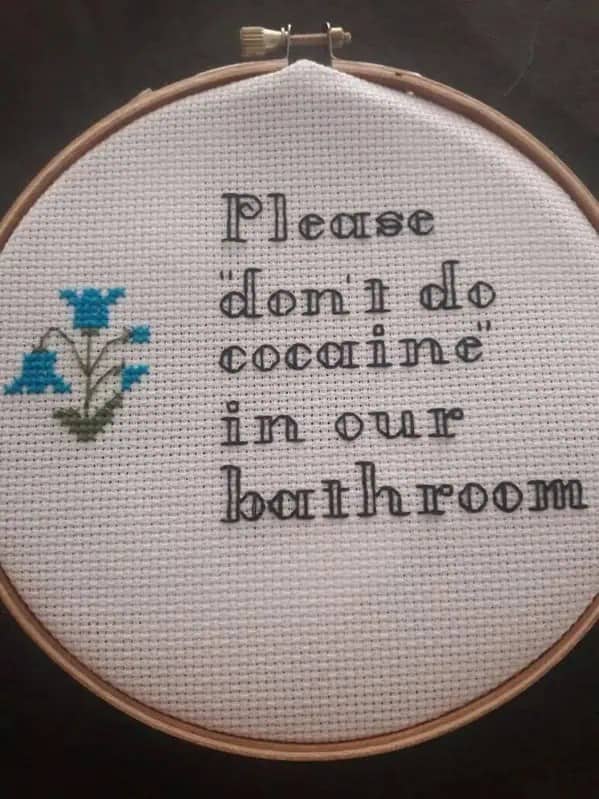
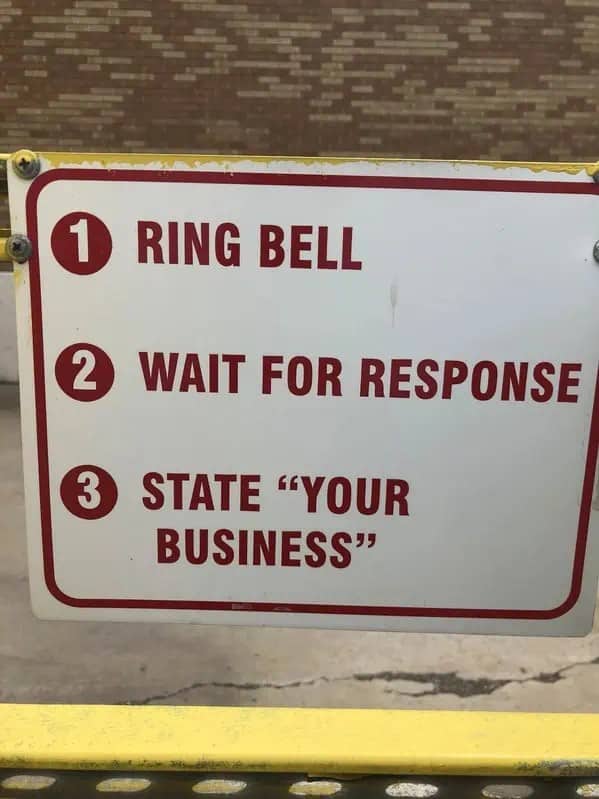
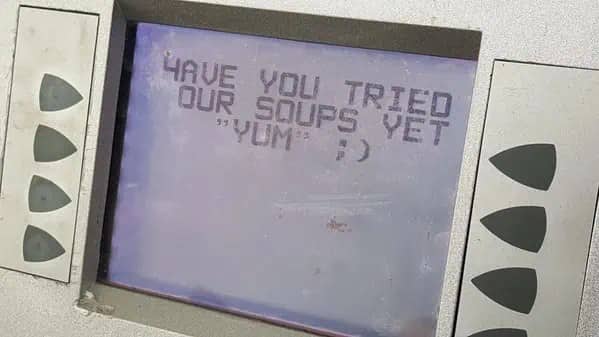
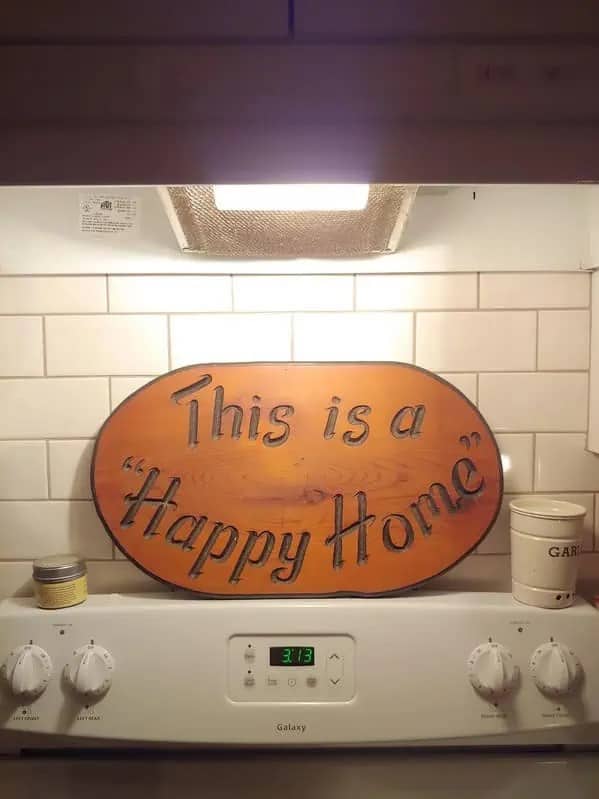
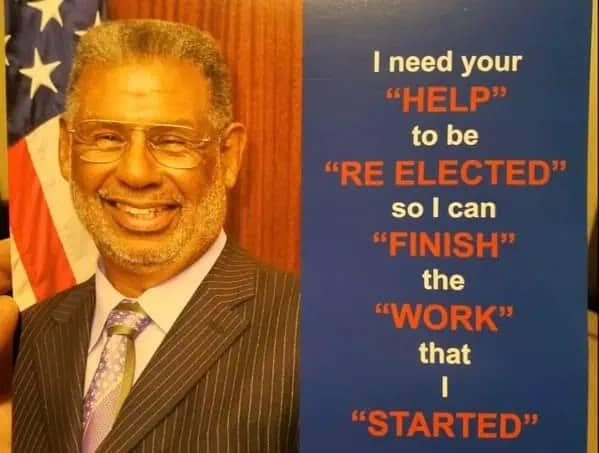
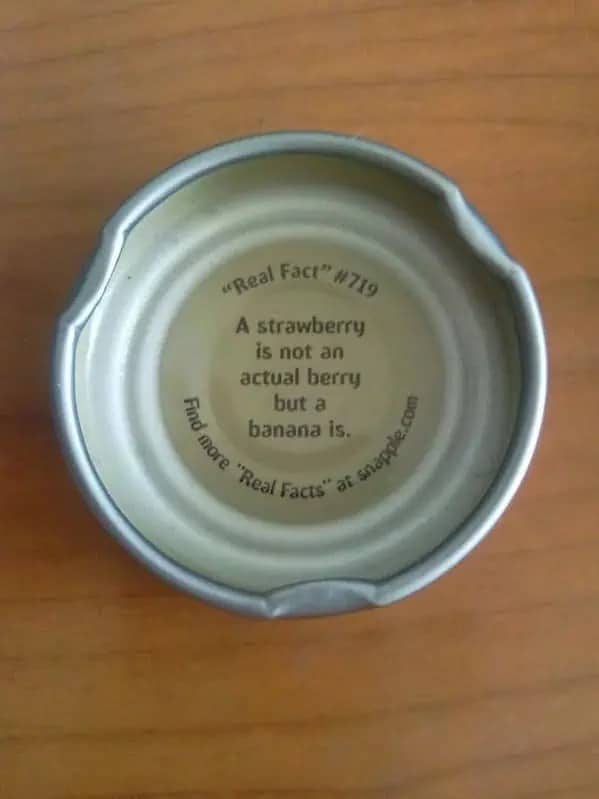
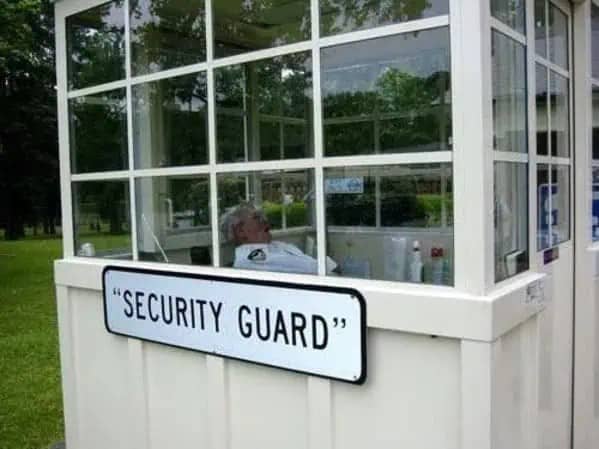
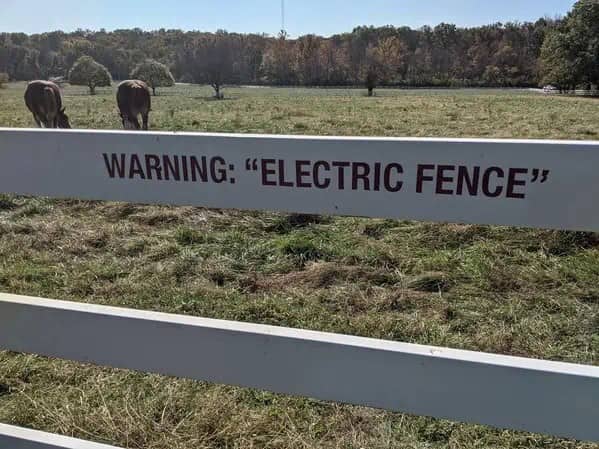
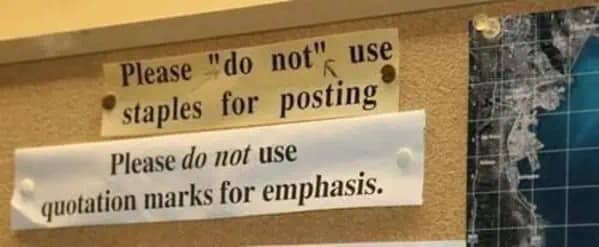




Misused quotation marks
Read More
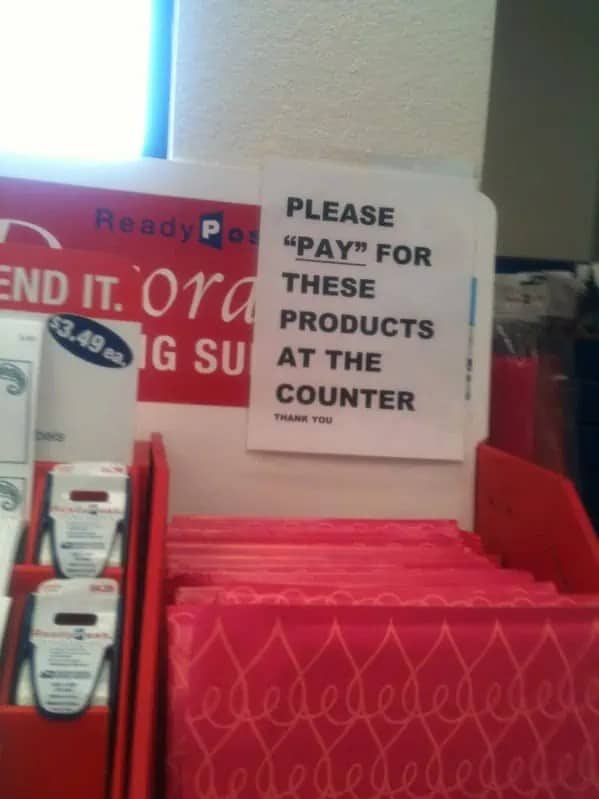
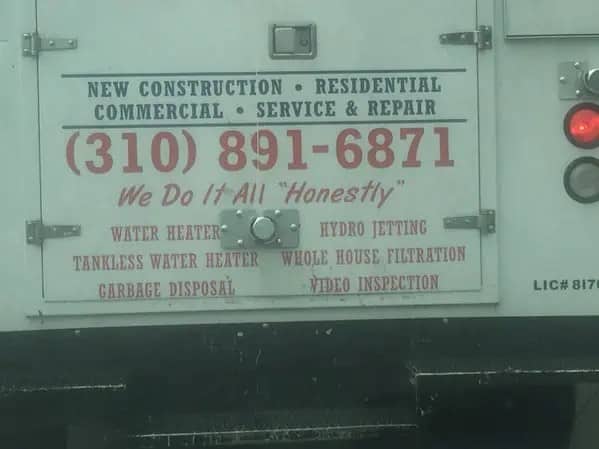
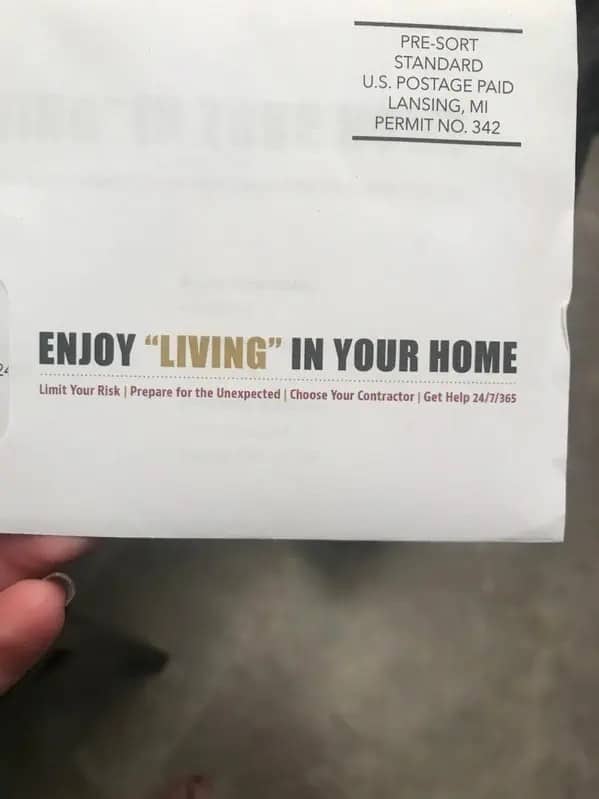
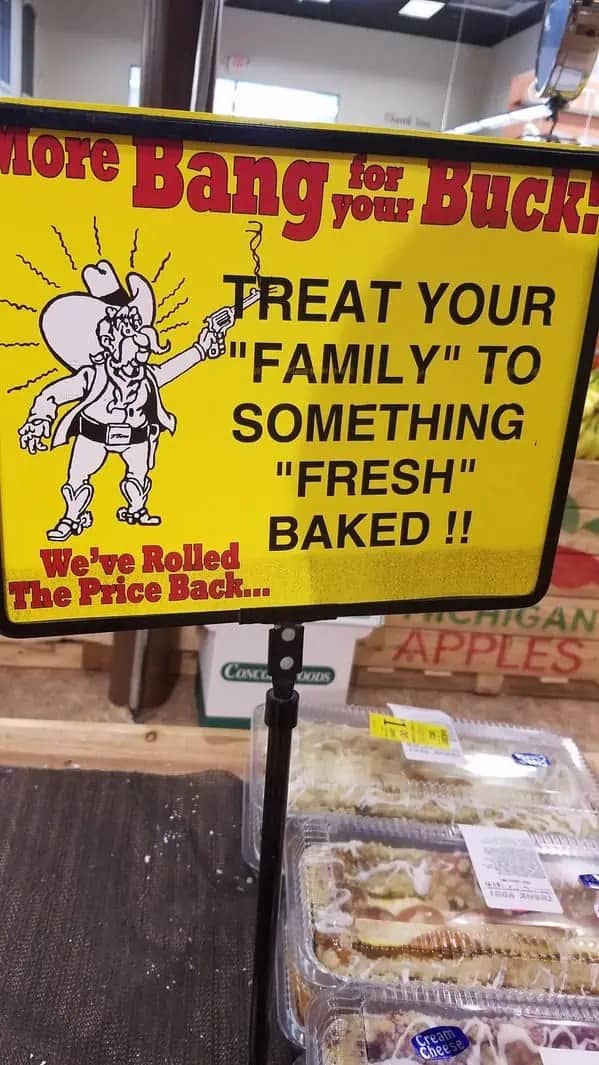
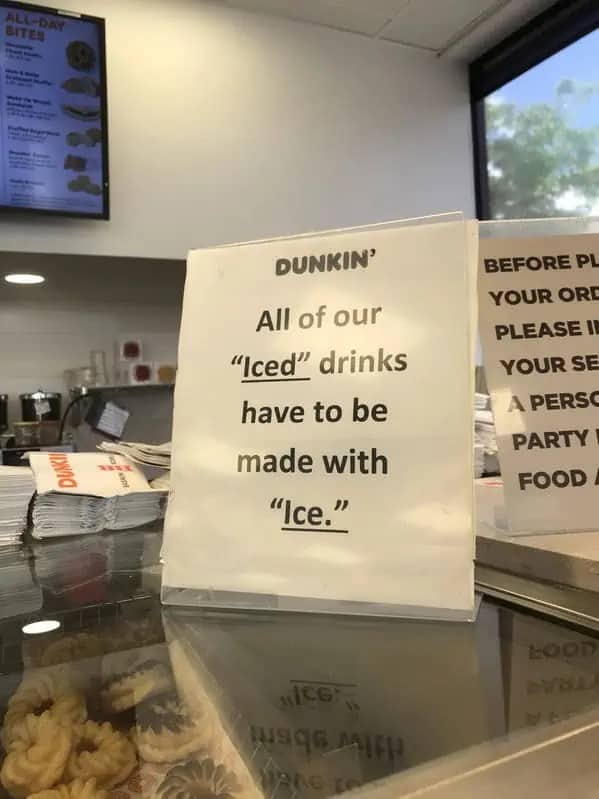
The business signage is where I truly come alive, because a company putting its own selling point in quotes is a confession with a logo. A plumbing truck promising to do it all “honestly” is not advertising, it’s foreshadowing. My favorite might be the store directing customers to “pay” for products, which legally speaking I believe authorizes shoplifting, or at minimum, paying in compliments. Every one of these businesses spent money on the sign. Someone designed it, someone approved it, someone installed it, and at no point in that chain did anyone say “wait, this makes us sound like criminals.” I love that chain. I want to interview everyone in it.
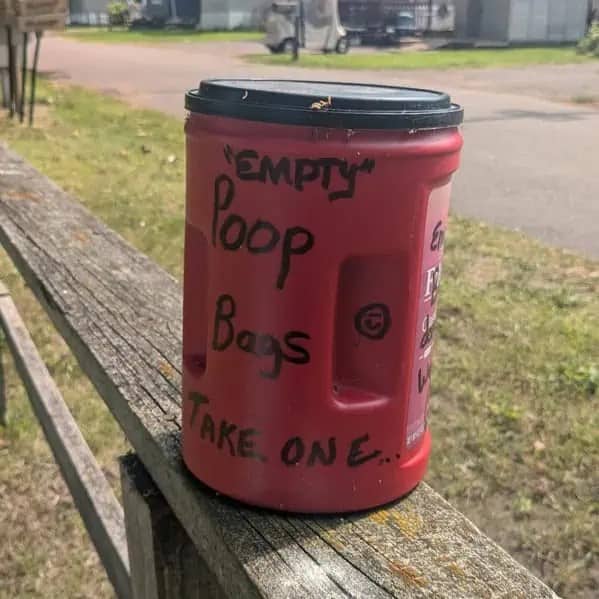
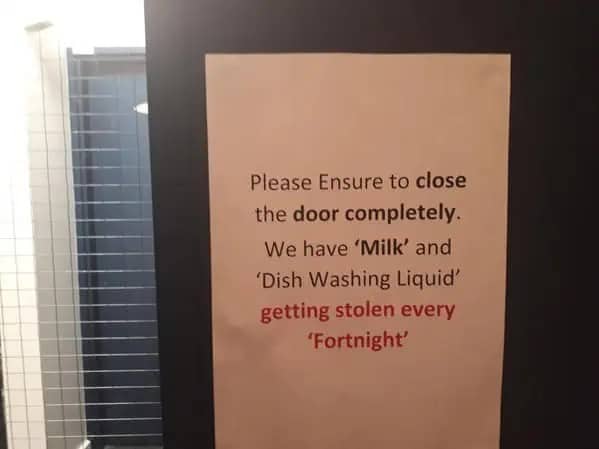
The public notices are their own genre of accidental menace. A door instructing staff to “stop” reads as a dare. A bathroom rule forbidding the use of “feet” opens a line of questioning I was not prepared for and cannot close. And the outdoor bin labeled “empty” poop bags, well, we all know. We know exactly what’s in that bin. The quotes told us. That’s the beautiful physics of this mistake: the sign says one thing, the punctuation says the opposite, and the punctuation always wins. Punctuation doesn’t lie. Signs do.
But the accidentally sinister category is the masterpiece tier. A holiday destination advertising itself as “safe,” which is the single most alarming way to describe a vacation. A university promising students will discover their limits can be “stretched,” a sentence that started as a brochure and ended as a horror pitch. And the vintage book cover featuring a road trip with “officer” Sandusky, where those two little marks turn a children’s story into an active emergency. Timmy, get out of the car. The quotes are telling you everything. The quotes are always telling you everything.
Here’s what delights me most about this entire genre: nobody involved meant any of it. The sign makers were being emphatic. They thought quotes were bold italics with extra flair, a little decorative hug around the important word. And instead, they invented an entirely new message, usually the exact opposite one, and published it in public, in weatherproof materials, for years. It’s dramatic irony you can drive past. Literature wishes it worked this efficiently.
And I’ll admit the ruinous part: once you see it, you’re recruited. You will now notice misplaced quotes on every chalkboard, every menu, every church bulletin, forever, and you will suppress a laugh in inappropriate settings for the rest of your life. Is that a burden? Slightly. But you’ll also never read the word “fresh” on a seafood sign the same way again, and honestly, that instinct might save your life someday. Grammar matters. The quotes told you so. “Sincerely.”
The lines are little. The damage is large. Read every sign twice.
If you also just became a person who notices, I’m sorry and welcome, and our language humor content will feed the affliction, with grammar fail archives, sign blunder threads, and punctuation crime compilations stacked deep. Go forth and flinch at menus. You’re one of us now.
Read Memes
Get Paid


Alex Thompson has been chronicling internet culture and meme phenomena for nearly seven years. Starting at CollegeHumor and later becoming lead meme editor at Mashable, Alex has covered everything from vintage internet memes like Rickrolling to recent viral events such as Corn Kid and Grimace Shake. With a keen eye for what connects and entertains digital audiences, Alex writes with humor, relatability, and deep knowledge of online culture. At Thunder Dungeon, Alex is the go-to source for meme analysis, viral breakdowns, and internet nostalgia.