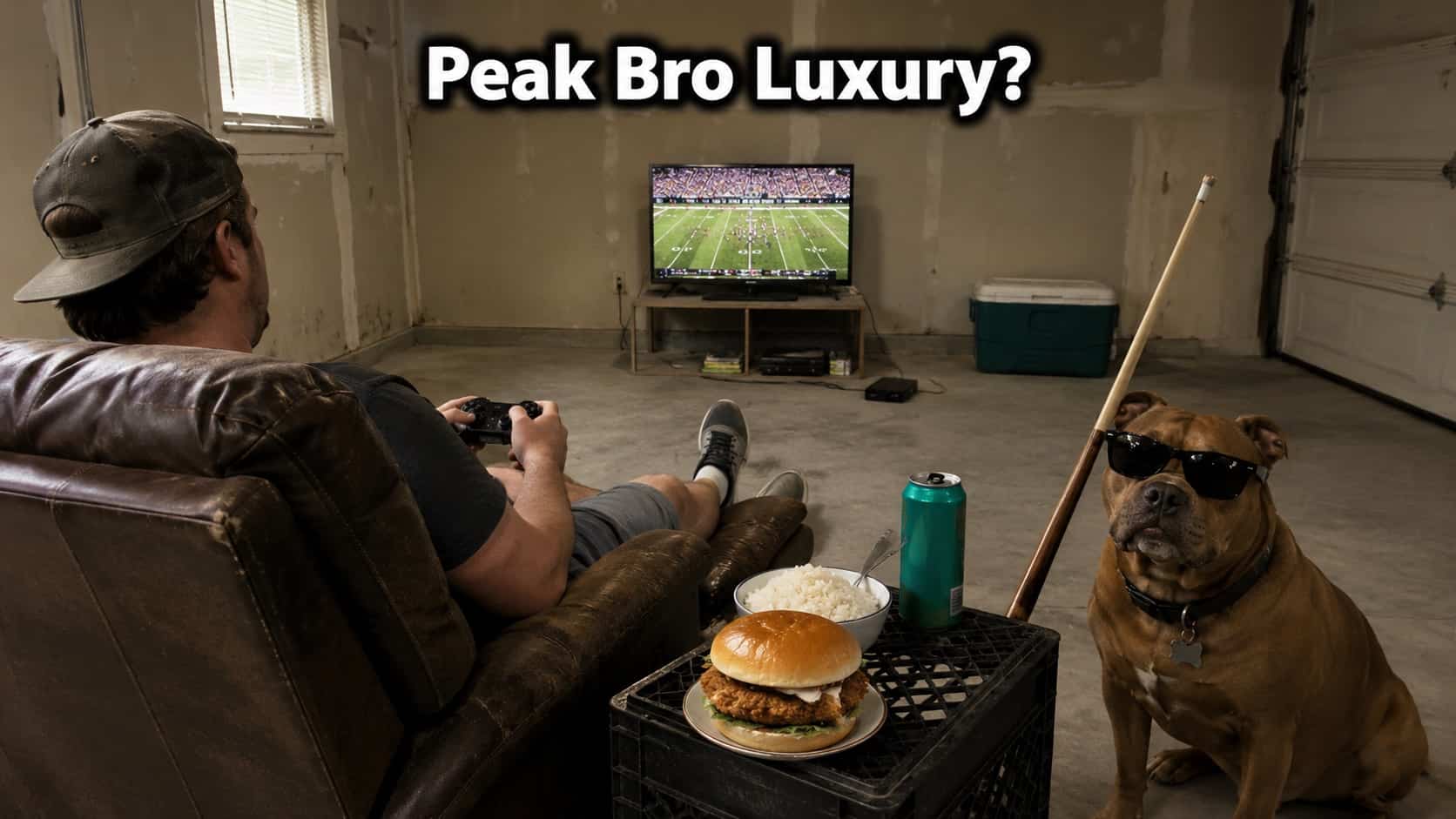
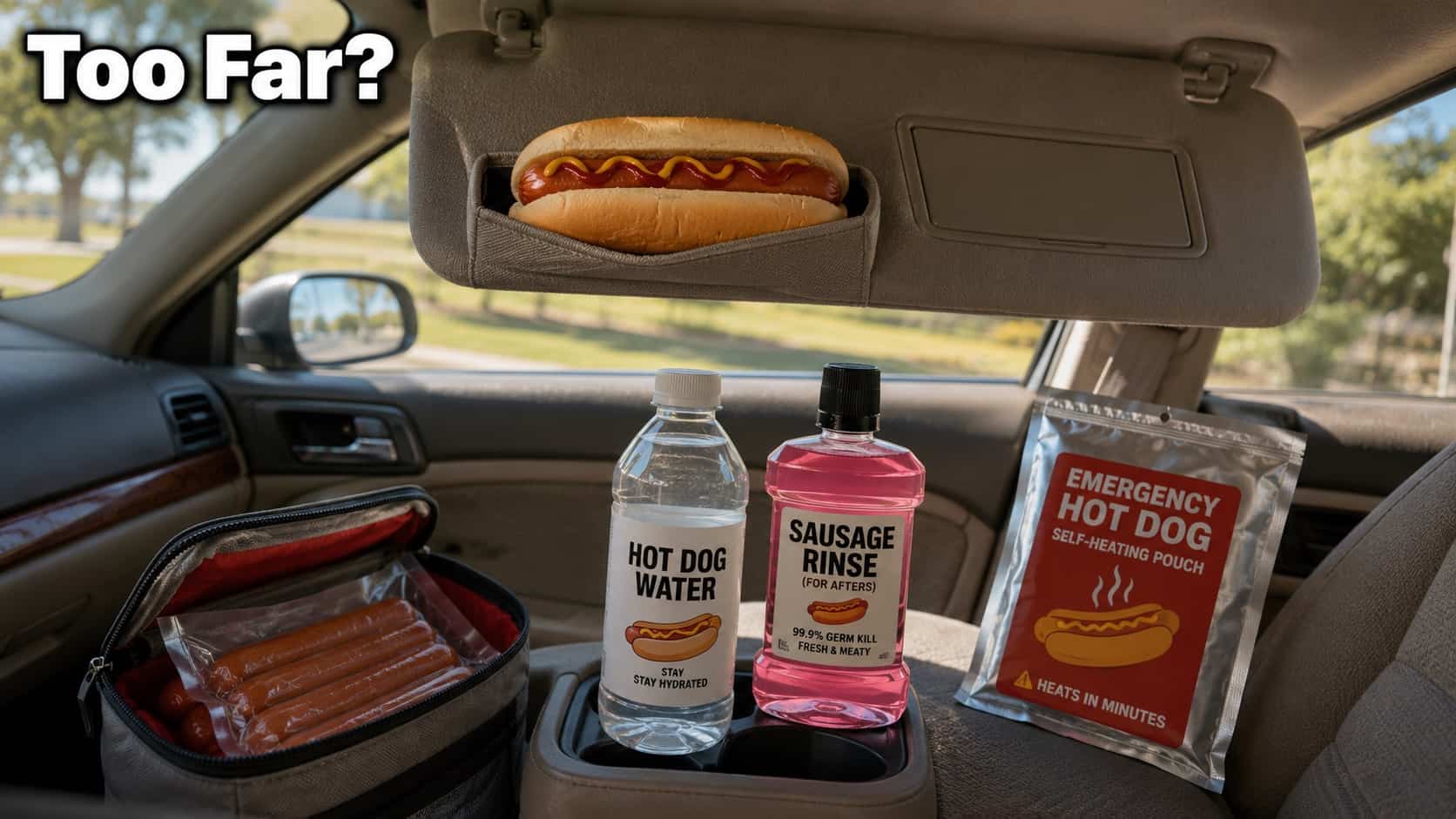

Somewhere on the internet, an anonymous content creator decided to photograph a hot dog in a series of contexts the hot dog was never intended to occupy, and the resulting body of work has been quietly degrading the dignity of the American sausage for approximately five years now. These hot dog memes are the small ongoing record of that degradation, and the degradation is, frankly, one of the funniest and most upsetting internet projects currently in active production. Approach with caution.
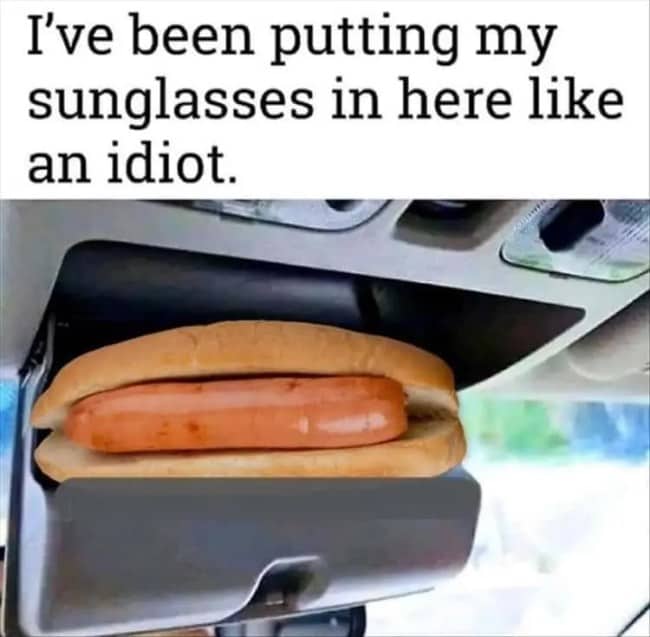
Tactical.
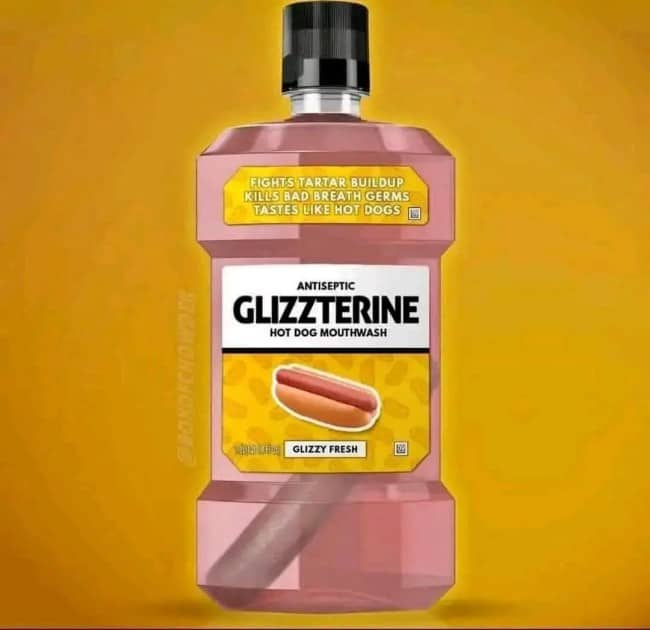
Dentists hate this one weird trick.
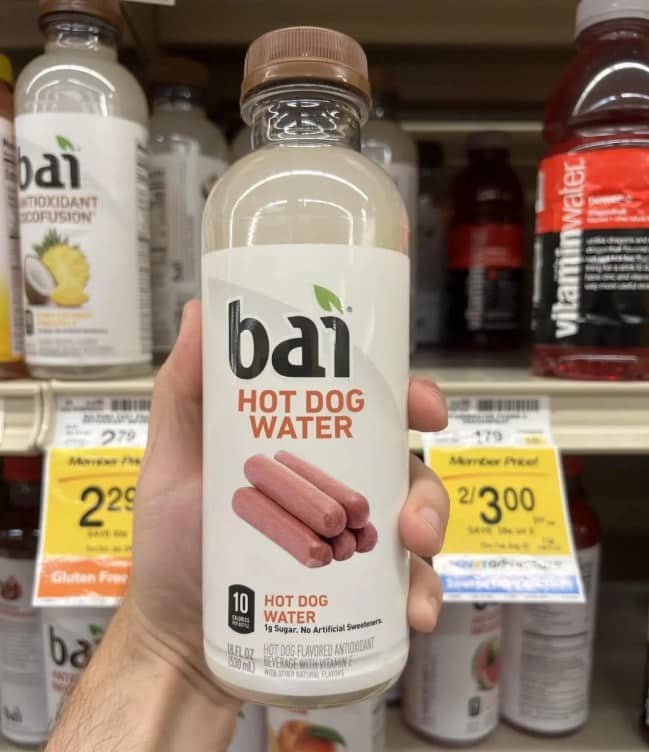
Only 10 calories of pure, distilled processed meat essence.
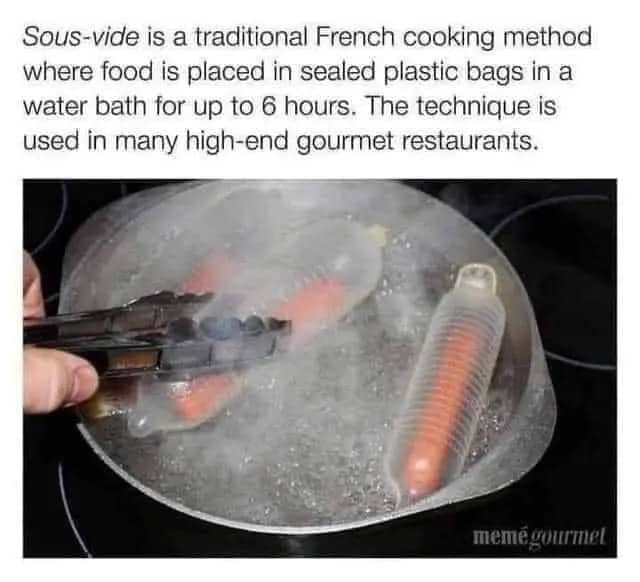
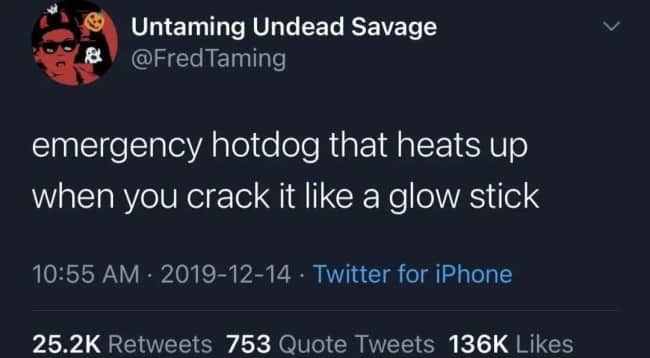
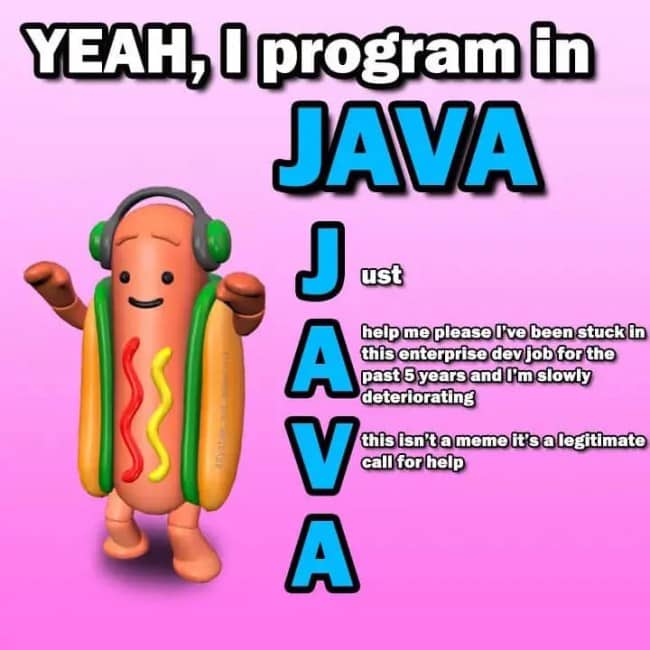
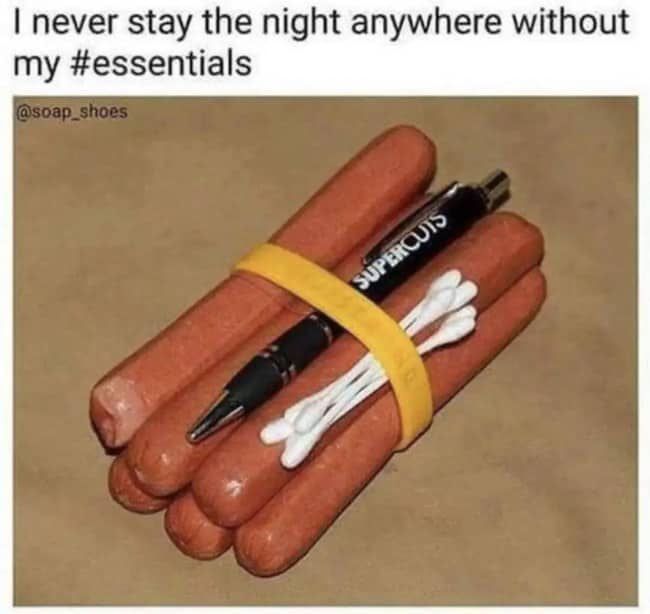
Wallet, keys, phone, and my tactical pocket meat supply.
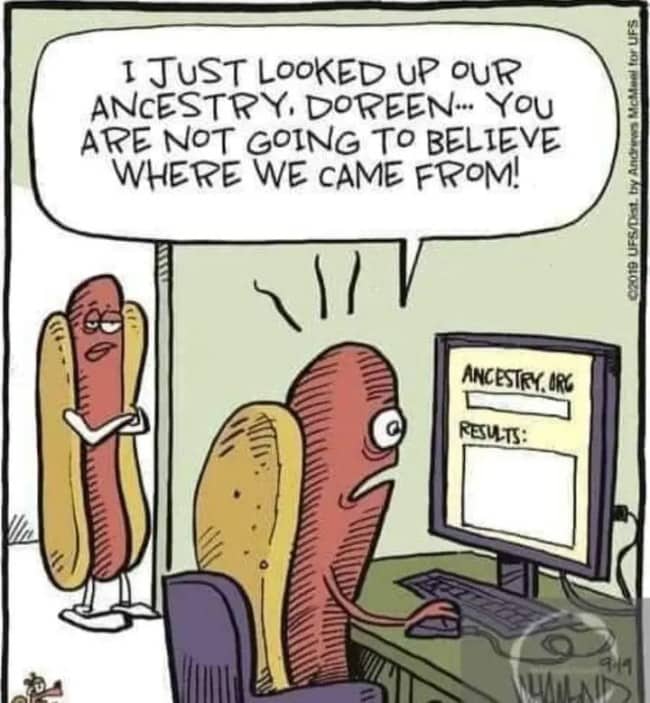
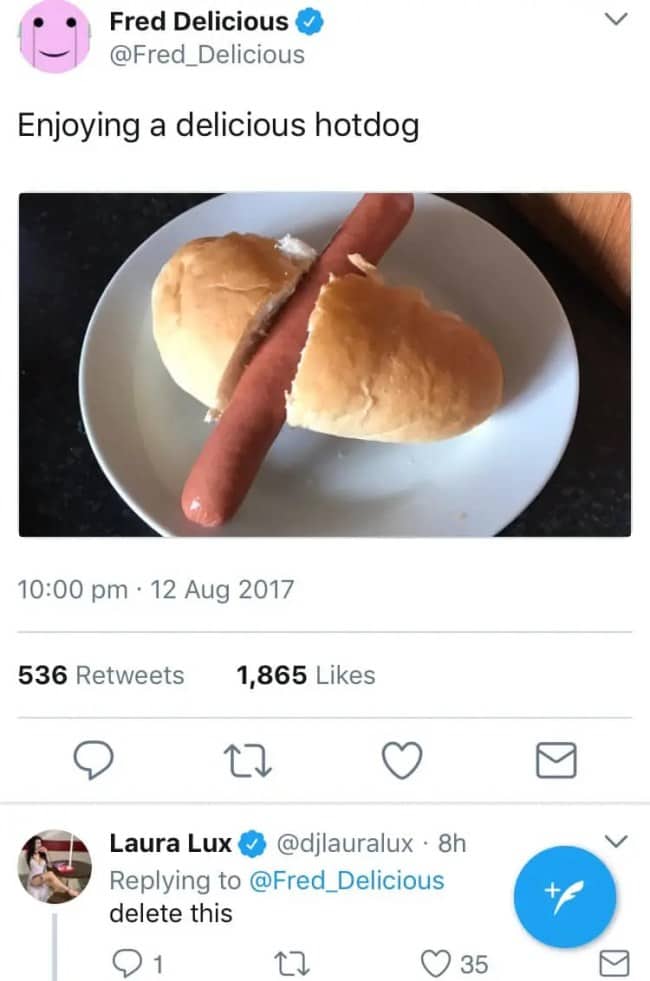
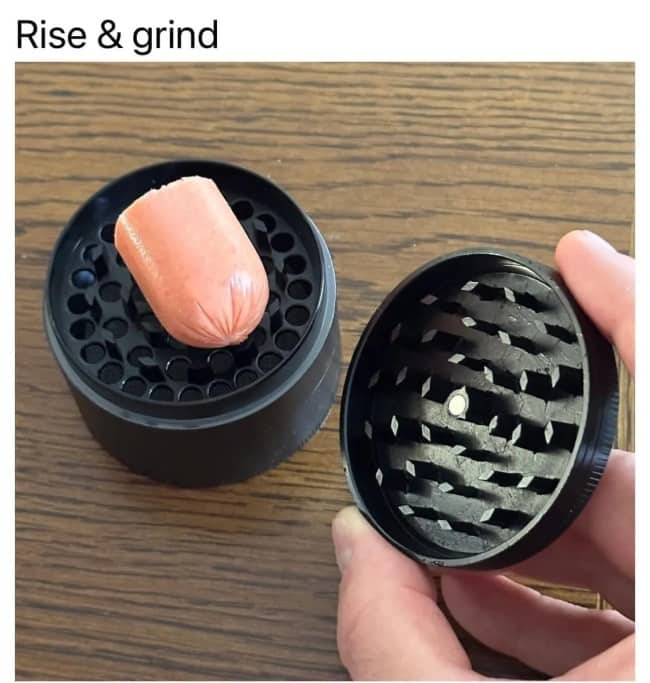
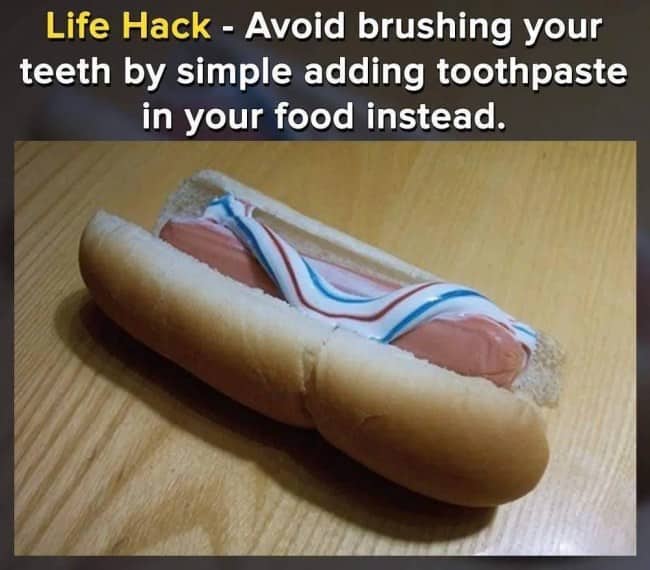
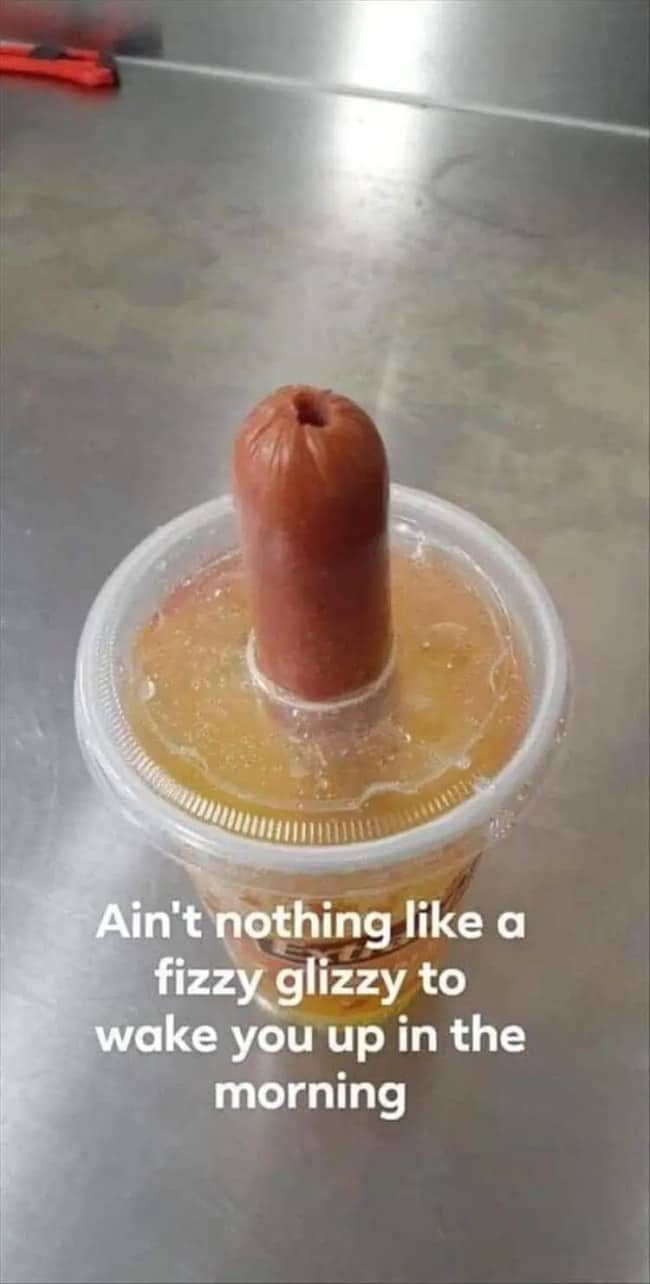
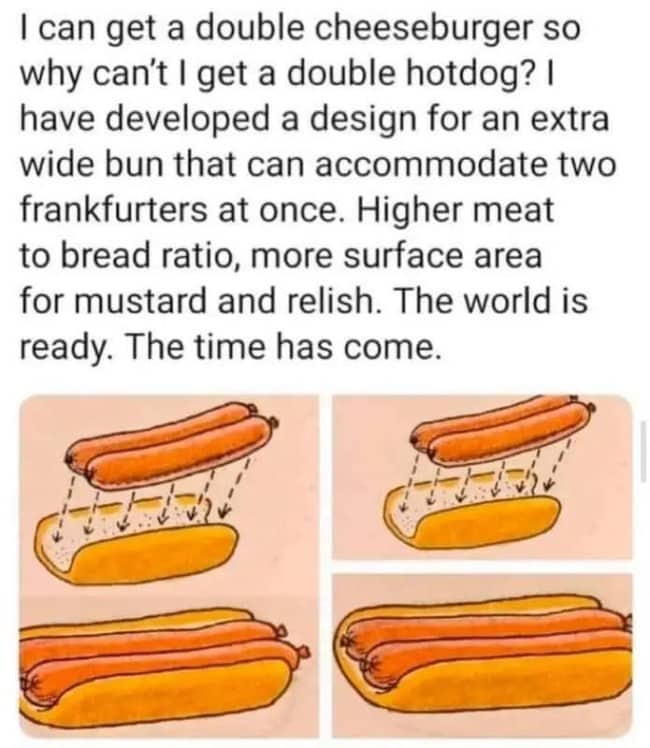
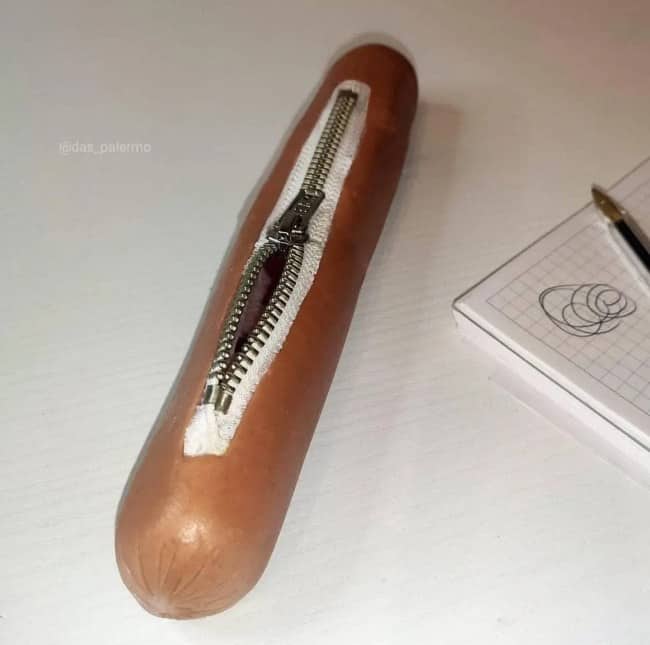
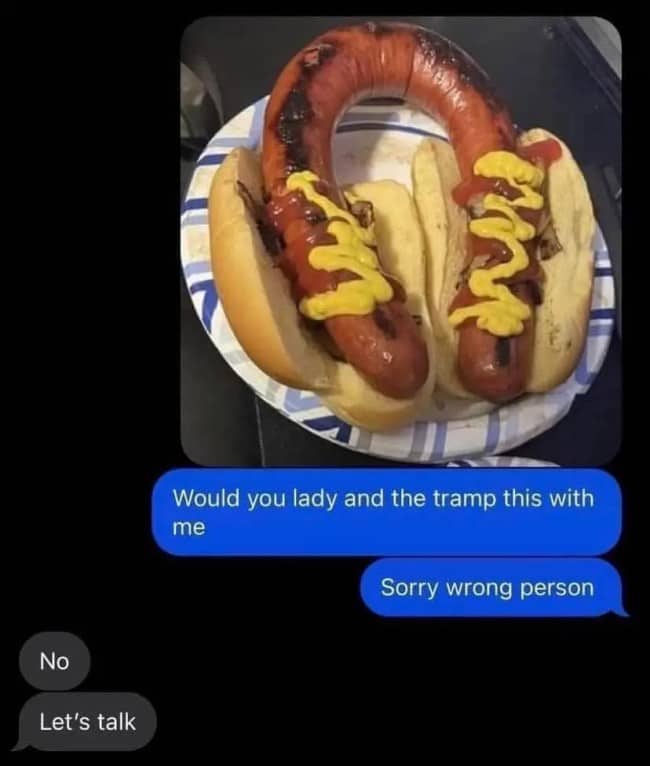
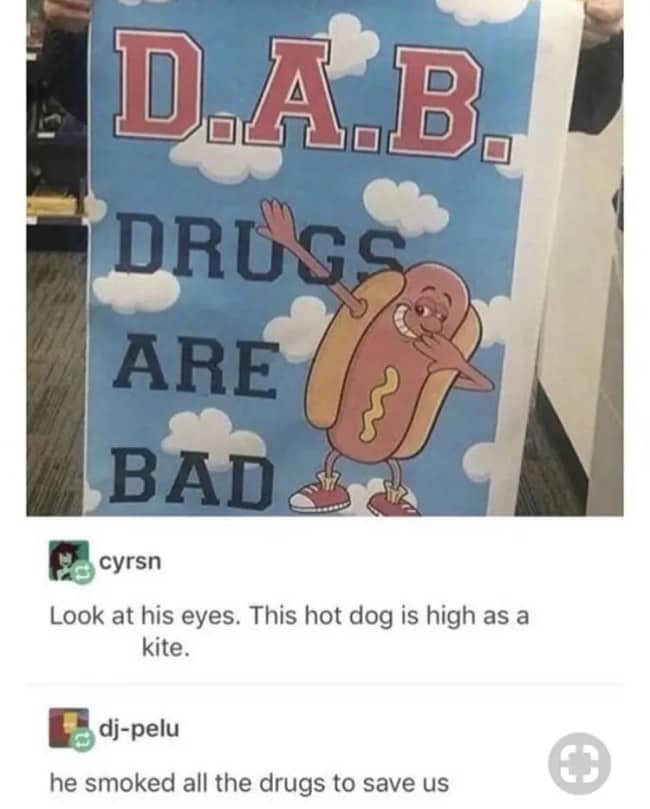
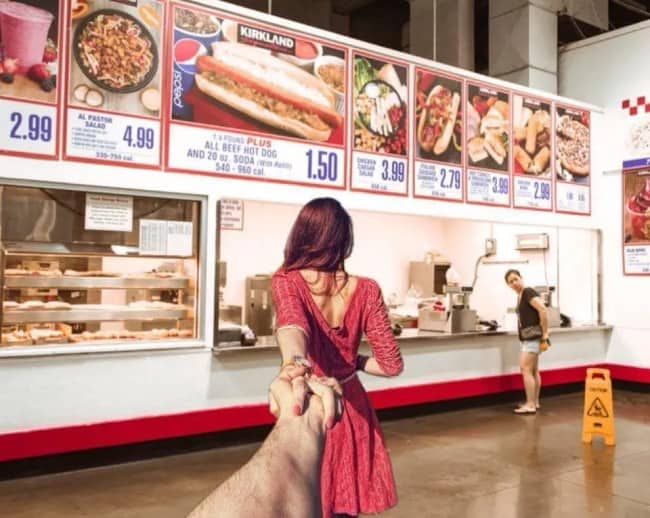
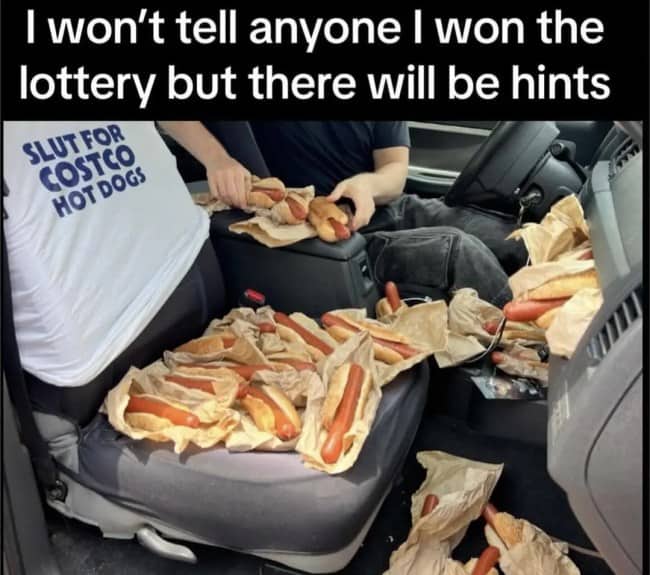
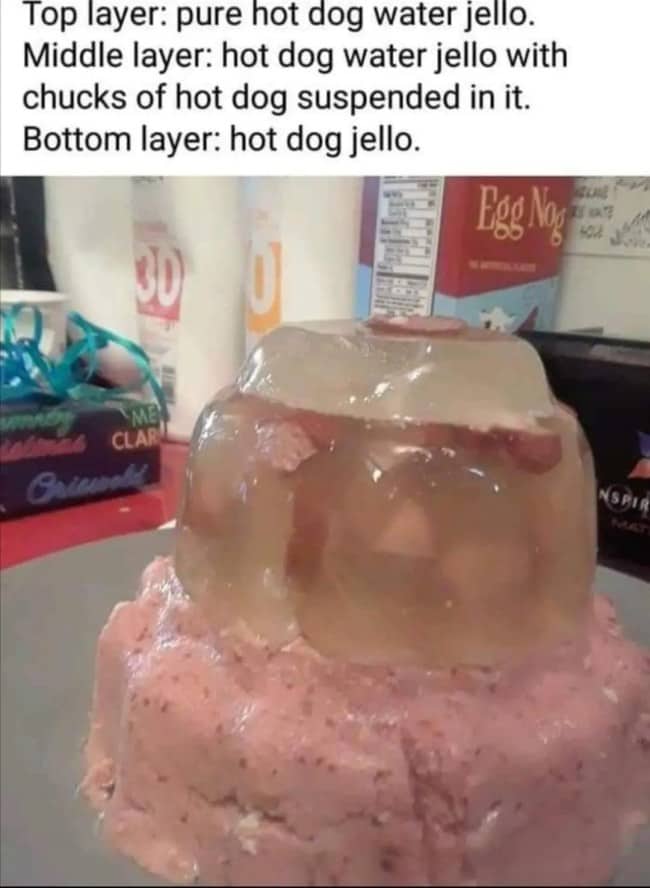
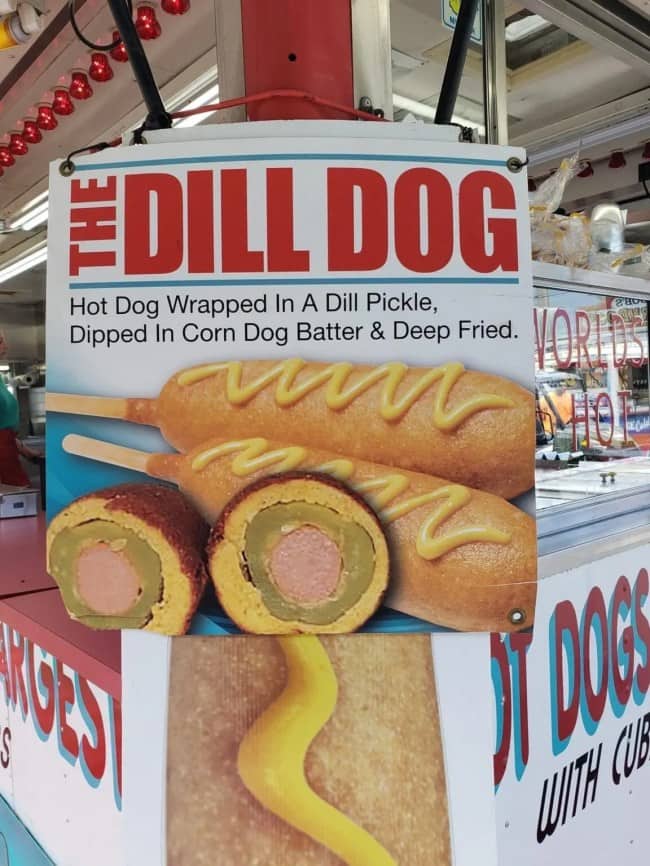
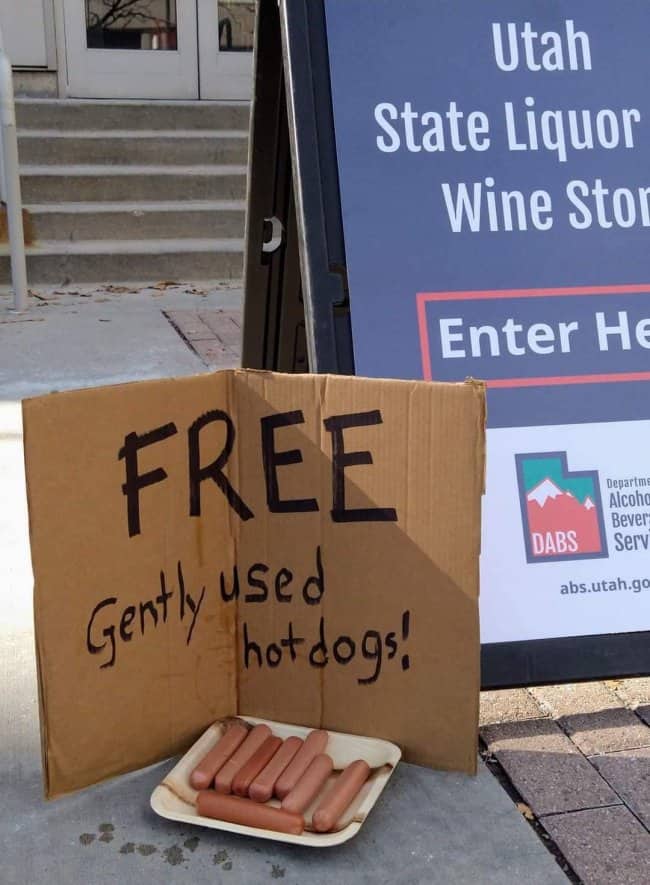
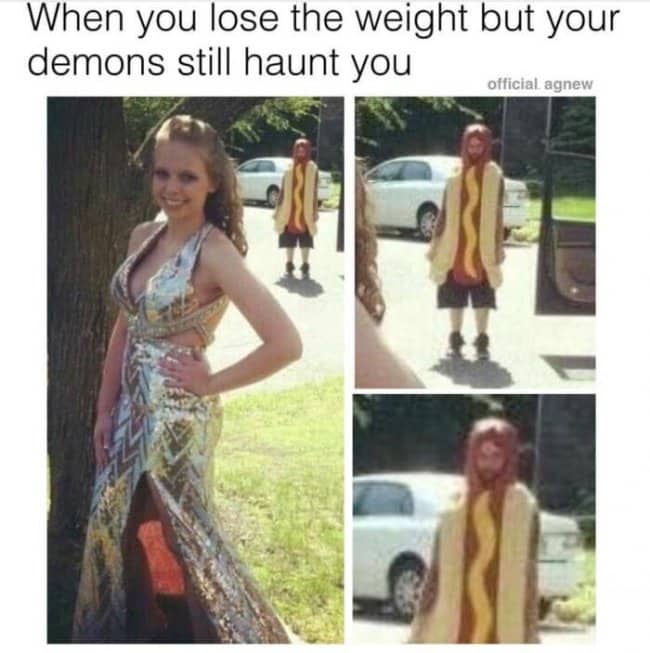
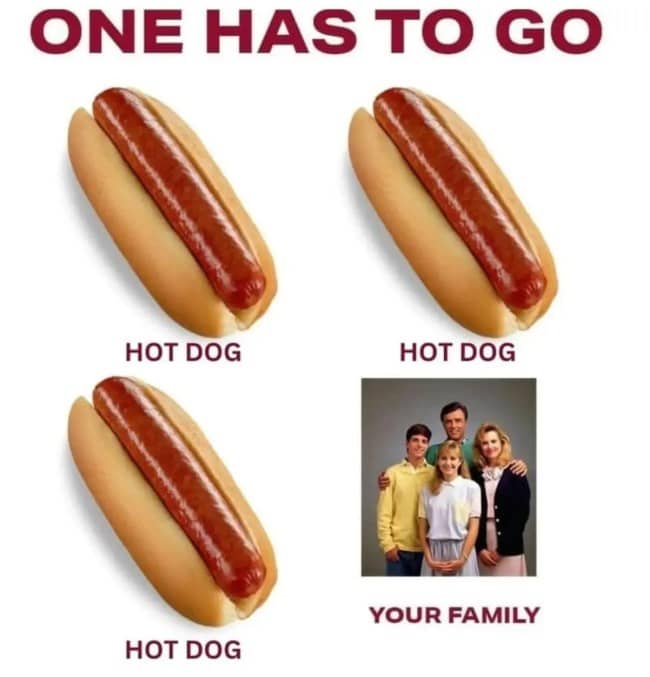
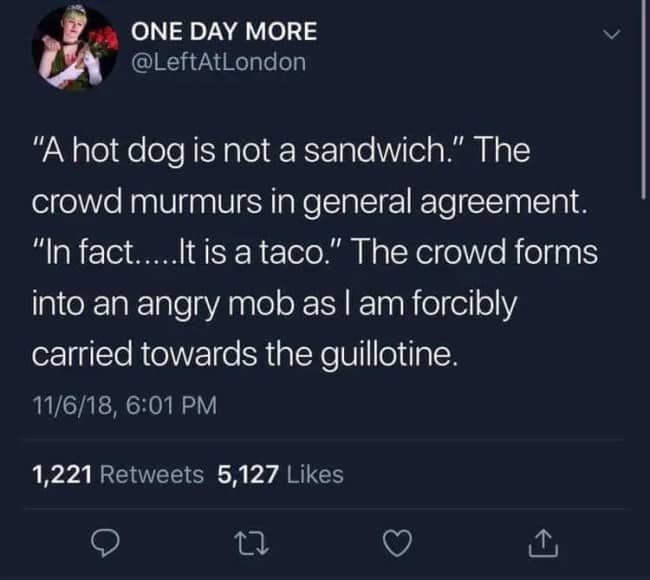
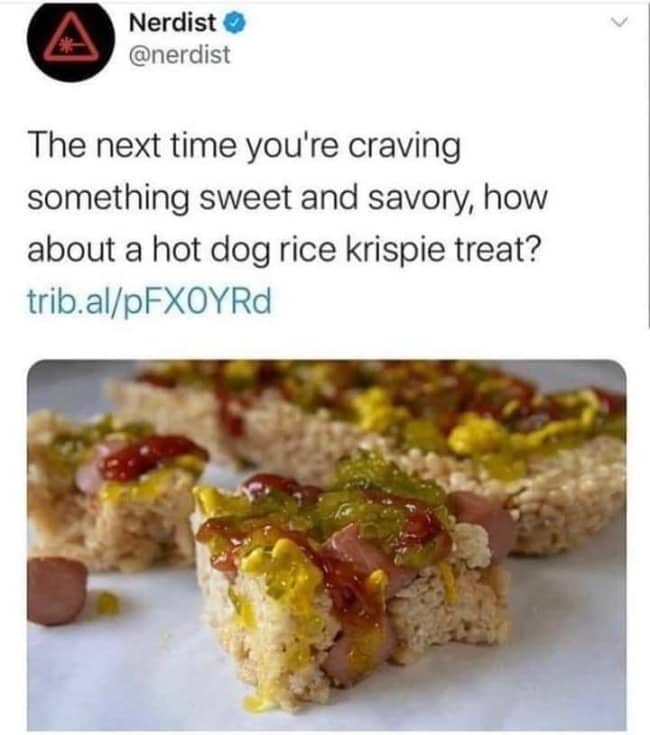
Hot dog meme
Read More
The hot dog meme genre exists because the hot dog is, structurally, one of the funniest food items currently in commercial production. The shape is unusual. The processing is suspicious. The cultural position is ambiguous, hovering somewhere between a legitimate meal and a stadium impulse purchase. The cursed hot dog memes filling galleries like this are essentially the documented evidence that the internet has decided to take this naturally absurd object and push it into contexts that no reasonable food product should ever occupy, and the pushing has produced one of the most aggressive comedic genres currently online.
What makes the genre particularly satisfying is its willingness to commit to the bit at full intensity. The unhinged glizzy memes operating in this space are not making subtle visual jokes. They are producing fake products, staged photographs, and elaborate scenarios that treat the hot dog as a versatile object capable of replacing items it was never designed to replace. The audience is not being asked to think. The audience is being asked to recoil, briefly, and then laugh, and then think about what they just saw for the rest of the afternoon.
There is also a strong recurring subgenre of content that targets the specific terminology and rituals that have grown up around hot dog culture online. The slang. The protocols. The completely made-up etiquette. The funny glizzy content in this category is essentially documenting how a community of strangers has, somewhere over the past few years, developed an entire shared language around a processed meat product, and the language is, against every rational expectation, real.
The broader thing this whole genre captures, beyond the immediate visual horror, is the way certain online communities have decided to develop deeply specific shared mythologies around objects that, by any sensible cultural standard, do not deserve mythologies. The hot dog should not have its own internet dialect. The hot dog should not be the subject of elaborate fake advertising campaigns. The hot dog should not, structurally, be the subject of anything. And yet, the hot dog has become exactly all of these things, because a sufficient number of strangers online decided that this was funny enough to commit to.
There is also a small lesson embedded in how this content travels. The hot dog memes that go viral are the ones that fully understand the absurdity of their own existence. The creators are not, mostly, taking themselves seriously. The audience is not, mostly, taking them seriously either. The whole apparatus is operating on a level of self-aware foolishness that allows the genre to keep escalating, because nobody involved has any investment in dignity.
The product is ordinary. The treatment is, on every level, unhinged. The result is somehow funnier than it should reasonably be.
If the cursed aesthetic was your kind of fun, our absurdist food content is right where you’d want to land next, and we’ve got plenty of weird-product archives, fake-advertising compilations, and unhinged-cooking threads for anyone whose appetite has officially left the building. Eat first. Scroll second.
Read Memes
Get Paid


Michael Hartley, or just "Mike," is an editor and seasoned meme historian whose articles have traced the evolution of meme humor from early Impact-font classics to today’s TikTok sensations. With nearly a decade spent as senior editor at ViralHype and as a regular contributor to Cheezburger, Mike has dissected the rise of meme legends such as Bad Luck Brian, Success Kid, and Doge. When he's not hunting down meme gold for Thunder Dungeon, Mike teaches workshops on meme marketing and the psychology behind shareable content.