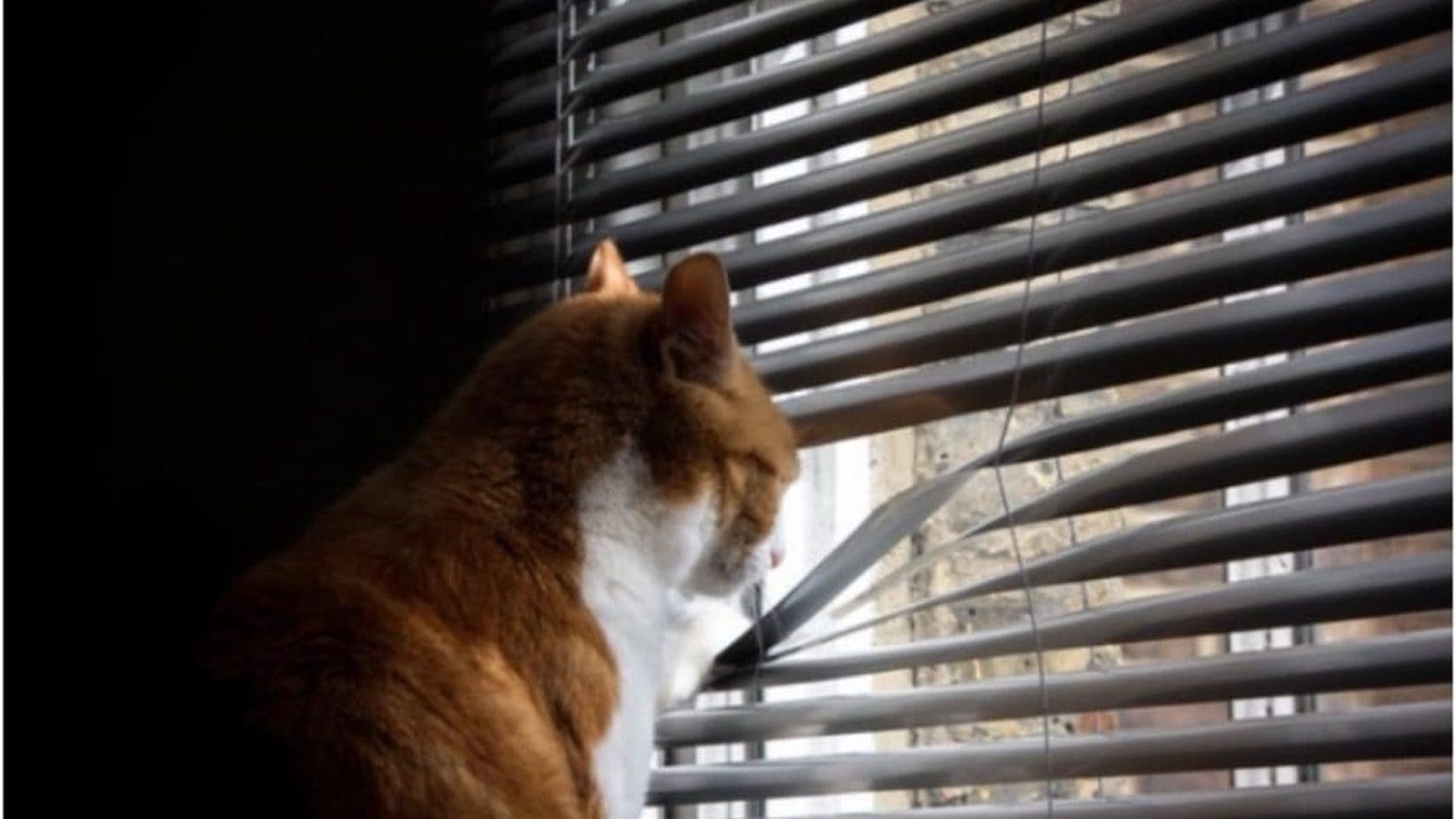
Before dating apps reduced romance to thirty seconds of swiping, there was a stranger form of love-seeking that involved a public bulletin board, a stranger you saw once, and the willingness to write about it in a way the rest of the city could read. These funny missed connections are the small surviving record of that pre-algorithm era, when meeting somebody in person required follow-up writing, and the writing was, frequently, unhinged. Pour something light and prepare to mourn the age before the apps.

Romance isn't dead, it's just riding the No. 30 bus to Highbury.

Carb-loaded and cautious.

Proof that sometimes the internet actually works.


"I was on a date, and that seemed awkward." Understatement of the year.

"I'll bring the sugar" is an elite closing line.



Funny missed connections
Read More
The missed connection genre is one of the most accidentally beautiful pieces of writing the internet has ever produced, partly because the writers were not trying to be writers. They were trying to find one specific person they saw briefly somewhere, and the urgency of the search produces a kind of unstudied honesty that more polished forms of writing never quite achieve. The romantic missed connection posts filling galleries like this read less like creative work and more like field journals from a society where everybody was paying close attention to each other in physical space.
What makes the genre particularly satisfying is the way it documents a vanished social contract. Strangers used to look at each other. The looking was, occasionally, mutual. The mutual looking was, on rare occasions, romantically significant, and the significance could be acted on later by publishing a public confession in the local paper or the regional Craigslist. None of these steps were considered weird at the time. All of them are, by current standards, completely deranged.
There is also a strong current of self-implication running through the genre that the apps have entirely eliminated. The writers admit to what they were doing when they met. They confess their own embarrassing details. The funny missed connections in this gallery work because both parties have already, in print, acknowledged whatever was actually happening at the moment of contact, and the acknowledgment is what makes the encounter feel real instead of curated for the algorithm.
The broader thing this whole genre captures, when you sit back from the individual posts, is what dating used to look like before the apps swallowed the entire process. The missed connection format assumed that romance happened in physical space, between actual humans, with no pre-screening, no profile, no algorithm, and no second chance unless one party went home and wrote about it. The whole apparatus required real attention to the present moment, and the present moment was, in turn, weirder and more random than any algorithm would ever permit.
There is also a small loss embedded in the genre’s archival quality. The format is mostly dead. Craigslist has retired its personals section. Newspaper classifieds barely exist. What survives online is essentially historical writing now, capturing a brief period when meeting somebody at a grocery store was a normal romantic possibility rather than a movie trope nobody actually attempts.
The encounters are over. The lovers, presumably, are gone. The posts, however, remain, and the posts are doing the small work of reminding us that dating, before the apps, was a much weirder and more human activity than it has currently become.
If the analog dating energy hit the spot, our vintage romance content is right where you’d want to land next, and we’ve got plenty of nostalgia archives, old-internet relic content, and dating-history humor for anyone who wonders what flirting was like before the swipe. Read the local paper sometime.
Read Memes
Get Paid


Priya Coleman is a viral content specialist and meme analyst with over six years in digital publishing. Her past roles include viral content editor for PopSugar's humor vertical and meme correspondent for HuffPost’s comedy section. Priya specializes in spotting trending meme moments just before they peak—like the chaotic delight of the Ever Given’s Suez Canal mishap or the existential comedy of This is Fine. She brings her sharp wit and instinctive knack for viral content to Thunder Dungeon, always keeping the community a step ahead of the latest meme craze.