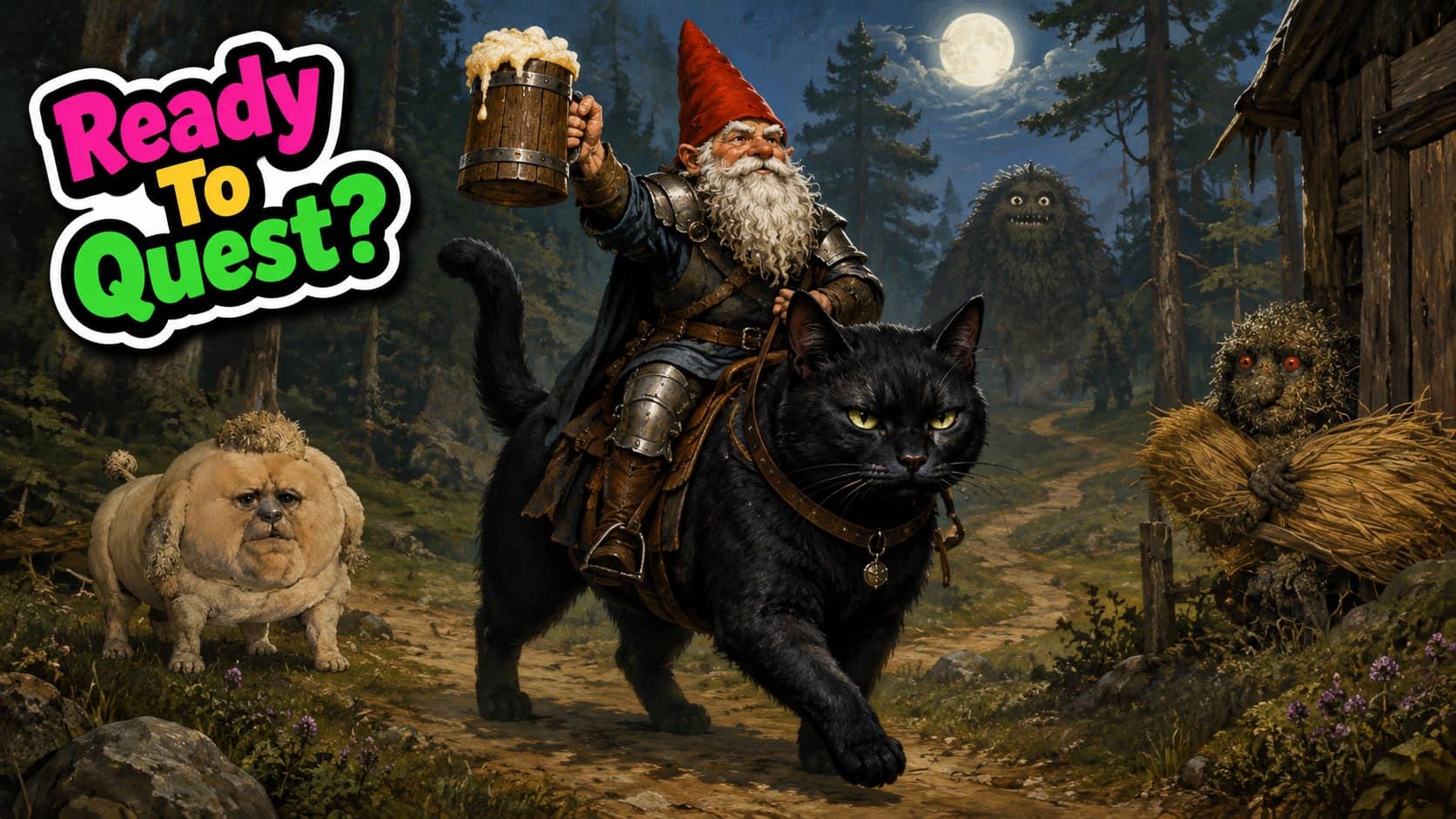

Somewhere in a library, somebody is annotating a centuries-old painting of a peasant with a modern caption about being late to brunch, and the result is more emotionally accurate than most contemporary comedy. These medieval memes are the small comedic ecosystem where ancient art meets internet humor, and the gap between the two is where everything funny lives. There are demonic cats. There are dogs that look like they were assembled from rumors. The wizards are reliably absent from their meetings. Sharpen your quills.
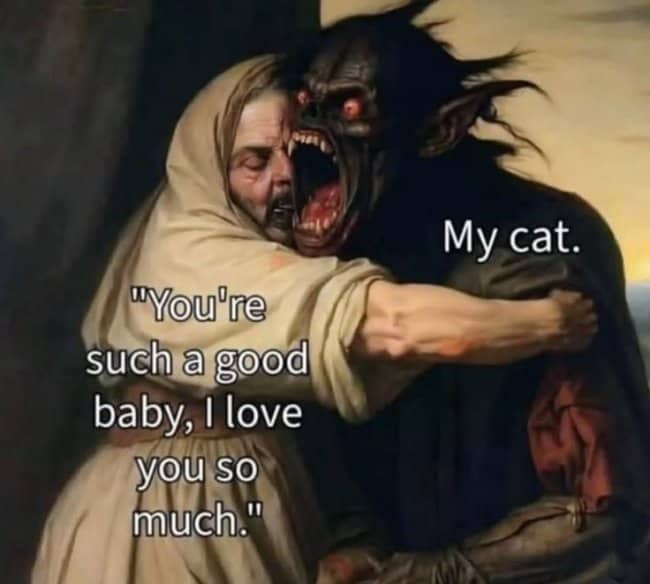
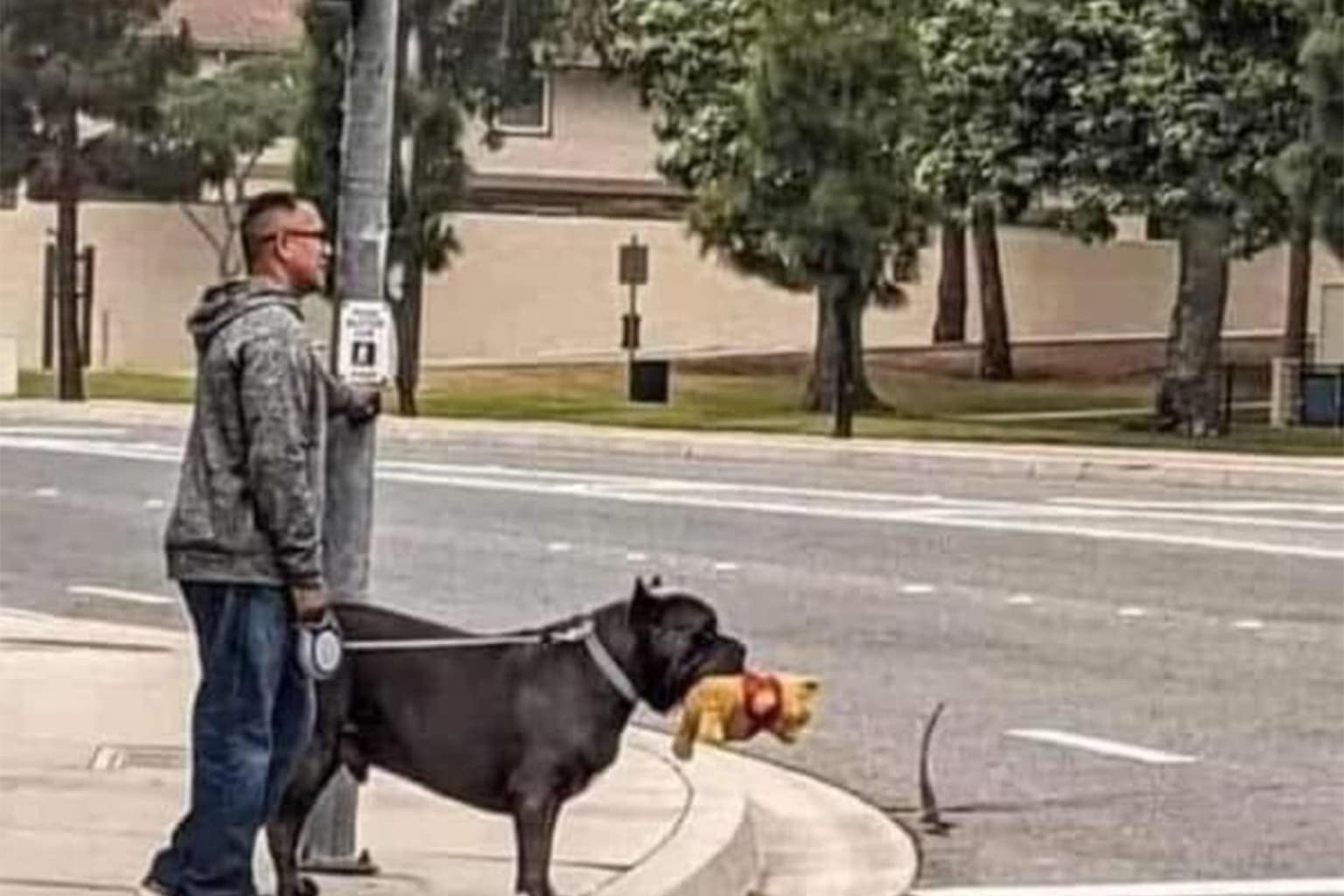
"He doesn't bite, he just harvests souls occasionally."
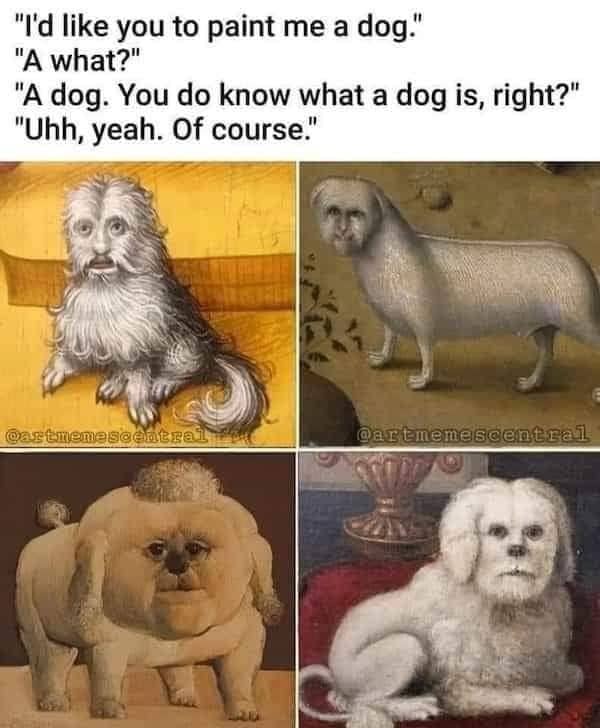
Art school in 1350 was a wild, lawless place.
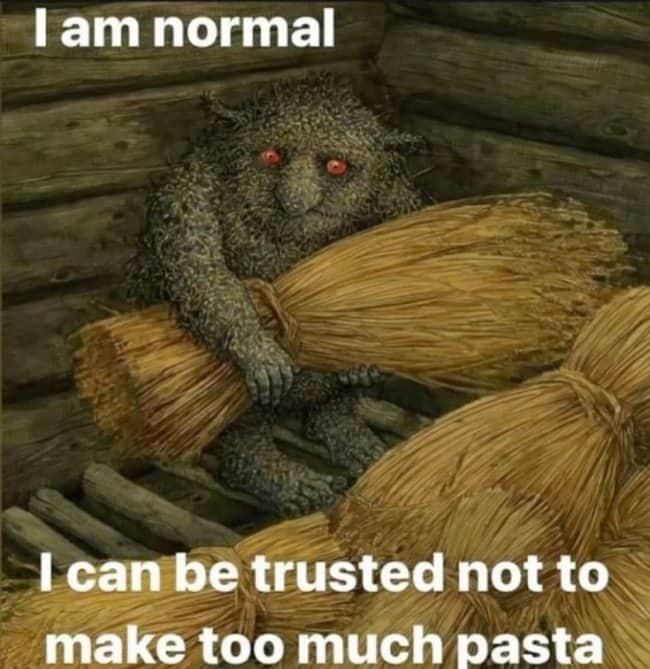
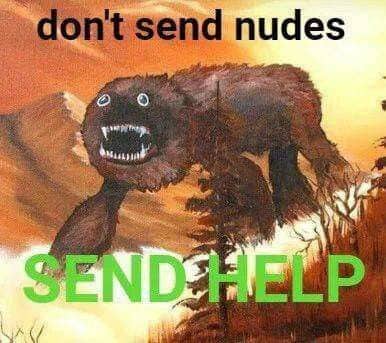
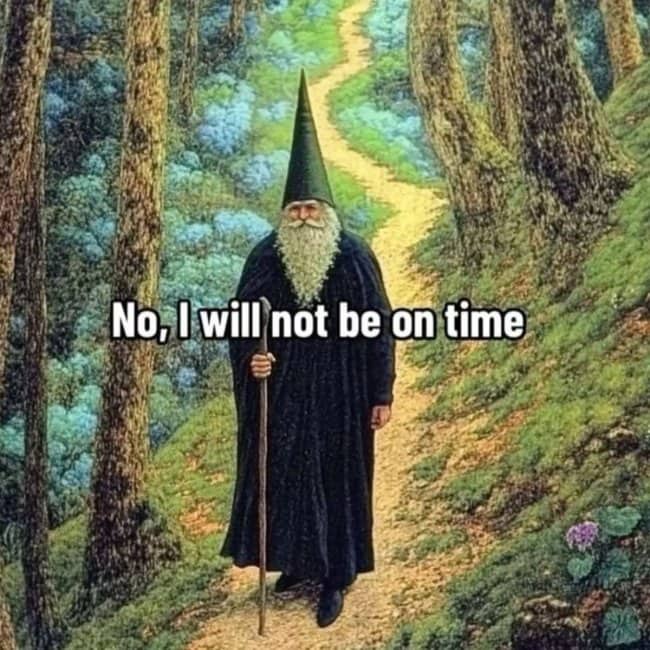
My response to every "Are you on your way?" text.
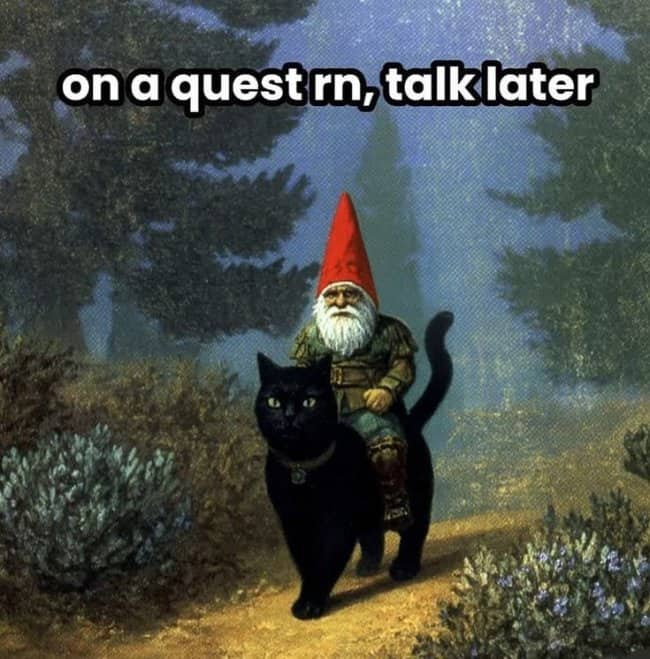
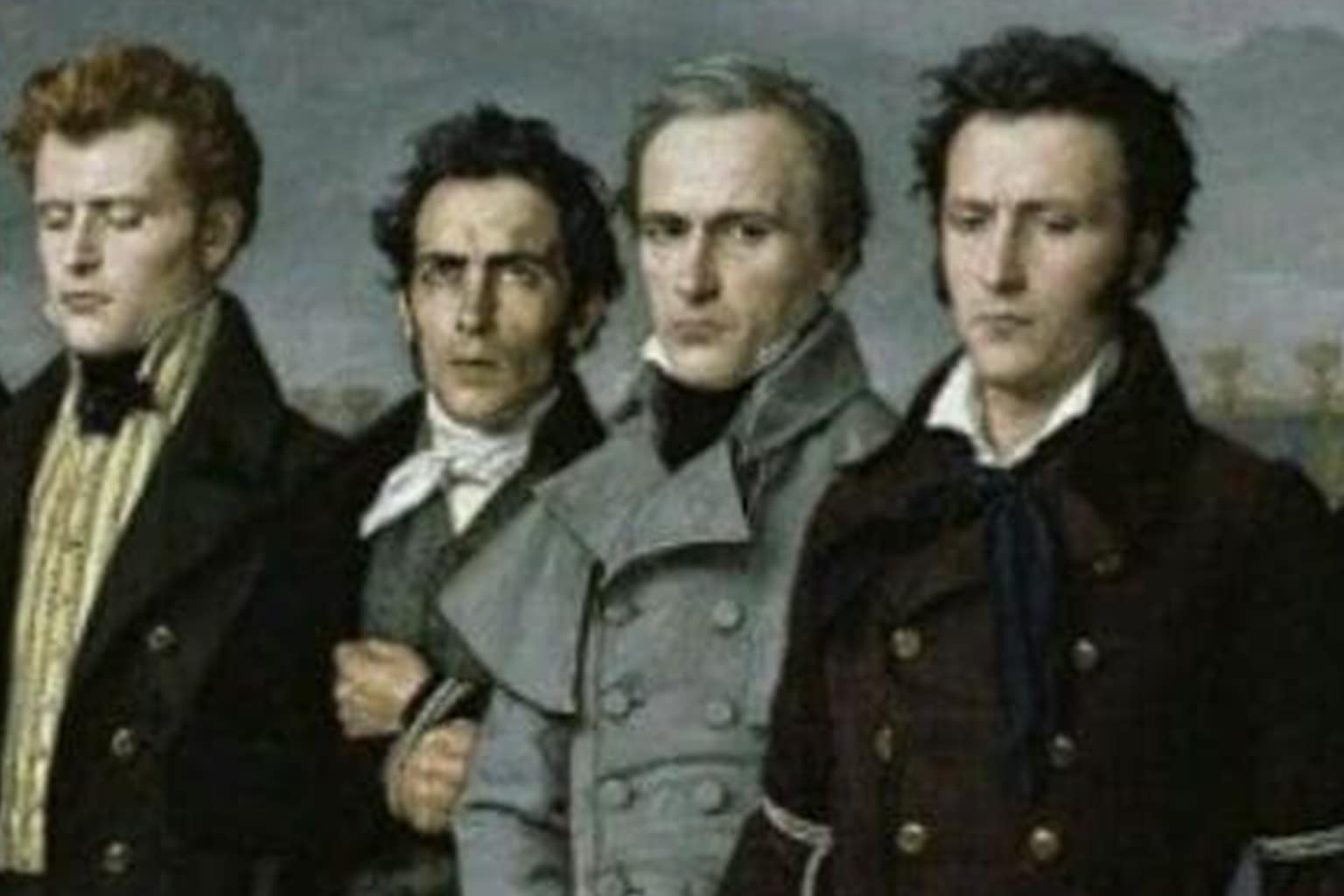
Me and the bestie headed to the local tavern.
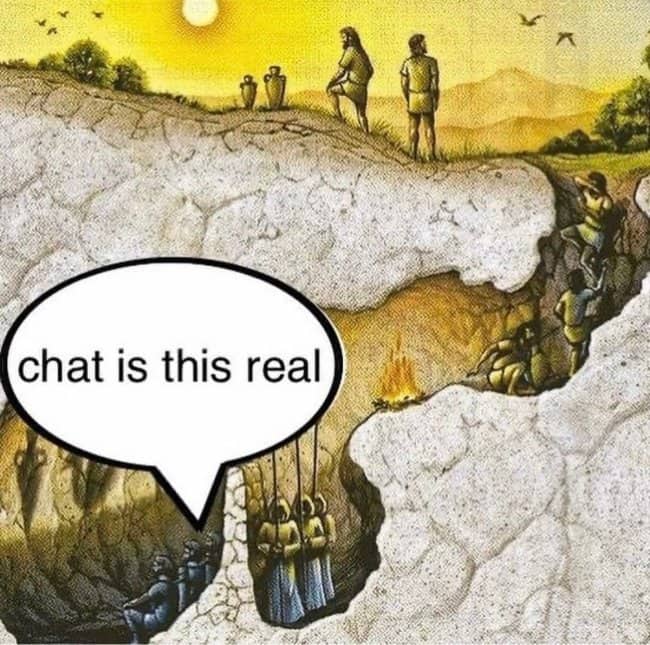
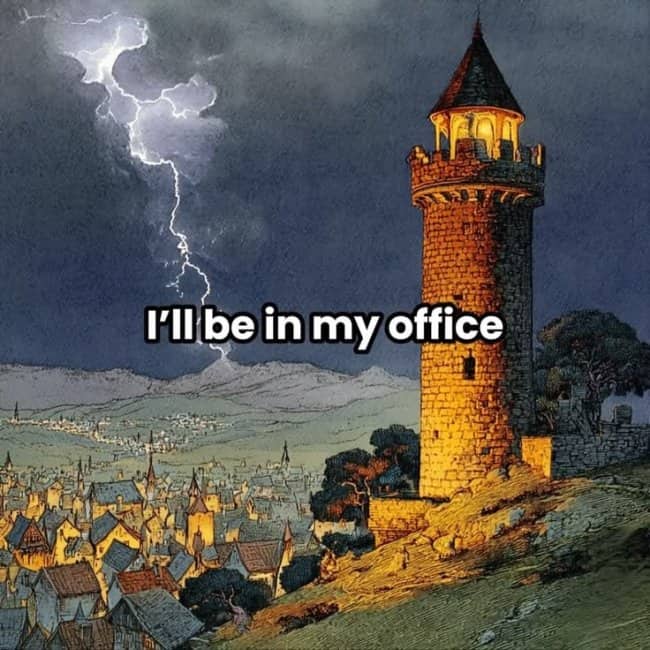
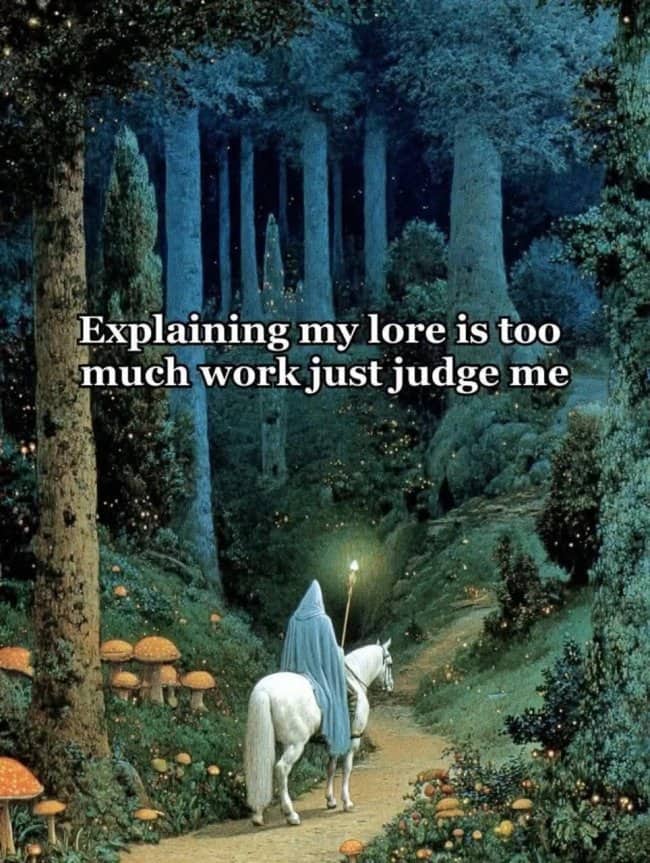
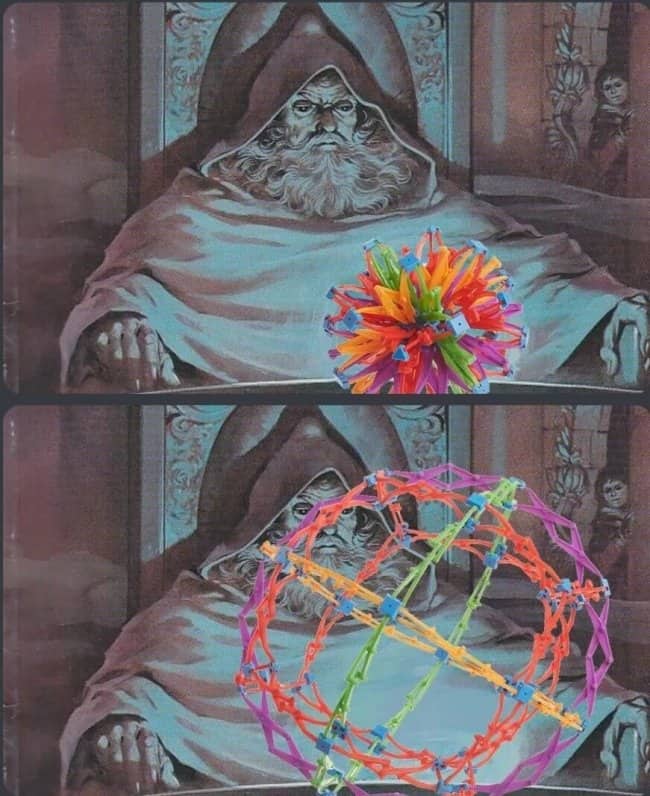
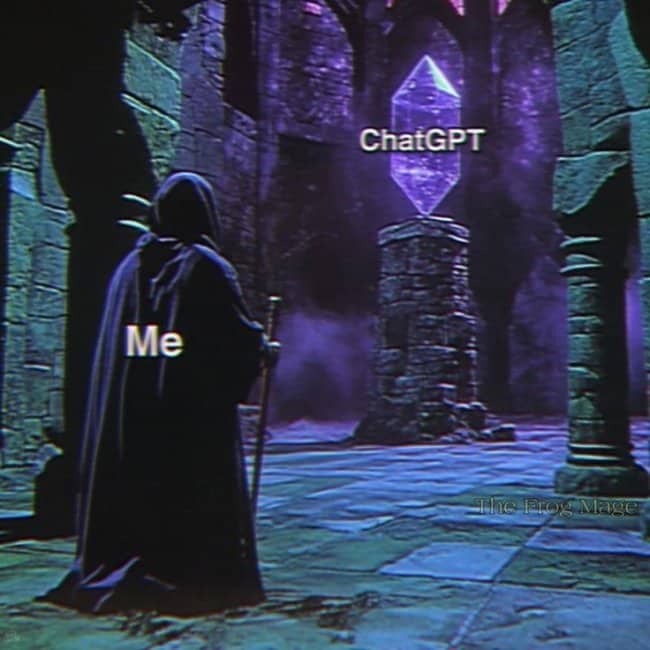
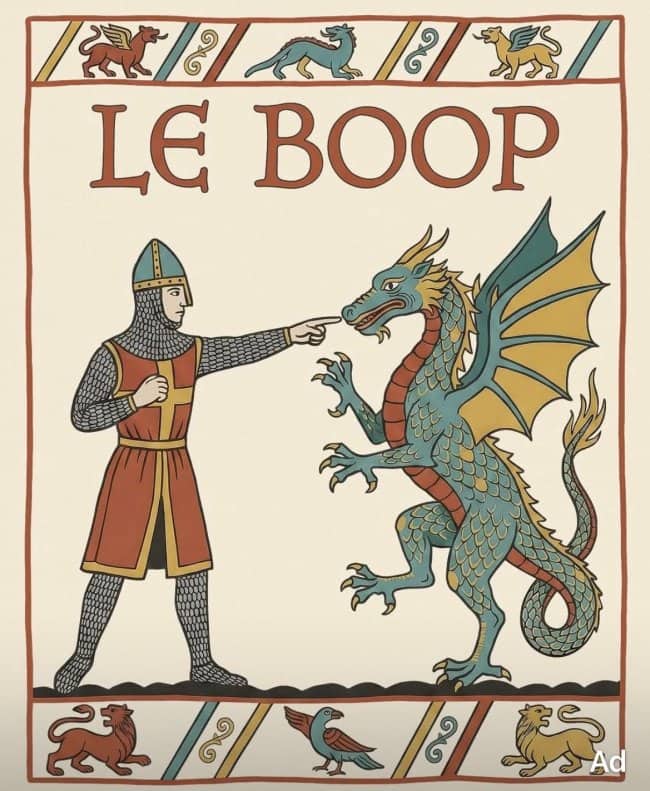
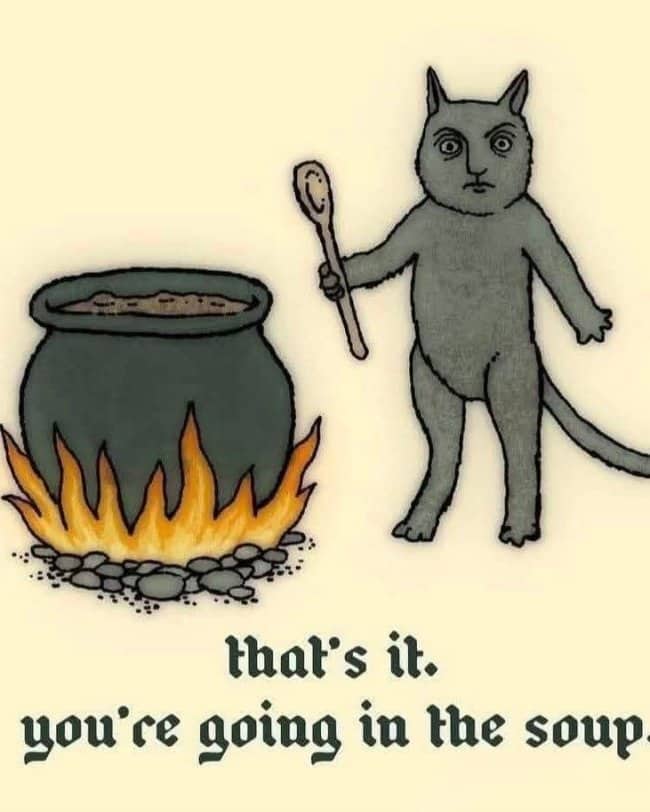
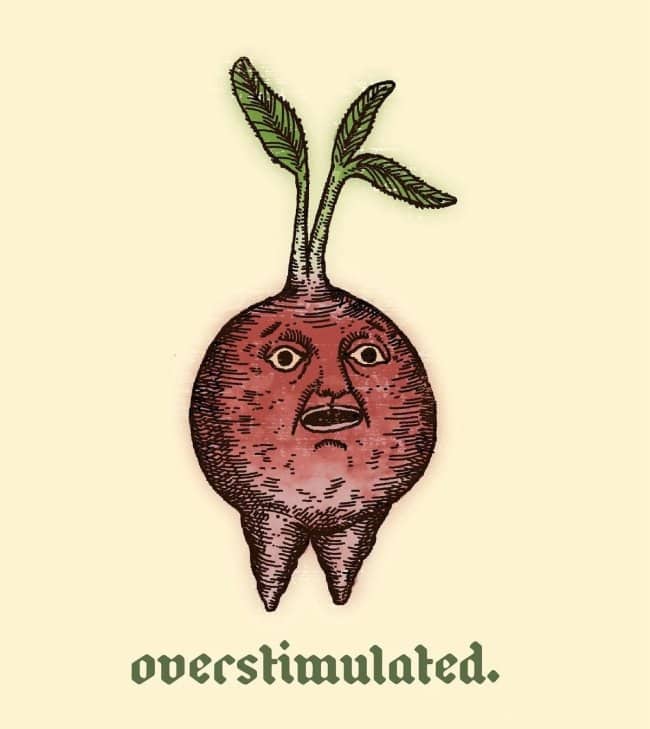
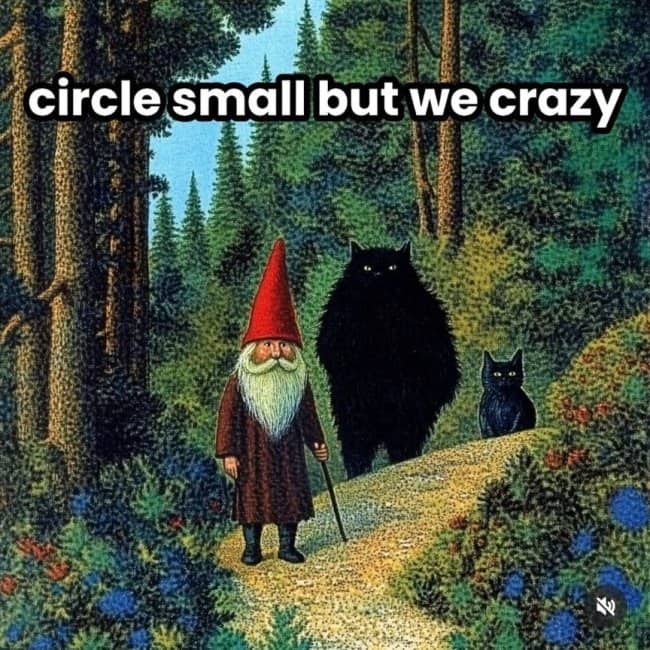
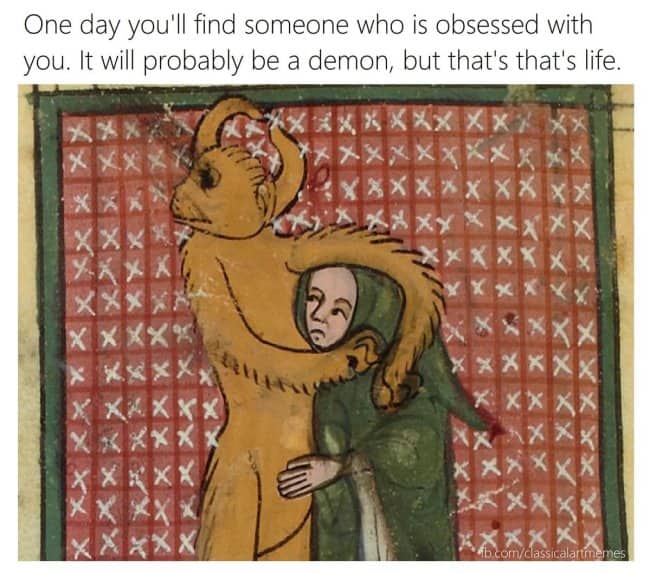
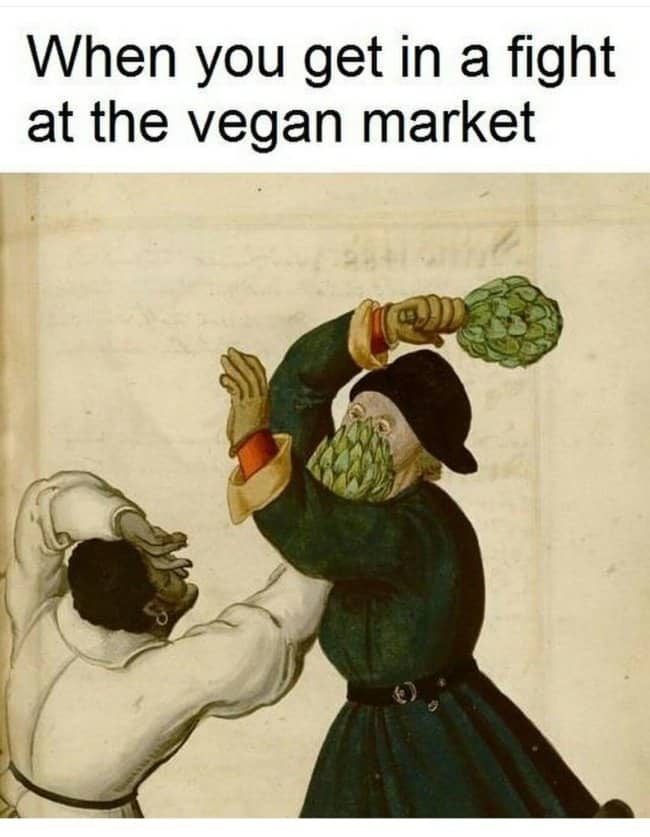
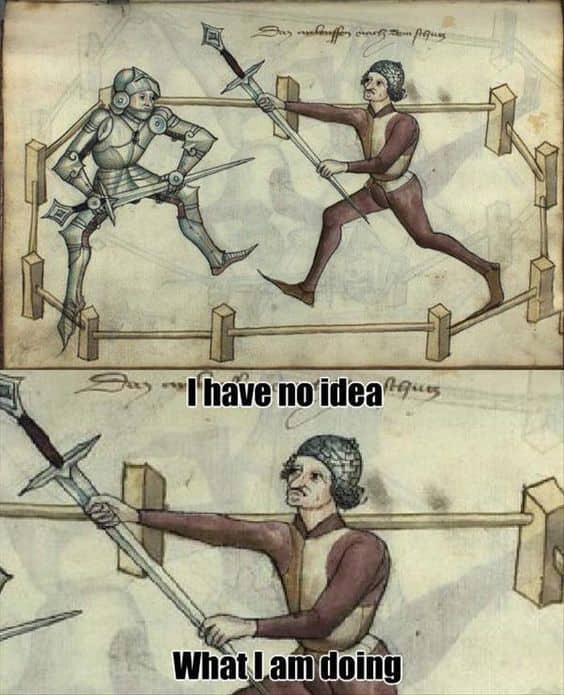
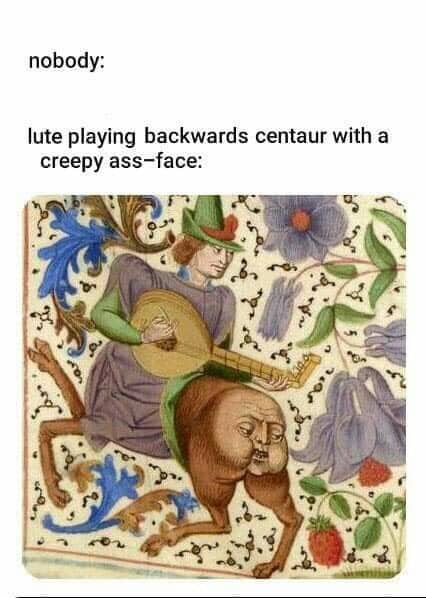
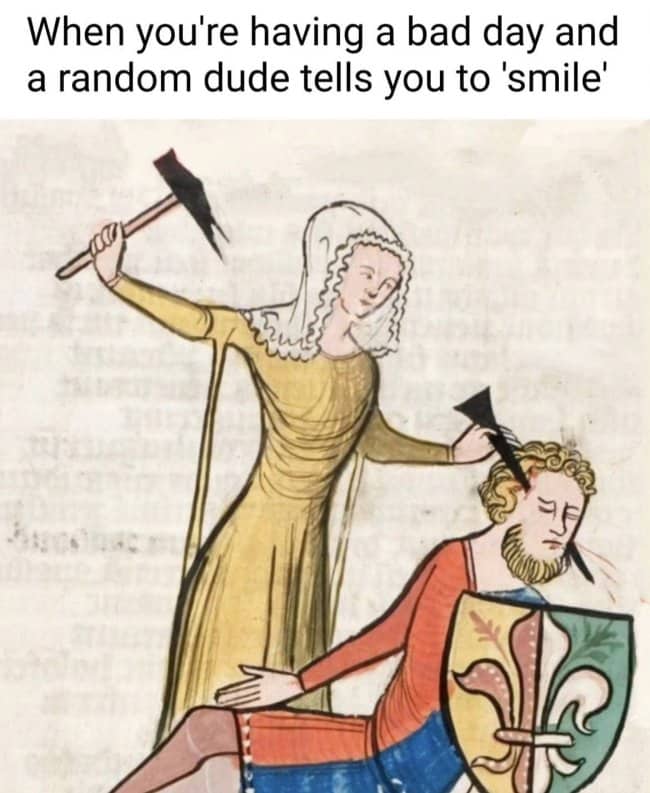

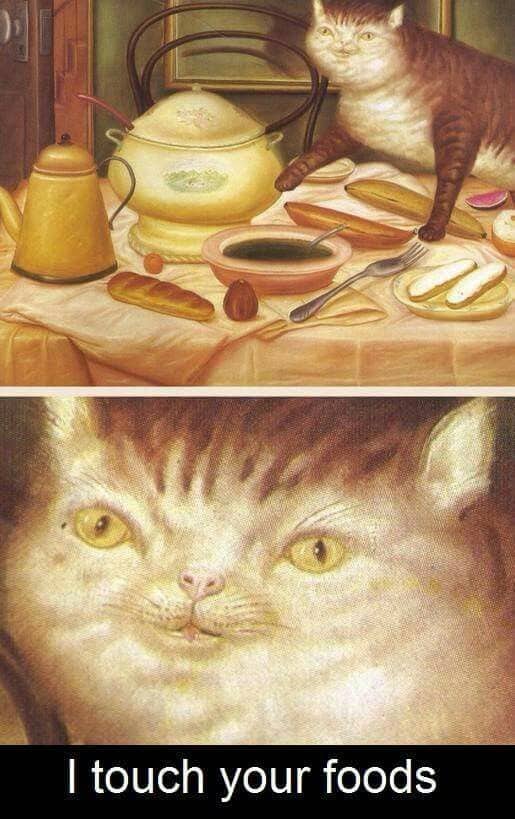
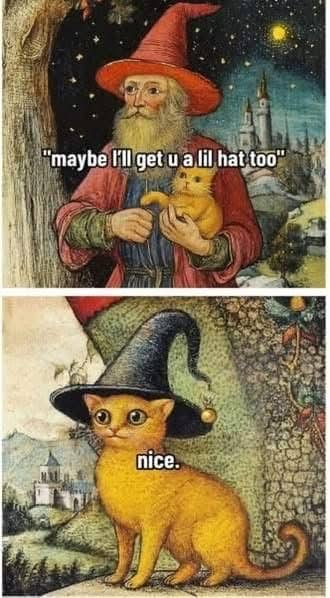

Medieval memes
Read More
The internet’s discovery of medieval art is one of the great unexpected love stories of contemporary culture. For centuries, these paintings lived in churches, museums, and academic textbooks, treated with the seriousness their original creators intended. Then somebody, somewhere, realized that a 14th-century manuscript illustration of a cat looked exactly like a small enraged goblin, slapped a caption on it, and the entire genre exploded. The funny medieval art that gets passed around online now is genuinely doing more for art history education than most actual art history programs.
What makes the form so durable is the unintentional comedy baked into the source material. Medieval artists were working without photography, without travel, often without ever having seen the subjects they were painting. Dogs were rumored creatures, described verbally by somebody who saw one once, and the resulting renderings look like the artist was guessing. Cats were apparently considered terrifying. The medieval art memes thriving online today are essentially a collective recognition that the artists were doing their best with extremely limited reference material, and the results are, structurally, hilarious.
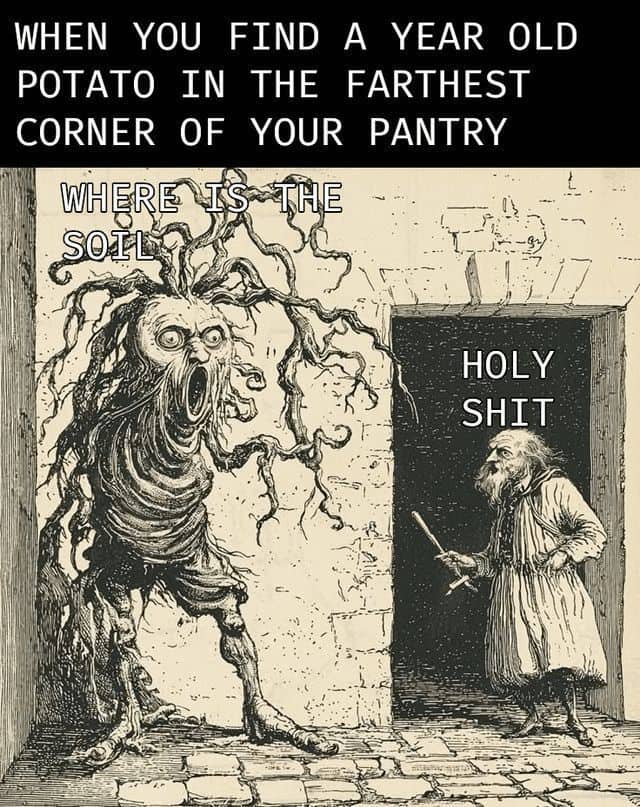
There’s also the genuine philosophical surprise that medieval people were dealing with the same daily nonsense we are. Forgotten food going sentient in the pantry. Pets that refuse to behave. Wizards who don’t return messages. The medieval humor memes that land hardest are the ones that point at this exact continuity, where the experience of being a tired, slightly annoyed person trying to manage your life looks remarkably similar across 700 years. The aesthetic changed. The complaints did not.
The other quietly delightful thing is realizing how much of what we now call shitposting has been happening continuously for centuries. The margins of medieval manuscripts are full of doodles, snarky drawings, and small comedic bits that the monks copying the text added to entertain themselves and their friends. The form predates the internet by hundreds of years. The internet just gave it a global audience and a captioning convention. The hilarious medieval memes circulating today are simply the latest chapter in a tradition that has never actually stopped.
The thing this whole genre quietly accomplishes is making history less intimidating. Medieval art used to live in a small ecosystem of specialists and tourists. Now it lives on Instagram, with captions that translate the visual into the vernacular, and a much larger audience has, almost accidentally, gotten more exposure to pre-modern art than any formal education program ever managed. The captions are funny. The captions are also, secretly, a small gateway drug. People who started by laughing at the cursed cats are now, statistically, more likely to walk into an actual museum.
There’s also the broader recognition that art is much funnier than we tend to treat it. The academic framing strips away the original humor, the small visual gags, the doodled jokes in the margins, the slightly unhinged choices that the artists made because they thought it would be funny. The meme treatment puts all of that back in. The medieval people were not a humorless population. They were just being studied by humorless professors. The genre is a small corrective.
What might be most charming is how cross-generational the appeal of this stuff has become. The captions reference modern frustrations. The visuals are ancient. The combination works for teenagers, for forty-somethings, for art history professors, for casual scrollers who have never been inside a museum. The medieval shitpost is, structurally, one of the most universal forms of humor currently in circulation, because it operates on a level that does not require either party to know anything in particular. You just have to recognize a tired-looking saint or a deeply concerning depiction of a dog, and the joke arrives on its own. The bit has been doing fine for a millennium. The bit will continue.
If the historically unhinged energy was your kind of fun, broader weird art compilations live in this exact territory, classical art meme galleries cover similar ground in adjacent eras, and general historical humor content is where the related material keeps multiplying. Bless your pantry. Watch your cat. Trust no potato older than a fortnight.
Read Memes
Get Paid


Jake Parker, known around the web as "Jay," is a digital writer with over 10 years of experience covering internet humor, meme trends, and viral content. Before joining Thunder Dungeon, Jay was the lead editor at MemeWire, where he helped curate memes that broke the internet, including coverage on trends like Distracted Boyfriend, Kombucha Girl, and Bernie Sanders’ Mittens. A self-proclaimed "professional procrastinator," Jay spends his downtime scrolling Reddit and Twitter to stay ahead of what's about to break the internet next.