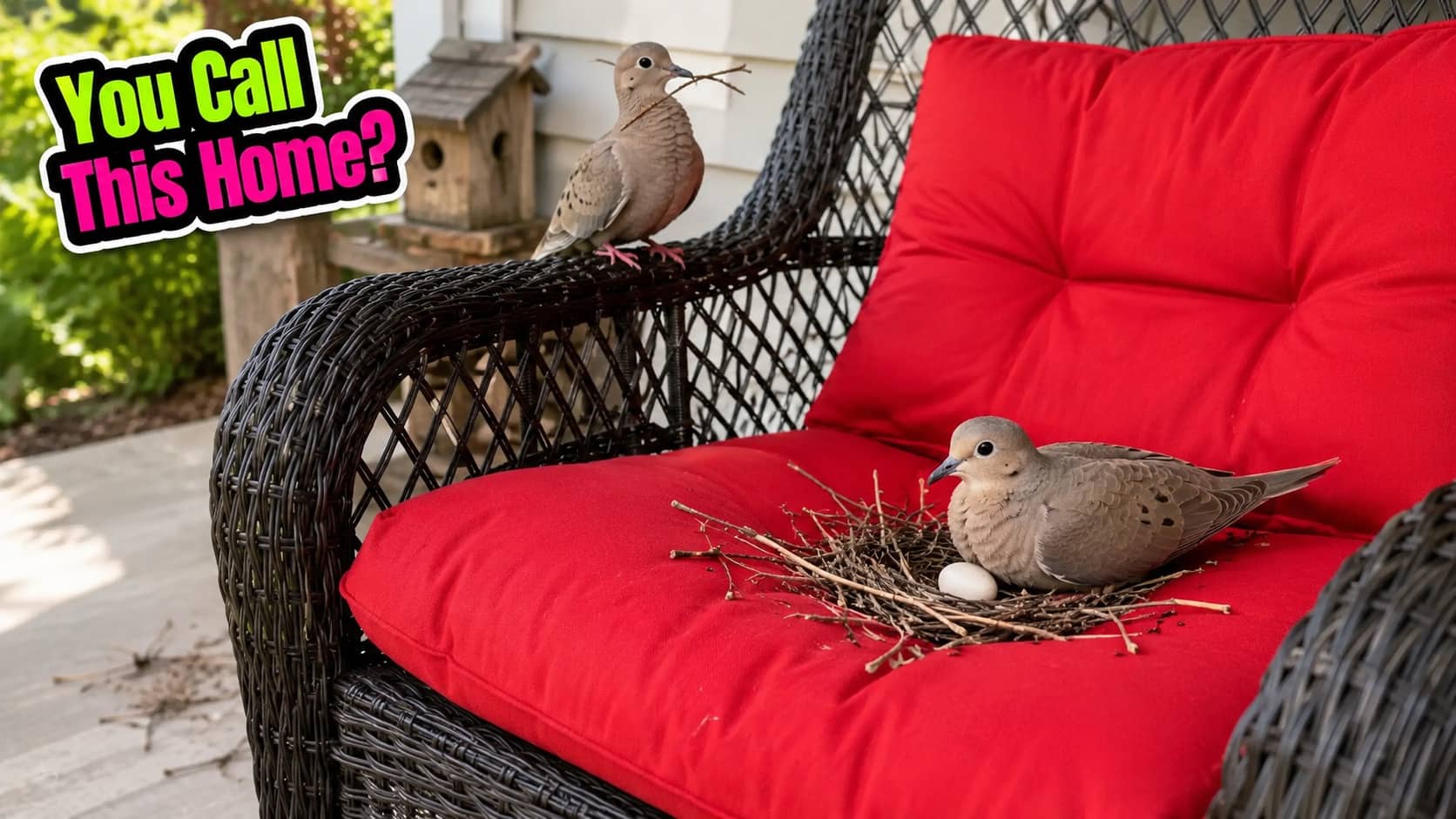

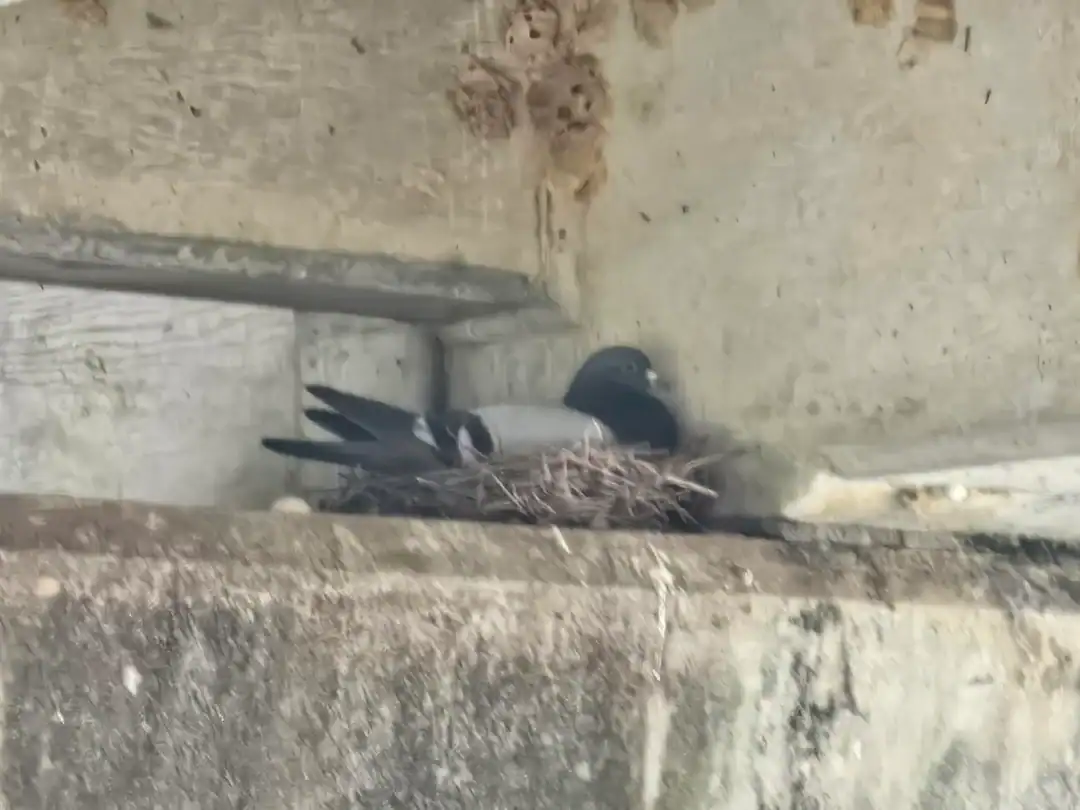
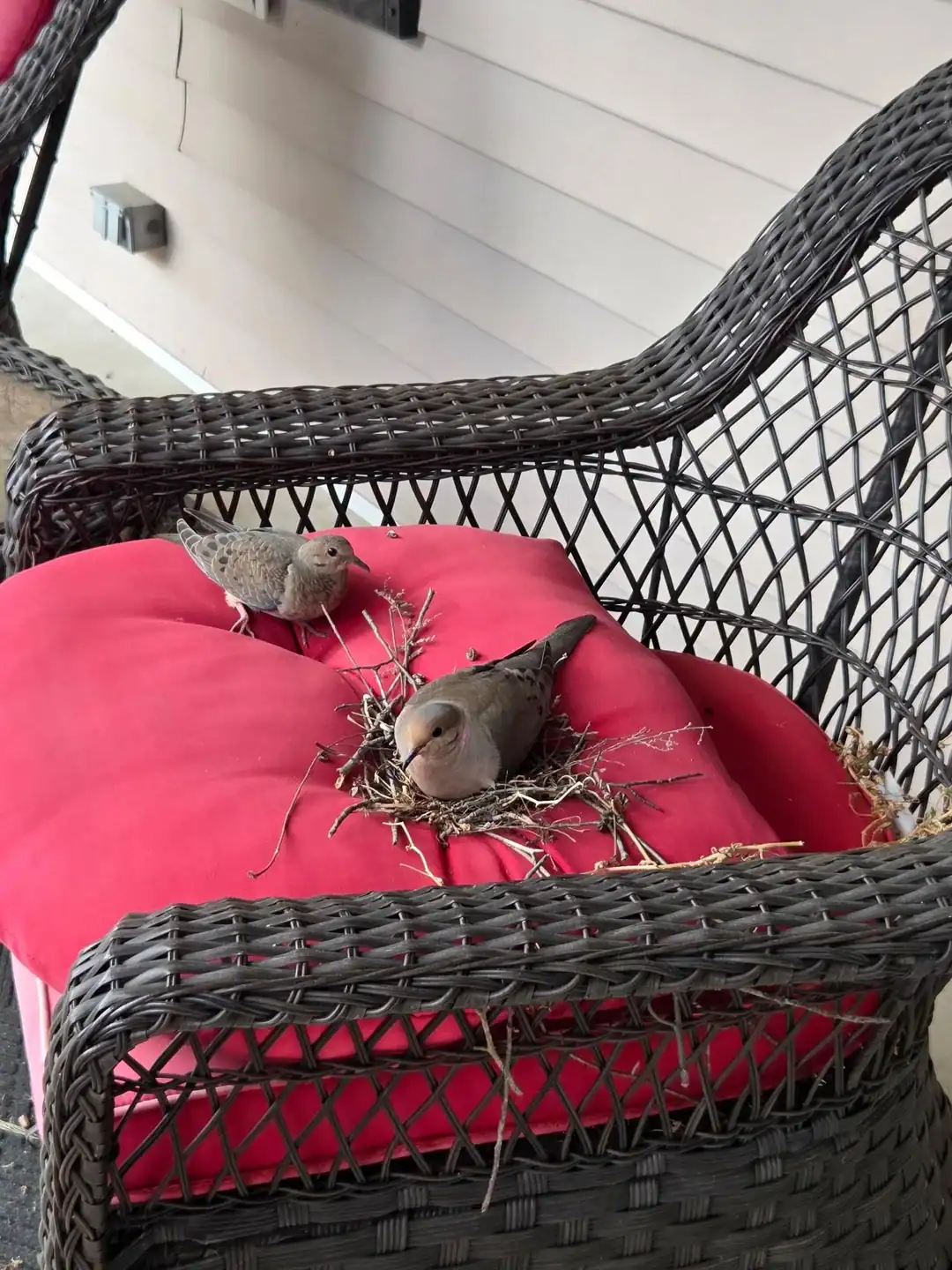
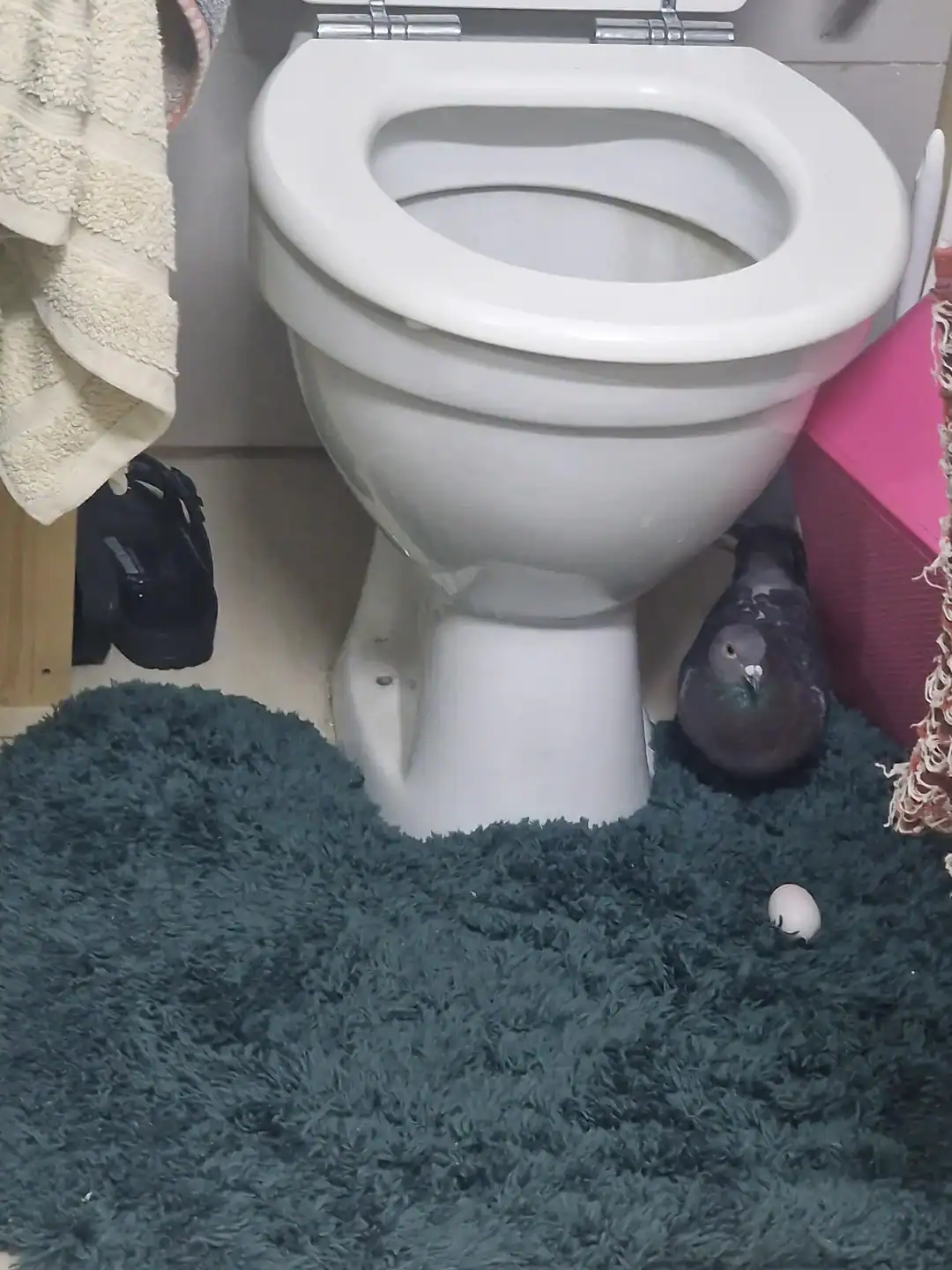
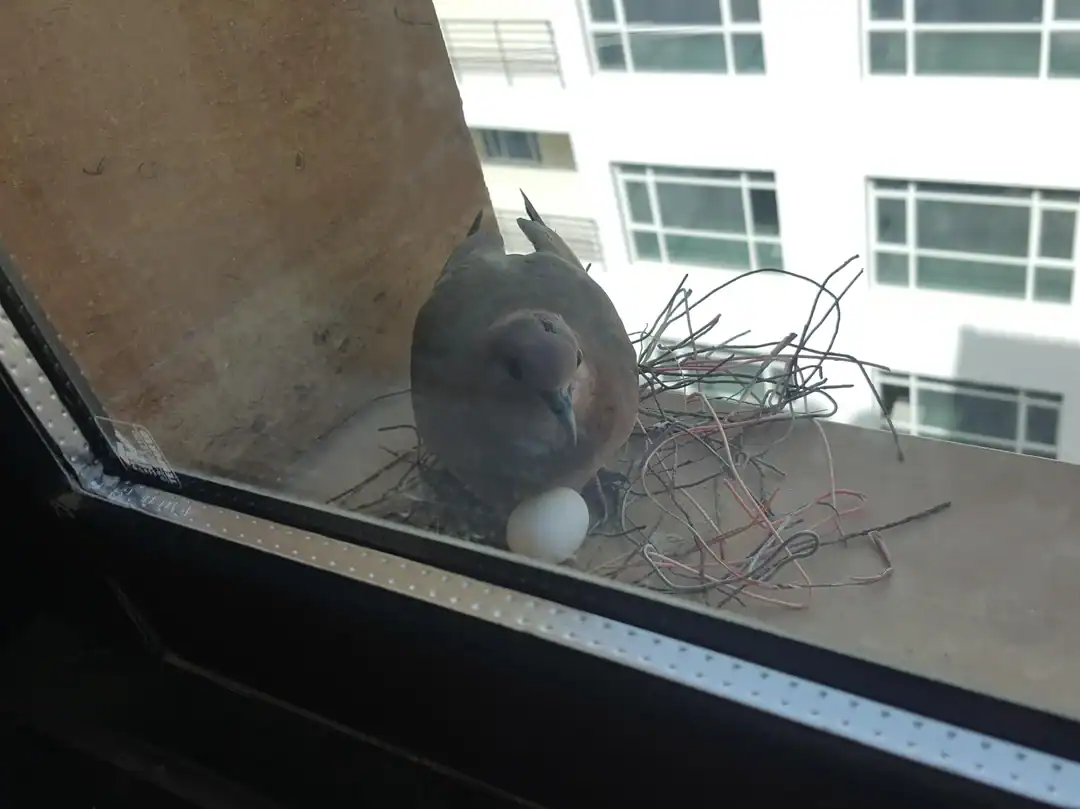
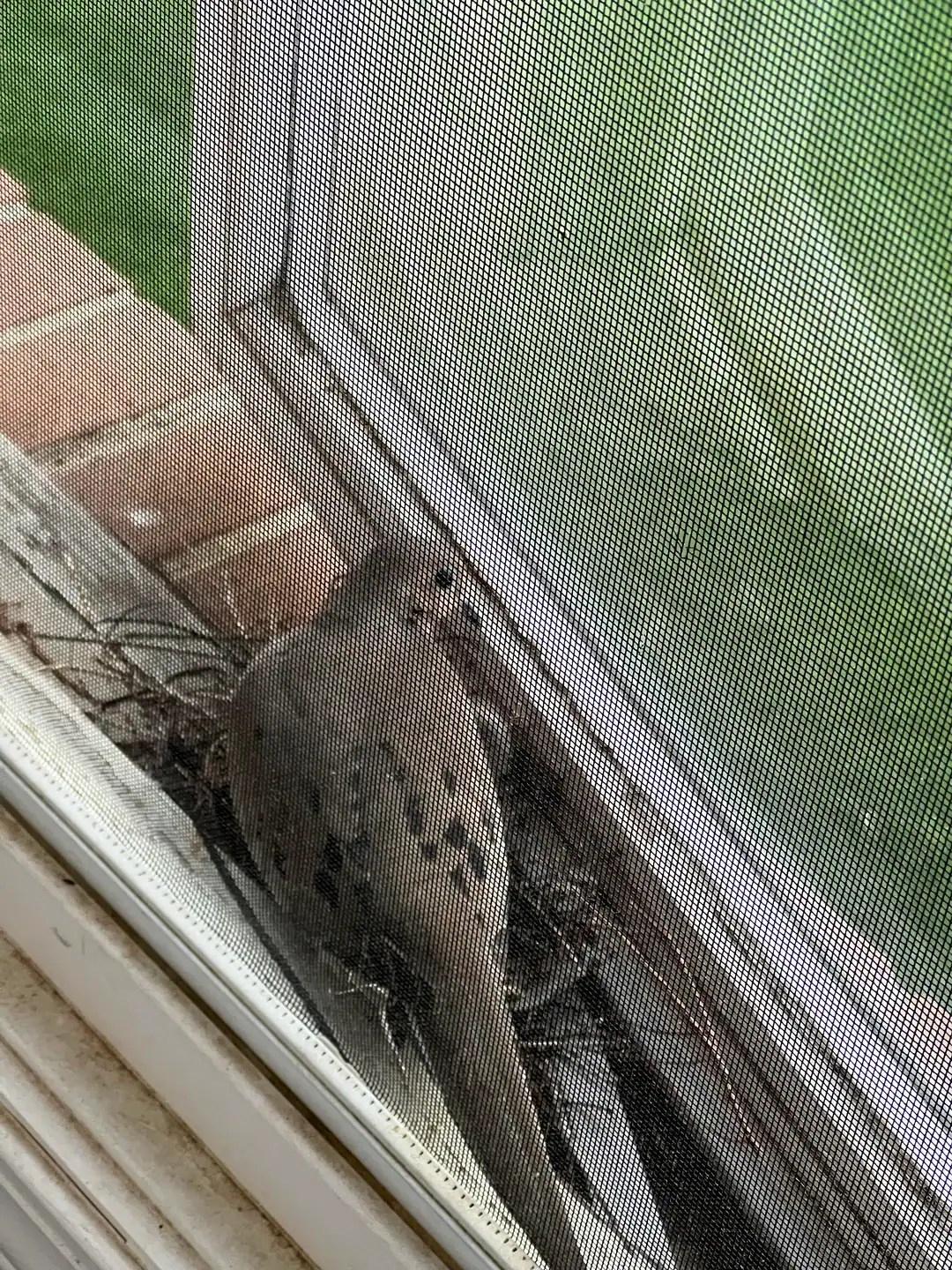
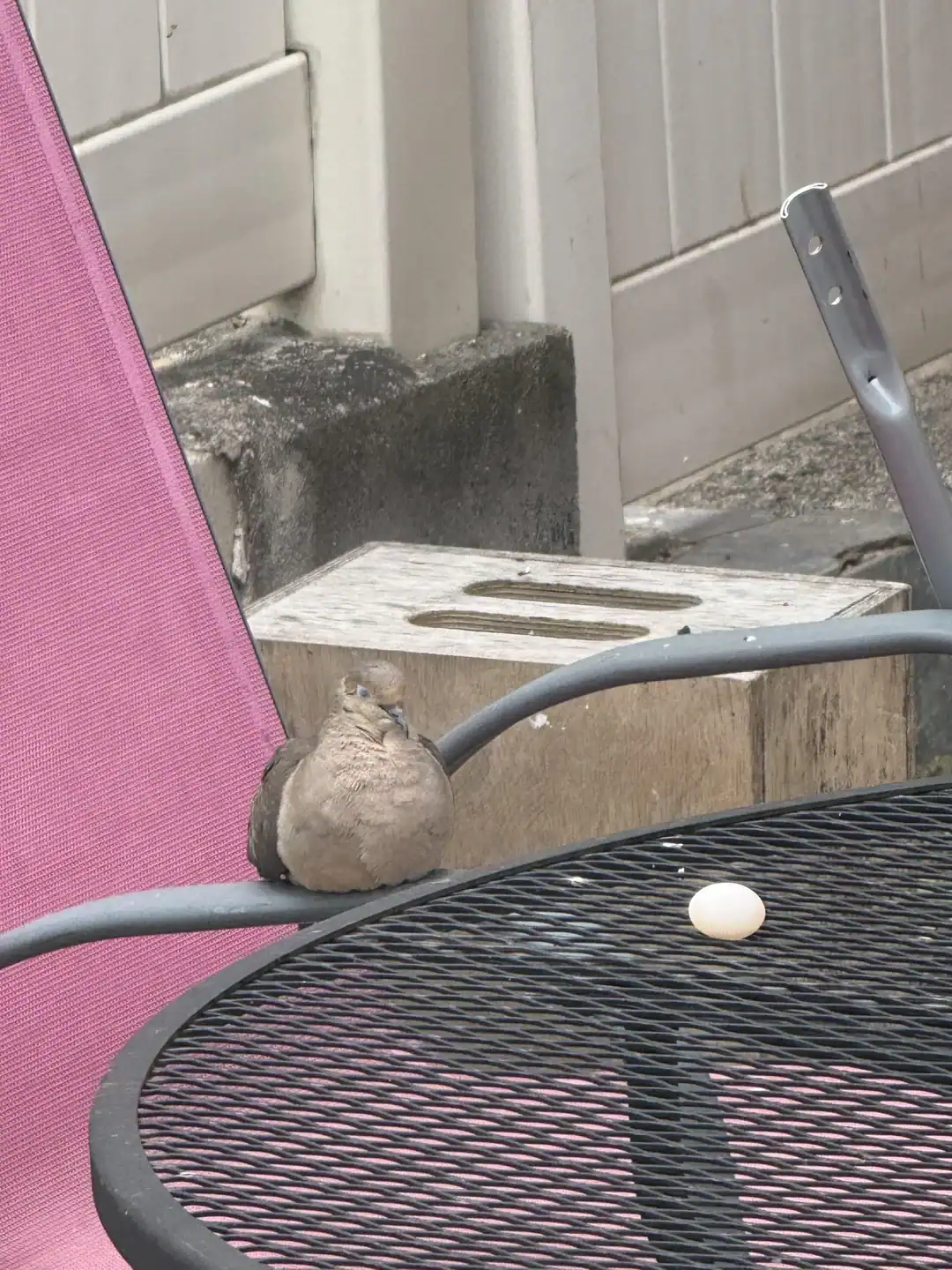
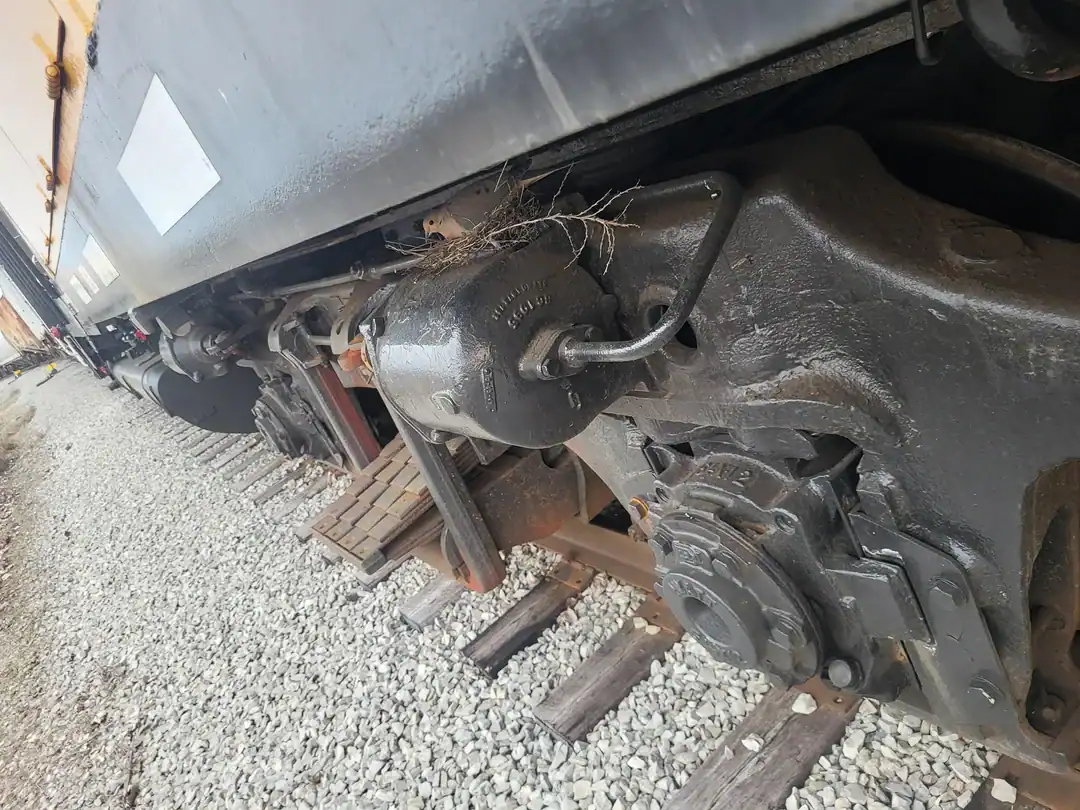
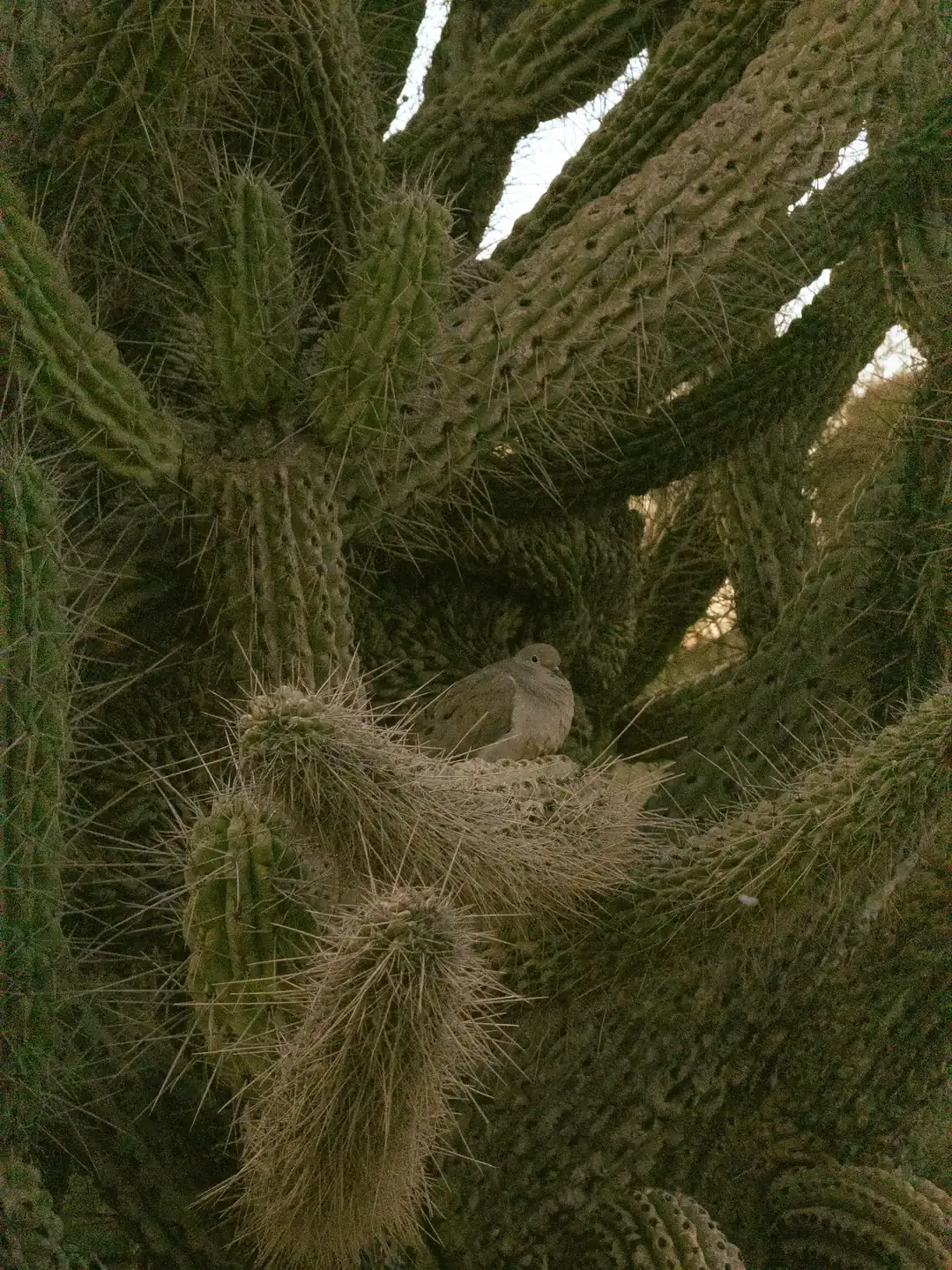
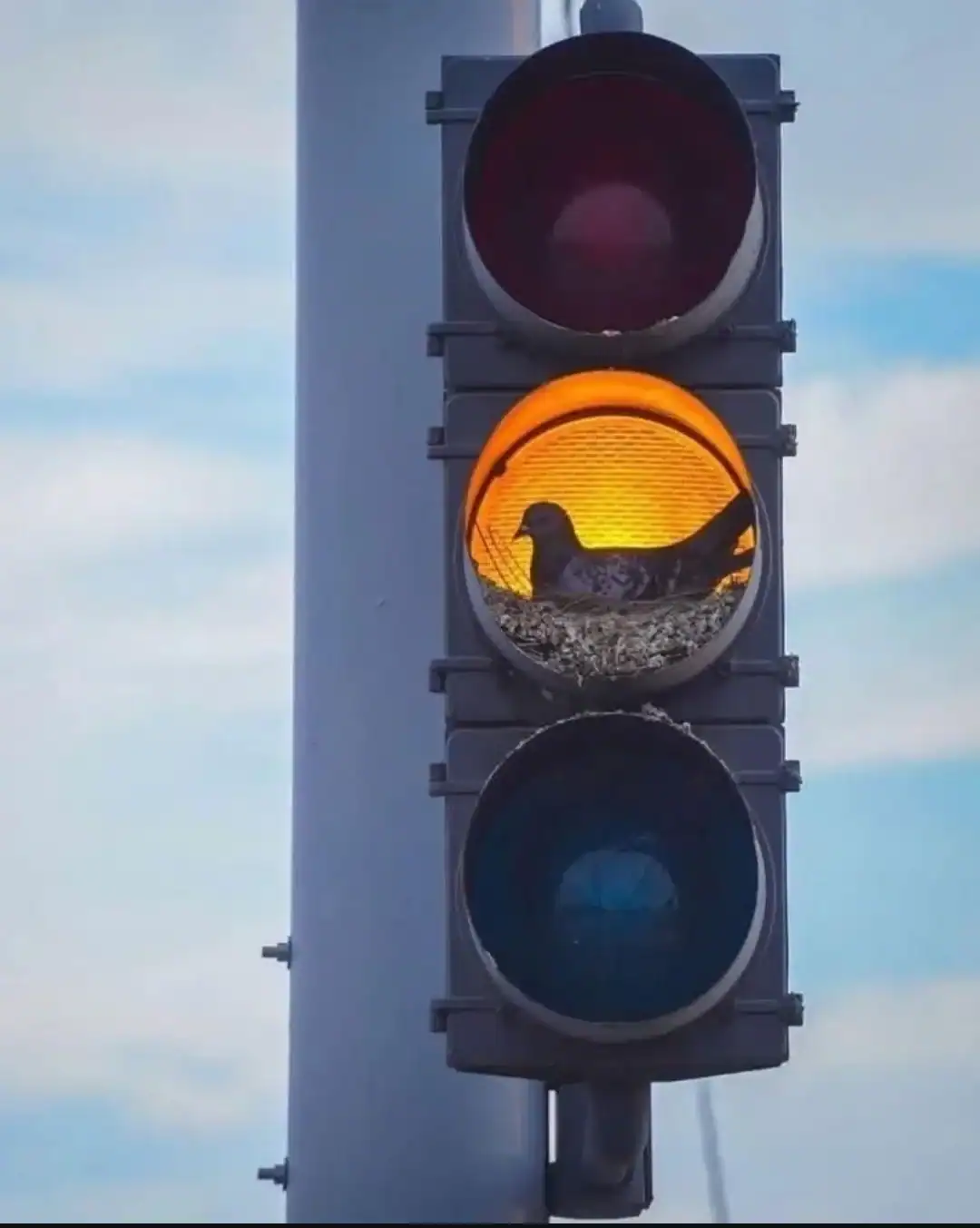
A seagull has built her nest directly between the rails of an active train track. The eggs are nestled there. The mother is brooding. The 4:15 express is, presumably, on schedule. These birds terrible at building nests are not living up to their species’ reputation for engineering brilliance, and the entire animal kingdom is, quietly, taking notes. A pigeon has laid an egg on a bath mat. Another has set up shop in a Sephora organizer. A bird has placed her single egg precariously on the rim of a bird feeder. We have several questions.
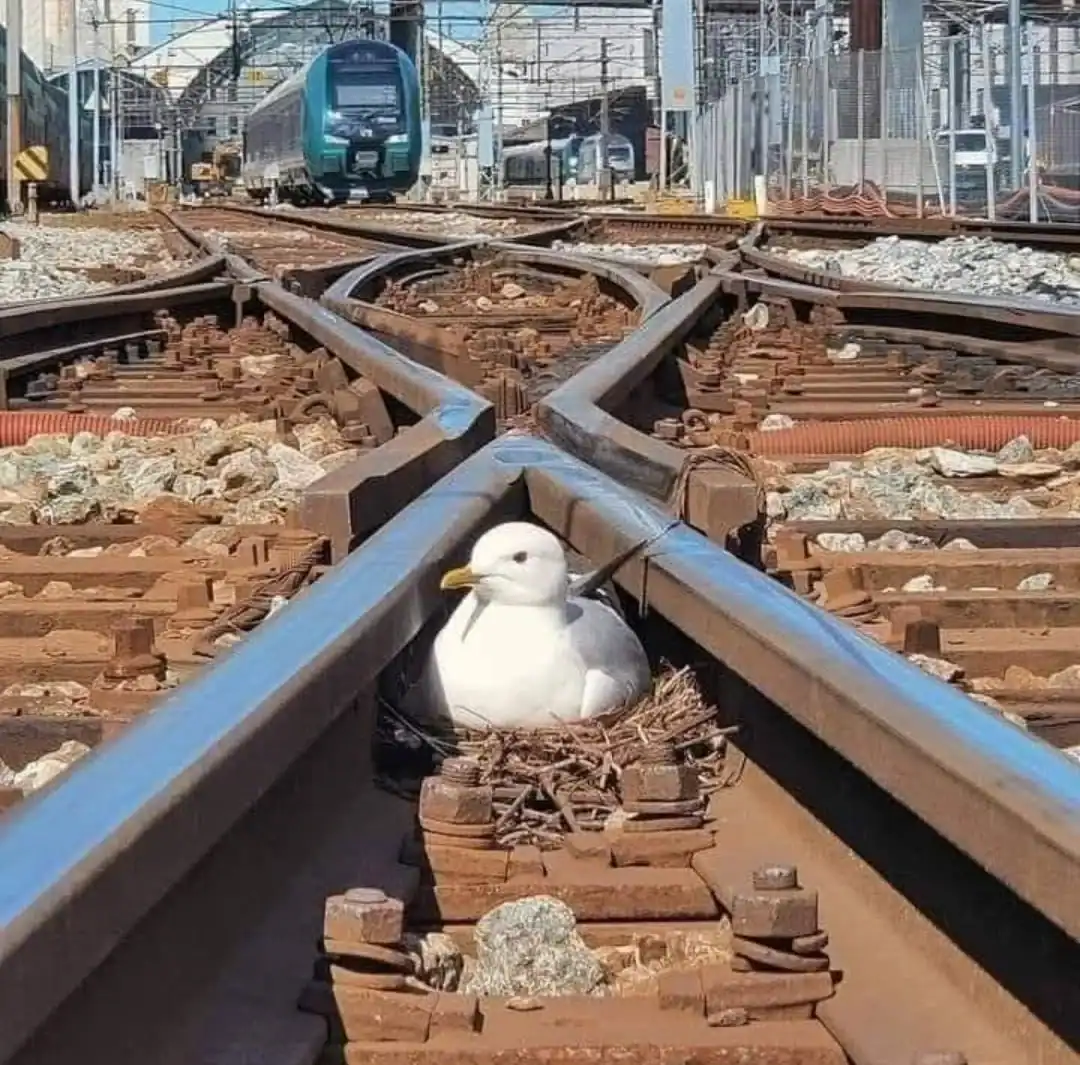
"Location, location, location," he said, moments before the 4:15 express arrived.
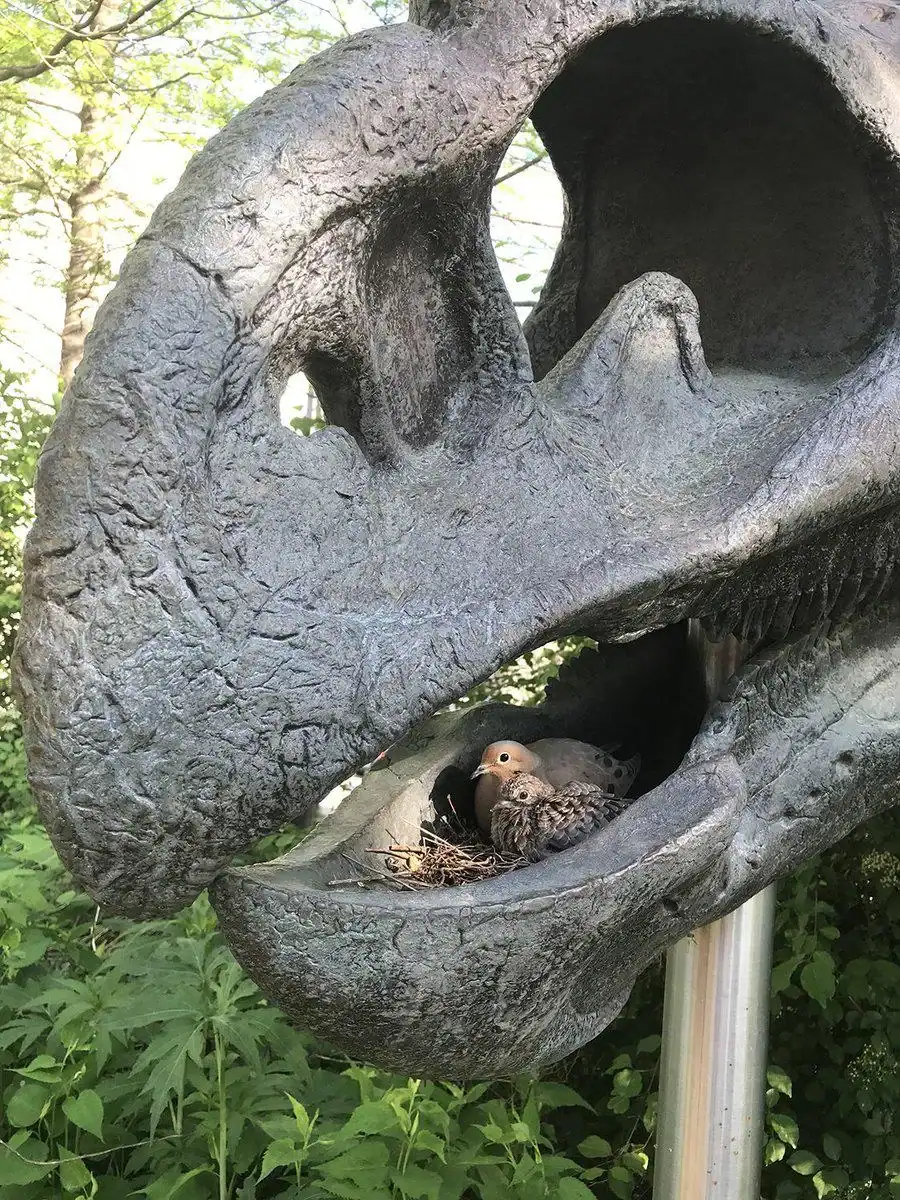
Ancestral irony at its absolute finest.
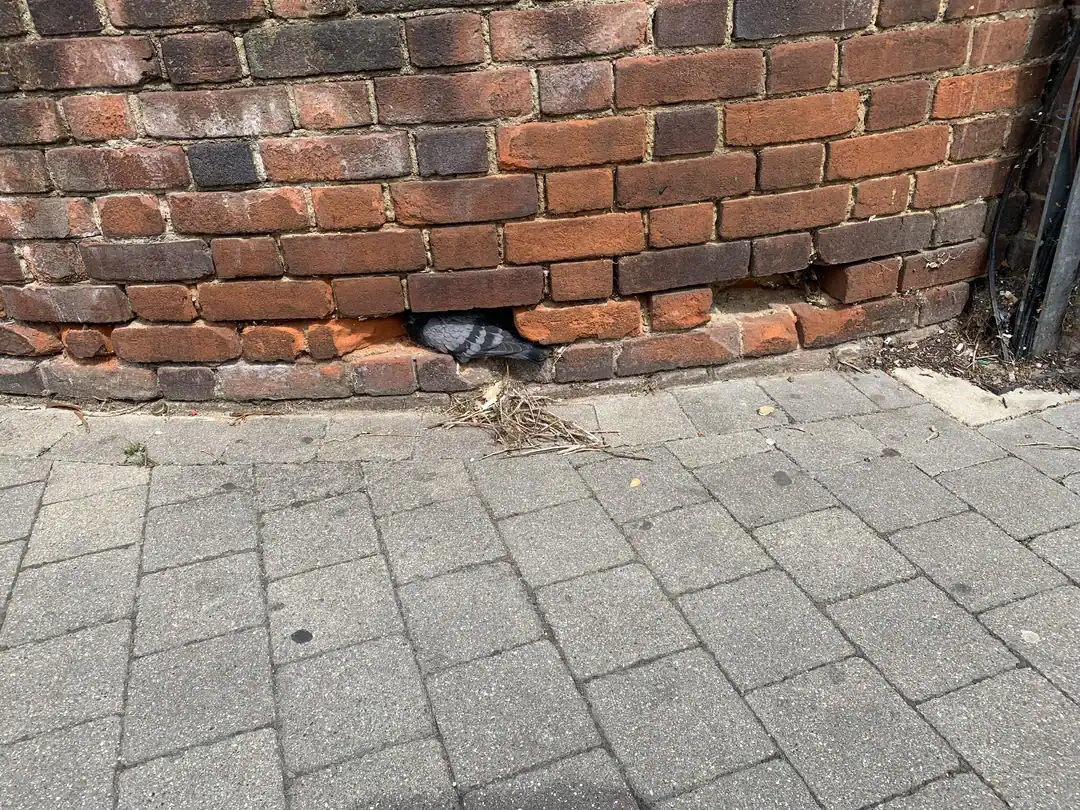
Architecture is my passion. Safety is my hobby.
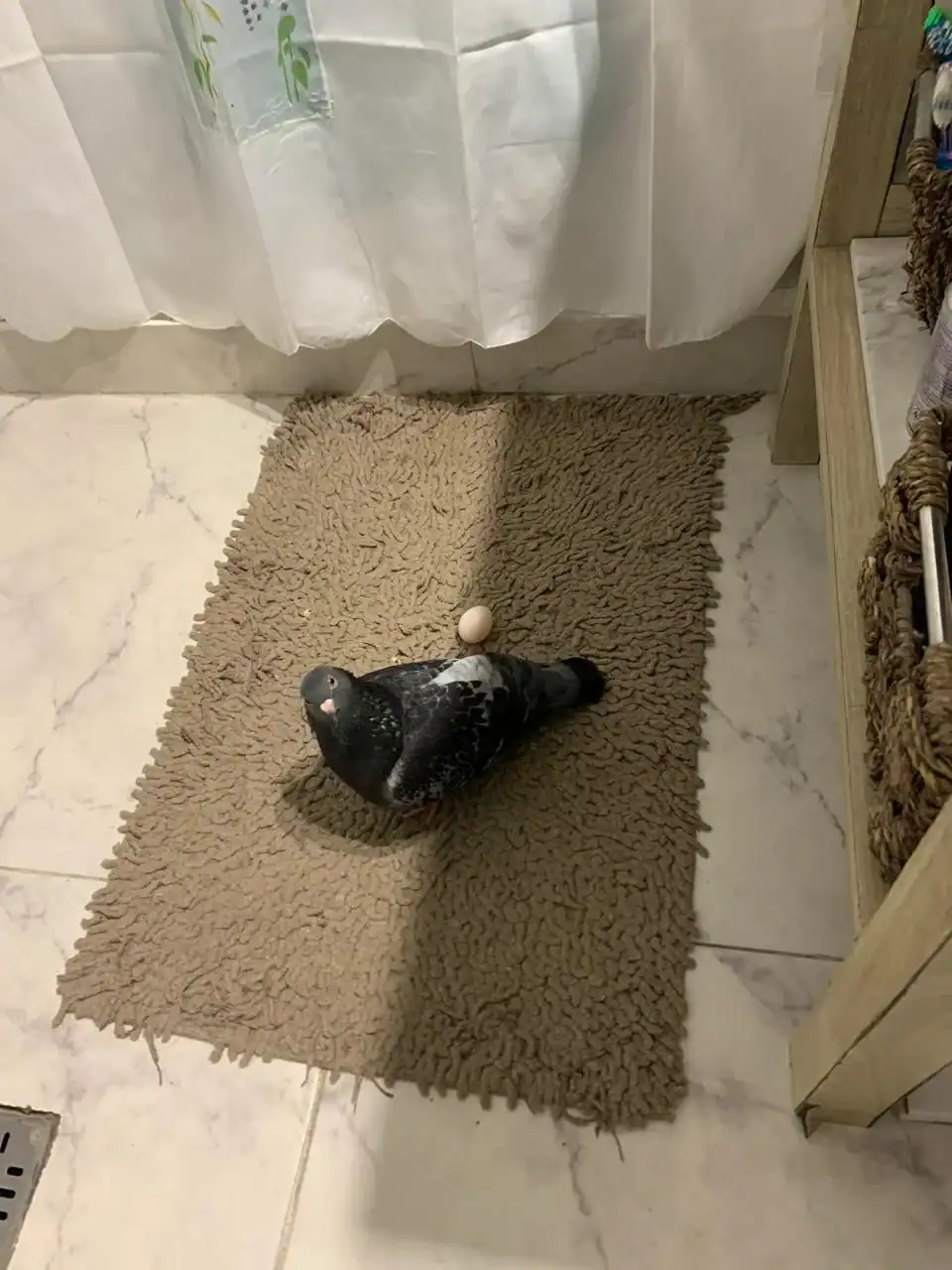
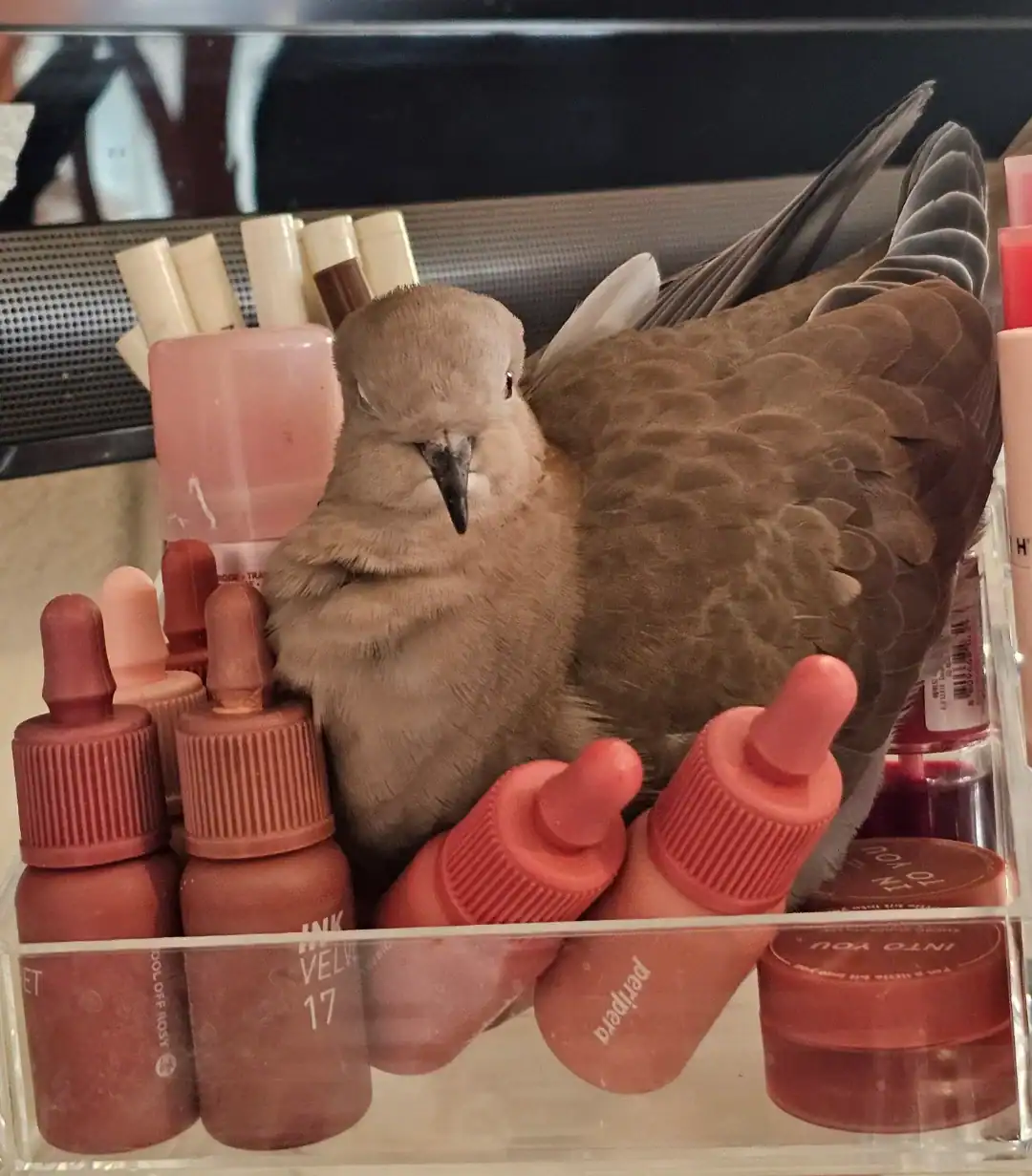
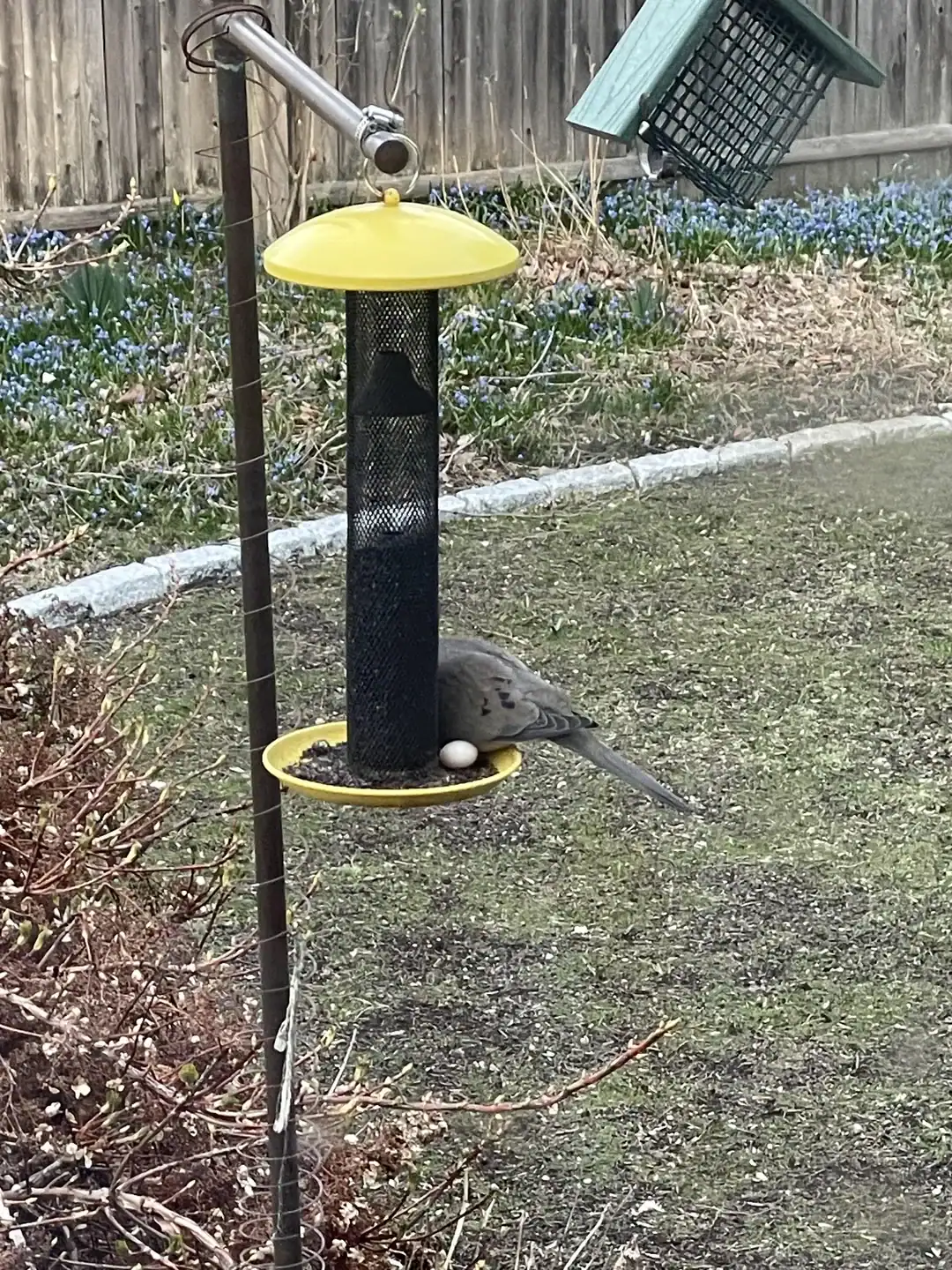
Efficiency: 10/10. Structural integrity: 1/10.
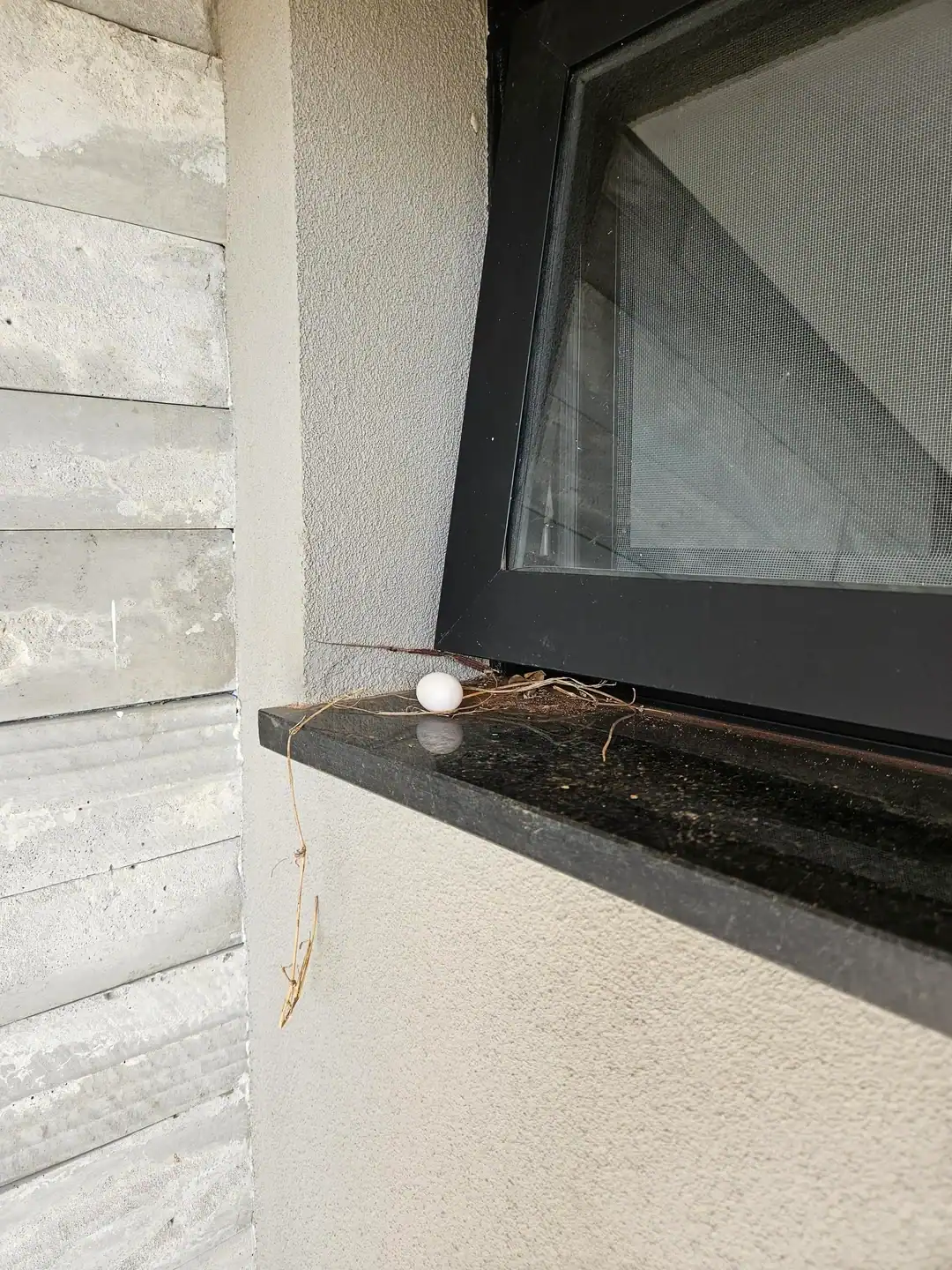
One sneeze and that lineage is over.
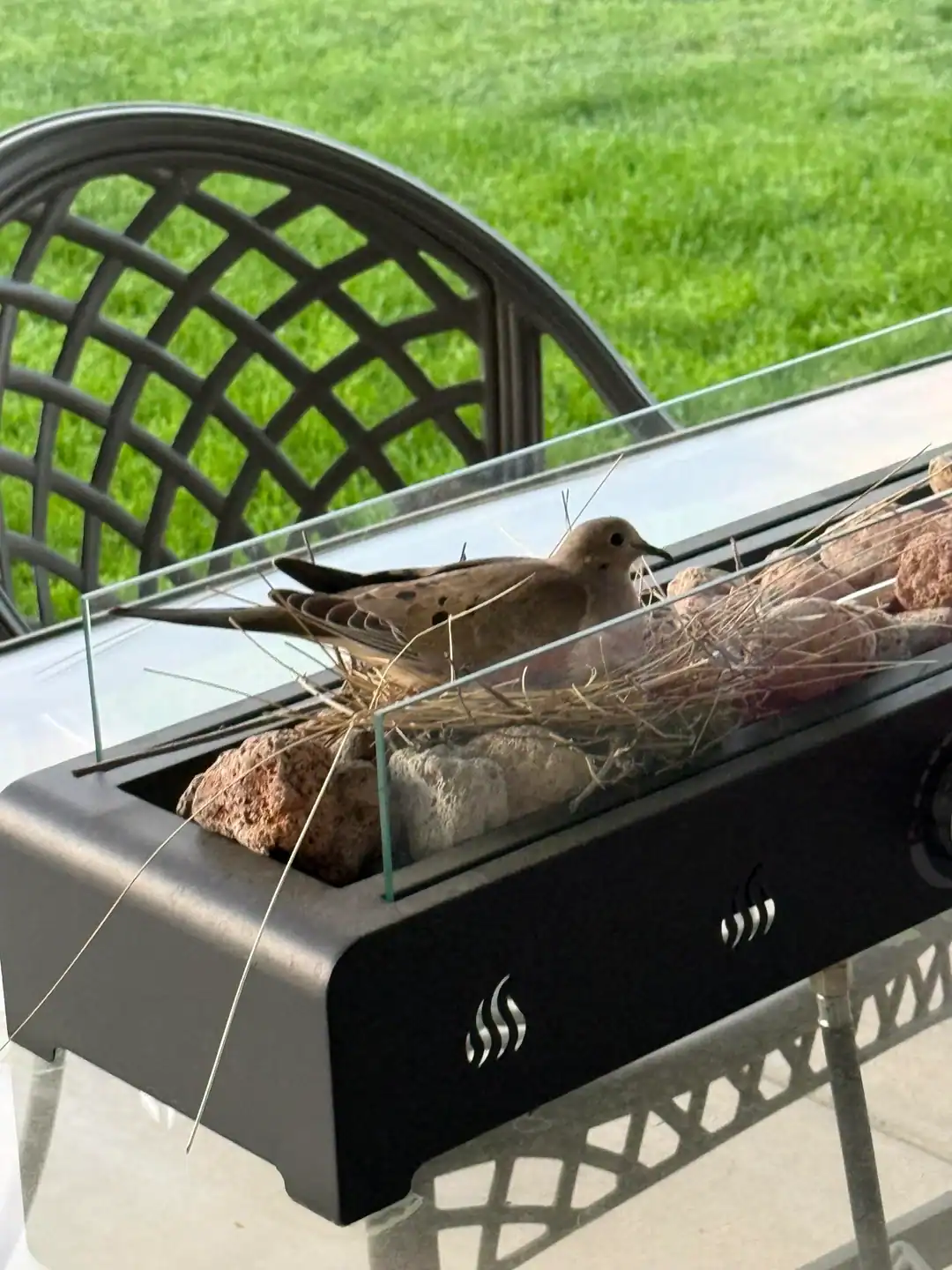
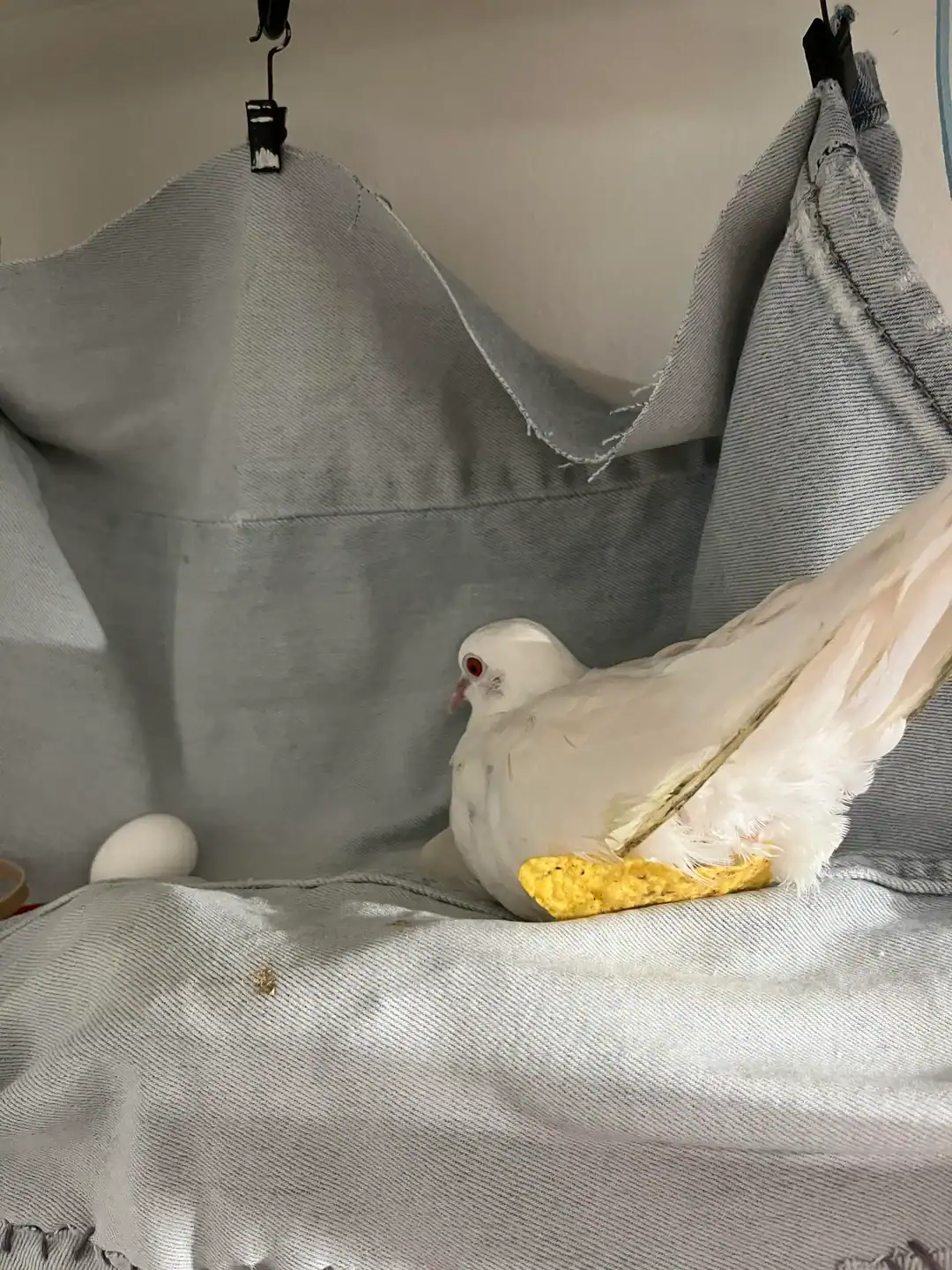
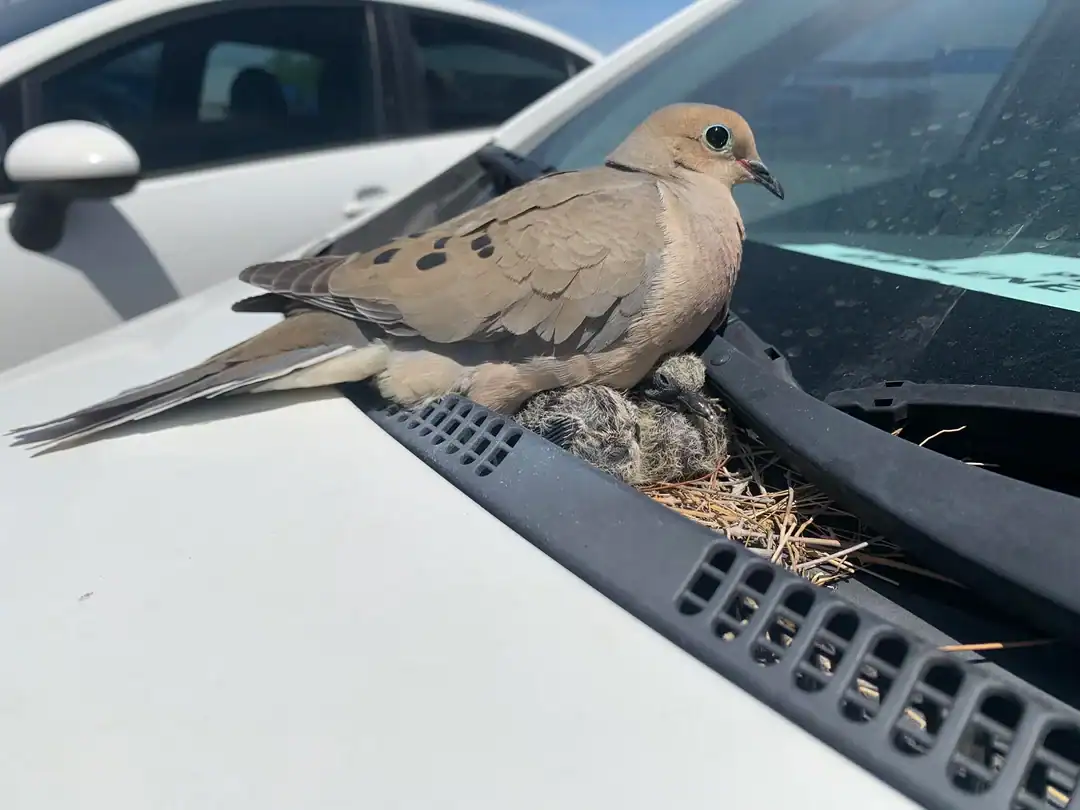
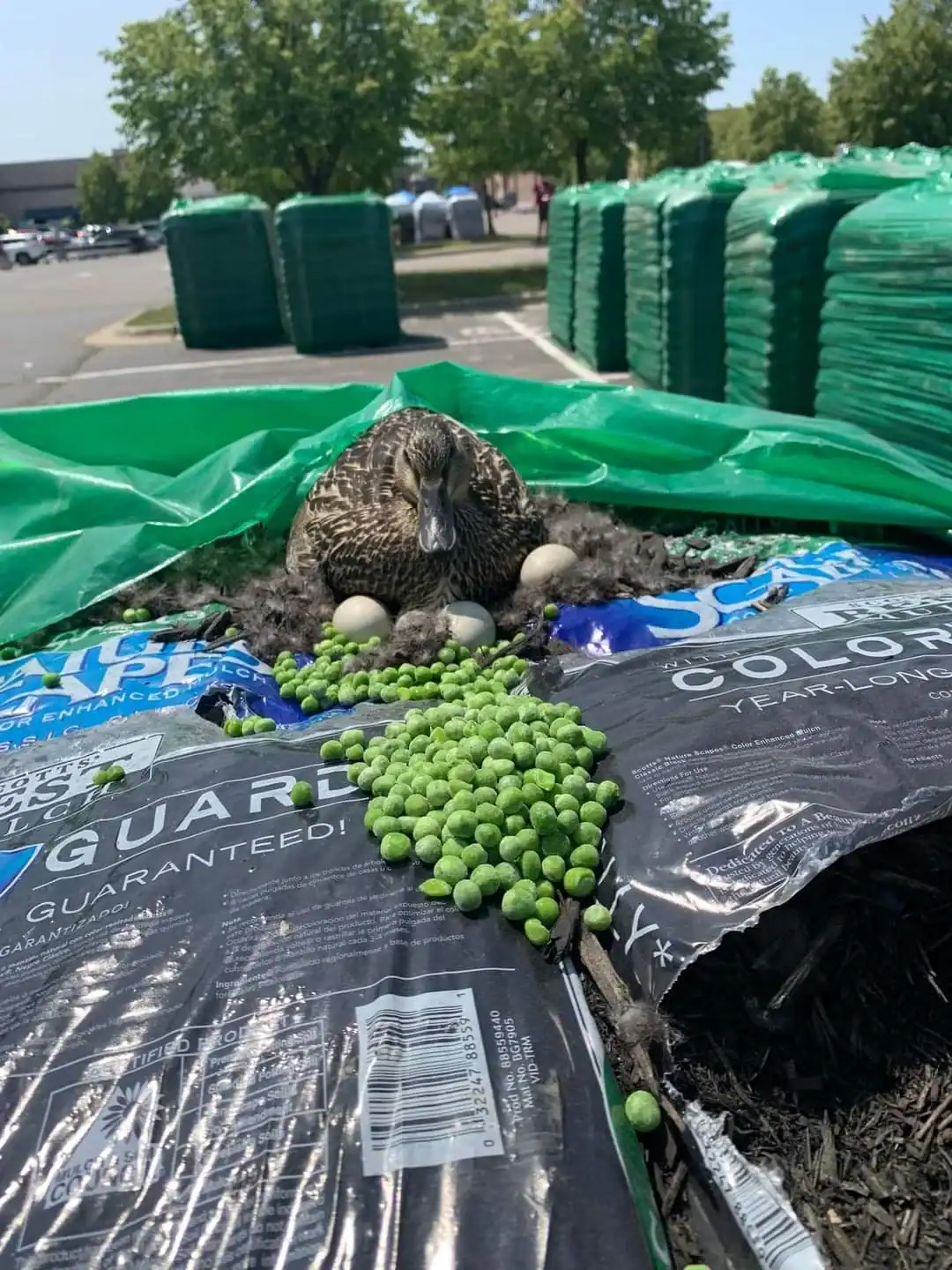
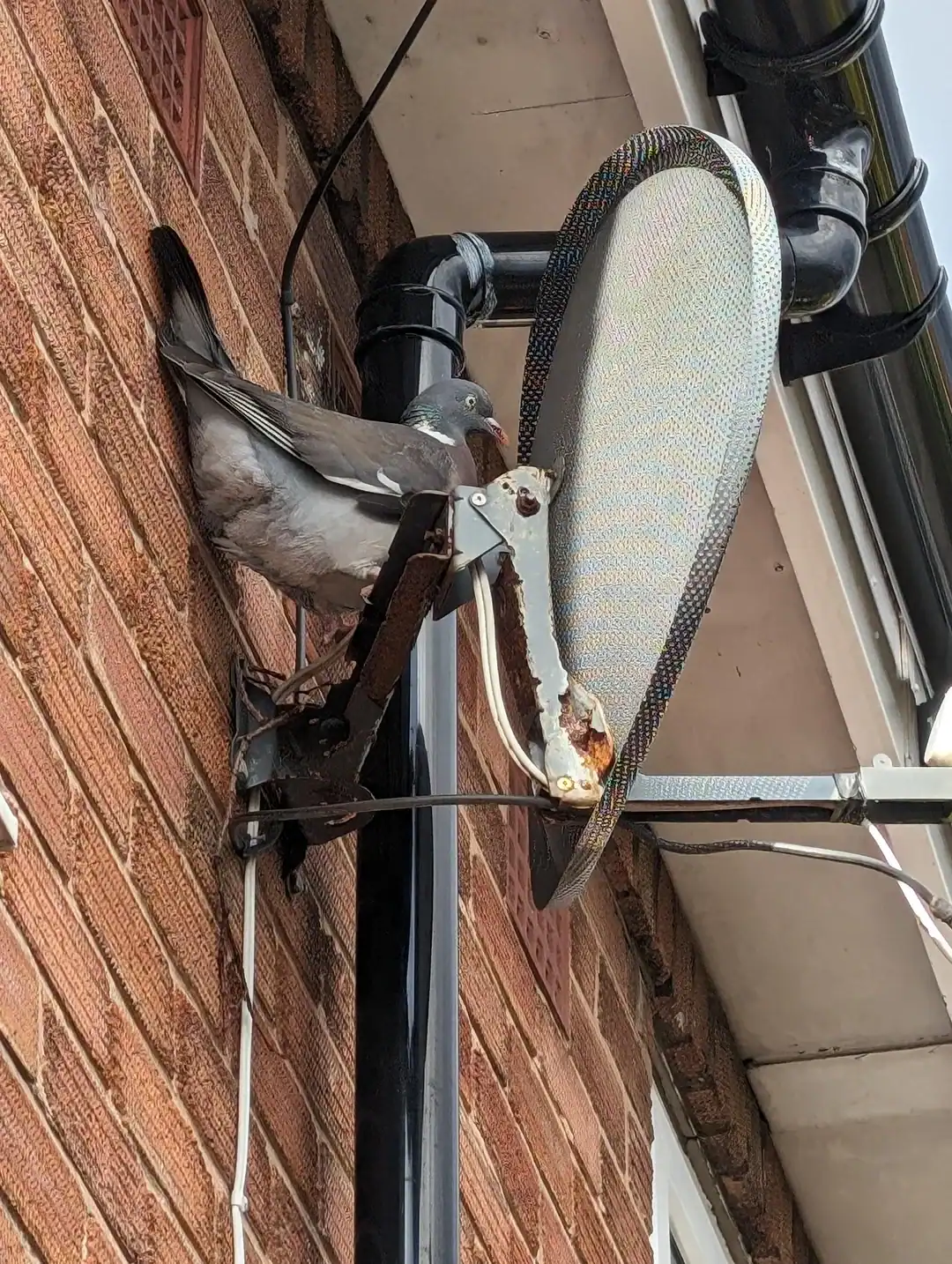
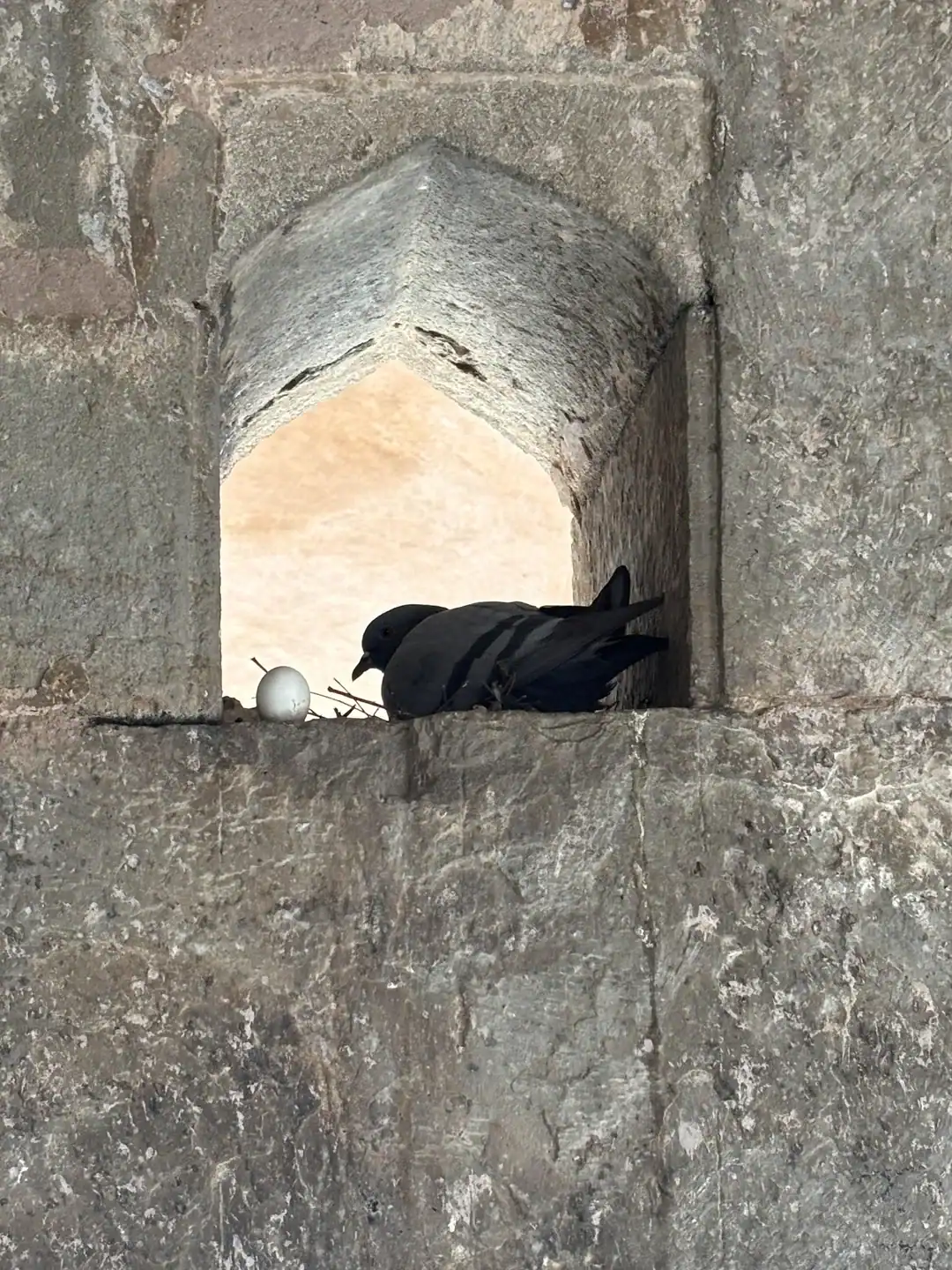
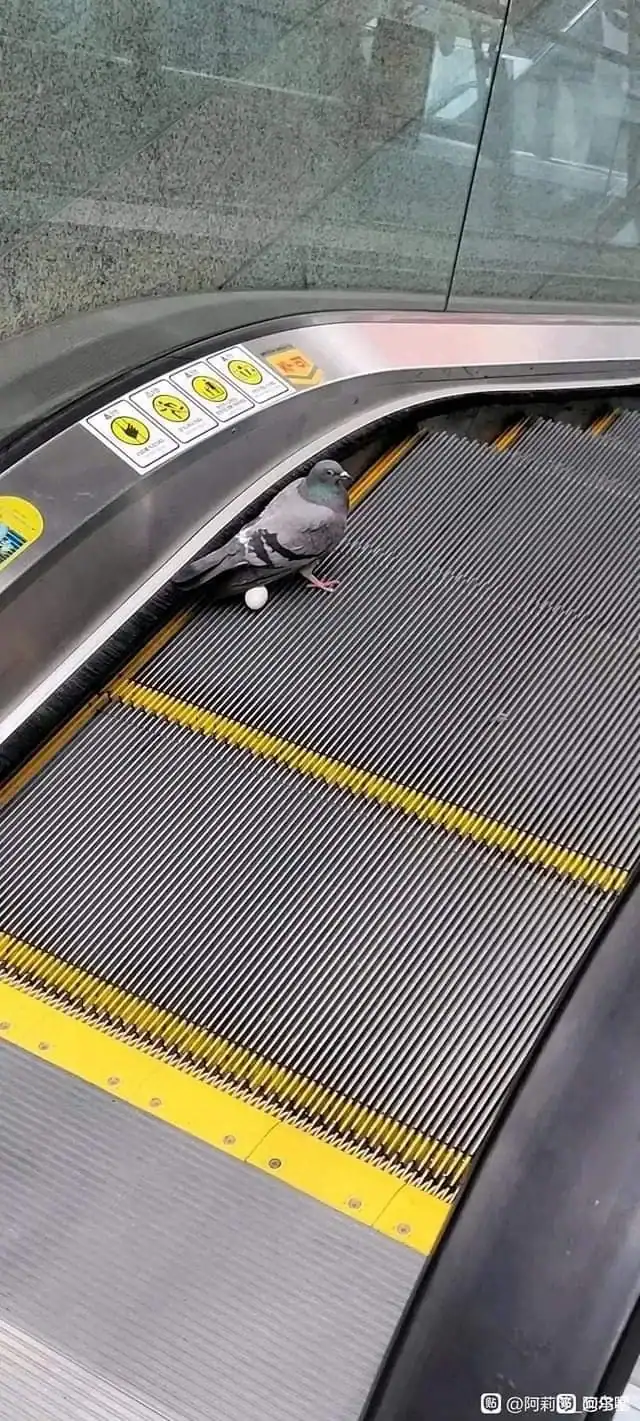
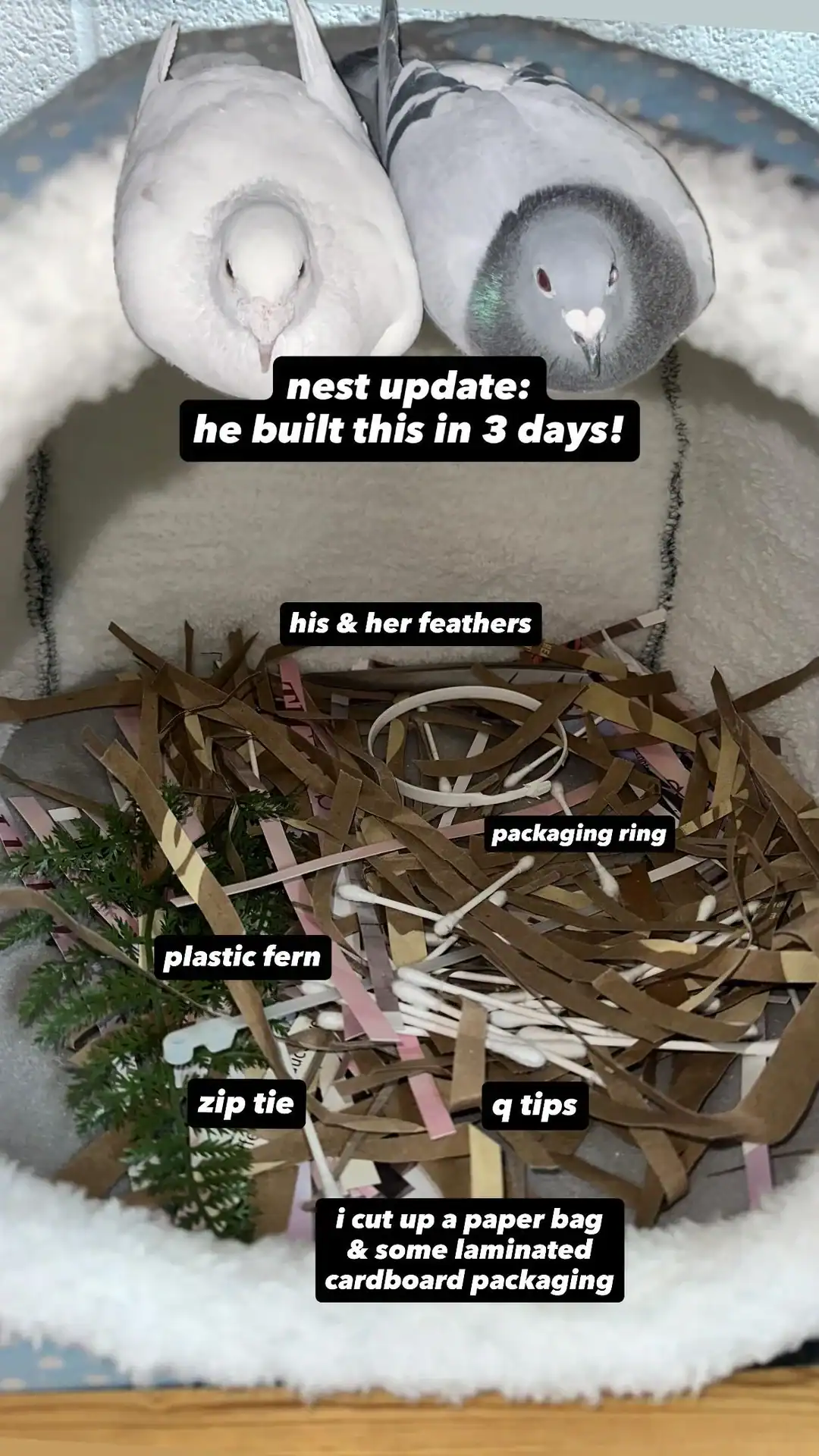




Birds terrible at building nests
Read More
The train track nest is the most architecturally questionable decision in the entire gallery and deserves immediate review. There are, presumably, thousands of safer locations available within a hundred-yard radius. The seagull has chosen the one location where the long-term survival of her offspring depends on the precise timing of regional rail service. These funny bird nest fails are documenting a decision-making process that, by any reasonable standard, requires intervention from a wildlife biologist, but the bird seems committed, and we have to respect the commitment even as we question the strategy.
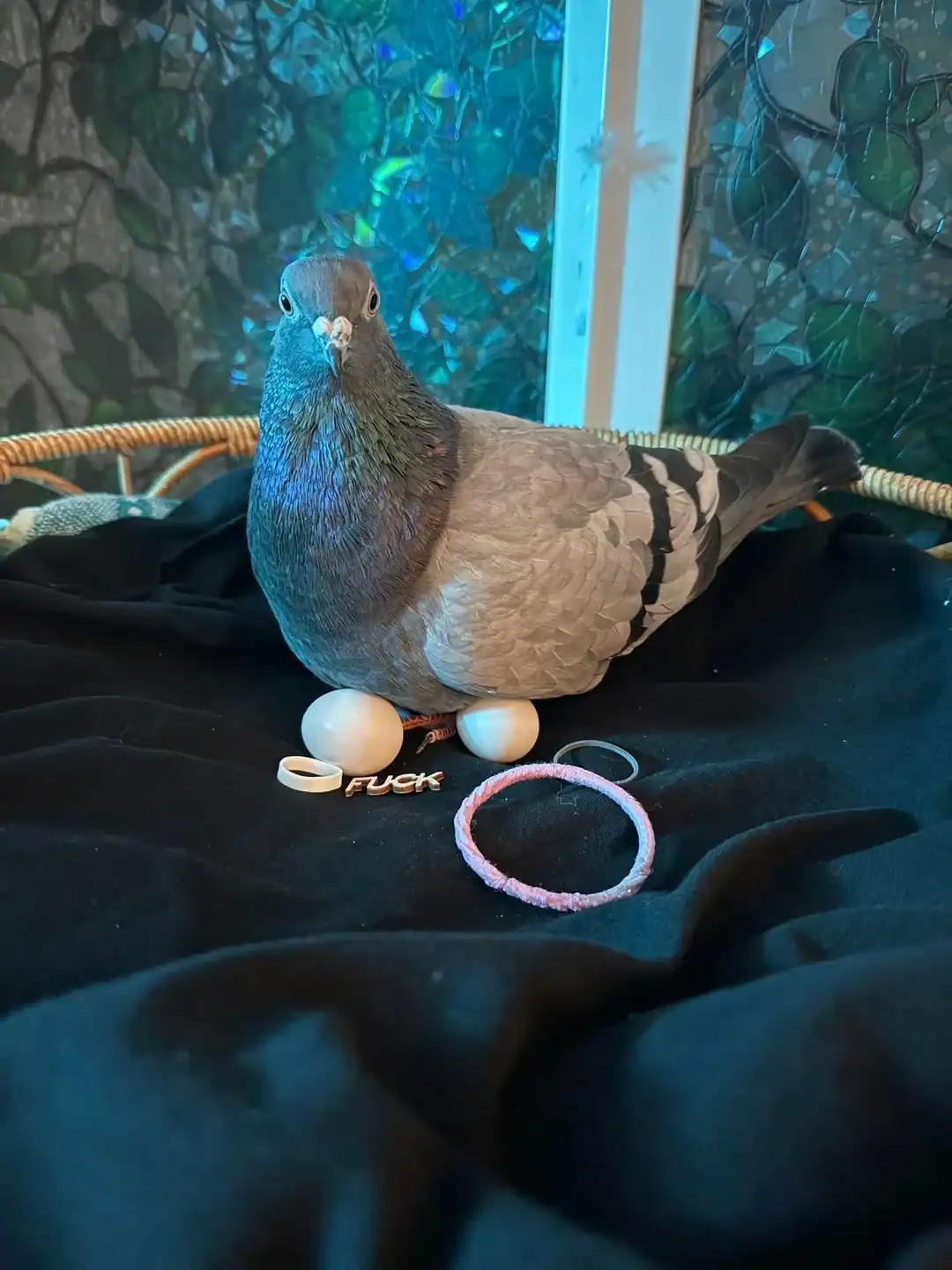
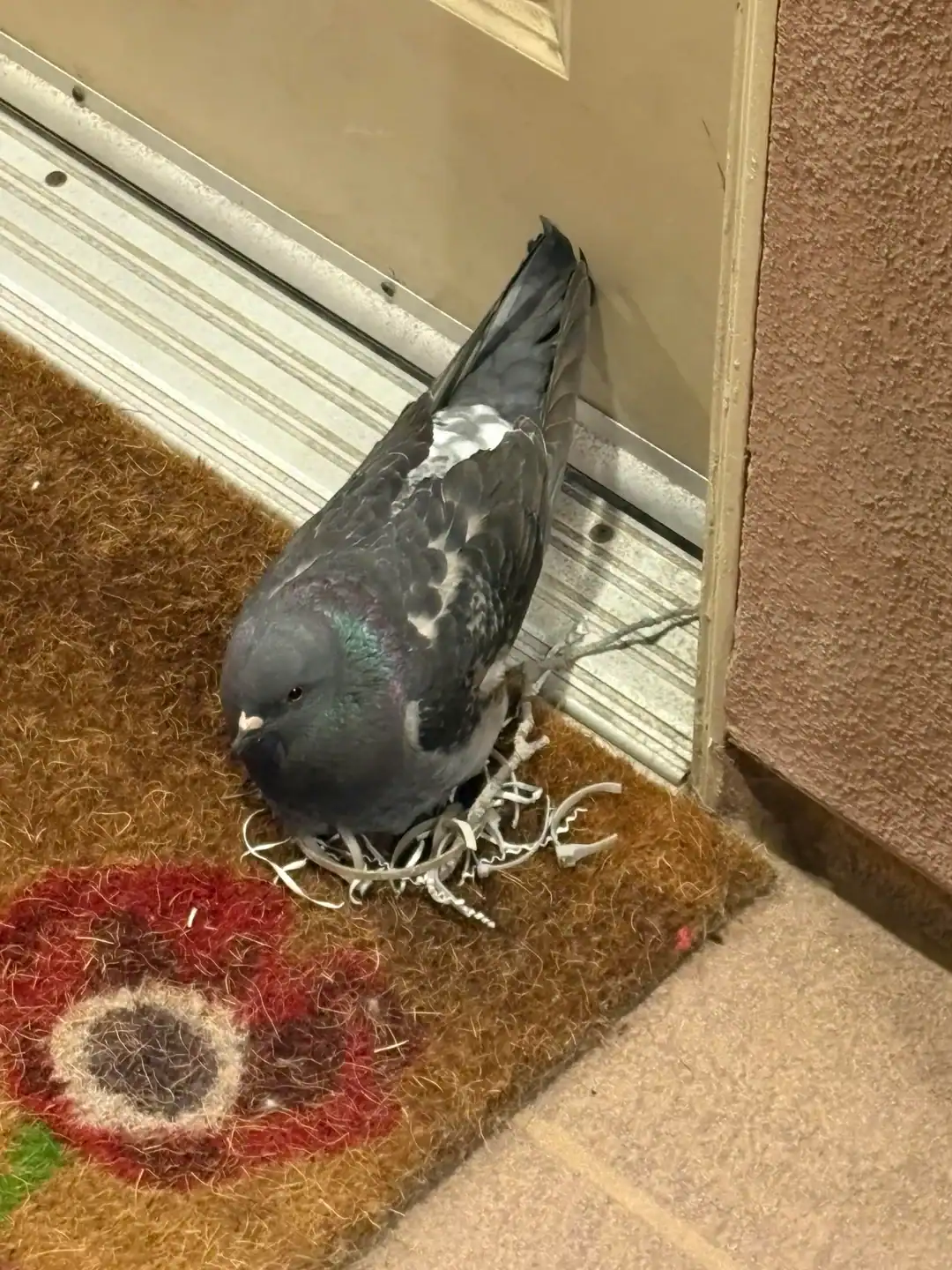
The pigeon-on-a-bath-mat situation is operating in a different category of bad nest-building, where the bird has simply opted out of the construction process entirely. There are no sticks. There is no woven structure. There is a single egg, sitting on a shaggy bathroom rug, with a pigeon brooding contentedly on top, as if the entire concept of “nest” was a suggestion she’s decided to ignore. The bird home construction has been replaced with “found objects” energy, and the found object is somebody’s bathroom textile.
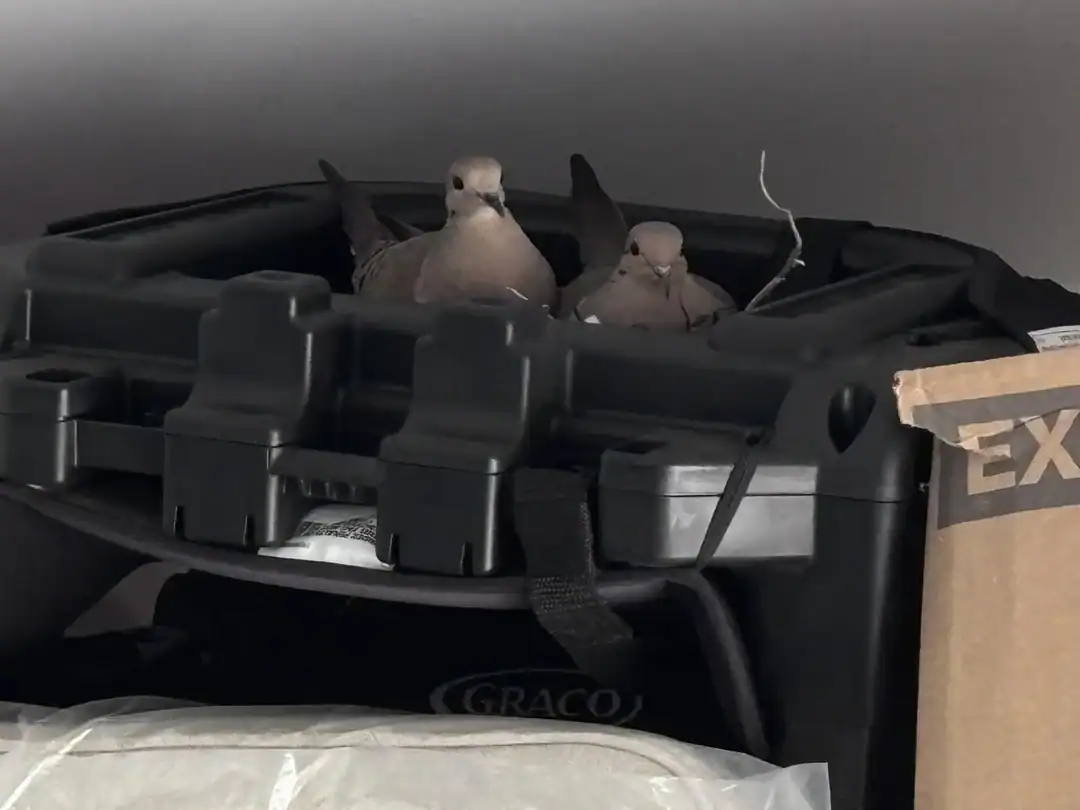
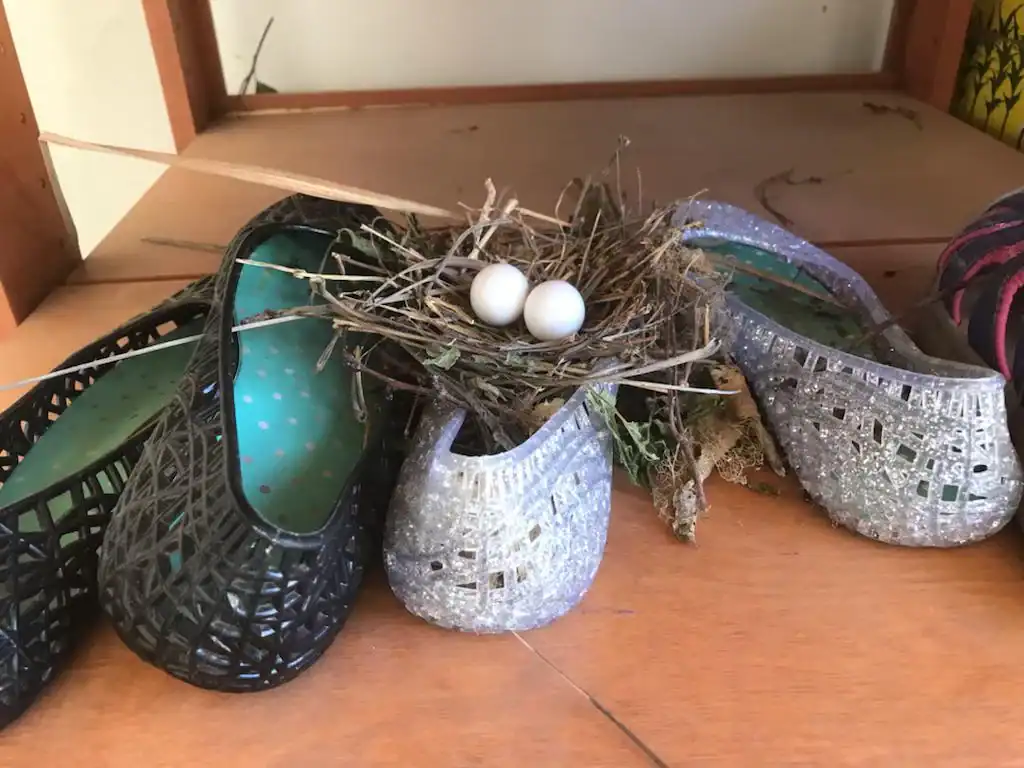
The makeup organizer nest is the most aesthetically interesting entry. A small bird has settled into a clear plastic compartment intended for lipstick storage, surrounded by skincare bottles, brooding on her egg like she’s about to launch a beauty influencer account. The cute bird photos and bad nest memes in this gallery are at their best when the chosen nest location reveals something about the human household it has occupied, and the Sephora bin nest is essentially a small statement about modern domestic life.
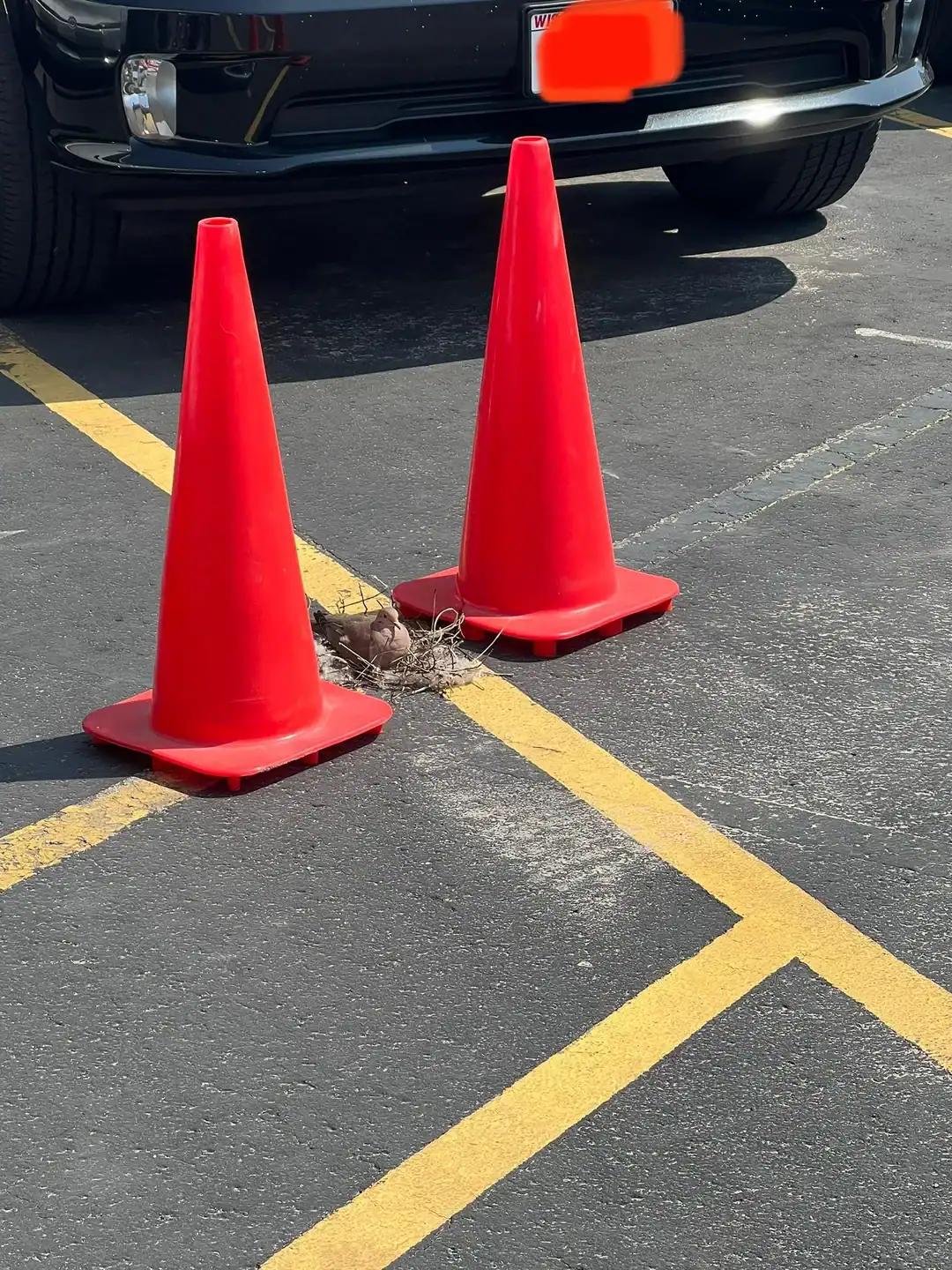
And the traffic-cone nest. A bird, on asphalt, between two safety cones, with a few scattered sticks for show. There is no nest. There is the suggestion of a nest. The bird is sitting on the concept of a nest. The hilarious bird builds in this gallery have collectively decided that traditional nest construction is a constraint imposed by the previous generation of birds, and they are not having it. The future of avian architecture is, apparently, minimalist.
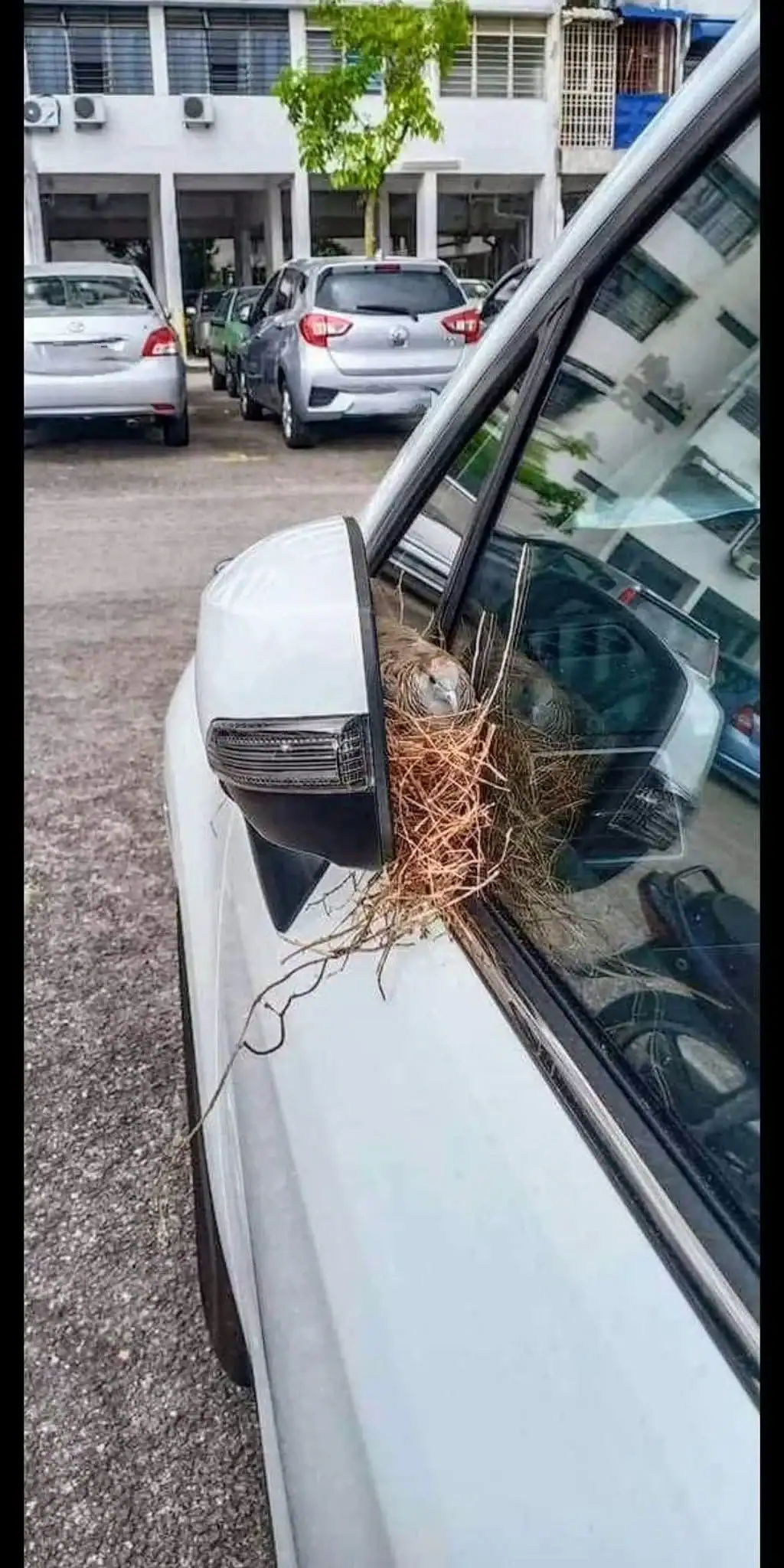
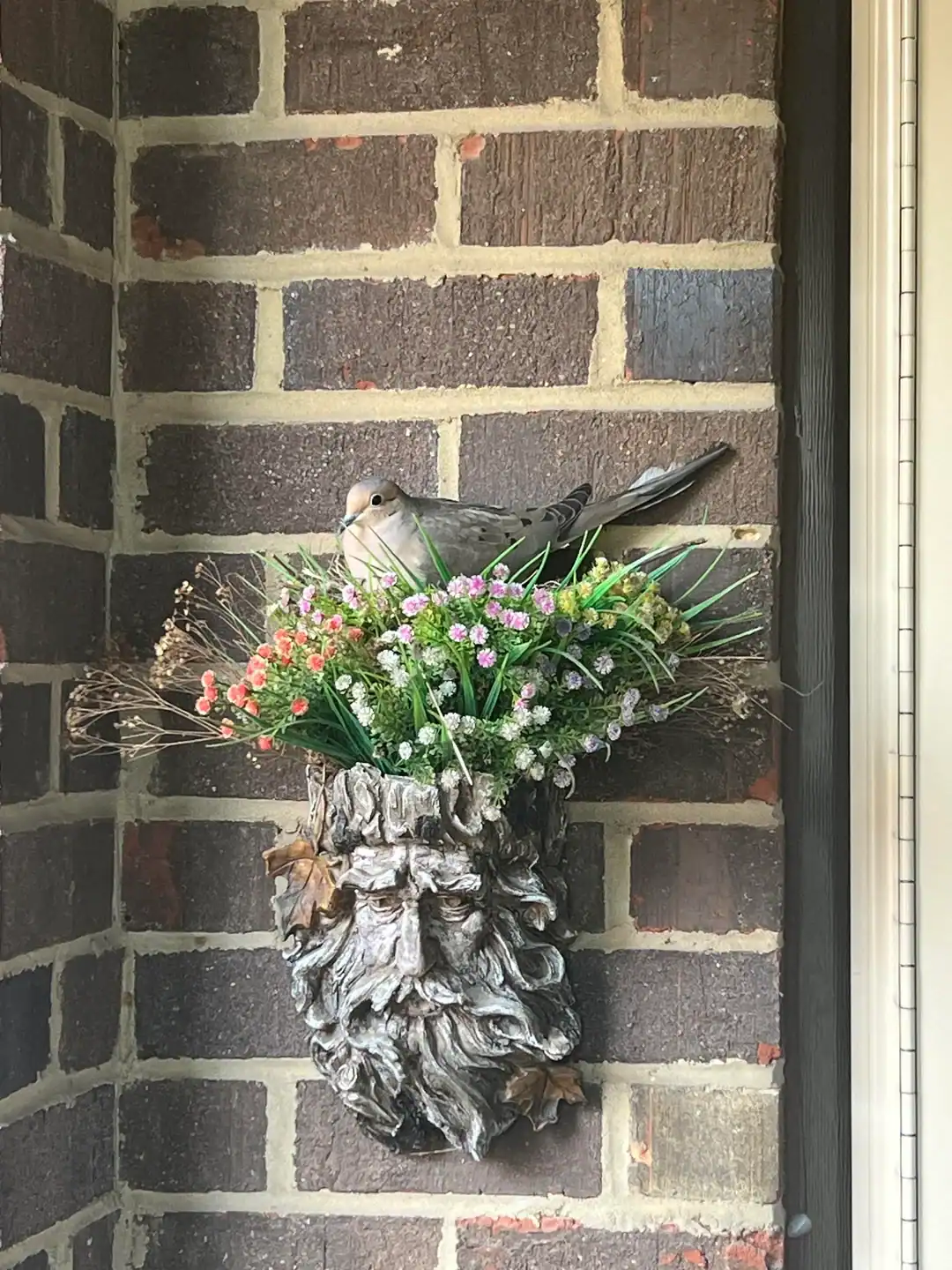
What this whole gallery is really showing, beyond the obvious comedy of mismatched bird logic, is a small reminder that animals are not actually the careful engineers we sometimes imagine them to be. We tend to anthropomorphize nature documentary footage of weaver birds and oriole nests into evidence that every bird is a master architect operating with intention and precision, when in reality, most birds are doing their best with whatever they happen to find, and “best” sometimes means a bathroom mat. The species varies. The instincts vary. Some birds are brilliant. Some birds, demonstrably, are not.
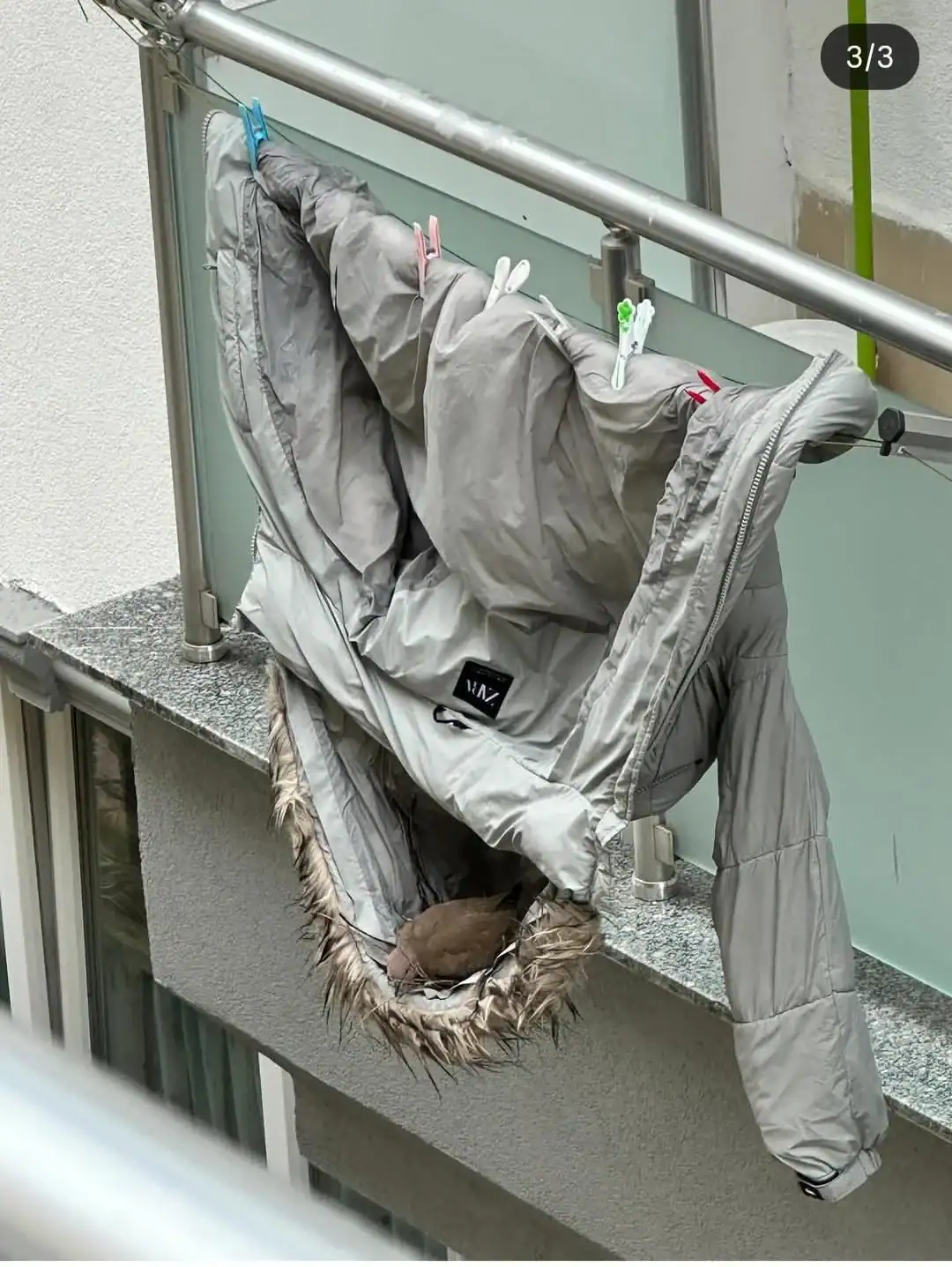
There’s also something charming about the way these particular birds have, in many cases, integrated themselves into human spaces. The bathroom-rug pigeon is not lost. The Sephora-bin nester is not confused. They have, with the limited tools available to them, identified human-adjacent locations as viable nesting territory, and they’ve moved in. Cities are full of these unannounced cohabitants, mostly invisible until somebody opens the wrong drawer or sees the wrong window ledge. The animals are everywhere. The animals are usually nesting badly.
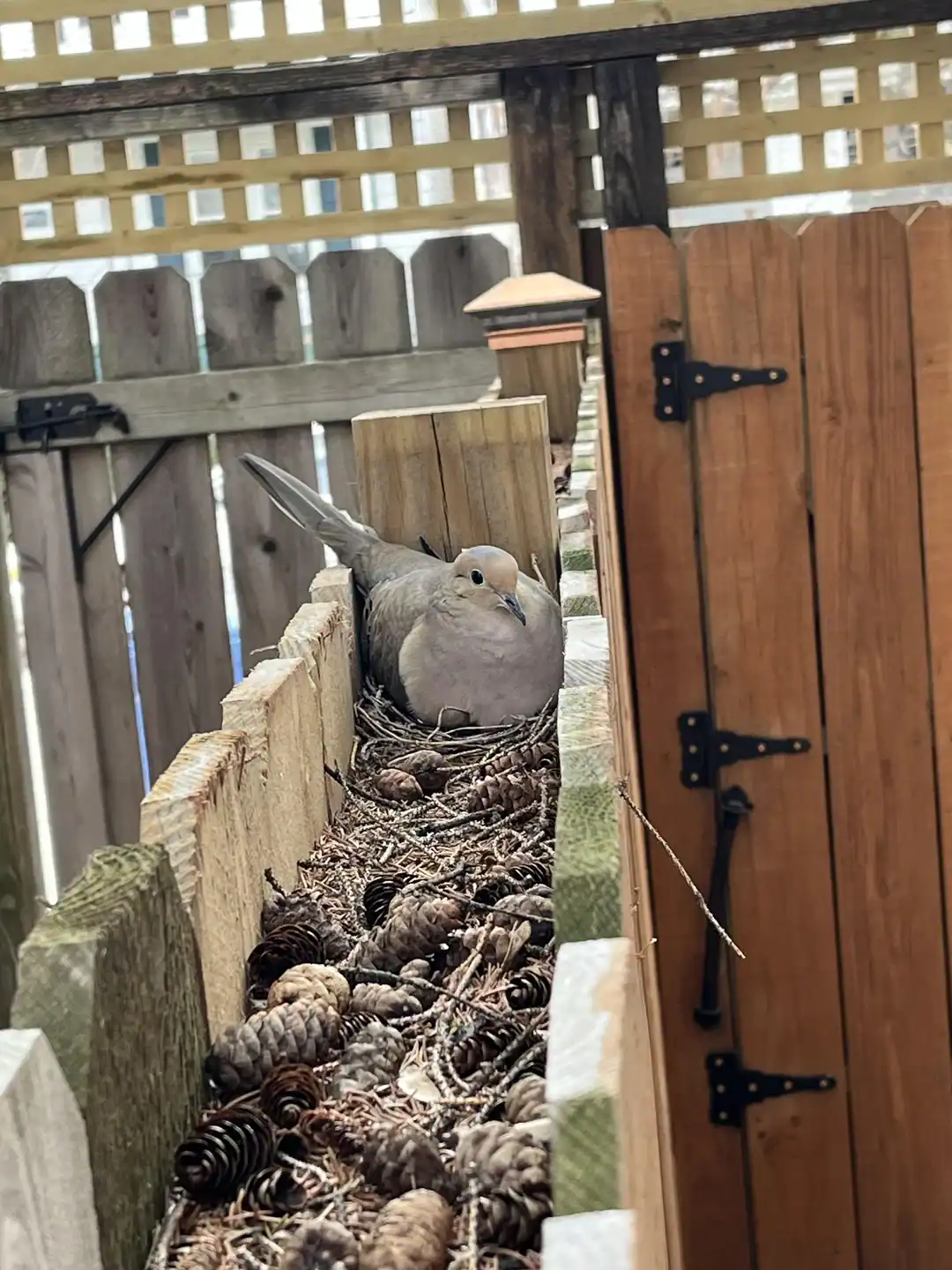
The other thing worth noting is that, despite the architectural disasters on display, most of these birds are going to be fine. Pigeons in particular have been thriving in human environments for thousands of years specifically because they are flexible about what counts as a nest. The single-twig minimalist nest is not, evolutionarily speaking, a failure. It’s a successful strategy for an opportunistic urban species, and the lack of effort is, ironically, part of why pigeons keep winning. The gallery is funny. The pigeons are also still going to outlast all of us.
If the avian architecture fails were your kind of fun, broader animal-doing-it-wrong galleries live in this exact corner, urban wildlife content covers similar territory, and general funny animal photo collections are where this energy multiplies. Watch your eaves. The pigeons are coming.
Read Memes
Get Paid


Katie Rodriguez is a seasoned writer with eight years dedicated to meme commentary, viral internet events, and digital storytelling. Formerly a senior meme analyst at Bored Panda and an occasional guest contributor at Vice's Motherboard, Kat specializes in meme culture’s intersection with social media phenomena—covering trends like Milk Crate Challenge, Area 51 Raid, and Baby Yoda. She’s known for her witty writing style and deep understanding of why certain memes resonate across generations, making her a valuable voice on Thunder Dungeon.