
I always wondered how everyone in those old photographs looked so calm, and now I know, and the answer is chemistry. These 50s memes and vintage ads pull the curtain back on a decade that solved every emotional and domestic problem with either a prescription or gelatin, sometimes both in the same evening. The kitchens were spotless. The wives were sedated. Dinner was suspended in aspic. Come look at what we came from.
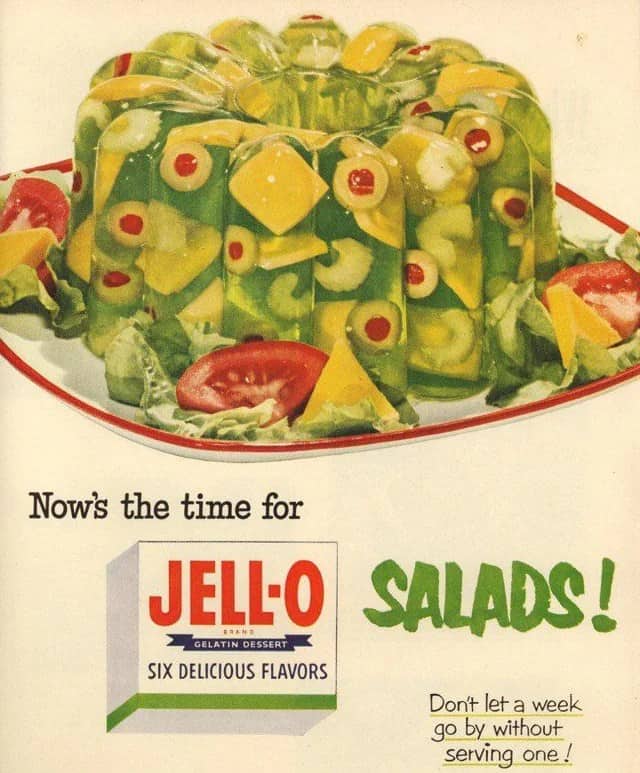
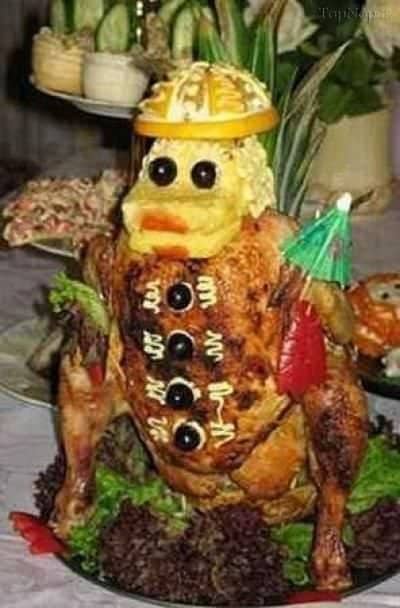
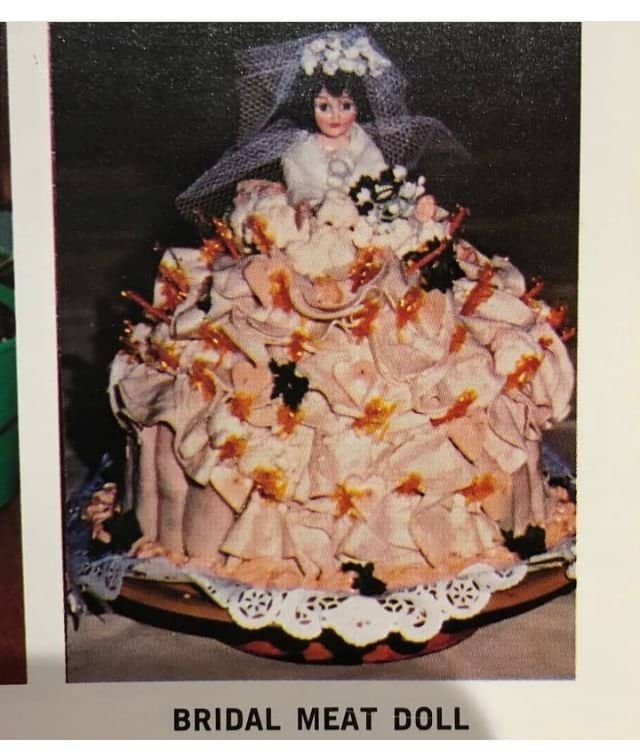
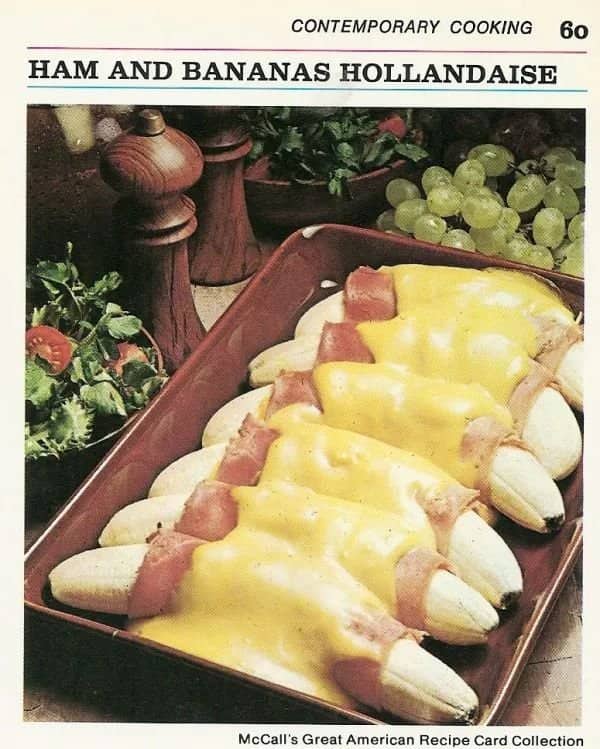
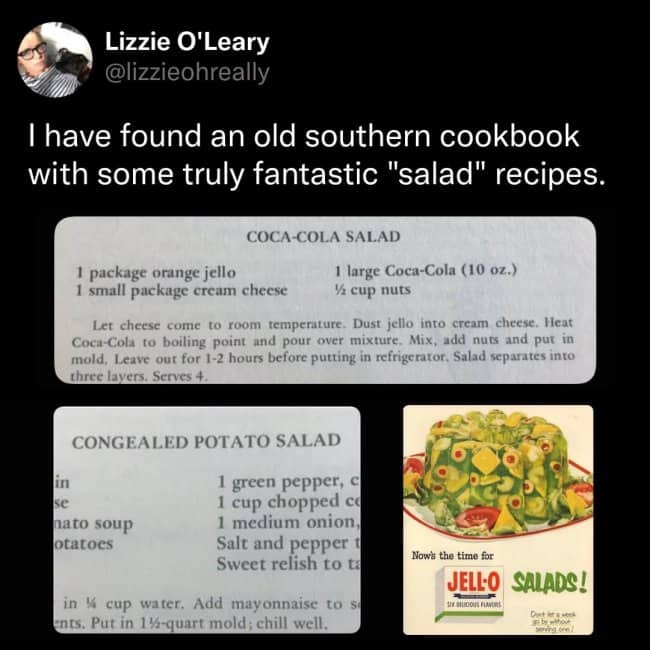
The 1950s was a dark time for taste buds.
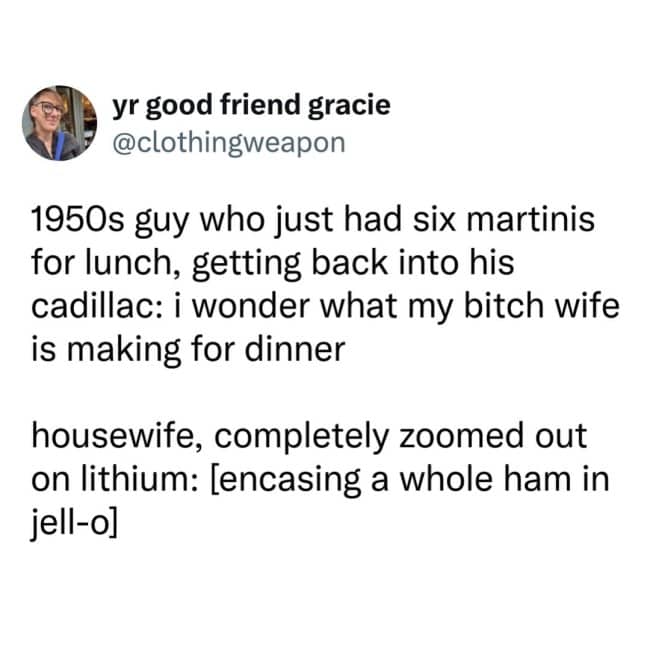
A match made in mid-century heaven.
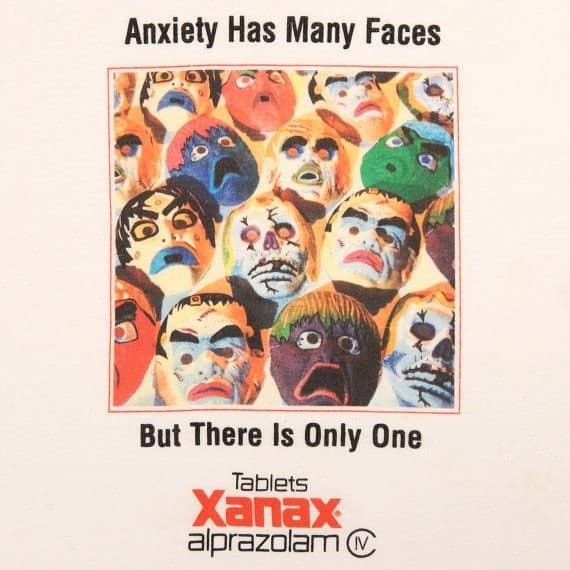
Sweet dreams are definitely not made of these.
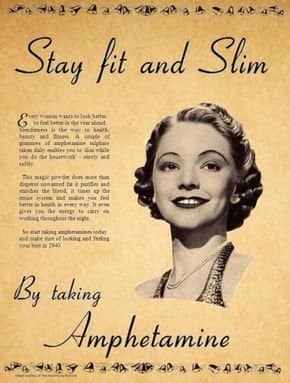
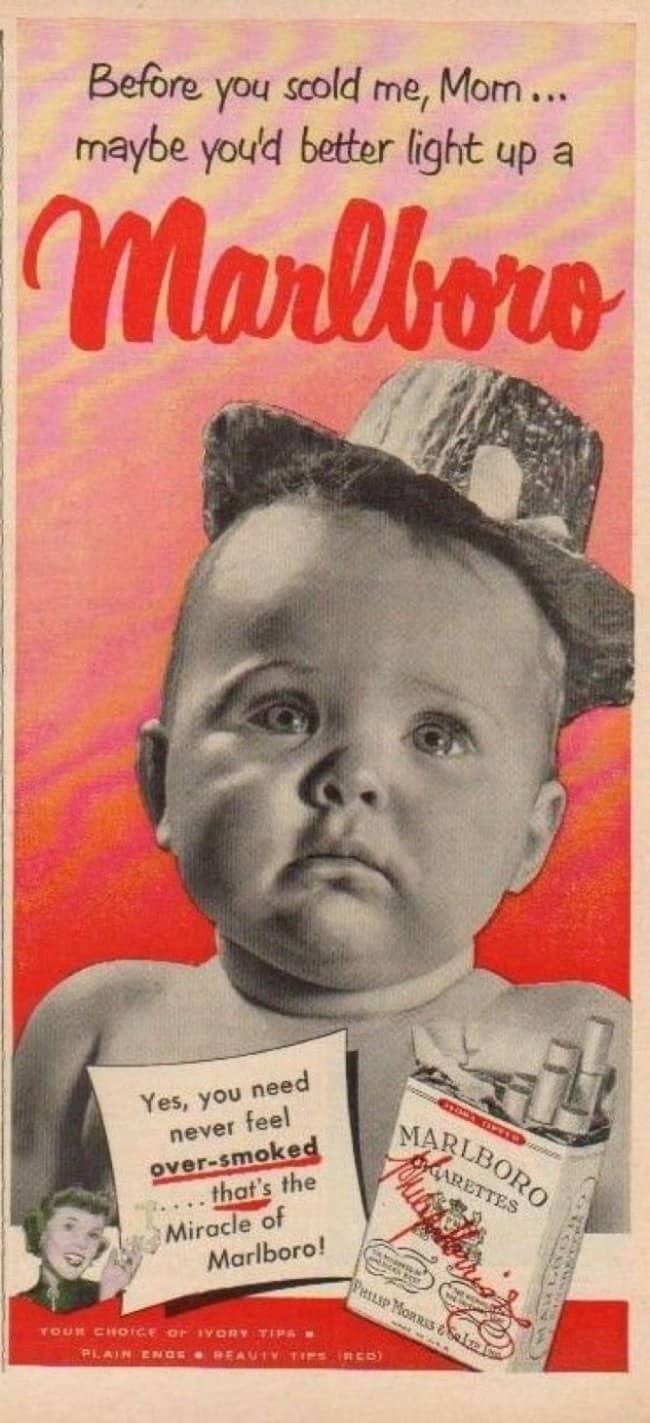
Shark Tank 1955 winner.
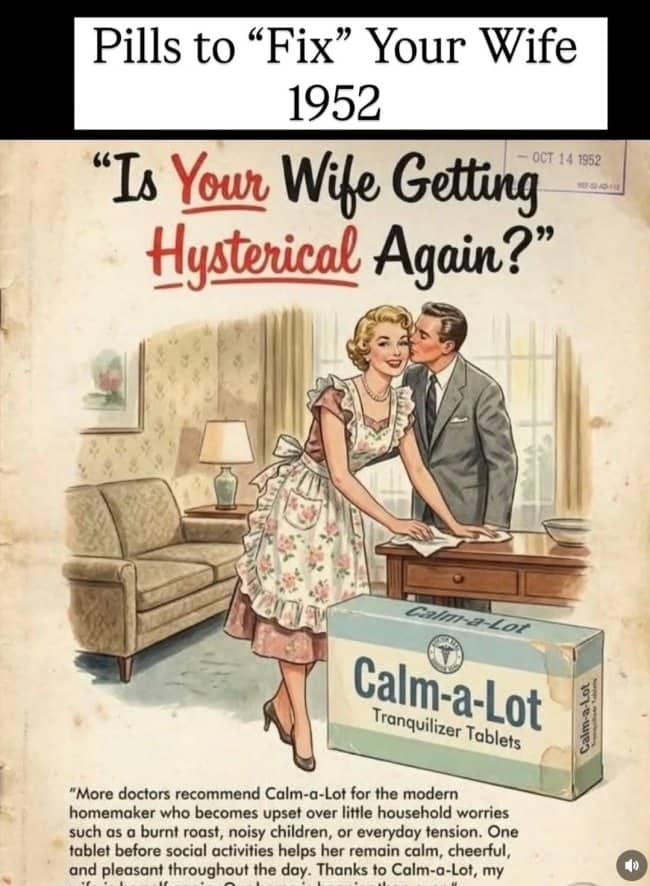
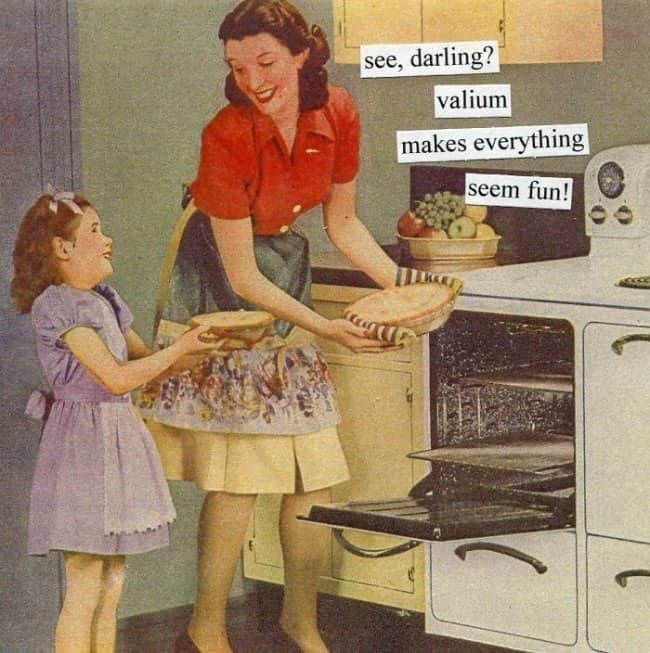
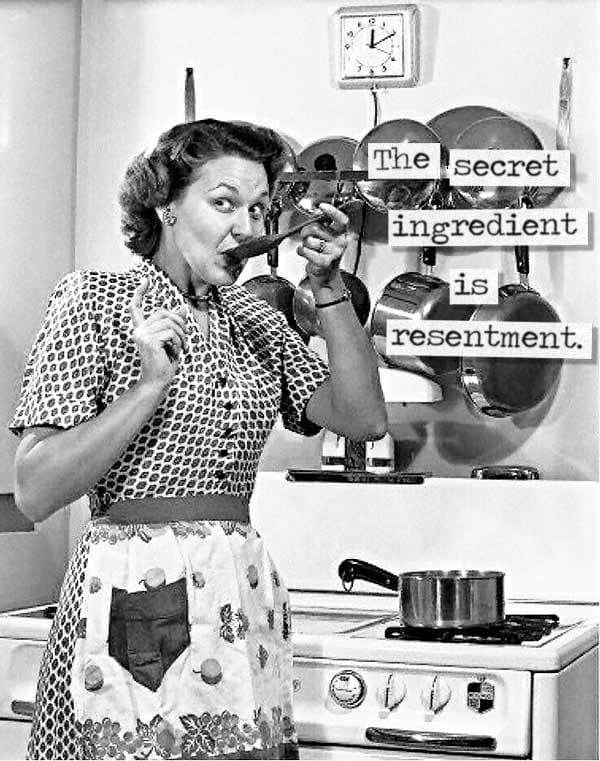
One pill for her, three martinis for him, house stays spotless.
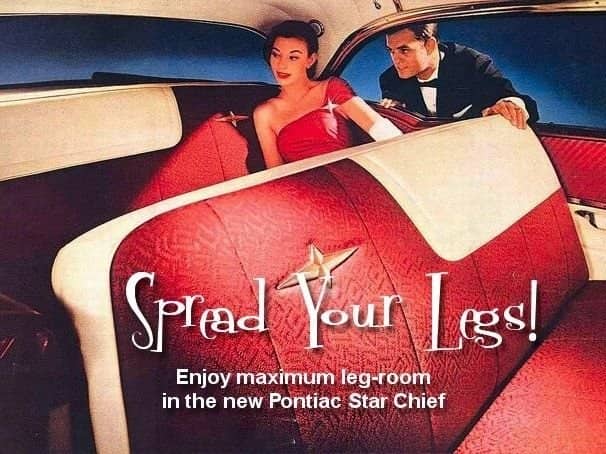
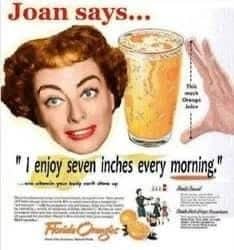
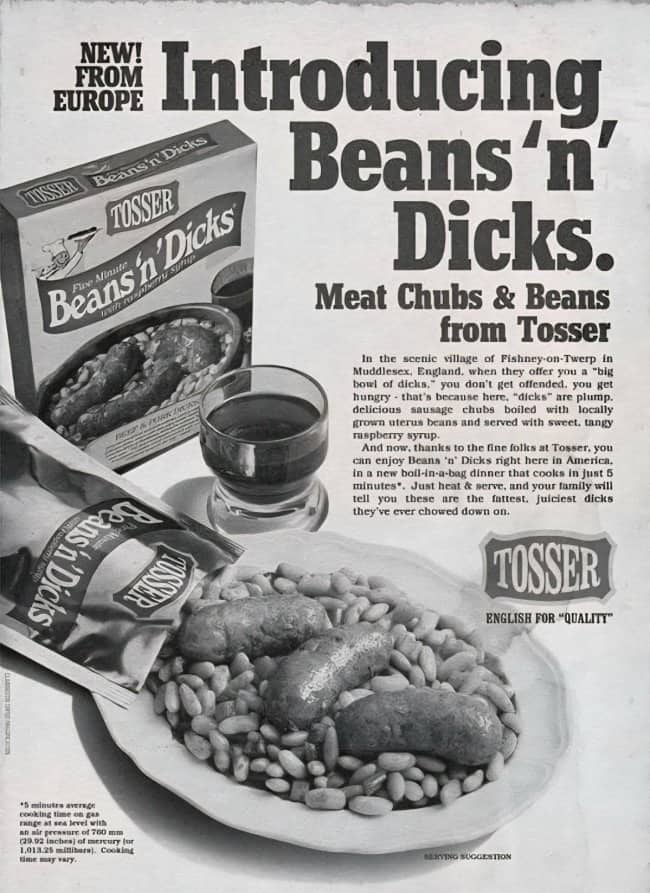





50s memes
Read More
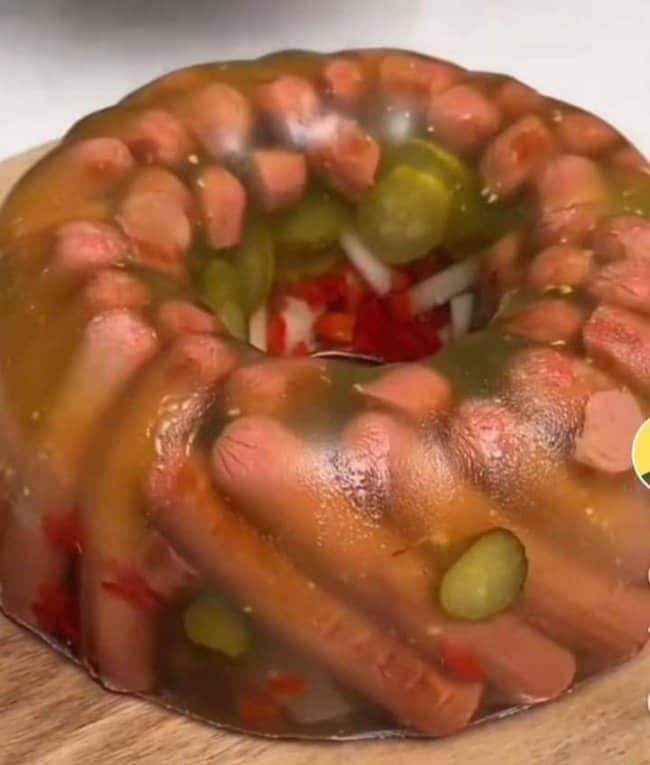
Let’s begin in the kitchen, because mid-century cuisine was clearly a cry for help served at room temperature. There’s an advertisement featuring stuffed olives and assorted vegetables suspended in green gelatin, presented as an elegant dinner option, and I need everyone to understand that people made this on purpose, for guests, with pride. There’s a post describing a husband working through martinis while his wife encased a ham in gelatin, which is the entire decade compressed into one sentence. Nobody was eating this because it tasted good. They were eating it because it looked modern, and looking modern was apparently worth more than flavor.
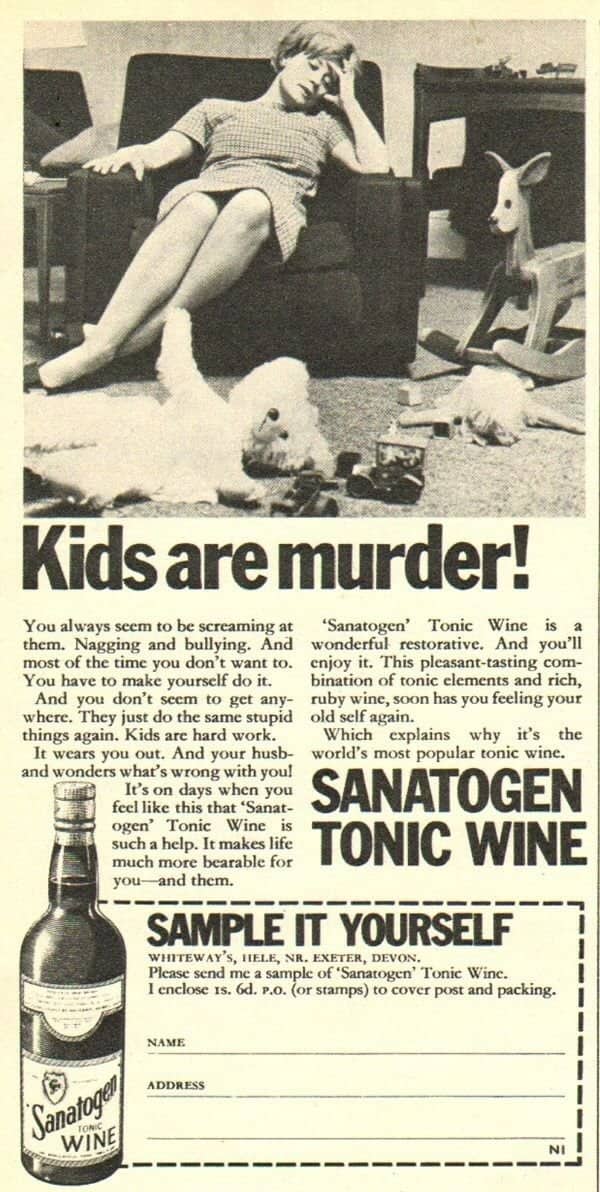
Then the pharmaceutical wing, which is where the decade’s coping strategy gets stated openly in print. There are actual ads promoting amphetamines for housework, which explains the spotless kitchen tiles and possibly the vacuuming happening at three in the morning. There are tranquilizer ads aimed squarely at wives described in language no modern marketing department would survive using. There’s a tonic wine advertised to an exhausted mother surrounded by chaos, subtlety not yet invented. What strikes me is the honesty. Modern advertising hides the problem it’s solving. These ads named it in the headline and offered a dose.
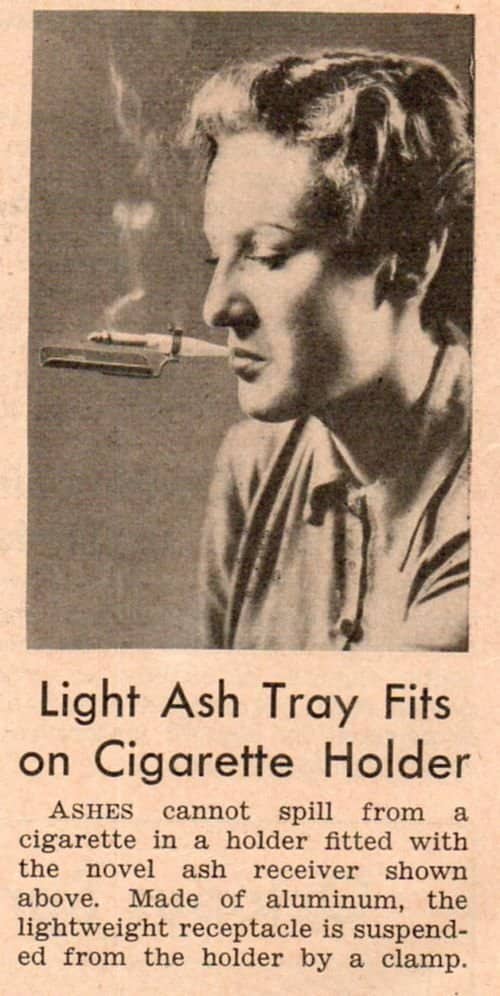
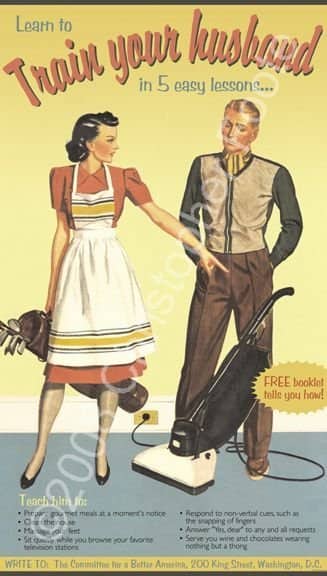
And the domestic-dynamic material is the section that’s funny until it isn’t and then funny again. There’s a cigarette advertisement in which a baby advises its mother on brand selection, and pediatricians in that era must have been going through something. There’s a poster instructing women on how to train their husbands to perform housework, which is a hilariously bleak framing of a genuinely reasonable request. And there’s the cigarette holder with a built-in miniature ashtray, an invention for the smoker who declines to turn their head two inches, which is the most gloriously lazy piece of engineering the century produced. Modern problems required vintage solutions, and the solutions were all slightly on fire.
Here’s the honest read on this whole collection: the 1950s wasn’t calmer than now, it was quieter, which is completely different. Every one of these ads exists because somebody was struggling and the accepted solution was to manage the symptom silently rather than discuss the cause. The gelatin, the tonics, the prescriptions for “hysteria,” they’re all the same product, which was the appearance of a household running smoothly. Nobody was allowed to say the roast was ruining their life.
And that’s why these hit modern viewers so strangely, because we’re now used to naming things out loud, sometimes excessively, and looking back at a decade where nobody could is genuinely jarring. So we laugh at the ham in gelatin, and we should, it’s absurd. But the real punchline is that everyone in those photographs was doing their best inside a decade that offered them a pill and a mold and told them to smile. Call your grandmother. Ask her what dinner was actually like. Prepare yourself.
The mold was set. The prescription was filled. Everyone looked fine in the photo.
If you want more of the past examined without mercy, our nostalgia content has the archive, with vintage ad collections, retro culture threads, and decade-by-decade compilations preserved intact. Read them with modern eyes. That’s the entire experience.
Read Memes
Get Paid


Laura Bennett has spent eight years immersed in internet culture, specializing in deep dives into meme origins, evolving meme trends, and digital subcultures. As a contributor for several prominent online platforms, including BuzzFeed’s meme division and Know Your Meme, she’s written extensively about viral moments from Crying Jordan to Woman Yelling at a Cat. Laura believes memes aren't just internet jokes—they're modern-day folklore. She brings that passion to Thunder Dungeon by keeping readers connected to what's culturally significant, hilarious, and timelessly viral.