
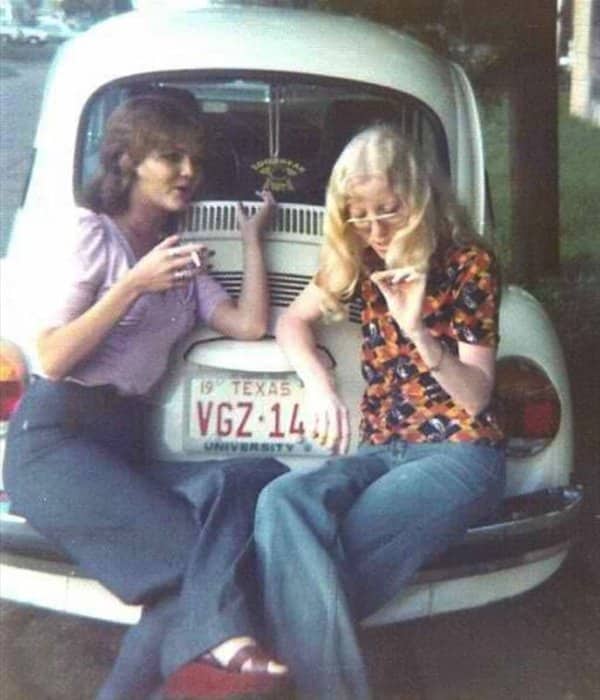
Here’s the thing about these photos that I can’t get past: every single one was taken on film, which means one shot, no preview, and a two-week wait to find out whether anyone blinked. No retakes. No filter. No checking the screen and trying again. These old school cool photos carry a confidence that comes directly from that limitation, and I have four hundred pictures from last Tuesday with none of it. Let me show you what we lost.
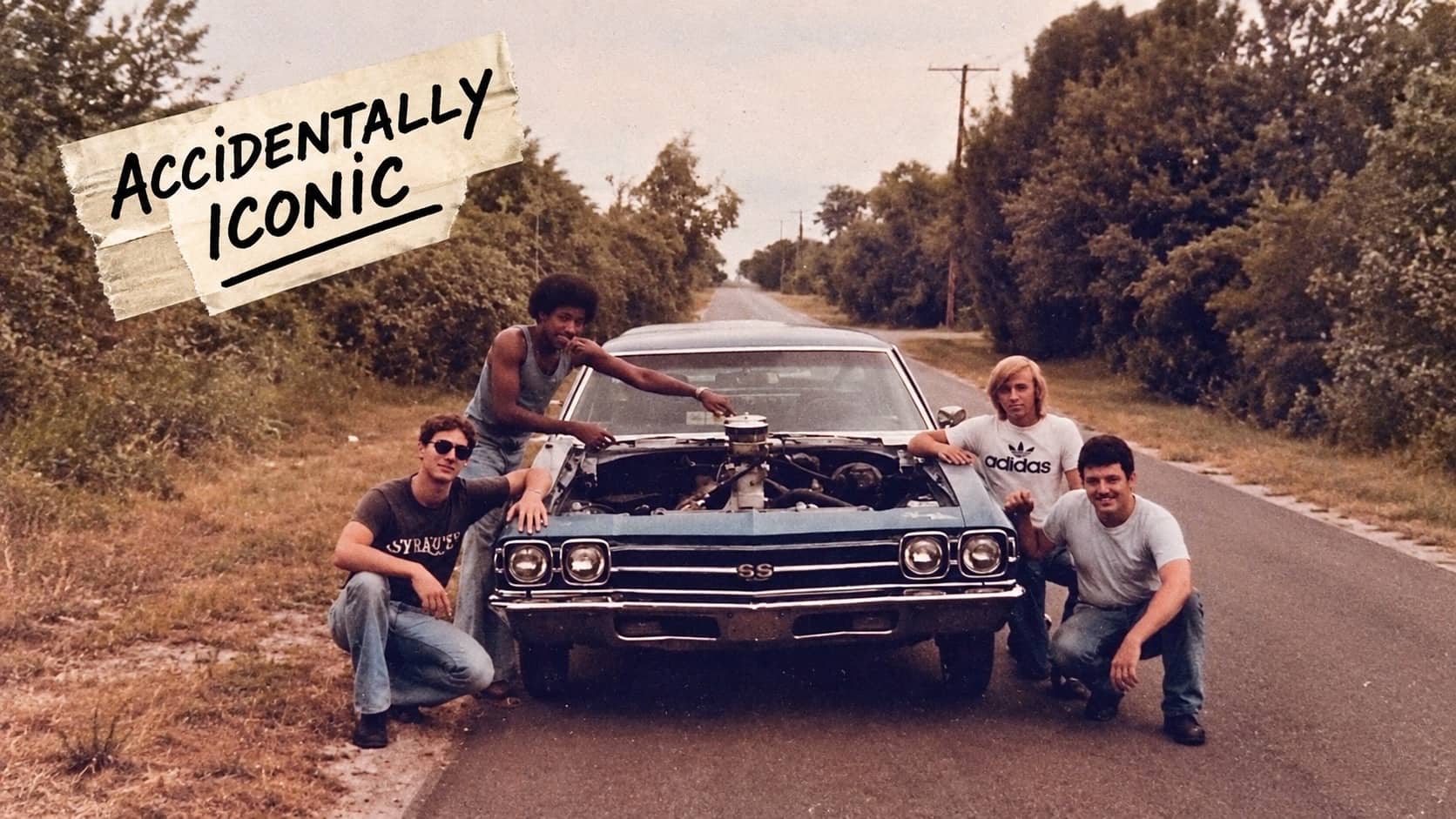
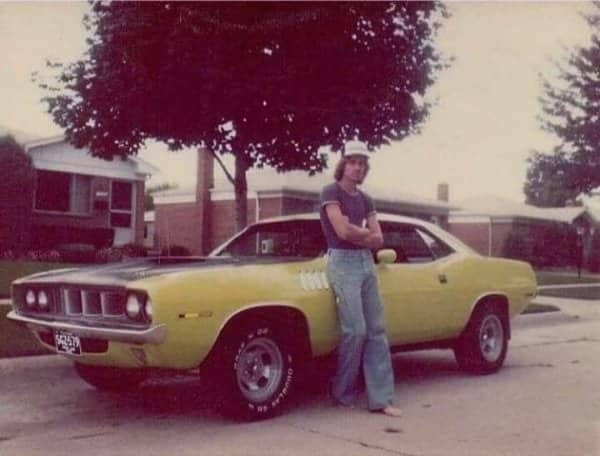
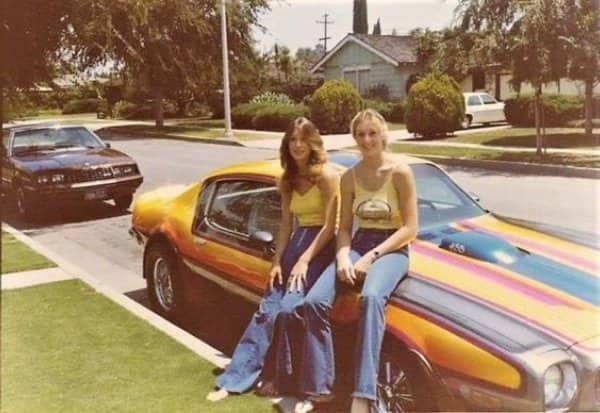
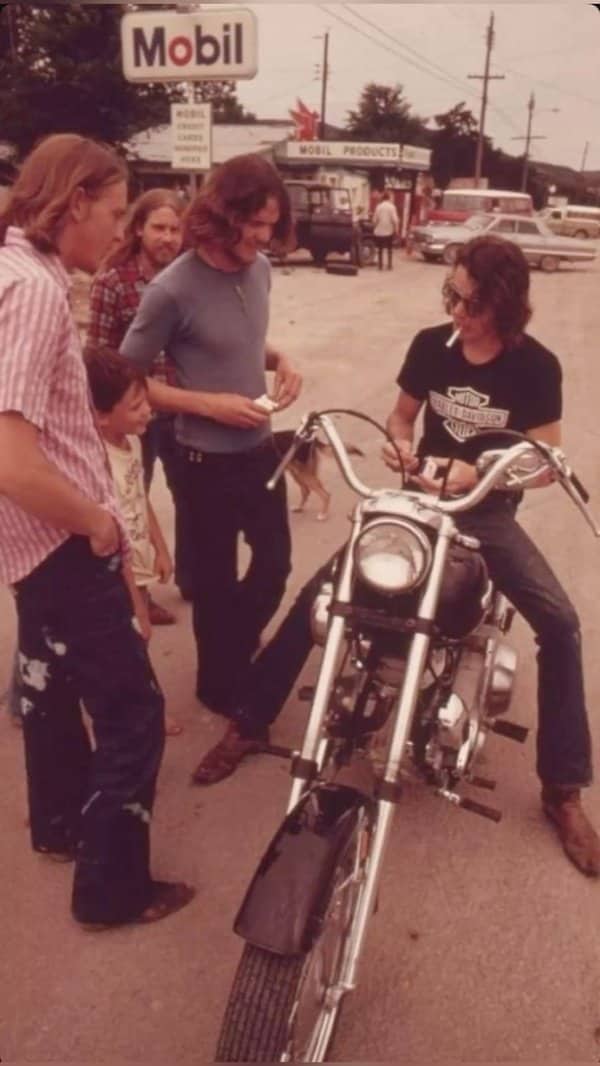
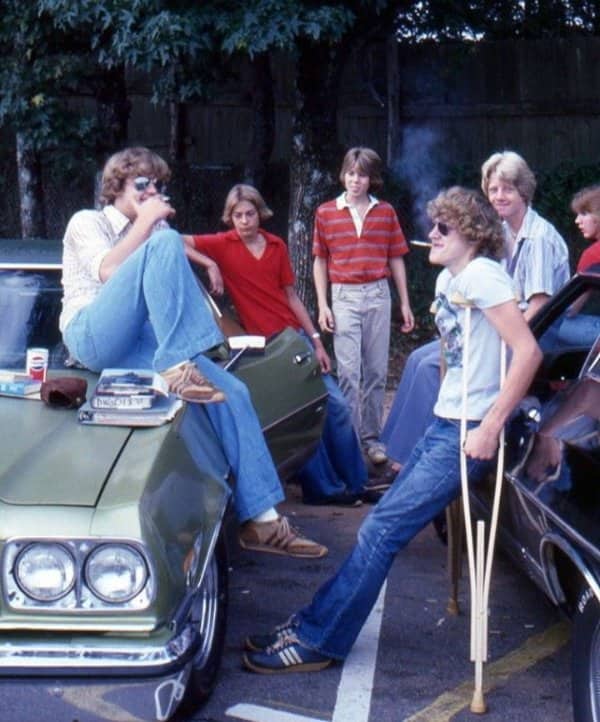
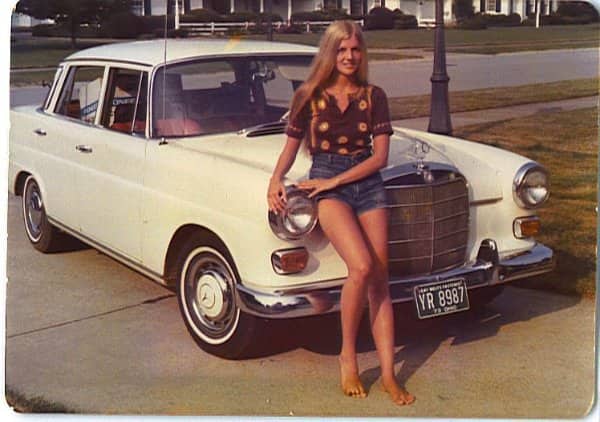
Car trouble never looked this intentional.
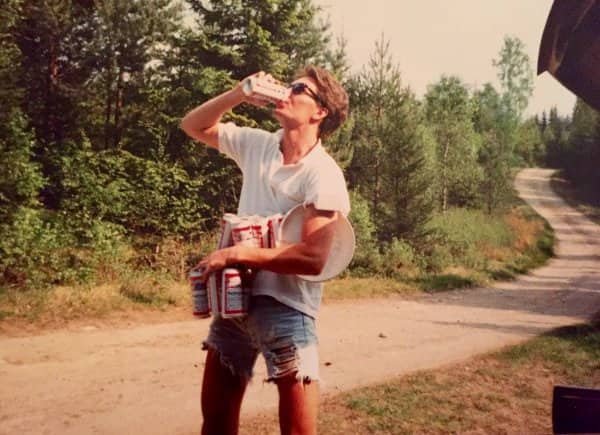
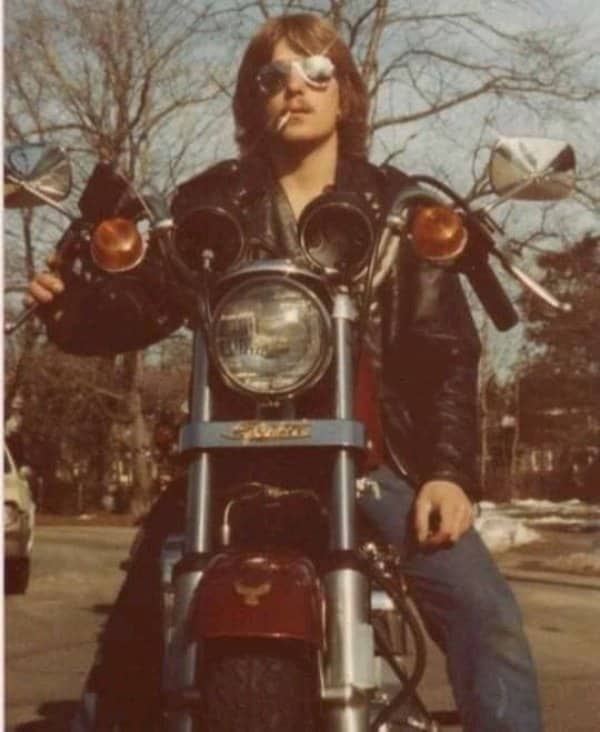
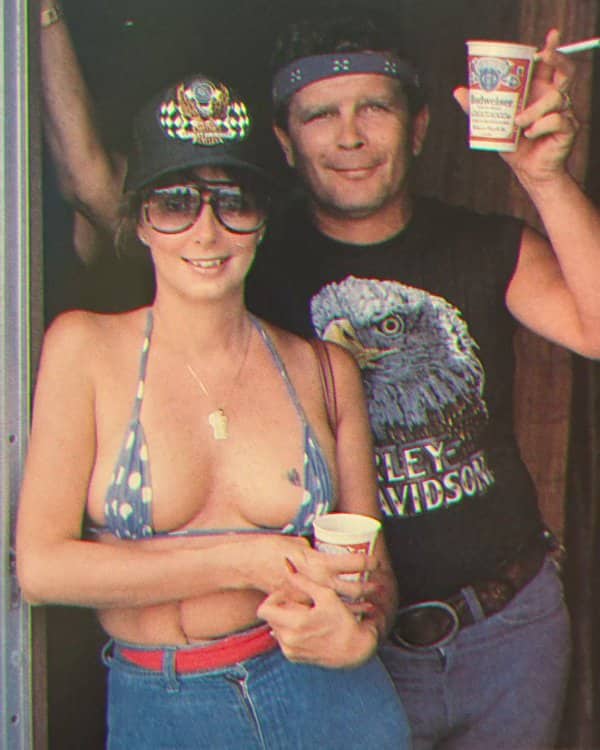
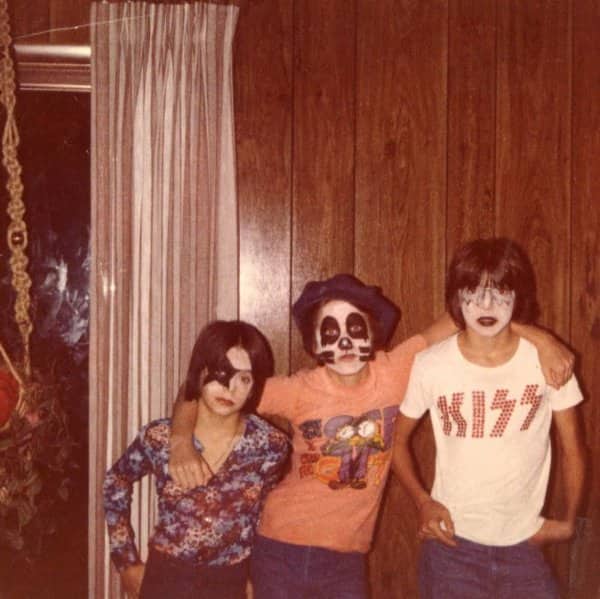
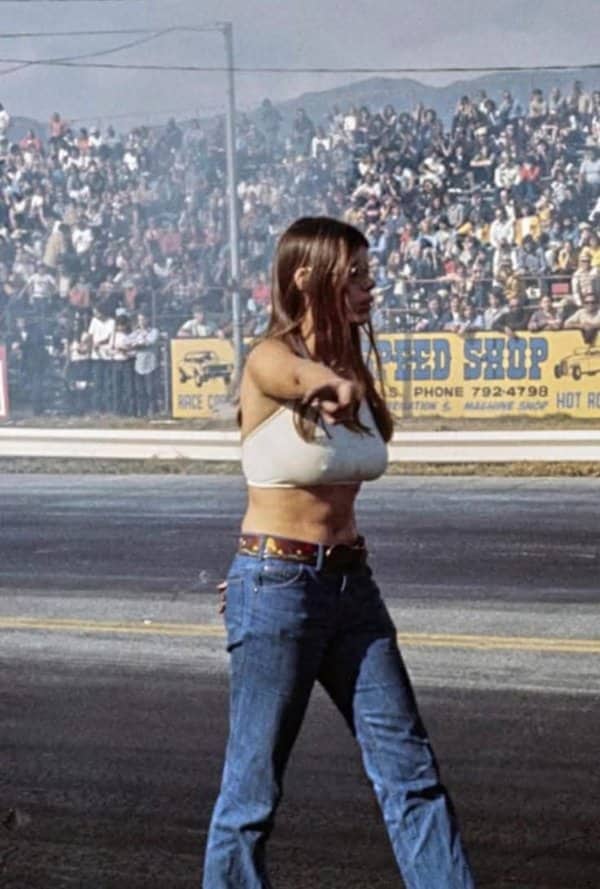
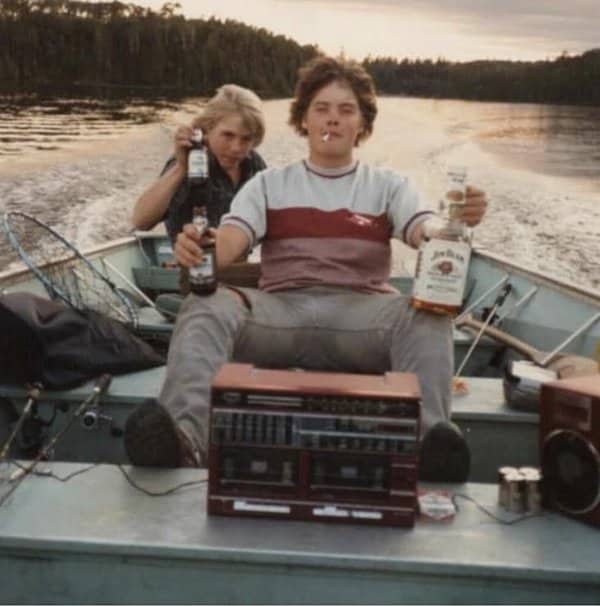
Peak 1980s multitasking.
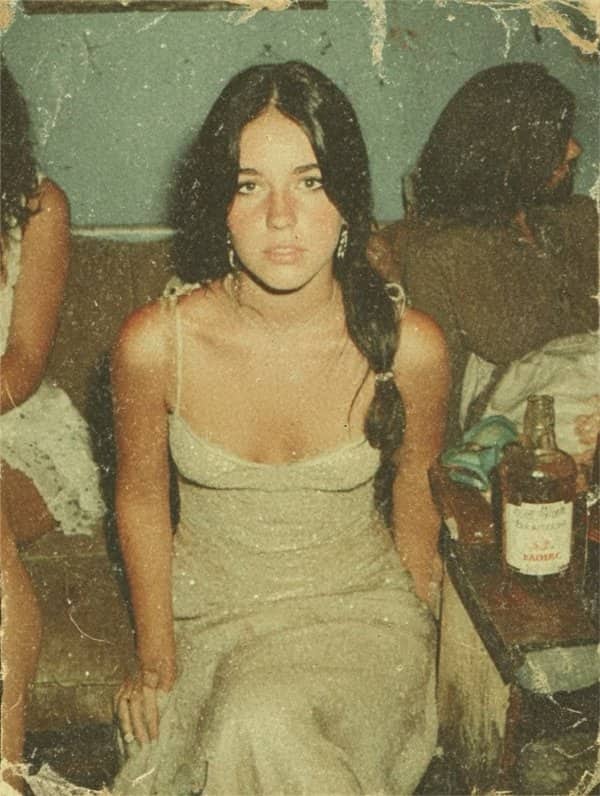
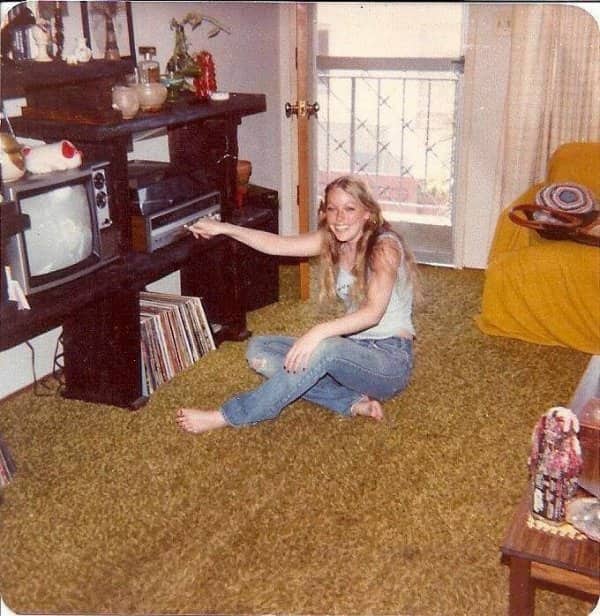
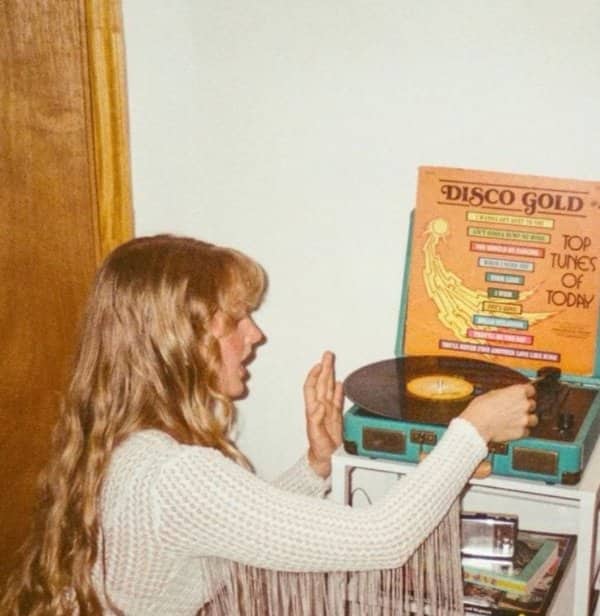
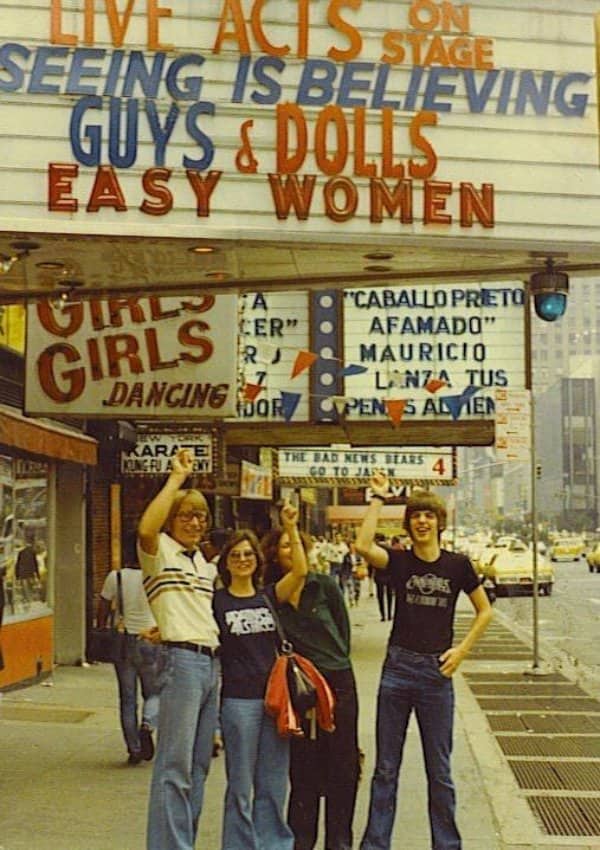
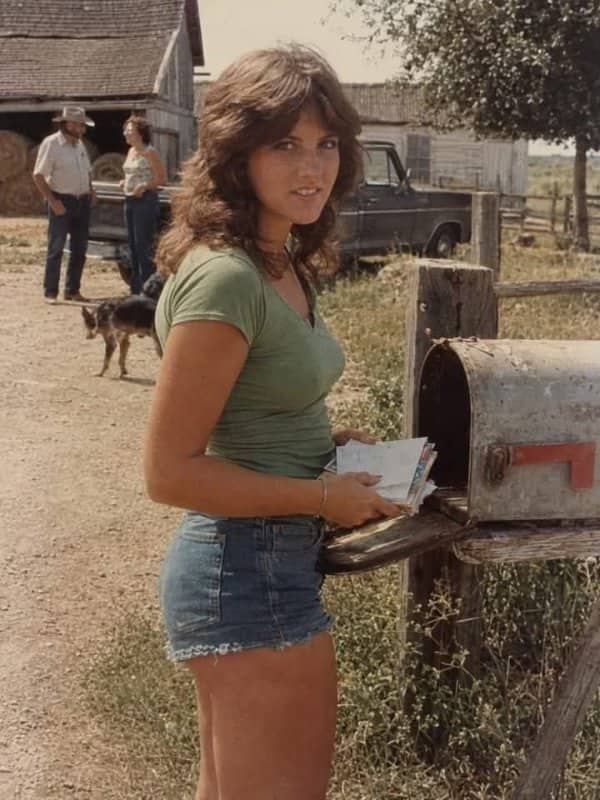
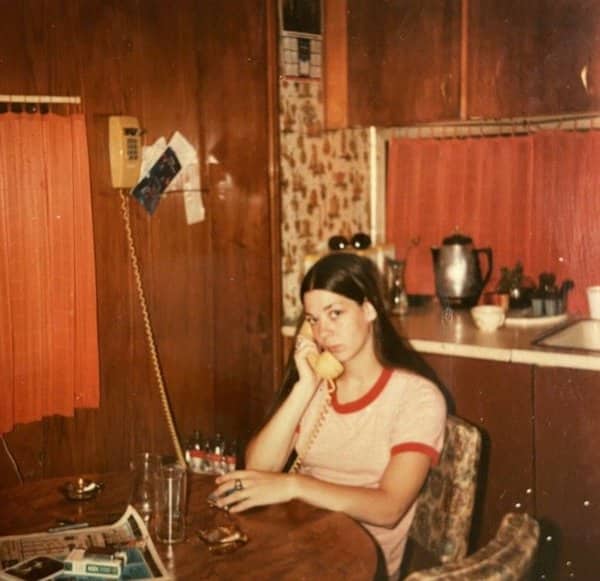
The polaroid filter people pay $5 a month to replicate.
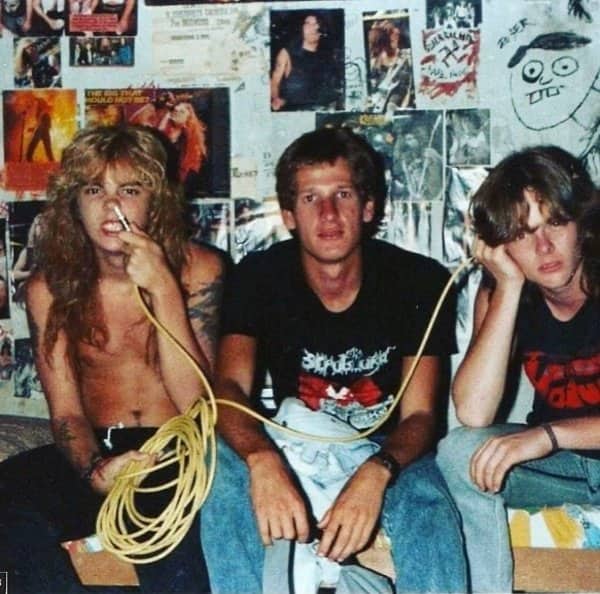
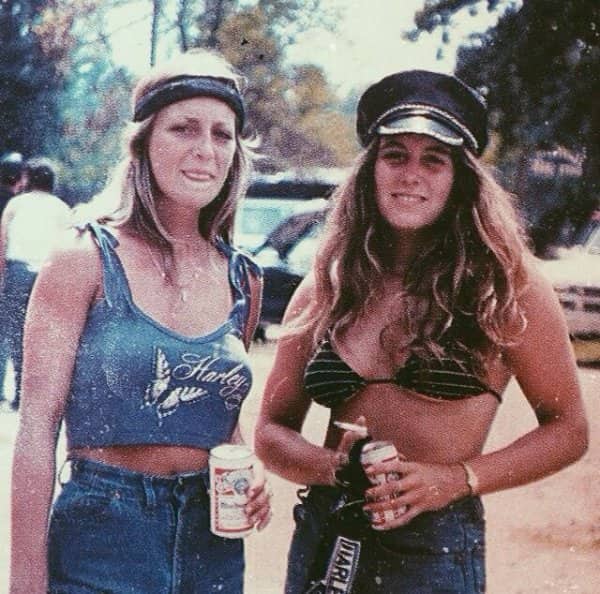
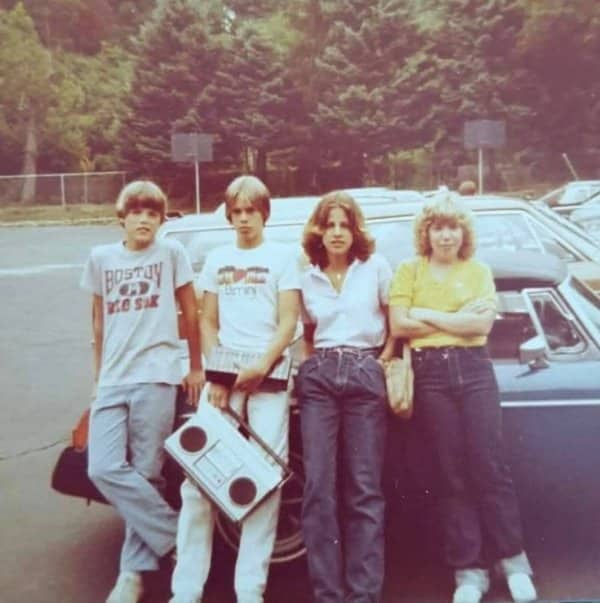
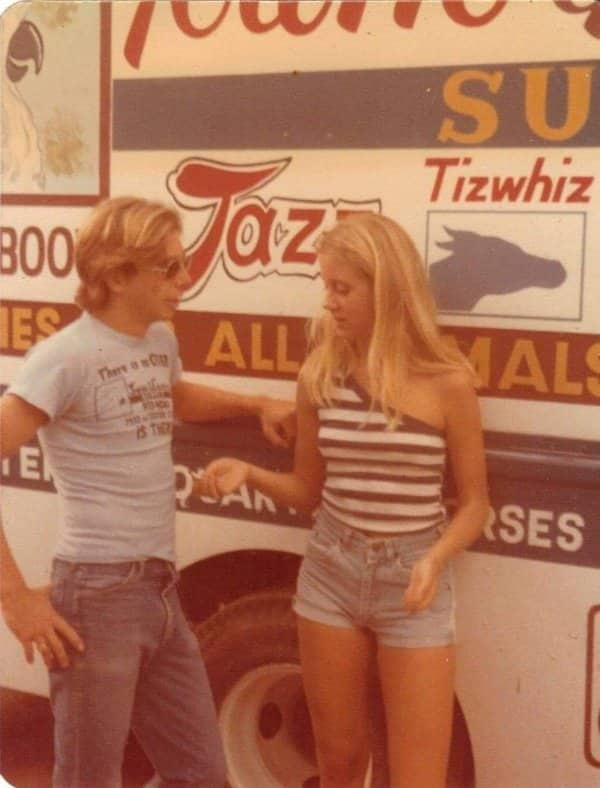
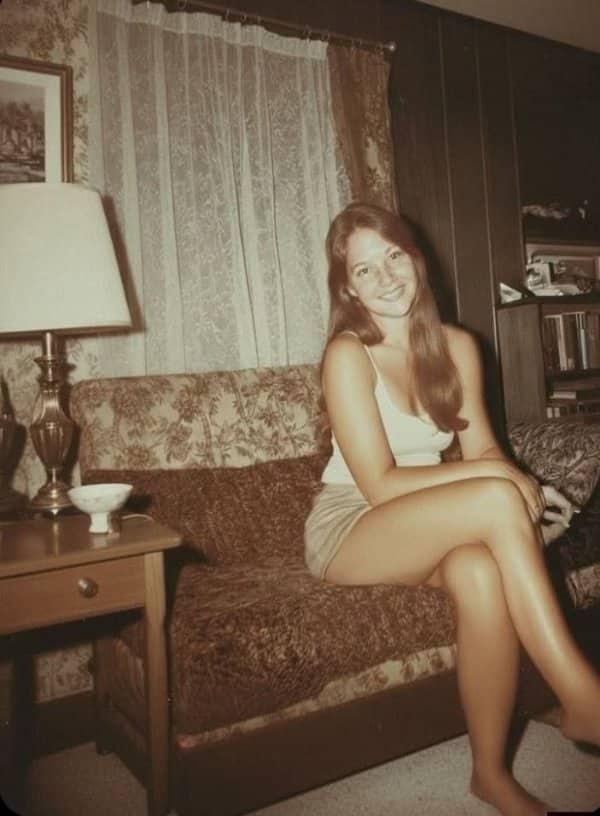
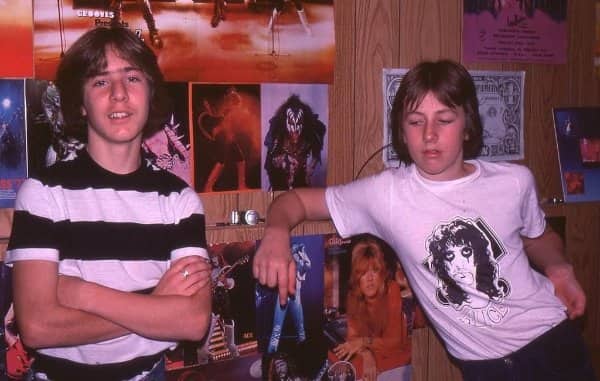
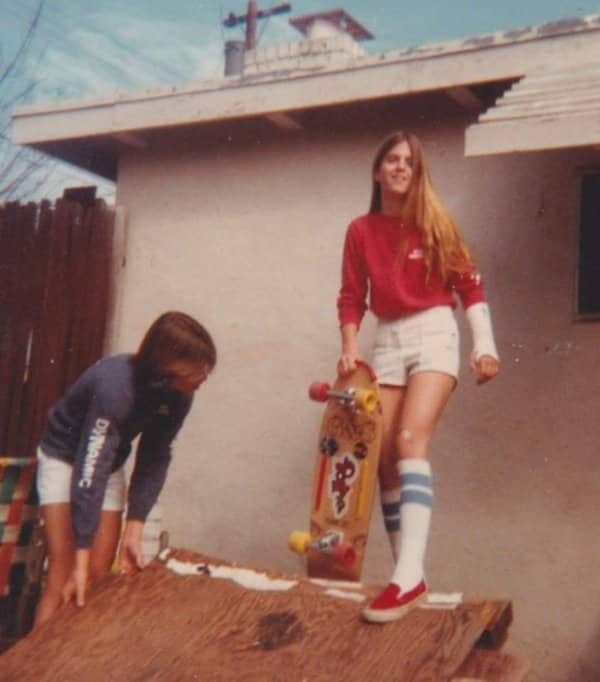
Requires 12 D-cell batteries and sheer willpower.

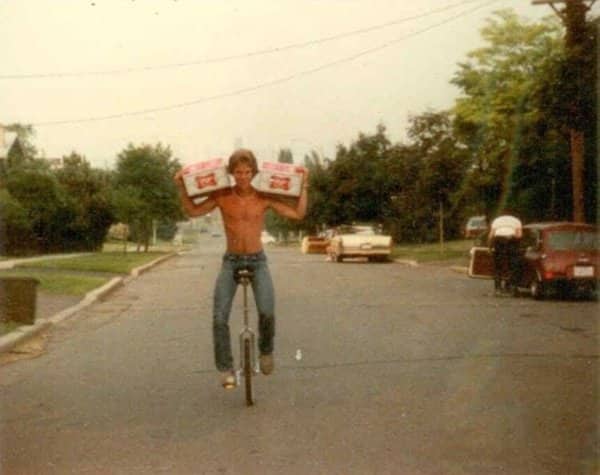
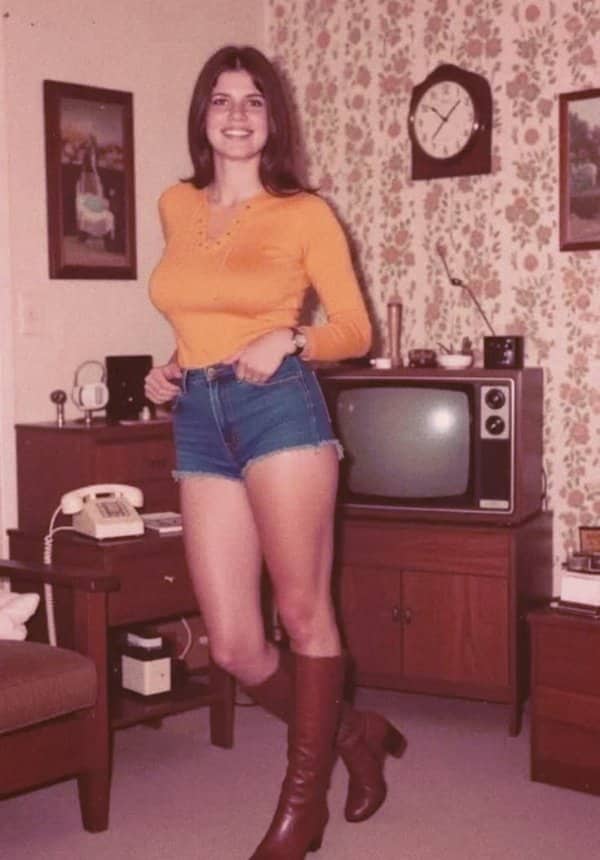
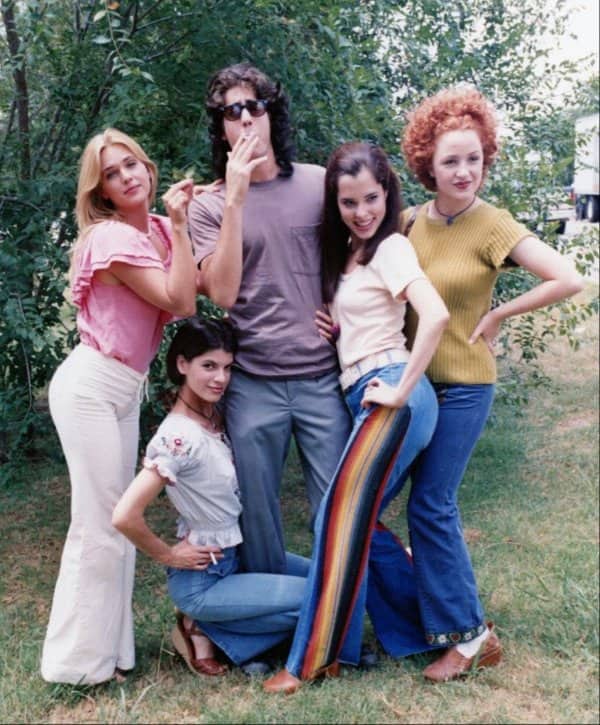
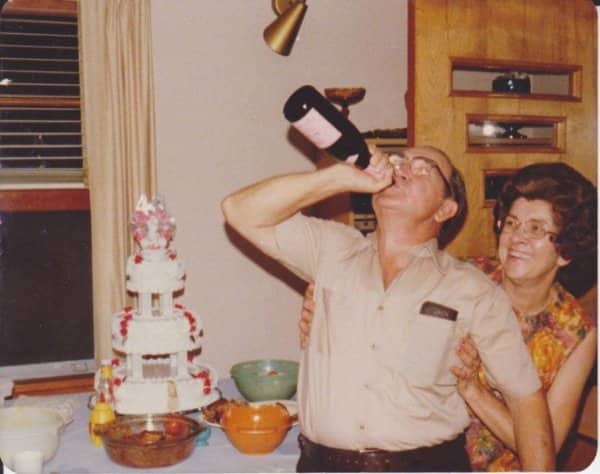


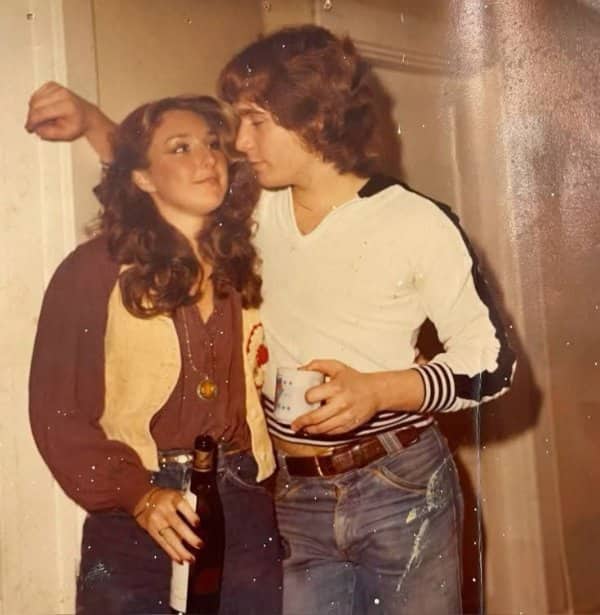
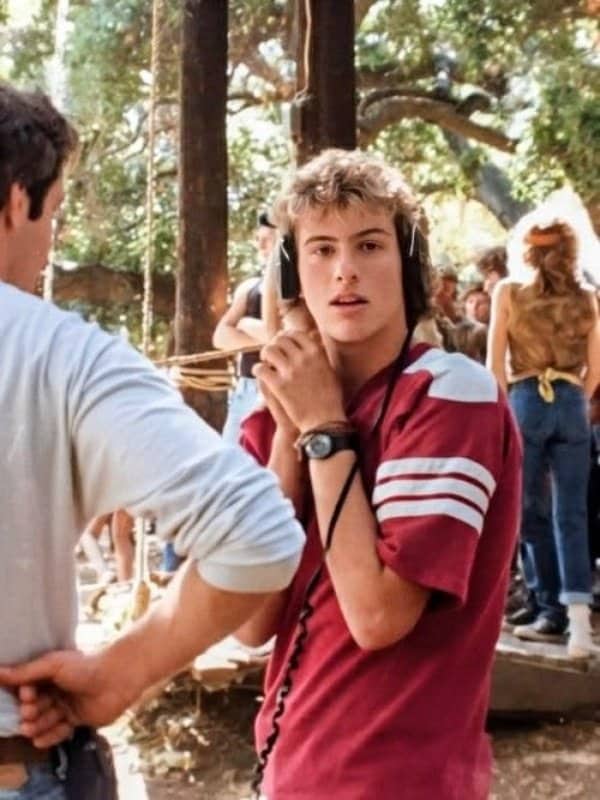
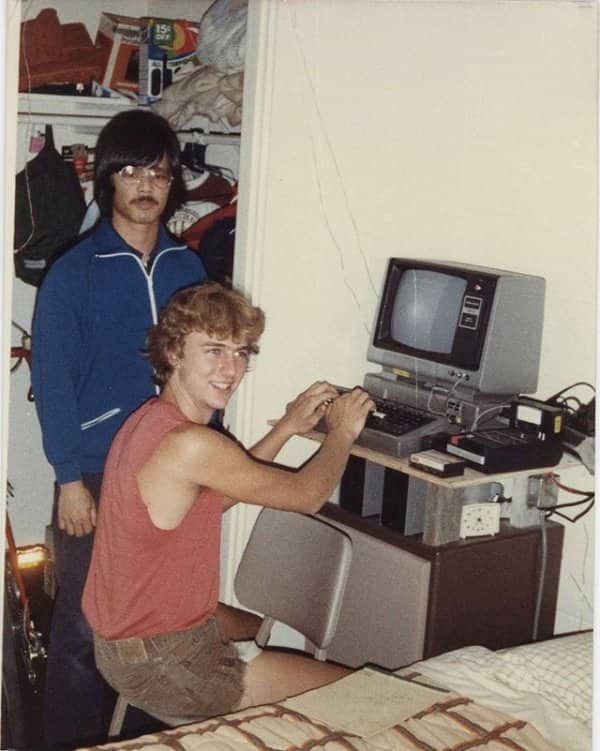
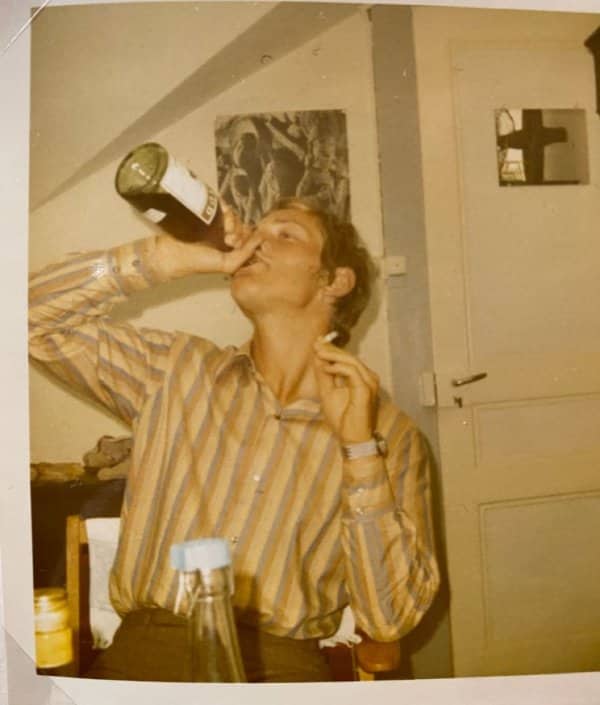




Old school cool
Read More
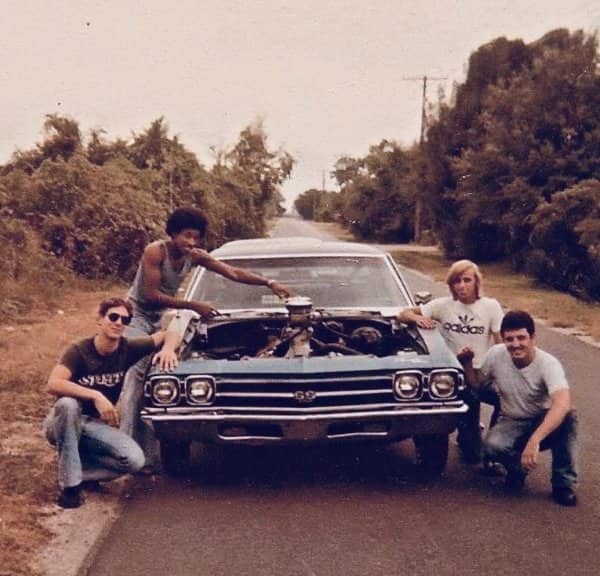
The car photos are the foundation of this whole aesthetic and they all share one quality, which is total commitment to standing near a vehicle. There are guys arranged around a muscle car with the hood up, and I promise you that pose took three hours and the actual repair took zero minutes, because nobody in that photo knows what a carburetor does. There’s a barefoot guy leaning against a bright muscle car who absolutely knows the car costs more than his rent. The car itself isn’t the point. The proximity to the car is the point, and everyone involved understood that perfectly.
Then the subculture photos, where the fashion was doing enormous work. There are teenagers in a bedroom papered wall-to-wall with metal posters, which was the entire music discovery algorithm before streaming, curated by whatever the record shop had in stock. There’s a biker in leather and aviators who did not start the engine and did not need to, because sitting still on the bike accomplished everything the bike was for. There are women in branded tops holding drinks, radiating a main-character energy that nobody in that photo was consciously performing, which is exactly why it worked.
And the domestic photos are quietly my favorite, because they’re the ones nobody staged. There’s a woman barefoot on shag carpet near a record player, and that carpet has seen decades of things it will never discuss. There’s a boombox being carried by teenagers, requiring twelve batteries and genuine upper-body commitment, the original portable speaker with a street credibility rating no app can replicate. And there’s a kid sticking their tongue out in a kitchen while a grandmother cooks behind them, which is proof that teenagers have not changed in fifty years and will not change in the next fifty.
Here’s my theory about why these photographs feel different, and it’s not the fashion or the film grain: nobody in them was performing for an audience. There was no audience. The photo was going into an envelope, then a drawer, then possibly nowhere. So people stood however they stood, wore whatever they owned, and looked directly at the camera without calculating anything, because the calculation had no purpose. That unselfconsciousness is the whole aesthetic, and you cannot manufacture it with a preset.
And the scarcity did the rest. Twenty-four exposures per roll, developed at cost, which meant every single frame was a decision somebody made on purpose. We take four hundred photos of one meal and keep none of them. They took one photo of a Tuesday and it’s now the coolest image of the decade. The equipment was worse. The intent was better. Put the phone down at the next party and take exactly one picture. See what happens.
The roll had twenty-four frames. Every one counted. Take fewer photos.
If you’re now digging through a relative’s photo drawer, our nostalgia content has the rest, with vintage photo archives, retro culture threads, and decades-past compilations scanned and preserved. Bring your family’s box. Somebody in there was extremely cool and never knew it.
Read Memes
Get Paid


Alex Thompson has been chronicling internet culture and meme phenomena for nearly seven years. Starting at CollegeHumor and later becoming lead meme editor at Mashable, Alex has covered everything from vintage internet memes like Rickrolling to recent viral events such as Corn Kid and Grimace Shake. With a keen eye for what connects and entertains digital audiences, Alex writes with humor, relatability, and deep knowledge of online culture. At Thunder Dungeon, Alex is the go-to source for meme analysis, viral breakdowns, and internet nostalgia.