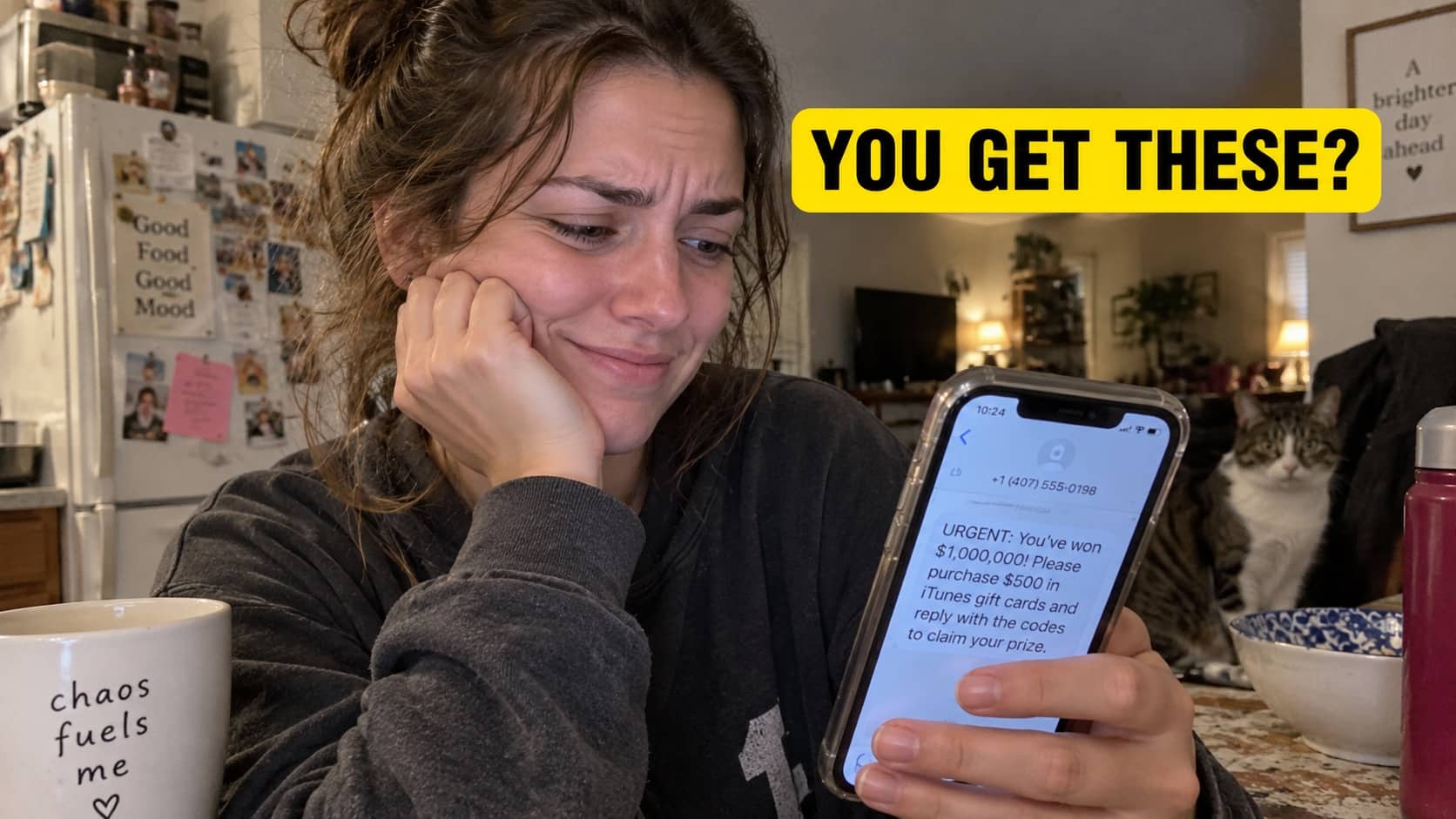

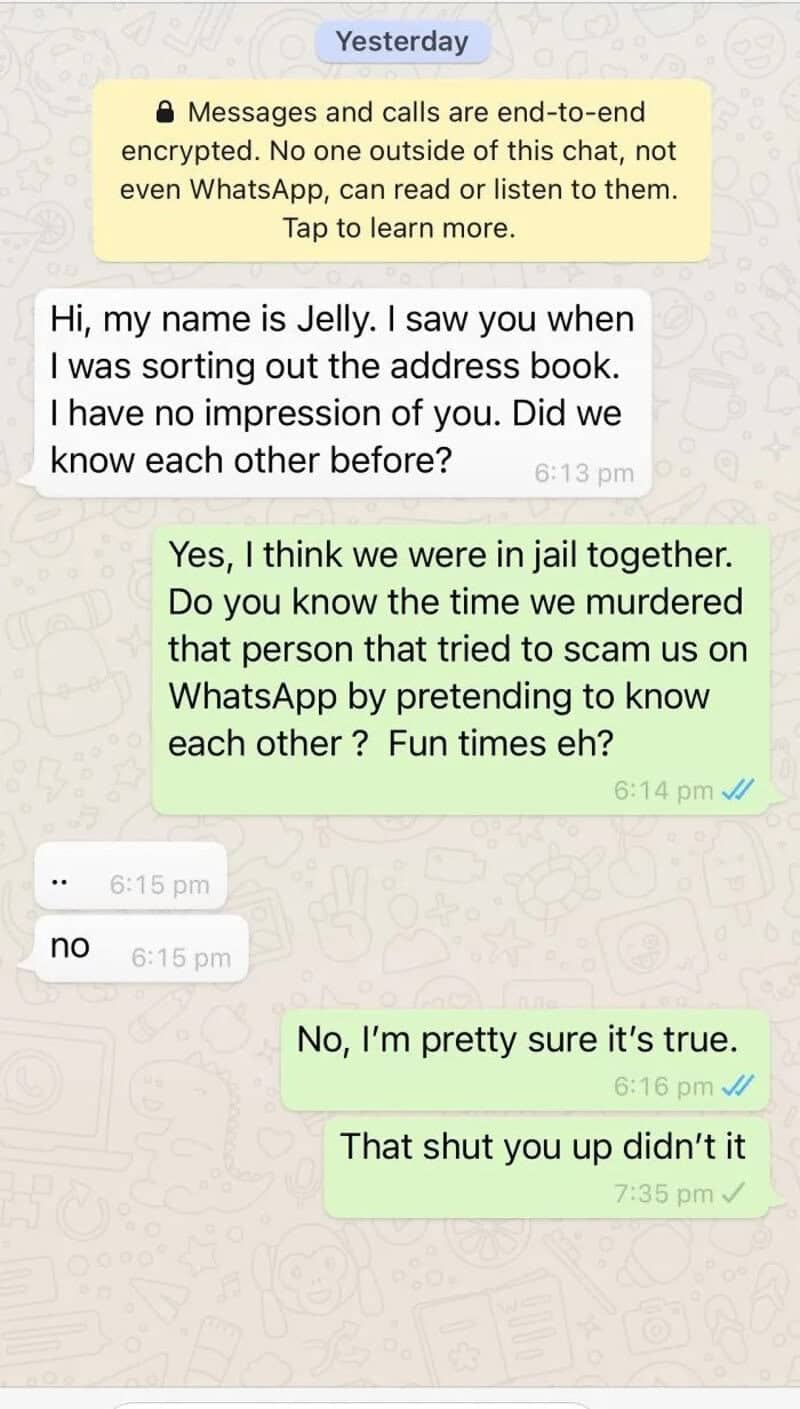
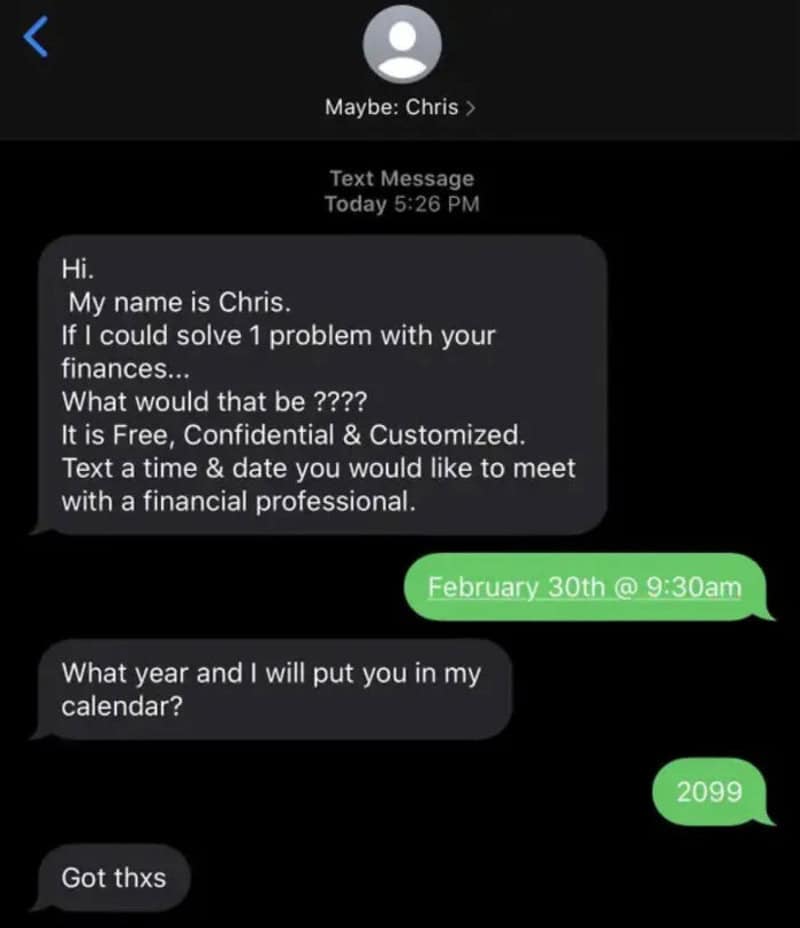
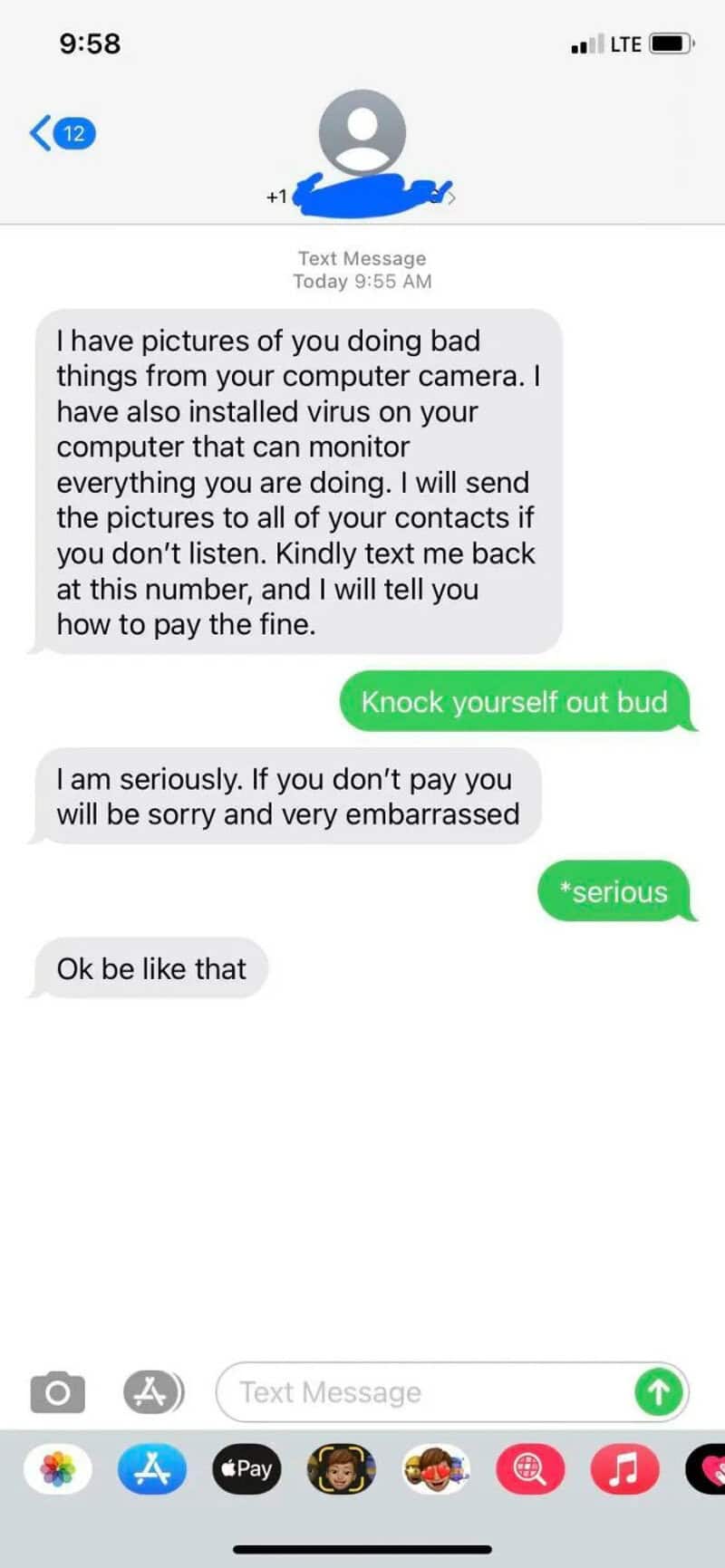
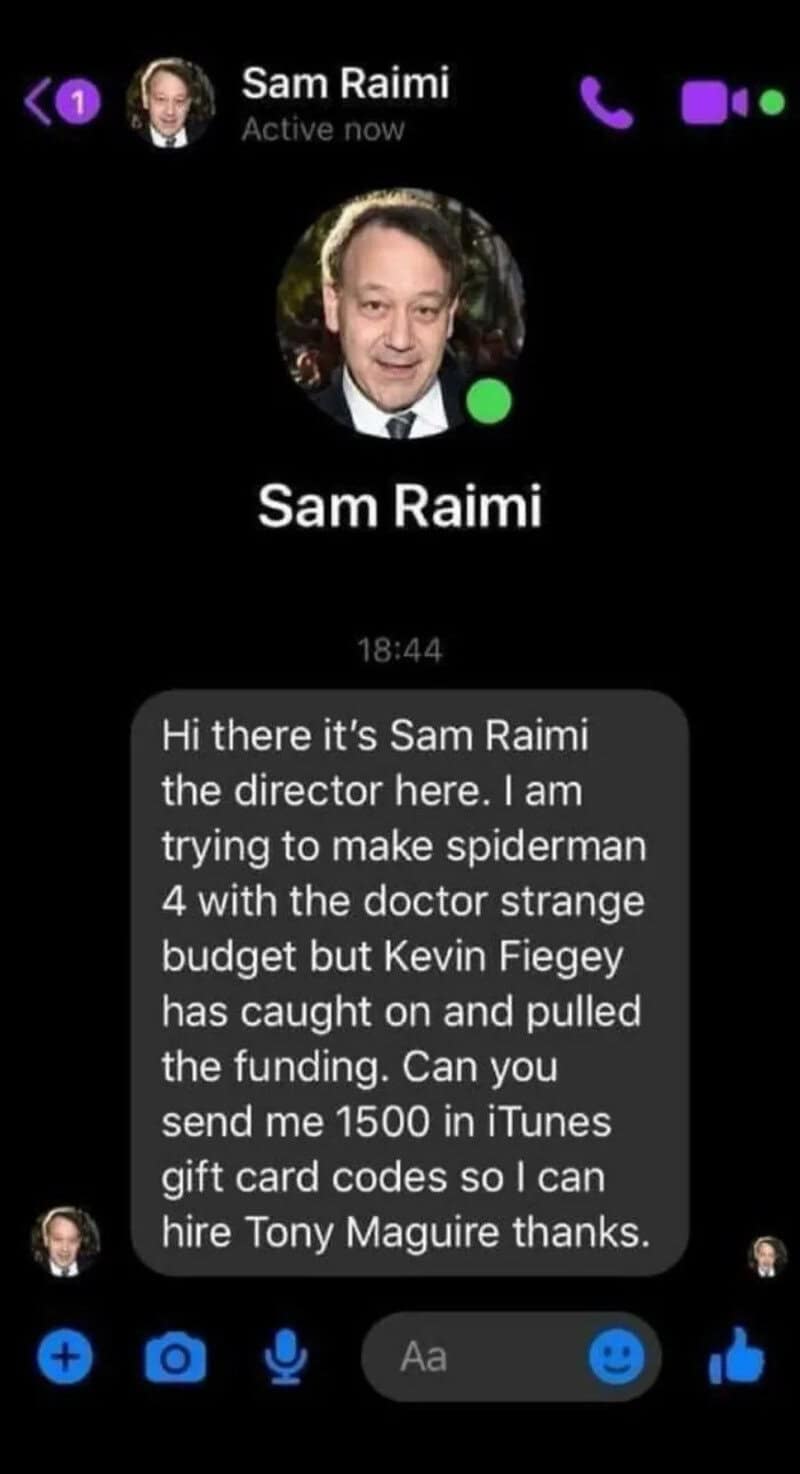
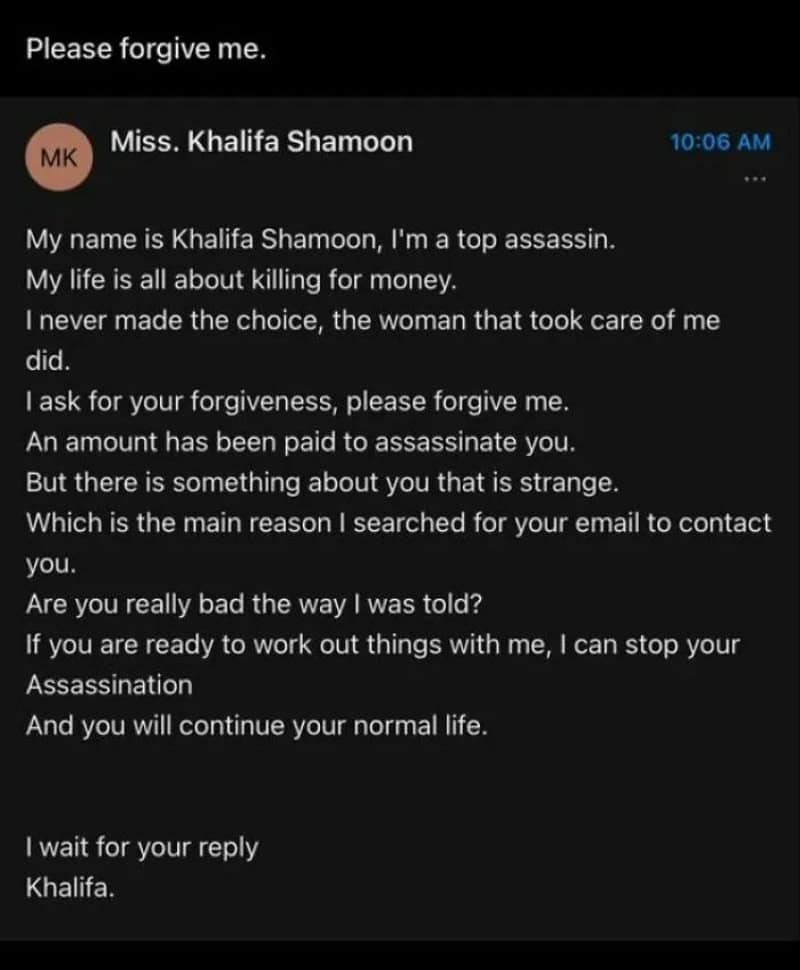
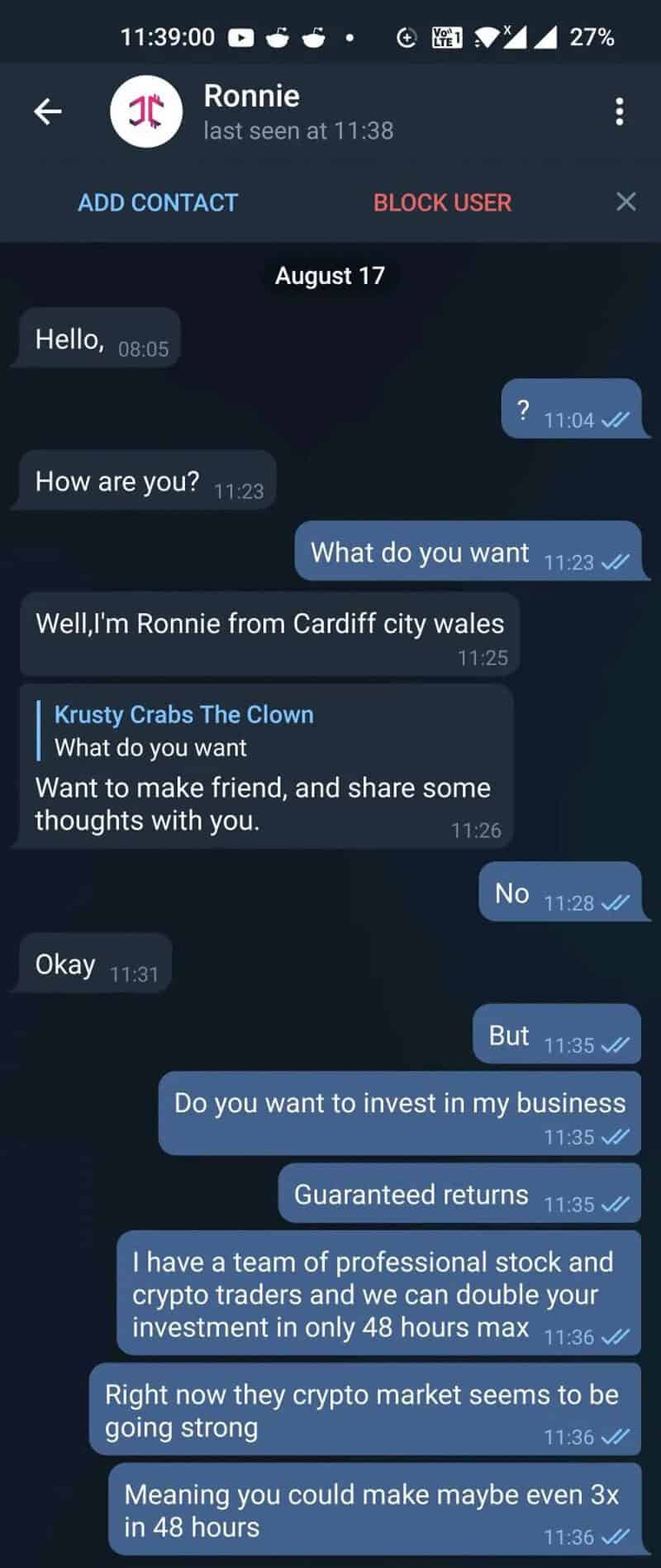
Most of us get the text, roll our eyes, and hit block. Fine. Reasonable. But a small population of absolute legends looks at that same message and thinks “no, I have time today.” These funny scam messages are what happens next, and I want everyone to understand the public service being performed here. Every minute a scammer spends on one of these is a minute not spent on somebody’s grandmother. Pull up a chair. Let’s watch.
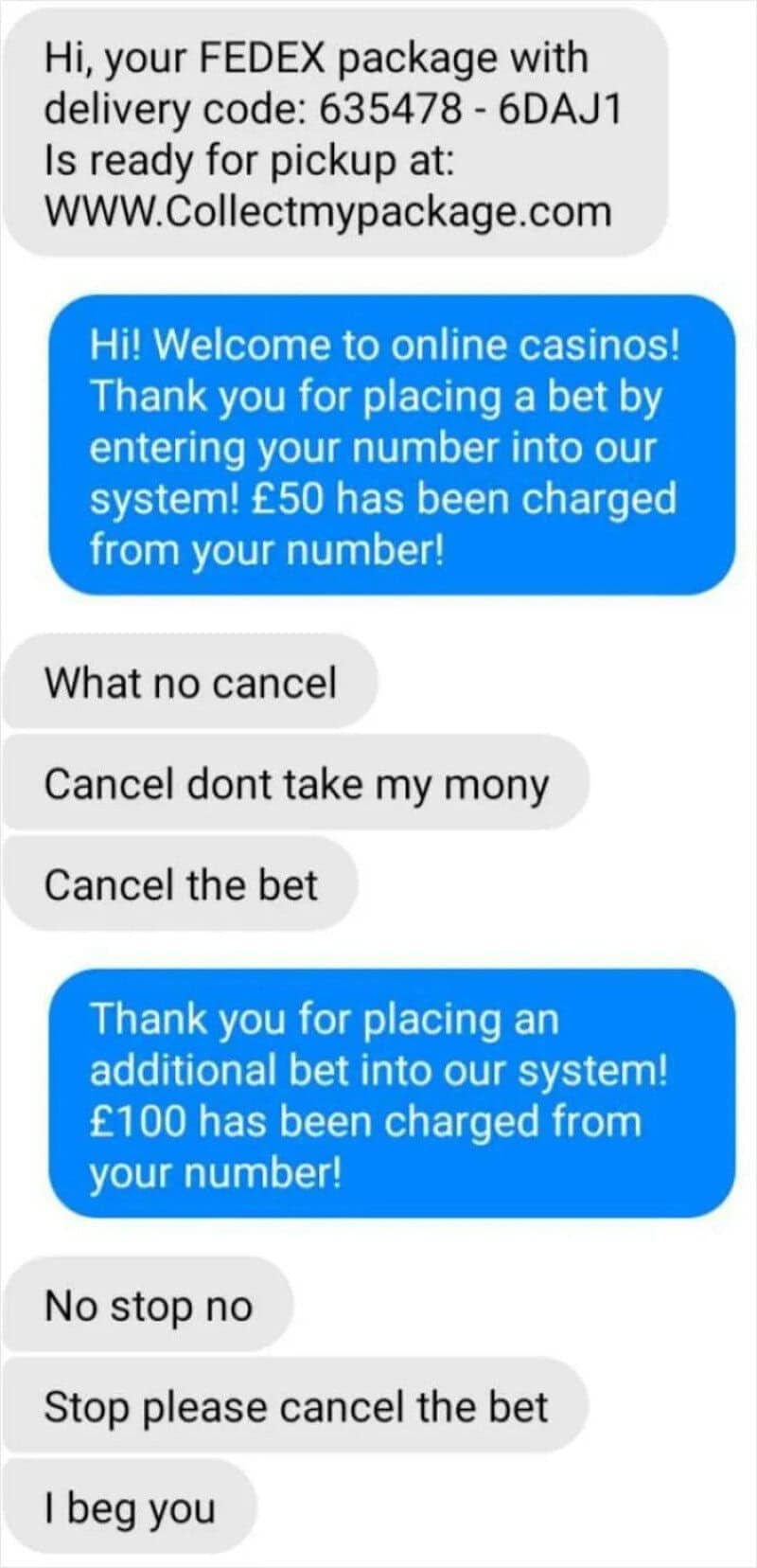
House always wins.
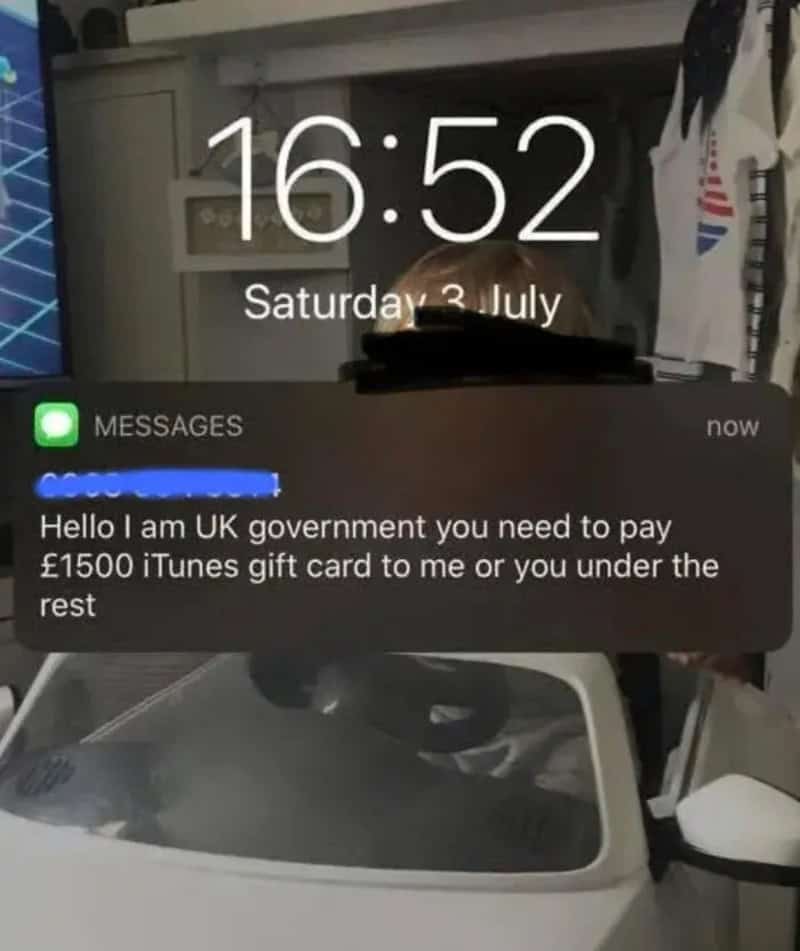
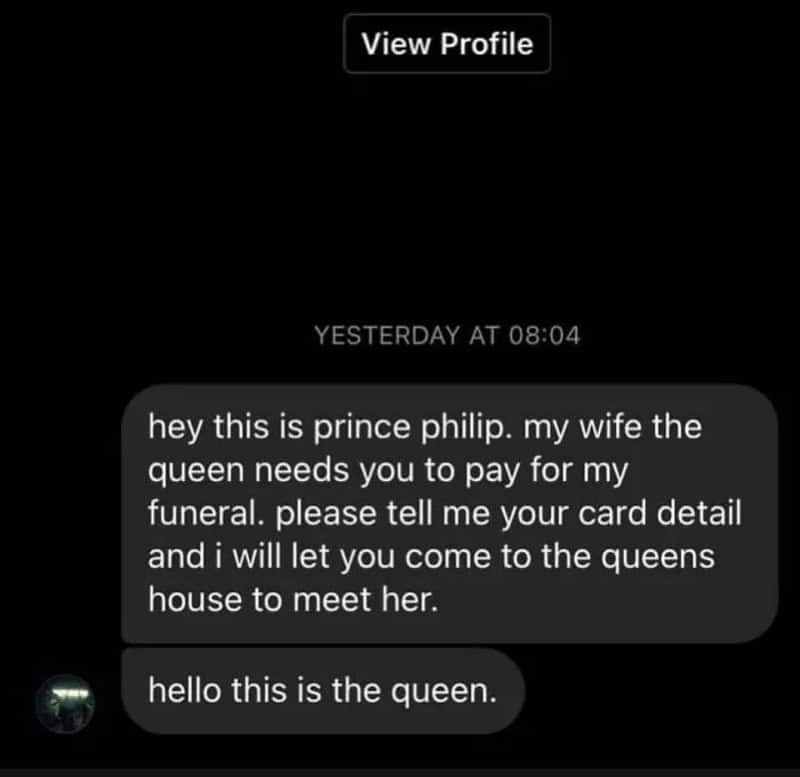
Her Majesty's Revenue and iTunes.
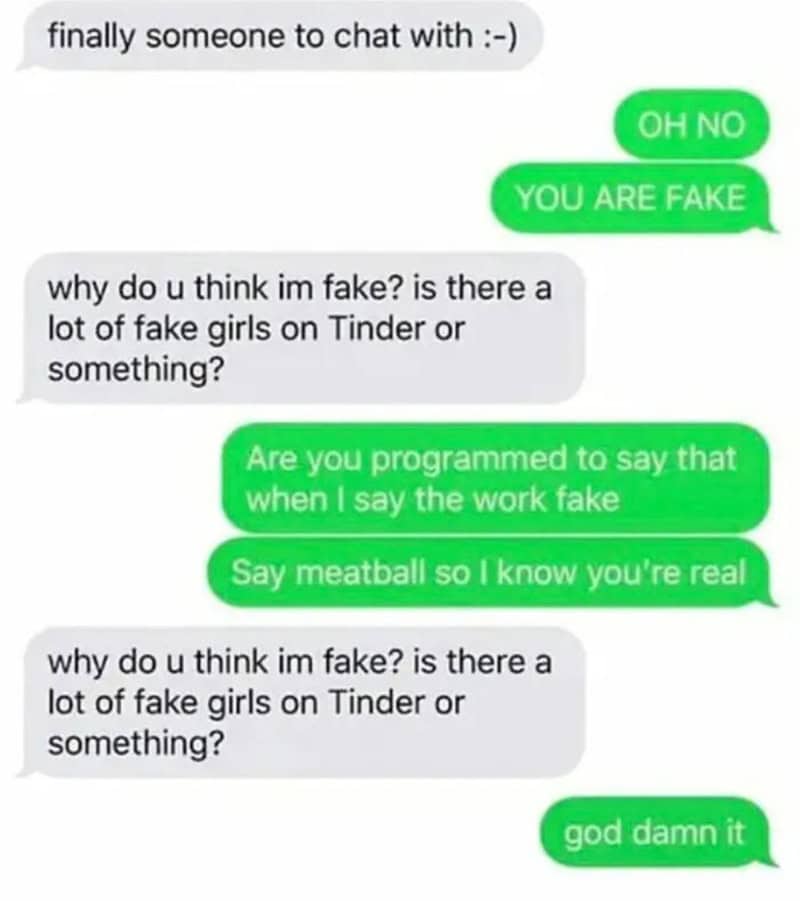
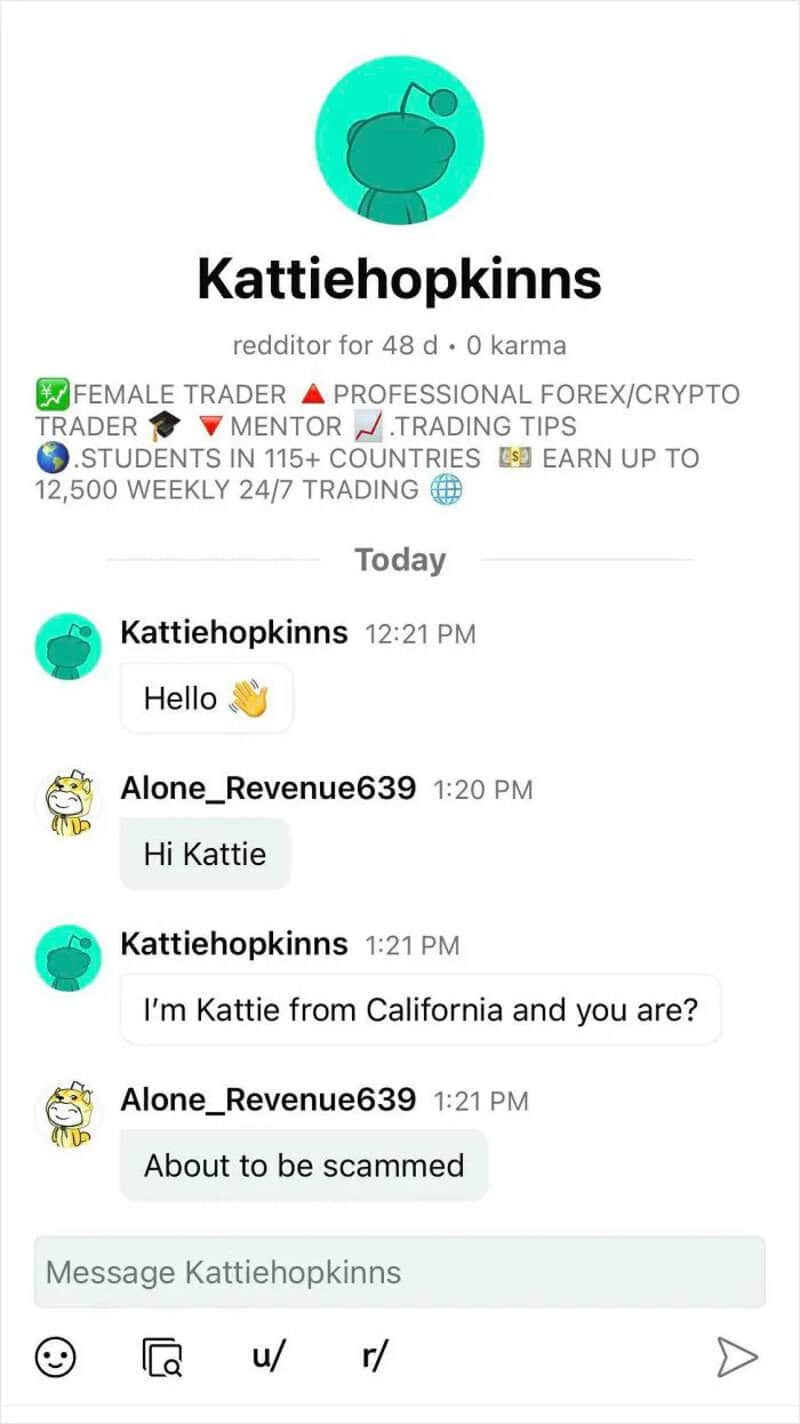
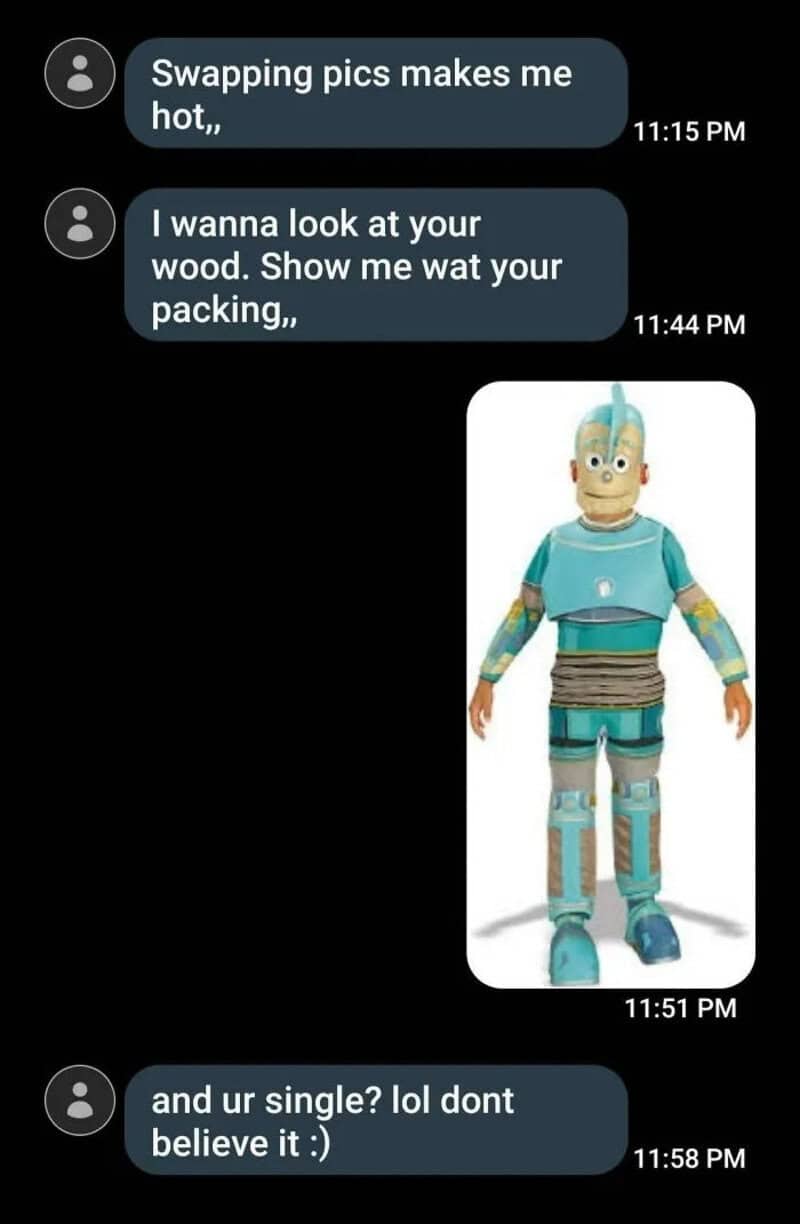
Passed the Turing test, failed the meatball test.

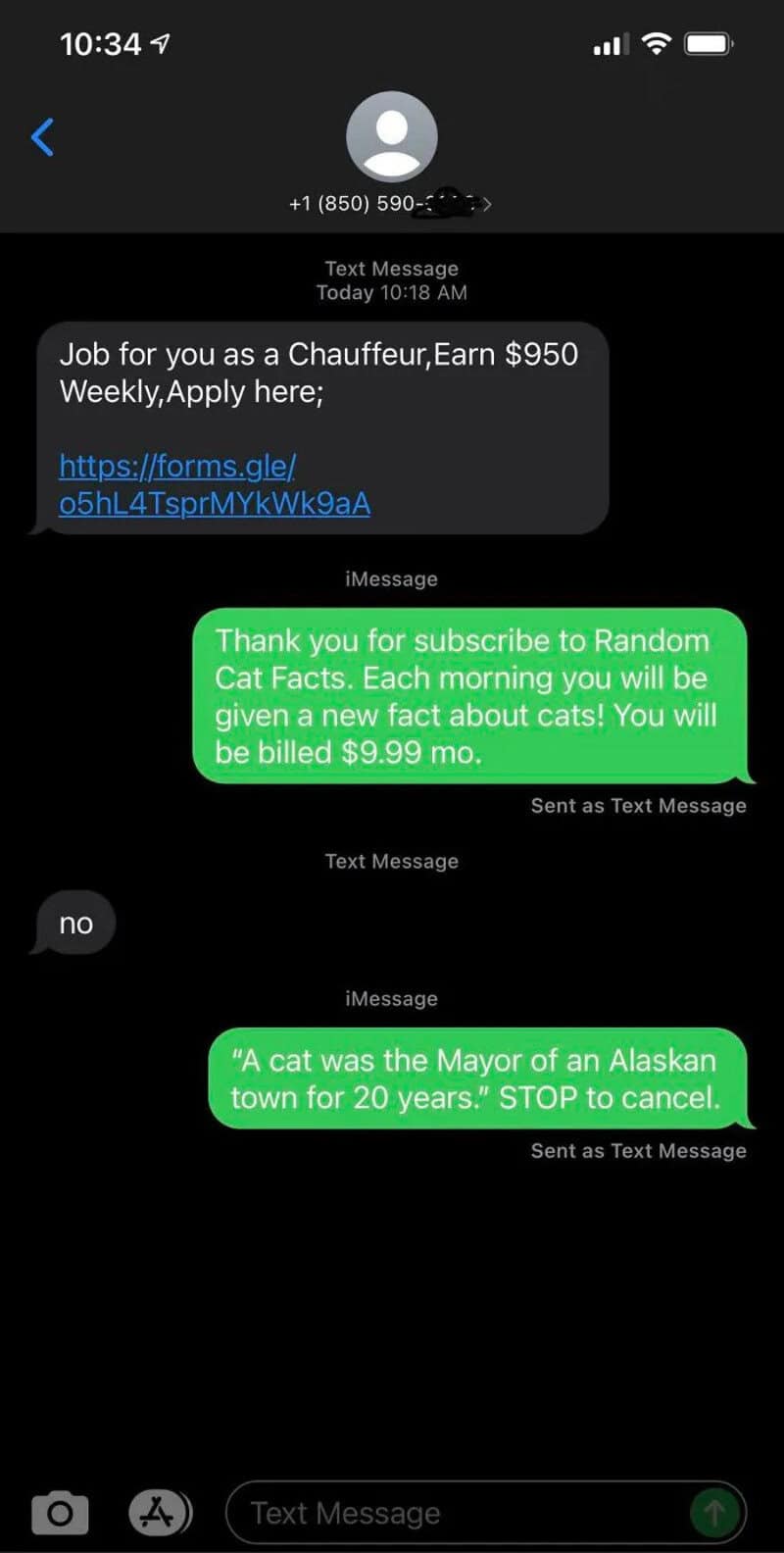
Pay up or learn more about felines.

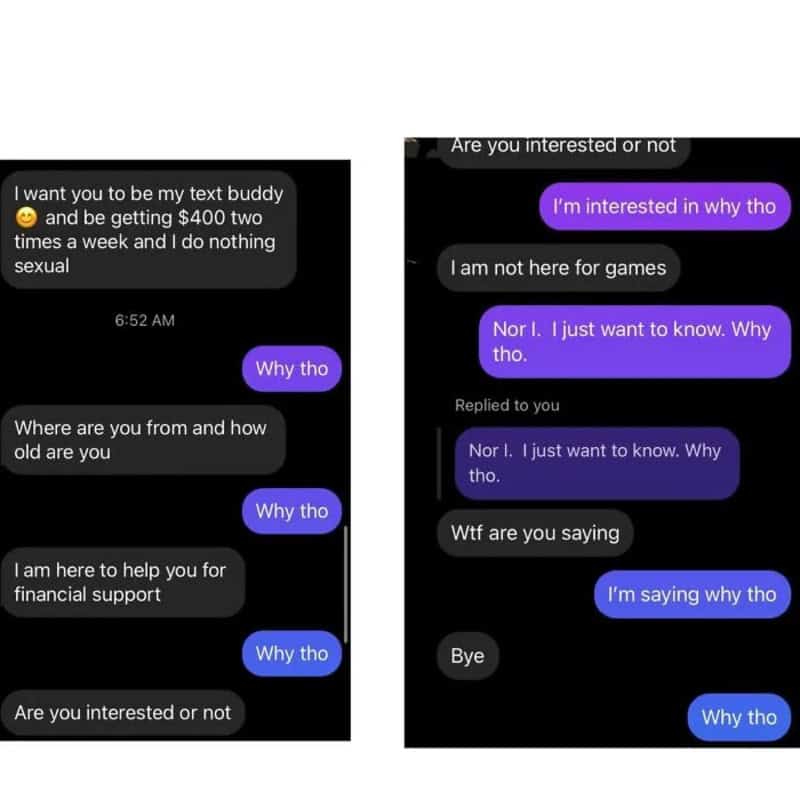
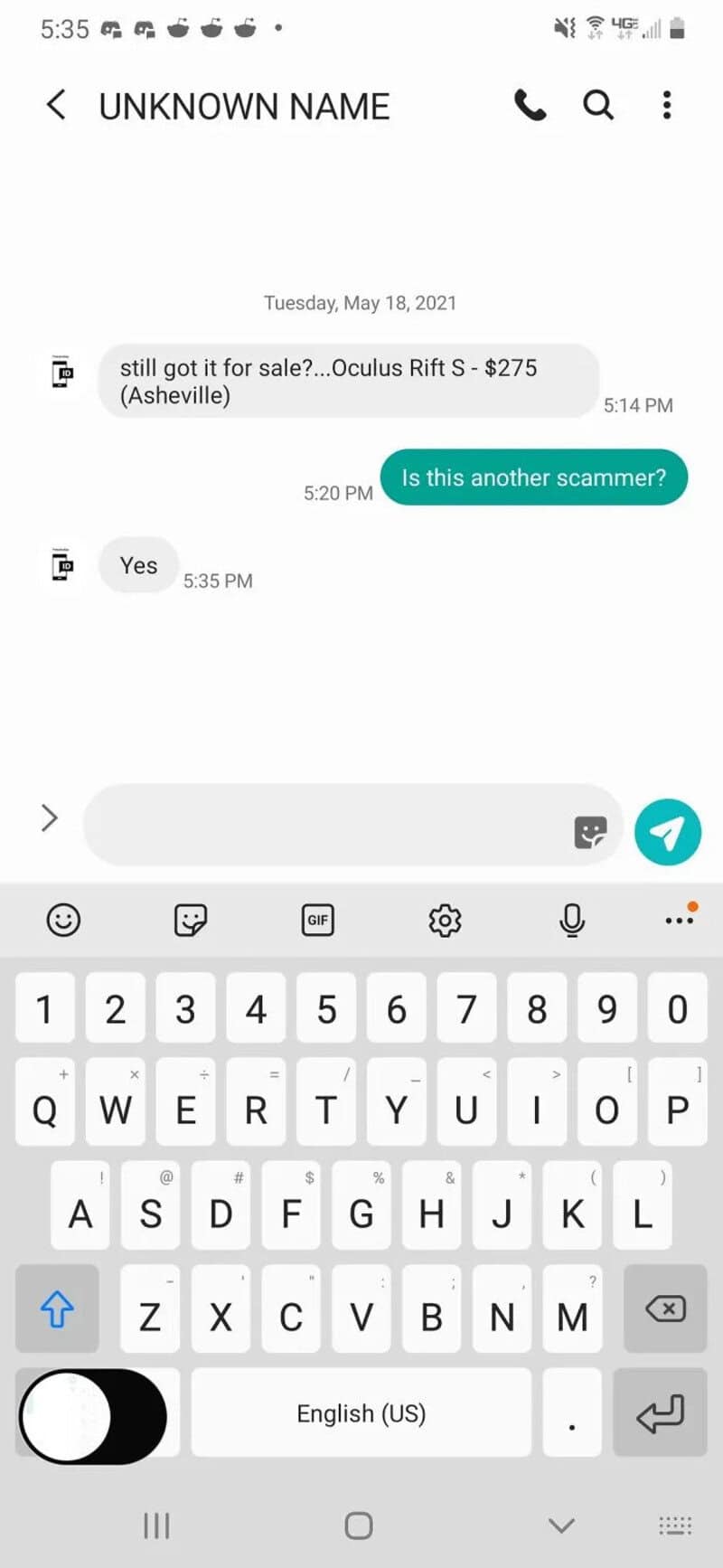
The unbreakable defensive wall of "why tho".






Funny scam messages
Read More
The reverse-scam material is my favorite because it flips the entire power dynamic in three messages. Somebody convinced a fraudster to place fake online bets, resulting in the scammer personally losing money to the scam attempt, which is an outcome nobody has ever achieved before and which I’d like to see taught in schools. Somebody else responded to repeated spam by subscribing the sender to a paid service delivering cat facts, and I need everyone to appreciate that the scammer now knows considerably more about feline municipal history than they did yesterday. The tactics get turned around completely. The bill gets sent the other direction.
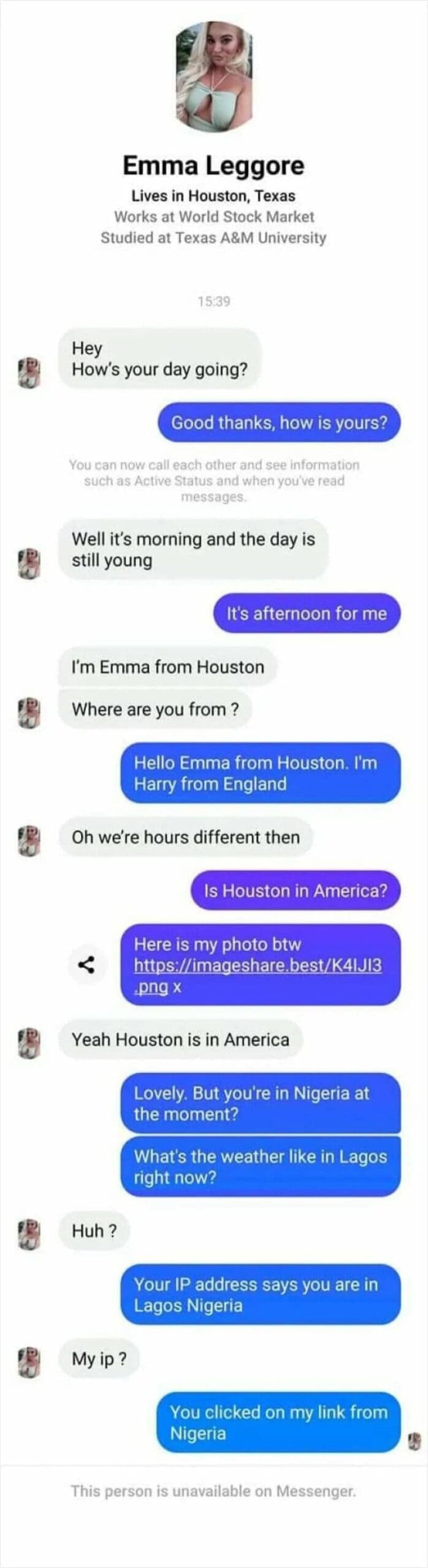
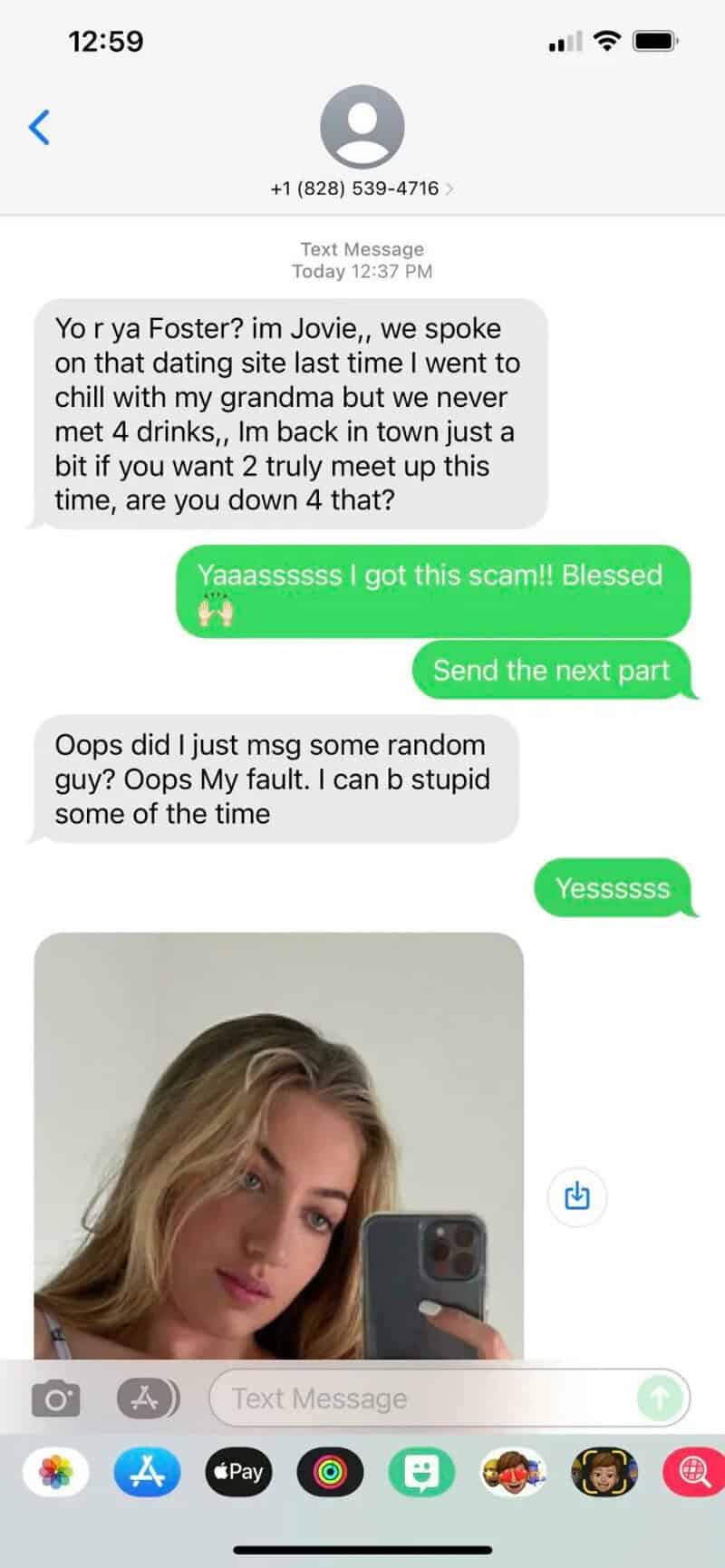
Then the exposure techniques, where amateurs out-operate professionals. There’s a romance scam where the target sent a simple link and revealed that the woman claiming to live in a specific American city was operating from an entirely different continent, a detective operation completed in roughly two text messages. There’s a dating bot defeated by being asked to repeat a specific unusual word, which it could not manage, failing the only test that matters. These aren’t sophisticated counter-operations. They’re basic curiosity applied to a situation everyone else ignores, and they work every single time because the scam economy runs on nobody checking.
And then the pure chaos wing, which doesn’t attempt to win so much as make the interaction unbearable. There’s the person who responded to real estate solicitations with an elaborate description of a crime scene at the property, which permanently removed them from that call list and probably several others. There’s the target who answered every single message from a sugar daddy scam with the same two words, endlessly, a wall of pure toddler energy that no script can penetrate. And there’s the pitch from an aggressive loan scammer that got returned with such committed banter that the scammer seemed to develop genuine respect. Nobody won that exchange. Everybody enjoyed it. That’s a different kind of victory.
Here’s the thing that makes this genre satisfying rather than just petty: scams are a numbers game. The operation needs volume, hundreds of messages a day, moving fast, filtering for the people who respond in the expected way. Every person who engages creatively breaks that math. They’re not just wasting a scammer’s time, they’re actively reducing the throughput of an operation that hurts people, and they’re doing it for free, from a phone, for fun.
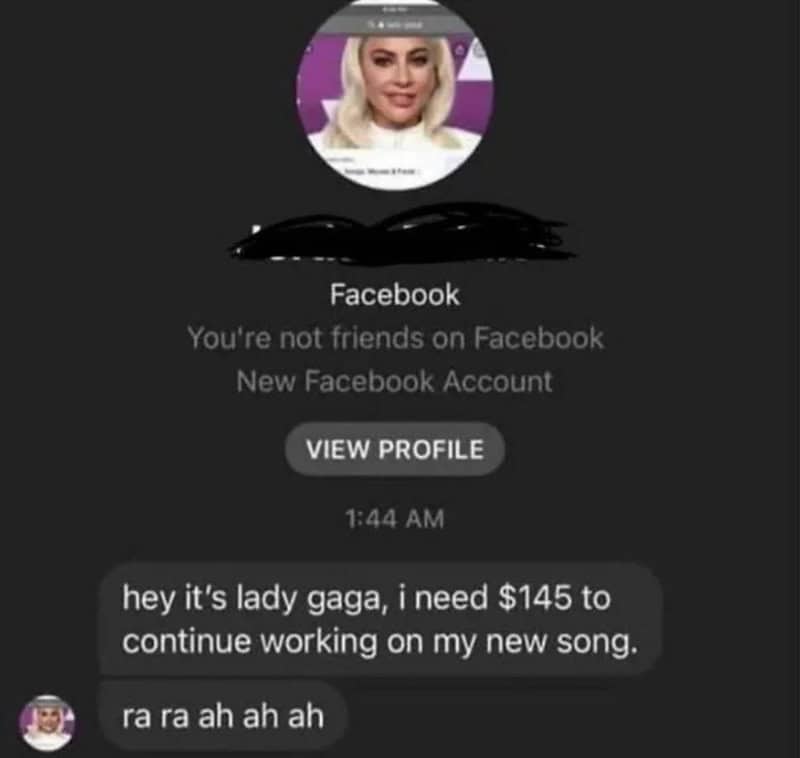
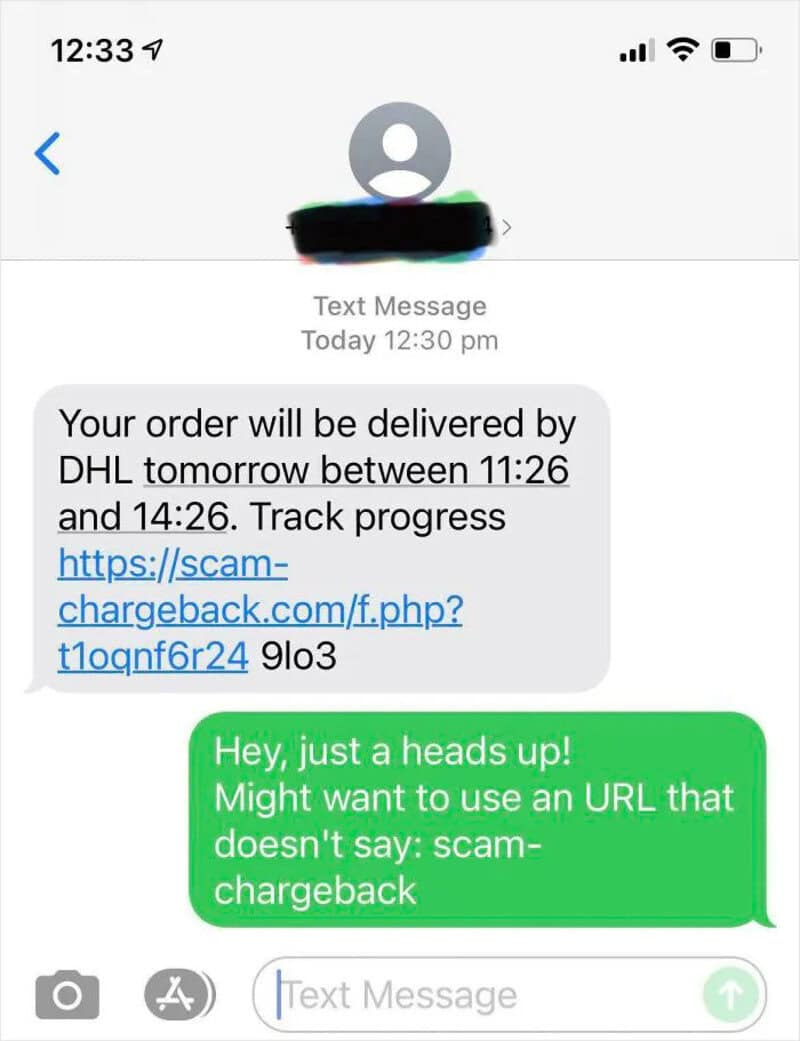
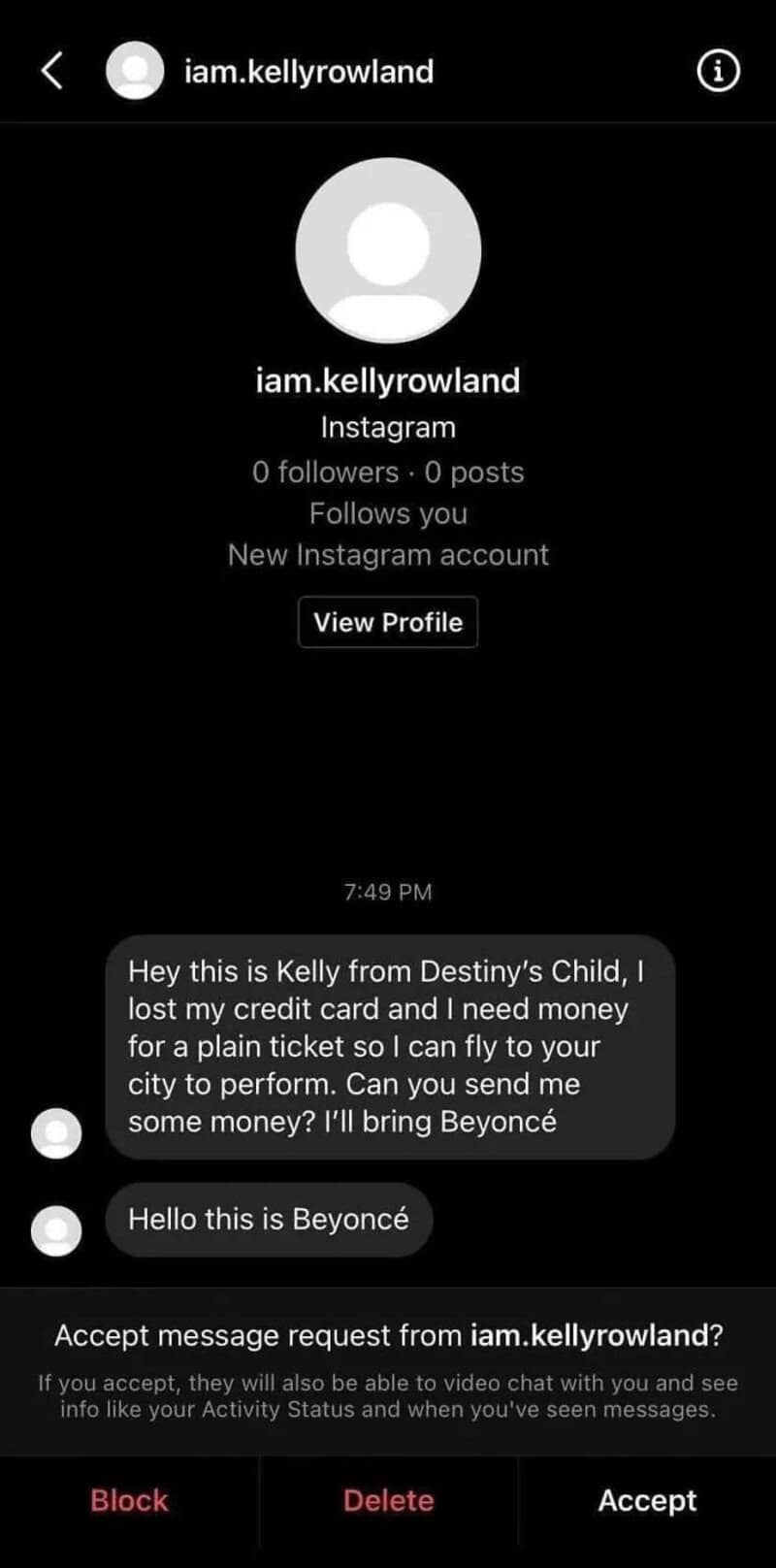
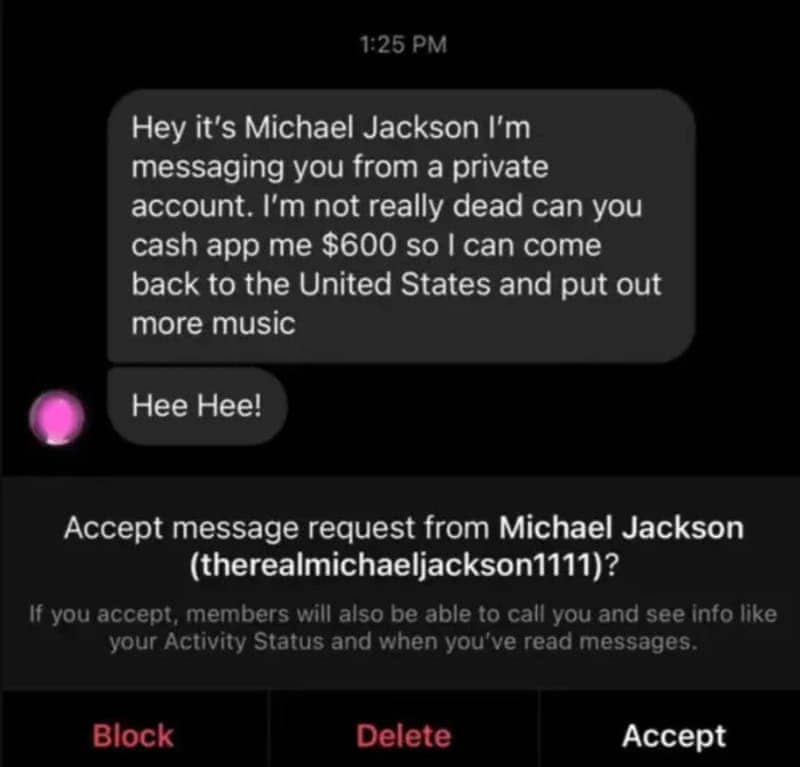
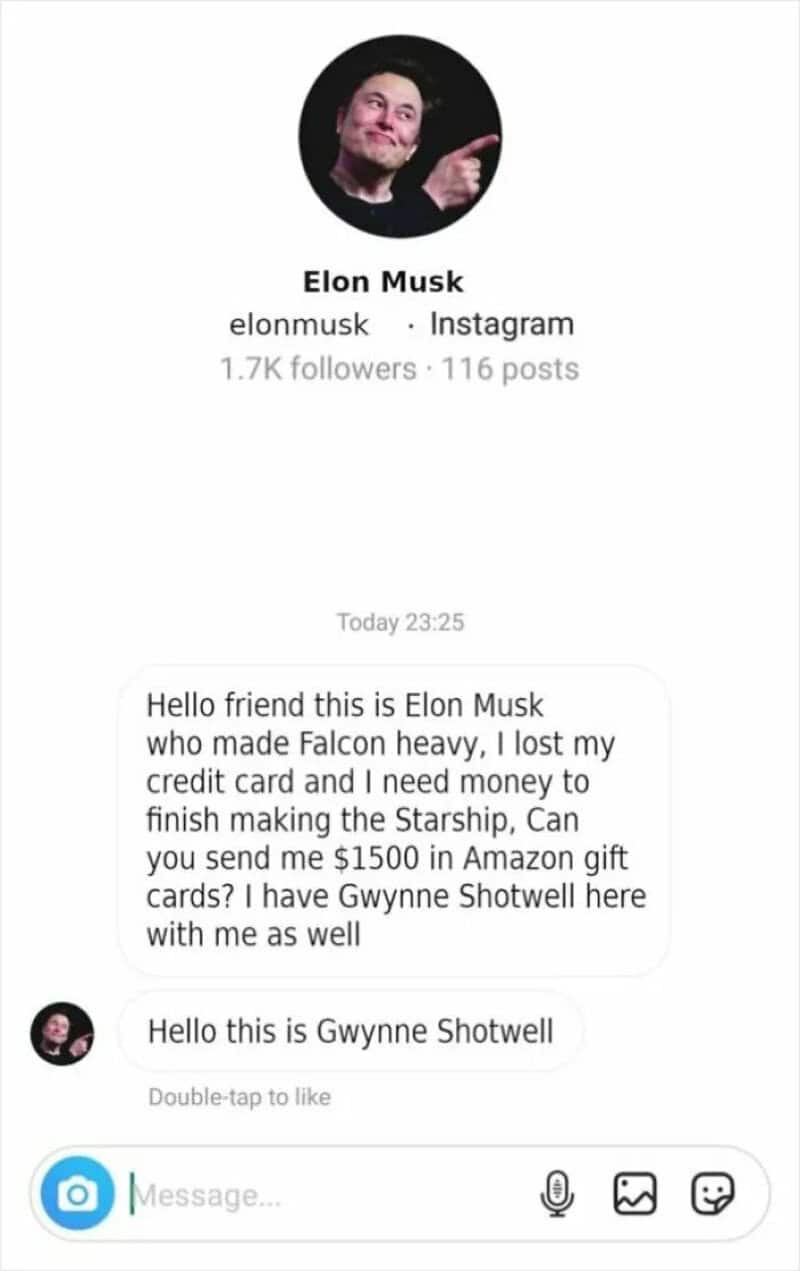
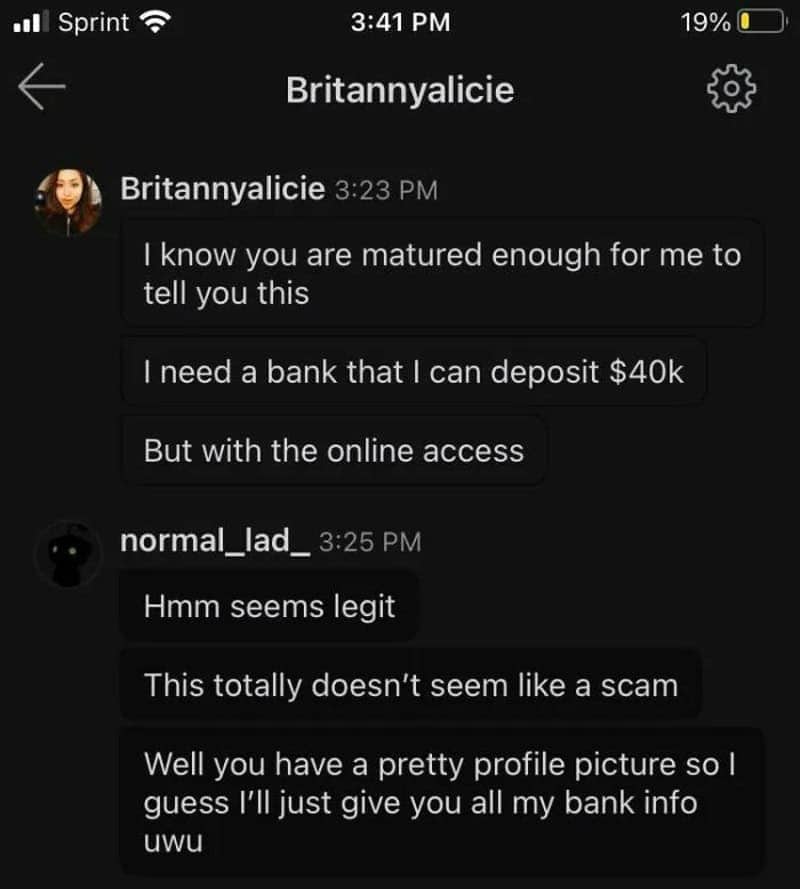
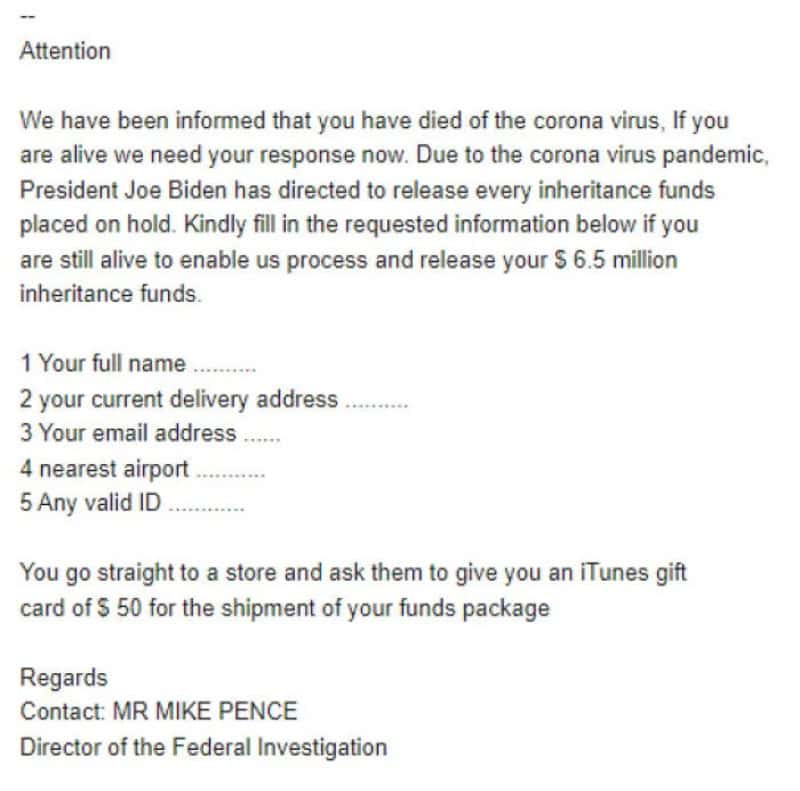
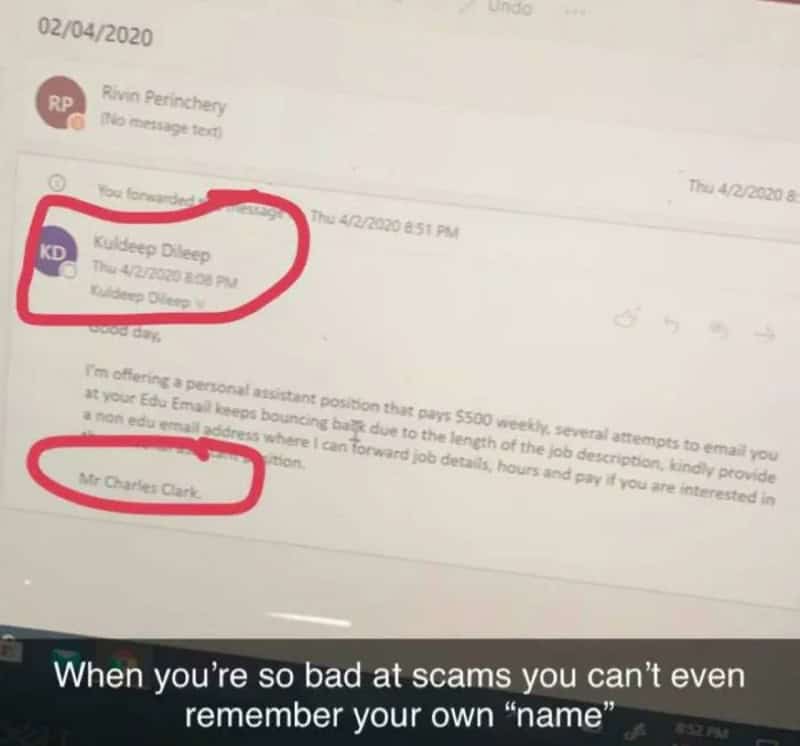
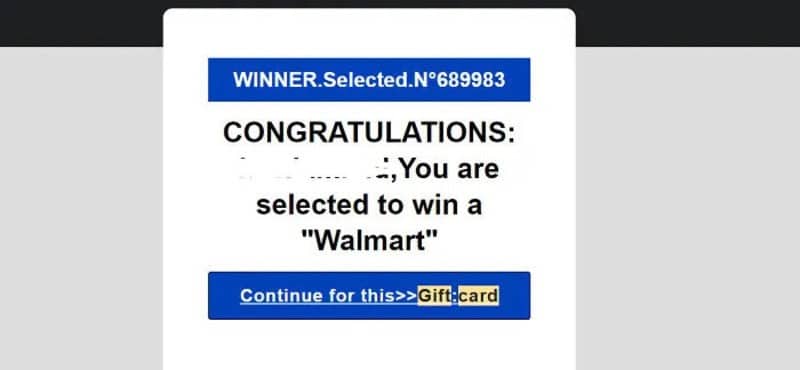
And the quality of some of these attempts deserves mention, because the standards have genuinely slipped. There’s a message in here where the fraudulent link is labeled in a way that essentially announces itself as a scam, which suggests somebody skipped quality control entirely. Government agencies do not request payment in gift cards. Pop stars do not message you for small sums to finish a song. If the scam is this bad, engaging with it isn’t cruelty, it’s constructive feedback. Free consulting, really.
The bait was sent. The bait was returned. Somebody’s grandmother is safer today.
If you’re feeling inspired to reply next time, our internet justice content has the training manual, with scam troll archives, spam response threads, and fraudster demolition compilations filed by technique. Read them. Never send money. Do waste their time.
Read Memes
Get Paid


Laura Bennett has spent eight years immersed in internet culture, specializing in deep dives into meme origins, evolving meme trends, and digital subcultures. As a contributor for several prominent online platforms, including BuzzFeed’s meme division and Know Your Meme, she’s written extensively about viral moments from Crying Jordan to Woman Yelling at a Cat. Laura believes memes aren't just internet jokes—they're modern-day folklore. She brings that passion to Thunder Dungeon by keeping readers connected to what's culturally significant, hilarious, and timelessly viral.