I’ve watched a lot of movies. Too many. And I can tell you that every cinematic masterpiece survives on exactly one thing: nobody saying the plot out loud in plain English. These movies described badly commit that crime on purpose, stripping away the score, the effects, and the reverence until all that’s left is what actually happens, which is always insane. One sentence each. Decades of filmmaking, dismantled. I couldn’t be happier.

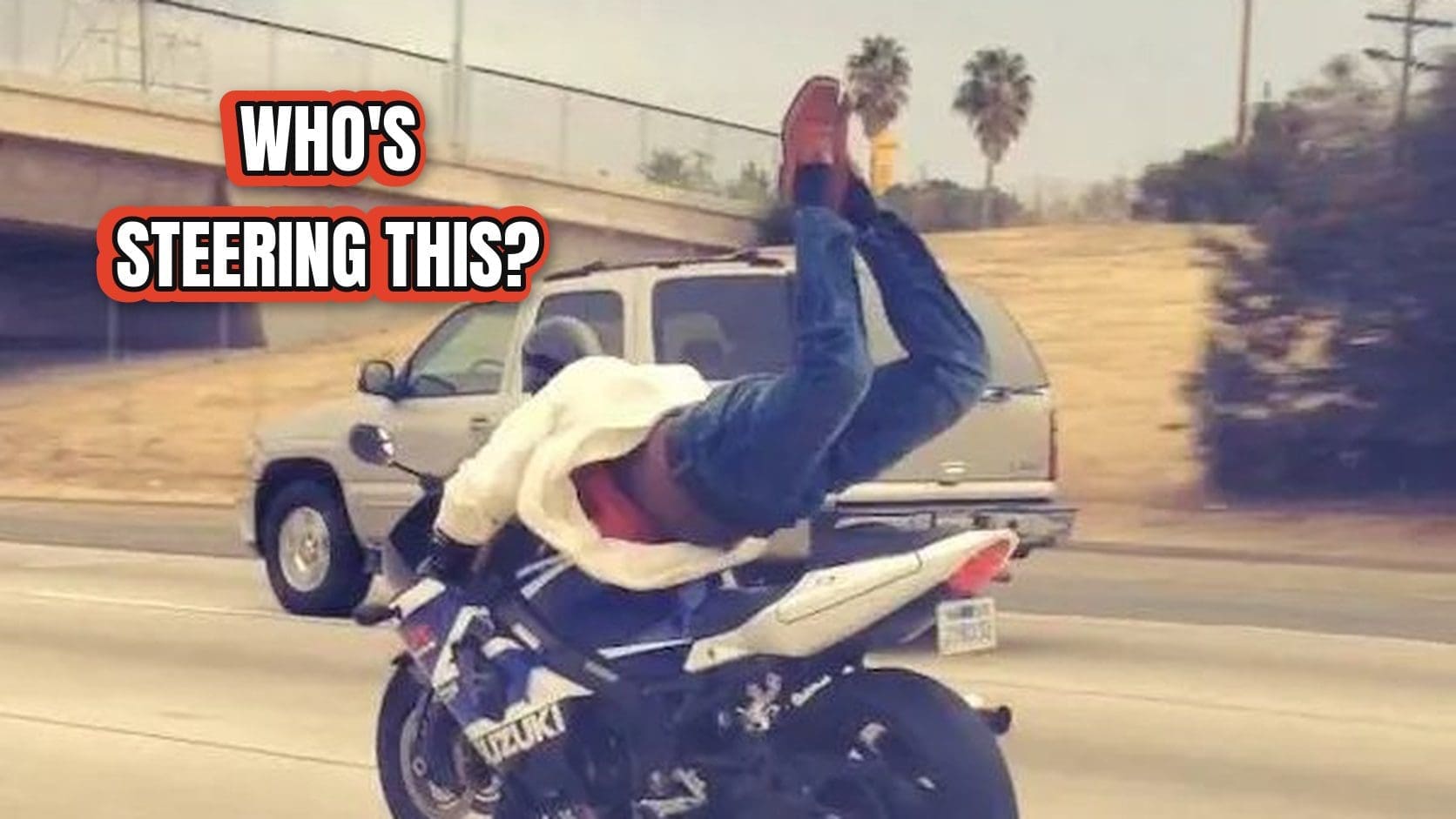
Fitness coaches hate this one simple trick.

When your entire superhero conflict boils down to local housing market anxiety.

Do or do not, there is no family counseling.


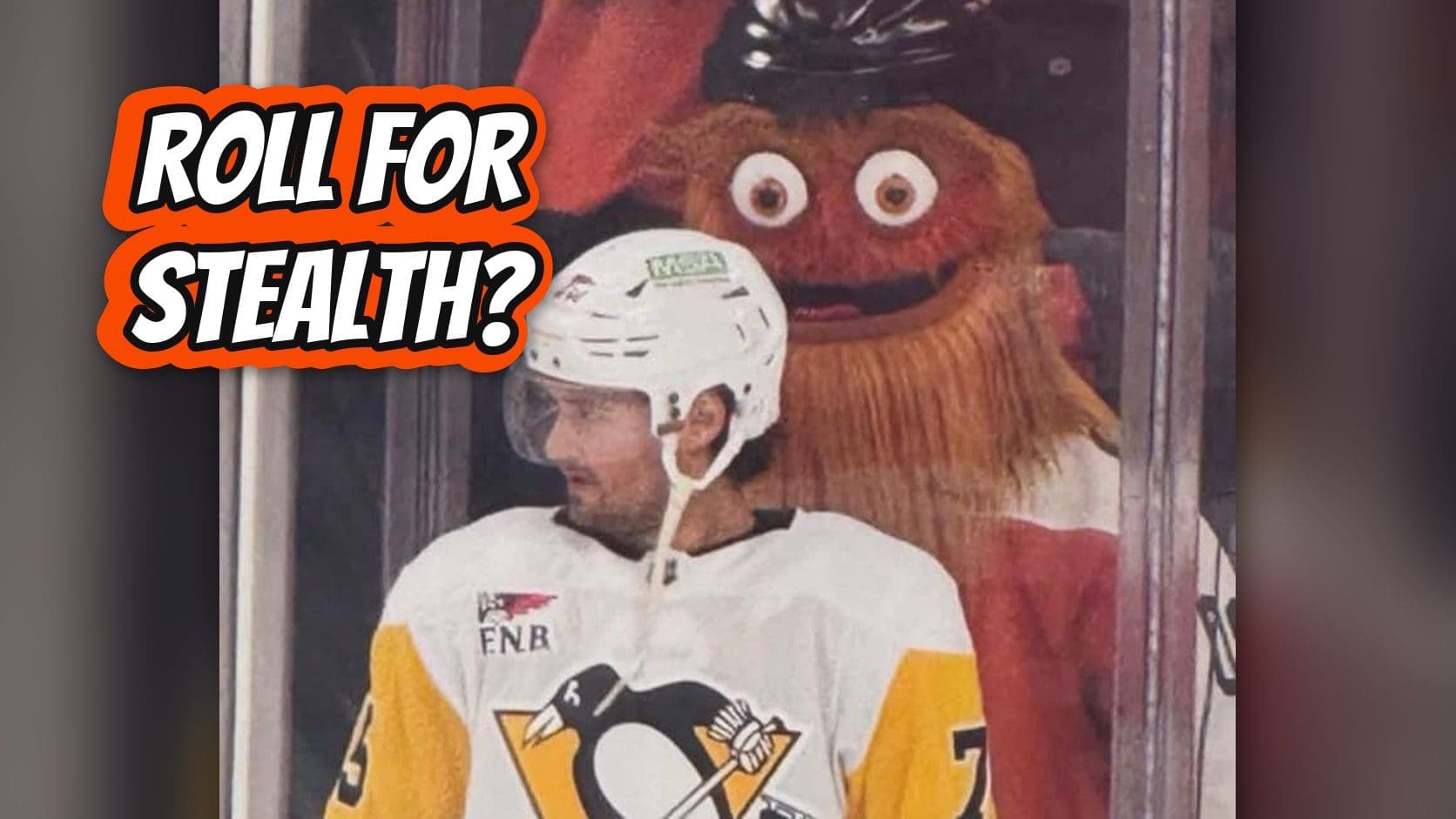
Dinner on the Nostromo really went downhill fast.


hoosing between cold skin and shedding on the furniture.





Movies described badly
Read More
The superhero descriptions do the most damage per word, and I respect the efficiency. An entire billion-dollar franchise conflict reduced to a paranoid billionaire afraid of an immigrant, and the worst part is, that’s not a stretch, that’s just the plot with the cape budget removed. The friendly neighborhood web-slinger’s whole origin gets rephrased into a biology problem I refuse to repeat here, and now a beloved trilogy is ruined for me in a way no critic ever managed. That’s the power of plain language. Marketing departments spend fortunes preventing exactly this sentence, and one meme undid all of it before lunch.
The wise-mentor genre takes an even harder hit. Cinema’s most beloved little green teacher, described accurately, is a talking frog who convinced a teenager to go fight his own father, and framed that way, the galaxy’s greatest mentor sounds like a family court’s worst nightmare. Same with the noseless dark wizard who spent seven consecutive school years obsessed with one specific teenager. When you hear it plainly, the stakes of an entire fantasy saga collapse into a grown man who desperately needed a hobby, and honestly, the books support this reading more than fans want to admit.
But the descriptions that really got me are the ones that accidentally become social commentary. The floating balloon house rephrased as a housing crisis response, an old man so done with property costs that he simply left with the property, which in this market reads less like fantasy and more like a strategy. The swamp romance reframed as loving someone after the filters come off, which is genuinely the most honest description of that film and possibly of all modern dating. And the frozen wilderness epic summarized as one actor wandering the tundra in search of an award is not a joke, it’s a documentary, and the award was found, and we all watched him find it.
Here’s what this genre actually exposes: the gap between what movies are about and what happens in them is enormous, and all the artistry lives in that gap. The music, the lighting, the performances, all of it exists to keep you from noticing that the plot, stated flatly, is unhinged. These bad descriptions just turn the lights on. The film was always a talking frog giving terrible advice. You just weren’t supposed to hear it that way.
And weirdly, I think this is a form of love. You can’t describe a movie this badly without knowing it completely, beat by beat, well enough to find the single most damaging sentence. Casual viewers can’t do this. Only obsessives can, people who’ve watched the film enough times that the reverence wore off and only the affection and the absurdity remained. Ruining a movie in one sentence is a fan behavior. The trailer lied to sell you a ticket. The bad description tells the truth because it assumes you already bought one.
The plot is exposed. The magic survives anyway. Roll credits, badly.
If your favorite film just got ruined and you’re weirdly grateful, our movie content is your next stop, with film humor archives, plot summary threads, and cinema roast compilations for anyone who loves movies enough to describe them terribly. One sentence. That’s all it takes. Choose yours wisely.
Read Memes
Get Paid


Priya Coleman is a viral content specialist and meme analyst with over six years in digital publishing. Her past roles include viral content editor for PopSugar's humor vertical and meme correspondent for HuffPost’s comedy section. Priya specializes in spotting trending meme moments just before they peak—like the chaotic delight of the Ever Given’s Suez Canal mishap or the existential comedy of This is Fine. She brings her sharp wit and instinctive knack for viral content to Thunder Dungeon, always keeping the community a step ahead of the latest meme craze.