
English has roughly a million words and somehow none of them cover the specific grief of a bad haircut or the precise shame of eating past fullness out of pure stubbornness. Other languages, it turns out, solved all of this centuries ago. These words in other languages are the missing vocabulary, hyper-specific terms for experiences we all have and could never name. The feelings were universal. The dictionary was incomplete. Class begins now.

The exact face you make when the hairdresser asks, "How does it look?" and you lie through your teeth.
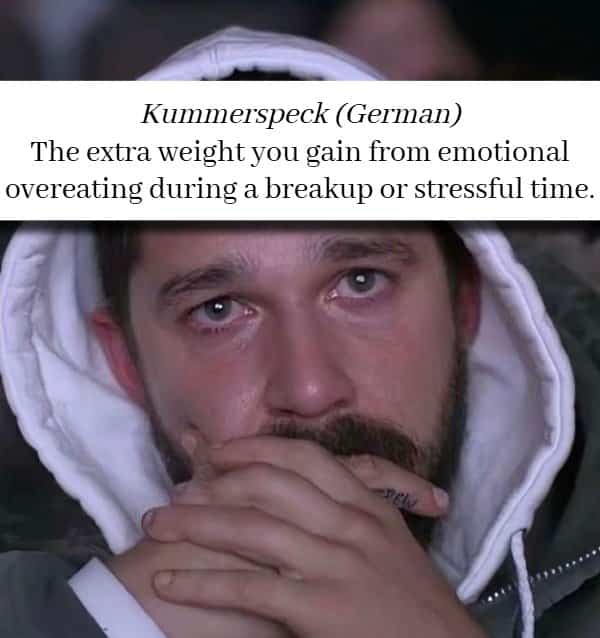
It’s not weight gain, it’s emotional shock absorption.

My home library is mostly expensive wall insulation at this point.
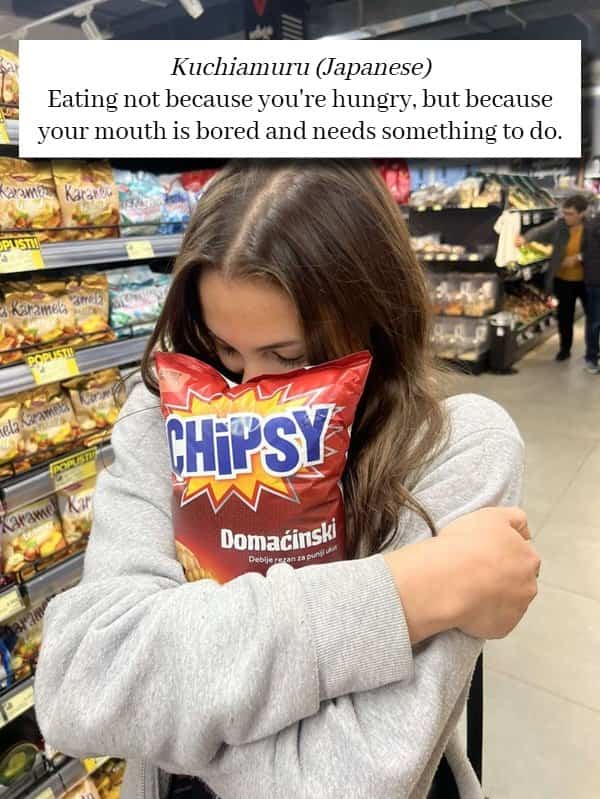
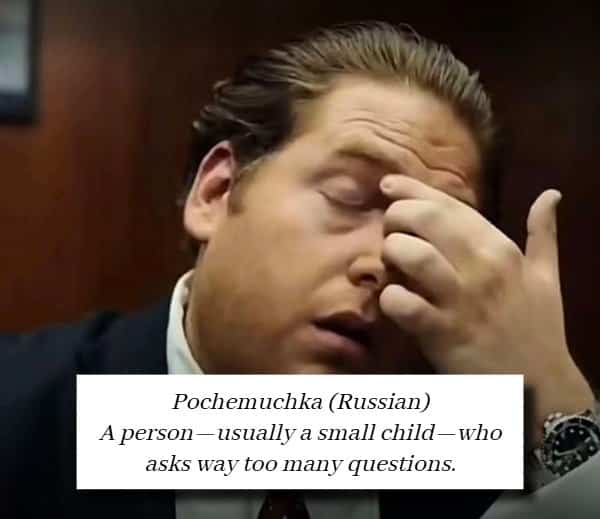

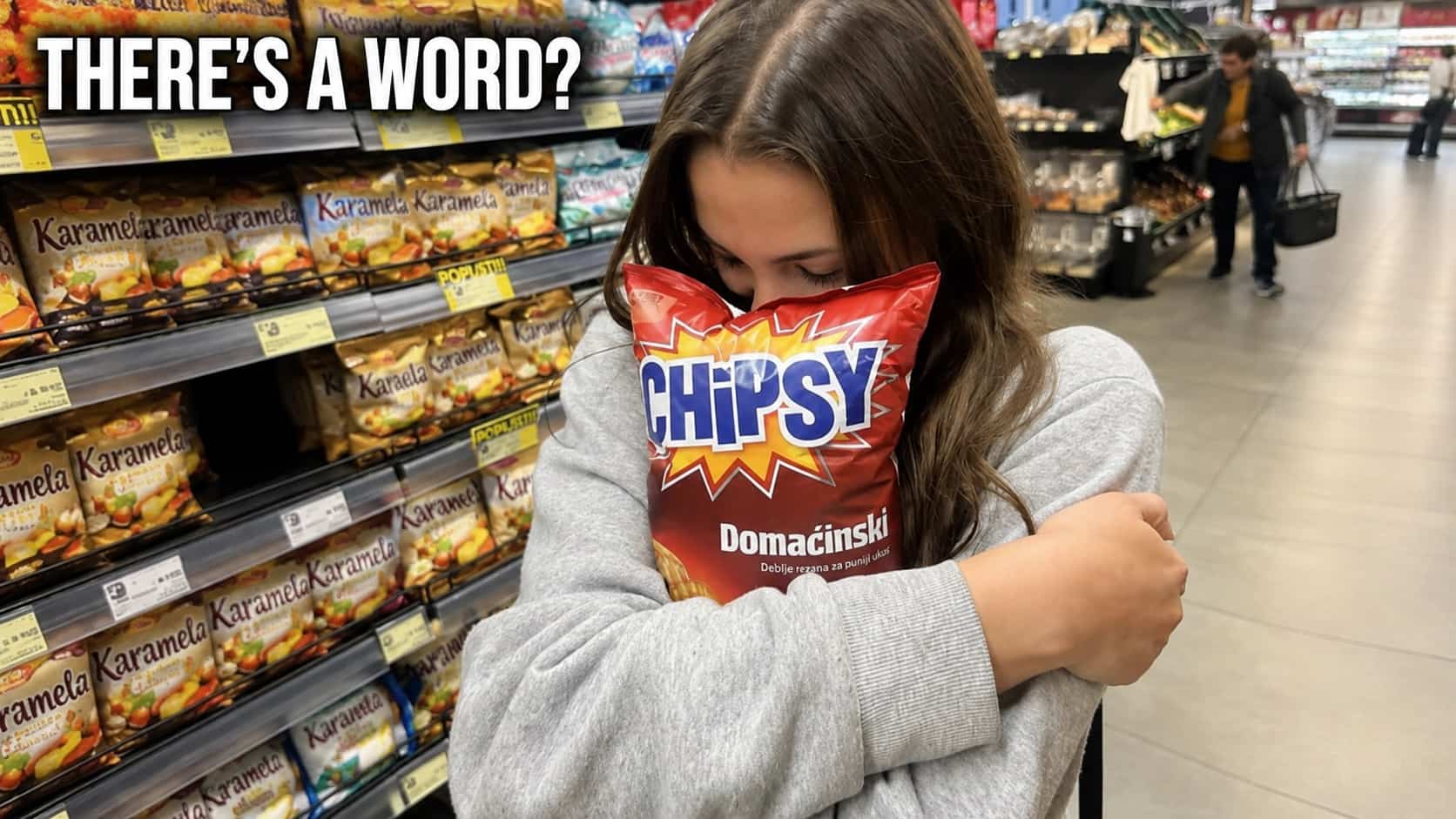
Unstoppable appetite meets an irresistible meal.
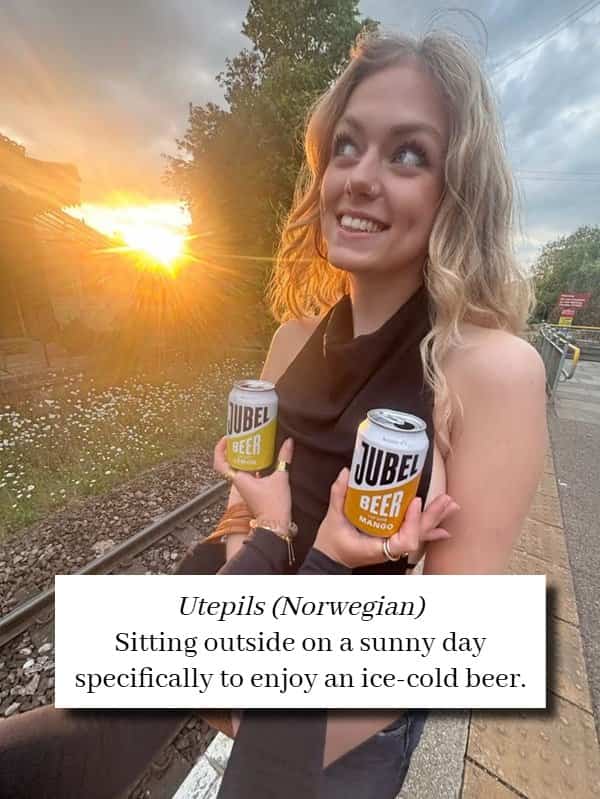

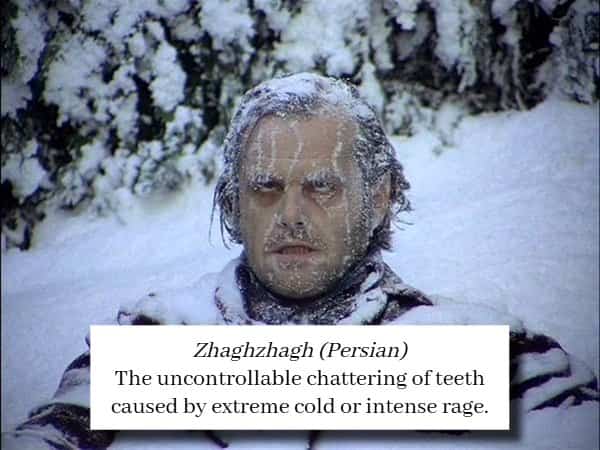

Laughing at you, definitely not with you.



Words in other languages
Read More
The food-and-overindulgence vocabulary is the richest seam here, because apparently every culture on Earth independently noticed that humans eat for reasons entirely unrelated to hunger. There are words for eating because the mouth is bored, for continuing past fullness because the meal was simply too good to abandon, for the frantic mouth dance performed when hot food is consumed too eagerly and spitting it out is not an option. English speakers have been living these experiences namelessly for centuries. Other languages filed the paperwork long ago, and the paperwork is beautiful.
Then there’s the emotional-struggle lexicon, the terms that put clinical precision on the messiest human states. The word for the weight gained through breakup-grade stress eating, which translates roughly to grief bacon, and honestly no English phrase will ever improve on grief bacon. The word for the child whose questions never end, coined presumably by an exhausted parent who needed to name the phenomenon before it named them. These words work because they validate the experience by defining it. If a language bothered to name it, you’re clearly not the first, and not being the first is most of what comfort is.
And the quirky-habits vocabulary rounds out the syllabus, the terms for behaviors so specific it’s astonishing anyone codified them. The word for acquiring books and letting them pile up unread, which describes a hobby millions of people didn’t know they’d been practicing under an official name. The word for a beer enjoyed outdoors in the sun, elevated from mere drinking to a cultural institution. The word for looking worse after a haircut, a concept so cruel and so universal that its existence in any dictionary feels like an act of solidarity. Someone else asked for a little off the top. Someone else regretted it enough to make it a noun.
What this vocabulary tour actually reveals is that language is a map of what a culture paid attention to, and every one of these words is proof that somewhere, people paid attention to the exact small absurdities we thought were private. The unread book pile got noticed. The post-haircut lie got noticed. Nothing about being human went unobserved, it just went unobserved in English, which turns out to be the language equivalent of a friend who never asks follow-up questions.
And there’s a genuine expansion that happens when you learn these words, because naming a feeling changes your relationship with it. The bored-mouth eating becomes a recognized phenomenon instead of a personal failing. The stress weight becomes grief bacon, which is somehow both funnier and kinder. Every borrowed word is a small upgrade to your emotional resolution, more pixels in the picture of your own experience. The dictionary grew. So, quietly, did you.
The words exist. The feelings finally have names. Use them at dinner parties.
If the linguistic treasure hunt was your kind of fun, our knowledge content is right where you’d want to land next, and we’ve got plenty of language trivia archives, untranslatable word threads, and vocabulary gem compilations for anyone whose book pile has an official Japanese name now. Read one of them. Eventually.
Read Memes
Get Paid


Laura Bennett has spent eight years immersed in internet culture, specializing in deep dives into meme origins, evolving meme trends, and digital subcultures. As a contributor for several prominent online platforms, including BuzzFeed’s meme division and Know Your Meme, she’s written extensively about viral moments from Crying Jordan to Woman Yelling at a Cat. Laura believes memes aren't just internet jokes—they're modern-day folklore. She brings that passion to Thunder Dungeon by keeping readers connected to what's culturally significant, hilarious, and timelessly viral.