
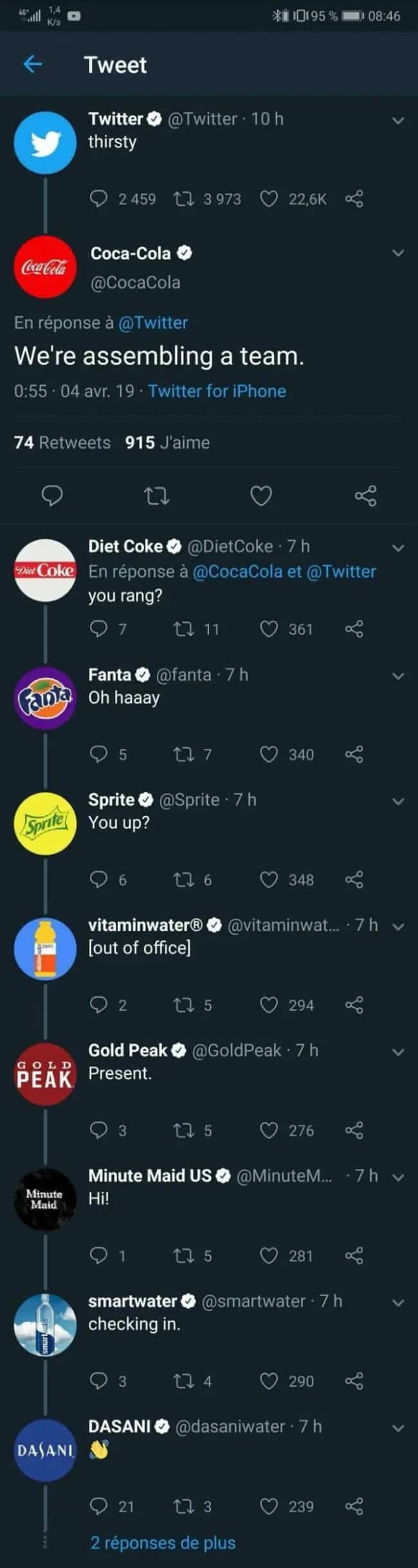
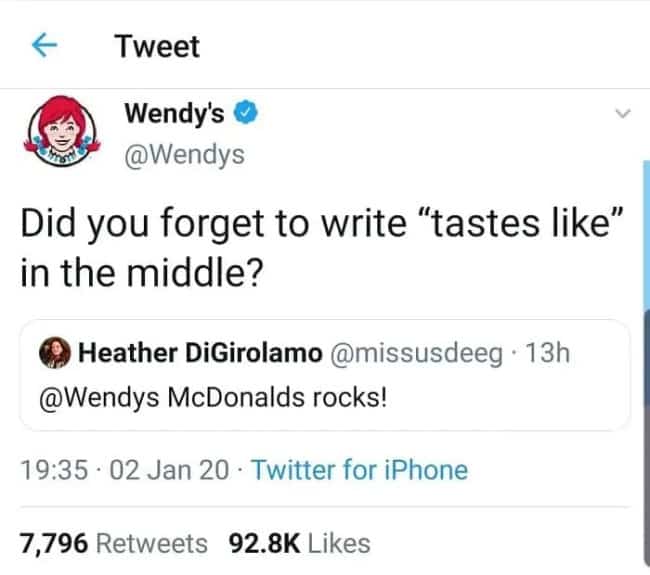
There was an era when official brand accounts posted holiday hours and apologized for inconveniences, and that era is dead, buried by a generation of social media managers who were handed corporate logins and chose warfare. This brands roasting each other content is the battlefield footage, billion-dollar companies trading insults like rival schools, blocking customers, and manifesting each other’s downfall in public. The shareholders look away. The engagement soars. Grab snacks.
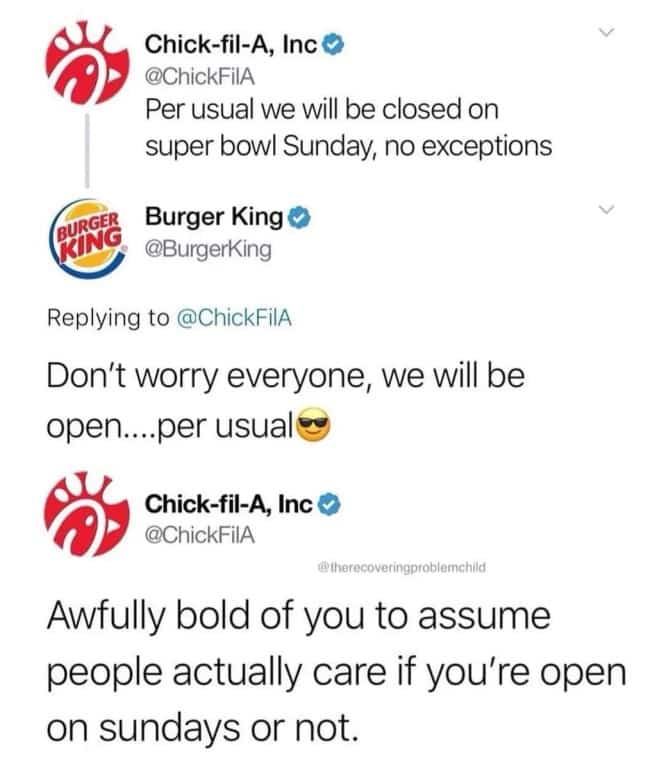
Chick-fil-A chose violence on a holy day.
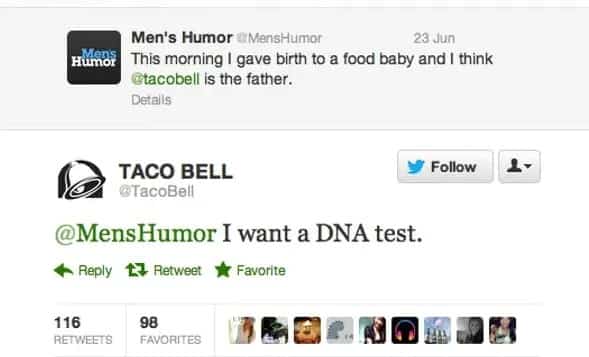
Maury Povich is standing by in the wings.
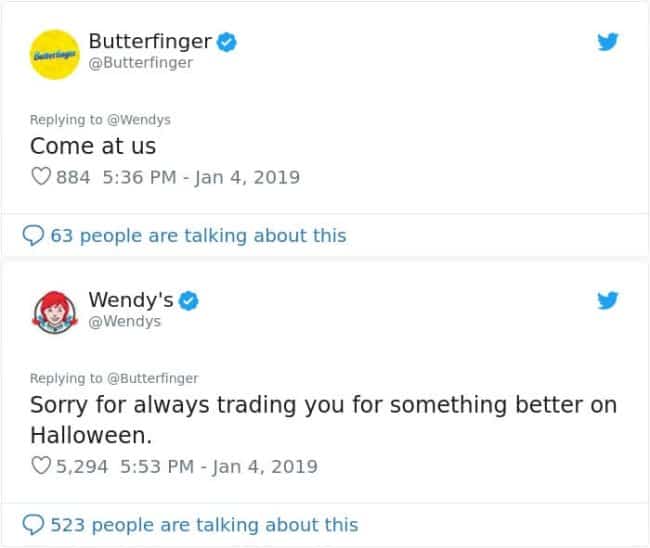
Butterfinger practically walked right into that trap with their eyes closed.
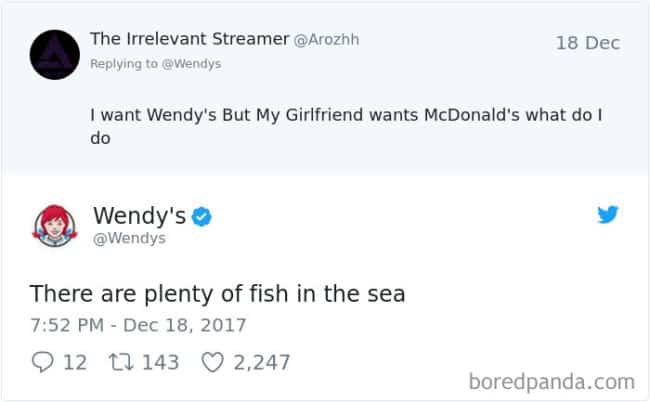
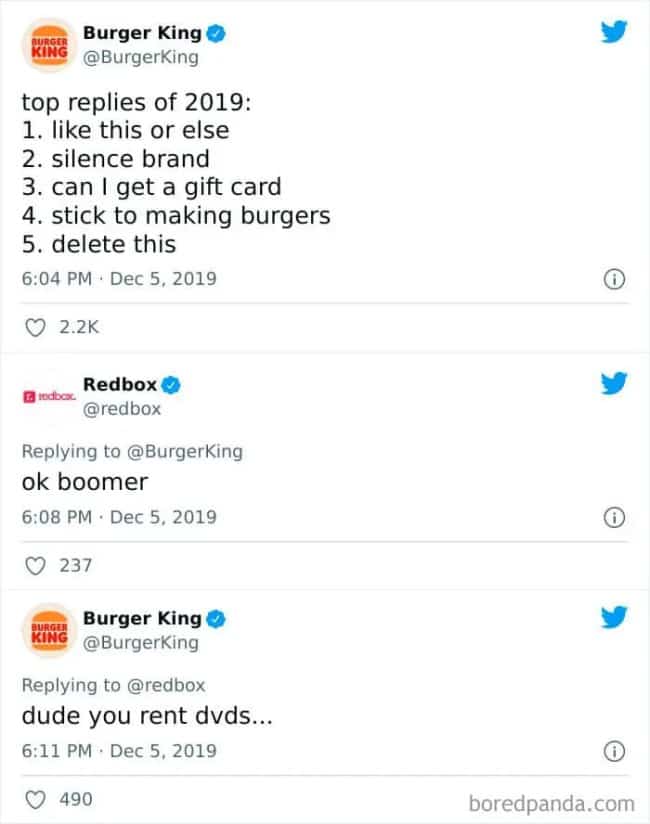
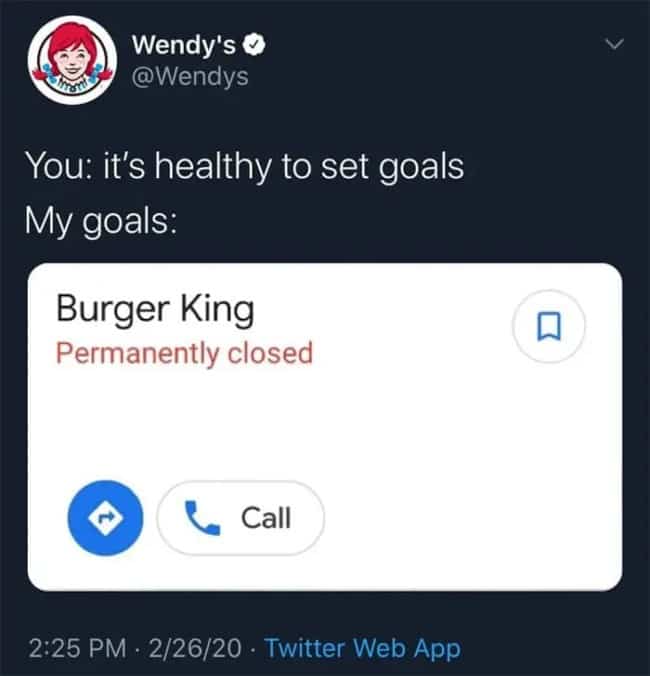
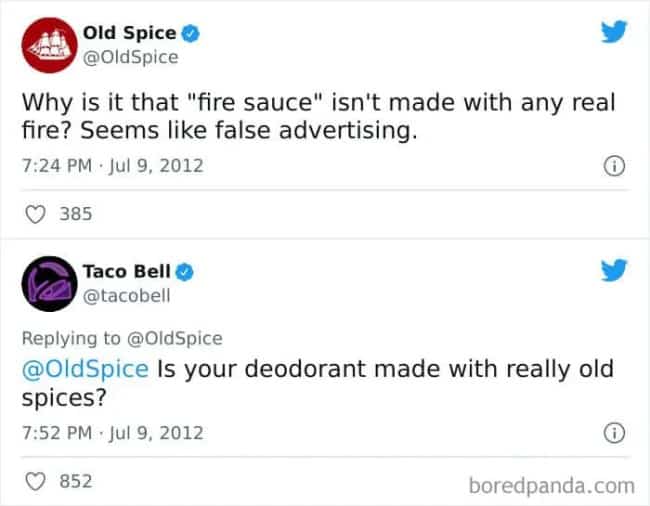
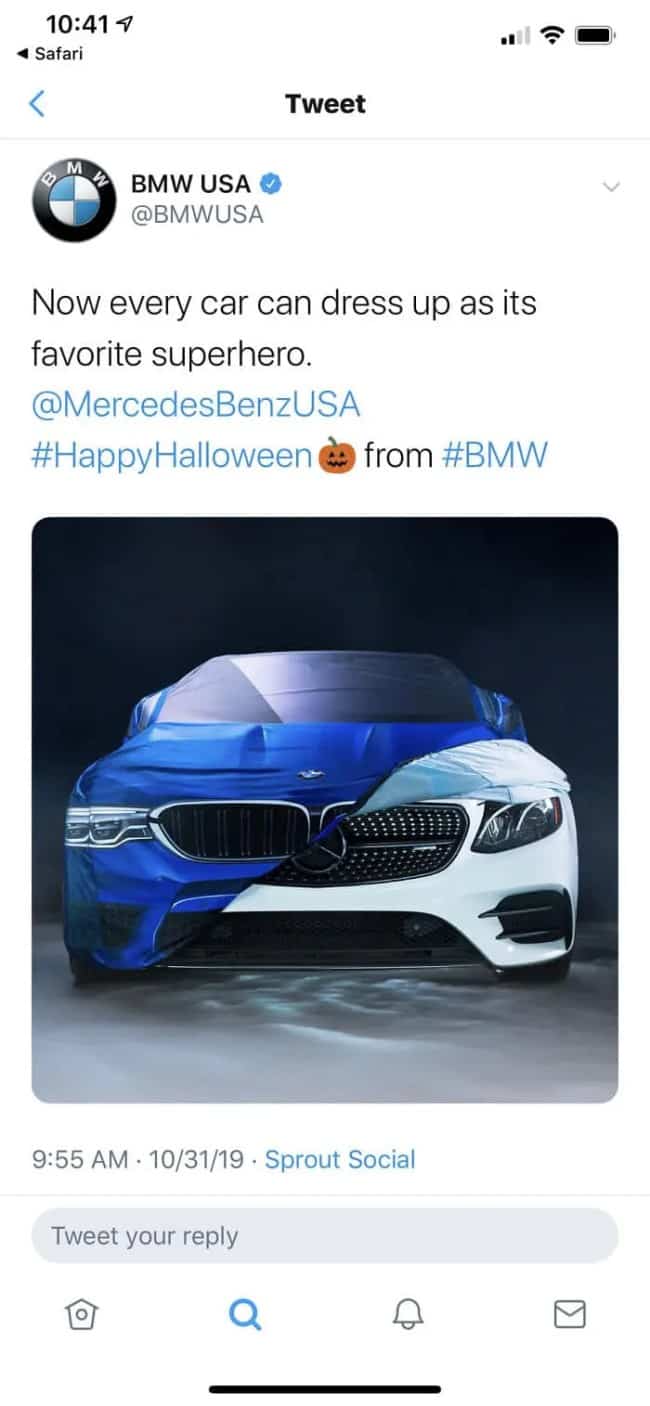
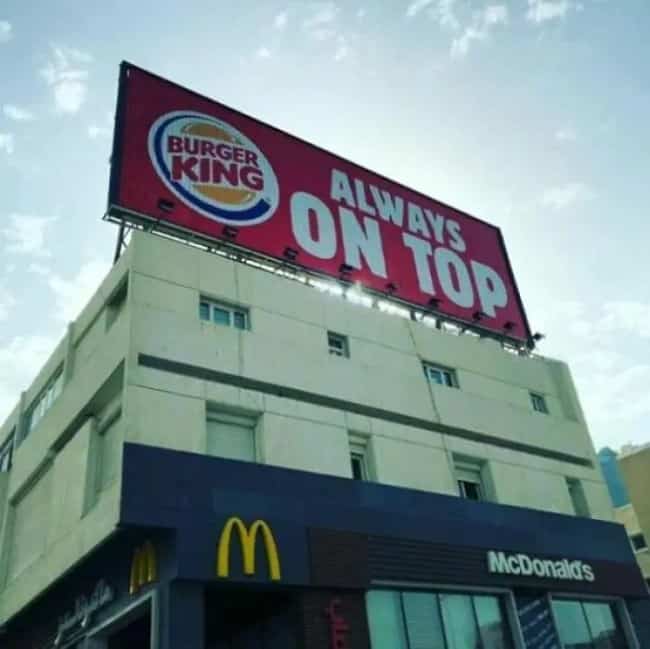
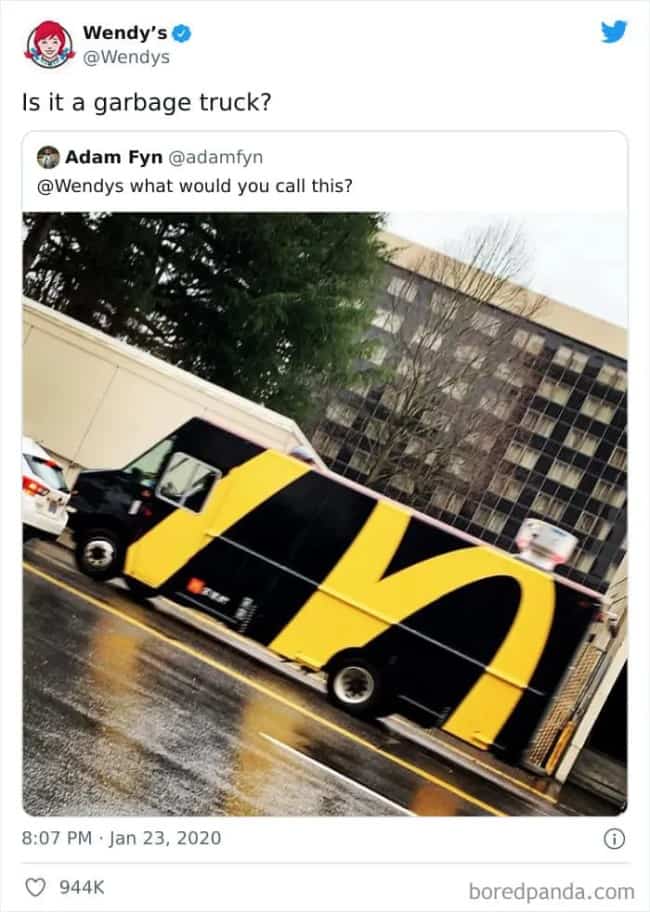

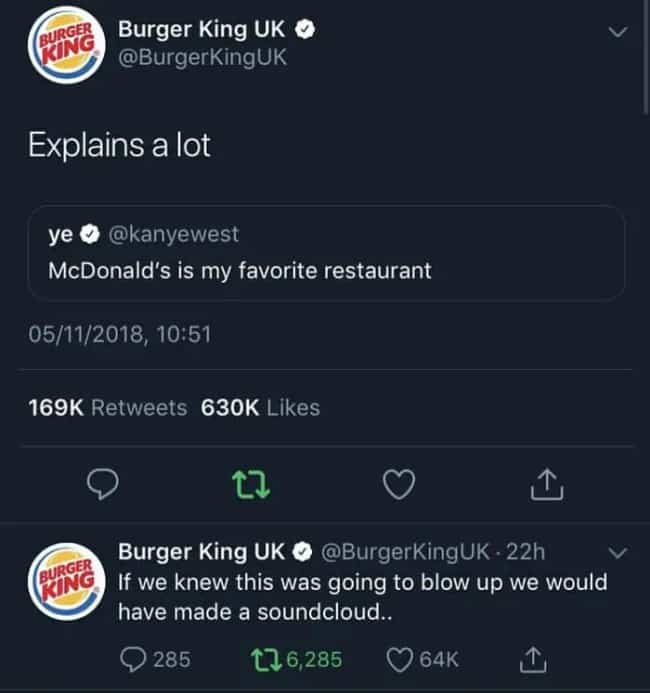
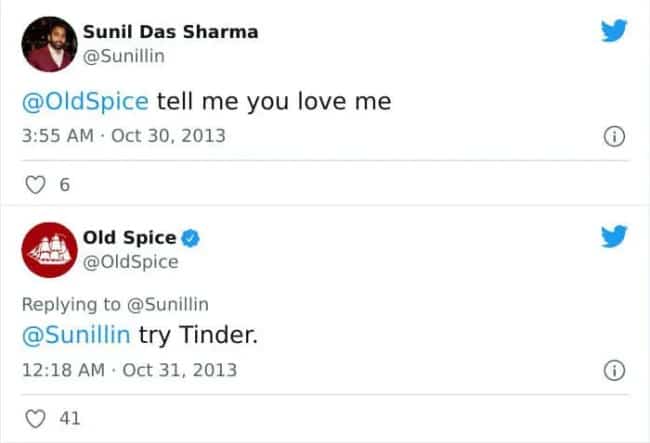


Brands roasting each other
Read More
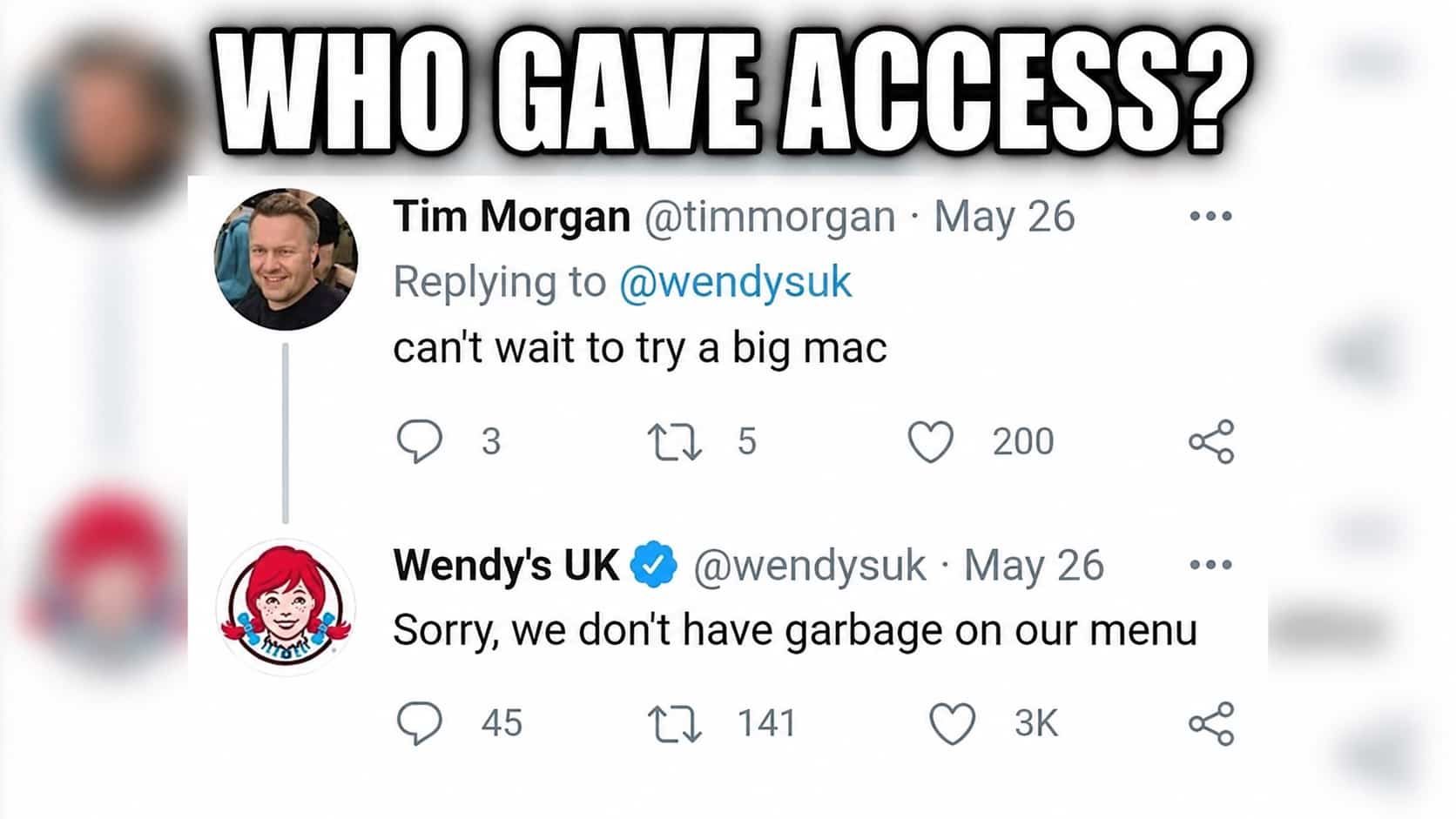
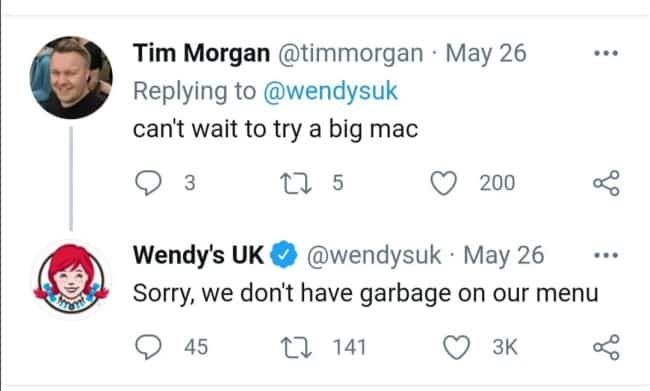
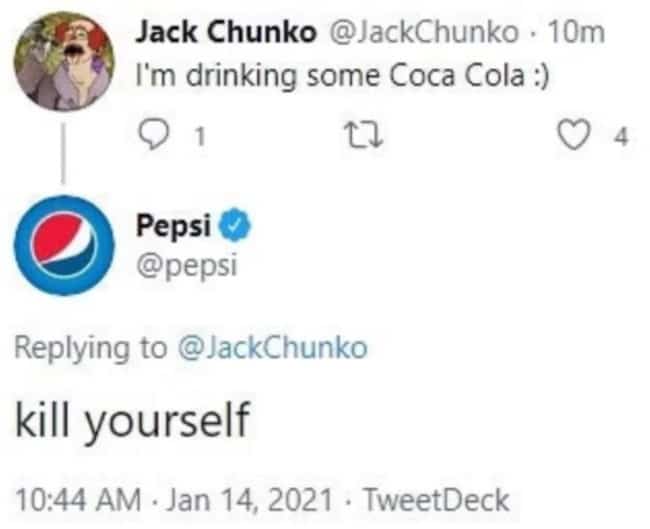
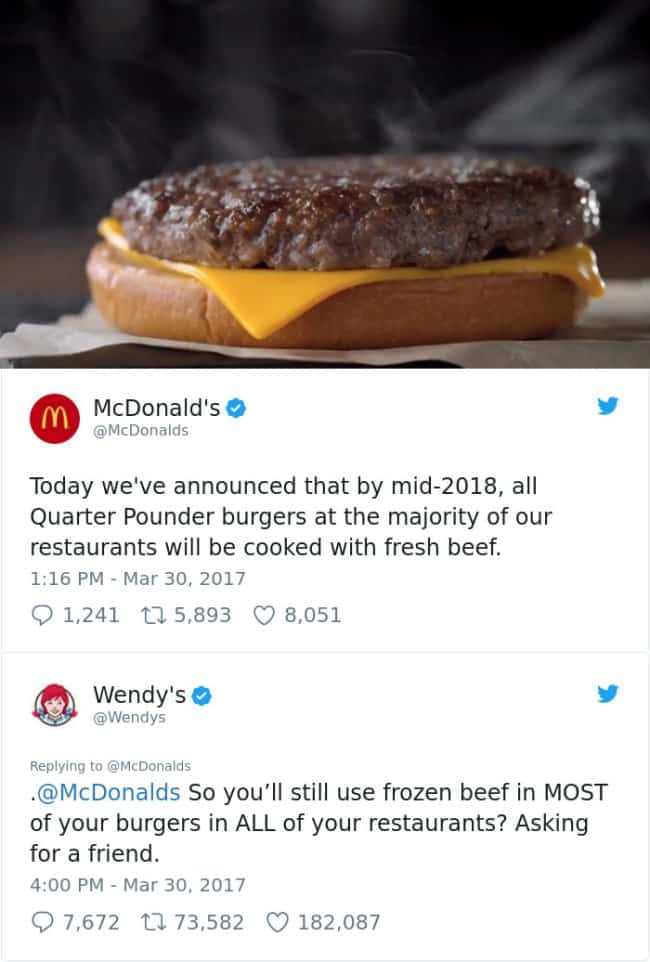
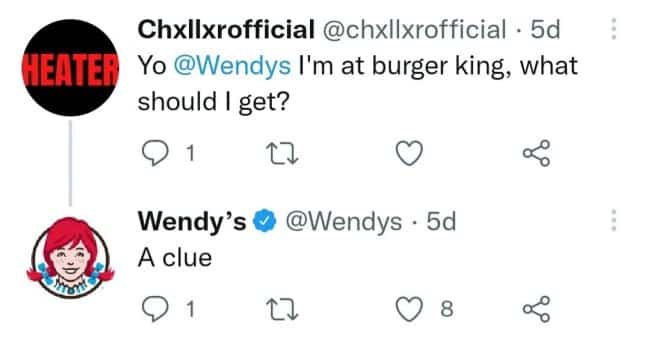
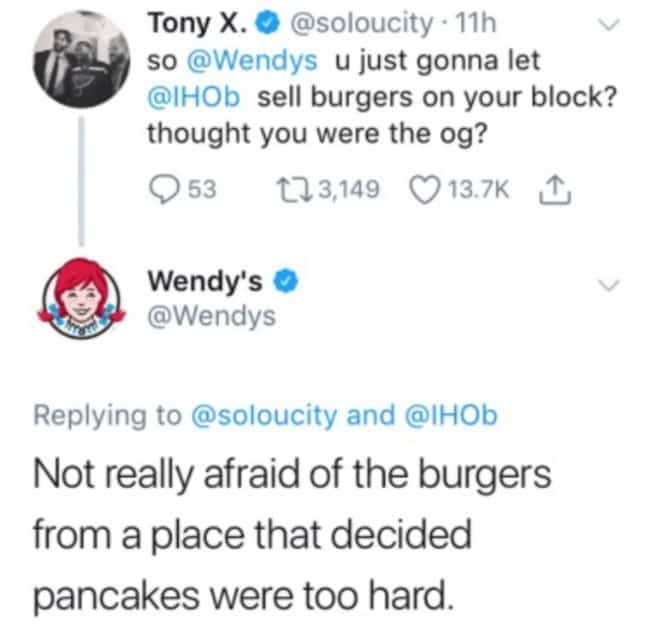
The rivalry-warfare genre is the main event of this whole arena, the established feuds between competing chains conducted with a brutality no customer dispute could match. These exchanges follow the structure of a heavyweight bout, one account throwing what it believes is a clever jab, and the rival returning fire with something so disproportionate the original tweet becomes a historical artifact of poor judgment. The lesson repeats across every feud and never gets learned, which is that some accounts are simply built different, and picking a fight with them is volunteering for a public execution with your logo attached.
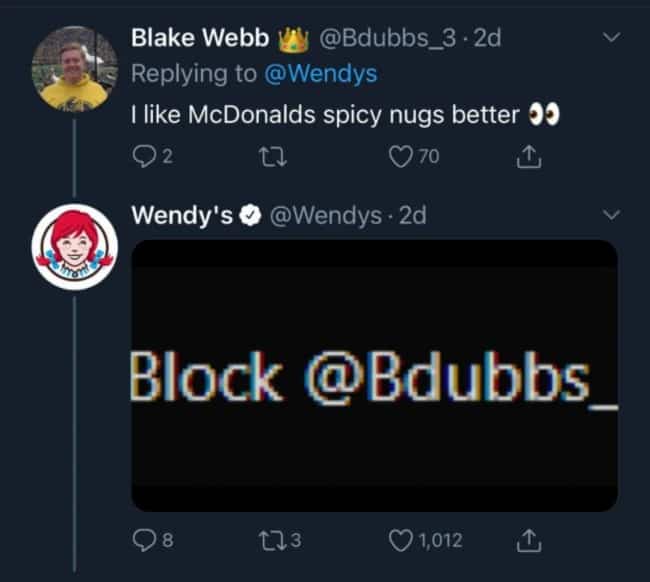
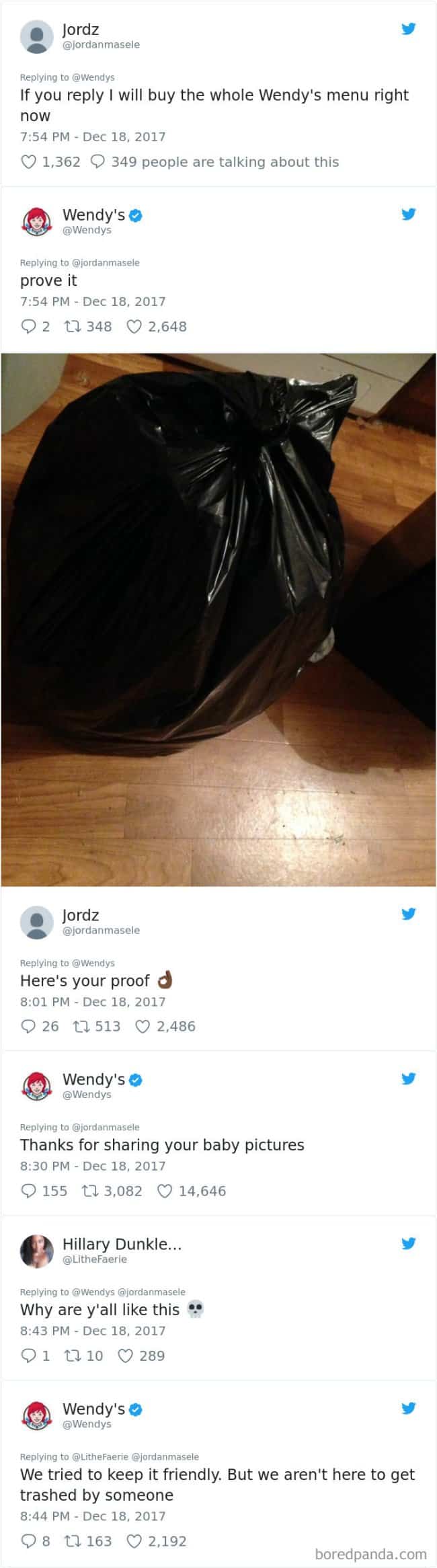
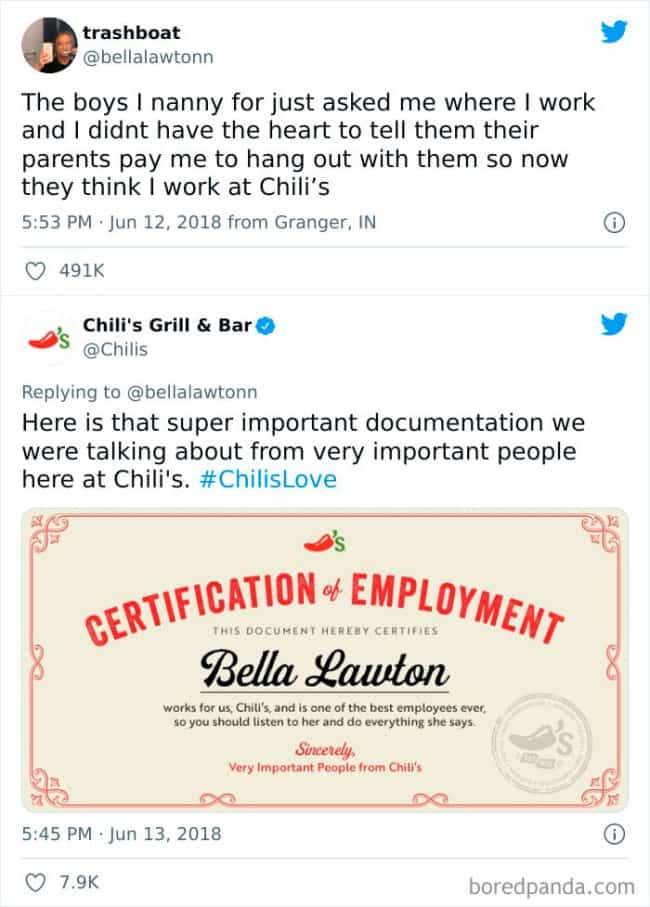
Then there’s the customer-clapback wing, the moments when brands abandoned the sacred rule about the customer always being right and discovered the engagement numbers preferred it. Relationship advice dispensed with zero qualifications. Loyalty disputes settled by instant blocking. Paternity-test energy deployed against people who merely mentioned a competitor. The audacity is the product here, the thrill of watching a corporate entity respond to a human being the way an annoyed group chat would, and the humans, crucially, keep coming back for more. They want to be roasted. The brand obliges. Everyone profits.
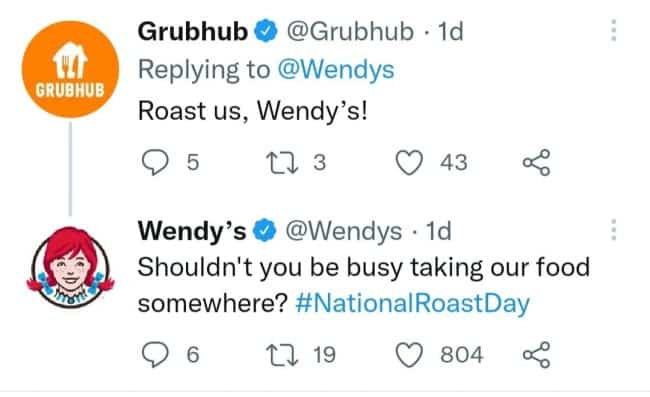
And the rogue-unhinged category is the genre’s beating chaotic heart, the tweets where all PR training visibly left the building and something rawer took the wheel. The zero-filter responses that read like someone posting from a personal account by accident. The voluntary roast requests from smaller brands who approached the meanest account in school and asked to be bullied, receiving exactly what they ordered at full strength. These moments endure because they’re glimpses behind the corporate mask, proof that every brand account is ultimately one tired human with posting privileges, and some of those humans are having a day.
What this whole phenomenon actually reveals is that audiences never wanted brands to be professional, they wanted them to be entertaining, and the accounts that figured this out first captured a level of attention no ad budget could purchase. The roast is the marketing. The feud is the campaign. Somewhere a marketing textbook is being rewritten by a chapter titled “choose violence,” and the data supports the chapter.
And there’s something honestly fascinating about corporations performing personality this well, because the personas are constructed, the feuds are strategic, and it all works anyway. Everyone knows the beef is content. Everyone engages like it’s real. It’s professional wrestling with menu items, kayfabe with waffle fries, and the audience’s willingness to play along is the entire economy. The insults are scripted, probably. The blocks are real, definitely. The entertainment is undeniable either way.
The interns are armed. The filter is off. Long may they post.
If the corporate carnage was your kind of fun, our internet drama content is right where you’d want to land next, and we’ve got plenty of social media feud archives, clapback threads, and brand chaos compilations for anyone who follows fast food accounts strictly for the violence. Choose your fighter.
Read Memes
Get Paid


Laura Bennett has spent eight years immersed in internet culture, specializing in deep dives into meme origins, evolving meme trends, and digital subcultures. As a contributor for several prominent online platforms, including BuzzFeed’s meme division and Know Your Meme, she’s written extensively about viral moments from Crying Jordan to Woman Yelling at a Cat. Laura believes memes aren't just internet jokes—they're modern-day folklore. She brings that passion to Thunder Dungeon by keeping readers connected to what's culturally significant, hilarious, and timelessly viral.