
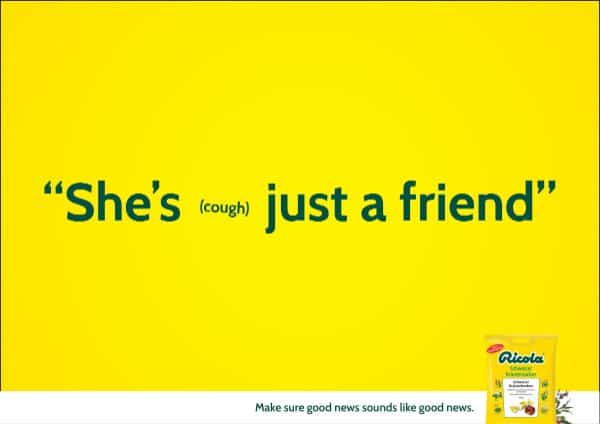
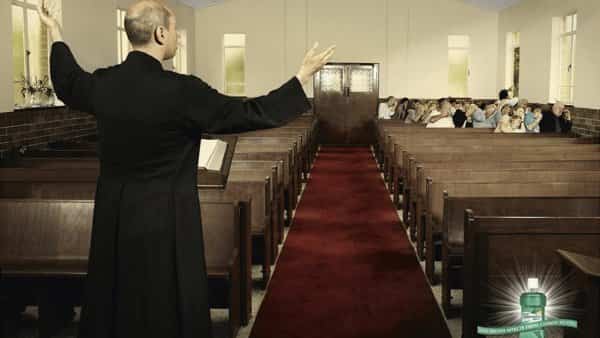
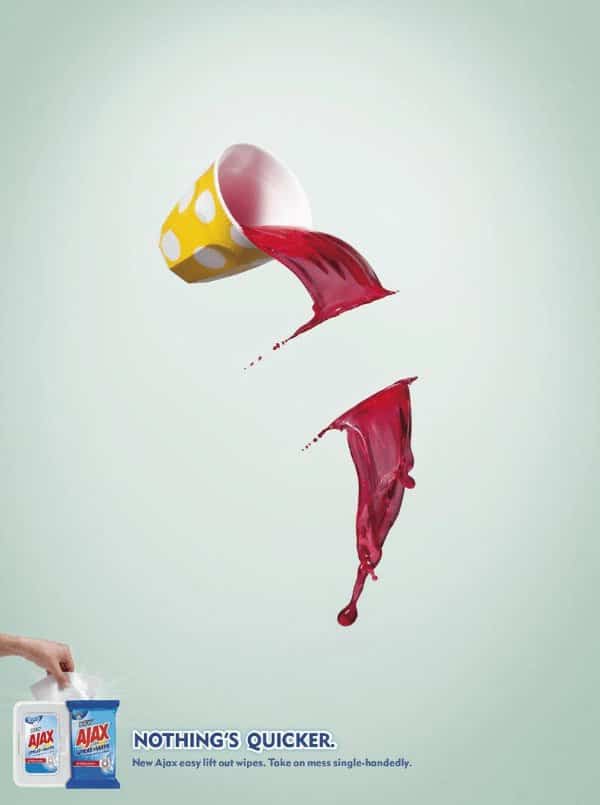
The average person is exposed to an ocean of advertising daily and remembers approximately none of it, which makes the exceptions genuinely remarkable. These creative ads are the exceptions, the campaigns where somebody in a conference room pitched an actual idea and, miraculously, nobody killed it. The product is incidental. The cleverness is the point. Let’s appreciate the rare marketing that earned the attention it took.
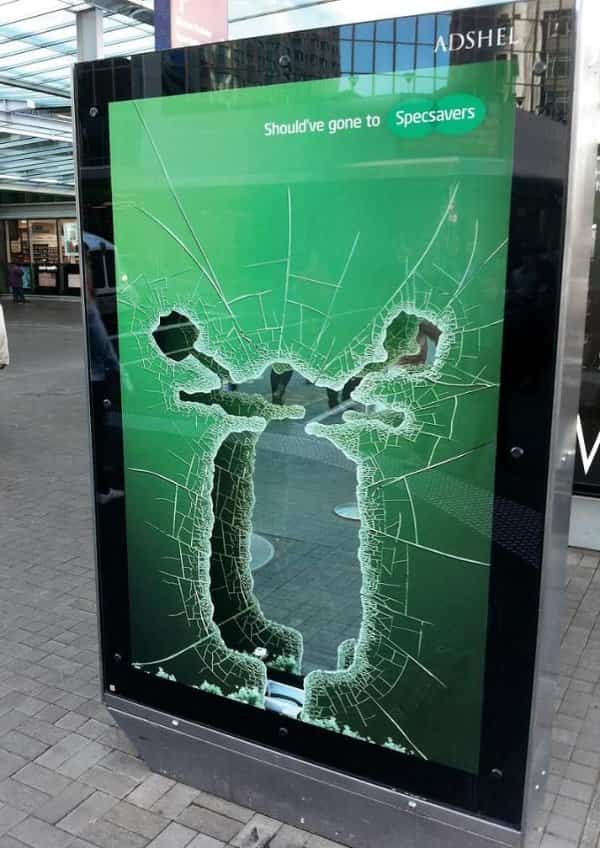
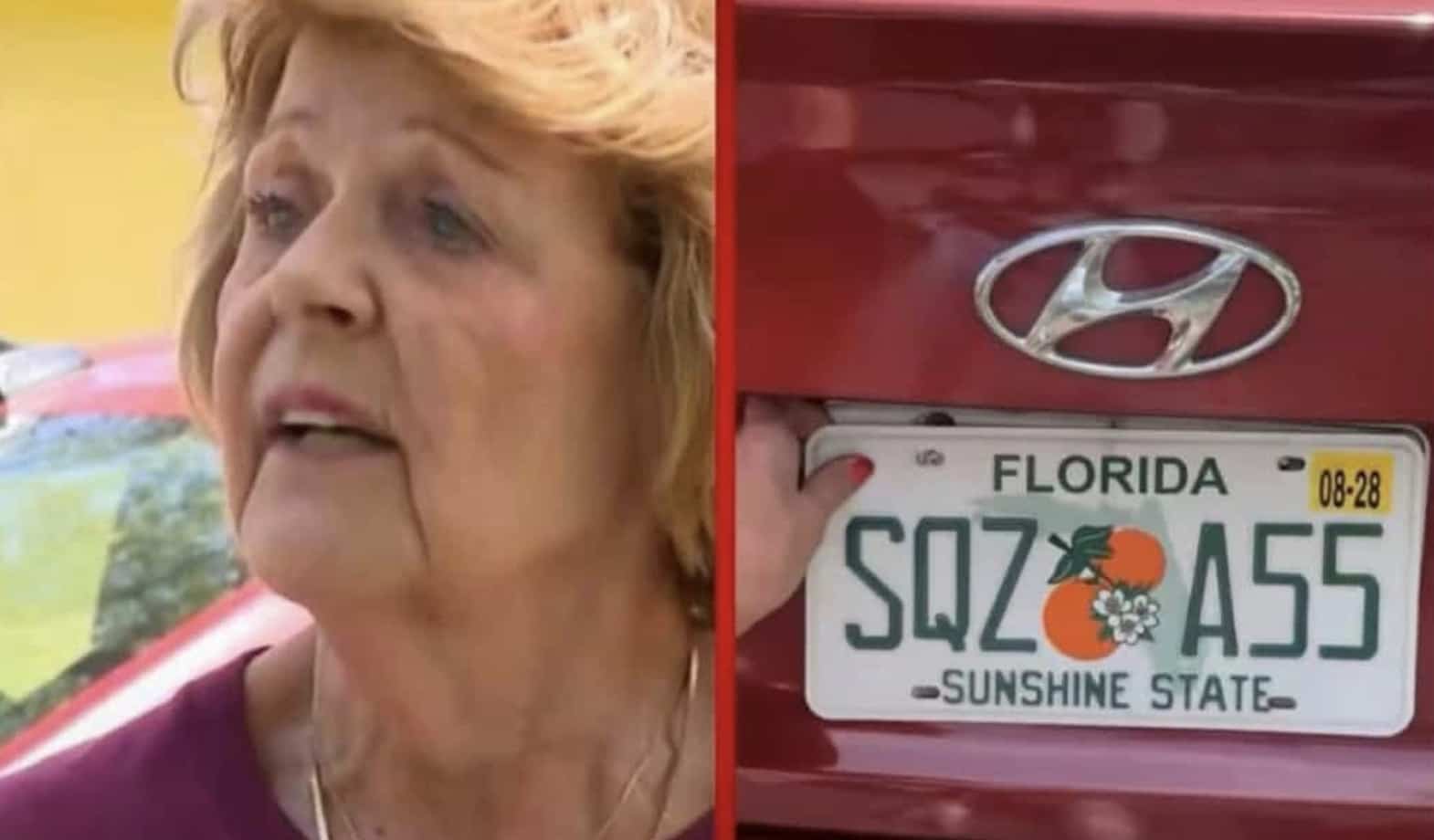
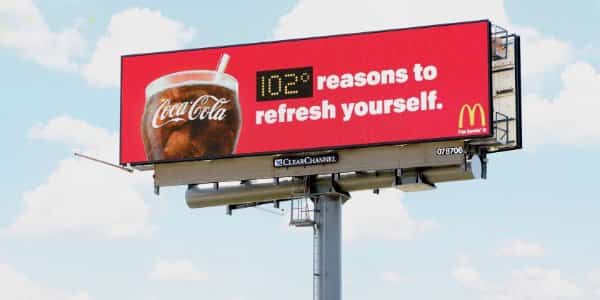
When you take "drive-thru marketing" a little too literally.
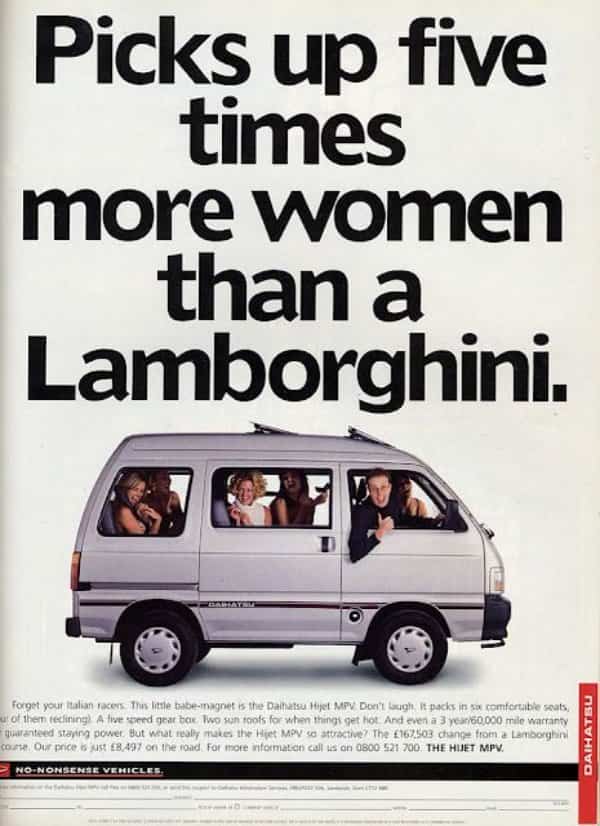
Math doesn't lie.

Creative ads
Read More
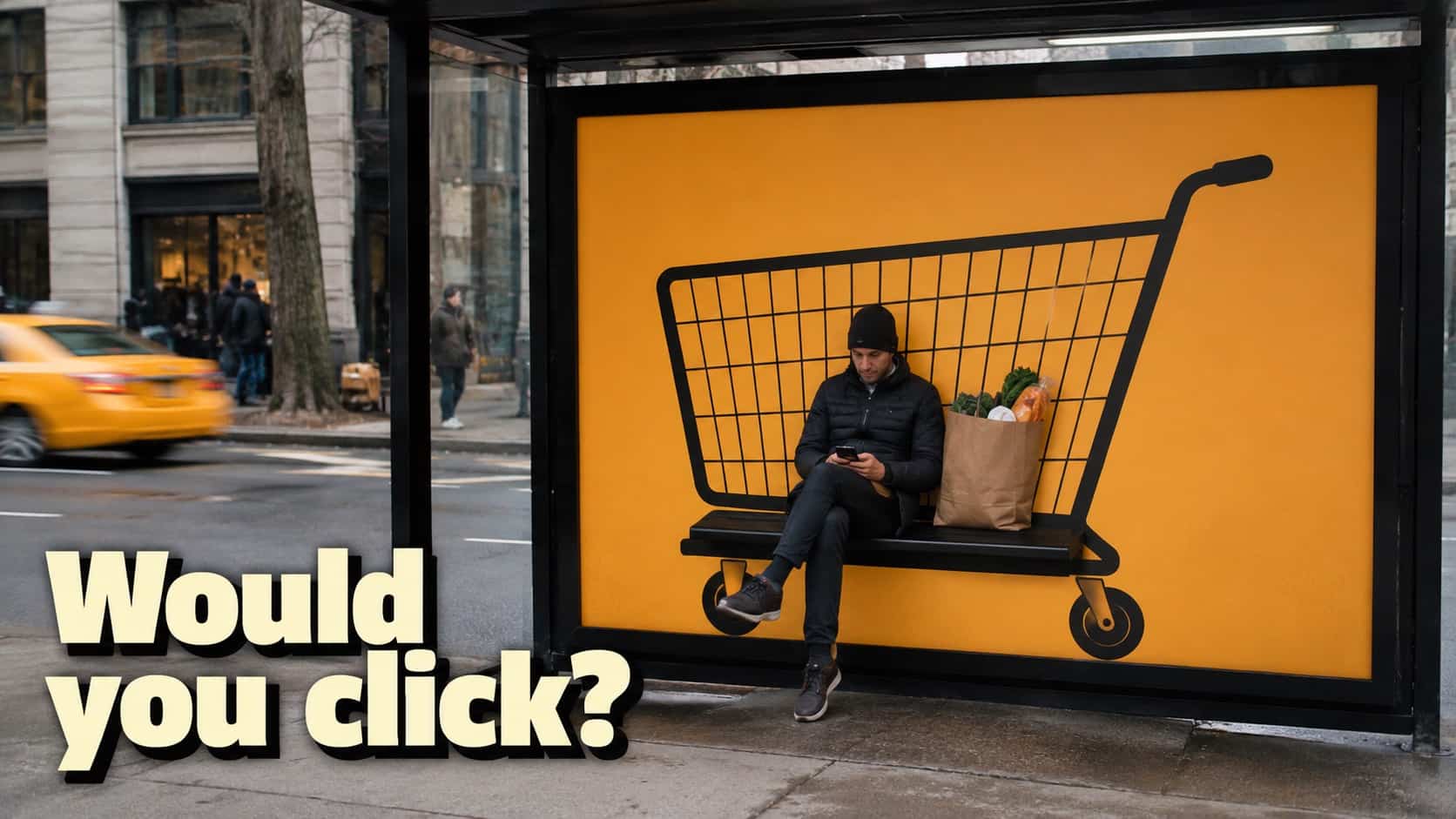
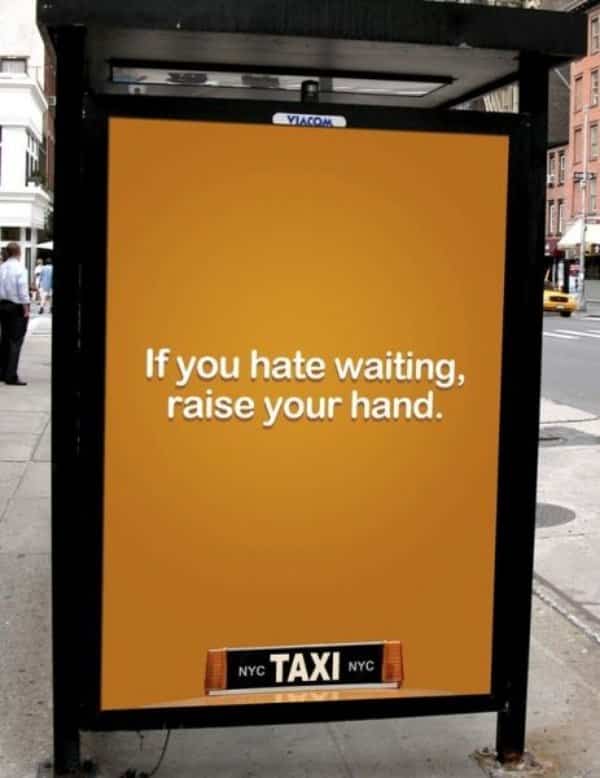
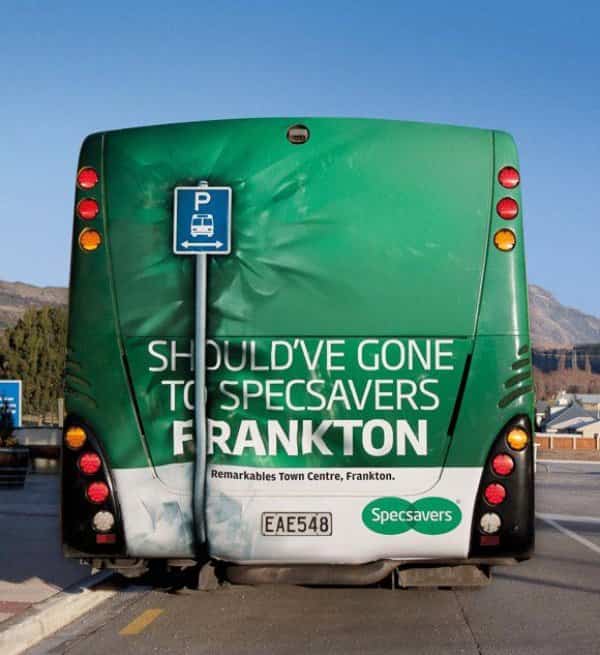
The environmental-trickery school is the boldest lane in this genre, the ads that use real-world space as part of the joke. Staged damage that sells the product by demonstrating the problem. Interactive installations that trick the audience’s own reflexes into participating. These campaigns understand something most advertising refuses to accept, which is that the physical world is a better canvas than any screen, because you can’t skip a bus shelter. The commuter becomes the punchline delivery system, and nobody consented, and it’s brilliant.
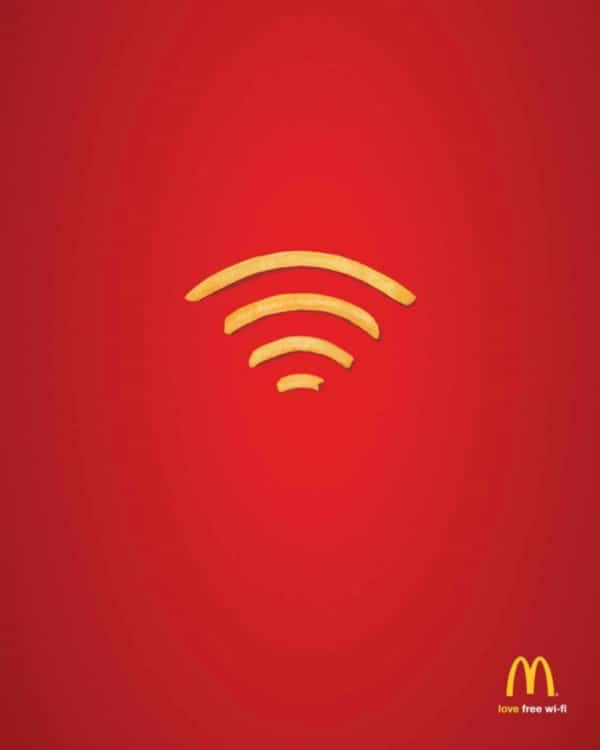
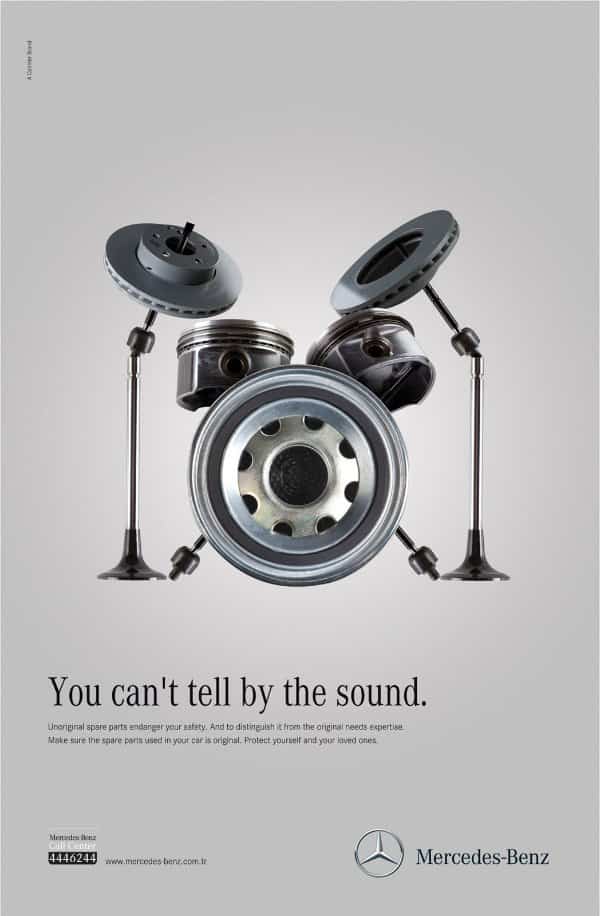
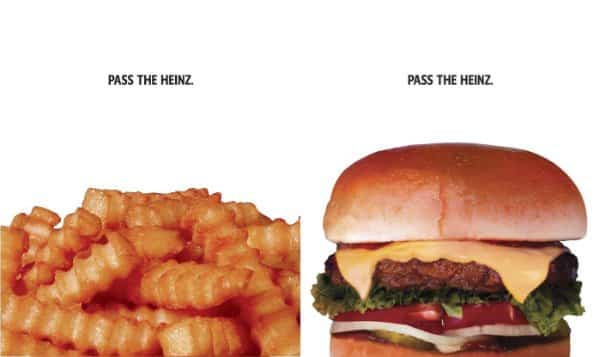
Then there’s the minimalist-composition wing, the ads built from almost nothing, ordinary objects arranged into a symbol, a message assembled from the product itself. There’s a confidence in this approach that most marketing lacks, the willingness to say less and trust the viewer to complete the thought. The best of these don’t feel like being sold to. They feel like getting a joke, and getting a joke creates a warmth that no amount of shouting ever has. The fries form the signal. The viewer does the rest. Everyone leaves happy.
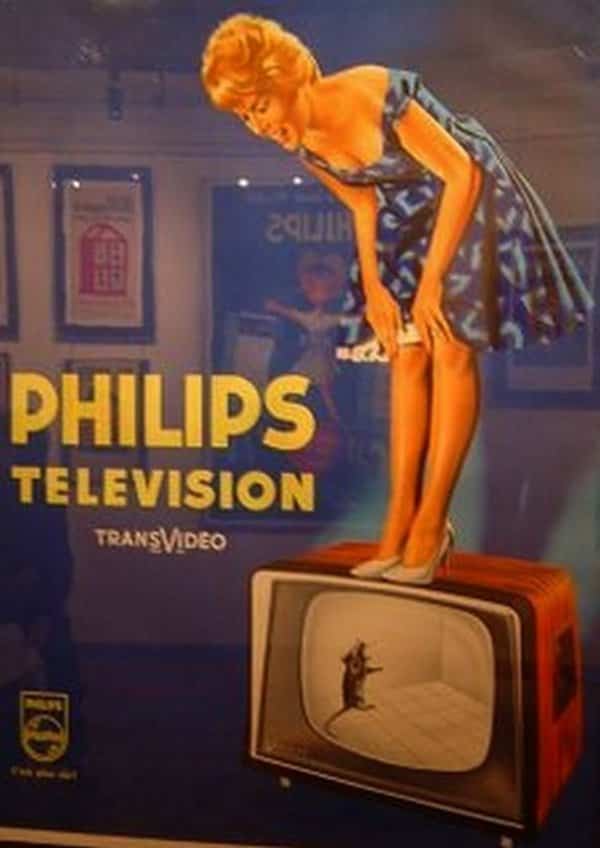
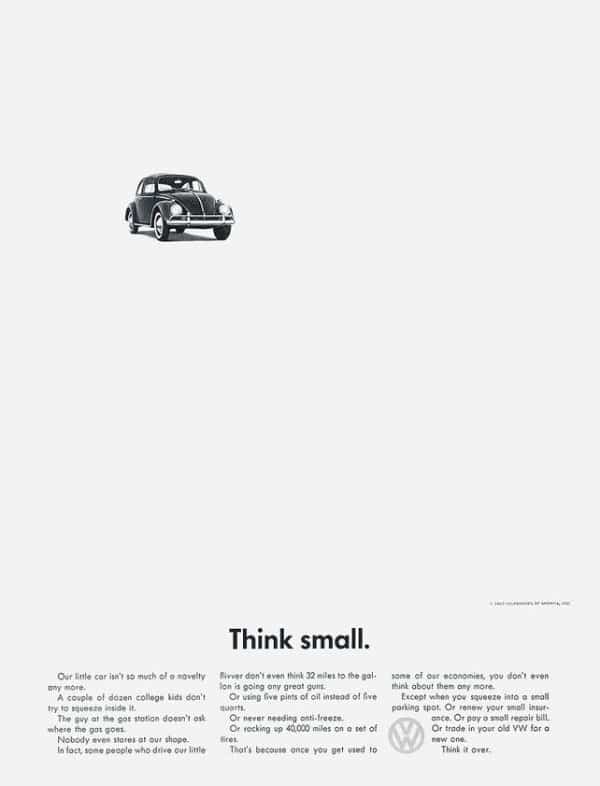
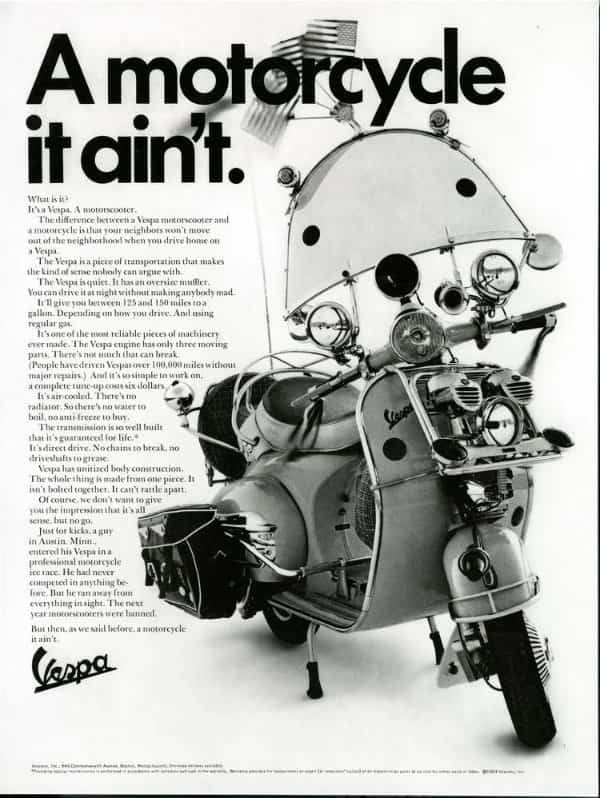
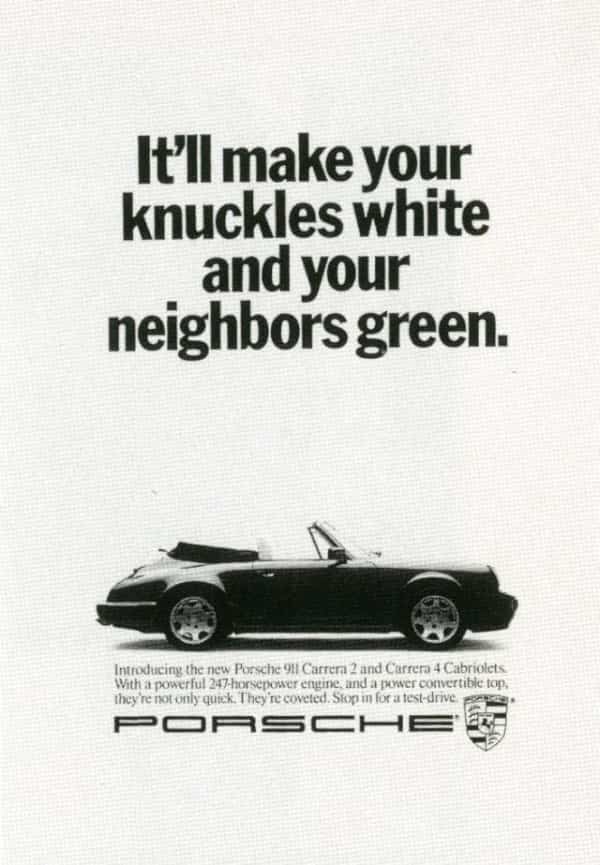
And the self-aware-and-vintage category proves the whole craft has deep roots, the classic campaigns built on self-deprecation and bold understatement decades before irony became the internet’s default setting. A tiny product presented with pride. A budget vehicle bragging about practical advantages over prestige. These ads were doing modern humor before modern humor existed, which suggests good advertising was never about the era. It was always about respecting the audience’s intelligence, a strategy that has been available the entire time and used approximately never.
What separates these campaigns from the ocean of forgettable ones is a simple inversion of respect. Most advertising treats attention as something to seize. These treat it as something to earn, offering a small piece of entertainment first and mentioning the product almost as an afterthought. The trade is honest, a laugh for a look, and audiences honor honest trades. They always have. The industry keeps forgetting.
And there’s something to be said for advertising as a public art form when it’s done at this level. A great billboard improves the block. A clever installation improves the commute. The rest of the industry is visual noise, but these are gifts left in public space, and people photograph gifts. That’s the whole metric, really. Nobody has ever photographed an ad out of obligation. They photograph the ones that deserved it.
The pitch was bold. The execution landed. Somebody promote that team.
If the marketing brilliance was your kind of fun, our design content is right where you’d want to land next, and we’ve got plenty of clever campaign archives, billboard genius threads, and advertising win compilations for anyone who has ever respected a bus shelter more than the show it interrupted. Study the craft.
Read Memes
Get Paid


Laura Bennett has spent eight years immersed in internet culture, specializing in deep dives into meme origins, evolving meme trends, and digital subcultures. As a contributor for several prominent online platforms, including BuzzFeed’s meme division and Know Your Meme, she’s written extensively about viral moments from Crying Jordan to Woman Yelling at a Cat. Laura believes memes aren't just internet jokes—they're modern-day folklore. She brings that passion to Thunder Dungeon by keeping readers connected to what's culturally significant, hilarious, and timelessly viral.