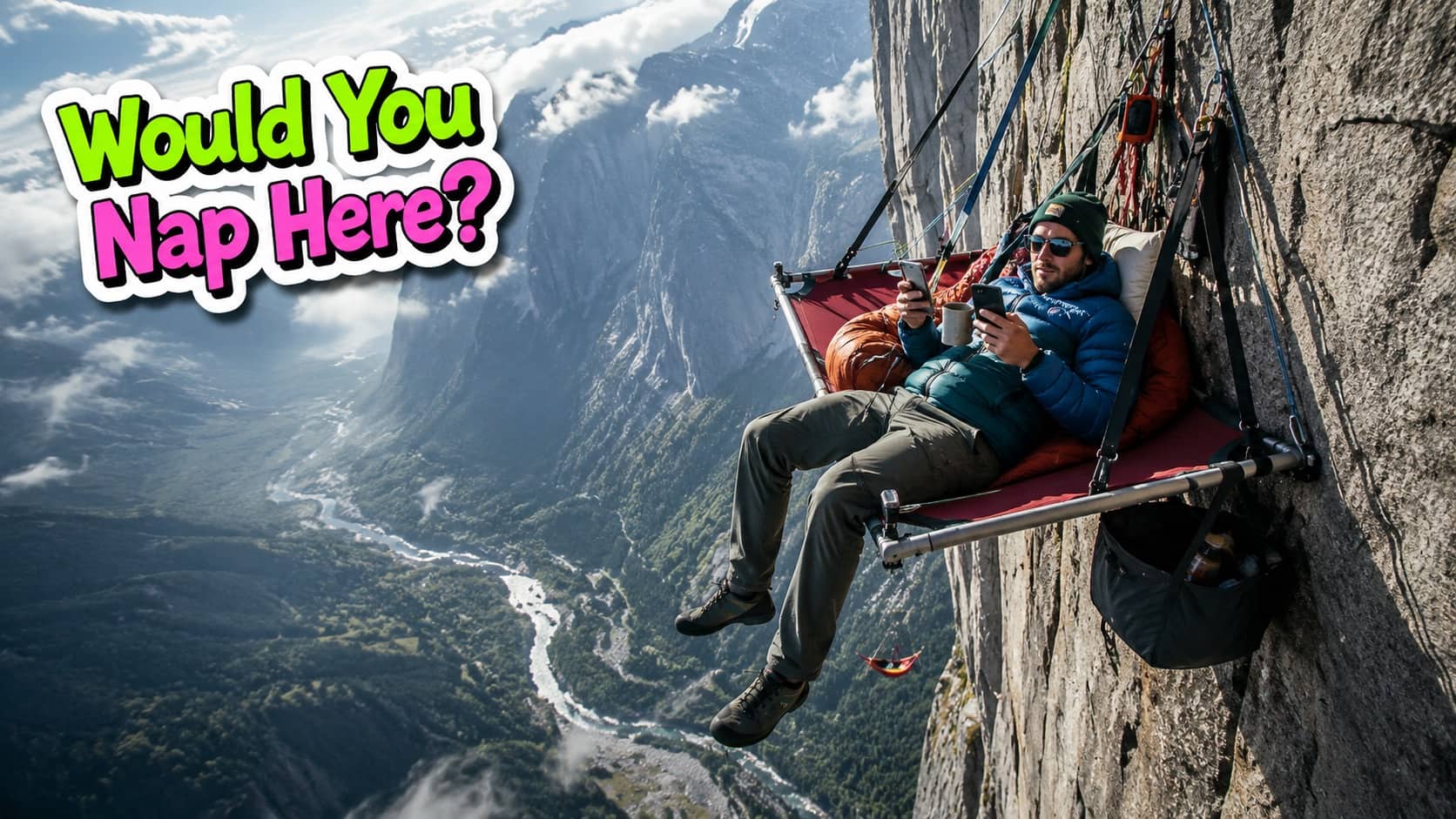

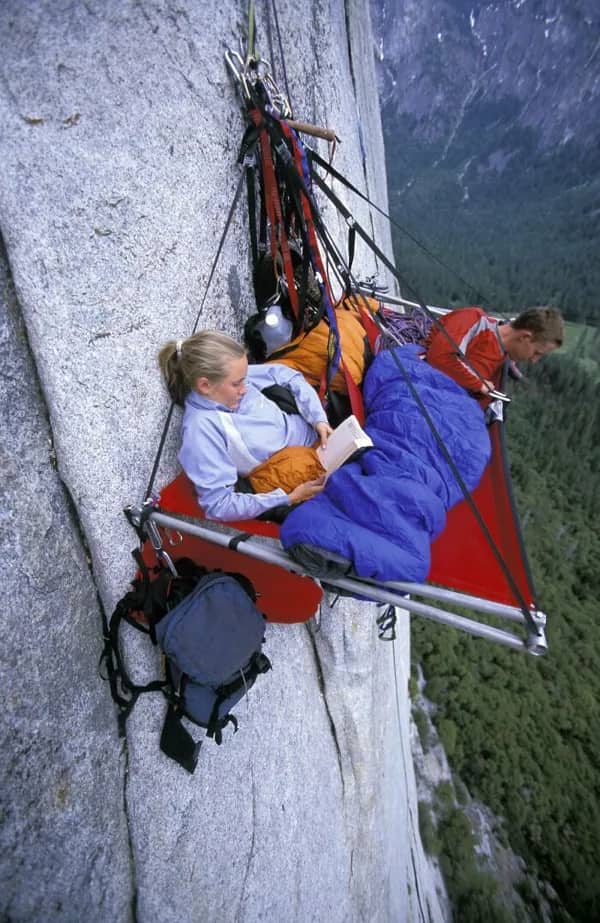
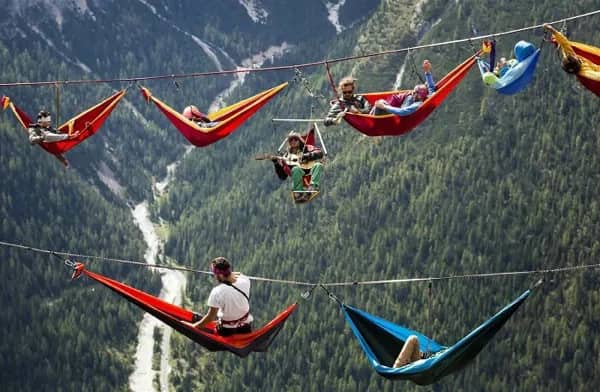
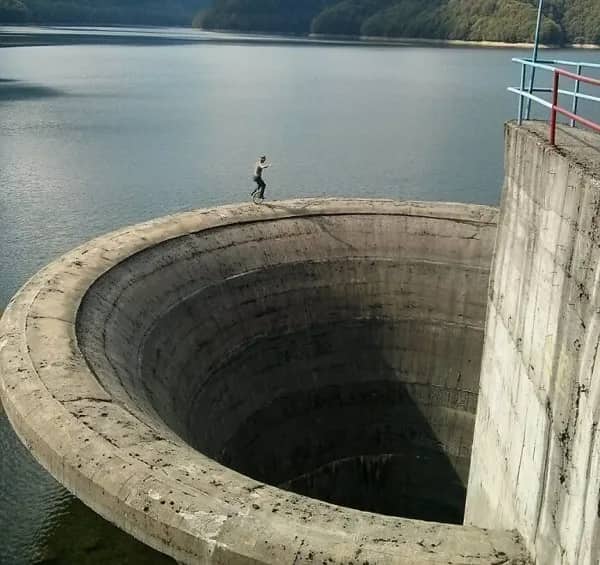
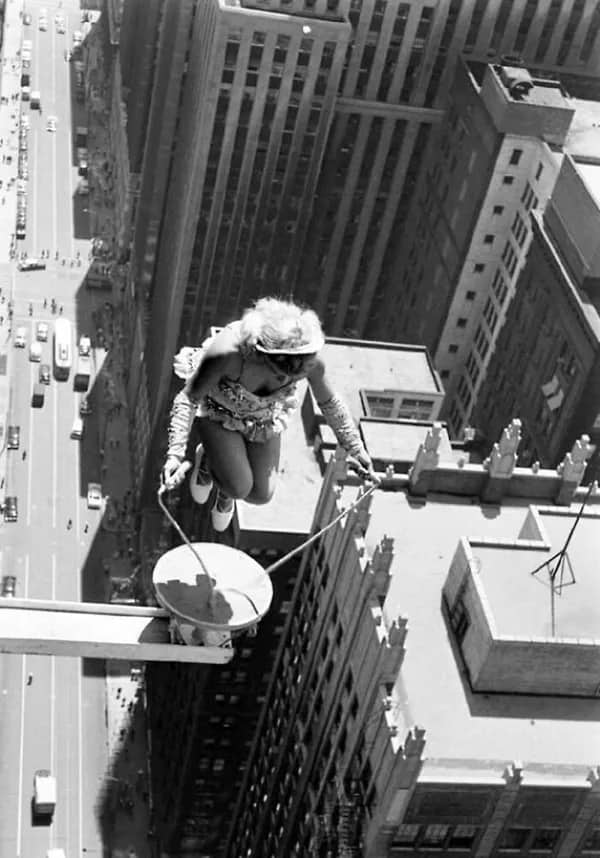
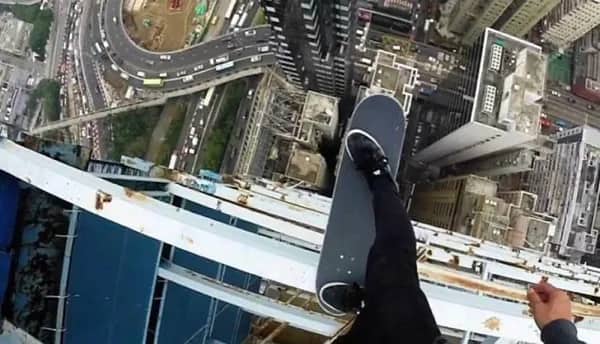
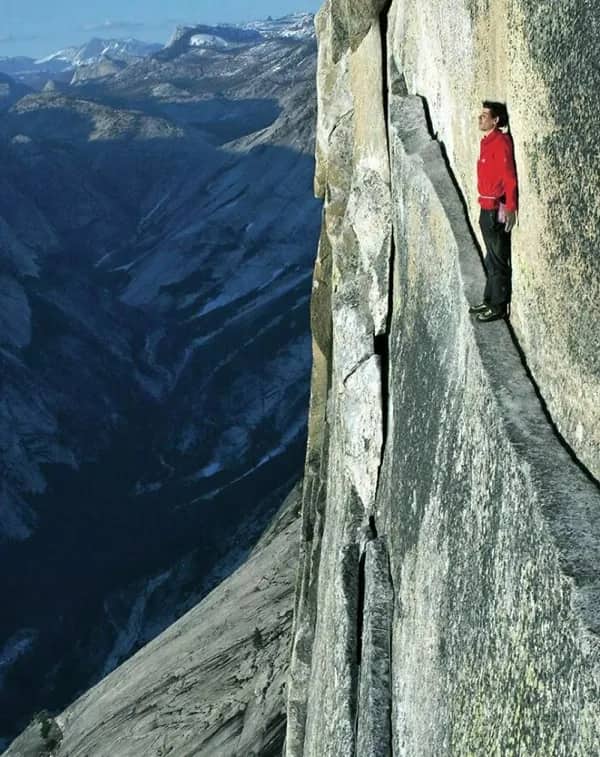
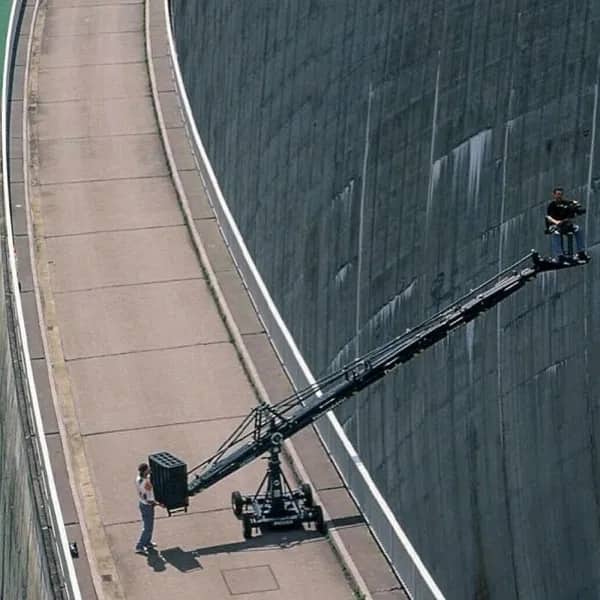
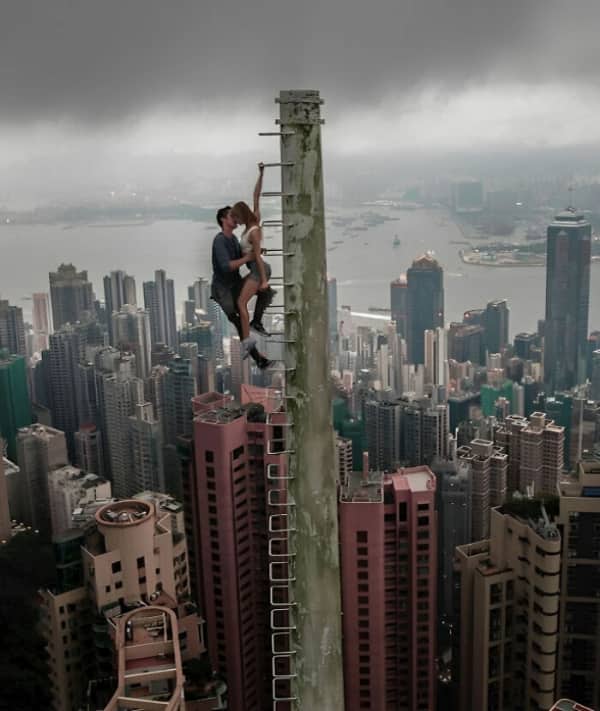
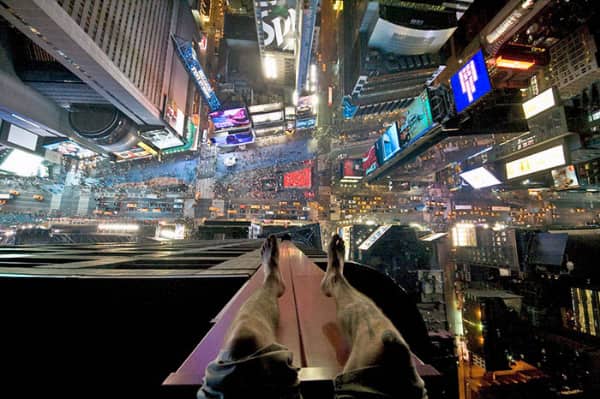
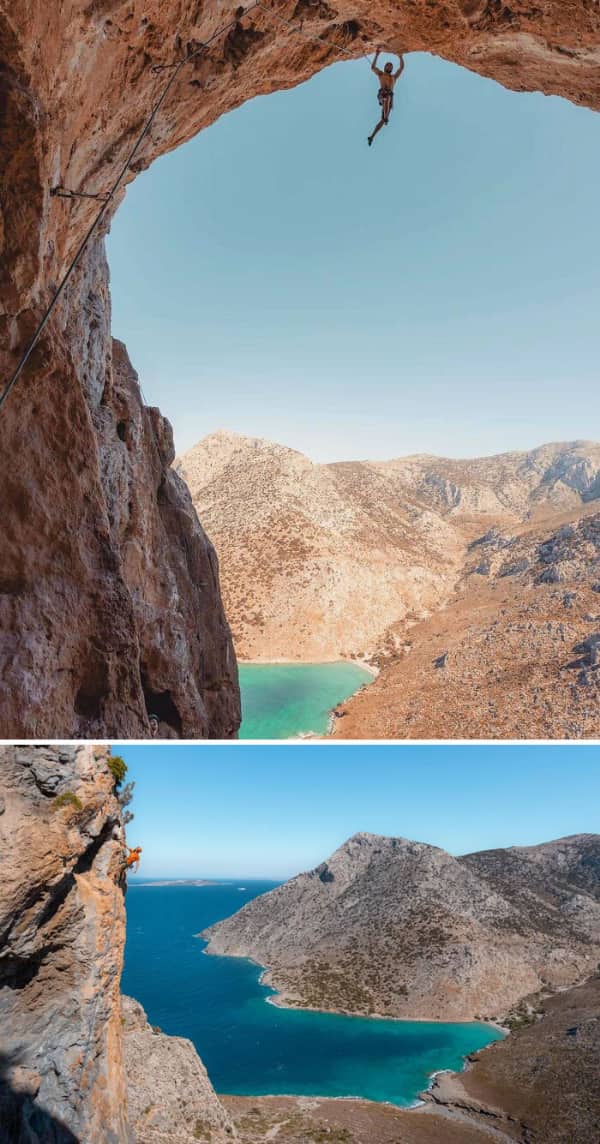
A couple is suspended on a portable ledge attached to the side of a cliff, hundreds of feet above the ground, and they appear to be relaxing. Eating snacks. Having a moment. These afraid of height pics are doing more damage to my nervous system than a haunted house, and I’m just looking at them on a couch. Unicycles on dam edges are in here. Aerial silk over snowy mountains. The boots-pointing-down photo that triggers a falling sensation just by existing. Hold something solid.
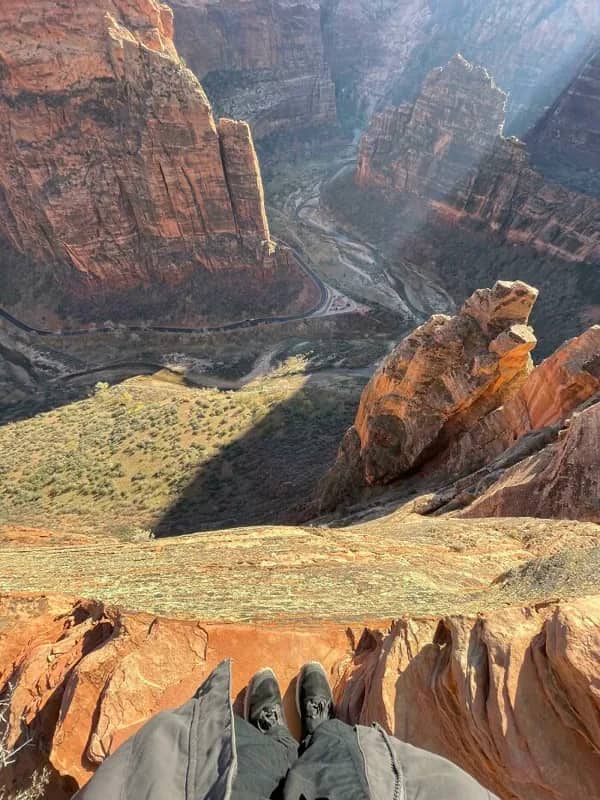
I hope those boots are non-slip.
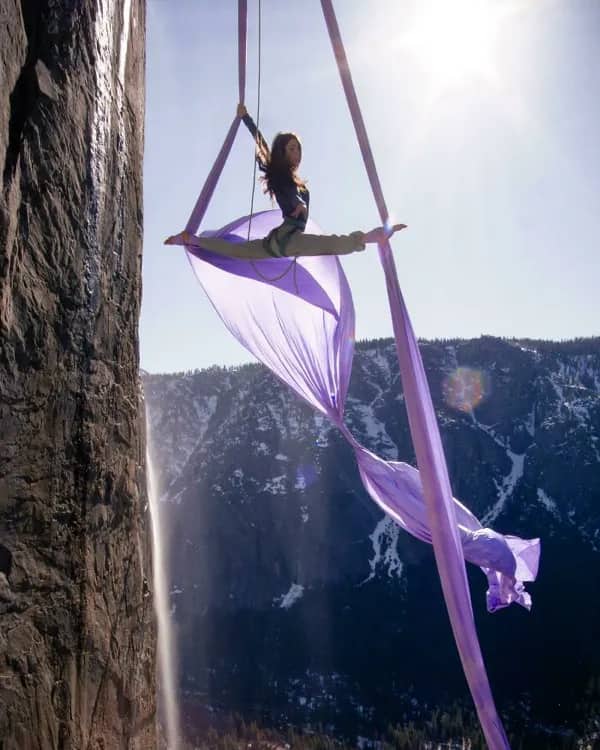
No, I won't be joining you for this "nature walk."
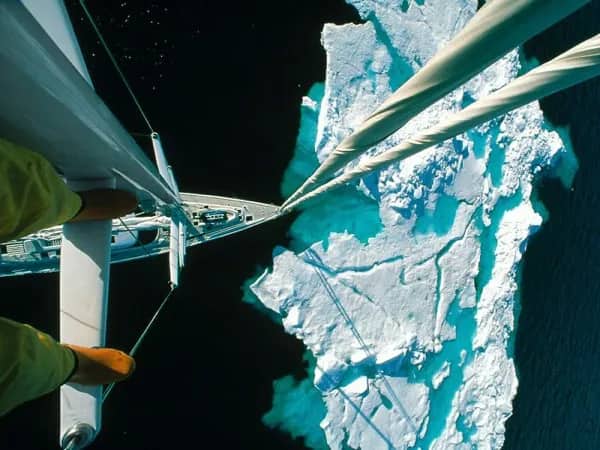
Boats and ice don't mix. We have whole movie about it.
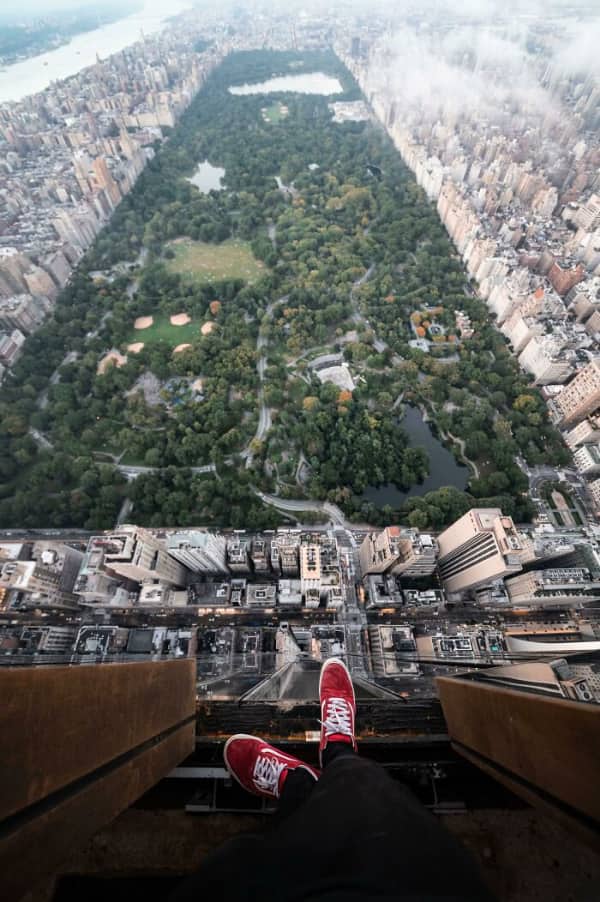
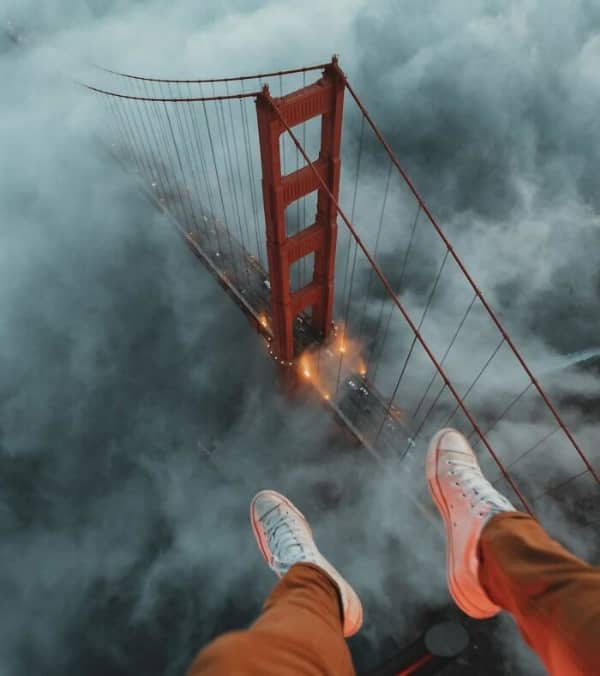

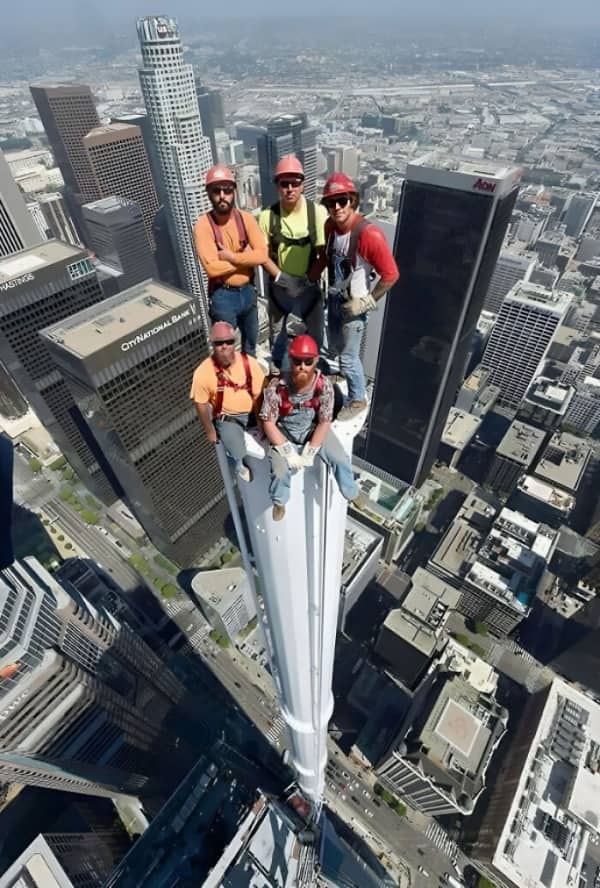
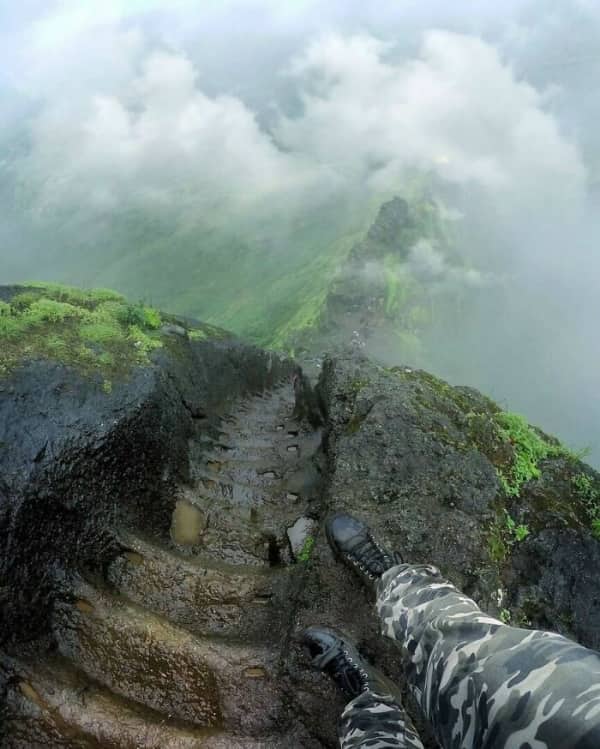
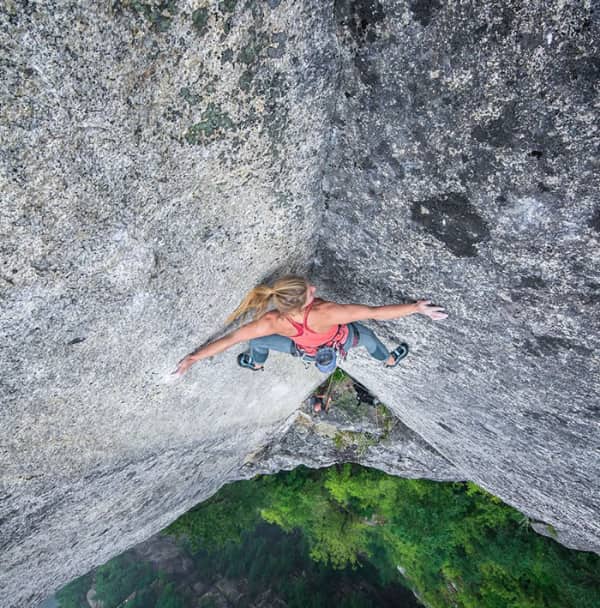
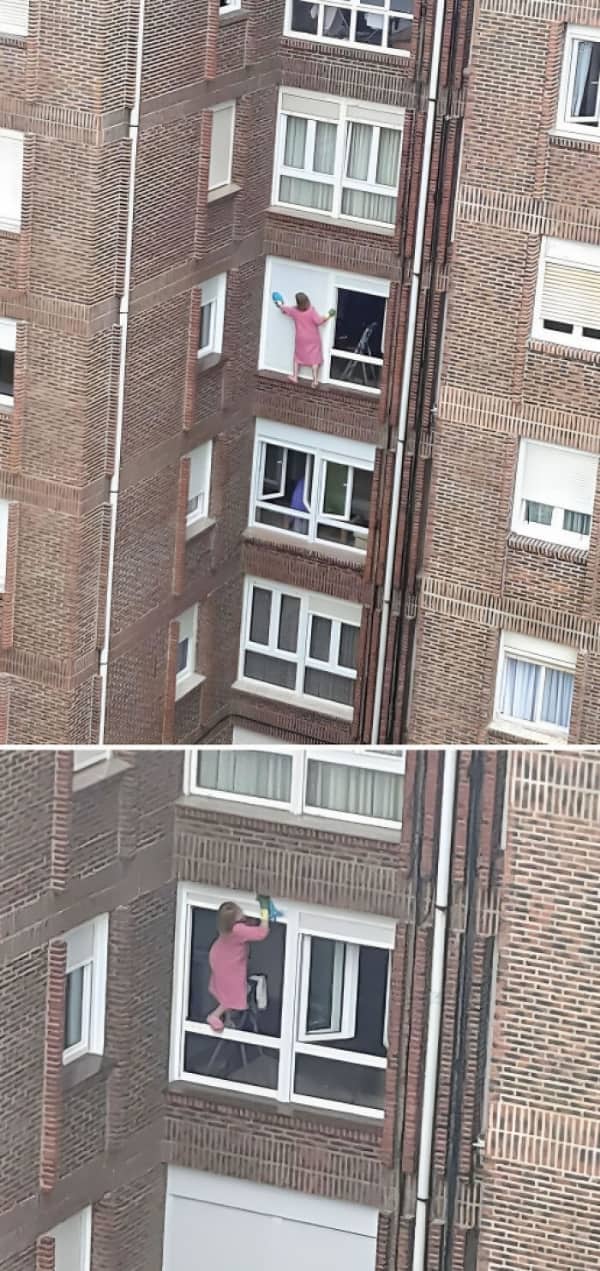
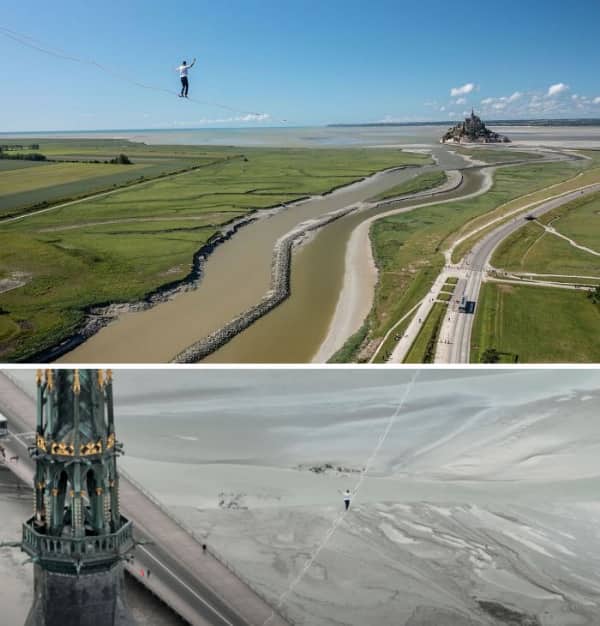
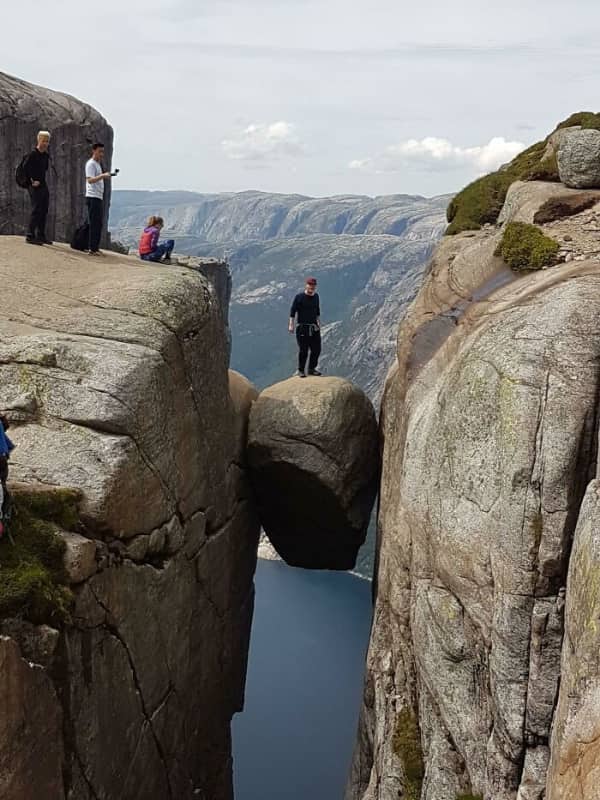



Afraid of height pic
Read More
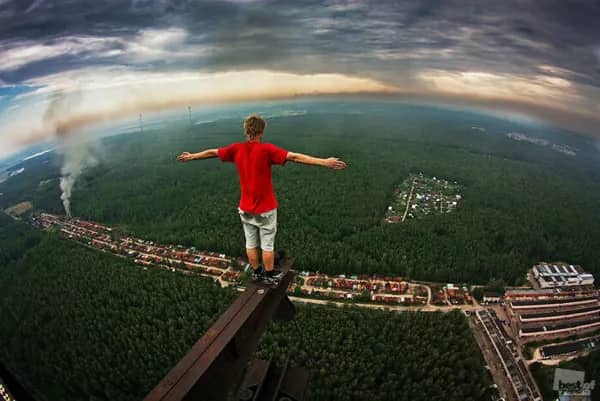
There’s a small subset of the population that genuinely seeks out heights for fun, and that subset has access to better cameras and more social media reach than the rest of us. The result is that a normal afternoon scroll can now deliver a first-person view from the top of a cliff or the cab of a swaying mountain bike, and your inner ear has to file a complaint with no recourse. The dizzy photos that fill galleries like this are doing actual physiological work on people who never agreed to be participants.
What’s specifically interesting about the genre is how unevenly it affects viewers. People who are not afraid of heights look at this content and see beautiful scenery. People who are afraid of heights look at the same content and have a small biological event. The scary photos genre divides the population into two groups instantly, and the scrolling differential between them is dramatic. One person sends it laughing. The other person quietly closes the tab and goes to lie down.
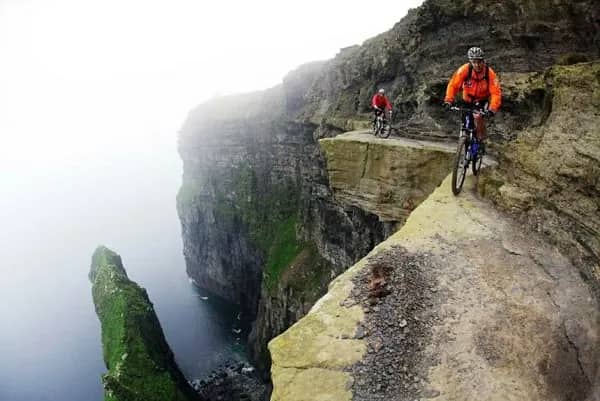
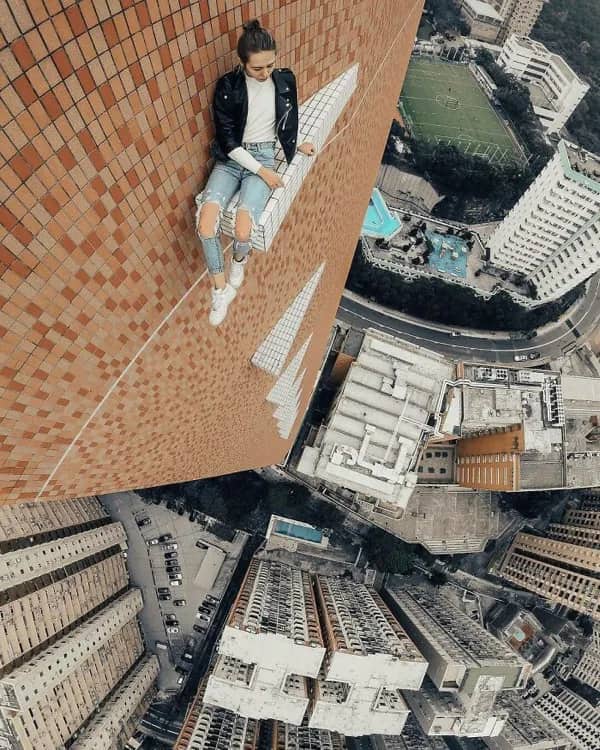
The other thing the genre captures is how the people in these photos seem to have, somehow, made peace with conditions that the rest of us cannot mentally model. Sitting on a ledge with your legs dangling thousands of feet above a city is not a casual activity. Riding a bike along a six-inch coastal cliff path is, structurally, a thing that should require professional certification. And yet, the high places photos that surface online keep showing people who have decided that this is just what they do on a Tuesday, and they appear to be smiling.
There’s also the small recurring detail that almost all of these photos seem to involve at least one person who is photographing the situation calmly. Somebody, in every image, is the photographer. That person is also up there. The ledge photos in this gallery are essentially evidence that an entire support ecosystem of fellow daredevils exists, taking each other’s pictures, having genuinely no concerns about the long fall just out of frame.
The broader thing this gallery surfaces, beyond the obvious vertigo, is the dramatic divide between people who experience risk as exhilarating and people who experience risk as terrible. The two groups are not separated by training or wisdom. They’re separated, mostly, by genetics, by early experiences, and by the specific wiring of the inner ear. The fearless ones cannot really explain to the fearful ones what’s so great about being on a cliff. The fearful ones cannot really explain to the fearless ones why the cliff is, structurally, a no.
There’s also a small philosophical layer to the genre that’s worth acknowledging. Humans are not really built for heights. Our brains have, over hundreds of thousands of years, developed a fairly accurate alarm system for high places, because the species members who ignored that alarm system tended to die before passing on their genes. The people in these photos are, in effect, overriding millions of years of inherited caution, and the rest of us are watching with the corresponding millions of years of inherited concern.
What’s strange about the way we consume this content is that we keep scrolling anyway. The brain says no. The thumb says yes. We tour the cliffs from the safety of our beds, and the experience is genuinely thrilling, in a small way, even though we’d never replicate it in person. The high adrenaline photos are doing a kind of work that no other genre quite does, which is letting us experience a tiny version of the daredevil’s high without leaving the ground. The cliff stays out there. We stay here. The compromise is acceptable.
If the vicarious vertigo was your kind of fun, broader extreme sports photo galleries cover this exact terrain, terrifying viewpoint compilations carry similar energy, and general “no thanks, but go off” content keeps the supply moving. Stay grounded. Literally.
Read Memes
Get Paid


Laura Bennett has spent eight years immersed in internet culture, specializing in deep dives into meme origins, evolving meme trends, and digital subcultures. As a contributor for several prominent online platforms, including BuzzFeed’s meme division and Know Your Meme, she’s written extensively about viral moments from Crying Jordan to Woman Yelling at a Cat. Laura believes memes aren't just internet jokes—they're modern-day folklore. She brings that passion to Thunder Dungeon by keeping readers connected to what's culturally significant, hilarious, and timelessly viral.