
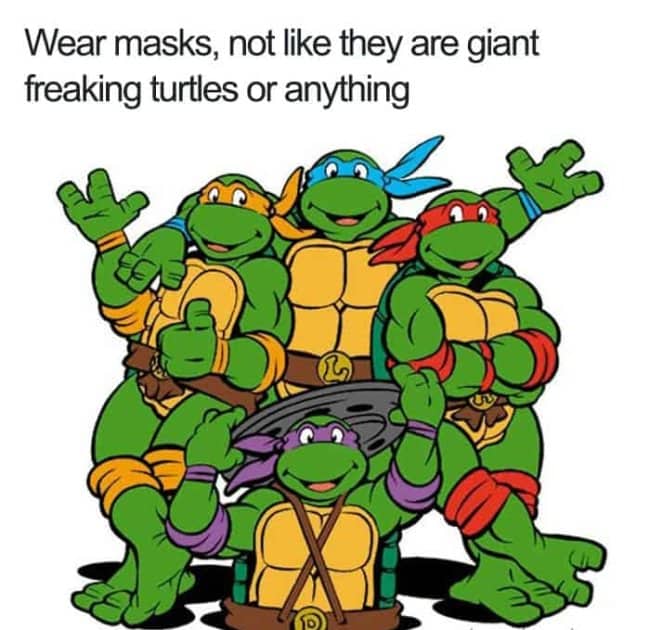
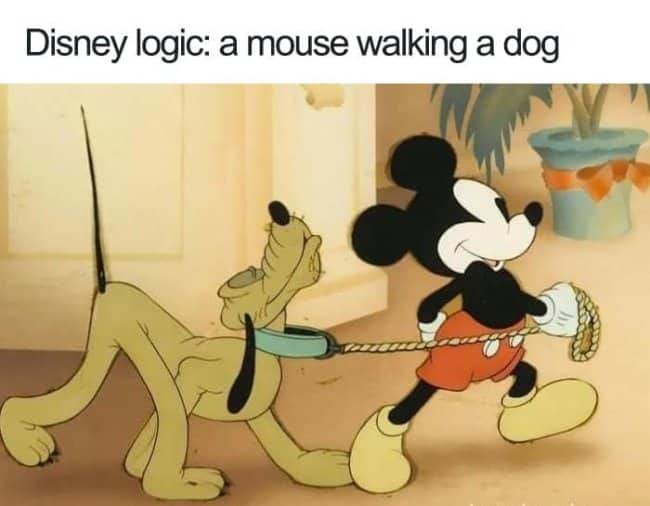
A mouse is walking a dog on a leash, and we all accepted this as normal for several decades. Both of them wear clothes only sometimes. One of them speaks. The other is named Pluto. Nobody at Disney has ever been forced to explain the species hierarchy at play here, and the answer probably should not be looked at too closely. These cartoon logic moments are the ones that ruined our childhoods retroactively, and the receipts are everywhere. The aardvark is wearing headphones on his head, somehow. The turtles are wearing masks like that’s a disguise. Let’s spiral.
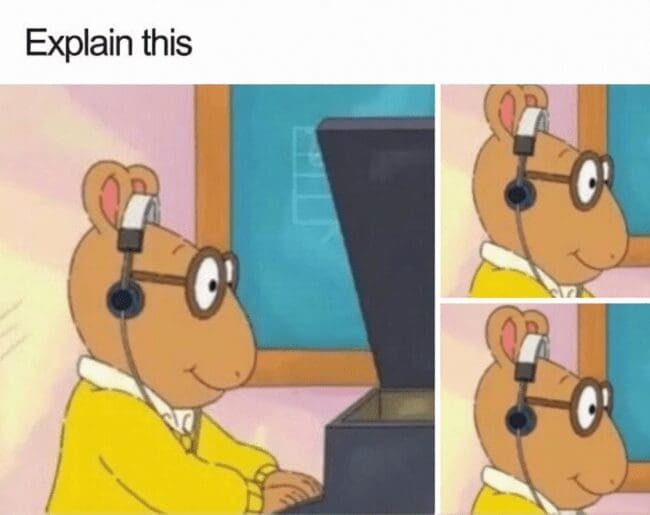
The "pretending to listen in an online meeting" starter pack.
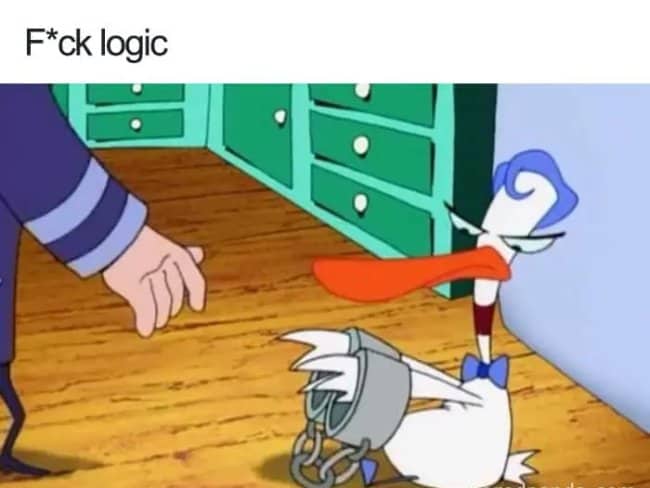
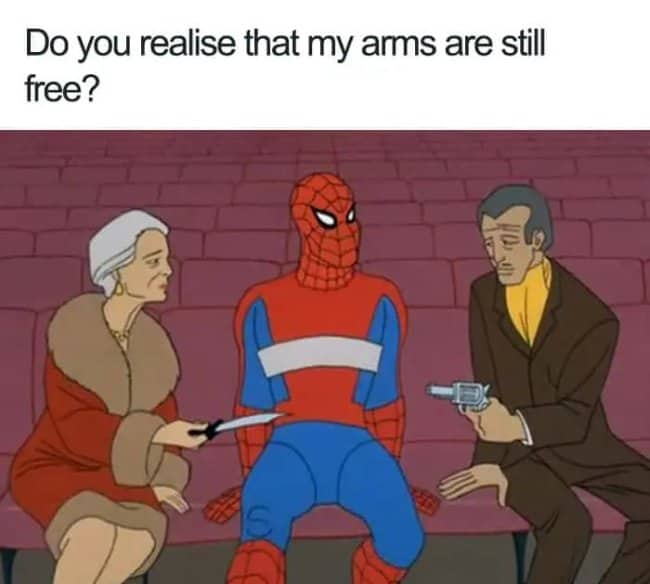
These handcuffs are looser than my morals.
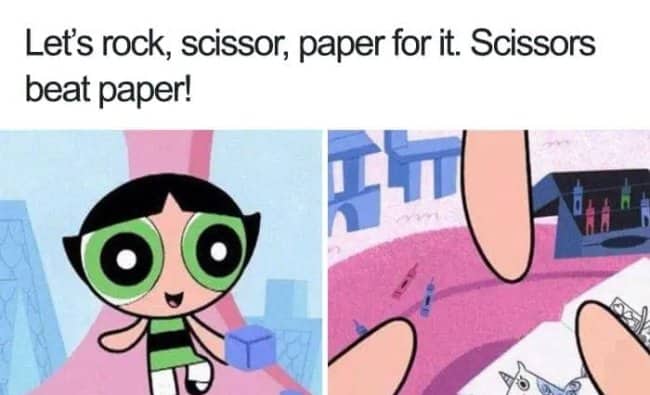
Spoiler alert: Rock wins. Every. Single. Time.
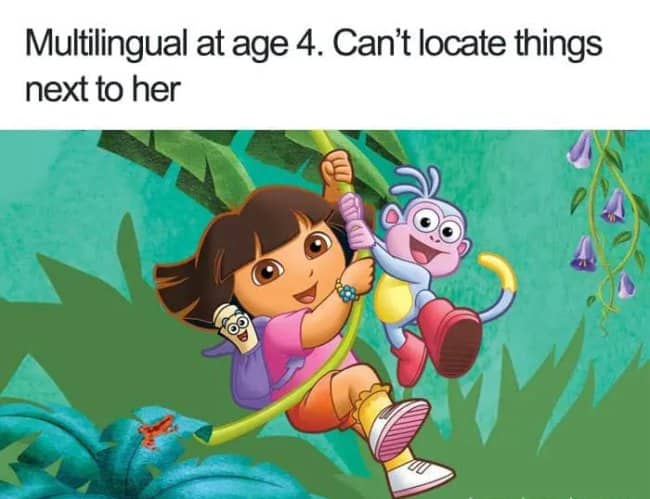
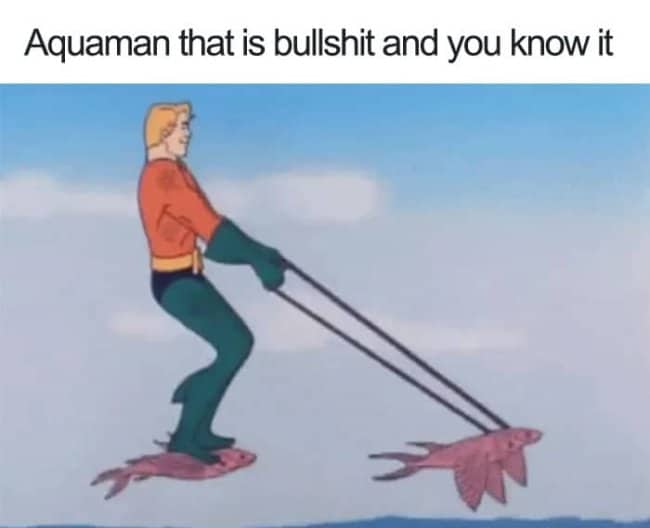
Forget a jet ski; I've got two tuna and an existential crisis.
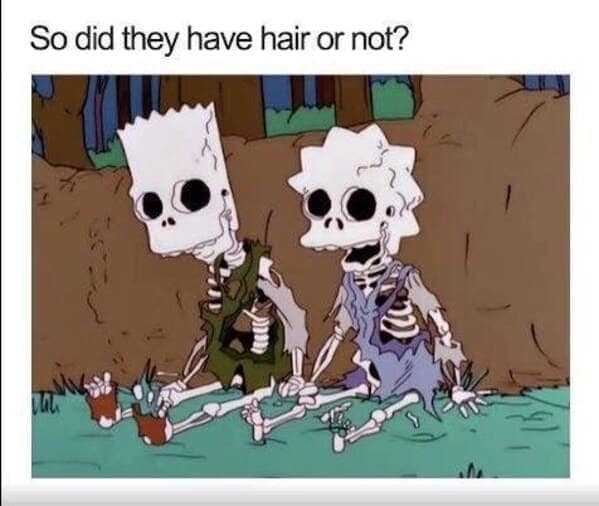
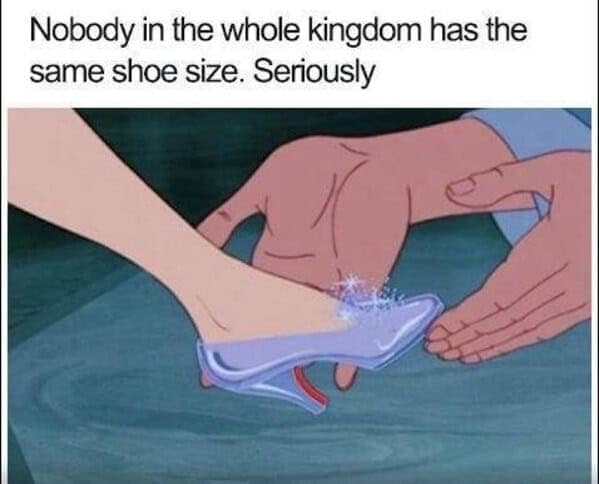
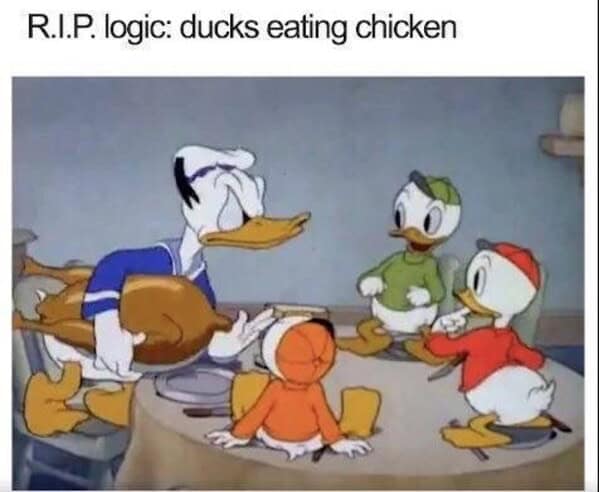
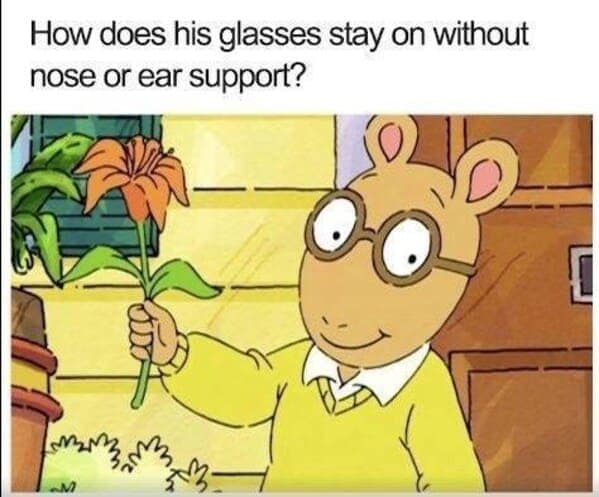
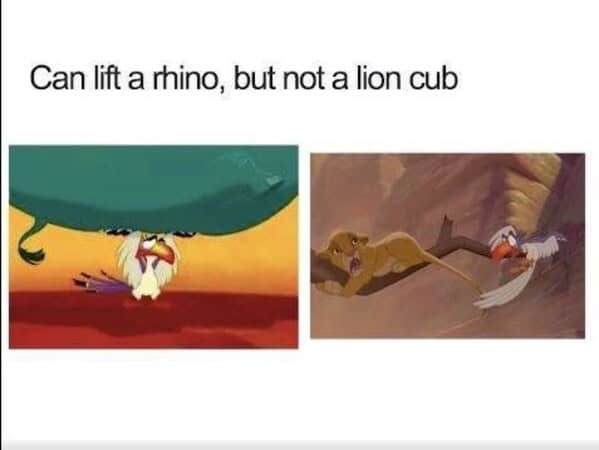
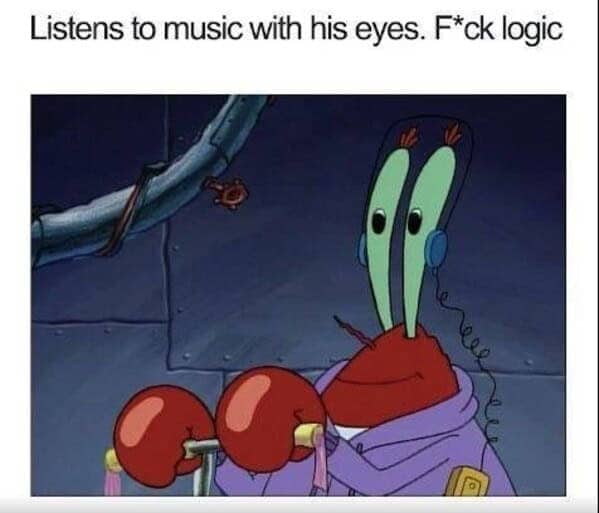
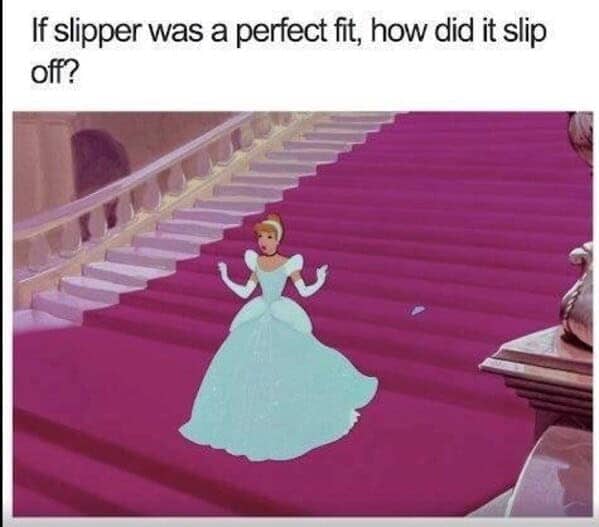

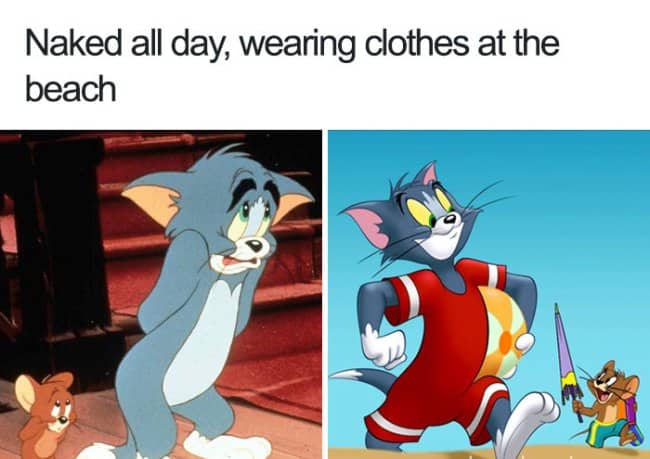
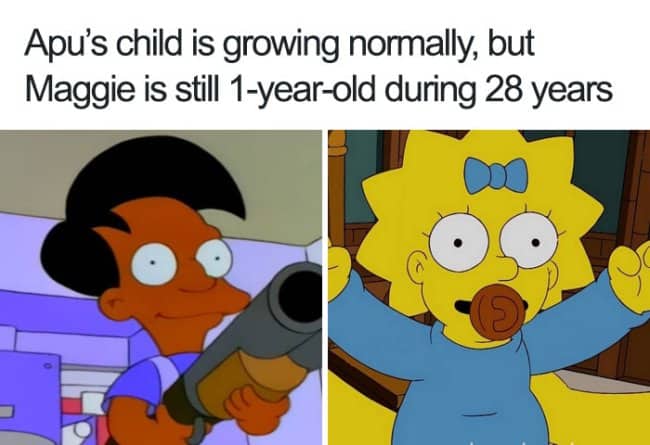
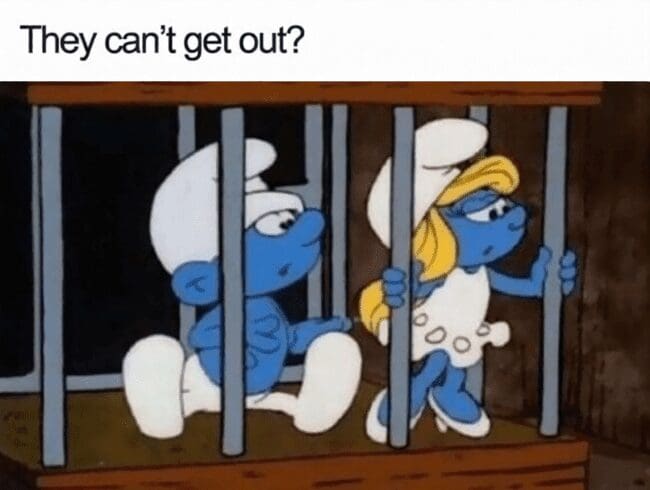
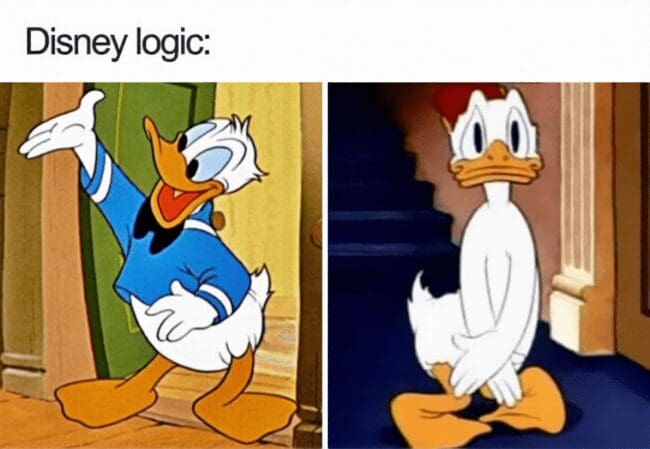

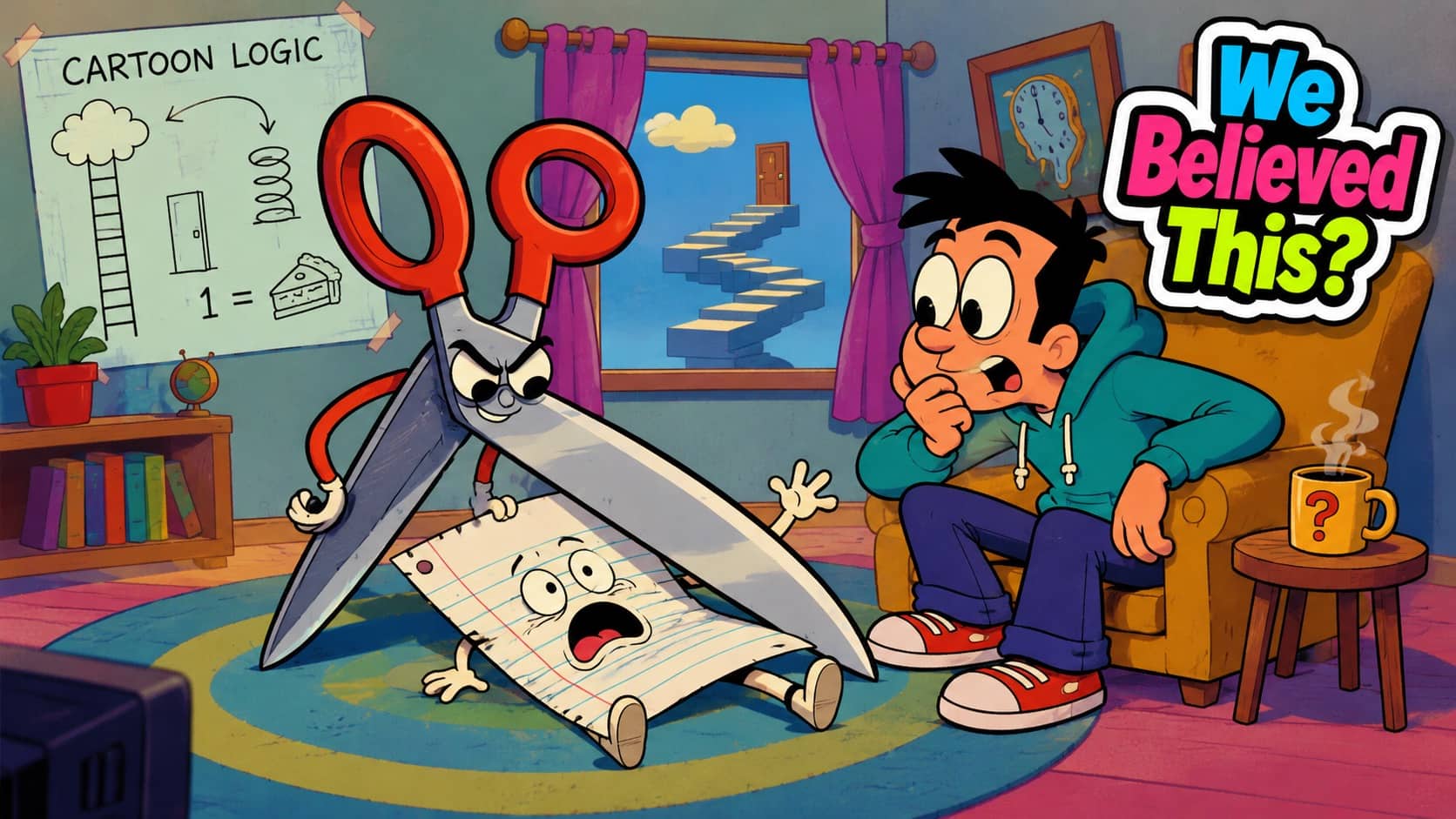
Cartoon logic
Read More
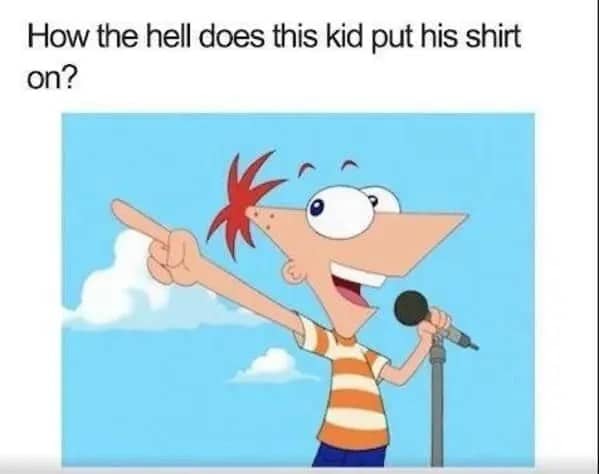
The thing about kids’ shows is that they’re working with a viewer who hasn’t yet developed an adult sense of physical or biological reality, which is, structurally, the only audience that would accept any of this. A six-year-old does not stop to wonder why a four-year-old explorer is bilingual but can’t see the giant talking map directly in her line of sight. A six-year-old does not ask why the masks on the Teenage Mutant Ninja Turtles do anything to conceal their identity, given that they are, undeniably, four giant green turtles. The funny cartoon plot holes that fill this gallery are essentially the result of writers operating on the assumption that nobody would ever rewatch this as an adult and start taking notes.
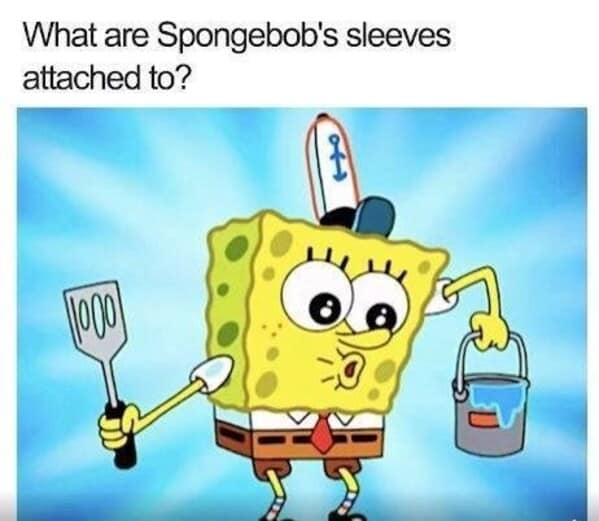
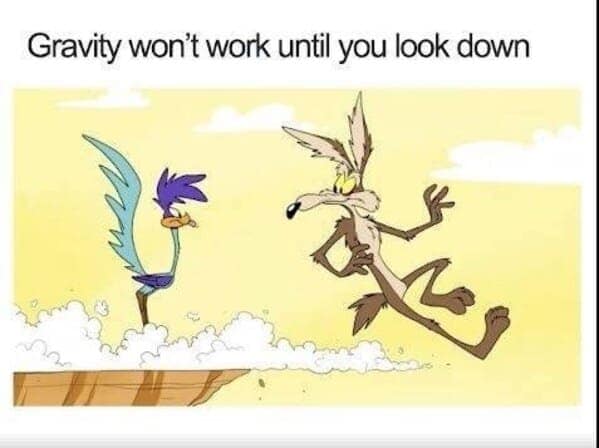
What’s quietly upsetting is how much of our pop-culture infrastructure was built on stuff that genuinely does not survive a second viewing. Whole generations were raised on shows where wardrobes are non-Euclidean, where physics is optional, where the family pet is sometimes a person and sometimes a quadruped depending on which character is being introduced. The childhood cartoon plot holes that surface online now are essentially a national therapy session, where adults compare notes and realize that yes, the things they accepted as kids were, in fact, deranged.
The Disney logic loop is its own special territory. There’s an entire economy built around the question of which animals are people, which animals are pets, and how the line is drawn. Mickey gets a leash and a closet. Goofy gets a mortgage and a son. Pluto gets a bowl on the floor. The internal consistency, if you can call it that, has been the subject of academic papers and online flame wars for thirty years, and Disney has wisely chosen to never address it. The cartoon inconsistencies in this gallery survive because the alternative, explaining them, would only make things worse.
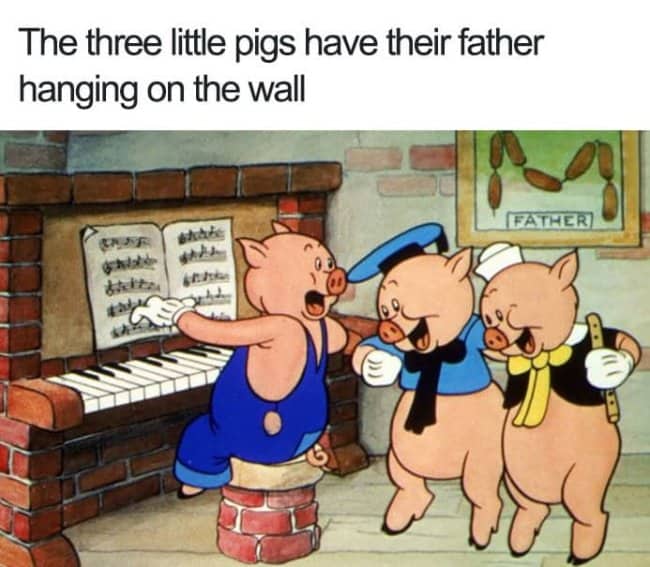
And then there’s the deeply unsettling category of plot holes that, once spotted, never leave you. The framed sausages on the wall of the Three Little Pigs household. The animal cartoon logic where carnivorous animals befriend animals that are, technically, their food. Once these connections form in your brain, the shows are never quite the same. The nostalgia is intact. The trust is gone.
What’s strangely comforting about a gallery like this is the universal recognition that we were all watching the same nonsense and we all just absorbed it without question. Nobody was a particularly sharp kid. Nobody noticed that the rules were broken. We all sat there, eating cereal, fully invested in the emotional journey of characters whose existence violated several laws of biology, and we did not ask follow-up questions because the cereal was good and the theme song was catchy.
That capacity for uncritical acceptance fades, mostly, somewhere in the teenage years, and never quite comes back. Adulthood is partly defined by the inability to watch a show about a mouse with a pet dog without your brain immediately filing several complaints. The cartoons we loved as kids stayed exactly where they were. We’re the ones who moved. The gap between then and now is what these galleries are documenting, and the gap is funny because the gap is permanent.
There’s also a small note of admiration to be paid to the animators and writers who built these worlds. They were not trying to satisfy adult logic. They were trying to entertain children. The fact that the entertainment held up well enough that adults are still circling back to dissect the plot holes is, in its own backhanded way, a compliment. The shows were so good that we kept thinking about them. The thinking eventually led us here. Pluto is still on a leash. Mickey still has not been questioned.
If the nostalgic dismantling was your kind of fun, broader 90s cartoon humor lives in this exact corner, childhood TV nostalgia galleries cover similar ground, and general “things I noticed as an adult” compilations are where the related material keeps multiplying. Watch carefully. The plot holes are everywhere.
Read Memes
Get Paid


Priya Coleman is a viral content specialist and meme analyst with over six years in digital publishing. Her past roles include viral content editor for PopSugar's humor vertical and meme correspondent for HuffPost’s comedy section. Priya specializes in spotting trending meme moments just before they peak—like the chaotic delight of the Ever Given’s Suez Canal mishap or the existential comedy of This is Fine. She brings her sharp wit and instinctive knack for viral content to Thunder Dungeon, always keeping the community a step ahead of the latest meme craze.