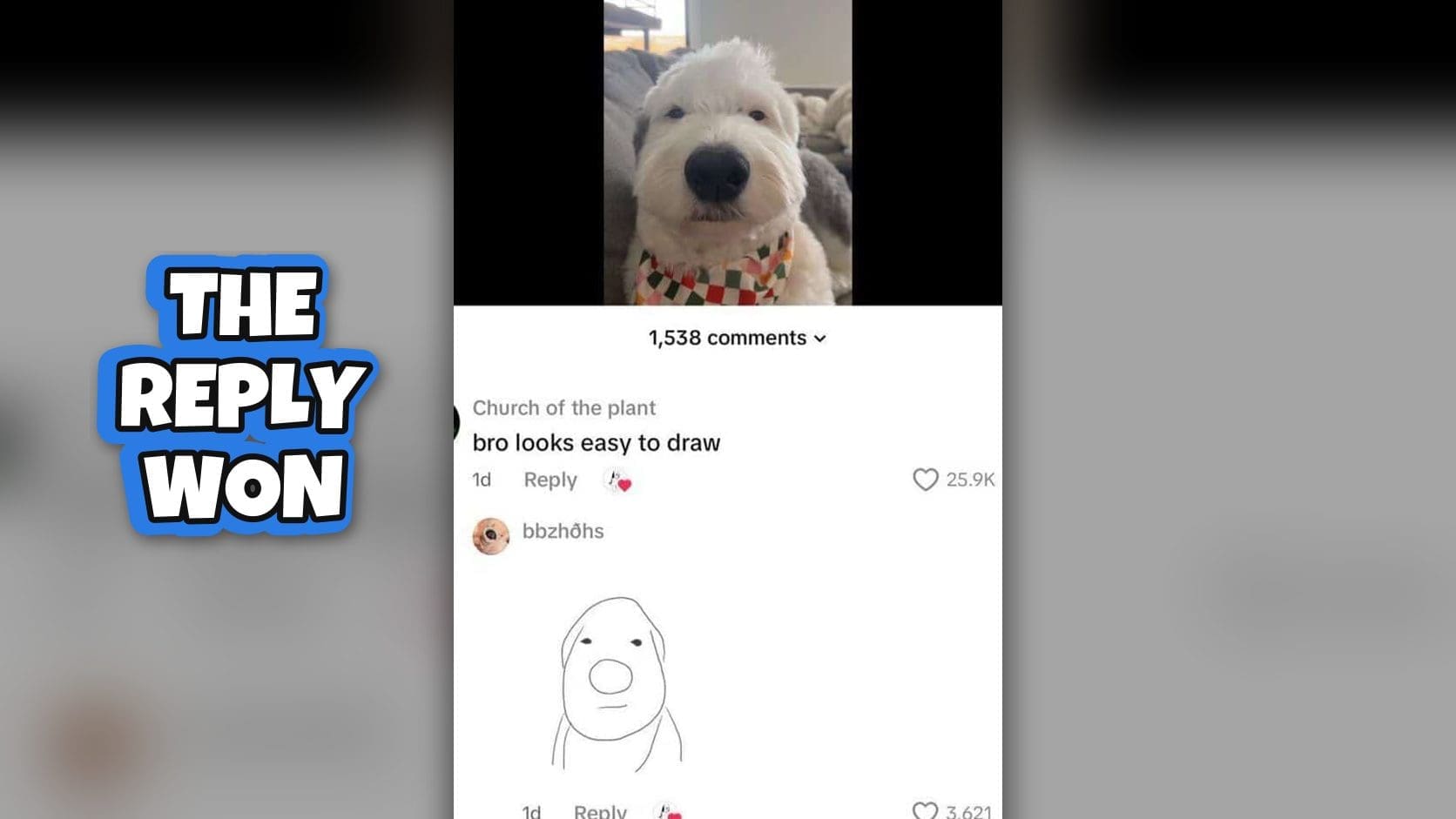
Kash Patel memes have been following me around all week like a push notification I can’t mute: one part “why does he look like that,” one part “why is he in the news again,” and one part the internet doing what it always does when a public figure keeps serving accidental reaction faces. The headlines are serious. The meme coverage is basically a museum exhibit on googly eyes, lawsuits, and the internet’s new hobby of fact-checking in public.

The thing about this meme cycle is it doesn’t need a complicated origin story. It has a face. A stare. The kind of expression that works for every caption from “me remembering I left the stove on” to “me realizing I’m the one who sent that email.”

Kash Patel Memes: The Googly-Eye Aesthetic Became A Whole Genre
The “googly eyes” bit isn’t really about politics. It’s about visual shorthand. Patel’s on-camera expressions have that wide, locked-in intensity that people can remix into anything: shock, confusion, caffeine, guilt, sudden self-awareness. The internet loves a reusable reaction face, and this one comes preloaded.
Then the edits started. Once a face becomes a format, creators immediately begin stretching it, flattening it, and re-sculpting it like it’s a character creator slider that got stuck on “widen.”

And because meme culture can never stop at “he looks funny,” it escalates into comparisons. The classic “separated at birth” template showed up for obvious reasons, because if you can find an animal with the same stare, you are legally required to post it.


Now the stare isn’t just a stare. It’s a creature. It’s a species. It’s a mood you can paste onto any news cycle.

The Lawsuit Discourse That Immediately Became A Punchline
A big accelerant for Kash Patel memes has been the very public defamation lawsuit he filed against a major magazine, seeking a huge amount of money over claims about him — including allegations around alcohol. Lawsuits are supposed to control a narrative. Online, they tend to do the opposite: they hand the internet a neat, dramatic framework to parody.
The meme version is ruthless because it’s clean: “Exhibit A” vs “the reason you’re suing.” Two panels, one eyebrow raise, done.

Then came the one-liner-style memes that summarize the whole controversy with one devastating joke. It’s the kind of line people quote-tweet because it’s short, mean, and efficient — like a tiny legal brief written by a stand-up comic.
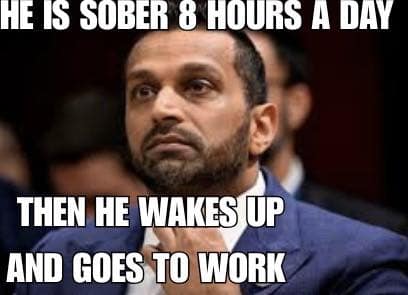
Why it matters: public figures try to manage perception through official statements and legal moves, but the internet grades vibes. If the vibe is “this is unintentionally funny,” the memes win on speed alone.
The Hack Story And Why Everyone Went “Try Password”
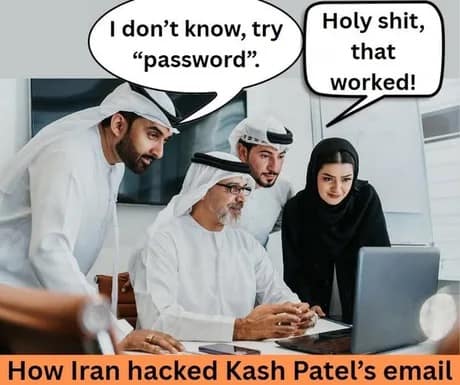
The hacking angle pushed this into classic internet territory: “powerful person + email problems = comedy.” You don’t even need details for the jokes to start, because the template writes itself.
First comes the “how did they hack it” meme. Then comes “it was literally password.” It’s not even sophisticated humor — it’s workplace humor with geopolitics stapled on top.
Community Notes: The Natural Predator Of The Political Post
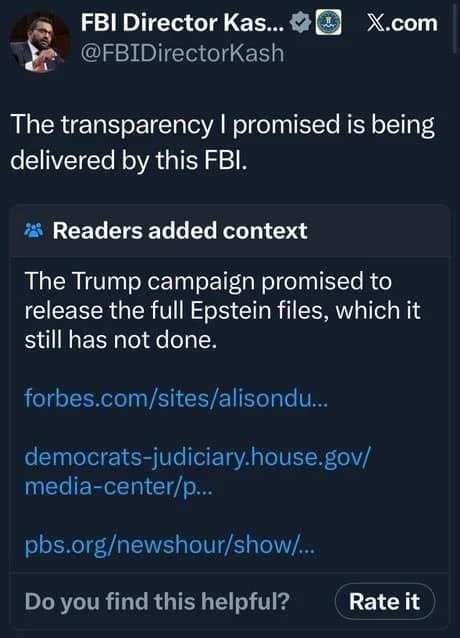
The other major lane is accountability comedy: when a big political account posts about “transparency,” and a Community Notes-style context box shows up like a bouncer with receipts.
That’s where a lot of the newer Kash Patel memes live — not in the face edits, but in the platform mechanics turning every grand claim into a self-own. If you’ve ever wanted to watch the internet heckle in real time, this is the cleanest format for it.

The Uncle Sam Poster, But With Crossed Wires
Once you’ve got a meme face, you eventually get the propaganda poster remix. The “I want you” parody works perfectly here because the joke is literally about not knowing where to look — the eyes, the pointing, the confusion. It’s visual slapstick dressed up like civic duty.

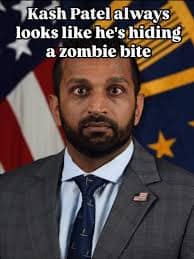
And finally, because meme culture loves a neat bow, someone combined the “googly eyes” obsession with the most infamous modern political subplot imaginable, turning it into a fake “study” headline. It’s gross, it’s snarky, and it’s exactly how the internet processes political news: by turning it into a weird infomercial for cynicism.

If you want more of this specific genre — politics but make it meme anthropology — enjoy more on Thunder Dungeon: Trump Memes That Took Over The Timeline, Pam Bondi Discourse Memes That Ate The News, and JD Vance Meme Moments That Felt Like A Body Slam.
Alex Thompson writes about internet culture like it’s a competitive sport, but respects any meme that turns one stare into a universal emotion.
Read Memes
Get Paid


Alex Thompson has been chronicling internet culture and meme phenomena for nearly seven years. Starting at CollegeHumor and later becoming lead meme editor at Mashable, Alex has covered everything from vintage internet memes like Rickrolling to recent viral events such as Corn Kid and Grimace Shake. With a keen eye for what connects and entertains digital audiences, Alex writes with humor, relatability, and deep knowledge of online culture. At Thunder Dungeon, Alex is the go-to source for meme analysis, viral breakdowns, and internet nostalgia.