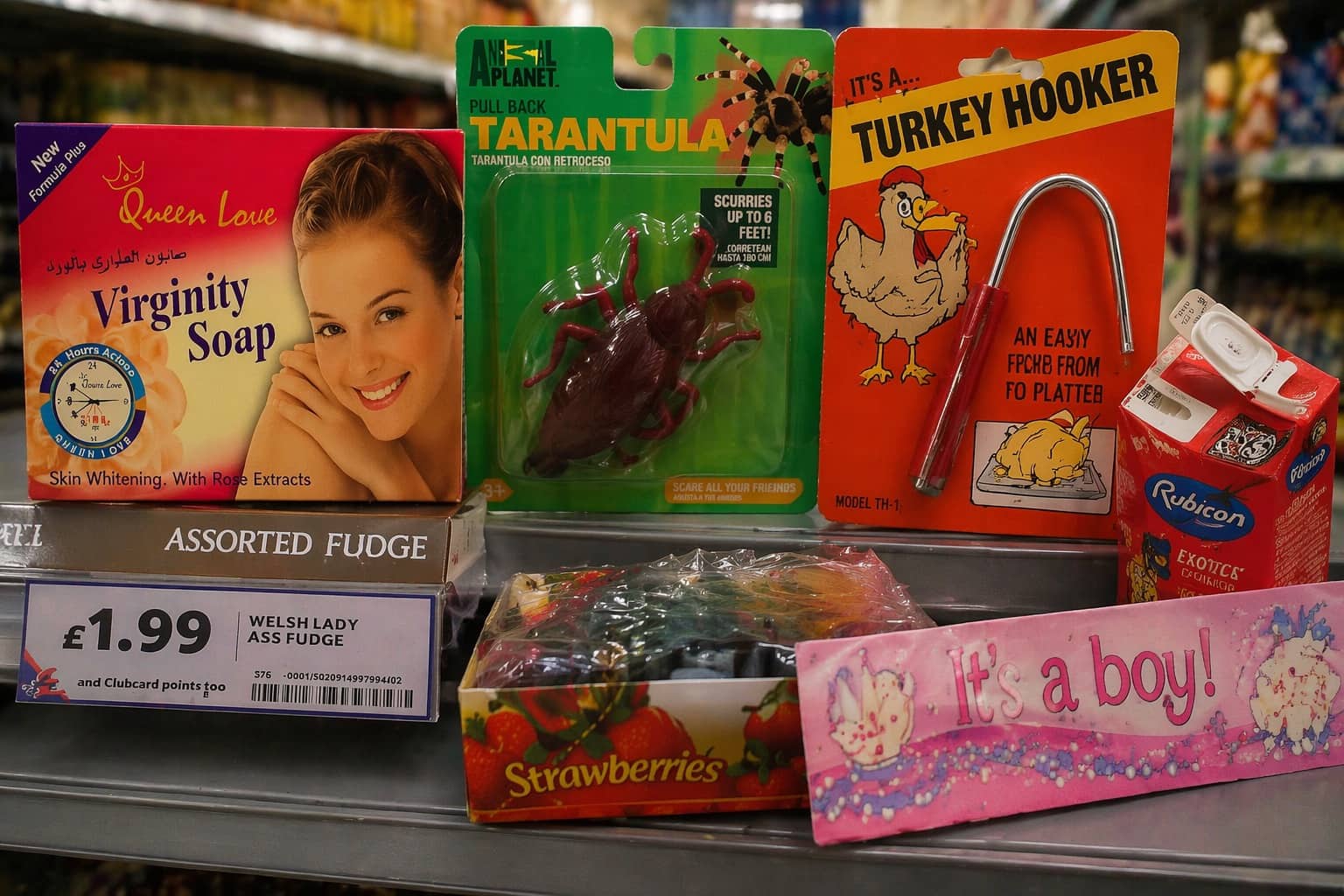

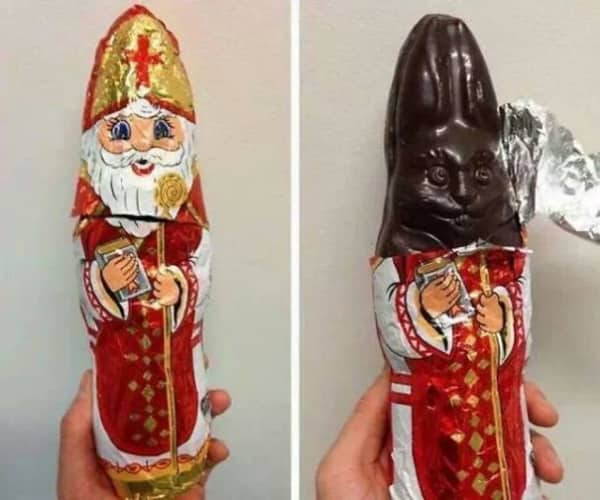
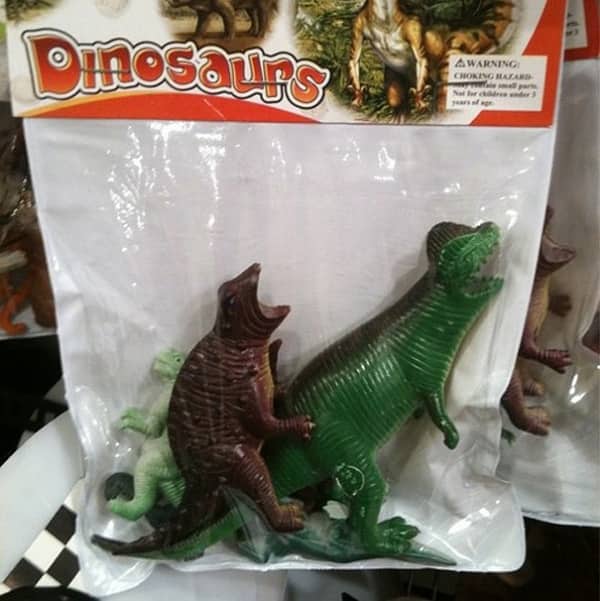
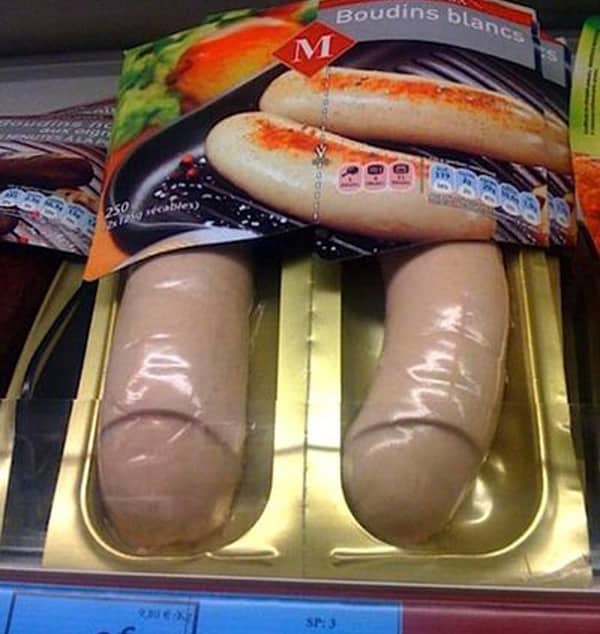
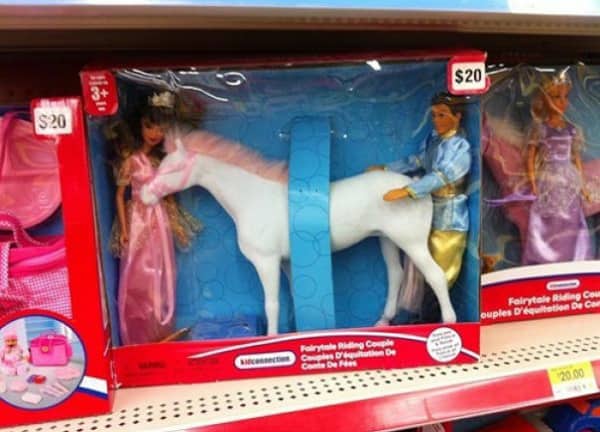
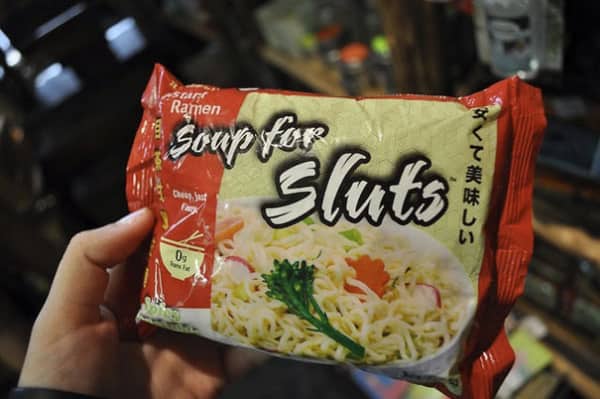
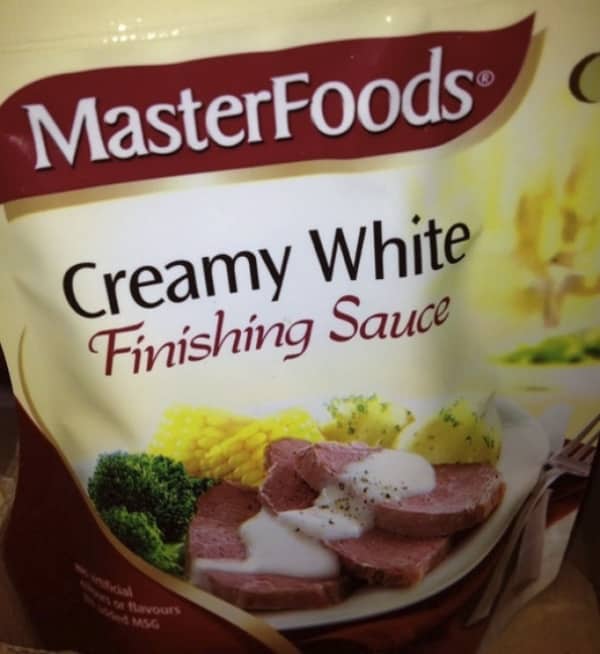
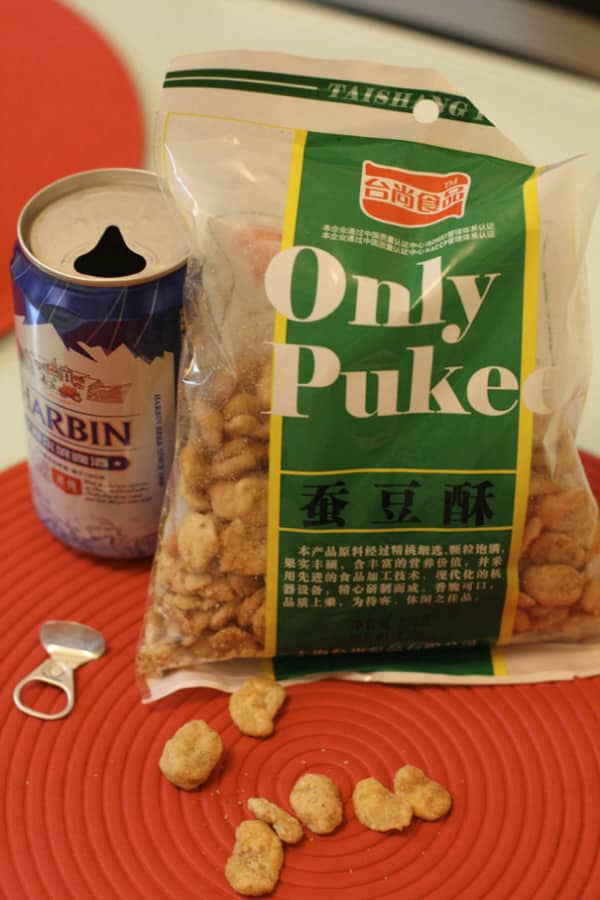
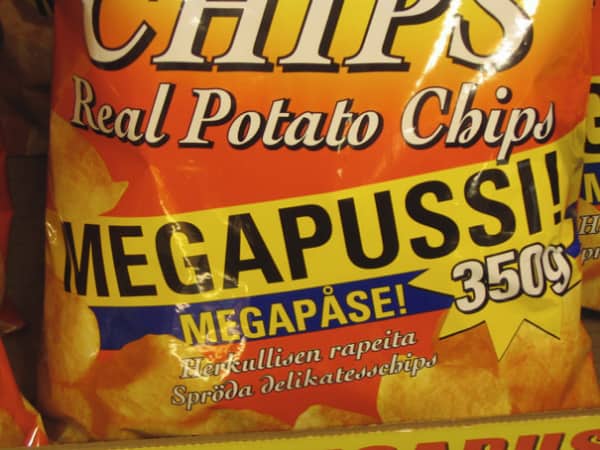
Behind every packaged product is a designer, a copywriter, a product manager, an approval chain, and apparently a collective agreement that nobody would read the label out loud before printing. Unfortunate packaging fails are not the result of one person’s error. They are the result of a process that had multiple checkpoints, and at each checkpoint, the person responsible looked at what was in front of them and decided it was fine. These twenty-seven images are the physical evidence of those decisions, arranged in a gallery that serves as both a monument to institutional confidence and a practical argument for a second read before the print run.
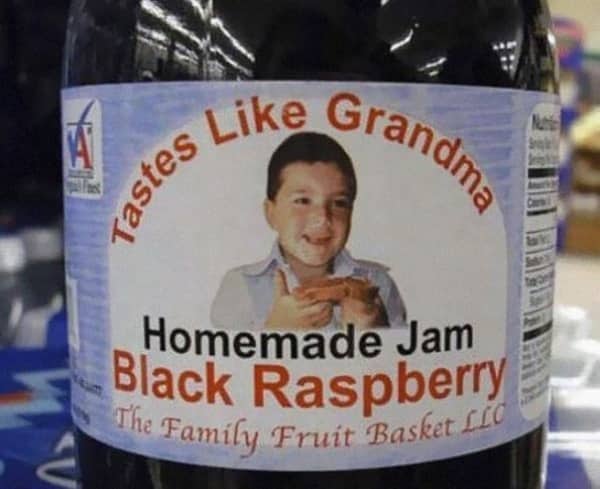
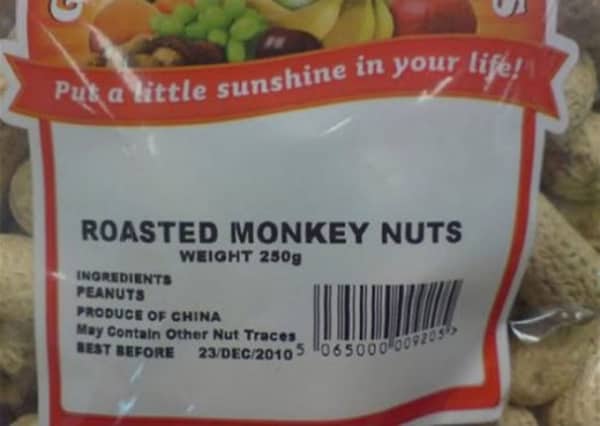
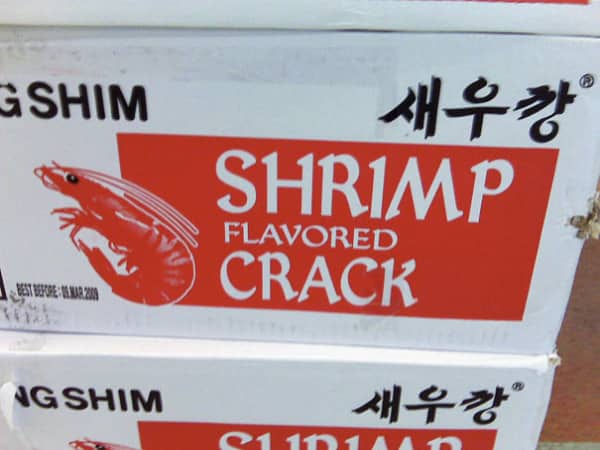
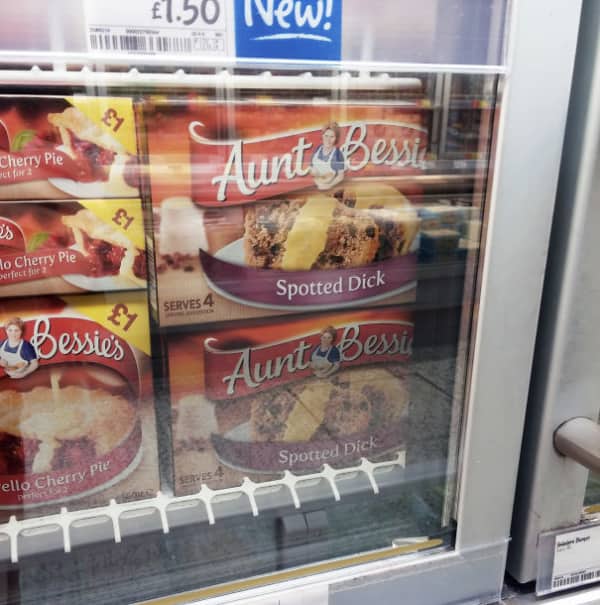
Unfortunate packaging
Read More
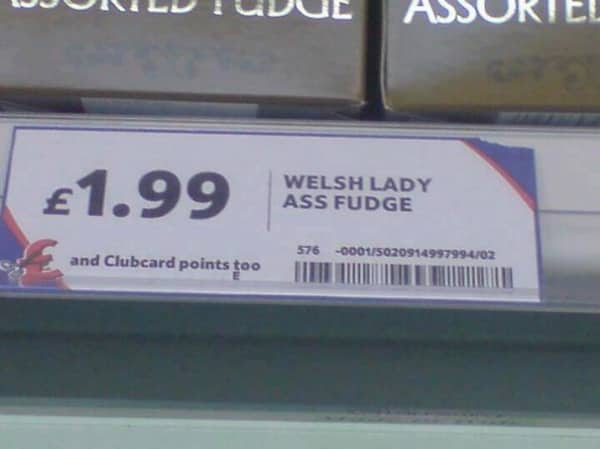
Funny product label fails earn their place in the documentation record because they require a sequence of events that is, on reflection, remarkable. The Welsh Lady Ass Fudge did not name itself. Someone named it, submitted it for approval, received approval, had it printed on a label, applied that label to a product, priced that product, and placed it on a shelf in a grocery store where it received a Clubcard discount. Every person in that chain saw the label. The product is at £1.99. The Clubcard points are available. The label reads what it reads.
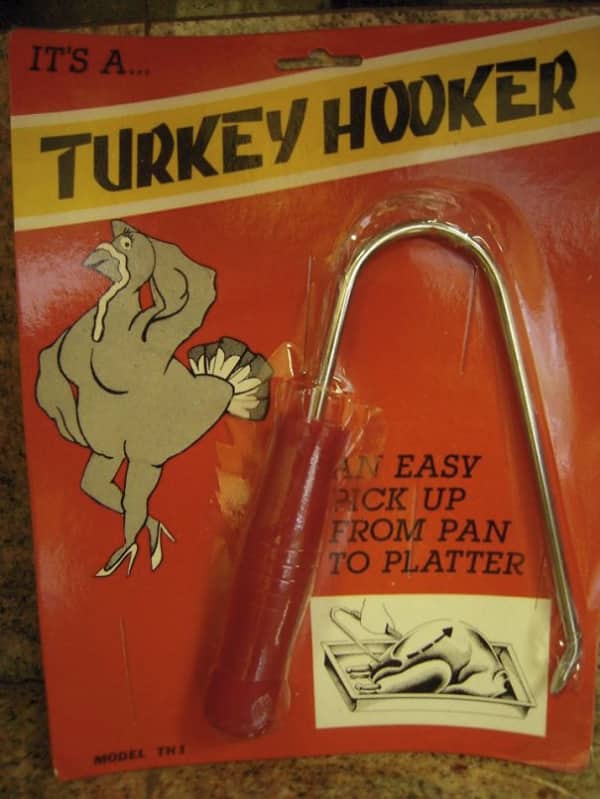
Product labeling mistakes in the naming category have a special quality that distinguishes them from other packaging errors, which is that the name required active creative work to produce. Turkey Hooker did not emerge from a random character generator. Someone in a product development meeting arrived at Turkey Hooker as the name for a kitchen tool, the name cleared the table, and the illustrated turkey in high heels was commissioned as the package art. The art was approved. The product exists. There is a barcode. The barcode has been scanned by cashiers who have read the screen.
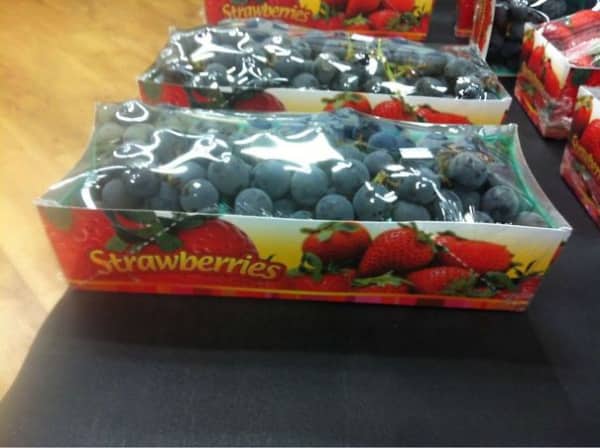
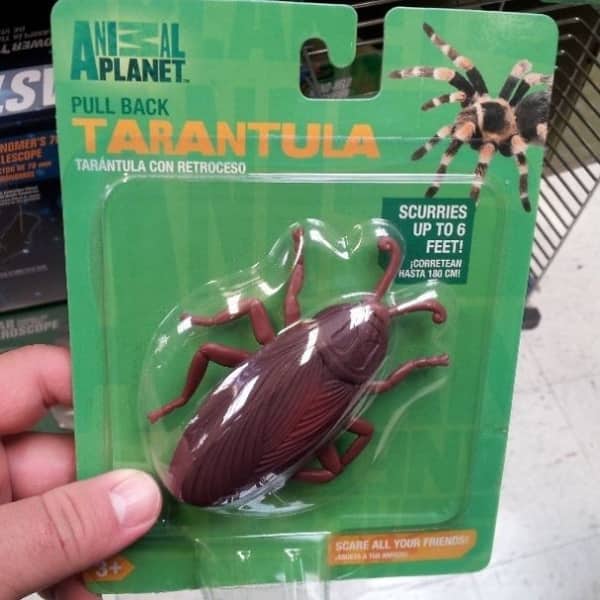
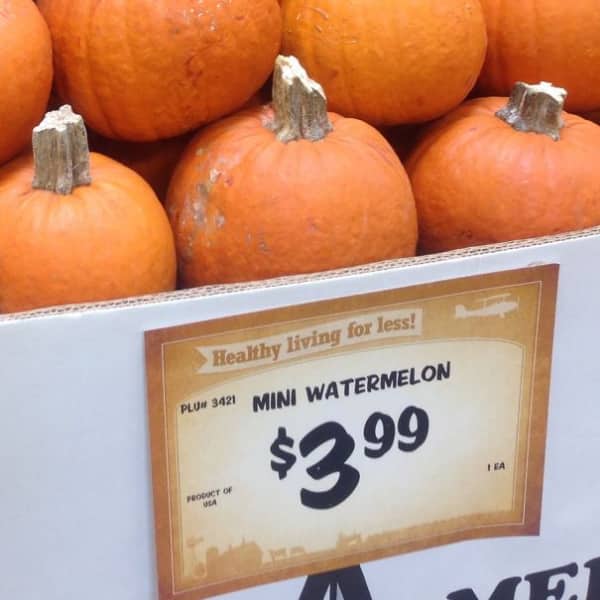
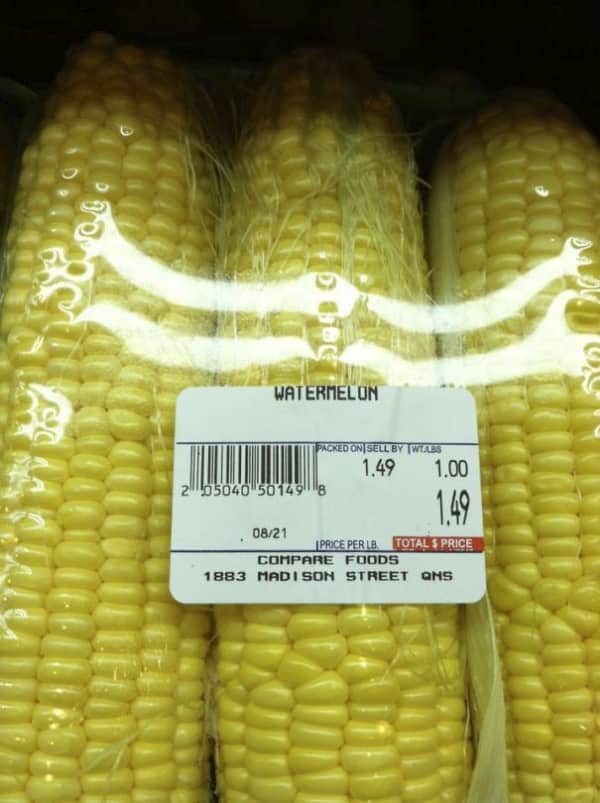
Wrong product in the right packaging is the gallery’s most structurally baffling category, because it implies a process failure that occurred after the design was complete and correct. Blueberries in a strawberry-branded container, a plastic cockroach in a tarantula-branded box, and pumpkins labeled and priced as mini watermelons are all products where the packaging was appropriate for a different item, and the wrong item was placed inside or beneath it with full institutional confidence. The Animal Planet pull-back tarantula that contains a cockroach is the strongest specimen, because the Animal Planet brand implies a level of accuracy commitment that a cockroach-in-tarantula-packaging outcome does not reflect.
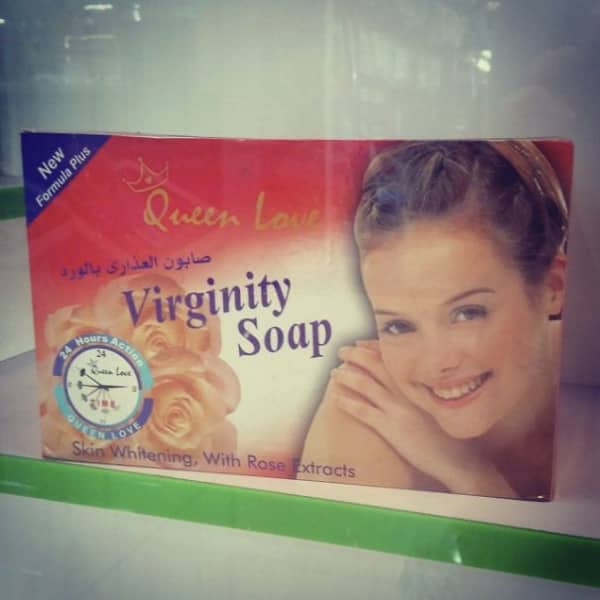
The Virginity Soap is the gallery’s most ambitious naming entry, because it requires the viewer to do slightly more interpretive work than the Welsh Lady Ass Fudge, and the work leads to a product name that combines claims about both the product’s effect and a concept that is not typically associated with soap, and the combination is on a box that was stocked and photographed by a person who may or may not have registered exactly what they were looking at.
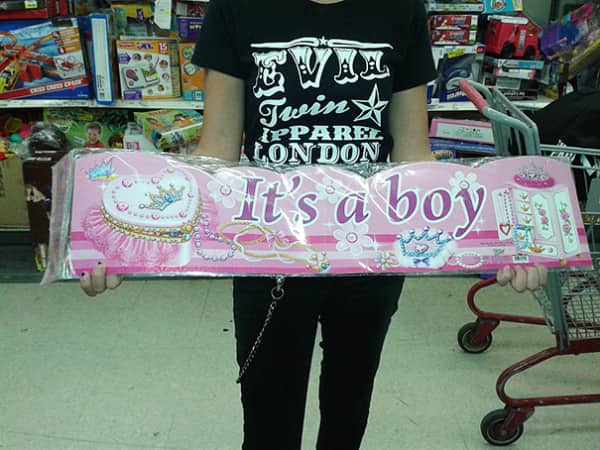
The “It’s a Boy” banner covered in tiaras, jewelry, and glitter in the specific pink register of a girl-coded celebration is the gallery’s gentlest fail, because it is clearly the result of a template error in which two designs were confused rather than any intentional decision. The person who purchased it wanted to announce a boy. The banner is doing its best. The tiaras are not apologizing.
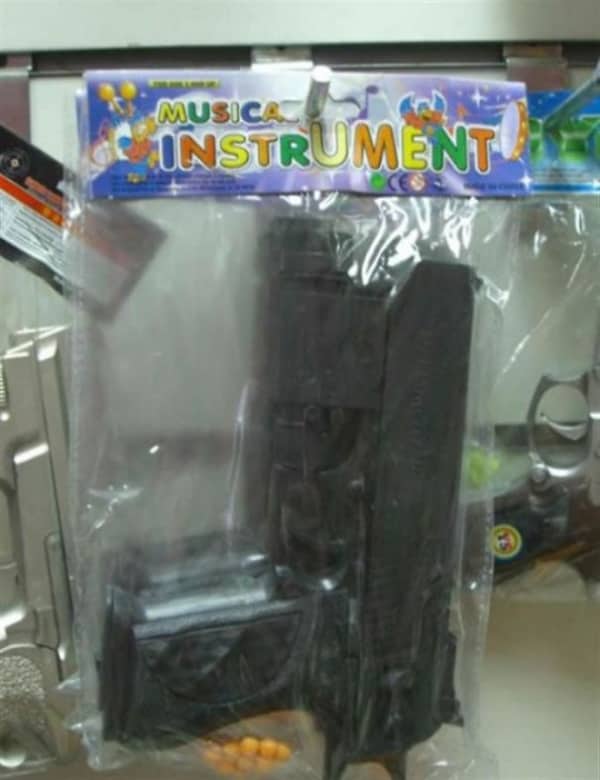
The musical instrument toy packaging containing a plastic pistol is the gallery’s most legally interesting entry, and this gallery is not qualified to provide legal analysis, but the question of which regulatory category a toy pistol packaged as a musical instrument belongs to is one that deserves a formal answer from someone whose job it is to provide one.
If this gallery has made you look at the labels in your immediate environment with a new level of attention, product fail memes broadly are where this documentation tradition continues, covering the full range of items that made it to market with something unresolved. Funny advertising fails belong right beside them for the campaign-level version of the same quality control gap. And for anyone drawn specifically to the wrong-product-in-right-packaging category, grocery store fails are a well-populated space where the produce section has been making confident errors for a very long time.
Read Memes
Get Paid


Priya Coleman is a viral content specialist and meme analyst with over six years in digital publishing. Her past roles include viral content editor for PopSugar's humor vertical and meme correspondent for HuffPost’s comedy section. Priya specializes in spotting trending meme moments just before they peak—like the chaotic delight of the Ever Given’s Suez Canal mishap or the existential comedy of This is Fine. She brings her sharp wit and instinctive knack for viral content to Thunder Dungeon, always keeping the community a step ahead of the latest meme craze.