I want to talk about the first sentence, which is the hardest real estate in all of writing. You have one line to convince a person holding a book in a shop to keep holding it. No context, no character, no goodwill accumulated. These best opening lines in books are the ones that won that fight instantly, and several of them are genuinely funnier than anything on my timeline. Let’s look at how they did it.

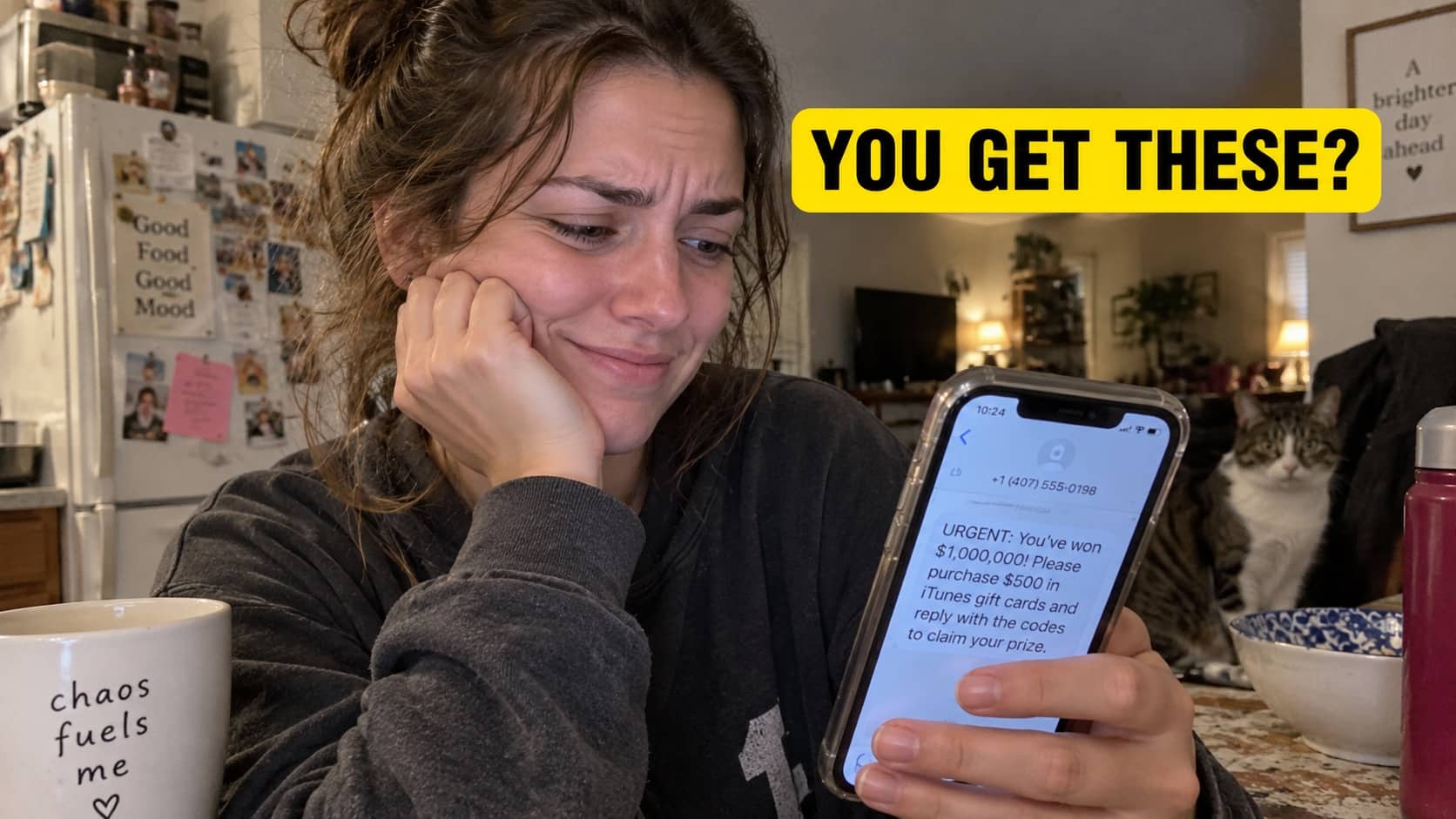
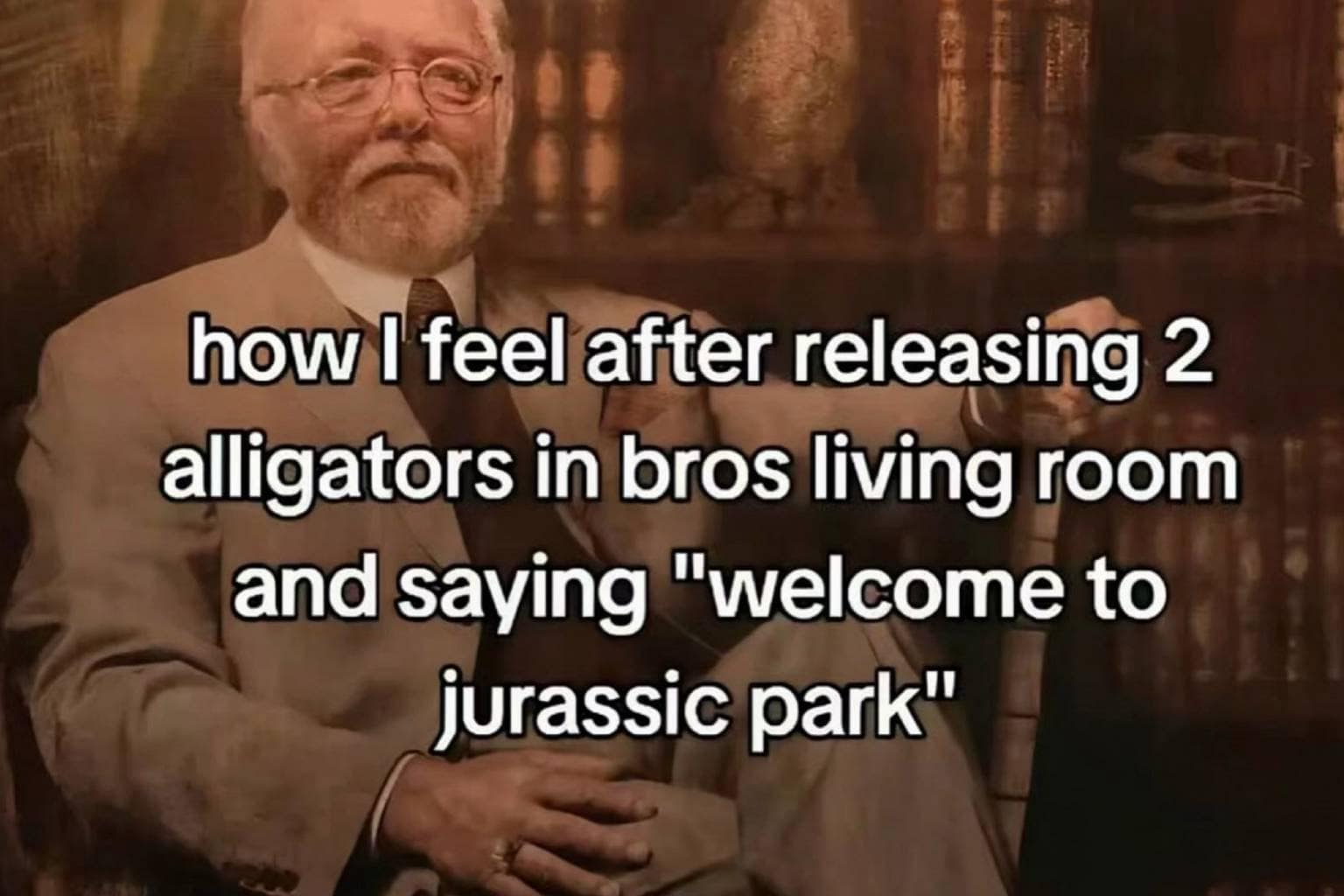
Average Monday morning mood.

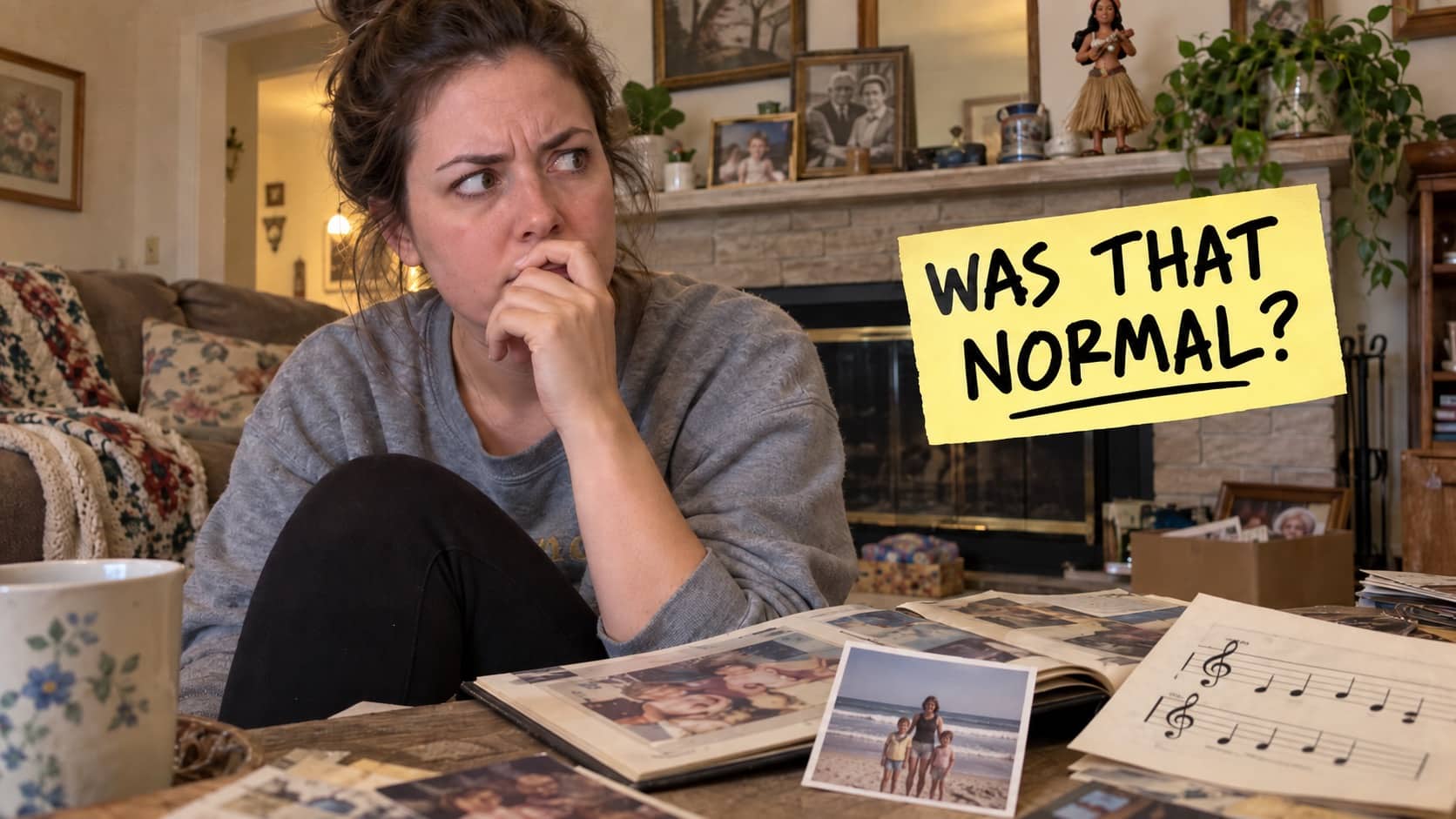
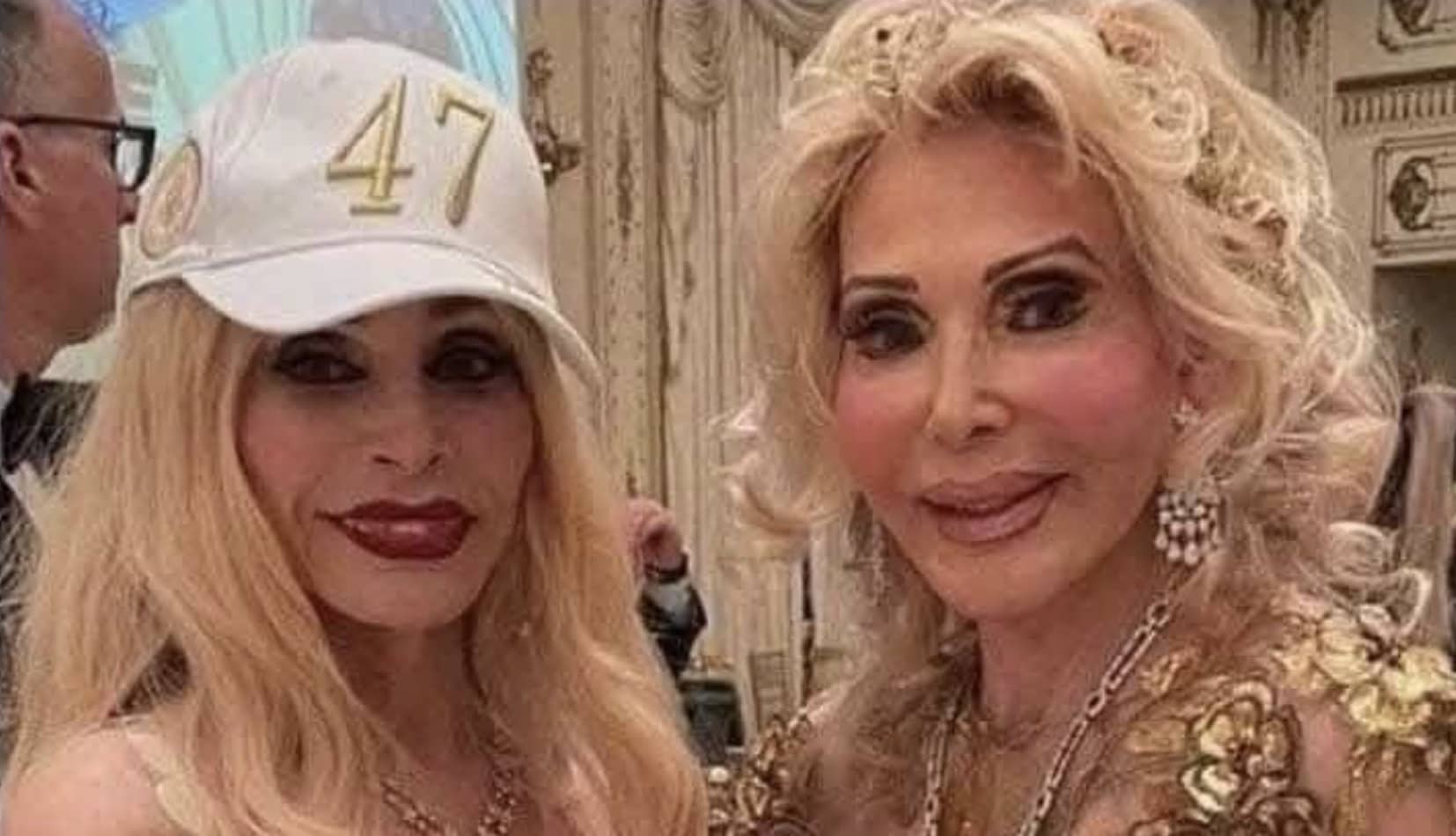
Shots fired at happy families everywhere.


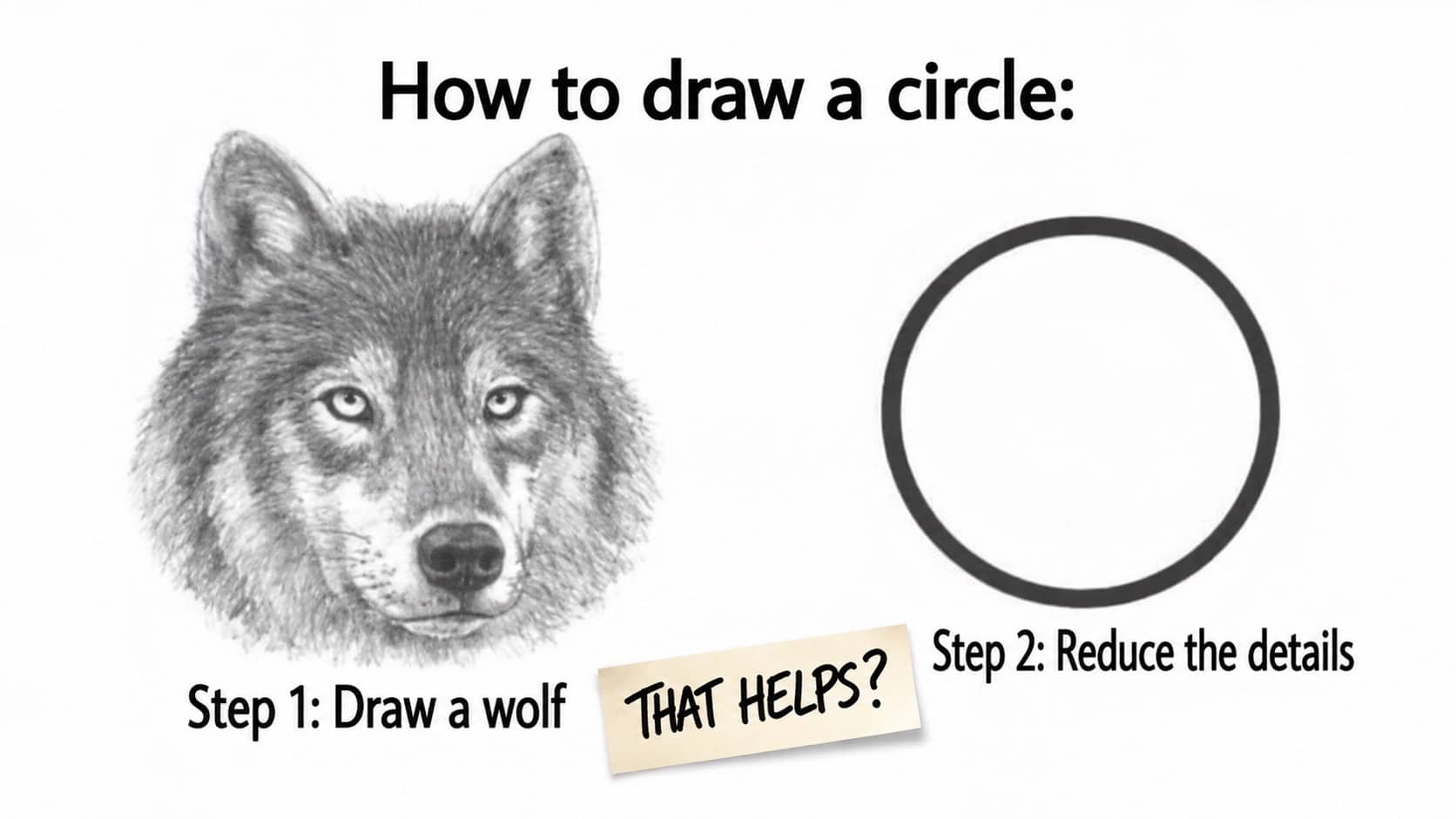
Thanks for the heads up, Italo.





Best opening lines in books
Read More
The chaos openers are the most immediately effective, because they skip the pleasantries entirely. There’s the famous transformation line, where a man wakes to discover he’s become an insect, delivered in a tone so matter-of-fact that the horror sneaks up on you two sentences later. There’s the burning-is-a-pleasure opening from a certain dystopian classic, which tells you the entire moral architecture of the book before you’ve met anybody. There’s an urban fantasy novel that opens on the aftermath of a domestic fire, and a dystopia where the clock strikes thirteen, a single wrong number that announces something is deeply off without explaining a thing. These authors had no interest in a gentle beginning. They opened the door and pushed.
Then the meta openers, where the author addresses you directly and somehow it works. There’s the novel that begins by instructing you on how to read it, breaking the fourth wall before the story has technically started. There’s the one that opens by telling you this is the saddest story ever heard, which is either a spoiler or a dare depending on your mood. And there’s the opening that essentially advises you to put the book down and walk away, which is the most effective reverse psychology in publishing history, because now obviously you have to read it. The author gave up on the sales pitch. The sales pitch improved dramatically.
And the poetic openers are where I’d make my case for this whole art form. There’s the observation about happy families and unhappy ones, sixteen words setting up eight hundred pages of domestic warfare and correctly describing every holiday dinner ever held. There’s an opening about ships and wishes and the horizon that does more with rhythm and image than most authors manage across an entire chapter. And there’s the disclaimer opener where a writer notes that everything in the book happened, more or less, which is the single best introduction to unreliable memory ever written and has become a permanent part of the language.
Here’s what all of these share, and I think it’s the actual craft lesson: not one of them explains anything. The insect line doesn’t tell you why. The clock line doesn’t explain the calendar. They give you a fact that doesn’t fit and then simply proceed as though everything is normal, and your brain, unable to tolerate the gap, keeps reading purely to close it. That’s not decoration. That’s engineering.
And the reason these particular sentences survive for a century while entire plots get forgotten is that they’re portable. Nobody quotes chapter eleven. But a great first line escapes the book entirely, gets repeated by people who never read it, and ends up in conversation, on posters, in other people’s writing. The book is the achievement. The sentence is the thing that outlives it, which is a strange and wonderful deal for anybody who ever managed to write one.
The sentence landed. The book was purchased. That’s the whole transaction.
If your reading list just grew uncomfortably, our books content has the shelf, with literary archives, reading recommendation threads, and classic novel compilations organized by how hard the first page hits. Pick one. Read the first sentence. You know what happens next.
Read Memes
Get Paid

Laura Bennett has spent eight years immersed in internet culture, specializing in deep dives into meme origins, evolving meme trends, and digital subcultures. As a contributor for several prominent online platforms, including BuzzFeed’s meme division and Know Your Meme, she’s written extensively about viral moments from Crying Jordan to Woman Yelling at a Cat. Laura believes memes aren't just internet jokes—they're modern-day folklore. She brings that passion to Thunder Dungeon by keeping readers connected to what's culturally significant, hilarious, and timelessly viral.