

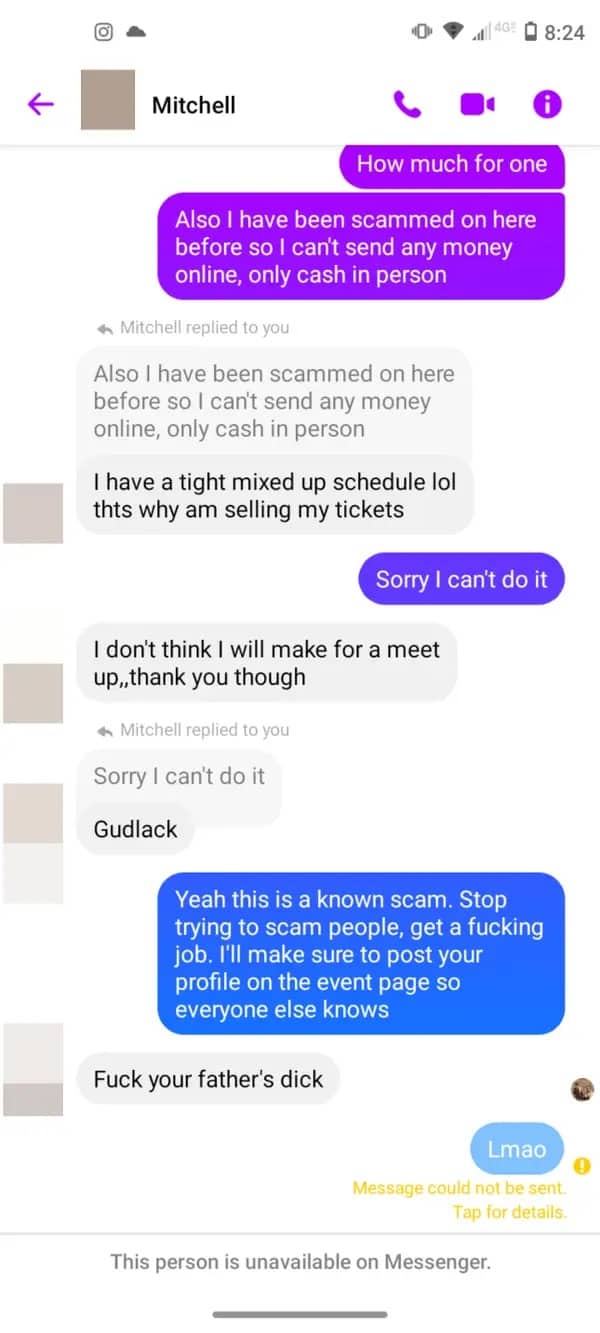
Scammers run their operations on a simple assumption, that the person on the other end is either gullible or too busy to engage, and every so often they text the third kind of person, the one with unlimited free time and zero mercy. This scamming scammers content is what happens next, the counter-offers, the fake gossip, the trebuchet photos, the complete demolition of a fraudster’s afternoon. They came for money. They left with questions. Enjoy the show.

Match their energy, raise them an extra large pepperoni with garlic sauce.
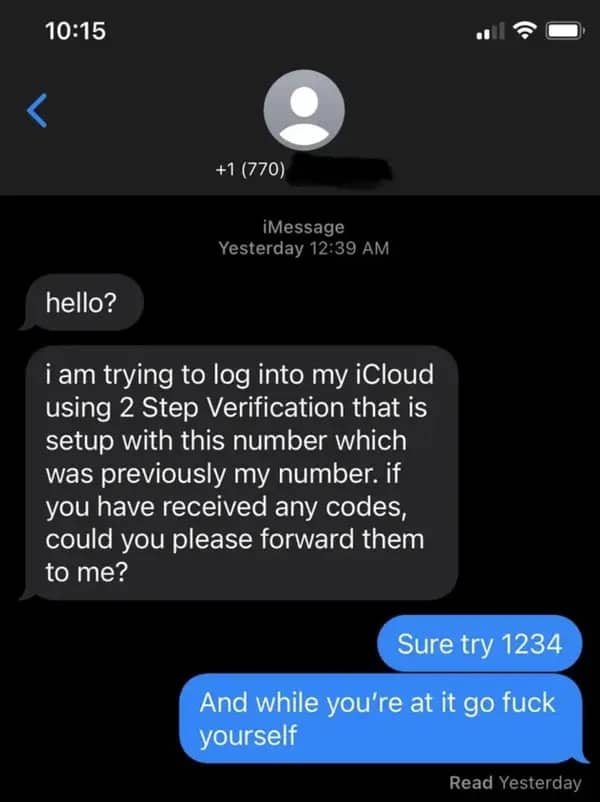
Security clearance level: 1234.
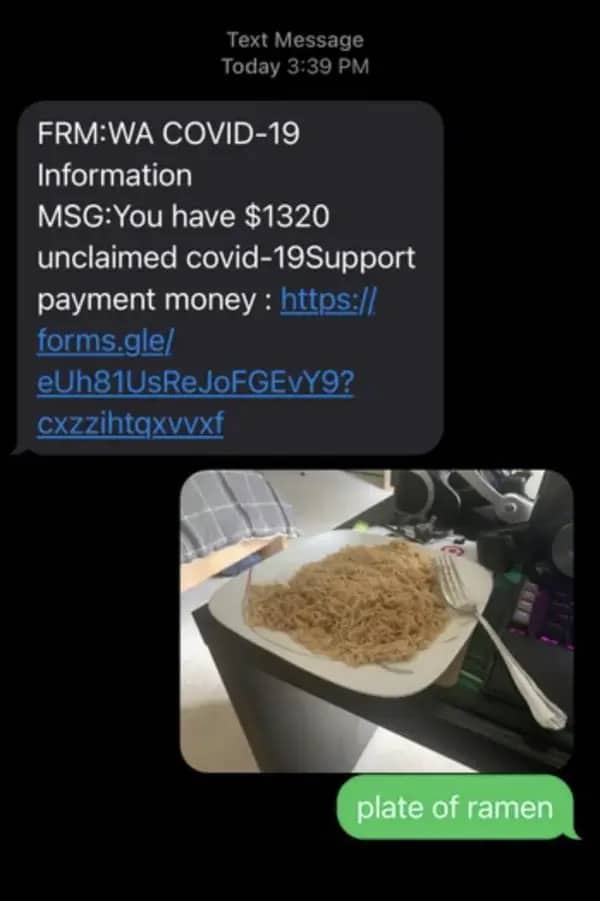
Nothing terrifies a phishing bot more than an unsolicited photo of plain carbs on a plate.
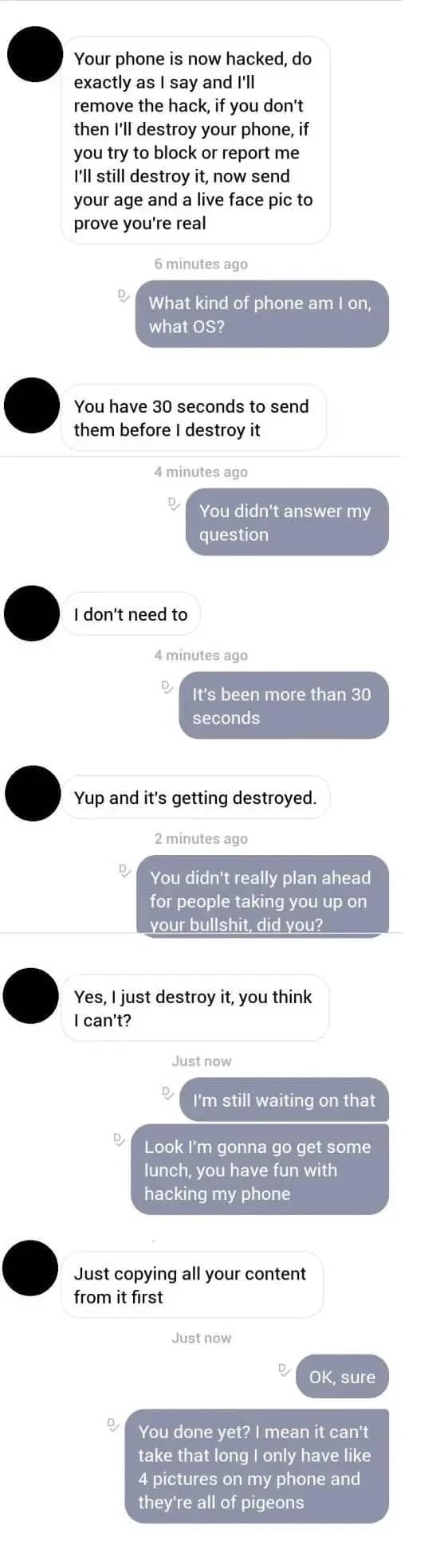
Not the pigeons!

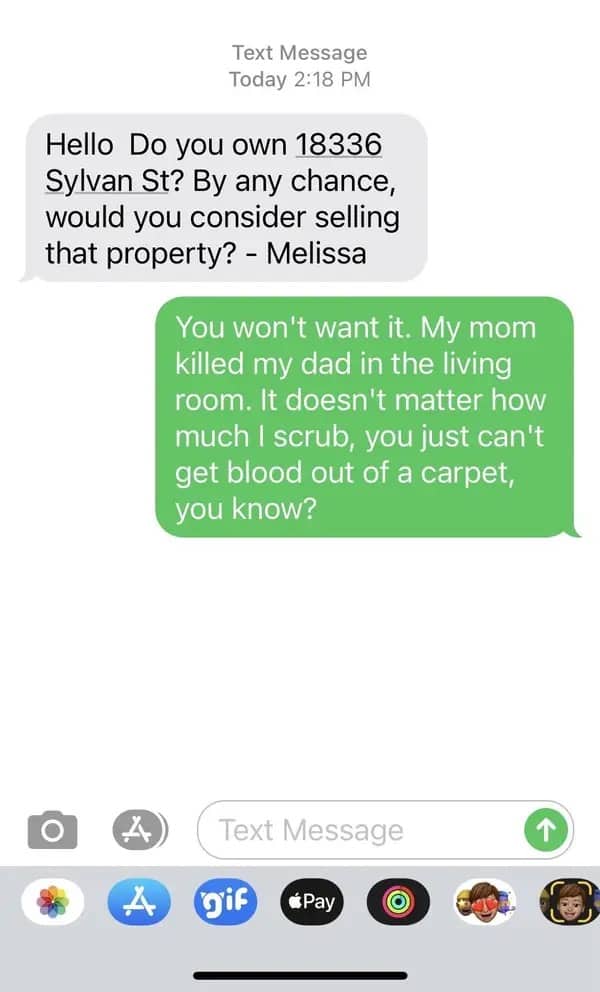
Carpet cleaners hate this one simple trick.














Scamming scammers
Read More
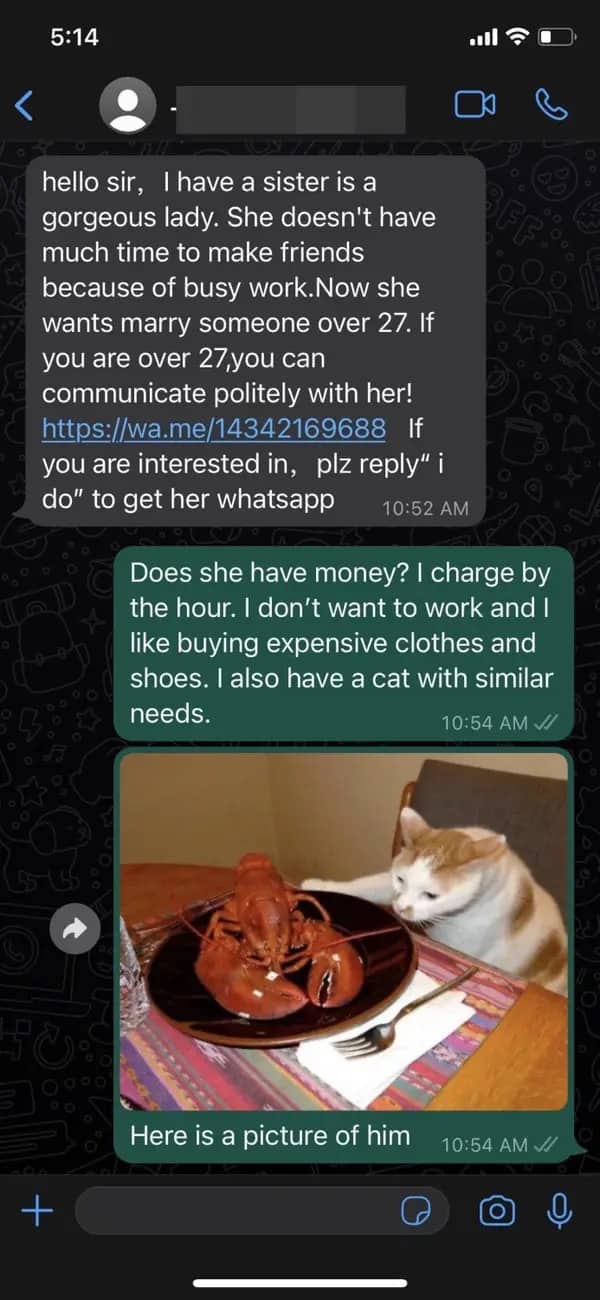
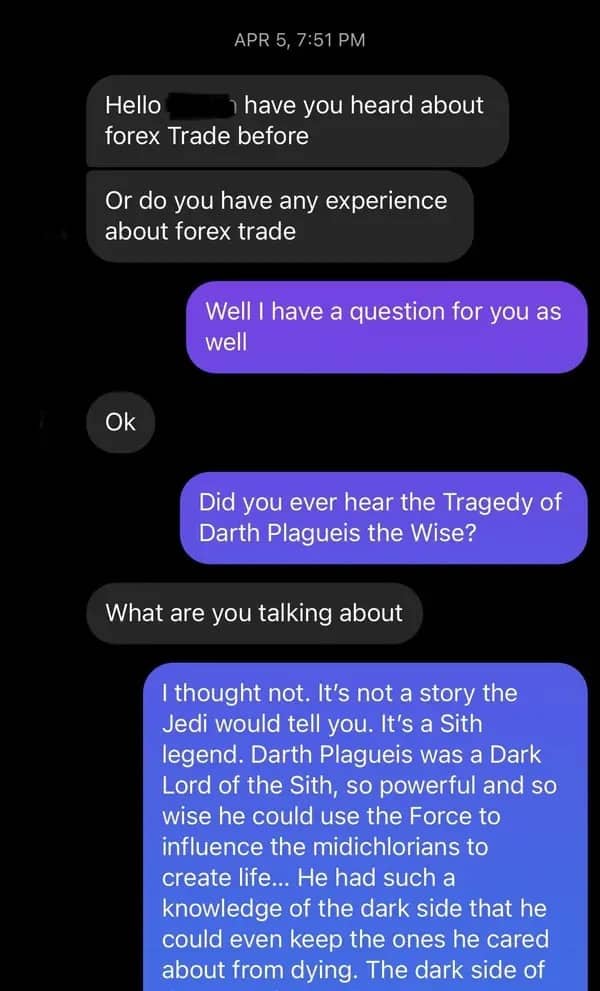
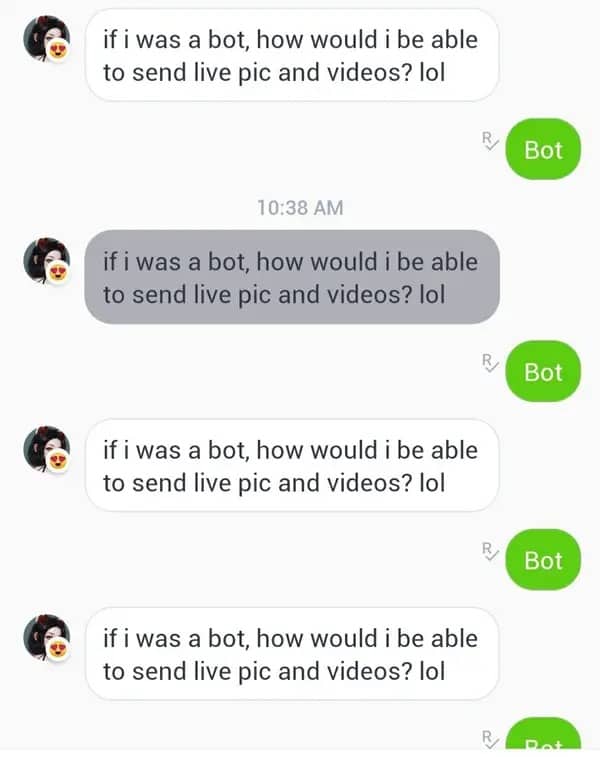
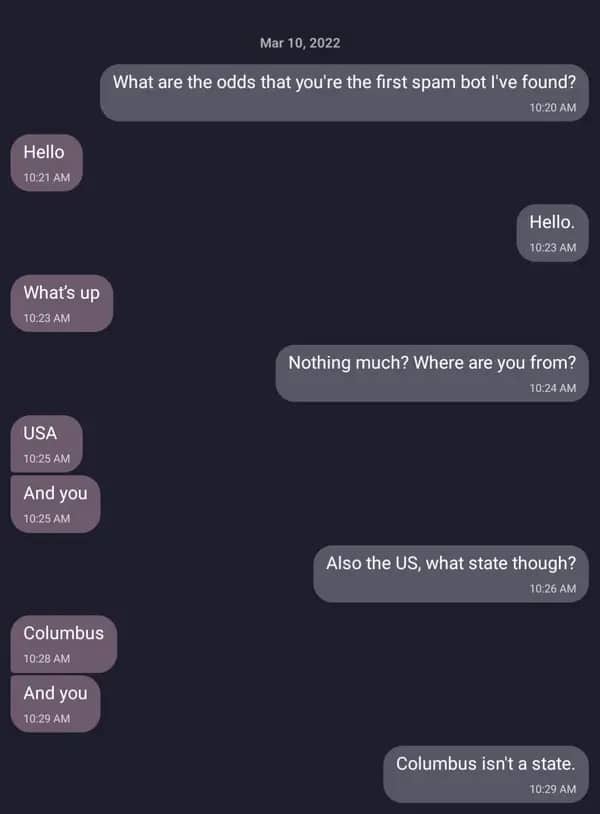
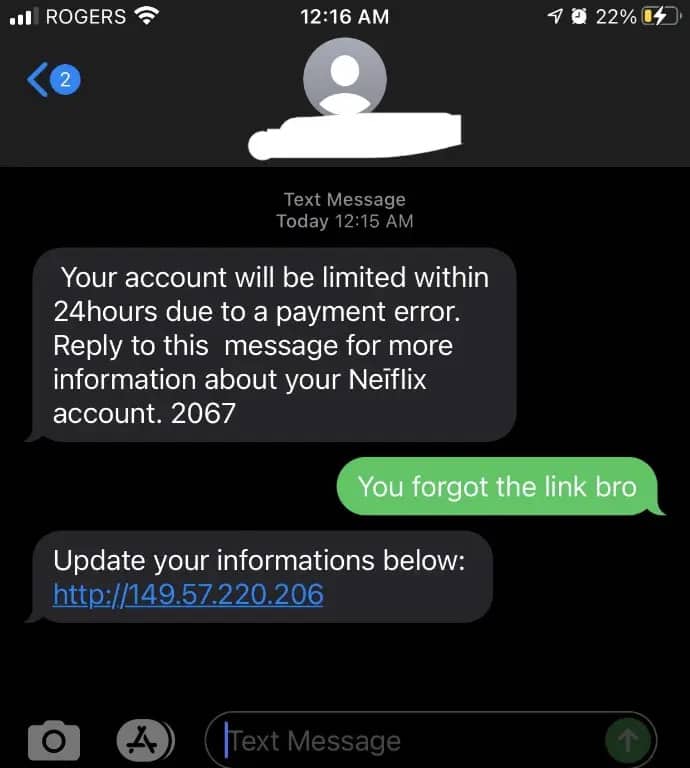
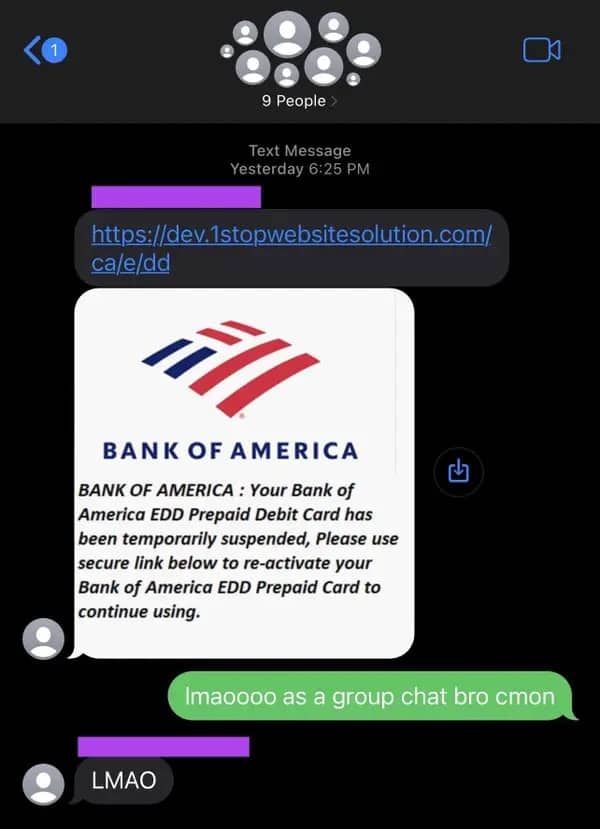
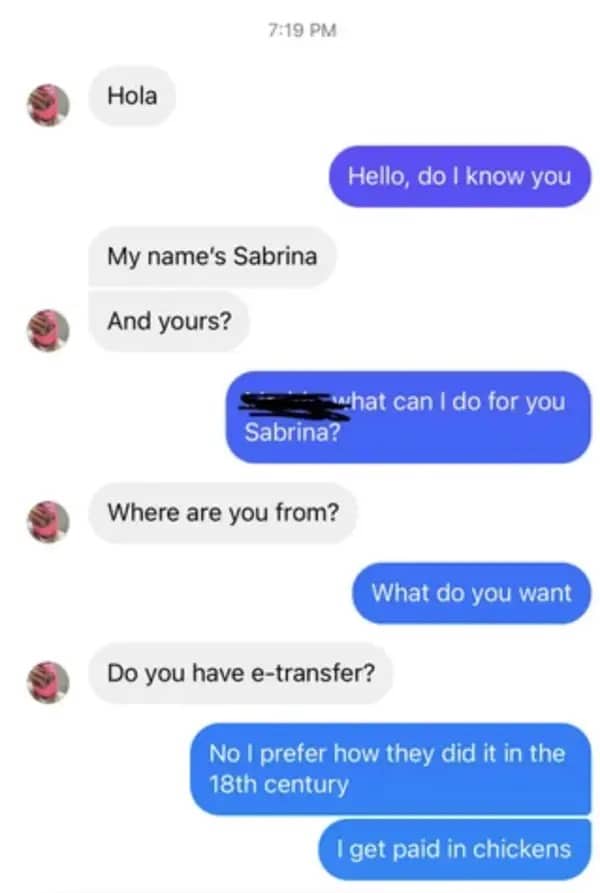
The absurd-counter-offer school is the foundational technique of scammer warfare, the refusal to play the assigned role of victim and the immediate substitution of a role nobody scripted. The phishing link answered with a pizza chain URL, matching automated thirst with carb-loaded reality. The romance scheme informed that any arrangement must first fund a cat’s lobster habit, a financial demand so specific it reverses the entire power dynamic. These responses work because the scam script only handles two outcomes, compliance or silence, and the counter-offer is neither. The bot has no branch for this. The human behind the bot has no patience for it. The block button becomes their only exit, and the exit is a victory lap for our side.
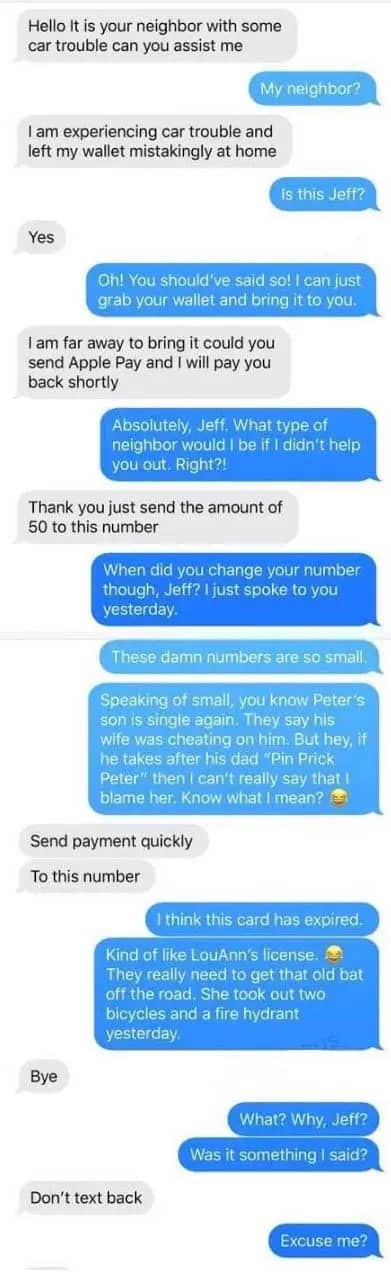
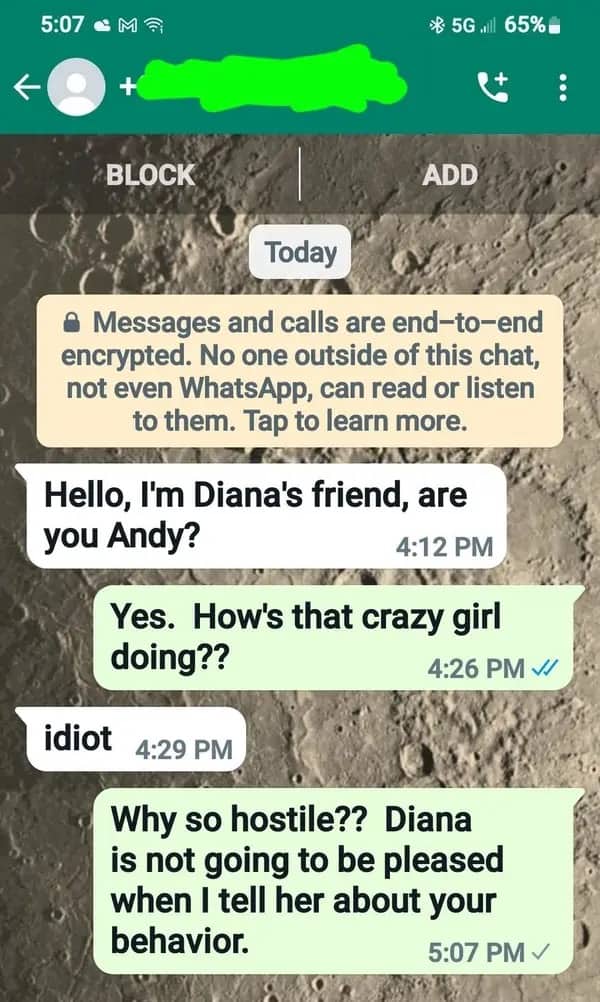
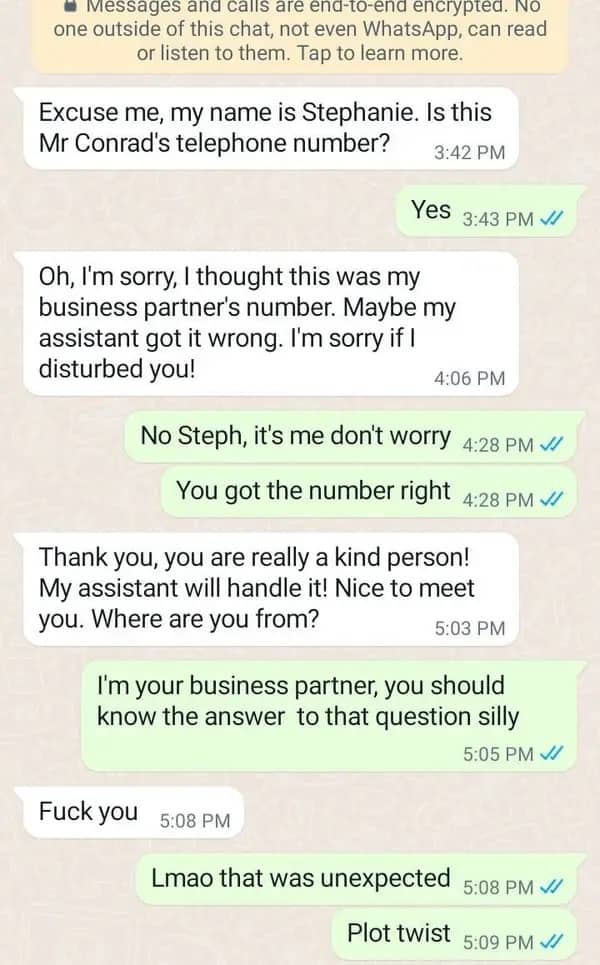
Then there’s the unsettling-backstory division, the responders who deter unwanted solicitations by becoming the more alarming party in the conversation. The real estate cold-texter gifted a fake crime scene confession detailed enough to end the outreach permanently. The neighborhood scammer buried under an avalanche of invented local gossip until they begged for release from an inbox they initiated. This is deterrence through theater, and the theater is committed, and the scammers, professional manipulators by trade, discover they have wandered onto a stage where someone else is directing. Melissa deleted the number. Melissa was right to.
And the deadpan-deflection category is the purest art form of the three, the threats and provocations answered with content so irrelevant it functions as a wall. The extortionist claiming device access, informed that the compromising files consist entirely of pigeon photography, then shown the pigeons. The explicit spam answered with medieval siege weaponry, romance countered with counterweights and a three-hundred-meter range. The two-factor fraudster handed an obviously fake code with cheerful confidence. The technique never argues, never engages, never grants the premise. It simply presents ramen, and the ramen, somehow, wins.
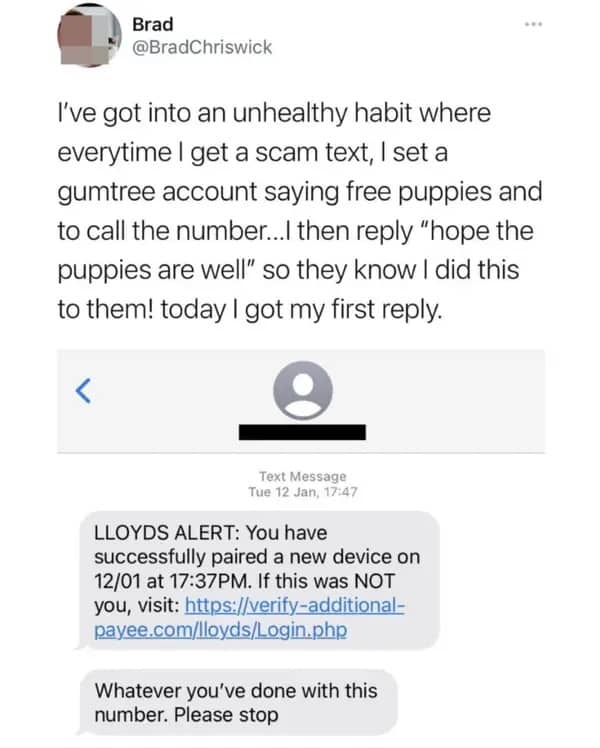
What this genre actually delivers is the rarest thing in the fraud economy, which is consequences. The systems meant to stop scammers mostly can’t, the numbers rotate, the operations relocate, the reports vanish into queues. But the troll response imposes a real cost, minutes of a scammer’s shift burned on gossip about LouAnn’s driving, emotional energy spent losing an argument about a fictional Diana. It’s not systemic justice. It’s retail justice, dispensed one wasted afternoon at a time, and every wasted afternoon is one not spent on someone’s grandmother.
And the crowd’s delight in these exchanges reveals something genuinely warm underneath the pettiness, because everyone rooting for the troll is really rooting against a machine built to exploit trust. The scam preys on hope, loneliness, and fear, and the counter-troll defends all three with nothing but audacity and stock photos. That’s a folk hero with a phone plan. The pigeons were never the point. The pigeons were the flag.
The bait was taken. The taker was wrong. Send the trebuchet.
If the fraud-fighting comedy was your kind of fun, our justice content is right where you’d want to land next, and we’ve got plenty of scam response archives, troll victory threads, and spam warfare compilations for anyone who has ever kept a scammer talking purely out of principle. Never insult Diana.
Read Memes
Get Paid


Katie Rodriguez is a seasoned writer with eight years dedicated to meme commentary, viral internet events, and digital storytelling. Formerly a senior meme analyst at Bored Panda and an occasional guest contributor at Vice's Motherboard, Kat specializes in meme culture’s intersection with social media phenomena—covering trends like Milk Crate Challenge, Area 51 Raid, and Baby Yoda. She’s known for her witty writing style and deep understanding of why certain memes resonate across generations, making her a valuable voice on Thunder Dungeon.